Marine
Underwater Vehicle Hull Mounts & Fairings
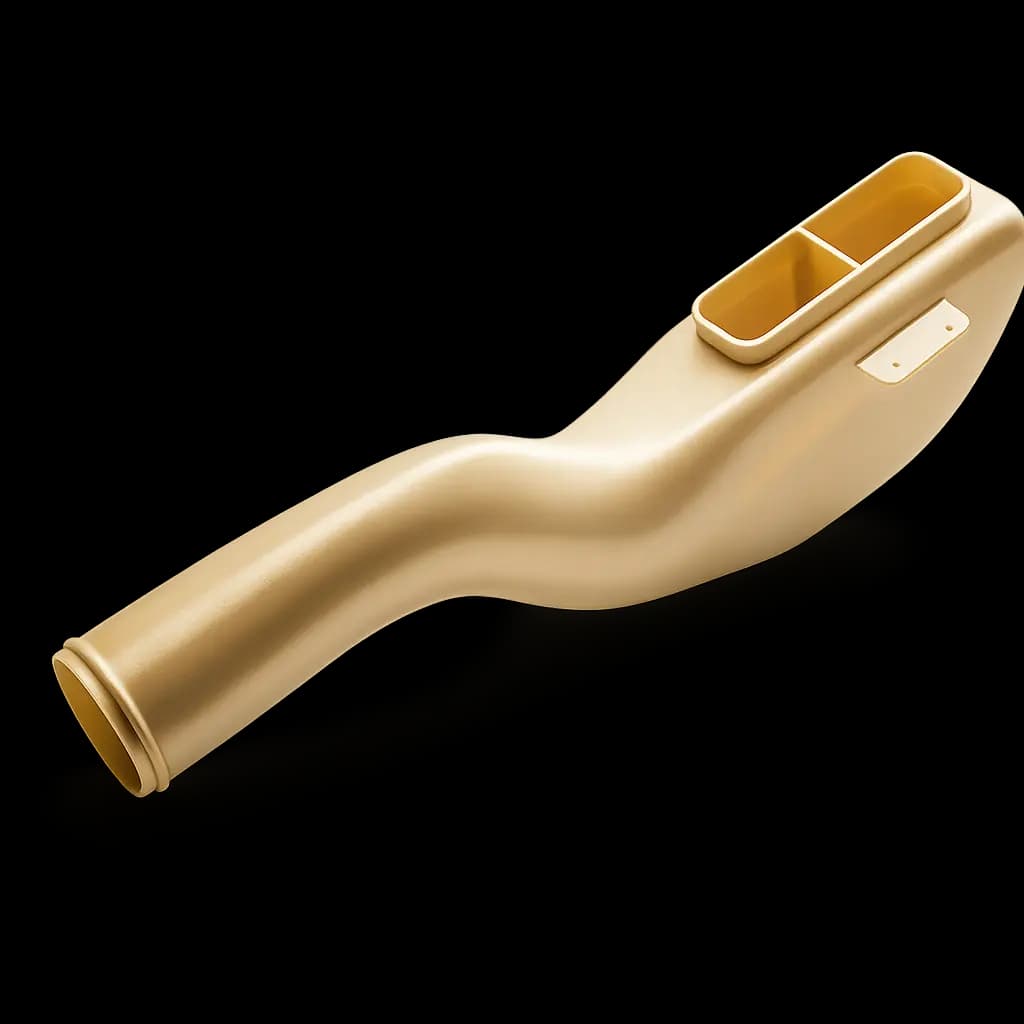
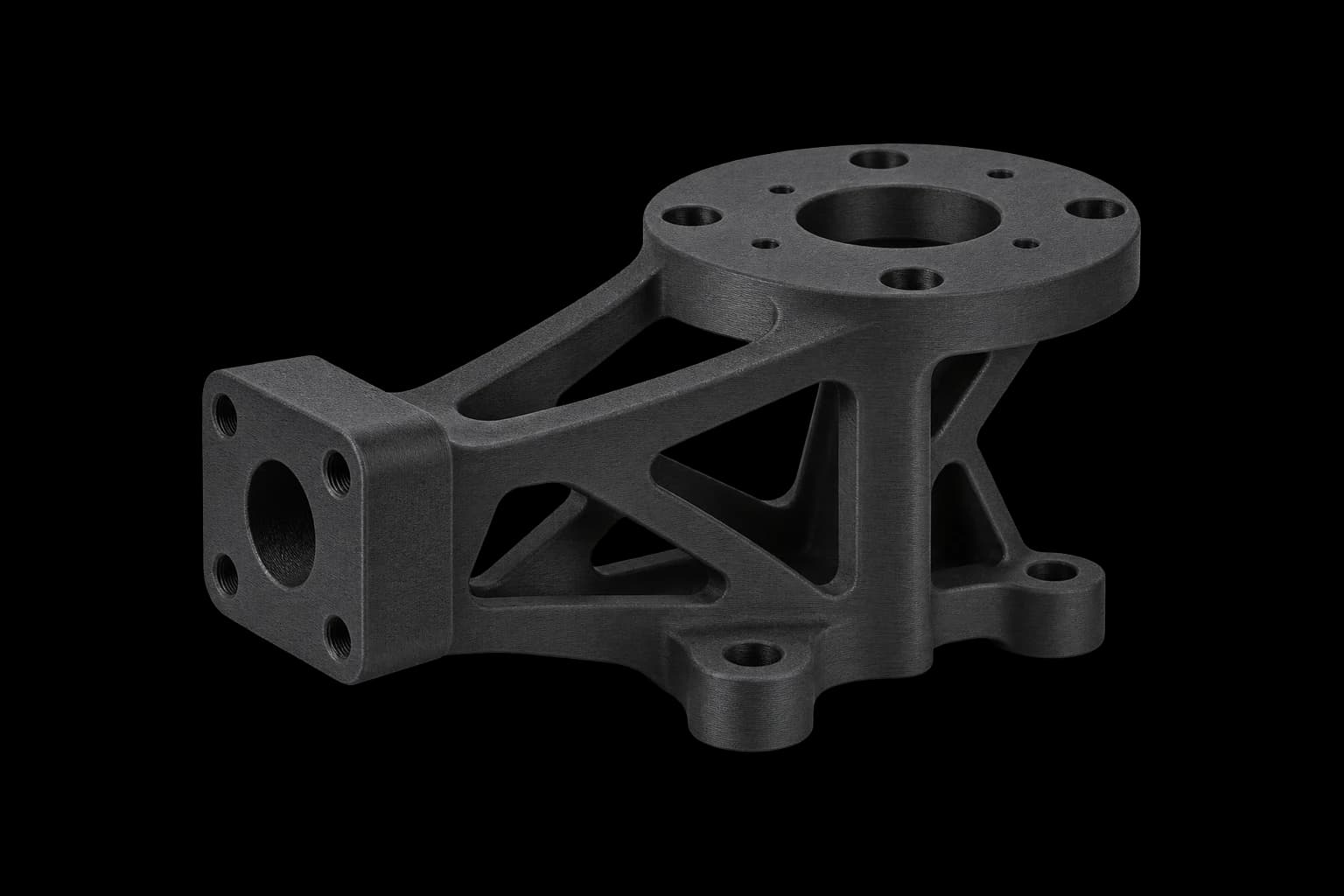
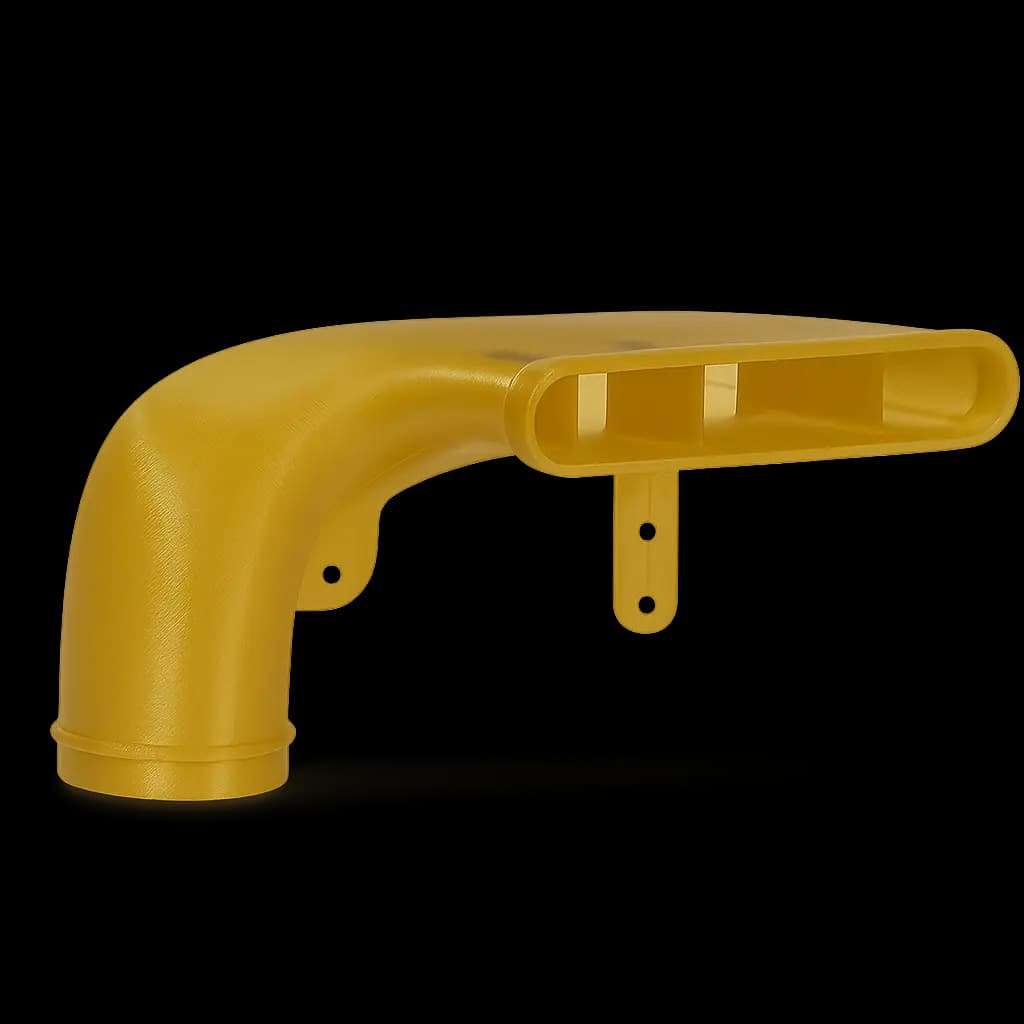
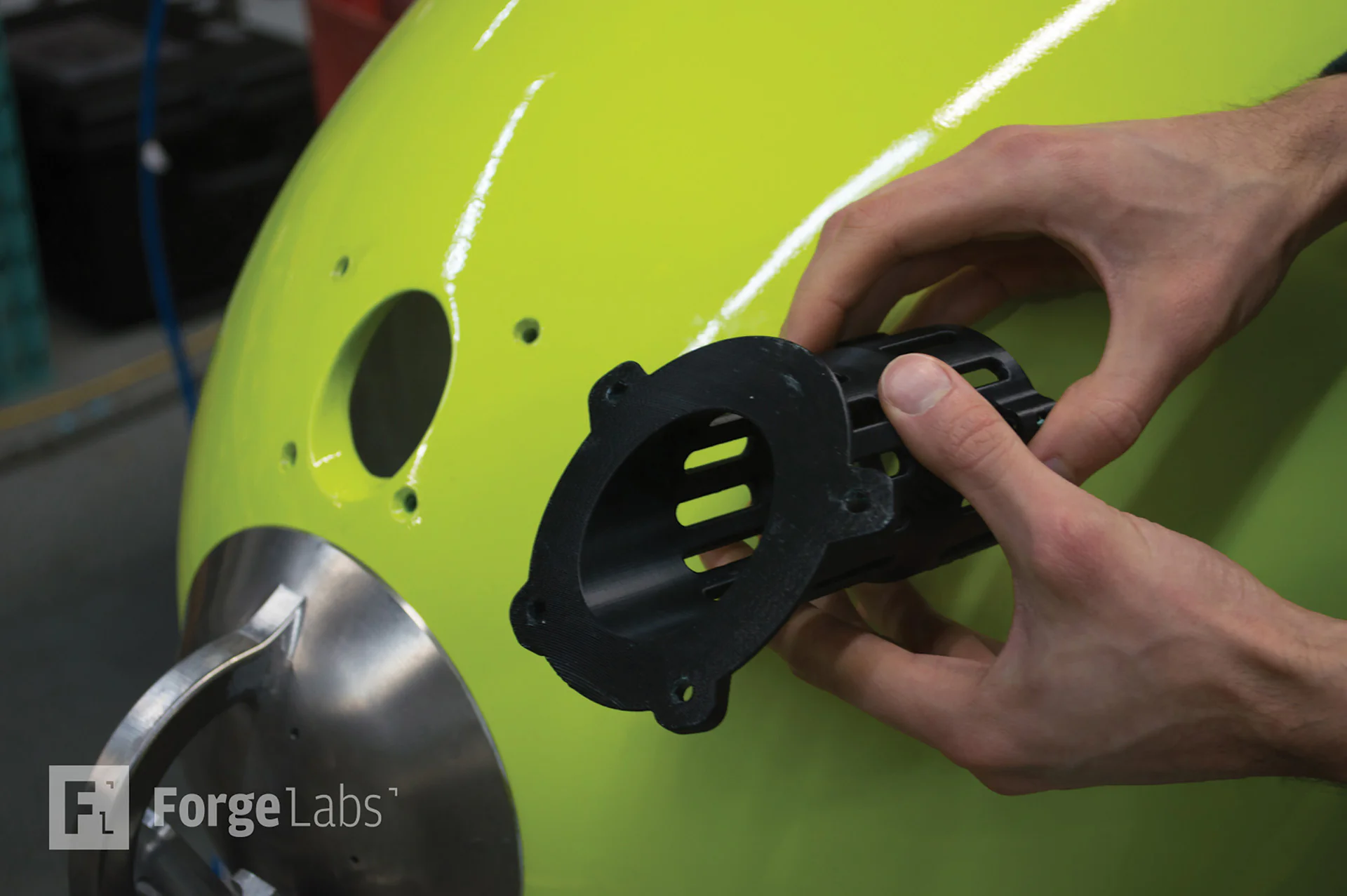
Hull mounts and one-piece plane extensions for an underwater vehicle, at well under half the cost of traditional fabrication.
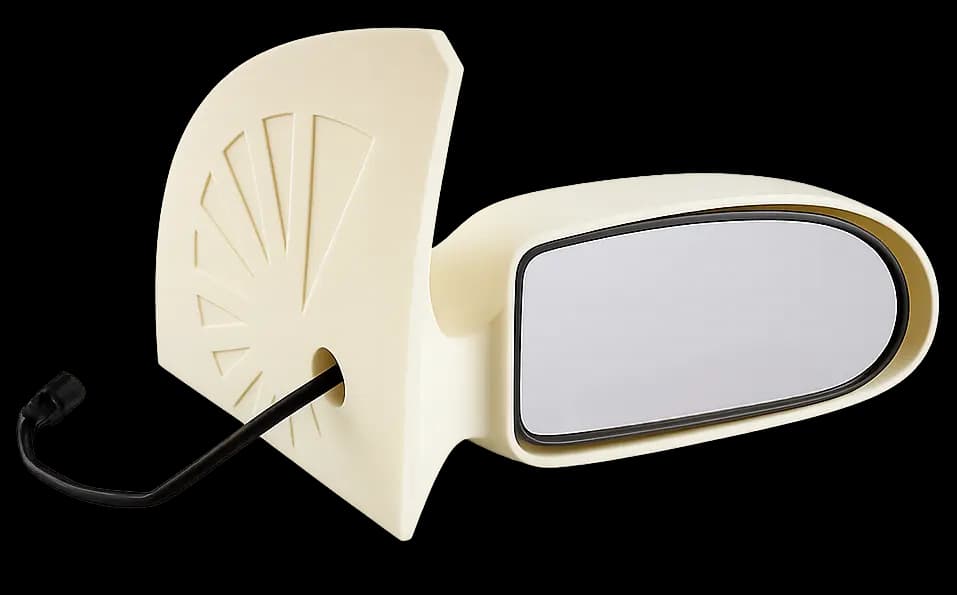
ASA (acrylonitrile styrene acrylate) is a tough plastic, 3D printed by FDM, for parts that spend their working life outdoors, from enclosures and covers to automotive trim and marine hardware. It is as strong as ABS but stands up to sun and weather, keeping its strength, colour and surface finish without yellowing. Parts go outside unpainted, in their final colour with a matte finish, and are installed as printed. It is also a good electrical insulator, which suits electrical housings and outdoor equipment covers. Stratasys ASA is the grade for parts that stay outdoors in direct sun, and it keeps almost all of its strength after long accelerated UV weathering tests.
Also available in Triton ASA.
How ASA is manufactured
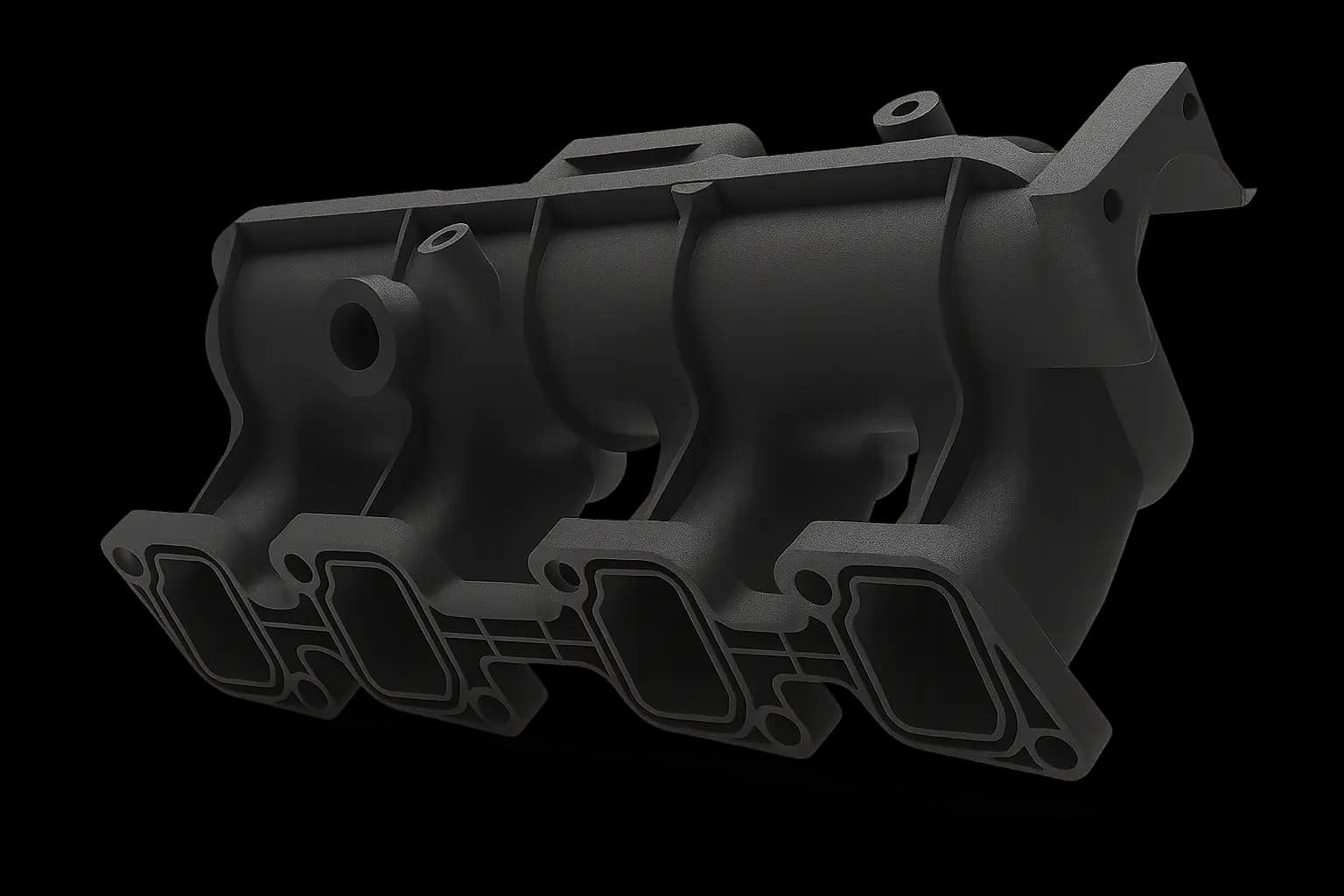
ASA is manufactured using Fused Deposition Modeling (FDM) on Stratasys Fortus systems, which extrude the thermoplastic layer by layer and build large parts without tooling. Soluble supports allow complex outdoor fixtures, enclosed features and clean sealing surfaces. Combined with its UV resistance, FDM makes ASA a practical route to end-use marine hardware, automotive exteriors and architectural elements exposed to harsh conditions.
Upload CAD files to Forge Labs Steam for instant ASA pricing and live manufacturability feedback, and fix issues before production.
Upload CAD files to Forge Labs Steam for instant ASA pricing and live manufacturability feedback, and fix issues before production.



With exceptional UV and weather resistance, ASA is the preferred choice for outdoor applications and automotive exteriors. Unlike standard thermoplastics that degrade in sunlight, ASA holds up to sun exposure, with almost no loss of strength after 1,000 hours of accelerated UV weathering.
ASA keeps the processability that makes ABS so popular and comes in more colours than any other FDM material, so it suits both functional and aesthetic applications. From rapid prototyping to production runs, teams rely on ASA to hold tight tolerances while reducing assembly complexity through consolidated part designs.
ASA goes outside without the paint or coating that nylon needs, so mounts, covers and housings exposed to sun and weather can be printed in their final colour and installed as printed.
Forge Labs' climate-controlled storage and optimized print parameters keep colour consistent across builds, critical for multi-part assemblies, and vapor smoothing gives ASA parts a production-quality, injection-moulded appearance.
Marine
Hull mounts and one-piece plane extensions for an underwater vehicle, at well under half the cost of traditional fabrication.
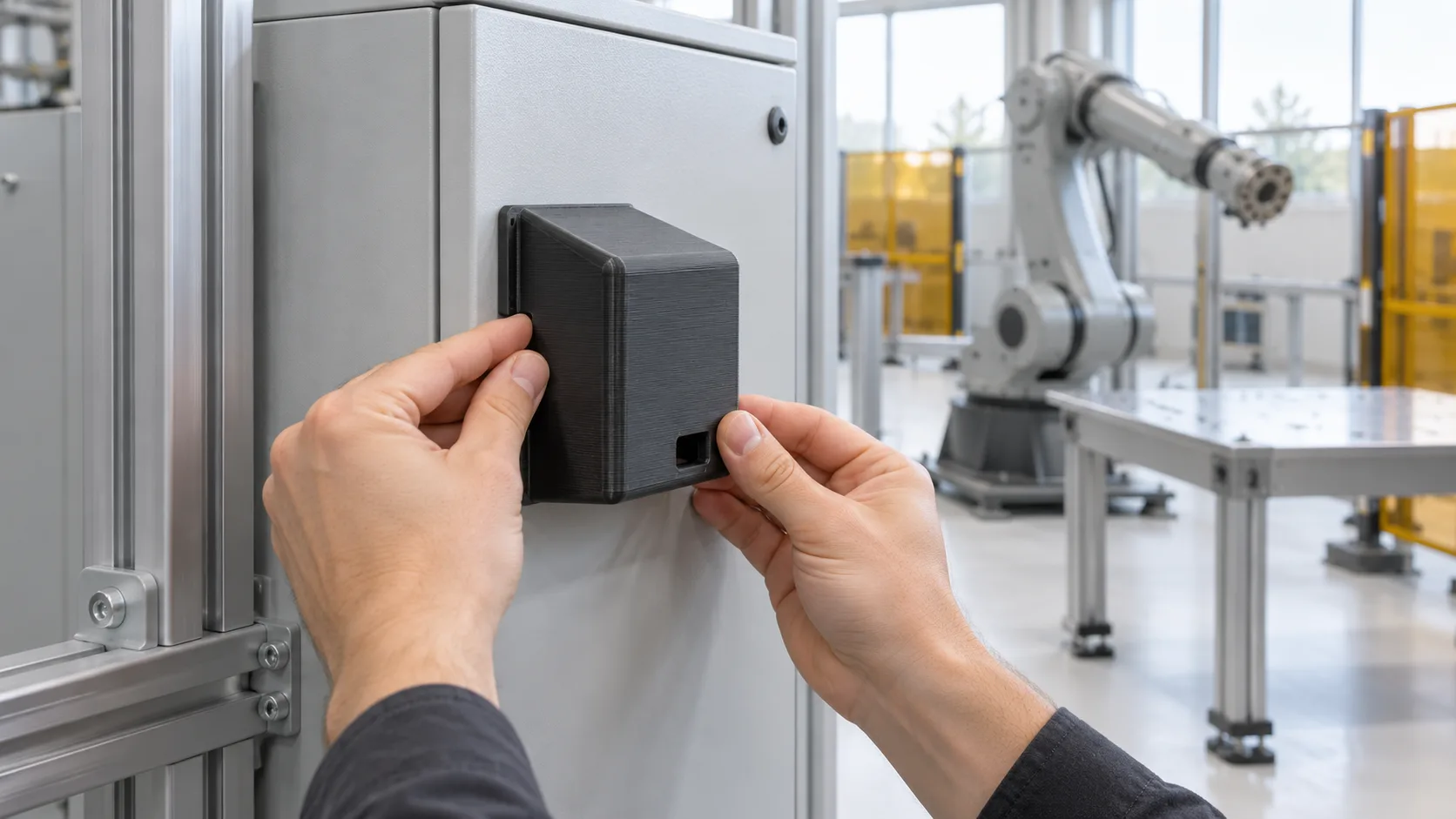
Robotics
UV-resistant covers for welding robot cells, reordered in repeat lots that mostly shipped early.
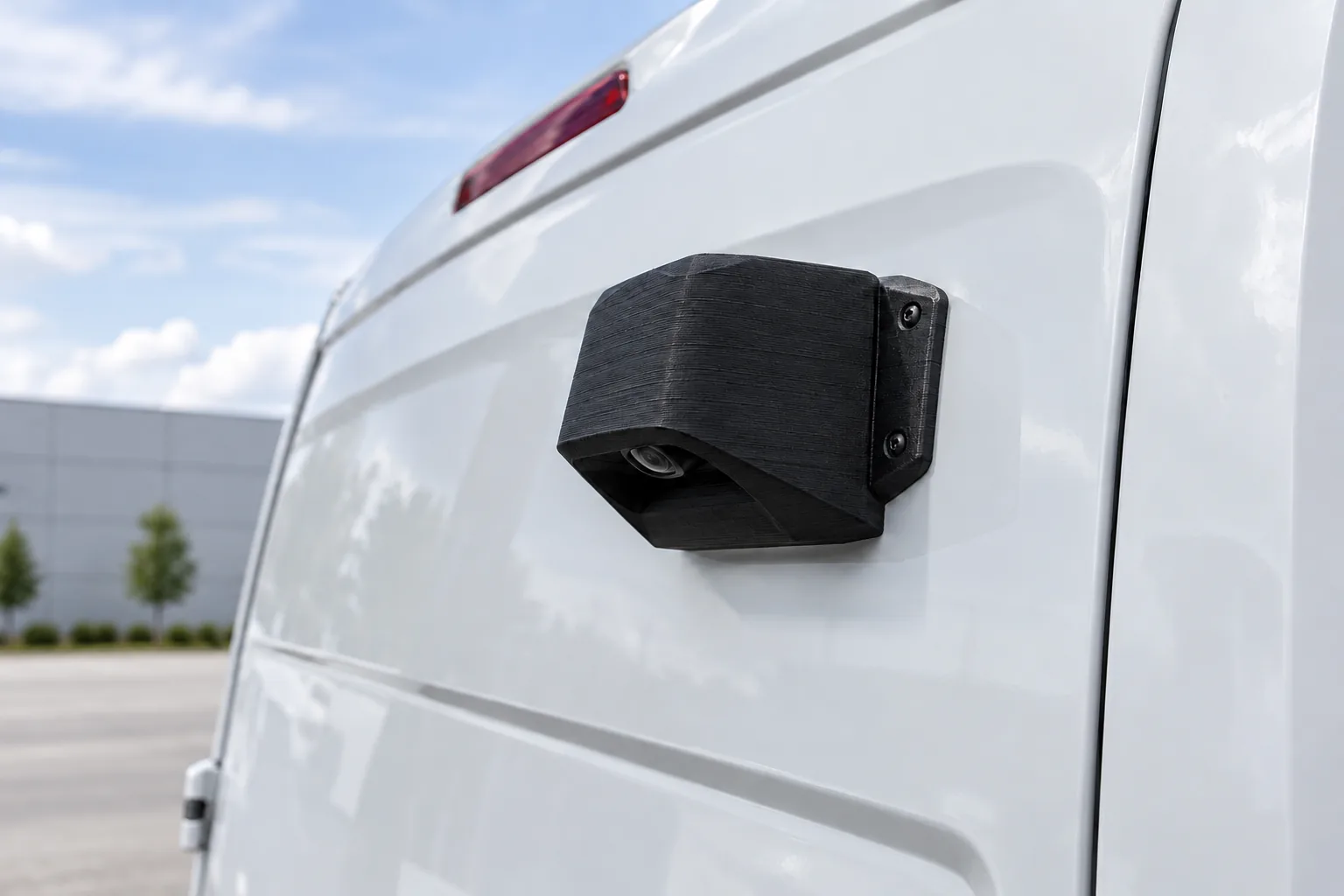
Automotive
Sensor covers and exterior trim for sun-exposed parts, and replacement trim reordered for out-of-production buses.
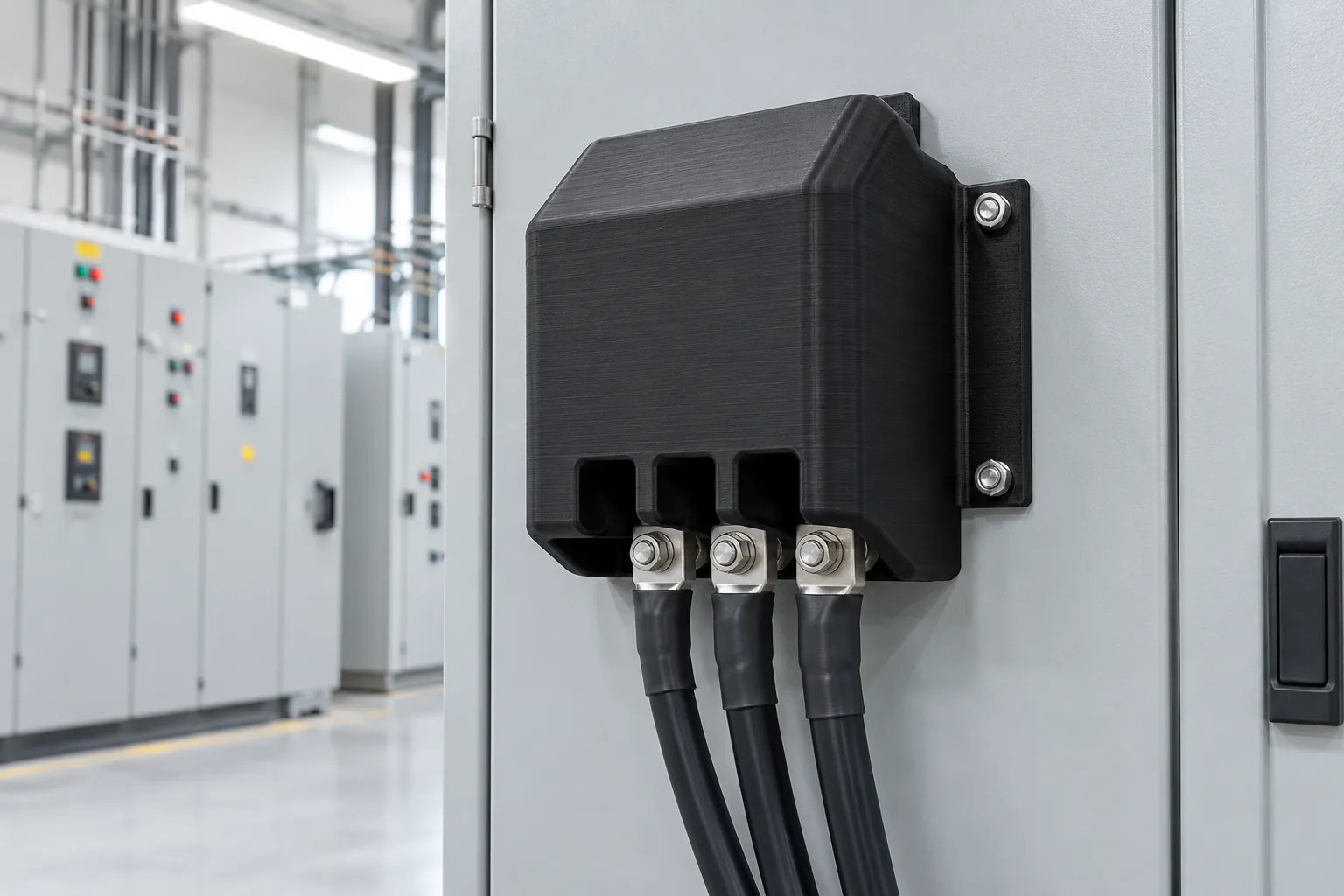
Clean Tech
Plates, brackets and covers in repeat lots, including one plate printed more than 600 times.
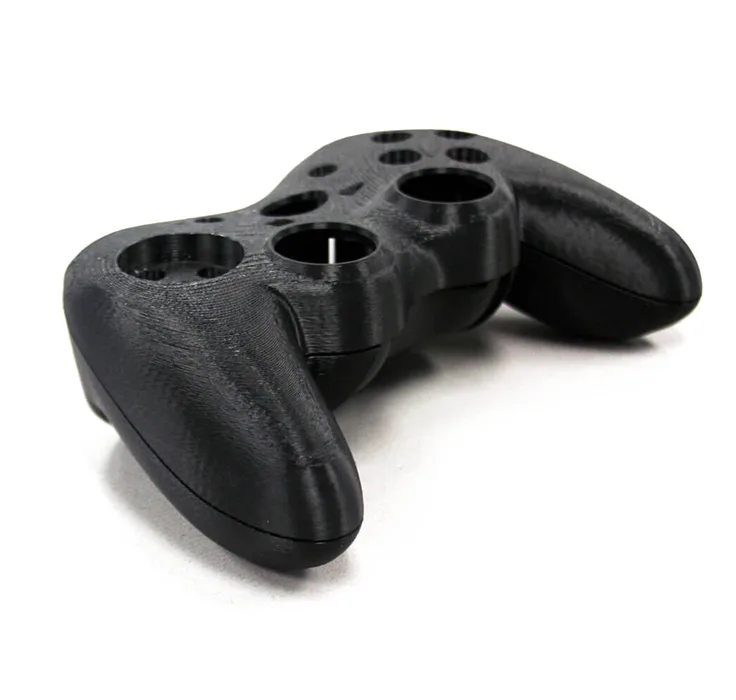
Industrial Design
Prototype enclosures and outdoor products, from smart-tool housings revised overnight to sports equipment parts.
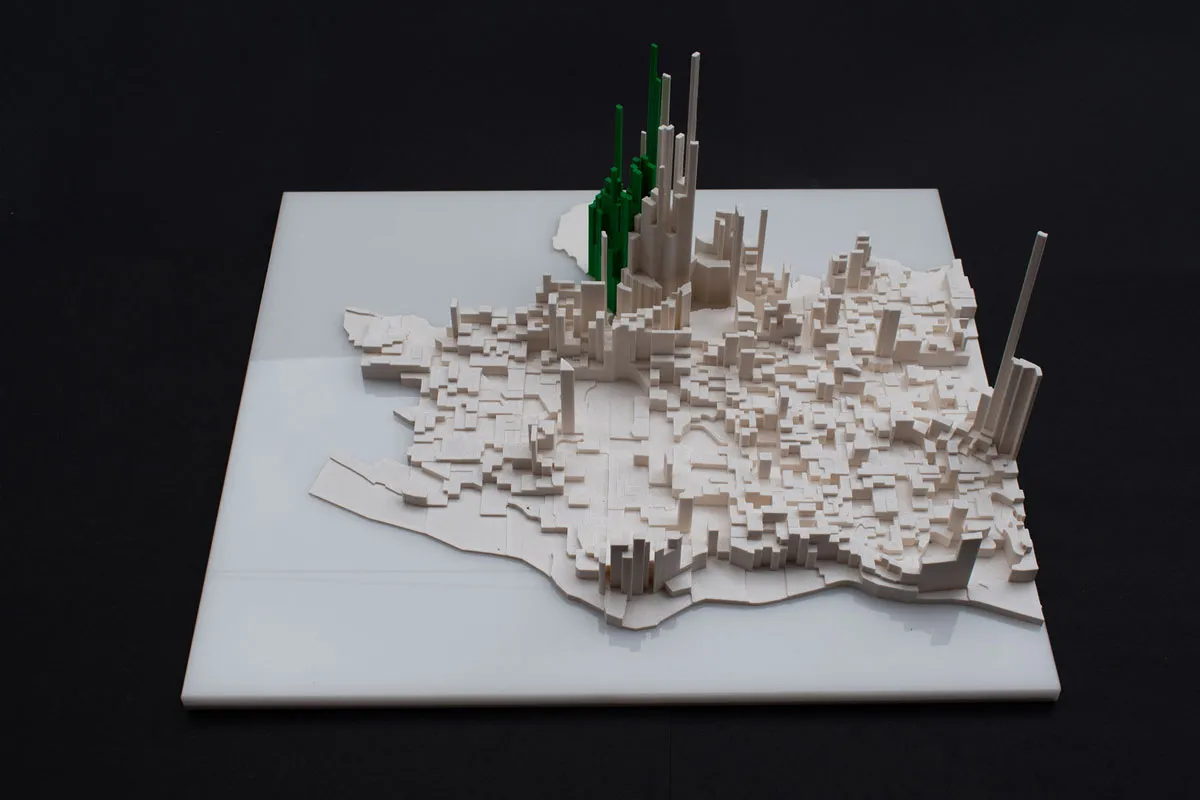
Architecture
Large site models printed in sections, plus outdoor displays and long-term exhibits.
Marine
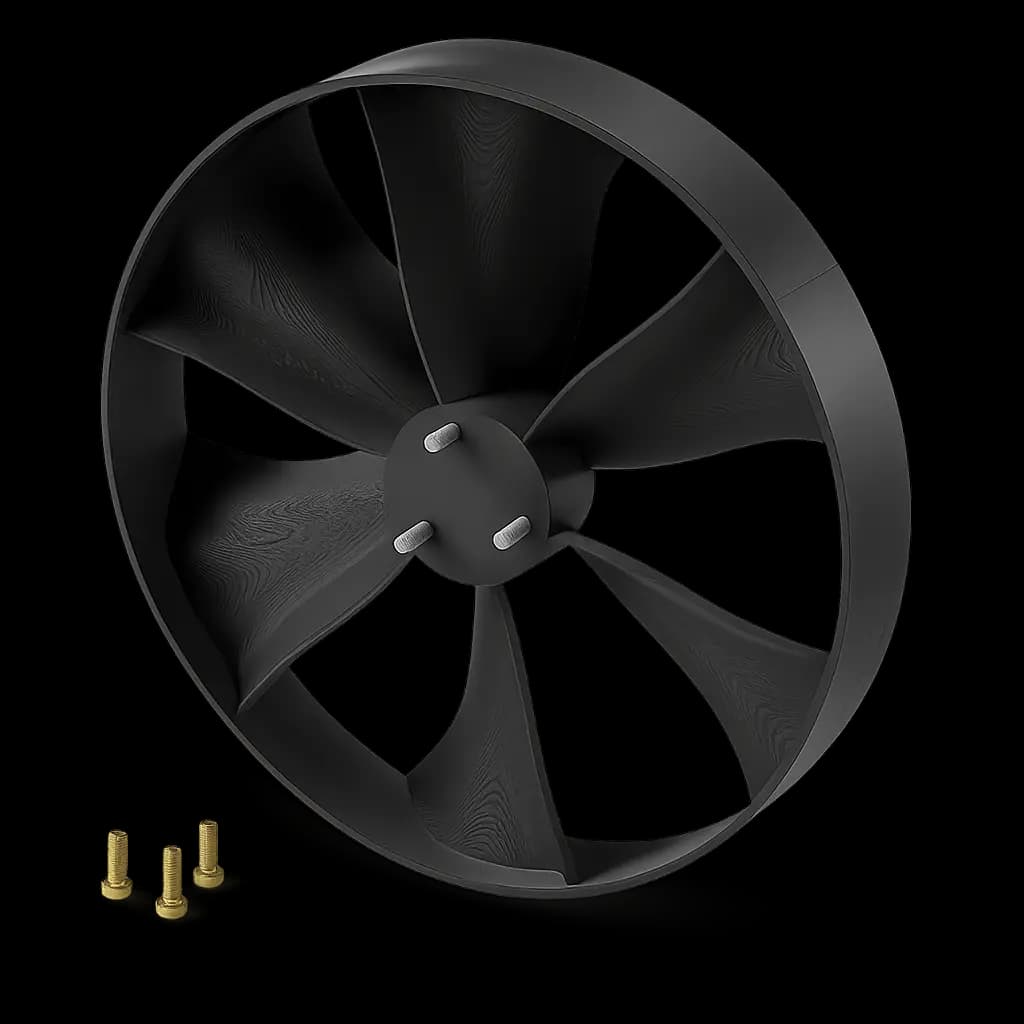
Underwater vehicle builders use ASA for hull mounts, sensor brackets and plane extensions on parts that ride awash at the surface and sit in the sun on deck. Mounts are modelled to the inside of the hull and located with printed drilling templates, and a multi-piece fibreglass plane extension became one solid printed part, painted only to match the hull. A historical quote priced one hull mount at CAD $395.12, against a reported $1,000 to fabricate it by hand. The same UV resistance suits boat instrumentation housings and navigation light housings that sit in the sun all season.
Robotics
Robot builders use ASA for equipment covers in welding cells, where the arc gives off intense ultraviolet light. Covers are reordered in small repeat lots from the same files, with the material and layer height recorded on the released drawing, so each lot matches the parts before it without a mould. Most dated lots shipped one to two days early.
Automotive
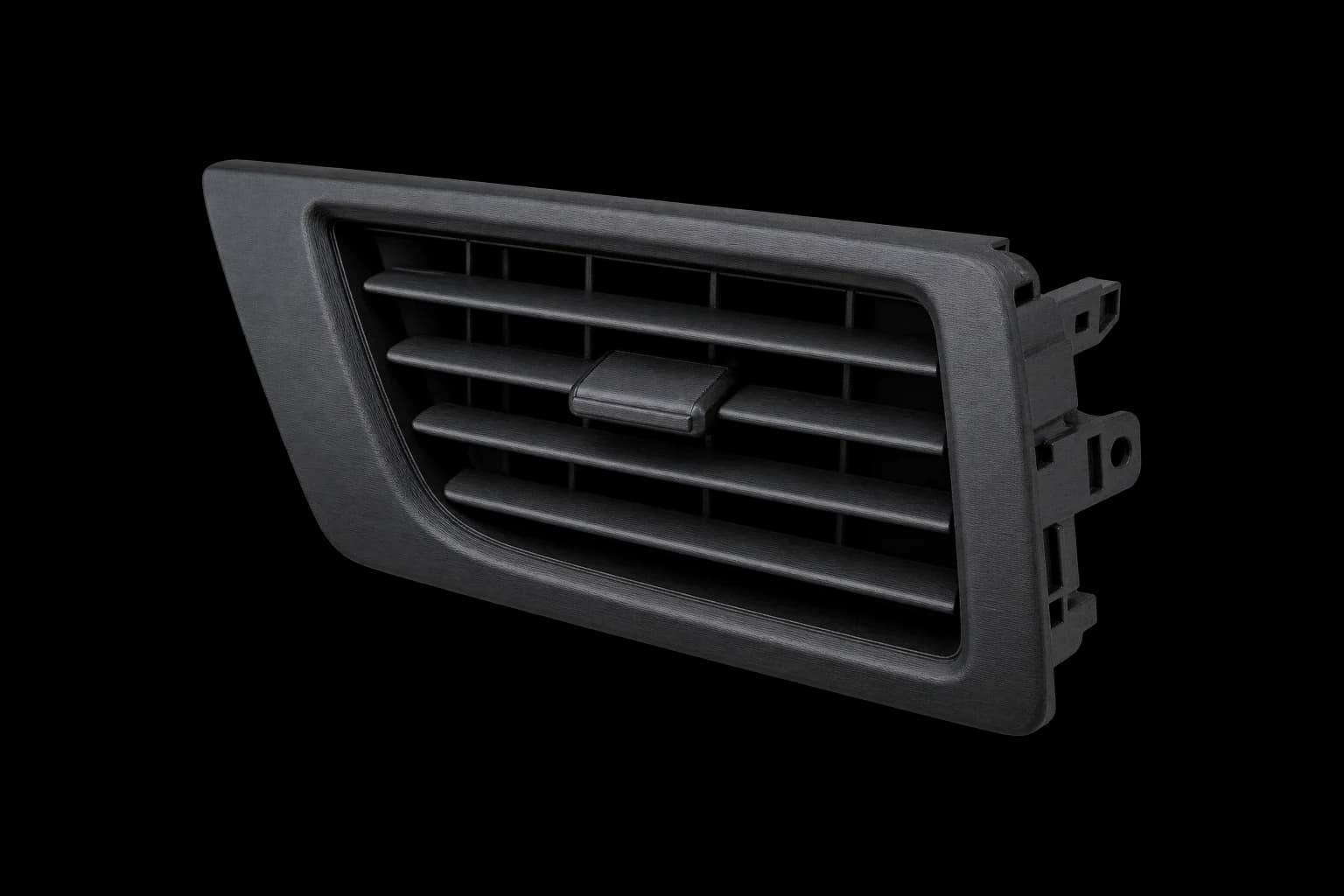
Automotive teams print sun-exposed parts in ASA: sensor covers for autonomous vehicles, and mirror housings, grilles, vents, spoilers and plate brackets for custom builds and low-volume production. A transit fleet has reordered 75 replacement trim parts over two orders for buses that are no longer in production, with no minimum order or stored inventory.
Clean Tech
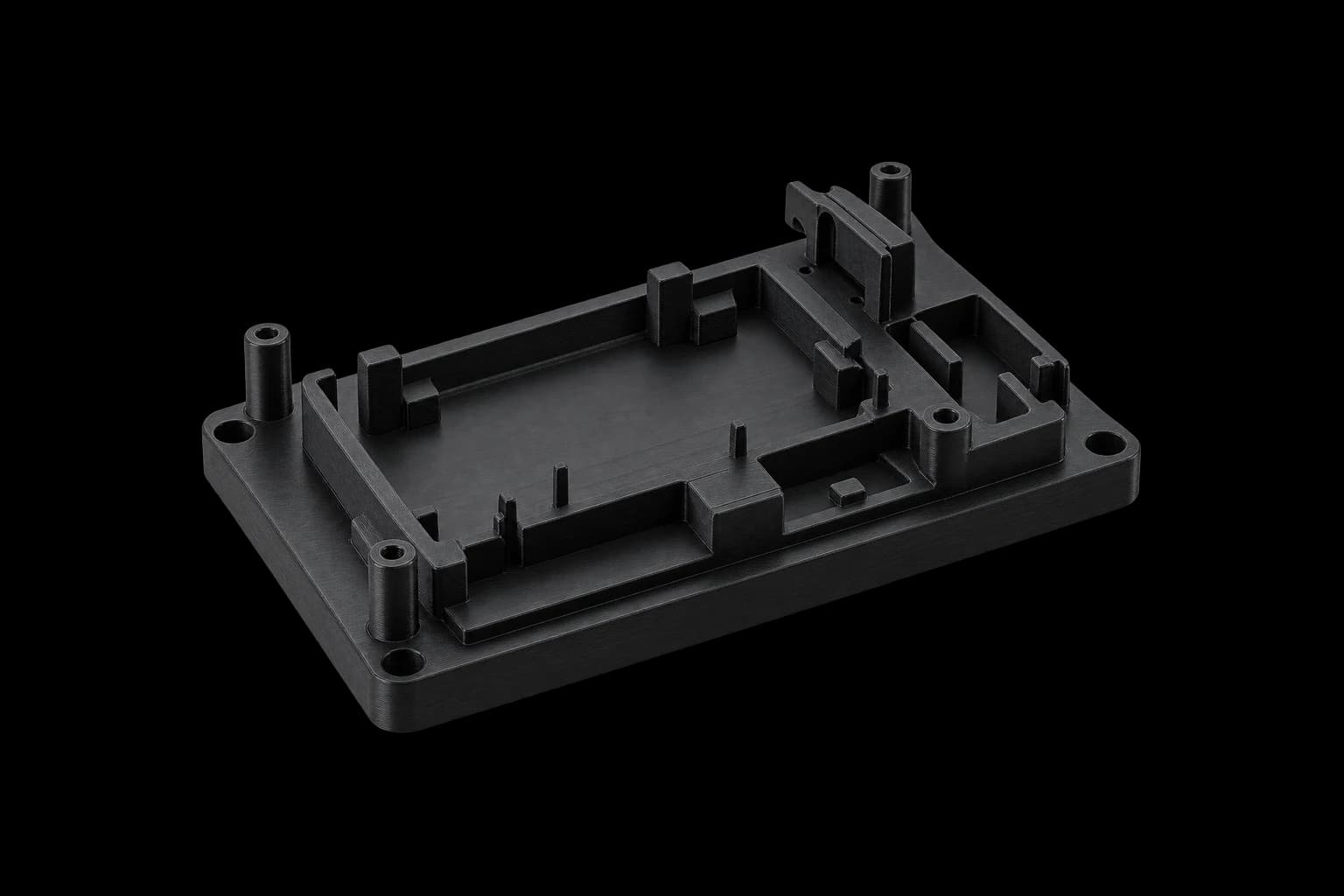
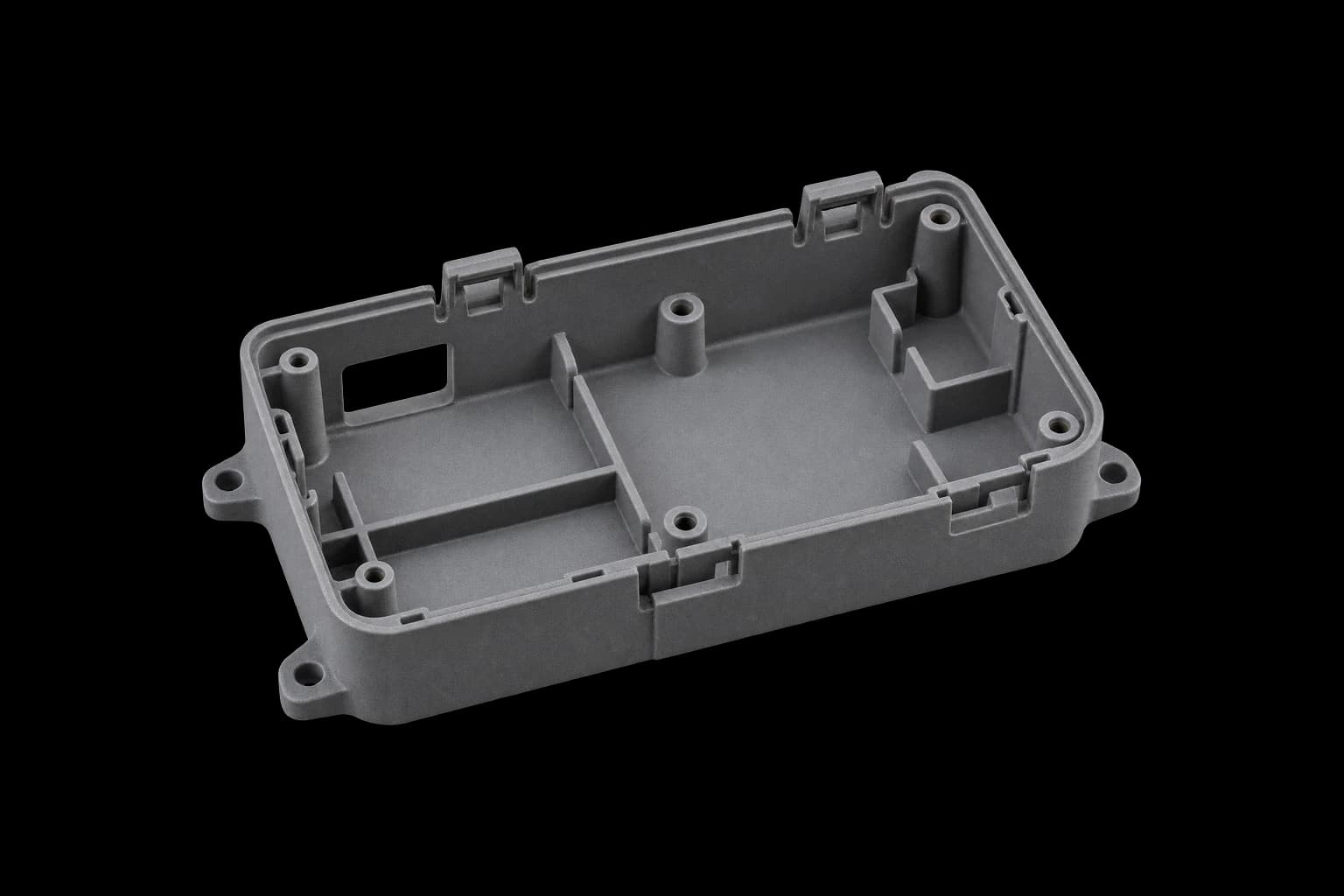
Power equipment makers use ASA for mounting plates, brackets and covers, and its UV resistance suits hardware fitted to cabinets and enclosures that stand outside. Every lot prints from the same saved file and print settings: one ASA plate for a power equipment maker has run to more than 600 pieces, released in three batches with no mould. Line fixtures and field spares print the same way, so replacements are available without stock on the shelf.
Industrial Design
Product teams use ASA for full-scale prototypes of outdoor gear, sports equipment and consumer products, and for enclosures that need to look finished. Smart-tool drill and driver enclosures were prototyped in ASA and ABS to refine grip, electronics packaging and modular attachments before tooling, with attachment revisions printed overnight so a revised shape was ready for the next round of evaluation. ASA's impact strength and UV stability suit outdoor fitness parts and action camera brackets.
Architecture
Architects and developers use ASA for large-format site models, outdoor displays and long-term exhibitions. Forge prints base models and large-volume forms in ABS and ASA, choosing ASA wherever a model will be shown outdoors or kept on display, and models larger than the build volume print in sections while ASA's dimensional stability keeps scale features accurate across the joins. The same weather resistance suits outdoor signage, decorative facade elements and lighting fixture housings.
Values from the Stratasys ASA datasheet (F900, 0.254 mm layers), tested to the standard listed with each property.
Mechanical performance
ASA delivers dependable strength and impact resistance, giving teams a proven FDM baseline for automotive exterior trim, marine hardware and outdoor equipment.
FDM parts are strongest along their layers. The XZ value is measured on specimens printed on edge and the ZX value on specimens printed upright, across the layers, so orient load-bearing features, clips and thin walls to carry load along the layers.
Material makeup
Consistent density and surface quality keep critical features in tolerance and downstream finishing predictable, and low density keeps large parts light.
The weathering rows compare upright specimens before and after accelerated UV exposure to ASTM G154, in alternating cycles of UV light and condensation, and show how little ASA's strength changes. Stratasys tested a separate set of natural-colour specimens for weathering, so read these rows against each other rather than against the mechanical table.
Heat performance
ASA's heat resistance suits parts in sun-heated enclosures, vehicle exteriors and equipment near heat sources.
Heat deflection sits just below the glass transition, so parts hold their shape under load almost up to the softening point. Low thermal conductivity makes ASA an insulating enclosure material, and the expansion coefficient helps size clearances where large parts mount to metal.
Functional performance
Volume resistivity shows how well ASA blocks leakage current through a wall, and dielectric strength how much voltage a wall withstands before it breaks down: the two values to check for electrical housings, connectors, insulating features and outdoor enclosures.
The dissipation factor helps evaluate dielectric losses in signal-sensitive or high-frequency use cases, such as covers over antennas and sensors.
Compatibility data
Stratasys rates ASA relative to its other FDM materials for exposure at room temperature: excellent means unlikely to degrade in prolonged contact, and good means unlikely to degrade in short-term contact. ASA resists weak acids, bases and water, and handles fuels, coolant and washer fluid in short-term contact.
Ketones such as acetone and MEK, phenols, silicone oils and halogenated hydrocarbons attack it, and motor oil, brake fluid and transmission fluid are rated limited. Chemical ratings are screening guidance; confirm them with application-specific testing before production release.
Compliance
Stratasys's ASA specification sheet lists a UL 94 HB flame classification. ASA is not a flame-retardant grade; for flame-rated parts, choose a flame-retardant material such as ULTEM 9085.
Stratasys publishes no food-contact or biocompatibility statement for ASA.
Datasheets, design guidance and supplier documentation for ASA.
Access the most recent datasheet and supporting documentation maintained by our engineering team.
ASA datasheetExplore printable geometry recommendations, wall thickness tips, and finishing playbooks for FDM.
View FDM design guide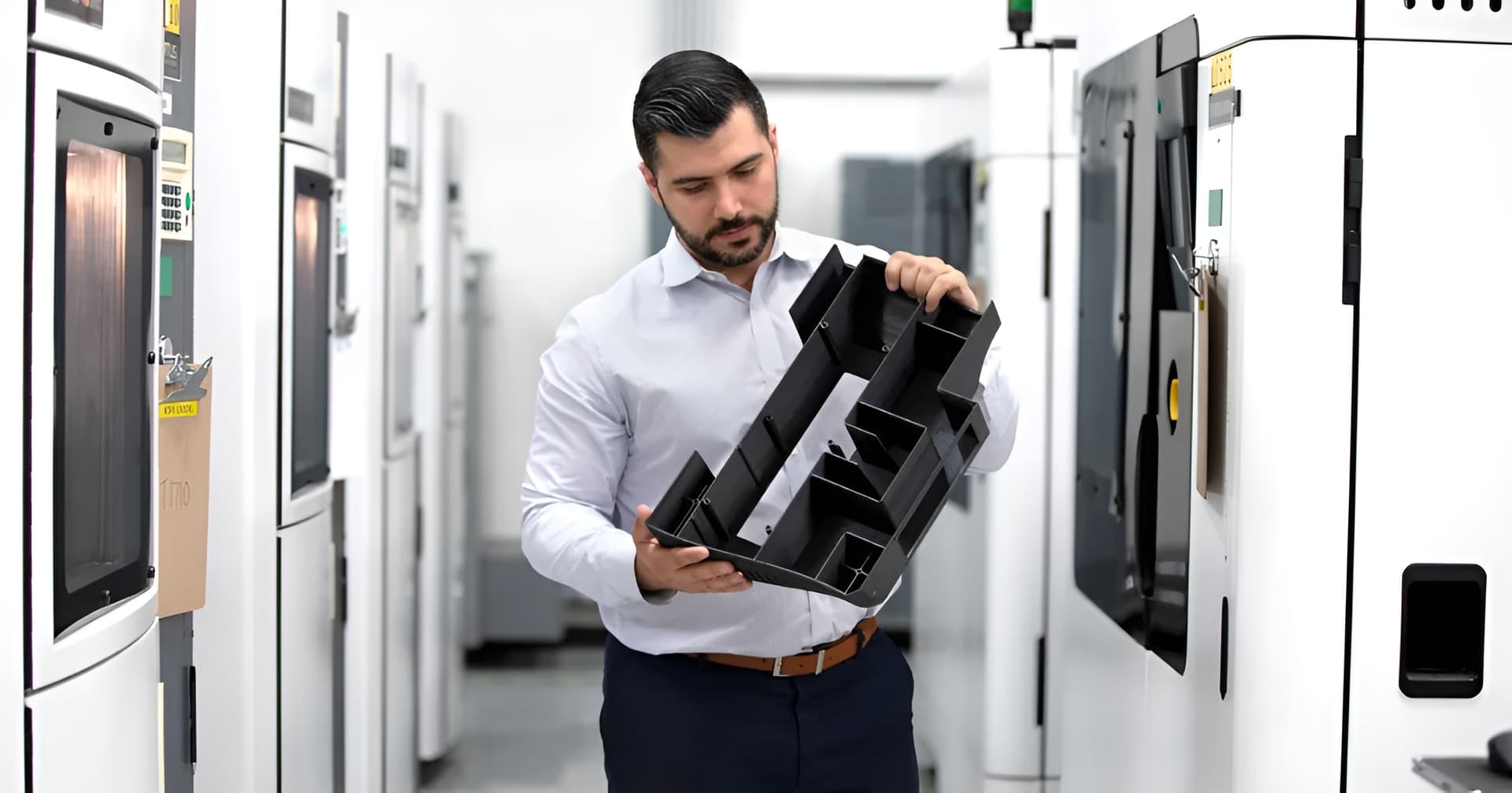
ASA is manufactured using Fused Deposition Modeling (FDM) technology, offering reliable performance for functional prototypes and end-use parts. It runs on Stratasys Fortus platforms with heated build chambers and qualified material profiles, so layer adhesion and mechanical integrity stay consistent from build to build.
Can't find the answer you're looking for? Reach out to our customer support team.
Upload your design and get an instant quote for ASA parts.
Create an account to upload CAD
STEP, STL, OBJ, 3MF and IGES supported