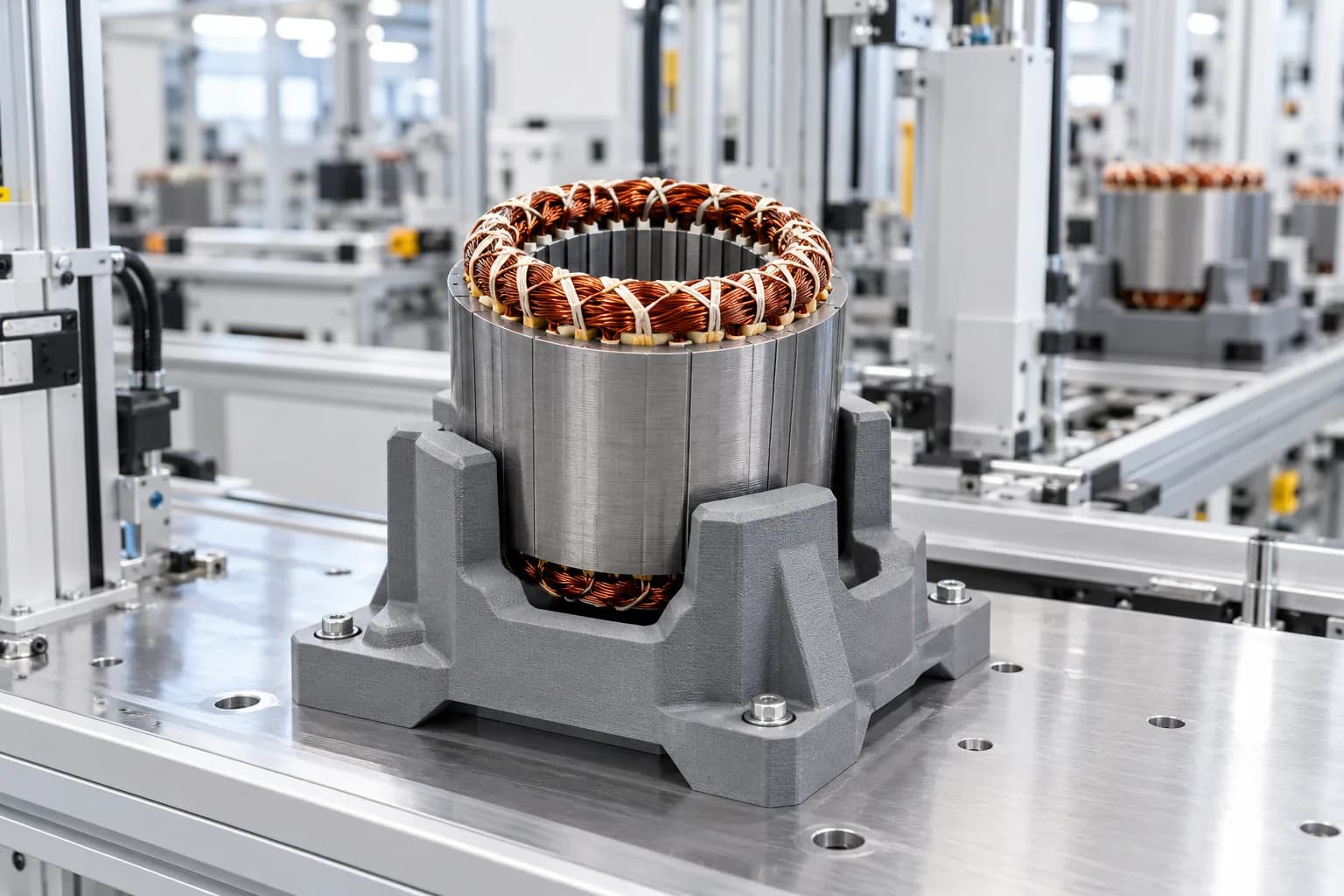
Accelerate Automotive Innovationwith Rapid 3D Printing
Automotive prototypes in under 24 hours. Cut costs by up to 90% compared to traditional machining. Simplify assemblies & reduce vehicle weight by up to 70%. Forge Labs automotive 3D printing supports prototypes, tooling, and end-use parts in high-performance polymers and metals.

Automotive Excellence
Transforming Automotive Manufacturing
3D printing isn't just for prototyping—it's revolutionizing automotive manufacturing by simplifying assemblies, reducing labor costs, and manufacturing lighter parts with industrial additive manufacturing technology. Over the past three decades, 3D printing has evolved from a prototyping tool to enabling production of functional end-use parts for both interior and exterior vehicle applications. Innovative automotive manufacturers leverage these advancements for just-in-time manufacturing, producing parts precisely when needed with greater design freedom, resulting in lighter parts without compromising strength or safety.
Transforming Automotive Manufacturing
3D printing isn't just for prototyping—it's revolutionizing automotive manufacturing by simplifying assemblies, reducing labor costs, and manufacturing lighter parts with industrial additive manufacturing technology. Over the past three decades, 3D printing has evolved from a prototyping tool to enabling production of functional end-use parts for both interior and exterior vehicle applications. Innovative automotive manufacturers leverage these advancements for just-in-time manufacturing, producing parts precisely when needed with greater design freedom, resulting in lighter parts without compromising strength or safety.
Key Benefits of 3D Printing in Automotive
- Eliminate expensive tooling requirements, reducing upfront investments and enabling economical low-volume production.
- Accelerate design validation with 1-day prototype turnaround through advanced additive manufacturing solutions tailored for automotive applications.
- Create complex, lightweight structures impossible with traditional manufacturing through advanced additive manufacturing solutions tailored for automotive applications.
- Consolidate multiple parts into single integrated components through advanced additive manufacturing solutions tailored for automotive applications.
- Enable on-demand spare parts eliminating warehousing costs through advanced additive manufacturing solutions tailored for automotive applications.
- Achieve significant weight reduction through topology optimization and lightweight materials, delivering measurable performance improvements.


ISO/TS 16949 Quality
Automotive quality management system standards ensuring consistent production quality and continuous improvement processes.
Material Certifications
Automotive-grade materials with comprehensive testing data including impact, temperature, and chemical resistance properties.
Environmental Testing
Rigorous environmental testing including temperature cycling, UV exposure, and chemical resistance for automotive applications.
Production Scalability
Proven manufacturing processes capable of scaling from prototype to production volumes with consistent quality control.
Manufacturing Capabilities
Advanced Automotive Solutions
From precision prototyping to full-scale production, our comprehensive capabilities deliver results that transform automotive manufacturing.
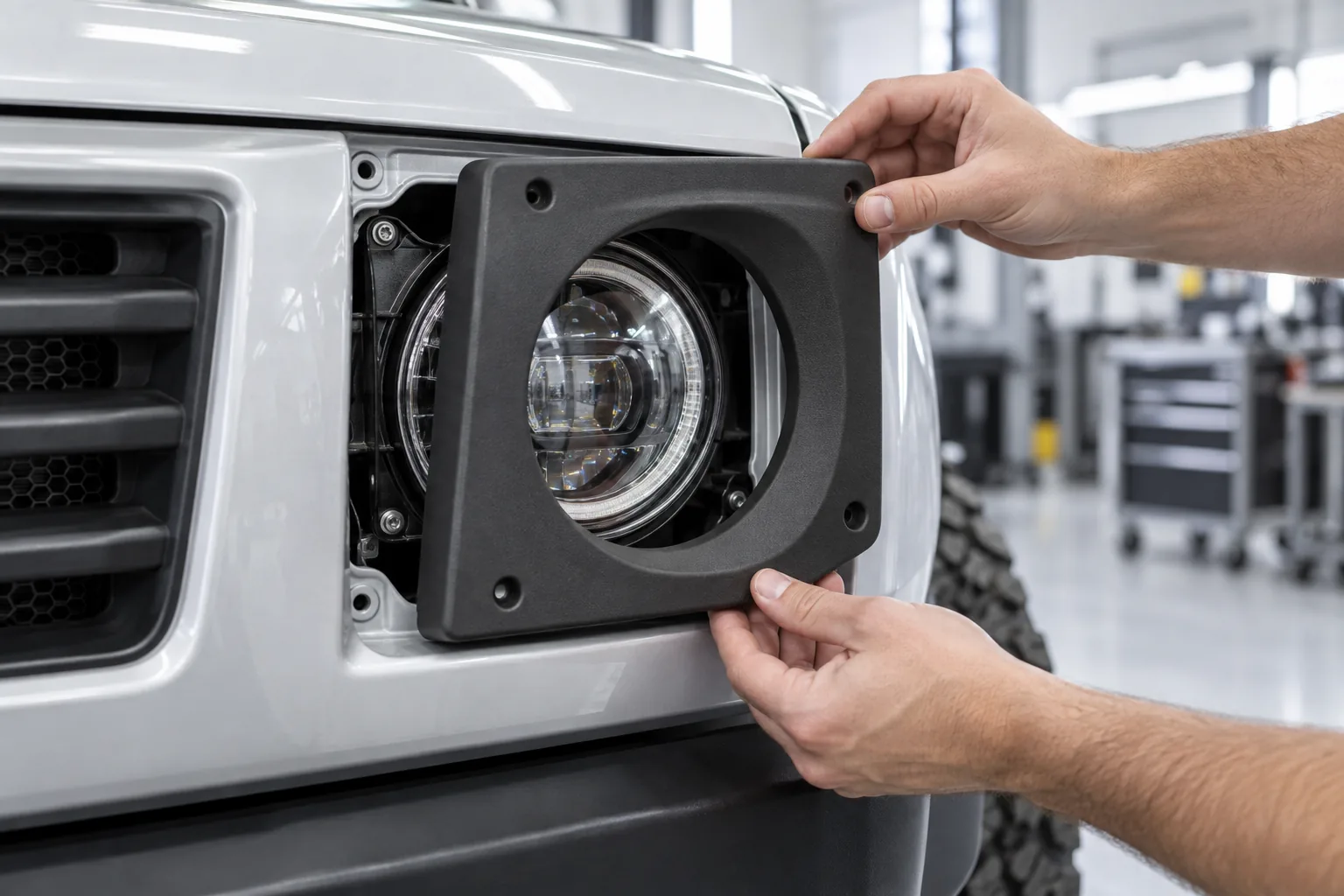
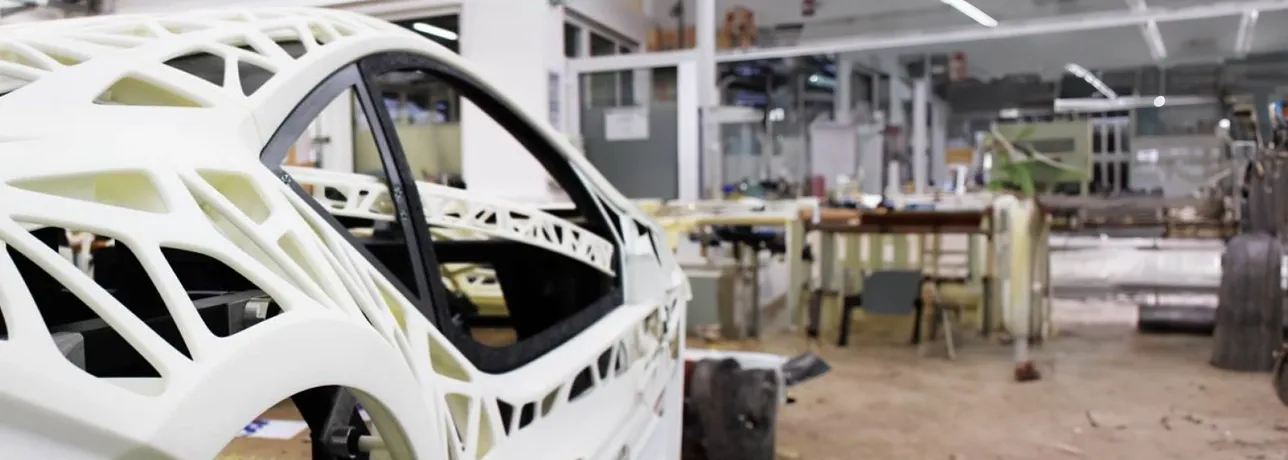
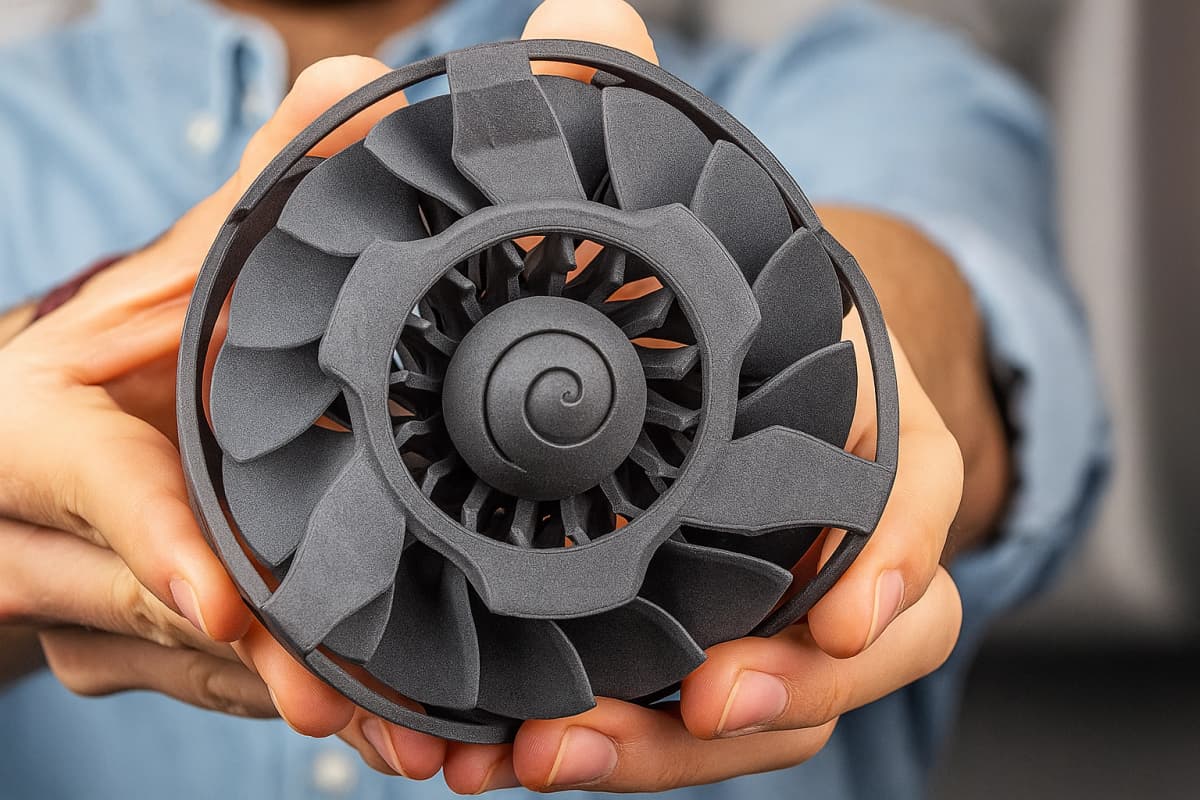
Advanced stereolithography (SLA) and selective laser sintering (SLS) deliver automotive prototypes with exceptional dimensional accuracy and surface quality. SLA achieves tolerances as tight as ±0.2mm for critical fit-check applications, while SLS provides durable nylon prototypes with excellent mechanical properties. Large build volumes accommodate complete assemblies, transmission housings, and body panels up to 1.5 meters in length. High-definition surface finishes eliminate secondary operations for design validation, while multiple material options simulate production-intent properties for comprehensive testing and validation.

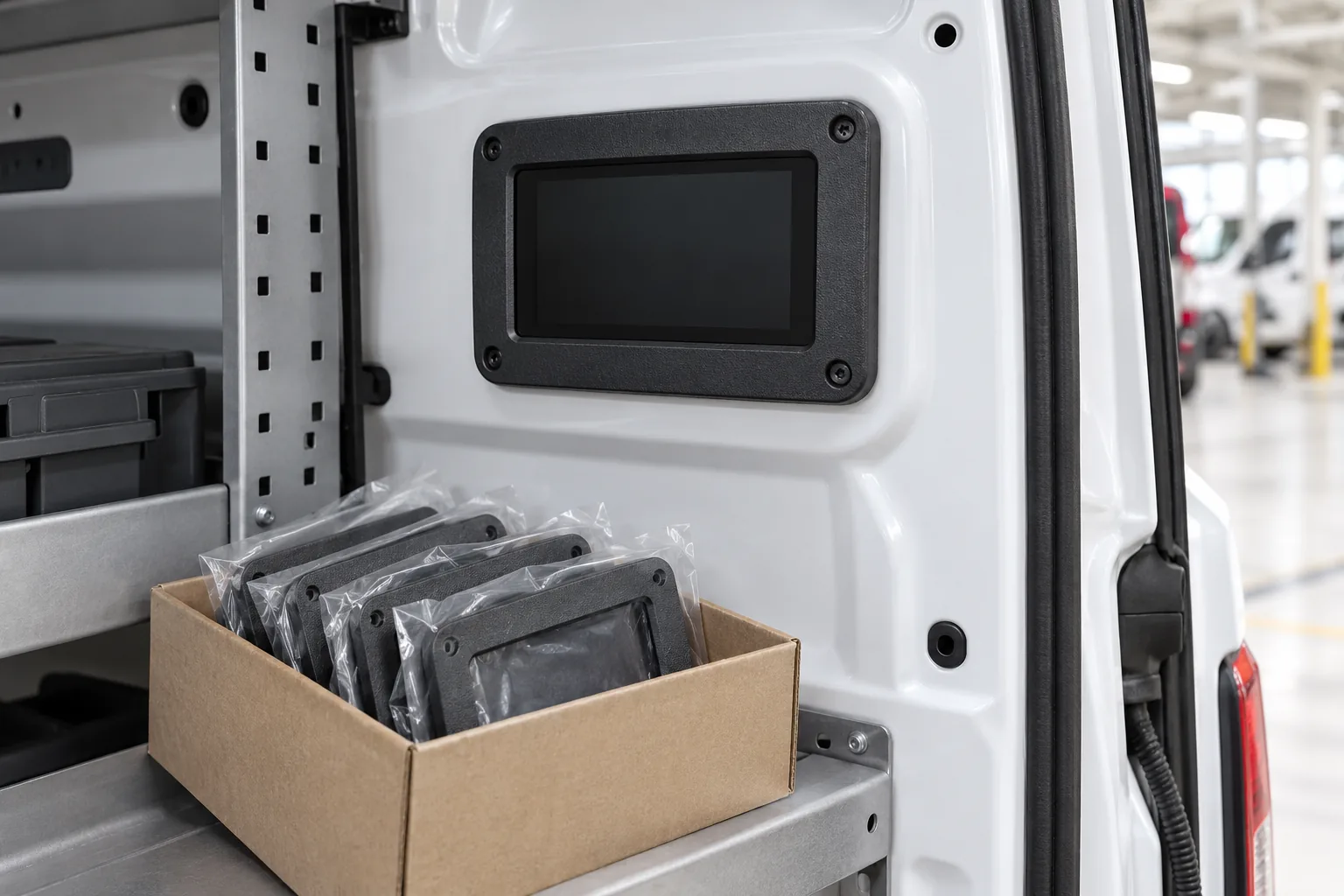
Precision Automotive Prototypes. SLA Tolerances: ±0.2mm achievable.
Technical Specifications
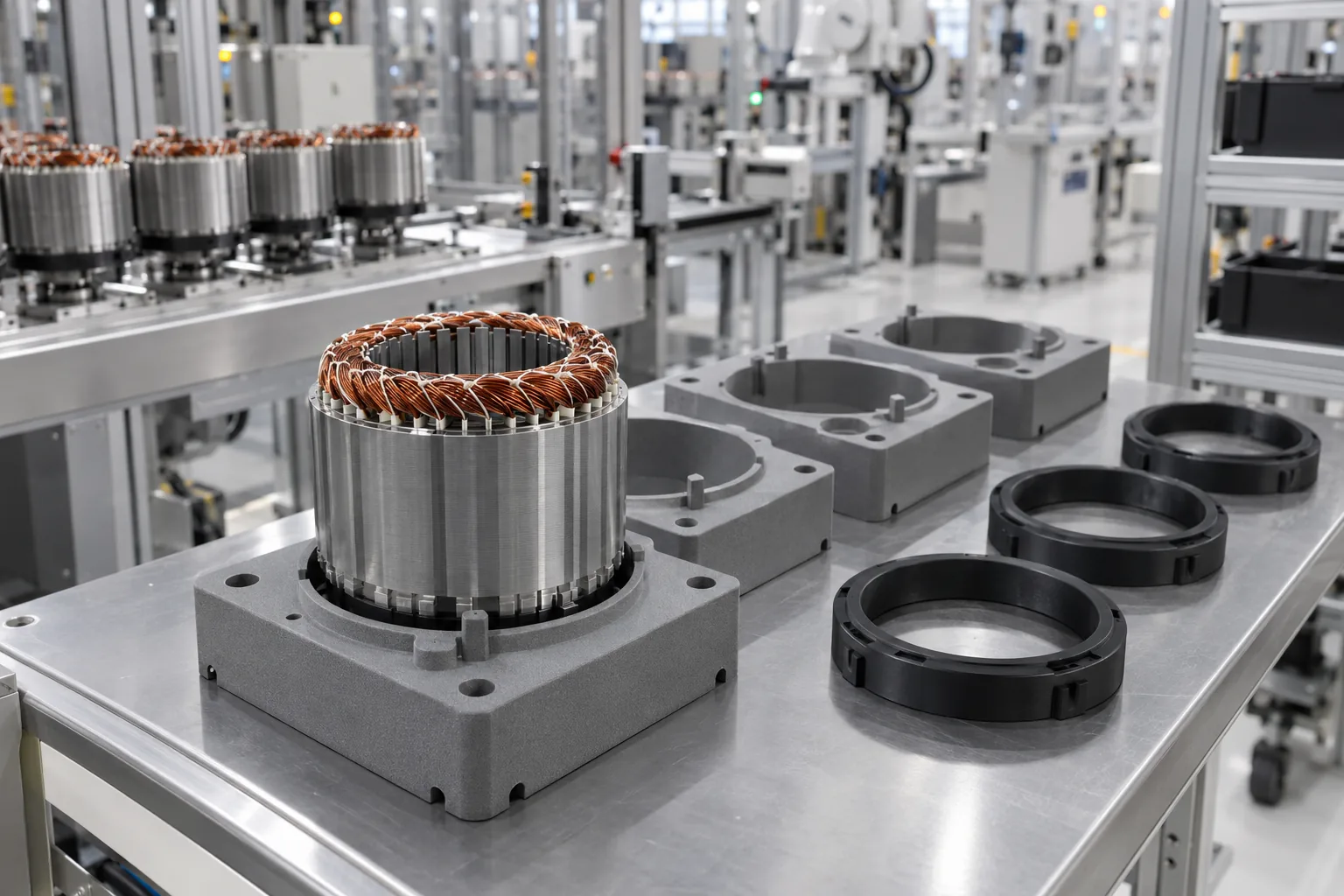
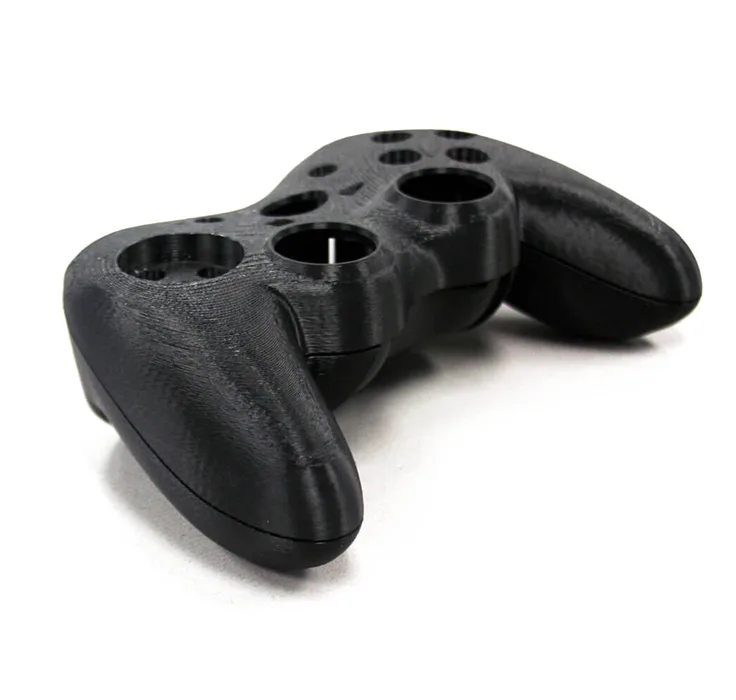
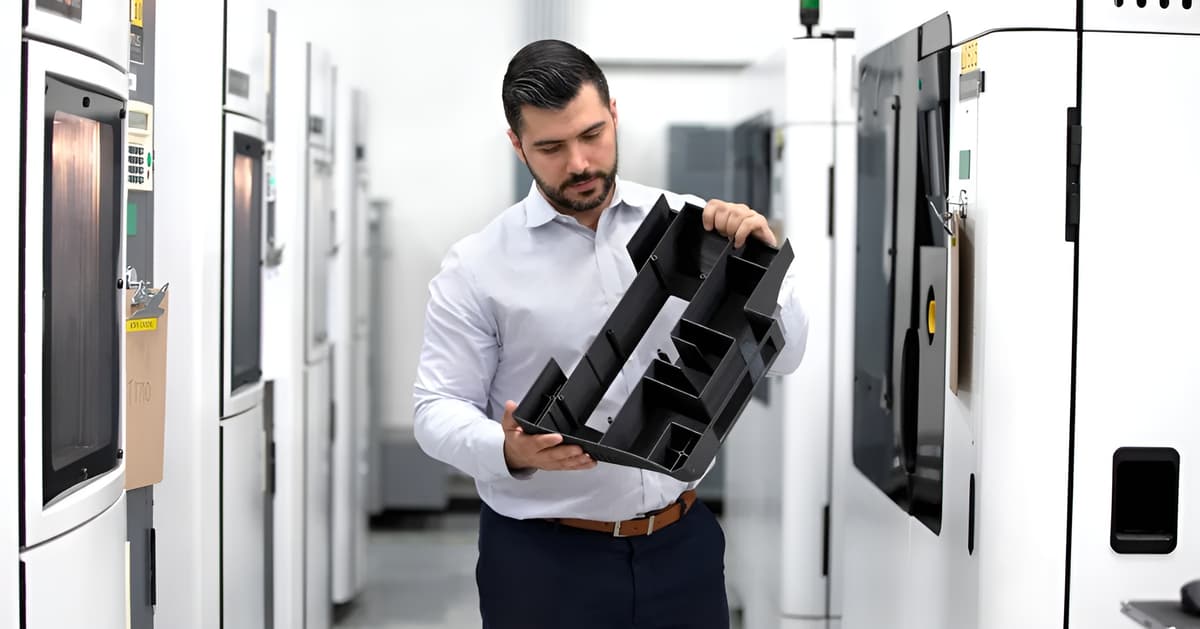
Fused deposition modeling (FDM) with engineering thermoplastics produces robust manufacturing aids that withstand production environments. Carbon fiber reinforced nylon provides exceptional stiffness and dimensional stability for precision assembly fixtures. ULTEM materials offer chemical resistance to automotive fluids including gasoline, brake fluid, and hydraulic oils. Large build volume (914 x 609 x 914mm) accommodates substantial assembly tools and vehicle-scale fixtures. Custom geometries optimize ergonomics and workflow efficiency while eliminating traditional machining lead times and setup costs.

Production Tooling & Fixtures. Build Volume: 914 x 609 x 914mm.
Technical Specifications
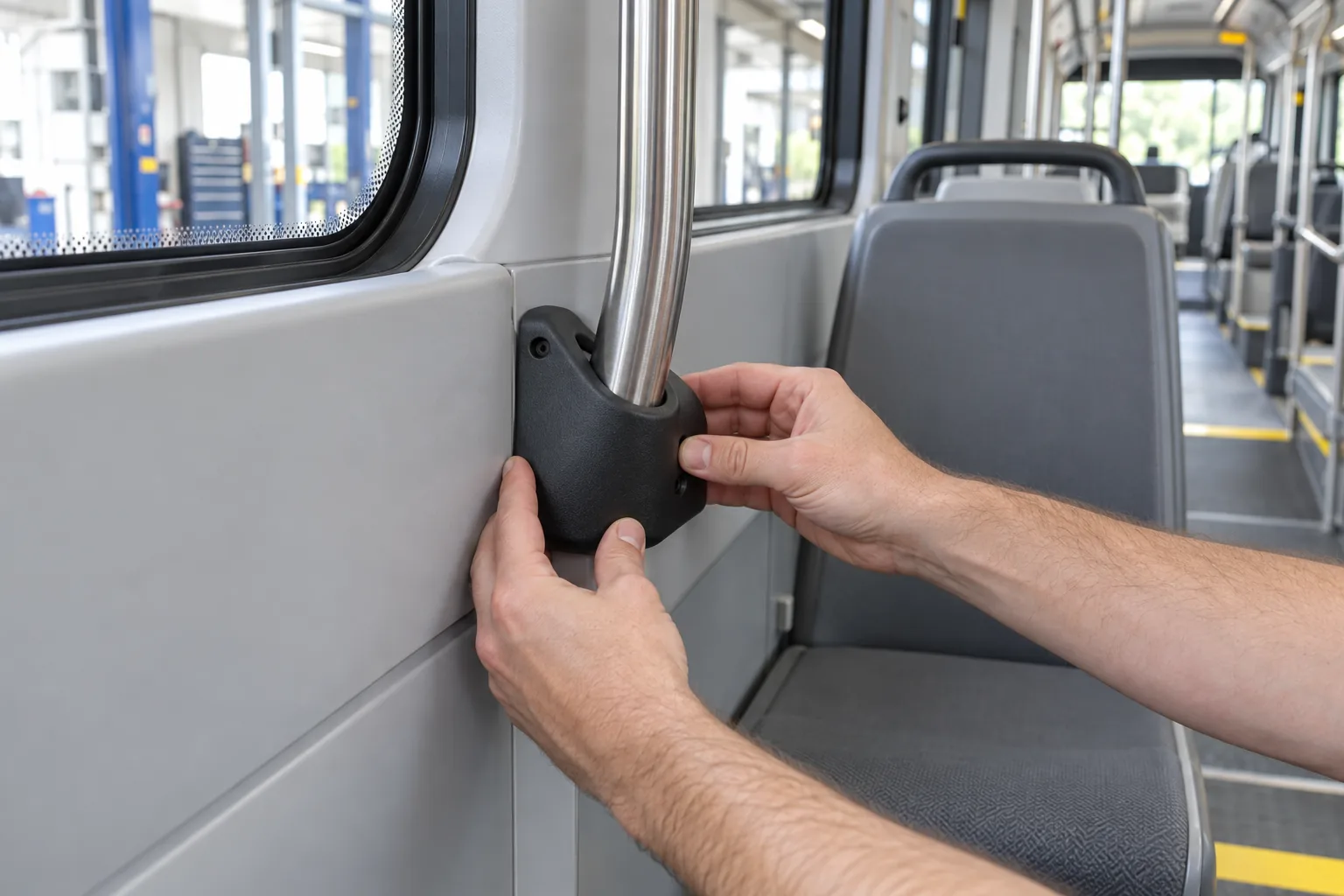
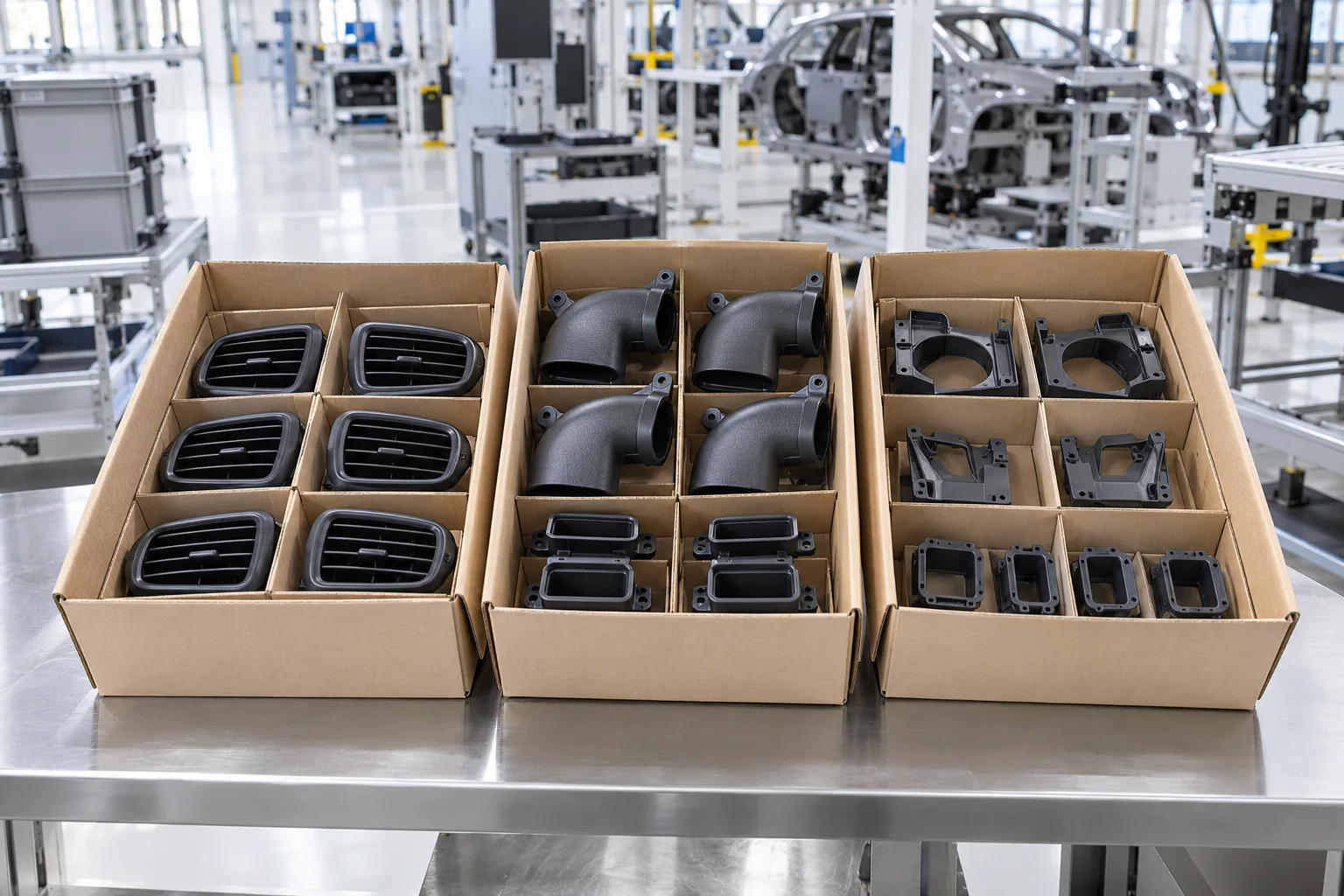
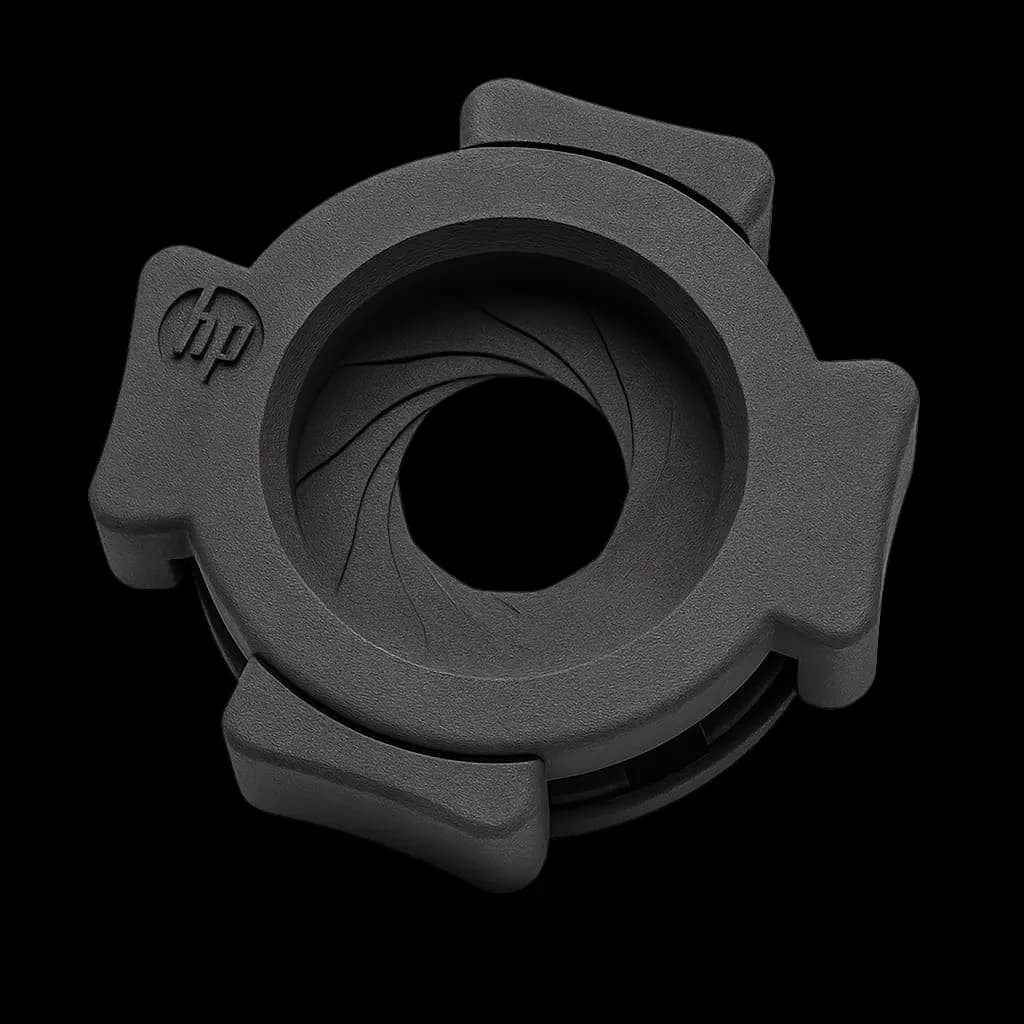
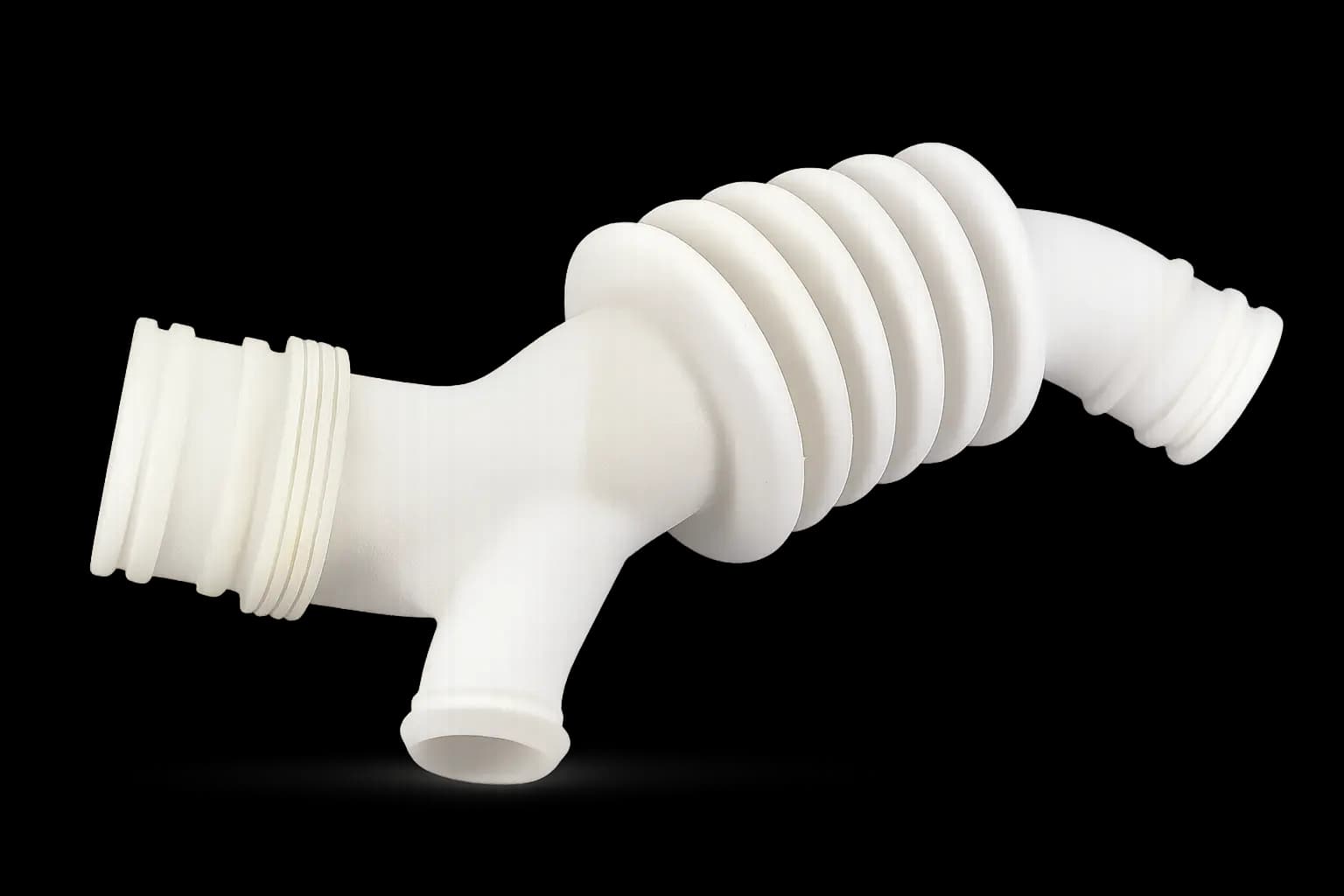
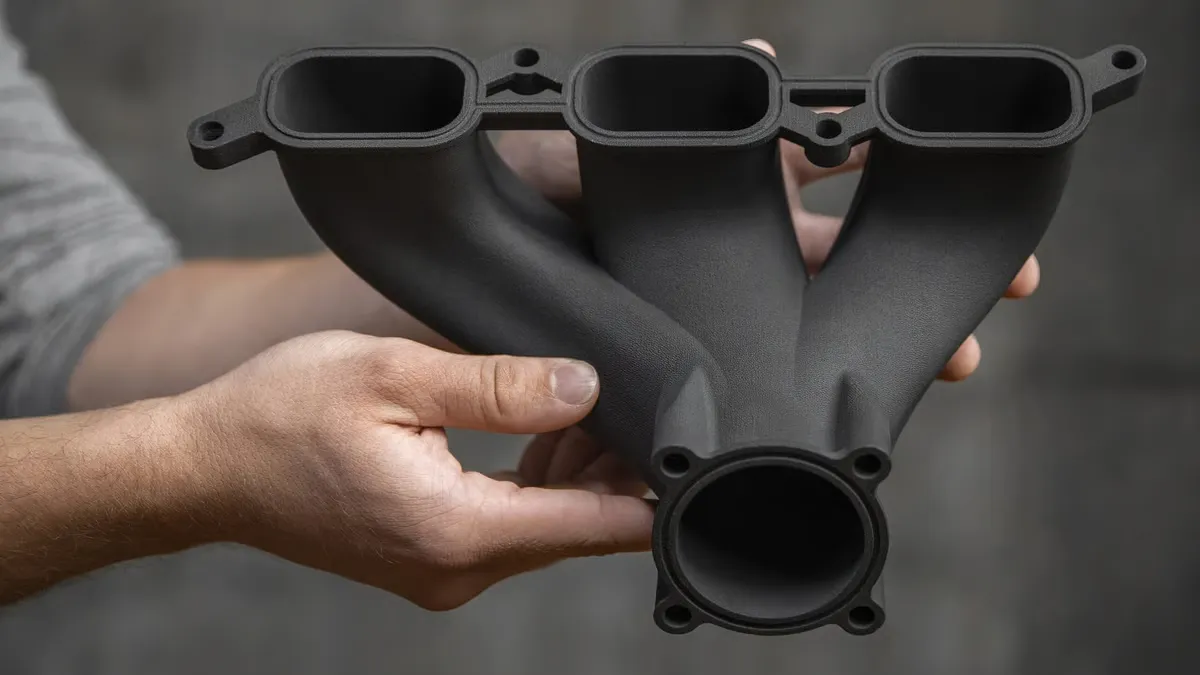
Multi Jet Fusion (MJF) and selective laser sintering (SLS) technologies produce automotive components with production-grade mechanical properties and surface finish. PA12 nylon materials provide excellent chemical resistance to automotive fluids, UV stability for exterior applications, and impact resistance for safety-critical components. Digital manufacturing eliminates tooling investments for low-volume production runs from 1 to 10,000+ parts. Quality control includes dimensional verification, material testing, and batch documentation to meet automotive industry standards. On-demand production enables just-in-time delivery and eliminates inventory obsolescence risks.

End-Use Production Parts. Materials: PA12 automotive grade.
Technical Specifications
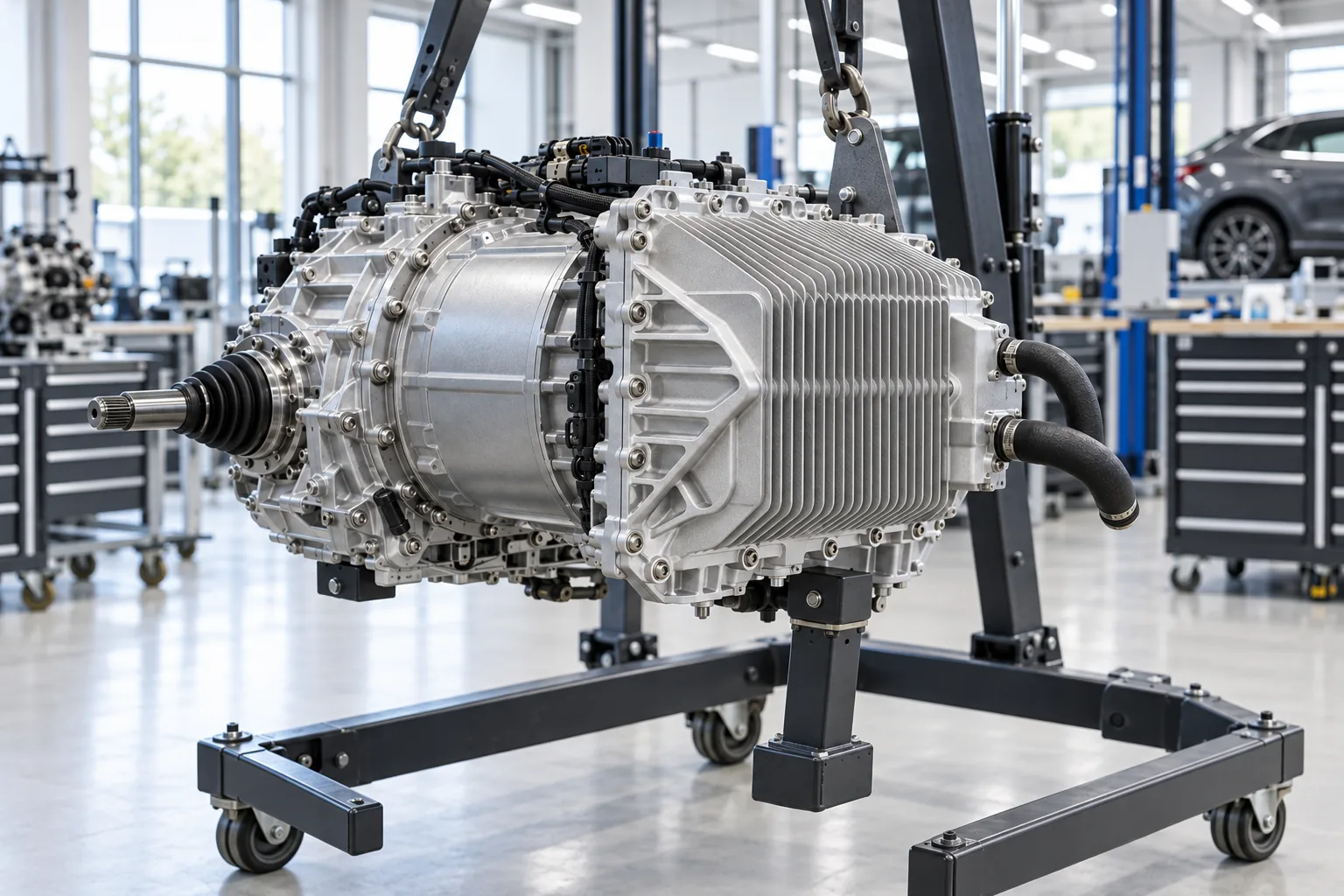
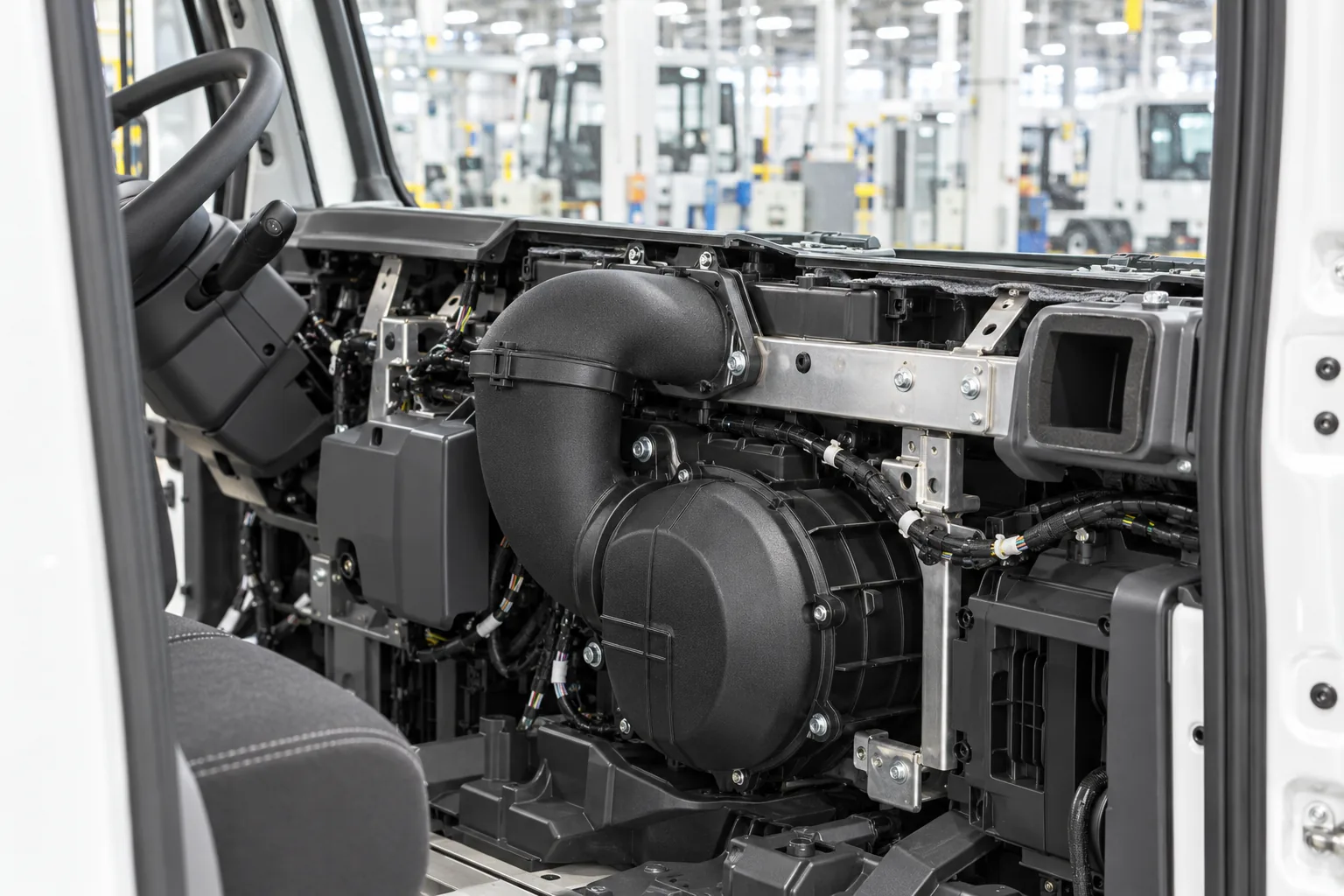
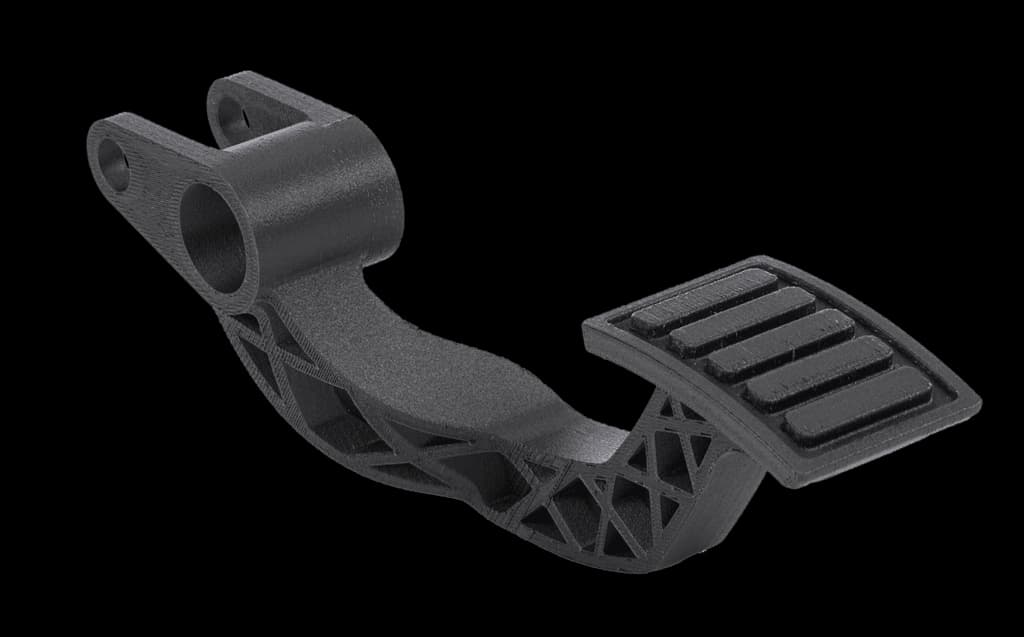
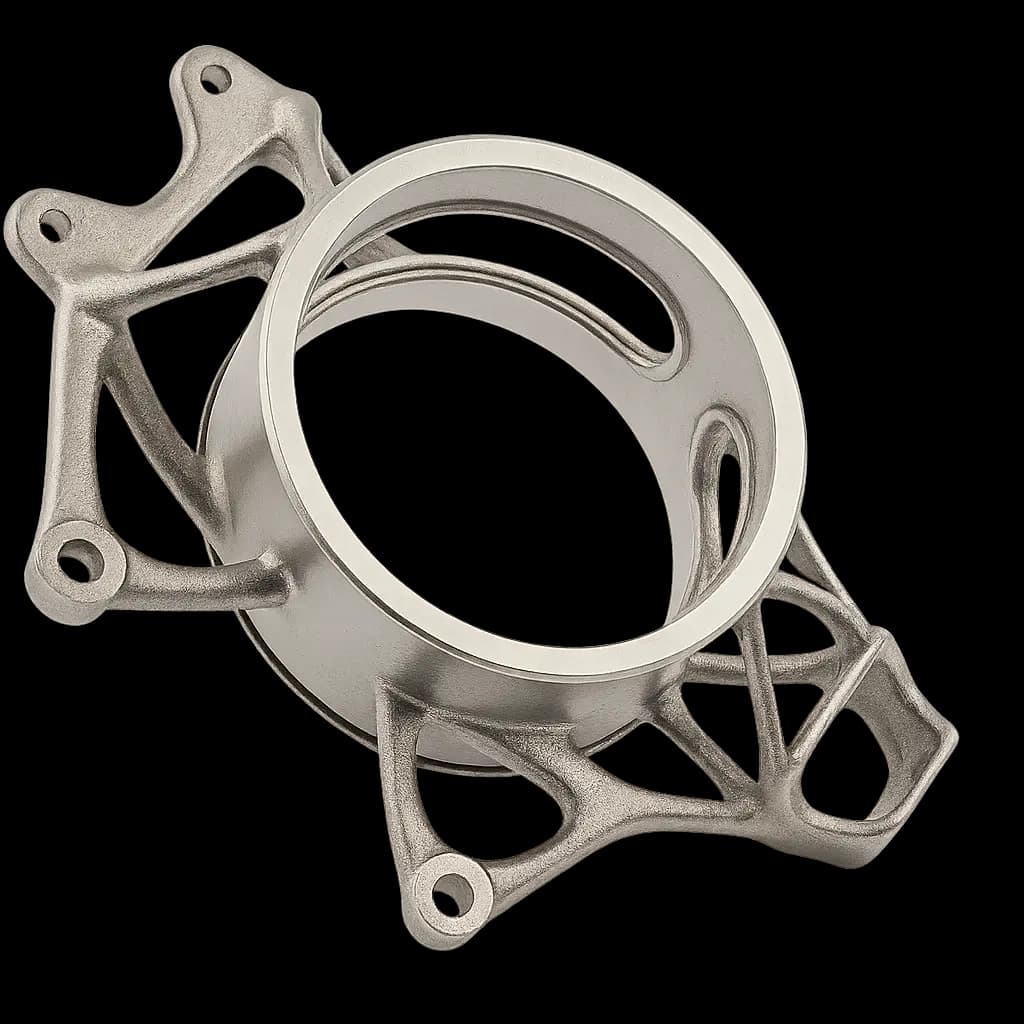
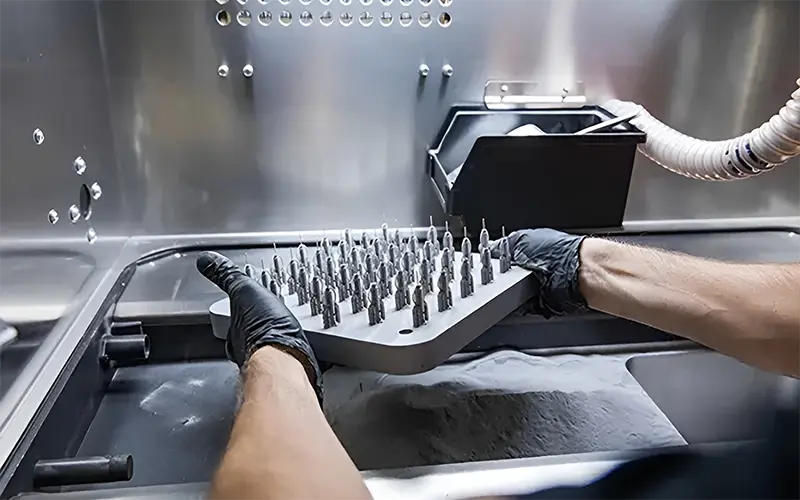
Direct metal laser sintering (DMLS) with aluminum and titanium alloys creates high-performance structural components with optimized geometries impossible through traditional manufacturing. Topology optimization algorithms reduce material usage by 40-60% while maintaining critical load paths and safety factors. Internal lattice structures and hollow geometries minimize weight without compromising structural integrity. DMLS parts achieve full density (99.5%+) with isotropic mechanical properties matching wrought materials. Heat treatment and surface finishing options ensure components meet automotive specifications for strength, durability, and fatigue resistance.

Lightweight Structural Components. Weight Reduction: 40-60% typical.
Technical Specifications
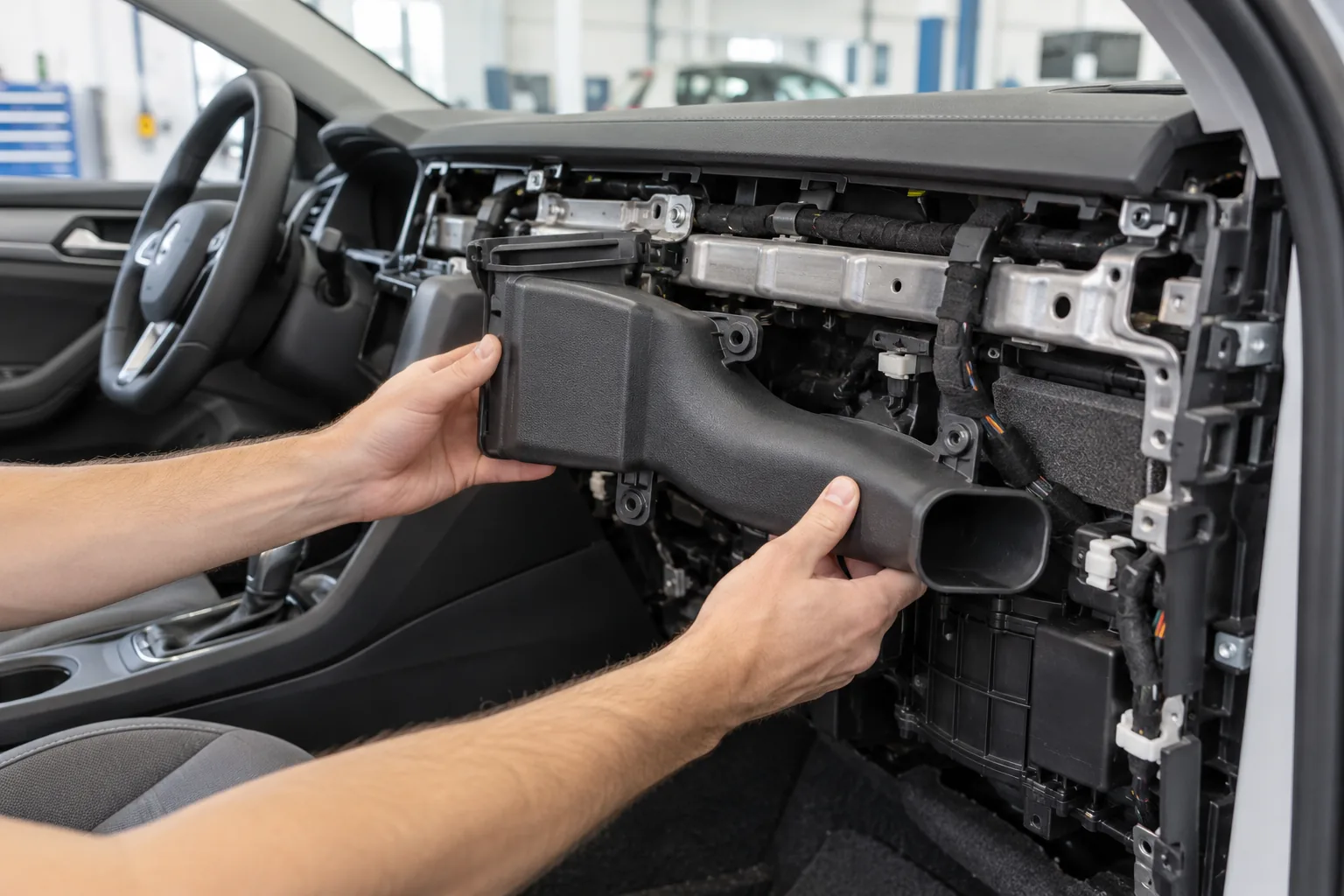
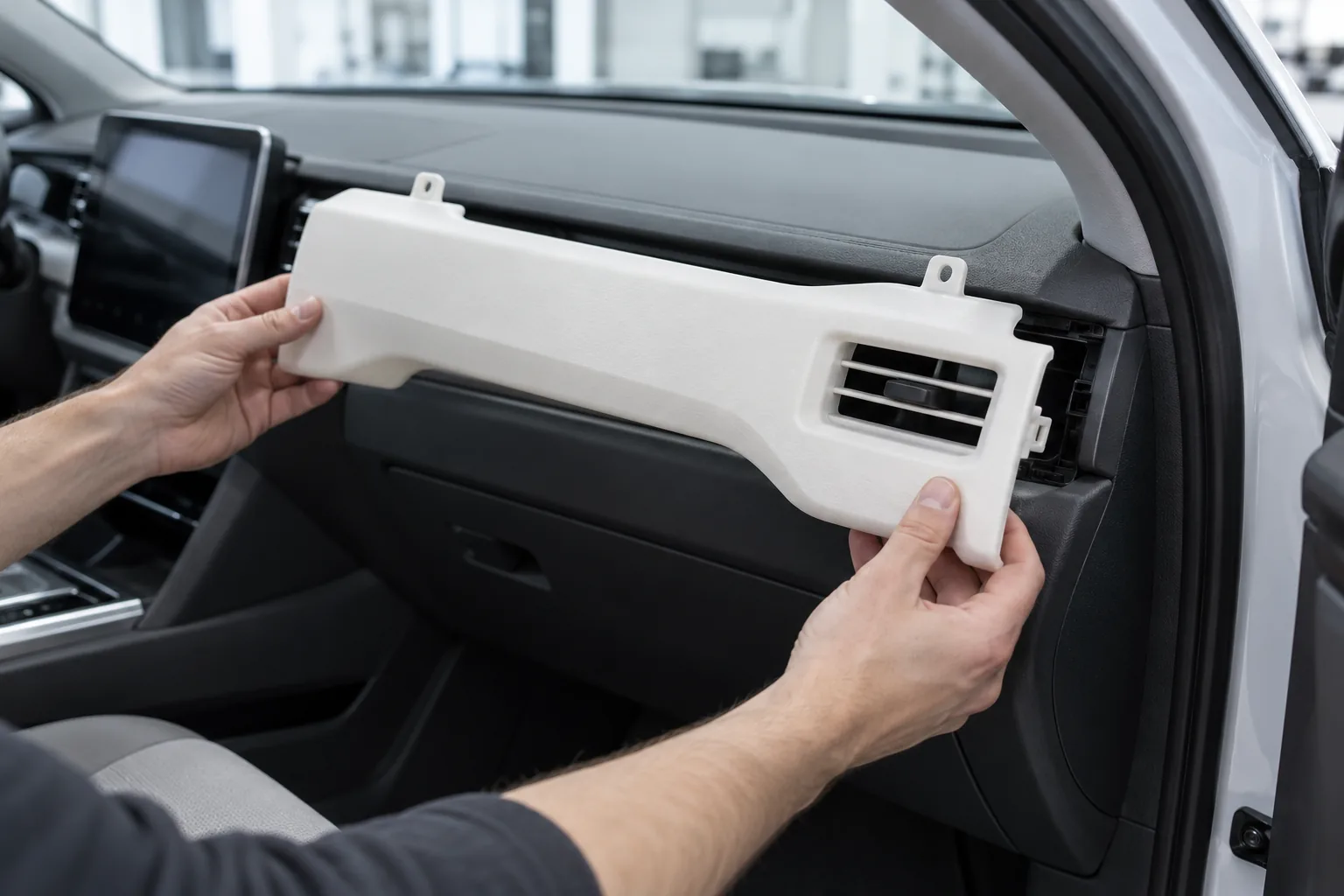
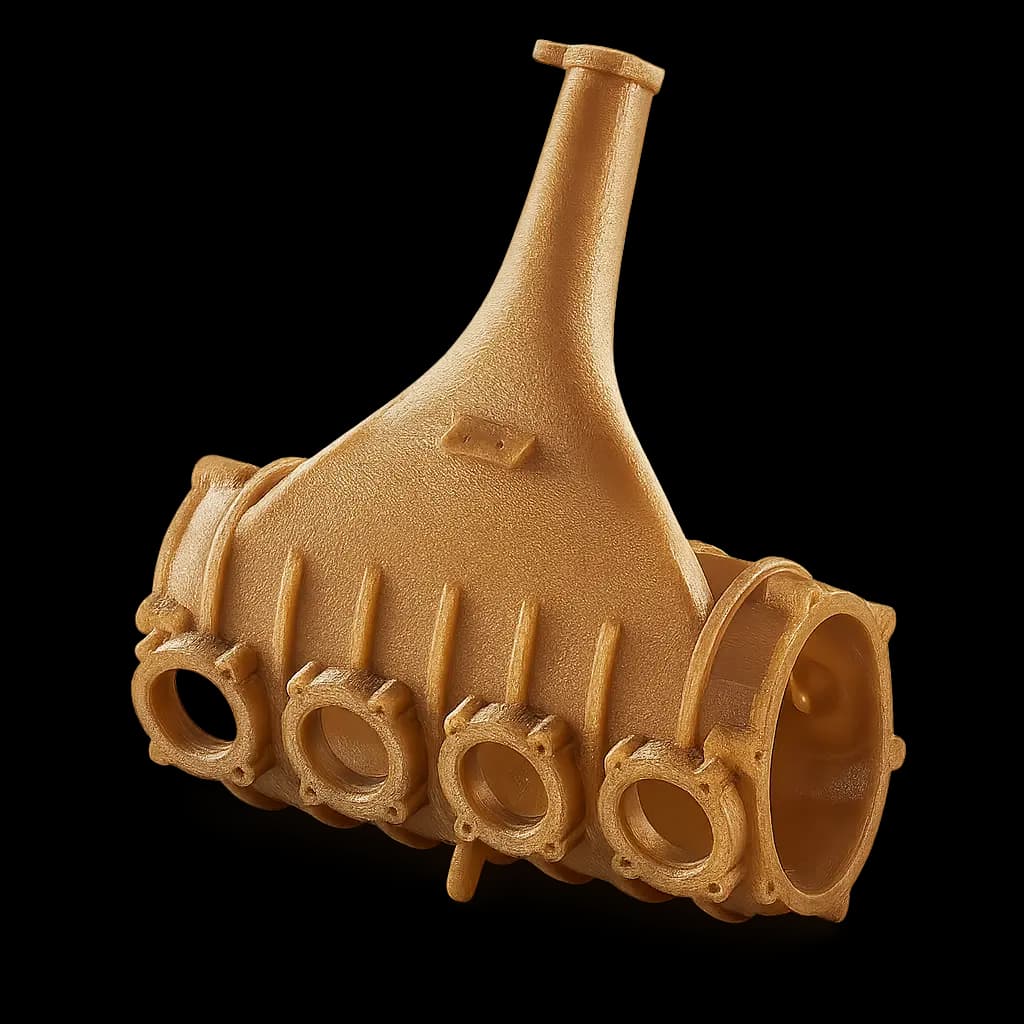
Stereolithography (SLA) produces high-definition interior components with exceptional surface quality and fine detail resolution. Clear and pigmented resins enable visual prototyping of instrument clusters, control surfaces, and trim components with production-like appearance. Flexible resins simulate soft-touch materials for ergonomic testing and validation. Post-processing options include painting, texturing, and overmolding preparation to match production specifications. Rapid iteration cycles support custom and limited-edition vehicle programs where traditional tooling investments are prohibitive.

Custom Interior Components. Surface Finish: High-definition.
Technical Specifications
Distributed additive manufacturing capabilities across North America enable rapid response to regional market demands and supply chain disruptions. Digital part libraries allow instant production at the nearest facility, reducing transportation costs and delivery times. Regional material sourcing supports sustainability initiatives while maintaining quality consistency. Local manufacturing partnerships provide scalable capacity for fluctuating demand without long-term capital commitments. Border-efficient processes streamline international automotive supply chains with reduced customs complexity.

Localized North American Manufacturing. Regional Facilities: Multi-location.
Technical Specifications
Digital manufacturing transforms traditional automotive inventory from physical stock to digital part libraries that never become obsolete. On-demand production eliminates carrying costs, storage requirements, and obsolescence risks for slow-moving spare parts. Real-time production scheduling adapts to demand fluctuations without advance forecasting or minimum order constraints. Automated quality documentation and batch traceability maintain compliance requirements while reducing administrative overhead. Digital version control ensures latest design revisions are always available without physical inventory updates.

Streamlined Inventory Management. Inventory Carrying Cost: Eliminated.
Technical Specifications
Case Studies
Success Stories
Real results from our automotive partnerships
Electric Vehicle Battery Housing Prototype
Developed lightweight battery housing prototypes for an EV startup, achieving 30% weight reduction while maintaining structural integrity and thermal management requirements.

Custom Dashboard Assembly Tooling
Created specialized assembly fixtures for luxury vehicle dashboard production, reducing assembly time by 40% and improving quality consistency across production runs.

Certified Materials
Automotive-Grade Materials
High-performance materials engineered and certified for demanding automotive applications with full traceability and compliance documentation.

Carbon Fiber Nylon
Automotive grade
Lightweight structural components
- High strength-to-weight ratio
- Automotive grade performance
- Excellent dimensional stability

Nylon PA12
Automotive grade
Functional automotive parts
- Chemical and fuel resistance
- Impact resistance
- Temperature stability

ABS
Automotive grade
Interior trim components
- Impact resistant housings
- Easy post-processing
- Automotive grade durability

Aluminum 6061
Automotive grade
Lightweight metal brackets
- Corrosion resistance
- High strength applications
- Precision manufacturing

Polycarbonate
Automotive grade
Transparent lens applications
- High impact resistance
- Temperature stability
- Optical clarity

TPU
Automotive grade
Flexible seals and gaskets
- Vibration dampening
- Chemical resistance
- Long-term elasticity
Explore Our Complete Material Matrix
Compare properties, applications, and certifications across our entire material portfolio. Filter by technology, industry, or specific requirements.
Manufacturing Technologies
Proven Technologies for Automotive
Each technology offers unique advantages for automotive applications. Choose the right process for your specific requirements.
Selective Laser Sintering (SLS)
Fused Deposition Modeling (FDM)
Direct Metal Laser Sintering (DMLS)
Stereolithography (SLA)
Not sure which technology is right for your project?
Our application engineers can help you select the optimal manufacturing process based on your specific requirements, materials, and timeline.
Ready to Transform Your Automotive Manufacturing?
Upload your CAD files for an instant quote or speak with our application engineers about your specific requirements.
Click to start your quote
STL, STEP, OBJ, 3MF supported | Get instant pricing