Manufacturing
Snap-In Tray Inserts for Assembly Lines
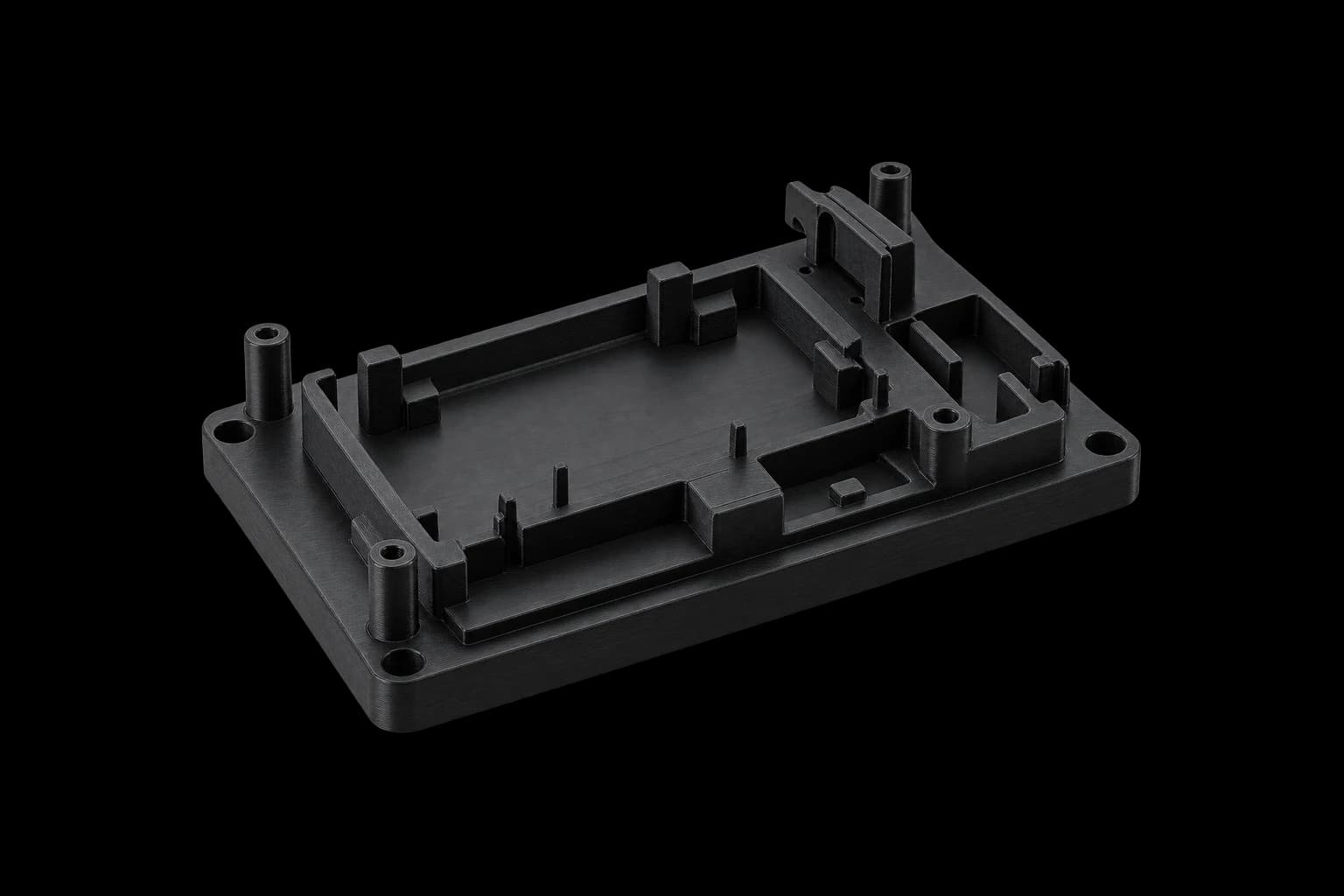
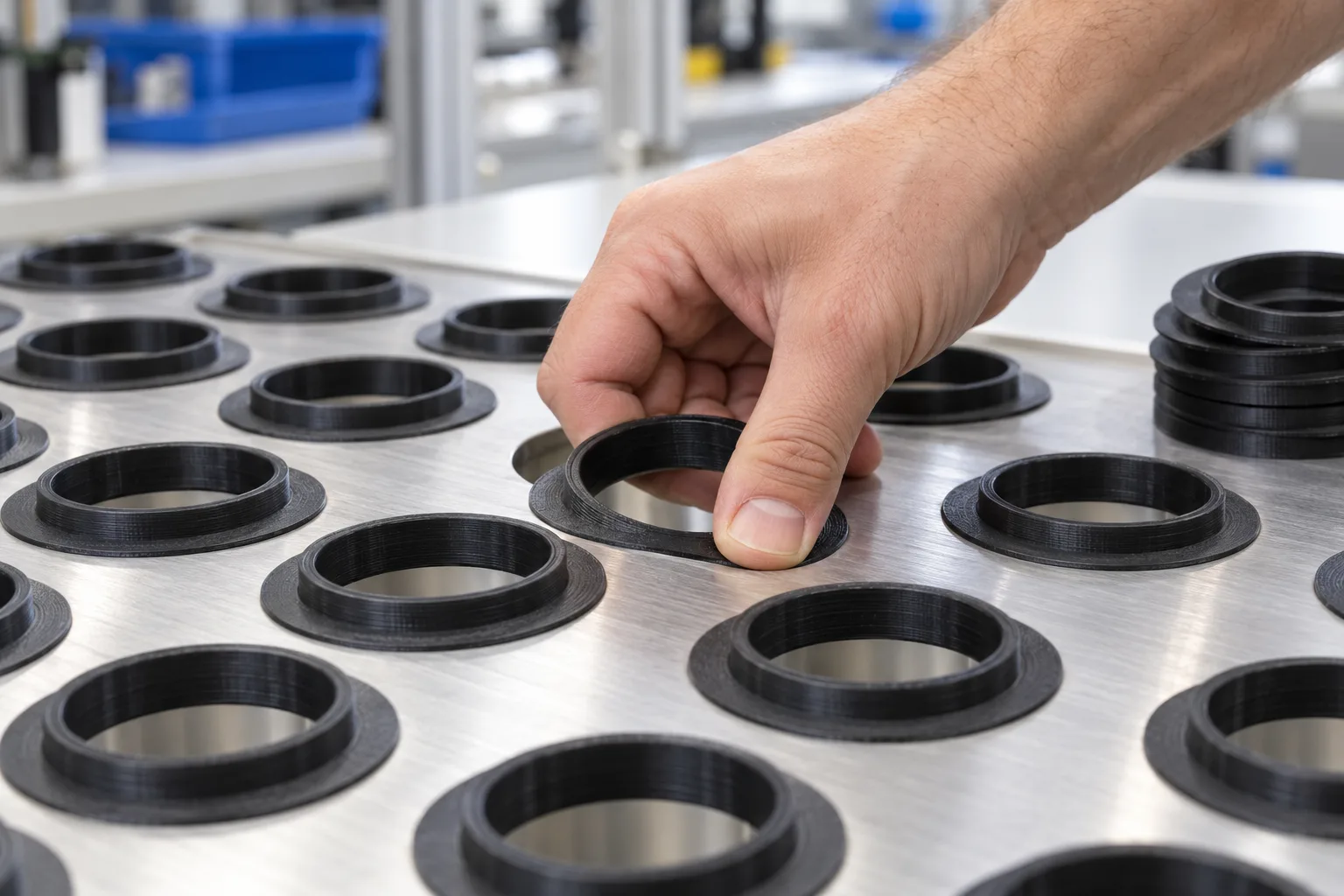
Snap-in tray inserts with barbed pegs and soft seats, 500 in one order for an electric motor line.
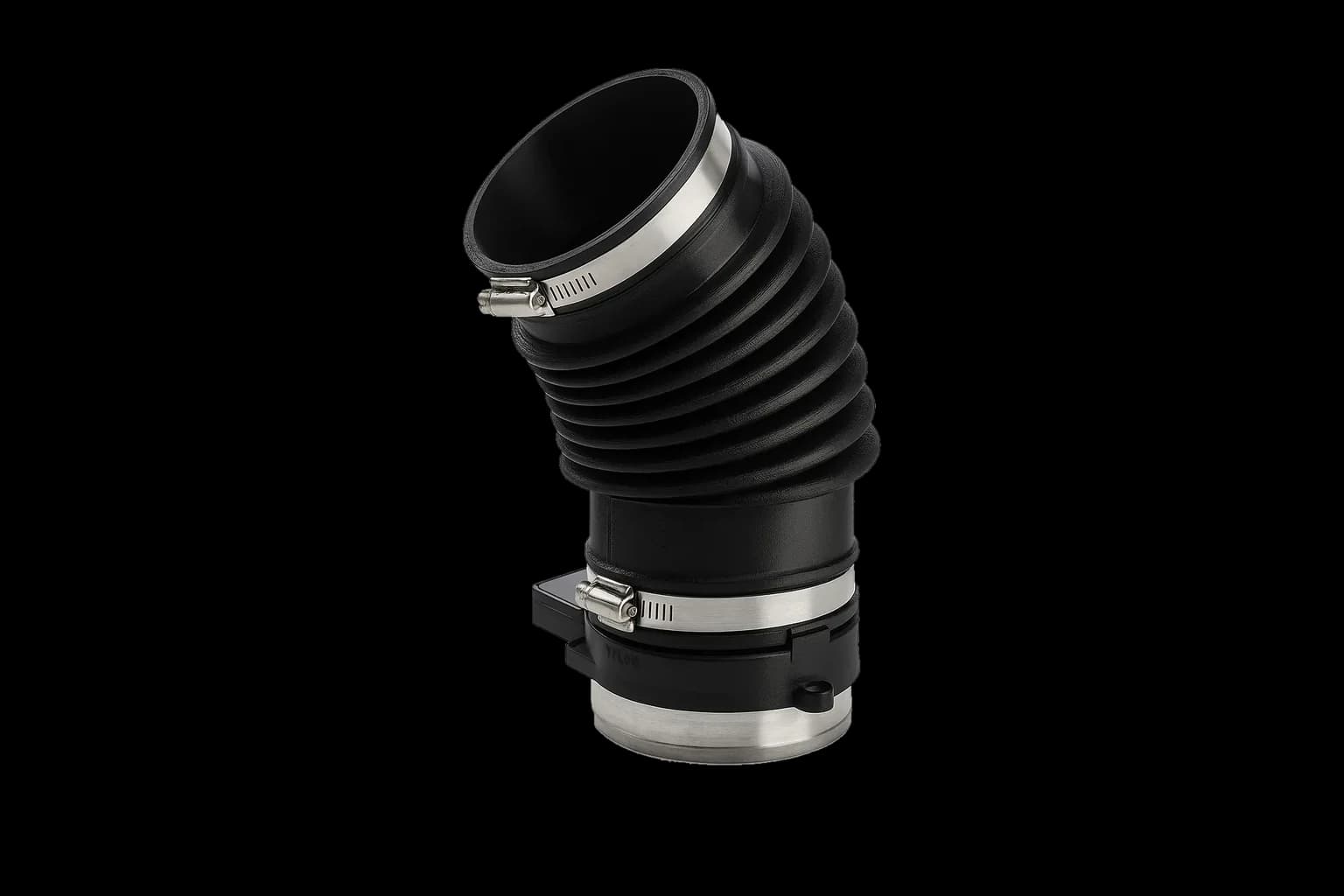
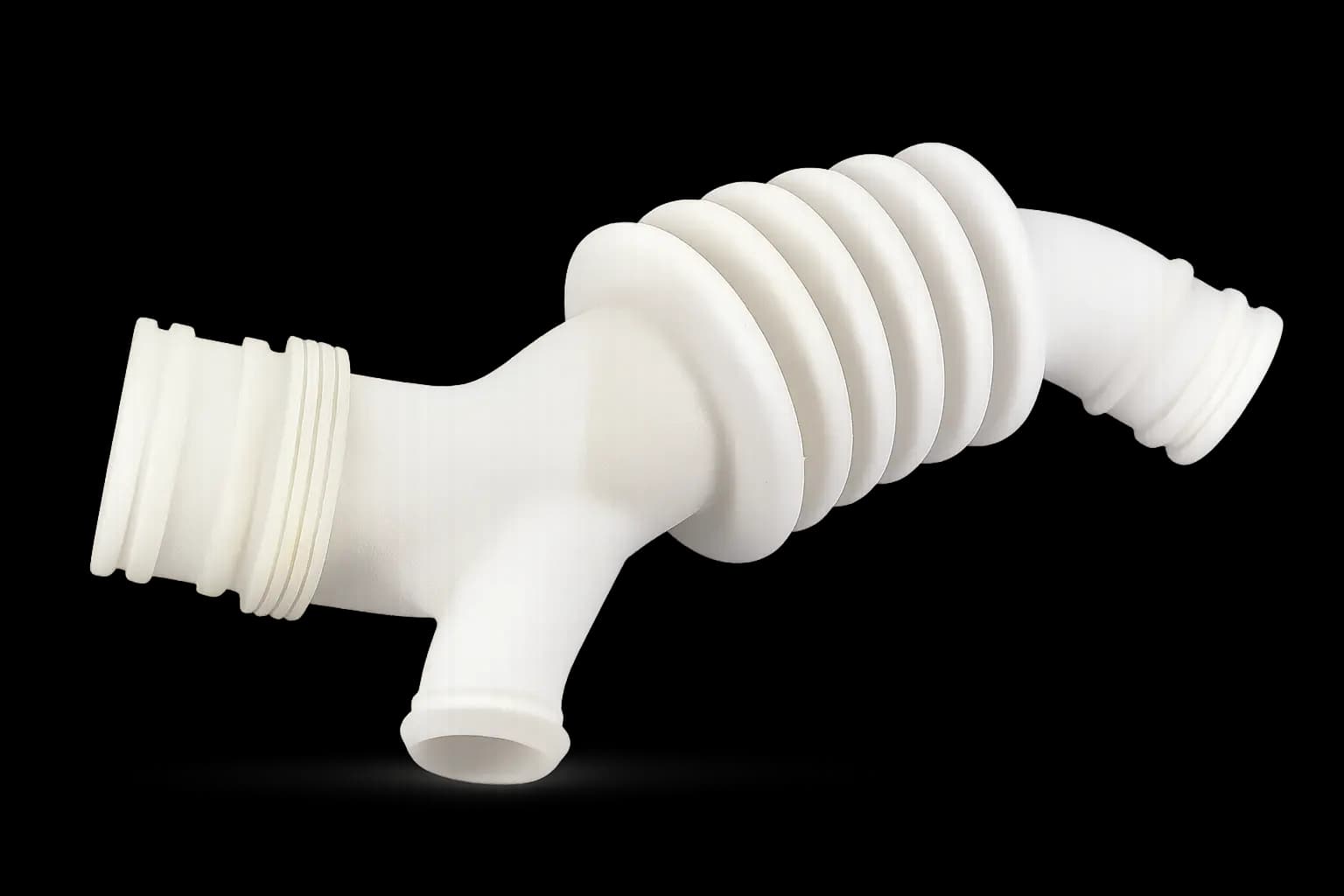
Stratasys TPU 92A is a flexible, rubber-like material for Fused Deposition Modeling (FDM) parts that bend, stretch and spring back. It replaces moulded rubber parts with no tooling, absorbs impact and resists tearing and abrasion through repeated flexing. It stands up to oils, greases and engine coolant at room temperature and stays flexible well below freezing. Use it for gaskets and seals, vibration dampers, grommets and bump stops, flexible ducts and protective boots.
How TPU 92A is manufactured
TPU 92A is manufactured using Fused Deposition Modeling (FDM), which extrudes the elastomer layer by layer and builds flexible parts without tooling. It extends FDM into true elastomer applications, producing compliant parts such as boots and protective interfaces while maintaining repeatable layer-based production.
Upload CAD files to Forge Labs Steam for TPU 92A quotes and live manufacturability feedback, and fix issues before production.
Upload CAD files to Forge Labs Steam for TPU 92A quotes and live manufacturability feedback, and fix issues before production.



Unlike rigid thermoplastics, TPU 92A stretches, absorbs impact energy and rebounds. Its Shore 92A hardness balances flexibility and durability for functional components and repeated-use parts such as dampers and compliant seals.
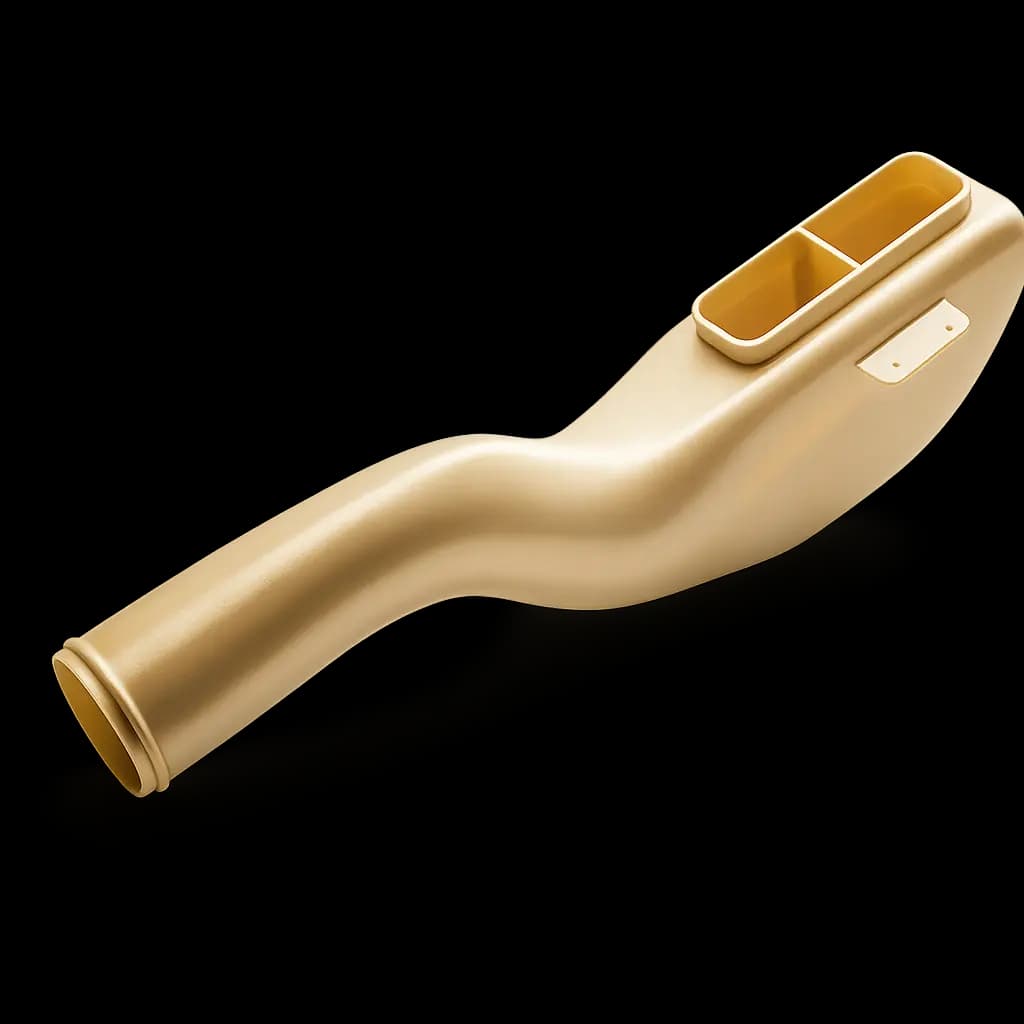
TPU 92A suits flexible hoses, tubes and air ducts for low-pressure airflow and fluid handling. From rapid prototyping to production runs, teams rely on it to reduce assembly complexity through consolidated part designs.
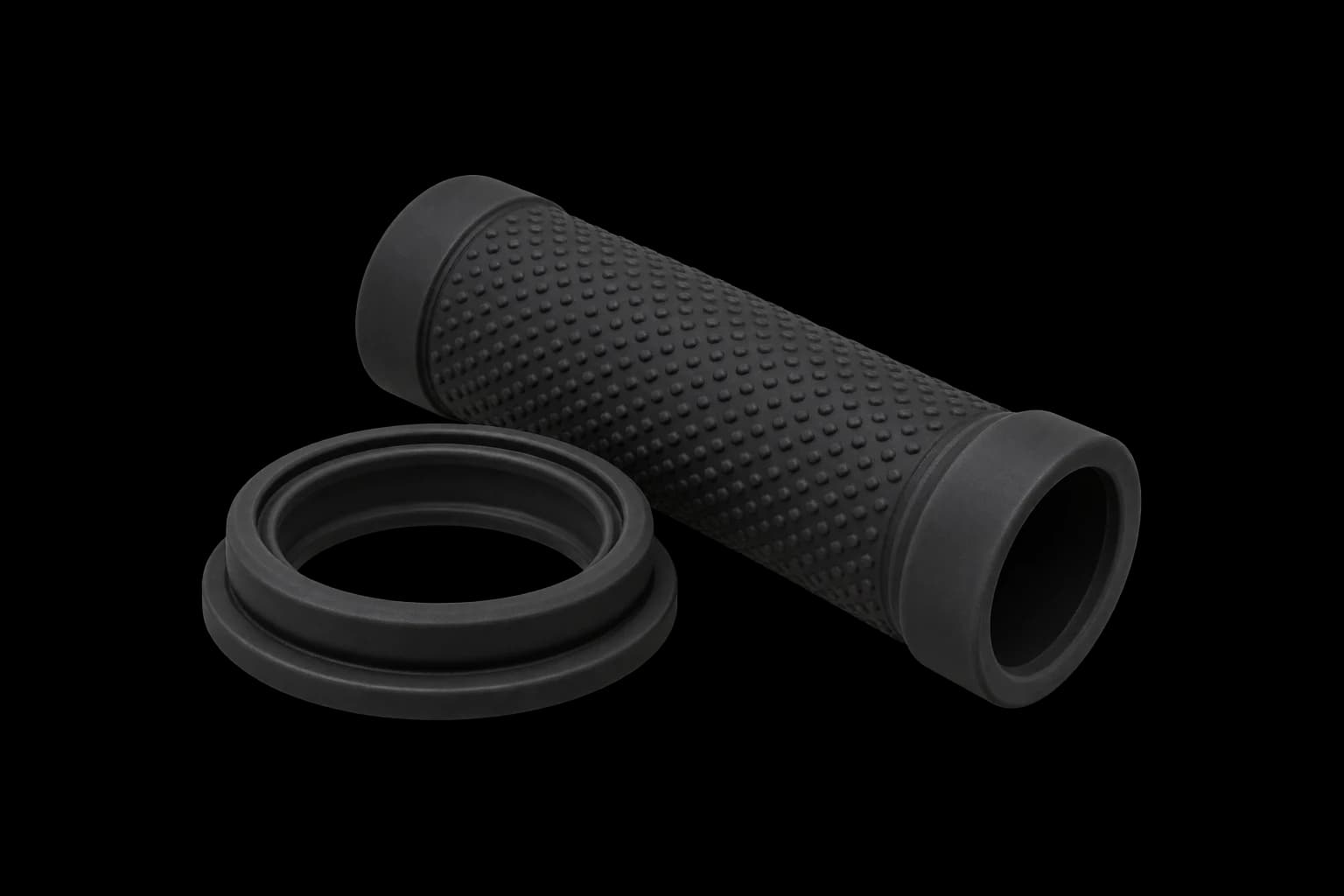
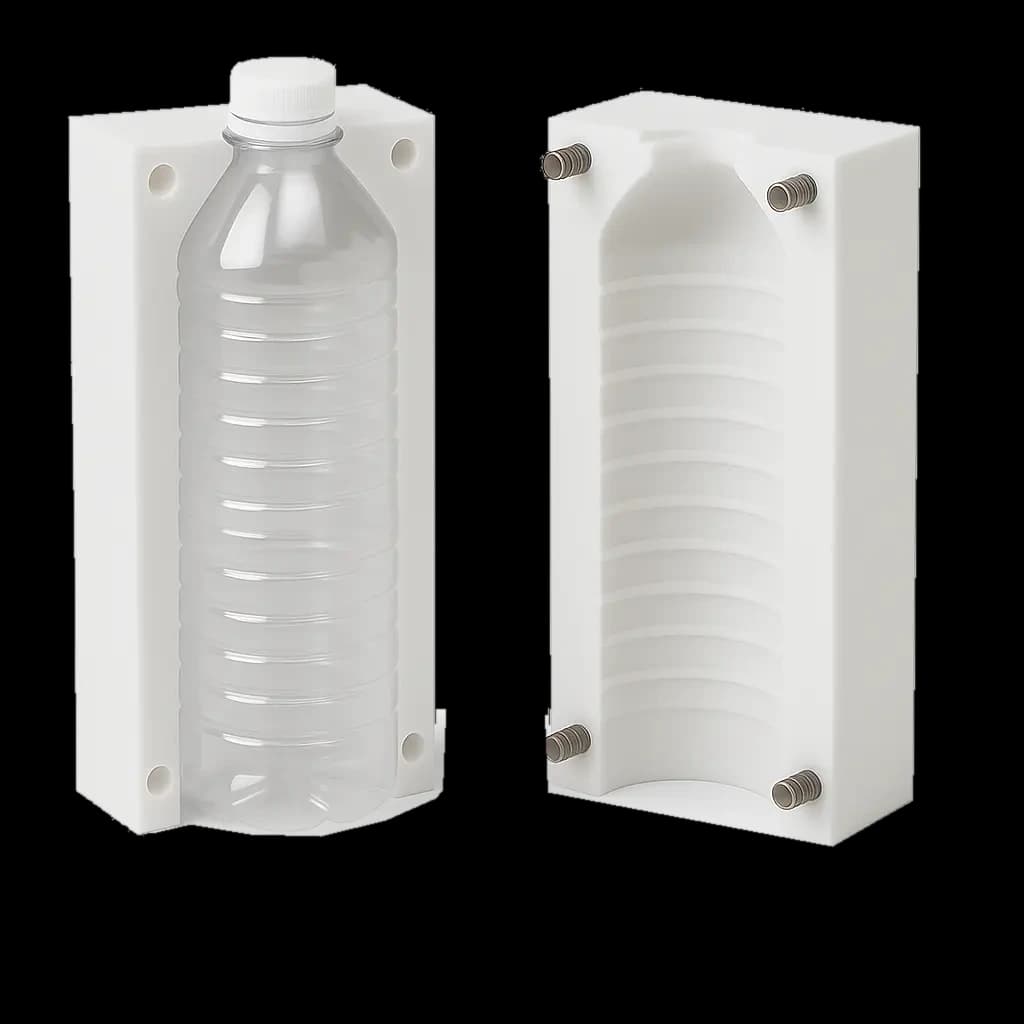
Consumer product teams use TPU 92A for mass customization of grips, phone cases, bumpers, shoe inserts, flexible hinges, latches and protective covers, where its toughness and abrasion resistance hold up to daily handling. Wearable device teams use it for fit-and-function prototypes and device housings.
Manufacturing
Snap-in tray inserts with barbed pegs and soft seats, 500 in one order for an electric motor line.
Automotive
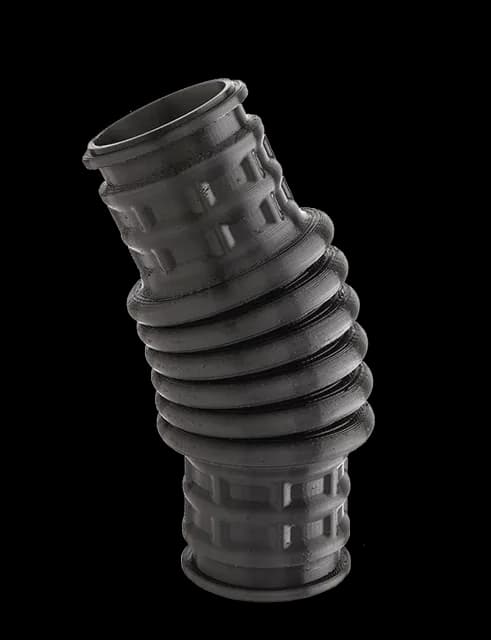
Flexible grommets, bump stops and weatherstripping that stand up to prolonged contact with oils, greases and coolant at room temperature.
Industrial Design
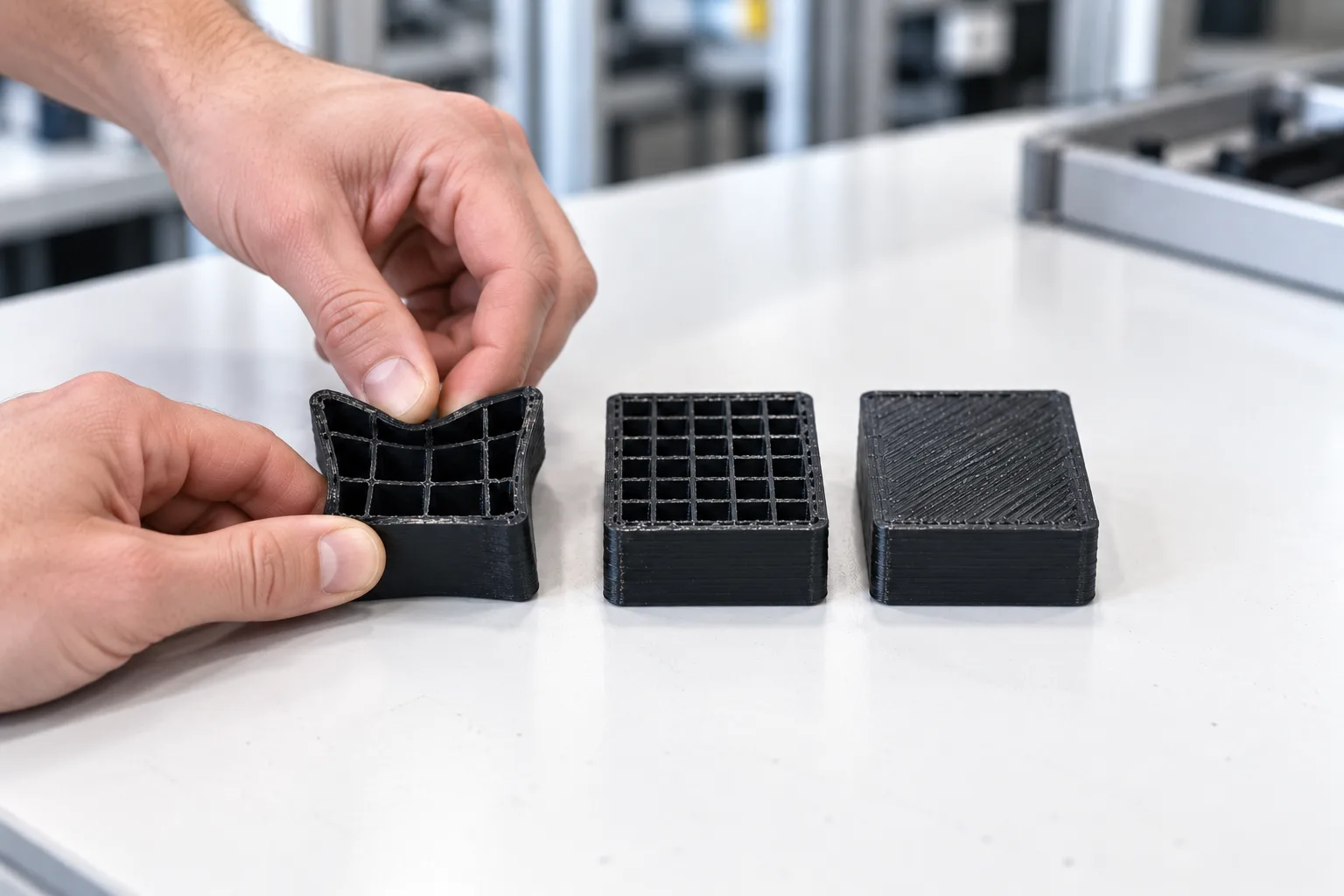
Enclosure gaskets, seals and dampers, made soft or firm by infill, with 21% compression set after 22 hours at 23 °C.
Manufacturing
Assembly line builders use flexible FDM TPU for snap-in tray inserts that give components a soft, non-marring seat. Integral barbed pegs push through plain holes in the tray plate and lock, so the tray needs no screws or adhesive, while in a mold the barbs would be undercuts needing side actions. For an electric motor line, Forge supplied 500 inserts in a Shore 90A-class FDM TPU in one order, with first parts shipping in about a week and the full run over roughly three weeks.
Automotive
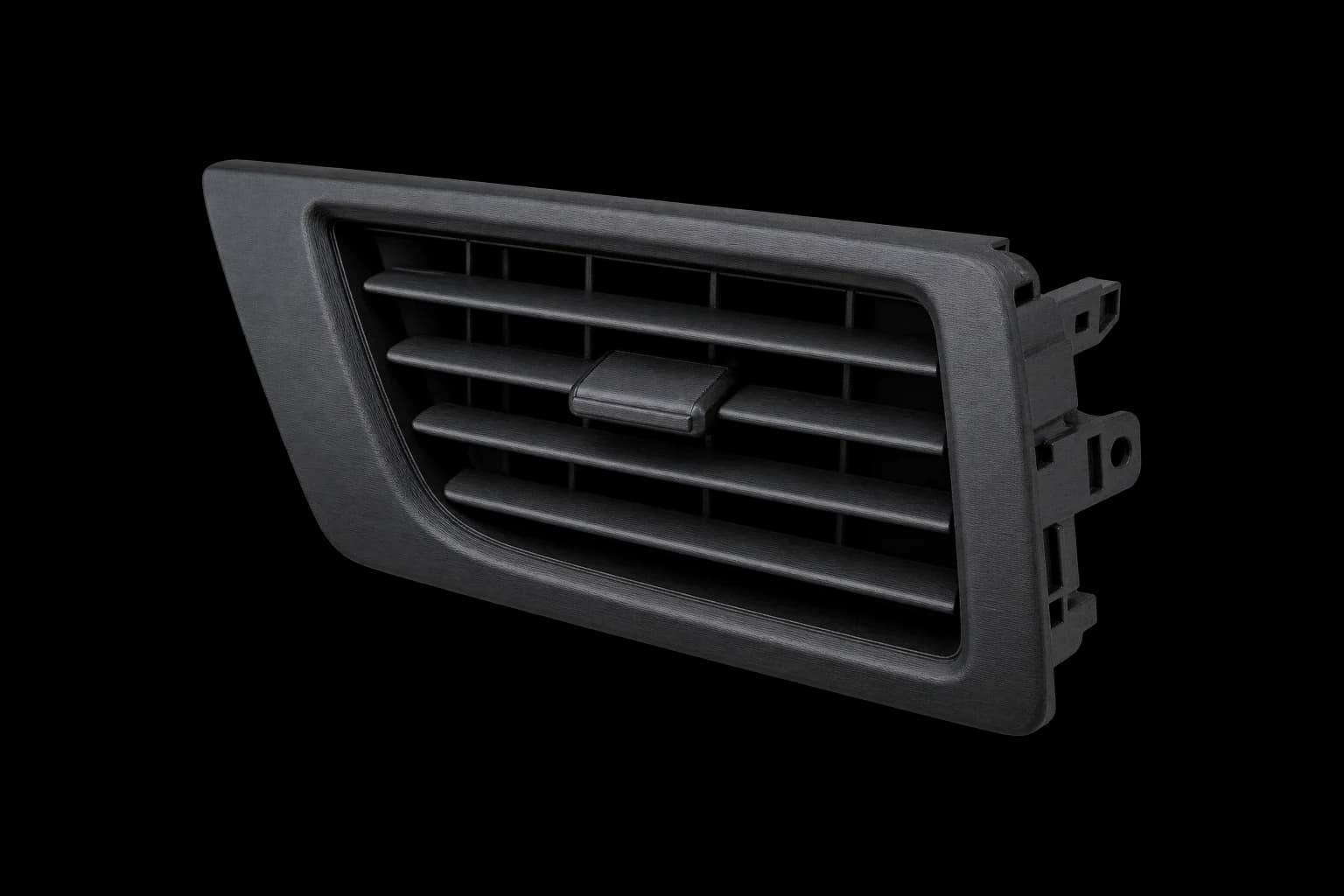
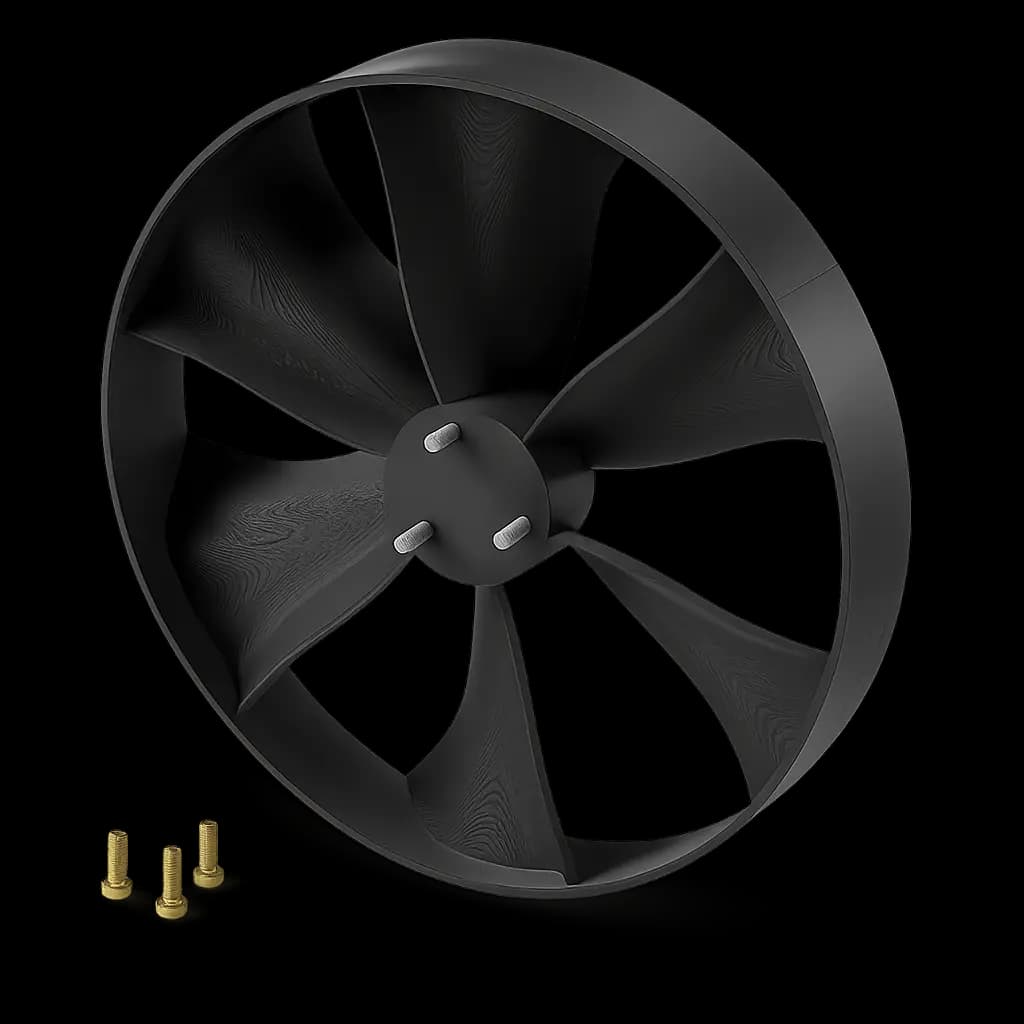
Automotive teams use TPU 92A for custom flexible components that withstand repeated flexing, replacing traditionally molded rubber parts with printed alternatives and no tooling. At room temperature, it stands up to prolonged exposure to transmission fluid, motor oil, greases and engine coolant, and to short-term contact with fuels, brake fluid and washer fluid. That suits wire harness grommets, suspension bump stops, custom weatherstripping and flexible cabin and body-side air ducts.
Industrial Design
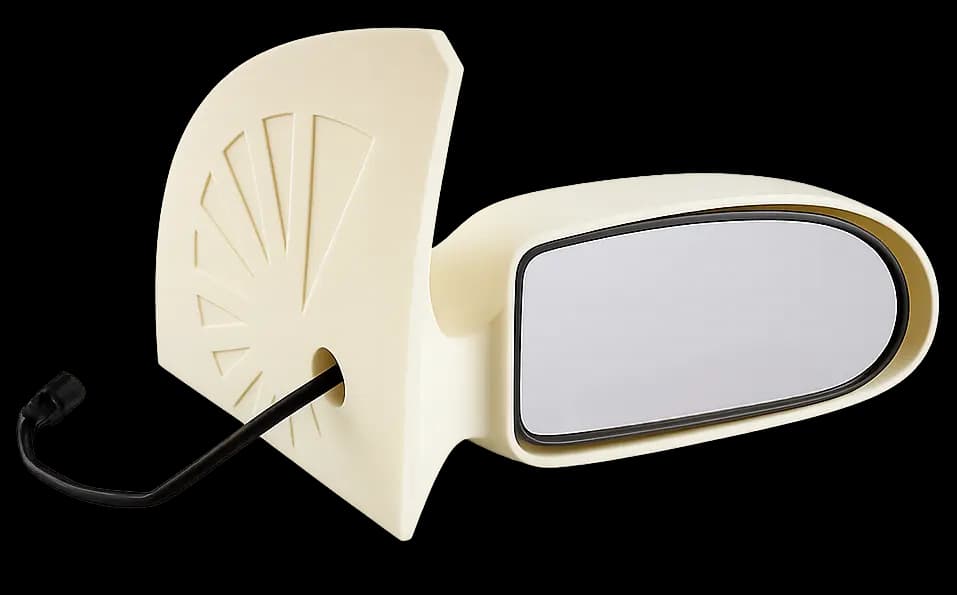
Product and equipment designers use TPU 92A for custom gaskets and seals with complex geometries that are difficult to achieve with traditional die-cutting, along with pneumatic seals and diaphragms, vibration dampening mounts and protective bellows and boots for enclosures and fixtures. Infill sets how soft or firm a printed elastomer part feels, so one material covers cushioned dampers and solid seals. Compression set is 21% after 22 hours at 23 °C, rising to 44% at 70 °C.
Values from the Stratasys FDM TPU 92A (Black) datasheet, tested to the standard listed with each property.
Mechanical performance
Strength, elongation and the tensile stress at 100% and 300% elongation show how far TPU 92A parts stretch and how firmly they pull back, the figures to use when sizing seals, boots and dampers. Values are given for parts built flat (XY) and on edge (XZ), and elongation at break is highest in parts built flat. FDM parts are weakest across their layer lines, so keep the direction that stretches hardest in the build plane.
Tear strength and compression set show how parts resist tearing at notches and recover after being held compressed. Compression set rises with temperature, so allow for creep in seals and dampers that stay loaded. Flexural specimens bend without breaking.
Material makeup
Specific gravity gives part weight for a given volume, a little above water for TPU 92A. After 1,000 hours of accelerated UV and condensation cycling, Stratasys measured a moderate loss of ultimate strength while elongation stayed high, a useful guide for flexible parts that see sunlight.
Heat performance
The low glass transition temperature keeps TPU 92A flexible and rubbery well below freezing, while heat deflection marks where parts start to soften under load. Heat deflection was measured on molded specimens and printed parts soften at lower temperatures, so compare it with the service temperature before specifying parts mounted near an engine.
Thermal expansion is high, as for most elastomers, and Stratasys publishes it for each axis, so allow for it in seals and fits that span temperature changes.
Functional performance
Stratasys publishes volume resistivity for two build orientations, and it is about a thousand times higher for parts built on edge (XZ) than for parts built flat (XY). Use the value for the orientation you will print when a flexible part sits near electrical components.
Compatibility data
Each chemical class is rated at room temperature, from excellent for prolonged exposure, through good for short-term contact, to poor. TPU 92A rates best with the oils, greases and coolants found around vehicles and machinery, and worst with acids and strong solvents.
Stratasys publishes these as relative ratings rather than results of a specific test, so treat them as screening guidance and confirm them with application-specific testing before production release.
Datasheets, design guidance and supplier documentation for TPU 92A.
Access the most recent datasheet and supporting documentation maintained by our engineering team.
TPU 92A datasheetExplore printable geometry recommendations, wall thickness tips, and finishing playbooks for FDM.
View FDM design guide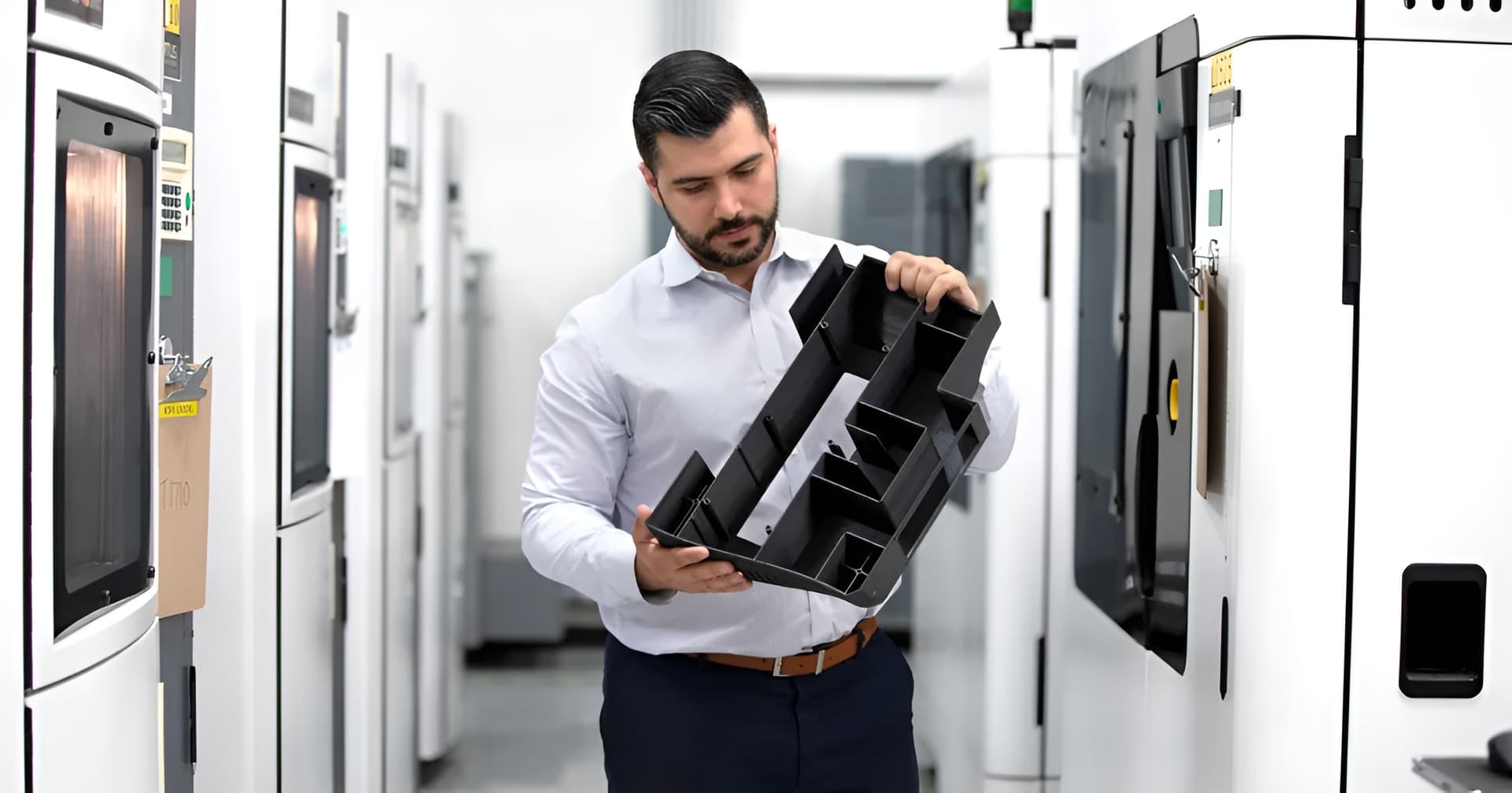
TPU 92A is manufactured using Fused Deposition Modeling (FDM) technology, offering reliable performance for functional prototypes and end-use parts.
Can't find the answer you're looking for? Reach out to our customer support team.
Upload your design and get an instant quote for TPU 92A parts.
Create an account to upload CAD
STEP, STL, OBJ, 3MF and IGES supported