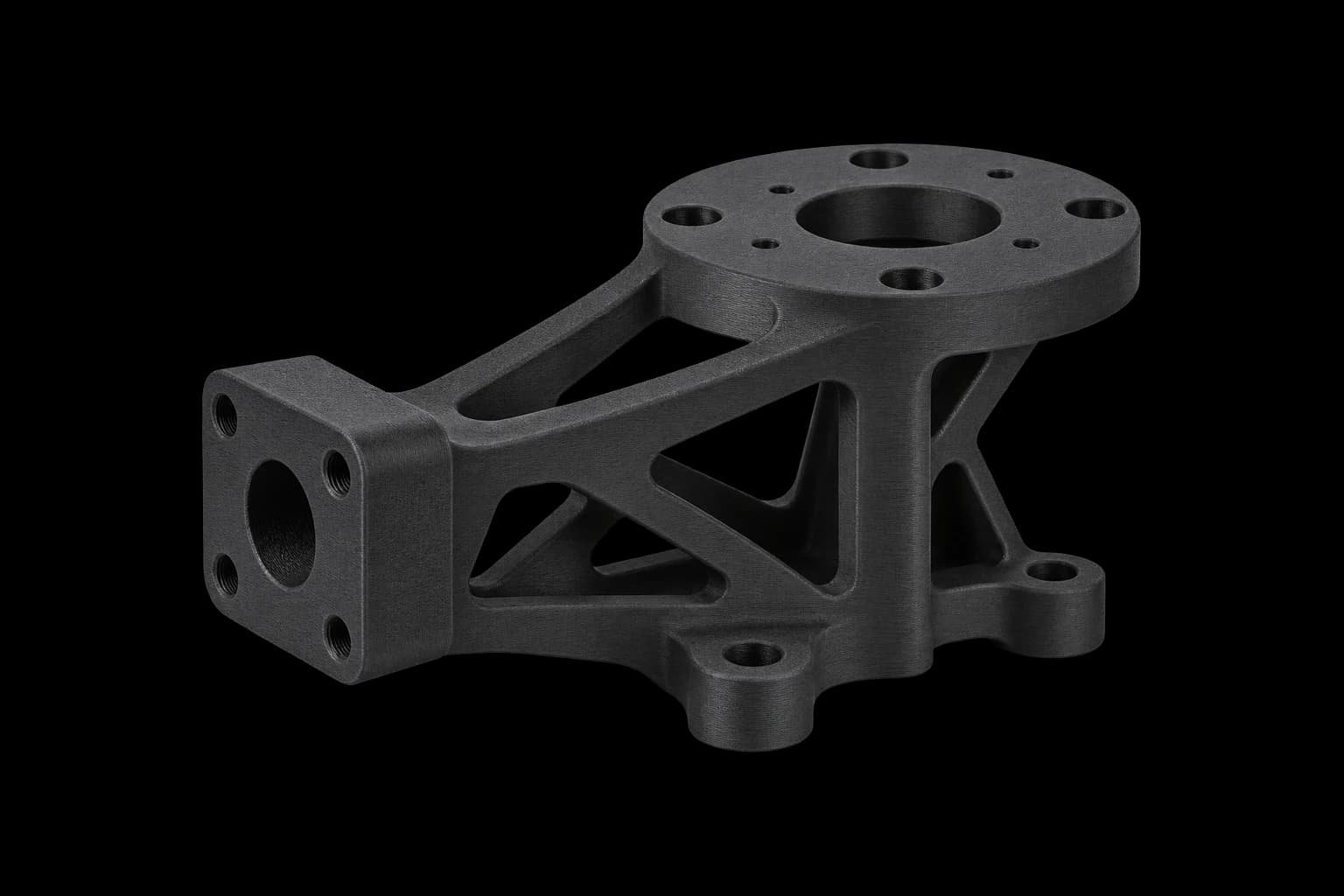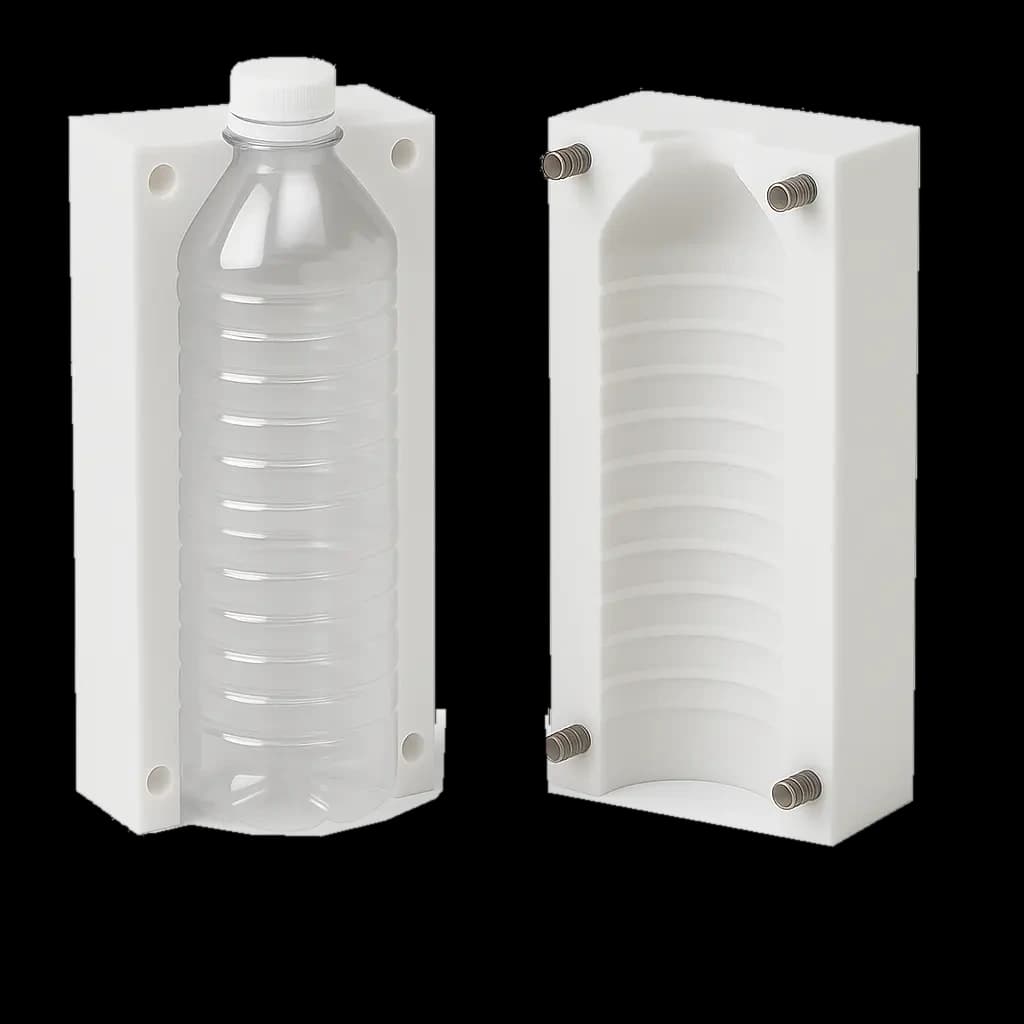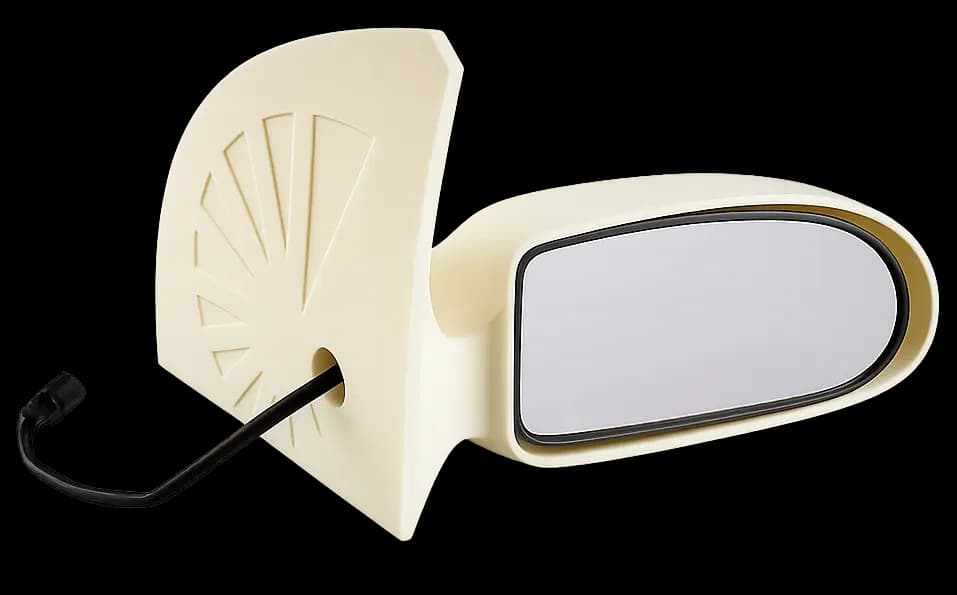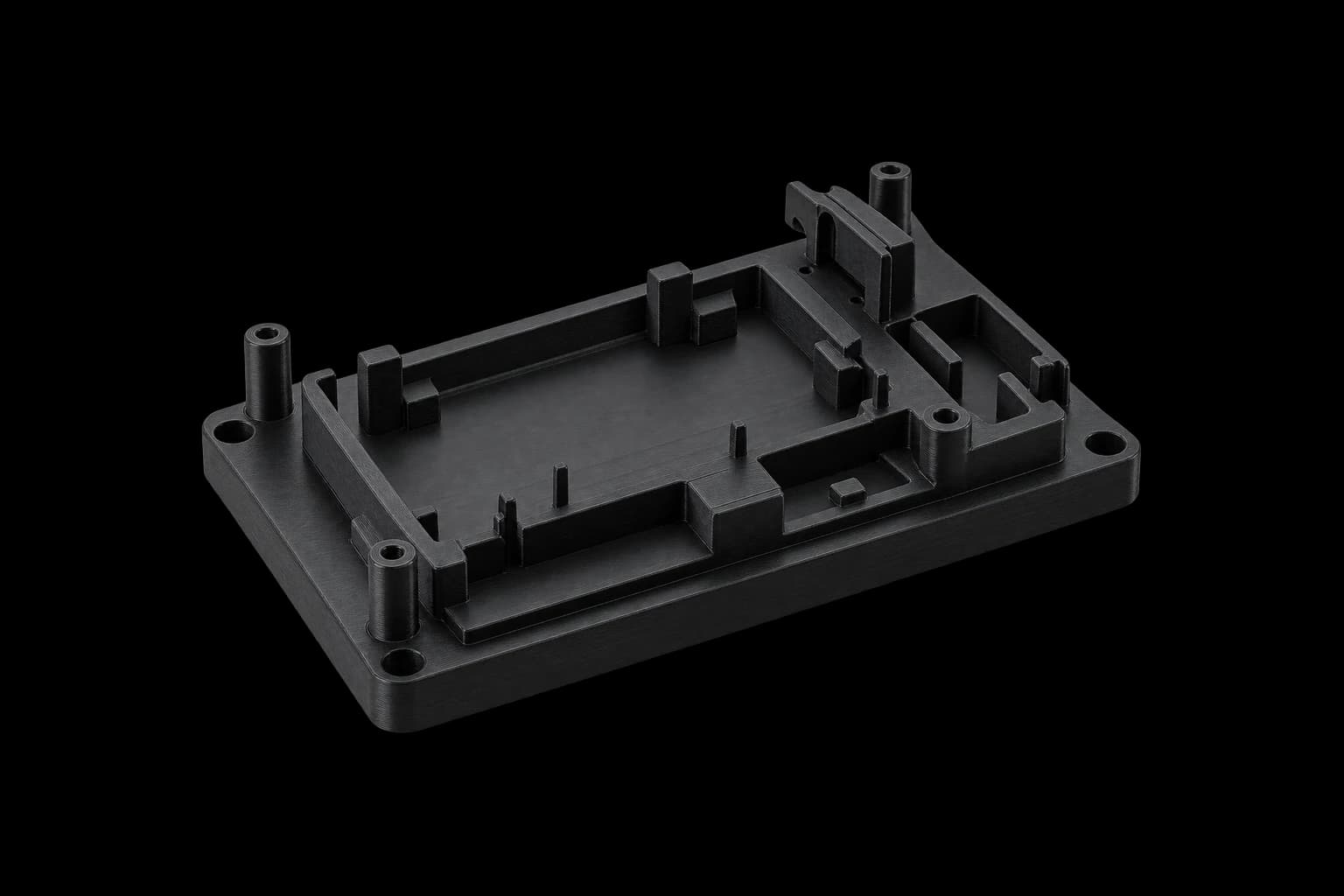
Aerospace
Cabin Ducting, Brackets & Systems Parts
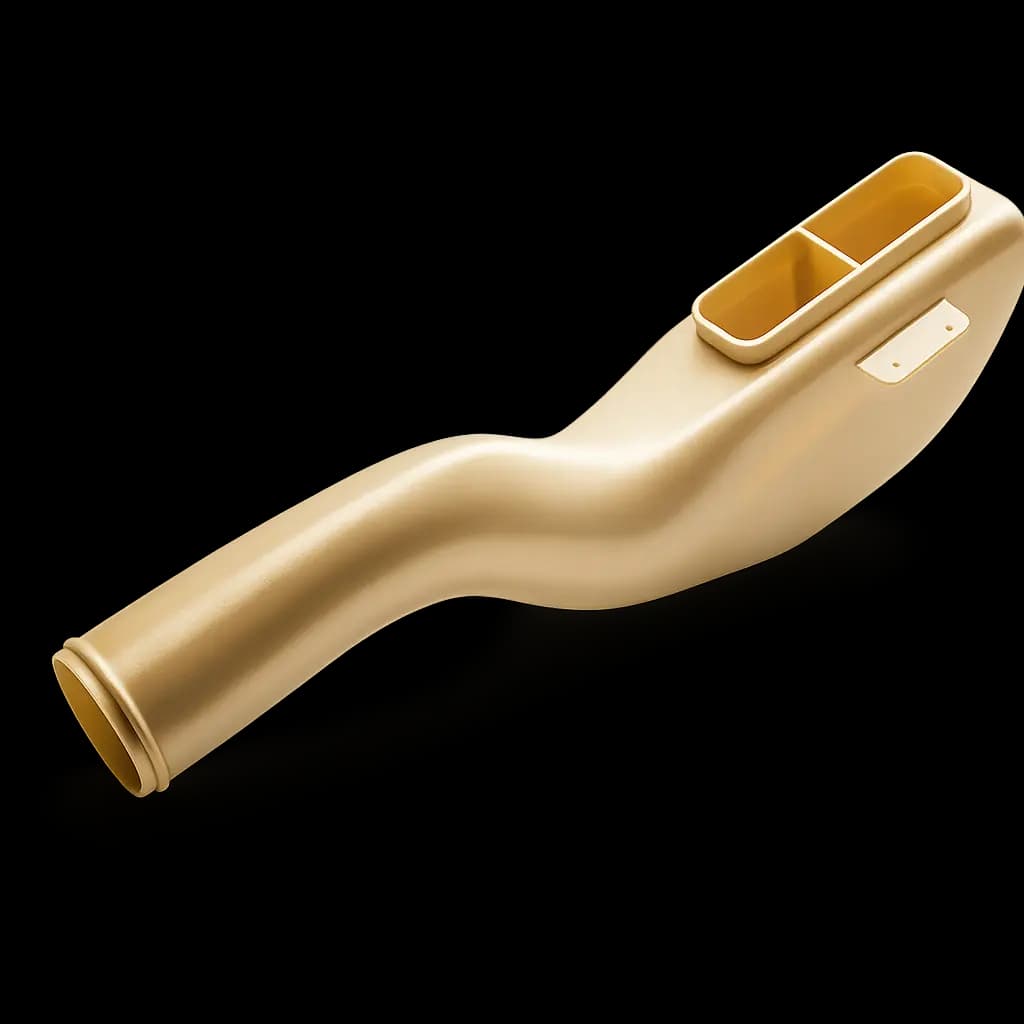
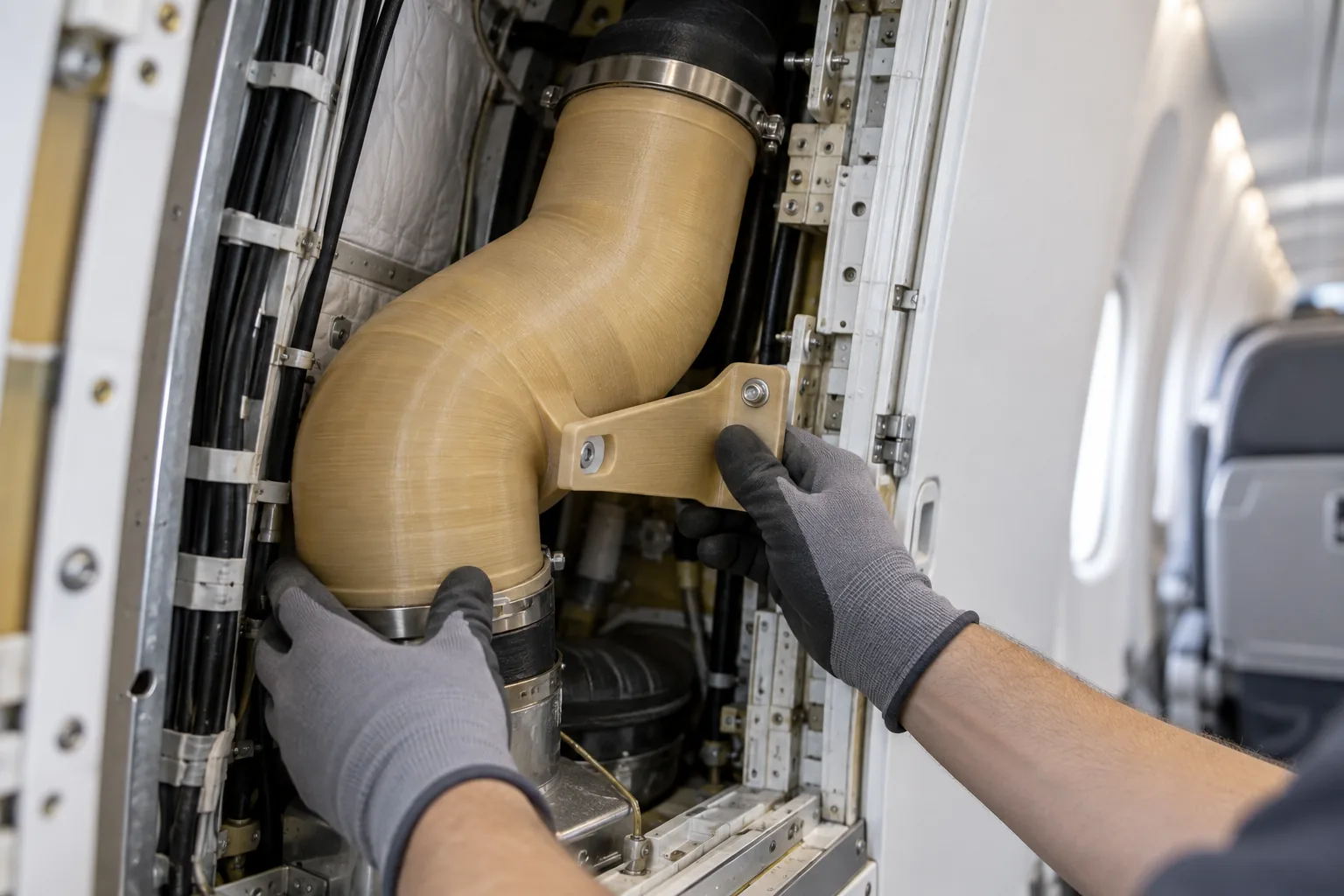
Cabin ducting and brackets that meet aircraft flame, smoke and toxicity requirements.
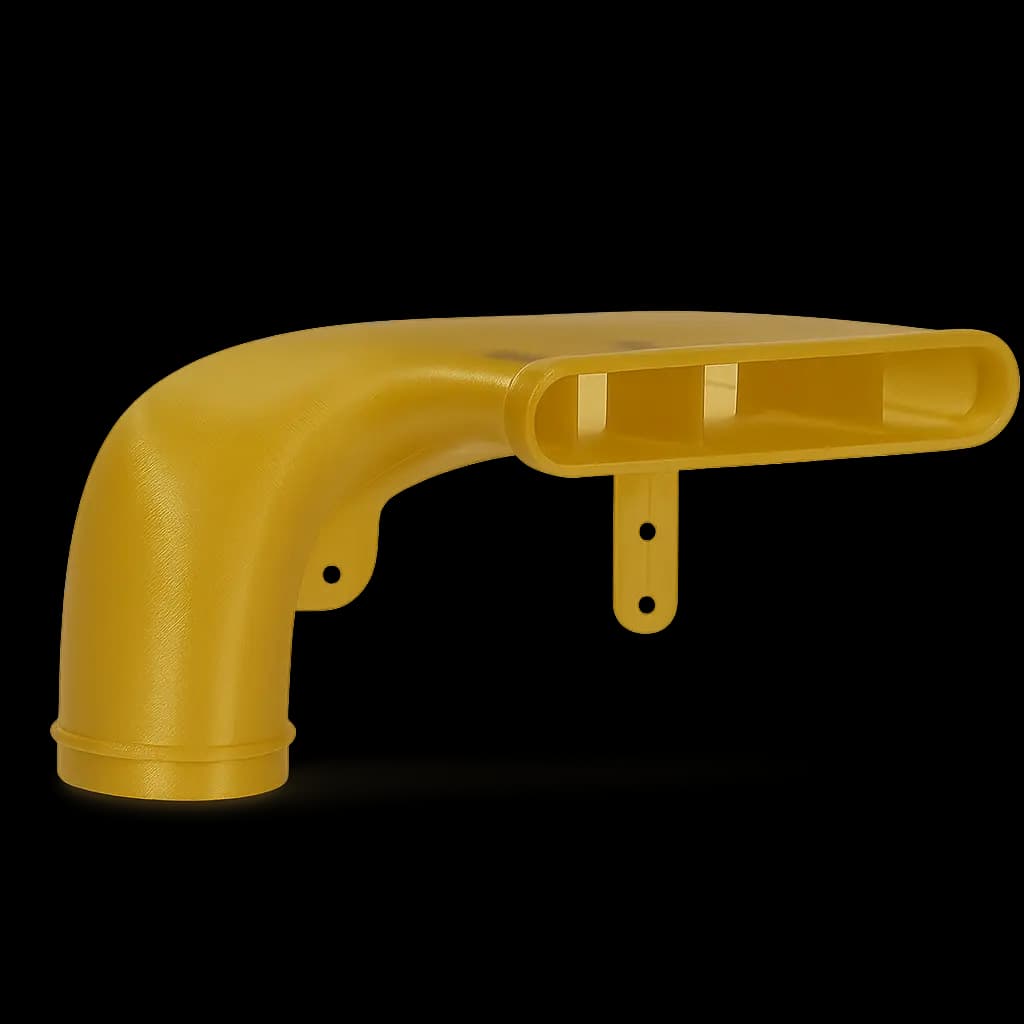
Antero 800NA is a PEKK plastic for FDM 3D printing, used as a lighter alternative to metal for aircraft, spacecraft and industrial parts that face harsh fluids, heat or vacuum. It has the highest chemical resistance available in FDM, standing up to jet fuel, hydraulic fluid, acids and bases, and it gives off so little gas in vacuum that it suits hardware near spacecraft optics and sensors. It also meets aircraft flame, smoke and toxicity requirements for cabin parts. Typical uses include cabin ducting, brackets, satellite mounts, pump and valve parts and engine-bay housings.
How Antero 800NA PEKK is manufactured
Antero 800NA PEKK is manufactured using Fused Deposition Modeling (FDM) on the high-temperature Stratasys F900, which builds parts layer by layer with breakaway support for overhangs. The large build envelope produces long ducts, housings and fixtures in one piece. Combined with the material's chemical resistance and low outgassing, FDM makes Antero 800NA a practical route to functional components for spacecraft, aircraft and chemical processing equipment.
Upload CAD files to Forge Labs Steam for instant Antero 800NA PEKK pricing and live manufacturability feedback, and fix issues before production.
Upload CAD files to Forge Labs Steam for instant Antero 800NA PEKK pricing and live manufacturability feedback, and fix issues before production.
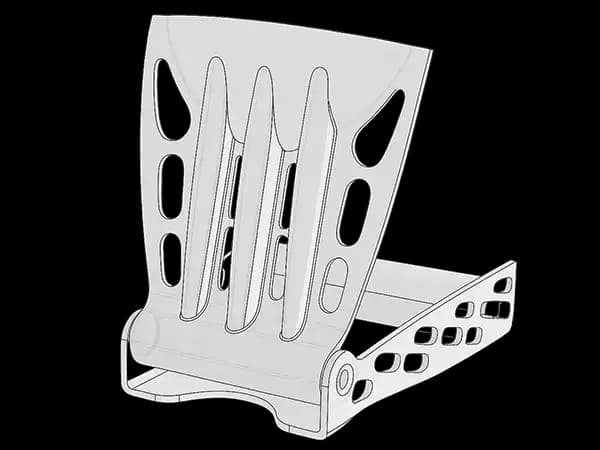
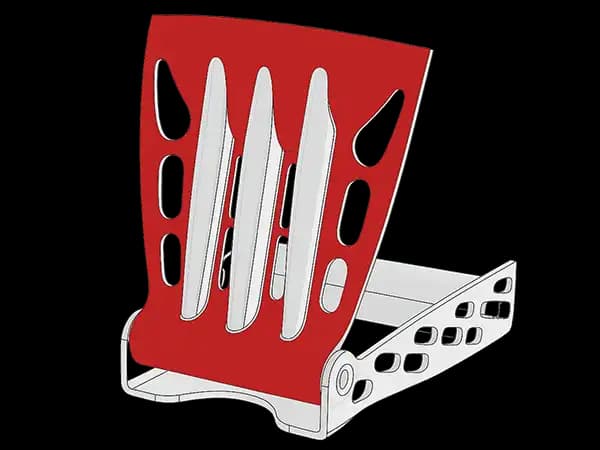
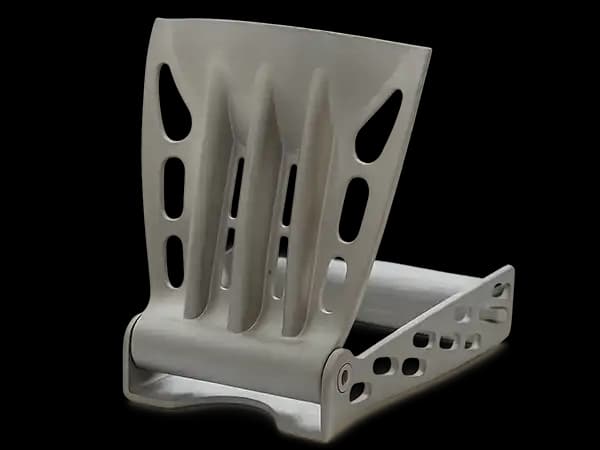
Antero 800NA brings PEKK (polyetherketoneketone) chemistry to FDM, delivering high strength and wear resistance for the most demanding applications, with outgassing low enough for space and vacuum hardware. It meets FAR 25.853 and the Boeing BSS 7238 and 7239 requirements for aircraft interiors.
With a glass transition temperature of 156 °C and the highest chemical resistance available in FDM, Antero 800NA survives jet fuel, hydraulic fluid, acids and bases that destroy standard thermoplastics. Its very low smoke density in burn testing suits confined spaces such as aircraft cabins, and it serves aerospace, space, oil and gas, chemical processing, automotive and defense equipment.
From rapid prototyping to production runs, teams rely on Antero 800NA to maintain tight tolerances while reducing assembly complexity through consolidated part designs. Its high strength-to-weight ratio keeps consolidated parts light, and printing near-net shapes avoids the material waste of machining parts from bulk PEKK.
Our documented quality system provides full traceability from raw material through finished part.
Aerospace
Cabin ducting and brackets that meet aircraft flame, smoke and toxicity requirements.
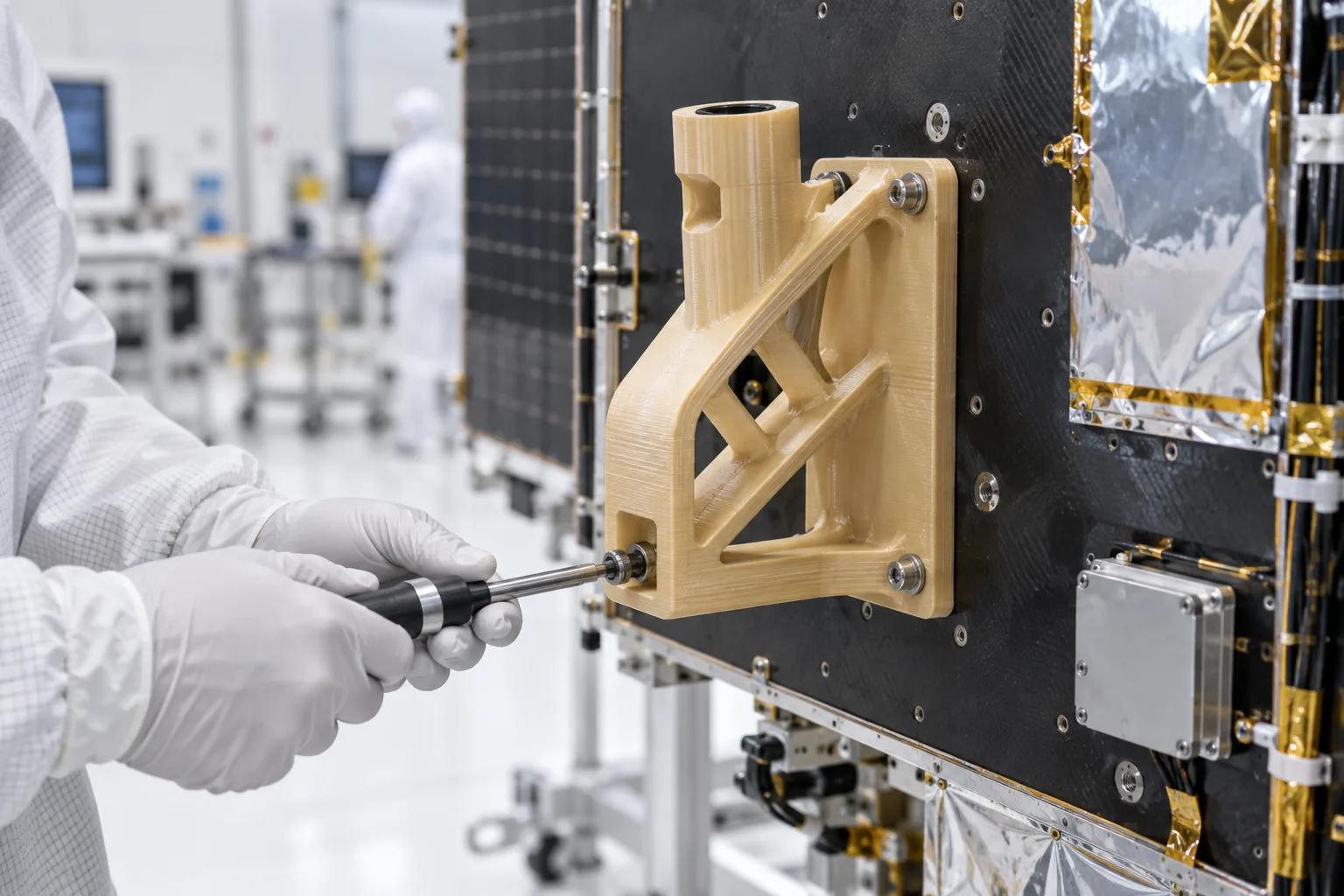
Space
Satellite brackets, mounts and housings with outgassing well inside spacecraft screening limits.
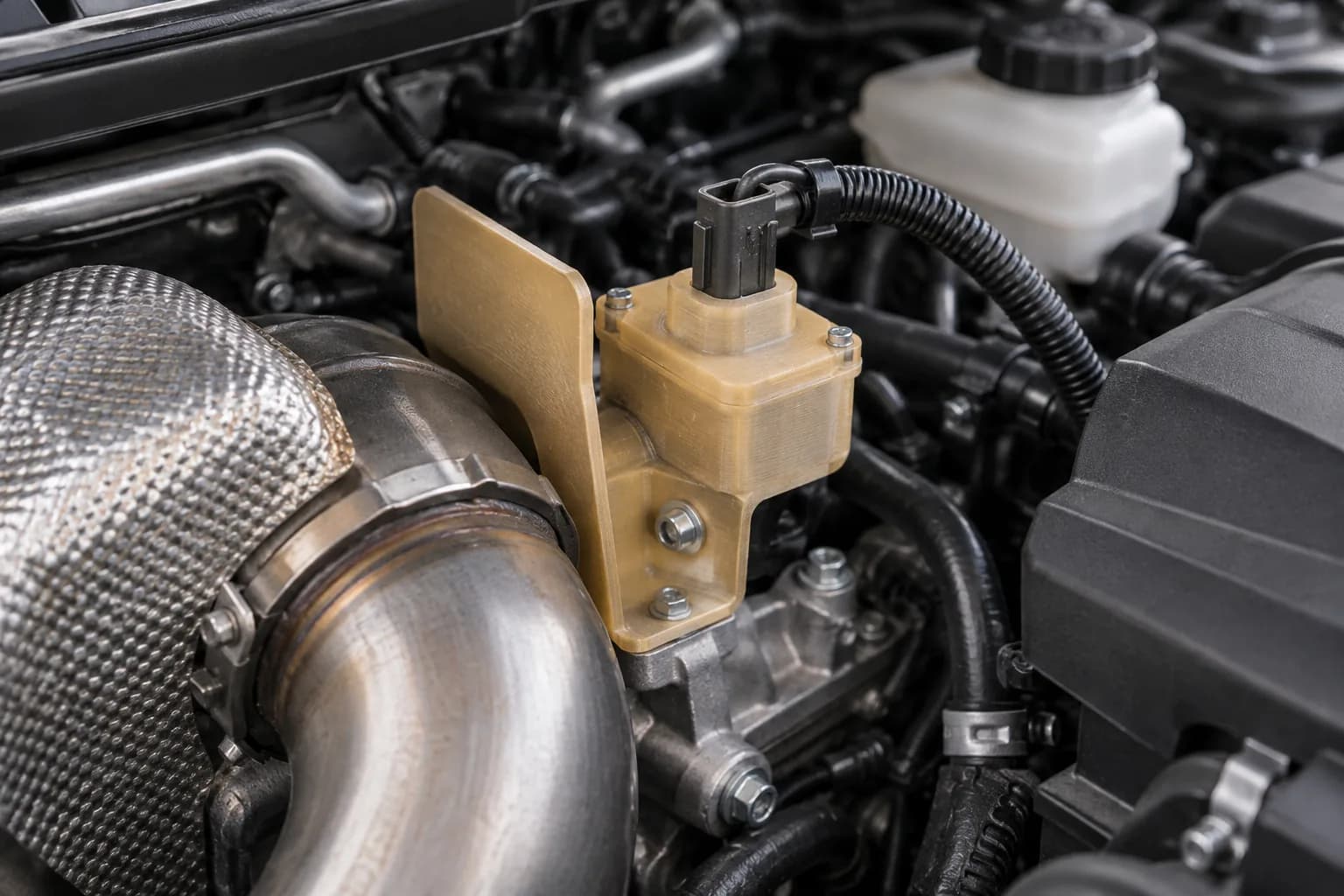
Automotive
Sensor housings, reservoirs and brackets that keep 82% of their strength at 104 °C.
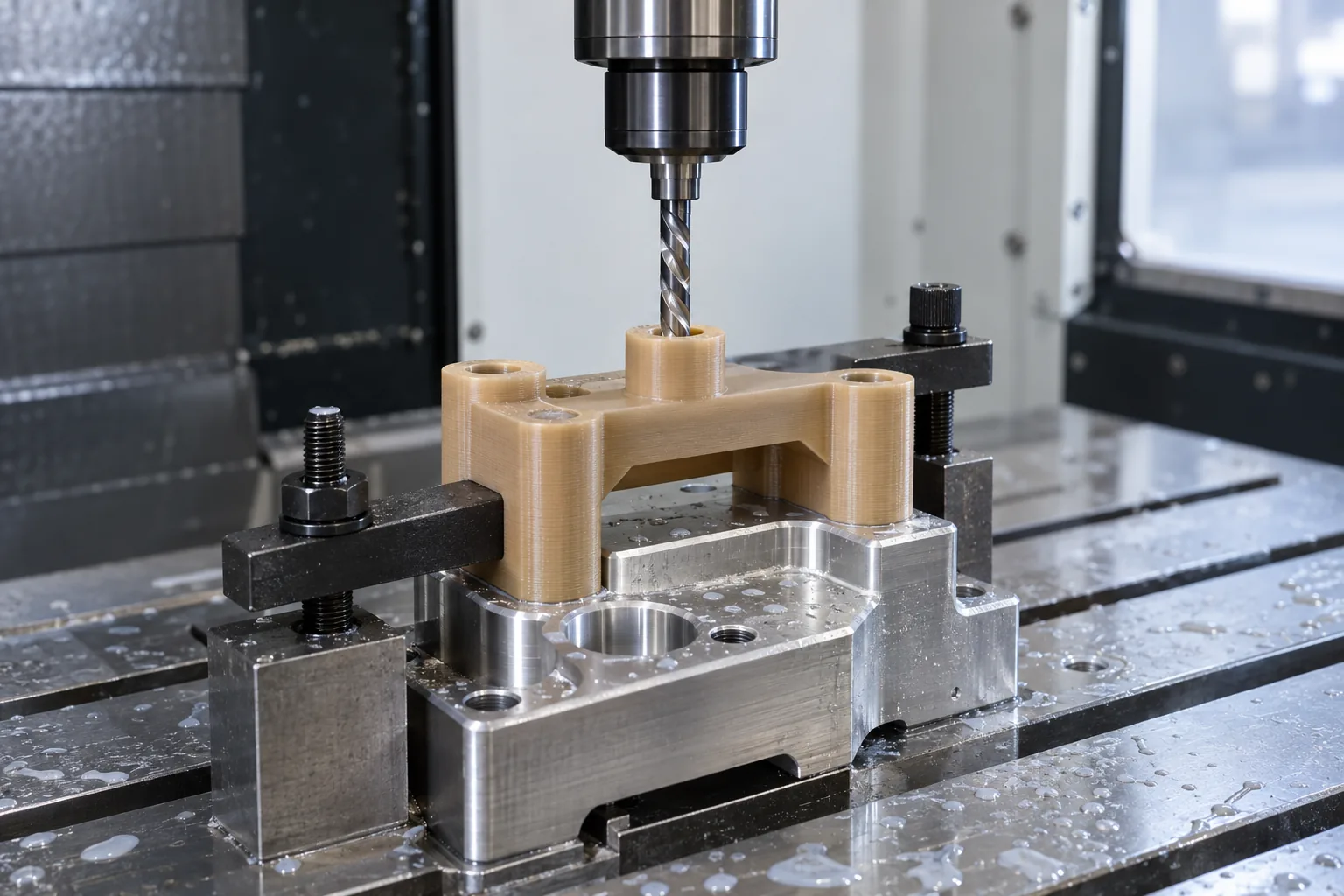
Industrial Tooling
Drill guides and fixtures that stand up to cutting fluids, solvents and heavy clamping loads.
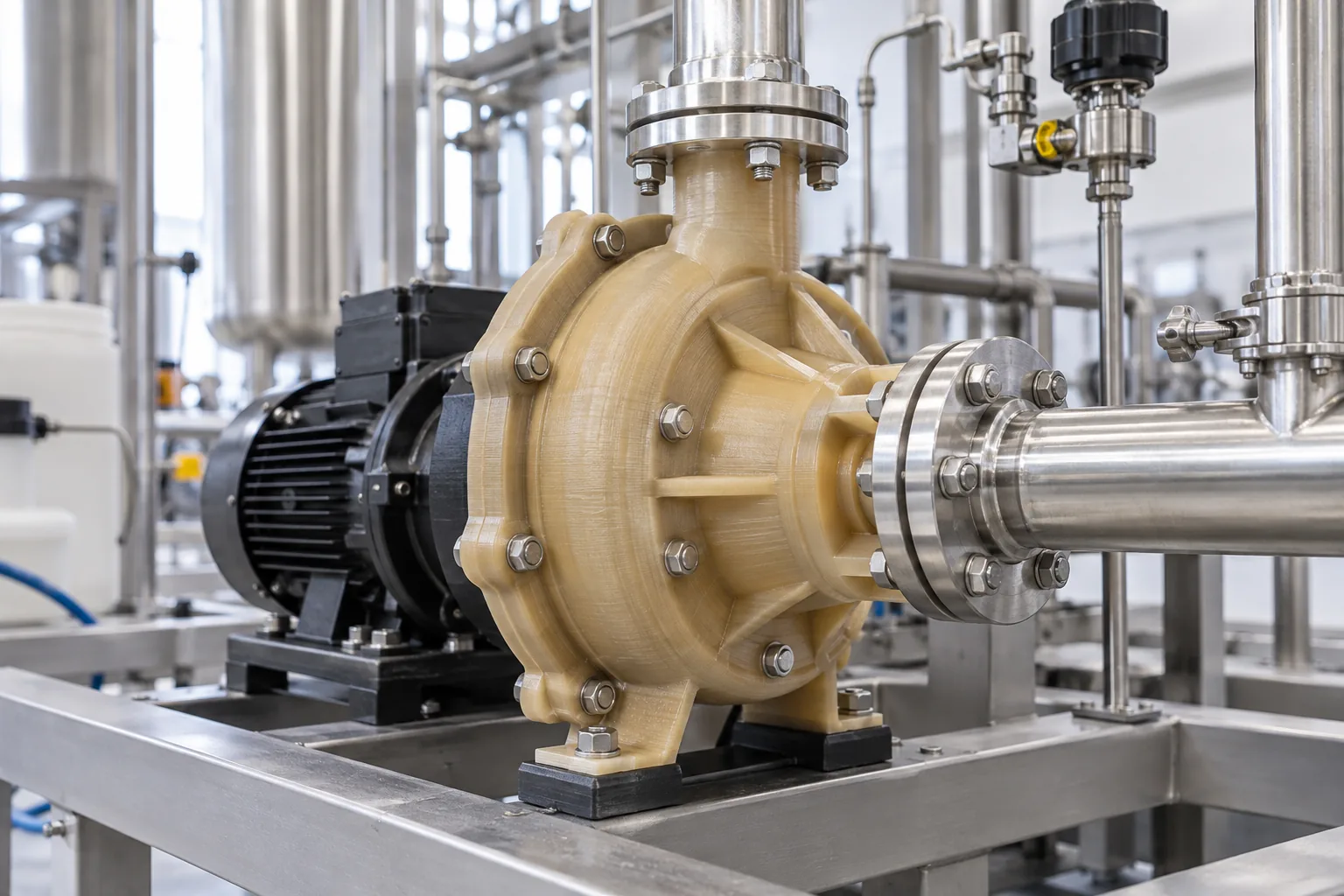
Energy & Chemical Processing
Pump, valve and fitting parts whose strength barely changes in acids, bases and fuel.
Aerospace
Aircraft programs use Antero 800NA for cabin ducting and interior brackets and panels, and for environmental control parts and electrical housings in systems bays that see jet fuel and hydraulic fluid. Like ULTEM 9085, it meets aircraft flame, smoke and toxicity requirements for cabin parts. After 168 hours in Skydrol 500B-4, parts printed on edge keep 95% of their tensile strength.
Space
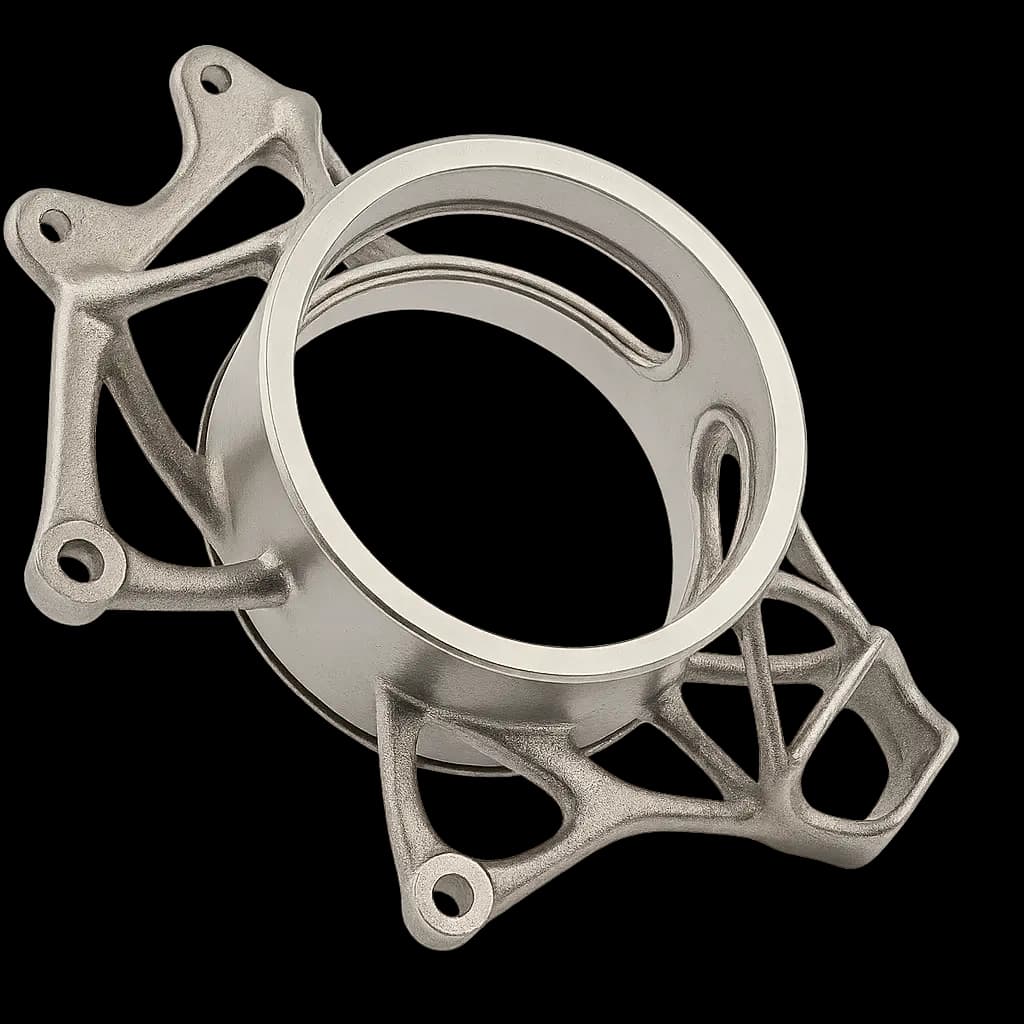
Space programs use Antero 800NA for satellite brackets, instrument mounts and housings that must not contaminate optics or sensors in vacuum. Its outgassing is 0.347% total mass loss and 0.004% collected volatile condensable materials to ASTM E595, well inside the common 1.0% and 0.10% screening limits, and FDM can build light internal lattices into brackets and mounts. Upright parts are 13% stronger at −54 °C than at room temperature.
Automotive
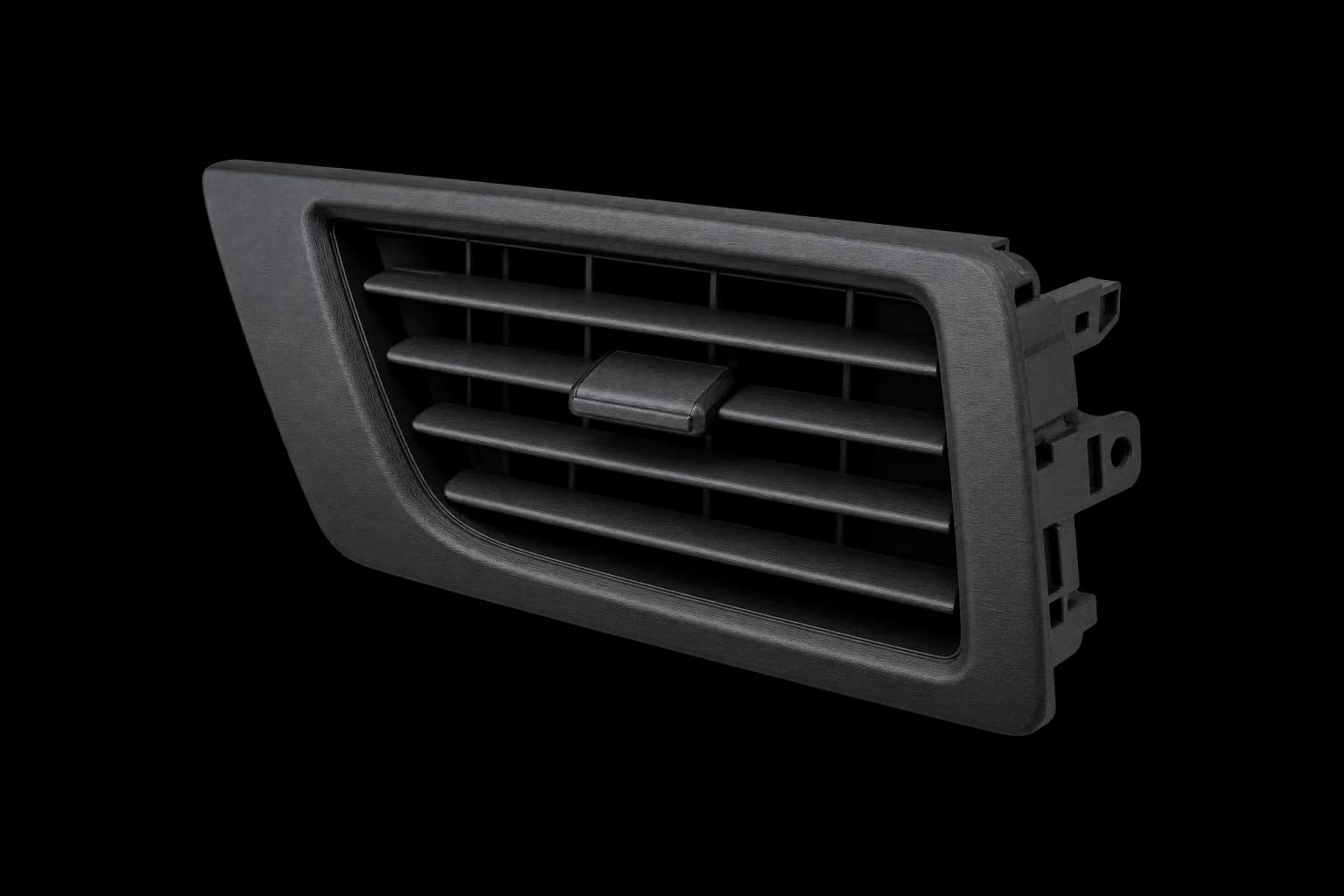
Automotive teams use Antero 800NA for sensor housings, fluid reservoirs, heat shields and brackets in the engine bay, where heat and fluids combine. Flat-printed parts hold their shape to 157 °C under a 1.82 MPa load, and upright parts keep 82% of their room-temperature strength at 104 °C. It is designed for under-hood and engine-compartment parts.
Industrial Tooling
Manufacturing teams use Antero 800NA for drill guides, machining fixtures and assembly nests that sit in cutting fluids and solvent cleaners. Larger jigs and fixtures already run on Forge FDM systems in high-performance thermoplastics, and Antero adds compressive yield strength above 95 MPa in both build directions. After 168 hours in toluene, MEK or ethyl acetate, it keeps at least 80% of its tensile strength.
Energy & Chemical Processing
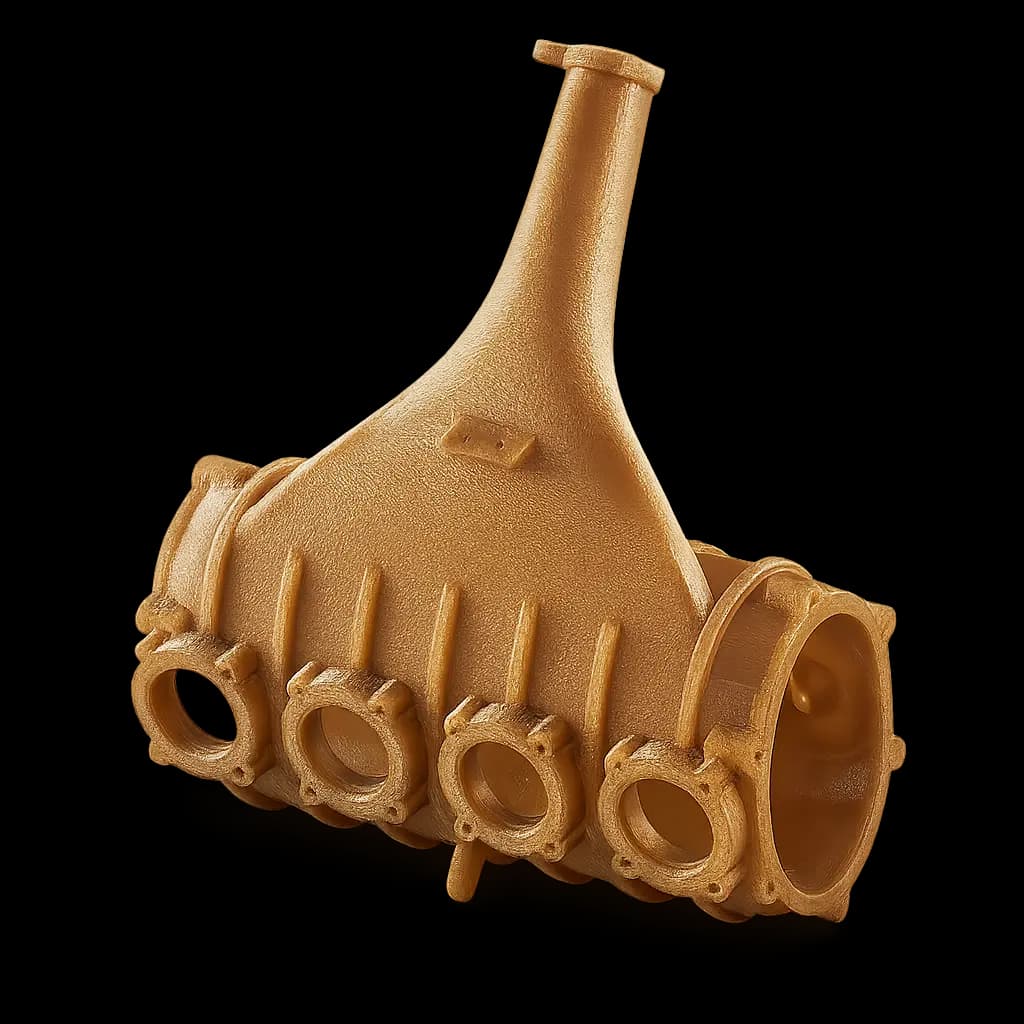
Oil and gas and chemical processing teams use Antero 800NA for pump housings, valve components, fluid-handling fittings and sensor housings for harsh environments. After 168 hours in 30% nitric or sulfuric acid, 60% sodium hydroxide or concentrated ammonia, its tensile strength changes by 8% or less, and annealed parts are unaffected by Jet A. Forge already prints power generation parts in high-performance FDM thermoplastic, including an intake fitting originally drawn in 6061-T6 aluminium.
Values from the Stratasys Antero 800NA datasheet (0.254 mm layers; mechanical values from the F900), tested to the standard listed with each property.
Mechanical performance
Antero 800NA PEKK delivers dependable strength and stiffness for aircraft ducting, structural brackets and spacecraft housings, helping teams move from prototype to production with confidence. Its compressive strength is almost identical in both build directions, so it carries clamping and bearing loads well in any orientation.
FDM parts are strongest along the build plane. XZ values describe parts printed on edge and ZX values parts printed upright, so orient the main load path along the layers. Printed on edge, Antero bends without breaking in flexural testing, while upright parts are slightly stiffer in tension but far less ductile.
Material makeup
Antero is light for a high-performance polymer. Most of the little mass it loses in vacuum outgassing tests is absorbed water, which it regains in air.
After 1,000 hours of accelerated UV exposure, upright parts kept their full strength at break, so the material holds up on exposed hardware.
Heat performance
Antero 800NA is a semi-crystalline PEKK. Its heat deflection temperature sits at its glass transition and barely changes between light and heavy loads or between flat and upright parts, so treat the glass transition as the practical ceiling for loaded parts. Stratasys also tested upright parts from well below freezing to above 130 °C; they are stronger in the cold and keep most of their strength when hot, which helps size engine-bay and space hardware that cycles through both.
Thermal expansion is listed by build direction; use the matching value when sizing clearances against metal parts.
Functional performance
Antero insulates well, with high volume resistivity and a low dissipation factor, suiting electrical connectors, housings and insulating fixtures, including high-temperature PCB fixtures, in aircraft and industrial systems.
Stratasys publishes dielectric values at 1 kHz; confirm high-frequency behaviour for RF and microwave parts with application testing.
Compatibility data
Stratasys immersed Antero test parts printed on a Fortus 450mc for 168 hours to ASTM D543 and measured the change in tensile properties. Acids, bases and Skydrol 500B-4 hydraulic fluid had little effect on strength. Jet A and solvents such as toluene, MEK and ethyl acetate weakened parts printed on edge by up to a fifth and upright parts by less, and Stratasys describes resistance to these aviation fuels, fluids and solvents as good to excellent before annealing. Only dichloromethane attacks parts as printed; with that exception, tensile modulus changed by 10% or less for every reagent.
Annealing at 200 °C for three hours raises resistance further: annealed parts held up in dichloromethane, which swells and weakens parts as printed. Under strain, annealing makes upright parts more brittle, so it suits unloaded, solvent-exposed parts best. Chemical ratings are screening guidance; confirm them with application-specific testing before production release.
Compliance
In Stratasys testing, Antero 800NA meets the FAR 25.853 vertical burn, horizontal burn and heat-release requirements for aircraft cabins and the Boeing BSS 7238 / 7239 and Airbus AITM smoke density and toxic gas tests, so teams can start interior qualification from supplier data.
Stratasys also tested outgassing to ASTM E595 for spacecraft and vacuum hardware.
Datasheets, design guidance and supplier documentation for Antero 800NA PEKK.
Access the most recent datasheet and supporting documentation maintained by our engineering team.
Antero 800NA PEKK datasheetExplore printable geometry recommendations, wall thickness tips, and finishing playbooks for FDM.
View FDM design guide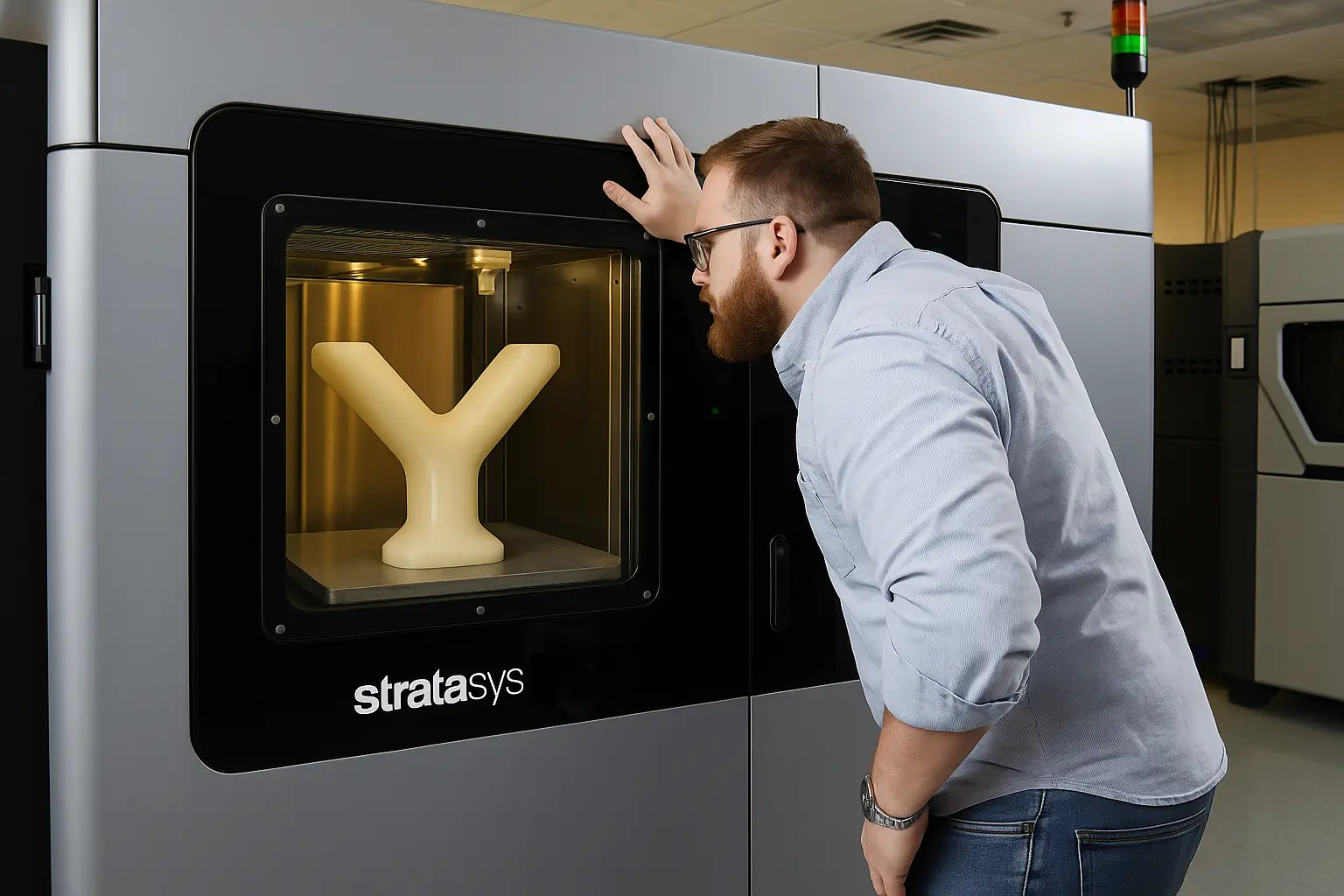
Antero 800NA PEKK is manufactured using Fused Deposition Modeling (FDM) technology, offering reliable performance for functional prototypes and end-use parts. It runs on industrial FDM platforms with heated chambers, hardened extrusion paths and qualified material profiles for consistent layer adhesion and mechanical integrity.
Can't find the answer you're looking for? Reach out to our customer support team.
Upload your design and get an instant quote for Antero 800NA PEKK parts.
Create an account to upload CAD
STEP, STL, OBJ, 3MF and IGES supported