
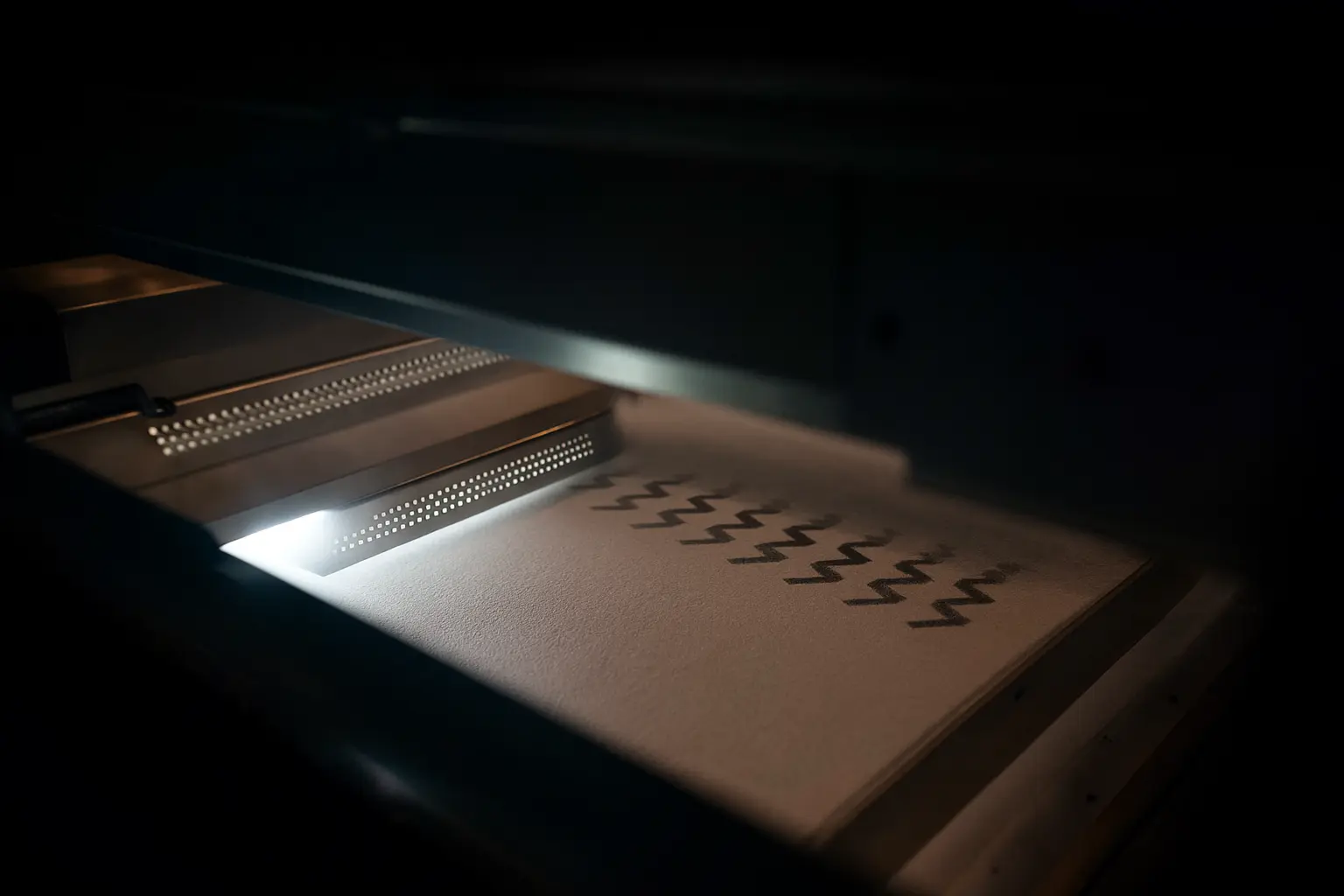
Step 1 of 4
Powder Bed Preparation
A thin, uniform layer of powdered thermoplastic material is spread across the heated build platform using precision spreading mechanisms.
- Layer Height
- 80 microns
- Material
- Nylon PA12
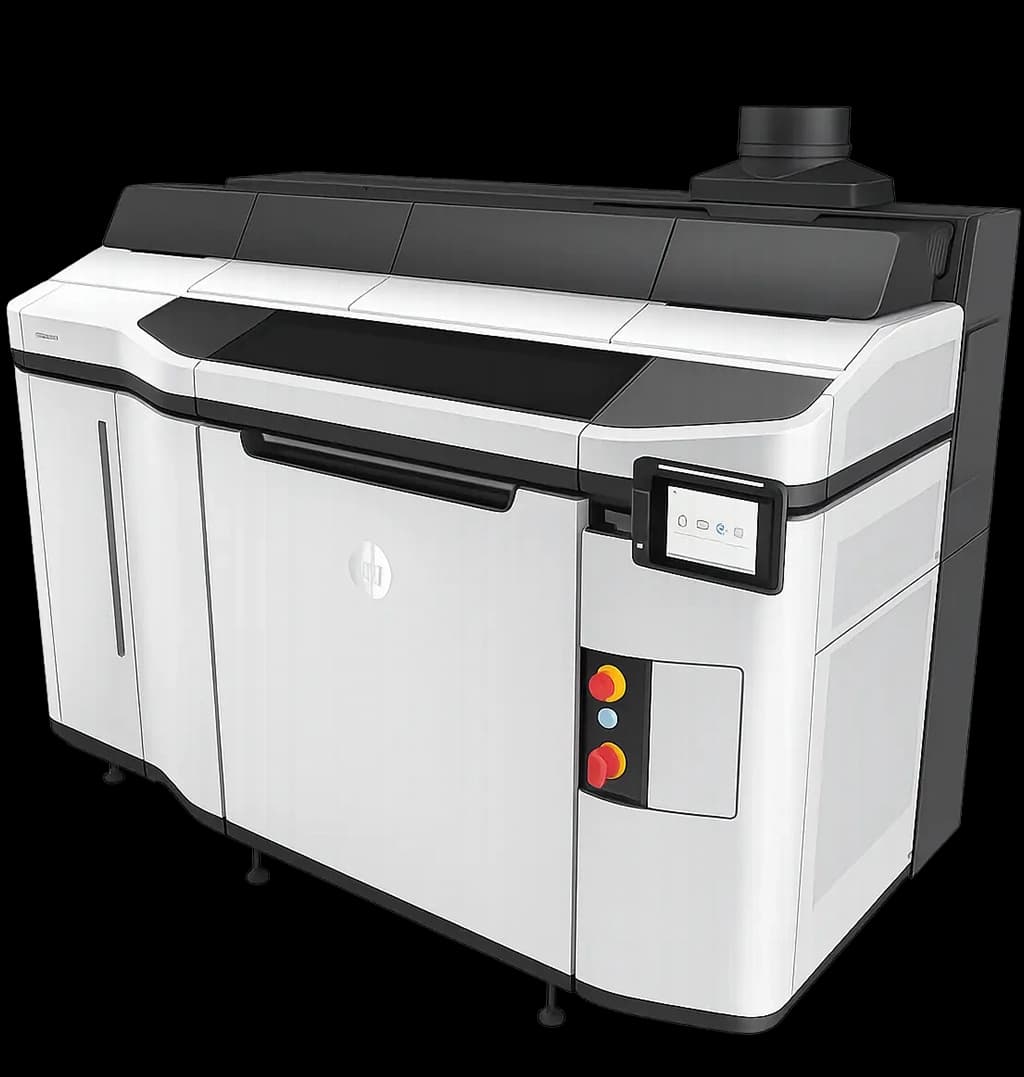
MJF combines speed with quality through parallel processing technology. Ideal for rapid prototyping and scalable production with consistent mechanical properties, fine detail resolution and excellent surface finish. Production-grade PA12 and glass-filled nylons provide strength and durability, with cost-efficient batch manufacturing for low-to-mid-volume functional prototypes and end-use parts where repeatability and throughput matter.
Advanced manufacturing capabilities enable complex geometries, functional prototypes, and end-use production parts that would be impossible or cost-prohibitive with traditional manufacturing methods. From functional prototypes to end-use production parts, this technology delivers exceptional performance across demanding industries.
Rapid Production · High Throughput
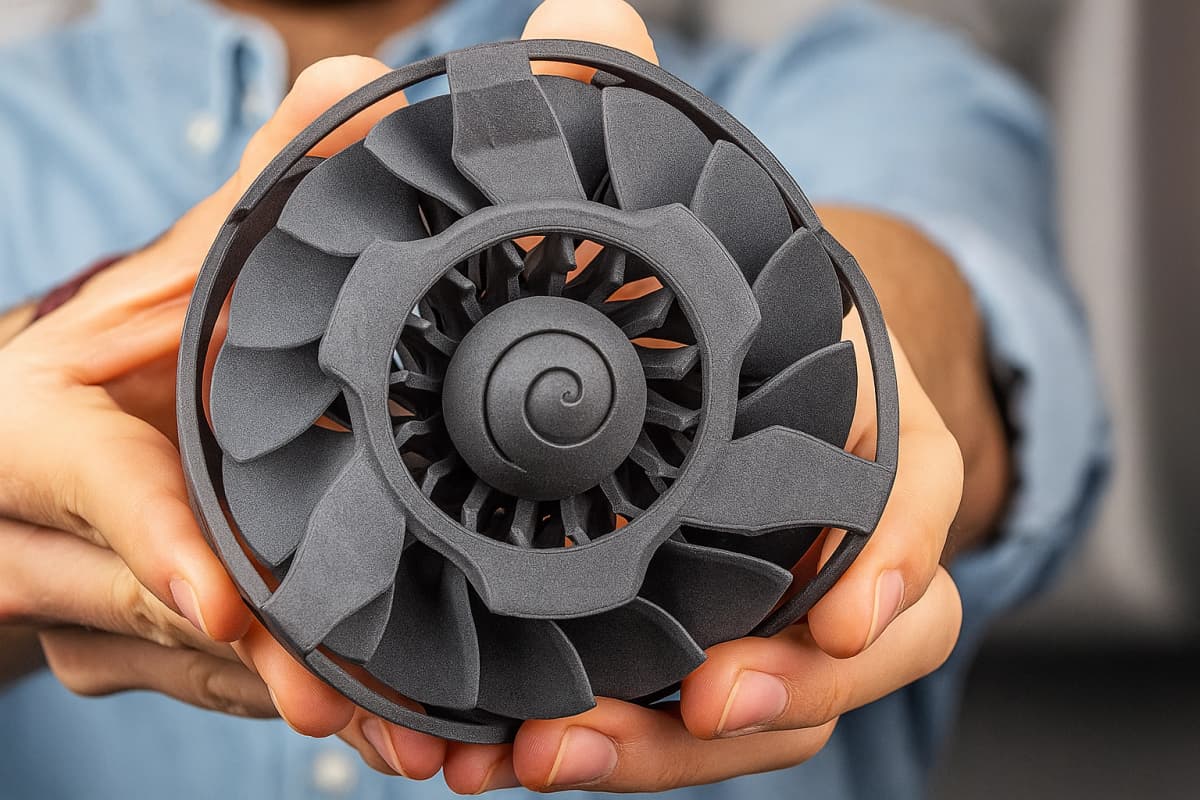
Production Applications
Engineered for high-volume production with consistent mechanical properties across thousands of parts, MJF technology delivers production-grade components with excellent surface finish and dimensional accuracy. The thermal fusion process enables rapid part consolidation with up to 80% powder reusability, making it cost-effective for batch production. Industries rely on MJF for functional prototypes, end-use parts, and custom manufacturing where speed and consistency are critical.
Production workflows benefit from MJF's unique ability to nest hundreds of parts efficiently within each build, maximizing throughput while maintaining consistent quality. The thermal inkjet process applies fusing and detailing agents with precision, creating smooth surfaces and sharp edges without traditional support structures. Real-time monitoring and closed-loop control systems ensure every part meets stringent quality standards for batch production and regulatory compliance.
Complex geometries: Intricate internal channels, overhangs, and assemblies impossible with traditional manufacturing.
Functional prototypes: Test mechanical properties and fit before investing in production tooling.
Custom tooling: Jigs, fixtures, and manufacturing aids tailored to specific production requirements.
End-use parts: Production components for aerospace, medical, automotive, and industrial applications.
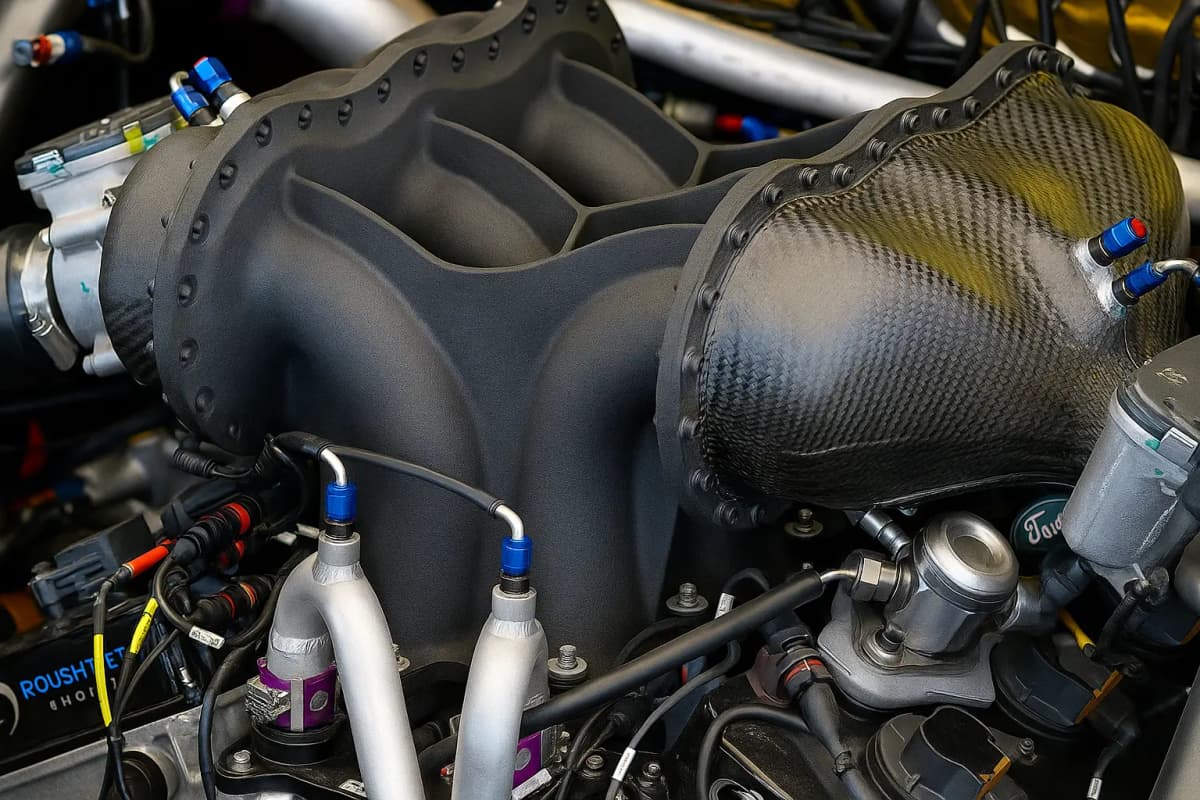
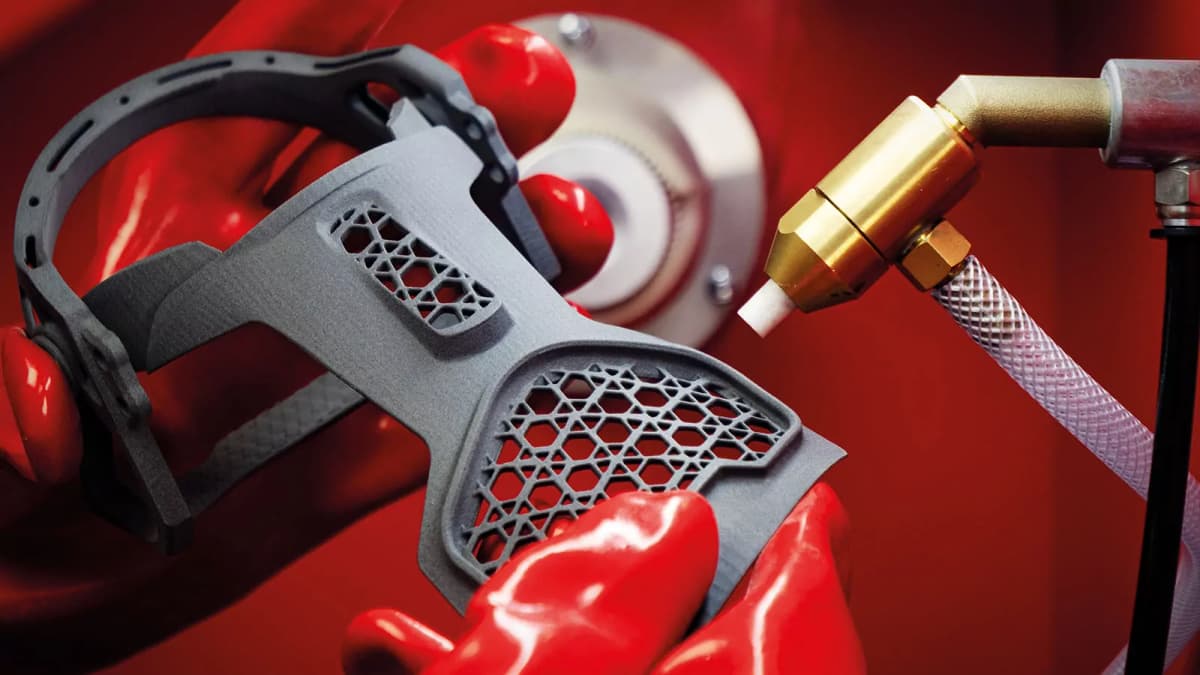
Multi-Jet Fusion technology delivers superior speed and quality through its unique parallel processing approach, making it ideal for both rapid prototyping and scalable production. Fusing and detailing agents are jetted across the powder bed, then infrared energy bonds the material for uniform properties. Parts are depowdered and bead blasted or dyed to achieve the final surface finish.
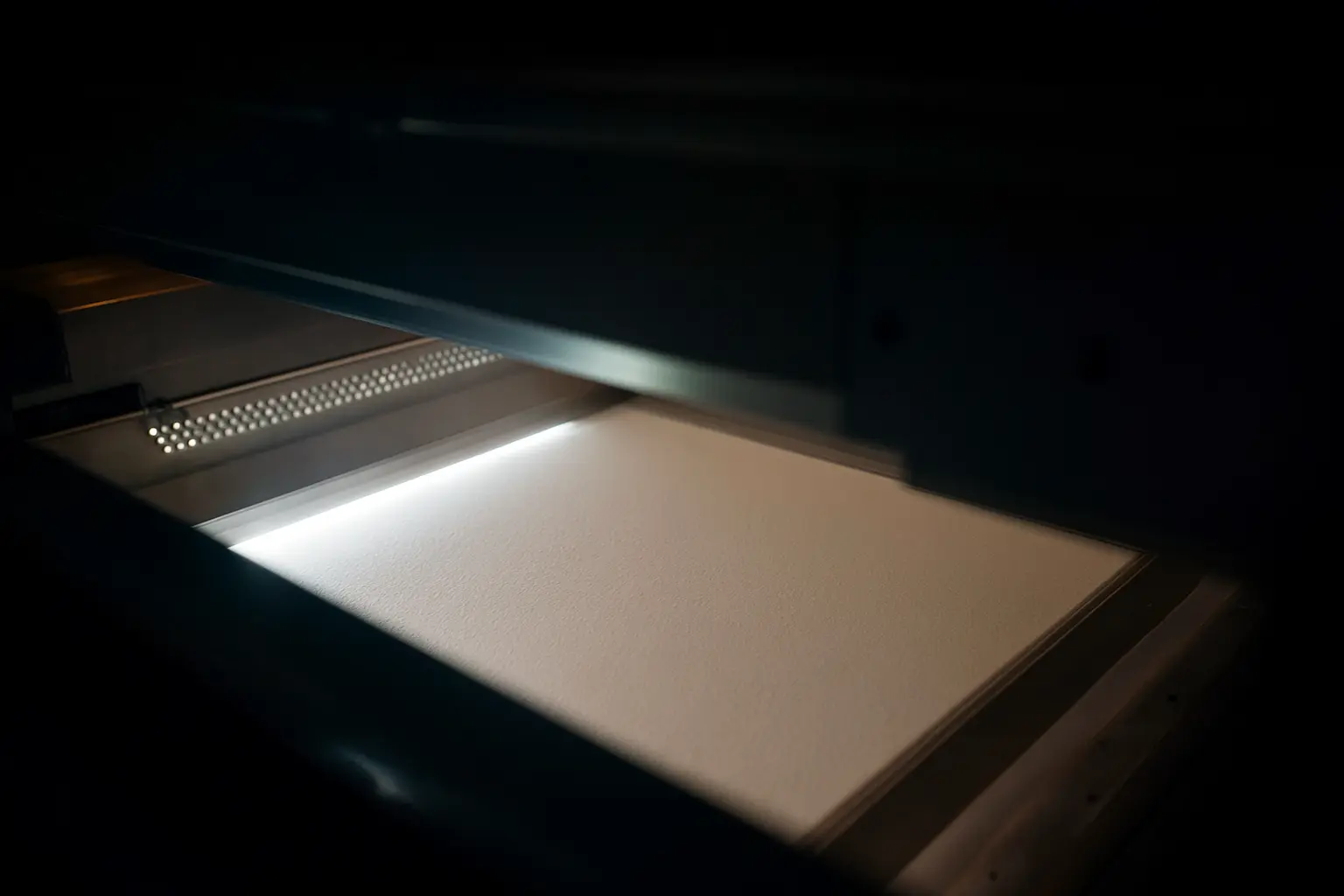
Step 1 of 4
A thin, uniform layer of powdered thermoplastic material is spread across the heated build platform using precision spreading mechanisms.
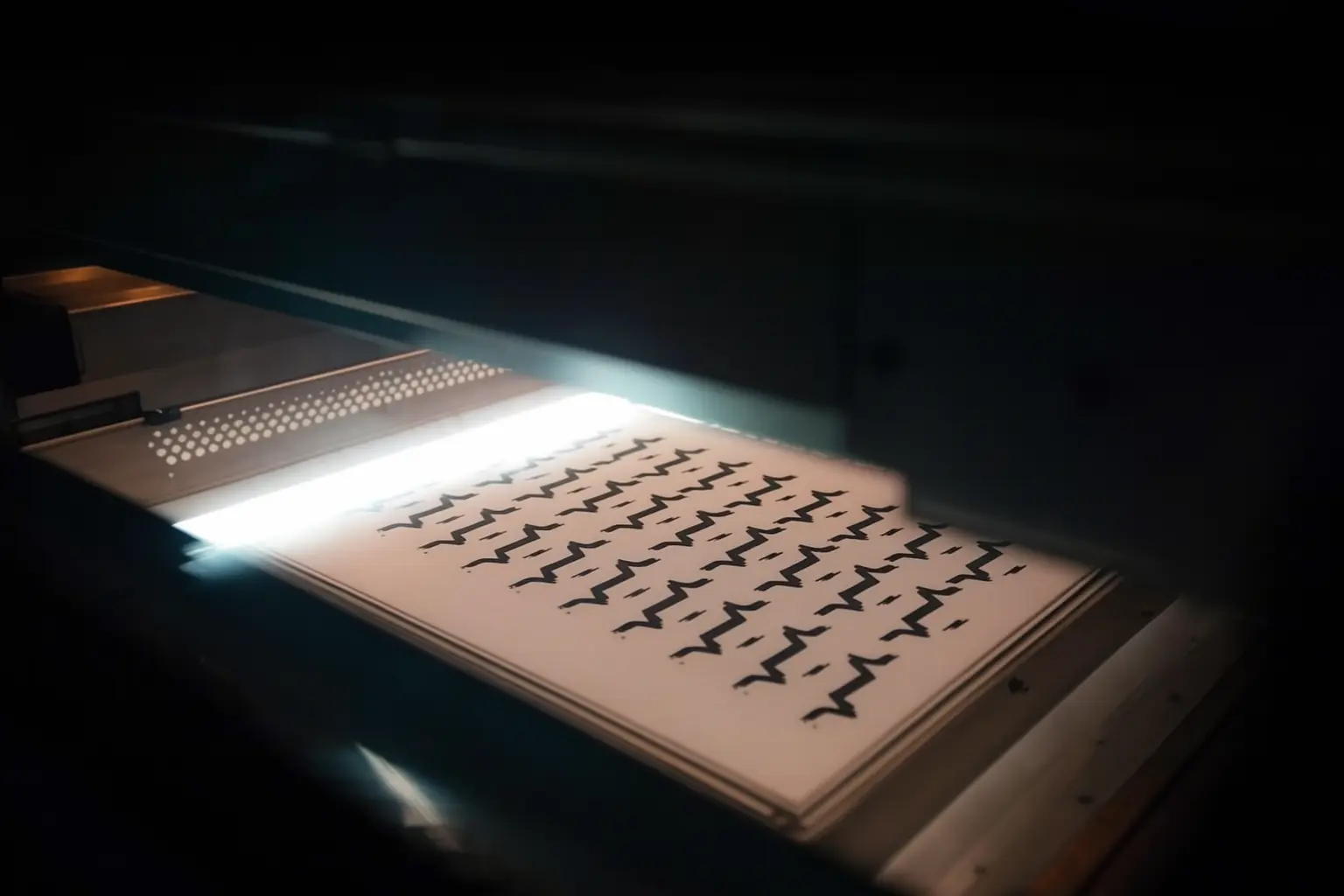
Step 2 of 4
Inkjet arrays simultaneously apply fusing agents (for bonding) and detailing agents (for surface quality) to specific areas of the powder bed with high precision.
Step 3 of 4
Infrared energy heats the entire powder bed, causing areas treated with fusing agent to melt and bond while untreated powder remains loose.
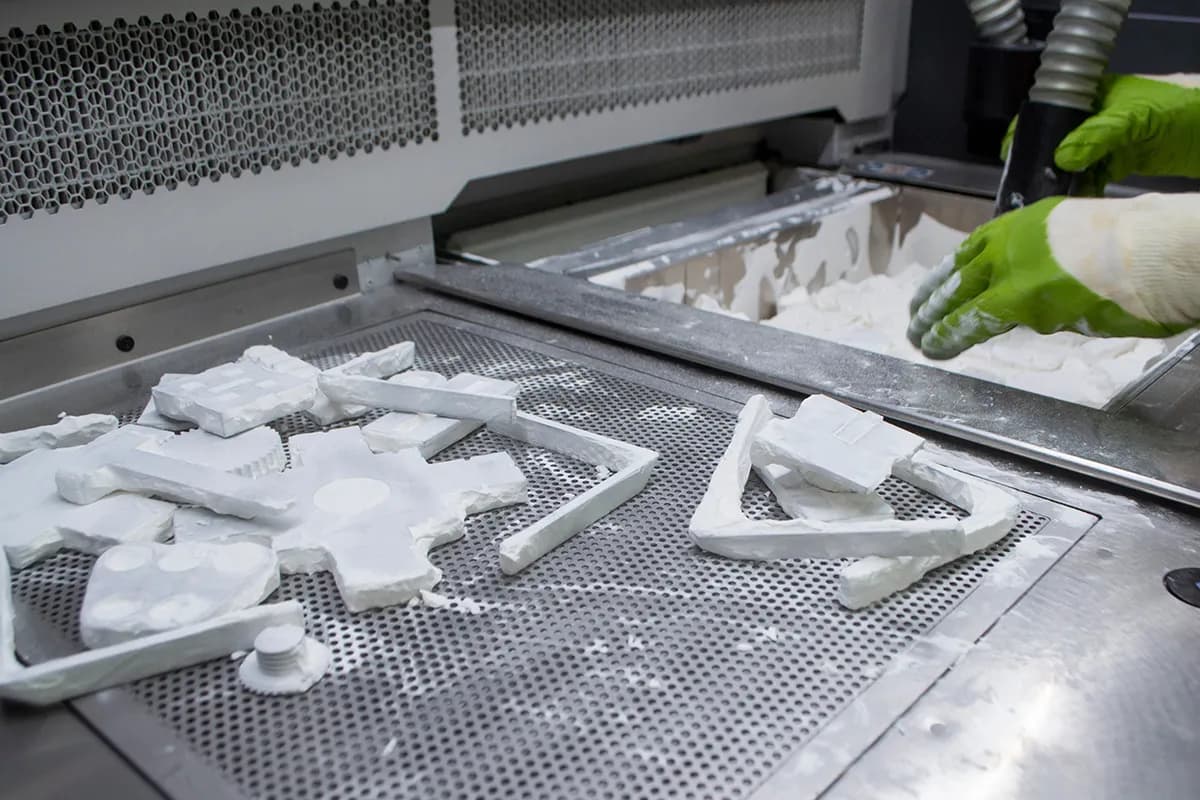
Step 4 of 4
The process repeats layer by layer until the complete part is formed, with excess powder acting as natural support during printing.
No support structures are required, allowing parts to stack vertically for extremely high packing density up to 380 x 284 x 380 mm.
Thermal control and shrink compensation maintain repeatable dimensional accuracy to ±0.3% (min ±0.5 mm).
Thin, uniform layers for smooth surfaces at production speed using 80 microns.
Forge Labs manufactures MJF parts using HP 5200.
High-throughput MJF materials combine speed with quality, delivering functional parts with excellent mechanical properties. Our PA12 and PA11 materials offer superior surface finish and dimensional accuracy for both prototyping and production runs.
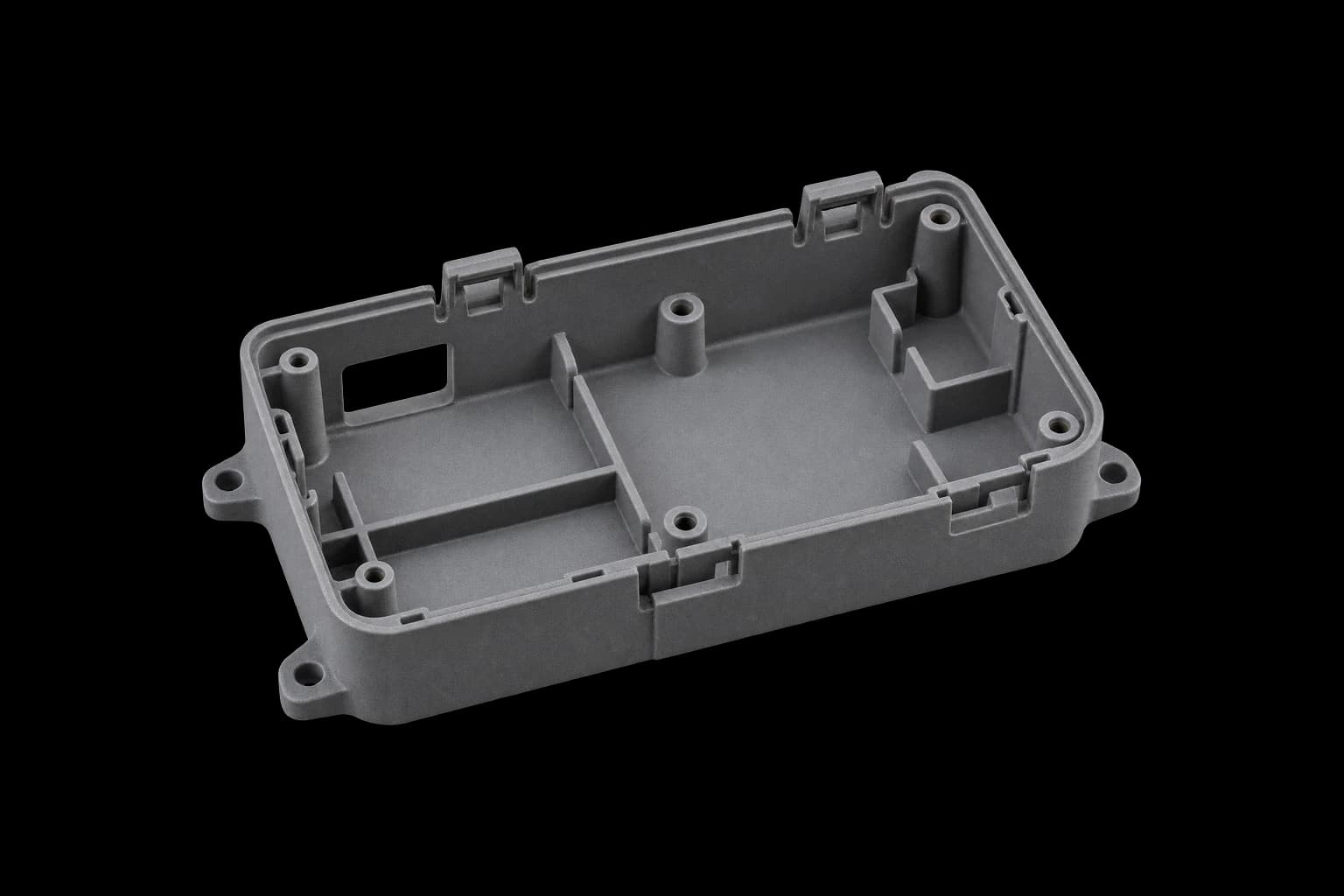
HP 3D High Reusability PA 12 is engineered specifically for HP Multi Jet Fusion technology, delivering exceptional mechanical properties, fine detail resolution, and excellent surface quality.
This balanced material offers high powder reusability rates, making it cost-effective for both prototyping and production applications.
High-Performance Multi Jet Fusion Nylon
Compliance
USP Class I–VI/FDA Intact Skin Surface Devices guidance/ISO 10993-5 (Cytotoxicity)
Applications
Functional Prototypes/Production Parts/Complex Assemblies/Tooling & Fixtures
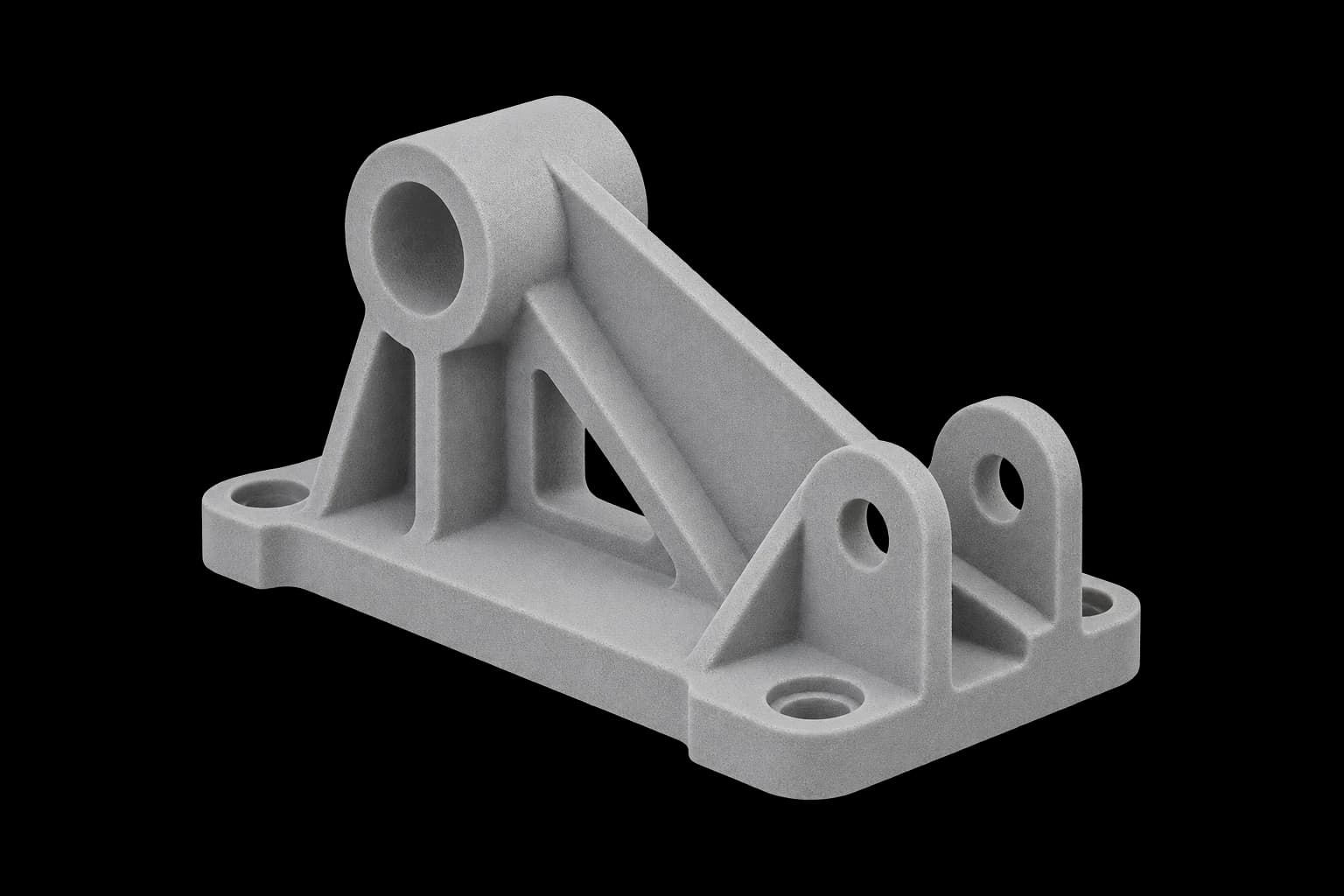
HP 3D High Reusability PA 12 Glass Beads combines the precision and efficiency of Multi Jet Fusion technology with glass bead reinforcement.
This advanced material delivers significantly increased stiffness and dimensional stability compared to standard PA12, making it ideal for structural applications.
Glass Bead Filled PA12 for Stiff, Dimensionally Stable Parts
Compliance
UL 94 flammability/UL 746A (Short-term properties)/Glow-wire and ball pressure (IEC)
Applications
Structural Components/Automotive Parts/Aerospace Brackets/Industrial Tooling
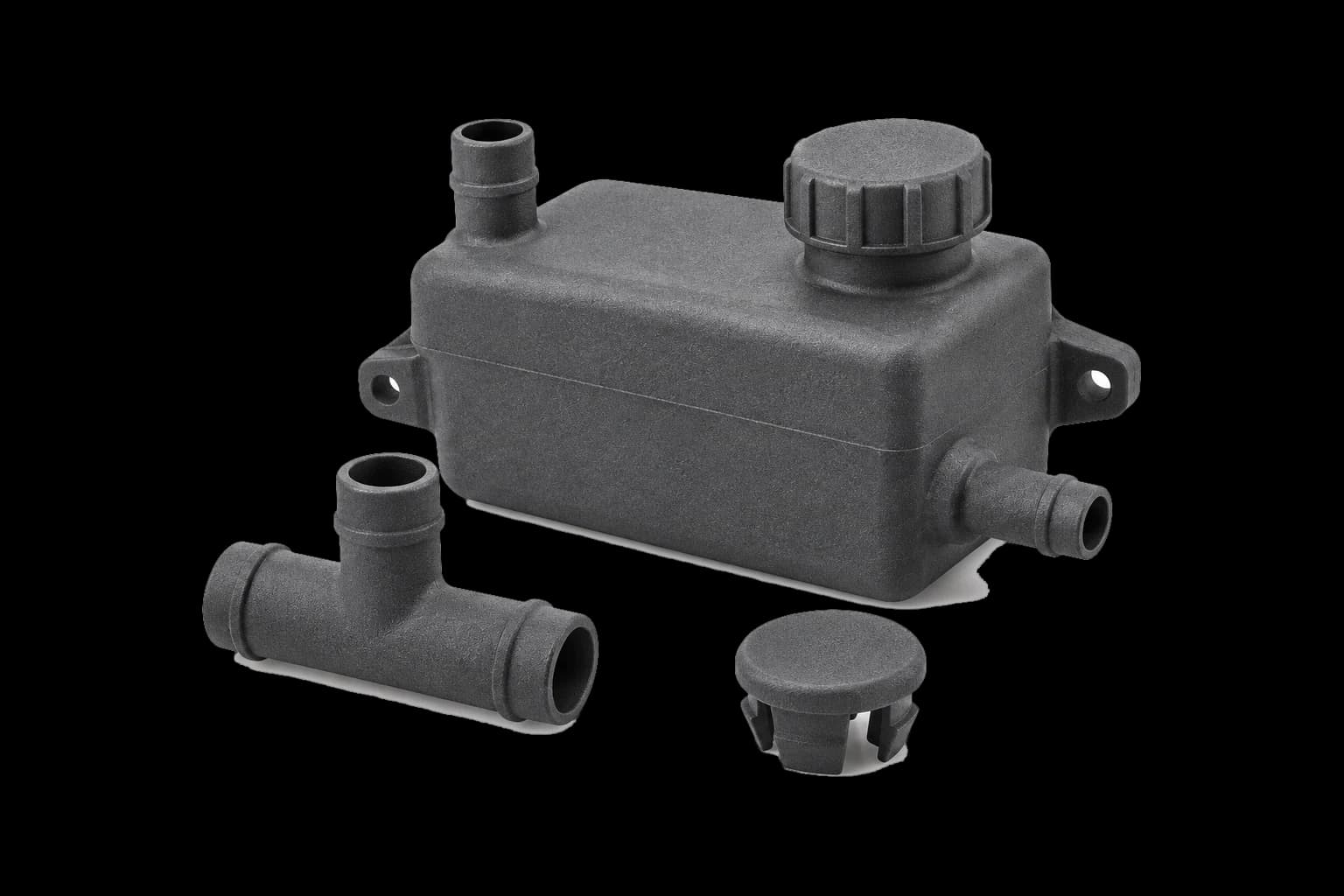
Polypropylene (PP) is one of the most widely used plastics in injection moulding, and HP Multi Jet Fusion prints it as genuine PP rather than a PP-like substitute.
HP 3D High Reusability PP combines excellent chemical resistance, low moisture absorption and a density lighter than water, and it welds to injection-moulded PP parts.
Genuine Polypropylene for Chemical-Resistant, Weldable MJF Parts
Compliance
ISO 10993-5 (Cytotoxicity)/ISO 10993-10 (Irritation and sensitization)/ISO 10993-11 (Acute systemic toxicity)
Applications
Fluid Reservoirs & Tanks/Piping & Fluid Systems/Automotive Parts/Moulded-PP Prototypes
High-Performance Multi Jet Fusion Nylon
HP 3D High Reusability PA 12 is engineered specifically for HP Multi Jet Fusion technology, delivering exceptional mechanical properties, fine detail resolution, and excellent surface quality. This balanced material offers high powder reusability rates, making it cost-effective for both prototyping and production applications.
Tensile Strength
50 / 50 MPa
Flexural Modulus
1750 / 1850 MPa
Temp Resistance
175 / 173 °C
Compliance
USP Class I–VI/FDA Intact Skin Surface Devices guidance/ISO 10993-5 (Cytotoxicity)
Applications
Functional Prototypes/Production Parts/Complex Assemblies/Tooling & Fixtures
Glass Bead Filled PA12 for Stiff, Dimensionally Stable Parts
HP 3D High Reusability PA 12 Glass Beads combines the precision and efficiency of Multi Jet Fusion technology with glass bead reinforcement. This advanced material delivers significantly increased stiffness and dimensional stability compared to standard PA12, making it ideal for structural applications.
Tensile Strength
30 MPa
Flexural Modulus
2400 MPa
Temp Resistance
174 / 175 °C
Compliance
UL 94 flammability/UL 746A (Short-term properties)/Glow-wire and ball pressure (IEC)
Applications
Structural Components/Automotive Parts/Aerospace Brackets/Industrial Tooling
Genuine Polypropylene for Chemical-Resistant, Weldable MJF Parts
Polypropylene (PP) is one of the most widely used plastics in injection moulding, and HP Multi Jet Fusion prints it as genuine PP rather than a PP-like substitute. HP 3D High Reusability PP combines excellent chemical resistance, low moisture absorption and a density lighter than water, and it welds to injection-moulded PP parts.
Tensile Strength
29 / 29 MPa
Flexural Modulus
1600 / 1600 MPa
Temp Resistance
100 / 100 °C
Compliance
ISO 10993-5 (Cytotoxicity)/ISO 10993-10 (Irritation and sensitization)/ISO 10993-11 (Acute systemic toxicity)
Applications
Fluid Reservoirs & Tanks/Piping & Fluid Systems/Automotive Parts/Moulded-PP Prototypes
MJF parts have a smooth, matte surface with a slightly grainy texture due to the powder-based printing process. Unlike FDM, MJF does not produce visible layer lines, resulting in a more uniform and professional appearance straight from the printer. At Forge Labs, bead blasting is performed as a standard post-processing step to remove excess powder and refine the surface texture.
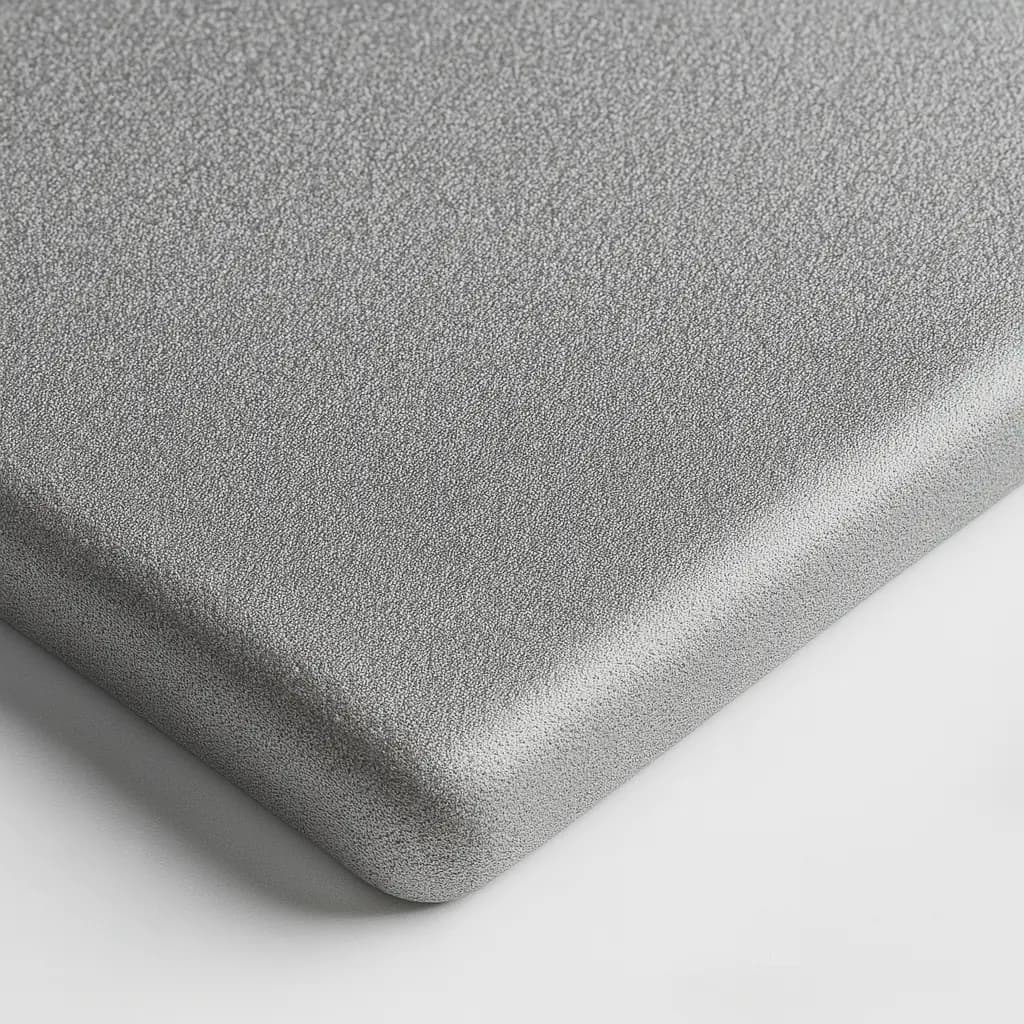
MJF parts are delivered with a standard bead-blasted finish in natural grey. This process removes excess powder and slightly smooths the surface while maintaining the material's natural matte texture.
Finish attributes
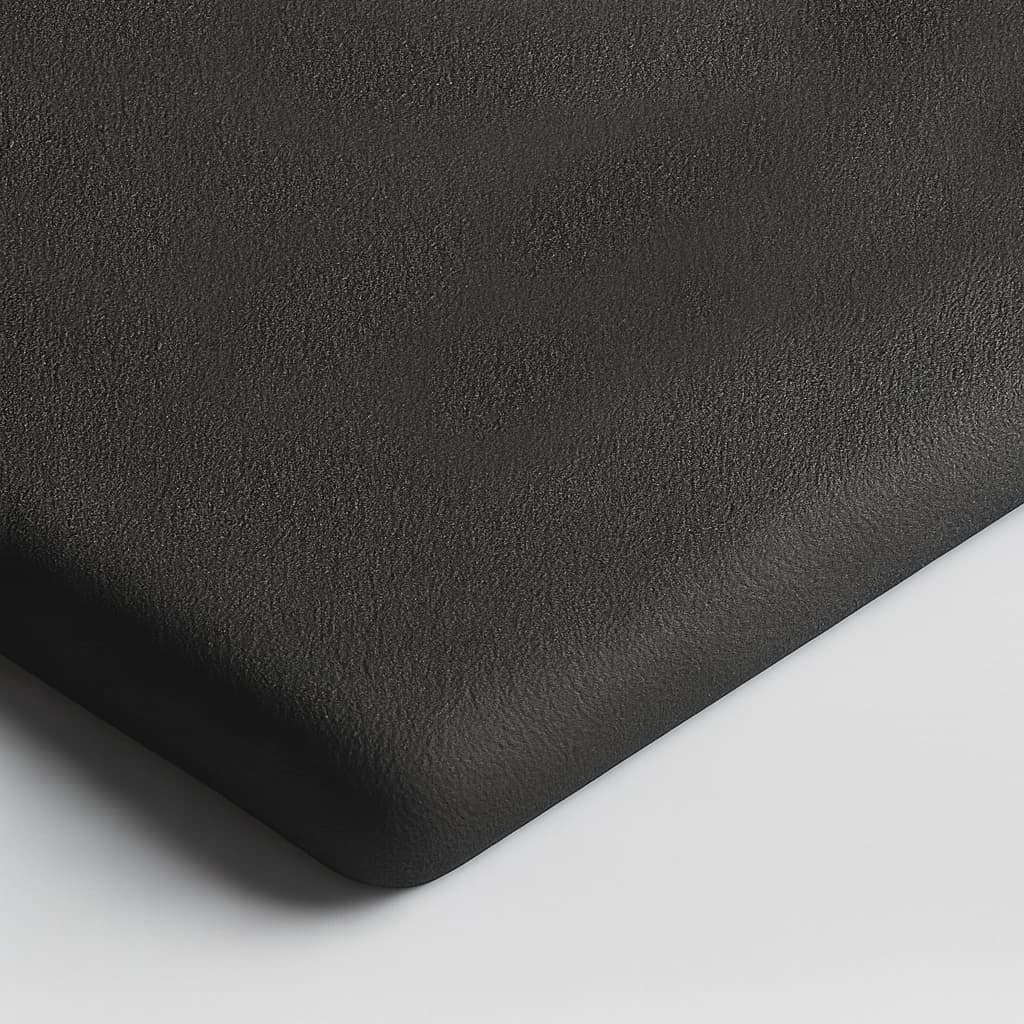
Specialized dye bath creates deep, uniform black color that chemically bonds with the nylon material. Unlike painted finishes, the dye fully penetrates the surface and won't chip or wear off over time.
Finish attributes
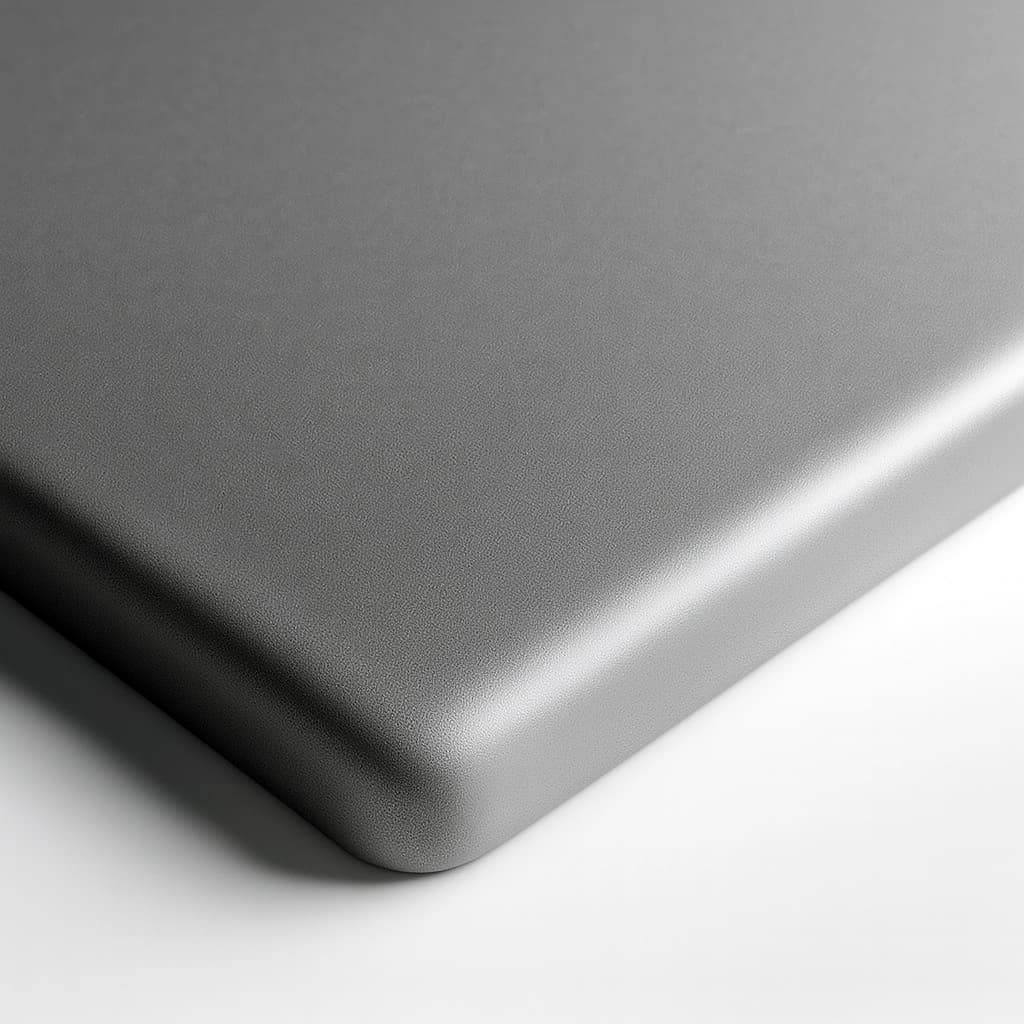
Advanced chemical smoothing technique that enhances surface quality by slightly melting and redistributing the surface material, eliminating grainy texture and sealing porous areas.
Finish attributes
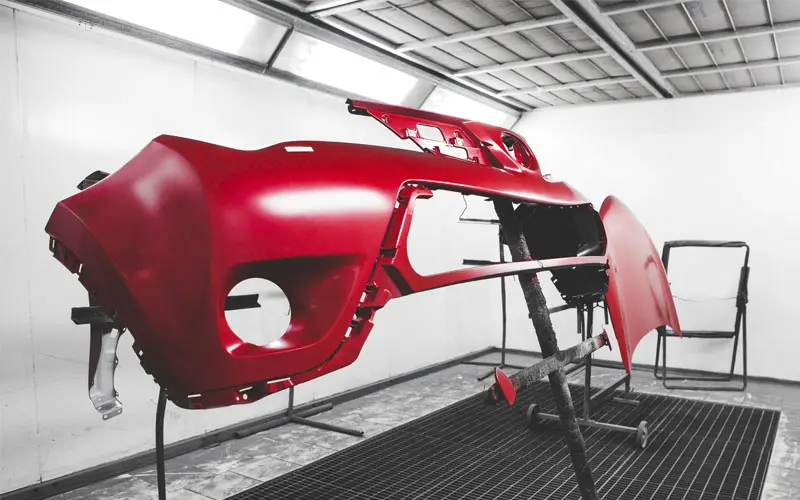
Automotive-grade coating that enhances aesthetics and durability. Hand-finished for smooth surfaces with professional-grade equipment. Custom color matching available for precise branding needs.
Finish attributes
MJF is strongest in repeatable batch output. These services focus on throughput, visual consistency, and downstream integration.

Batch planning and nesting
Part orientation and packing strategy to stabilize cost-per-part at volume.

Post-process consistency
Bead blast and dye standards for repeatable color and texture across lots.
Sealing and surface refinement
Optional smoothing and sealing paths for improved surface feel and cleanability.
Our design guidelines for MJF include important information to improve part quality, minimize costs, and reduce overall manufacturing time. This section is a quick primer before full DFM review.

Maximum Build Volume
380 x 284 x 380 mm (15 x 11.2 x 15 inches)
If your parts require specific tolerances, please include an engineering drawing along with the part.

General Tolerances
Nylon PA 12: ±0.3% (min ±0.5 mm)
If your parts require specific tolerances, please include an engineering drawing along with the part.

Minimum Wall Thickness
1.0 mm (0.039")
Supported walls are connected to two or more sides and are thick enough to support the model.

Layer Height
100 Microns
The layer height is the overall Z resolution of the part; we avoid stepping artifacts on important features of your models by orienting the part(s) along the Z plane or at a 20 degree angle on all sides.
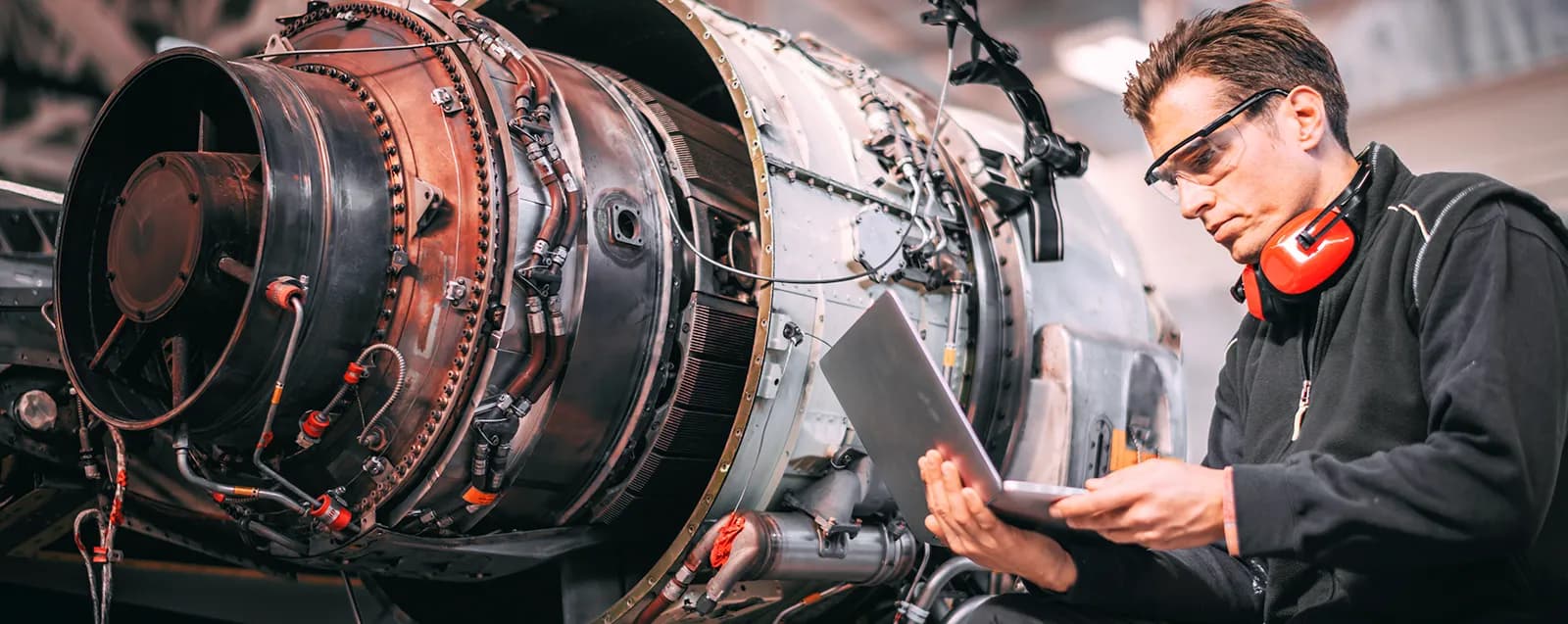
Multi Jet Fusion (MJF) is an advanced powder-bed 3D printing process that delivers high-speed production, fine detail resolution, and strong, functional parts. The process uses parallel processing technology, making MJF ideal for rapid prototyping, iterative design testing, and scalable production of end-use parts.
Upload files, configure manufacturing specs, and track production in one workflow built for engineering teams.
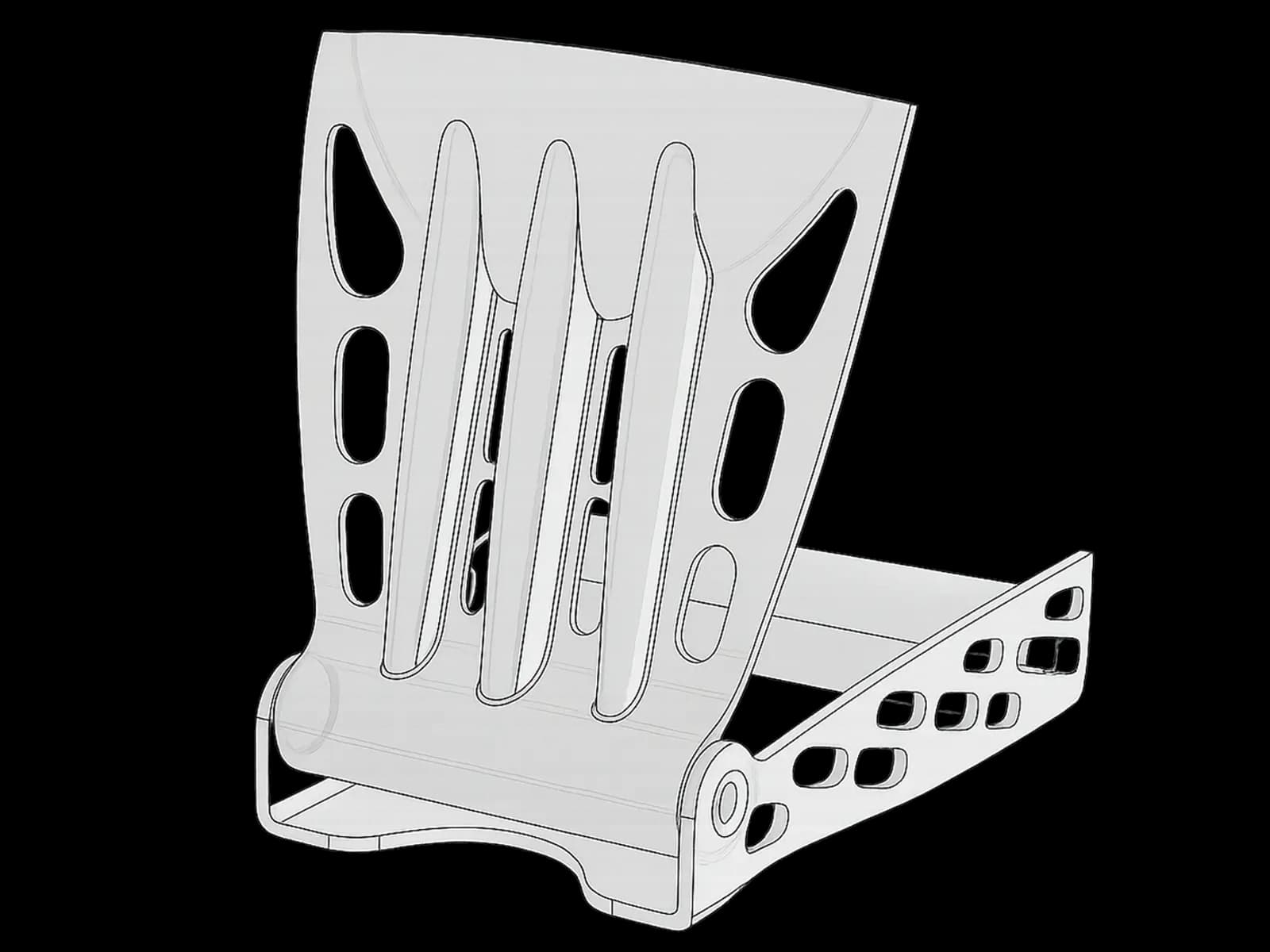
75% complete
Step 01
Automated file checks before production
Drop your CAD files and receive immediate manufacturability feedback. Critical geometry and wall checks run as soon as files are uploaded.
Multi Jet Fusion (MJF) is used for production-grade nylon parts when speed and consistency are critical. High throughput and repeatable mechanical properties make it ideal for functional testing, bridge production, and short-run manufacturing.
MJF is a strong option when you want predictable nylon performance at production cadence, especially for short-run programs and repeat builds. It is commonly used for housings, brackets, and assemblies where consistency matters as much as speed.
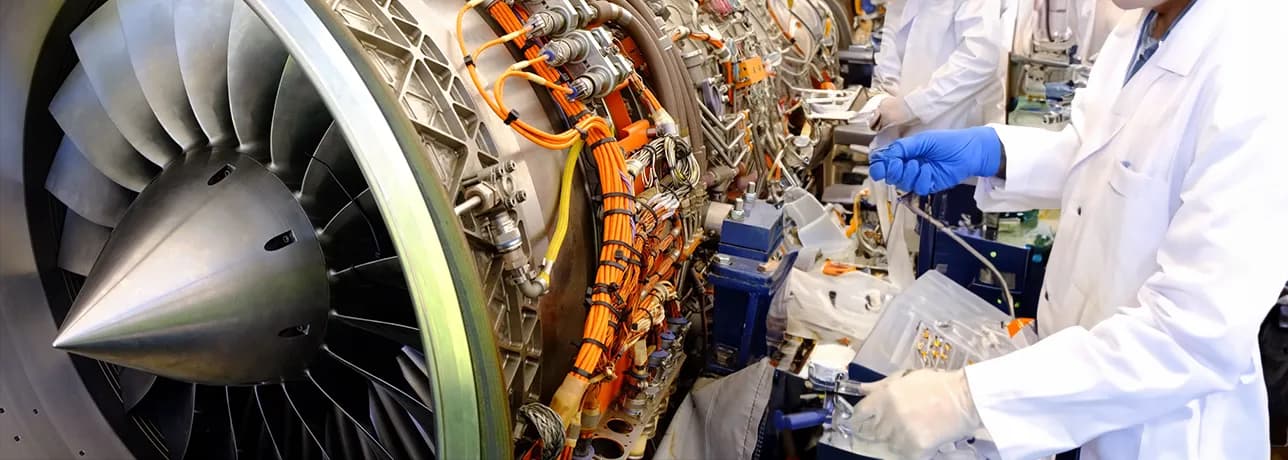
Lightweight structural components and functional prototypes.
Example parts
Complex ducting systems, cable routing brackets, and sensor housings.
Why it fits: MJF delivers consistent mechanical properties across the entire build volume, critical for functional aerospace parts that must meet uniform stress requirements.
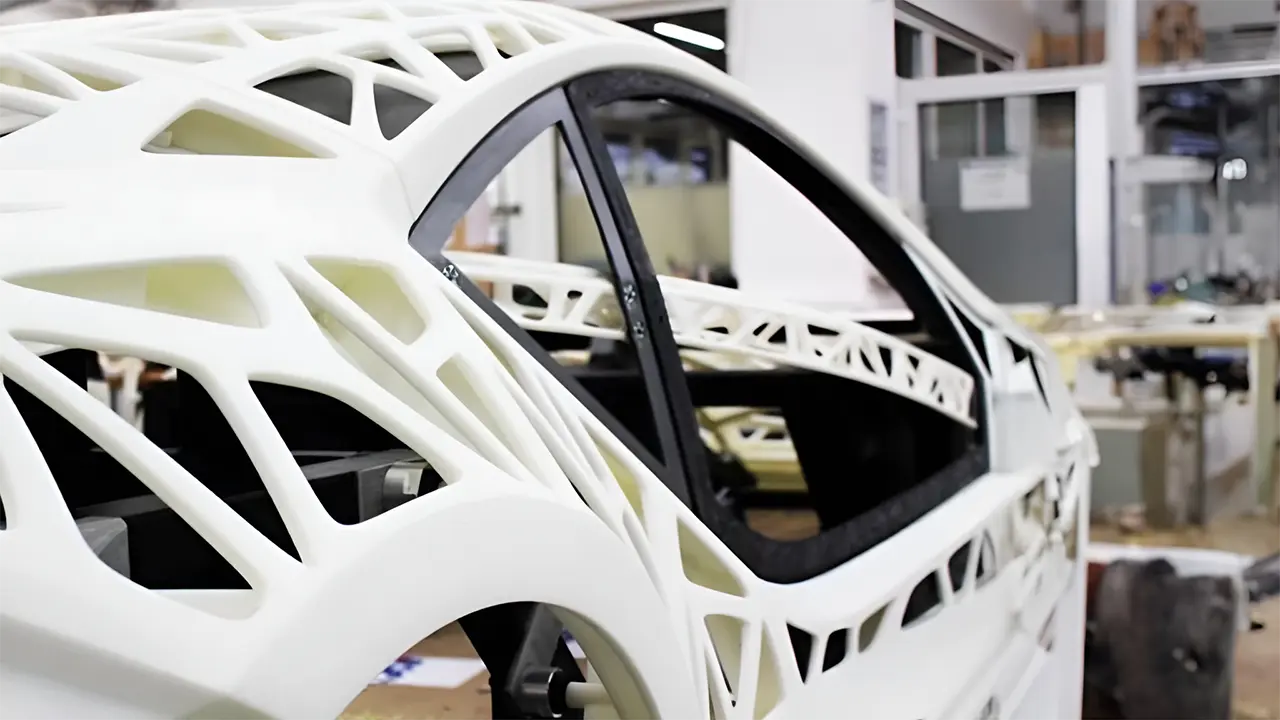
Functional test brackets and assembly validation components.
Example parts
Interior clips, connector housings, functional test brackets, and HVAC ducting.
Why it fits: MJF produces isotropic nylon parts with consistent properties in all directions, enabling reliable functional testing without the directional weakness of other printing methods.
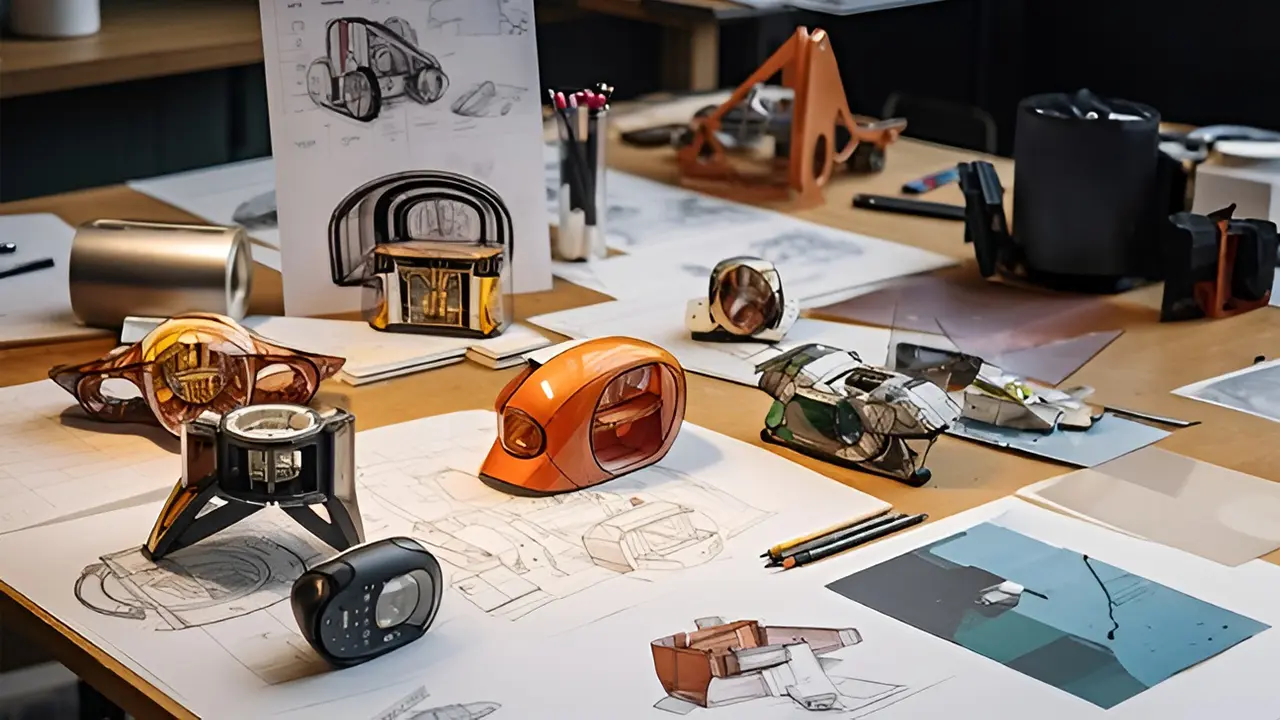
Design validation prototypes and pilot production parts.
Example parts
Design validation prototypes, textured housings, and pilot production parts.
Why it fits: MJF delivers fine detail with faster turnaround than SLS, producing high-quality nylon parts ideal for design validation cycles with tight review deadlines.
Highlighted Case Study
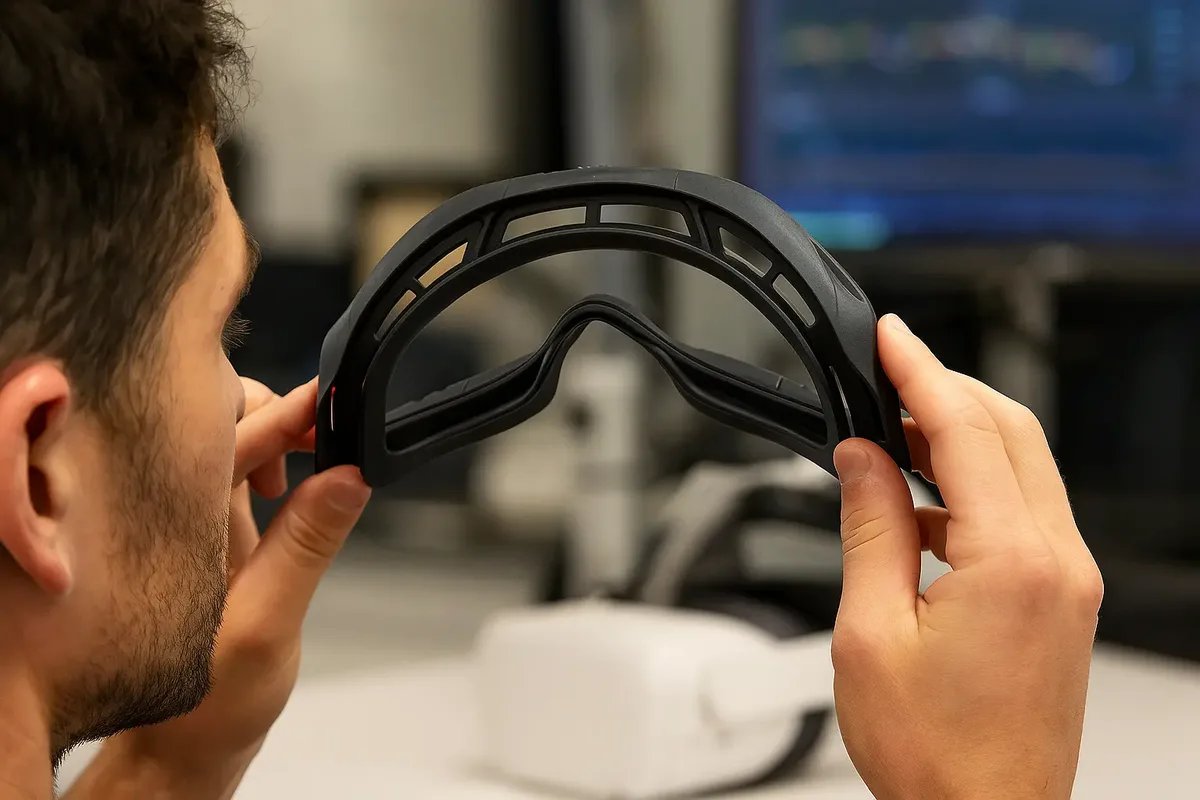
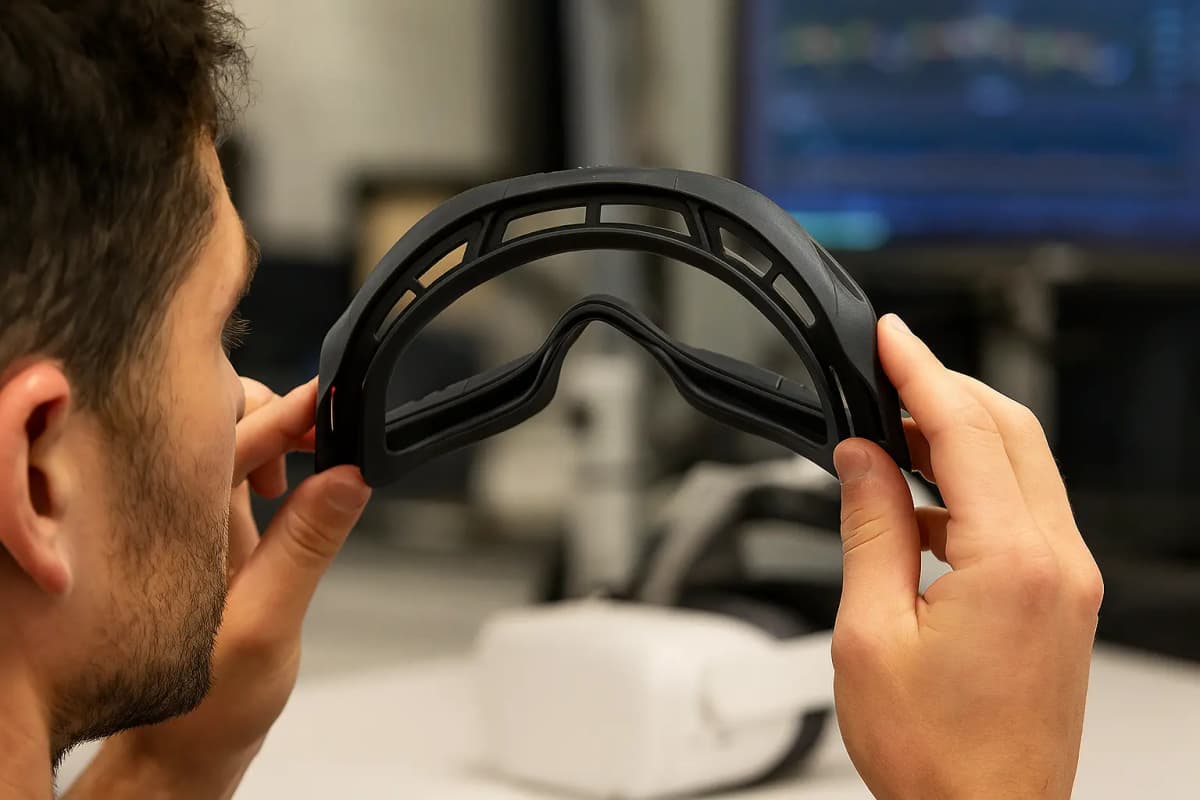
Wearable hardware production
A VR hardware program used HP Multi Jet Fusion and Nylon PA12 to move from ergonomic iteration into real production, delivering visor components at a cadence of more than 1,000 parts every 72 hours.
• Over 1,000 visor components every 72 hours
• Prototype-to-production on the same MJF platform
Upload your CAD files to get instant quotes for MJF 3D printing. Professional-grade manufacturing with fast turnaround times.
Create an account to upload CAD
STEP, STL, OBJ, 3MF and IGES supported
Common questions about MJF 3D printing technology. Can't find what you're looking for? Reach out to our technical team.