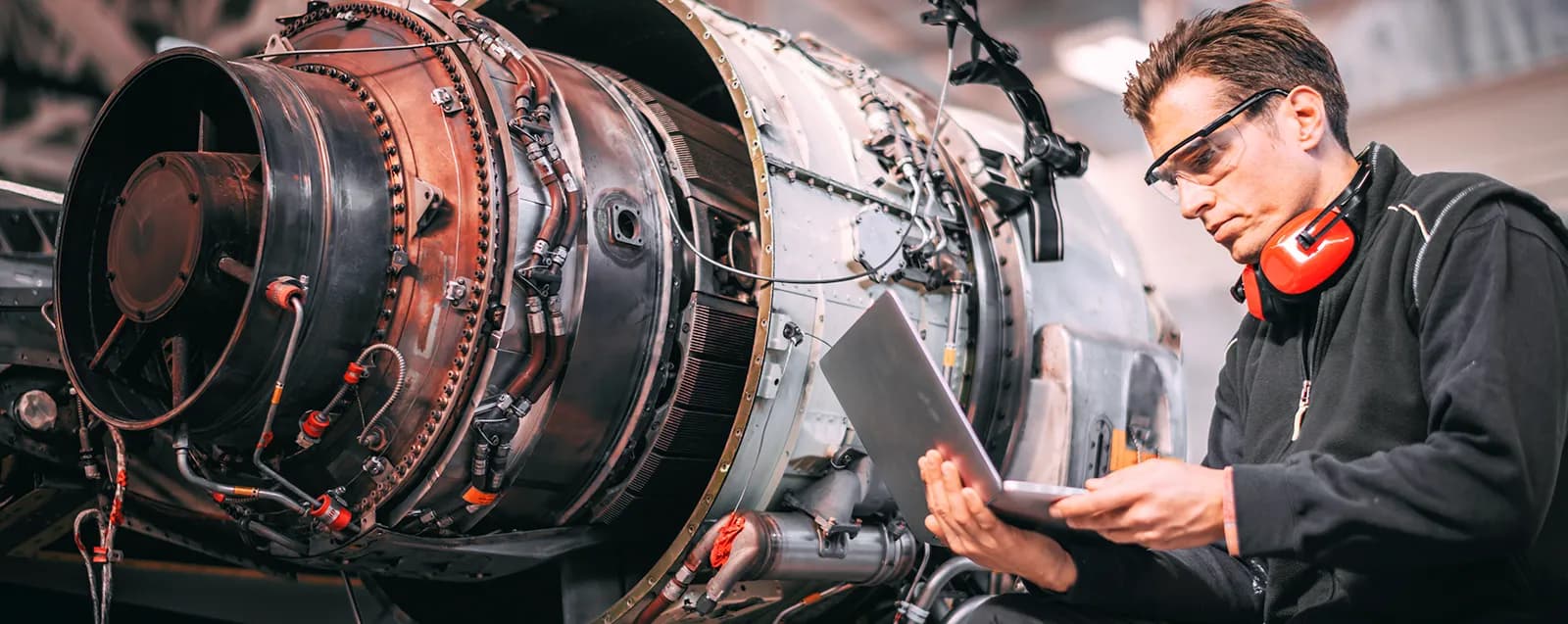
Outcome-Based Manufacturing Service

End-Use Parts Manufacturing

Ship final hardware without forcing every part through a traditional tooling path.

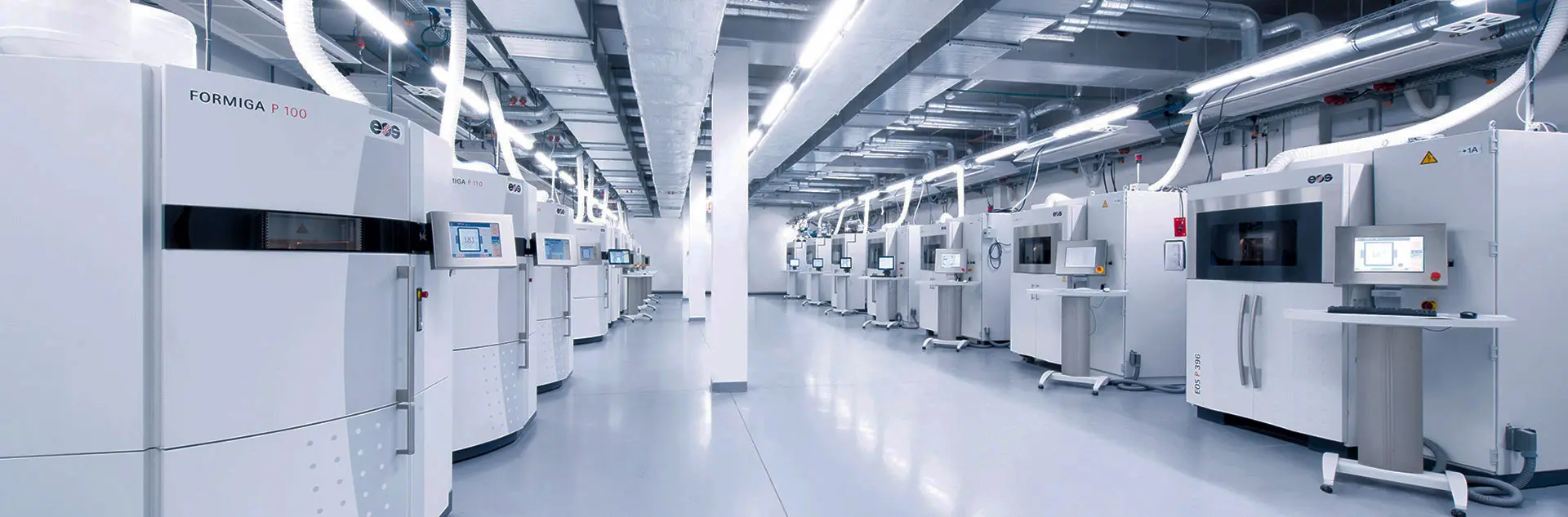
Forge Labs manufactures polymer and metal end-use parts with industrial 3D printing and CNC machining when geometry, lead time, or lower-volume demand make additive the better production fit. Finishing, machining, and inspection can be built into the route for shipped hardware from pilot runs through ongoing supply.

Production Fit
Spares, short runs, recurring demand
Program Range
Pilot through ongoing supply
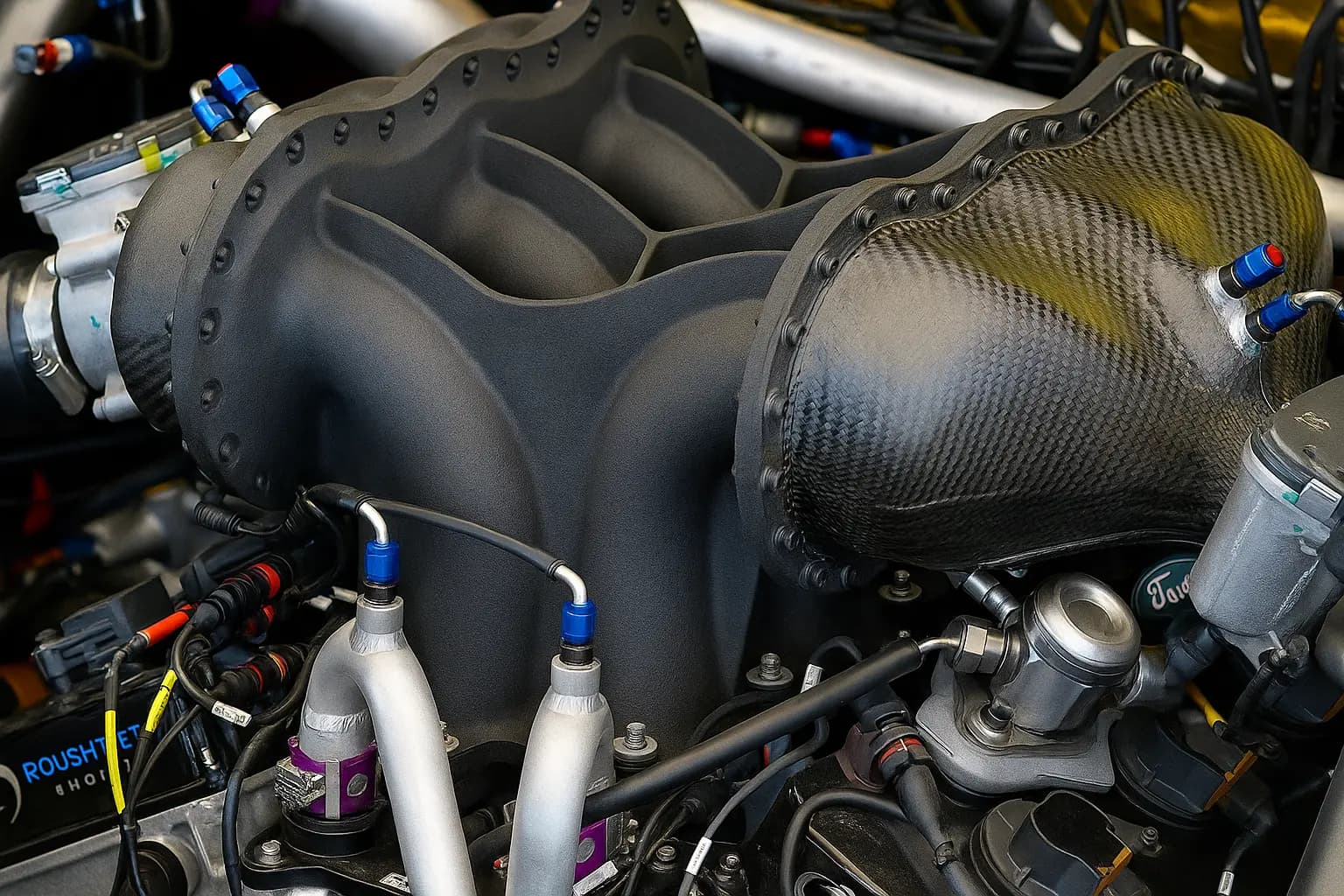
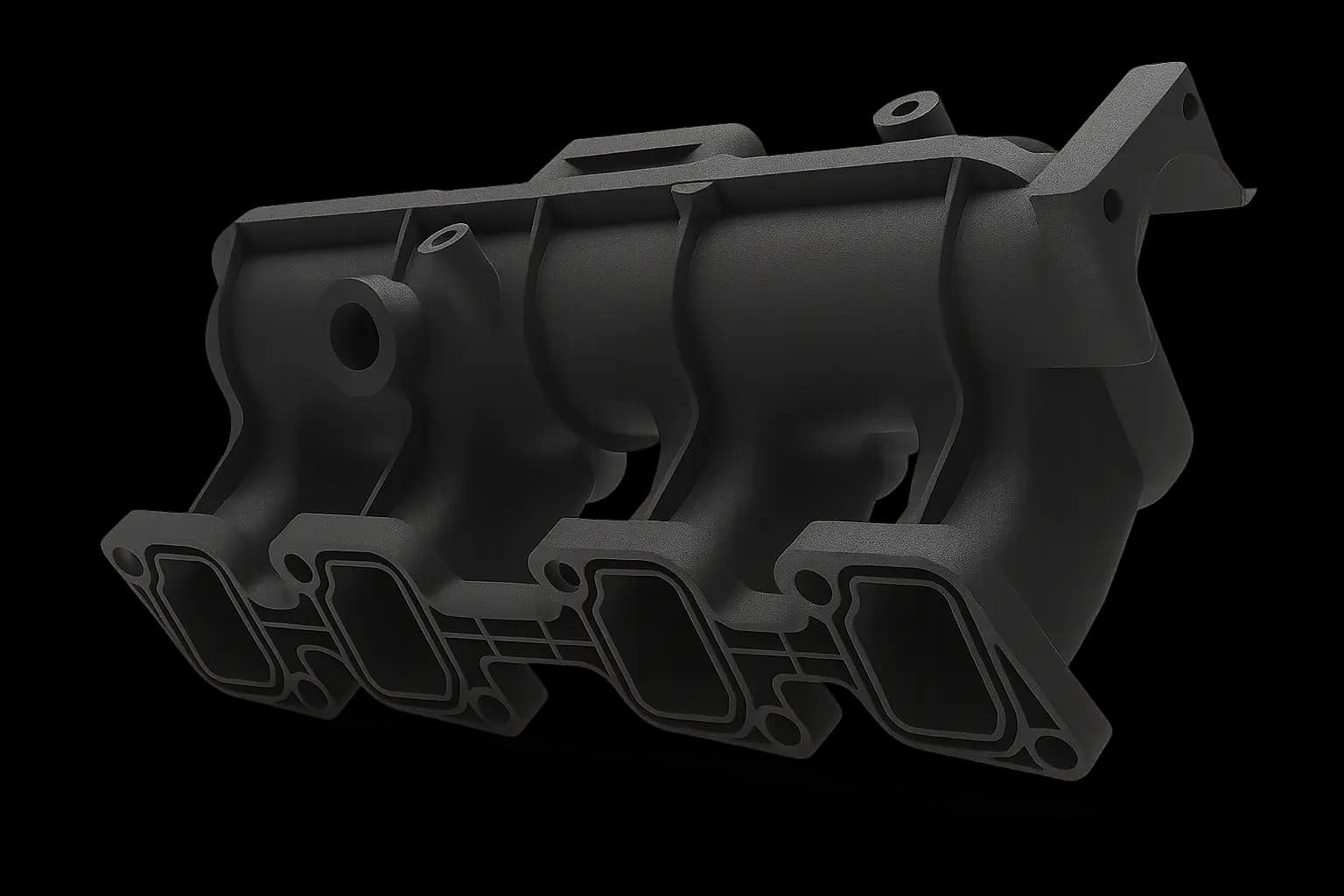
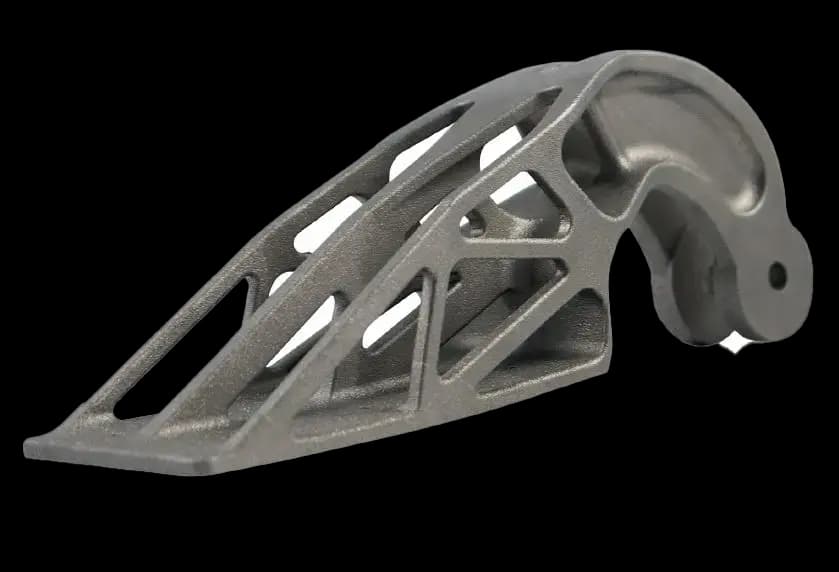
End-use production component built with industrial additive manufacturing
Service Overview

Final parts built around operating requirements

End-use parts service is for programs where the component being delivered is the component being installed or shipped. That changes the manufacturing conversation from prototype speed to repeatability, material behavior, post-processing, and the documentation needed to support the part in service.

Production Scenarios

When end-use parts are the right fit

Choose this service when the part is no longer a prototype and needs to perform reliably in the field, on the line, or inside the shipped product.

What this service is designed to do

Suitable for low-volume production, service parts, and recurring replenishment

Polymer and metal process selection based on final-use conditions

Finishing, inserts, machining, and assembly-ready secondary operations

Useful when tooling cost or lead time does not make economic sense

Supports geometry that is difficult or expensive to machine conventionally

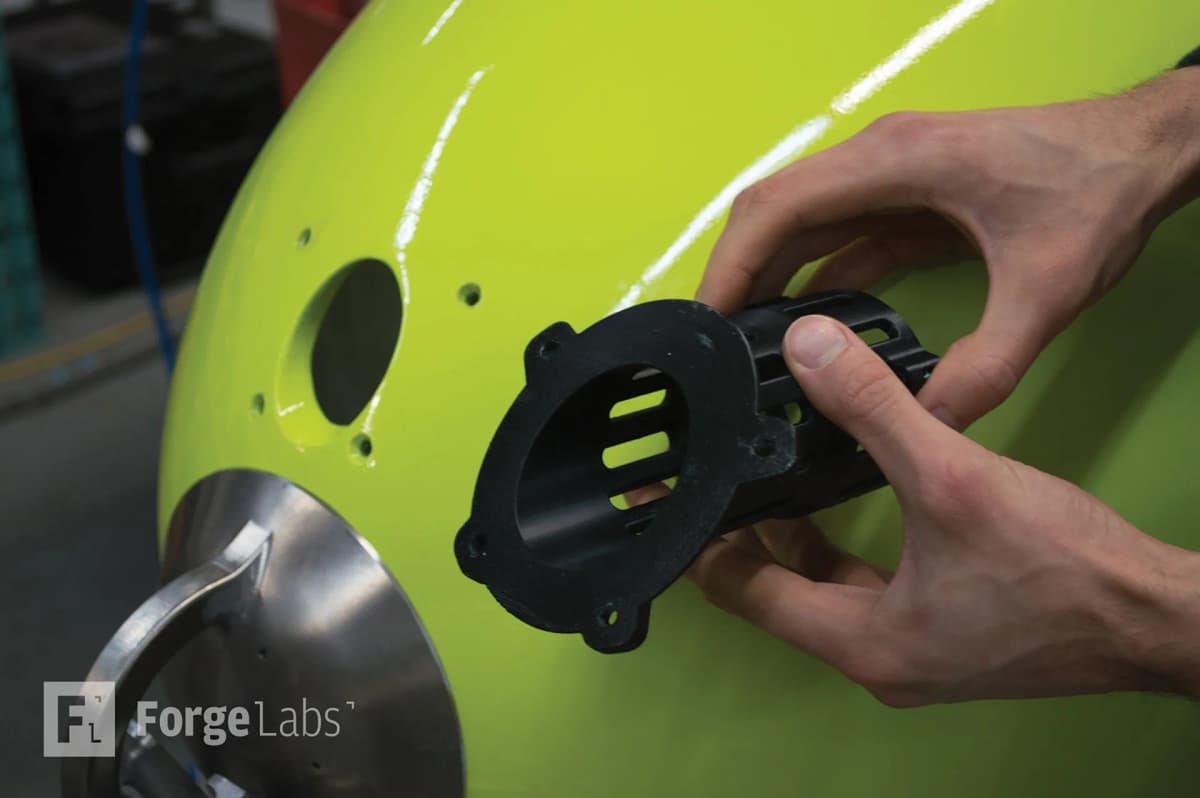
End-use production hardware built with additive manufacturing
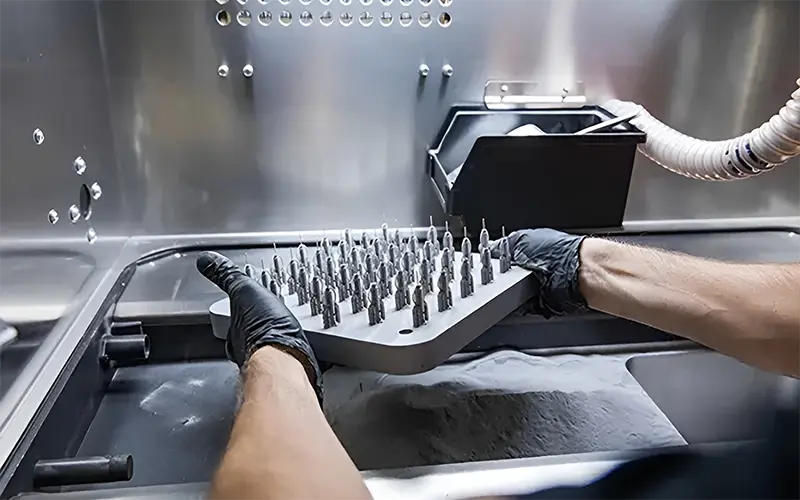
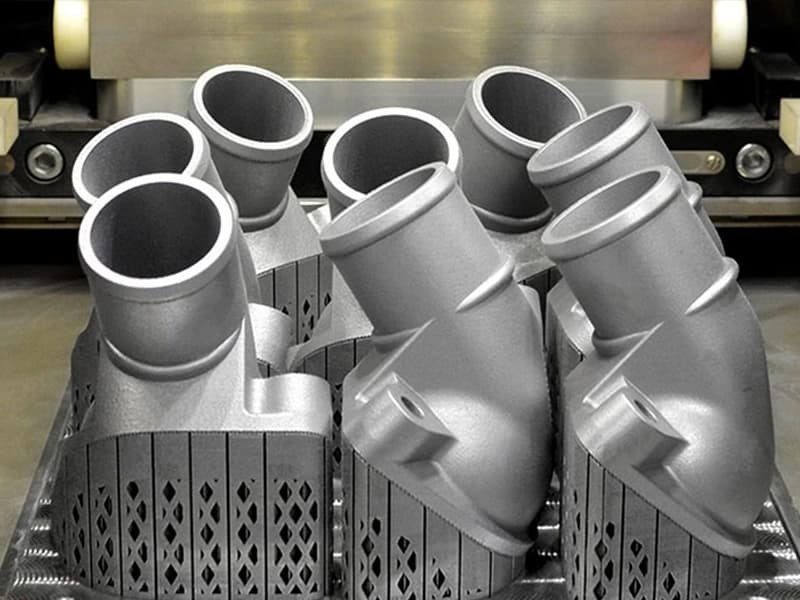
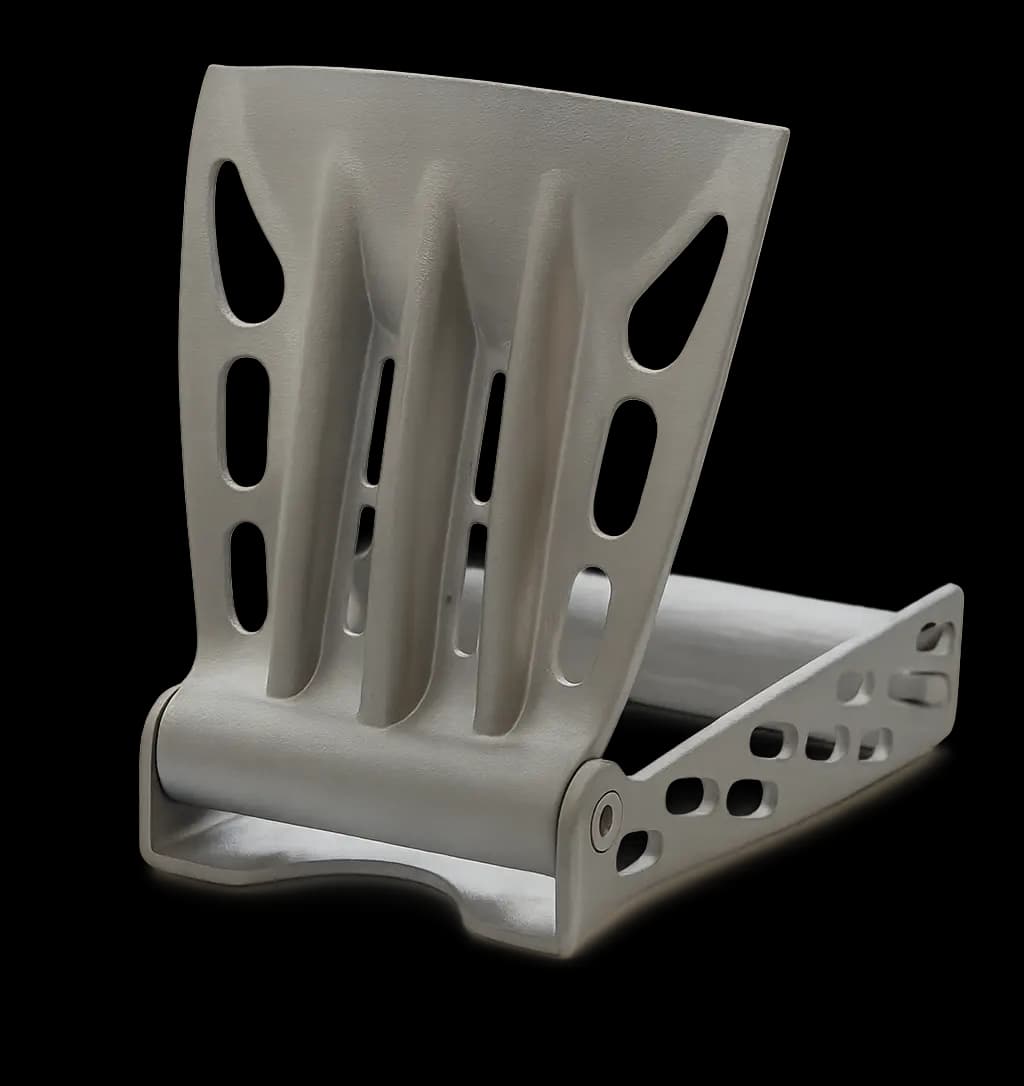
End-use metal part being removed during production processing
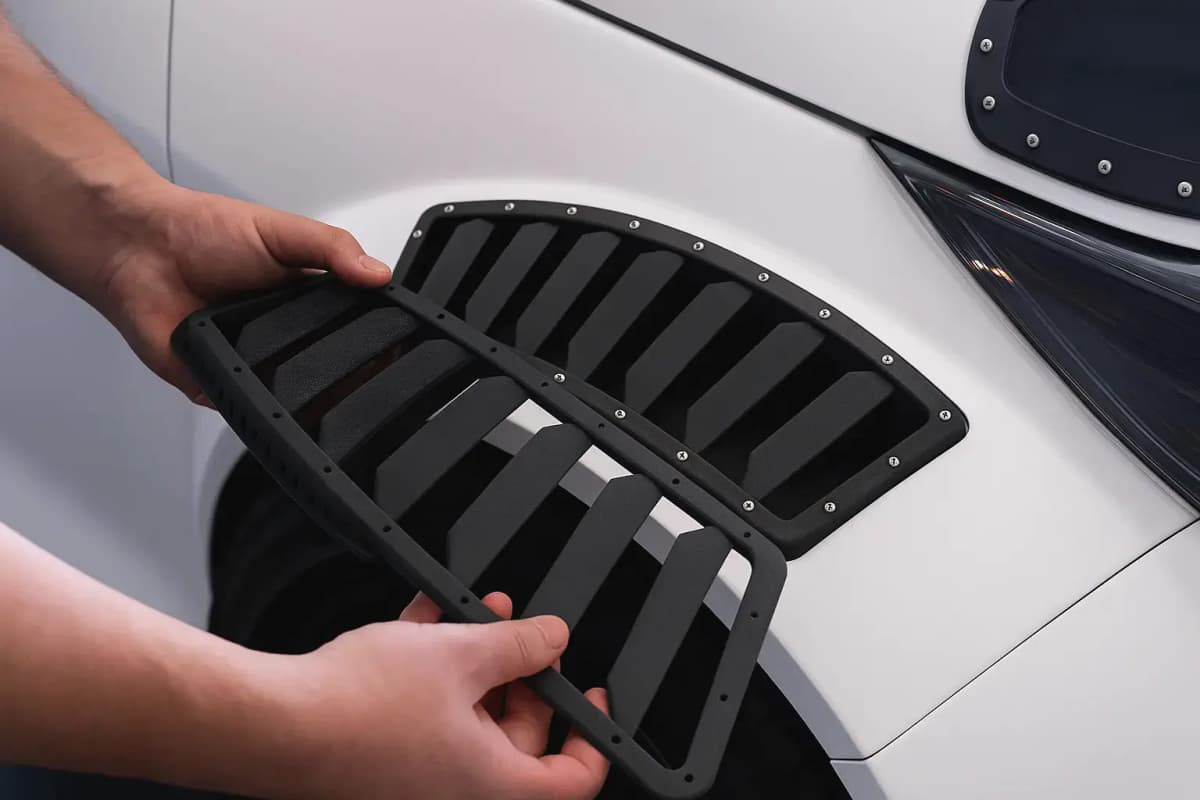
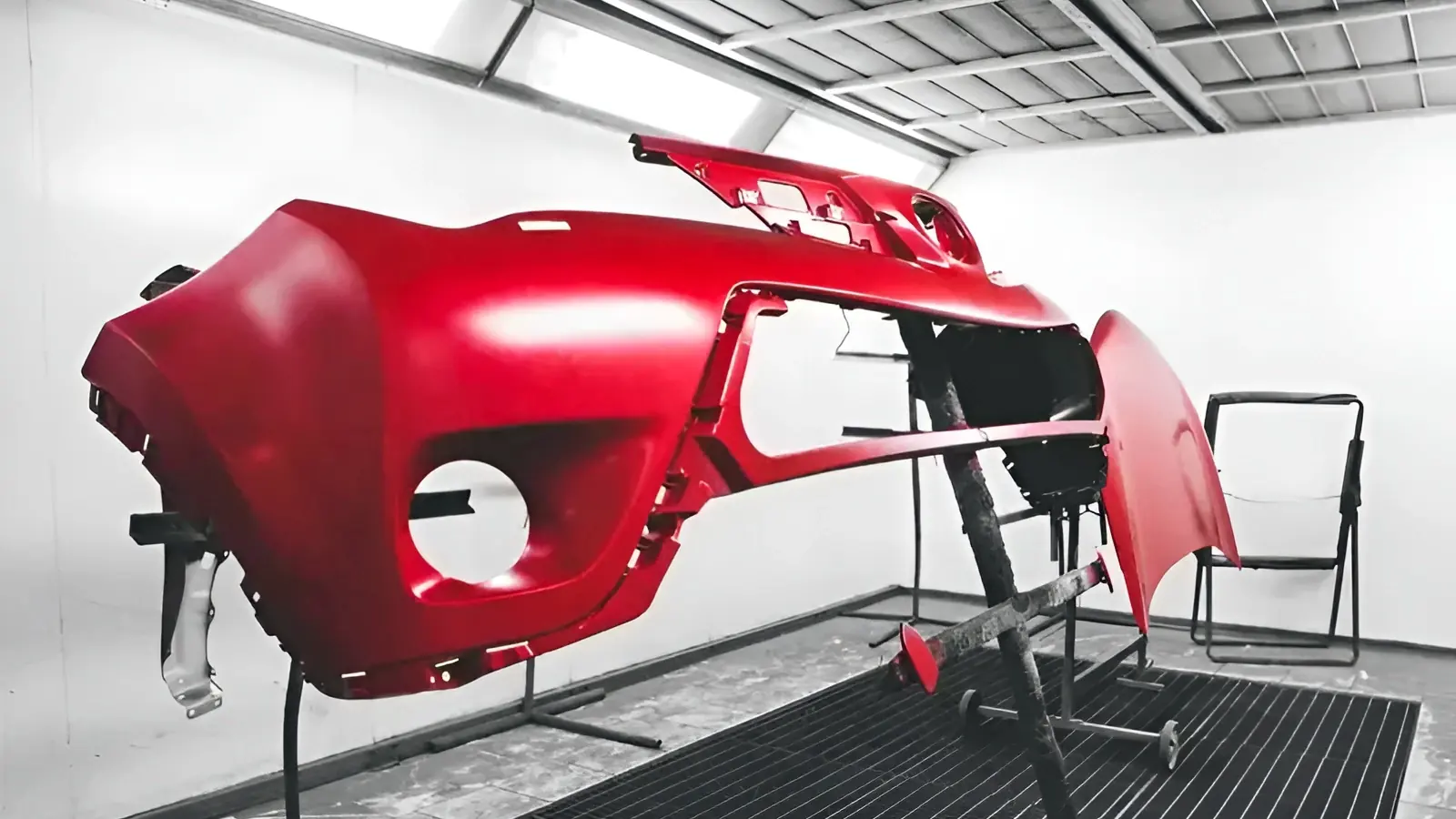
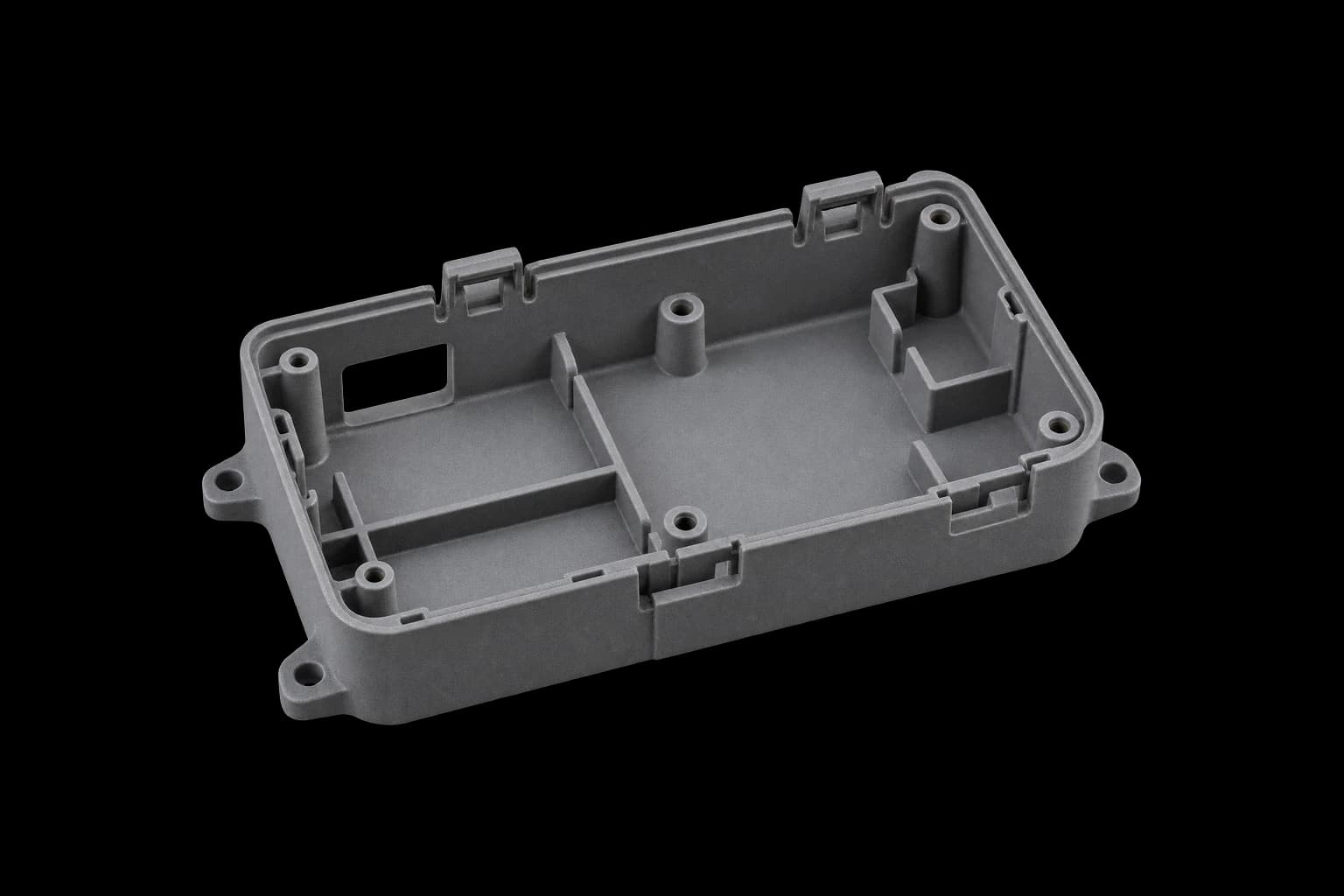
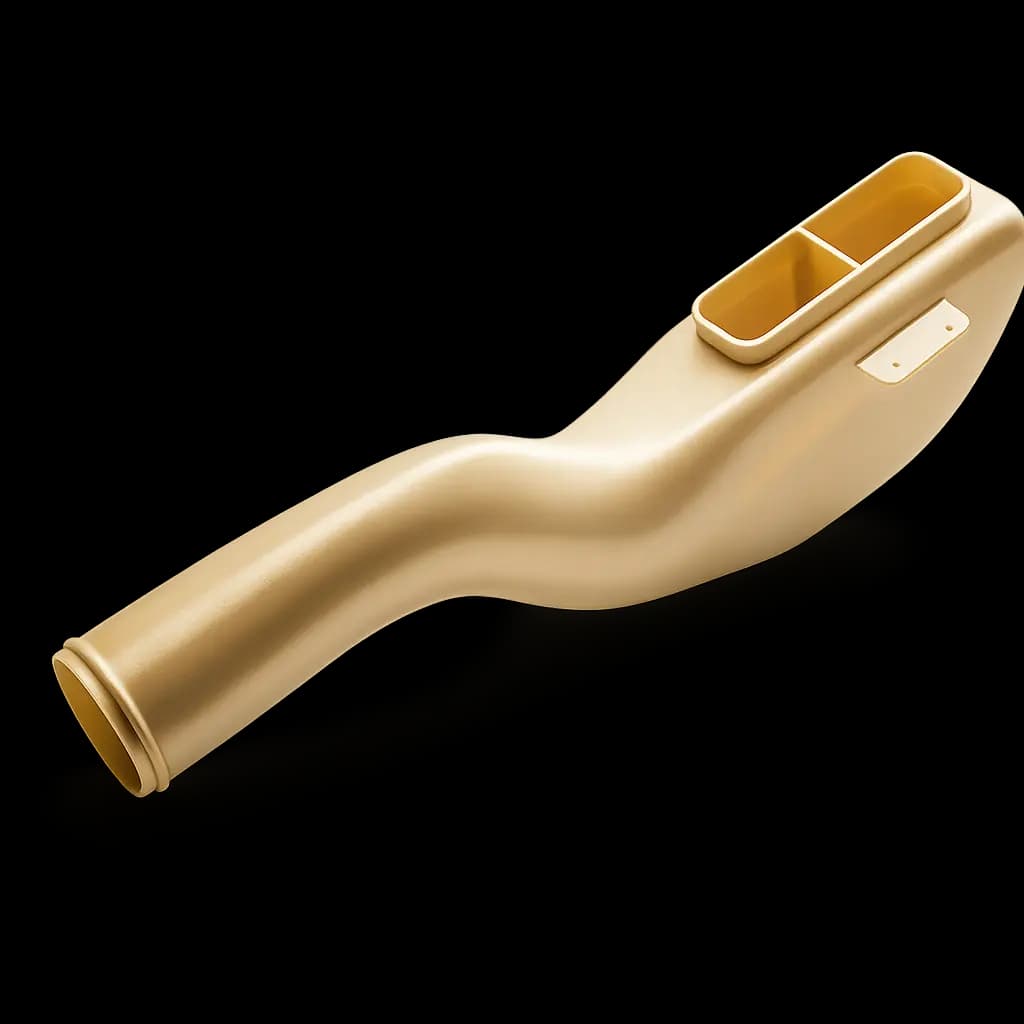
End-use nylon automotive part shown in real application context
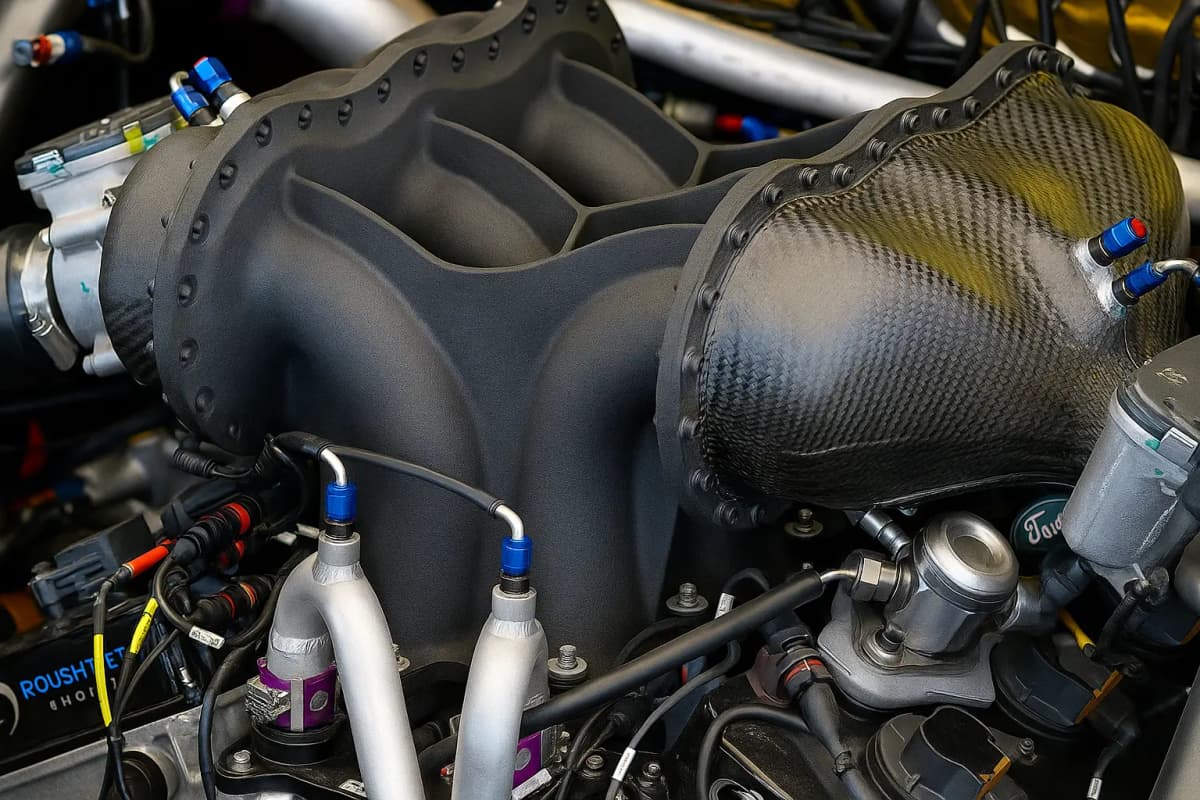
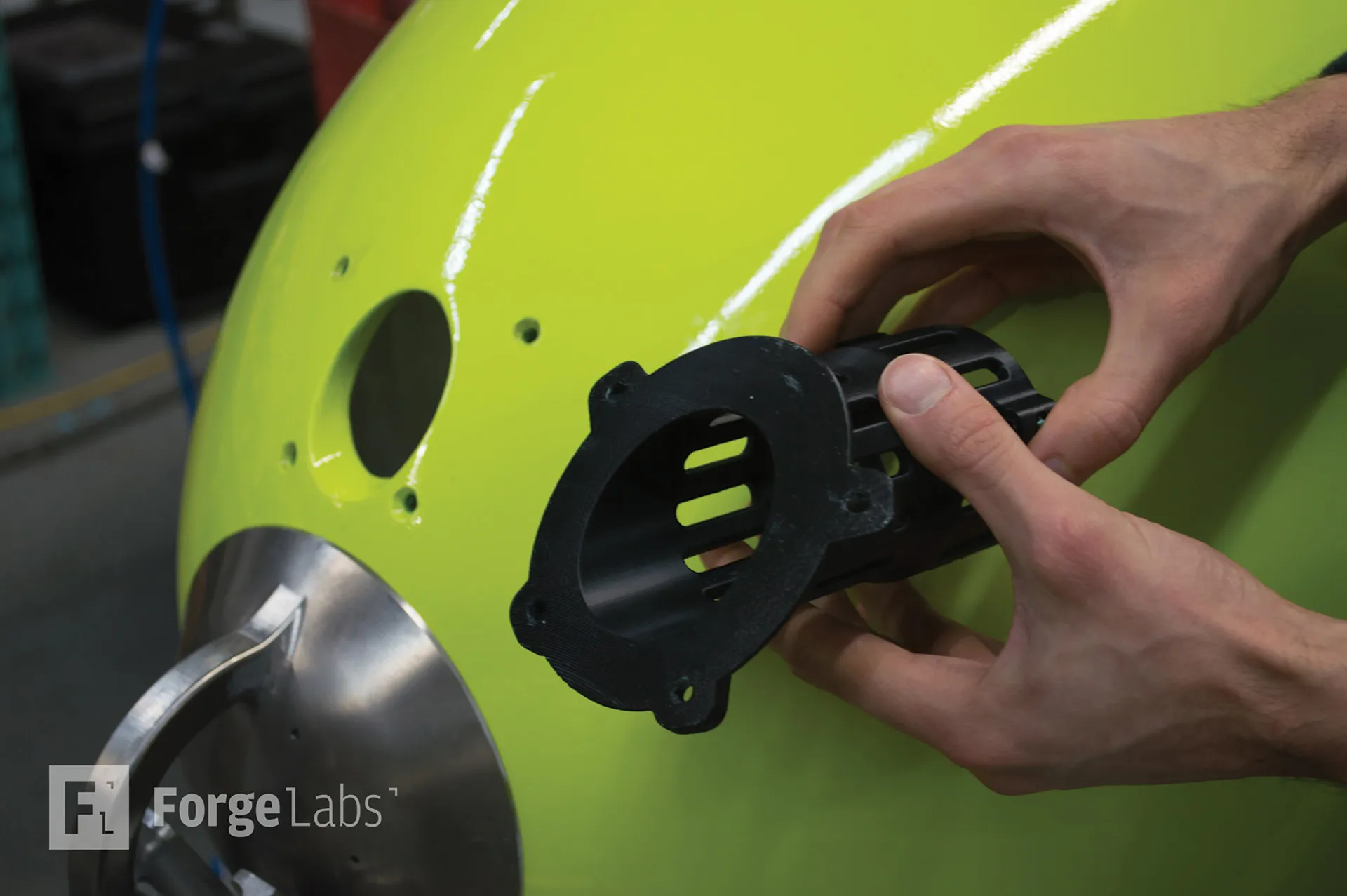
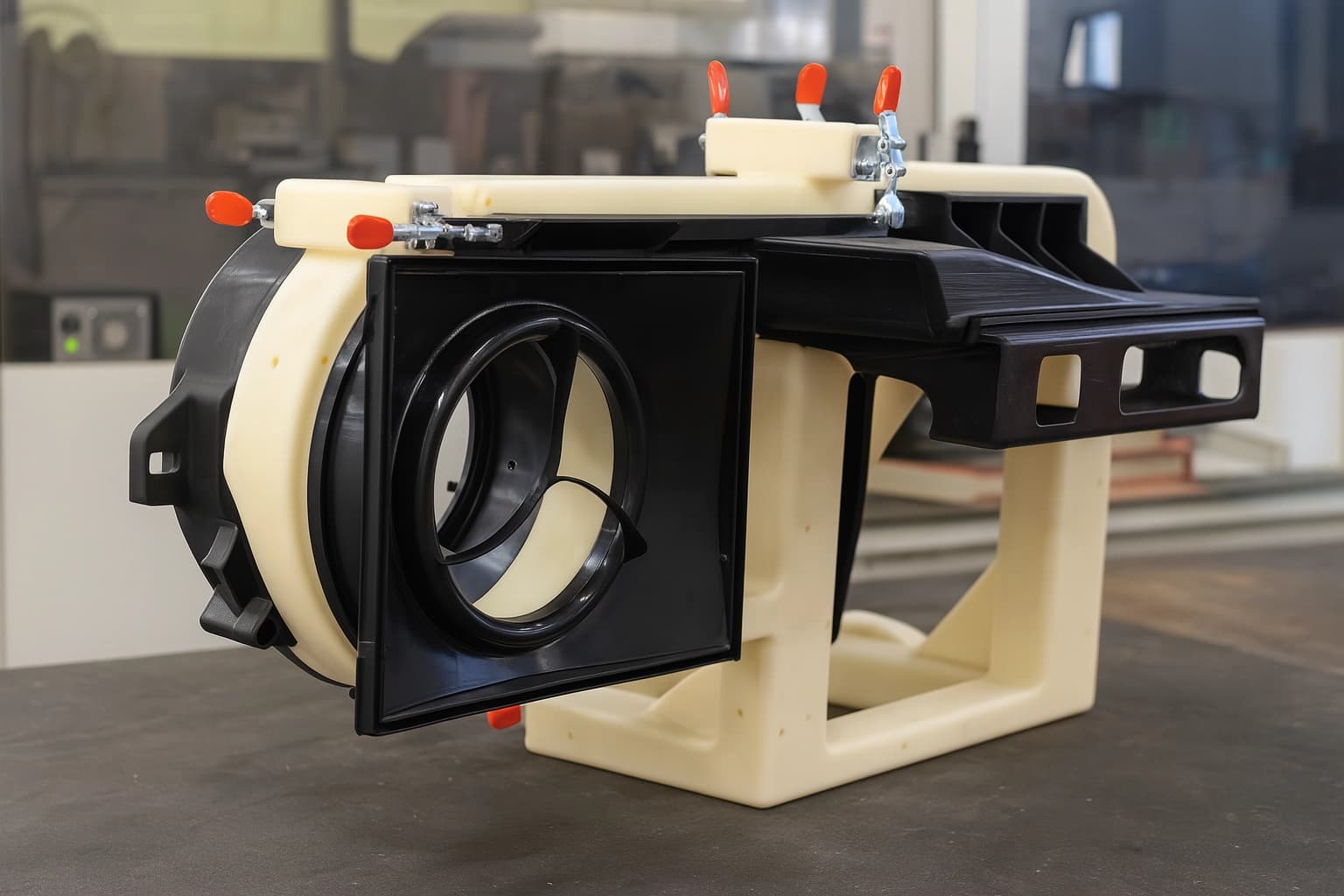
Installed end-use part in a production environment
End-Use Manufacturing Guide

Production parts built for real-world use

Forge Labs supports end-use manufacturing with industrial SLS, MJF, SLA, FDM, PolyJet, DMLS, and CNC workflows under one roof, allowing parts to be matched to their mechanical, cosmetic, and production requirements instead of forced into a single process. The same team helps review geometry, tolerances, finishing steps, and secondary operations so the final part is built for performance, repeatability, and long-term manufacturability.

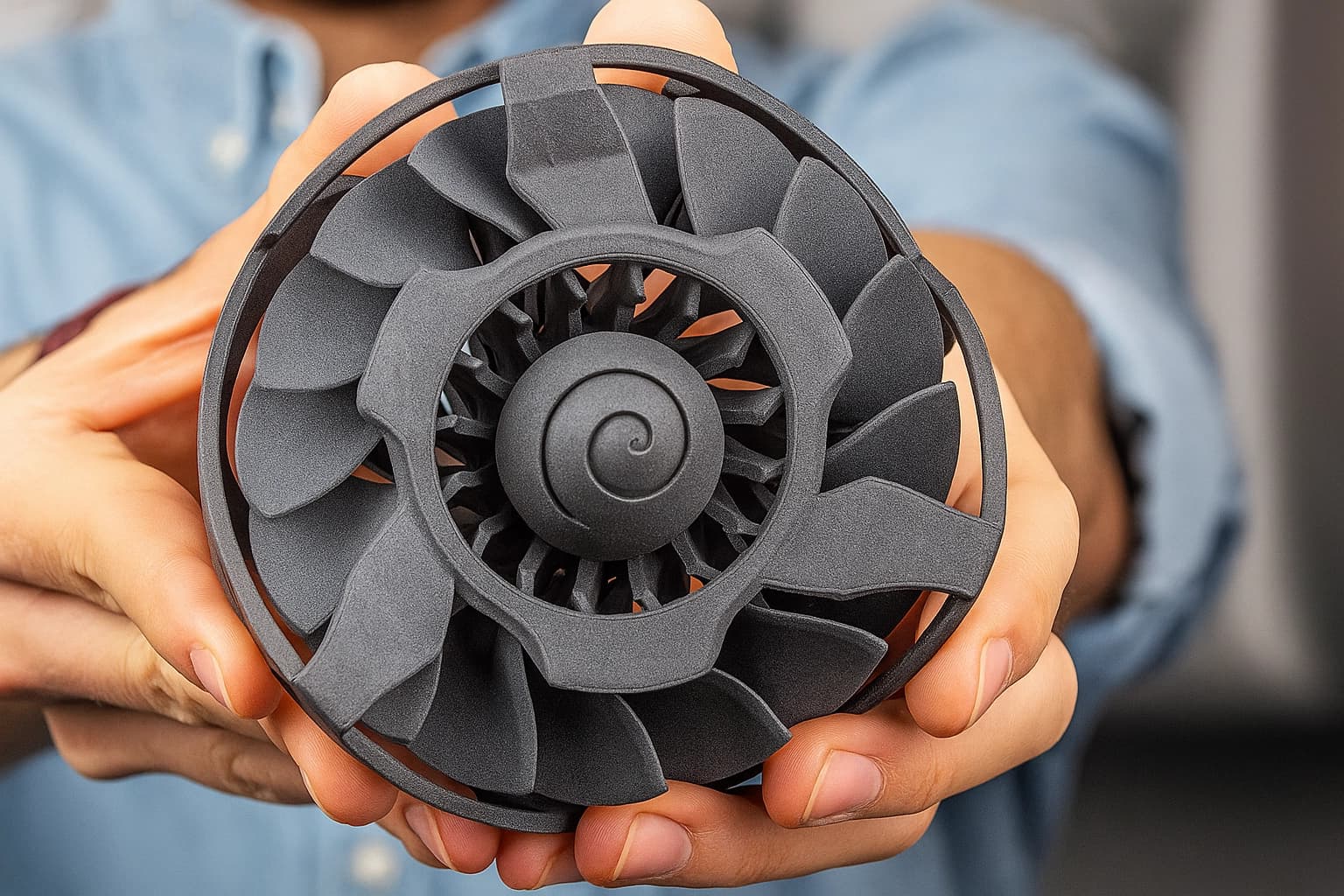
Viewing What makes a part suitable for end-use manufacturing

End-use production component installed in an assembly
  • Parts intended for real service: Produce components that will be installed in equipment, used in assemblies, shipped to customers, or relied on as functional end-use parts rather than internal prototypes.
  • Low-volume or complex production needs: Support parts that are too low in volume, too geometrically complex, or too revision-prone to justify tooling or conventional high-volume production methods.
  • Production flexibility without tool dependency: Manufacture end-use parts without waiting on molds, hard tooling, or long setup cycles when speed, flexibility, and design agility still matter.
  • Applications where geometry creates value: Use additive or CNC workflows when the part benefits from design freedom, assembly consolidation, weight reduction, internal features, or part customization that would be difficult to produce conventionally.
Metal and polymer end-use parts arranged for production route planning
  • SLS and MJF for durable nylon production parts: Use powder-bed nylon processes for strong, lightweight end-use components, complex geometries, and low-volume production parts that need good repeatability without support structures.
  • FDM for larger-format or rugged thermoplastic parts: Use FDM for durable housings, fixtures, covers, ducting, and production parts where build size, engineering thermoplastics, or material toughness matter more than cosmetic perfection.
  • SLA and PolyJet for specialized visual or functional parts: Use resin-based processes when end-use requirements depend on high detail, smooth surfaces, visual quality, transparency, or specific material characteristics tied to ergonomics or product presentation.
  • DMLS and CNC for high-performance production components: Use metal additive or machining when the part requires real metal behavior, tighter tolerances, machined surfaces, or production-grade material performance that must hold up in demanding service conditions.
Finished end-use production part prepared for installation
  • Functional requirements: Match the process and material to strength, stiffness, thermal exposure, fatigue, impact resistance, chemical exposure, wear, flexibility, or other performance demands tied to the actual use environment.
  • Dimensional requirements: Review critical features, fit surfaces, mating geometry, hole locations, and tolerance-sensitive areas so the manufacturing route supports the dimensions that matter most.
  • Cosmetic requirements: Define surface finish, color consistency, visible-face quality, texture, transparency, and finishing expectations when the part is customer-facing or used in a visible product environment.
  • Supply requirements: Plan around repeatability, reorder stability, lead times, revision control, and production continuity so the part can be manufactured reliably beyond the first successful build.
Forge Labs team handling finishing and quality control for production parts
  • Stable manufacturing workflows: Choose a production path that supports repeat builds, consistent material behavior, and predictable part outcomes rather than one-off success.
  • Defined finishing and secondary operations: Standardize the required post-processing steps such as dyeing, vapor smoothing, machining, inserts, sanding, painting, or assembly so production output remains consistent.
  • Inspection aligned to part risk: Review which features are critical, which surfaces must be controlled, and where dimensional checks or visual standards should be built into the process.
  • Repeat-order readiness: Support programs that need dependable reorders, service-part continuity, or ongoing low-volume supply without reworking the manufacturing plan from scratch each time.
Forge Labs engineers reviewing production-ready part files and manufacturing plans
  • Process and material recommendations: Select the manufacturing route based on service conditions, part function, finish expectations, and production realities rather than defaulting to a single technology.
  • Geometry and manufacturability review: Review feature sizing, unsupported assumptions, tolerance risks, and geometry-driven cost factors before the part is committed to production.
  • Secondary operation planning: Define where machining, inserts, tapped holes, dyeing, vapor smoothing, sanding, painting, or assembly should be part of the finished production workflow.
  • Long-term production planning: Help determine whether the part should remain in additive production, move into CNC, or connect to a separate bridge manufacturing strategy as demand, geometry, or economics evolve.
Service Comparison

Position in the service stack

End-use parts sit downstream of prototype learning and can overlap with bridge production when market demand is still stabilizing.

Rapid Prototyping

Choose this when the part still exists to answer design questions instead of shipping to the end user.

View rapid prototyping

Bridge Manufacturing

Choose this when you must ship now, but expect to transition to a different long-run process later.

View bridge manufacturing

End-Use Parts

Choose this when additive or CNC remains the correct final manufacturing route for the product or spare.

View end-use parts
Relevant Materials

Materials commonly used for end-use parts

The right material depends on how the part will be used in the field, whether that means carrying load, handling heat, resisting corrosion, or supporting repeatable low-volume production. Forge Labs selects materials based on operating conditions, geometry, finishing requirements, and how the part needs to perform once it leaves the shop.

Nylon PA12 used for end-use parts
Production Nylon

Nylon PA12

Durable polymer option for finished housings, brackets, and assemblies

Nylon PA12 is a practical end-use material when a shipped part needs balanced strength, durable handling, and cost-effective additive production. Forge Labs uses it for housings, brackets, clips, and assemblies where complex geometry matters but full tooling does not.

Best for

Finished housings, brackets, clips, and assemblies

Why it works

Production nylon balances strength, durability, and design freedom

Common uses

Installed product housingsService replacement bracketsFunctional snap-fit production parts

HP MJF PA12 used for end-use parts
Batch Production Nylon

HP MJF PA12

MJF polymer for repeatable low-volume production and recurring replenishment

HP MJF PA12 is a strong fit for end-use parts when the job depends on repeatable batch output and stable nylon performance. Forge Labs uses it for recurring production of finished components where throughput, consistency, and clean detail matter more than one-off prototype flexibility.

Best for

Recurring low-volume production, repeat batches, and finished nylon parts

Why it works

MJF delivers consistent part quality and efficient batch throughput

Common uses

Recurring wearable componentsLow-volume consumer product partsRepeatable replacement part batches

Titanium Ti64 used for end-use parts
Performance Metal Alloy

Titanium Ti64

End-use metal for lightweight structural components and demanding environments

Titanium Ti64 is used for end-use parts when finished hardware needs high strength, low weight, corrosion resistance, or heat performance that polymer parts cannot provide. Forge Labs uses it for aerospace, medical, and industrial components where performance matters more than minimum part cost.

Best for

Lightweight structural hardware, corrosion-resistant parts, and demanding end-use applications

Why it works

Real titanium alloy performance with complex additive geometry

Common uses

Aerospace bracketsLightweighted industrial hardwareCorrosion-resistant final components

Stainless Steel 316L used for end-use parts
Corrosion-Resistant End-Use Metal

Stainless Steel 316L

Production metal for service parts and harsh-environment applications

Stainless Steel 316L is a strong end-use choice when the part needs corrosion resistance, durability, and a real metal finish in service. Forge Labs uses it for industrial hardware, replacement parts, and equipment components exposed to moisture, chemicals, or harsher shop conditions.

Best for

Corrosion-resistant hardware, service parts, and industrial equipment components

Why it works

316L combines durable metal performance with additive design freedom

Common uses

Service replacement componentsIndustrial process hardwareCorrosion-exposed production parts

ULTEM 9085 used for end-use parts
High-Performance End-Use Thermoplastic

ULTEM 9085

Finished thermoplastic for aerospace-adjacent and industrial operating conditions

ULTEM 9085 is used for end-use parts when the operating environment is harder on the part than standard engineering plastics can handle. Forge Labs recommends it for lightweight, high-performance components that need heat resistance, chemical resistance, or FST-rated material performance in the final application.

Best for

Heat-exposed hardware, lightweight high-performance parts, and demanding enclosures

Why it works

High-performance FDM thermoplastic handles tougher thermal and environmental conditions

Common uses

Aircraft interior componentsIndustrial electrical housingsHeat-exposed final-use enclosures

Workflow

End-use production workflow

Step 01

Confirm part function and demand profile

Confirm the printed part is being used as real hardware

We confirm whether the part should ship as an additive component and what the printed part must withstand in service.

Review load, temperature, chemical exposure, and installation requirements. Confirm whether the part fits polymer additive, metal additive, or a hybrid route.

Typical Timing

1-2 business days

Output

Manufacturing recommendation

Functional manufactured component used in a production environment
Case Studies

Related end-use production examples

These case studies show additive workflows being used for final parts, not just prototype reviews.

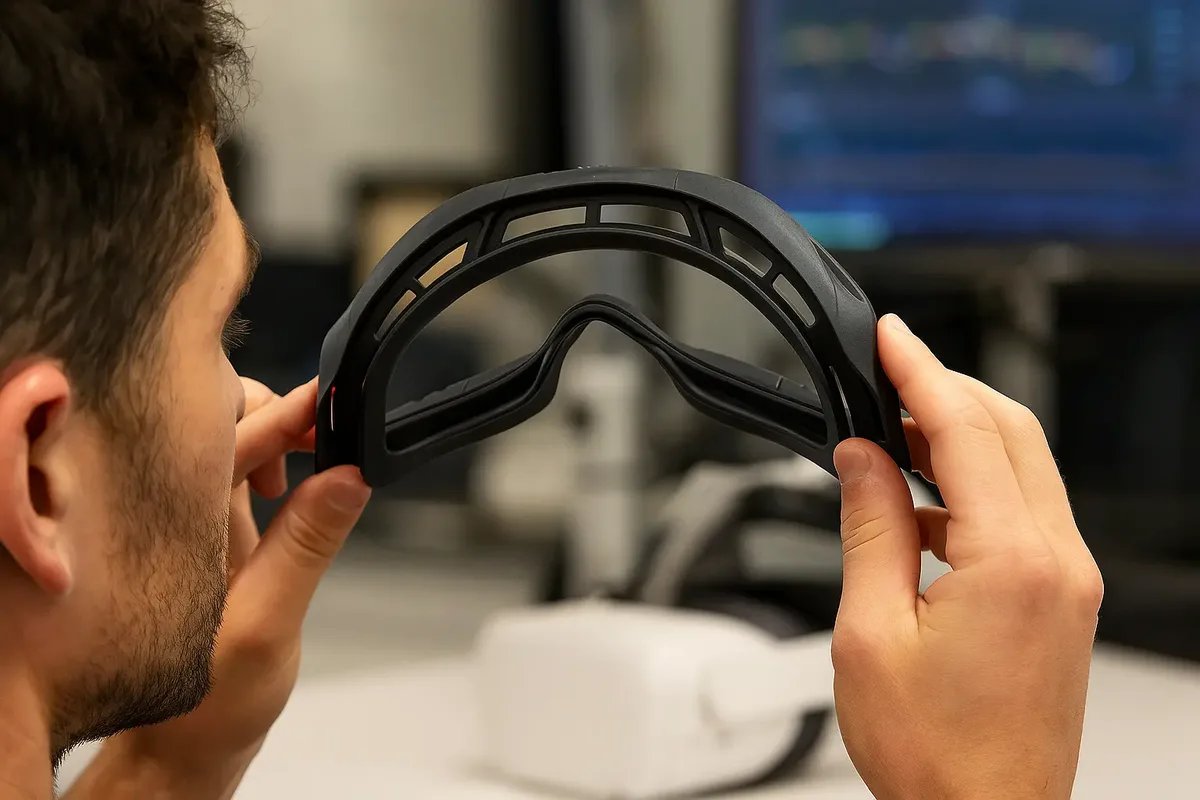
From Prototype to Production: 3D Printed Visors for Next-Generation VR Hardware
Related program

From Prototype to Production: 3D Printed Visors for Next-Generation VR Hardware

A VR hardware program used HP Multi Jet Fusion and Nylon PA12 to move from ergonomic iteration into real production, delivering visor components at a cadence of more than 1,000 parts every 72 hours.

Over 1,000 visor components every 72 hours

Prototype-to-production on the same MJF platform

Wearable-ready PA12 parts with optional vapor smoothing

Read case study
ISE Replacing Traditionally Machined Parts with 3D Printing
Related program

ISE Replacing Traditionally Machined Parts with 3D Printing

ISE transitioned AUV components from machining to additive production, reducing cost and lead time while preserving the mechanical reliability needed for subsea deployment.

Up to 73% cost reduction

Lead time compressed to days

Production-ready marine components

Read case study
Aircraft Component Weight Reduction Through SLS & DMLS 3D Printing
Related program

Aircraft Component Weight Reduction Through SLS & DMLS 3D Printing

Aerospace teams used SLS and DMLS to redesign critical components with topology-optimized geometry, reducing mass while maintaining structural performance and certification readiness.

40-60% weight reduction strategies

Complex internal geometries

Flight-ready material pathways

Read case study
Quality and Standards

Production considerations

End-use parts require a tighter connection between manufacturing method, quality checks, and how the part will be installed or maintained.

Inspection matched to critical features

Dimensional verification and documentation can be aligned to fit-critical surfaces and release requirements.

Secondary operations planned upfront

Machining, inserts, coatings, and packaging are treated as part of the manufacturing route, not afterthoughts.

Designed for ongoing supply

The workflow supports repeat orders, service inventory, and backup production pathways where needed.

Related Resources

Related resources

Use these links when evaluating materials, quality expectations, and process fit for shipped hardware.

Materials

Material Guide

Review production polymers and metal options by performance and application.

View resource

Quality

Quality Overview

See the quality and inspection framework that supports production programs.

View resource

Guide

Technology Guide

Compare additive technologies before locking in the final production route.

View resource
Next Step

Need final parts, not just prototypes?

Share the part requirements, target quantities, and operating environment. Forge Labs can recommend a production path for short-run or recurring end-use supply.