Outcome-Based Manufacturing Service

Bridge Manufacturing Services

Keep shipping while tooling ramps, demand settles, or suppliers recover.

Bridge manufacturing uses industrial 3D printing and CNC machining to cover the gap between prototype validation and long-run production. It is built for launches, supplier transitions, and temporary production windows where additive repeatability matters now and a clean handoff to tooling or alternate supply comes later.

Typical Use Window
100 to 10,000+ parts
Business Goal
Launch and supply continuity
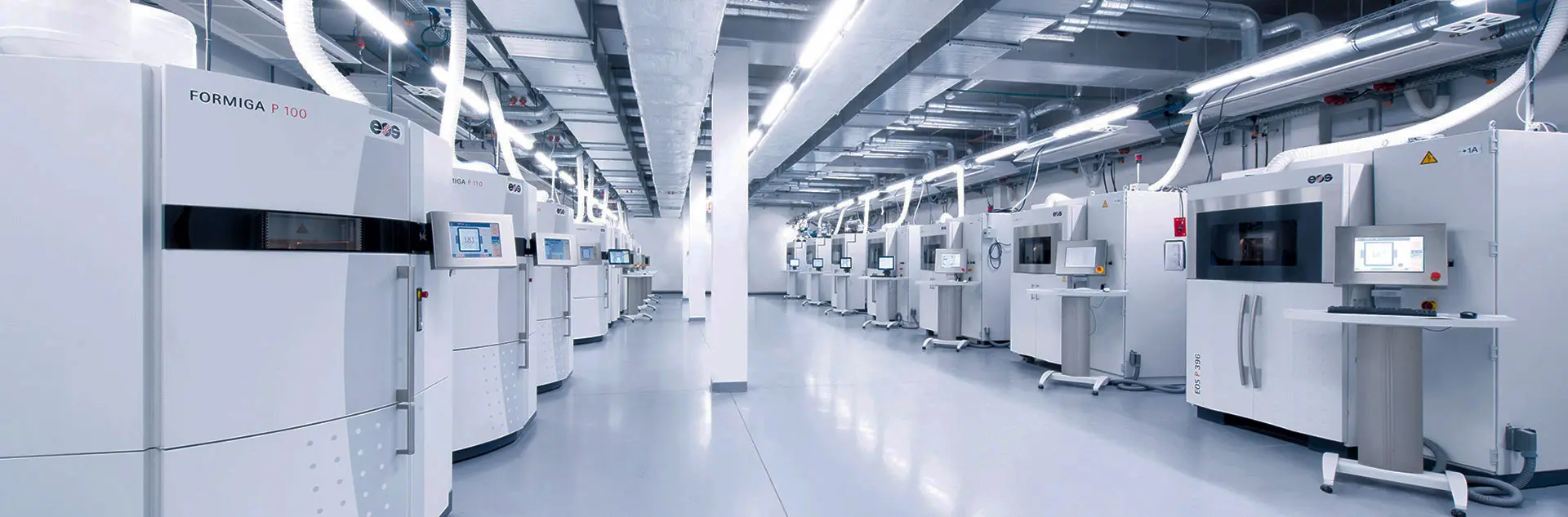
Industrial additive manufacturing lab supporting bridge manufacturing programs
Service Overview

Interim production built around continuity

Bridge manufacturing is the service layer between rapid prototype learning and the long-run manufacturing state you ultimately expect to use. The goal is not just to make parts quickly. The goal is to make shippable parts predictably while a different production path is still being qualified, tooled, or stabilized.

Operational Scenarios

When to use bridge manufacturing

Use bridge manufacturing when the part must ship now, but the final manufacturing route is not fully ready or may still change.

What this service is designed to do

Maintain product launches while waiting on molds, tooling, or supply ramp

Support low-volume demand with production-minded process controls

Useful for supplier disruption, market validation, and transitional builds

Allows geometry to keep evolving while products are already shipping

Can scale into end-use additive production if the part economics support it

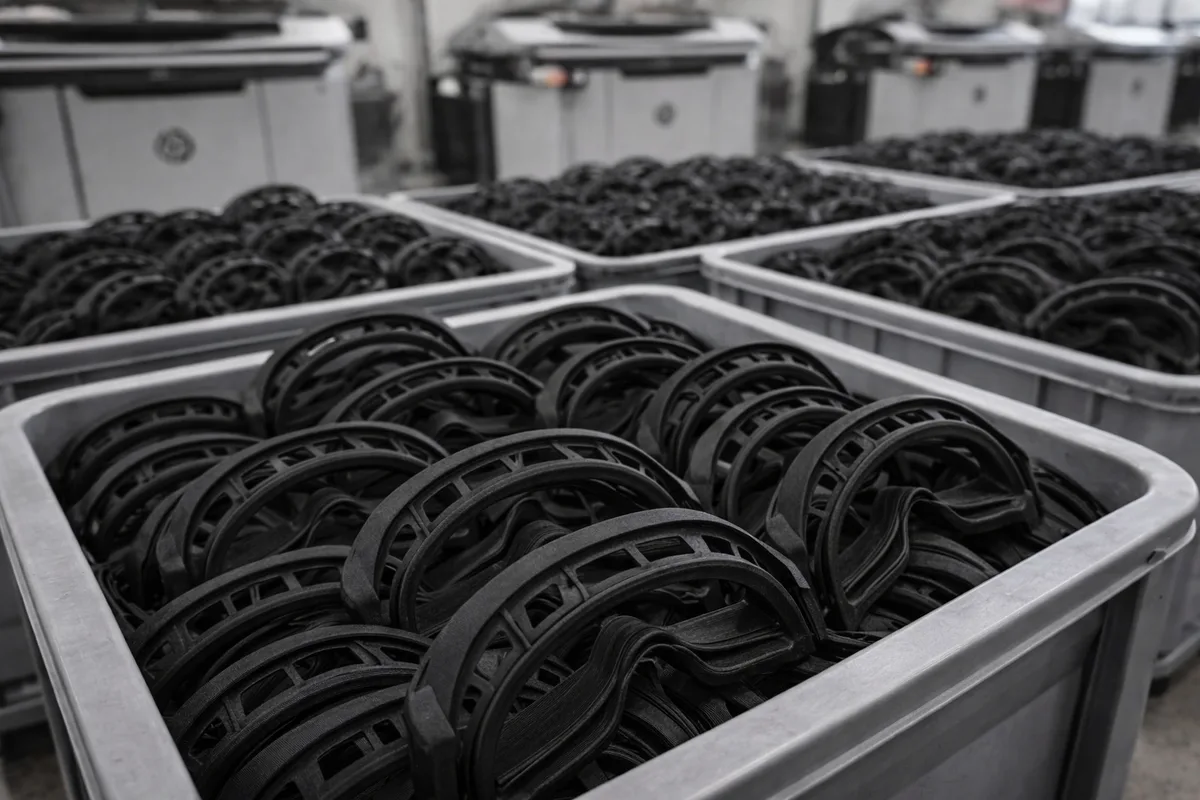
Bridge production batches organized for repeatable low-volume supply
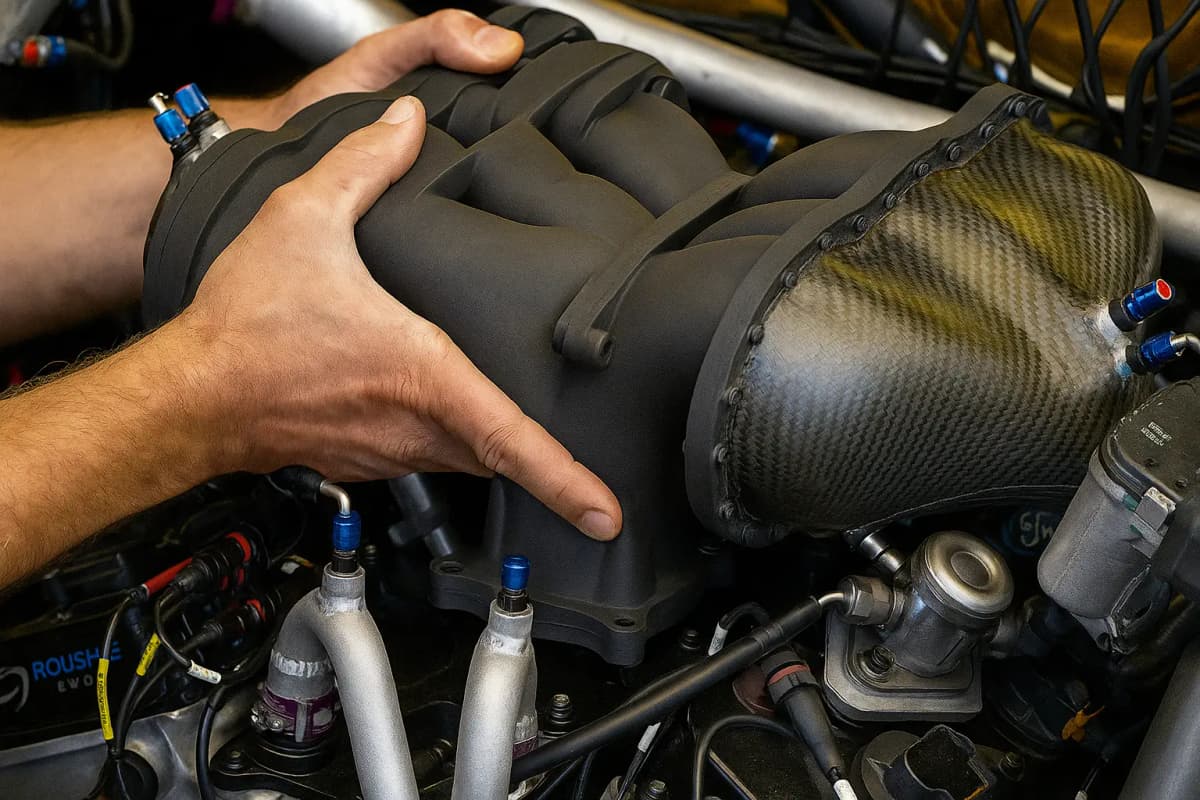
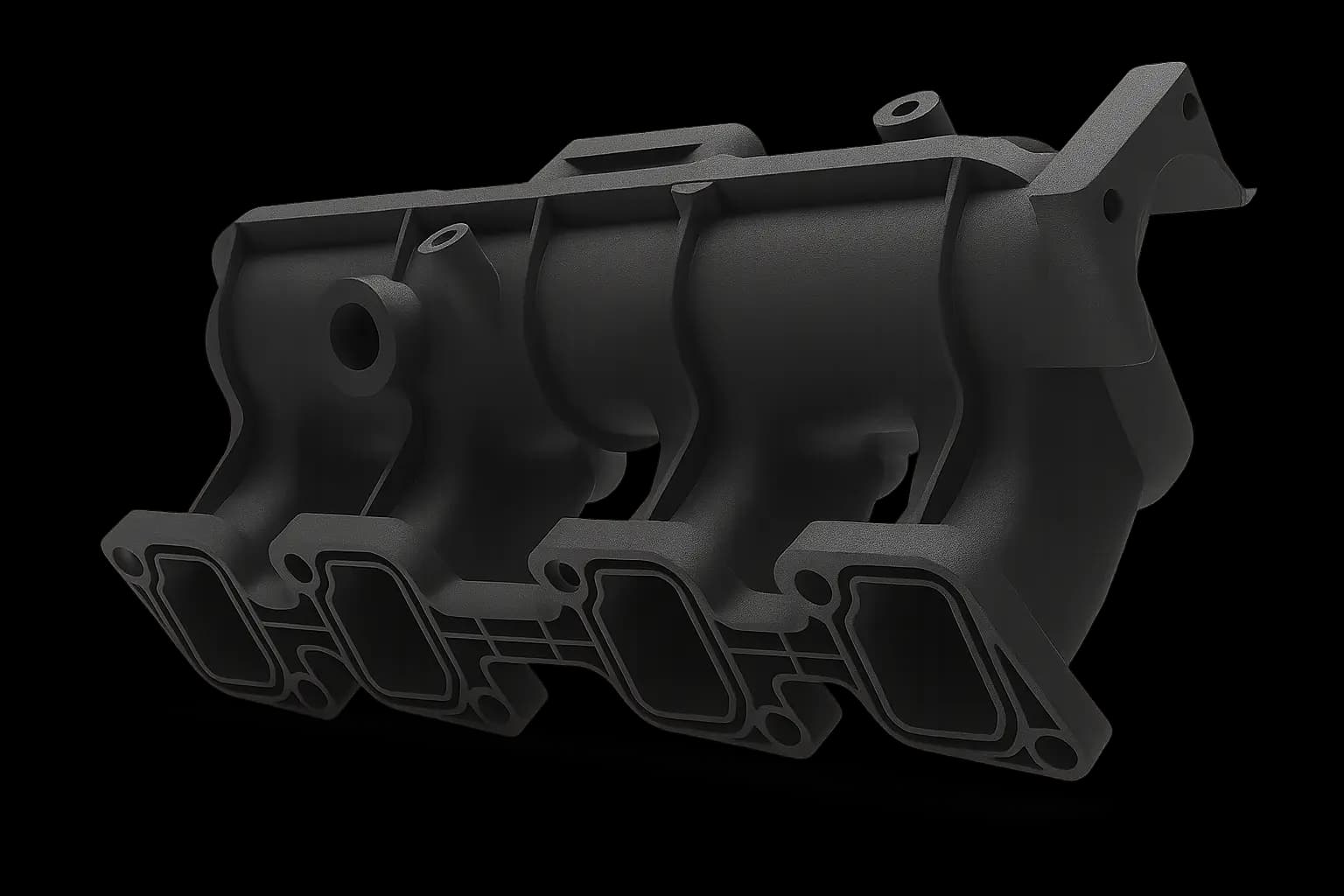
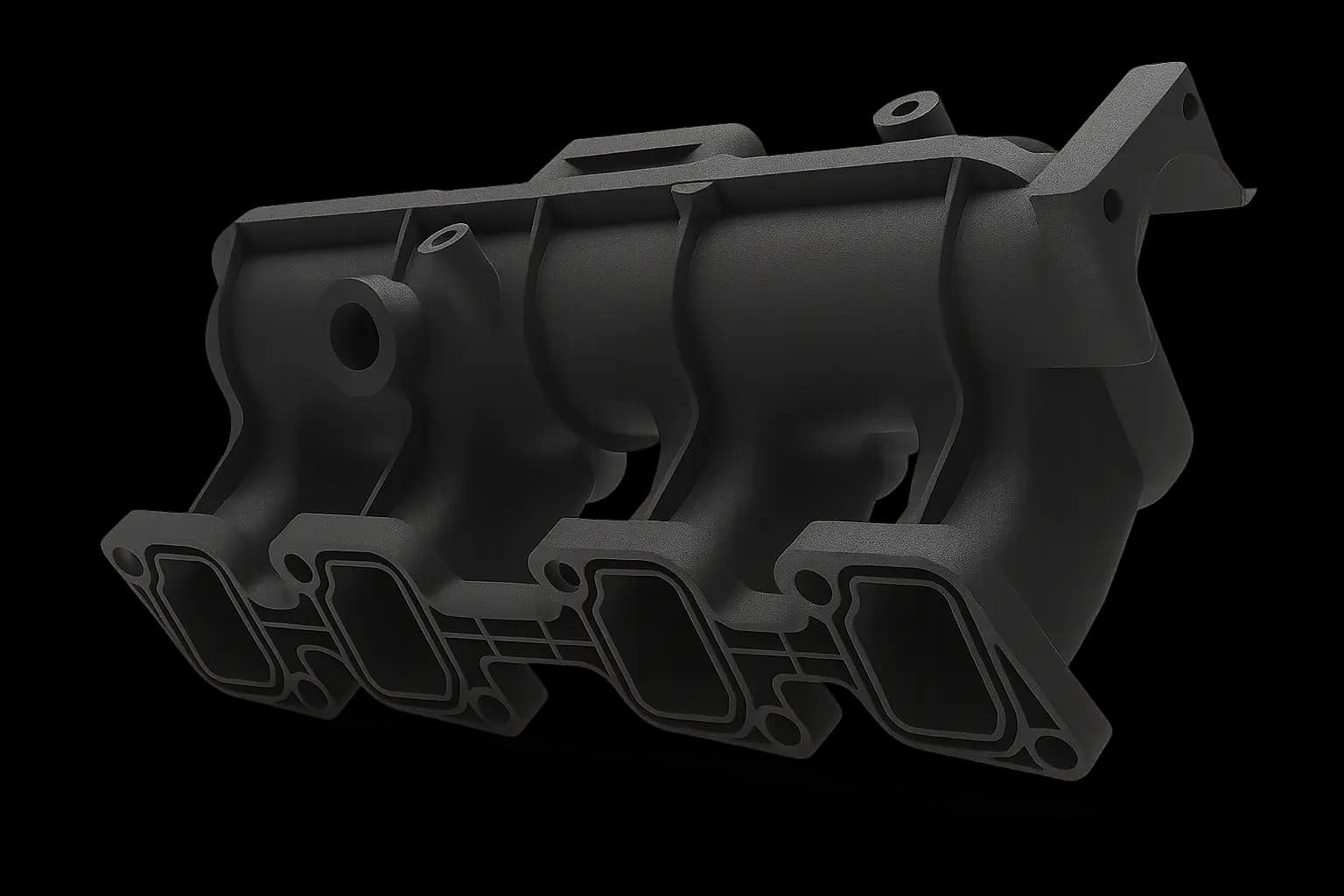
Bridge-manufactured nylon component installed in an automotive assembly
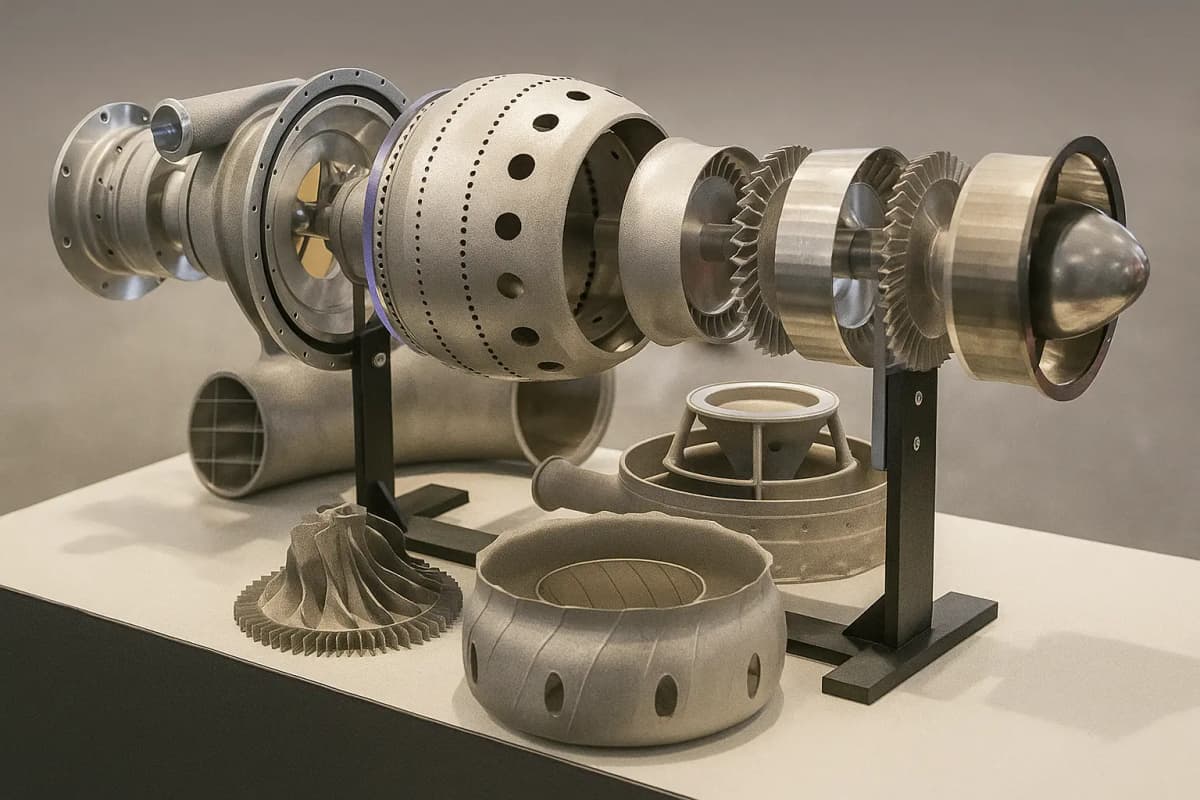
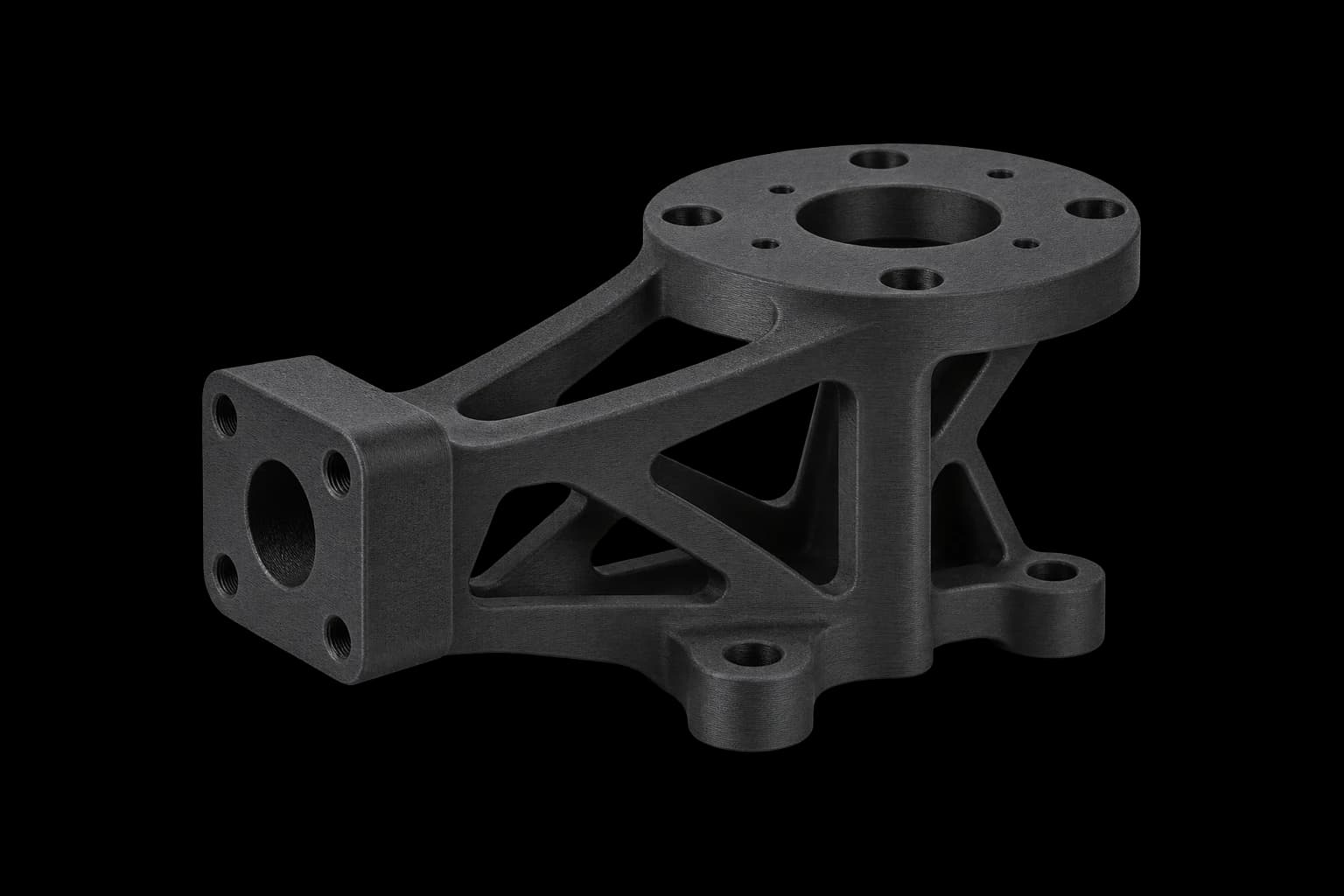
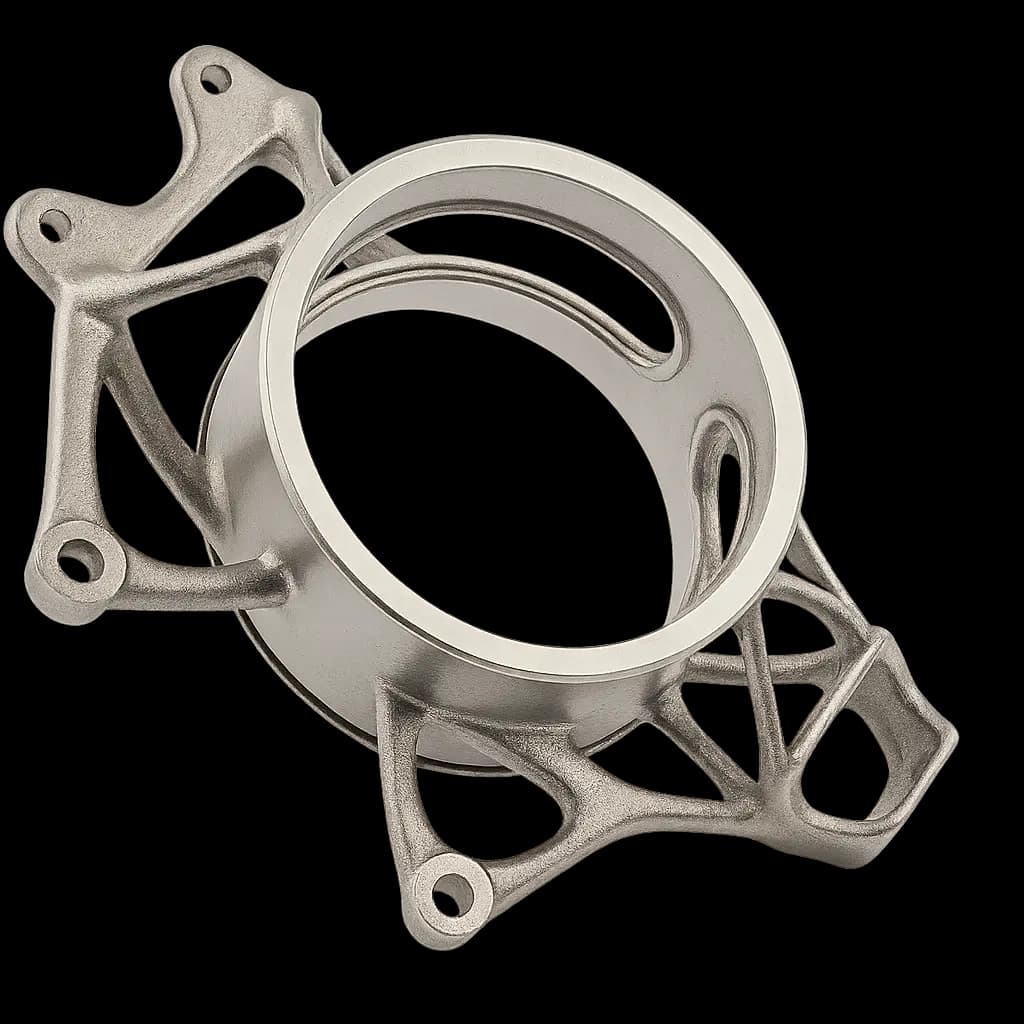
Bridge-manufactured metal assembly used for interim production hardware
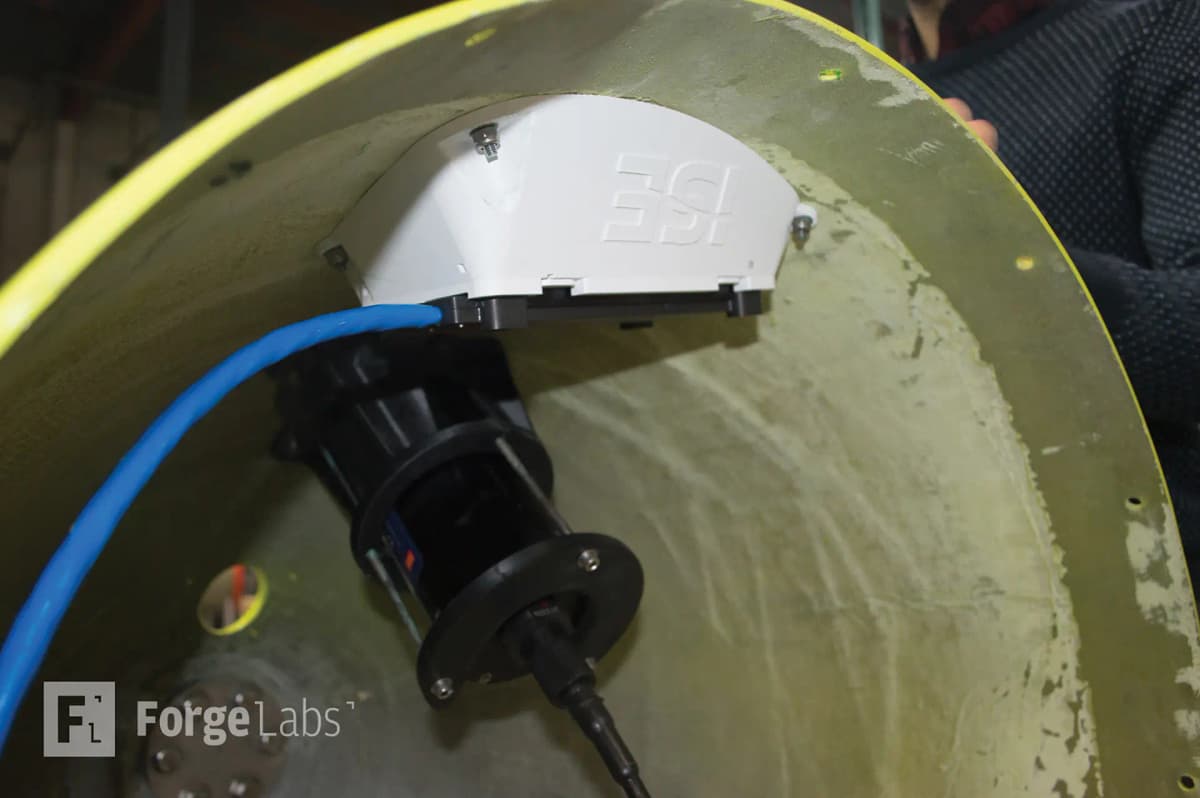
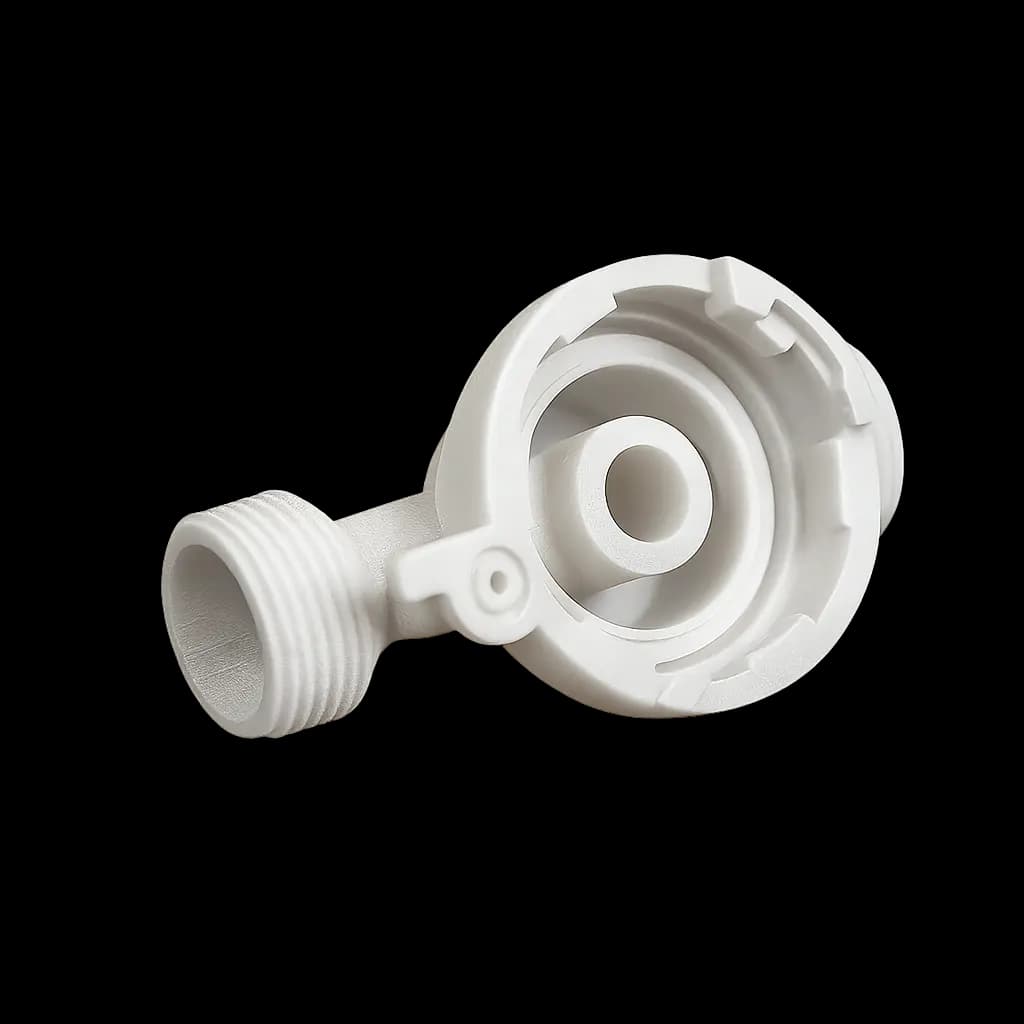
Bridge-manufactured internal components supporting supply continuity during design transition
Bridge Manufacturing Guide

Transitional production between validation and scale

Forge Labs supports bridge manufacturing with industrial SLS, MJF, SLA, FDM, PolyJet, DMLS, and CNC workflows under one roof, helping teams move from prototype approval into real production without waiting on tooling, long setup cycles, or a fully locked manufacturing plan. The same team helps review geometry, tolerances, finishing steps, and production requirements so parts can be supplied during launch, ramp-up, or early market demand while the long-term production strategy continues to take shape.

Viewing When bridge manufacturing is the right next step

Bridge manufacturing part supporting launch-stage production demand
  • After prototyping, before full-scale production: Move into real part supply once fit, function, and design direction are established, but before the final production route is fully locked.
  • When tooling is not ready or not yet justified: Produce launch quantities and early production parts without waiting for molds, dies, or capital-intensive setup before demand is proven.
  • When the design may still evolve: Maintain flexibility while features, tolerances, assemblies, or finish requirements are still being refined during pilot release or early customer use.
  • When speed matters more than production scale efficiency: Use bridge manufacturing when getting to market, supporting a launch, or maintaining supply is more important than optimizing for high-volume economics.
Bridge production batches arranged for transitional manufacturing planning
  • SLS and MJF for scalable nylon bridge production: Use powder-bed nylon processes for low-volume production parts, launch quantities, and complex geometries that benefit from repeatability, speed, and support-free builds.
  • FDM for durable bridge parts and larger components: Use FDM for rugged housings, fixtures, covers, ducting, and other bridge production parts where part size, engineering thermoplastics, or fast turnaround matter.
  • SLA and PolyJet for specialized bridge requirements: Use resin-based processes when launch parts require high detail, strong visual presentation, smooth surfaces, or customer-facing appearance before a later production shift.
  • DMLS and CNC when bridge parts need production-like material behavior: Use metal additive or machining when early production parts need real metal properties, tighter tolerances, machined features, or more conventional material performance during ramp-up.
Bridge-manufactured component supporting an evolving production program
  • Launch quantity requirements: Support low-volume production runs, initial release quantities, pilot builds, and early customer demand without forcing a premature tooling decision.
  • Revision and design flexibility: Keep the manufacturing route adaptable while geometry, finishes, assembly details, or customer feedback may still influence the final production design.
  • Functional and dimensional requirements: Choose a process that supports the strength, fit, tolerances, and material behavior needed for real-world use during the transition period.
  • Commercial and timeline requirements: Balance speed, quantity, finish, and cost so the bridge plan supports the business case for launch while preserving flexibility for future scale.
Bridge manufacturing parts supporting supply continuity during ramp-up
  • Maintain supply during ramp-up: Produce real parts during launch, rollout, or early production without pausing the program until the final manufacturing route is ready.
  • Reduce risk before scale-up: Use bridge production to expose issues in geometry, tolerances, finish expectations, or assembly workflows before committing to larger-volume production investments.
  • Support real-world learning with usable parts: Put production-intent parts into the field while still preserving the flexibility to revise the design, process, or finish as feedback comes in.
  • Prepare for the long-term manufacturing route: Use bridge builds to clarify whether the part should stay in additive production, move to CNC, or transition into tooling once demand and design stability justify it.
Forge Labs engineers reviewing launch-stage bridge manufacturing plans
  • Process and material recommendations: Select the manufacturing route based on launch timing, performance needs, revision risk, and expected next steps rather than defaulting to a single process.
  • Geometry and tolerance review: Review critical features, tolerance risks, and manufacturability concerns before the part moves into bridge production.
  • Secondary operation and finish planning: Define where machining, inserts, sanding, painting, dyeing, vapor smoothing, or assembly should be included to support release-quality parts during ramp-up.
  • Transition planning beyond the bridge phase: Help determine when the part should remain in additive production, move into CNC, shift into end-use manufacturing, or transition toward tooling as the program matures.
Service Comparison

Where bridge manufacturing fits

Bridge manufacturing is distinct because it carries production responsibility during a temporary but operationally critical window.

Rapid Prototyping

Optimized for learning and iteration before parts are being shipped as real product.

View rapid prototyping

Bridge Manufacturing

Optimized for shipping real parts during a transition period before the permanent route is ready.

View bridge manufacturing

End-Use Parts

Optimized for programs where additive or CNC remains the correct long-term production route.

View end-use parts
Relevant Materials

Materials commonly used for bridge manufacturing

The right material depends on what the part needs to do while production is still in transition, whether that means supporting a launch, holding dimensional stability, managing heat and load, or supplying repeatable batches before tooling is ready. Forge Labs selects materials based on part function, expected volume, and how closely the bridge part needs to match long-term production use.

HP MJF PA12 used for bridge manufacturing
Bridge Production Nylon

HP MJF PA12

Repeatable nylon for launch quantities and interim production batches

HP MJF PA12 is a strong bridge manufacturing material when parts need to ship before the permanent production route is ready. Forge Labs uses it for housings, brackets, covers, and small assemblies that need repeatable output, stable nylon performance, and quick turnaround during launch or ramp-up.

Best for

Launch batches, interim housings, and repeatable nylon assemblies

Why it works

MJF throughput and stable PA12 properties support consistent bridge-part supply

Common uses

Launch-phase consumer hardwareBridge production housingsPilot-release nylon assemblies

Nylon PA12-GF used for bridge manufacturing
Stiff Bridge Polymer

Nylon PA12-GF

Glass-filled nylon when interim production parts need more rigidity and control

Nylon PA12-GF is a good fit for bridge manufacturing when parts need more stiffness and dimensional control than standard nylon. Forge Labs recommends it for industrial housings, brackets, and covers that are already close to final use and cannot feel flexible or temporary during the transition window.

Best for

Stiff bridge parts, industrial housings, and structural brackets

Why it works

Glass-filled nylon adds rigidity, wear resistance, and better dimensional stability

Common uses

Rigid industrial bridge housingsStiff brackets during launchTransition-phase structural polymer parts

Nylon 12 Carbon Fiber used for bridge manufacturing
Structural Bridge Composite

Nylon 12 Carbon Fiber

Carbon-filled thermoplastic for rugged bridge hardware and launch-support structures

Nylon 12 Carbon Fiber works well for bridge manufacturing when launch hardware, fixtures, or rugged enclosures need higher stiffness without unnecessary weight. Forge Labs uses it for bridge parts that will be handled hard, mounted in equipment, or used around real loads while the long-term route is still being finalized.

Best for

Rugged bridge hardware, lightweight structures, and stiff fixtures

Why it works

Carbon-fiber-filled nylon delivers higher stiffness for hard-use interim parts

Common uses

Launch support fixturesStructural bridge enclosuresTransition-phase composite hardware

Aluminum AlSi10Mg used for bridge manufacturing
Bridge Metal Alloy

Aluminum AlSi10Mg

Lightweight metal for interim production when geometry and timing both matter

AlSi10Mg is a bridge manufacturing option when a metal part has to ship before casting, machining, or tooling is fully in place. Forge Labs uses it for lightweight brackets, housings, and complex metal hardware that need bridge supply without waiting on a slower production route.

Best for

Bridge metal parts, lightweight brackets, and complex interim hardware

Why it works

Additive aluminum supports real metal geometry without tooling delay

Common uses

Bridge-phase metal bracketsLaunch hardware with internal featuresLow-volume aluminum transition parts

Delrin used for bridge manufacturing
Machined Bridge Plastic

Delrin

Predictable CNC material for interim parts, wear surfaces, and low-friction assemblies

Delrin is a good fit for bridge manufacturing when the part needs predictable machining, low friction, or wear resistance while the permanent production route is still being finalized. Forge Labs uses it for moving components, assembly parts, and fixtures that need to behave like real hardware during the transition window.

Best for

Machined bridge parts, wear surfaces, and low-friction assemblies

Why it works

Acetal machines cleanly and performs well in sliding and repeated-use parts

Common uses

Interim assembly componentsLow-friction bridge mechanismsMachined transition fixtures and parts

Workflow

Bridge manufacturing workflow

Step 01

Define the bridge window

Set how long additive needs to cover demand

We define how long additive manufacturing needs to cover demand before the permanent process is ready.

Set the bridge quantity, timing, and revision risk up front. Confirm which long-term process the printed part will hand off to.

Typical Timing

1-2 business days

Output

Interim production strategy

Bridge manufacturing component used to support an interim production launch
Case Studies

Related bridge and transition examples

These examples show additive manufacturing being used to preserve launch momentum and production continuity.

Building Supply Chain Resilience through Additive Manufacturing
Related program

Building Supply Chain Resilience through Additive Manufacturing

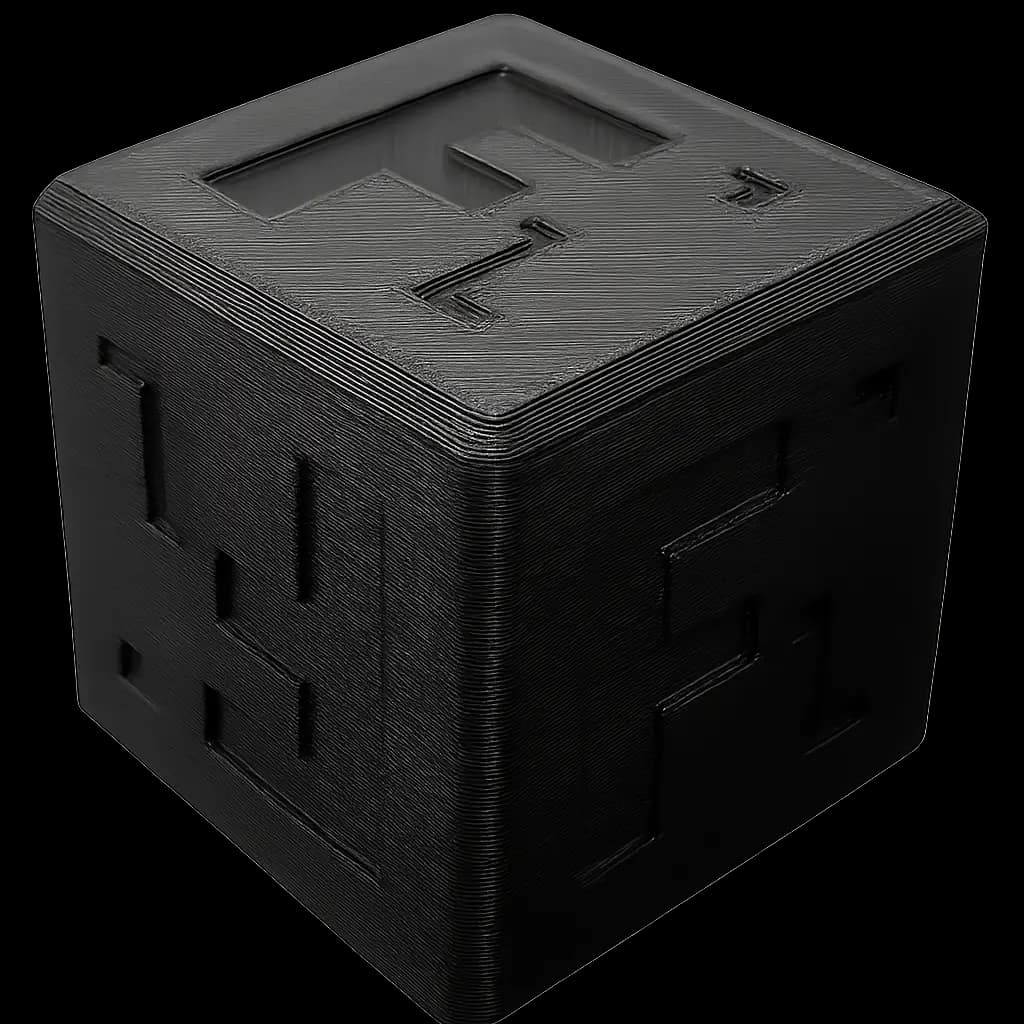
Operations teams used additive manufacturing as a resilience lever, deploying on-demand production to bypass supplier delays and maintain delivery performance during disruption.

On-demand bridge production

Reduced disruption risk

Faster response to supply gaps

Read case study
From Prototype to Production: 3D Printed Visors for Next-Generation VR Hardware
Related program

From Prototype to Production: 3D Printed Visors for Next-Generation VR Hardware

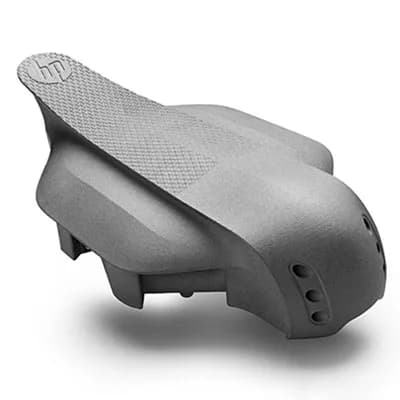
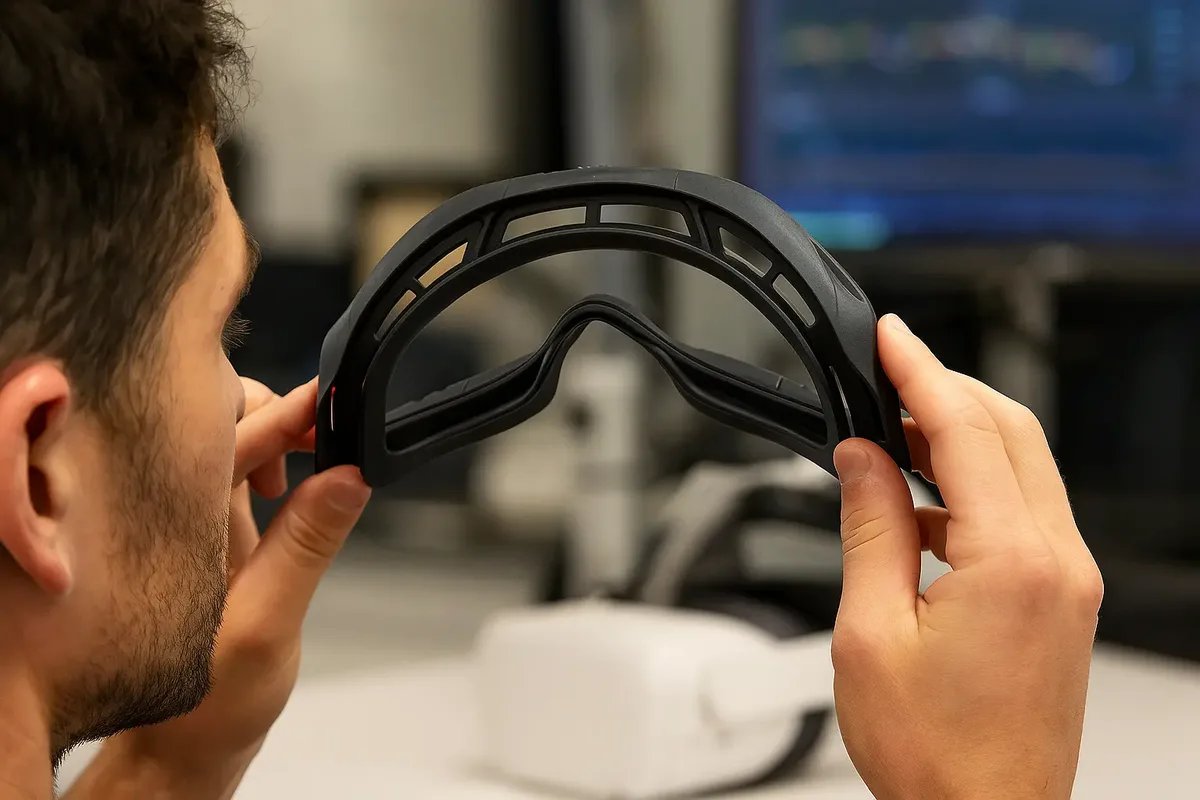
A VR hardware program used HP Multi Jet Fusion and Nylon PA12 to move from ergonomic iteration into real production, delivering visor components at a cadence of more than 1,000 parts every 72 hours.

Over 1,000 visor components every 72 hours

Prototype-to-production on the same MJF platform

Wearable-ready PA12 parts with optional vapor smoothing

Read case study
ISE Replacing Traditionally Machined Parts with 3D Printing
Related program

ISE Replacing Traditionally Machined Parts with 3D Printing

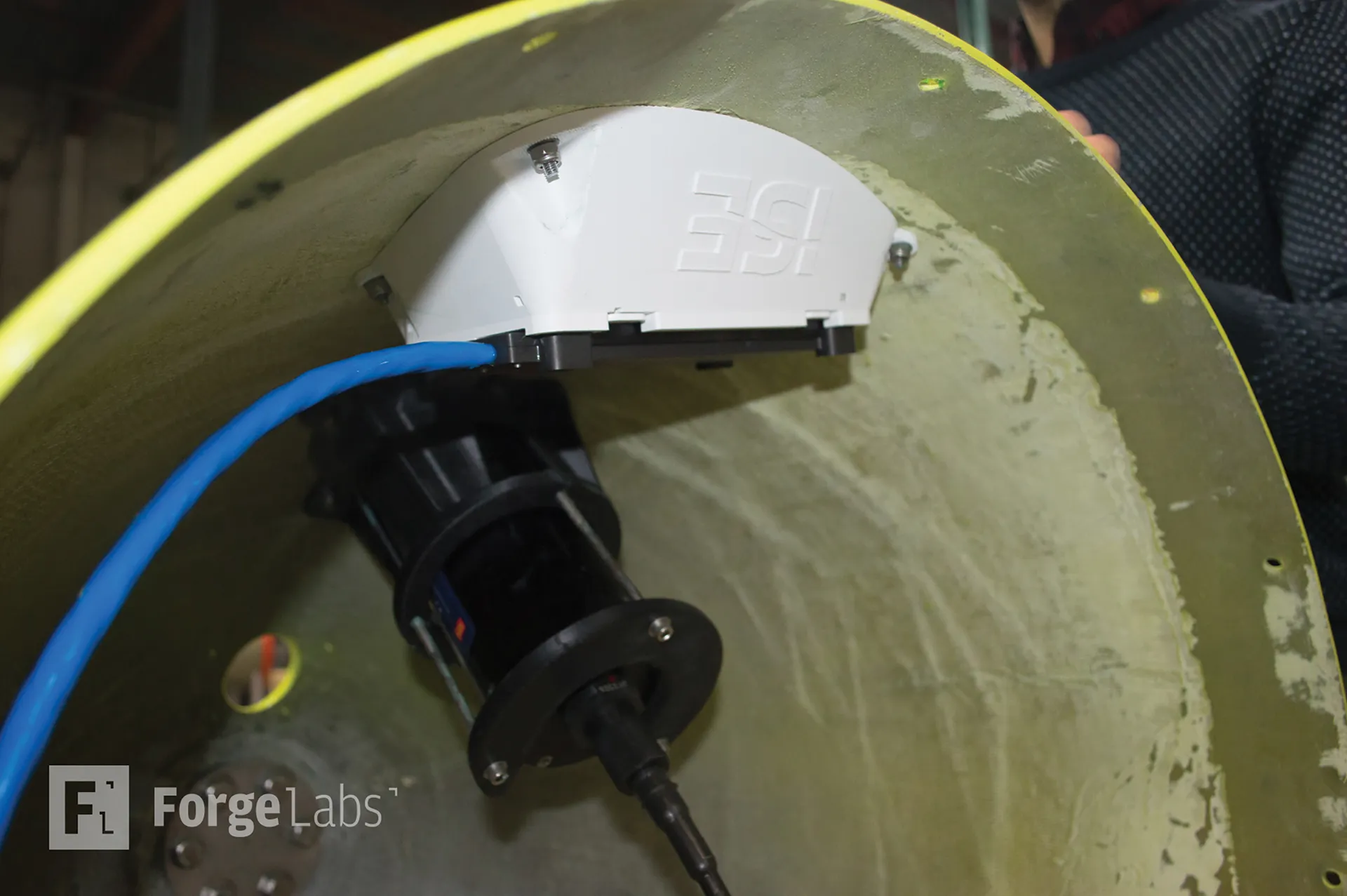
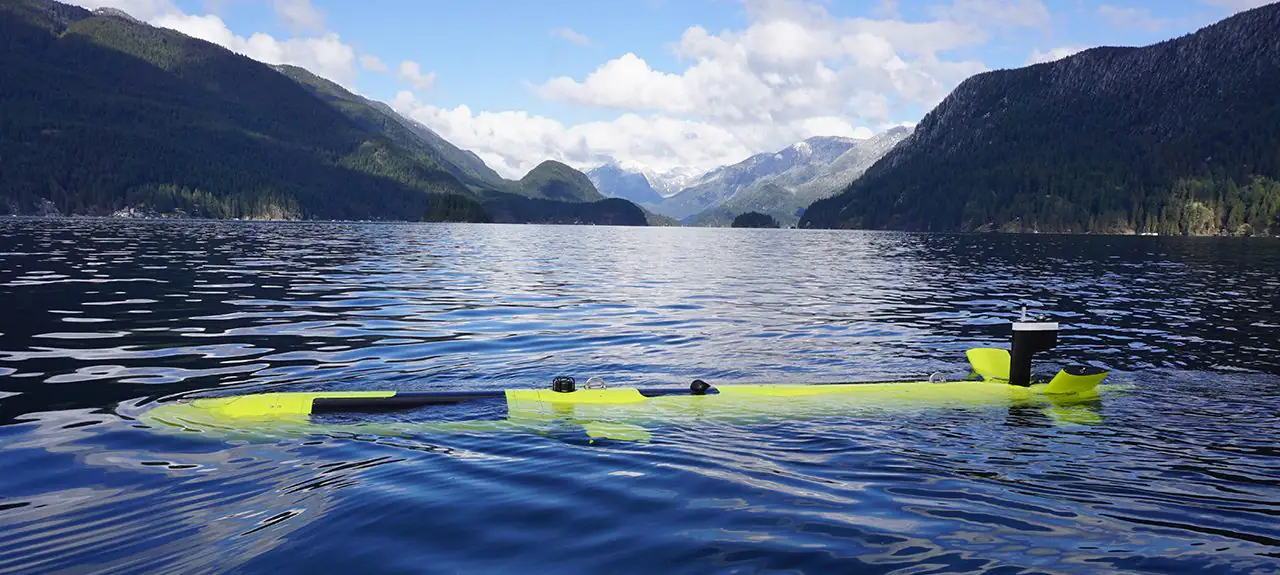
ISE transitioned AUV components from machining to additive production, reducing cost and lead time while preserving the mechanical reliability needed for subsea deployment.

Up to 73% cost reduction

Lead time compressed to days

Production-ready marine components

Read case study
Quality and Standards

Bridge production considerations

Interim production still needs production discipline. The service focuses on repeatability, lot planning, and a clean transition path.

Volume-aware batch planning

Build orientation, packing, and lot sizes are planned around the bridge window instead of single-part prototype assumptions.

Inspection on critical release features

Checks are aligned to the features that matter for shipment, assembly, and customer acceptance during the bridge phase.

Transition-ready documentation

Program learnings can be carried into tooling release, alternate sourcing, or long-term additive production.

Related Resources

Related resources

Use these links to understand how bridge windows are planned and how the transition into permanent production is managed.

Article

Mastering Bridge Manufacturing

Detailed background on bridge manufacturing strategy, launch timing, and transition planning.

View resource

Quality

Quality Overview

Review the inspection and documentation foundation behind transitional production programs.

View resource

Consultation

Talk to the Applications Team

Review whether a bridge path makes sense before committing to tooling or external suppliers.

View resource
Next Step

Need to keep shipping during a production transition?

Share the target volume window, current blocker, and expected permanent process. Forge Labs can help structure a bridge manufacturing path around the gap.