Design for Manufacturing (DFM)
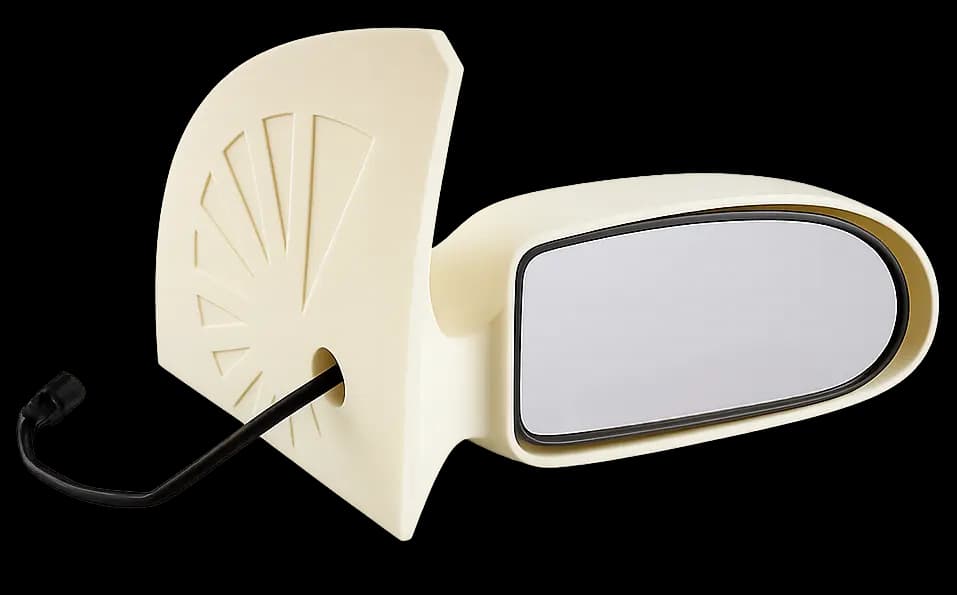
Comprehensive design optimization guidance ensuring prototypes translate effectively to production manufacturing processes.
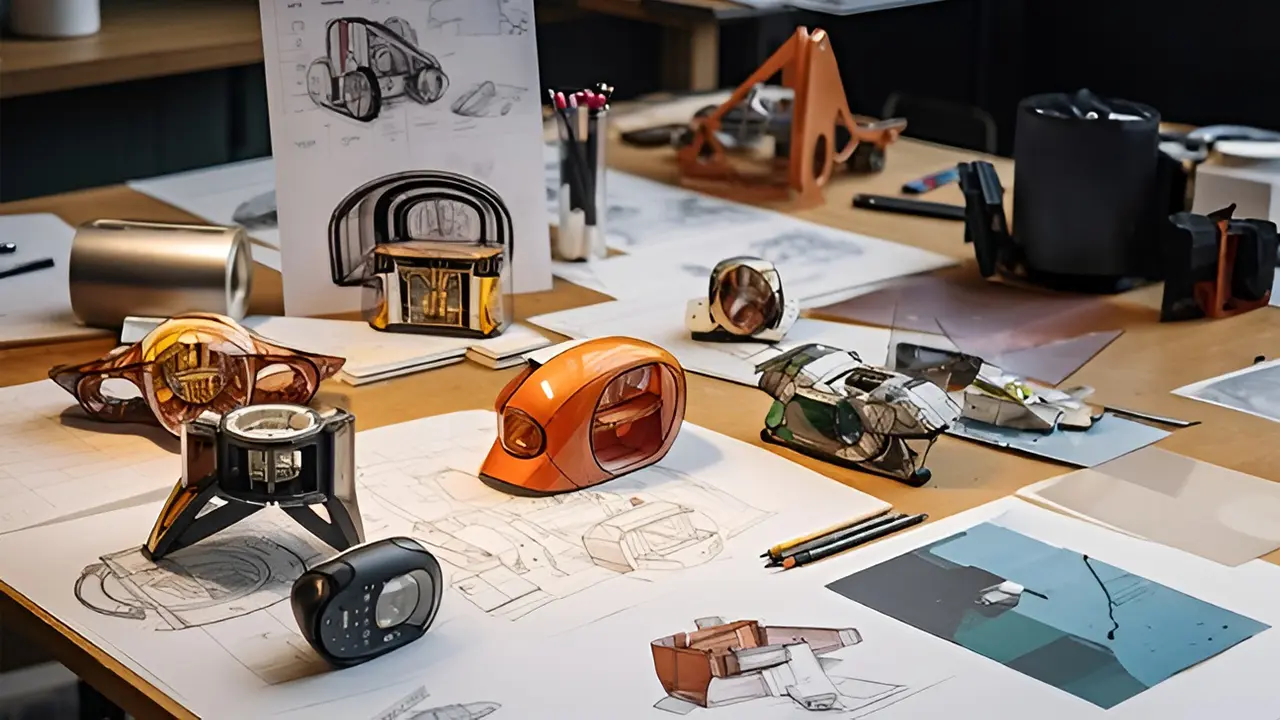
Forge Labs helps industrial design teams move from appearance models to functional prototypes and launch-phase hardware with the right combination of detail, speed, and material performance. Our workflow supports CMF studies, ergonomic testing, engineering validation, and pilot builds without waiting on hard tooling.

From concept mockups to fully functional prototypes, Forge Labs supports industrial design teams with additive manufacturing workflows that shorten lead times and preserve design intent. Whether you are refining consumer electronics, wearables, outdoor products, or hardware accessories, we help teams test form, fit, finish, and function before committing to production tooling.
Forge Labs helps teams move from design validation to production-ready parts without waiting on tooling lead times. Consolidated assemblies, lighter parts, and faster revisions give engineering teams more control over schedule, cost, and performance.


Industrial design teams need tight fit, presentation-ready surfaces, and repeatable geometry from concept models through pilot builds. Our workflows focus on design validation, material realism, and manufacturable revisions.
Comprehensive design optimization guidance ensuring prototypes translate effectively to production manufacturing processes.
Rigorous testing protocols ensuring prototype materials accurately represent production behavior and performance characteristics.
Proven workflow enabling multiple design iterations within single development cycles, accelerating time-to-market for new products.
Seamless transition from prototype to pilot production with volume manufacturing capabilities and production readiness validation.
From concept models to production-intent hardware, each workflow is tuned for the precision, repeatability, and engineering confidence that industrial design teams demand. Our capabilities span rapid prototyping with sub-millimeter accuracy, complex geometry optimization for weight reduction, and low-volume production with full material traceability — giving engineering teams the speed to iterate faster and the data to qualify parts with confidence.
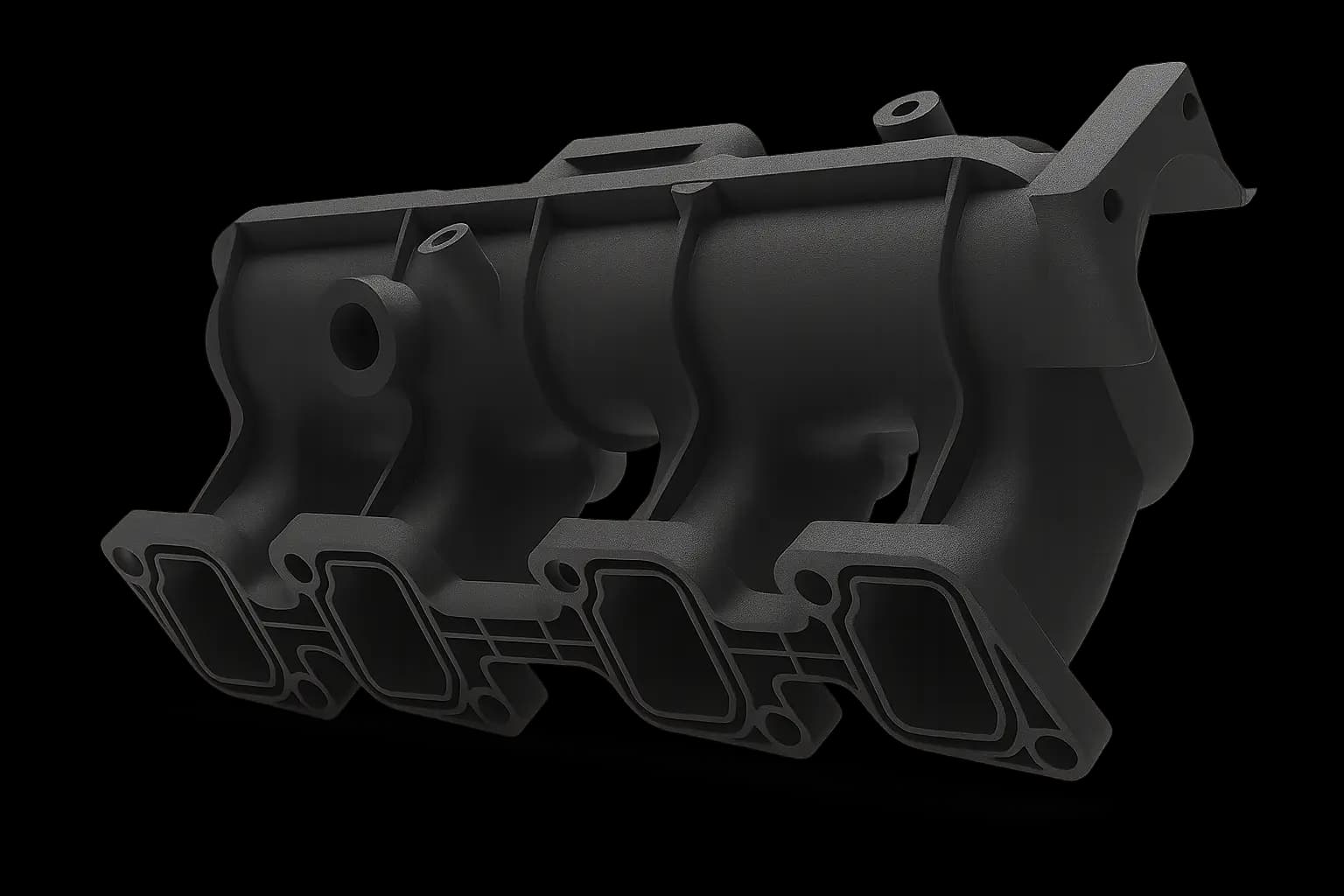
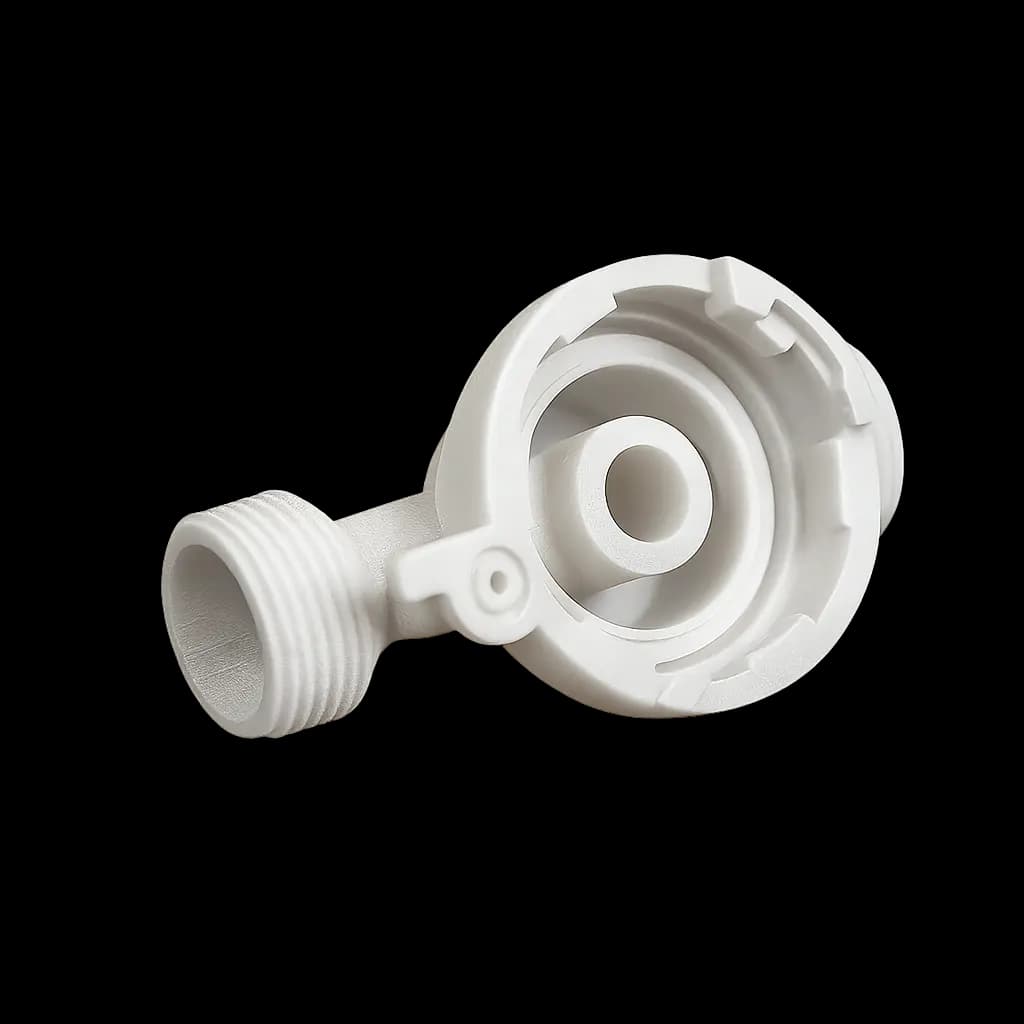
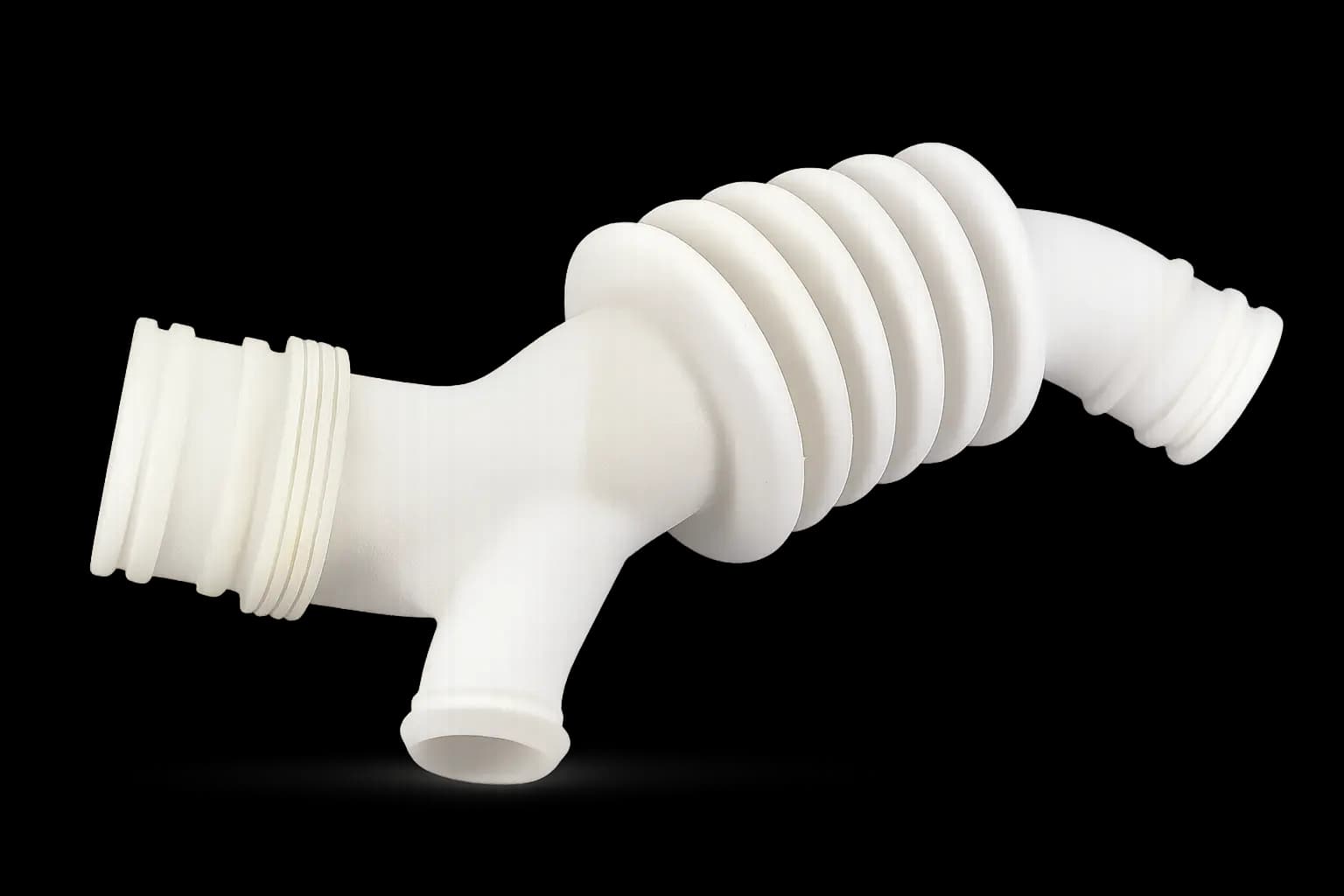
Selective laser sintering (SLS) with PA12 nylon delivers functional prototypes with mechanical properties closely matching injection-molded parts. Material characteristics include excellent impact resistance, chemical stability, and fatigue performance suitable for comprehensive testing protocols. Integrated features like snap-fits, living hinges, and threaded connections function as designed without assembly requirements. Dimensional accuracy of ±0.3% (min ±0.3 mm) supports tight-tolerance assemblies while surface quality enables direct testing without secondary finishing operations.
Material
PA12 nylon SLS
Tolerances
±0.3% (min ±0.3 mm)
Mechanical Properties
Injection-like
Integrated Features
Functional
Relevant technologies
Stereolithography (SLA)/Fused Deposition Modeling (FDM)/PolyJet Matrix (PolyJet)/Selective Laser Sintering (SLS)
Material options
High Temperature Resin/Accura 25/Accura Xtreme White 200/Accura ClearVue

Functional Prototypes & Testing
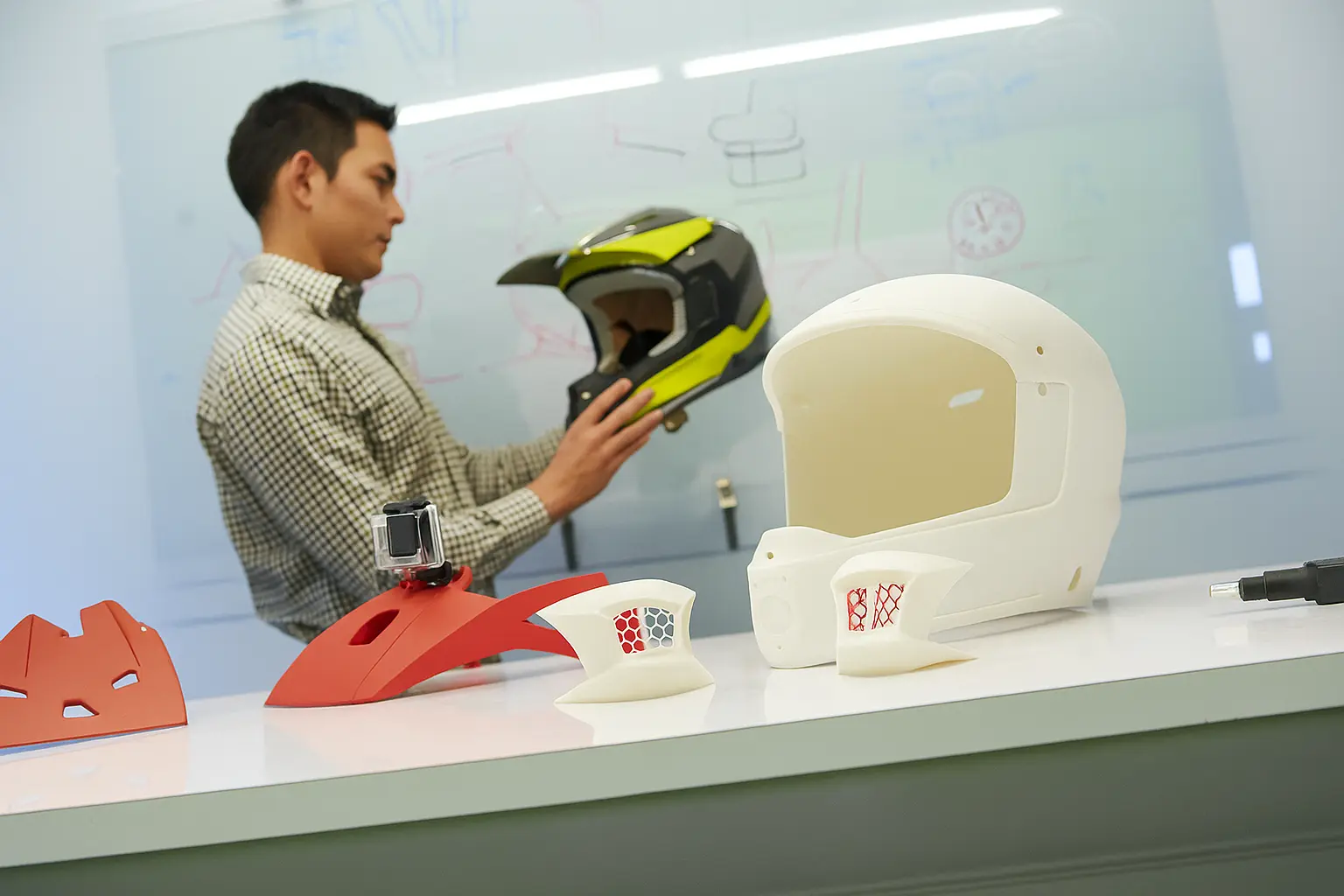
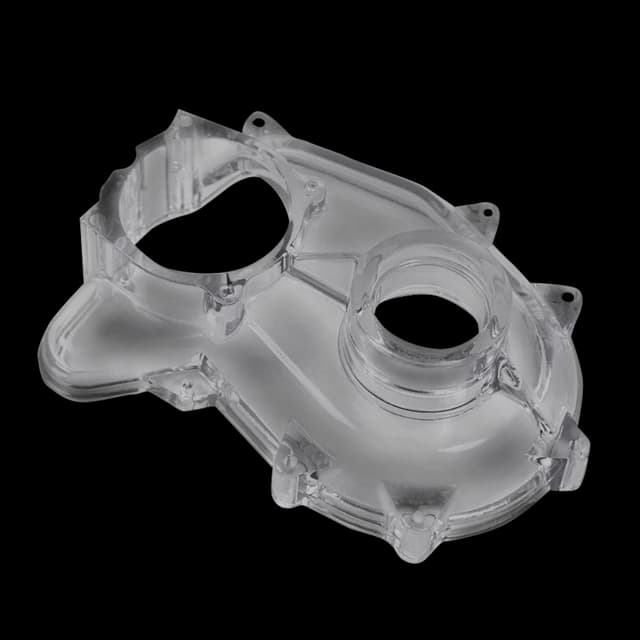
Stereolithography (SLA) with high-definition resins produces concept models with exceptional surface quality for color, material, and finish (CMF) validation studies. Multiple resin formulations simulate various material properties from rigid engineering plastics to flexible elastomers. Surface finish options include textured, polished, and painted applications with professional appearance suitable for client presentations and user research. Rapid turnaround enables multiple design iterations within single-day cycles supporting agile development methodologies.
Surface Quality
High-definition
Layer Resolution
50-100 microns
Material Simulation
15+ options
Finish Options
Multiple available
Relevant technologies
Stereolithography (SLA)/Fused Deposition Modeling (FDM)/PolyJet Matrix (PolyJet)
Material options
High Temperature Resin/Accura 25/Accura Xtreme White 200/Accura ClearVue

Design Iteration & CMF Studies
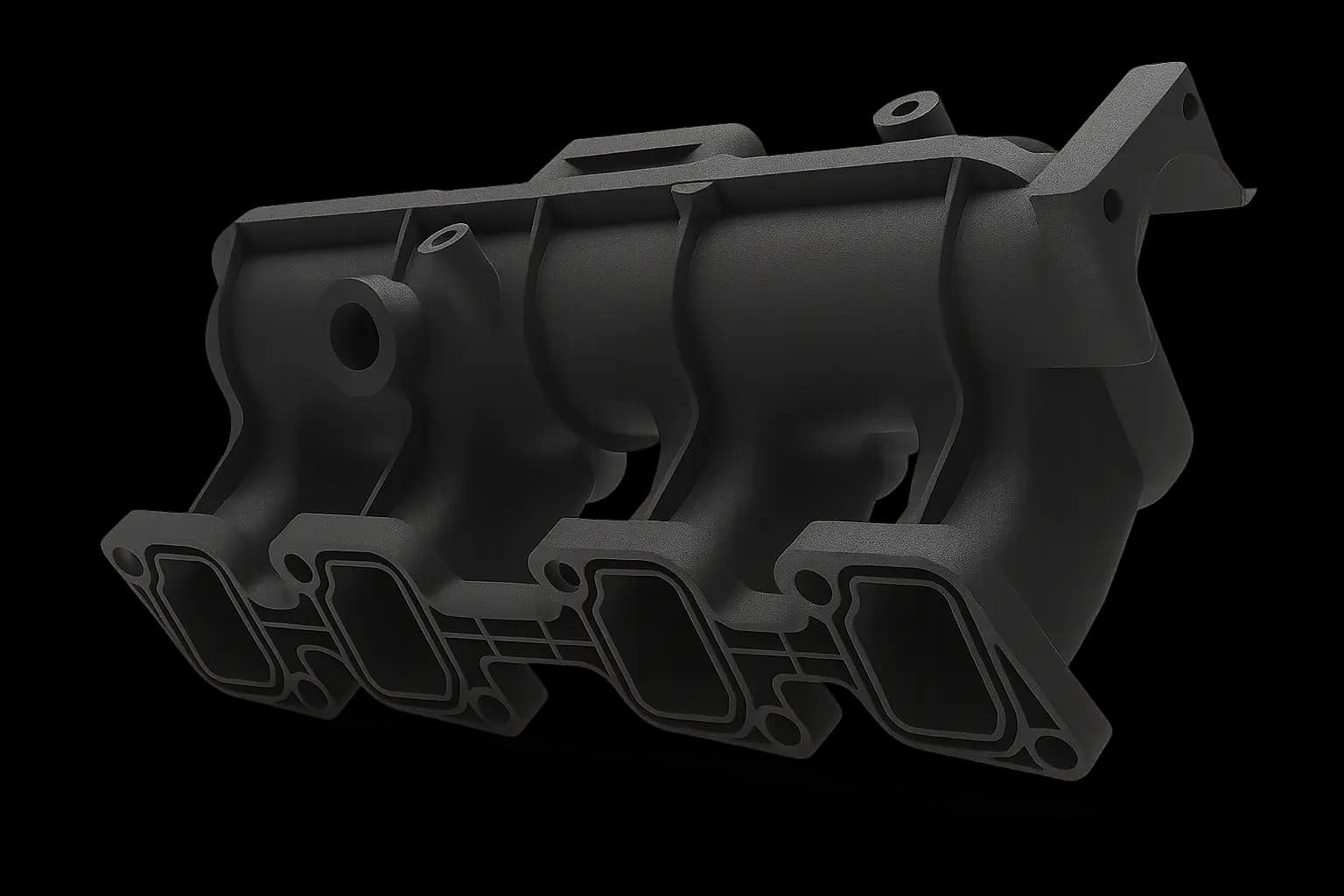
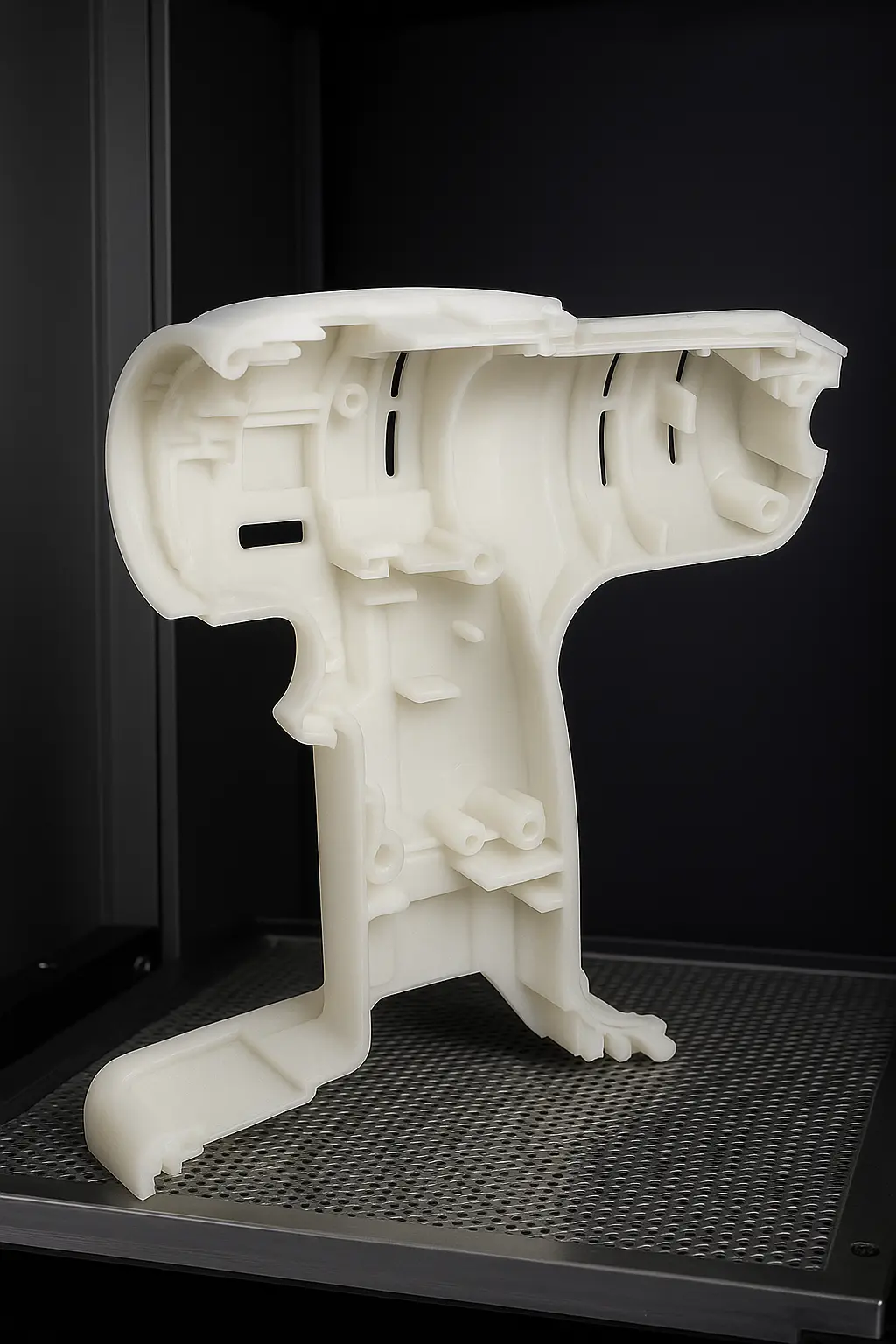
Multi Jet Fusion (MJF) technology produces mechanical assemblies with precise dimensional control and excellent surface finish for functional testing and validation. PA12 nylon material properties enable snap-fit mechanisms, threaded connections, and bearing surfaces that perform comparably to injection-molded components. Integrated assembly features eliminate secondary operations while maintaining clearances as tight as 0.5mm for moving parts. Heat-set insert compatibility and post-machining options provide production-ready fastening solutions for prototype assemblies.
Technology
MJF PA12 nylon
Clearances
0.5mm minimum
Thread Pitch
M6+ recommended
Insert Compatible
Heat-set ready
Relevant technologies
Stereolithography (SLA)/Fused Deposition Modeling (FDM)/PolyJet Matrix (PolyJet)/Selective Laser Sintering (SLS)
Material options
High Temperature Resin/Accura 25/Accura Xtreme White 200/Accura ClearVue

Mechanical Parts & Assemblies
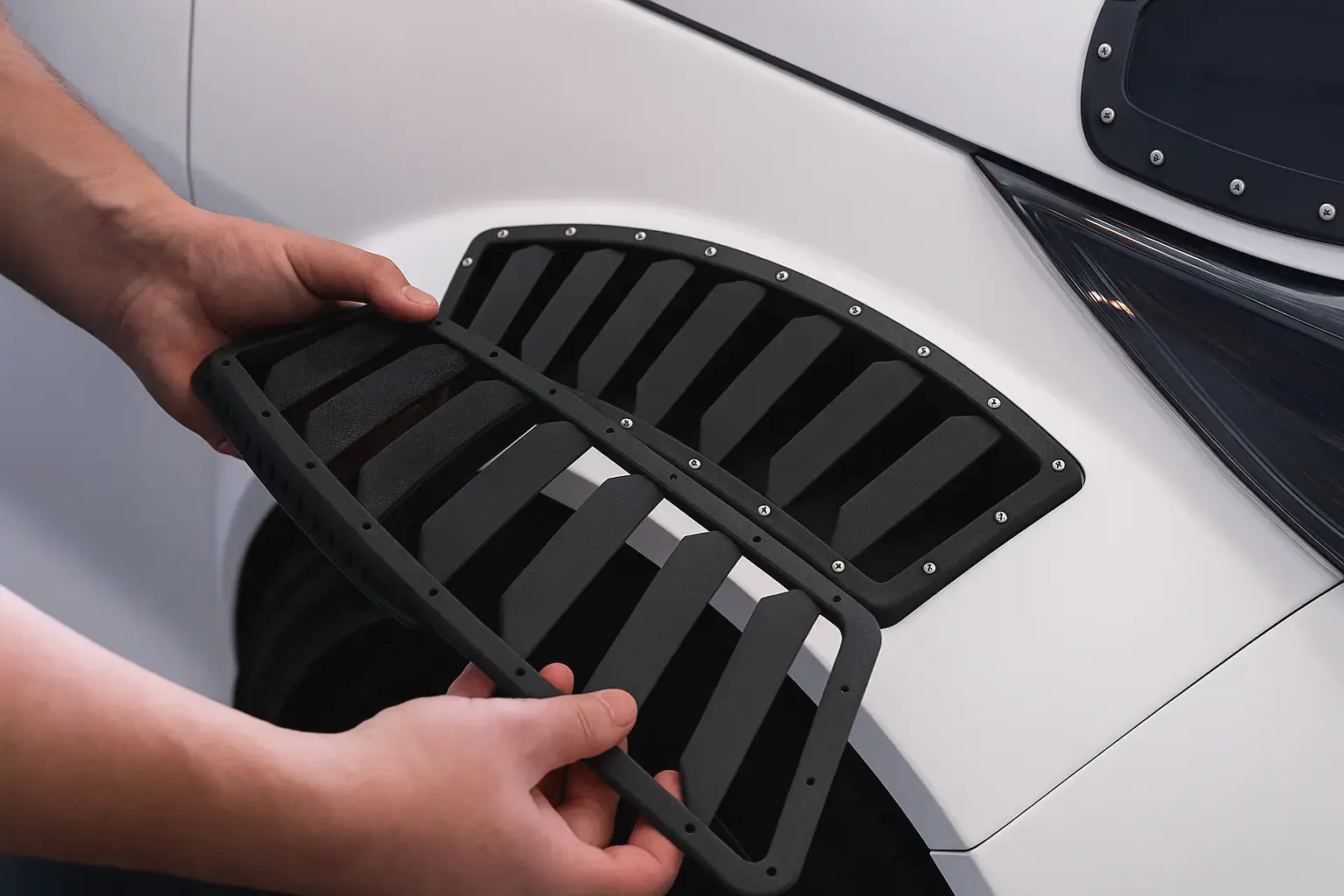
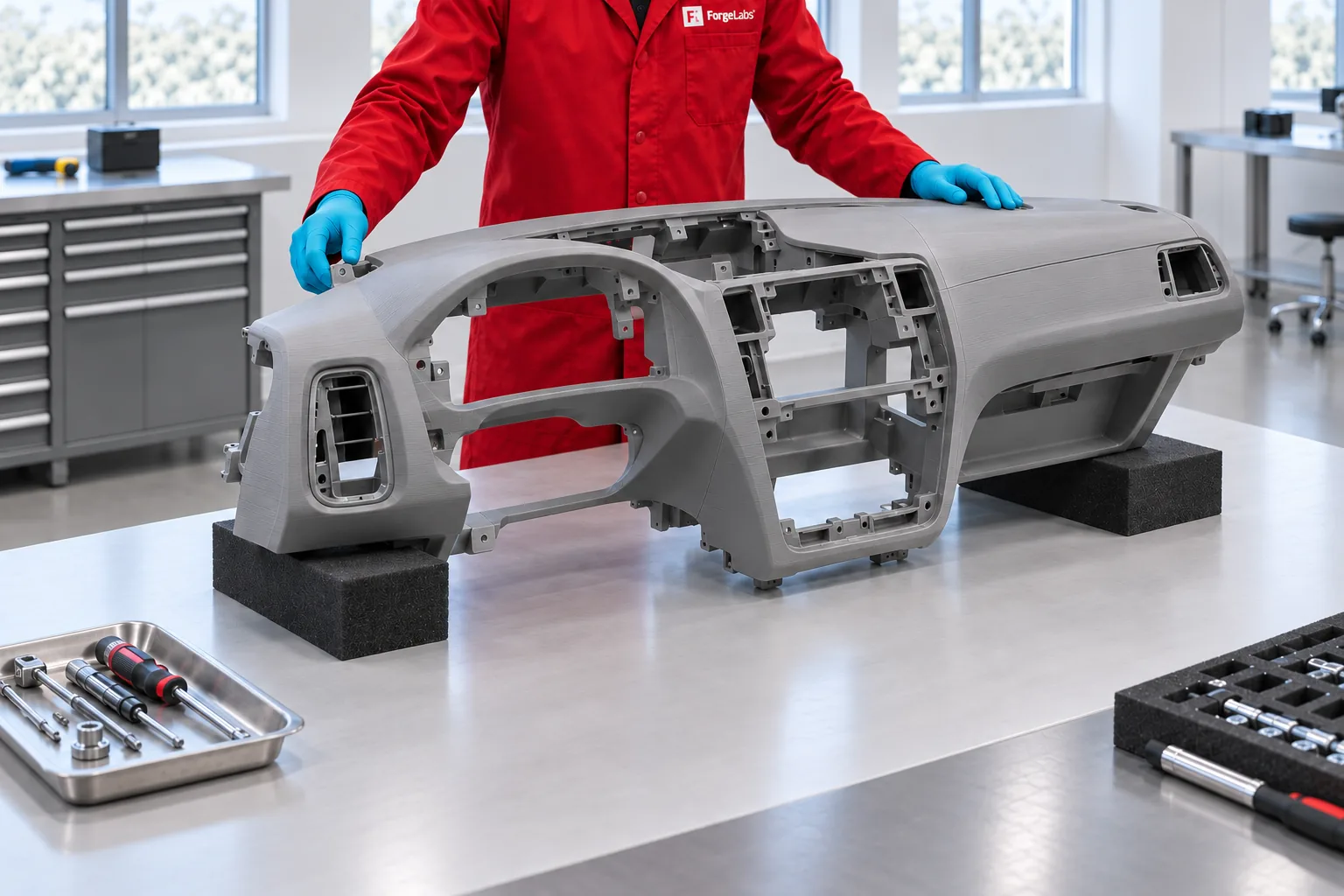
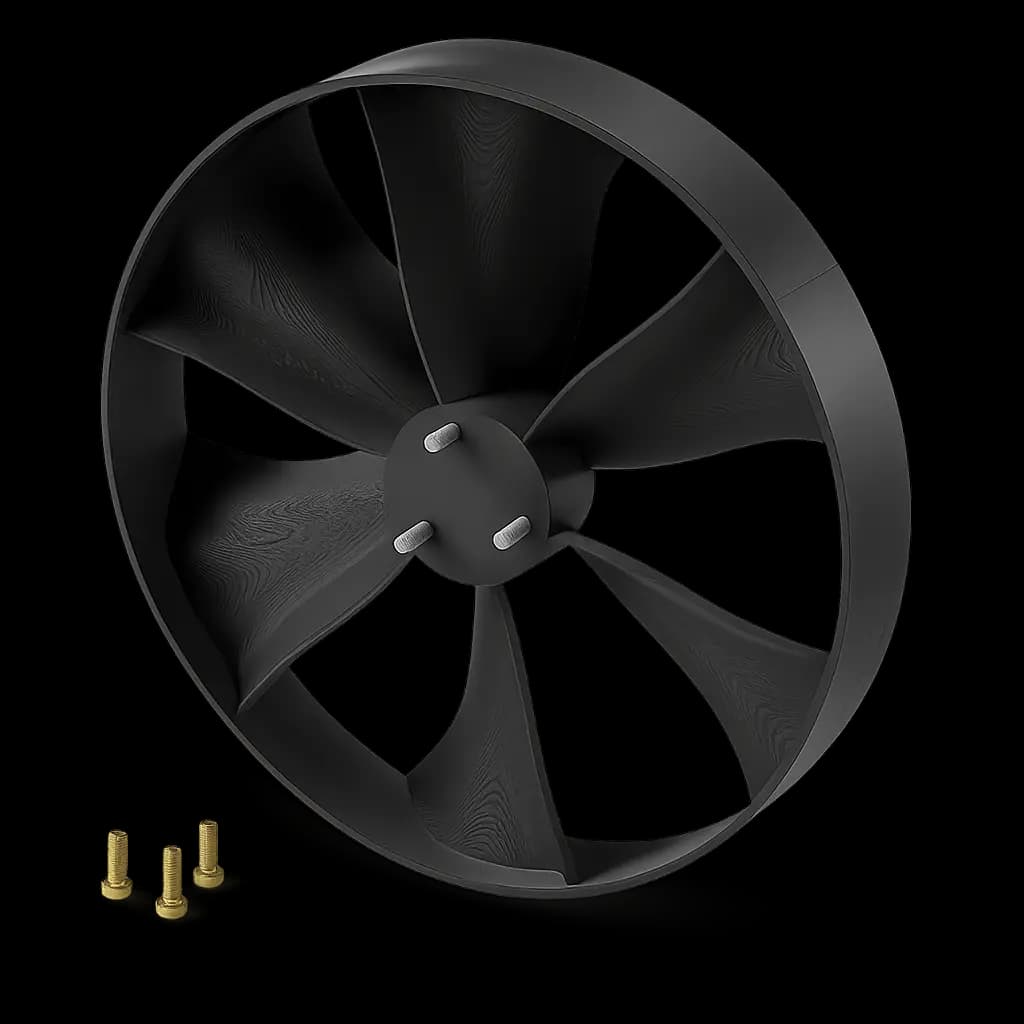
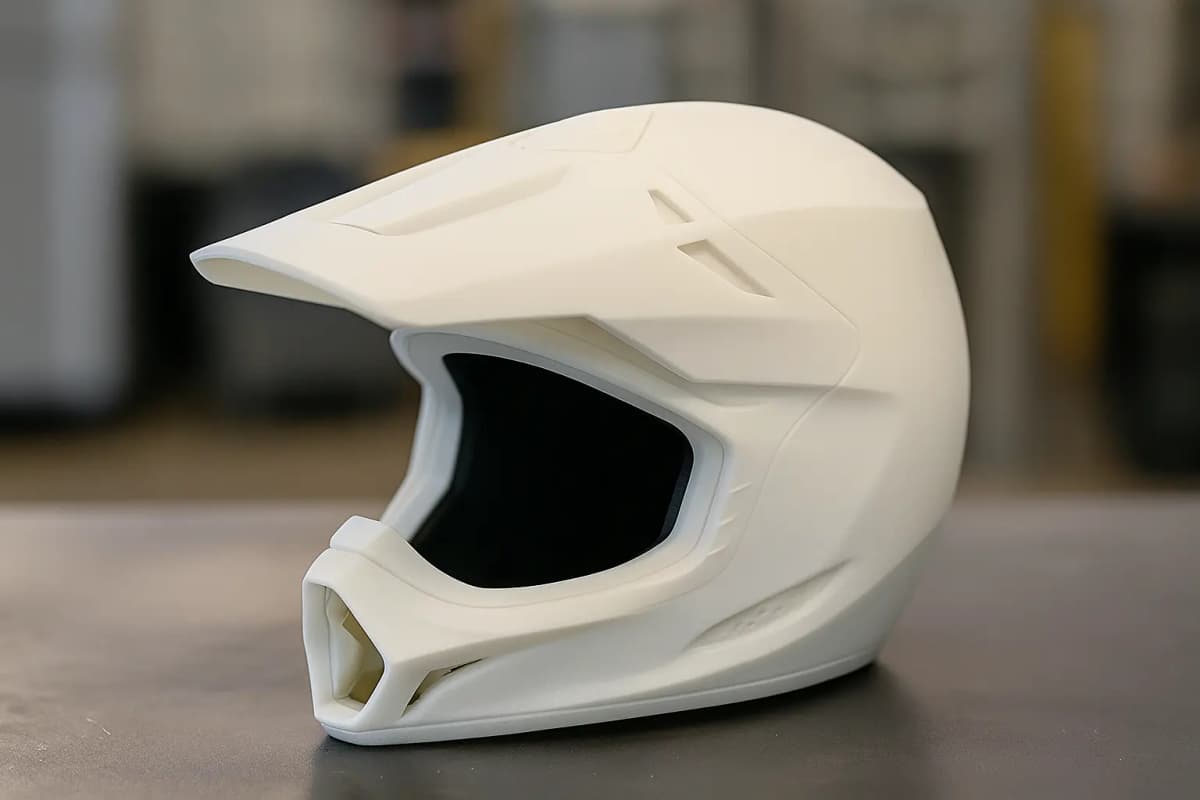
Fused deposition modeling (FDM) with maximum build volume (914 x 609 x 914mm) accommodates full-scale prototyping of outdoor gear, sports equipment, and mobility products. Engineering thermoplastics including carbon fiber reinforced nylon provide structural performance suitable for load testing and real-world validation. ASA materials offer UV stability and weather resistance for outdoor applications requiring extended environmental exposure. Large parts can be sectioned and assembled using integrated joinery features for products exceeding build volume constraints.
Build Volume
914 x 609 x 914mm
Materials
Carbon fiber, ASA
Weather Resistance
UV stable
Load Testing
Structural capable
Relevant technologies
Material options
High Temperature Resin/Accura 25/Accura Xtreme White 200/Accura ClearVue

Large Format Prototypes
Stereolithography (SLA) and selective laser sintering (SLS) technologies produce electronics housings with precise component fitment and professional surface finish. SLA tolerances of ±0.25% (min ±0.25 mm) ensure accurate PCB mounting, connector alignment, and button clearances critical for functional electronics assemblies. Material options include clear resins for LED diffusion, conductive formulations for EMI shielding, and flexible TPU for wearable interfaces. Integrated features like snap-fits, cable management, and heat-staking posts eliminate assembly complexity while maintaining professional appearance suitable for user testing and demonstration.
Component Fit
±0.25% (min ±0.25 mm)
Materials
Clear, conductive, TPU
EMI Shielding
Conductive options
LED Diffusion
Clear resin
Relevant technologies
Selective Laser Sintering (SLS)/Multi-Jet Fusion (MJF)/Direct Metal Laser Sintering (DMLS)/Fused Deposition Modeling (FDM)
Material options

Consumer Electronics Housings
Digital manufacturing enables seamless scaling from prototype validation through pilot production volumes without tooling investment or long-term commitments. Multi Jet Fusion (MJF) and selective laser sintering (SLS) provide consistent part quality across production batches with statistical process control for dimensional verification. Batch sizes from 10 to 1,000+ units support market testing, investor demonstrations, and limited product launches. Quality documentation includes dimensional reports, material certificates, and batch traceability required for commercial validation and early-market feedback programs.
Batch Sizes
10-1,000+ units
Quality Control
Statistical process
Documentation
Complete packages
Lead Time
5-10 business days
Relevant technologies
Stereolithography (SLA)/Fused Deposition Modeling (FDM)/PolyJet Matrix (PolyJet)/Selective Laser Sintering (SLS)
Material options
High Temperature Resin/Accura 25/Accura Xtreme White 200/Accura ClearVue

Market Testing & Pilot Production

Functional Prototypes & Testing
Examples from wearable hardware and consumer product development where rapid iteration carried directly into launch-phase production.

Case Study
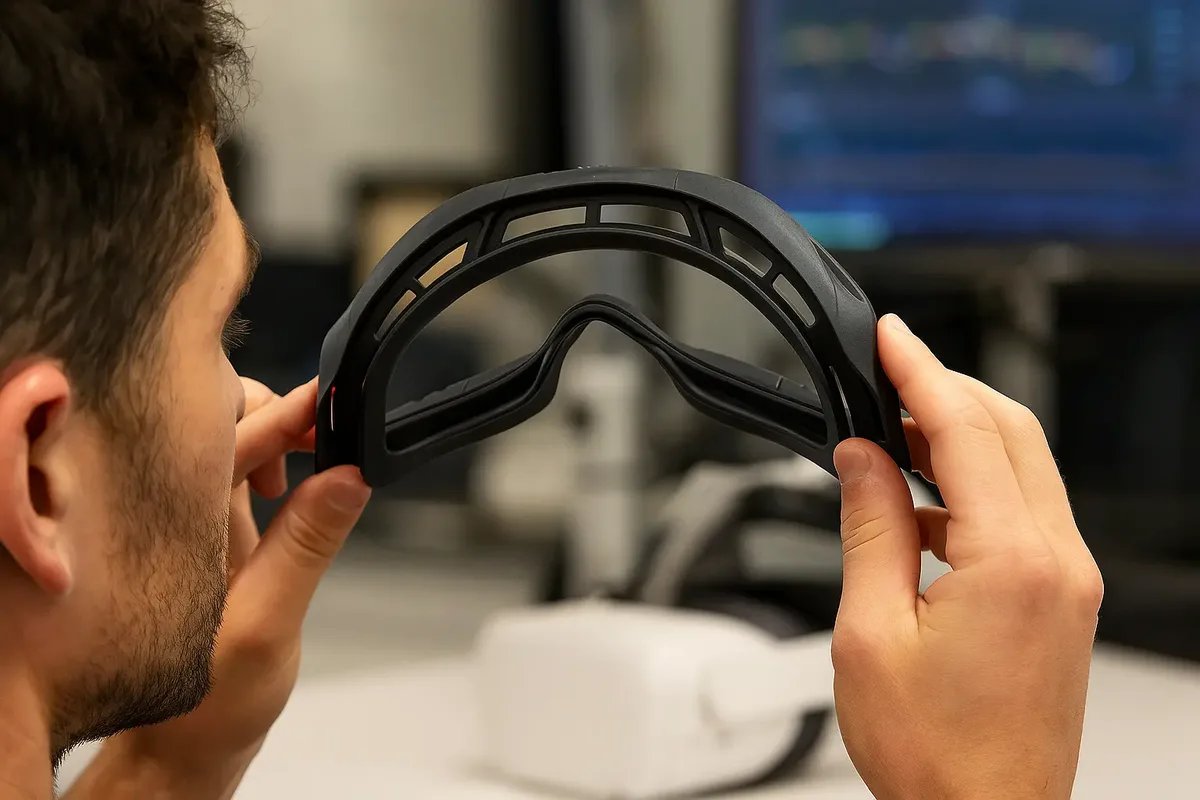
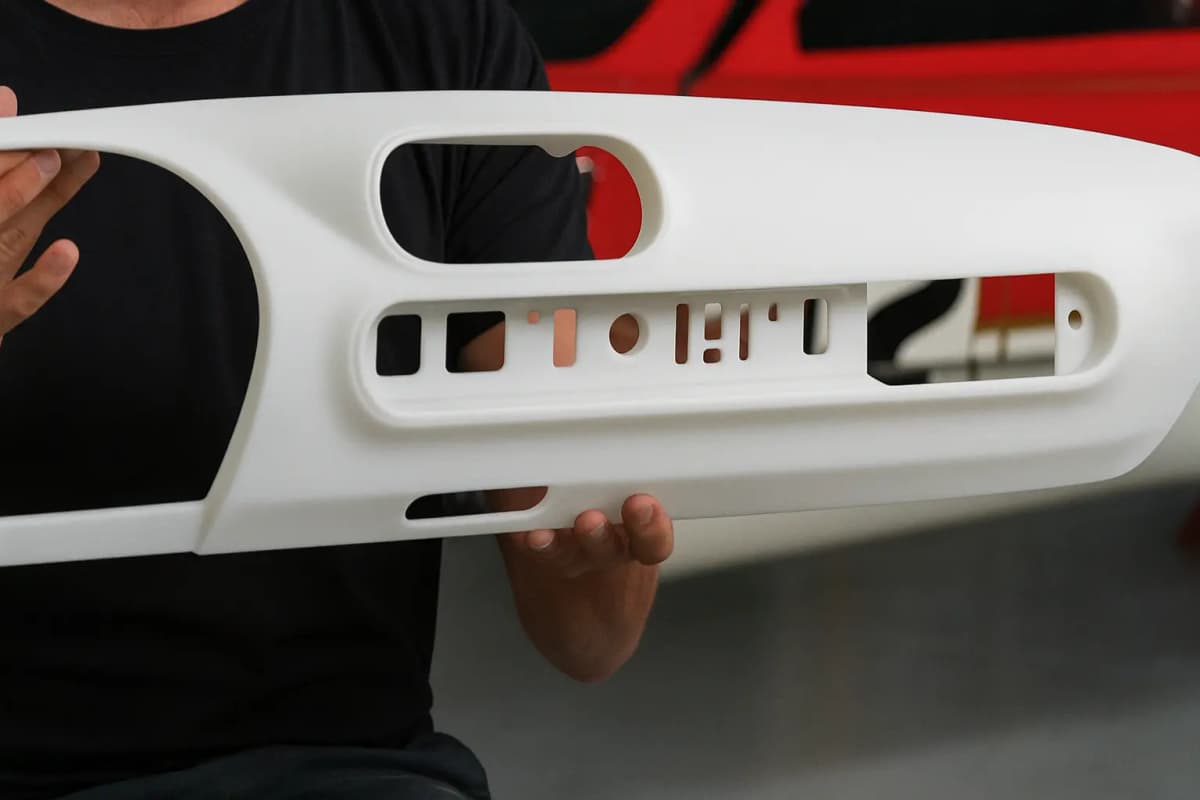
For industrial design teams developing wearable hardware, this VR visor case study shows how MJF can carry a product from ergonomic exploration into launch-phase production. The team refined face-fit geometry, preserved alignment-critical features, and kept the same manufacturing process in place as the design matured from validation units into repeatable production hardware.
Key outcomes

Case Study
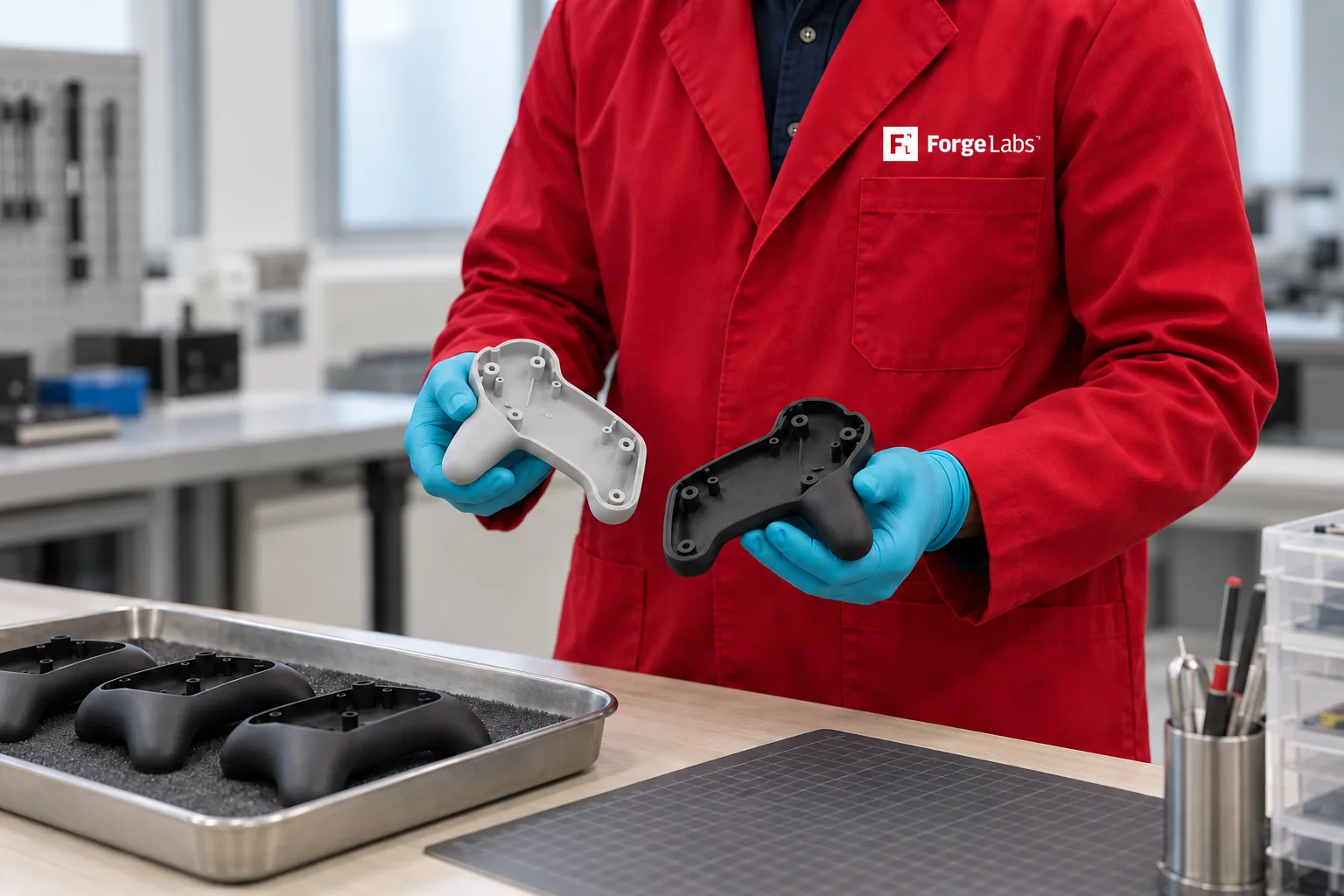
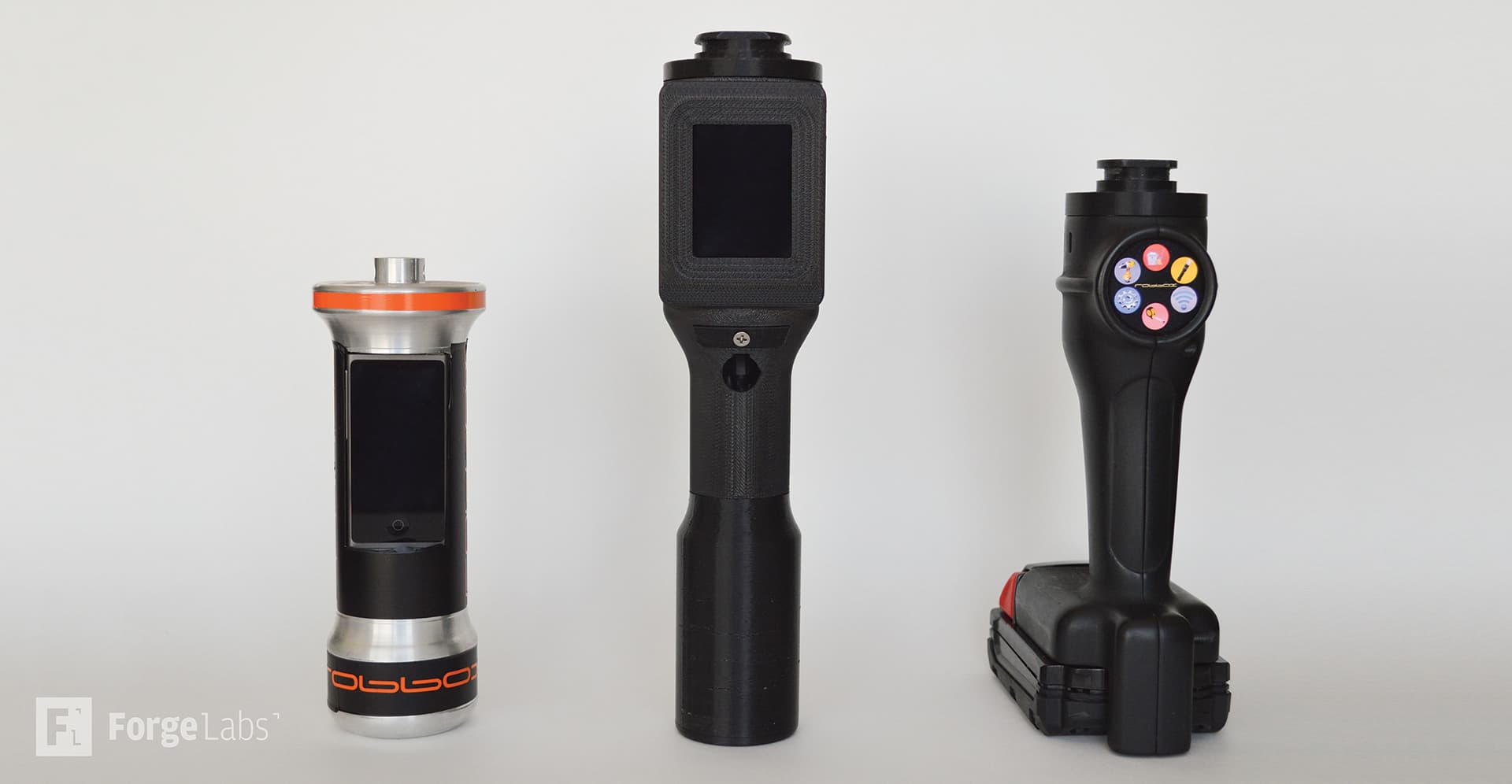
For industrial design and product teams working on consumer hardware, the Robbox case study highlights how additive prototyping can compress enclosure development without sacrificing functional feedback. The team used rapid FDM iterations to test hand feel, packaging of internal components, assembly logic, and presentation quality while the product language was still evolving.
Key outcomes
Qualified materials selected for performance, certification requirements, and repeatable production in industrial design environments.

Industrial Design grade
SLS nylon for functional prototypes

Industrial Design grade
Crystal clear SLA resin

Industrial Design grade
High-strength composite

Industrial Design grade
Flexible elastomer

Industrial Design grade
Engineering thermoplastic

Industrial Design grade
UV-stable thermoplastic
Compare certifications, mechanical properties, and application fit across our full portfolio before locking your production material stack.
Evaluate each process by geometry freedom, material options, and throughput so you can pick the right path from prototype to production.
Our application engineers can map your requirements to the right technology, material, and finishing workflow before you commit to a build.
Upload your CAD files for an instant quote or speak with our application engineers about your specific requirements.
Upload your CAD file
STL, STEP, OBJ, 3MF supported
Instant pricing and manufacturability feedback