Hybrid Manufacturing DMLS Metal Printing with CNC Post-Processing

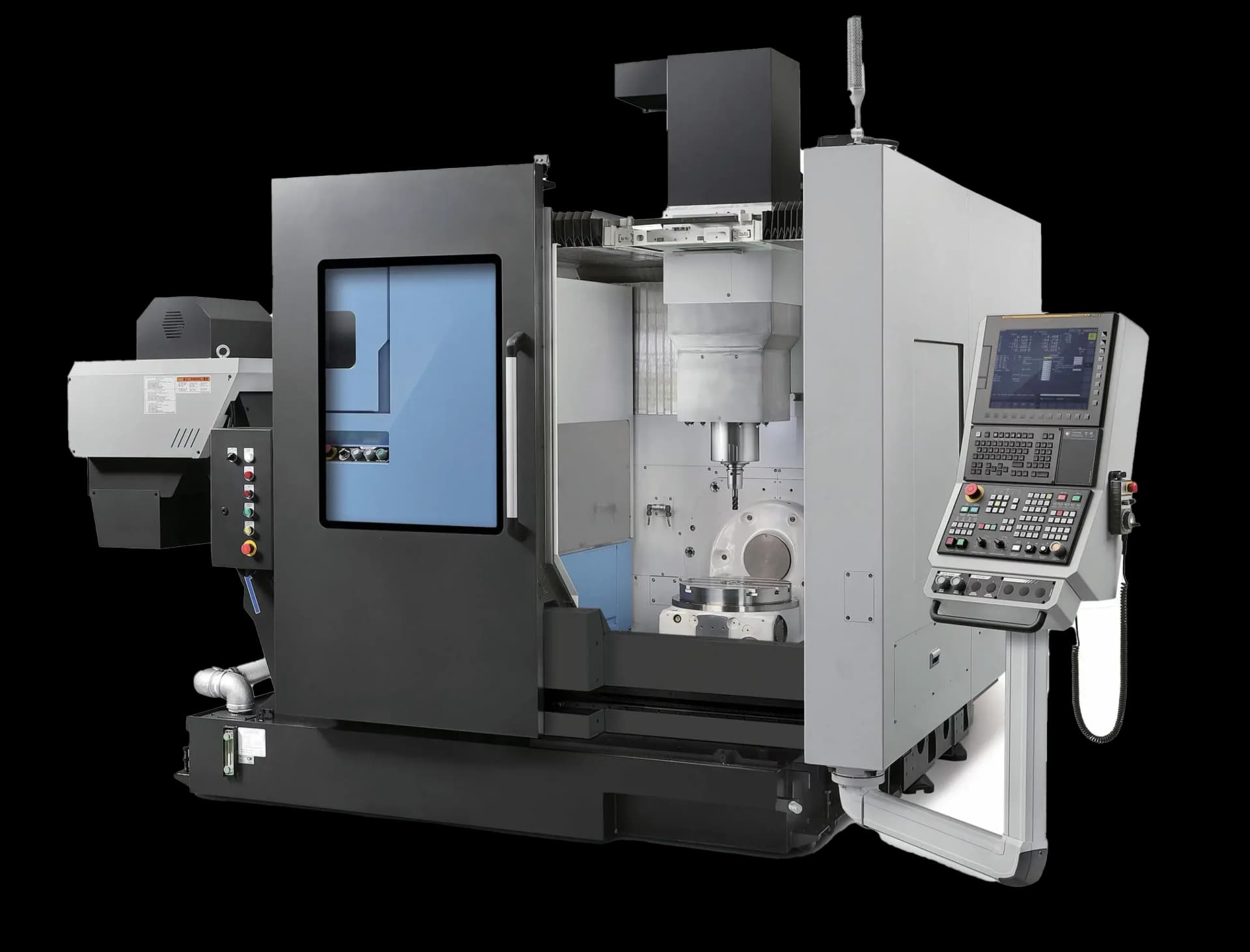
Hybrid Machining Center
Technology Overview

Hybrid Manufacturing for DMLS Parts

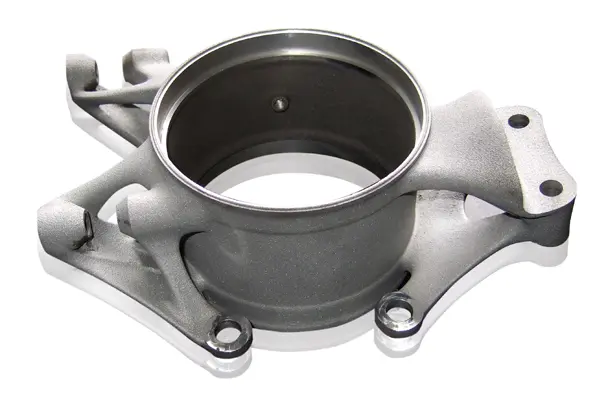
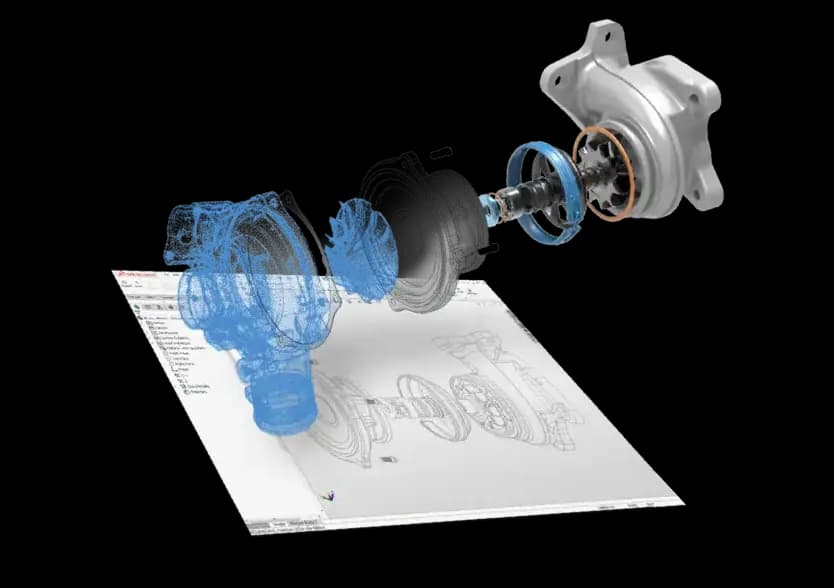
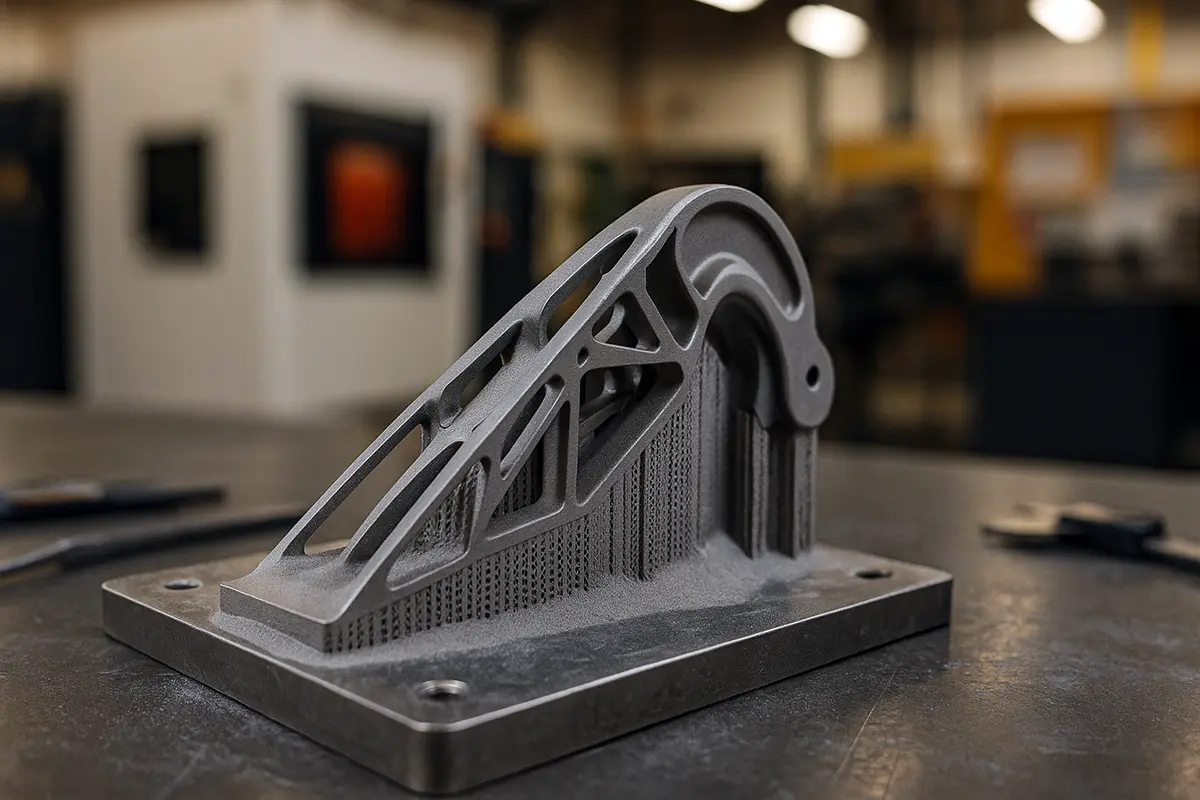
Hybrid manufacturing combines DMLS metal printing with secondary machining on the features that drive fit, sealing, alignment, and assembly. After printing, stress relief and support removal, we CNC machine critical bores, datums, sealing faces, threads and interfaces to improve tolerance control. The result is additive geometry where it adds value and machined precision where the part needs tighter control.

Why manufacture with Hybrid

Advanced manufacturing capabilities enable complex geometries, functional prototypes, and end-use production parts that would be impossible or cost-prohibitive with traditional manufacturing methods. From functional prototypes to end-use production parts, this technology delivers exceptional performance across demanding industries.

  • Machine critical features on DMLS parts
  • Achieve tolerances based on your part geometry
  • Finish mating, sealing and assembly surfaces

Hybrid Technology · Production-Ready

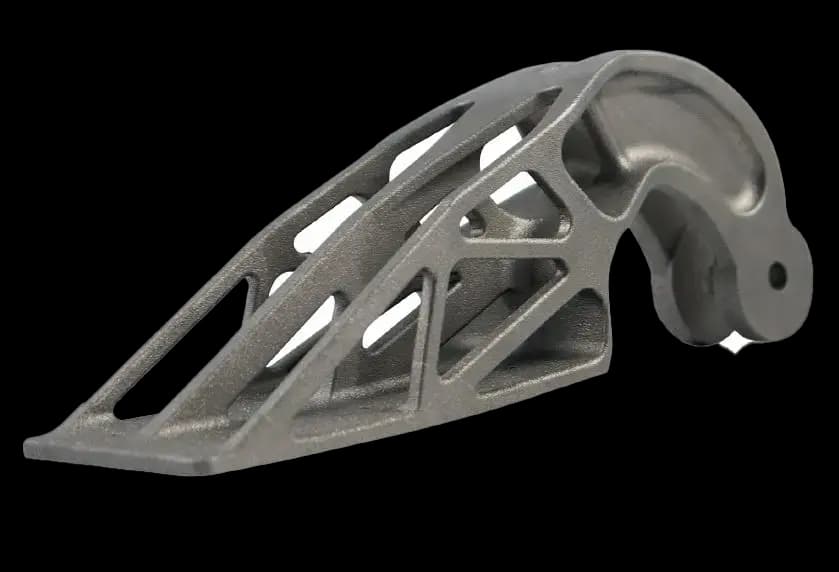
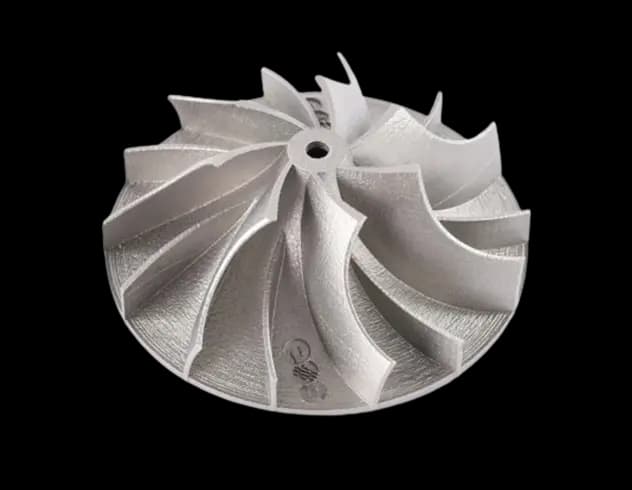
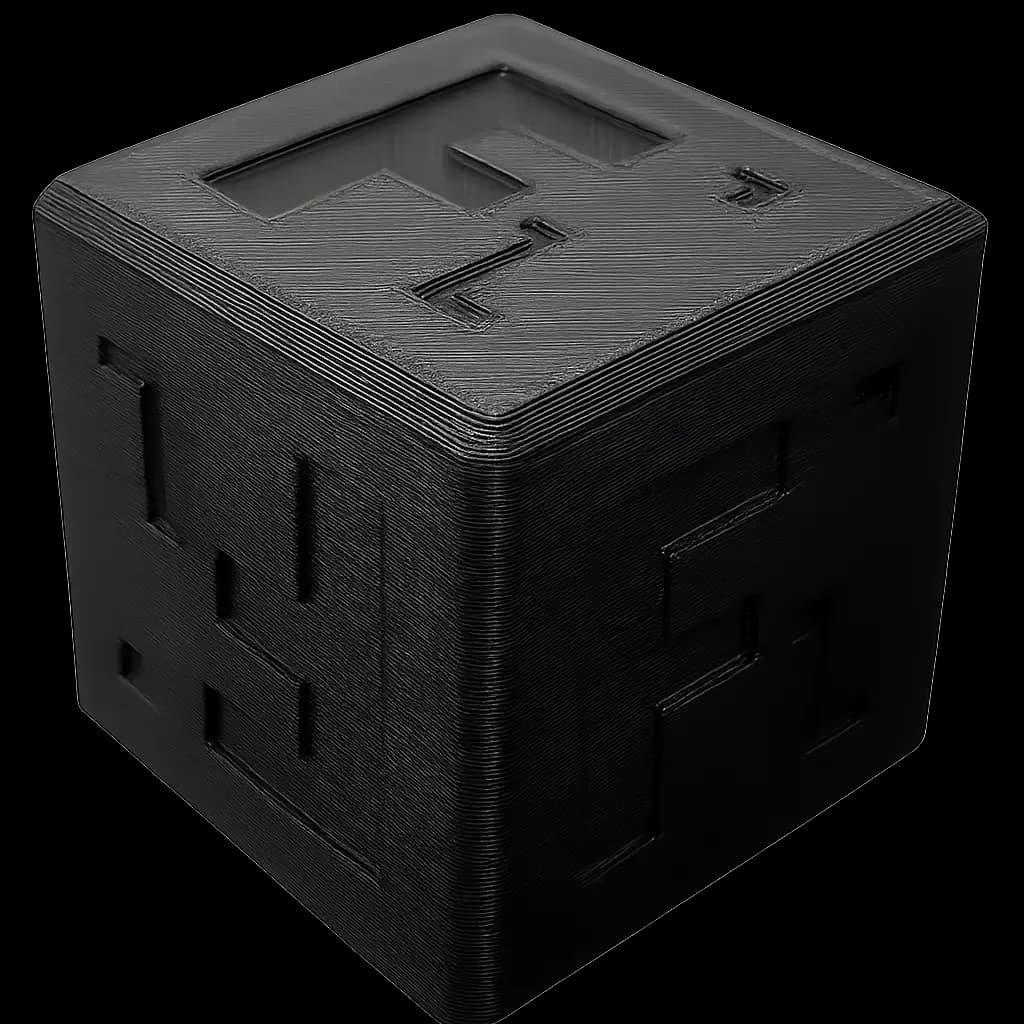
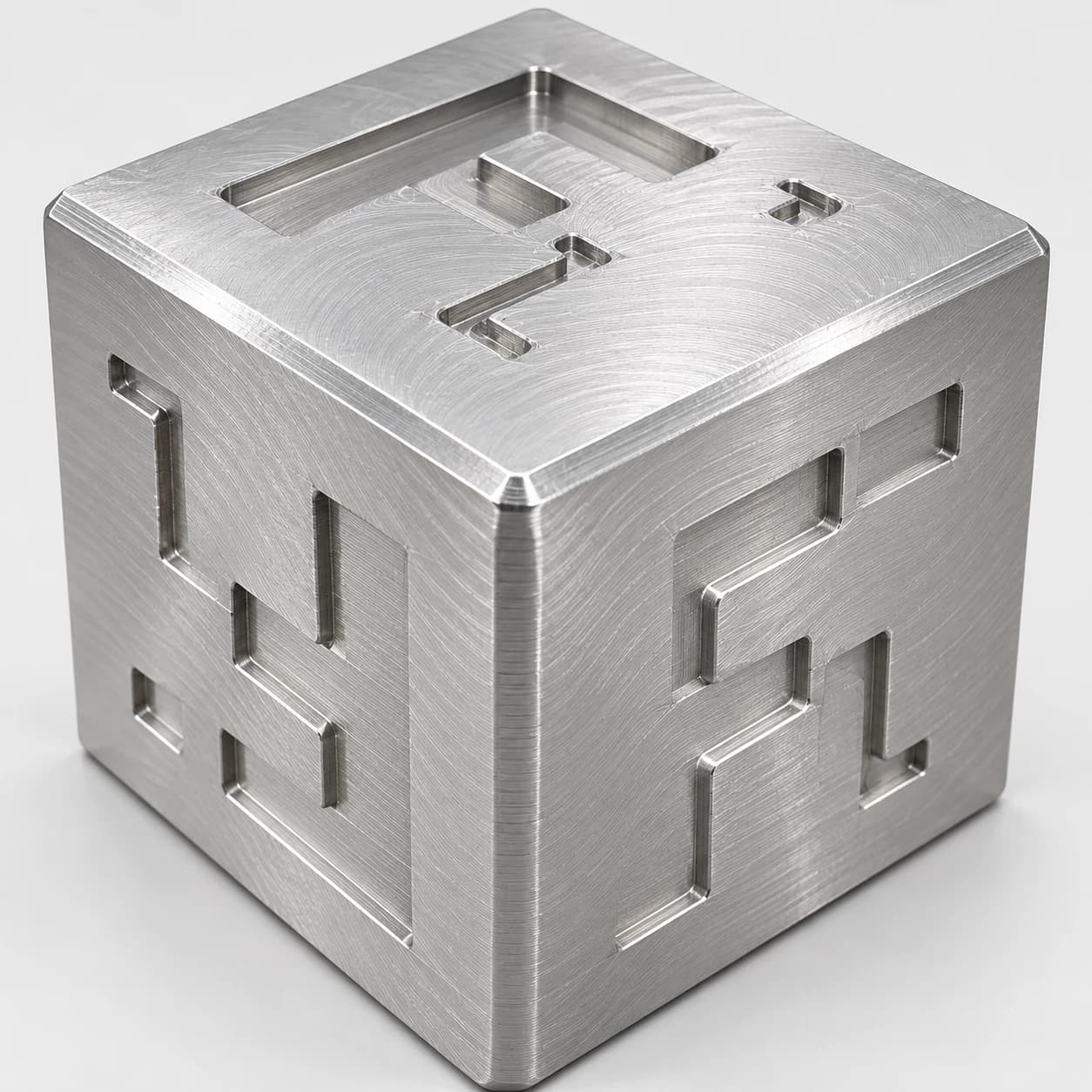
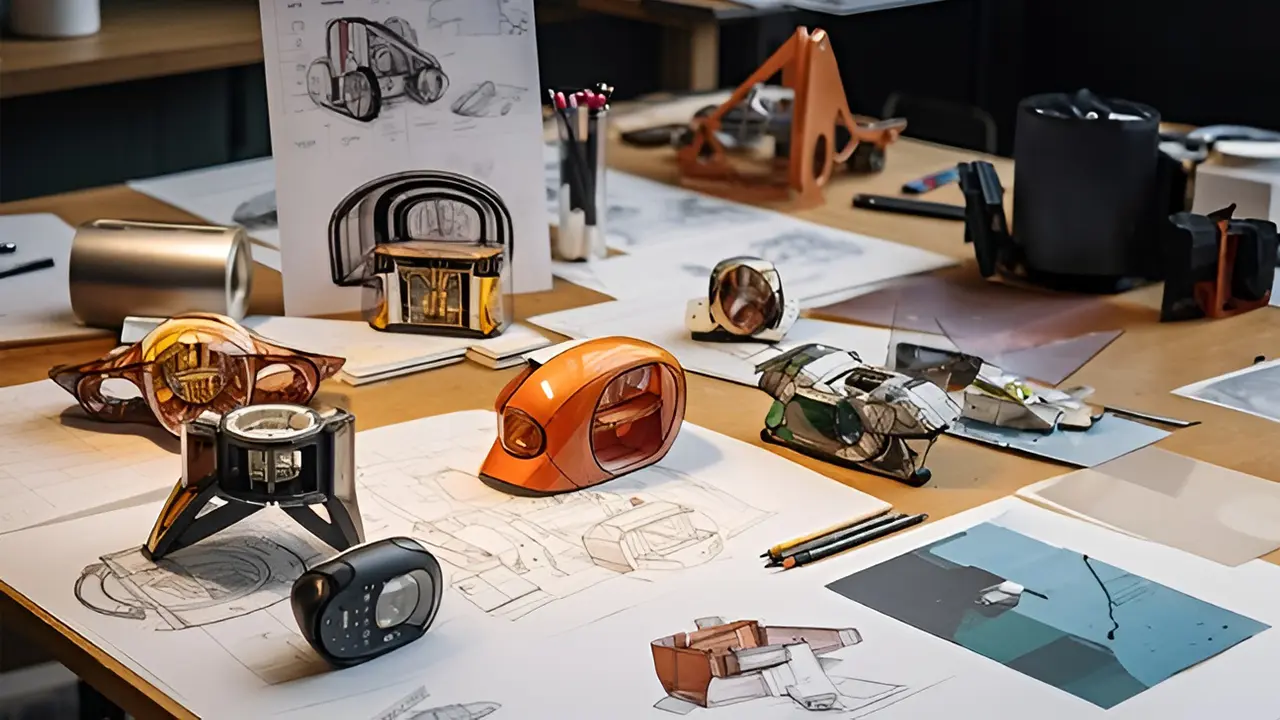
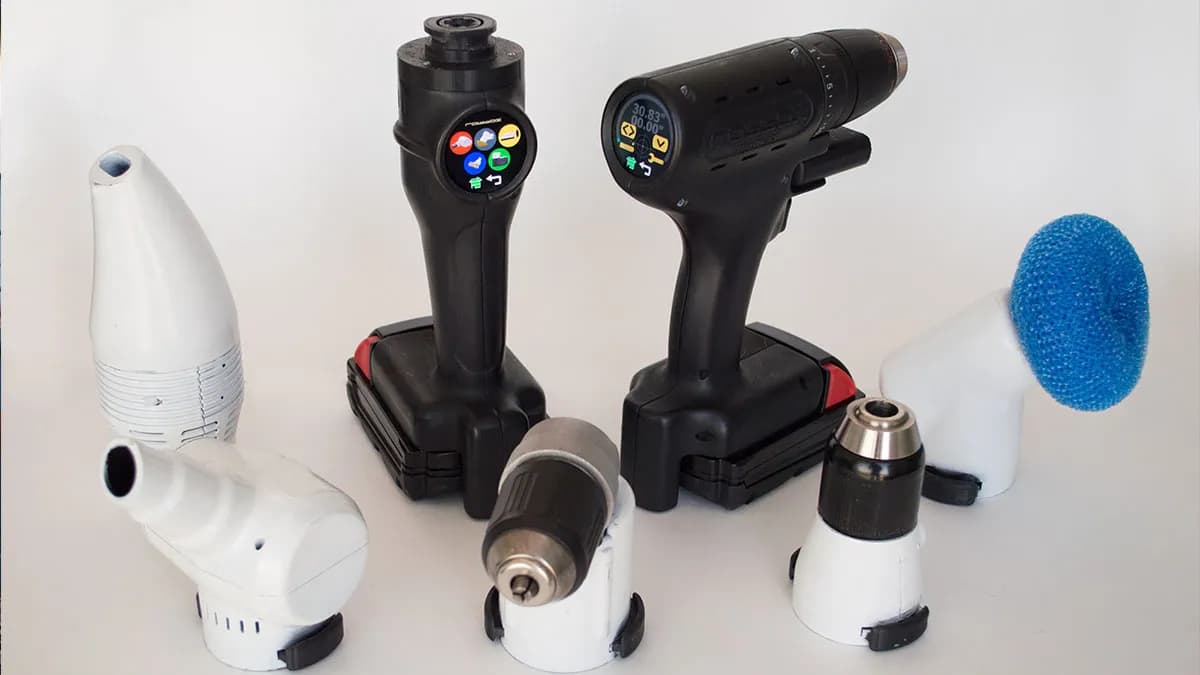
Hybrid Manufacturing example showing hybrid DMLS post-processing and machined feature quality

Advanced Applications

Advanced Manufacturing Components

The Hybrid manufacturing process delivers precision parts through controlled layer-by-layer construction, ensuring consistent quality and mechanical properties.

Production applications

Advanced Manufacturing Solutions

The Hybrid manufacturing process delivers precision parts through controlled layer-by-layer construction, ensuring consistent quality and mechanical properties.

Key advantages

Complex geometries: Intricate internal channels, overhangs, and assemblies impossible with traditional manufacturing.

Functional prototypes: Test mechanical properties and fit before investing in production tooling.

Custom tooling: Jigs, fixtures, and manufacturing aids tailored to specific production requirements.

End-use parts: Production components for aerospace, medical, automotive, and industrial applications.

Hybrid automotive components
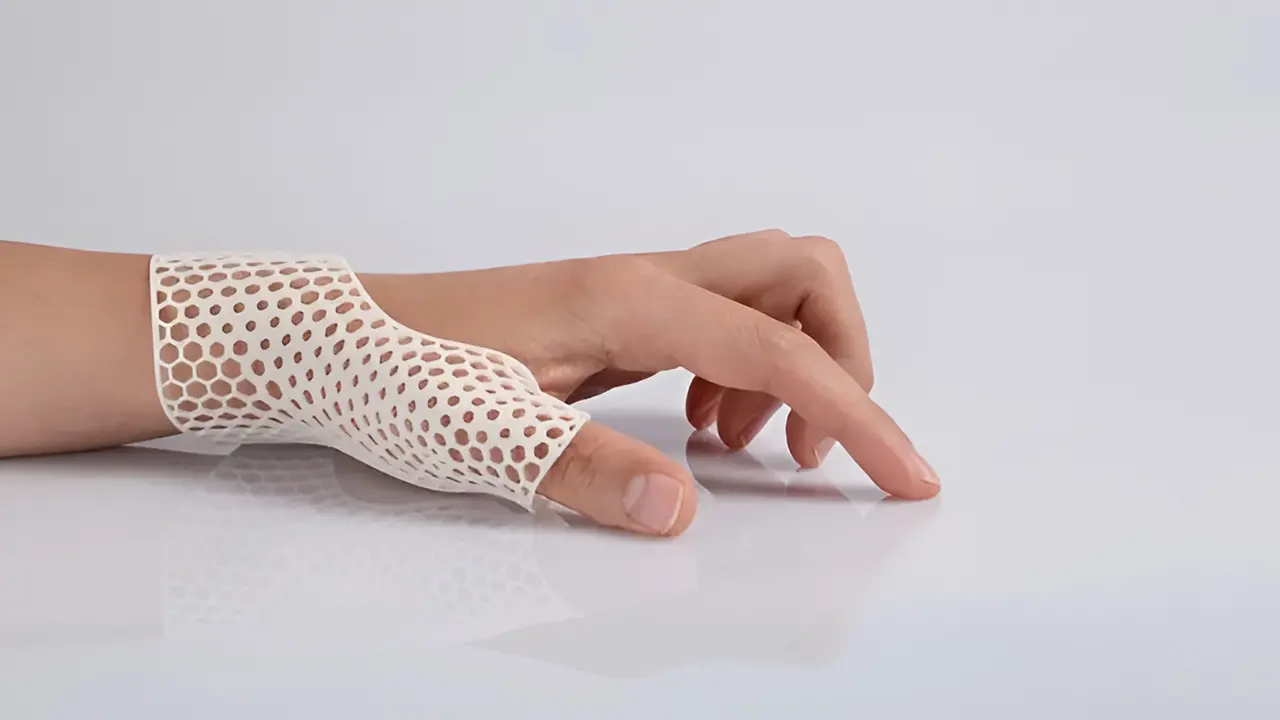
Hybrid medical devices
Hybrid aerospace components
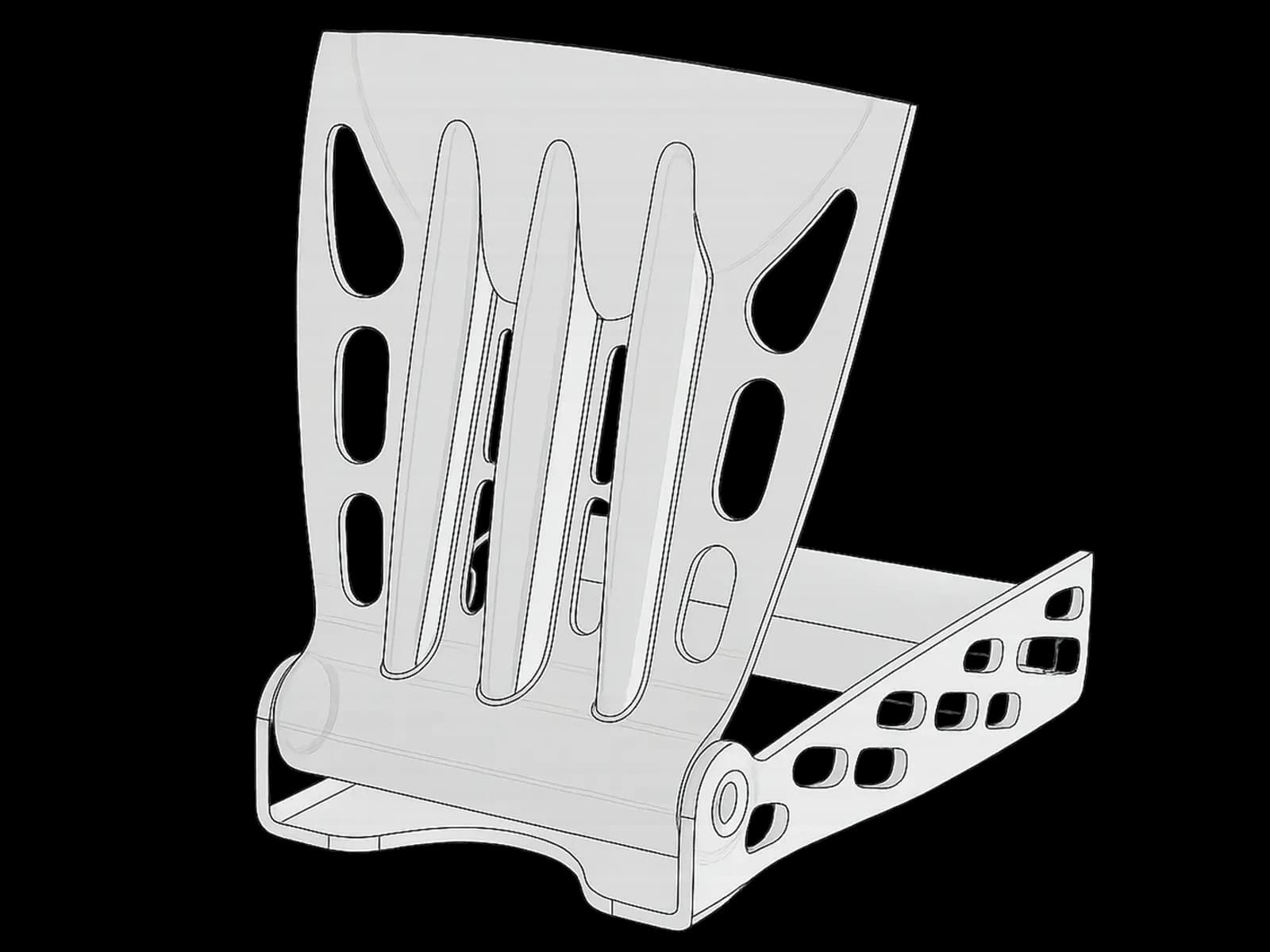
Hybrid complex geometries
Manufacturing Process

The Hybrid Manufacturing process

Every hybrid job moves from DMLS build planning into post-print processing, machining of critical features, and final inspection. The goal is not to machine the whole part from billet, but to selectively improve the surfaces and dimensions that determine whether the printed component works in the final assembly.

Hybrid DFM Review

Step 1 of 4

Hybrid DFM Review

Engineering reviews the DMLS geometry first, then defines which features stay as-printed and which require machining stock, datums, and secondary finishing.

Inputs
3D CAD, control drawings, inspection needs
Review Time
Same day to 24 hours
DFM Output
Printed and machined feature plan
Quality Plan
Datums and inspection checkpoints defined
Build Volume

Large machining envelopes accommodate oversized parts or multi-setup fixtures with precision up to Dependent on DMLS part.

Precision (mm)

Hybrid DMLS finishing for tight-tolerance bores, datums, threads, and sealing surfaces to Geometry Dependant.

Speed

Cycle time optimized to geometry, toolpaths, and material selection using Cycle times optimized per feature set and fixture strategy.

Material Library

Hybrid DMLS Material Set

These materials reflect the DMLS metal alloys most often routed into secondary machining for tighter interfaces, improved sealing surfaces, and assembly-critical geometry.

  • Aluminum 6061 Part
    Metal

    Aluminum 6061

    Aluminum 6061 is a versatile precipitation-hardened alloy that combines magnesium and silicon as primary alloying elements to achieve exceptional mechanical properties.

    Tensile Strength
    331 MPa
    Elastic Modulus
    76 GPa
    Temp Resistance
    See datasheet
    Material details

    This heat-treatable alloy offers an outstanding balance of strength, ductility, and corrosion resistance, making it ideal for structural applications where high performance and reliability are essential.

    High-Strength Structural Aluminum Alloy

    Applications

    Aerospace Structures/Automotive Components/Marine Hardware/Precision Fixtures

  • Stainless Steel 316L Part
    Metal

    Stainless Steel 316L

    Stainless Steel 316L is the most popular 3D printed metal at Forge Labs for corrosion-resistant 3D printed parts.

    Tensile Strength
    630 MPa
    Elastic Modulus
    185 GPa
    Temp Resistance
    See datasheet
    Material details

    It combines high strength, excellent ductility, and strong chloride resistance, making it a go-to material for marine hardware, chemical processing equipment, food production components, and precision industrial assemblies.

    Marine-Grade Austenitic Stainless Steel

    Compliance

    ASTM F138 (UNS S31673) chemistry/REACH Regulation (EC) 1907/2006

    Applications

    Industrial Components/Chemical Processing/Food Processing/Marine Applications

  • Titanium Ti-6Al-4V Part
    Metal

    Titanium Ti-6Al-4V

    Titanium Ti-6Al-4V (Grade 5) is the most widely used titanium alloy in aerospace and automotive applications.

    Tensile Strength
    1080 MPa
    Elastic Modulus
    110 GPa
    Temp Resistance
    350 °C
    Material details

    This alpha-beta alloy offers an exceptional strength-to-weight ratio and excellent corrosion resistance.

    Aerospace-Grade Lightweight Alloy

    Compliance

    ASTM B348 Grade 5/ASTM F2924/ASTM F3302

    Applications

    Aerospace Structures/Precision Components/Automotive Racing/Sports Equipment

  • Maraging Steel MS1 Part
    Metal

    Maraging Steel MS1

    Maraging Steel MS1 is a ultra-high strength steel with exceptional hardness and dimensional stability achieved through precipitation hardening.

    Tensile Strength
    1200 / 1100 MPa
    Elastic Modulus
    150 / 140 GPa
    Temp Resistance
    400 °C
    Material details

    With its 18% nickel content and low carbon composition, it delivers superior mechanical properties ideal for precision tooling applications.

    Ultra-High Strength Steel for Precision Tooling

    Applications

    Injection Molding Tools/Mechanical Engineering/Precision Tooling/Aerospace Tooling

  • Stainless Steel 304 Part
    Metal

    Stainless Steel 304

    Stainless steel 304 is widely used for CNC machined parts that require excellent corrosion resistance, hygienic performance, and long service life.

    Tensile Strength
    515 MPa
    Flexural Modulus
    193 GPa
    Temp Resistance
    870 °C
    Material details

    It is ideal for consumer products, laboratory equipment, and marine environments.

    Corrosion Resistant Austenitic Stainless Steel

    Compliance

    ASTM A240/A240M (UNS S30400)/ASTM A276 / A479 (UNS S30400)/NSF food equipment acceptance

    Applications

    Food and Beverage Equipment/Corrosion Resistant Housings/Medical Fixtures

  • Delrin (Acetal) Part
    Available Material

    Delrin (Acetal)

    Delrin combines excellent machinability with low friction, making it ideal for CNC machined components that require smooth motion, tight tolerances, and wear resistance without lubrication.

    Tensile Strength
    76 MPa
    Flexural Modulus
    2900 MPa
    Temp Resistance
    169 °C
    Material details

    Dimensional stability and high fatigue resistance support precise motion hardware and durable wear surfaces.

    Low Friction Engineering Plastic

    Compliance

    FDA 21 CFR 177.2480 (Food contact)/NSF/ANSI 51 and 61/ASTM D6100 S-POM0111 / ASTM D6778 POM0111

    Applications

    Motion Components/Fixtures and Jigs/Fluid Handling

Post-Processing

Material Surface Finishes

Hybrid metal parts can leave selected surfaces as-printed while machining and finishing the interfaces that control assembly, sealing, and appearance.

As-Machined Hybrid Finish
Standard

As-Machined

Parts deburred and cleaned straight from the machine with visible tool marks. Ideal for functional components and internal features where cosmetic appearance is not critical.

Finish attributes

Surface RoughnessRa 1.6 - 3.2 micrometers
AppearanceVisible tool paths and matte finish
ApplicationsFunctional parts and prototype assemblies
Anodized
As-Machined
Premium

Anodized

Anodizing adds a controlled oxide layer to compatible aluminum components, improving corrosion resistance, surface durability, and cosmetic consistency on finished hybrid metal parts.

Finish attributes

Surface RoughnessAs built baseline with anodized coating applied
AppearanceClear or various colored finishes
ApplicationsAluminum housings, brackets, and customer-facing metal hardware
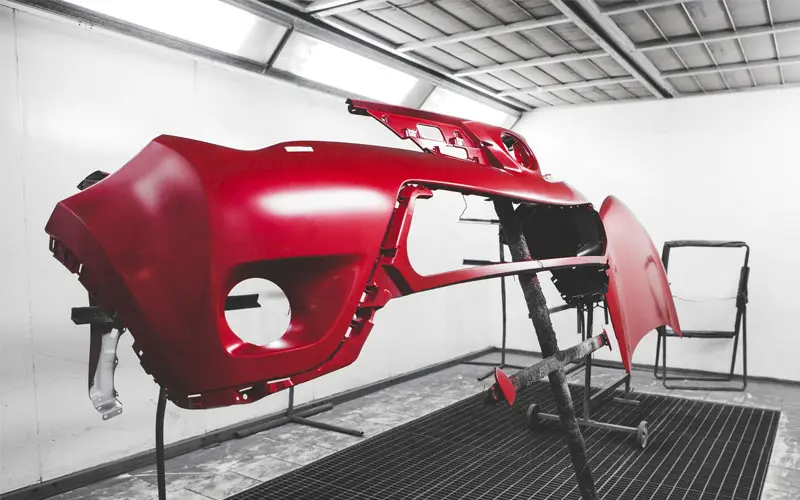
Painted Example
As-Machined
Specialty

Post-Processed

Includes bead blasting, anodizing, electropolishing, painting, and part marking tailored to your specification.

Finish attributes

Surface RoughnessProcess dependent
AppearanceUniform cosmetic finish or coated surface
ApplicationsCustomer-facing products and regulated hardware
Value-Added Services

Hybrid DMLS Finishing Services

Machined DMLS parts succeed when machining allowances, workholding, finishing, and inspection are planned alongside the additive build.

Machining stock planning icon

Machining stock planning

Define which DMLS faces, bores, and threads need extra stock before the part is printed.

Custom fixturing and datum strategy icon

Custom fixturing and datum strategy

Reference irregular printed geometry reliably during secondary machining.

Critical feature finishing icon

Critical feature finishing

Machine sealing surfaces, bolt patterns, threads, and interfaces that control fit and function.

Instant Quote Tool

From Upload to Delivery

Upload files, configure manufacturing specs, and track production in one workflow built for engineering teams.

File upload interface
Uploading files

75% complete

Step 01

Upload CAD Files

Automated file checks before production

Drop your CAD files and receive immediate manufacturability feedback. Critical geometry and wall checks run as soon as files are uploaded.

  • Upload STEP, STL, OBJ, and production drawing files
  • Auto-detection for thin walls and trapped volumes
  • Instant design feedback before checkout
Industry Applications

Hybrid Applications Across Industries

CNC machining is used when tight tolerances, surface finish, and predictable material performance are non-negotiable. Teams use CNC for fixtures, brackets, enclosures, prototypes, and production components across metals and engineering plastics.

Machining is the default choice for production-ready parts when you need tight dimensional control, broad material selection, and established finishing options. It is often used for first articles, fixtures, and end-use components that must match spec without process variability.

Start a quote

Ready to manufacture your parts?

Upload your CAD files to review hybrid DMLS plus CNC post-processing for tolerance-critical metal parts. Production-ready manufacturing with fast turnaround times.

  • Instant pricing with automated manufacturability analysis
  • Production workflows built for repeatable quality
  • Engineering support from prototype to production
View DMLS technology

Create an account to upload CAD

STEP, STL, OBJ, 3MF and IGES supported

Manufacturing technologies
6
Engineering materials
50+
Part quantities
1-500+
Frequently Asked Questions

Hybrid Manufacturing Questions & Answers

Common questions about hybrid manufacturing workflows for DMLS metal parts. Can't find what you're looking for? Reach out to our technical team.