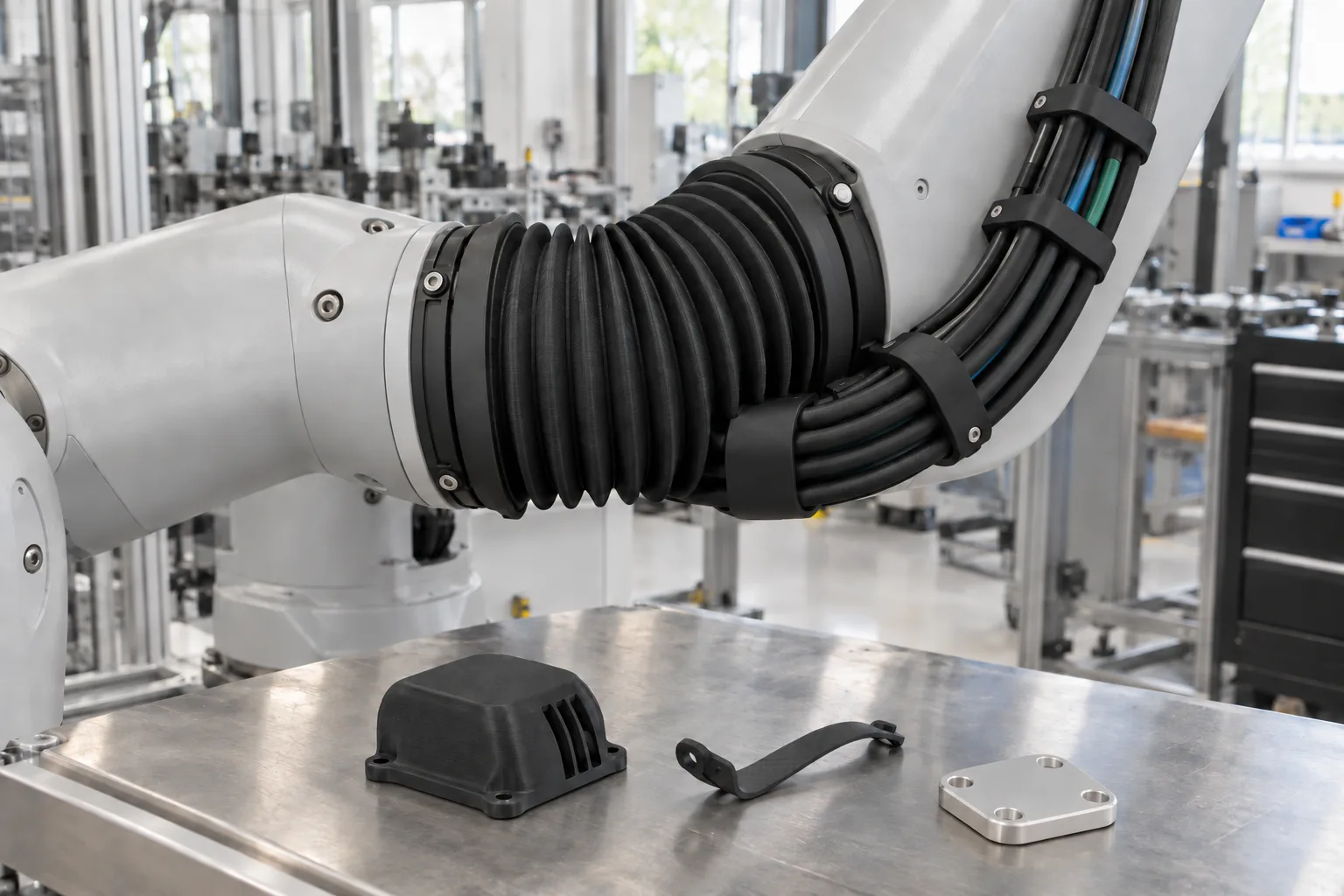
Industrial Automation
Robot Cell Flexure Springs
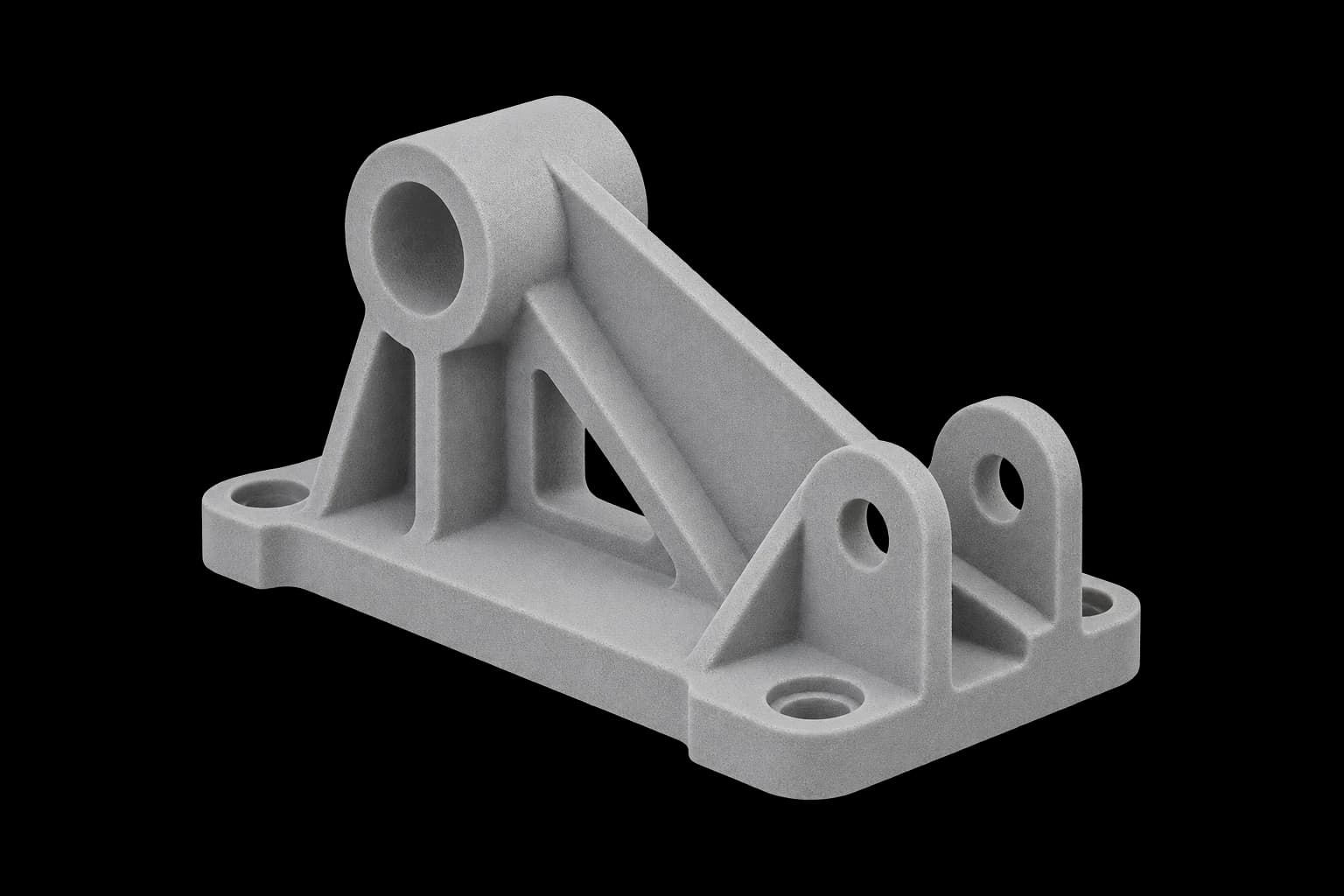
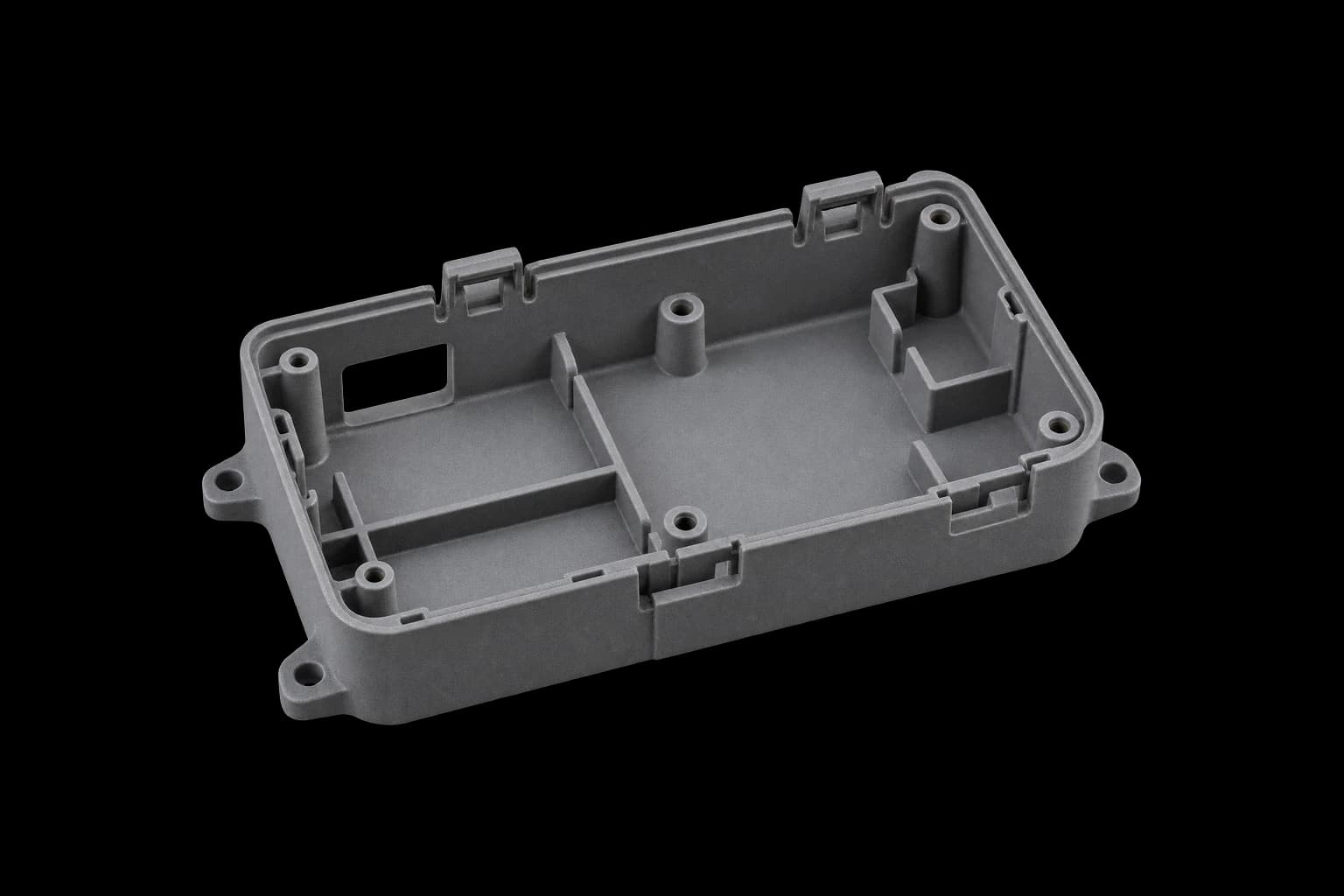
Flexure springs in small repeat lots, with the print recipe on the drawing and bores reamed to their limits.
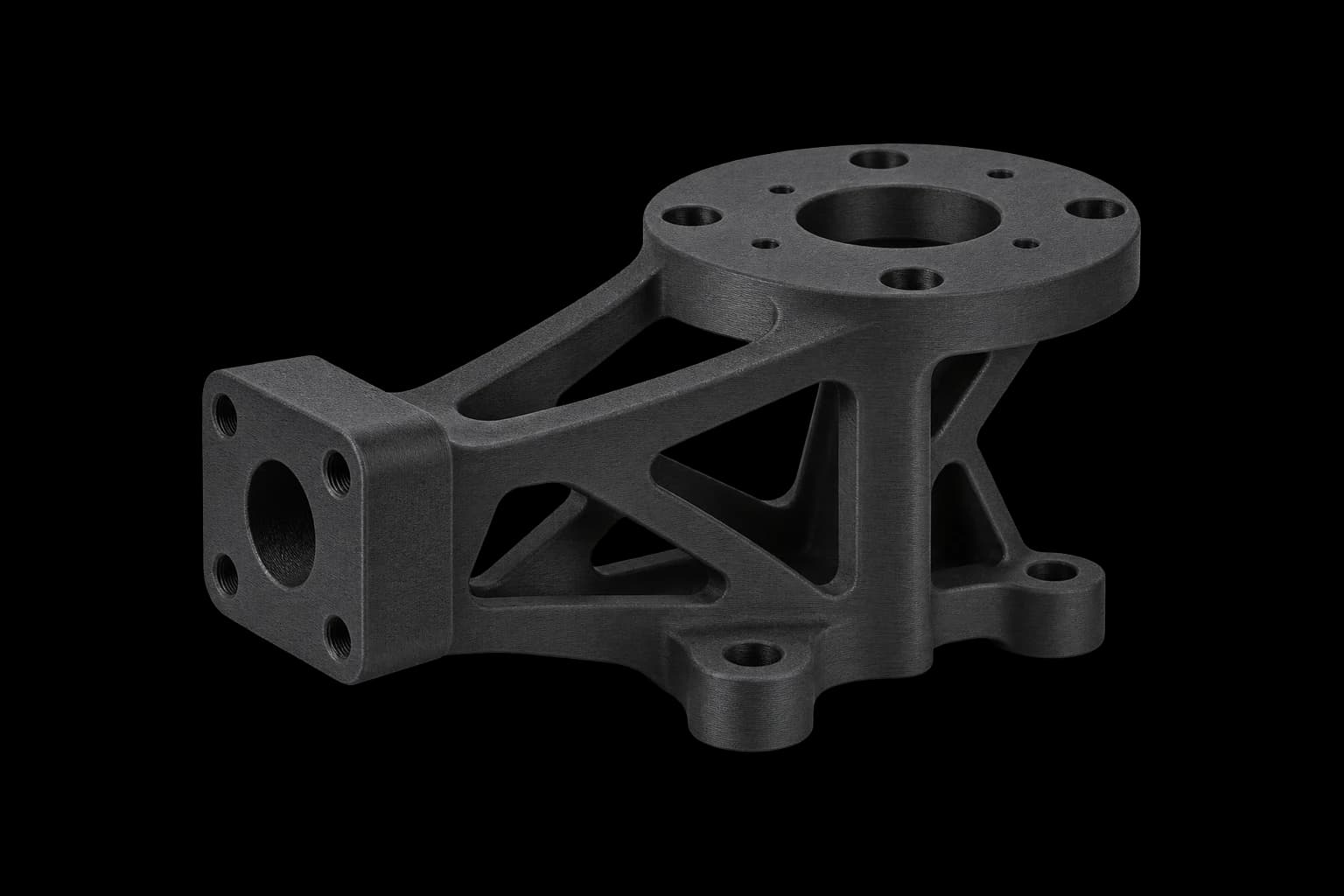
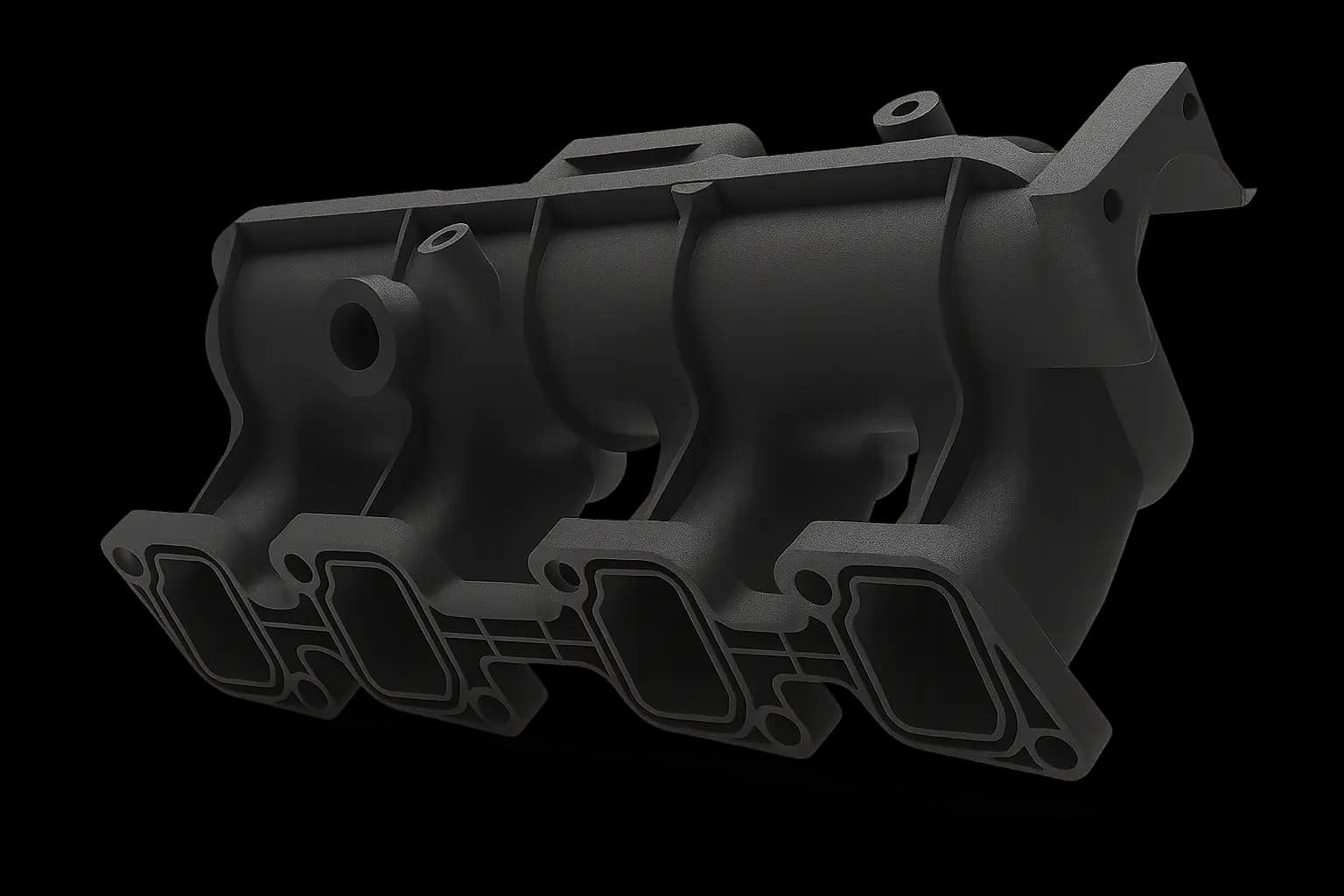
Stiff, lightweight carbon fiber nylon for parts that would otherwise be machined from metal. Parts hold their shape under load up to 170 °C, weigh less than half as much as the same part in aluminum, and resist most oils and greases. Teams use it for jigs, fixtures and drill guides, robot grippers and end-of-arm tooling, brackets and full-scale sports equipment prototypes.
How PAHT-CF Carbon Fiber Nylon is manufactured
PAHT-CF Carbon Fiber Nylon is manufactured using Fused Deposition Modeling (FDM) on Bambu Lab H2D and H2S printers, whose hardened steel nozzles handle the abrasive carbon fiber while actively heated chambers build parts layer by layer with no tooling. Parts are annealed after printing as part of the process, which raises their strength, heat resistance and dimensional stability. FDM takes this composite from functional prototypes to jigs, fixtures and short-run end-use parts.
Upload CAD files to Forge Labs Steam for PAHT-CF Carbon Fiber Nylon pricing and live manufacturability feedback, and fix issues before production.
Upload CAD files to Forge Labs Steam for PAHT-CF Carbon Fiber Nylon pricing and live manufacturability feedback, and fix issues before production.



PAHT-CF Carbon Fiber Nylon enables metal replacement strategies for brackets, fixtures and structural components. With tensile strength of 92 MPa and a flexural modulus of 4.2 GPa along the layers, it delivers the rigidity demanding applications need in a lightweight composite.
Because the carbon fiber reinforcement makes it anisotropic, engineers orient parts for their specific load cases. From rapid prototyping to production runs, teams rely on PAHT-CF Carbon Fiber Nylon to maintain tight tolerances while reducing assembly complexity through consolidated part designs.
Resistance to most oils and greases, a 170 °C heat deflection temperature and low moisture absorption suit it to under-hood brackets and fixtures and to industrial equipment that needs both rigidity and environmental durability.
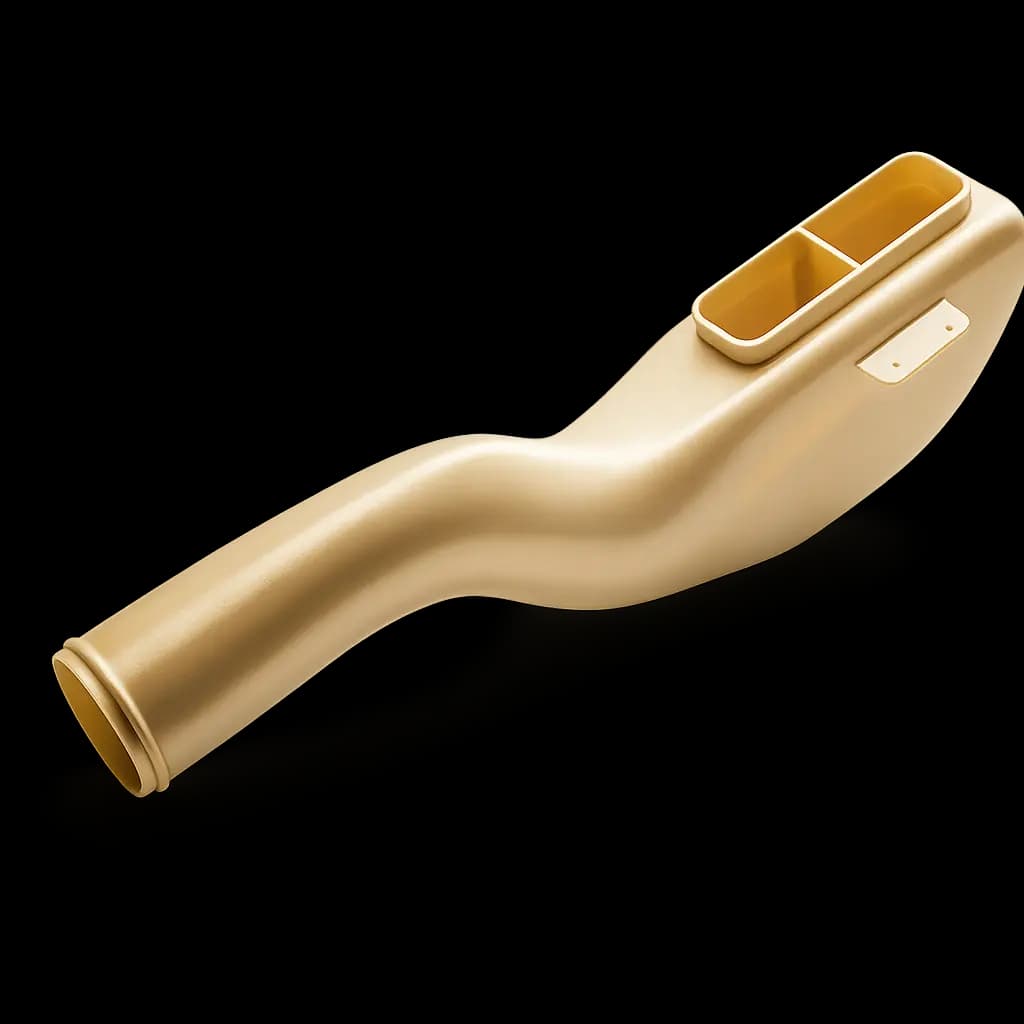
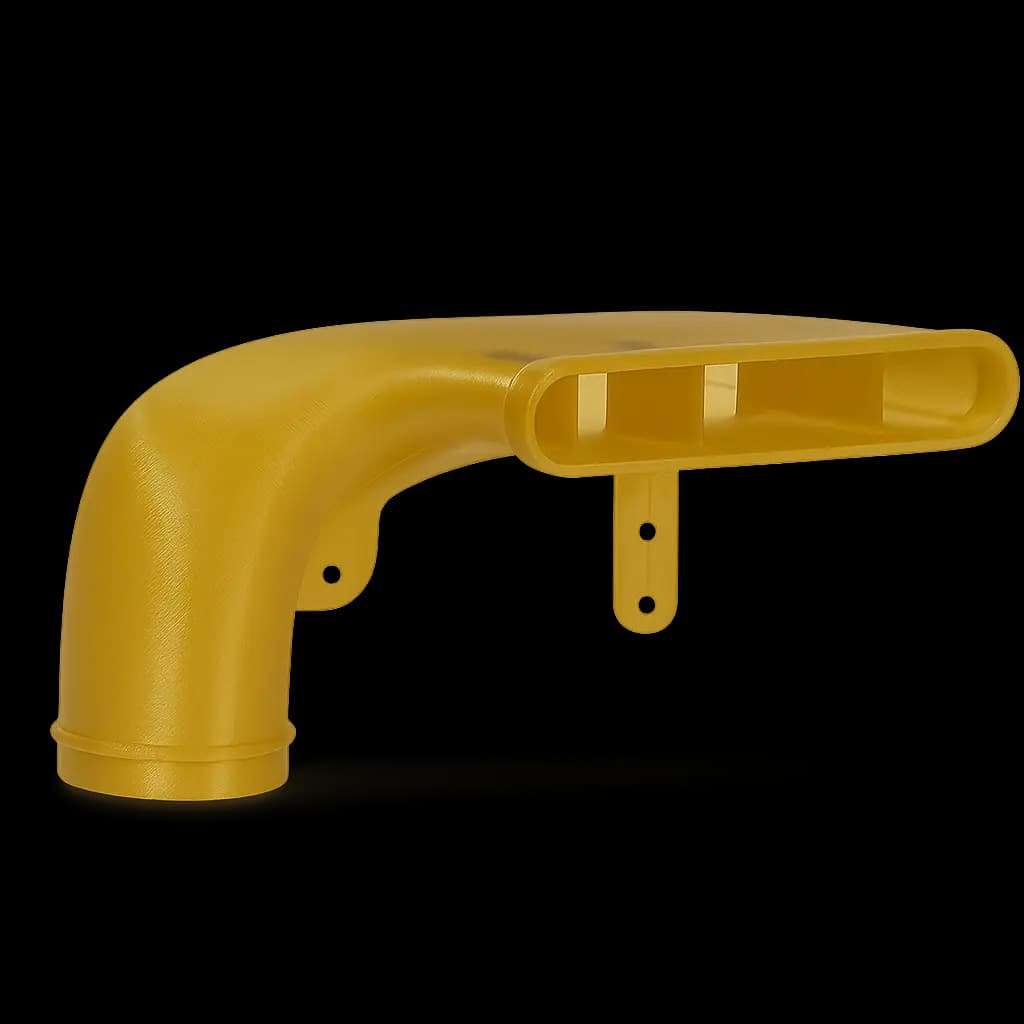
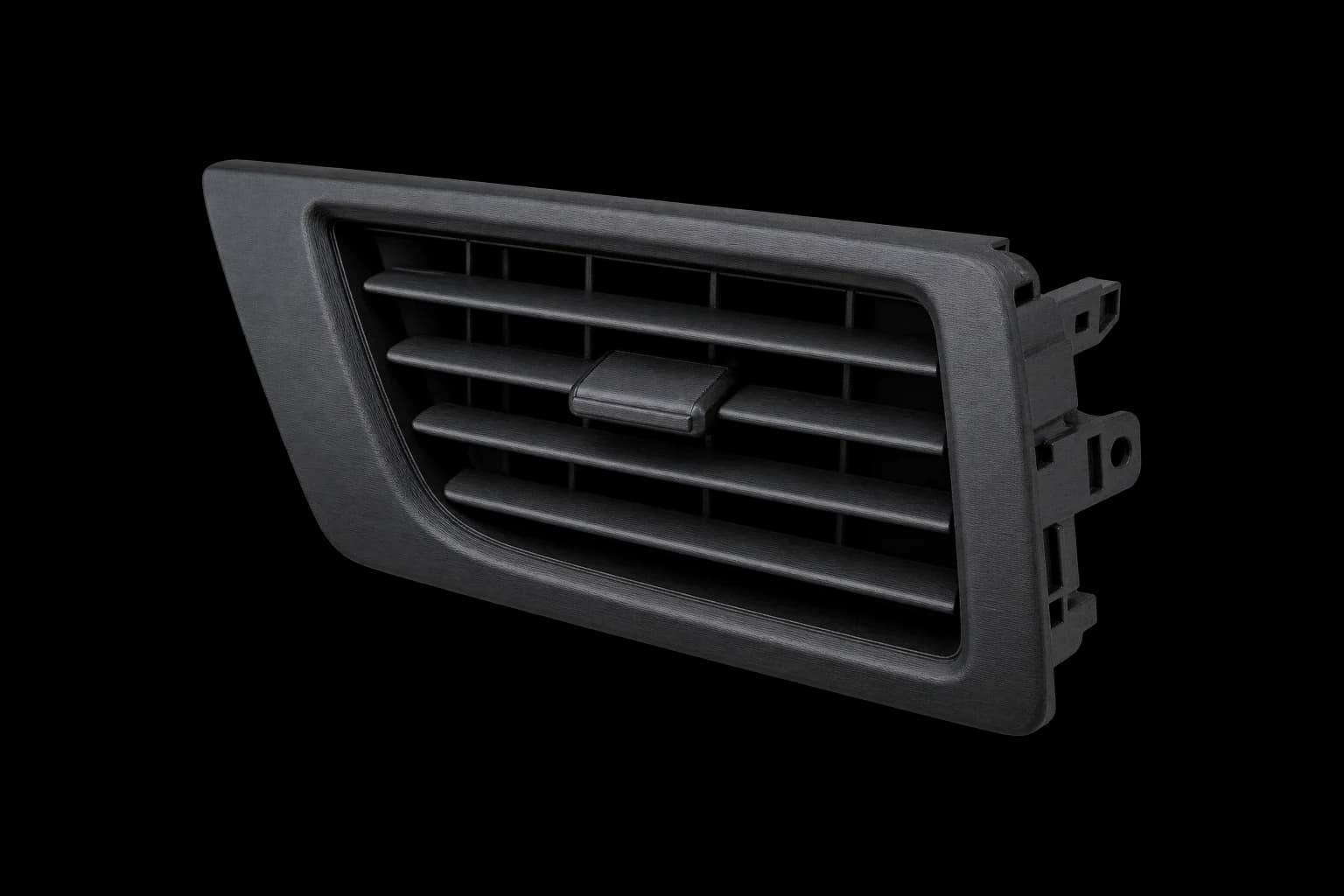
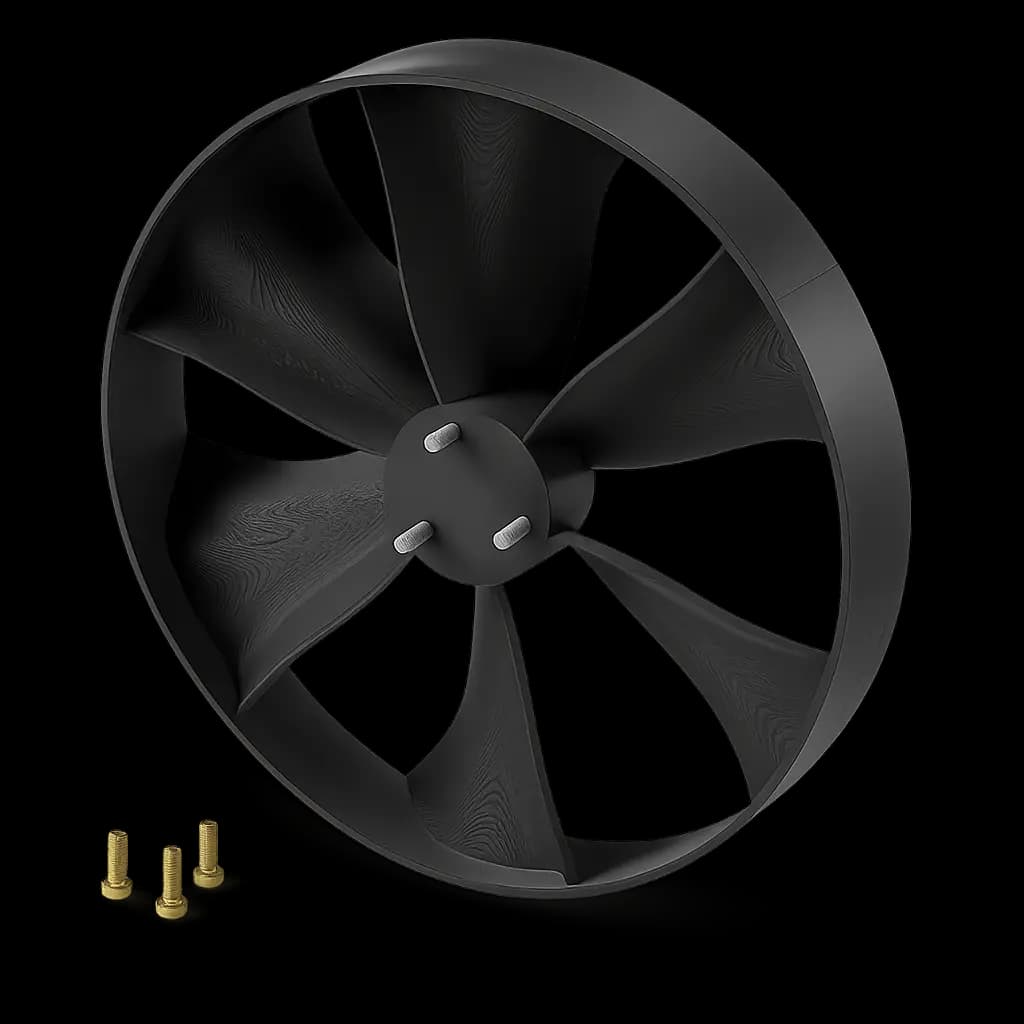
Aerospace and motorsport teams use it where low weight drives the design. Aerospace programs print lightweight tooling, UAV structural frames and ground support equipment, while racing teams iterate aerodynamic winglets and vanes, brake cooling ducts, structural brackets and custom driver controls, with design changes printed overnight between sessions. The same low weight suits film crews building lightweight structural props and rigid frames for hero props.
Industrial Automation
Flexure springs in small repeat lots, with the print recipe on the drawing and bores reamed to their limits.
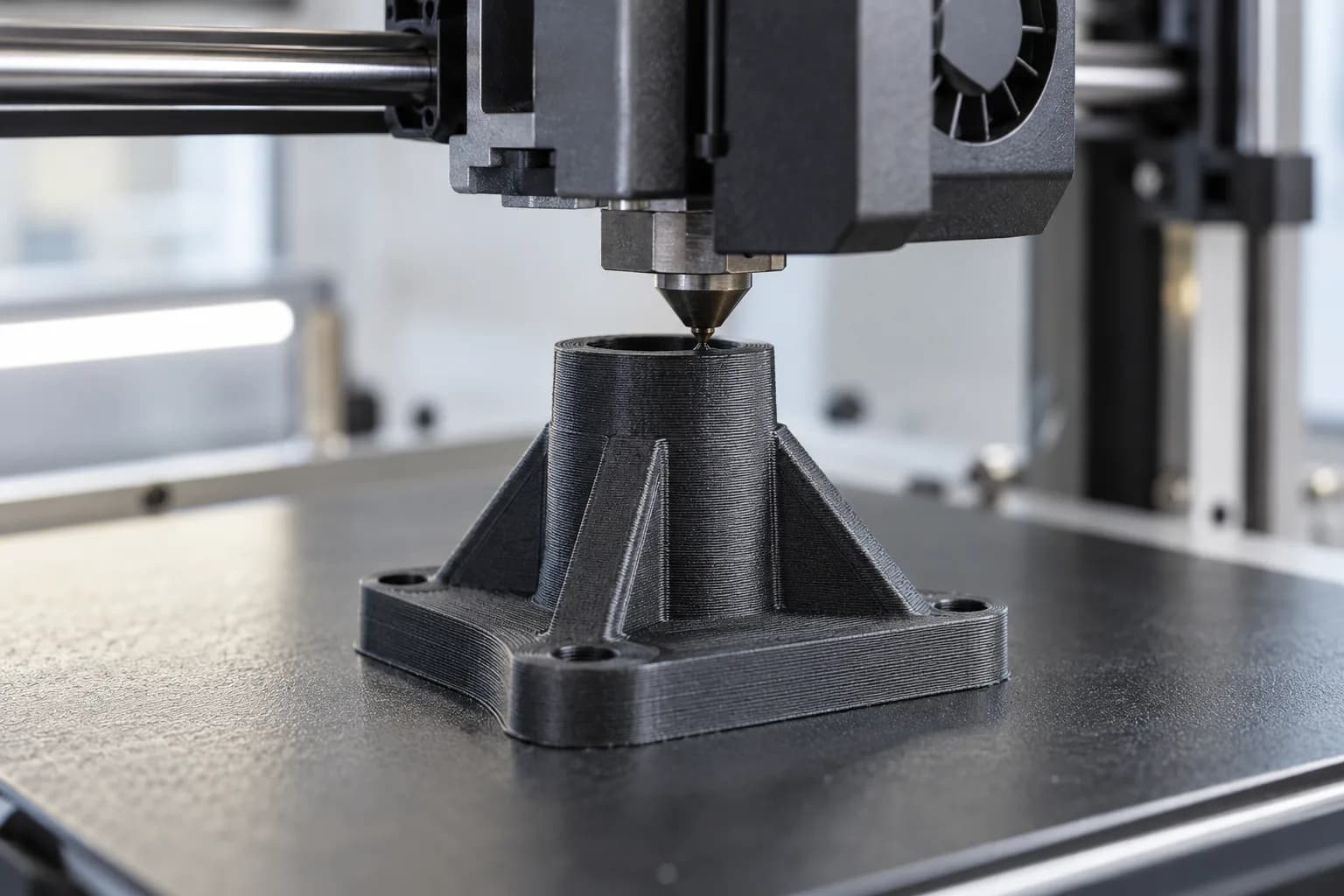
Robotics
Stiff, light grippers, end-of-arm structures and brackets at less than half the weight of aluminum.
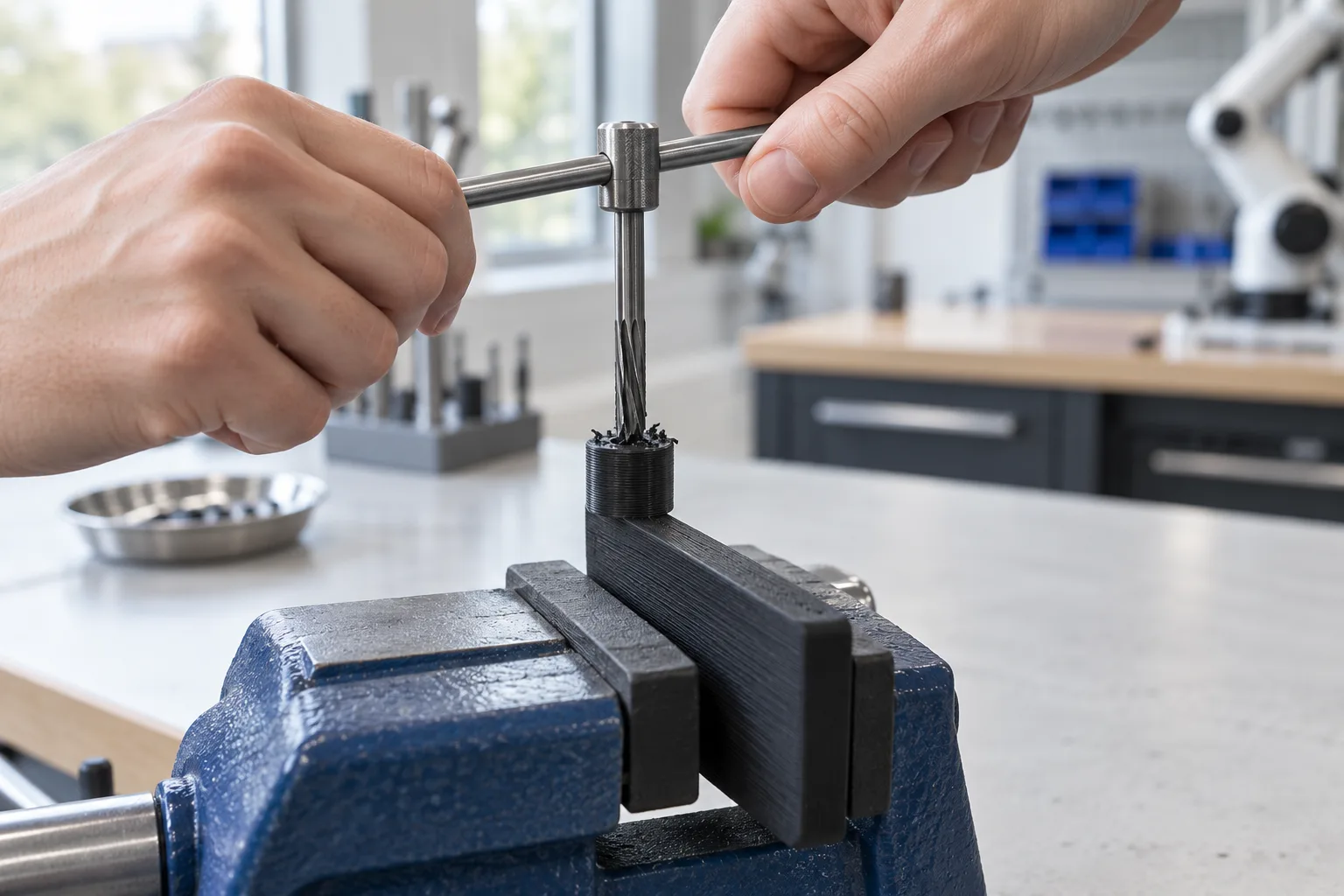
Automotive
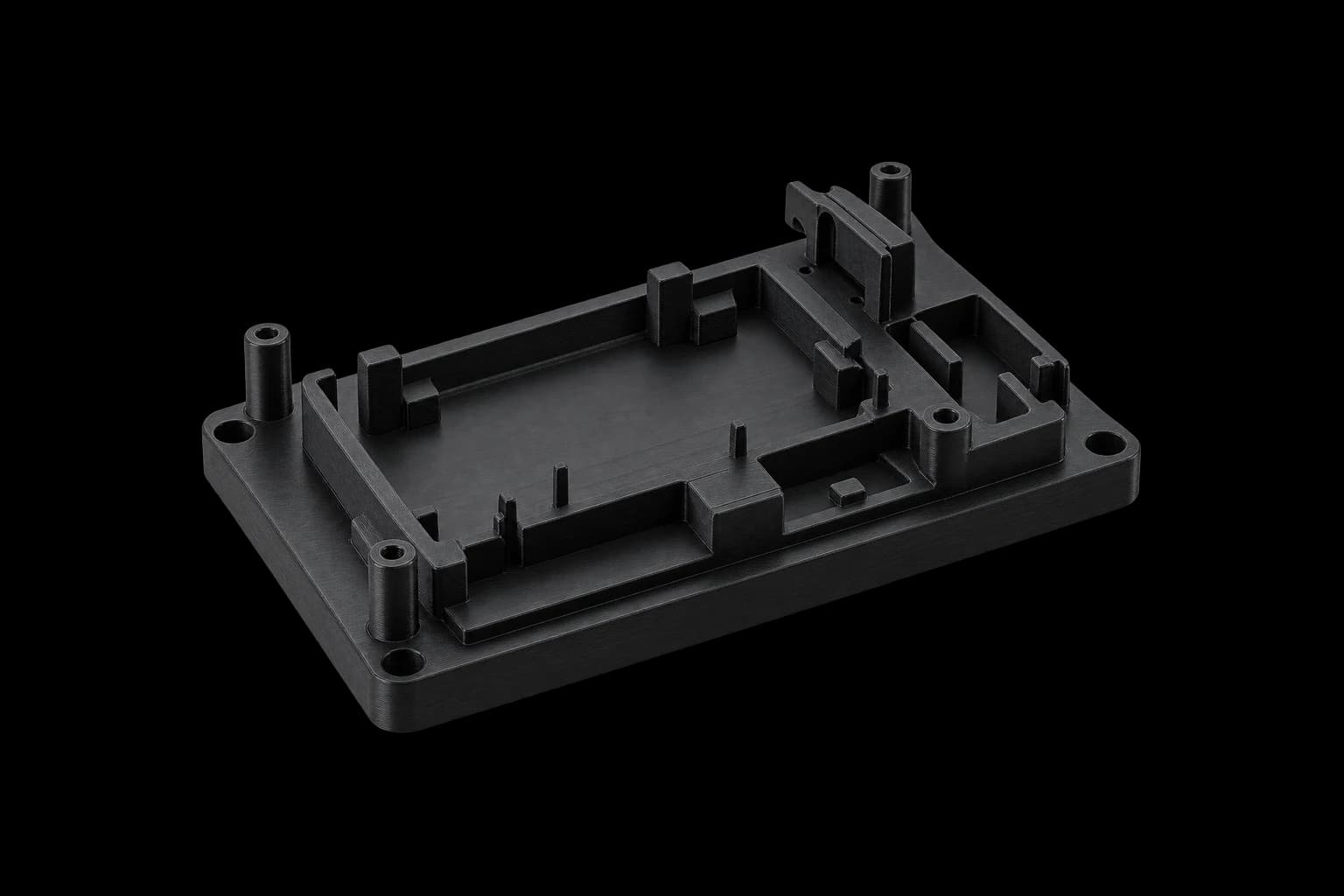
Drill guides, soft jaws and fixtures that locate parts precisely and hold their shape near heat.
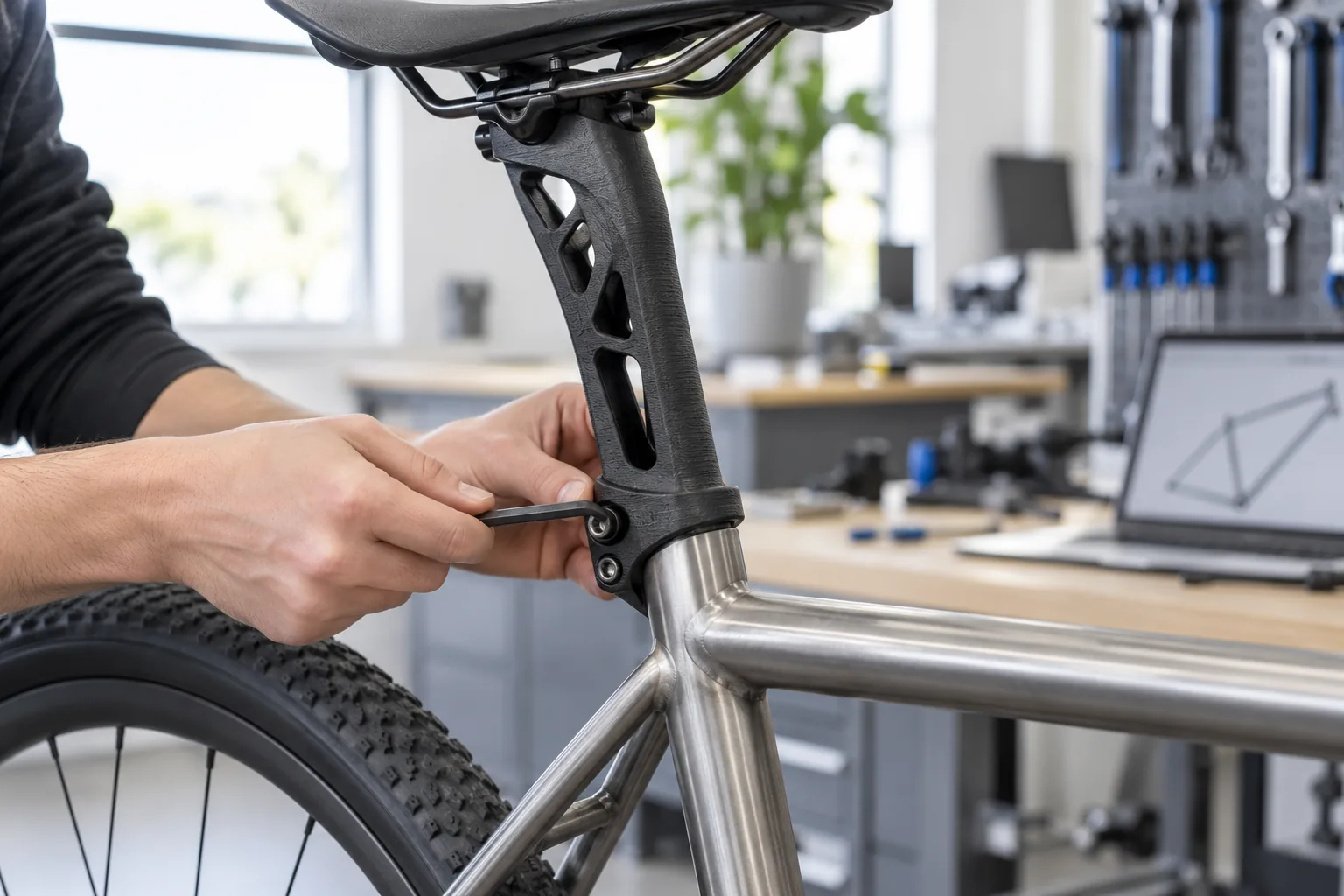
Industrial Design
Full-scale sports, outdoor and mobility prototypes with the structural performance for load testing.
Industrial Automation
Welding automation builders use carbon fiber nylon for flexure springs that combine a thin spring leaf with mounting bosses and through-bores, reordered in lots of a few to a few dozen with no tooling. Because the drawing fixes the recipe, from solid fill to the long edge on the bed, and the order names a hardened nozzle, every lot is set up and checked against the same specification. Critical bores print undersize and are reamed to their limits after a first article confirms shrinkage, and most dated lots in the program shipped one to two days early.
Robotics
Automation teams use PAHT-CF Carbon Fiber Nylon for gripper fingers and jaws, end-of-arm tooling structures and vision system brackets. Its low mass reduces inertia, so robot arms accelerate faster and cycle times drop. At a density of 1.06 g/cm³, an end effector weighs less than half as much as the same part in aluminum.
Automotive
Vehicle and electric motor lines use PAHT-CF Carbon Fiber Nylon for drill guides, soft jaws and assembly fixtures, where stiffness is critical for precisely locating the workpiece. Printed tools replace heavier machined tooling and hold their shape under a 1.8 MPa load up to 170 °C, so fixtures near hot processes stay accurate.
Industrial Design
Product teams print full-scale prototypes of sports equipment, outdoor gear and mobility products in PAHT-CF Carbon Fiber Nylon, because it gives them the structural performance for load testing and real-world validation. Bicycle components and brackets, equipment handles and grips, and performance measurement housings print in the same composite, and parts larger than the build envelope are sectioned and assembled with integrated joinery.
Values from the Bambu Lab PAHT-CF technical data sheet, tested to the standard listed with each property on bars printed at 100% infill, then annealed and dried at 80 °C for 12 hours.
Mechanical performance
PAHT-CF Carbon Fiber Nylon delivers high tensile strength and rigidity for aerospace brackets and mounts, automotive structural parts and robotic end-of-arm tooling, so prototypes are tested in the same material that goes to production.
FDM parts are strongest along their layers, and the carbon fiber makes the difference larger than in unfilled nylon. X-Y values come from specimens printed along the build plate and Z values from upright specimens loaded across the layers, so orient loaded features along the build plane and size parts against the Z figures. Elongation at break is low, so size flexing features such as spring leaves for small deflections.
Material makeup
Low density keeps parts light, and low moisture absorption, 0.88% at saturation, keeps them dimensionally stable in humid service. The carbon fiber content gives the material its stiffness and its black color.
Heat performance
Heat deflection is measured at two loads, and both sit far above the glass transition temperature, so parts keep their shape under load well above room temperature. Parts are annealed after printing, which raises crystallinity, heat resistance and dimensional stability.
The Vicat softening and melting temperatures mark where the material softens and melts, so size loaded parts for their real service temperature against the heat deflection values.
Compatibility data
PAHT-CF resists most oils and greases, which suits fixtures and brackets around machinery and vehicles. Acids, alkalis and some organic solvents attack it, so keep it away from cleaning chemicals and process fluids in those groups.
Chemical ratings are screening guidance; confirm them with application-specific testing before production release.
Compliance
Black PAHT-CF meets the EU RoHS directive, including the 2015/863 amendment, tested against the Annex II restricted-substance limits.
Datasheets, design guidance and supplier documentation for PAHT-CF Carbon Fiber Nylon.
Access the most recent datasheet and supporting documentation maintained by our engineering team.
PAHT-CF Carbon Fiber Nylon datasheetExplore printable geometry recommendations, wall thickness tips, and finishing playbooks for FDM.
View FDM design guideSupplier declarations and test statements for this material.
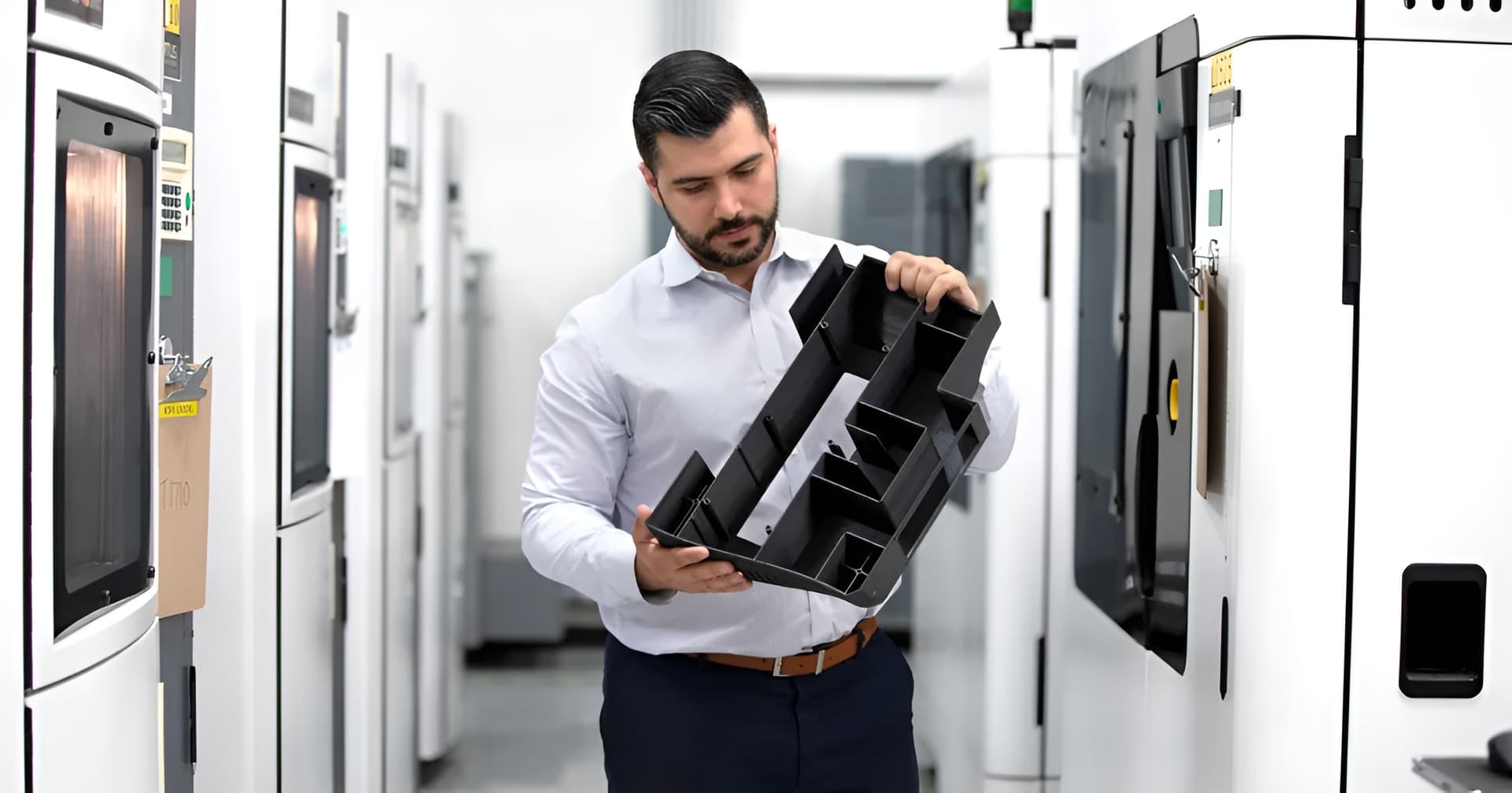
PAHT-CF Carbon Fiber Nylon is manufactured using Fused Deposition Modeling (FDM) technology, offering reliable performance for functional prototypes and end-use parts. Heated build chambers and qualified material profiles keep layer adhesion and mechanical integrity consistent from build to build.
Can't find the answer you're looking for? Reach out to our customer support team.
Upload your design and get a quote for PAHT-CF Carbon Fiber Nylon parts from our engineers.
Create an account to upload CAD
STEP, STL, OBJ, 3MF and IGES supported