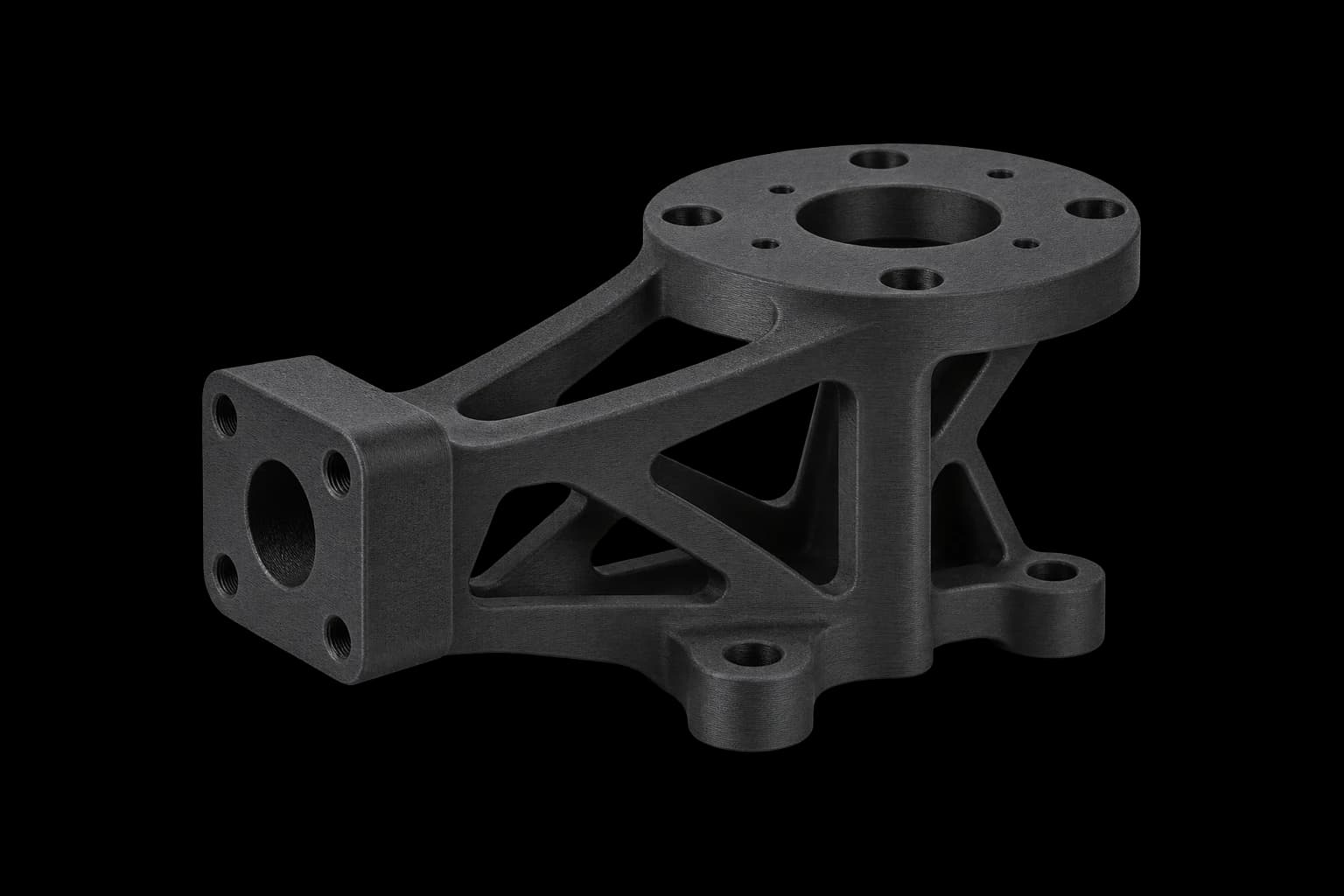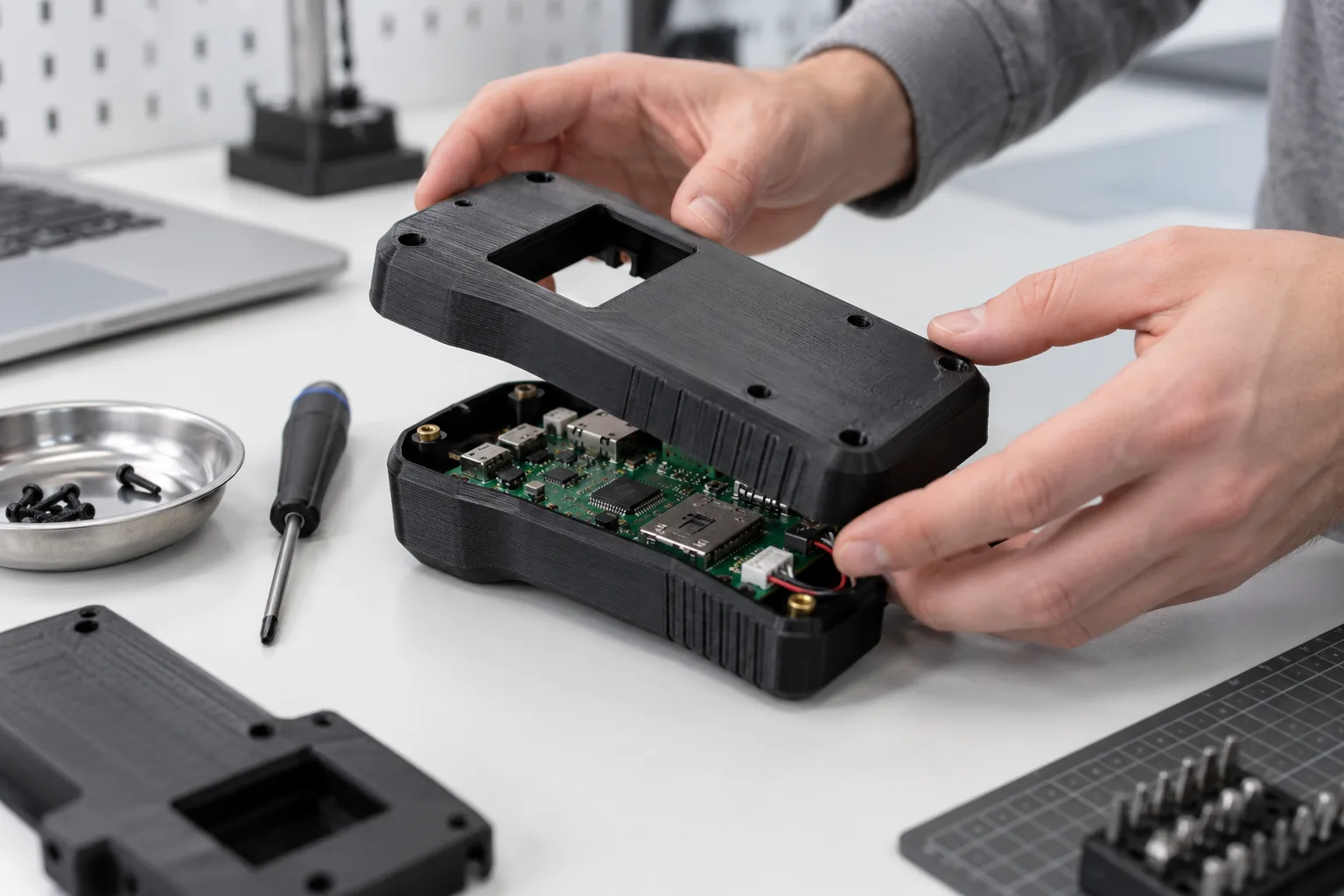
Consumer Electronics
Electronic Housings & Handheld Devices
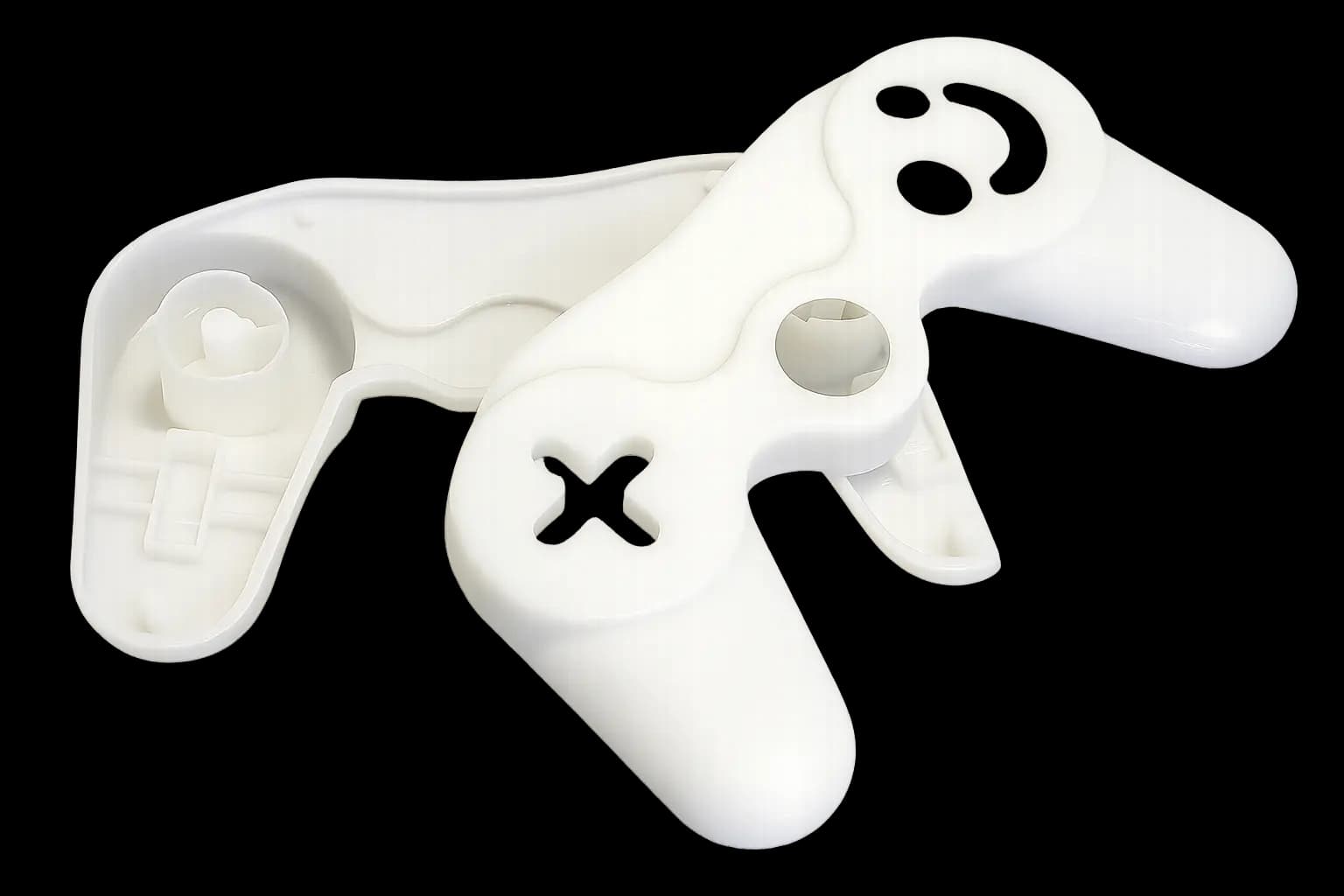
Paintable, impact-resistant housings for handheld products and peripherals.
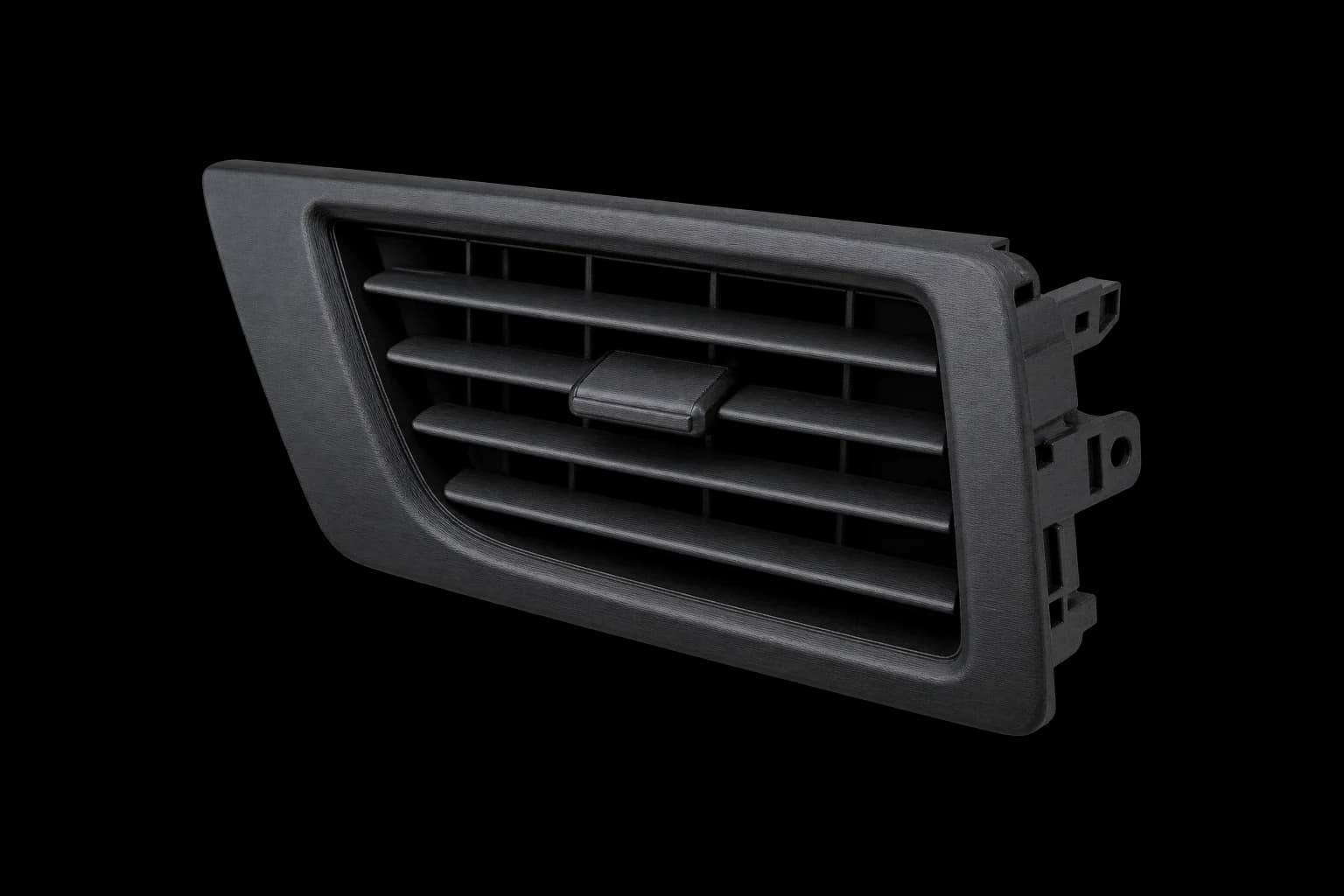
PC-ABS is a blend of polycarbonate and ABS, 3D printed by FDM, for tough parts that need a clean, paintable finish. It is far tougher than standard ABS, handles more heat and stays tough in the cold. Its surface is smoother than straight polycarbonate, so parts need less finishing before painting or plating. Teams use it for electronics housings, car interior trim, equipment enclosures and jigs and fixtures, and as an affordable choice for low-volume production parts. Triton PC/ABS is 3DXTECH's PC/ABS for Stratasys printers, for black housings, functional prototypes and tooling. It is tough rather than brittle and shrinks little and evenly, so parts keep their size and stay tough in warm service.
Also available in Stratasys PC-ABS.
How PC-ABS is manufactured
PC-ABS is manufactured using Fused Deposition Modeling (FDM), building parts layer by layer from engineering-grade filament on industrial Stratasys Fortus systems. Soluble support material dissolves away after printing, so complex geometries and internal features come out clean. This makes PC-ABS a scalable option for functional prototypes, jigs and fixtures, and bridge-to-production and low-volume end-use parts, with no tooling.
Upload CAD files to Forge Labs Steam for instant PC-ABS pricing and live manufacturability feedback, and fix issues before production.
Upload CAD files to Forge Labs Steam for instant PC-ABS pricing and live manufacturability feedback, and fix issues before production.



PC-ABS blends the impact resistance and heat deflection of polycarbonate with the surface quality and processability of ABS, creating an ideal material for functional prototypes and production parts. This engineered blend delivers the best of both materials without the processing challenges of pure PC. Teams use it for products that balance performance, aesthetics and cost, from consumer electronics to automotive interiors.
The material's excellent surface finish and dimensional stability make it perfect for parts requiring both aesthetics and functionality. Its heat deflection sits between ABS-M30 and polycarbonate and its notched impact strength is about 2.4 times that of ABS-M30, so PC-ABS bridges the gap between standard ABS and engineering-grade polycarbonate.
From rapid prototyping to production runs, teams rely on PC-ABS to maintain tight tolerances while reducing assembly complexity through consolidated part designs. Forge Labs' optimized print parameters ensure consistent material properties across builds, critical for multi-part assemblies.
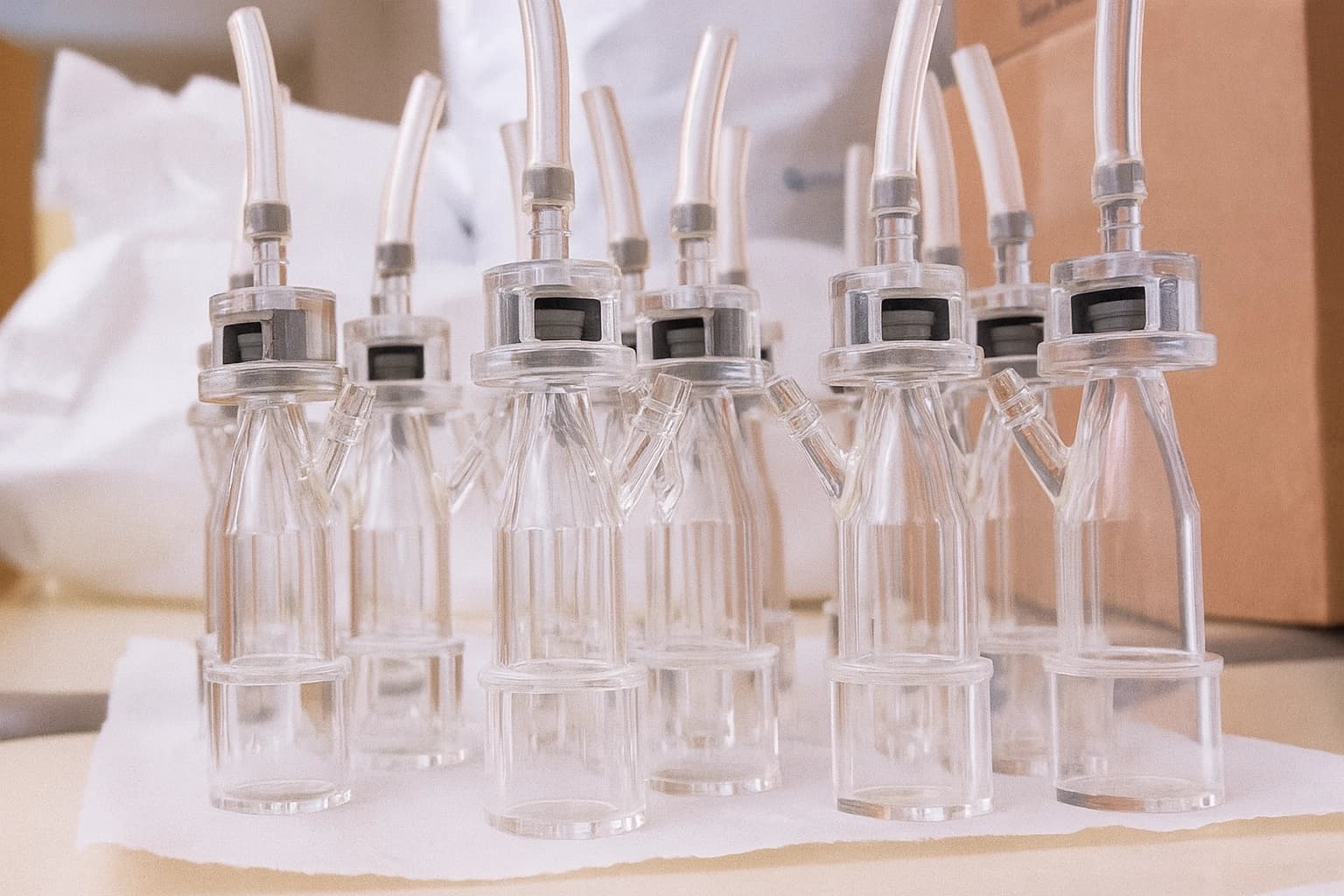
Medical equipment makers use it for portable diagnostic device housings, cart components, control panels and protective covers, where a smooth surface that wipes down and stands up to short-term contact with alcohol keeps equipment clean.
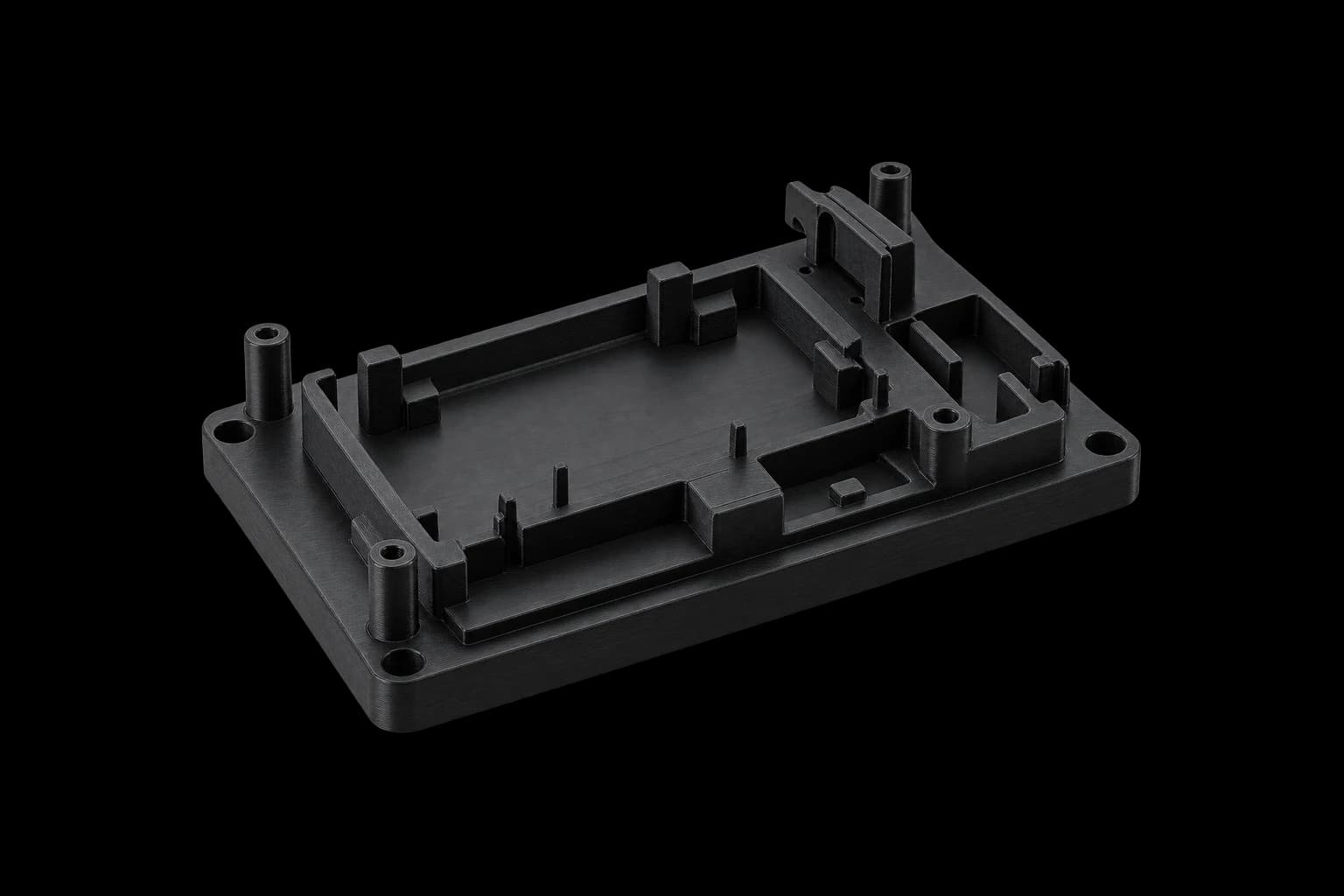
Consumer Electronics
Paintable, impact-resistant housings for handheld products and peripherals.
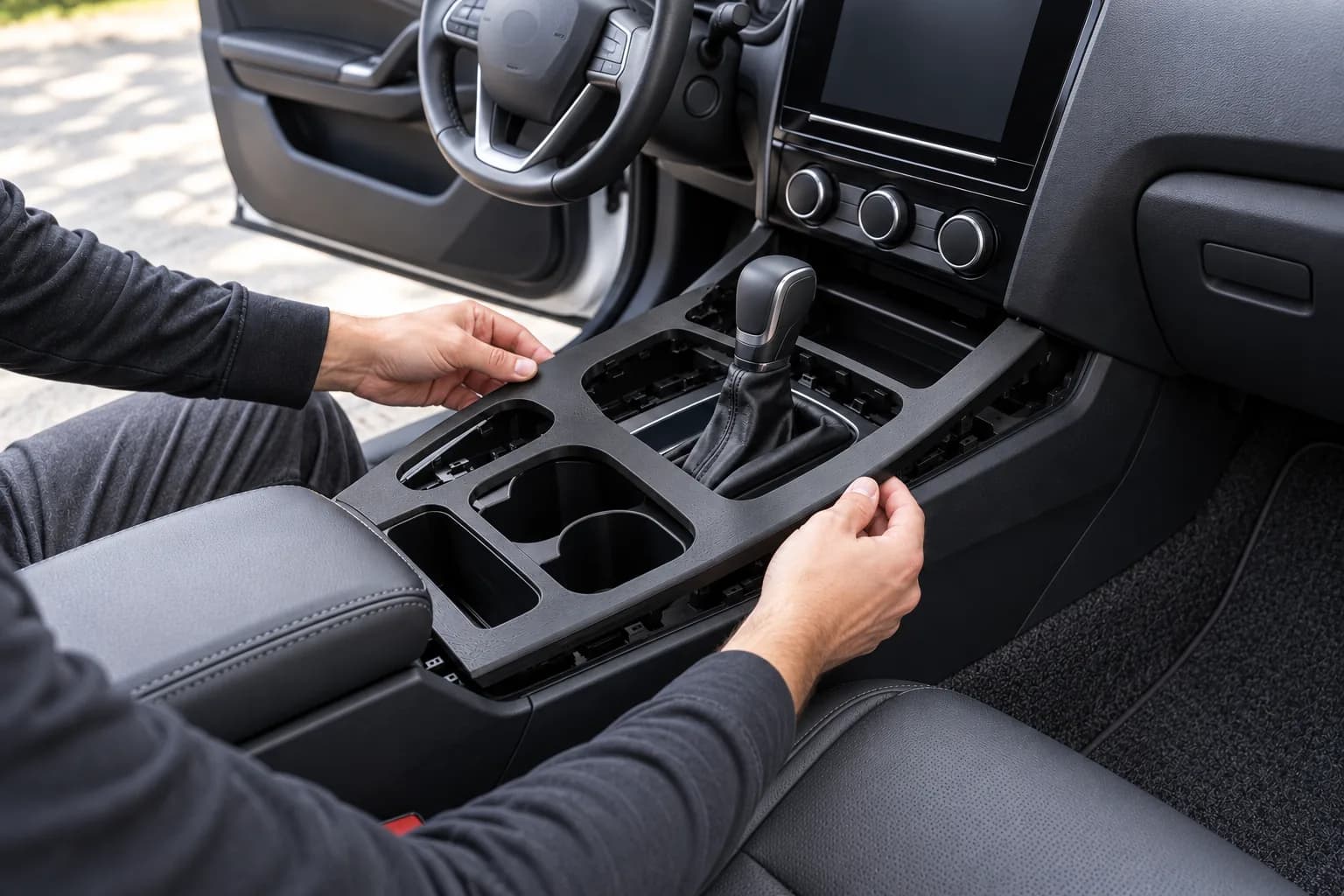
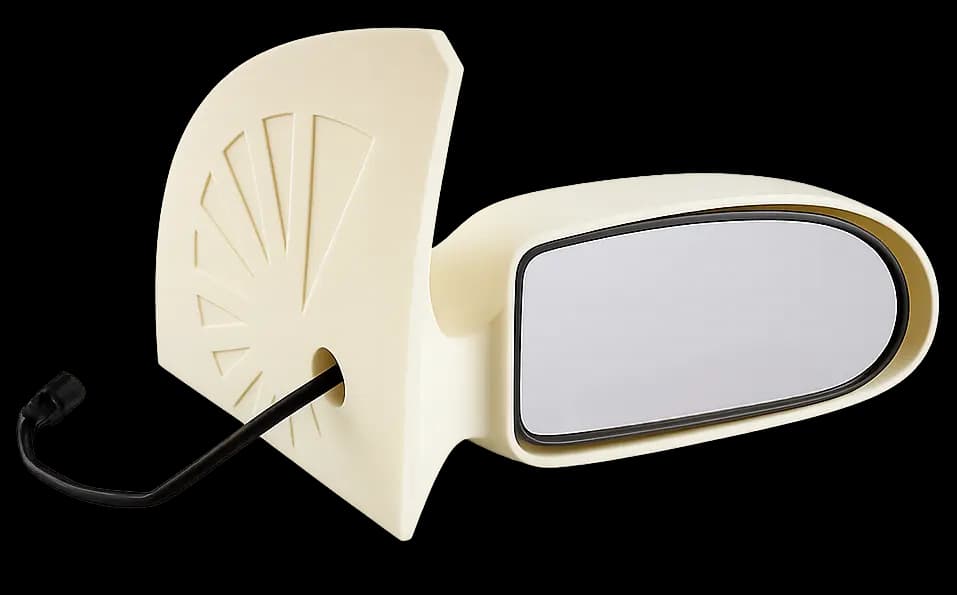
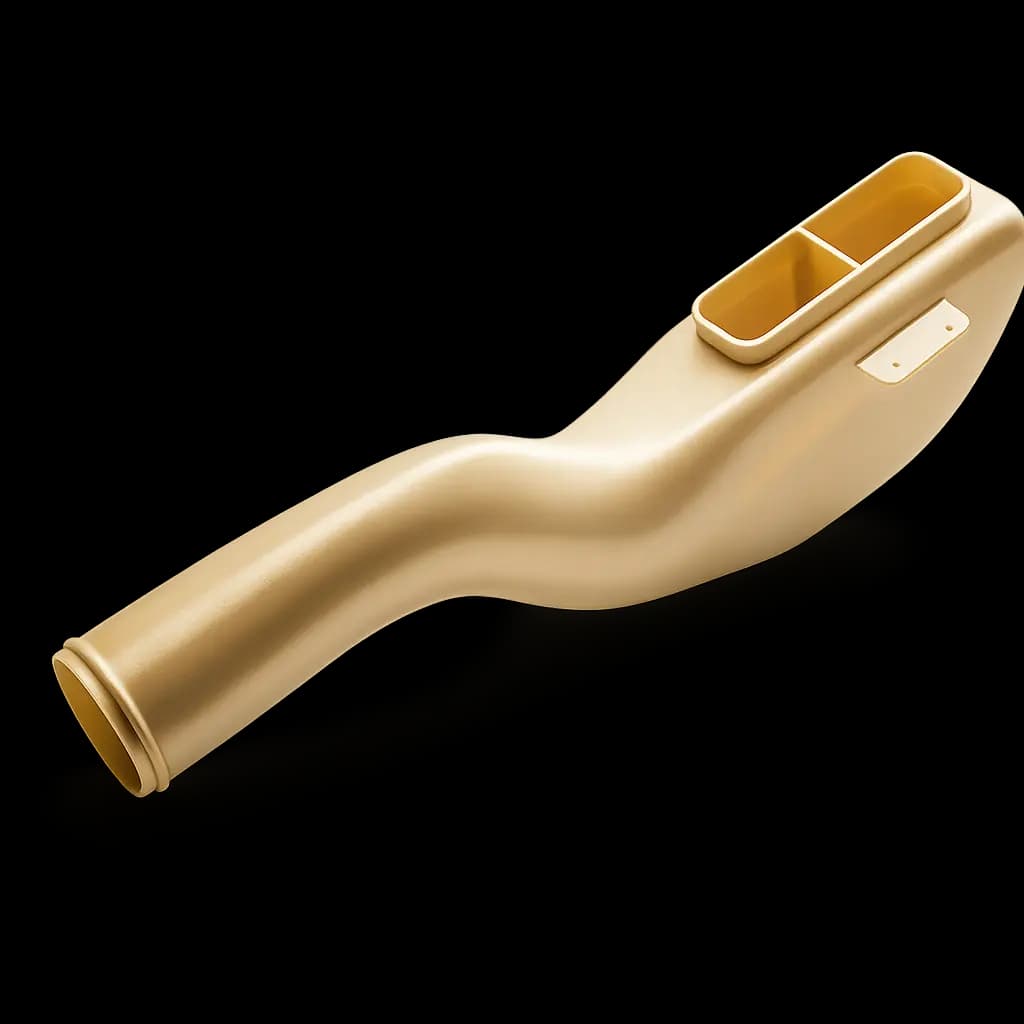
Automotive
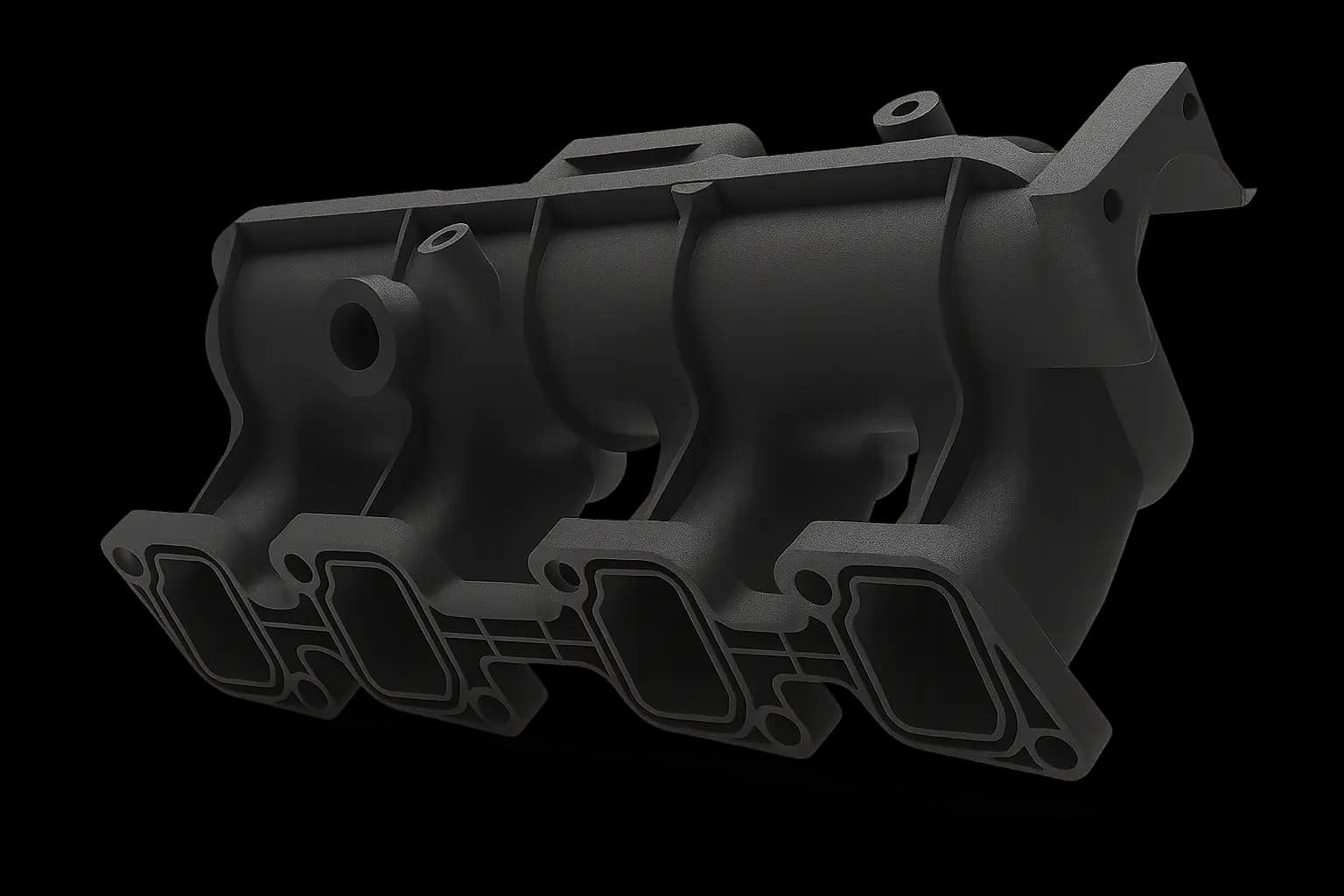
Console trim, vents, controls and bezels that hold up to cabin heat.
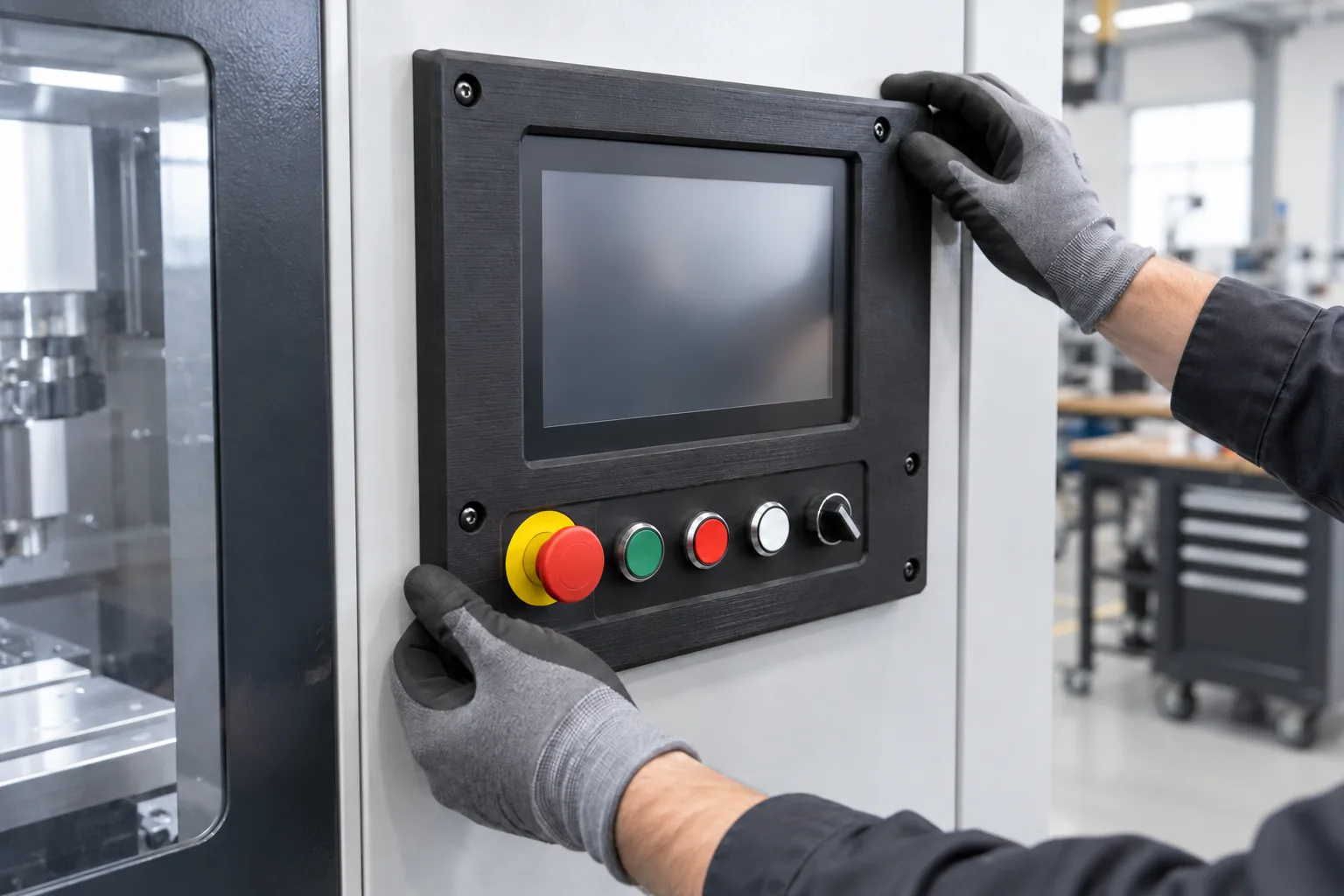
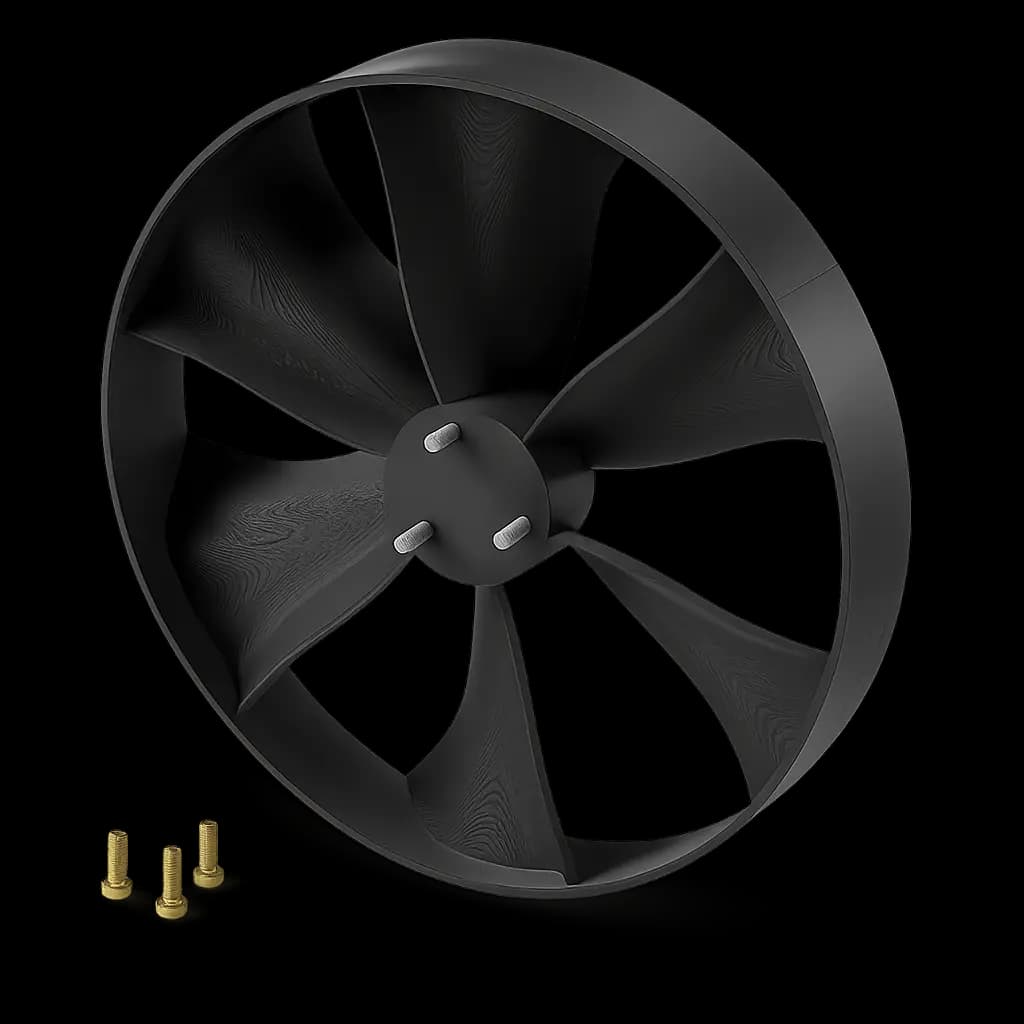
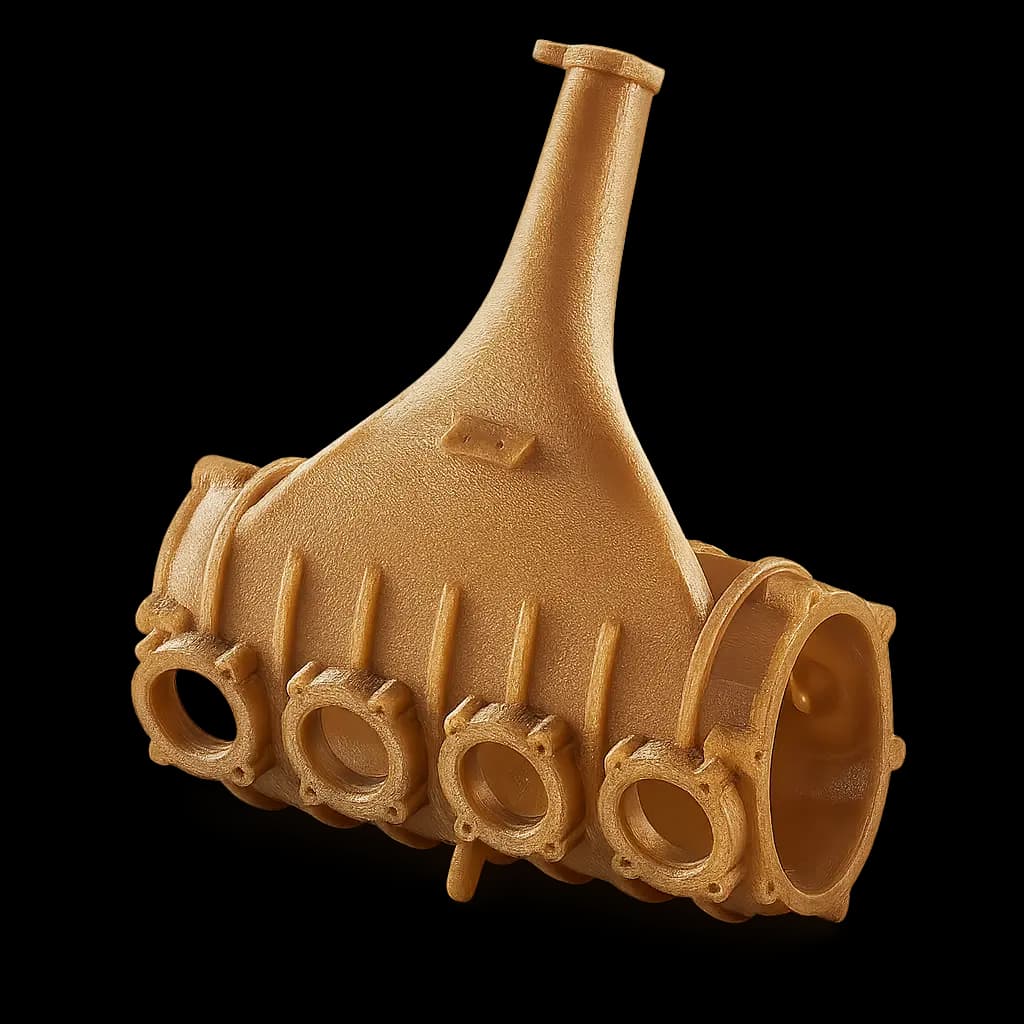
Industrial Equipment
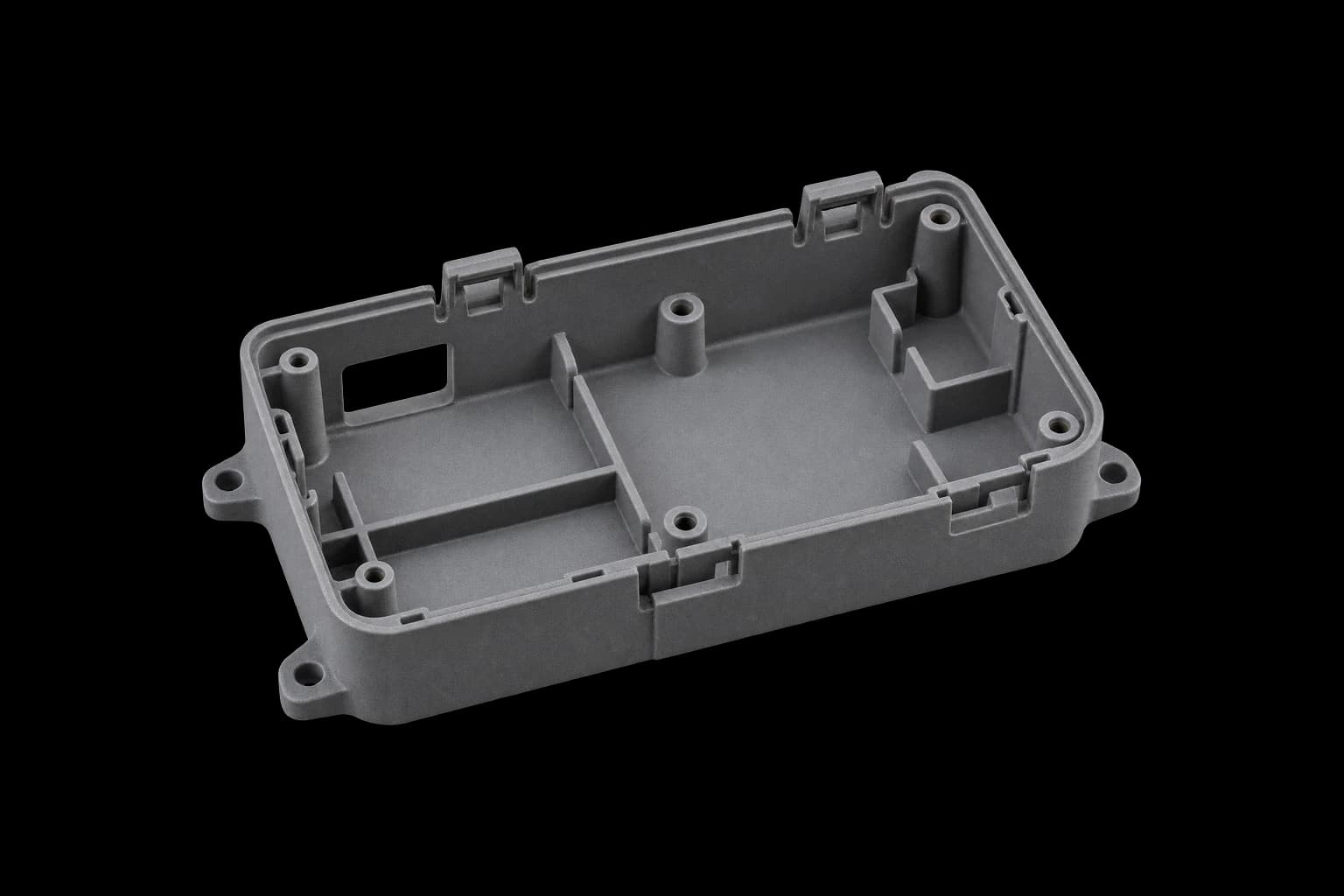
Impact-resistant control housings and enclosures, reordered from the same files.
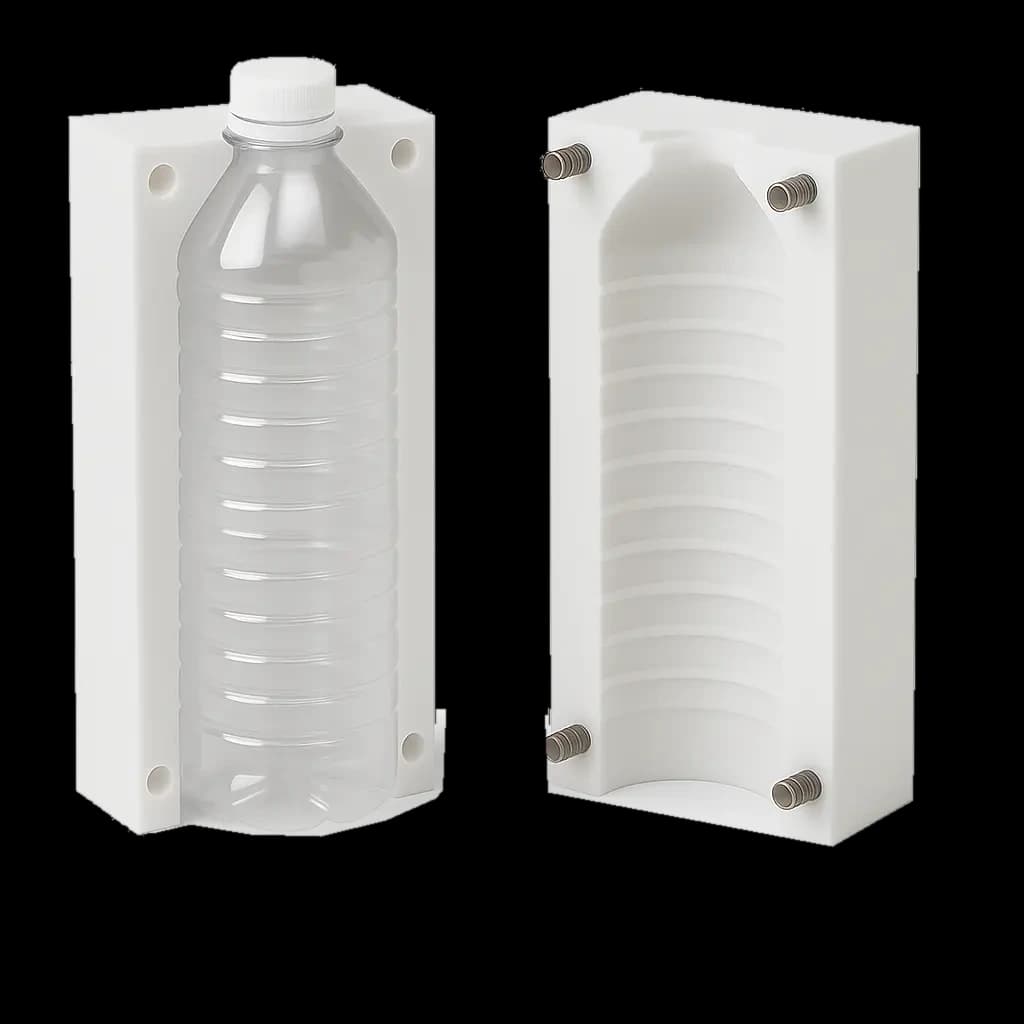
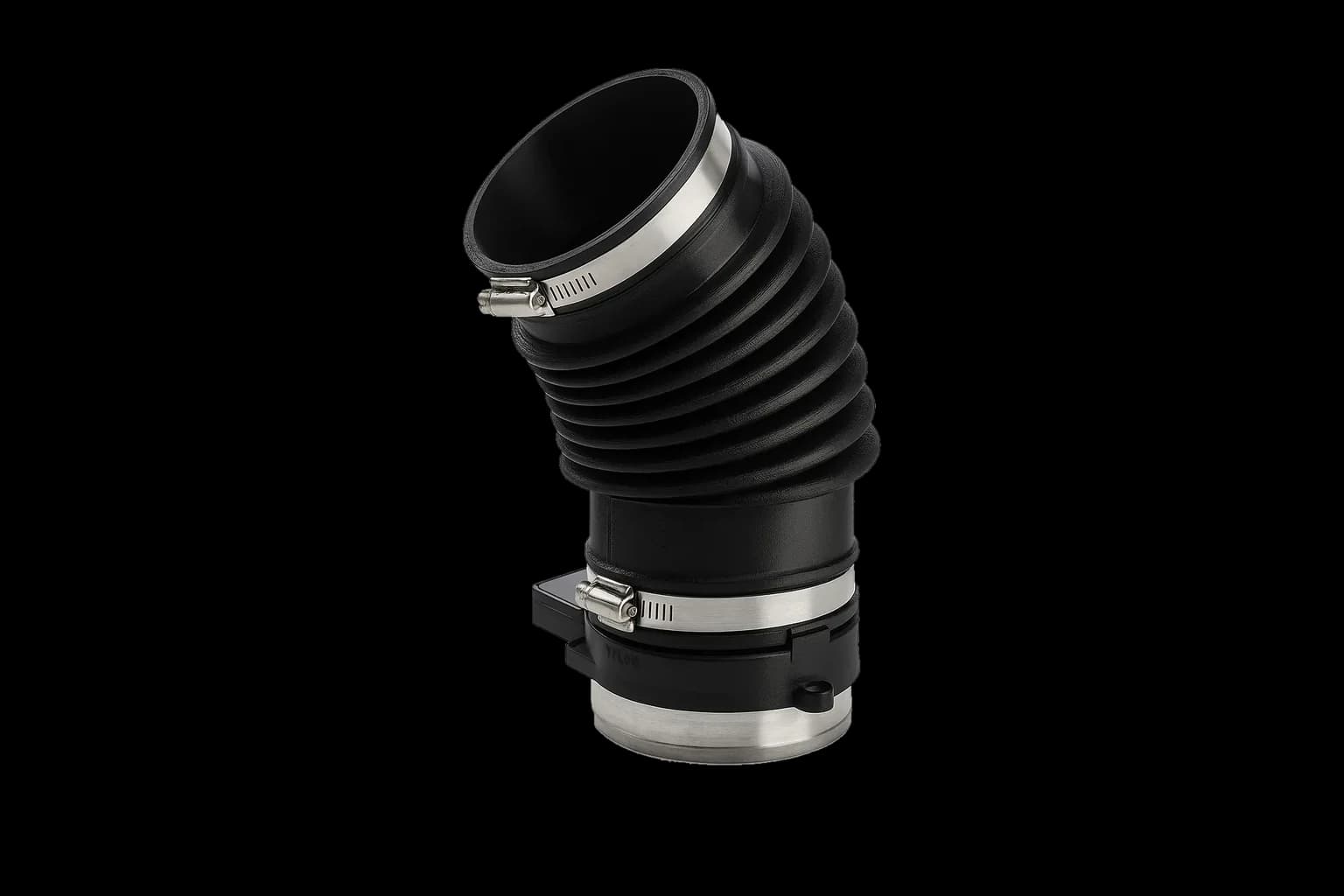
Robotics
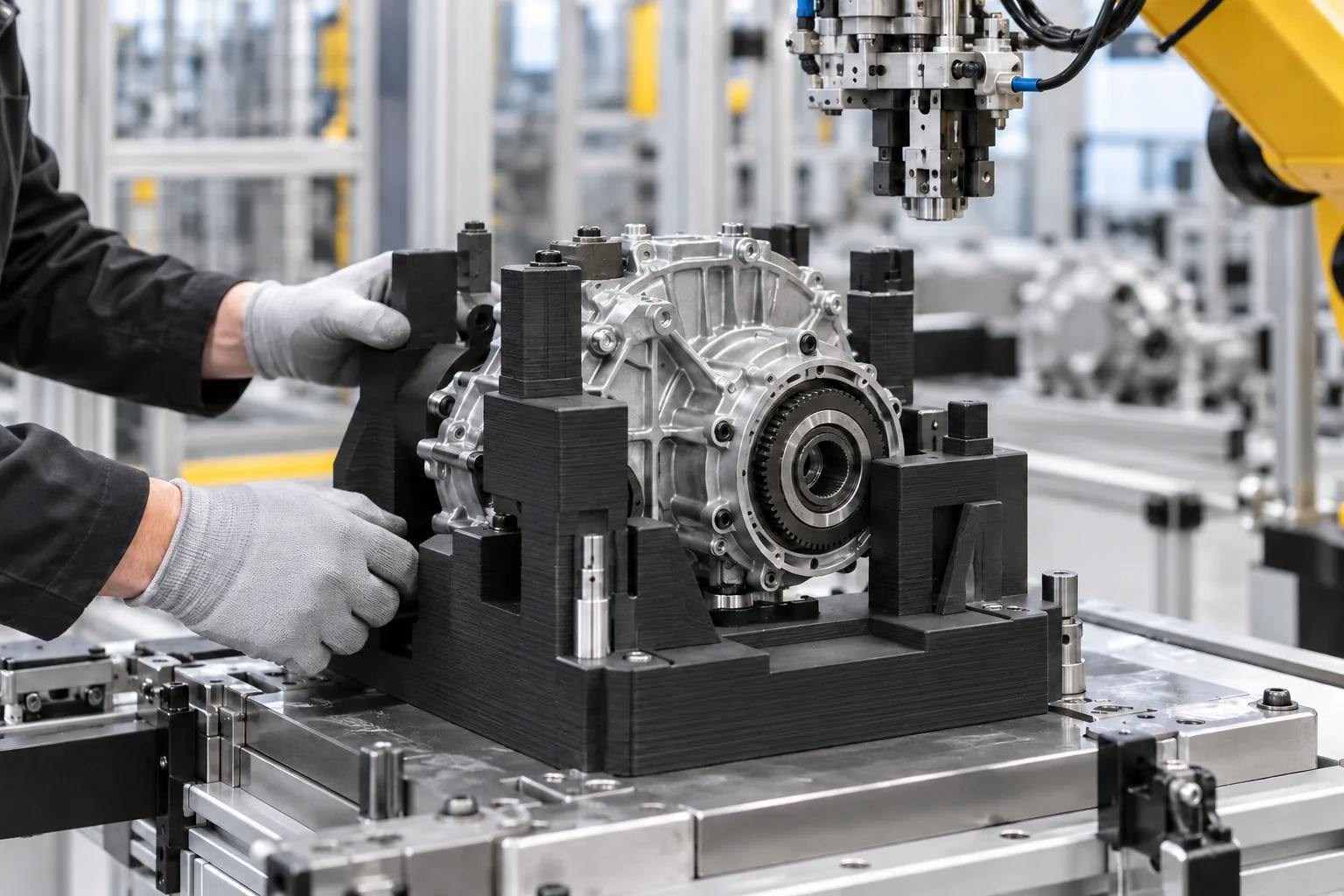
Assembly jigs, test fixtures and bridge tooling made without a mould.
Consumer Electronics
Product teams use PC-ABS for smartphone and tablet prototypes, computer peripheral and audio enclosures, and wearable device components. Its smooth surface accepts painting and texturing while the blend protects the electronics inside from knocks. On one handheld power tool with built-in electronics, FDM enclosure prototypes in ABS and ASA were printed with the shell, ribs and mounting features together and turned around in two days, and the team reported development moving ten times faster.
Automotive
Automotive teams use PC-ABS for centre console trim, HVAC vents and controls, door panel inserts and handles, and instrument cluster bezels, where parts need heat resistance and a surface fit for interior finishes. Printed on edge or upright, it has a heat deflection temperature of 112 °C at 1.82 MPa, so trim and vent prototypes keep their shape in a warm cabin.
Industrial Equipment
Equipment builders use PC-ABS for control panel housings and bezels, machine interface components, protective equipment covers and handheld tool housings that need impact protection and a professional finish, and clean tech teams use it for tough enclosures and covers on power and energy equipment. Released drawings can specify the material, layer height, fill and build direction, and repeat lots print from the same files, so covers arrive for each assembly batch without a mould. PC-ABS stands up to short-term contact with petroleum greases and engine coolant.
Robotics
Robotics and automation teams use printed tooling to build and test their machines: Forge Labs makes gear-clocking fixtures, FDM assembly jigs and torque-gauge fixtures for actuator testing. Colour options, surface finish and mechanical properties make PC-ABS a strong tooling material and an affordable alternative to higher-cost thermoplastics for bridge-to-production and low-volume parts. Printed upright, it reaches a compressive yield strength of 172 MPa.
Values from the Triton PC/ABS datasheet, printed flat (XY) and tested to the ISO standard listed with each property.
Mechanical performance
Triton PC/ABS delivers the balanced strength and stiffness of the PC-ABS blend for functional prototypes, housings and tooling.
Triton tested flat (XY) samples to ISO standards on a Fortus 400mc at 0.33 mm layers, so its figures are not directly comparable with the Stratasys ASTM values printed on the F900.
Material makeup
Triton publishes density for its PC/ABS, measured to ISO 1183; parts stay lightweight yet durable, with the low, near-isotropic shrinkage Triton reports for the blend.
Heat performance
Triton reports glass transition by DSC and heat deflection at 0.45 MPa on flat samples, a guide to how the blend holds its shape in warm environments.
Functional performance
Triton reports surface resistance for its PC/ABS, confirming it as an electrical insulator for housings and insulating features.
Compatibility data
Triton does not publish chemical ratings for its PC/ABS; the table shows the Stratasys PC-ABS class ratings as a guide to the blend.
Chemical ratings are screening guidance; confirm them with application-specific testing before production release.
Datasheets, design guidance and supplier documentation for PC-ABS.
Access the most recent datasheet and supporting documentation maintained by our engineering team.
Triton PC/ABS datasheetExplore printable geometry recommendations, wall thickness tips, and finishing playbooks for FDM.
View FDM design guide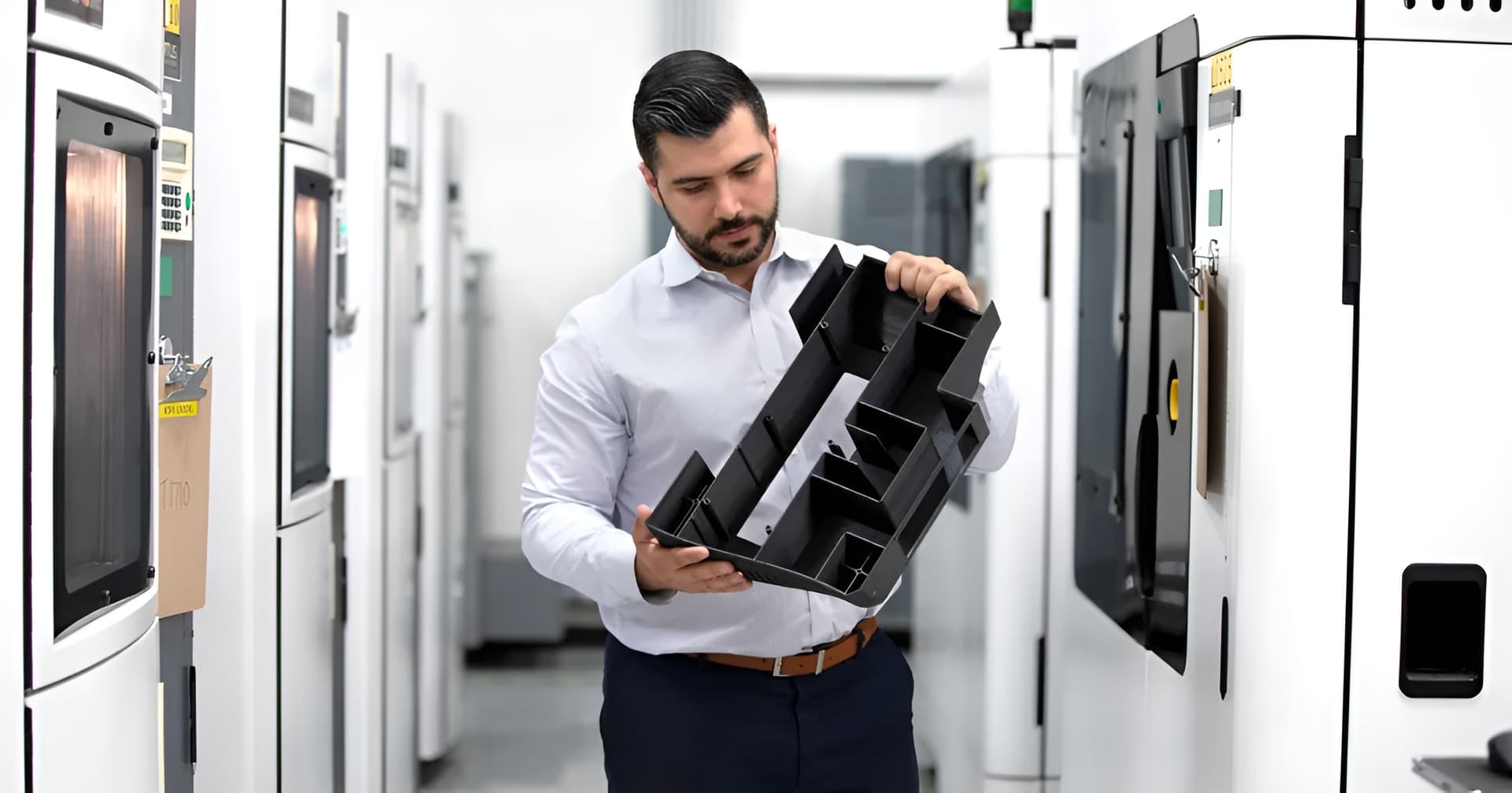
PC-ABS is manufactured using Fused Deposition Modeling (FDM) technology, offering reliable performance for functional prototypes and end-use parts. It runs on industrial FDM platforms with heated chambers and qualified material profiles for consistent layer adhesion and mechanical integrity.
Can't find the answer you're looking for? Reach out to our customer support team.
Upload your design and get an instant quote for PC-ABS parts.
Create an account to upload CAD
STEP, STL, OBJ, 3MF and IGES supported