Robotics & Automation
Machine Guards & Safety Windows
Guards and safety windows that absorb more than 20 times the impact energy of acrylic.
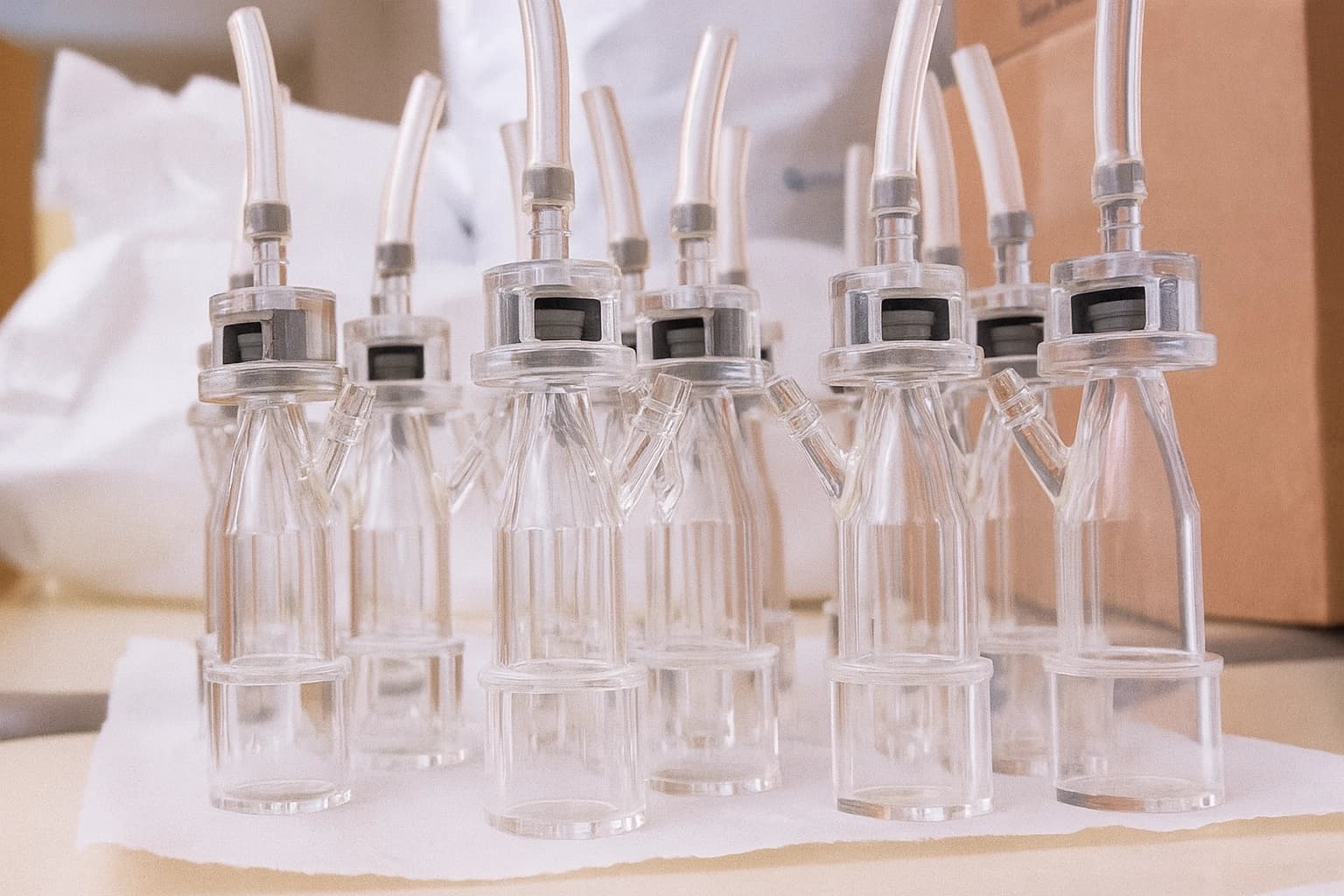
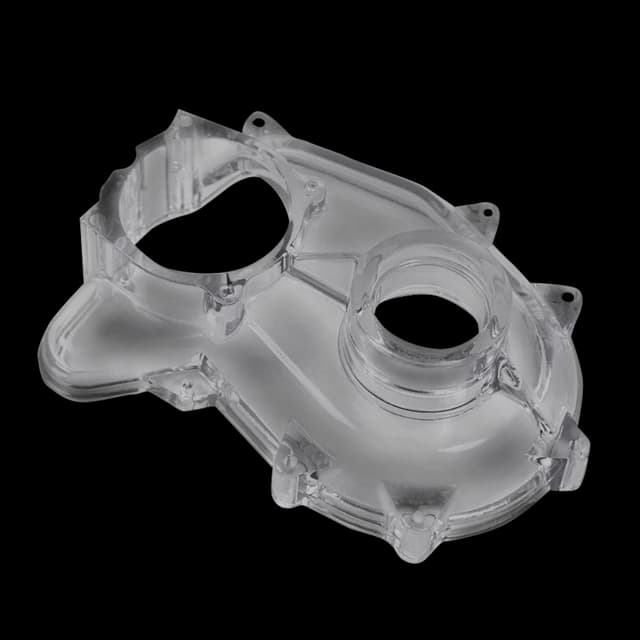
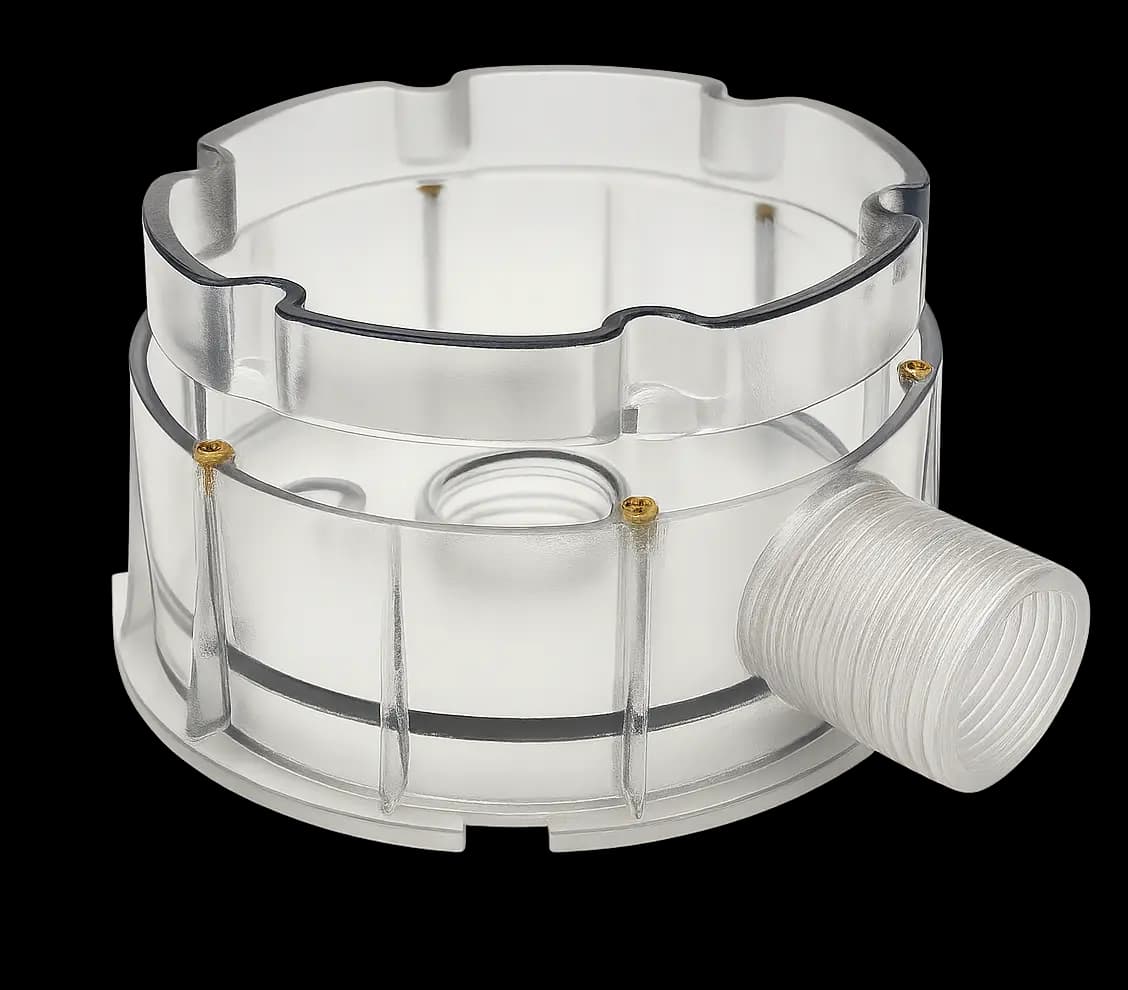
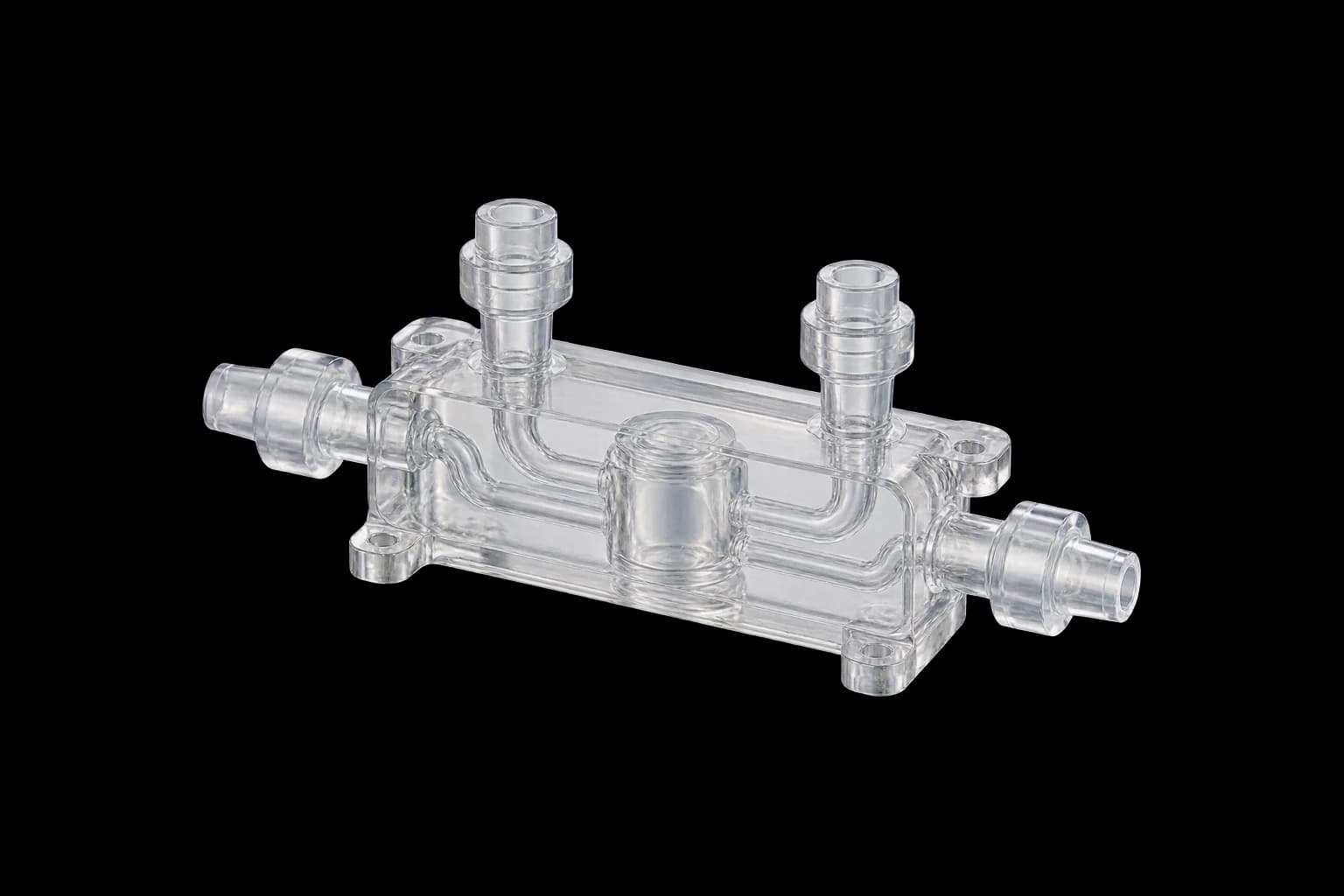
Polycarbonate is a clear, tough plastic for CNC machined windows, guards and covers that have to survive knocks. It takes many times more impact than acrylic without breaking, weighs almost half as much as glass, and machined faces polish back to a clear finish. It stays tough in cold weather, and a hard coating keeps faces that are cleaned or handled every day clear. Use it for machine guards and safety windows, instrument covers, lenses and light pipes, and protective visors in medical, industrial, electronics and transportation equipment.
How Polycarbonate (CNC) is manufactured
Polycarbonate (CNC) parts are cut from extruded polycarbonate sheet, plate or rod by CNC machining, not built in layers. Multi-axis machining produces precise pockets, bores, threads and mounting features, with the clarity and toughness of the stock running through the whole part. Clear faces are polished after machining wherever optical clarity is needed.
Upload CAD files and drawings to Forge Labs Steam, and our engineers review polycarbonate parts for tolerances, tool access and finish so issues are fixed before production.
Upload CAD files and drawings to Forge Labs Steam, and our engineers review polycarbonate parts for tolerances, tool access and finish so issues are fixed before production.



Polycarbonate (CNC) combines high impact strength and toughness with excellent optical clarity and polishability, delivering stable performance across a wide temperature range for demanding applications. It is trusted for medical and industrial equipment programs that need tough, transparent parts where uptime matters.
From rapid prototyping to production runs, teams rely on Polycarbonate (CNC) to hold tight tolerances. Machining from stock needs no moulds or minimum order quantities.
Where a part has to protect people and still let them see, polycarbonate is the usual choice, from protective visors and shields to consumer electronics windows. Hard-coated faces add the abrasion resistance bare polycarbonate lacks, so windows and covers that are cleaned or handled every day stay clear.
Robotics & Automation
Guards and safety windows that absorb more than 20 times the impact energy of acrylic.
Medical Devices
Clear covers and panels that resist isopropyl alcohol, hydrogen peroxide and dilute hypochlorite.
Industrial Design & Electronics
Clear enclosures, light pipes and lenses, machined in polycarbonate once the design is fixed.
Automotive & Transportation
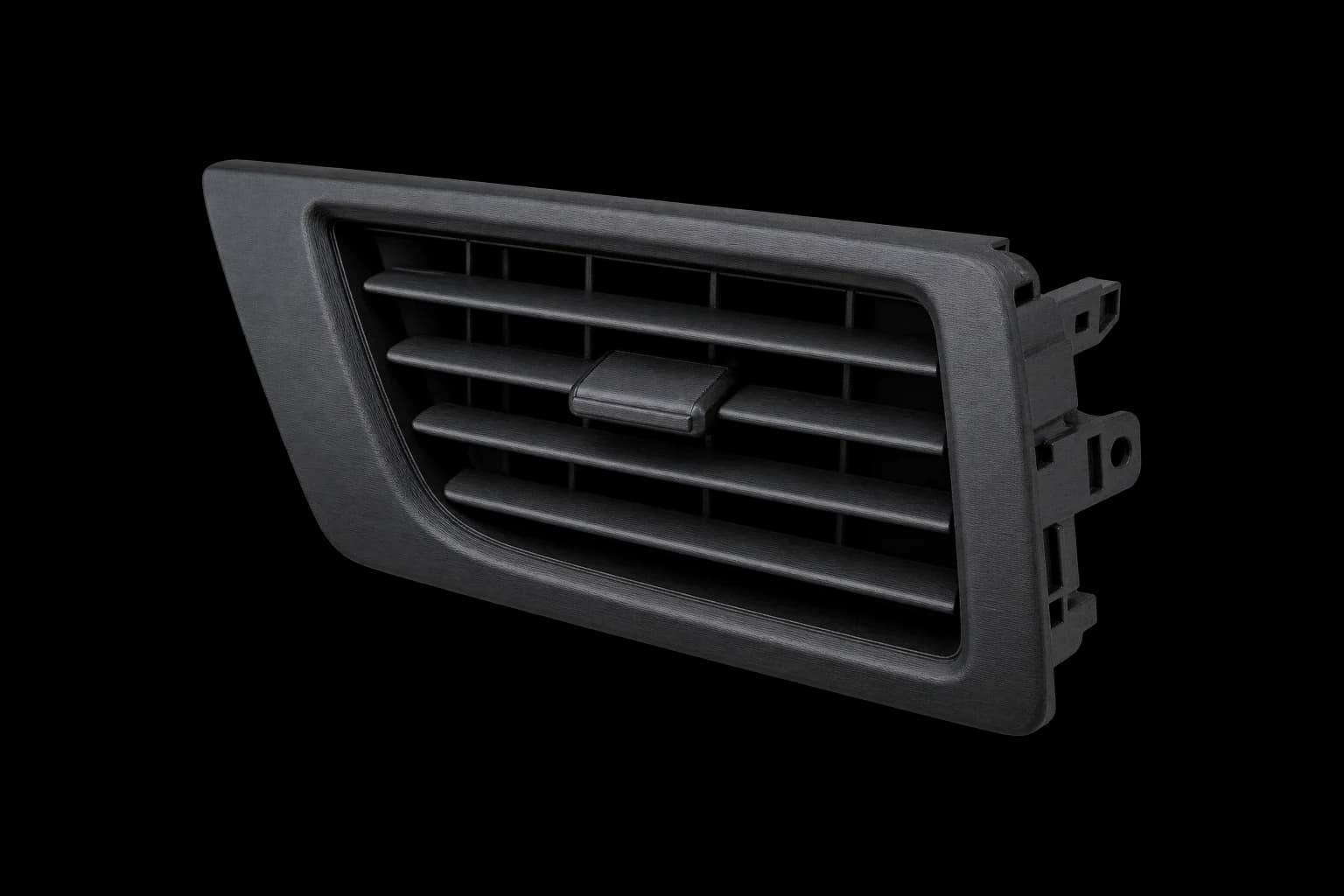
Lenses and sensor covers that hold their shape to 132 °C under load.
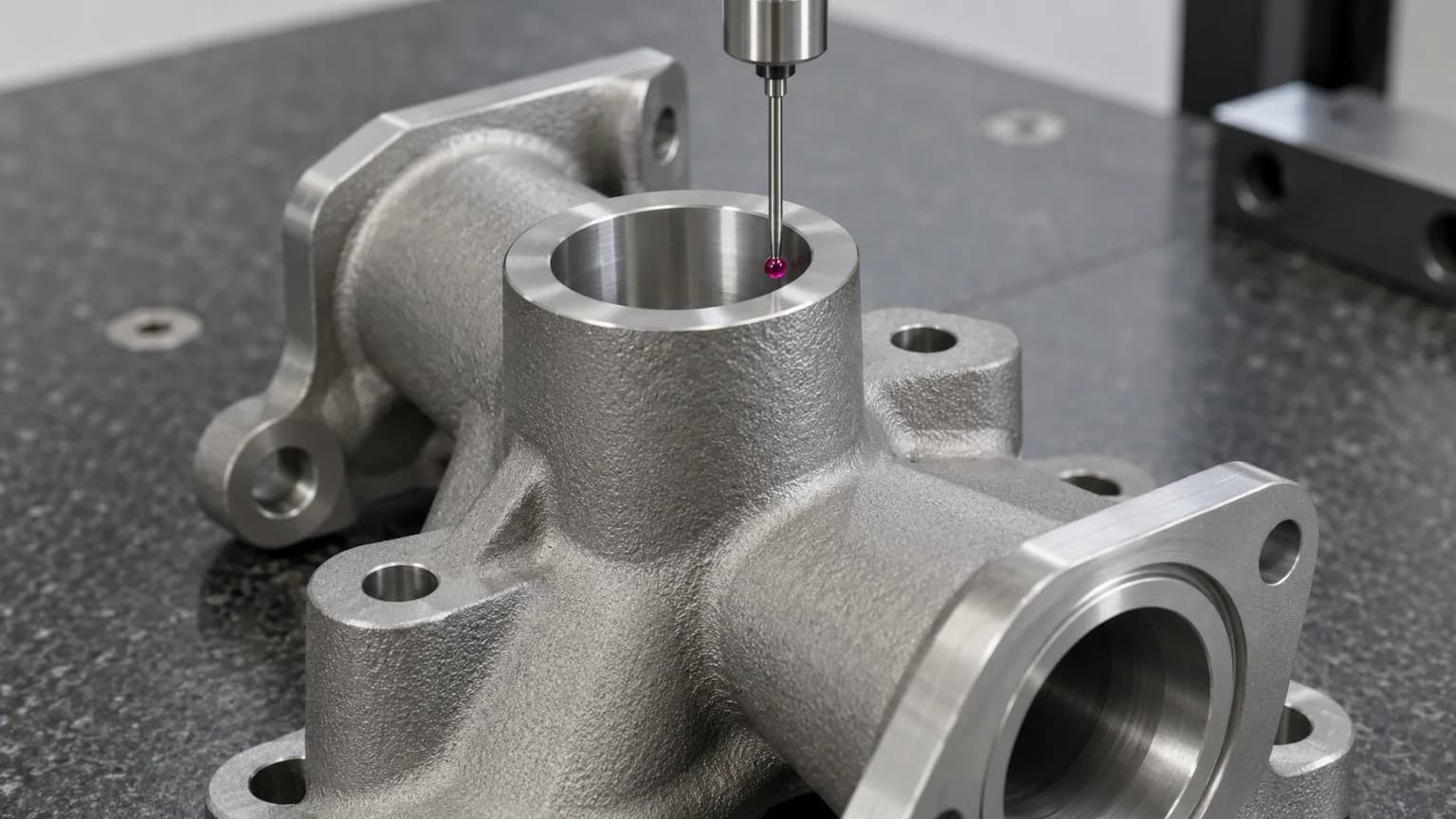
Robotics & Automation
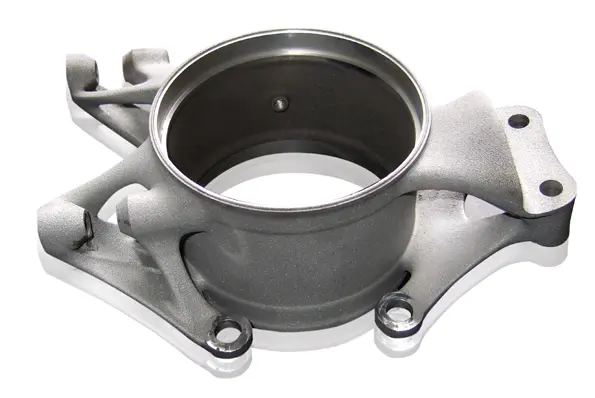
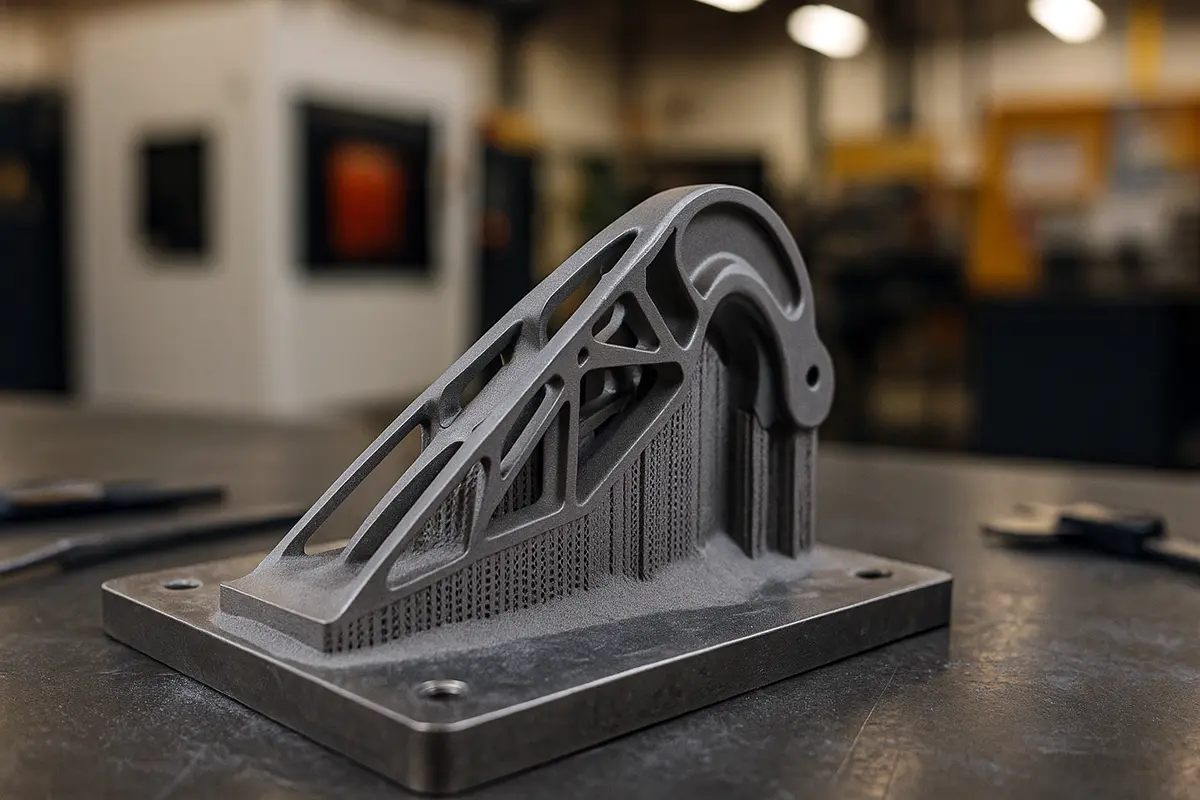
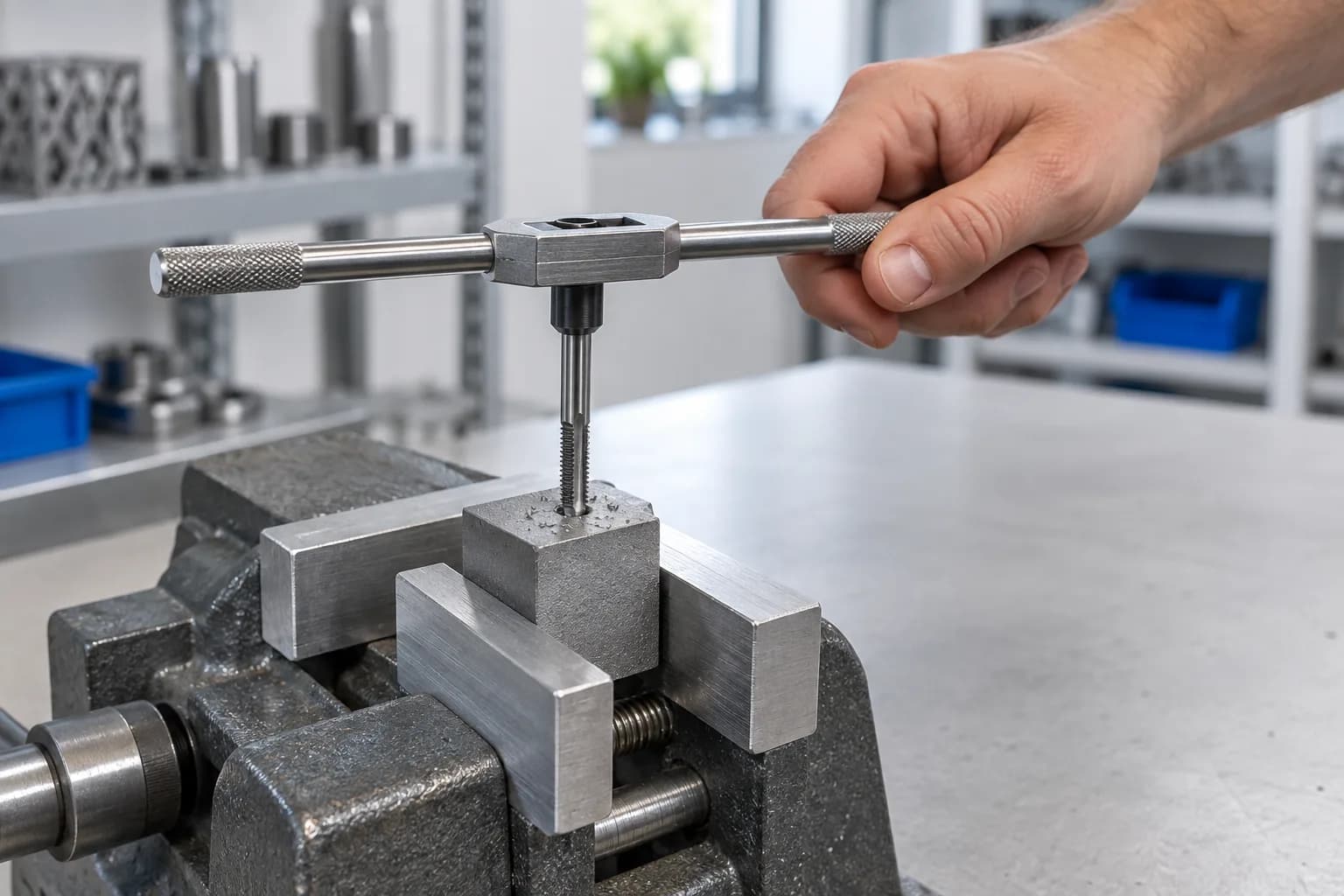
Automation and equipment builders use machined polycarbonate for machine guards, safety windows, inspection covers and impact shields that let operators watch the process while staying protected. At 3.2 mm, clear polycarbonate sheet absorbs more than 20 times the impact energy of acrylic and survives a falling-ball impact that breaks both acrylic and glass. Tapped mounting holes and machined slots fit each guard straight to the frame.
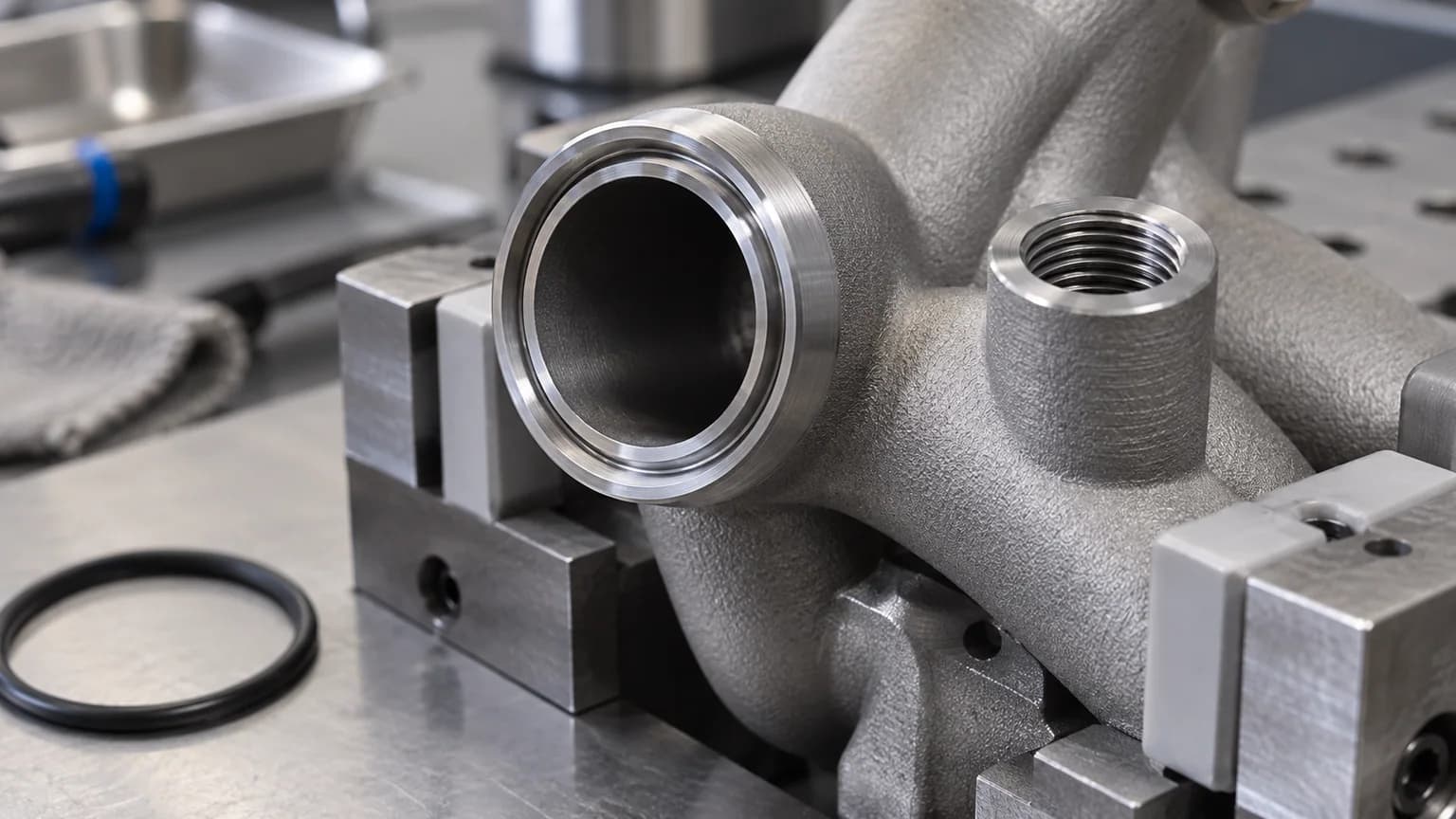
Medical Devices
Medical device teams specify polycarbonate for transparent instrument covers, device windows and instrument panels that must stay clear and survive knocks on a cart or bench. It resists isopropyl alcohol, 30% hydrogen peroxide and 5% sodium hypochlorite, so covers and panels stand up to routine wipe-down with these cleaners. Some commercial bleach-, peroxide- and quaternary-based healthcare disinfectants attack it, so each device is matched to compatible cleaners.
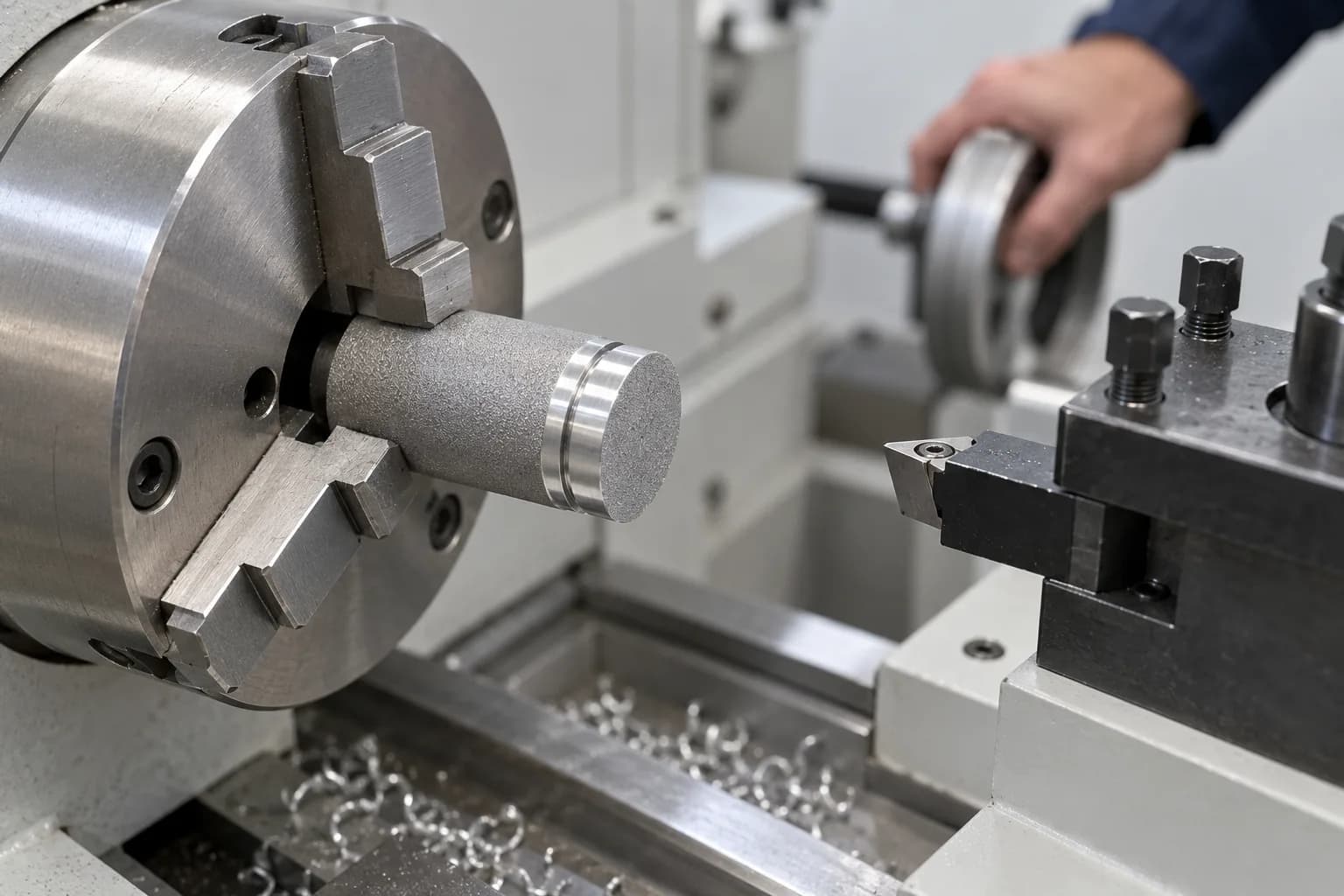
Industrial Design & Electronics
Product teams use machined polycarbonate for transparent control enclosures, display windows, light pipes and lenses. A proven route is to iterate the look and fit in clear SLA resin, then move to CNC polycarbonate once the geometry stabilizes, for parts that are tougher and ready for the field. Clear sheet transmits 86% of light at 3 mm with under 1% haze, machined faces are polished to restore clarity, and a dielectric strength of 15 kV/mm makes it an insulating window or cover over electronics.
Automotive & Transportation
Vehicle and transportation teams prototype lighting lenses, light diffusers, sensor covers and impact-resistant lighting components in machined polycarbonate and carry them into low-volume builds. It holds its shape to 132 °C under a 1.82 MPa load and stays ductile well below freezing, so lenses and covers keep their impact toughness in cold weather.
Values from the Plaskolite TUFFAK GP polycarbonate sheet datasheet, tested to the standard listed with each property. Values TUFFAK GP does not publish come from Ensinger TECANAT natural rod, plate and tube, named with each property.
Mechanical performance
Polycarbonate (CNC) delivers dependable strength and impact resistance for transparent instrument covers, safety guards and machine windows. Its balanced mechanical profile handles demanding load conditions without turning brittle in critical parts.
Polycarbonate yields and then stretches a long way before it breaks, and unnotched samples do not break at all. Notched values are lower, so generous internal radii at corners, slots and holes keep the full toughness of the material in machined parts. Instrumented impact shows the energy a flat panel absorbs under a falling dart, the best guide for guards and windows.
Material makeup
Polycarbonate (CNC) offers consistent density and surface quality, so critical features hold tolerances and downstream finishing remains predictable. Low density makes parts lightweight yet durable, and low moisture absorption keeps them dimensionally stable in varying environmental conditions.
Light transmission and haze are measured on the polished surface of clear sheet as supplied. A machined face is translucent until it is polished, so specify which faces need optical clarity; the refractive index helps when designing lenses and light pipes.
Heat performance
Polycarbonate (CNC) stays tough far below freezing and holds its shape up to its heat-deflection limit, so guards and windows in medical and industrial equipment can sit near heat sources. Heat deflection shows the short-term limit under load. For long-term use, Plaskolite gives a lower continuous service limit for clear sheet than the UL 746B rating Ensinger publishes for its rod, plate and tube, so use the sheet figure for sheet-based guards and windows.
Polycarbonate expands far more than metal, so allow clearance where clear panels are fastened into metal frames. Ignition temperatures and the horizontal burn result describe how it behaves in a fire; its UL 94 rating is listed with compliance.
Functional performance
Polycarbonate (CNC) is an electrical insulator with high resistivity and good dielectric strength, for insulating covers, windows and functional prototypes in integrated electrical systems where a UL 94 HB rating is acceptable. Flame-rated enclosures need a V-0 grade.
The dielectric constant and the low dissipation factor help evaluate dielectric losses in signal-sensitive or high-frequency use. Arc resistance is reported for two electrode types, as Plaskolite tests it.
Compatibility data
Plaskolite rates polycarbonate in a bent-strip test at 23 °C and up to 2% strain, so the ratings show which chemicals crack a stressed part. Dilute acids, isopropyl and ethyl alcohol, mineral oils, salt water and oxidizers such as hydrogen peroxide and dilute sodium hypochlorite are tolerated, while bases, ammonia and amines, ketones, and chlorinated and aromatic solvents attack it, and fuels only partially resist.
Highly stressed parts can crack within a minute in an aggressive solvent, and plasticized PVC in contact can stress-crack polycarbonate, so confirm cleaners and contact materials with application-specific testing before production release.
Compliance
Plaskolite lists TUFFAK GP sheet under UL file E87887, and its UL 94 rating depends on wall thickness, so read the rating with the thickness it was tested at. Ensinger cites ASTM D6098 as the shapes specification for its TECANAT natural rod, plate and tube.
The FDA statement covers the resin in Ensinger stock shapes rather than a named food-contact regulation, so food-contact parts are confirmed with Forge Labs before ordering. Neither grade carries biocompatibility data, and Ensinger does not define TECANAT for medical or dental implants.
Datasheets, design guidance and supplier documentation for Polycarbonate (CNC).
Access the most recent datasheet and supporting documentation maintained by our engineering team.
Polycarbonate (CNC) datasheetTolerance, wall thickness and finishing guidance for machined parts.
View machining guidance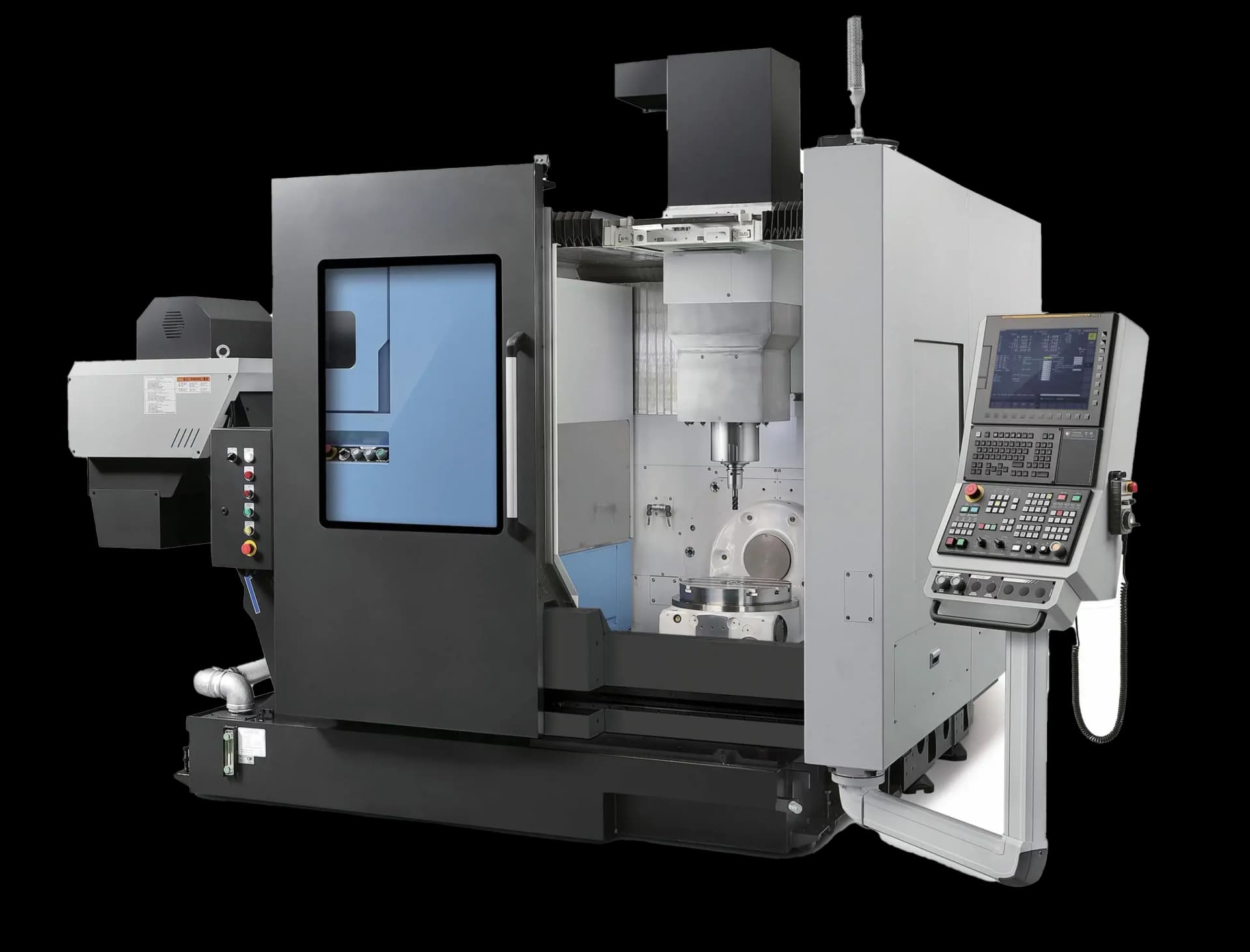
Polycarbonate (CNC) is manufactured using advanced CNC machining technology, ensuring optimal material properties and dimensional accuracy. Edges are finished and machining stress is relieved where a part needs it, keeping clear parts free of crazing.
Can't find the answer you're looking for? Reach out to our customer support team.
Upload your design and get a quote for Polycarbonate (CNC) parts from our engineers.
Create an account to upload CAD
STEP, STL, OBJ, 3MF and IGES supported