Industrial Design
Power Tool & Electronics Enclosures
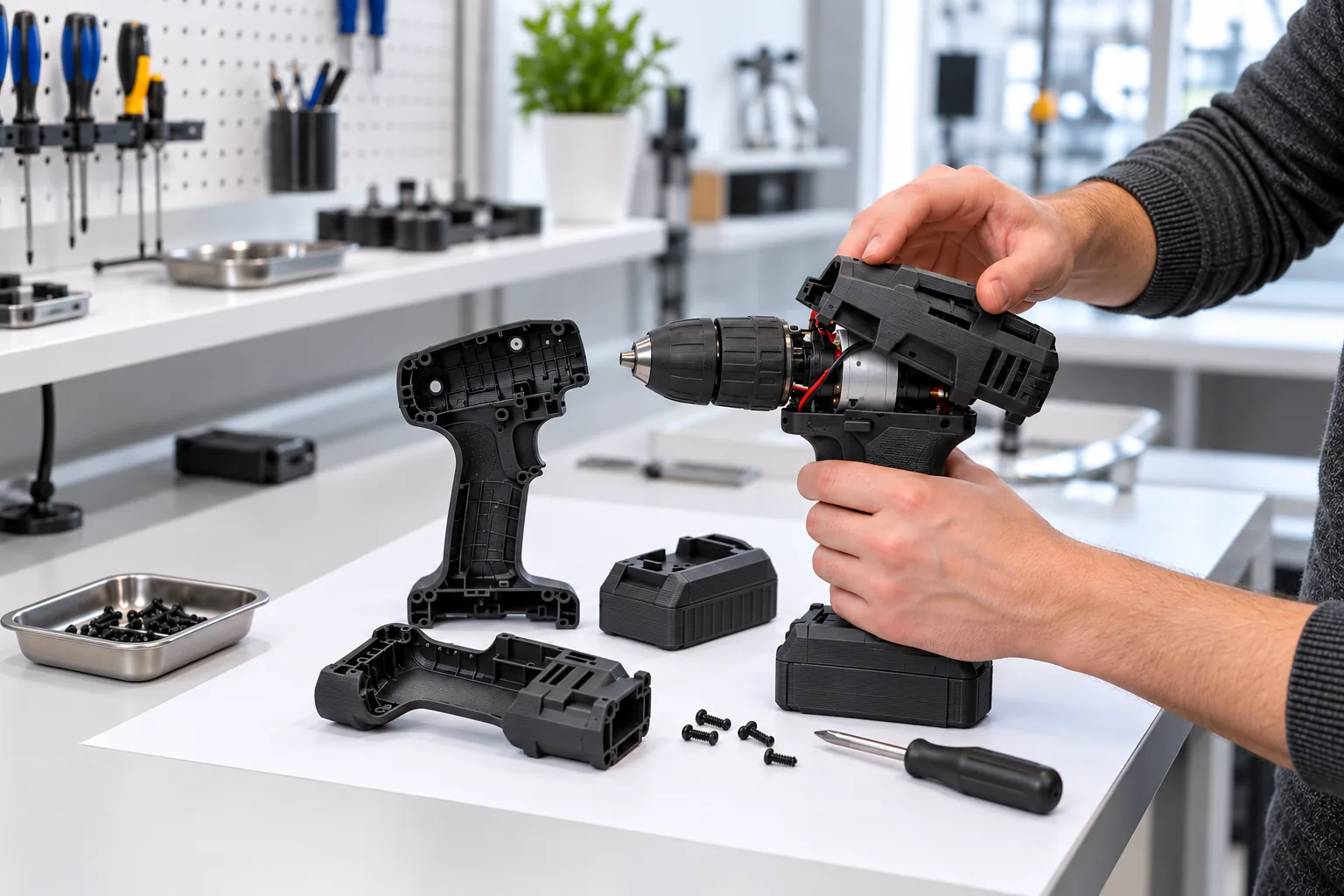
Drill and driver enclosure prototypes from $150 in two days, against $10,000 for moulded parts.
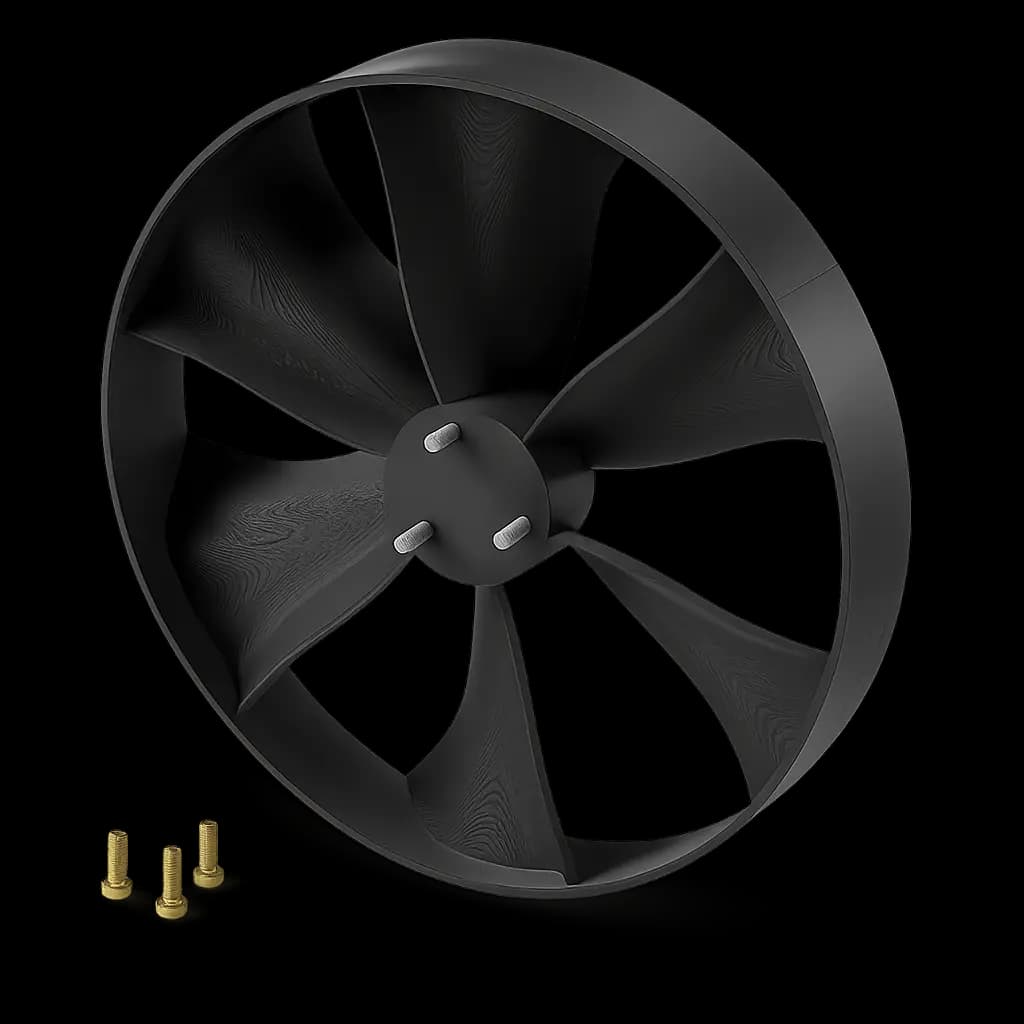
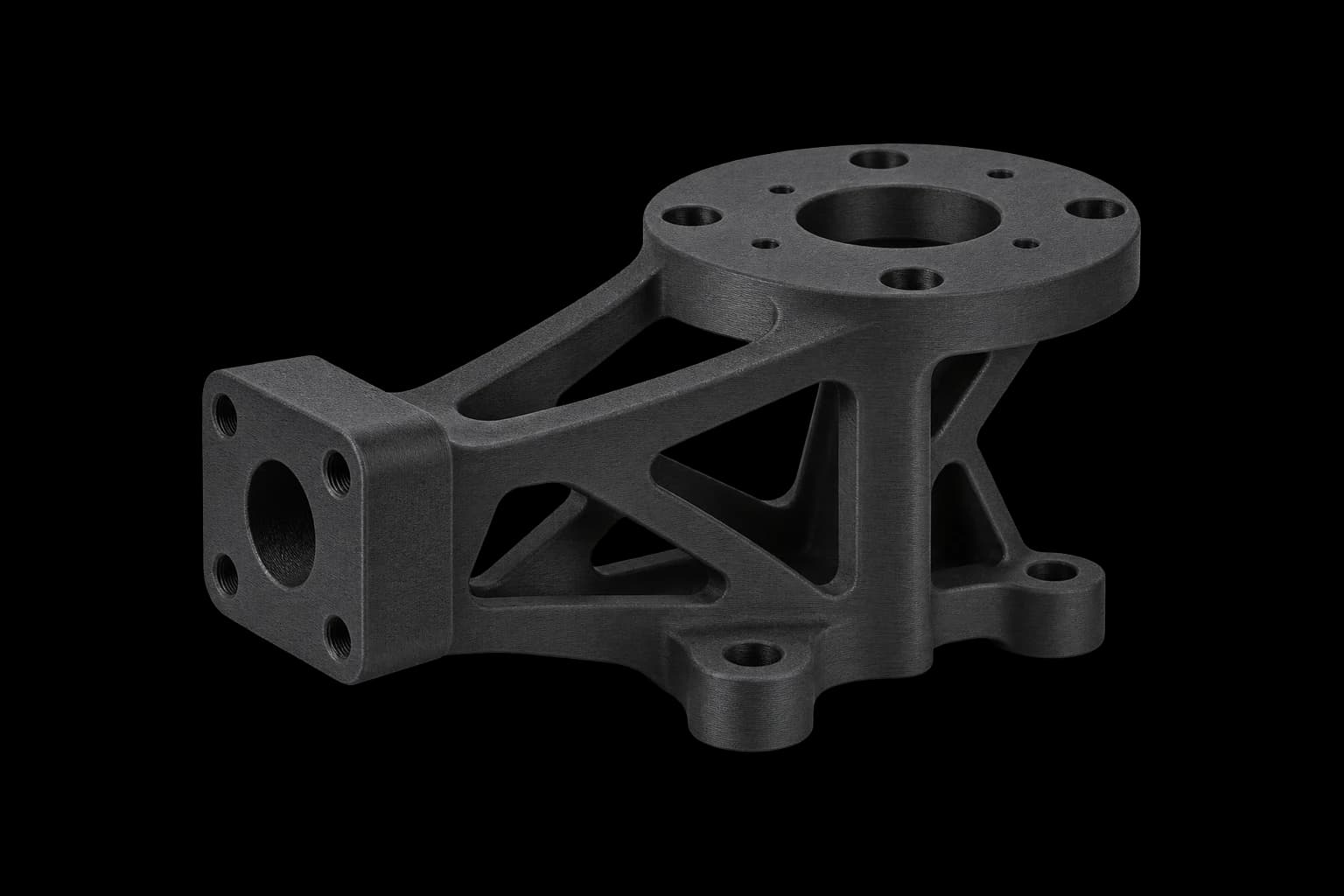
ABS is a tough, cost-effective plastic for FDM 3D printing, used for functional prototypes, enclosures, jigs and fixtures and low-volume production parts. Parts stand up to knocks and daily handling and hold their shape in warm service. They are easy to sand, drill, tap and paint, so a prototype can look like the finished product. Product teams, architects and automotive and aerospace engineers use it for power tool and electronics housings, presentation models and cabin and dashboard mock-ups. Triton ABS is TRITON3D's Fortus-compatible ABS for everyday prototypes, fixtures and enclosures, printed on the same Fortus systems as ABS-M30, with the same build size and finishing options.
Also available in Stratasys ABS-M30.
How ABS is manufactured
ABS is manufactured using Fused Deposition Modeling (FDM) on Stratasys Fortus production systems, which build parts layer by layer from thermoplastic filament with no tooling. The soluble support material dissolves away, opening internal channels, undercuts and captured fastener geometry that traditional manufacturing cannot produce, with no manual rework. FDM makes ABS ideal for both functional prototypes and end-use production parts requiring durability and aesthetic appeal.
Upload CAD files to Forge Labs Steam for instant ABS pricing and live manufacturability feedback, and fix issues before production.
Upload CAD files to Forge Labs Steam for instant ABS pricing and live manufacturability feedback, and fix issues before production.



ABS-M30 from Forge Labs delivers production-grade FDM parts with the impact strength and dimensional repeatability demanded by end-use tooling and rugged field hardware. Superior energy absorption and toughness suit demanding applications, with good resistance to fuels, coolant and alcohols. ABS-M30 is stronger than standard ABS.
Tight tolerances keep multi-part assemblies repeatable from build to build. From rapid prototyping to production runs, teams rely on ABS to reduce assembly complexity through consolidated part designs.
Heat deflection of about 100 °C, even under the higher 1.82 MPa load, lets ABS hold its shape through shop-floor duty cycles that would deform commodity plastics.
Painted and smoothed surfaces with threaded inserts deliver showroom-ready parts for pilots or investor demos within days instead of weeks. Balanced performance at competitive pricing makes ABS a cost-effective, recyclable choice with consistent properties part after part.
Industrial Design
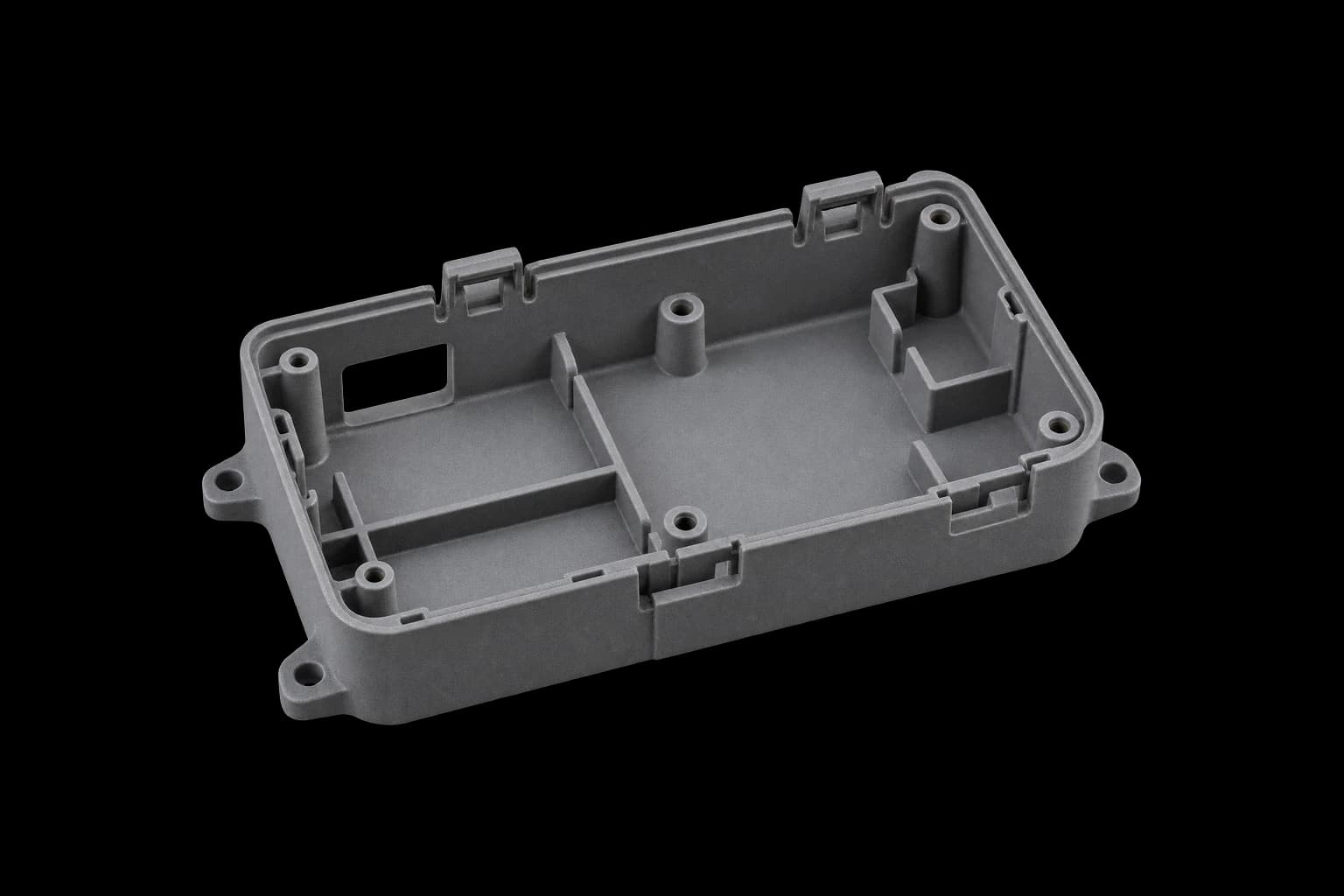
Drill and driver enclosure prototypes from $150 in two days, against $10,000 for moulded parts.
Architecture
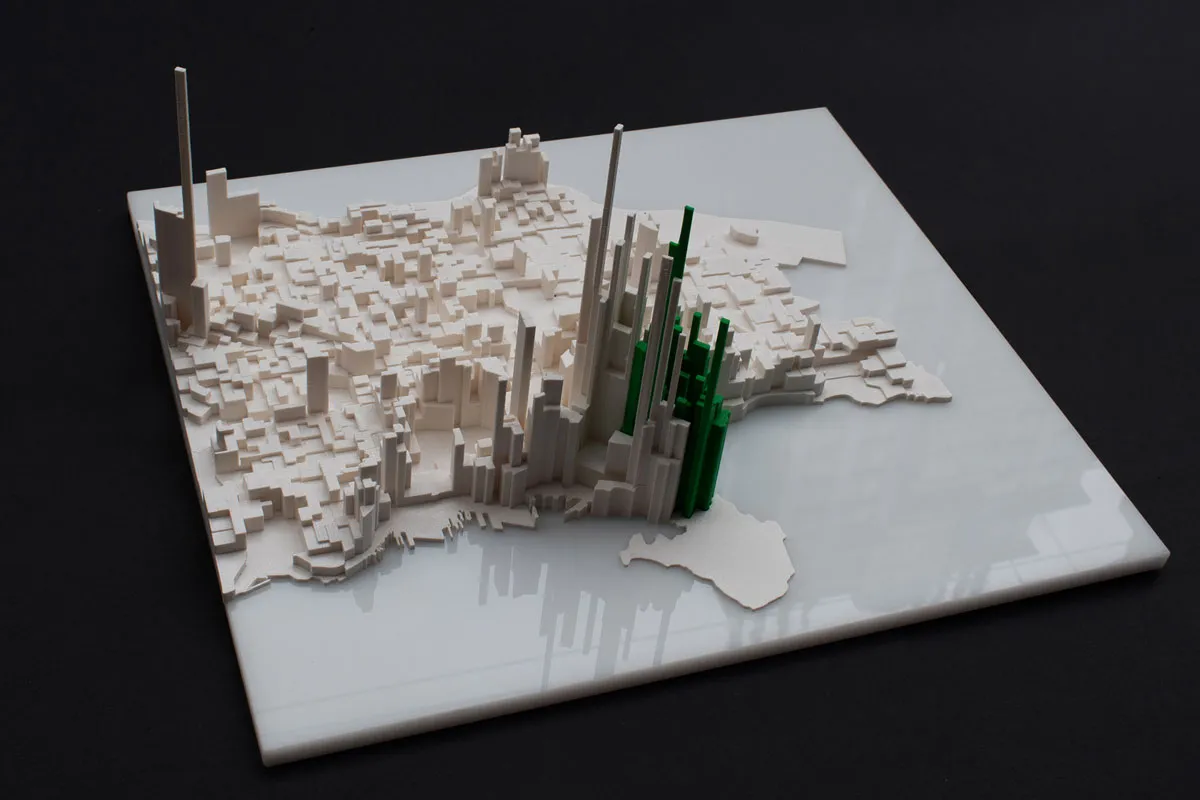
Sectioned massing models that travel, with lift-off buildings and highlight colours.
Marine & Subsea
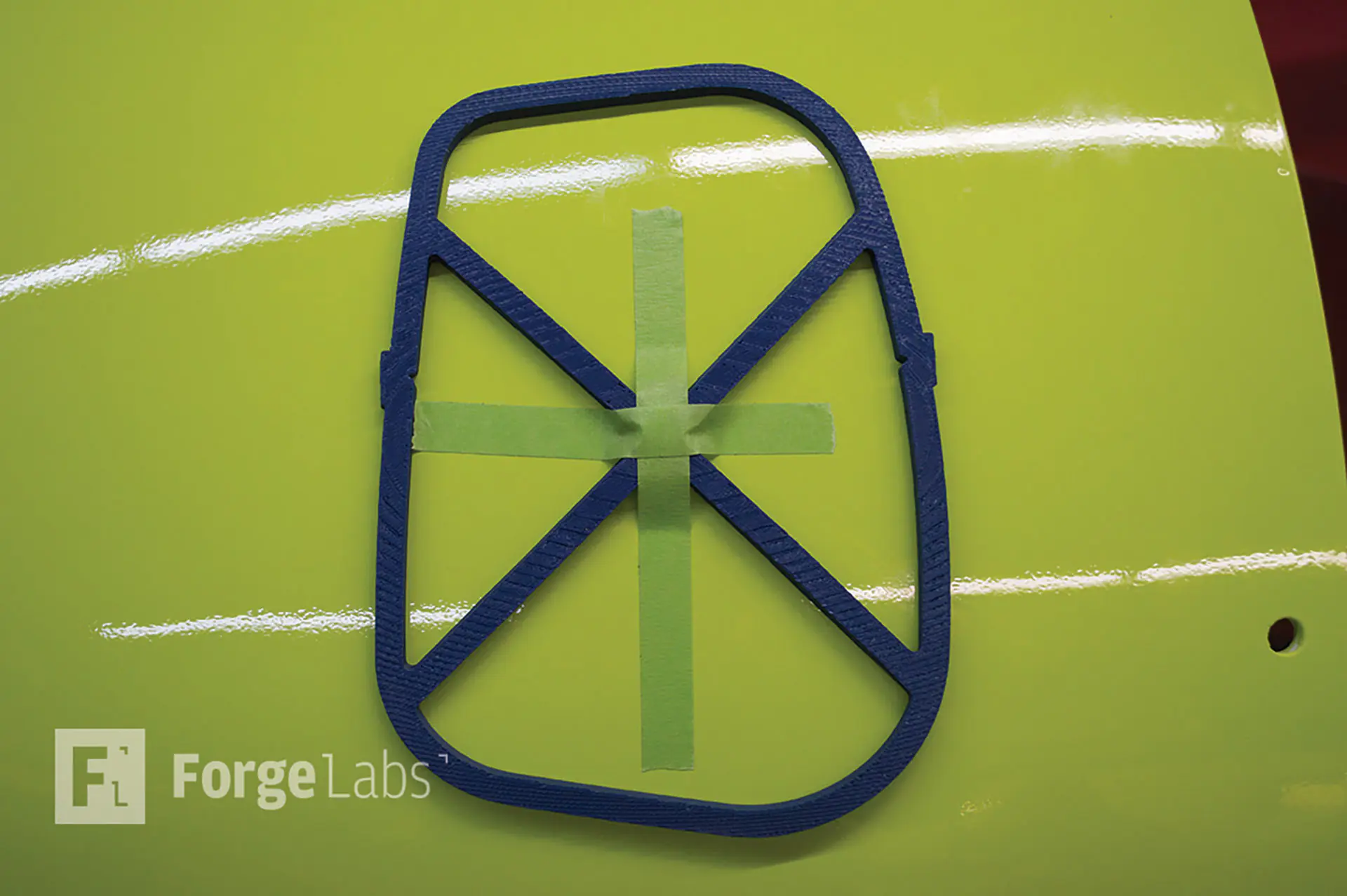
Drilling templates, jigs and interior hardware for underwater vehicles, ordered since 2017.
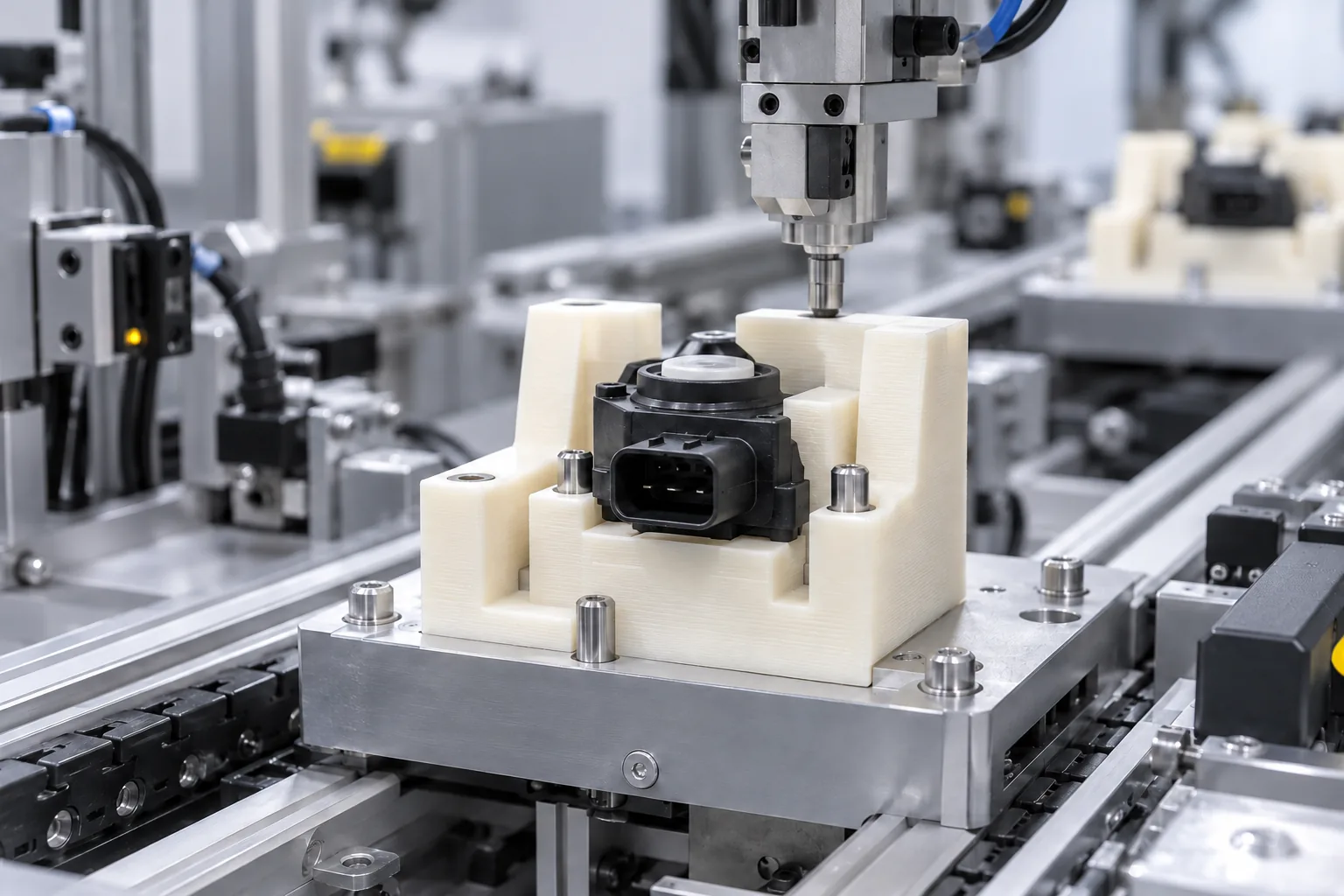
Robotics & Automation
Assembly jigs and fixtures supplied alongside repeat robot actuator parts.
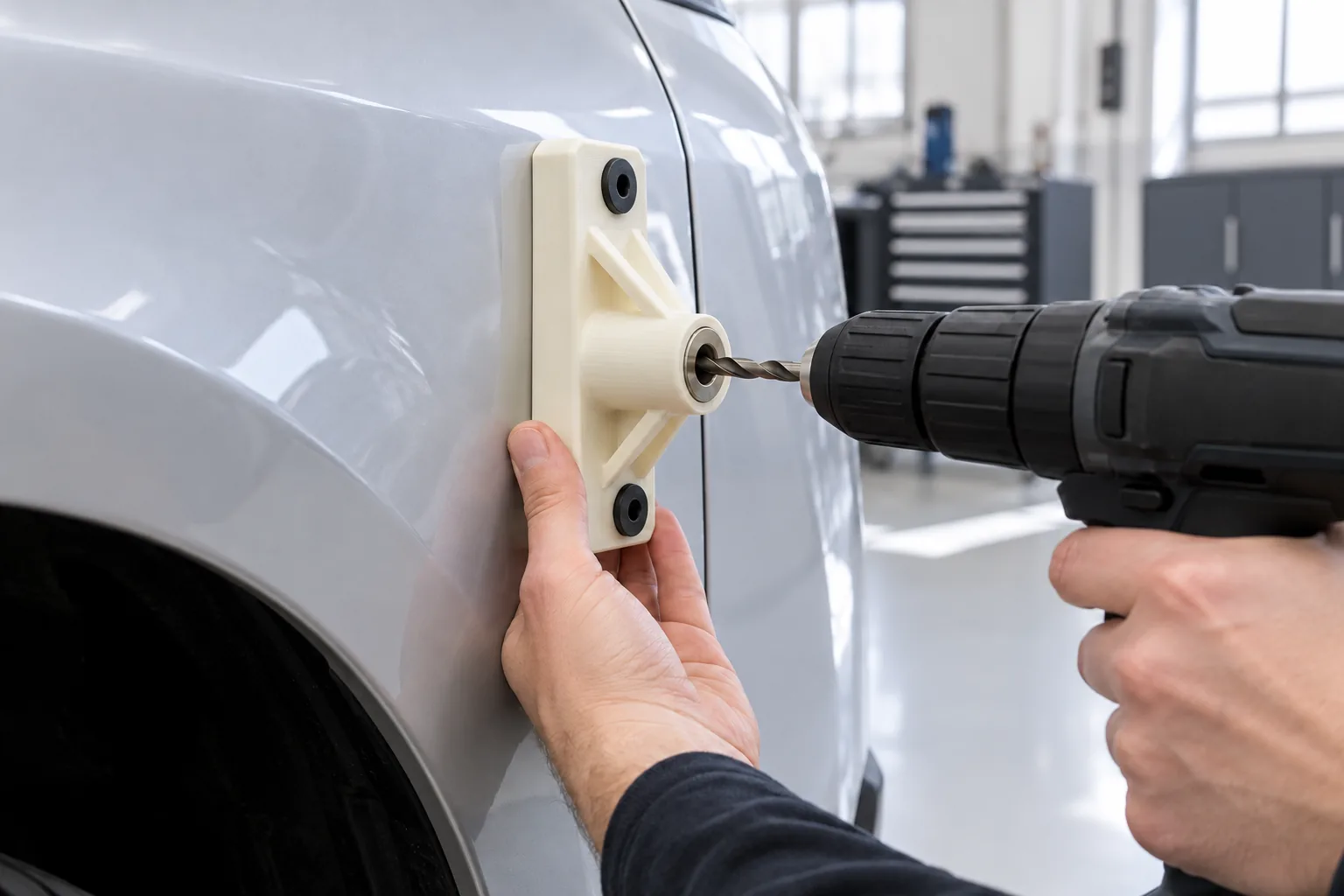
Automotive
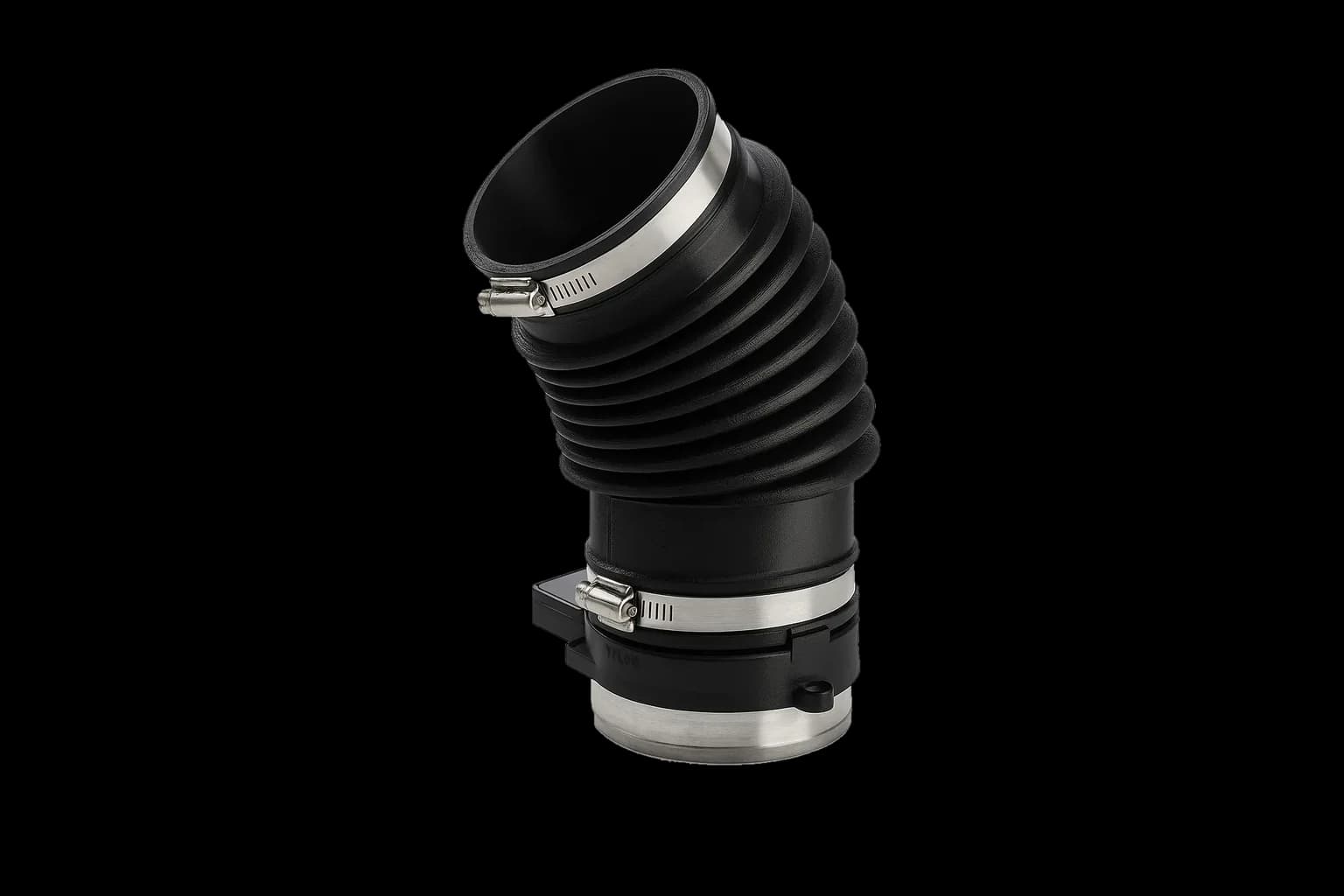
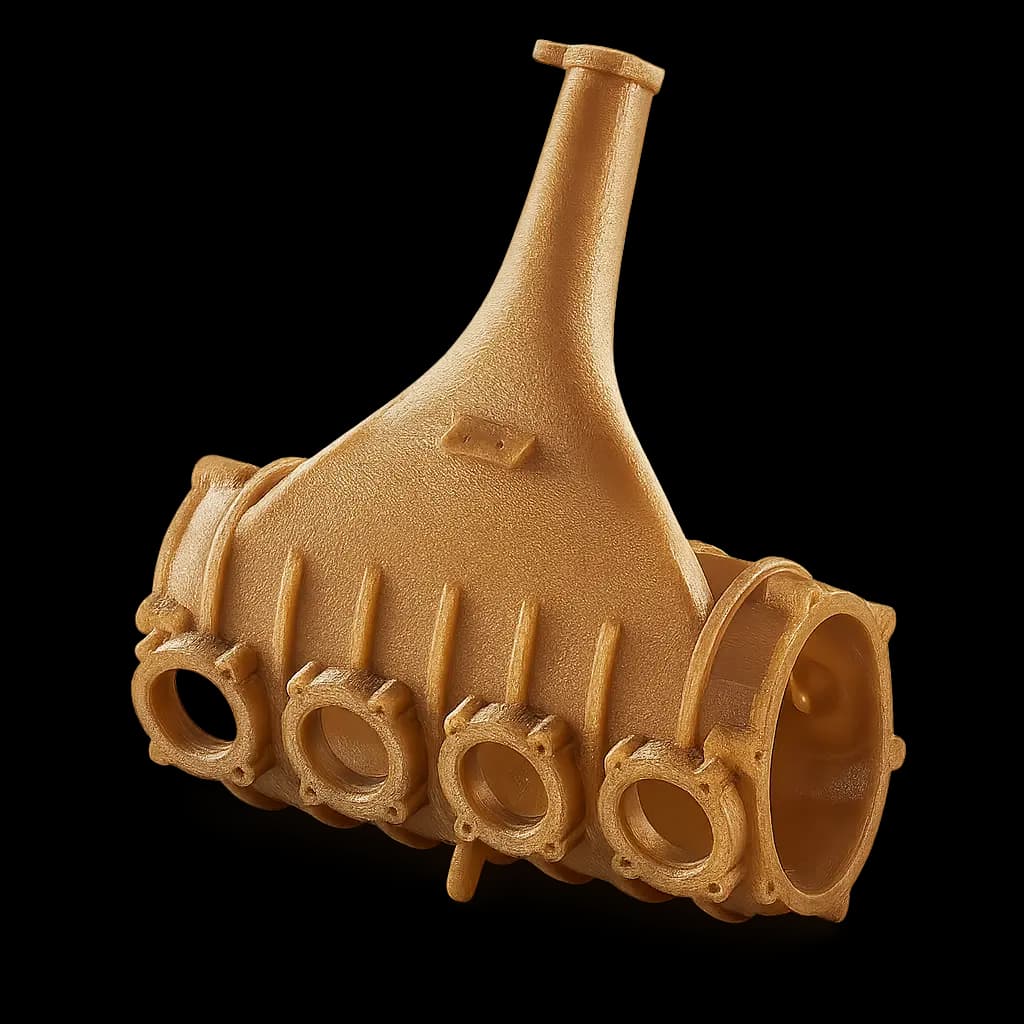
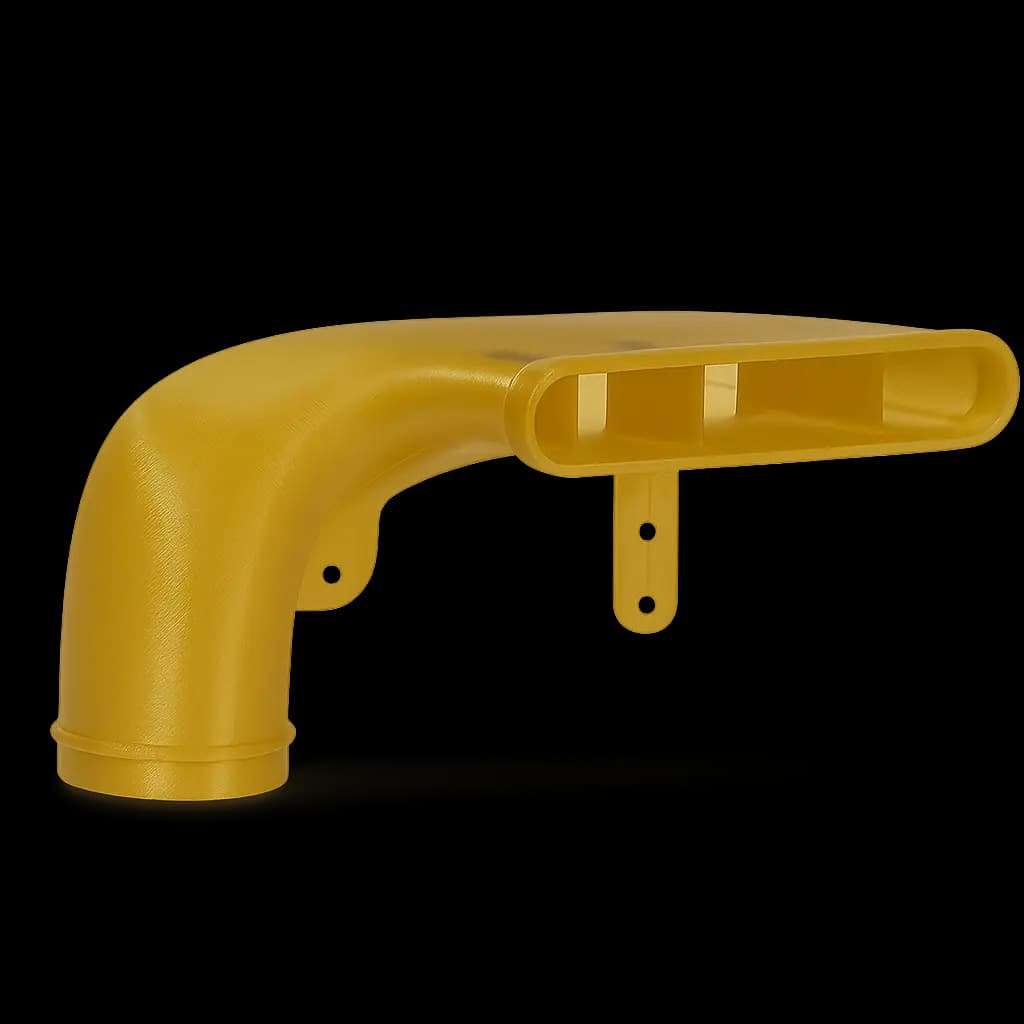
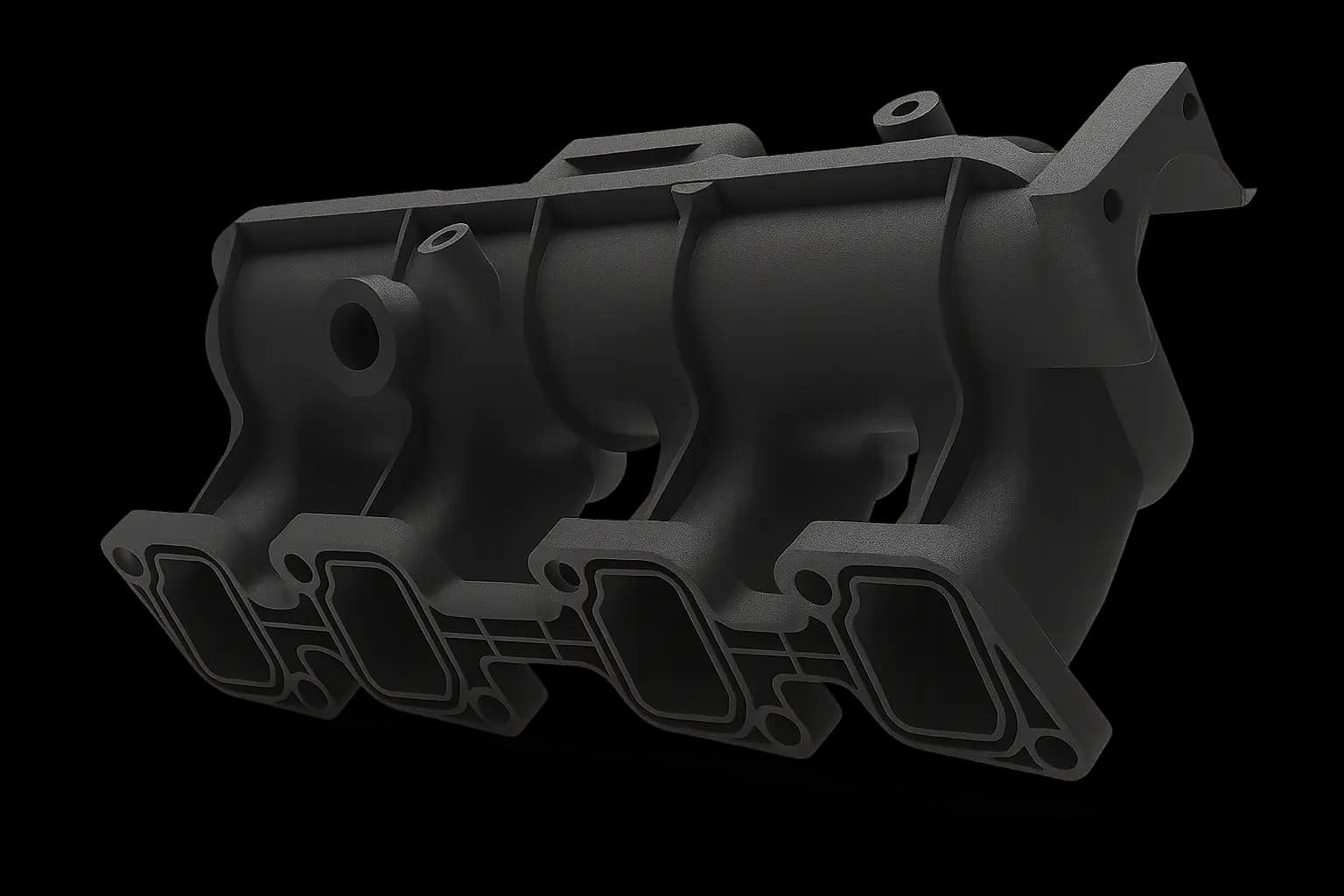
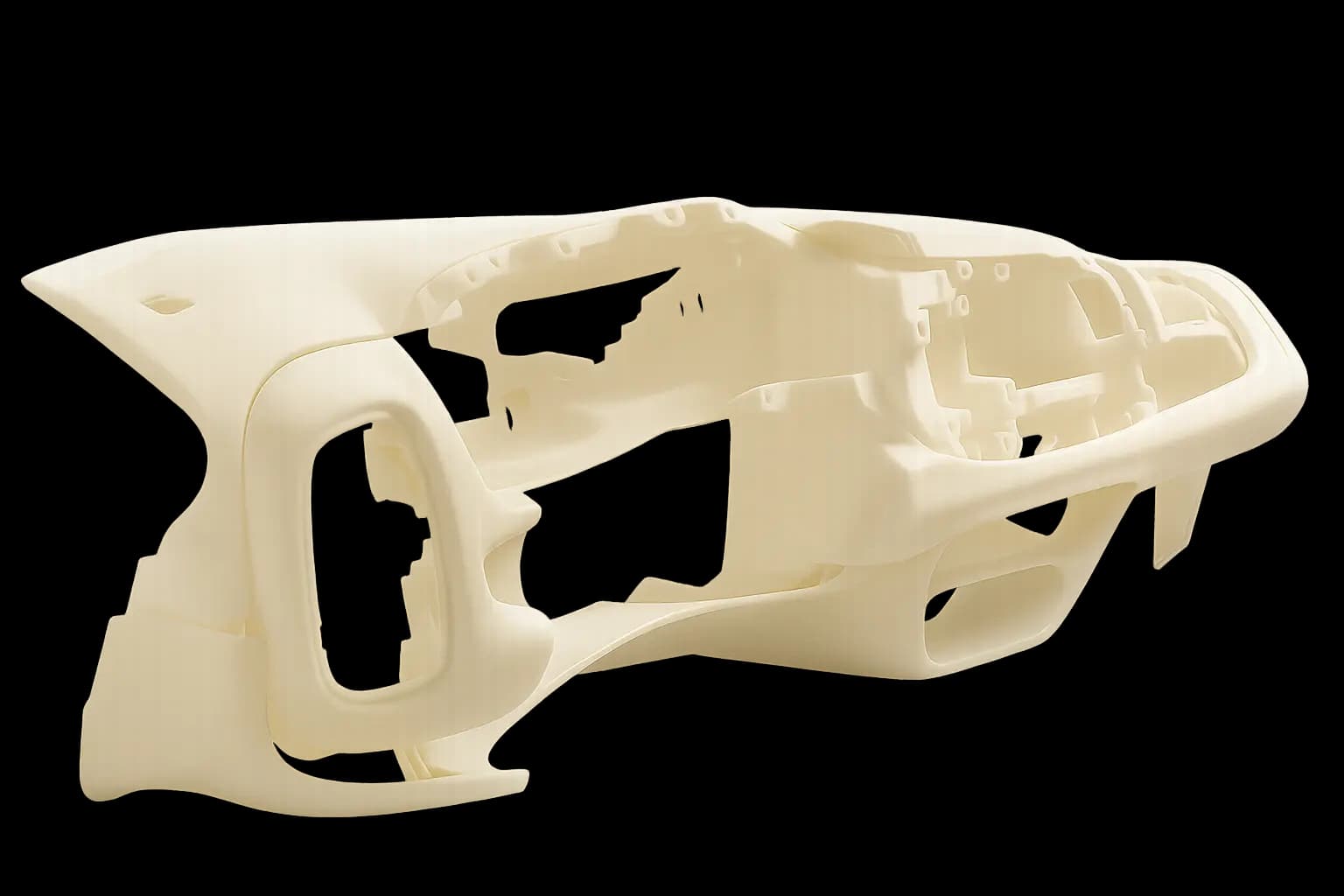
Dashboard housings, wind-tunnel duct iterations and body panel drill guides, made without tooling.
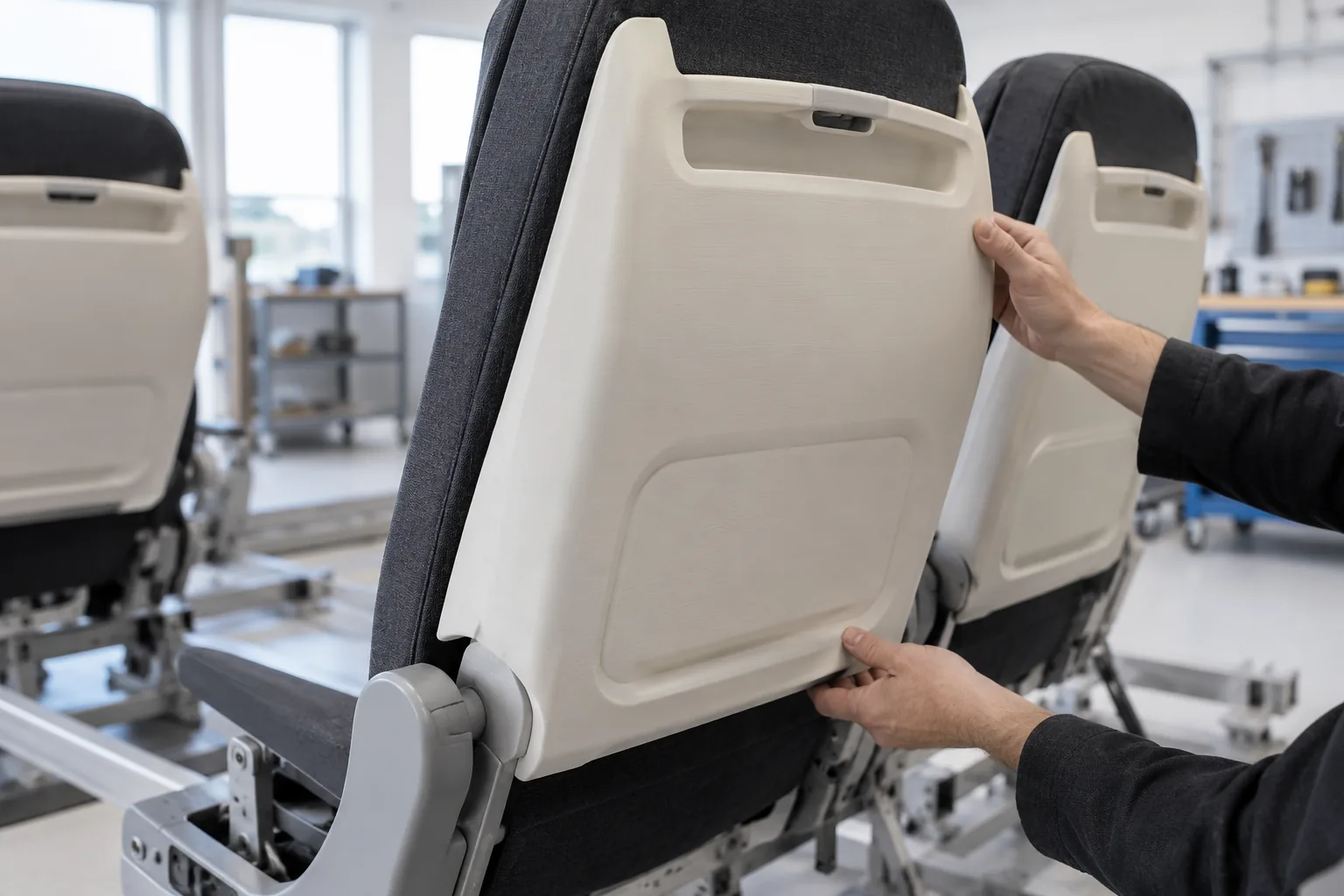
Aerospace
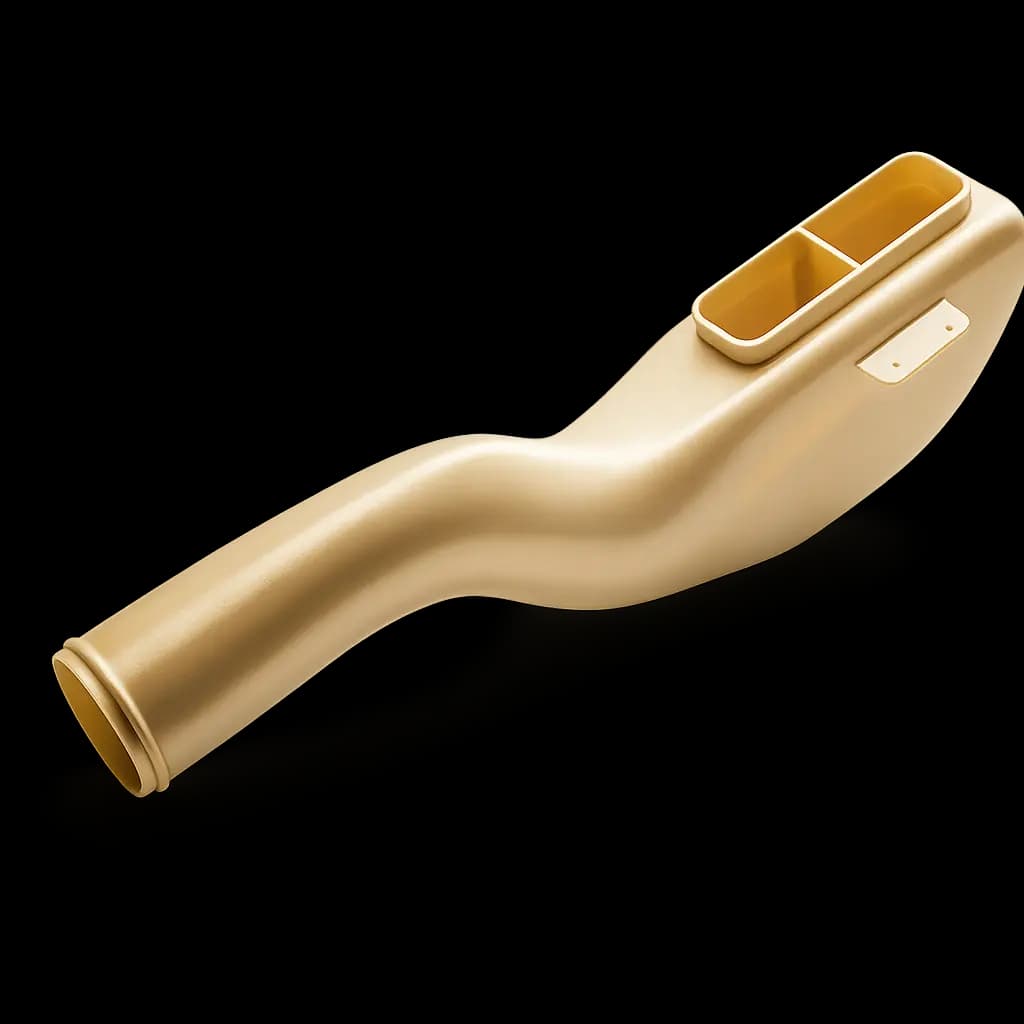
Cabin mock-ups, airflow duct prototypes and maintenance jigs with paint-ready surfaces.
Industrial Design
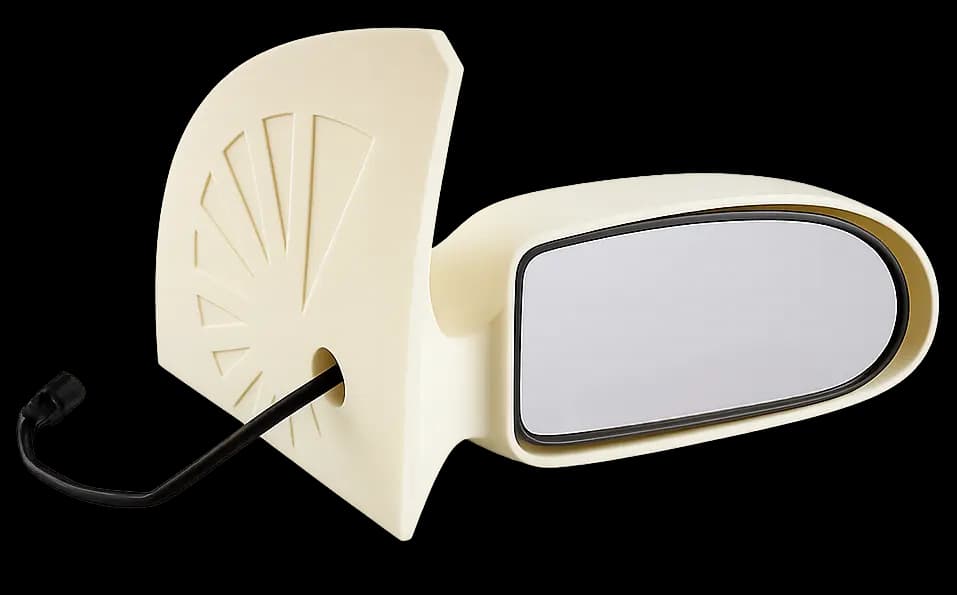
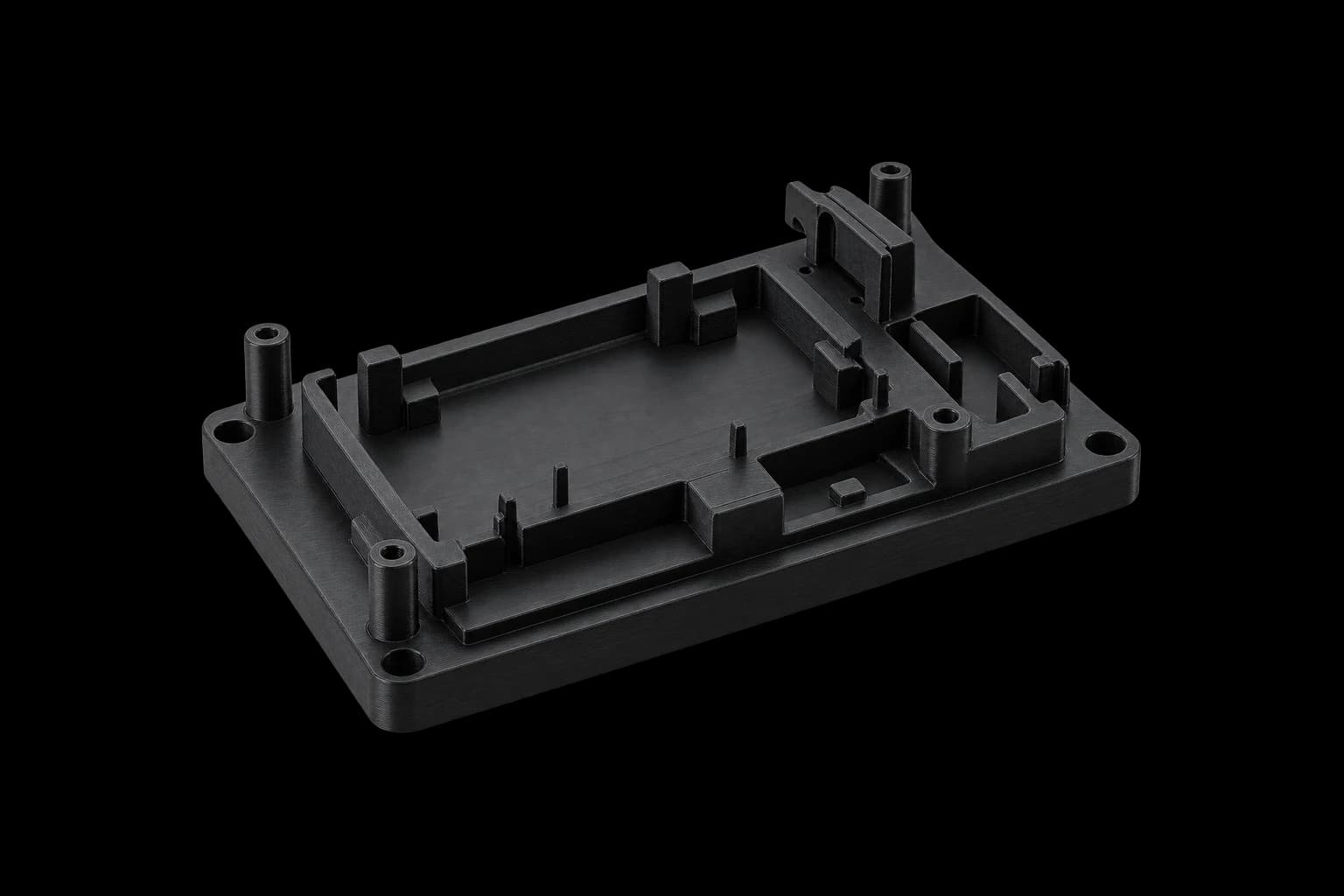
Product teams use ABS for housings that must fit the electronics inside and the hand holding them, with integrated standoffs and fastener bosses. On a smart power tool program, FDM ABS and ASA drill and driver prototypes were assembled, handled and revised, then primed and painted for trade shows. A drill enclosure cost $200 and took two days, against $10,000 and two to six weeks for moulded parts, and the finished prototypes won a Pinnacle Innovation Award at the National Hardware Show.
Architecture
Architects and planners use ABS for massing and presentation models that are handled, transported and shown again and again. Large models print in sections that join with fasteners or magnets, so buildings lift off and the model can travel, and different FDM colours can sit in one assembly to highlight a proposal. ABS is impact resistant for handling and easy to sand, prime and paint for exhibitions and planning submissions.
Marine & Subsea
Underwater vehicle builders use FDM for the installation and interior parts around a hull. One AUV builder has ordered drilling templates, drill jigs, connector panels, cable trays and short production runs from Forge Labs since 2017, in FDM materials including ABS, with ASA reserved for exterior parts that see sun on deck. A printed template marks an opening or bolt pattern before the hull is cut, so a low-cost part lowers the risk of a mis-cut or mis-drilled hole in a finished hull.
Robotics & Automation
Assembly cells need jigs and poka-yoke nests that locate parts the same way every shift. On a wearable robotics program, FDM ABS assembly jigs were supplied alongside repeat SLS actuator parts and test fixtures, and the same approach suits datum fixtures and cable-managed sensor mounts on conveyor lines. ABS stays rigid and tough in nests that are clamped and handled all day; load-bearing fixtures print solid, while jigs that only locate a part can use sparse fill.
Automotive
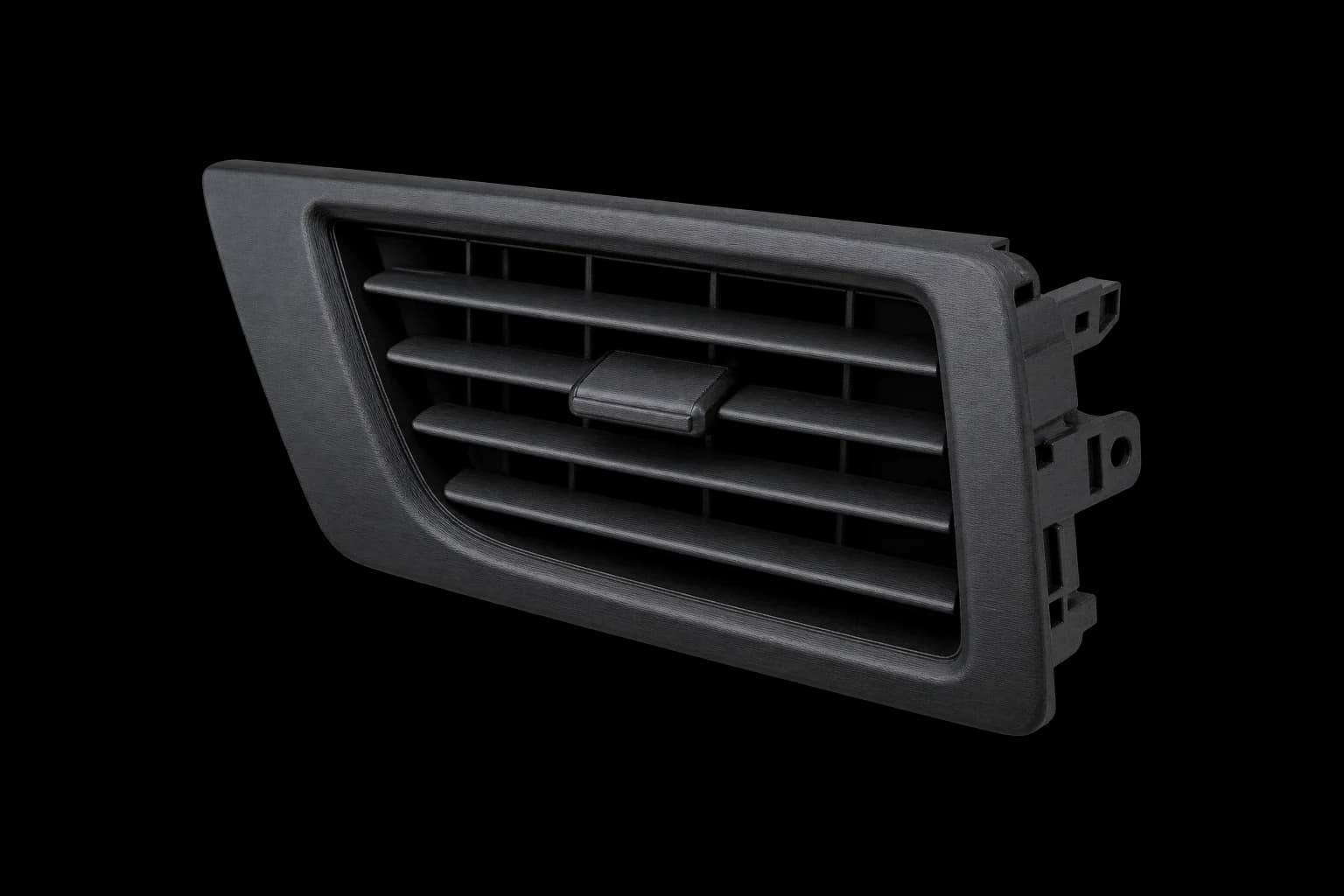
Motorsport and automotive teams print ducts, brackets and cockpit hardware in ABS to iterate without tooling. Dashboard electronics housings are ready for paint and texture, cooling ducts are revised between wind-tunnel sessions, and drill guides locate holes for composite body panel fit-up. ABS-M30 holds up well to petroleum fuels and engine coolant, so parts handle a brief splash in the garage or on track.
Aerospace
Cabin retrofit teams use ABS to mock up passenger service unit bezels and seat shrouds and to prototype environmental control ducts for airflow tests. Smooth, paint-ready surfaces accelerate trim reviews, and maintenance teams print on-wing drill jigs and go/no-go gauges. Design verification models, inspection tooling and surrogate parts are core uses of ABS-M30.
Values from the TRITON3D Triton ABS datasheet, tested to the standard listed with each property.
Mechanical performance
ABS delivers dependable strength and impact resistance, helping teams move from prototype to production with confidence. Its balanced mechanical profile suits jigs and fixtures, enclosures and functional prototypes.
FDM parts are strongest along their layers. XZ values come from specimens printed on edge, with the load along the layers, and ZX values from upright specimens, with the load across them, so orient loaded features, snap-fits and impact faces along the build plane.
Material makeup
TRITON3D publishes density for Triton ABS, and parts keep the low weight and consistent surface quality of ABS.
Heat performance
TRITON3D publishes glass transition and heat deflection at 0.45 MPa for Triton ABS, measured on flat XY specimens, so parts retain their shape in warm service conditions short of that temperature.
Functional performance
TRITON3D lists surface resistance for Triton ABS, which places it in the insulating range for housings and enclosures.
Compatibility data
Stratasys rates ABS-M30 on a relative scale for common chemical classes. It resists water, weak acids and bases, and holds up well to petroleum fuels, petroleum greases, alcohols, engine coolant and washer fluid. Resistance is limited to motor oil, brake fluid, transmission fluid, esters, aromatic hydrocarbons and strong acids, while ketones such as acetone, halogenated hydrocarbons, phenols and silicone greases attack it.
Stratasys notes the ratings are relative rather than based on specific testing, so treat them as screening guidance and confirm them with application-specific testing before production release.
Datasheets, design guidance and supplier documentation for ABS.
Access the most recent datasheet and supporting documentation maintained by our engineering team.
Triton ABS datasheetExplore printable geometry recommendations, wall thickness tips, and finishing playbooks for FDM.
View FDM design guide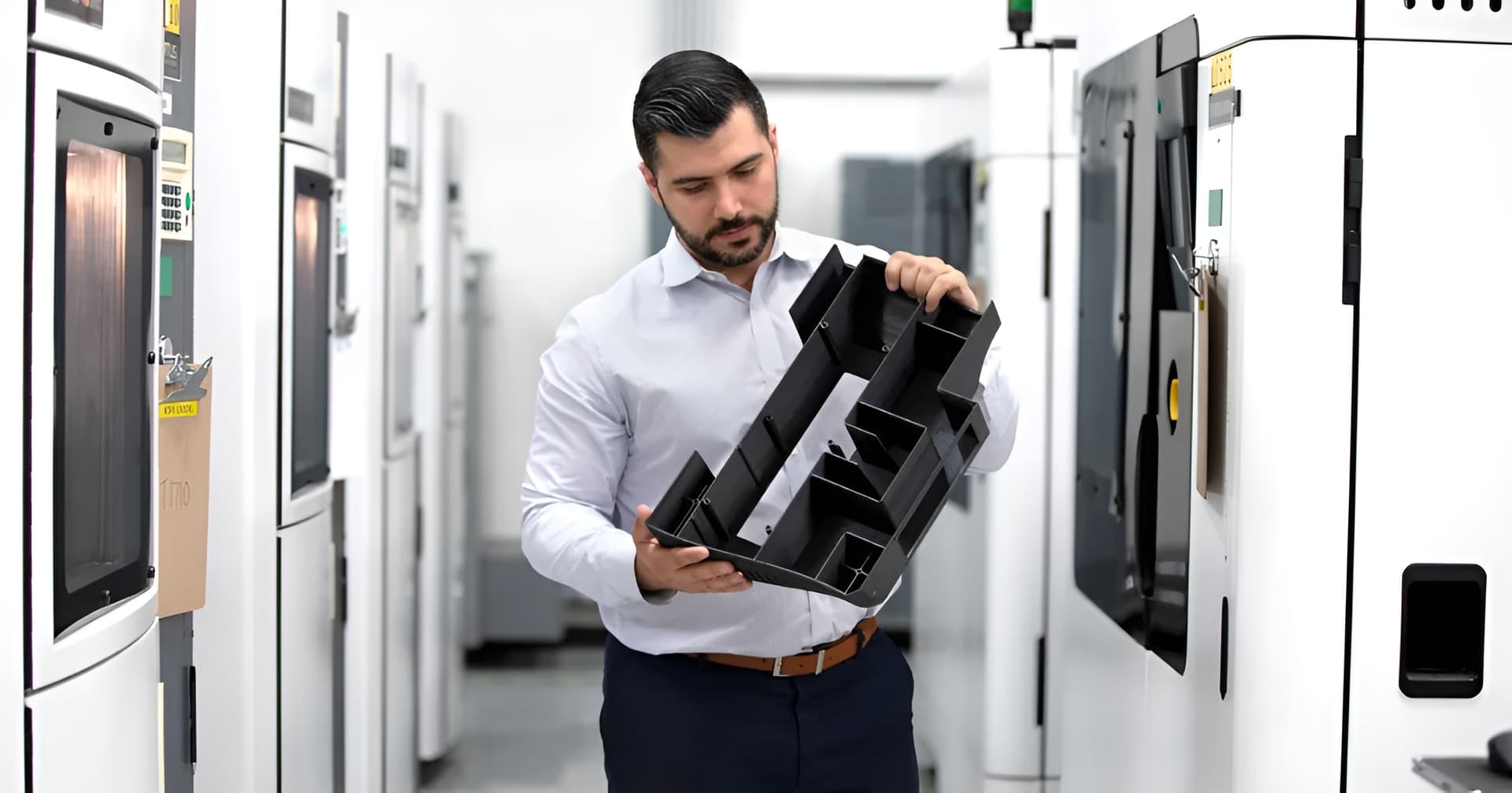
ABS runs on industrial Stratasys FDM platforms with heated build chambers and qualified material profiles, for consistent layer adhesion and mechanical integrity from a single prototype to a full production batch.
Can't find the answer you're looking for? Reach out to our customer support team.
Upload your design and get an instant quote for ABS parts.
Create an account to upload CAD
STEP, STL, OBJ, 3MF and IGES supported