Selective Laser Sintering TPU 90A For Skin-Safe Wearables, Grips and Protective Covers

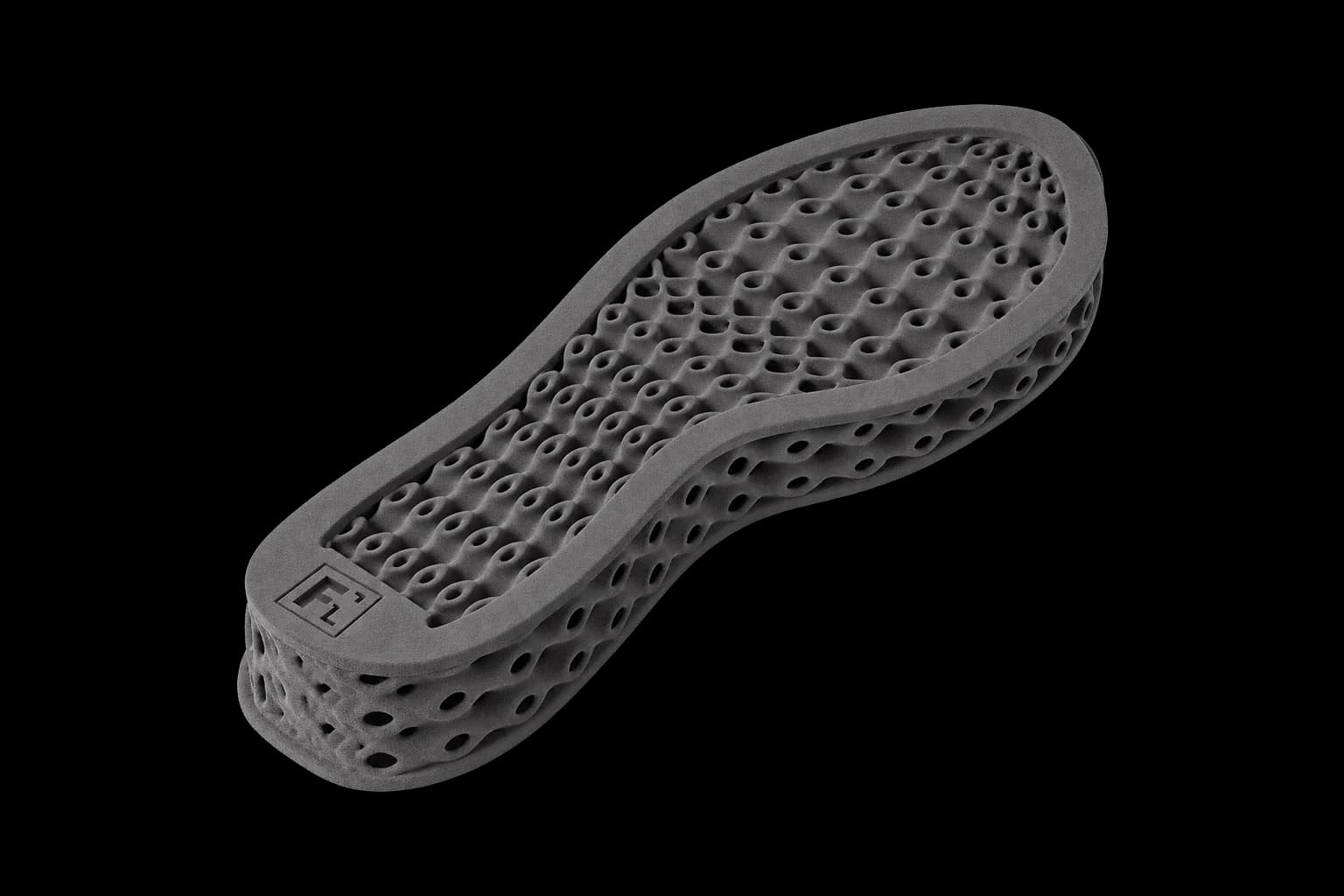
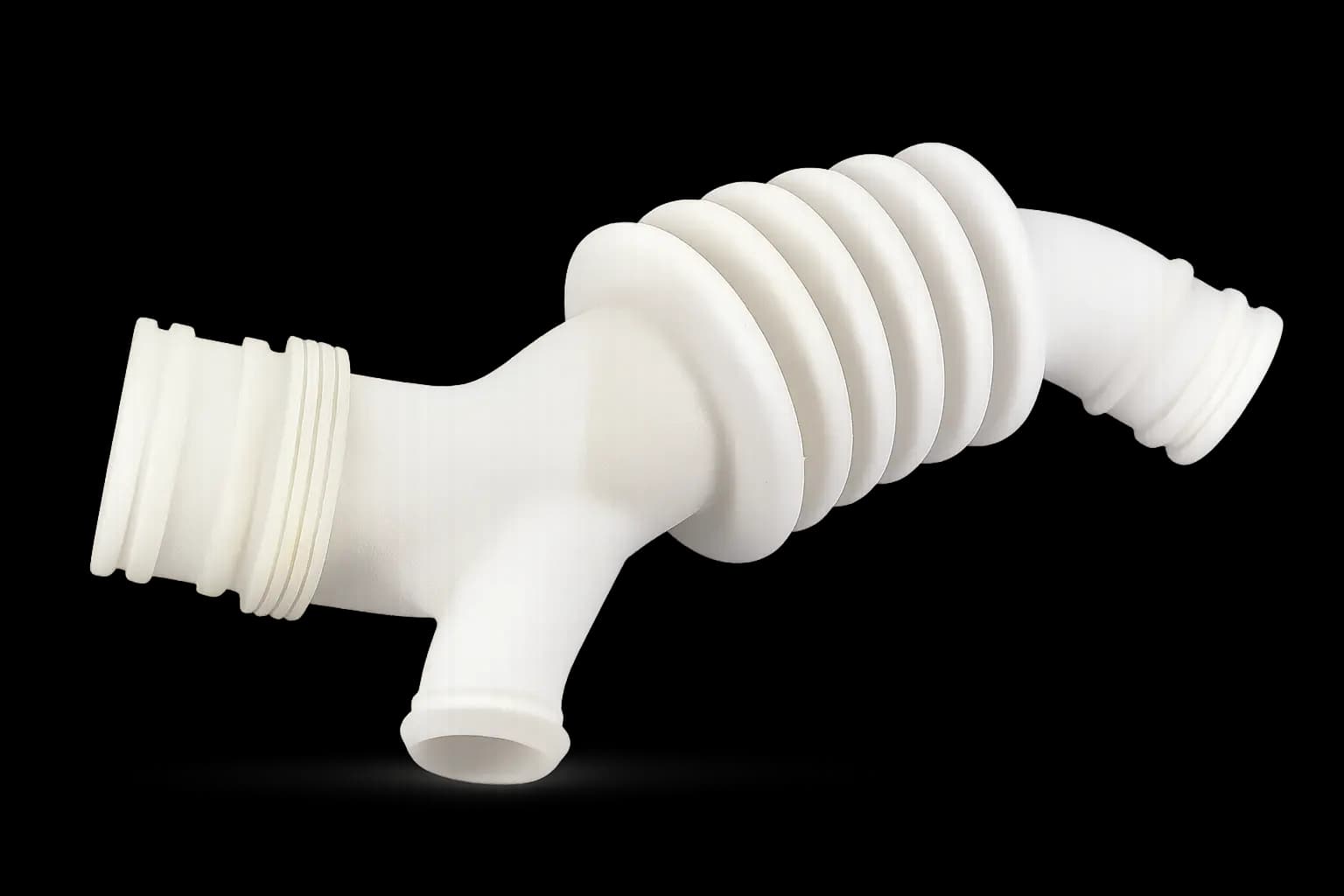
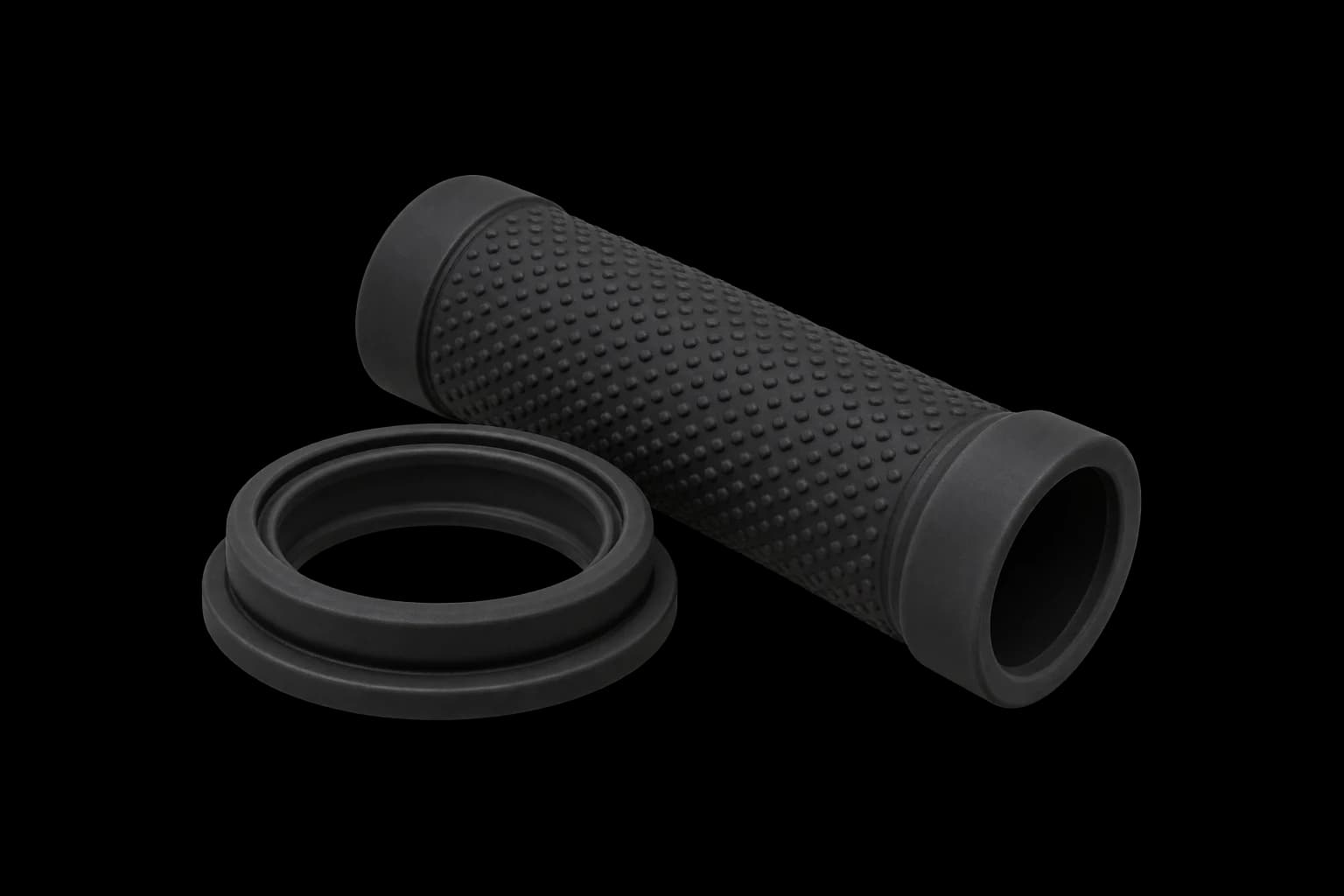
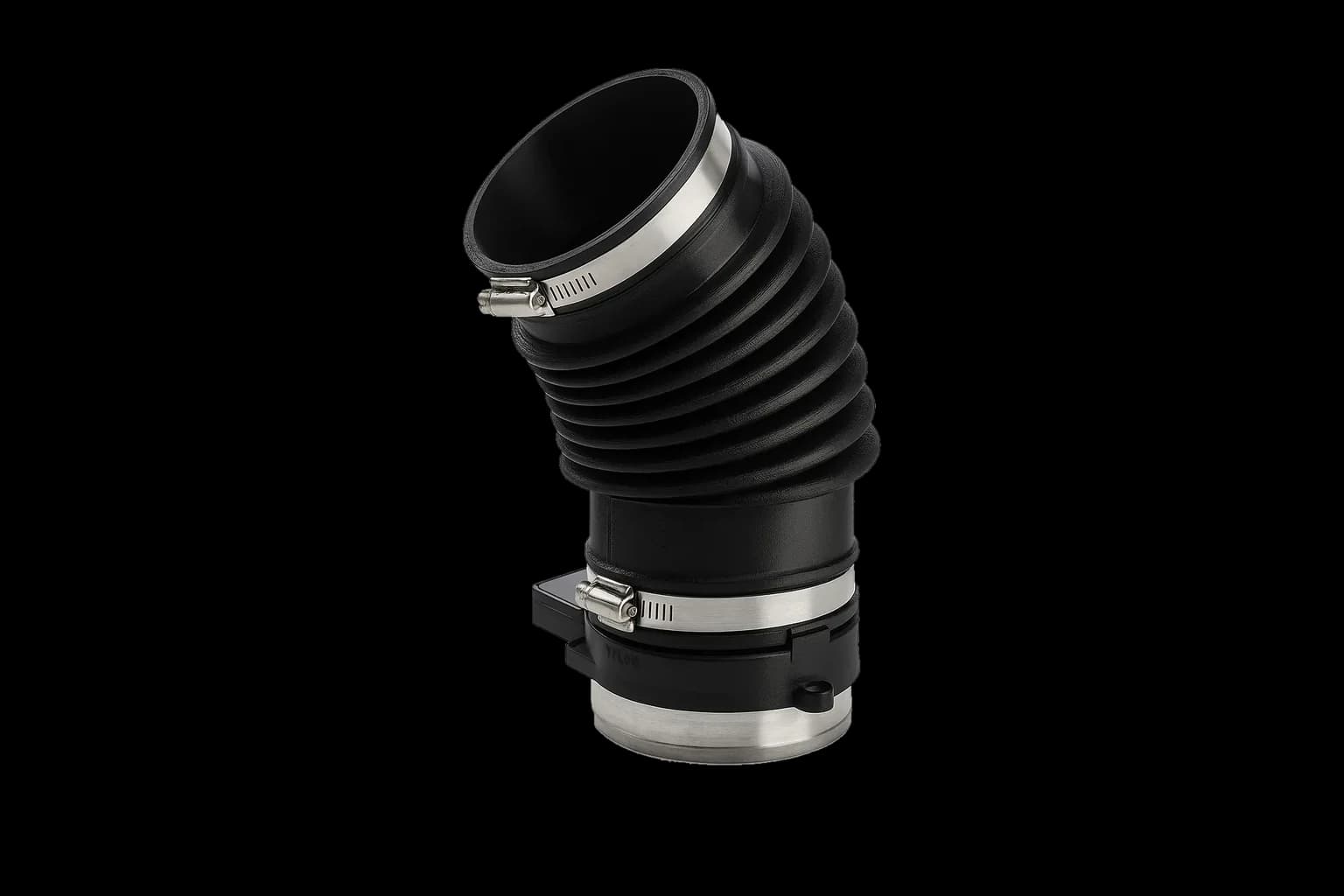
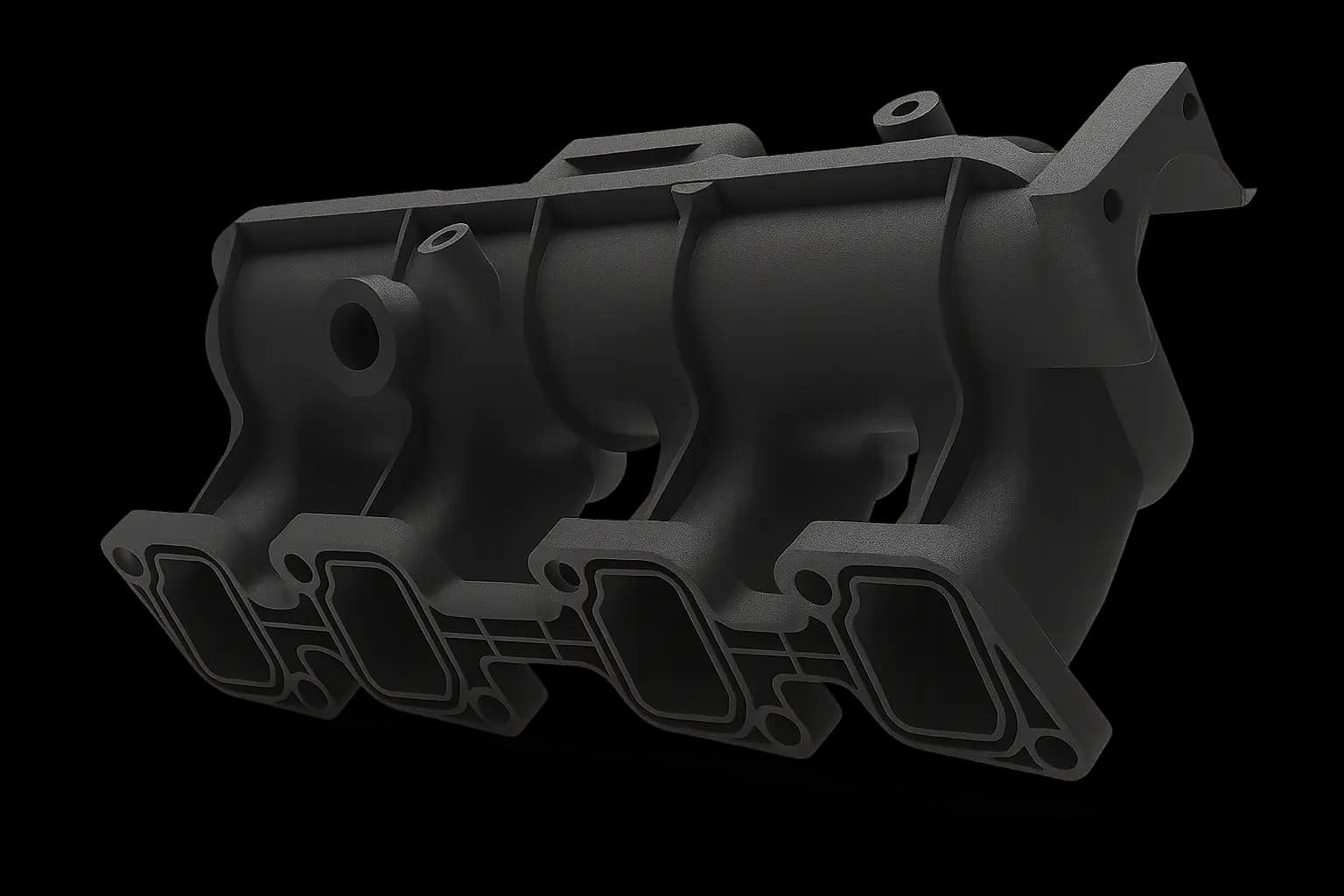
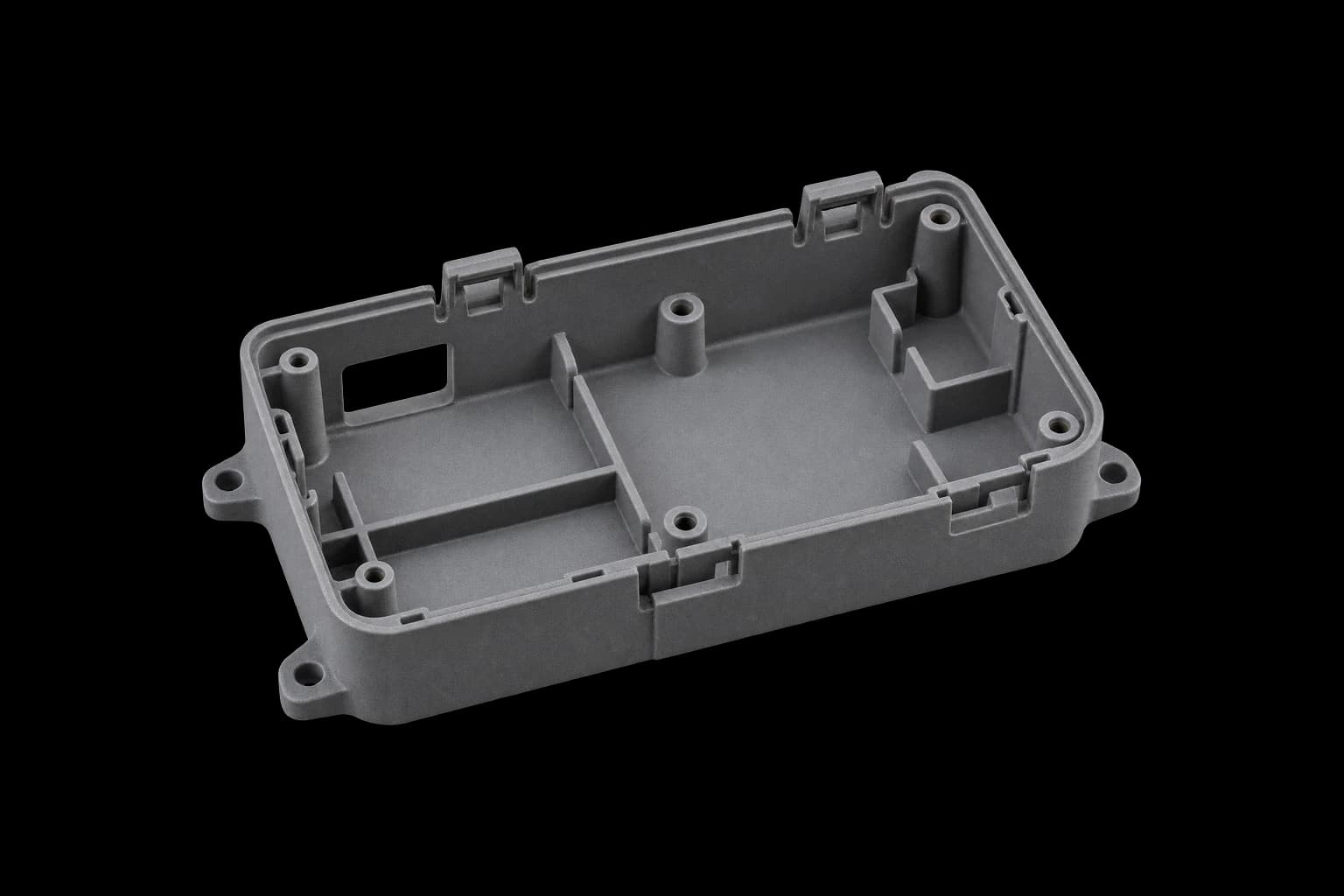
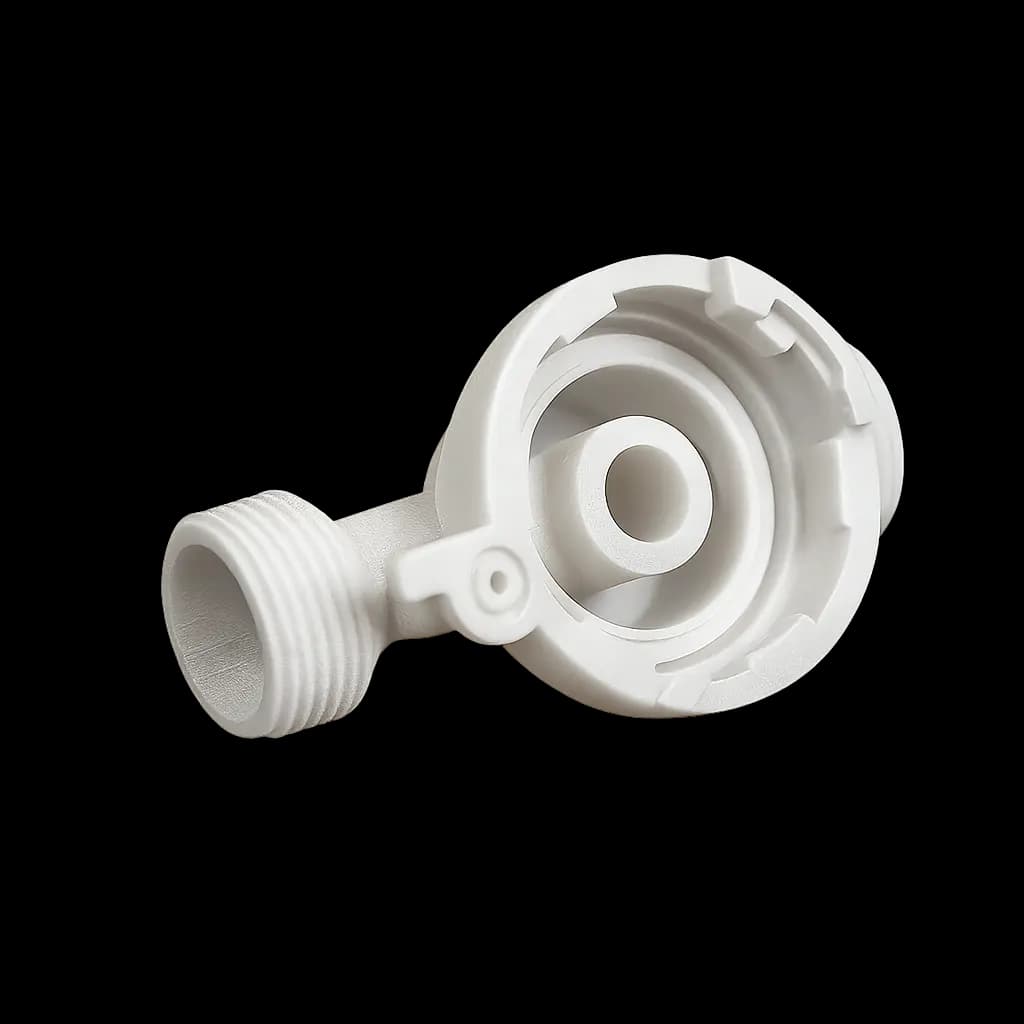
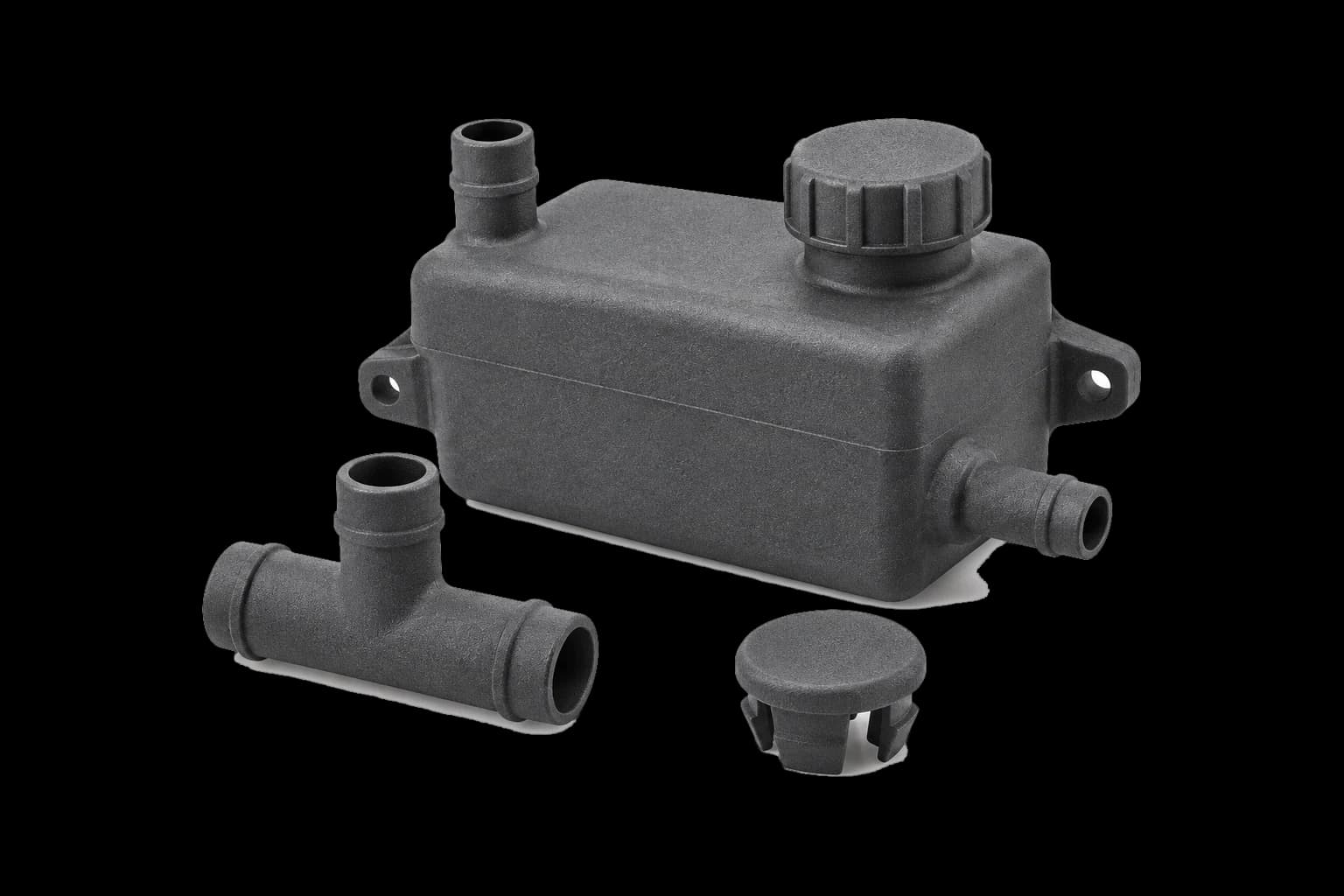
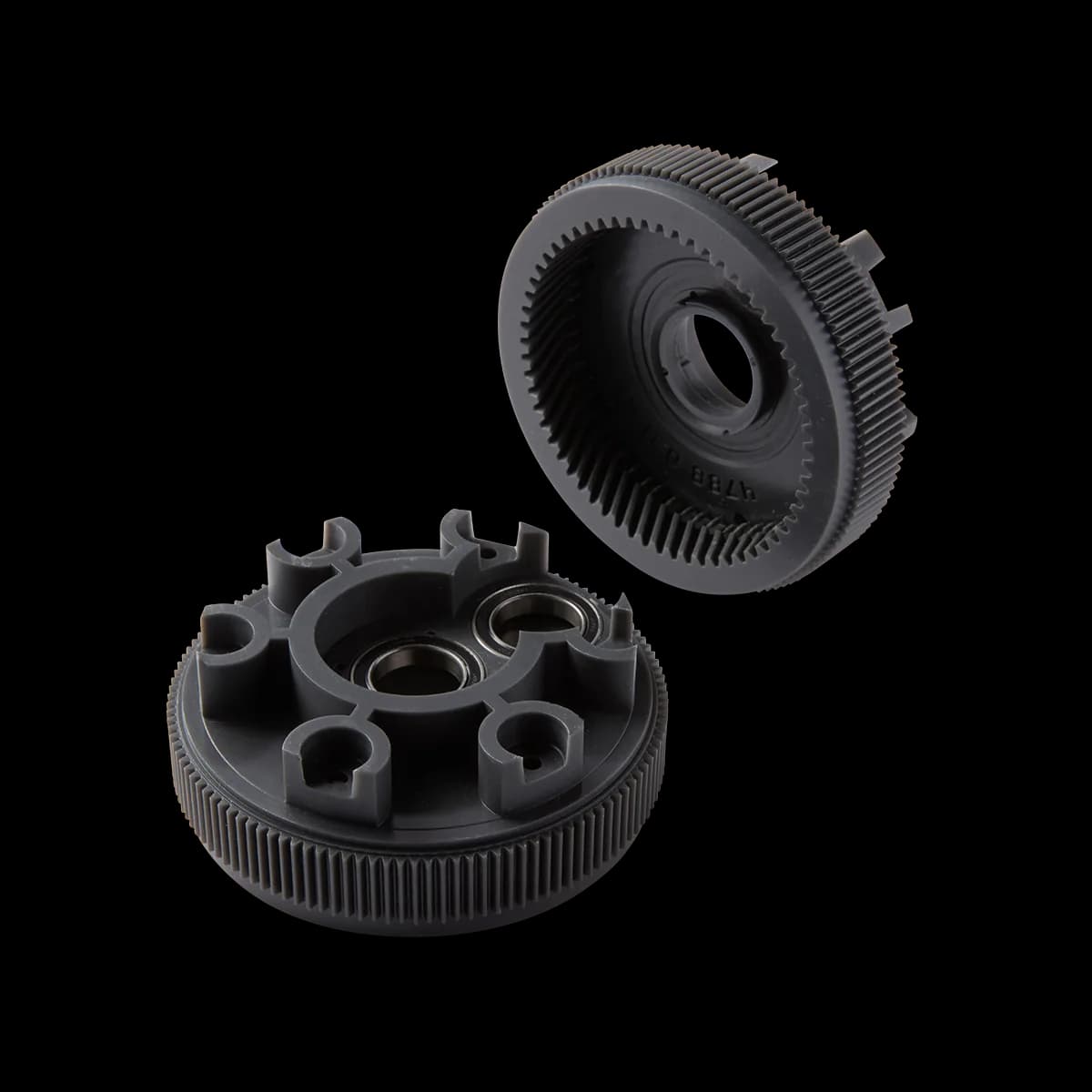
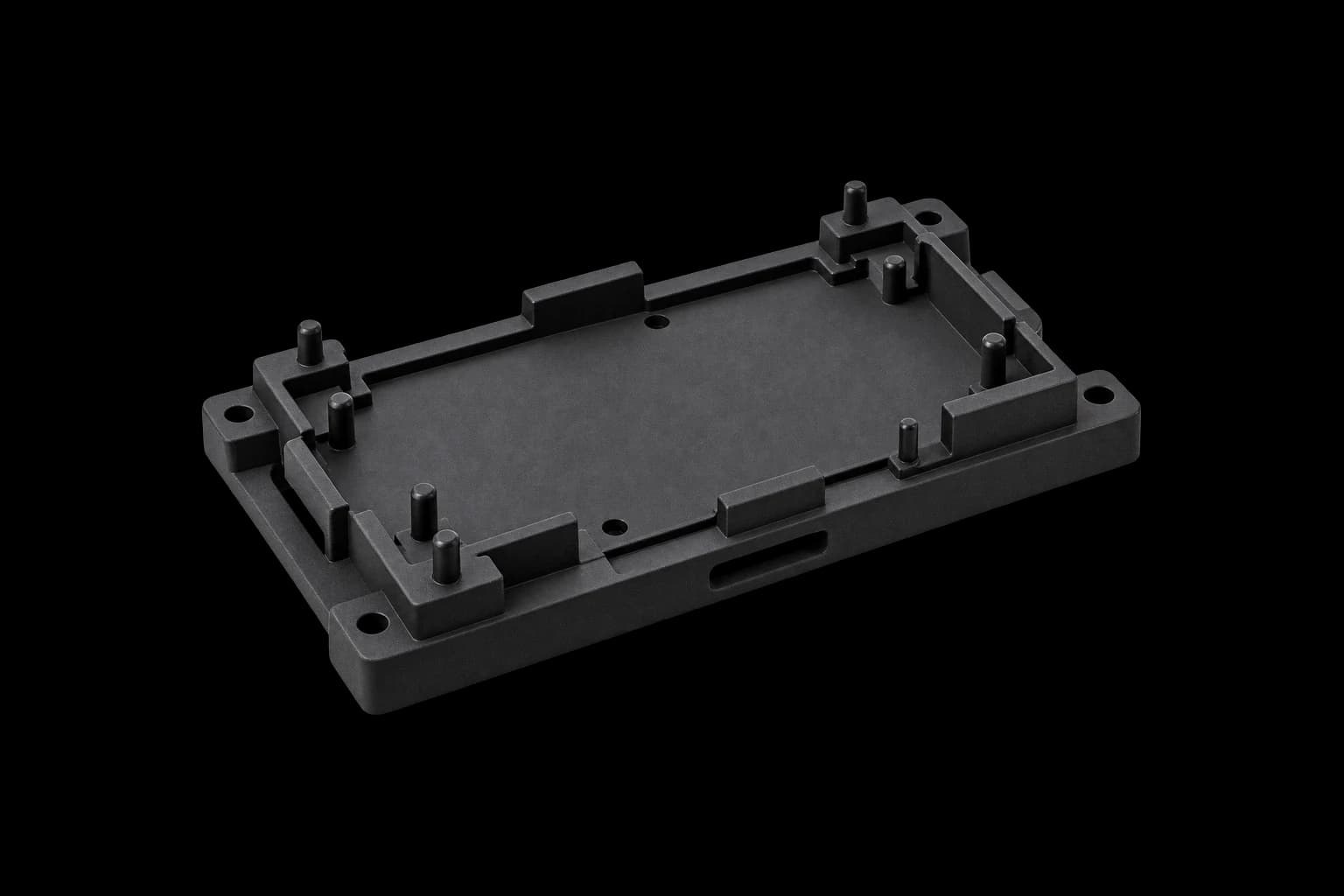
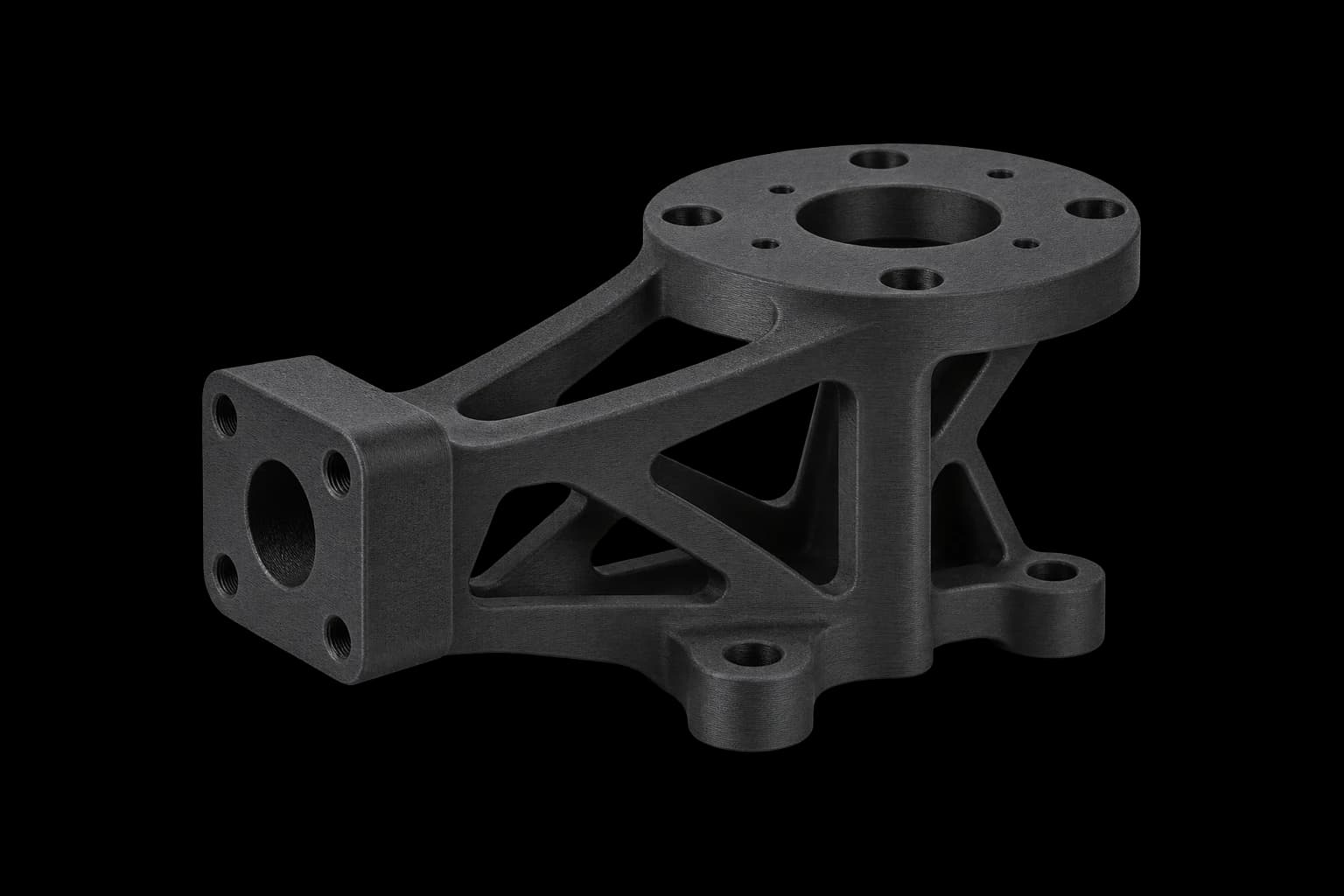
TPU 90A 3D printed part example
Skin-Safe Elastomer
ISO 10993 Skin Contact Over 30 Days
SLS material

TPU 90A overview

TPU 90A is a soft, rubber-like material for selective laser sintering (SLS) parts that flex into place and spring back through daily use. It is the most flexible material in the Formlabs SLS range, resists tearing at thin edges and is certified for long-term contact with intact skin, so it suits orthotics, splints, straps and anything worn against the body. Grips, cable guides and tool covers absorb knocks and protect finished surfaces, and parts come in grey or black with a soft matte finish. For larger parts, wear surfaces and vehicle interiors, choose TPU 88A.

How TPU 90A is manufactured

TPU 90A is manufactured using Selective Laser Sintering (SLS) on a dedicated Formlabs Fuse printer that runs TPU 90A around the clock, so orders from a few parts to production quantities turn around in as little as 2 business days. A laser fuses the powder layer by layer, and the unfused powder around each part holds it in place, so lattices, bellows, undercuts and print-in-place loops and clasps build without support structures. Parts are depowdered and glass-bead blasted to a clean, uniform finish that is soft to the touch.

Build volume
165 × 165 × 300 mm
Lead time
2-4 business days
Layer height
0.11 mm
Forge Labs Steam

Know before you manufacture in TPU 90A.

Upload CAD files to Forge Labs Steam for TPU 90A pricing and a manufacturability review, and fix issues before production.

Upload CAD files to Forge Labs Steam for TPU 90A pricing and a manufacturability review, and fix issues before production.

Surface finishes

Finishes for TPU 90A

SLS parts feature a fine-textured matte surface finish that is durable and functional, making them ideal for a wide range of applications. While the natural finish is suitable for many uses, SLS parts can be further enhanced through post-processing techniques. Deep color dyeing with DyeMansion technology provides vibrant, uniform colors, while painting allows for a smooth, professional finish that can match precise aesthetic requirements.

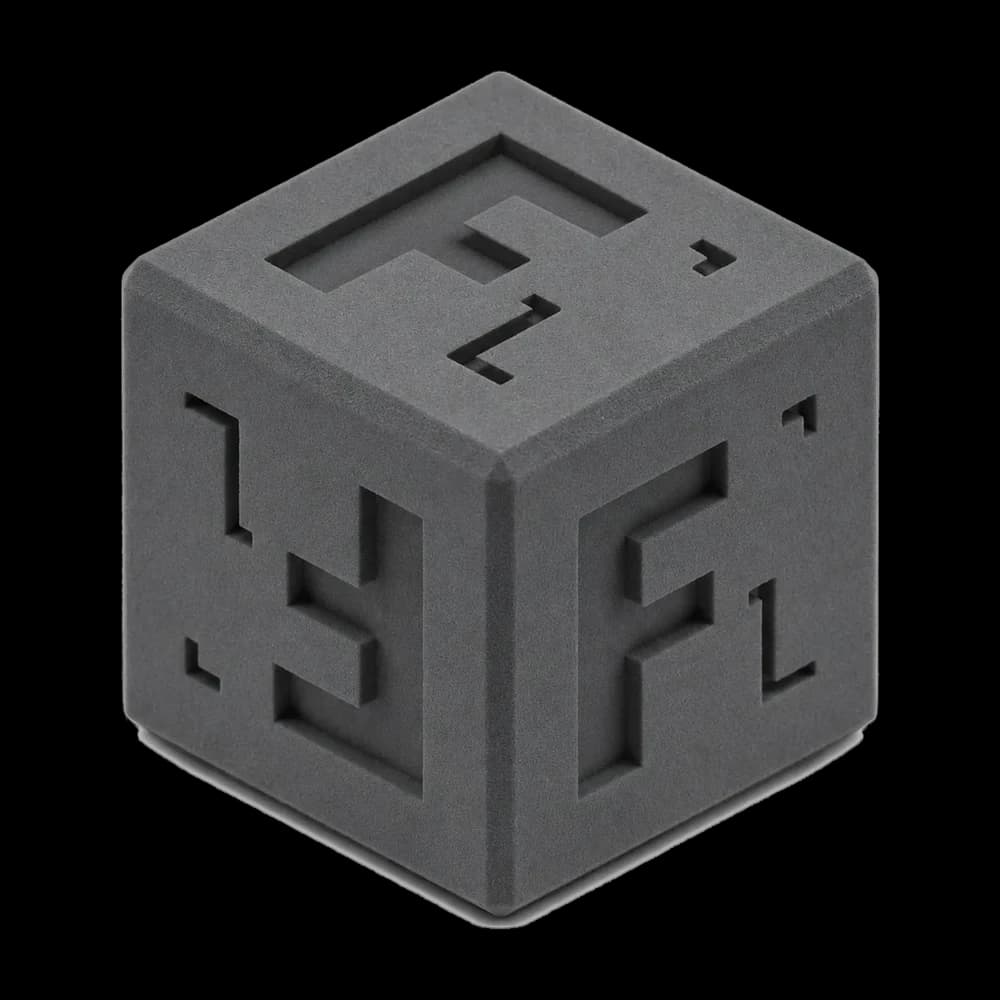
Forge Labs sample cube in grey SLS TPU 90A
Grey

Standard Finish

Parts are depowdered and bead blasted to an even, fine-textured matte finish in grey, with clear, well-defined detail and a durable surface for functional and end-use parts.

Surface Texture
Fine-textured Matte Finish
Appearance
Grey
Details
Clear & refined
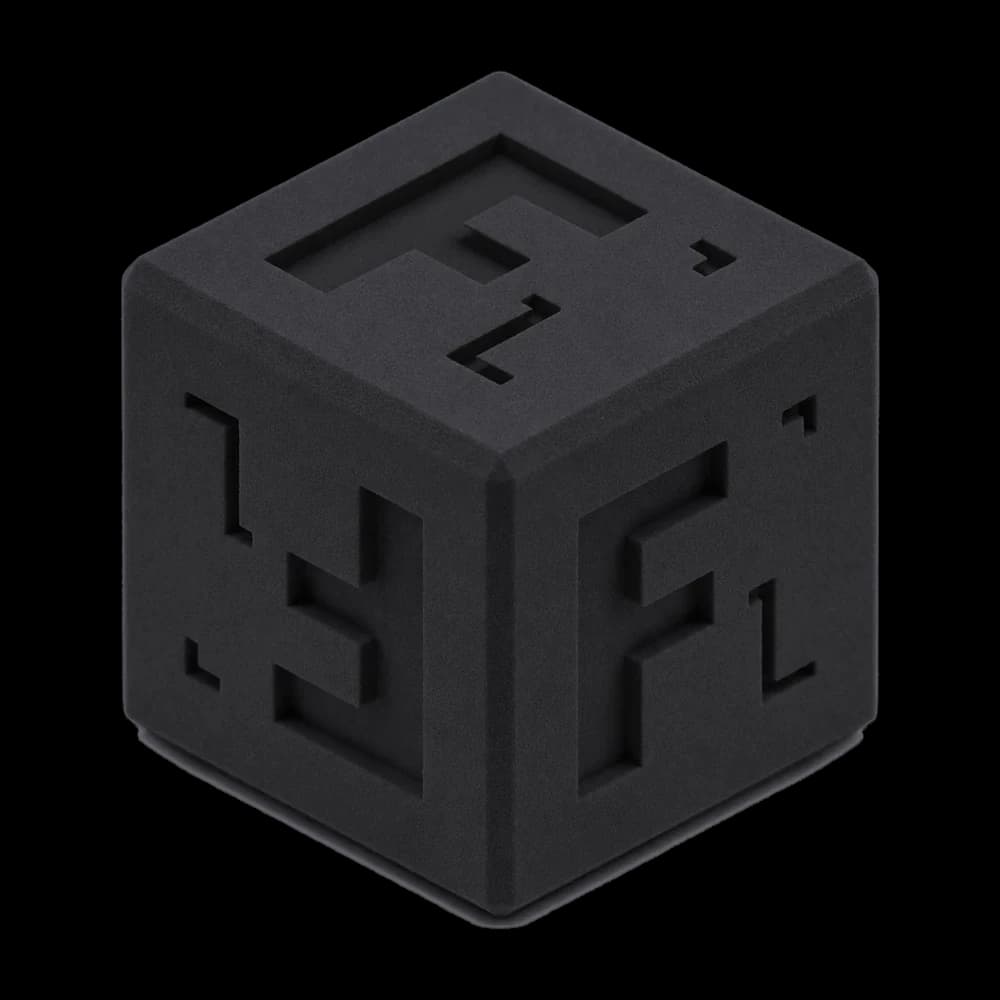
Forge Labs sample cube in dyed black SLS TPU 90A
Forge Labs sample cube in grey SLS TPU 90A
Enhanced Finish

Deep Color Dye

Deep color dying provides a rich, uniform color, improving the overall aesthetics. Suitable for both functional and visually appealing applications. The dye also enhances scratch resistance, making the parts more durable in handling and use. This process ensures consistent color uniformity across the entire part, even for complex geometries or intricate designs.

Surface Texture
Fine-textured Matte Finish
Appearance
Rich, uniform color coverage
Details
Clear & refined
Industry applications

Industry applications for TPU 90A

TPU 90A brings rubber-like flexibility to SLS parts that people wear, hold and fit over other parts. Orthotics, straps and liners sit against the skin all day, grips and covers absorb knocks and protect finished surfaces, and thin clips and boots stretch over hardware without tearing, all printed without moulds or tooling.

TPU 90A and TPU 88A sit in the same hardness class, so the choice depends on the part. Choose TPU 90A for parts worn against the skin, for thin straps, clips and covers that must stretch far along the build plane, and for small to mid-size parts in grey or black. Choose TPU 88A for parts larger than about 160 mm across, for soles and grips under sliding wear, where it loses less material, for vehicle interior parts that need FMVSS 302 and IMDS data, and for white or dyed colours.

Every part is built in one piece from the CAD model, so lattice cushioning, living hinges, snap clasps and print-in-place loops need no assembly, and each orthosis or liner can be printed from a scan to fit one person. With no tooling or minimum order, the same file goes from a fitting prototype to a production lot.

Water, salt water, bleach and gasoline add less than 1% in weight after a day of immersion, and oils, diesel and hydraulic oil less than 3%, so covers, boots and grips keep their size and feel through washing and splashes on the shop floor and in the field.

All industries
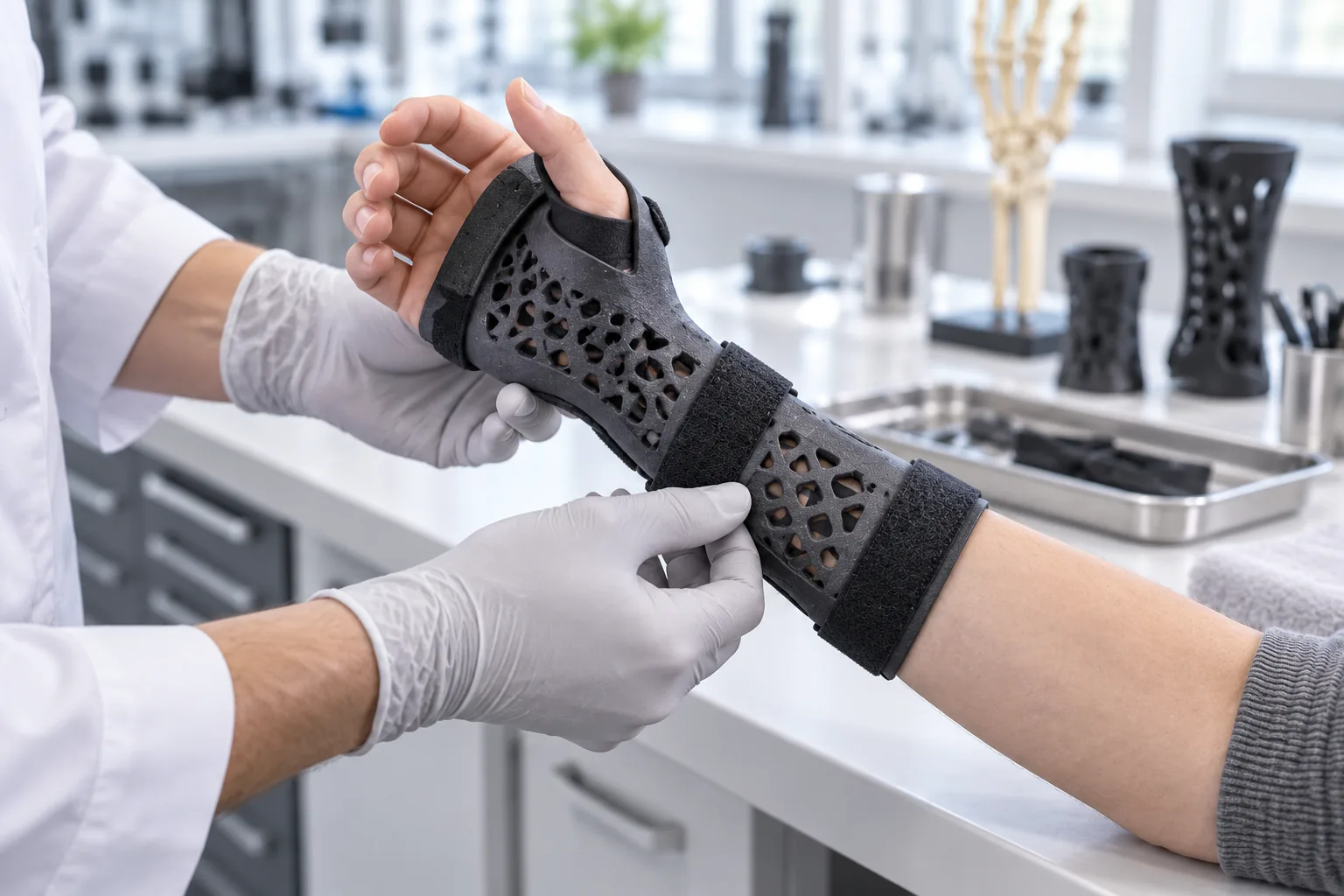
Dark grey SLS TPU 90A wrist orthosis with ventilation holes being fitted on a forearm

Medical and Wearables

Orthotics, Splints and Prosthetic Covers

Orthotics and prosthetics teams use TPU 90A for hand and wrist orthoses, splints, orthotic liners and prosthetic covers that patients wear every day. Each device prints from the patient's scan with ventilation holes and strap slots built in, and the soft, flexible material is light, comfortable to wear and easy to clean. One orthotics maker that moved its hand and wrist orthoses to in-house SLS TPU 90A cut delivery from about two weeks to one, and can print a device one day and ship it the next.

  • Hand and wrist orthoses
  • Splints and orthotic liners
  • Prosthetic covers
Explore medical devices
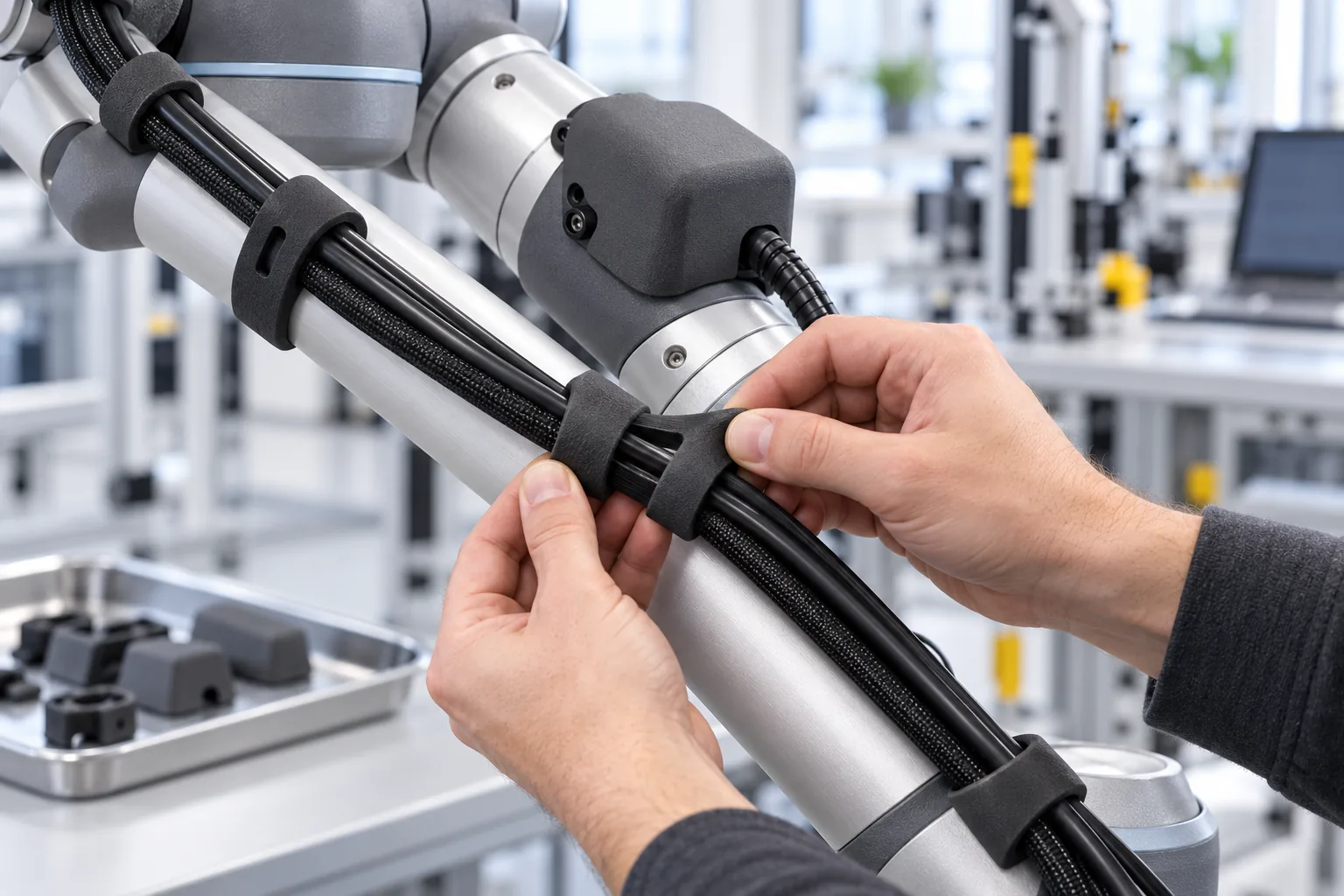
Black SLS TPU 90A wire clip stretched over a cable bundle on a robot arm

Robotics and Automation

Cable Guides, Sensor Covers and Wire Clips

Robotics and automation teams use TPU 90A for cable guides, flexible covers for sensors and end-of-arm tooling, bumpers and wire clips that flex into place and hold. High tear strength helps thin clip arms, cover lips and strap slots resist splitting. One printing-press machine builder prints TPU 90A cable guides that shield electrical cables from heavy friction, so cables last longer and presses stay running, and protects sensors and end-of-arm tooling with flexible TPU 90A parts.

  • Cable guides and wire clips
  • Sensor and gripper covers
  • Bumpers and soft stops
Explore robotics
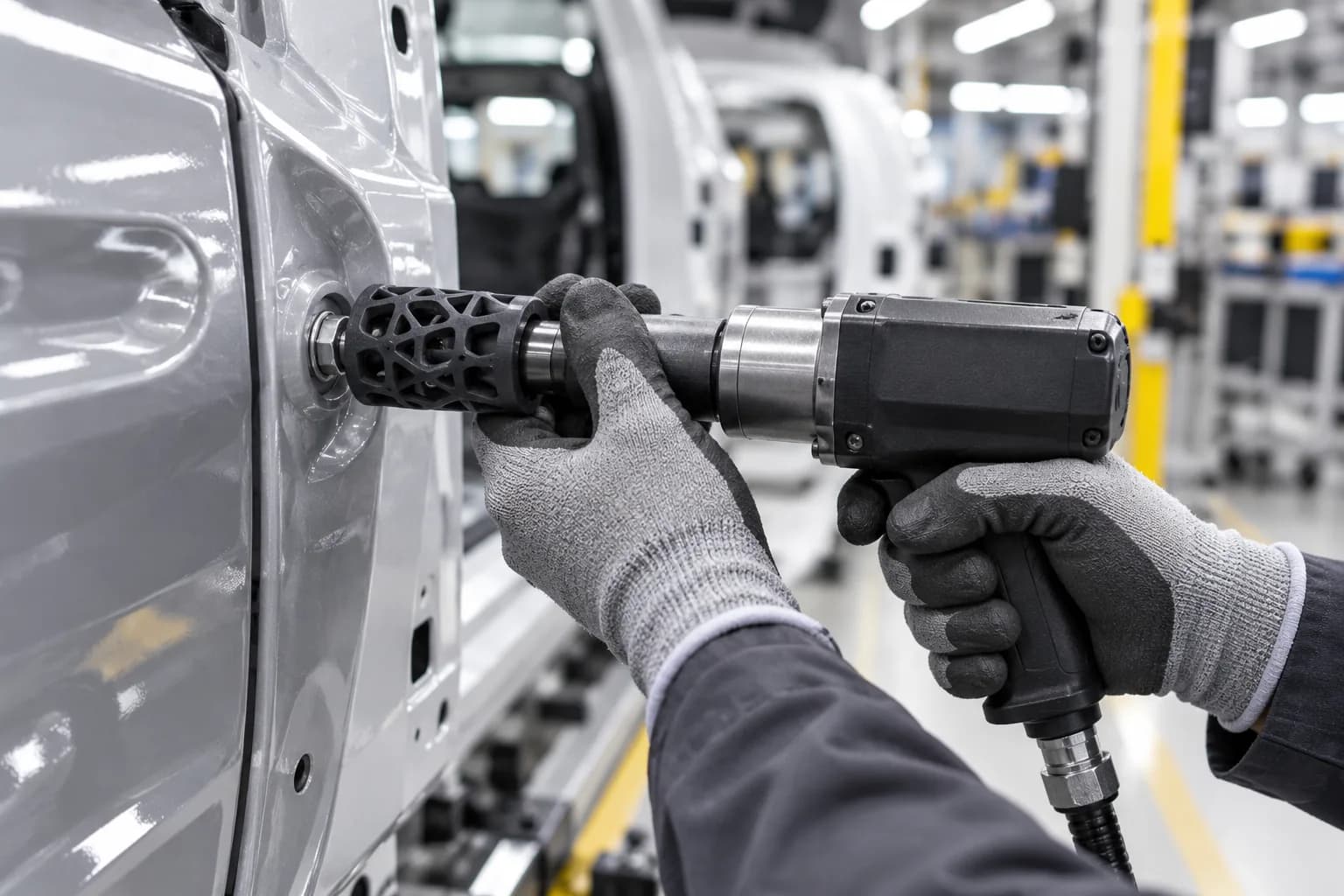
Black lattice SLS TPU 90A cover on an assembly tool beside a painted car panel

Automotive

Tool Covers and Scratch Protection

Vehicle assembly and maintenance teams use TPU 90A for soft covers on tools, fixtures and handling aids that touch painted or finished surfaces. One vehicle assembly plant fitted TPU 90A lattice covers to its fastening tools to stop scratches on car bodies and give line workers a better grip. In rail coach restoration, slim TPU 90A covers on luggage racks were the first method to completely eliminate scratches on freshly painted coach walls, where bubble wrap masking had not.

  • Fastening tool covers
  • Scratch protection for painted panels
  • Flexible jigs and masking aids
Explore automotive
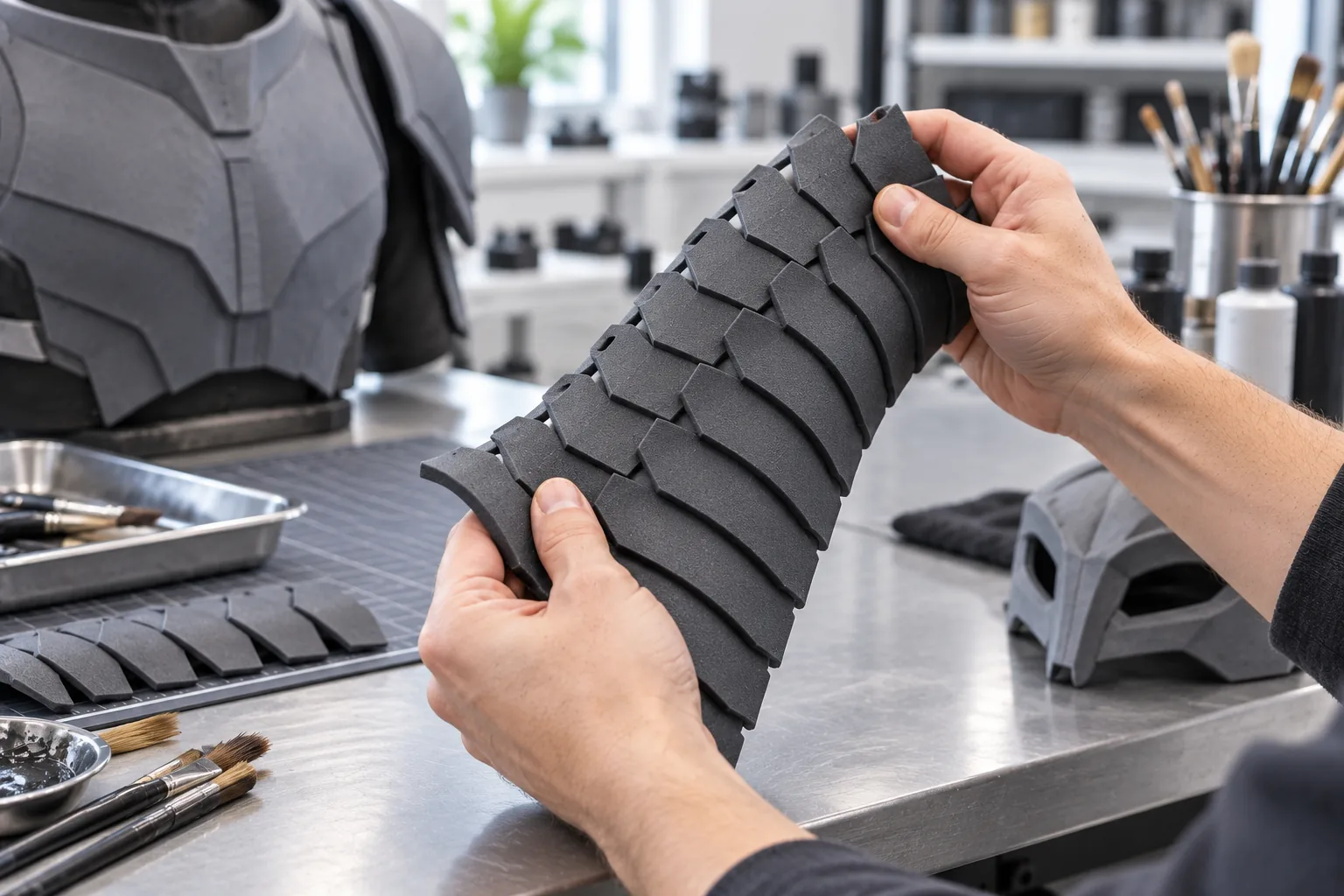
Dark grey SLS TPU 90A flexible armour segment flexed by hand on an effects workshop bench

Film and TV

Armour, Creature Parts and Costume Pieces

Effects and costume shops use TPU 90A for armour segments, animatronic claw flexion parts, helmet inserts and mask components that must be soft, flexible and light on a performer. One effects studio now prints 10 to 16 kg of TPU 90A parts a month and is close to replacing cast soft urethane parts entirely. Parts come off the printer the next morning with no layer lines, almost ready to seal and paint.

  • Flexible armour segments
  • Animatronic flexion parts
  • Helmet inserts and masks
Explore film and TV
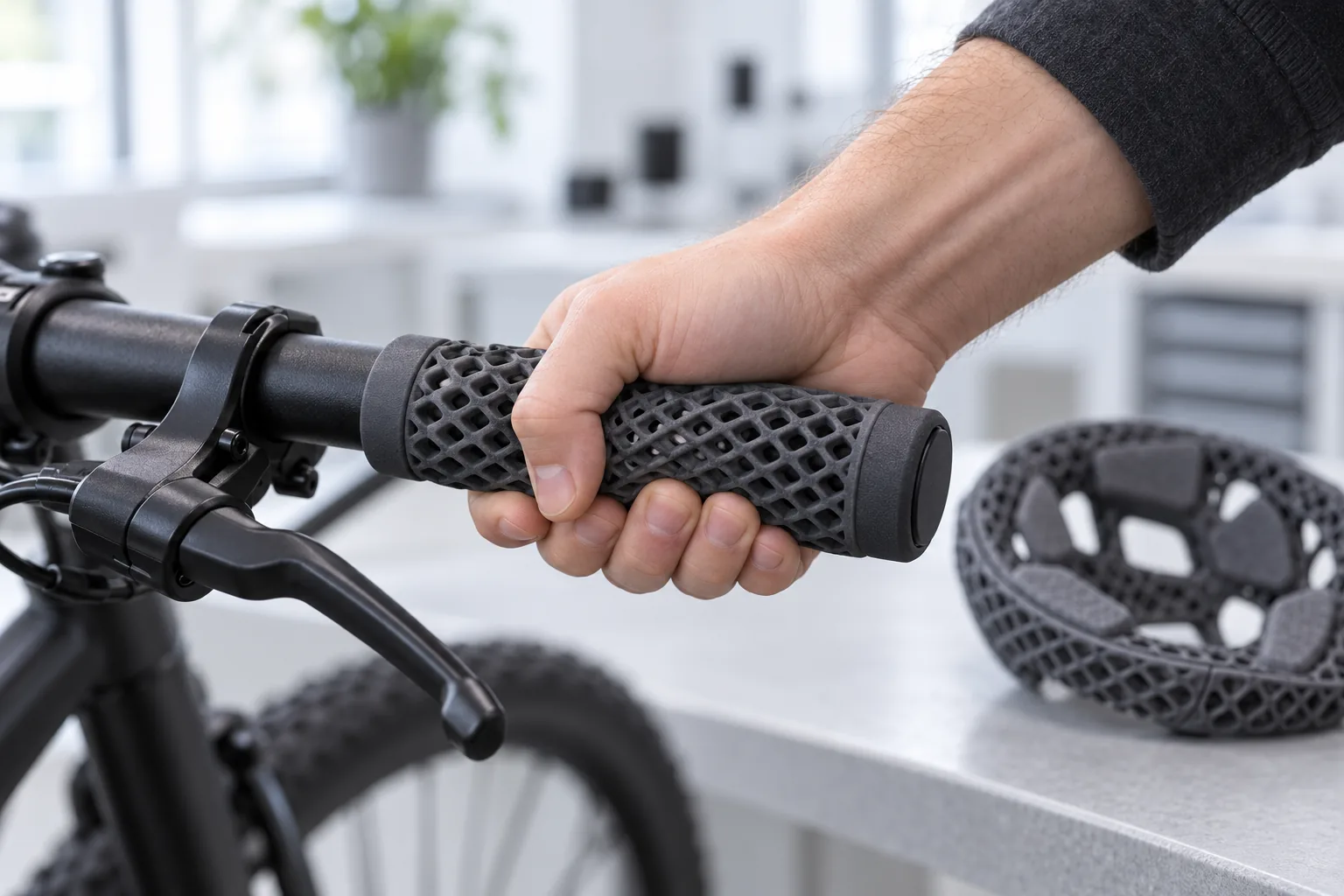
Hand squeezing a dark grey SLS TPU 90A lattice grip, with a lattice helmet pad beside it

Sports and Consumer Products

Lattice Padding, Grips and Straps

Sports and consumer product teams use TPU 90A for lattice padding, insoles, handlebar grips and watch bands with snap clasps. Lattices tune cushioning zone by zone in a single part. One e-bike and toy maker prototypes soft-grip handlebars in TPU 90A and finds the high-grip finish closer to its injection-moulded TPE and TPU parts than any other printed elastomer it has tried.

  • Handlebar grips
  • Watch bands and straps
  • Insoles and lattice padding
Explore industrial design
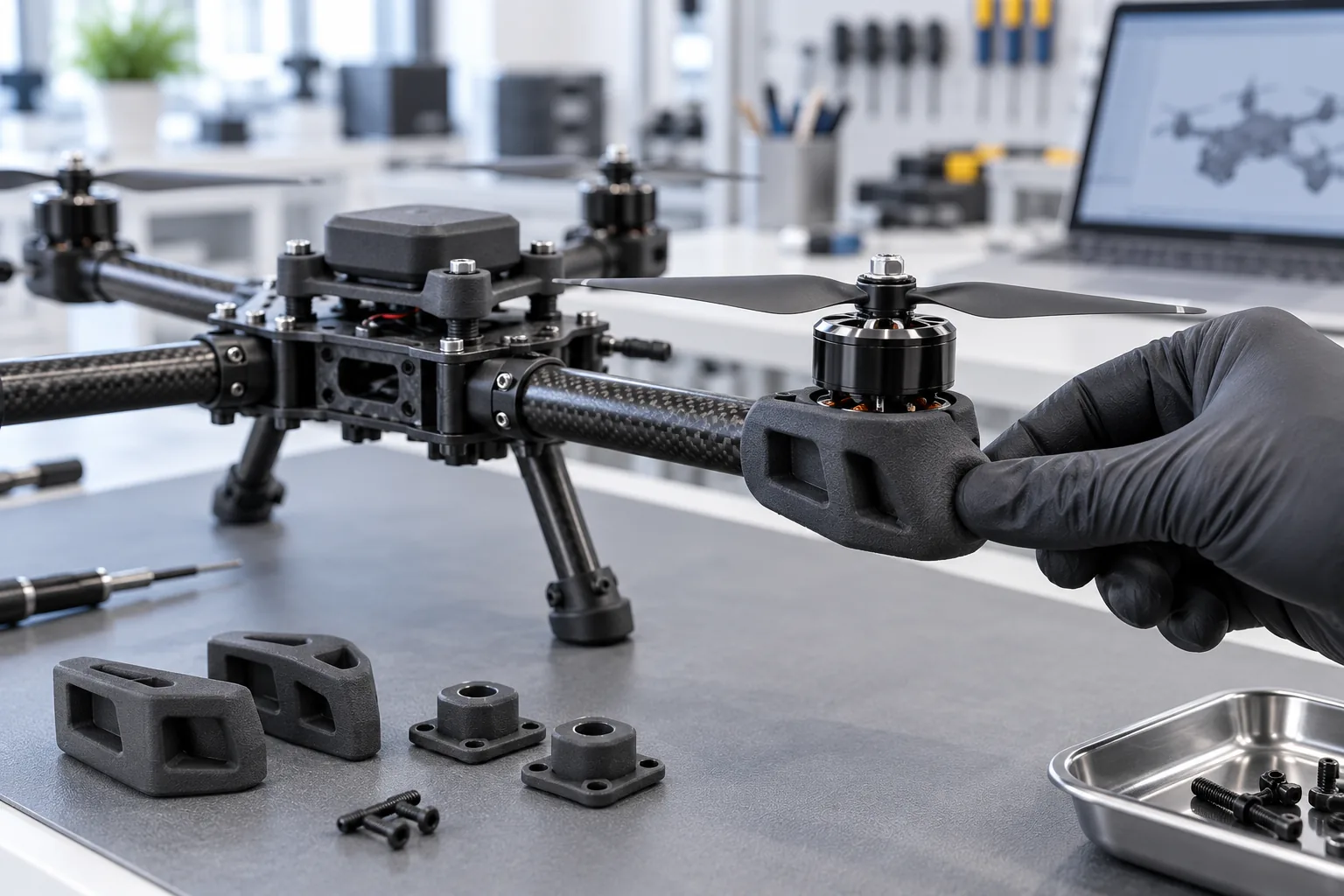
Dark grey SLS TPU 90A bumper and GPS cushion mount fitted on a quadcopter

Aerospace

Drone Parts, Cushioning and Goggle Components

Drone and FPV makers use TPU 90A for impact-resistant drone components, cushioning fixtures that hold delicate parts such as GPS modules, and soft-touch goggle components. Flexible parts need no tooling, so a design change reaches production without waiting on a mould change. One drone and FPV goggle maker printed several hundred soft TPU 90A end-use parts in a few days instead of changing its injection mould tooling.

  • Impact-resistant drone components
  • GPS module cushioning and fixtures
  • Soft-touch FPV goggle parts
Explore aerospace
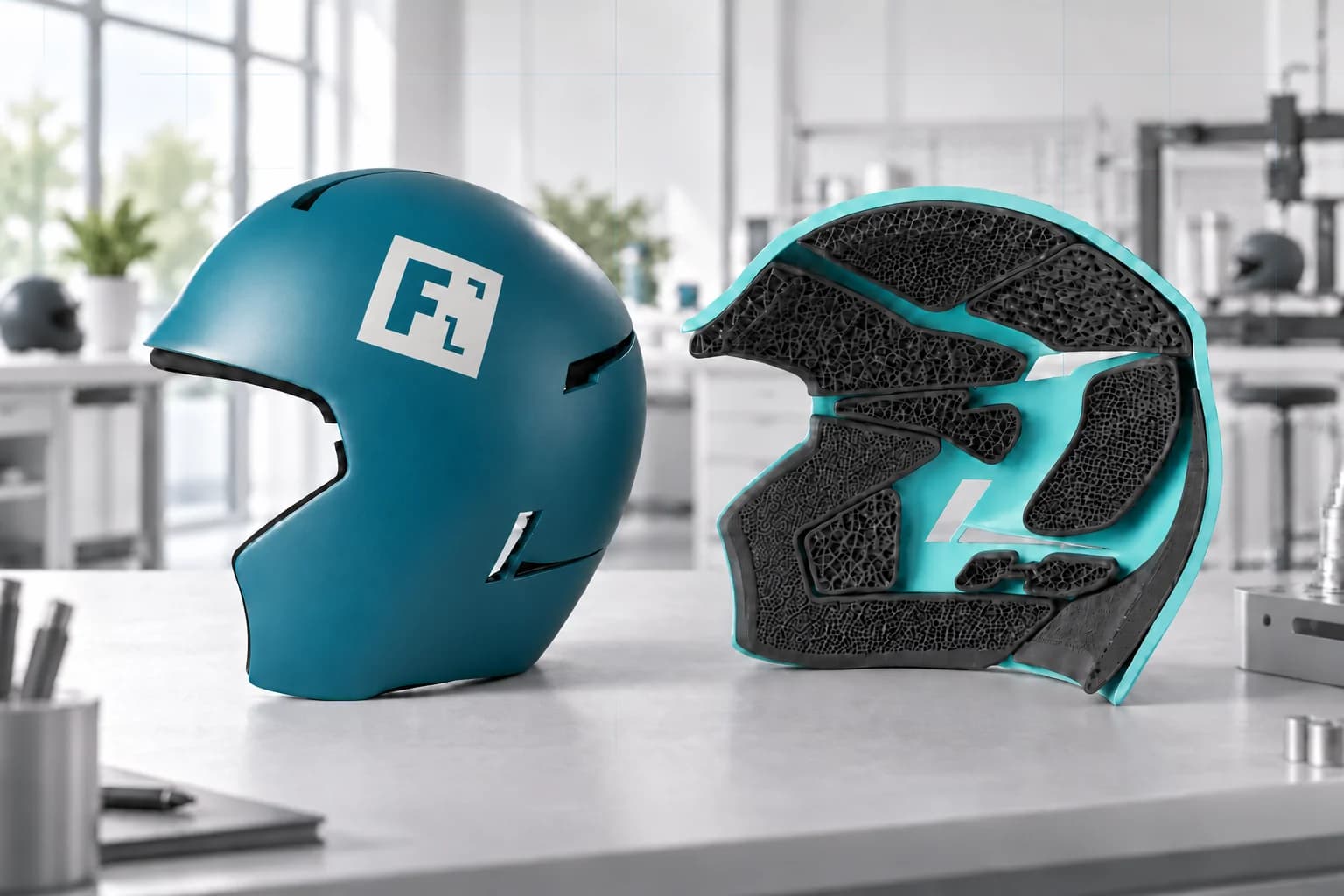
Forge Labs branded sports helmet beside a cut-away shell lined with black SLS TPU 90A lattice impact pads

Sports and Protective Equipment

Helmet Liners and Impact Padding

Sports and safety equipment teams use TPU 90A for helmet liners, impact pads and protective padding. Each liner prints as one lattice part with its density tuned zone by zone, firm where impacts land and open elsewhere for airflow and low weight, and it can be printed from a head scan to fit one rider or player. The lattice recovers its shape after compression, and the material is certified for long-term skin contact, so liners stay comfortable against the head through a full day.

  • Helmet liners
  • Impact and protective padding
  • Custom-fit pads from scans
Explore industrial design
Performance data

Technical performance for TPU 90A

Values from the Formlabs TPU 90A Powder datasheet, tested to the standard listed with each property; X/Y is along the build plane and Z across the layers. The powder melting range and bulk density come from the Formlabs safety data sheet.

Mechanical performance

Mechanical properties

Tensile strength, elongation at break and the stress at 50% and 100% stretch show how far a part extends and how firmly it pulls back. TPU 90A stretches much further along the build plane than across its layers, so straps, bands and clips that must stretch furthest are best oriented flat in the build.

Tear strength shows how well a nicked or notched edge resists splitting, which matters for thin lips, clip arms and strap slots. Compression set shows how much of a squeeze a part keeps after the load is removed, so lower is better: recovery is good at room temperature and drops at 70 °C, so cushions that stay compressed in hot places should be tested in service. Abrasion is the volume lost on a rotating abrasive drum, where a lower value means better wear resistance.

PropertyValue
Shore A HardnessASTM D2240-15 (2021)
90
Ultimate Tensile Strength (X/Y)ASTM D412-16, Method A
8.7 MPa
Ultimate Tensile Strength (Z)ASTM D412-16, Method A
7.2 MPa
Elongation at Break (X/Y)ASTM D412-16, Method A
310 %
Elongation at Break (Z)ASTM D412-16, Method A
110 %
Stress at 50% Elongation (X/Y)ASTM D412-16, Method A
6.1 MPa
Stress at 50% Elongation (Z)ASTM D412-16, Method A
5.9 MPa
Stress at 100% Elongation (X/Y)ASTM D412-16, Method A
7.2 MPa
Stress at 100% Elongation (Z)ASTM D412-16, Method A
7.0 MPa
Tear Strength (X/Y)ASTM D624-00 (2020)
66 kN/m
Tear Strength (Z)ASTM D624-00 (2020)
39 kN/m
Compression Set B (23 °C)ASTM D395-18, Method B
20.5 %
Compression Set B (70 °C, 22 h)ASTM D395-18, Method B
59.9 %
Abrasion Resistance, Volume LossISO 4649 (40 rpm, 10 N)
122 mm³

Material makeup

Physical properties

Part density shows how light parts are for their size, and water absorption shows how little moisture printed parts take up when immersed, so fit and feel stay stable in humid use and after washing. Moisture content, melting range and bulk density describe the powder before printing, not the finished part.

PropertyValue
Part Density (sintered)Formlabs in-house method
1.14 g/cm³
Water AbsorptionASTM D570
0.89 %
Moisture Content (powder)ISO 15512, Method D
0.19 %
Bulk Density (powder)Formlabs SDS
0.3–0.6 g/cm³
Colour (as printed)
Grey or black

Heat performance

Thermal properties

The Vicat softening temperature marks where a part under a small load begins to soften. TPU 90A suits parts that stay well below this point, such as parts worn on the body or used at room temperature; keep it away from hot surfaces and out of processes, such as pressure dyeing, that run above this point.

PropertyValue
Vicat Softening TemperatureASTM D1525
94.3 °C
Melting Range (powder)Formlabs SDS
120–150 °C

Compatibility data

Chemical properties

The table lists the weight a printed 1 cm cube gains after 24 hours in each fluid. Small gains mean the part keeps its size and feel; large gains mean it swells. Water, salt water, bleach, dilute alkali and gasoline leave almost no change; oils, diesel, hydraulic oil, hydrogen peroxide and dilute acetic acid add a little; isopropyl alcohol, Skydrol and tripropylene glycol monomethyl ether swell it moderately; acetone, xylene, butyl acetate and diethylene glycol monomethyl ether swell it heavily; and concentrated hydrochloric acid removes material, shown as a weight loss.

Clean parts with water rather than alcohol or solvents, and confirm long fluid exposure with application-specific testing before production release.

Chemical24 h weight gain
Acetic acid 5%
1.3%
Acetone
28.6%
Bleach (~5% NaOCl)
0.8%
Butyl acetate
16.5%
Diesel fuel
2.0%
Diethylene glycol monomethyl ether
14.4%
Hydraulic oil
2.8%
Hydrogen peroxide 3%
1.0%
Isooctane (gasoline)
0.7%
Isopropyl alcohol
4.8%
Mineral oil (light)
2.3%
Mineral oil (heavy)
2.1%
Salt water (3.5% NaCl)
0.9%
Skydrol 5
6.5%
Sodium hydroxide 0.025% (pH 10)
0.9%
Strong acid (HCl, concentrated)
-5.2% (weight loss)
Tripropylene glycol monomethyl ether
9.9%
Water
0.9%
Xylene
20.8%

Medical readiness

Biocompatibility and compliance profile

Formlabs certifies that TPU 90A parts, printed and post-processed to its instructions (cooled in the printer, depowdered, blasted with glass media, washed with water and blown clean), meet ISO 10993-1 for long-term (more than 30 days) contact with intact skin and limited (up to 24 hours) contact with mucosal membranes. Printed samples were non-cytotoxic, non-irritant and non-sensitizing in testing at NAMSA.

The device maker validates the final part for its intended use. Formlabs states no sterilization method, USP Class VI rating, food contact approval, flammability rating, or RoHS or REACH declaration for TPU 90A Powder.

StandardStatus
ISO 10993-1 (Skin and mucosal membrane contact)Parts printed and post-processed to the Formlabs instructions are biologically safe for long-term (more than 30 days) intact skin contact and limited (up to 24 hours) mucosal membrane contact (Formlabs Biocompatibility Certification, 7 March 2023)
Formlabs certificate
ISO 10993-5 (Cytotoxicity)Non-cytotoxic, ISO elution method, tested at NAMSA
Formlabs tested
ISO 10993-23 (Irritation)Non-irritant, intracutaneous reactivity study, tested at NAMSA
Formlabs tested
ISO 10993-10 (Sensitization)Non-sensitizer, guinea pig maximization study, tested at NAMSA
Formlabs tested
Resources

Datasheets and design resources

Datasheets, design guidance and supplier documentation for TPU 90A.

Download center

Access the most recent datasheet and supporting documentation maintained by our engineering team.

TPU 90A datasheet

Design guidelines

Explore printable geometry recommendations, wall thickness tips, and finishing playbooks for SLS.

View SLS design guide
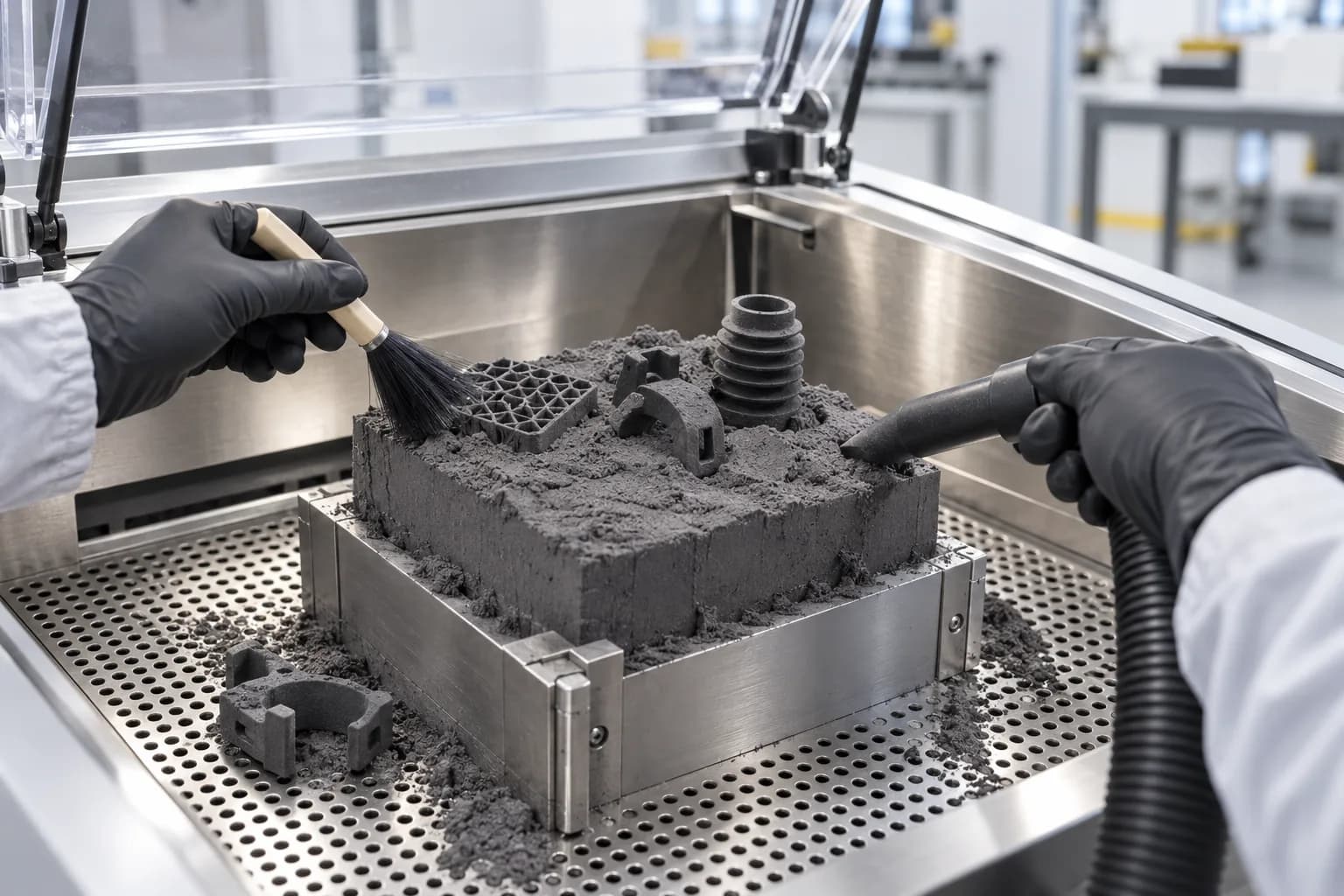
Gloved hands brushing dark grey SLS TPU 90A parts free of the powder cake in a depowdering station
Advanced Manufacturing

Built with Precision SLS Technology

TPU 90A is manufactured with industrial SLS on a compact Formlabs Fuse system set up for elastomers. Small parts nest throughout the build chamber, so a full lot of clips, straps or covers prints in one run, and each build reuses unfused powder with only 20% fresh powder added, which keeps the cost per part low.

Tolerance
±0.3% (min ±0.3 mm)
Largest part
161 × 161 × 295 mm
Production capacity
Dozens to hundreds of small parts nested in each build
Colours and finishes
Grey or black; depowdered and glass-bead blasted to an even matte finish
Learn more about SLS technology
Frequently Asked Questions

Frequently asked questions about TPU 90A

Can't find the answer you're looking for? Reach out to our customer support team.

TPU 90A is a flexible thermoplastic polyurethane powder printed by selective laser sintering on Formlabs Fuse printers. Parts are 90 Shore A, stretch to 310% along the build plane, have a tear strength of 66 kN/m and are certified for long-term contact with intact skin, so it suits orthotics, wearables, grips, straps, clips and protective covers.
Start a quote

Ready to Get Started with TPU 90A?

Upload your design and get a quote for TPU 90A parts from our engineers.

  • Engineer-prepared quotes with manufacturability review
  • Production workflows built for repeatable quality
  • Engineering support from prototype to production
Compare all materials

Create an account to upload CAD

STEP, STL, OBJ, 3MF and IGES supported

Manufacturing technologies
6
Engineering materials
50+
Part quantities
1-500+