Electronics Manufacturing
PCB Fixtures, Carriers & Handling Trays
Fixtures, carriers and trays that protect boards and components from static during assembly and test.
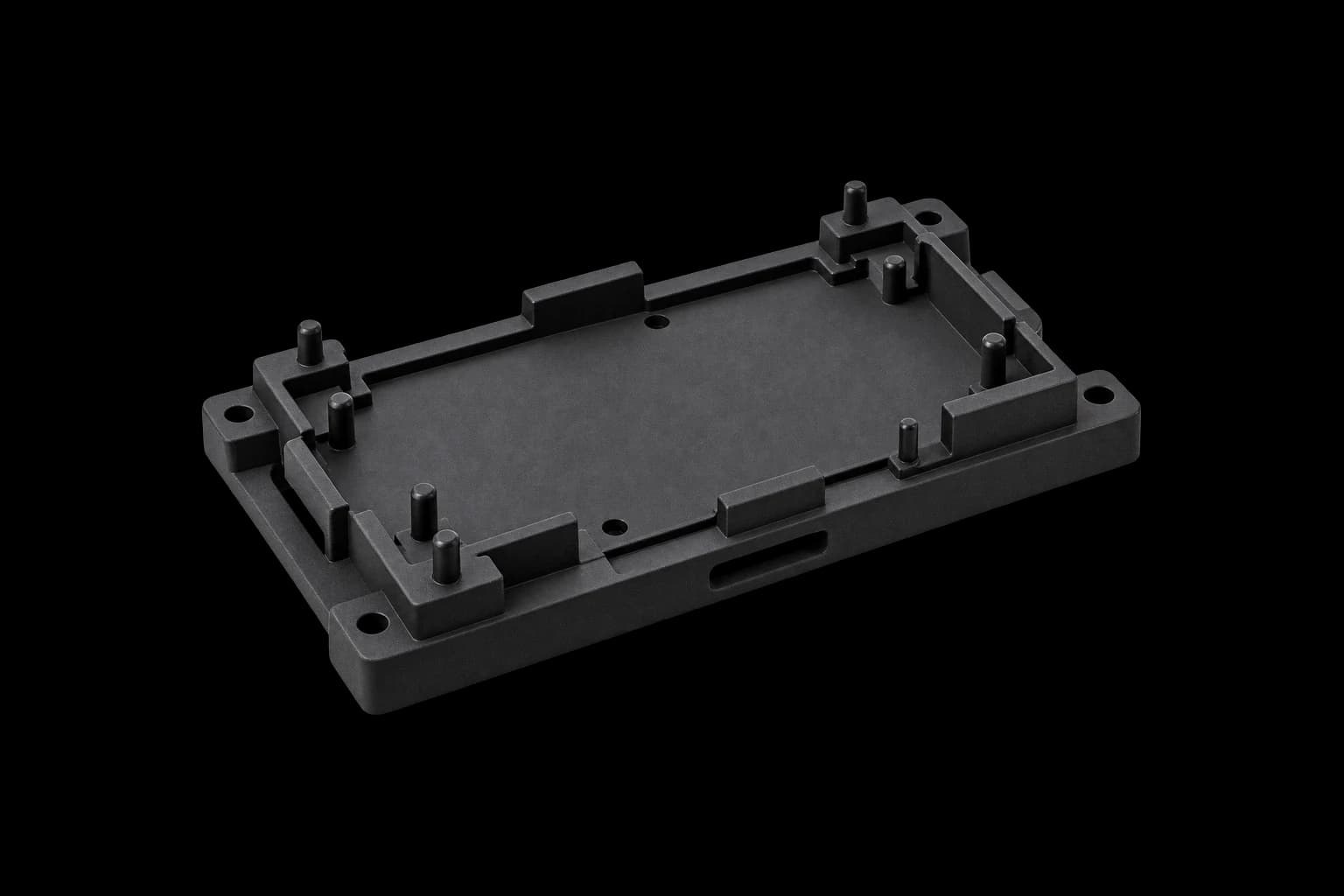
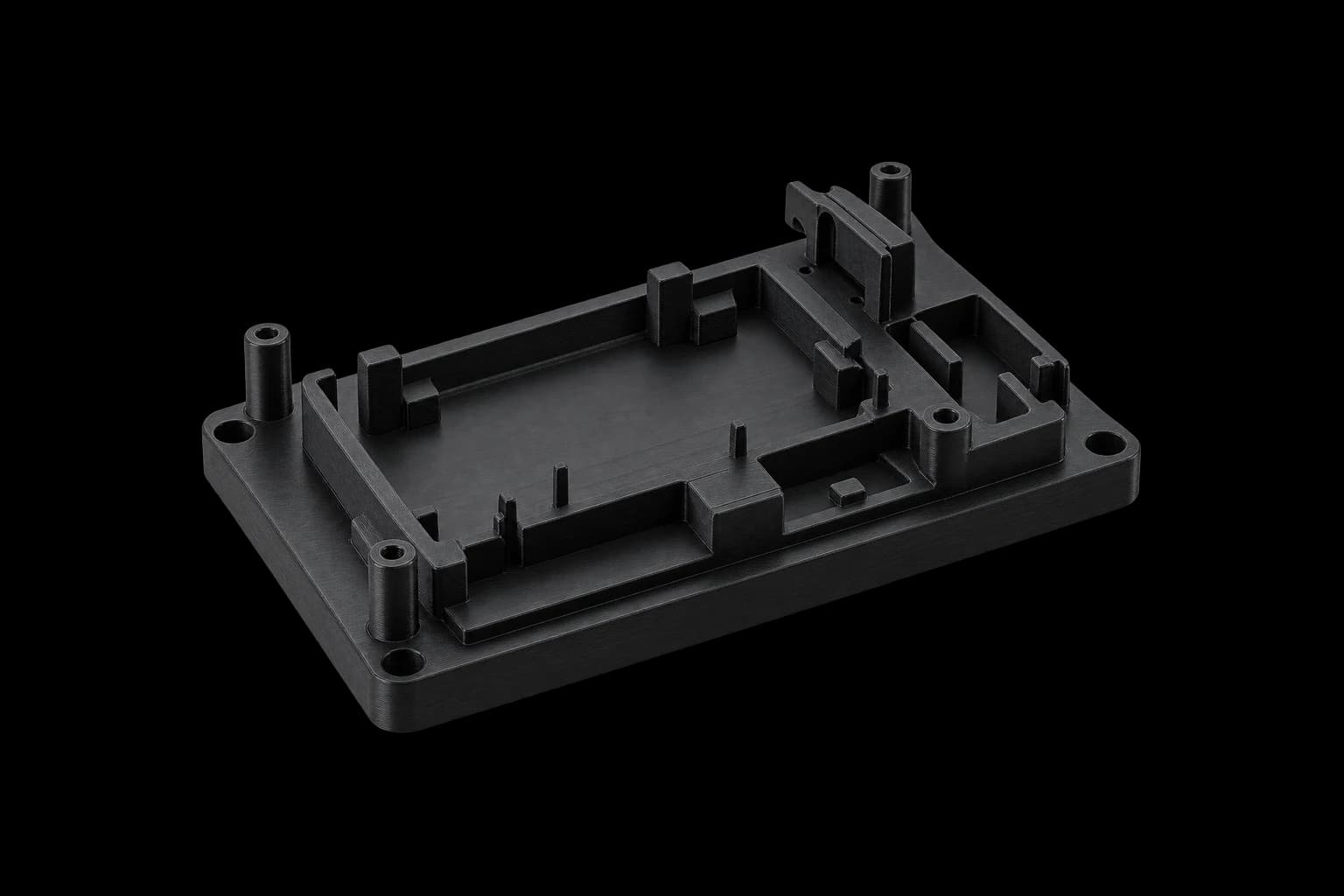
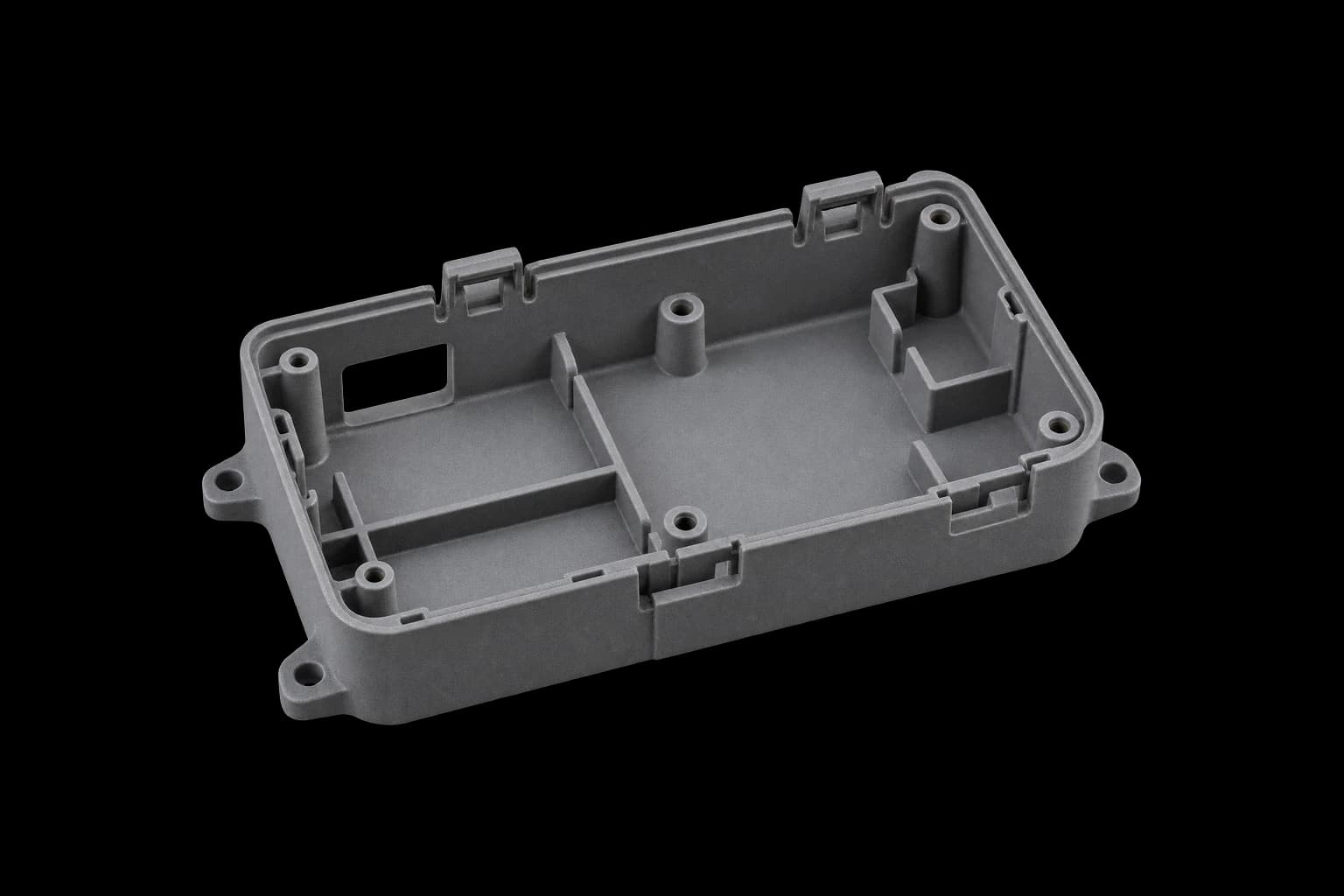
Nylon PA12 ESD is strong, durable SLS 3D printed nylon with a static-dissipative coating, for fixtures, trays and housings that protect electronics from static damage. The coating stops charge from building up and discharging into components, and it is permanent: it won't crack, chip or peel with handling on the line. SLS builds pockets, locating features and snap-fits into the part without supports, so nests, carriers and covers can be combined into single parts. Choose it for electronics assembly, semiconductor equipment and other static-sensitive production areas.
How Nylon PA12 ESD is manufactured
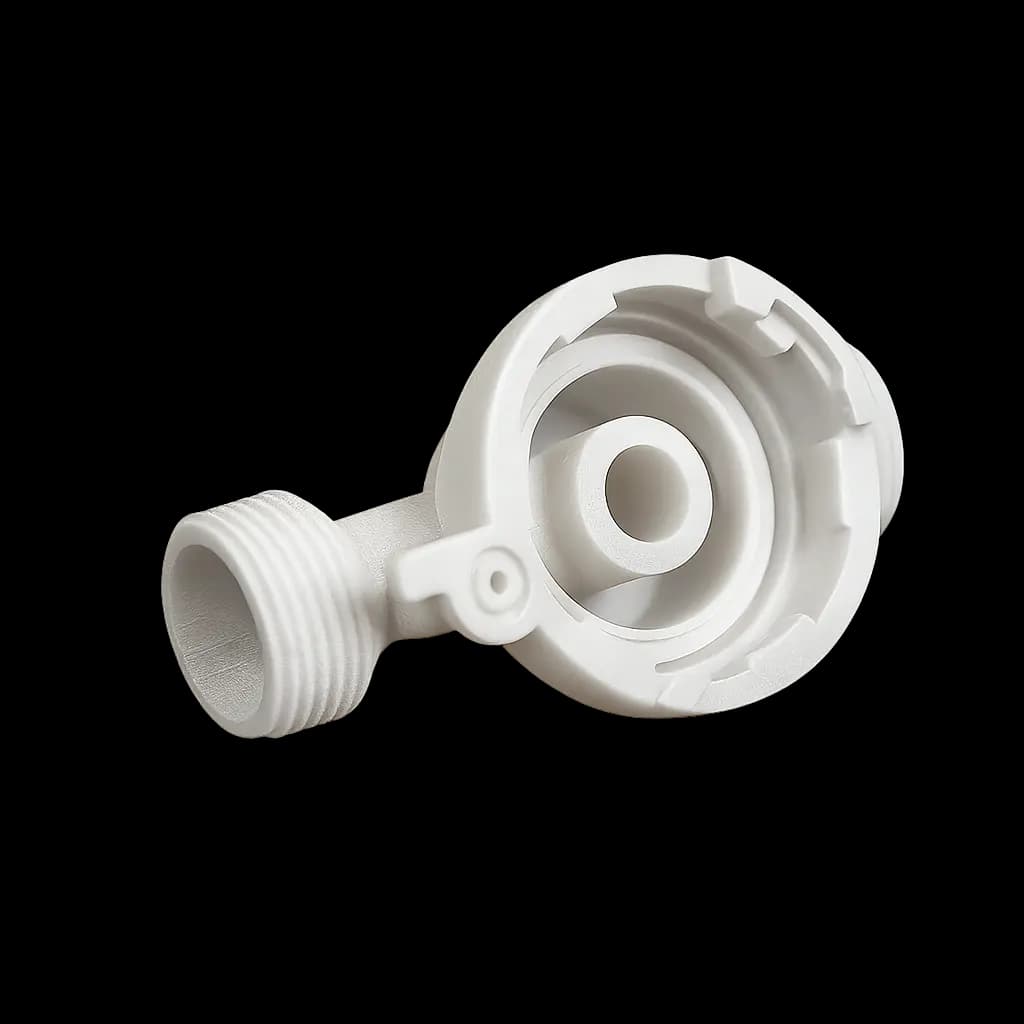
Each Nylon PA12 ESD part is first built in PA12 using Selective Laser Sintering (SLS), an industrial powder-bed process that builds parts layer by layer without support structures or tooling, then sprayed with our specialized 844AR electrostatic dissipative coating. This dual-technology approach enables complex electronic housings and fixtures that protect sensitive components while withstanding production environments.
Upload CAD files to Forge Labs Steam for Nylon PA12 ESD pricing and a manufacturability review, and fix issues before production so timelines stay predictable.
Upload CAD files to Forge Labs Steam for Nylon PA12 ESD pricing and a manufacturability review, and fix issues before production so timelines stay predictable.



From semiconductor equipment to electronics assembly, Nylon PA12 ESD enables safe handling in static-sensitive environments. It pairs the strength and design freedom of SLS PA12 with a permanent static dissipative surface, and teams rely on it to maintain tight tolerances while reducing assembly complexity.
Static discharges as small as 100 V can damage electronic components. The 844AR coating keeps charge from building up on fixtures, trays and housings, and it holds up to handling on the line. It is a low VOC and HAP-free formulation that dries quickly.
SLS prints the part without support structures, so pockets, locating features, snap-fits and cable routing come built in, and nests, carriers and covers can be consolidated into single parts. Worn areas can be recoated when a fixture sees heavy use.
Forge Labs' controlled environment and grounded equipment keep ESD properties consistent on every coated part. With no tooling or minimum order quantities, Nylon PA12 ESD takes a fixture from the first prototype to repeat production and stays cost-effective for low to medium volume production.
Electronics Manufacturing
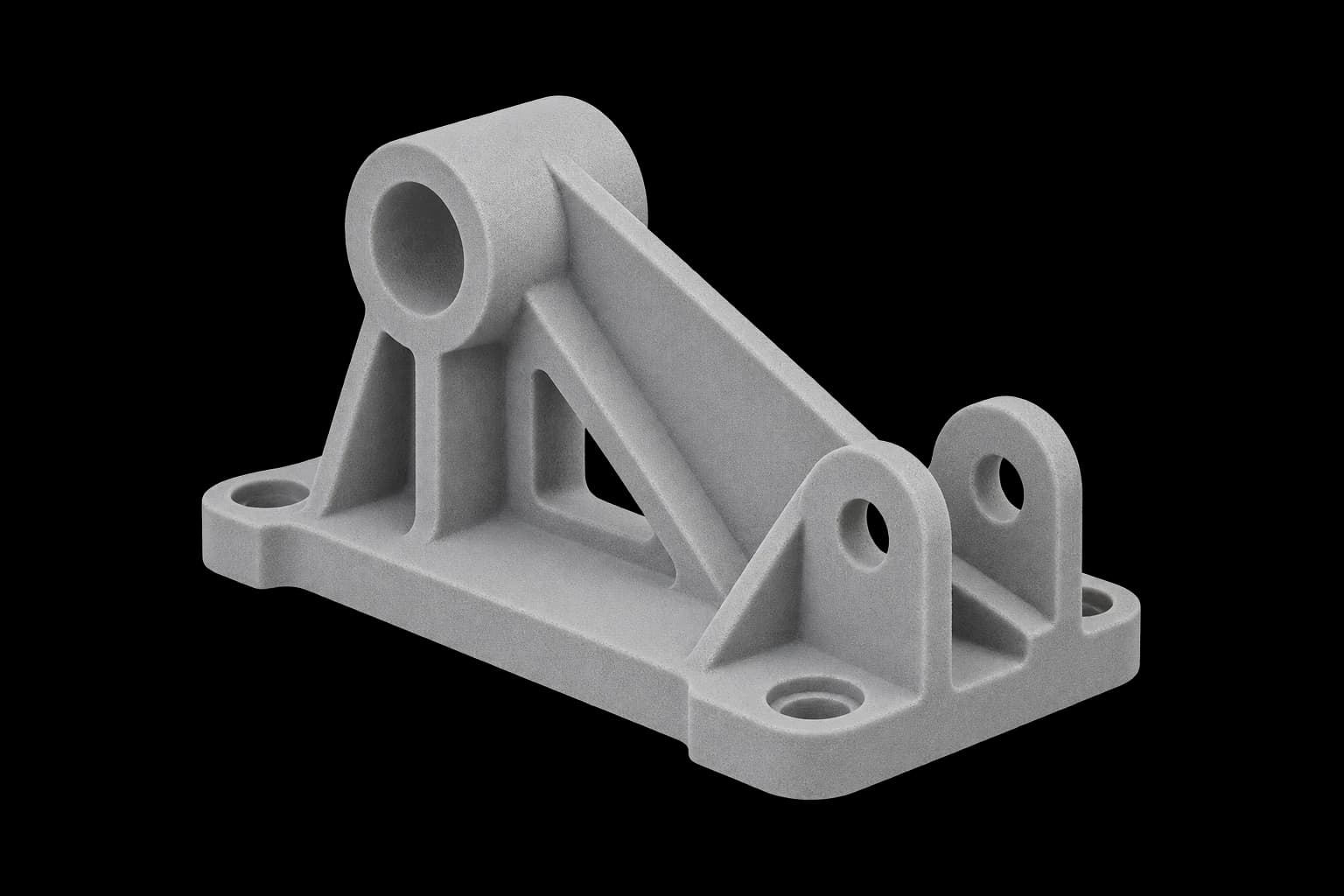
Fixtures, carriers and trays that protect boards and components from static during assembly and test.
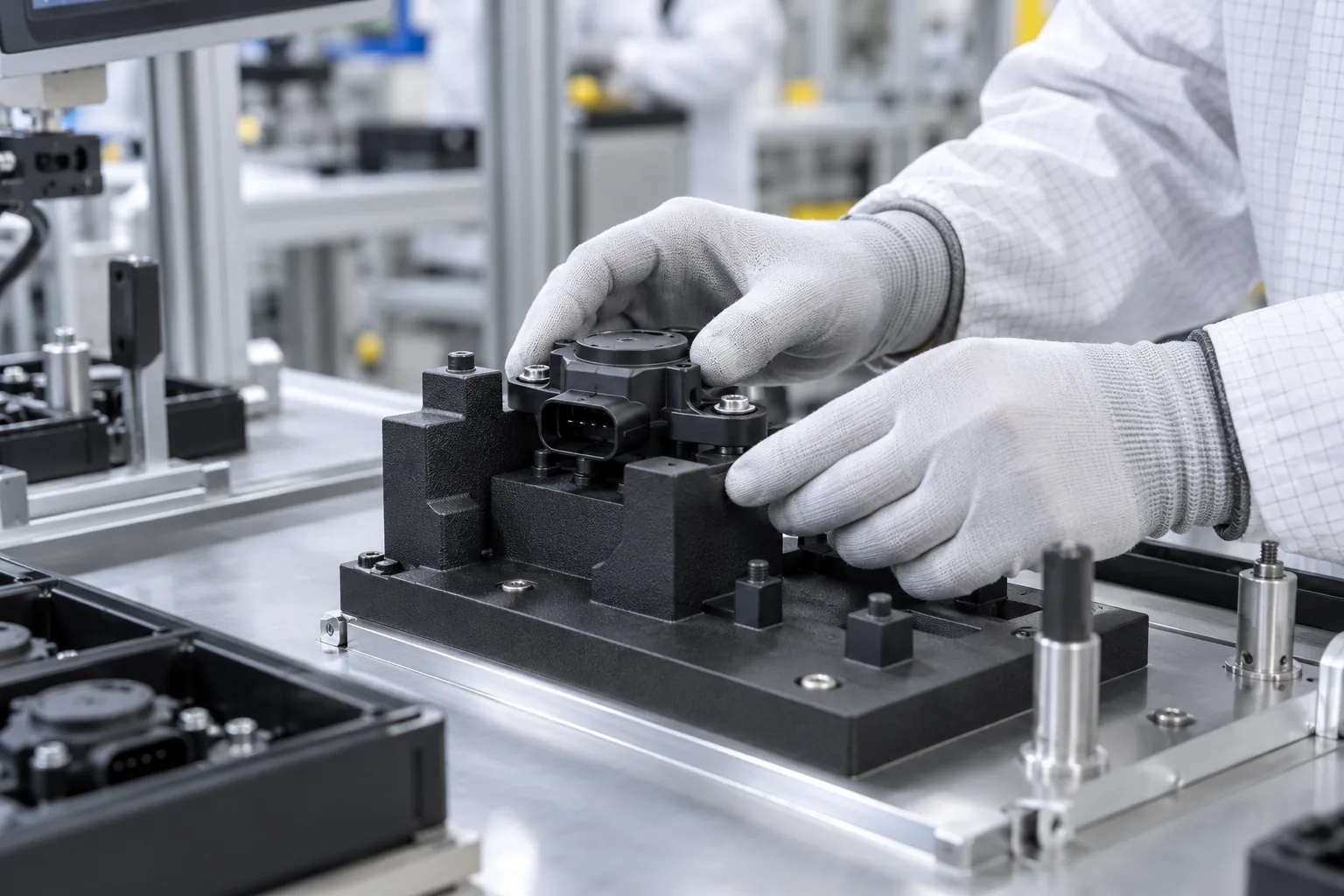
Automotive Electronics
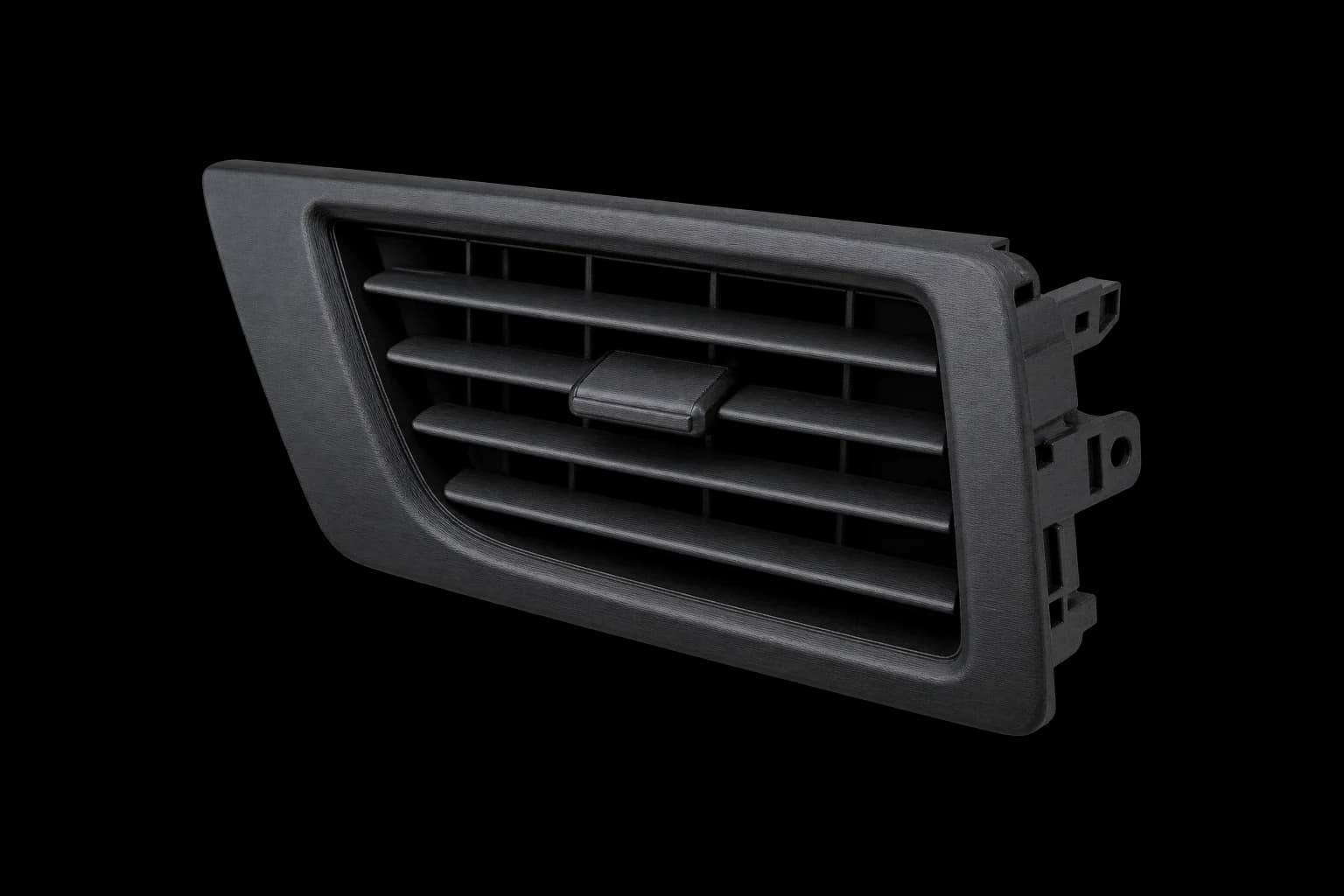
Static-safe fixtures for ECU, sensor and harness assembly, printed with every slot in place.

Clean Tech
Static-dissipative fixtures, nests and handling parts for battery and power electronics assembly.
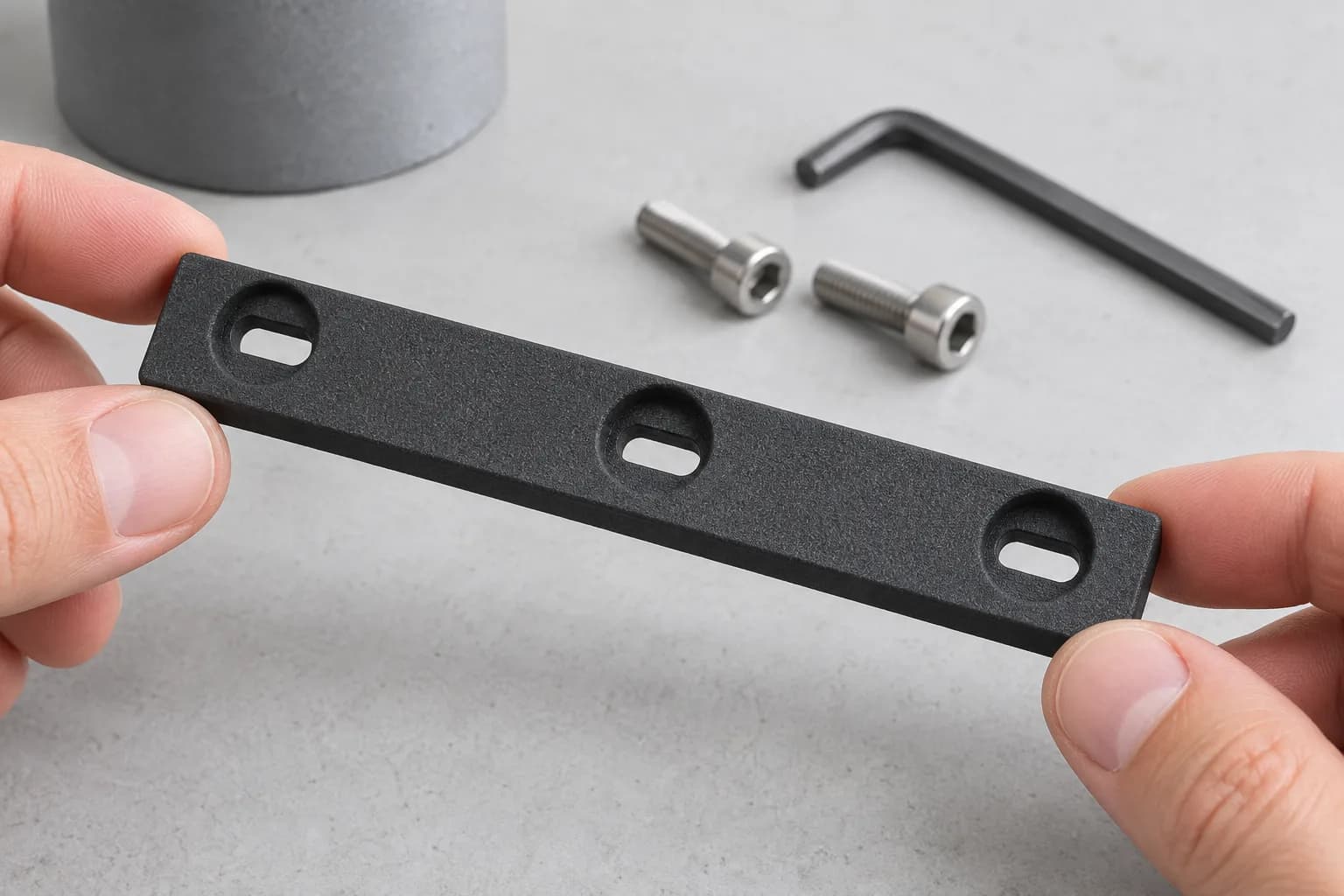
Robotics & Data Centers
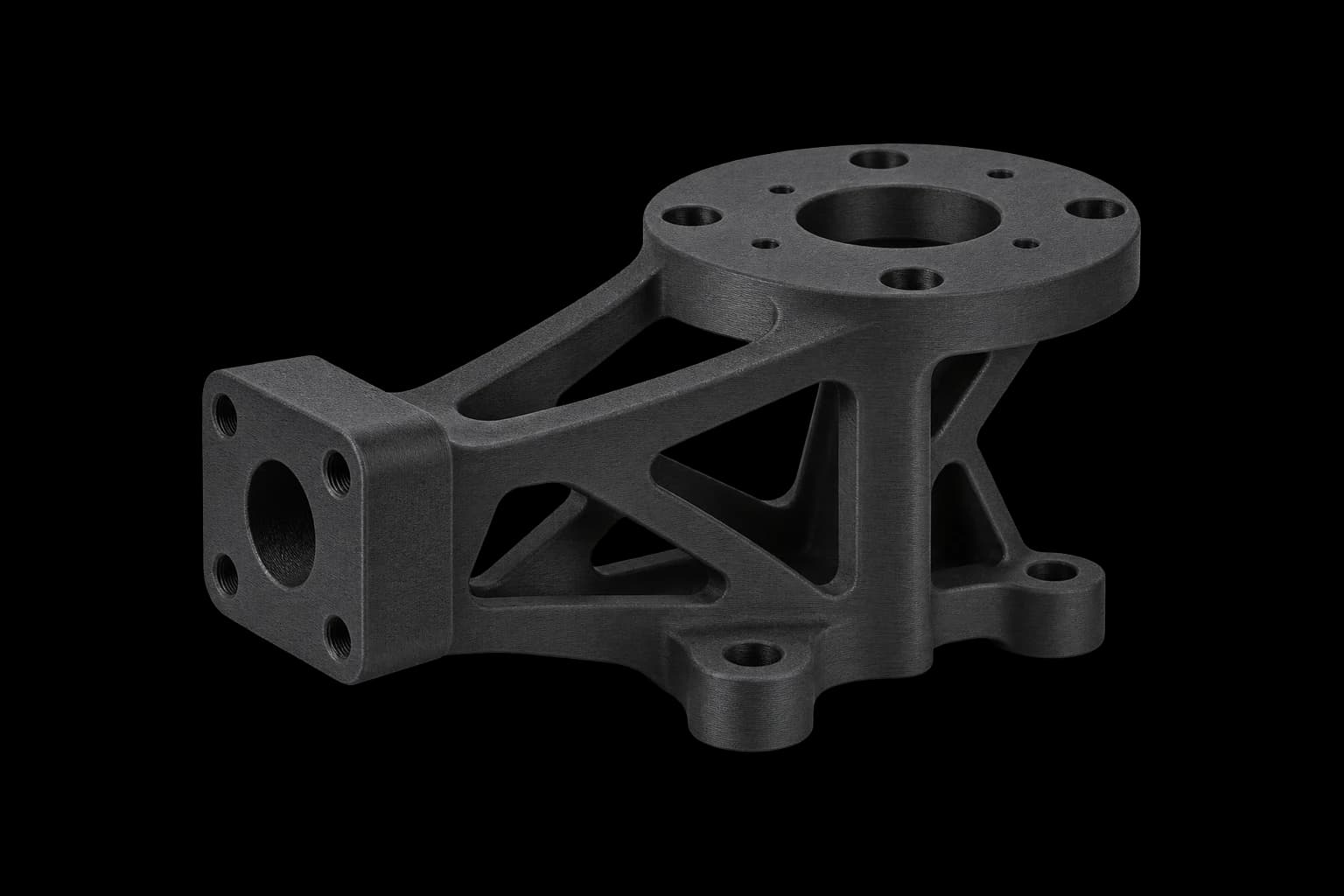
Chassis, cable guides and rack parts with static-dissipative surfaces and printed part IDs.
Electronics Manufacturing
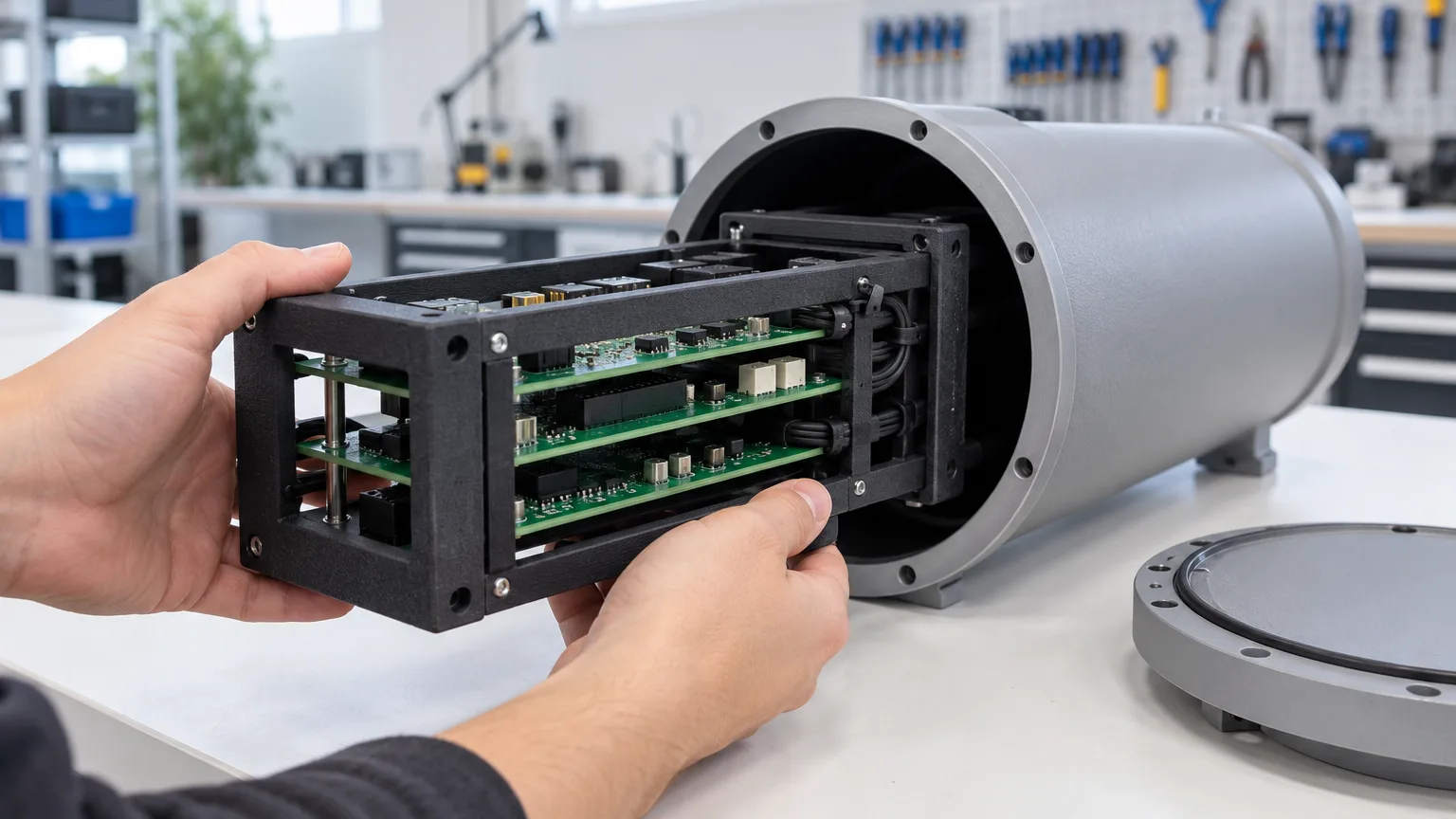
Electronics manufacturers use Nylon PA12 ESD for PCB assembly fixtures and carriers, component handling trays, test socket assemblies and workstation aids. Pockets, locating features and engraved part IDs print straight from the model, and the static dissipative surface protects boards and components during placement, test and transfer. Semiconductor equipment builders use it the same way for metrology fixtures and end-effector parts, and the coating is made for assembly trays, tools and workstation surfaces.
Automotive Electronics
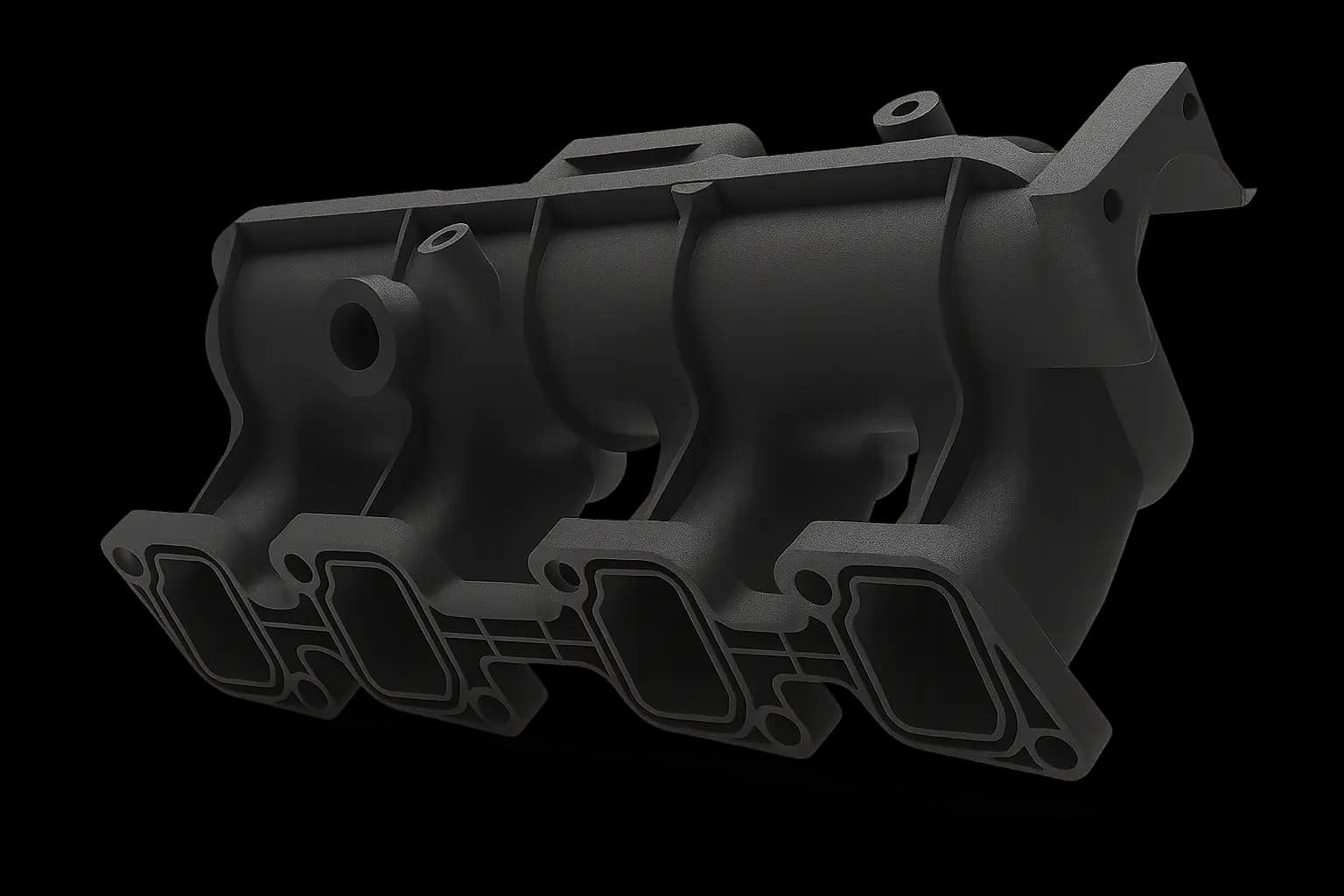
Automotive electronics lines use Nylon PA12 ESD for ECU assembly fixtures, sensor calibration tools, wire harness aids and component test fixtures. Forge Labs prints SLS PA12 assembly nests for electric motor lines with every repeated slot formed in the print, without machining. In PA12 ESD, the same kind of nest gains a static dissipative surface for control modules and sensors, and ECU housings and brackets print the same way.
Clean Tech
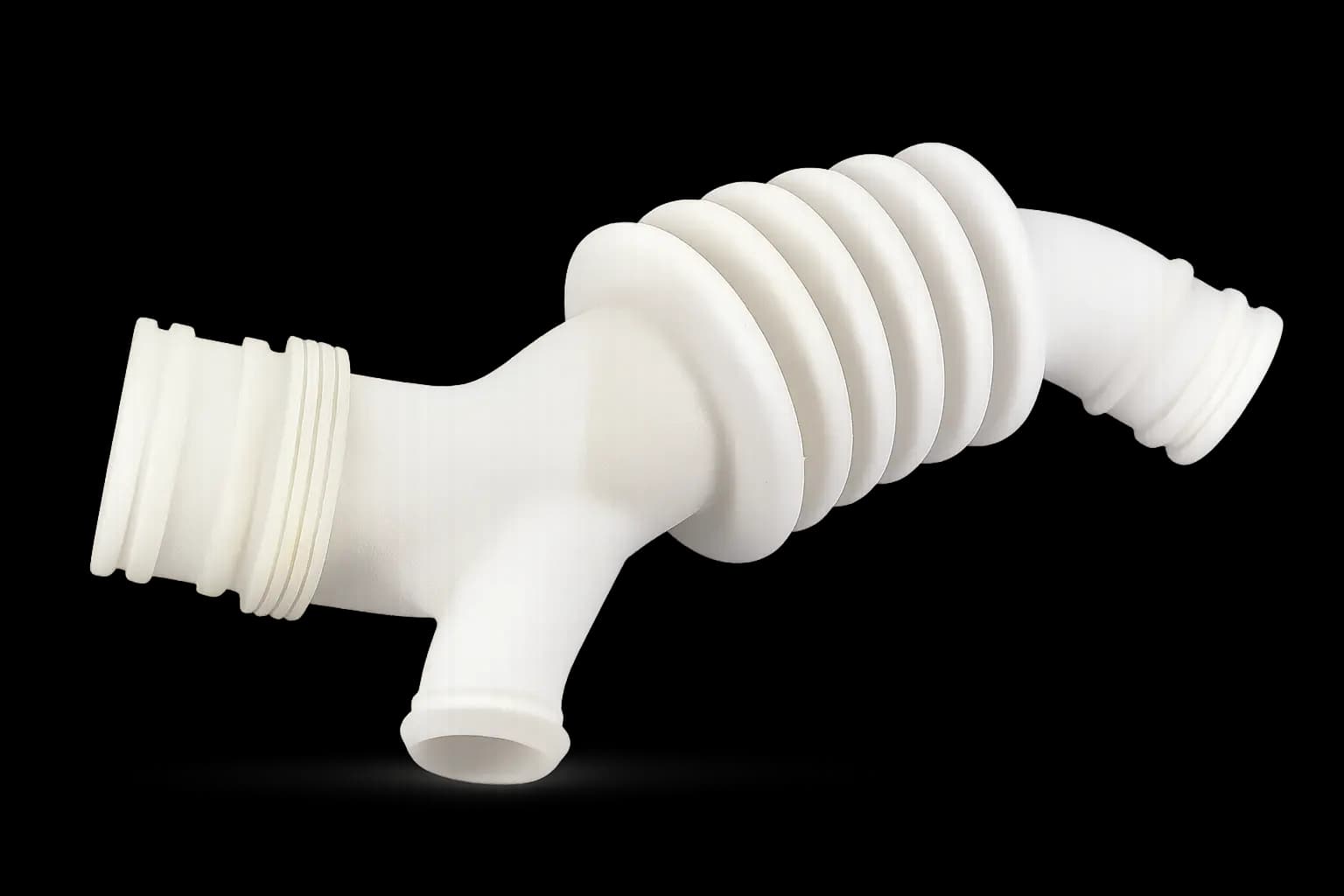
Battery and power electronics makers use Nylon PA12 ESD for line fixtures, nests and handling parts that carry boards and modules through assembly. Forge Labs builds SLS PA12 charger and converter enclosures for the same programs, and the static dissipative version brings that design freedom to their assembly tooling. Battery plants often run dry rooms, where static builds up most easily, and the 844AR coating dissipates static independent of humidity.
Robotics & Data Centers
Robotics and data center teams use Nylon PA12 ESD for electronics chassis, cable management and routing guides, server rack components and conveyor bumpers. Forge Labs prints SLS PA12 card brackets, rails and cable posts for electronics chassis as repeat kits, with cable-tie slots and part IDs printed in place. In PA12 ESD, the same brackets and cable posts carry a static dissipative surface that drains charge picked up during handling and assembly.
Values for the part from the EOS PA 2200 datasheet and for the ESD coating from the MG Chemicals 844AR datasheet, tested to the standard listed with each property.
Mechanical performance
Nylon PA12 ESD delivers dependable strength and impact resistance for PCB assembly jigs, fixtures and component handling trays. The part is tough in the build plane and more brittle across layers, so orient load paths and snap features in the plane of the build where you can.
Values are for uncoated PA 2200 test bars, as no supplier tests a coated part. Check thin walls and fine snap features on a coated sample before committing to production.
Material makeup
Low density makes fixtures and trays lightweight yet durable, and low moisture absorption keeps them dimensionally stable in varying environmental conditions, so assemblies fit and finish without secondary rework.
The coating rows describe the ESD film: a dark grey, uniform finish applied at the recommended thickness, with strong adhesion on polyamide and a hard, flexible surface for everyday handling. Allow for the film on mating faces and tight fits.
Heat performance
PA12 holds its shape at high temperature under light load but softens much sooner under heavy load, so fixtures that carry weight near ovens or other heat sources should be checked against the 1.8 MPa values. PA12 also expands noticeably with heat, so leave clearance on long fixtures that see temperature changes.
The coating service temperature describes the ESD film, not the part; for working temperature under load, use the heat deflection values. The cure row shows the coating can cure at room temperature or faster with gentle heat.
Functional performance
The coated surface sits in the static dissipative range, so charge drains away in a controlled way rather than discharging into sensitive components.
The uncoated PA 2200 values show what sits beneath the coating: an electrical insulator with high dielectric strength. Internal features and cavities the spray cannot reach stay insulating, so plan grounding contact through a coated external face.
Compatibility data
The PA12 column shows EOS ratings for the uncoated part at room temperature. PA12 resists alkalis, alcohols, fuel oil, brake fluid and sea water, while strong mineral acids attack it, and several chemicals attack it faster when hot.
On a coated part, the acrylic coating meets the chemical first. MG Chemicals warns that paint solvents such as acetone, MEK, toluene and xylene dissolve 844AR and publishes no other resistance data for the cured coating, so test cleaning agents and process fluids on a coated sample before production release.
Compliance
MG Chemicals declares the 844AR coating RoHS compliant, including the 2015/863/EU amendment, and REACH compliant with no substances of very high concern. EOS states that RoHS-restricted substances are not intentionally used in PA 2200 and that PA 2200 complies with REACH.
The PA12 base is rated UL 94 HB by EOS and is not flame retardant. MG Chemicals publishes no flammability rating for the coating.
Datasheets, design guidance and supplier documentation for Nylon PA12 ESD.
Access the most recent datasheet and supporting documentation maintained by our engineering team.
Nylon PA12 ESD datasheetExplore printable geometry recommendations, wall thickness tips, and finishing playbooks for SLS.
View SLS design guideSupplier declarations and test statements for this material.
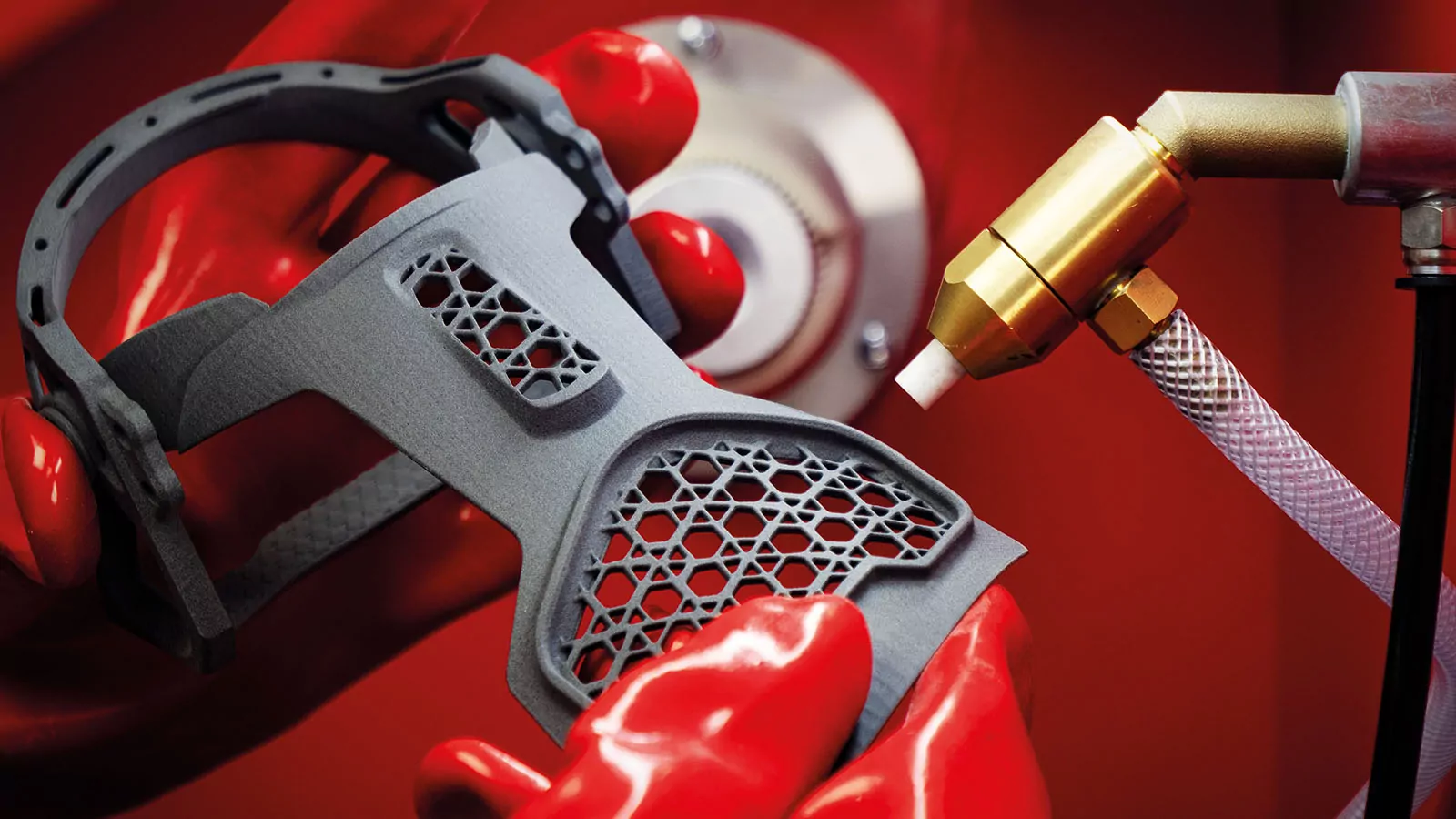
Nylon PA12 ESD is manufactured using industrial-grade Selective Laser Sintering (SLS) technology, ensuring exceptional mechanical properties and dimensional accuracy for demanding applications. Multi-laser print cells fuse the powder into dense, repeatable components and keep production scalable. Every part is then coated for ESD protection.
Can't find the answer you're looking for? Reach out to our customer support team.
Upload your design and get a quote for Nylon PA12 ESD parts from our engineers.
Create an account to upload CAD
STEP, STL, OBJ, 3MF and IGES supported