Selective Laser Sintering TPU 88A For Flexible Cushioning, Seals and Wearables

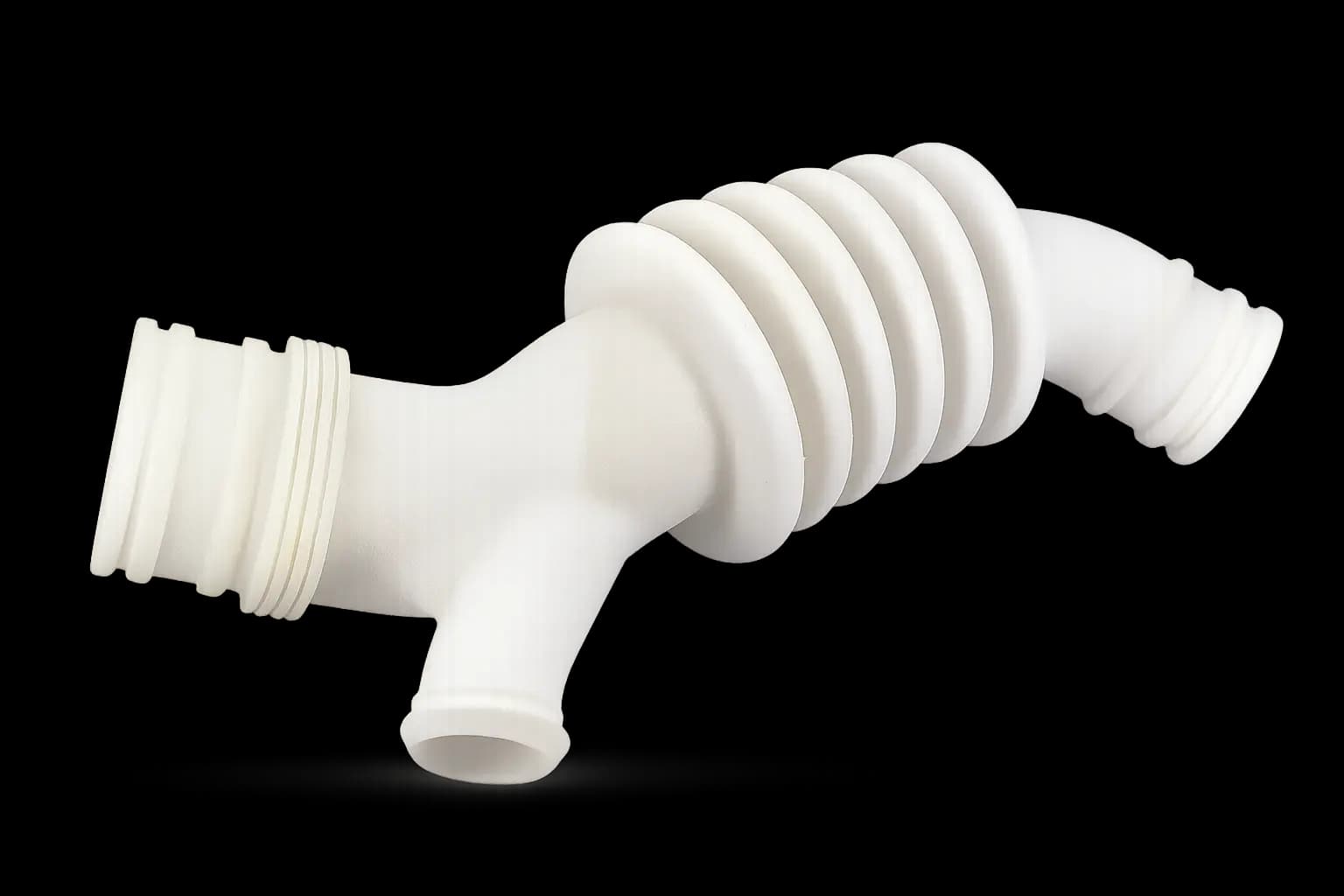
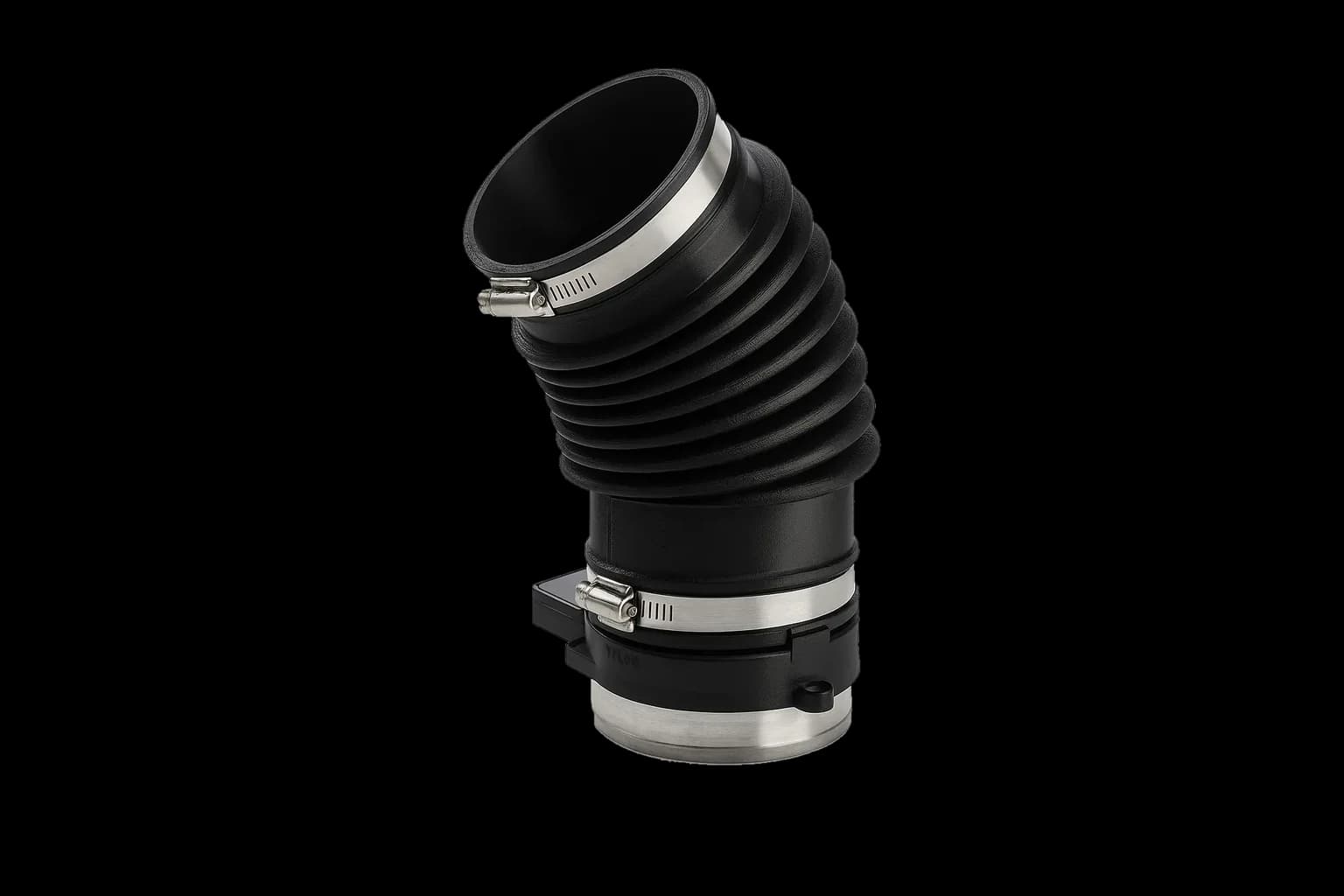
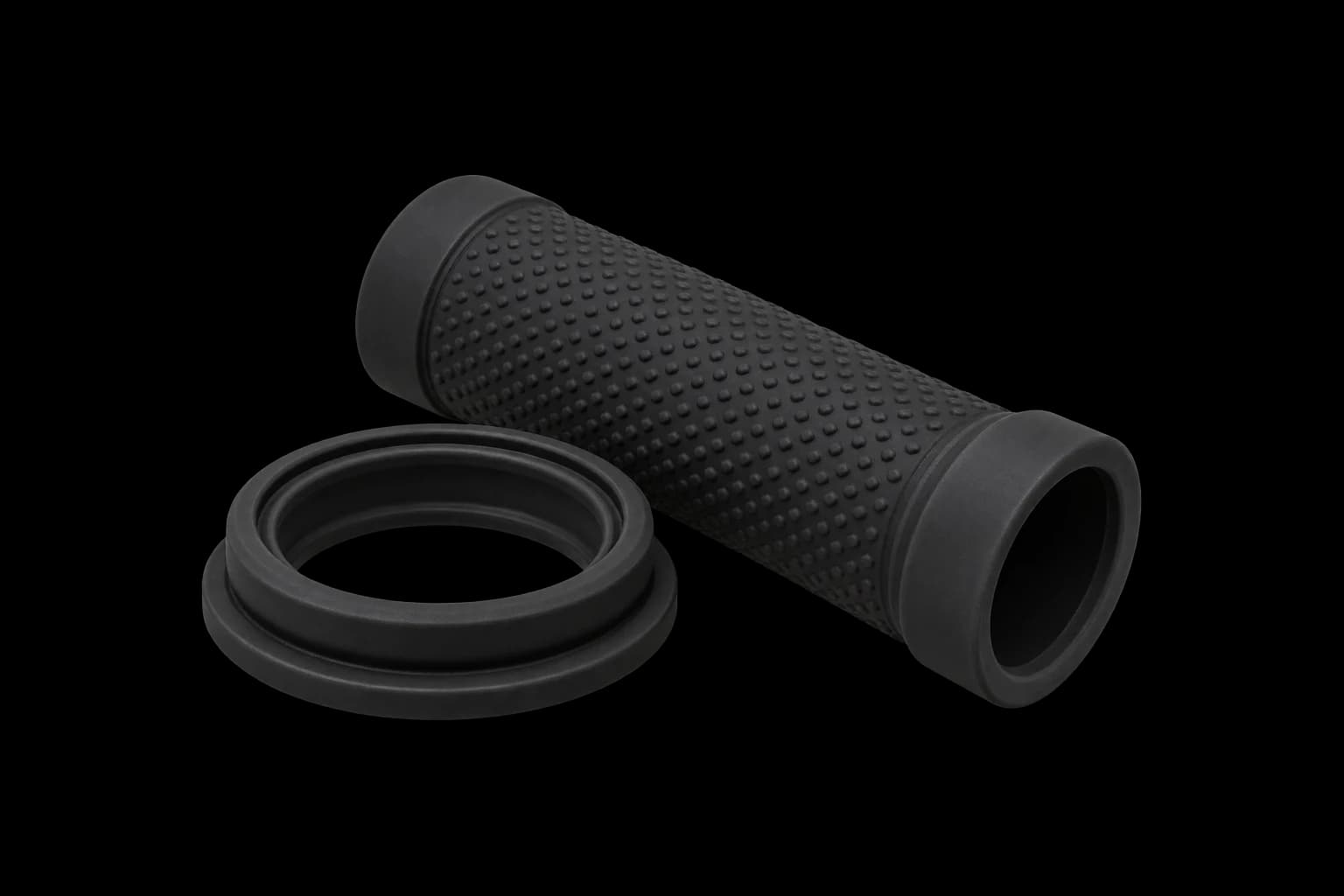
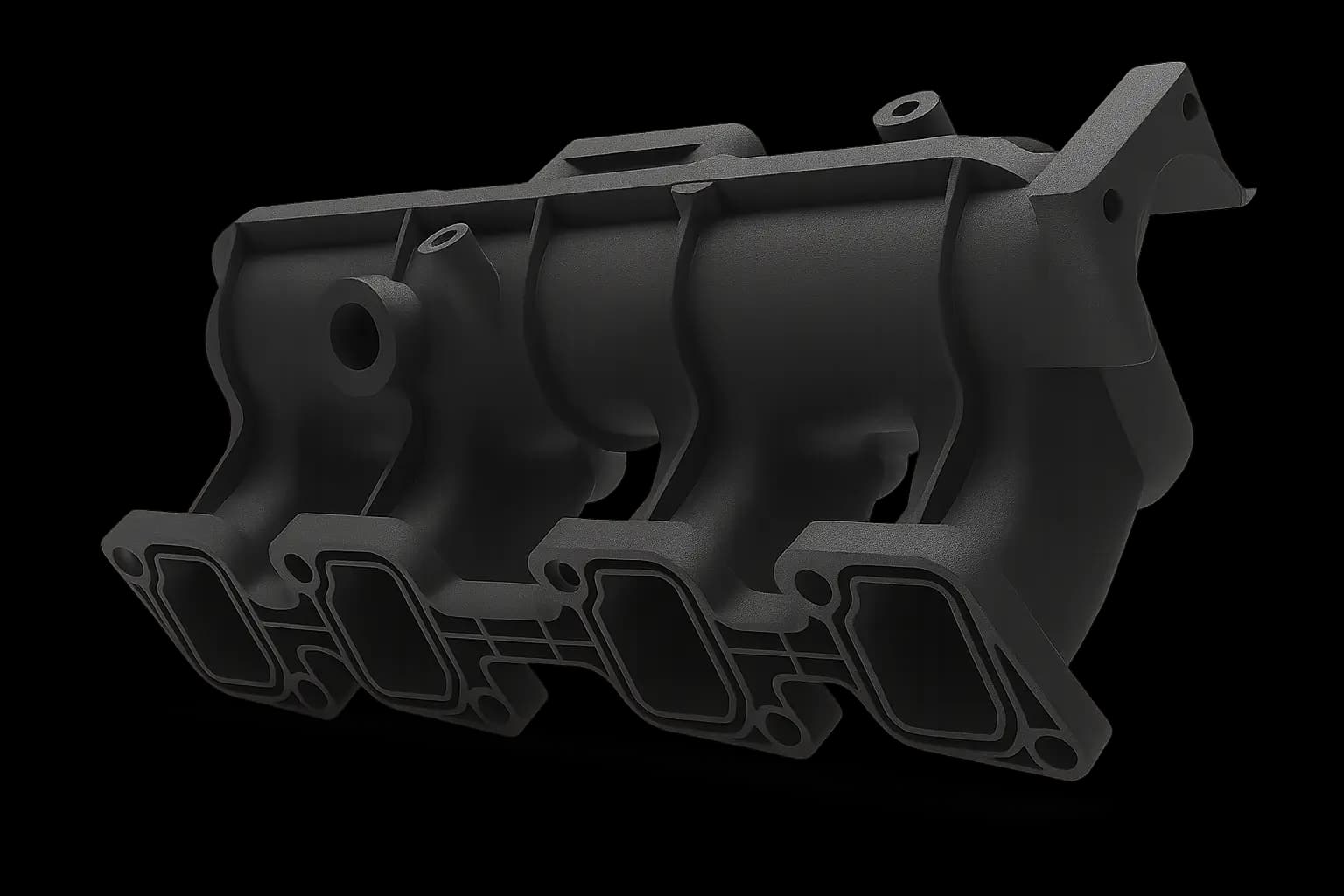
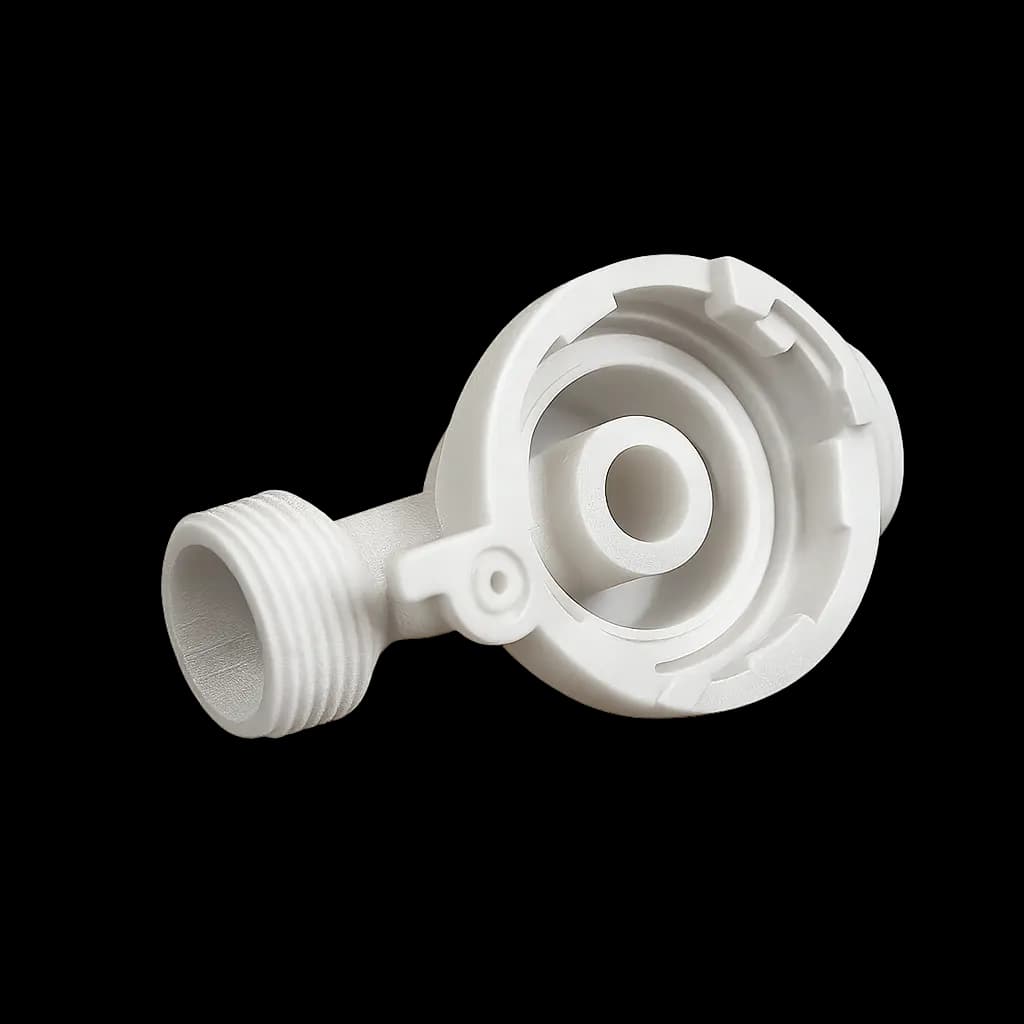
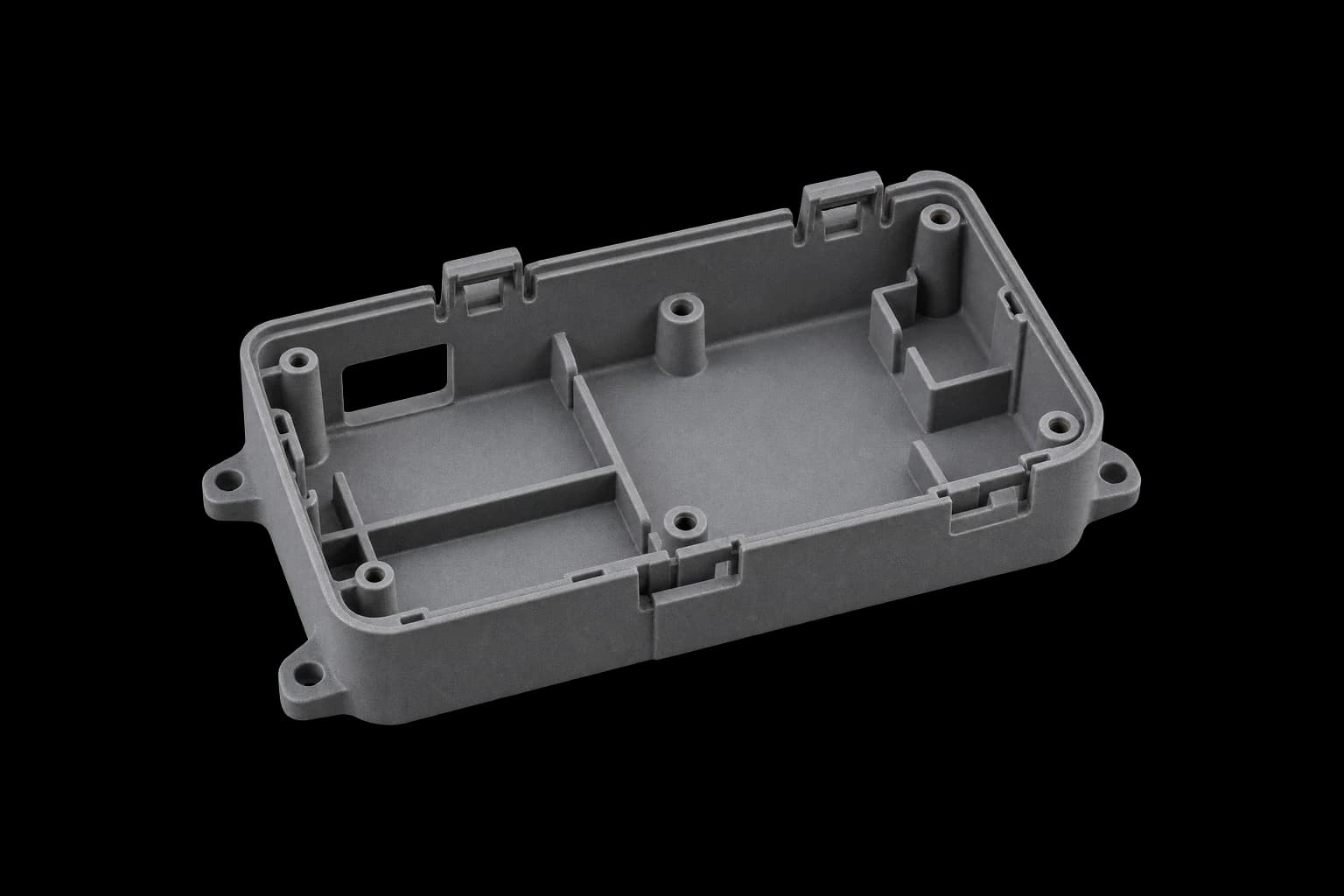
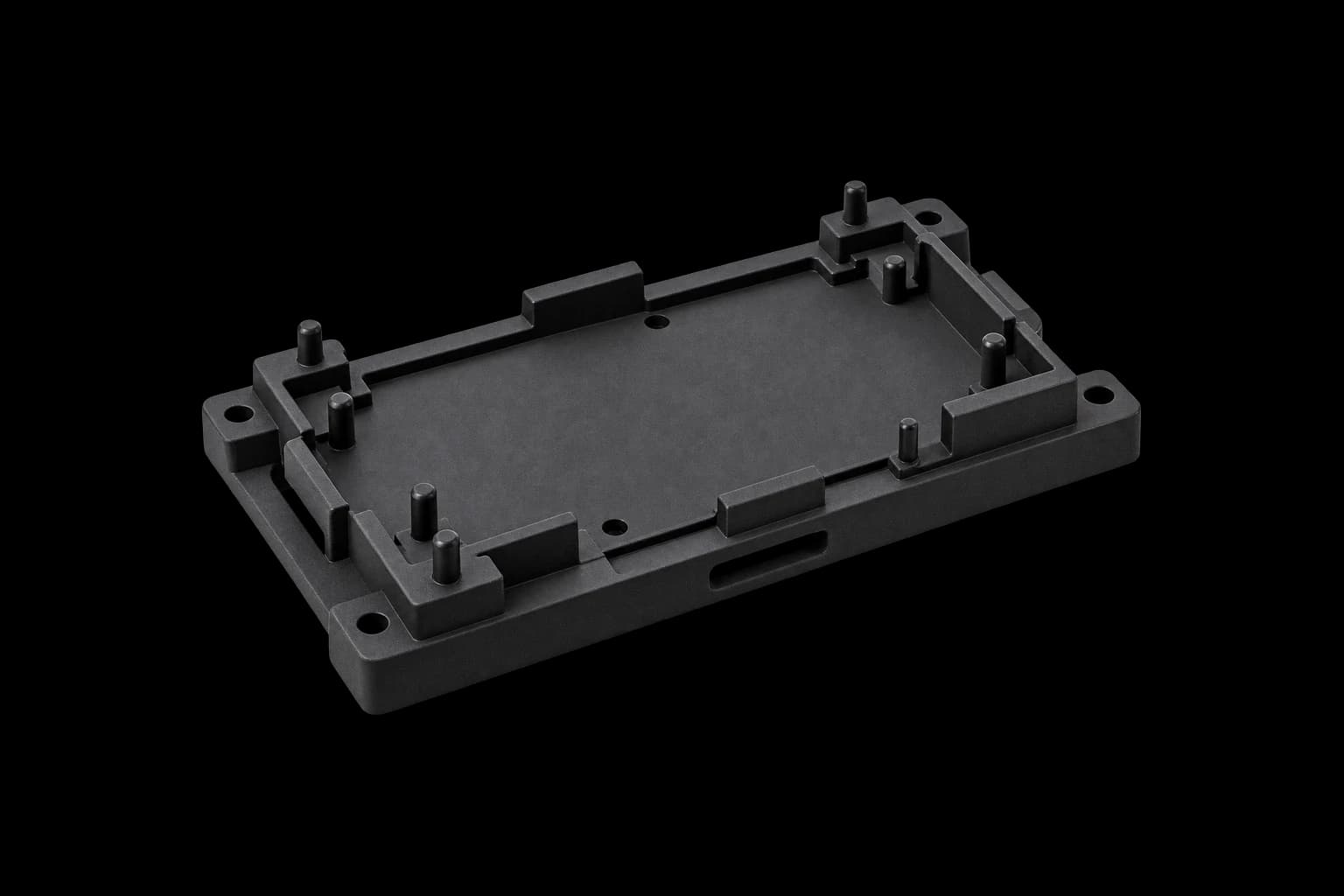
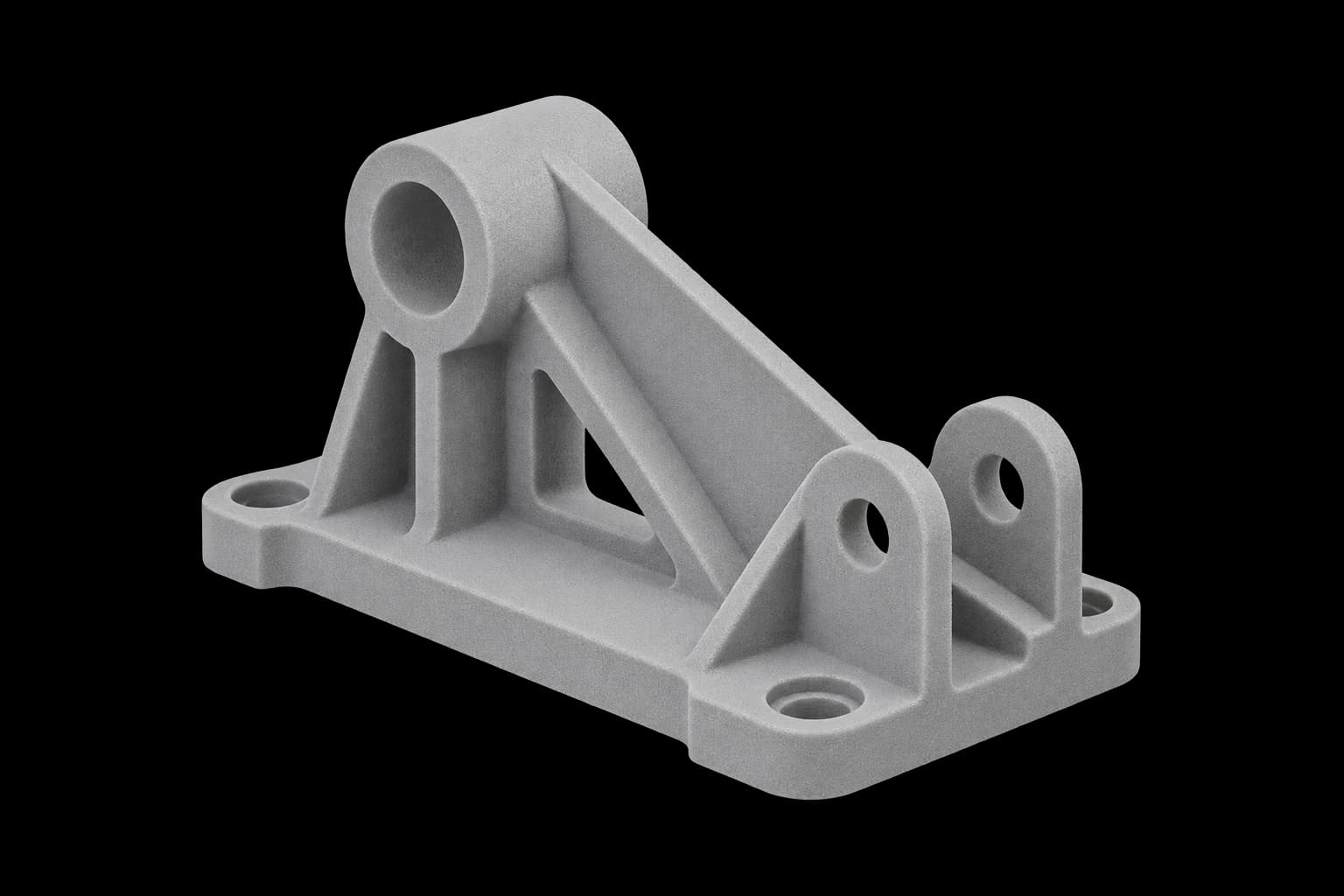
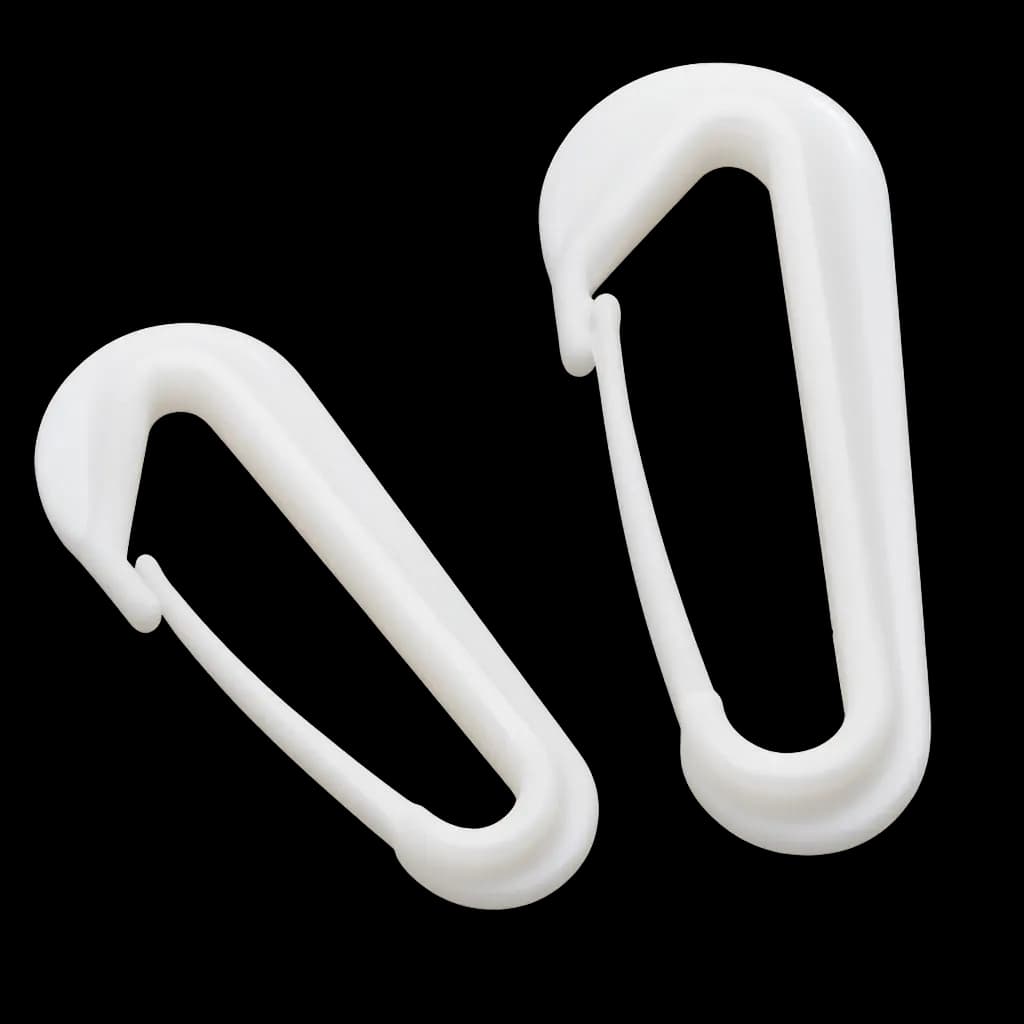
TPU 88A 3D printed part example
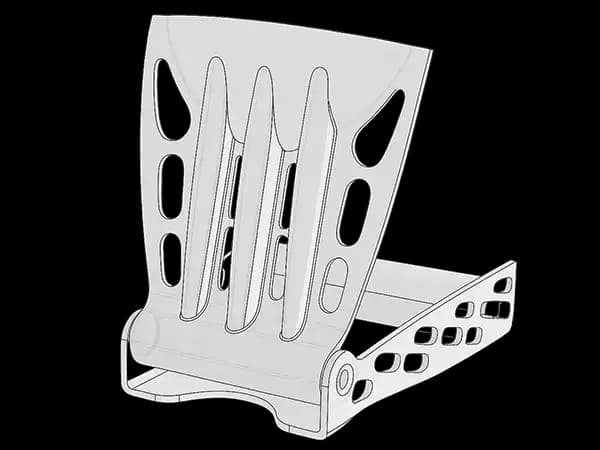
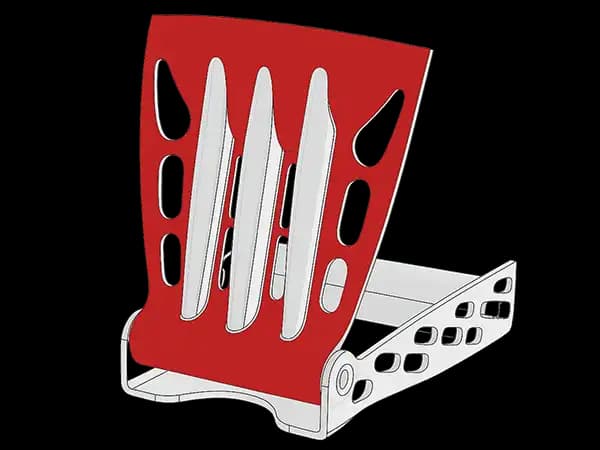
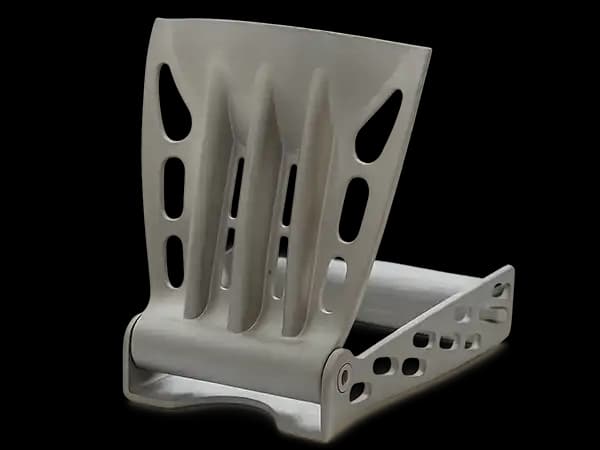
Support-Free Printing
Complex Geometries
SLS material

TPU 88A overview

Ultrasint TPU 88A is a flexible, rubber-like material for SLS 3D printing that makes seals, gaskets, cushioning and wearable parts without moulds. It stretches, compresses and springs back through repeated use, absorbs impact and vibration, and resists wear, oils and outdoor sunlight. Lattice structures let cushioning be tuned zone by zone, and the white parts can be dyed. Automotive, robotics, clean tech, sports, footwear and orthotics teams use it for boots, bump stops, dust caps, shoe soles, insoles and straps, from prototypes to production runs.

How TPU 88A is manufactured

TPU 88A is manufactured using Selective Laser Sintering (SLS), an industrial powder-bed process in which EOS systems precisely control the thermoplastic polyurethane powder and build parts layer by layer without support structures or tooling. This enables complex elastomeric geometries that are impossible with traditional moulding, including internal lattice structures and undercuts that optimize cushioning and weight reduction. Parts stretch, compress and recover through repeated use.

Build volume
340 × 340 × 600 mm
Lead time
2-4 business days
Layer height
0.1-0.15 mm
Forge Labs Steam

Know before you manufacture in TPU 88A.

Upload CAD files to Forge Labs Steam for instant TPU 88A pricing and live manufacturability feedback, and fix issues before production.

Upload CAD files to Forge Labs Steam for instant TPU 88A pricing and live manufacturability feedback, and fix issues before production.

Surface finishes

Finishes for TPU 88A

SLS parts feature a fine-textured matte surface finish that is durable and functional, making them ideal for a wide range of applications. While the natural finish is suitable for many uses, SLS parts can be further enhanced through post-processing techniques. Deep color dyeing with DyeMansion technology provides vibrant, uniform colors, while painting allows for a smooth, professional finish that can match precise aesthetic requirements.

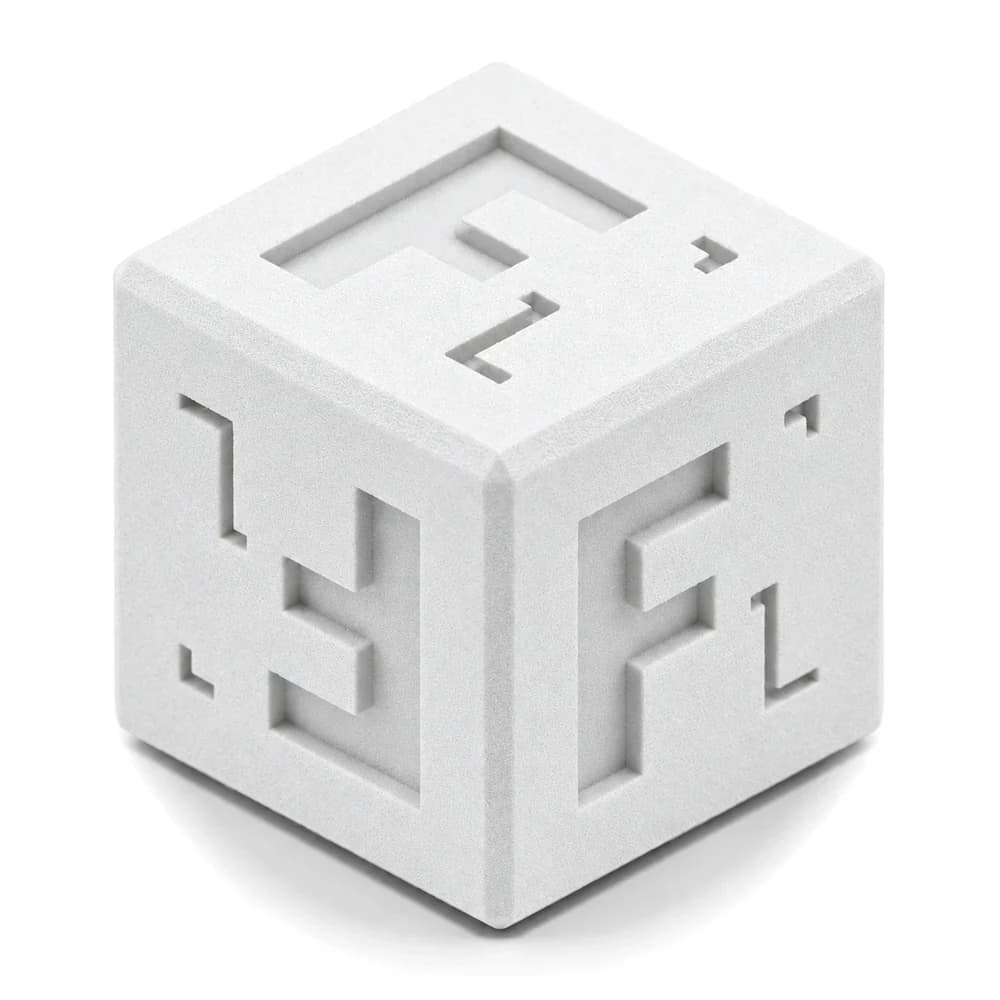
Forge Labs sample cube in natural white SLS TPU 88A
Natural white

Standard Finish

Parts are depowdered and bead blasted to an even, fine-textured matte finish in natural white, with clear, well-defined detail and a durable surface for functional and end-use parts.

Surface Texture
Fine-textured Matte Finish
Appearance
Natural white
Details
Clear & refined
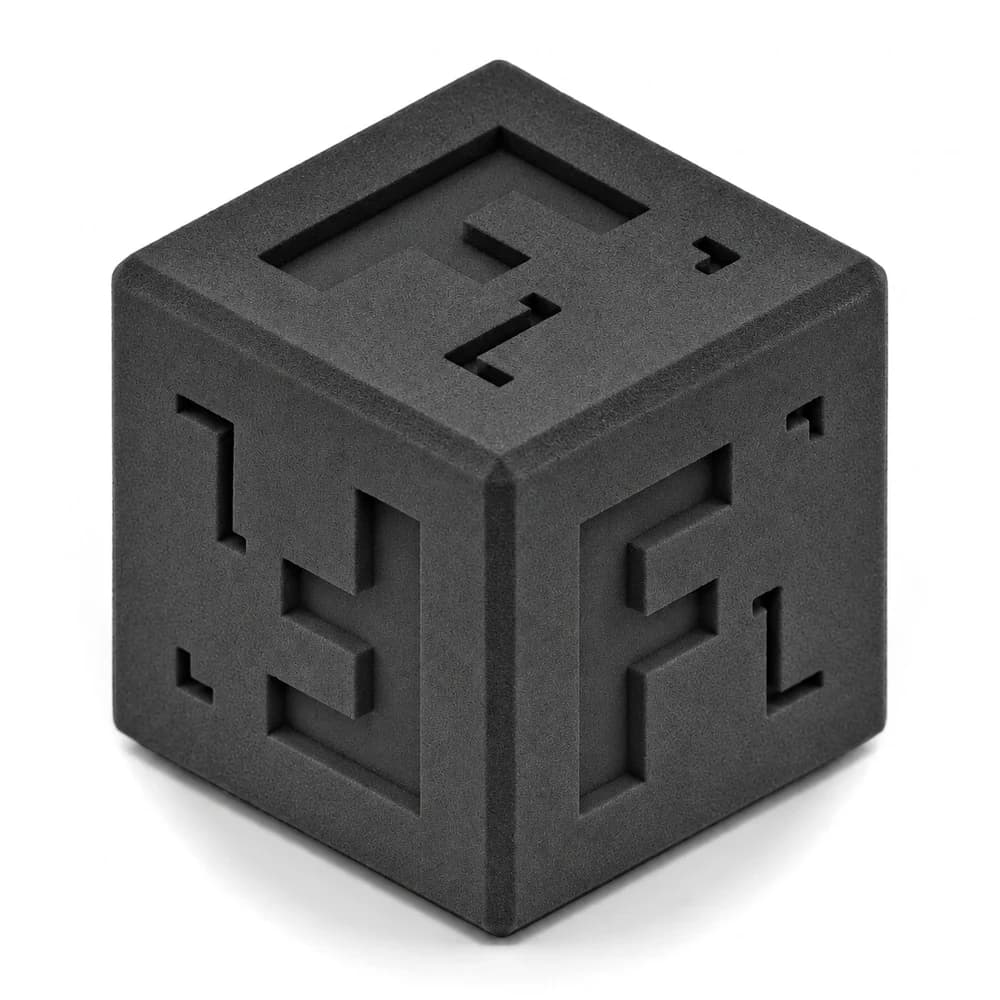
Forge Labs sample cube in dyed black SLS TPU 88A
Forge Labs sample cube in natural white SLS TPU 88A
Enhanced Finish

Deep Color Dye

Deep color dying provides a rich, uniform color, improving the overall aesthetics. Suitable for both functional and visually appealing applications. The dye also enhances scratch resistance, making the parts more durable in handling and use. This process ensures consistent color uniformity across the entire part, even for complex geometries or intricate designs.

Surface Texture
Fine-textured Matte Finish
Appearance
Rich, uniform color coverage
Details
Clear & refined
Industry applications

Industry applications for TPU 88A

TPU 88A brings flexible, rubber-like properties to SLS 3D printing with 88 Shore A hardness. This thermoplastic elastomer enables functional gaskets, seals, and shock-absorbing, vibration-damping components with the design freedom of powder bed fusion.

Its 270% elongation at break along the build plane and excellent rebound make it ideal for applications requiring repeated compression and flexing. Unlike liquid rubber moulding, SLS TPU requires no tooling and enables complex internal geometries, so teams move from rapid prototyping to production runs while reducing assembly complexity through consolidated part designs.

Industrial teams print custom equipment gaskets, pneumatic seals, pump diaphragms and expansion joints with complex geometries that seal effectively while accommodating surface irregularities. Unfinished printed walls are watertight from 0.6 mm, and 1.5 mm flat walls stay airtight to 5 bar.

Forge Labs' specialized TPU processing ensures consistent flexibility and surface quality. Our vapour smoothing and dyeing services transform TPU parts into production-quality components with a professional appearance.

All industries
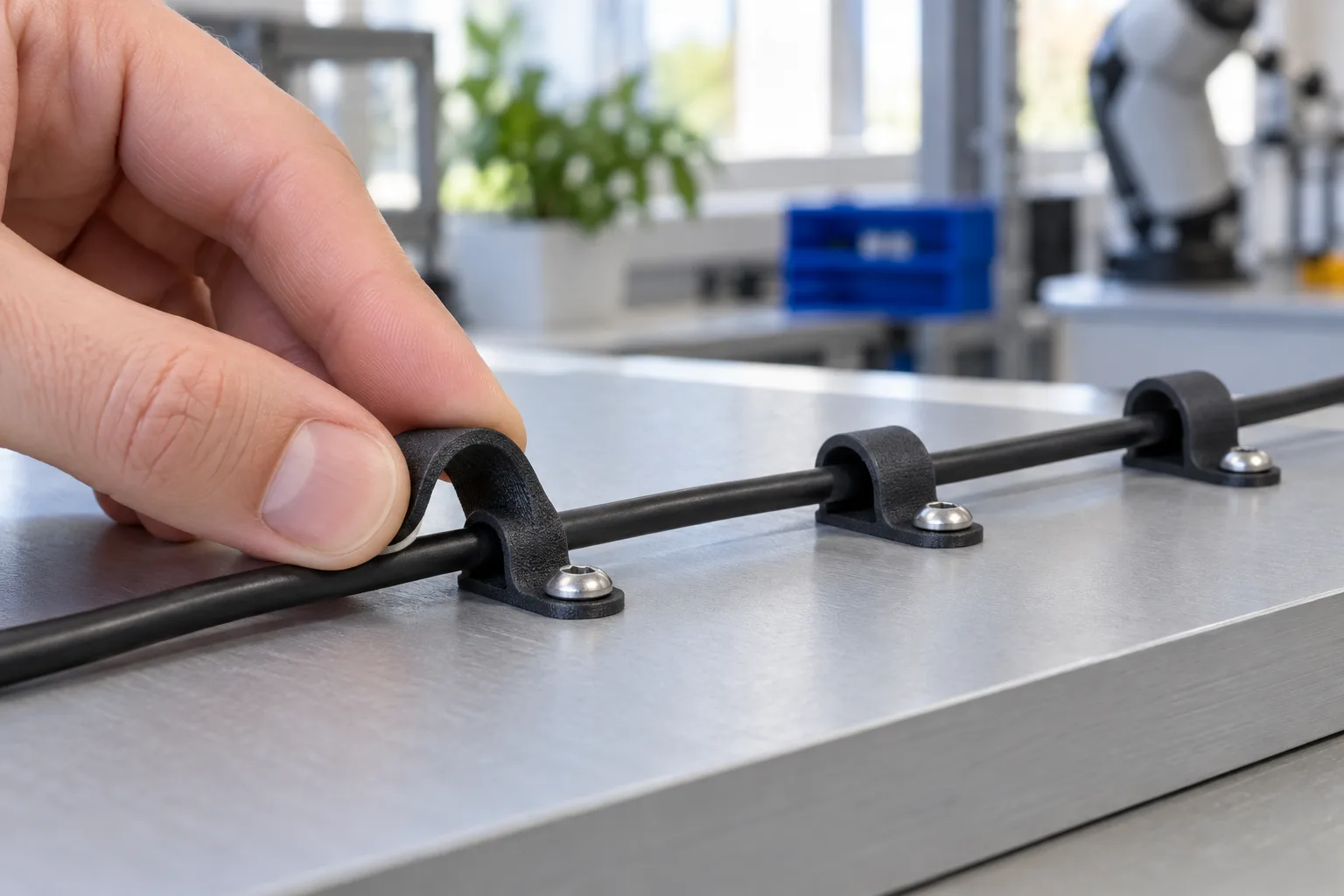
Black flexible TPU clips holding a cable on an aluminium plate in a robotics lab

Robotics

Cable Clips & Compliant Robot Parts

Robotics teams use TPU 88A for wire clips, caps, covers and compliant parts that flex into place and hold. On a wearable robotics program, black SLS TPU clips formed a screw seat and a retaining channel in one piece, with no supports to remove. The clips were reordered alongside the program's repeat PA12 actuator parts, and the drawing's call for black TPU to a Shore A minimum translated directly to SLS.

  • Wire and cable clips
  • Strain reliefs and cable boots
  • Caps, covers and compliant parts
Read the actuator parts case study
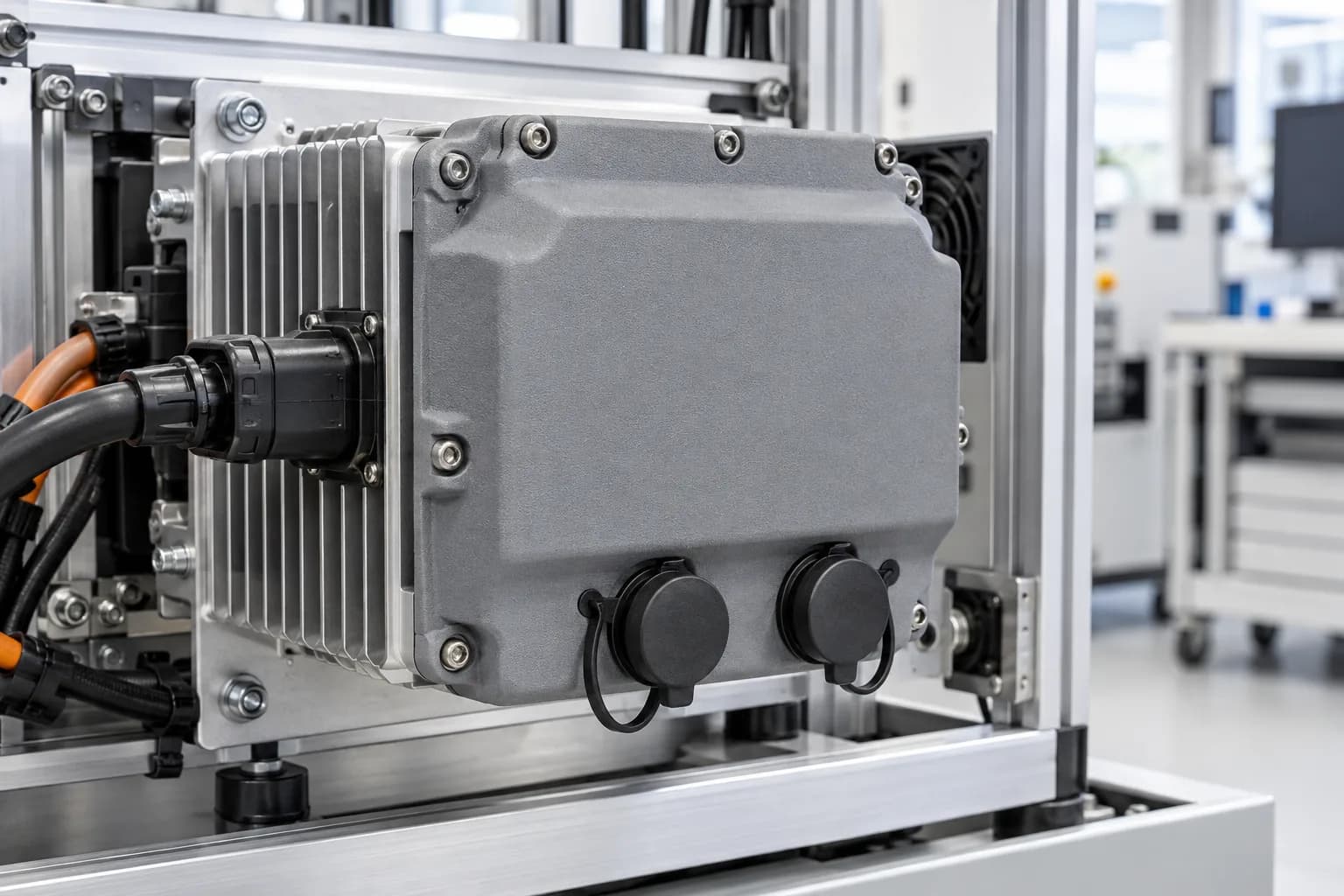
SLS nylon charger enclosure with two black tethered TPU connector dust caps

Clean Tech

Connector Dust Caps & Enclosure Seals

Charger and power electronics makers use TPU 88A for connector dust caps and seals on SLS nylon enclosures, ordered in lots of 25 to 30. Caps open and close every time a cable is connected, with no cut growth after 100,000 Ross flex cycles. Its aliphatic chemistry gives it high intrinsic UV stability, with tensile strength unchanged after 1,000 hours of accelerated weathering, which suits outdoor charging hardware.

  • Connector dust caps
  • Enclosure seals and gaskets
  • Flexible covers for outdoor units
Explore clean tech
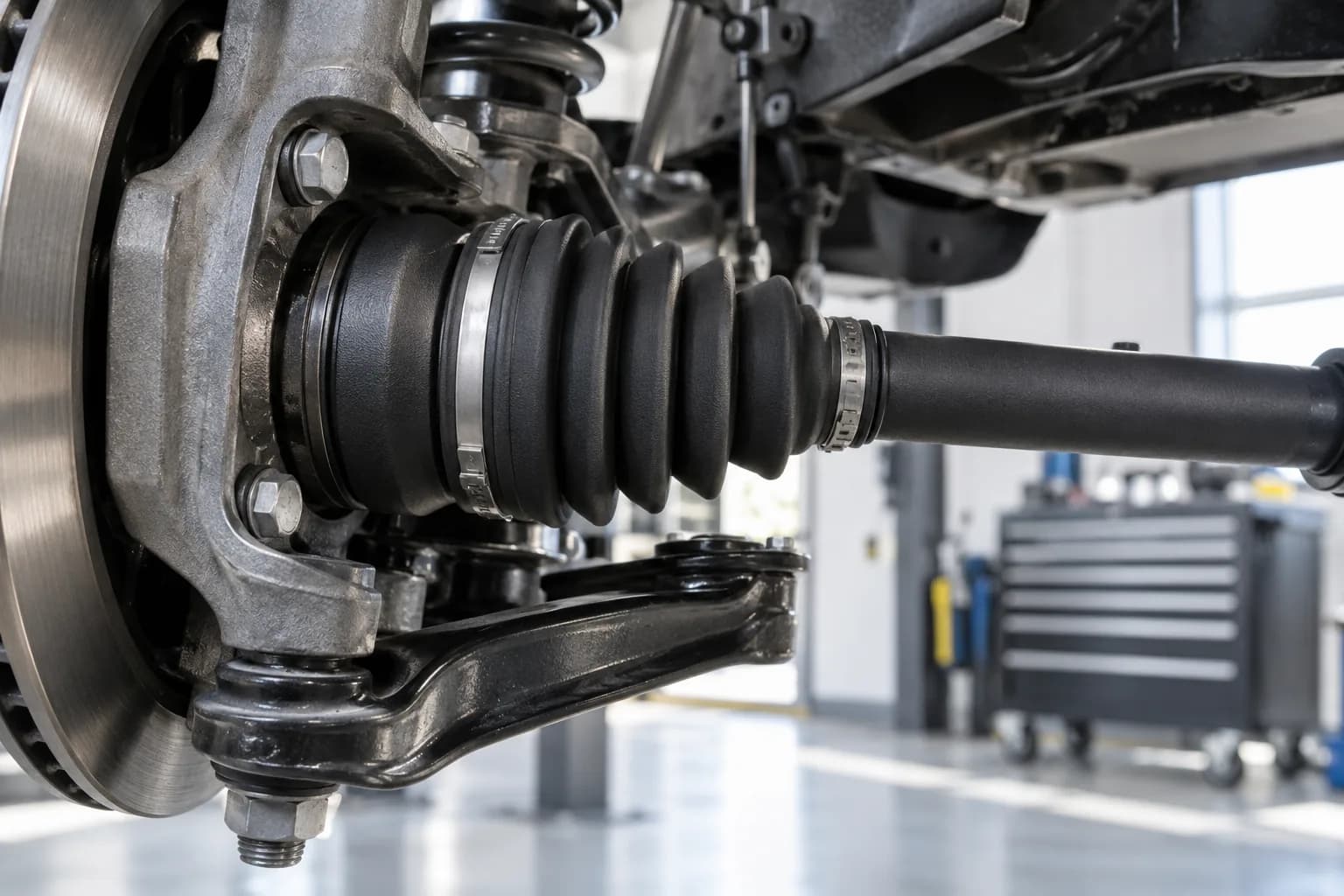
Black SLS TPU bellows boot fitted over a drive joint

Automotive

Seals, Boots & Vibration Damping Parts

Vehicle and equipment makers use TPU 88A in place of moulded rubber for seals, bellows, boots, bump stops and damping mounts, from prototypes to low-volume production with no tooling. It stays stable after 42 days in grease, hydraulic fluid, engine oil, gear oil and coolant, and passes FMVSS 302 for vehicle interiors. One agricultural equipment maker has reordered SLS TPU parts to a total of 409.

  • Door and window seals
  • Bellows, boots and bump stops
  • Vibration damping mounts
Explore automotive
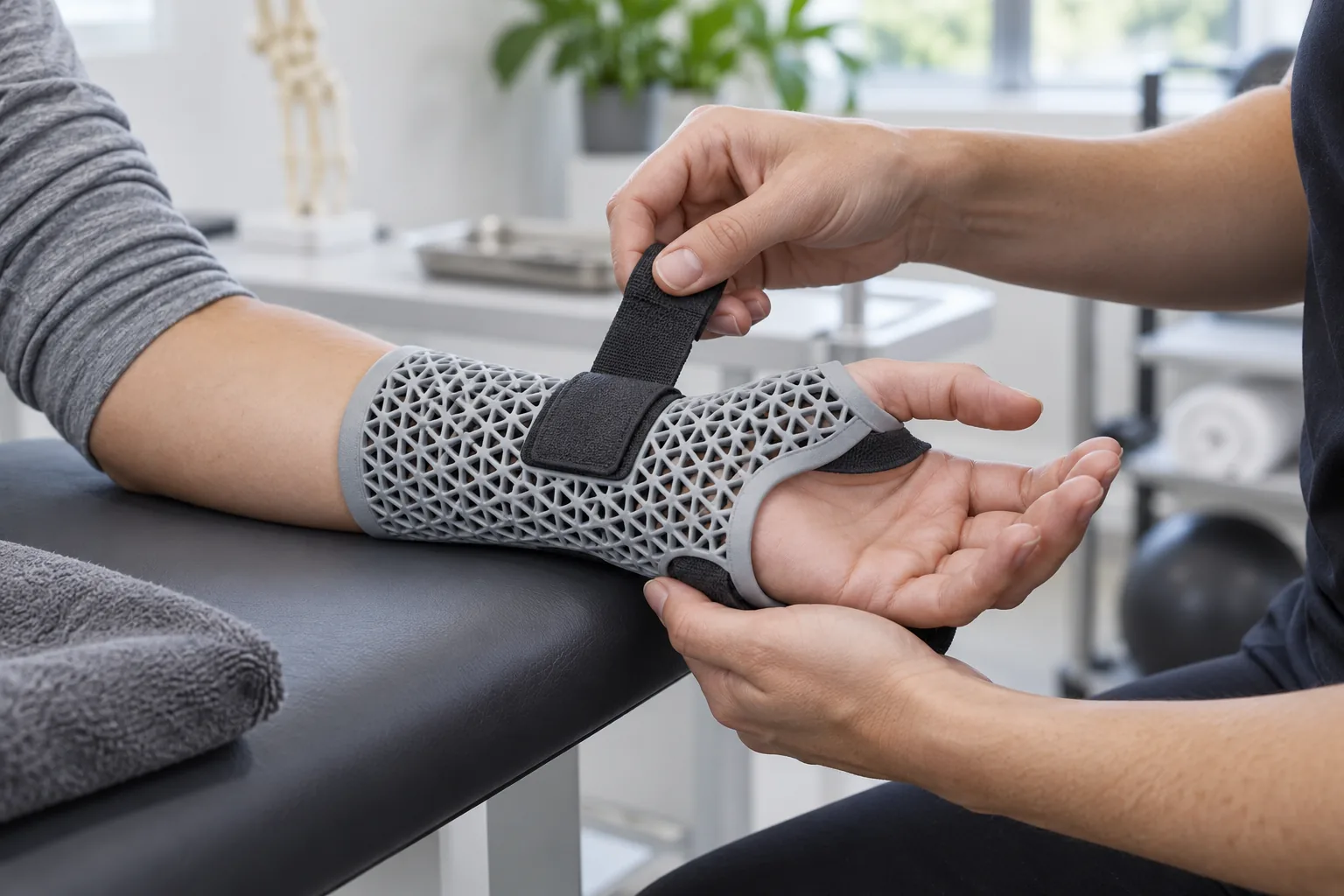
Light grey SLS TPU lattice wrist-brace pad

Medical & Wearables

Orthotics & Wearable Device Interfaces

Medical device and orthotics teams use TPU 88A for custom-fit insoles, supports, prosthetic interfaces and wearable straps that need comfort and durability. Each insole or strap prints from the patient's own scan with no tooling, so every device is made to fit. Tested for cytotoxicity, skin irritation and sensitization, TPU 88A is a strong starting point for skin-contact devices that the device maker confirms on the final part.

  • Orthotic insoles and supports
  • Prosthetic liners and interfaces
  • Wearable device straps
Explore medical devices
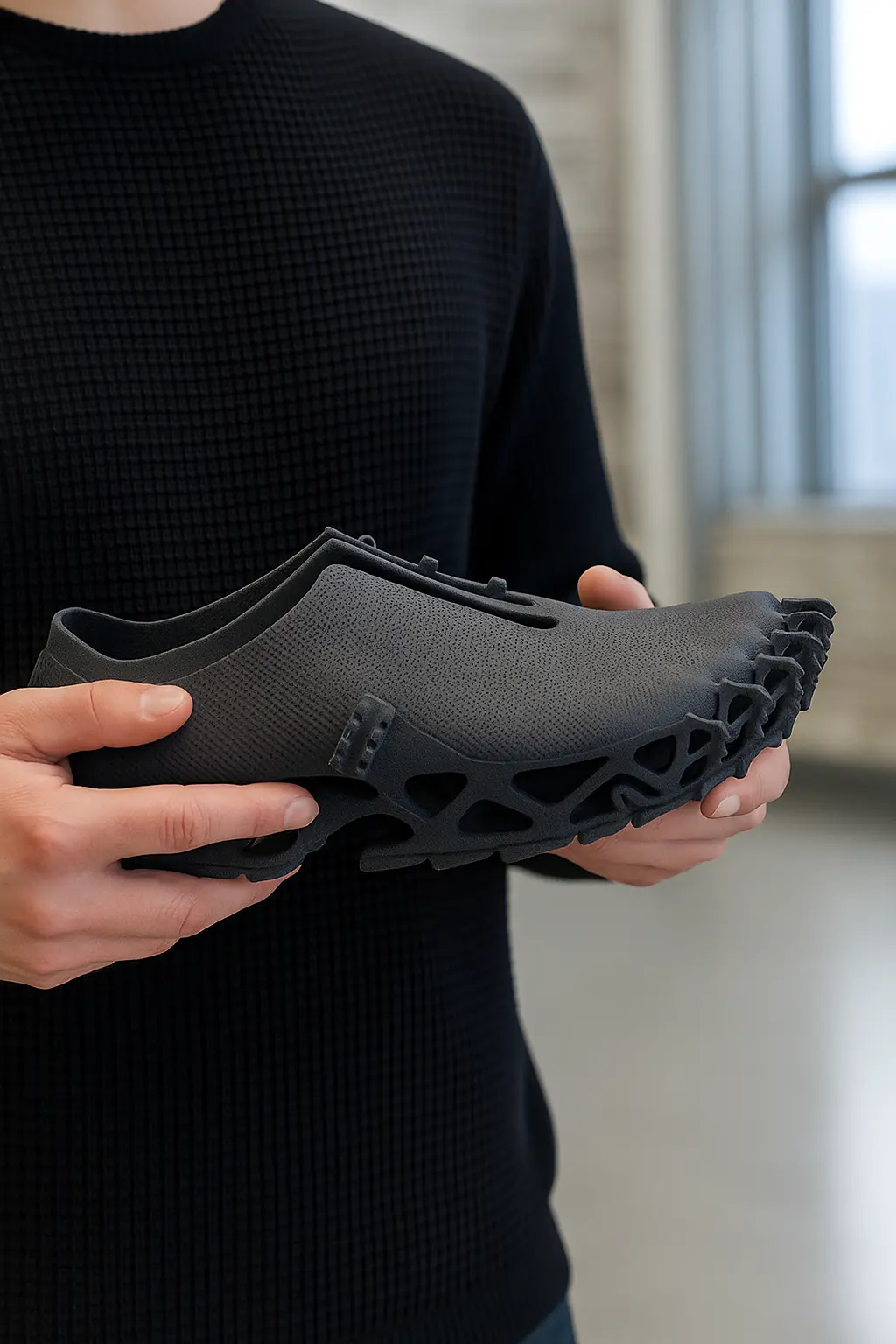
Matte black powder-bed printed lattice shoe held in two hands

Sports & Consumer Products

Footwear, Padding & Protective Gear

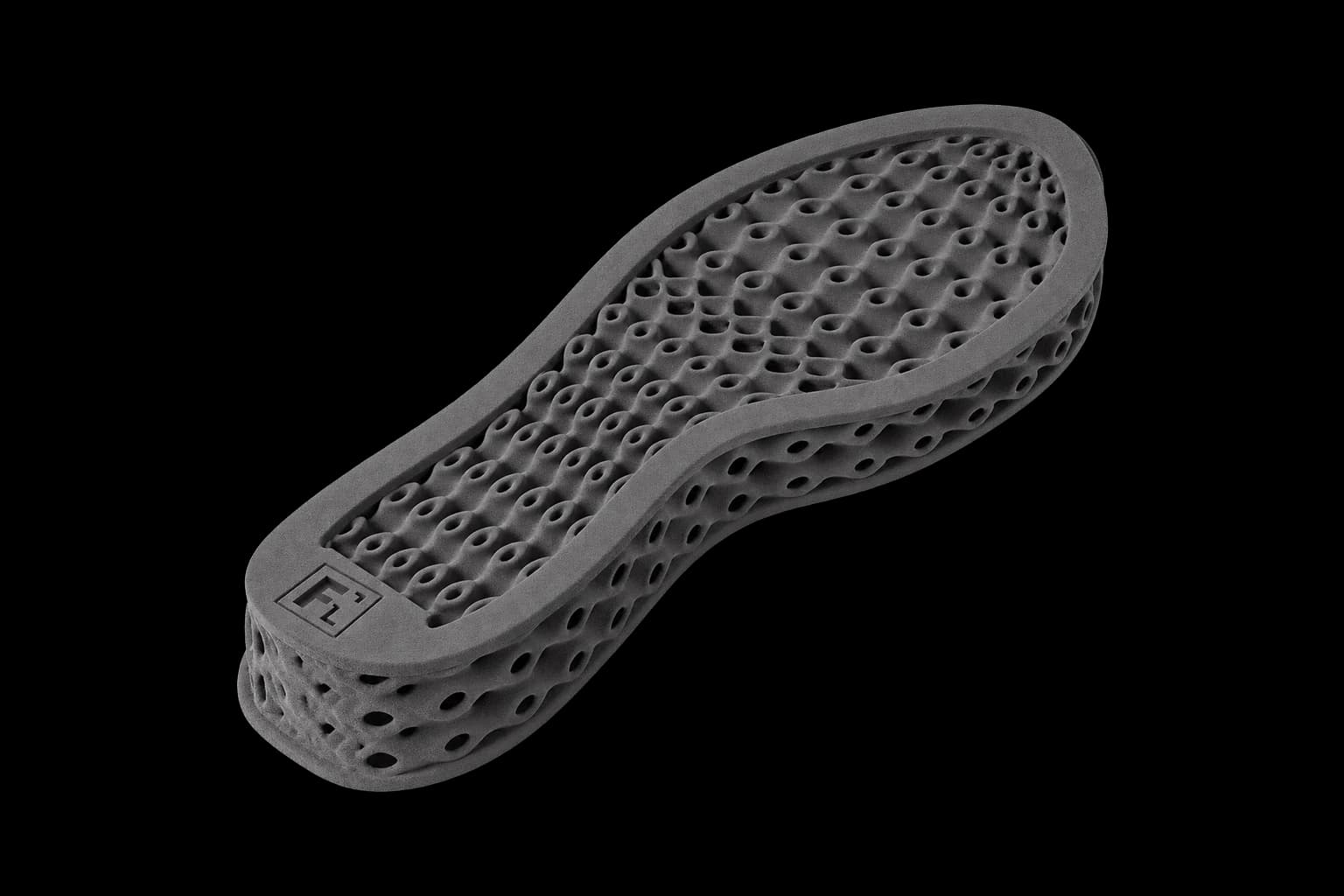
Sports and footwear brands use TPU 88A for protective padding and guards, shoe soles and inserts, and grip components, where energy absorption and rebound improve comfort and performance. Lattice midsoles and pads print in one piece, so cushioning can be tuned zone by zone. Its 63% rebound resilience returns energy with each step, and its abrasion resistance, at 86 mm³ volume loss, suits soles and grips.

  • Shoe soles and inserts
  • Protective padding and guards
  • Grip and impact components
Explore industrial design
Performance data

Technical performance for TPU 88A

Values from the Forward AM Ultrasint TPU 88A datasheet, tested to the standard listed with each property.

Mechanical performance

Mechanical properties

Strength, stiffness and elongation show how far TPU 88A parts stretch and how firmly they recover, giving flexible gaskets and seals, sports protective equipment and custom footwear components the durability they need in production. Hardness, stiffness, rebound and compression set are the same along and across the layers, while elongation at break is lower in the build direction, so parts that must stretch furthest are best oriented along the build plane.

Tear, abrasion, impact and Ross flex results show how parts hold up to repeated stretching, scuffing and flexing, including results below freezing, so TPU 88A keeps its integrity under repetitive stress across automotive, sports and medical applications.

PropertyValue
Shore A Hardness (X / Z)DIN ISO 7619-1
88–90
Tensile Strength (X)DIN 53504, S2
8 MPa
Tensile Strength (Z)DIN 53504, S2
7 MPa
Elongation at Break (X)DIN 53504, S2
270 %
Elongation at Break (Z)DIN 53504, S2
130 %
Tensile Modulus (X / Z)ISO 527-2, 1A
75 MPa
Flexural Modulus (X / Z)DIN EN ISO 178
70 MPa
Tear Resistance, Propagation (Trouser) (X / Z)DIN ISO 34-1, A
26 kN/m
Tear Resistance, Initiation (Graves) (X / Z)DIN ISO 34-1, B
43 / 37 kN/m
Compression Set B (23 °C, 72 h) (X / Z)DIN ISO 815-1
24 %
Rebound Resilience (X / Z)DIN 53512
63 %
Abrasion Resistance, Volume Loss (X / Z)DIN ISO 4649
86 / 95 mm³
Charpy Impact Strength, Notched, 23 °C (X / Z)DIN EN ISO 179-1
No break
Charpy Impact Strength, Notched, −10 °C (X / Z)DIN EN ISO 179-1
60 / 58 kJ/m²
Flex Fatigue, Ross Flex (100,000 cycles, 23 °C)ASTM D1052
No cut growth
Flex Fatigue, Ross Flex (100,000 cycles, −10 °C)ASTM D1052
No cut growth

Material makeup

Physical properties

Consistent density and surface quality keep critical features in tolerance and downstream finishing predictable.

Bulk density and particle size describe the powder. Values are measured after three days at 23 °C and 50% relative humidity and represent stable part performance at the recommended 20% fresh / 80% recycled powder refresh.

PropertyValue
Part DensityDIN EN ISO 1183-1
1.1 g/cm³
Bulk Density (powder)DIN EN ISO 60
0.5 g/cm³
Mean Particle Size d50 (powder)ISO 13320
70–90 µm
Colour (as printed)
Natural white

Heat performance

Thermal properties

The low glass transition temperature keeps TPU 88A rubbery and impact resistant in cold conditions, and the Vicat softening temperature marks where loaded parts begin to soften, guiding design for automotive and sports parts that see repeated thermal cycling.

PropertyValue
Glass Transition Temperature (DSC, 20 K/min)ISO 11357
-48 °C
Melting Temperature (DSC, 20 K/min)ISO 11357
120–150 °C
Vicat Softening Temperature A/10 N (X / Z)DIN EN ISO 306
98 °C

Compatibility data

Chemical properties

Forward AM immersed TPU 88A for 42 days at 23 °C. Tensile strength and elongation stay stable in grease, hydraulic fluid, engine oil, gear oil and coolant, while brake fluid and repeated 40 °C detergent washing reduce elongation. The stabilised ester base holds its properties in water at 40 °C for more than 70 days, but parts should not stay in water hotter than 60 °C, where mechanical properties decline.

Chemical ratings are screening guidance; confirm them with application-specific testing before production release.

ChemicalTensile strengthElongation at break
Lubricating grease
Tensile strengthGood
Elongation at breakGood
Hydraulic fluid
Tensile strengthGood
Elongation at breakGood
Engine oil
Tensile strengthGood
Elongation at breakGood
Gear oil (ATF)
Tensile strengthGood
Elongation at breakGood
Glycol engine coolant
Tensile strengthGood
Elongation at breakGood
Detergent wash (15 cycles, 40 °C)
Tensile strengthGood
Elongation at breakModerate
Brake fluid DOT 4
Tensile strengthModerate
Elongation at breakPoor

Medical readiness

Biocompatibility and compliance profile

Each status comes from Forward AM test reports and declarations for Ultrasint TPU 88A, so teams can start skin-contact and automotive material reviews from supplier data. Forward AM asks for the skin-contact tests to be repeated on the final part, and states no sterilization method, USP Class VI rating or food contact approval.

It passes the FMVSS 302 vehicle interior burn rate test without flame retardants, is listed in IMDS, and Forward AM provides REACH, RoHS, ELV and GADSL declarations.

StandardStatus
ISO 10993-5 (Cytotoxicity)Printed specimens passed neutral red cytotoxicity testing (EN ISO 10993-5:2009); retest on the final part
Forward AM tested
OECD 439 (In vitro skin irritation)Printed specimens passed reconstructed human skin model irritation testing
Forward AM tested
ISO 10993-10 (Sensitization)Printed specimens passed the local lymph node assay (ISO 10993-10:2013, OECD 429)
Forward AM tested
FMVSS 302 (Vehicle interior flammability)84 mm/min burn rate on 1.08 mm XY and 1.2 mm Z plates, below the 102 mm/min limit; contains no flame retardants
Forward AM tested
REACH (including SVHC)Regulatory document available from Forward AM
Forward AM declaration
RoHSRestriction of hazardous substances document available from Forward AM
Forward AM declaration
ELV and GADSLEnd-of-Life Vehicle and Global Automotive Declarable Substance List documents available
Forward AM declaration
IMDSListed in the International Material Data System for automotive supply chains
IMDS listed
Resources

Datasheets and design resources

Datasheets, design guidance and supplier documentation for TPU 88A.

Download center

Access the most recent datasheet and supporting documentation maintained by our engineering team.

TPU 88A datasheet

Design guidelines

Explore printable geometry recommendations, wall thickness tips, and finishing playbooks for SLS.

View SLS design guide

Supplier compliance documents

Supplier declarations and test statements for this material.

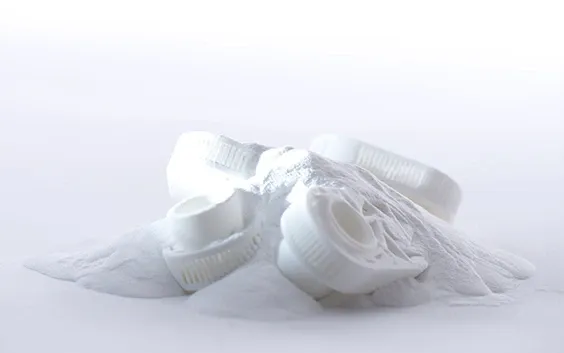
White SLS parts resting in loose powder after breakout
Advanced Manufacturing

Built with Precision SLS Technology

TPU 88A is manufactured using industrial-grade SLS technology, ensuring exceptional mechanical properties and dimensional accuracy for demanding applications. Laser sintering fuses the powder into dense, repeatable components and keeps production scalable from a single prototype to full production batches.

Tolerance
±0.3% (min ±0.3 mm)
Production capacity
Multiple parts and assemblies nested in each build
Quality control
In-process monitoring and batch traceability for consistent part quality and material properties
Colours & finishes
Natural white or dyed black; deep colour dyeing, painting, bead blasting and surface texturing
Learn more about SLS technology
Frequently Asked Questions

Frequently asked questions about TPU 88A

Can't find the answer you're looking for? Reach out to our customer support team.

TPU 88A is a rubber-like elastomer at Shore A 88 to 90 with superior shock absorption and vibration damping. Its fatigue resistance is outstanding, with no cut growth after 100,000 Ross flex cycles, which suits automotive, sports and medical parts that flex in every use.
Start a quote

Ready to Get Started with TPU 88A?

Upload your design and get an instant quote for TPU 88A parts.

  • Instant pricing with automated manufacturability analysis
  • Production workflows built for repeatable quality
  • Engineering support from prototype to production
Compare all materials

Create an account to upload CAD

STEP, STL, OBJ, 3MF and IGES supported

Manufacturing technologies
6
Engineering materials
50+
Part quantities
1-500+