Stereolithography Tough 1500 Resin For Parts That Flex and Spring Back

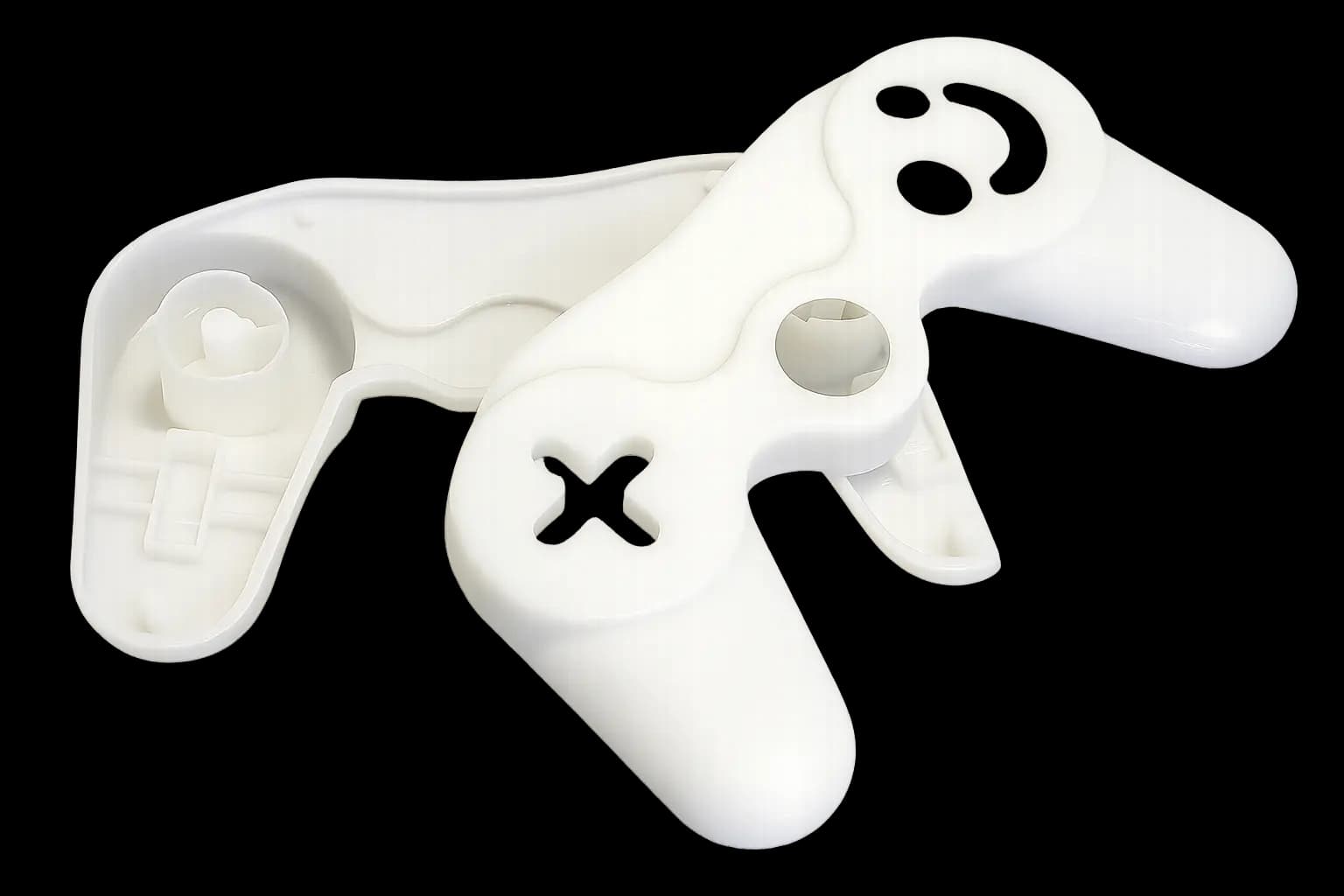
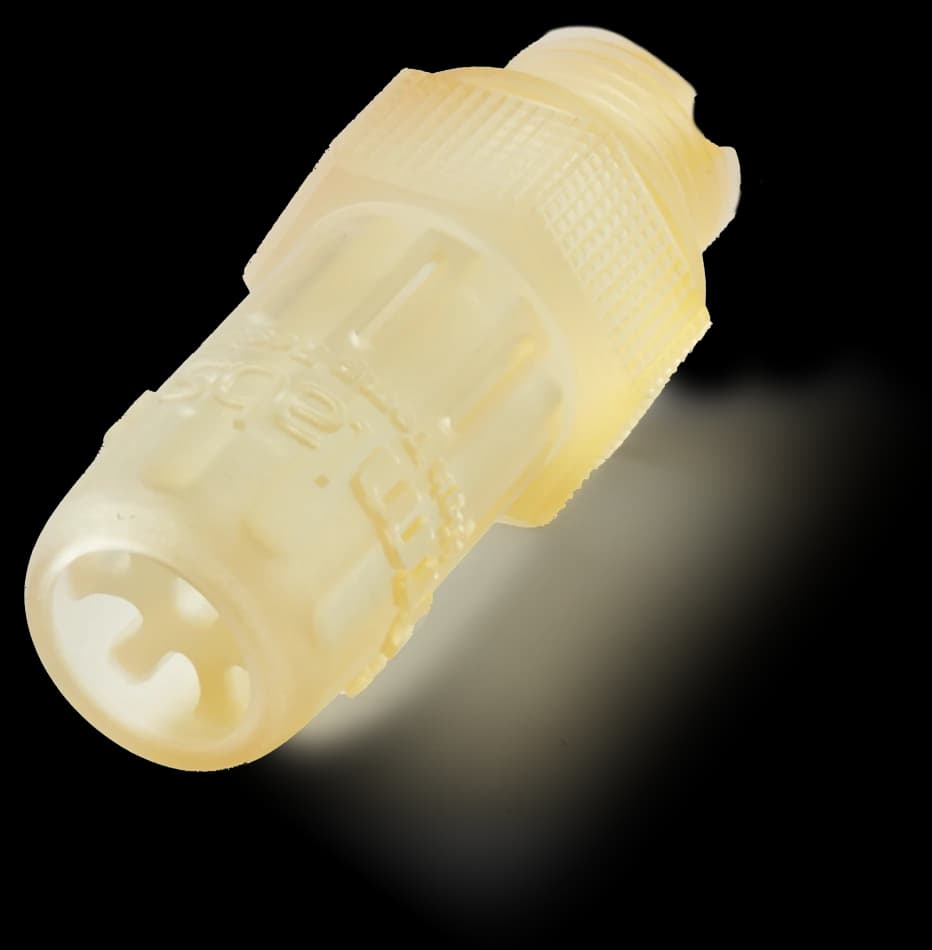
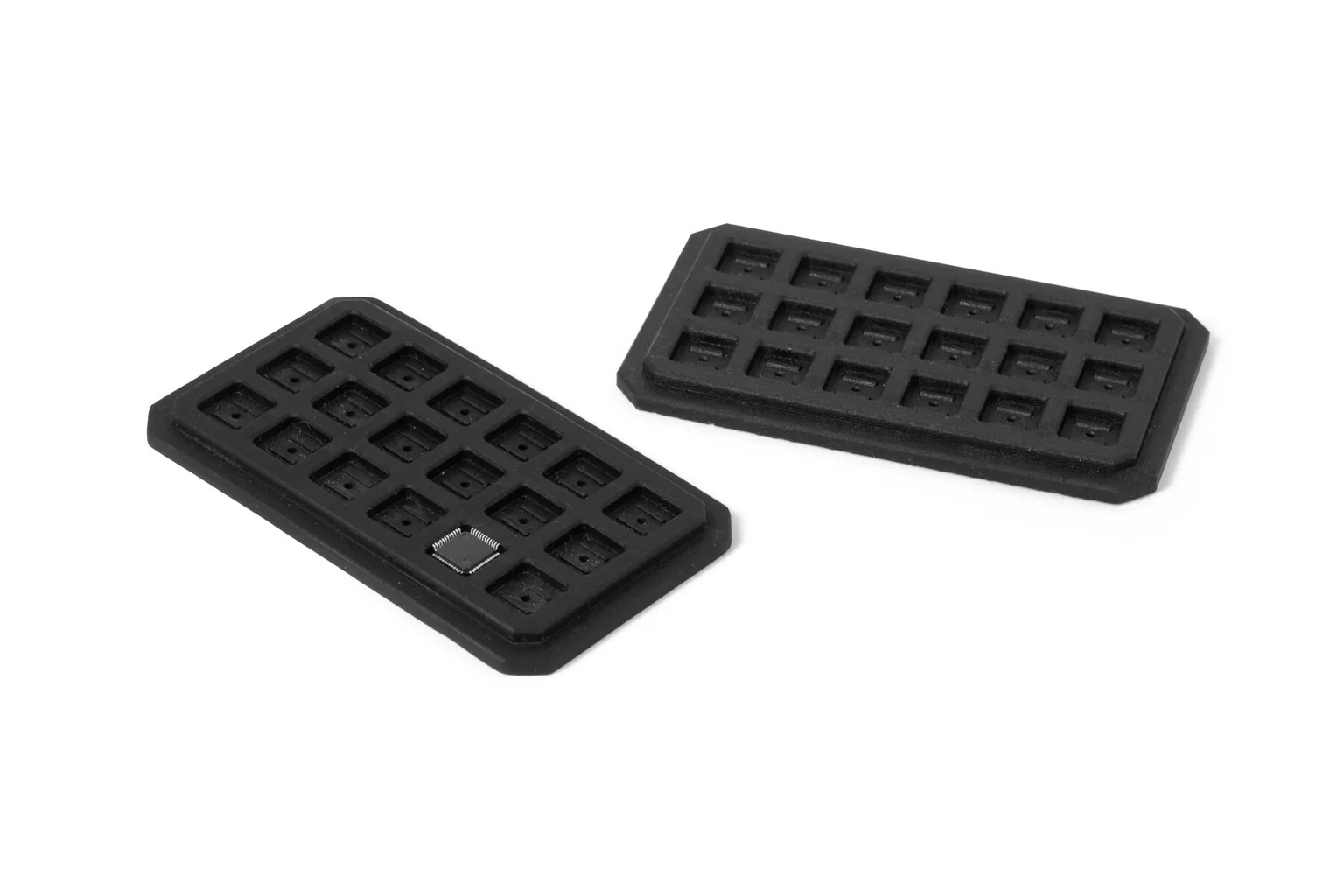
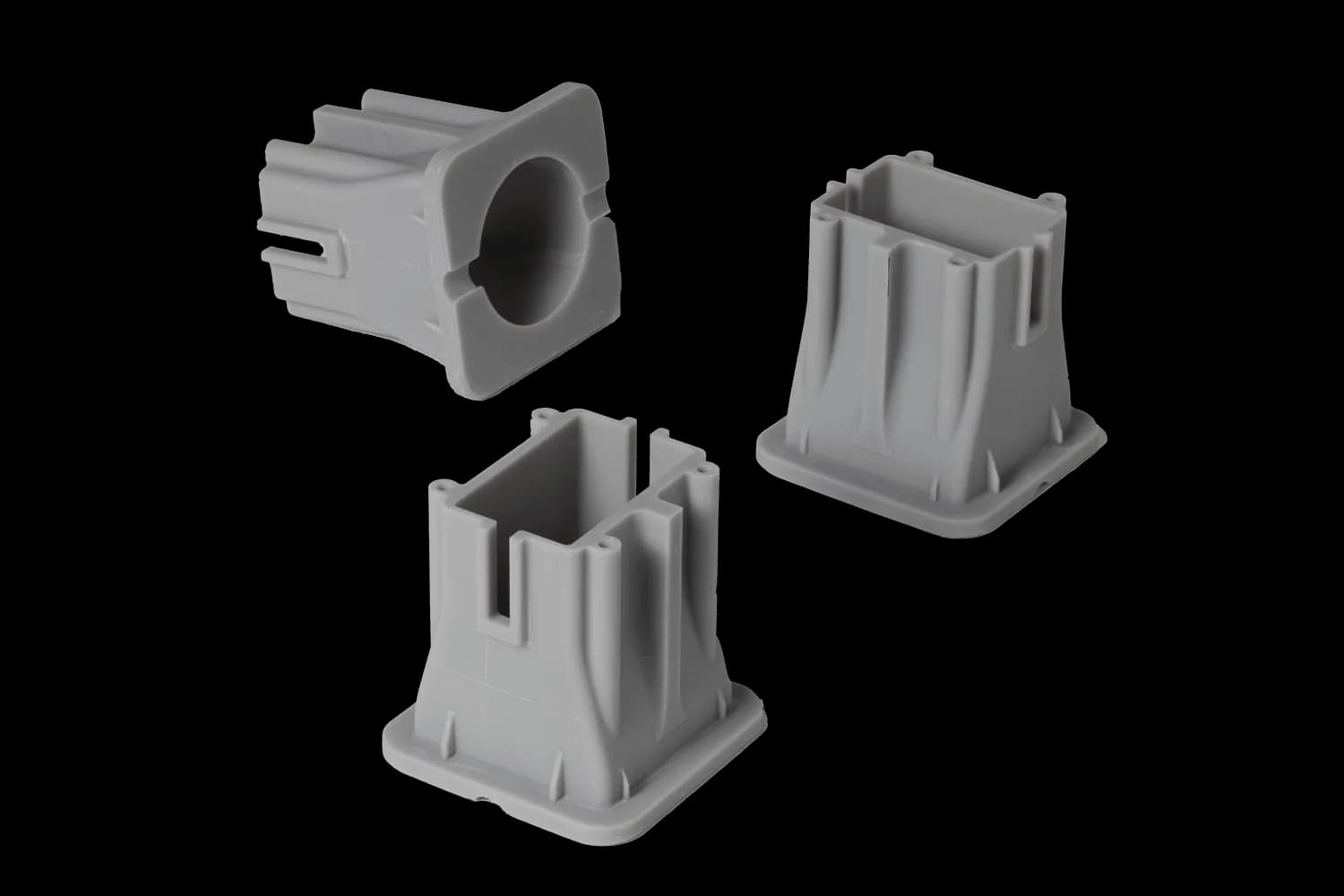
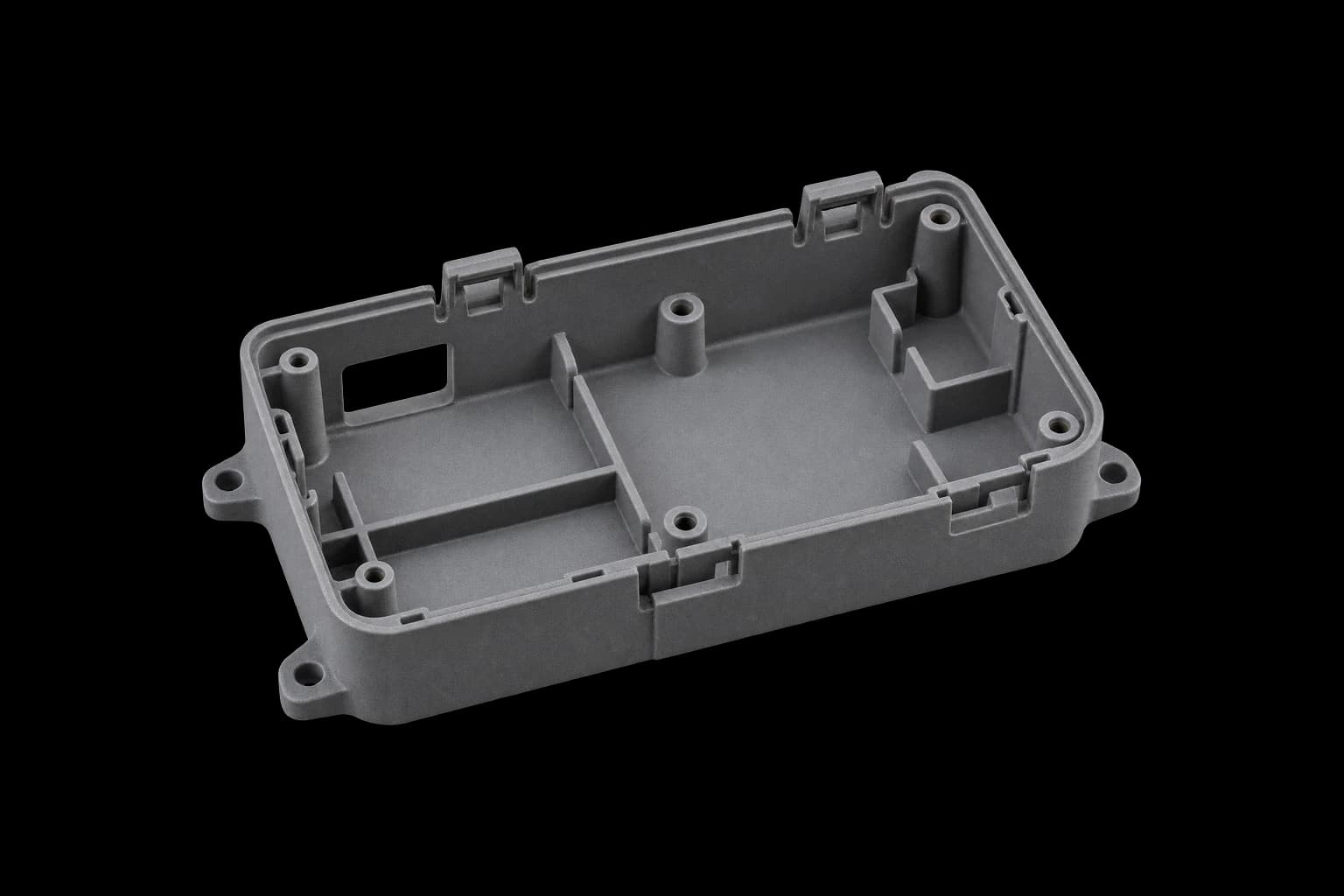
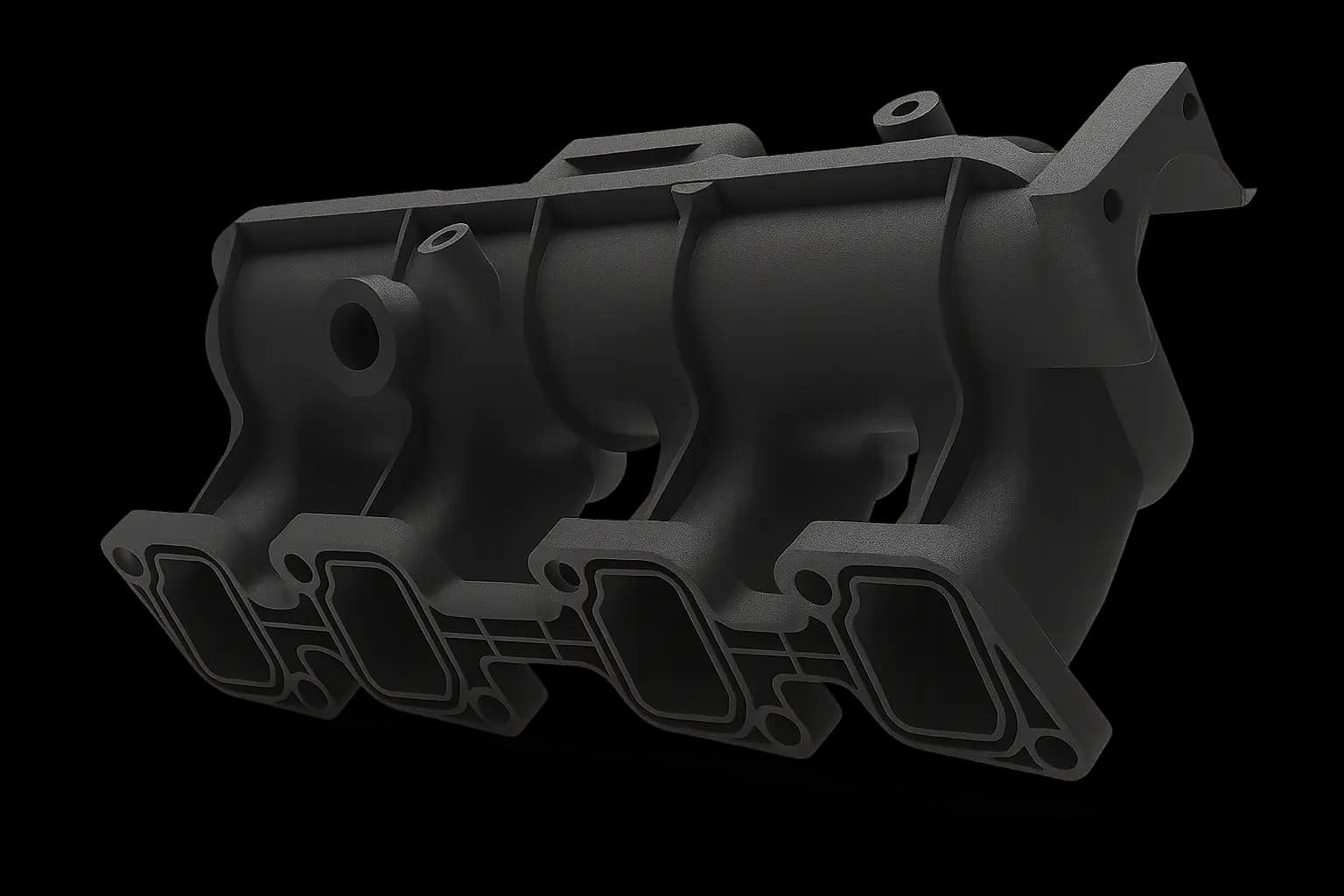
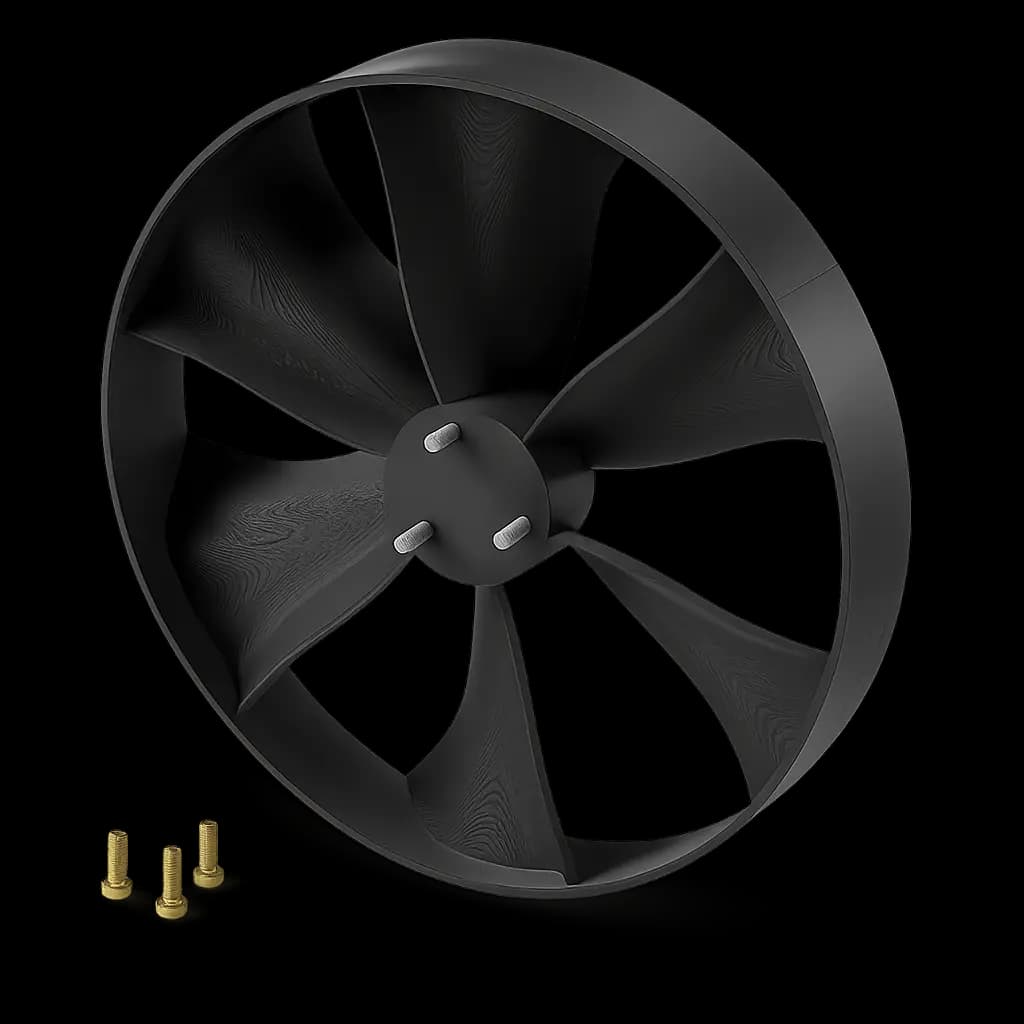
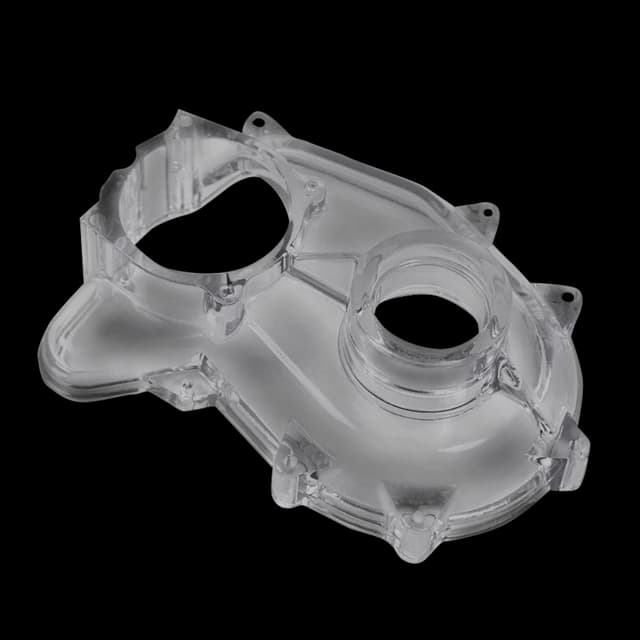
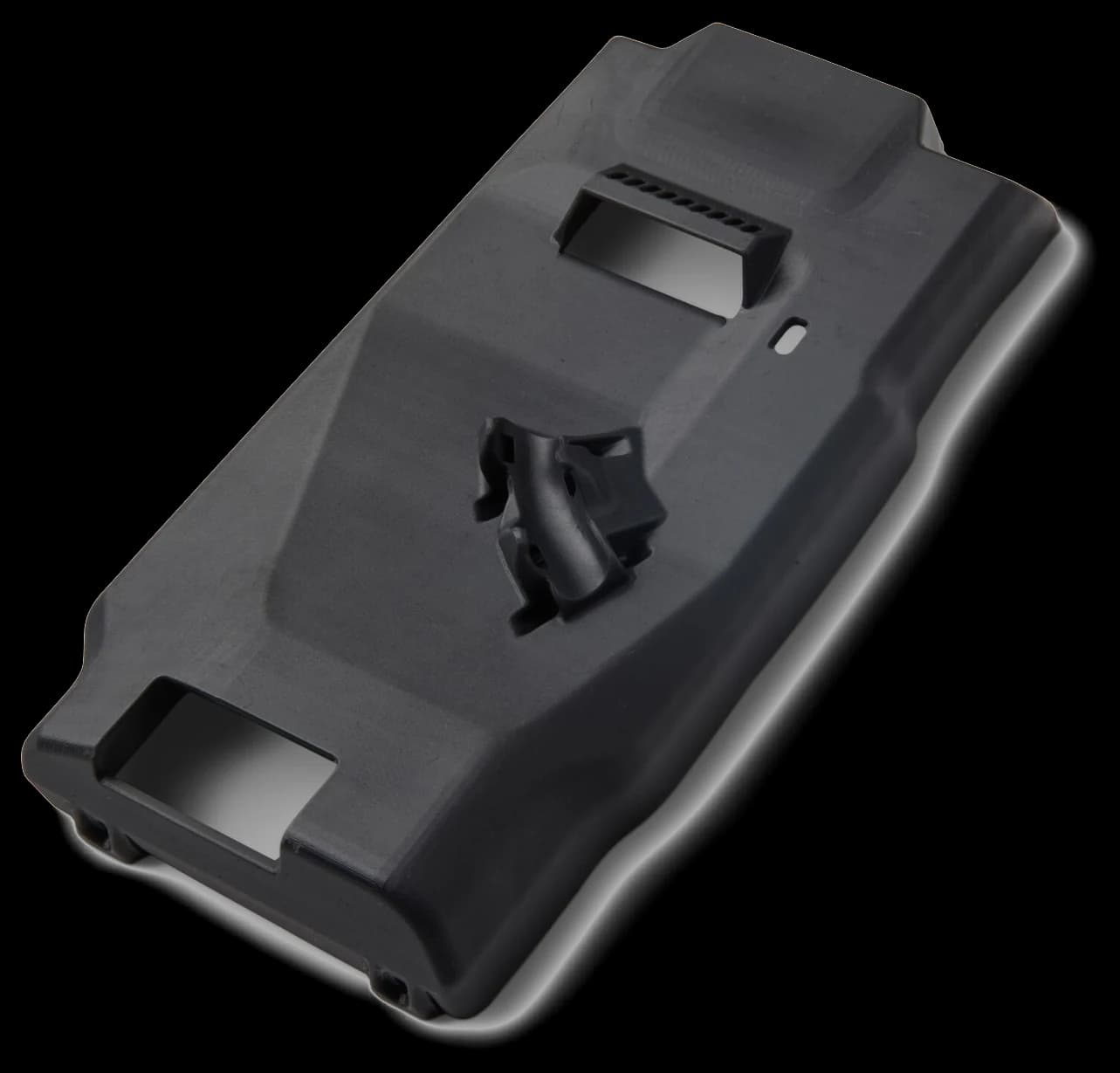
Tough 1500 Resin 3D printed part example
Polypropylene-Like
Flexes and Springs Back
SLA material

Tough 1500 Resin overview

Tough 1500 Resin is a Formlabs SLA 3D printing resin that behaves like polypropylene: stiff enough to hold its shape, yet able to bend under load and spring back. Where rigid resins crack when a clip is pushed too far, Tough 1500 stretches a long way before it breaks and survives drops and knocks that shatter brittle plastics. Choose it for parts that have to give: snap fits, clips and buckles, hinges and latches, enclosures that take self-tapping screws, and jigs and fixtures for the factory floor. For parts that must stay rigid, Tough 2000 Resin is the stiffer, ABS-like choice.

How Tough 1500 Resin is manufactured

Tough 1500 Resin is manufactured using Stereolithography (SLA) on Formlabs Form 4L printers, where light cures the liquid resin layer by layer through a masked display. Parts are washed, post-cured on their supports to prevent warping, and then the supports are removed; post-curing completes the cure and takes the resin to its datasheet strength, stiffness and heat deflection. The large Form 4L platform builds enclosures and fixtures in one piece, or batches of clips and housings together, with the smooth, injection-moulded look of SLA.

Build volume
353 × 196 × 350 mm
Lead time
2-4 business days
Layer height
0.05-0.1 mm
Forge Labs Steam

Know before you manufacture in Tough 1500 Resin.

Upload CAD files to Forge Labs Steam for Tough 1500 Resin pricing and a manufacturability review, and fix issues before production.

Upload CAD files to Forge Labs Steam for Tough 1500 Resin pricing and a manufacturability review, and fix issues before production.

Surface finishes

Finishes for Tough 1500 Resin

SLA delivers the smoothest surface of any 3D printing process. Every part is washed, post-cured and has its supports removed, leaving a smooth, finely detailed surface that is ready to use straight away or to paint.

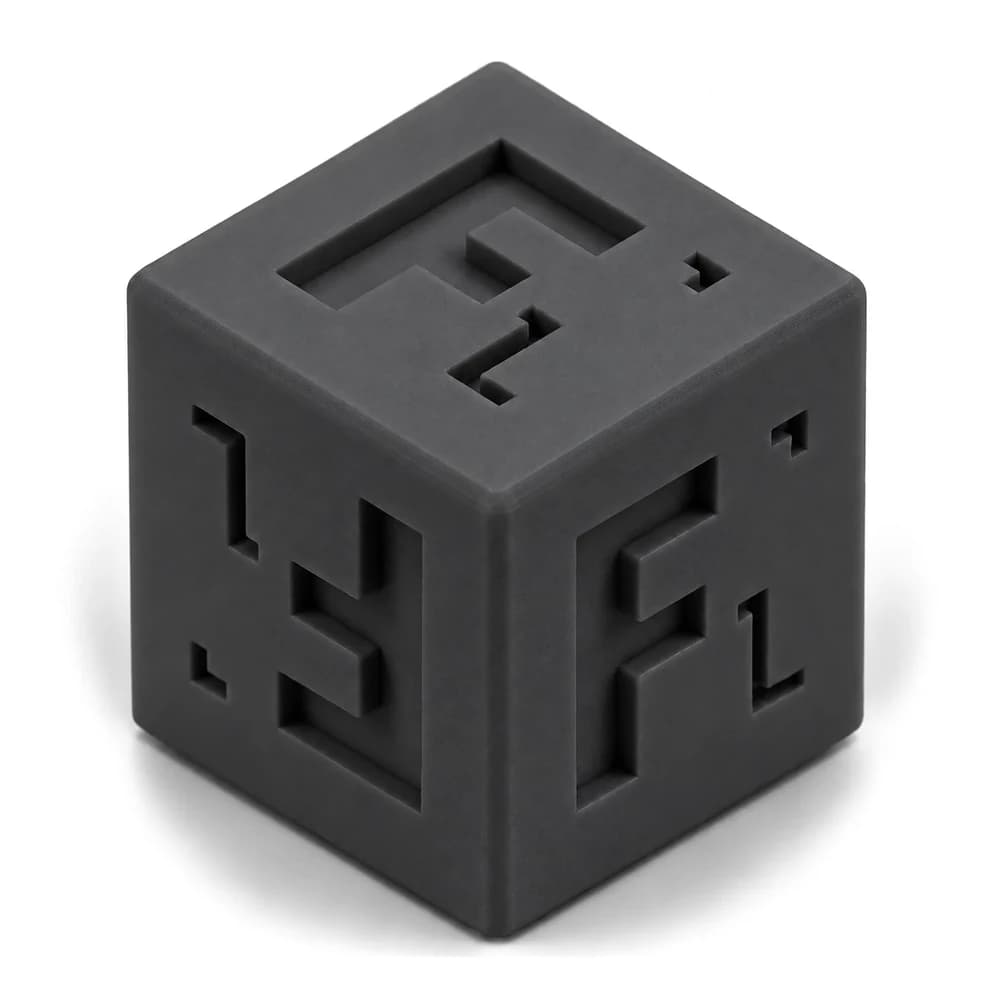
Forge Labs sample cube in SLA Tough 1500 Resin
Natural

Standard Finish

Parts are washed, post-cured and have their supports removed, leaving the smooth, finely detailed surface SLA is known for. Sharp edges, small text and fine features hold their shape, and the surface is ready for fit checks, assembly and presentation, or as a base for paint.

Surface Texture
Smooth, fine-detailed surface
Appearance
Natural resin colour
Details
Sharp & crisp
Sample cube with a red automotive-grade performance paint finish
Forge Labs sample cube in SLA Tough 1500 Resin
Premium Finish

Performance Paint

Painting offers a highly durable, automotive-grade coating that enhances the aesthetics and durability of 3D-printed parts. Each part is hand-finished to ensure smooth surfaces and a premium quality appearance. Using professional-grade coating equipment, this process allows for precise application and exceptional adhesion. Custom color matching is available, making it ideal for applications that require specific branding or visual impact.

Surface Texture
Matte to Semi-Gloss
Appearance
Custom color matching
Details
Clear & refined
Industry applications

Industry applications for Tough 1500 Resin

Tough 1500 Resin gives engineers the stiffness and toughness of polypropylene in a printed part: it bends without cracking, recovers its shape and keeps working after repeated flexing. Product teams use it to prototype parts that will be injection moulded in polypropylene, and manufacturers print end-use clips, guards, bezels and fixtures in it directly.

Choosing between Tough 1500 and Tough 2000 comes down to whether the part should give or stay rigid. Tough 2000 is the ABS-like resin: stiffer and stronger, with better heat and creep resistance, for rigid housings, protective shells and fixtures that stay clamped or carry constant load. Tough 1500 trades some of that stiffness for about twice the stretch, more than three times the thin-wall impact strength, three times the work of fracture and more than twice the flex-fatigue life, so it suits latches, flexures, dampers and parts that are dropped, struck or snapped together.

Parts can be drilled and tapped without splitting, and creep resistance that matches polypropylene keeps snap-fit enclosures and lightly loaded clamps in shape in service.

Accura 25, Forge Labs' other polypropylene-like SLA resin, builds much larger single parts on industrial SLA printers; Tough 1500 stretches many times further before it breaks, which makes it the more forgiving choice for clips, hinges and parts that take abuse.

All industries
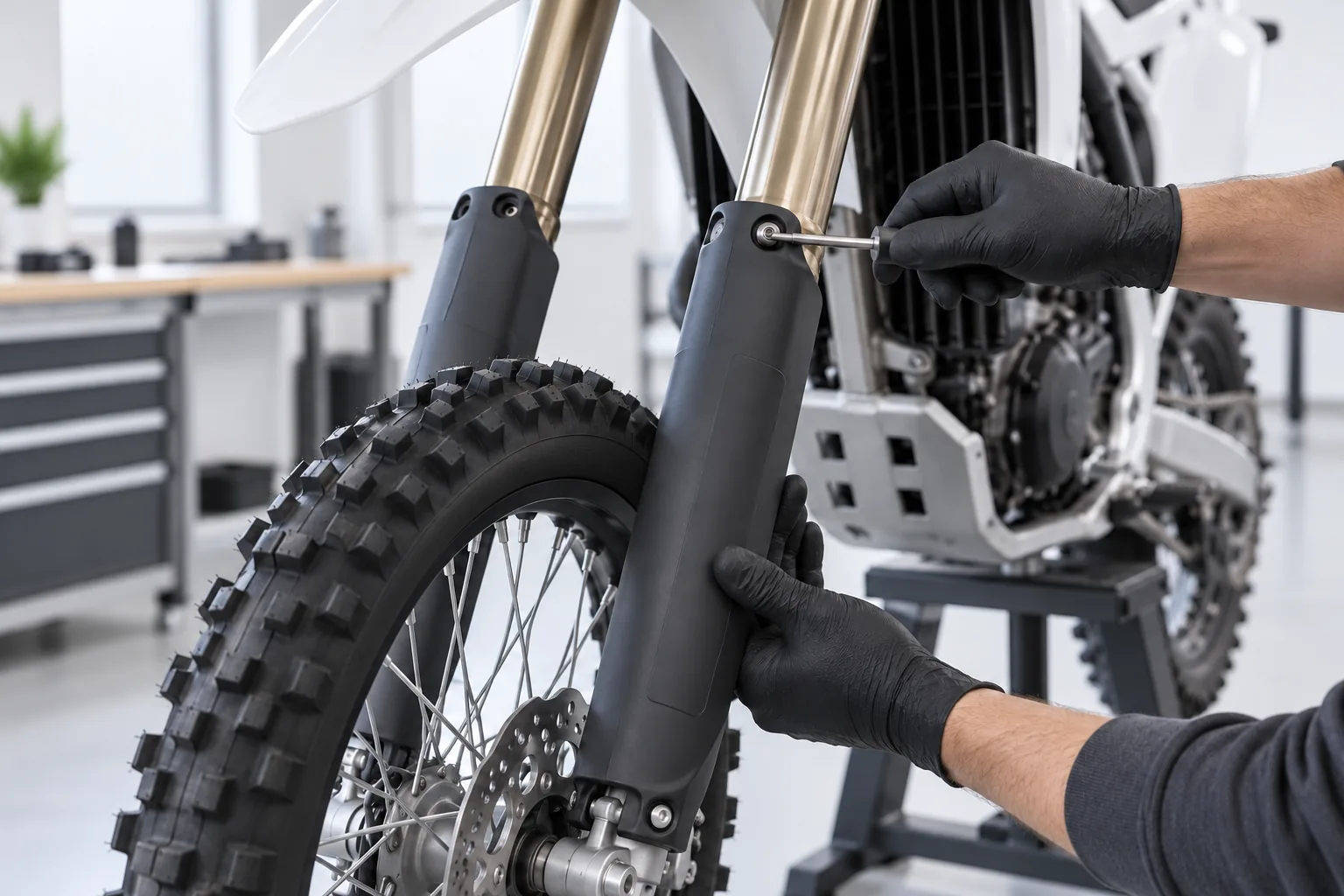
A pair of dark grey printed fork guards being bolted onto the front suspension fork of a generic electric dirt bike on a clean workshop stand

Automotive & Motorsport

Impact Guards & Protective Covers

Motorsport and vehicle teams use Tough 1500 Resin for fork guards, splash shields, protective covers and trim that take rock strikes and debris without shattering. An electric dirt bike suspension maker moved its fork guards from prototype to end-use part on the Form 4L: it needed to supply about 50 guards a week and prints them in roughly 13-hour batches, against the 8 to 10 weeks injection moulding would take. Guards in an earlier Tough 1500 formulation finished a 120-mile desert race with no wear.

  • Fork guards and splash shields
  • Protective covers and trim
  • Clips and cable mounts
Explore automotive
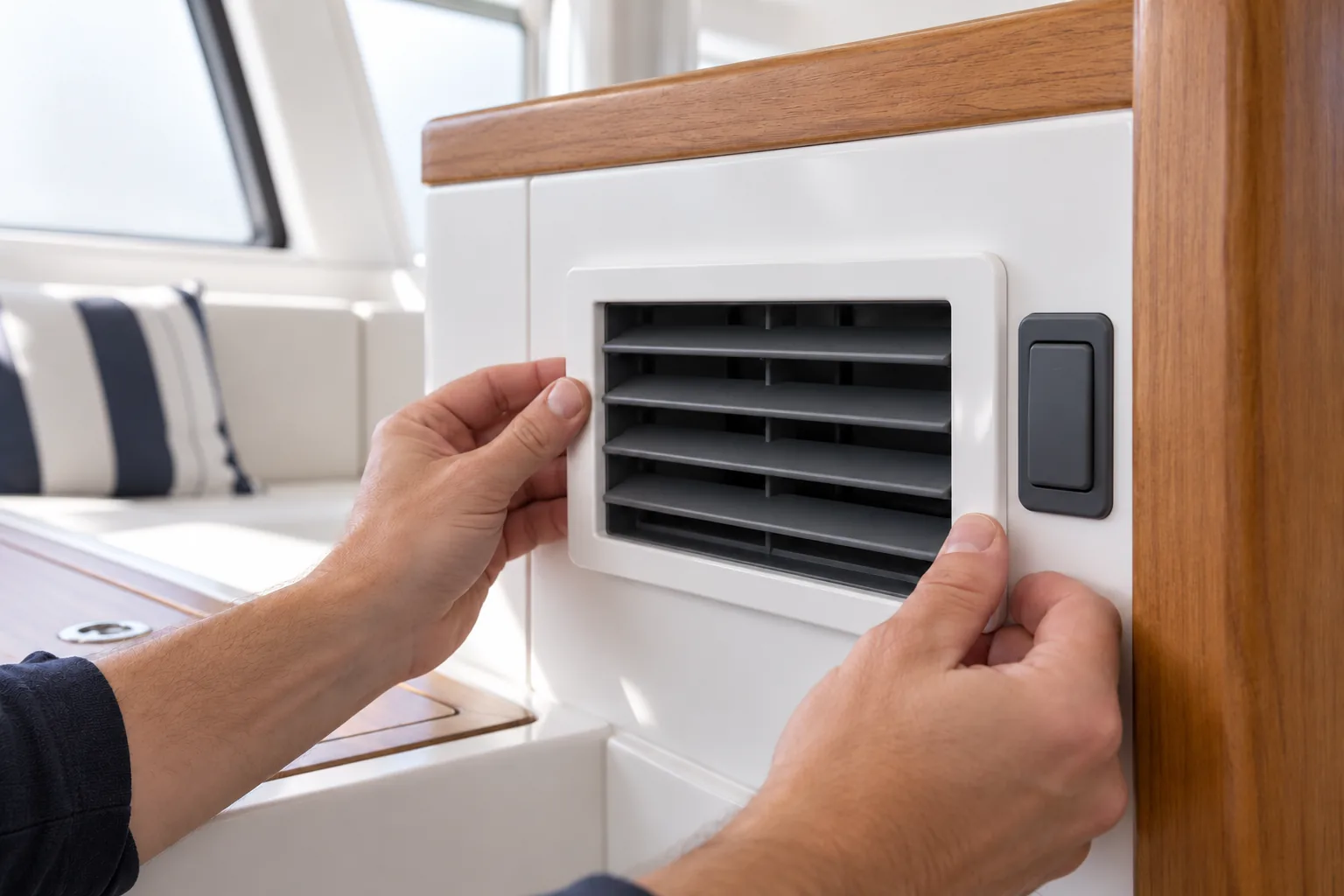
A printed air-conditioning vent and switch bezel, painted to match a white yacht interior, being pressed into a cabin wall panel beside satin teak trim

Marine & Custom Interiors

End-Use Vents, Bezels & Hardware

Custom boat builders print end-use Tough 1500 Resin parts: air-conditioning vents, switch bezels, and brackets and mounts built around client-specified sound and navigation equipment, then painted to colour-match the yacht. One yacht builder replaced heavily sanded filament parts with Tough 1500 parts that look and feel injection moulded and withstand knocks and repeated tapping, and its Form 4L workflow now produces many custom parts, especially small moulds and tooling, in a single day instead of a week or more.

  • Air vents and switch bezels
  • Custom brackets and mounts
  • Painted interior trim
Explore industrial design
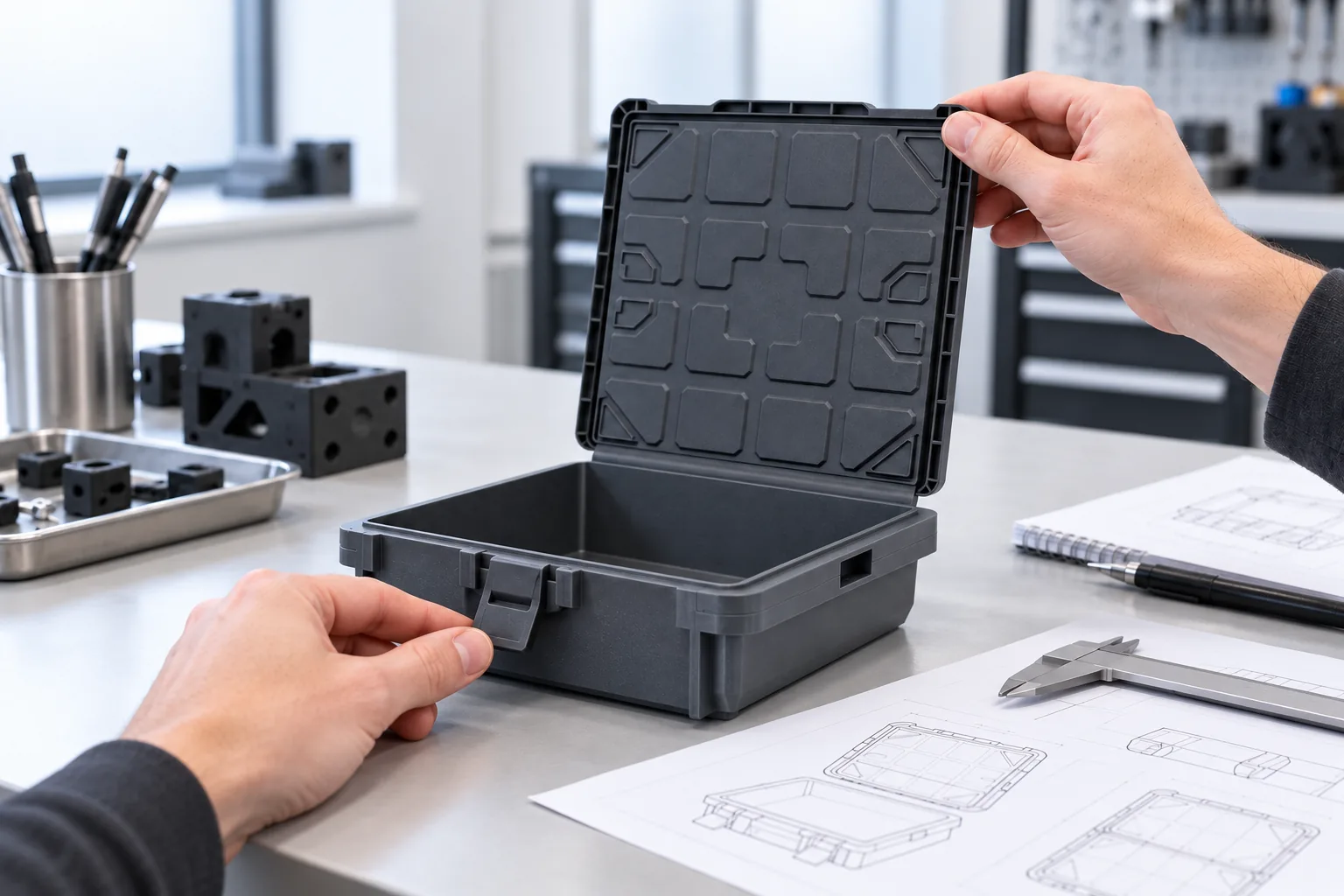
A dark grey printed utility-case prototype on a product design bench, a hand flexing its lid open on a living hinge while the snap latch springs back

Consumer Products

Polypropylene Product Prototypes

Consumer product teams use Tough 1500 Resin to prototype cases, crates and lids that will be injection moulded in polypropylene. Prototypes flex, snap and open like the production part, so draft angles, snap fits and lid stops are proven before the mould is cut. A maker of polypropylene storage products prototypes a tackle box about 318 × 318 × 102 mm that fills the Form 4L build volume, and its Tough 1500 prototypes hold up to repeated cycles without stress marks.

  • Injection-moulding prototypes
  • Snap-fit lids and closures
  • Cases, crates and organisers
Explore industrial design
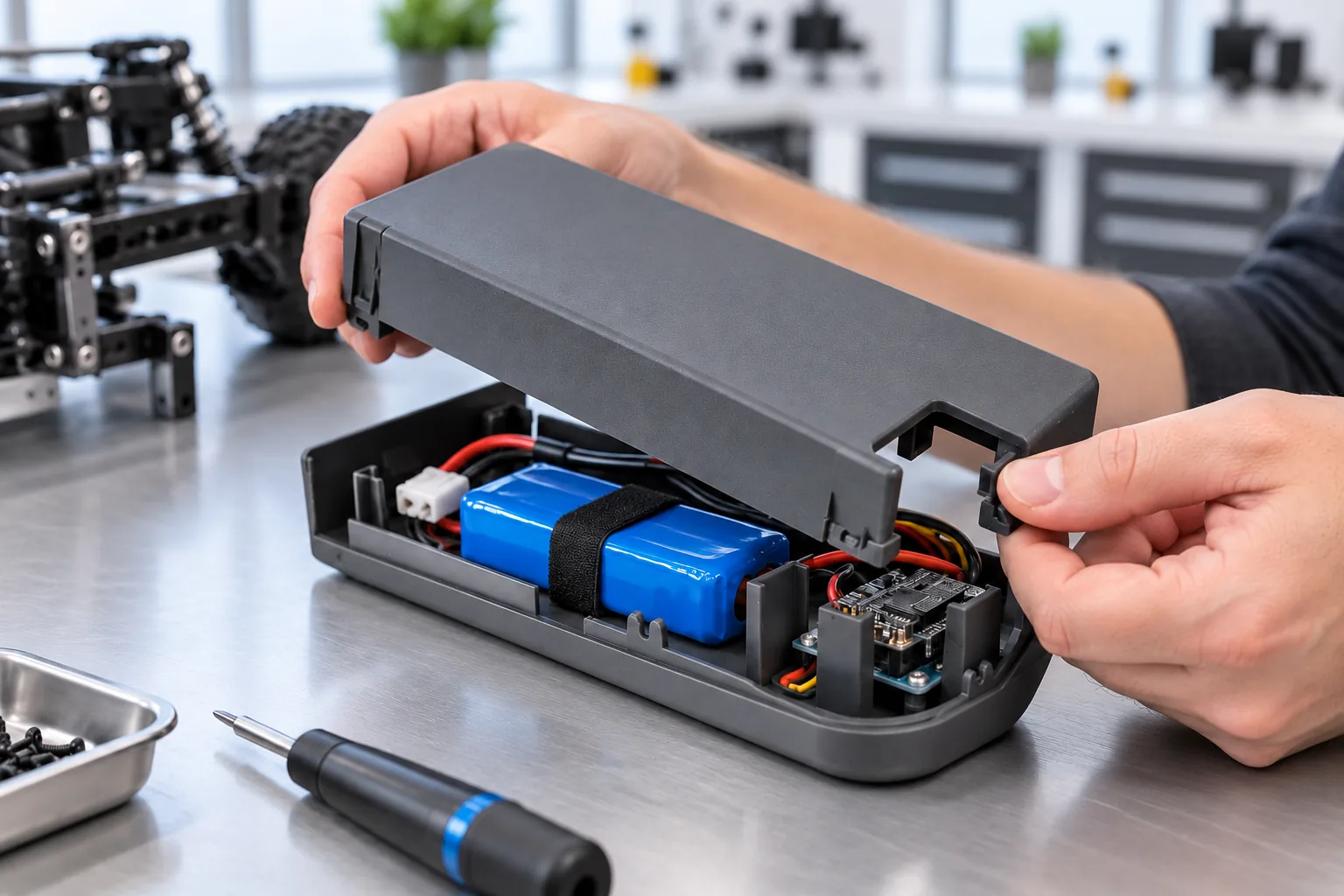
Hands snapping a dark grey printed enclosure lid onto a battery and electronics tray on a robotics workbench, one cantilever snap clip visibly deflecting as it engages

Robotics & Electronics

Rugged Enclosures With Snap Fits

Robotics and electronics teams use Tough 1500 Resin for enclosures, battery trays, covers and cable clips with snap fits and self-tapping screw bosses built in. Tough 2000 suits a rigid housing whose snaps deflect only slightly; Tough 1500 is the choice when the snap, clip or latch itself must deflect far, flex repeatedly or take a knock, so housings open and close through repeated service.

  • Snap-fit enclosures and covers
  • Battery and electronics trays
  • Cable clips and strain reliefs
Explore robotics
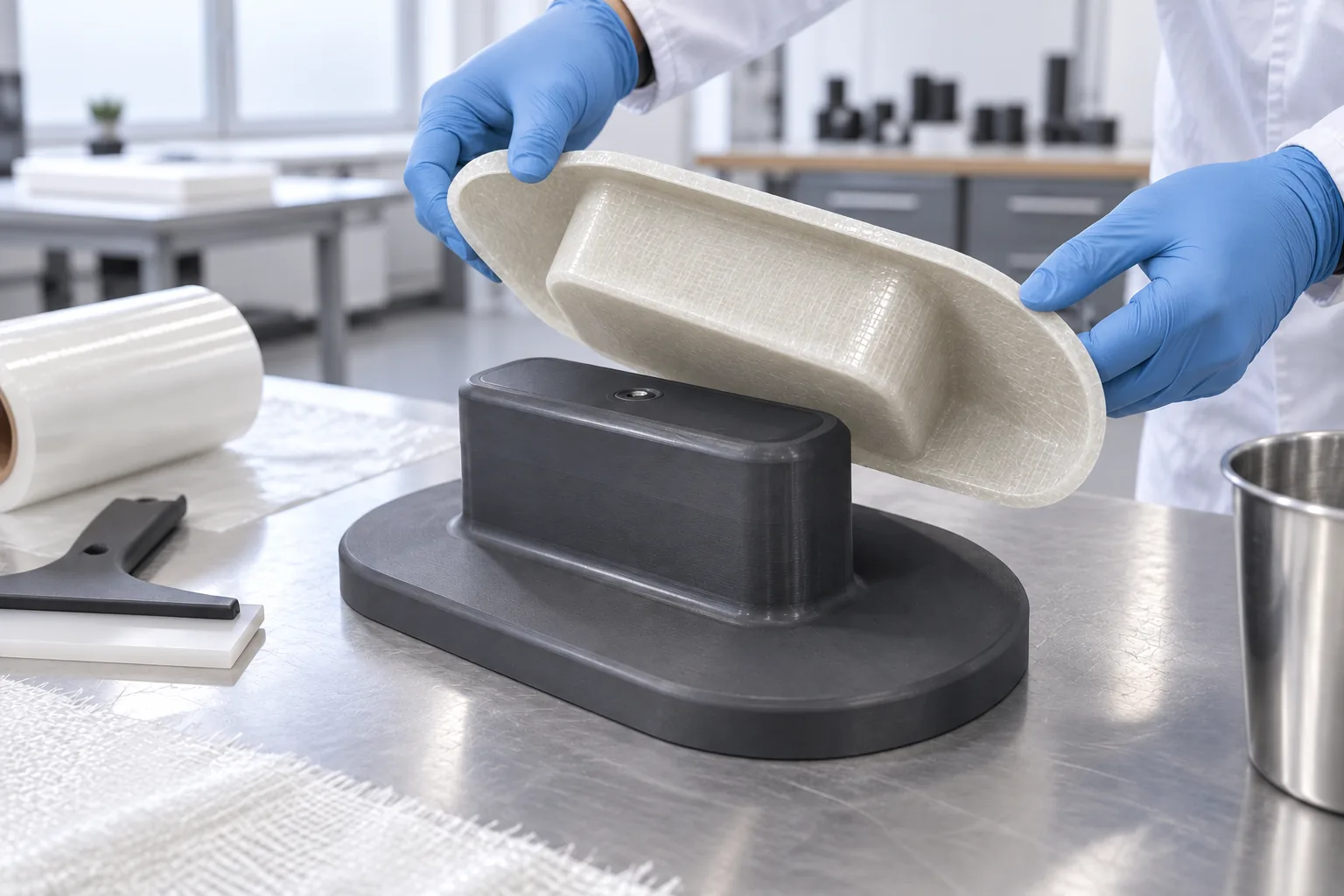
A black printed composite layup tool on a clean composites shop bench with a freshly laid fibreglass part being lifted off it by gloved hands

Manufacturing Tooling

Drop-Tolerant Jigs, Fixtures & Layup Tools

Production teams use Tough 1500 Resin for assembly jigs, fixtures, nests and composite layup tools that get dropped and knocked every shift. An aerospace and defence manufacturer chose it for assembly fixtures because it has enough give to survive a drop without flexing like an elastomer, and a yacht builder prints fibreglass moulds and knockout dams in it, parts that may be hammered out or dropped in production.

  • Assembly jigs and nests
  • Fibreglass moulds and dams
  • Inspection and drilling fixtures
Explore aerospace
Performance data

Technical performance for Tough 1500 Resin

Values from the Formlabs Tough 1500 Resin V2 datasheet for post-cured parts, tested to the standard listed with each property.

Mechanical performance

Mechanical properties

Read this group as a balance of stiffness and stretch. Tensile and flexural modulus show how firmly a part resists bending, and elongation at break shows how far it stretches before it fails. Tough 1500 pairs a modulus close to polypropylene with very high elongation, and its tensile curve yields and then keeps stretching, so an overloaded part bends instead of snapping.

The toughness rows describe how it handles impact and cracks. Gardner impact drops a weight on a thin plate, work of fracture measures the energy needed to drive a crack through the part, and Ross flex fatigue counts bending cycles to failure. Together they explain why thin walls, clips and latches survive drops, tapping and repeated flexing. Flexural creep shows how much a part deforms under a constant load over two weeks. It matches polypropylene, but Tough 2000 moves less than half as much, so fixtures that stay clamped or carry constant load belong in Tough 2000.

PropertyValue
Ultimate Tensile StrengthASTM D638-14
34 MPa
Tensile ModulusASTM D638-14
1460 MPa
Tensile Strength at YieldASTM D638-14
34 MPa
Elongation at YieldASTM D638-14
6.1 %
Elongation at BreakASTM D638-14
155 %
Flexural StrengthASTM D790-17
41 MPa
Flexural ModulusASTM D790-17
1370 MPa
Izod Impact, NotchedASTM D256-10
42 J/m
Izod Impact, UnnotchedASTM D4812-11
910 J/m
Charpy Impact, NotchedISO 179-1
7.5 kJ/m²
Charpy Impact, UnnotchedISO 179-1
57 kJ/m²
Gardner Impact (0.79 mm)ASTM D5420-21
5.9 J
Gardner Impact (1.6 mm)ASTM D5420-21
11.1 J
Maximum Stress Intensity Factor (Kmax)ASTM D5045-14
1.7 MPa·m½
Work of FractureASTM D5045-14
1011 J/m²
Ross Flex Fatigue (23 °C, 30° at 1 Hz)Formlabs internal method
8000 cycles
Flexural Creep Strain (4 MPa, 22 °C, 14 days)ISO 6602
< 3 %

Material makeup

Physical properties

Hardness describes the cured surface, a firm Shore D. Density is Formlabs' published bulk density; parts are somewhat heavier than moulded polypropylene, which matters when a prototype is judged by weight and feel. Viscosity describes the liquid resin in the vat and guides handling and print setup.

PropertyValue
HardnessASTM D2240
76 Shore D
Bulk DensityASTM D792-20
1.12 g/cm³
Resin Viscosity (liquid, 25 °C)Formlabs TDS
1000 cP

Heat performance

Thermal properties

Heat deflection is listed at two loads, and the DMA values show where stiffness starts to fall away and where the glass transition sits. Formlabs rates Tough 1500 the most heat- and UV-resistant of its high-compliance resins (those above 100% elongation), and it keeps much of its ductility after accelerated indoor ageing, which suits vehicle interiors, enclosures, consumer products and factory environments. Parts that sit near motors, lamps or hot fluids call for High Temperature Resin.

Thermal expansion is typical of a ductile photopolymer. Allow for it where a part mates with metal across a wide temperature swing.

PropertyValue
HDT @ 0.45 MPaASTM D648-16
66 °C
HDT @ 1.8 MPaASTM D648-16
53 °C
Storage Modulus Inflection (DMA)DMA, 3 °C/min
60.8 °C
Glass Transition (DMA, tan δ peak)DMA, 3 °C/min
109.6 °C
Thermal Expansion (0–150 °C)ASTM E831-19
99 ×10⁻⁶/K

Functional performance

Electrical properties

Post-cured Tough 1500 is an electrical insulator. Dielectric strength and volume resistivity suit housings, covers, connector bodies and cable clips around low-voltage electronics, and the dielectric constant and dissipation factor at 50 Hz and 1 kHz help evaluate parts near mains-frequency and signal circuits.

PropertyValue
Dielectric StrengthASTM D149-20
23.4 kV/mm
Dielectric Constant (50 Hz)ASTM D150
4.5
Dielectric Constant (1 kHz)ASTM D150
3.9
Dissipation Factor (50 Hz)ASTM D150
0.018
Dissipation Factor (1 kHz)ASTM D150
0.013
Volume ResistivityASTM D257-14
2.91 × 10¹⁵ Ω·cm

Compatibility data

Chemical properties

Formlabs publishes two solvent tests: the 24-hour weight gain of a printed cube, and an ASTM D543 test that measures how much tensile strength and stiffness remain after a week of immersion. Water, salt water, dilute acids and bases, bleach, diesel and mineral oils add almost no weight in a day, and a week in water, dilute acid, dilute alkali, hydrogen peroxide or motor oil leaves strength close to its original value. Gasoline, xylene, acetone and butyl acetate swell it heavily within a day, and a week in diesel or Skydrol cuts its strength noticeably.

Strength holds, but a week in water, dilute acids and bases or hydrogen peroxide cuts elongation at break roughly in half, and bleach cuts it further, so parts that must keep flexing after long wet exposure should be tested in the actual fluid. Unlike moulded polypropylene, Tough 1500 is not chosen for chemical resistance: keep parts away from gasoline, xylene, acetone and strong solvents, and confirm any long fluid exposure with application-specific testing before production release.

Chemical24 h weight gainStrength retained after 1 weekStiffness retained after 1 week
Water
24 h weight gain0.21%
Strength retained after 1 week99%
Stiffness retained after 1 week97%
Salt water (3.5% NaCl)
24 h weight gain0.24%
Strength retained after 1 weekNot tested
Stiffness retained after 1 weekNot tested
Acetic acid 5%
24 h weight gain0.22%
Strength retained after 1 weekNot tested
Stiffness retained after 1 weekNot tested
Hydrochloric acid 10%
24 h weight gainNot tested
Strength retained after 1 week101%
Stiffness retained after 1 week104%
Strong acid (HCl, concentrated)
24 h weight gain2.15%
Strength retained after 1 weekNot tested
Stiffness retained after 1 weekNot tested

Sodium hydroxide 0.025% (pH 10)
24 h weight gain0.17%
Strength retained after 1 week103%
Stiffness retained after 1 week89%
Bleach (~5% NaOCl)
24 h weight gain-0.05%
Strength retained after 1 week98%
Stiffness retained after 1 week73%
Hydrogen peroxide 3%
24 h weight gain0.31%
Strength retained after 1 week99%
Stiffness retained after 1 week99%
Mineral oil (light)
24 h weight gain0.02%
Strength retained after 1 weekNot tested
Stiffness retained after 1 weekNot tested

Mineral oil (heavy)
24 h weight gain0.04%
Strength retained after 1 weekNot tested
Stiffness retained after 1 weekNot tested

Motor oil
24 h weight gainNot tested
Strength retained after 1 week102%
Stiffness retained after 1 week93%
Hydraulic oil
24 h weight gain0.04%
Strength retained after 1 weekNot tested
Stiffness retained after 1 weekNot tested
Diesel fuel
24 h weight gain0.04%
Strength retained after 1 week63%
Stiffness retained after 1 week60%
Skydrol 5
24 h weight gain2.41%
Strength retained after 1 week44%
Stiffness retained after 1 week50%
Isopropyl alcohol
24 h weight gain6.54%
Strength retained after 1 week29%
Stiffness retained after 1 week12%
Diethylene glycol monomethyl ether
24 h weight gain5.71%
Strength retained after 1 weekNot tested
Stiffness retained after 1 weekNot tested

Tripropylene glycol monomethyl ether
24 h weight gain5.90%
Strength retained after 1 weekNot tested
Stiffness retained after 1 weekNot tested
Acetone
24 h weight gain29.64%
Strength retained after 1 week49%
Stiffness retained after 1 week38%
Butyl acetate
24 h weight gain41.35%
Strength retained after 1 weekNot tested
Stiffness retained after 1 weekNot tested
Isooctane (gasoline)
24 h weight gain42.92%
Strength retained after 1 weekNot tested
Stiffness retained after 1 weekNot tested
Xylene
24 h weight gain72.57%
Strength retained after 1 weekNot tested
Stiffness retained after 1 weekNot tested
Medical readiness

Biocompatibility and compliance profile

Formlabs tested Tough 1500 Resin V2 as a skin-contacting material to ISO 10993-1: it is not cytotoxic, not an irritant and not a sensitizer when parts are washed for 20 minutes in 99% or stronger isopropyl alcohol and post-cured to the Formlabs schedule. That suits grips, handles, wearables and device housings that touch skin; specify skin contact at quote so parts are processed to that protocol.

Formlabs states that its resins are produced in accordance with the EU RoHS directive. Post-cured parts are rated UL 94 HB, so Tough 1500 is not used where a flame-retardant material is required; Flame Retardant Resin covers that need.

StandardStatus
ISO 10993-5 (Cytotoxicity)Not cytotoxic; evaluated as a skin-contacting material to ISO 10993-1 at NAMSA, when washed and post-cured to the Formlabs instructions
Formlabs tested
ISO 10993-10 (Irritation)Not an irritant; skin-contact evaluation to ISO 10993-1 at NAMSA
Formlabs tested
ISO 10993-10 (Sensitization)Not a sensitizer; skin-contact evaluation to ISO 10993-1 at NAMSA
Formlabs tested
UL 94 flammabilityPost-cured parts rated HB on the Formlabs datasheet; not flame retardant
HB
RoHS Directive 2011/65/EUFormlabs states that its resins are produced in accordance with the EU RoHS directive
Formlabs declaration
Resources

Datasheets and design resources

Datasheets, design guidance and supplier documentation for Tough 1500 Resin.

Download center

Access the most recent datasheet and supporting documentation maintained by our engineering team.

Tough 1500 Resin datasheet

Design guidelines

Explore printable geometry recommendations, wall thickness tips, and finishing playbooks for SLA.

View SLA design guide

Supplier compliance documents

Supplier declarations and test statements for this material.

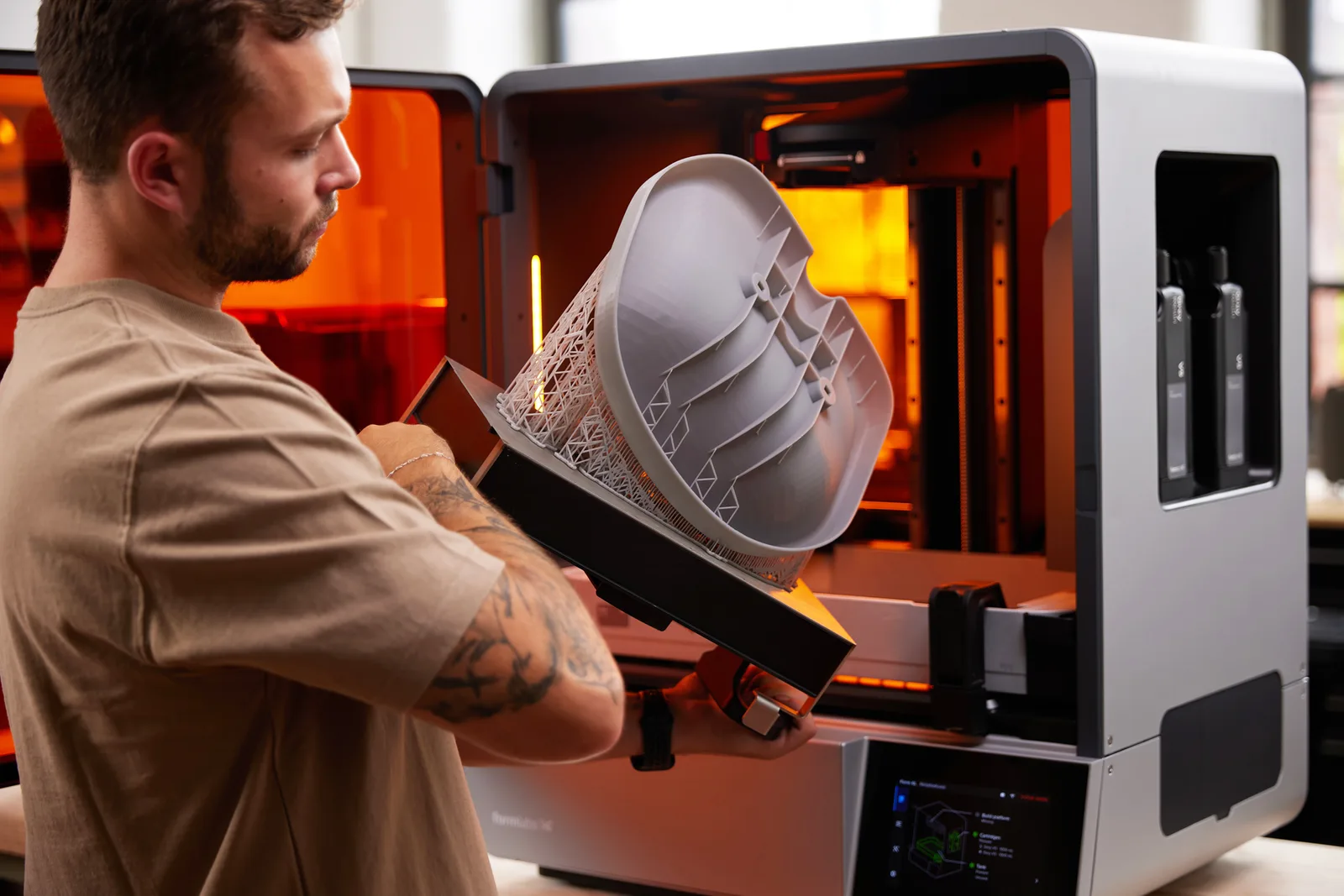
Operator lifting a build platform with a large grey SLA part on supports out of a Formlabs Form 4L printer
Advanced Manufacturing

Built with Precision SLA Technology

Tough 1500 Resin is manufactured using industrial-grade Stereolithography (SLA) technology, delivering fine detail and dimensional accuracy on parts that also have to flex, snap and take impacts. Calibrated resin systems and controlled washing and post-curing keep Tough 1500 parts repeatable across the full build platform.

Tolerance
±0.25% (min ±0.25 mm)
Quality control
In-process monitoring and batch traceability for consistent part quality and material properties
Colours & finishes
Flat dark grey, the natural colour of the resin; sanding, priming and painting, drilling and tapping
Learn more about SLA technology
Frequently Asked Questions

Frequently asked questions about Tough 1500 Resin

Can't find the answer you're looking for? Reach out to our customer support team.

It means Tough 1500 has strength, stiffness and toughness comparable to polypropylene, the qualities that matter for functional parts. Its tensile modulus of 1,460 MPa is close to extrusion-grade polypropylene, so parts feel similarly stiff, and it stretches to 155% before breaking, so clips, latches and thin walls bend and recover instead of cracking. It absorbs impacts, matches polypropylene for creep resistance, and can be drilled, tapped and fitted with self-tapping screws. It is still a resin: parts are somewhat heavier than polypropylene, and it does not share polypropylene's chemical resistance.
Start a quote

Ready to Get Started with Tough 1500 Resin?

Upload your design and get a quote for Tough 1500 Resin parts from our engineers.

  • Engineer-prepared quotes with manufacturability review
  • Production workflows built for repeatable quality
  • Engineering support from prototype to production
Compare all materials

Create an account to upload CAD

STEP, STL, OBJ, 3MF and IGES supported

Manufacturing technologies
6
Engineering materials
50+
Part quantities
1-500+