Robotics
Humanoid Hand Grip Pads
Swappable grip pads for humanoid hands, with a hardness trial shipped in two business days.
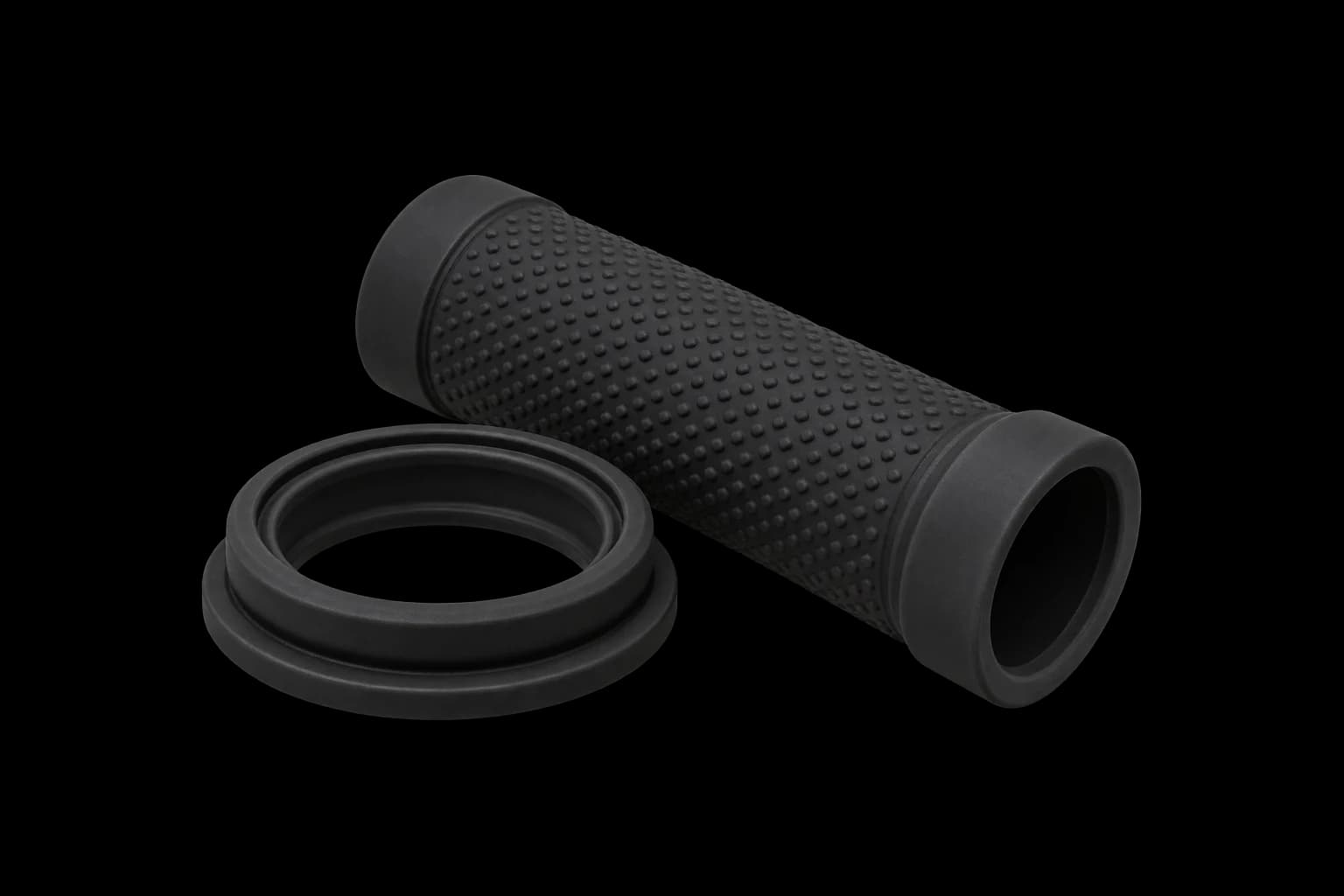
Agilus30 is a soft, rubber-like Stratasys material for PolyJet 3D printing, used to prototype grips, seals, gaskets and soft-touch surfaces. It stretches and springs back, resists tearing, and prints in the same part as rigid plastics, so an overmoulded grip or a cover with a flexible section comes off the printer in one piece. Blending it with rigid Rigur gives anything from very soft to firm rubber, so one design can be tried at several hardnesses. Teams use it for overmould concept models, robot grip pads, automotive interior models and anatomical teaching models.
How Agilus30 is manufactured
Agilus30 is manufactured using PolyJet, a material jetting process in which Stratasys Connex systems jet microscopic droplets of photopolymer and cure each layer with UV light as it prints, delivering exceptional surface smoothness straight from the printer with minimal post-processing required. Multi-material jetting prints rigid and rubber-like materials in a single build, creating overmoulded parts, soft-touch surfaces, and living hinges without assembly. Our PolyJet selection spans rubber-like Agilus30 for gaskets and seals, clear VeroClear for lenses and light pipes, and Rigur for snap-fits and functional prototypes.
Upload CAD files to Forge Labs Steam for Agilus30 quotes and live manufacturability feedback, and fix issues before production.
Upload CAD files to Forge Labs Steam for Agilus30 quotes and live manufacturability feedback, and fix issues before production.
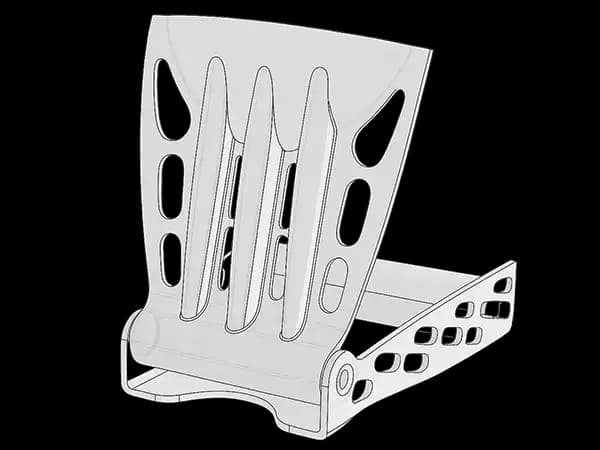
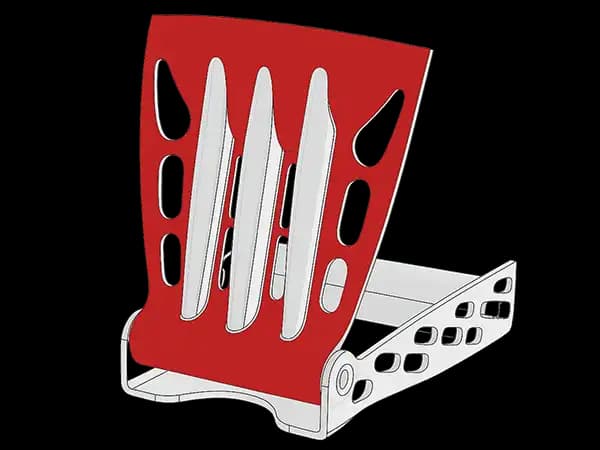
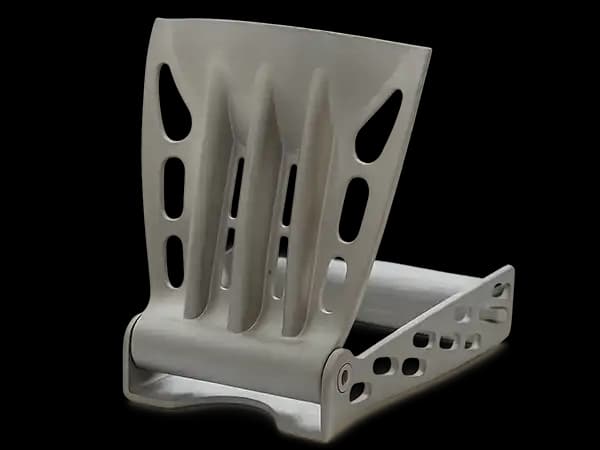
Agilus30 on our Stratasys Connex printer provides a rubber-like look and feel with a Shore A 30 durometer for prototyping applications. This flexible photopolymer enables design verification of soft-touch components, overmoulds, and multi-material assemblies.
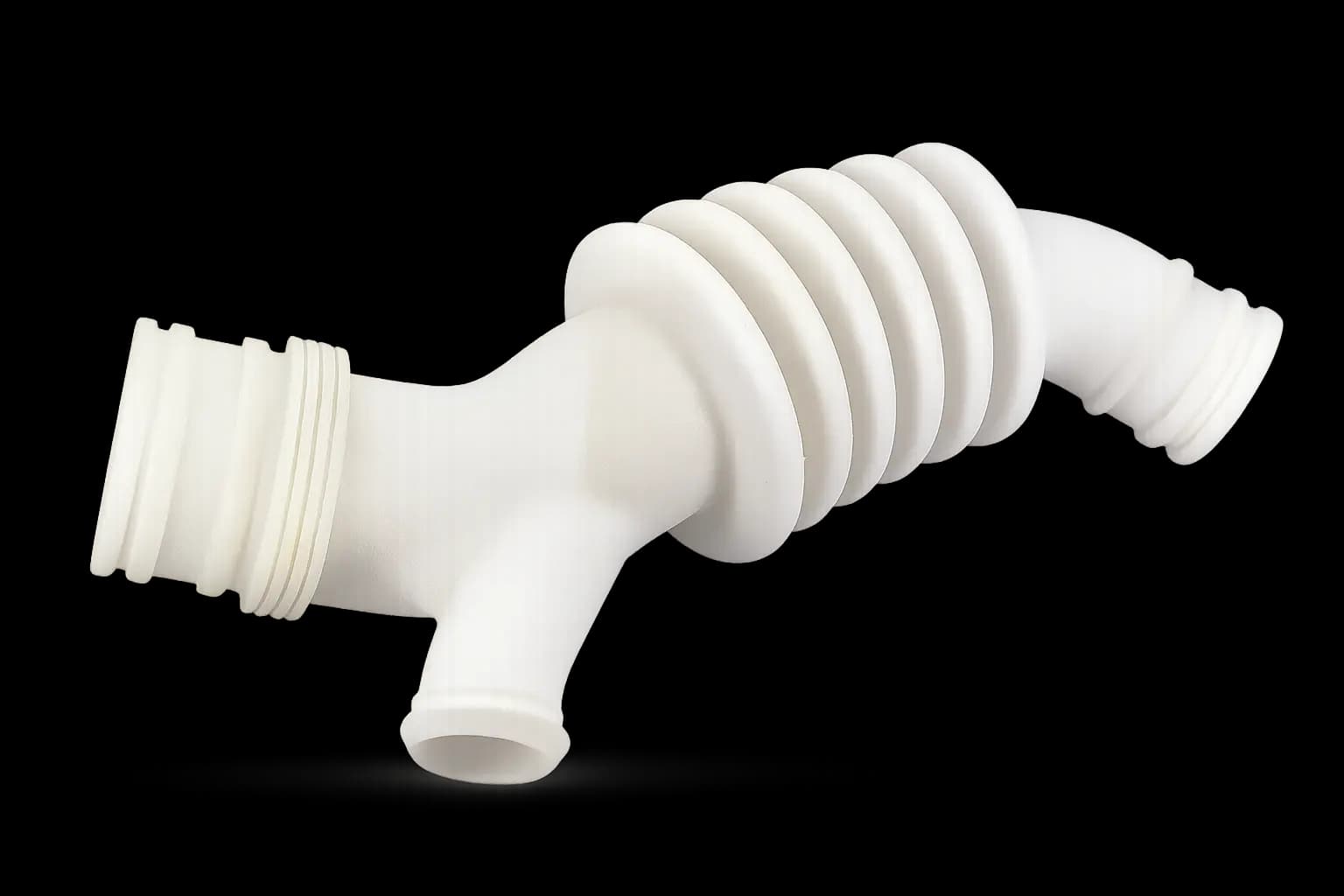
The material's primary application is multi-material prototyping when combined with rigid materials like Rigur or VeroClear. These prototypes demonstrate overmoulded grips, soft-touch buttons, and flexible elements for design evaluation and stakeholder communication, and consolidating rigid and flexible regions into one part reduces assembly complexity.
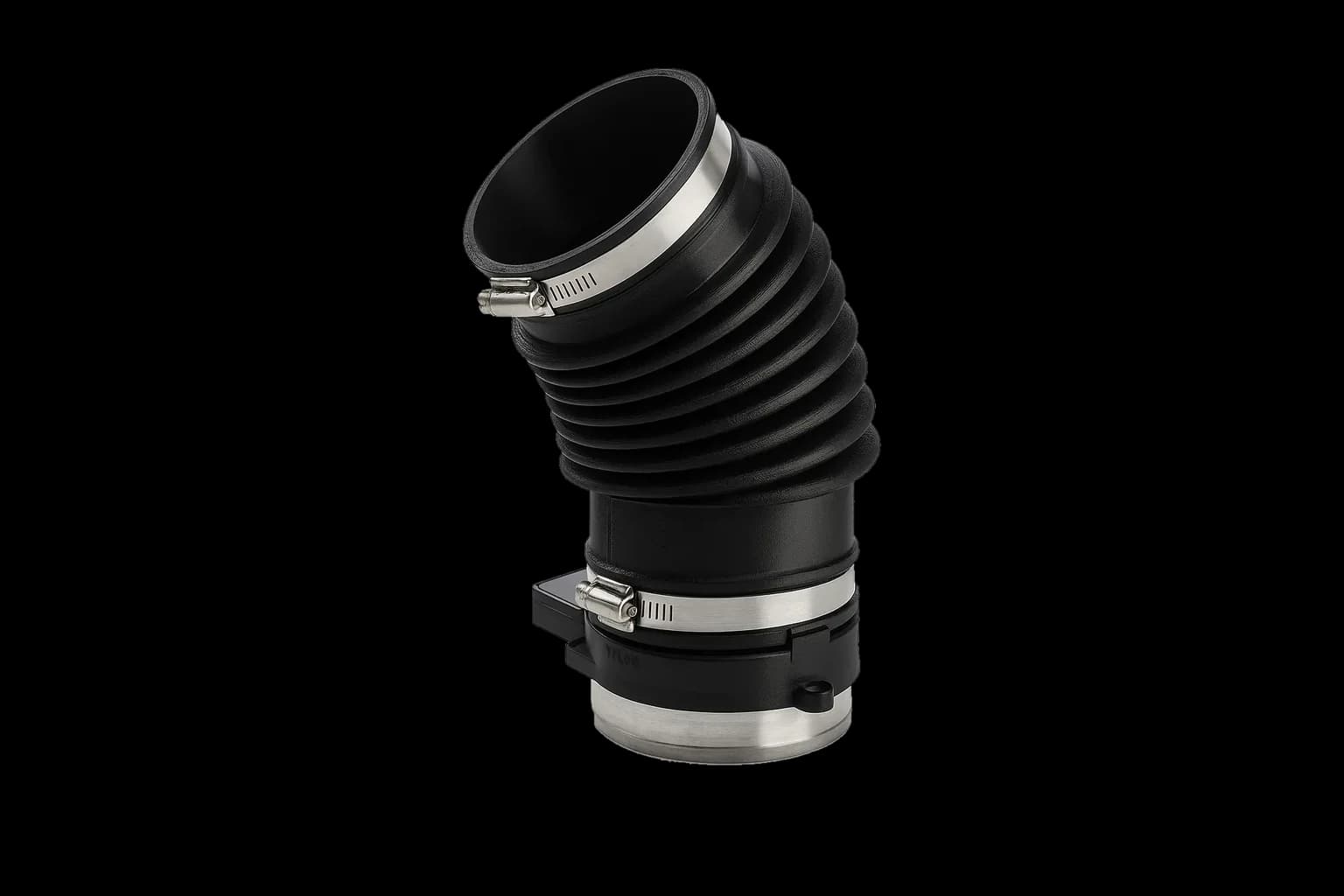
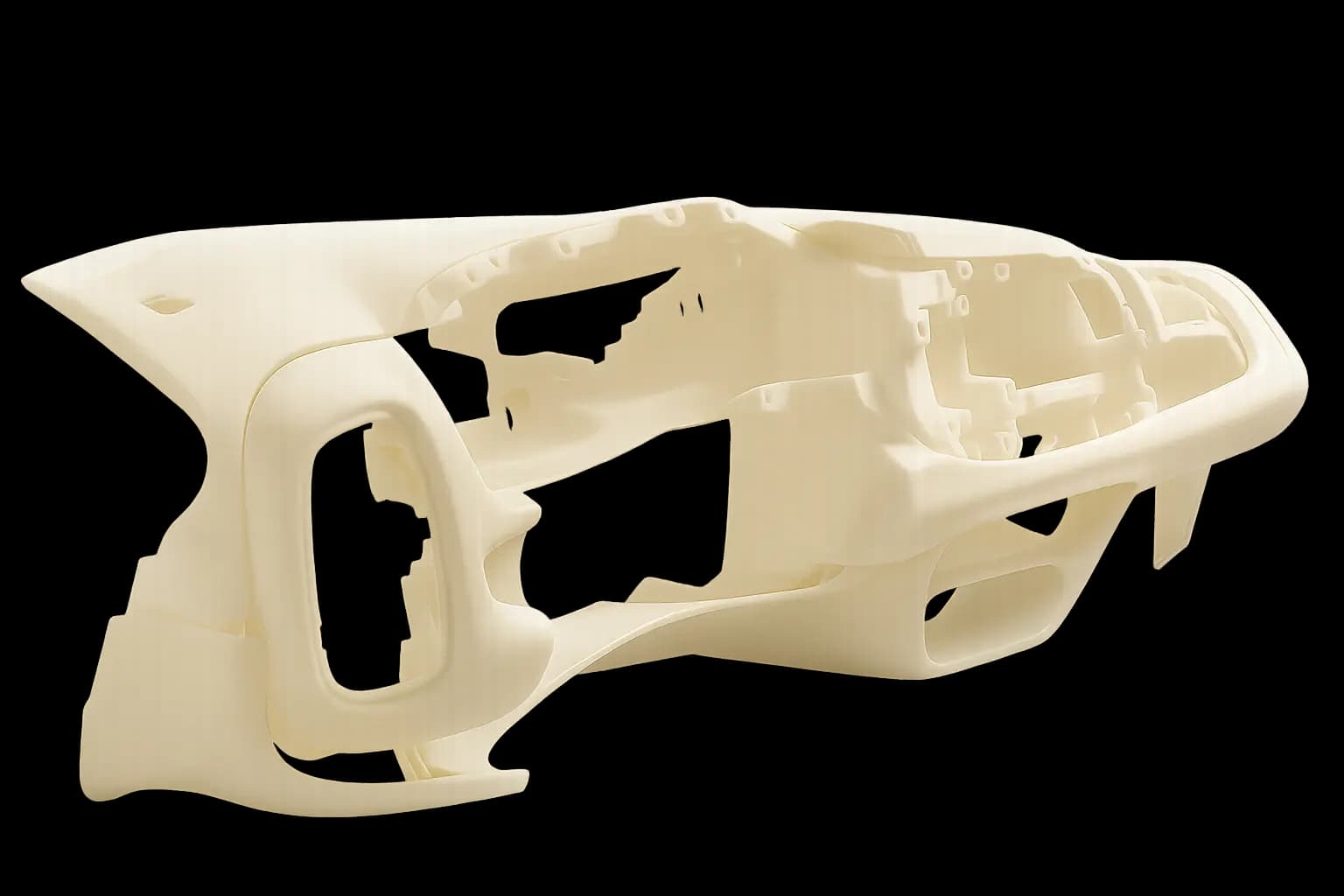
Automotive designers use Agilus30 for interior concept models of soft-touch dashboards, door seals, shift knobs and steering wheel grips that support design reviews and supplier communication. Aerospace programs prototype two-shot housings as a nylon first shot with an Agilus30 gasket, and film and television productions use it in replica props. Medical educators use it for anatomical teaching models and surgical training aids, from organ and vasculature models to training phantoms and soft tissue simulators, and medical device teams use it for the softer zones of wearable device prototypes.
Forge Labs' Connex expertise enables precise multi-material builds combining Agilus30 with rigid substrates, and blending with Rigur varies the Shore hardness, so one geometry can be trialled soft and firm. These models provide tactile feedback for ergonomic evaluation, and the same material makes functional prototypes such as grip pads and thin gaskets.
Robotics
Swappable grip pads for humanoid hands, with a hardness trial shipped in two business days.
Robotics & Machine Vision
Rigid and flexible regions in one part or assembly, from co-printed covers to thin vision-kit gaskets.
Industrial Design
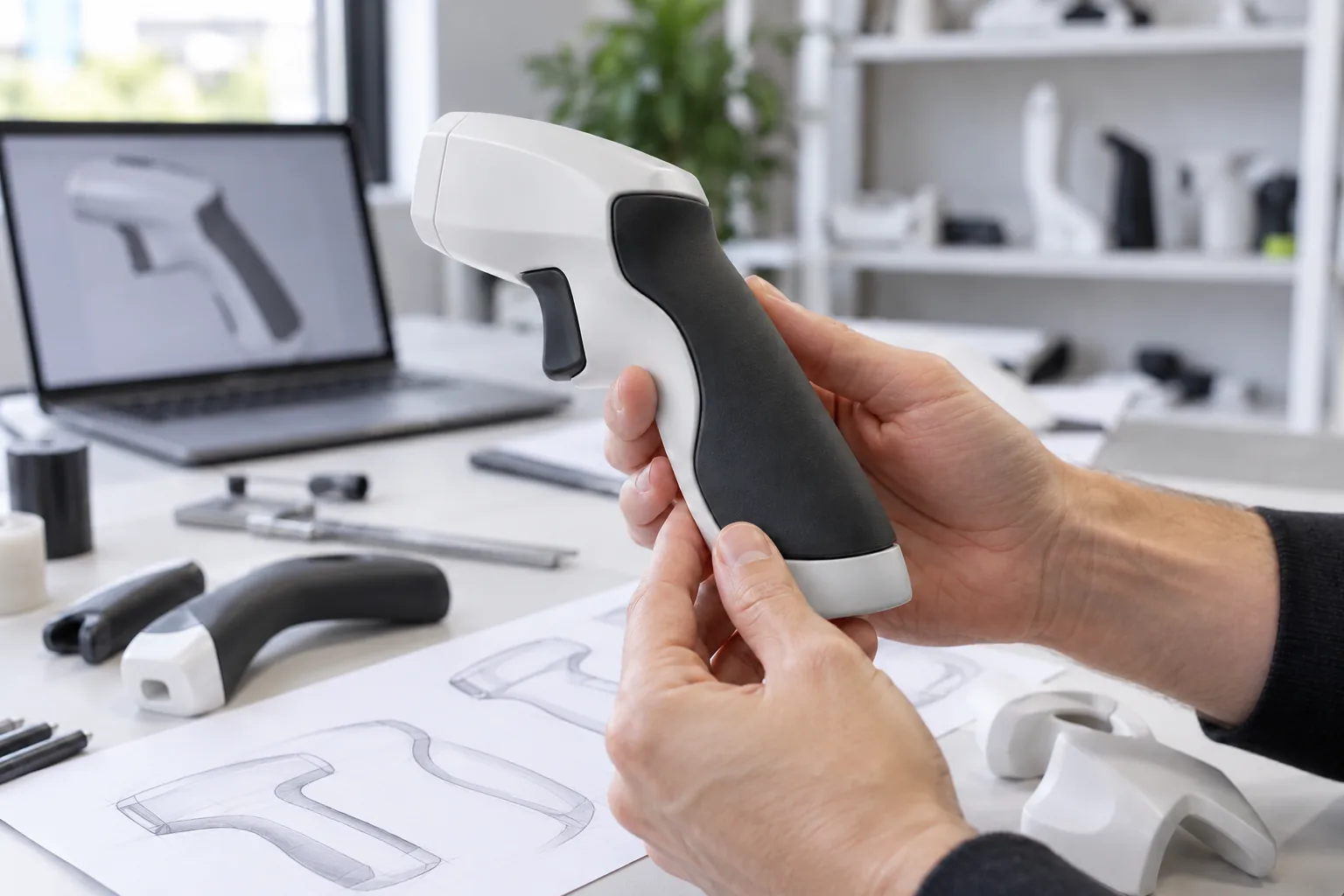
Overmould and soft-touch concept models for design reviews and grip texture studies.
Robotics
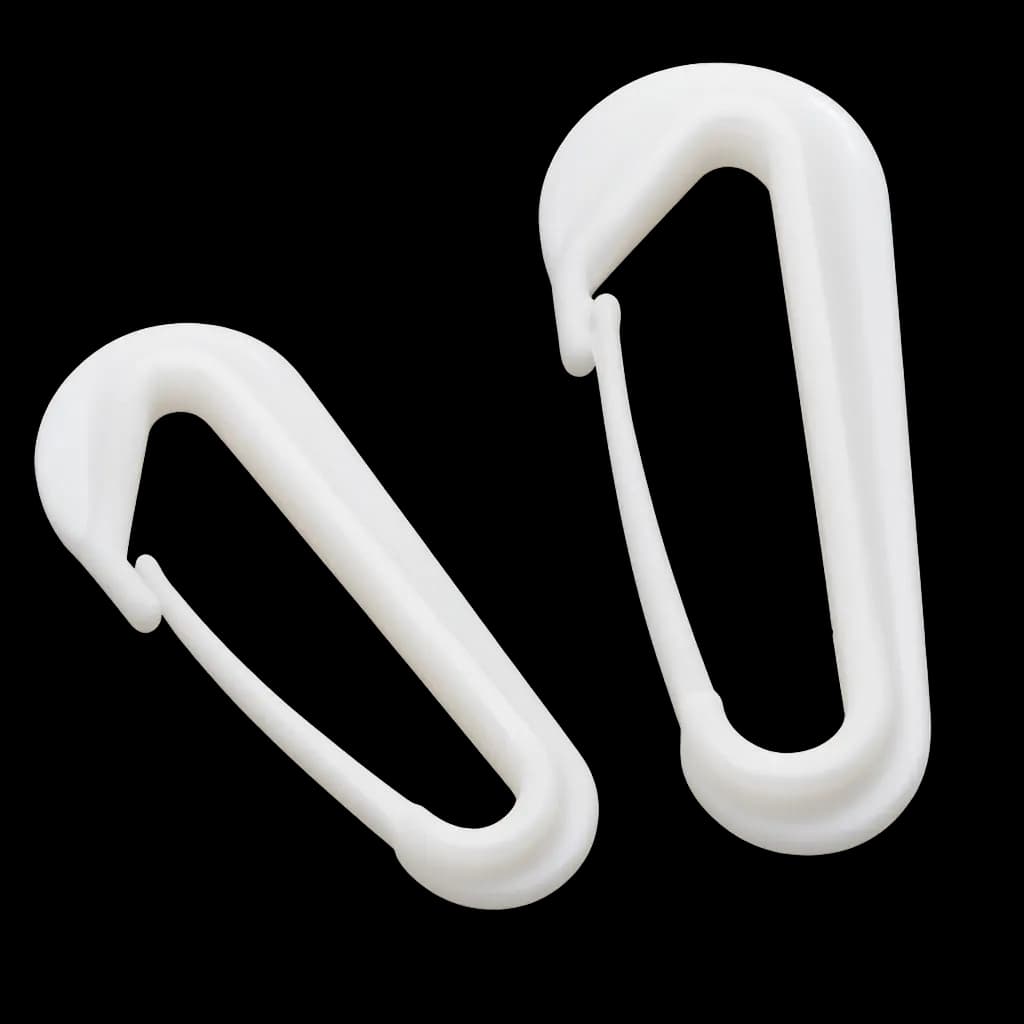
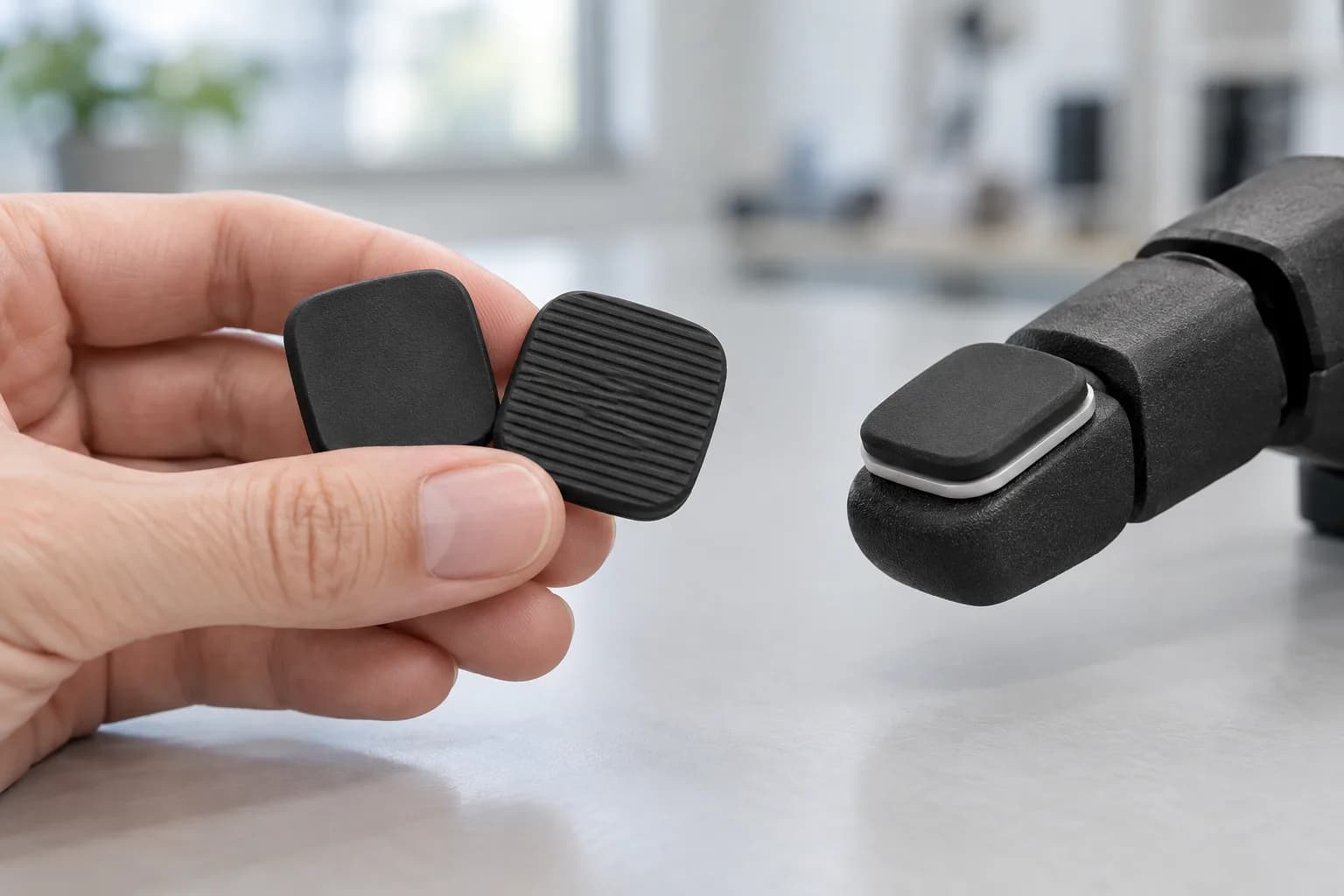
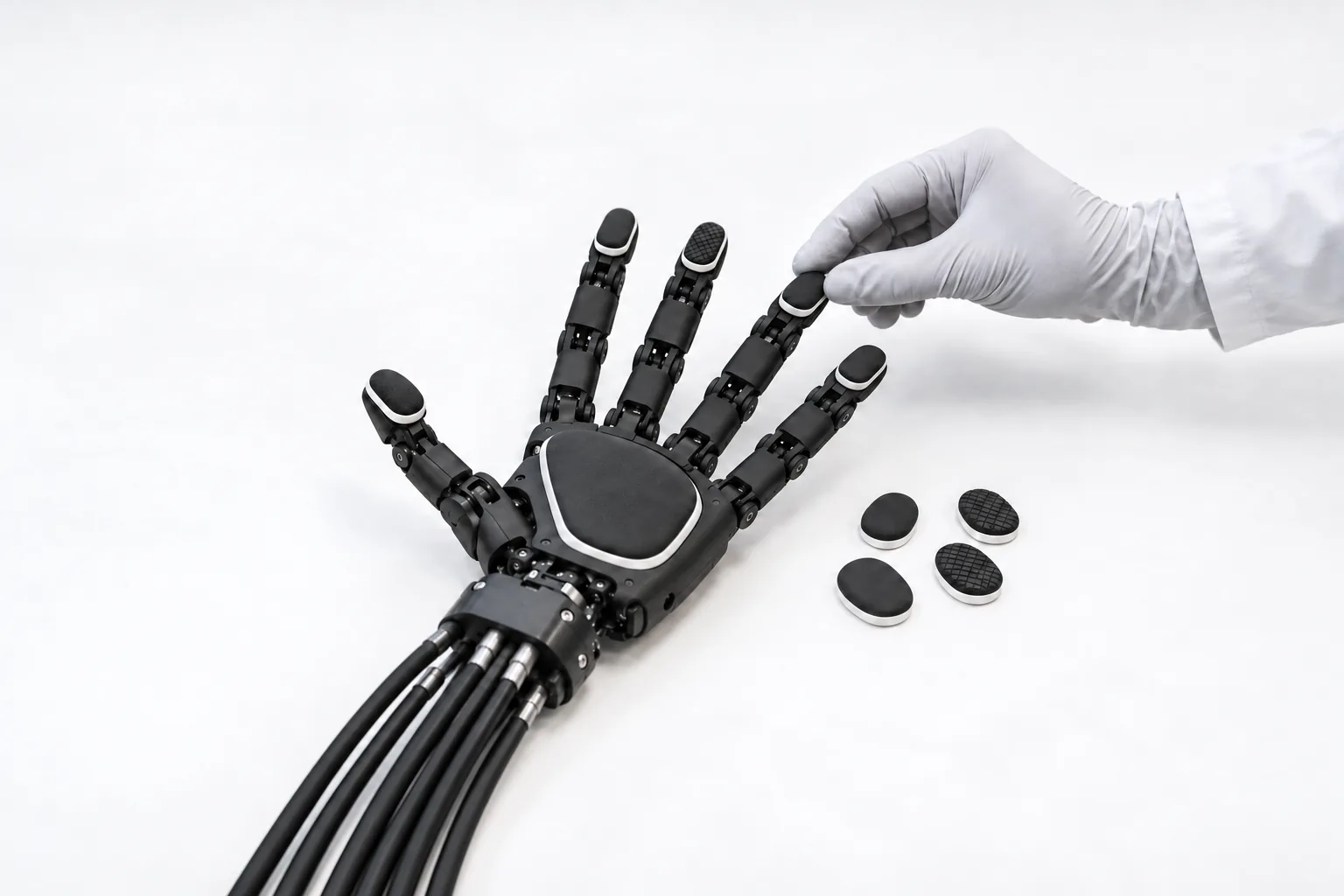
Humanoid robot developers use Agilus30 for fingertip grip pads mounted on rigid SLA backing plates, so texture, contact shape and hardness can change without redesigning the nylon finger structure. One small hardness trial, supplied with backing plates, shipped in two business days. Recording the pad blend and finish with the released revision lets repeat batches match the approved part.
Robotics & Machine Vision
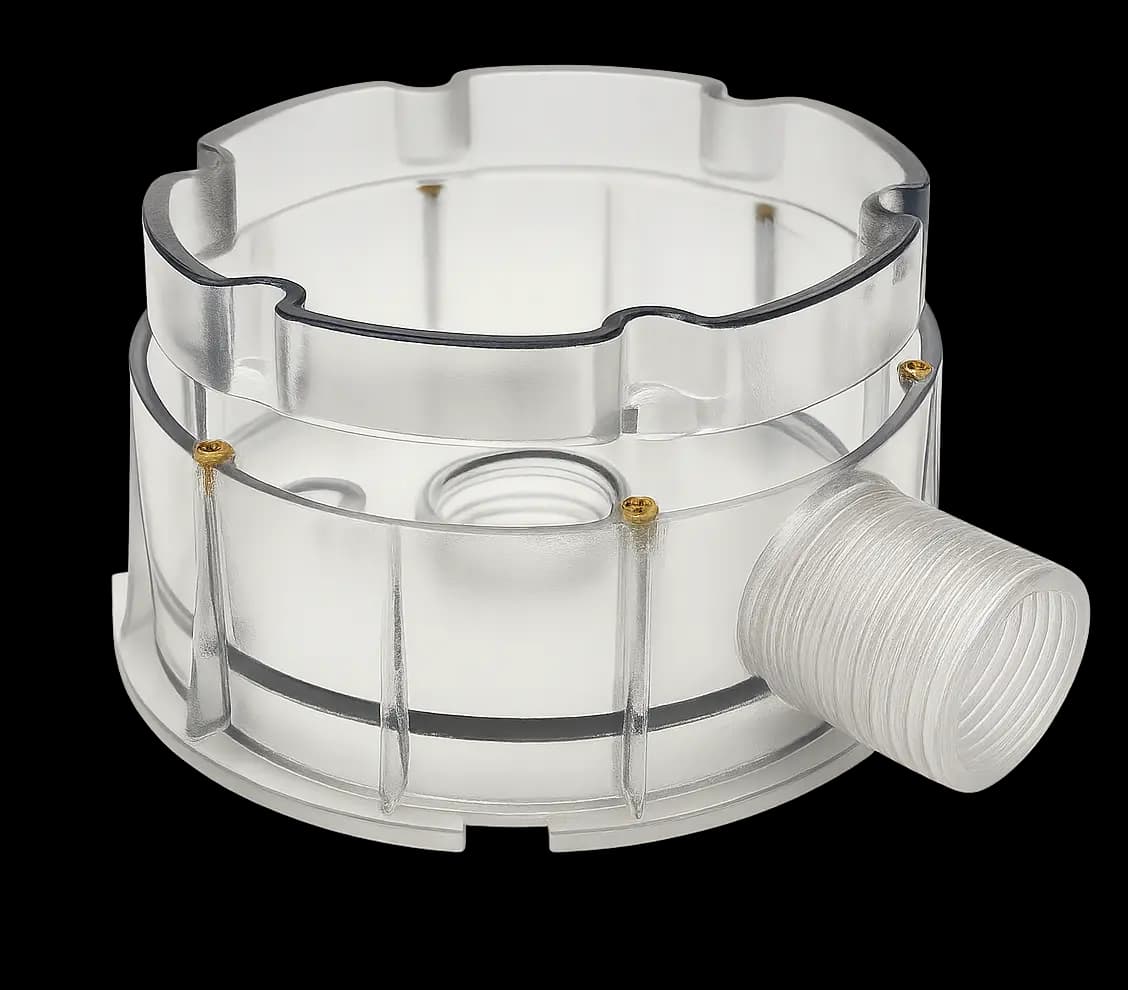
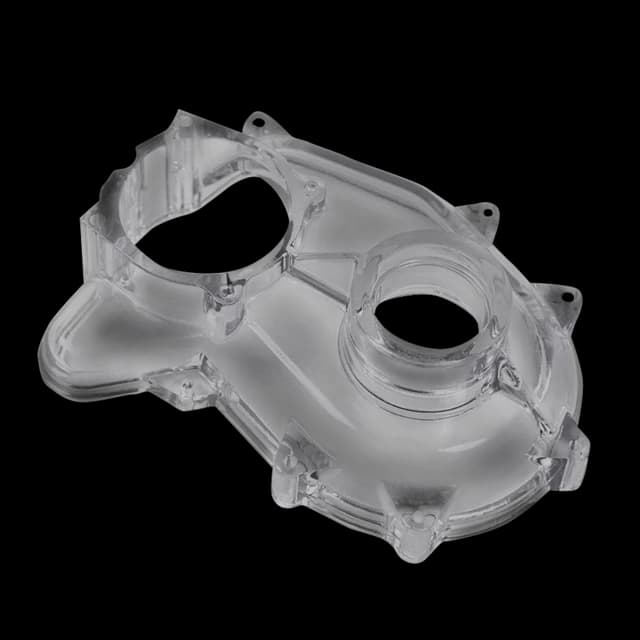
Robotics teams order protective covers that pair a rigid VeroClear body with a flexible Agilus30 region in one part, and one batch of about 100 PolyJet covers shipped in five business days. Robot hands set soft contact surfaces into rigid carriers, and machine-vision kits combine VeroClear covers with thin Agilus30 gaskets.
Industrial Design
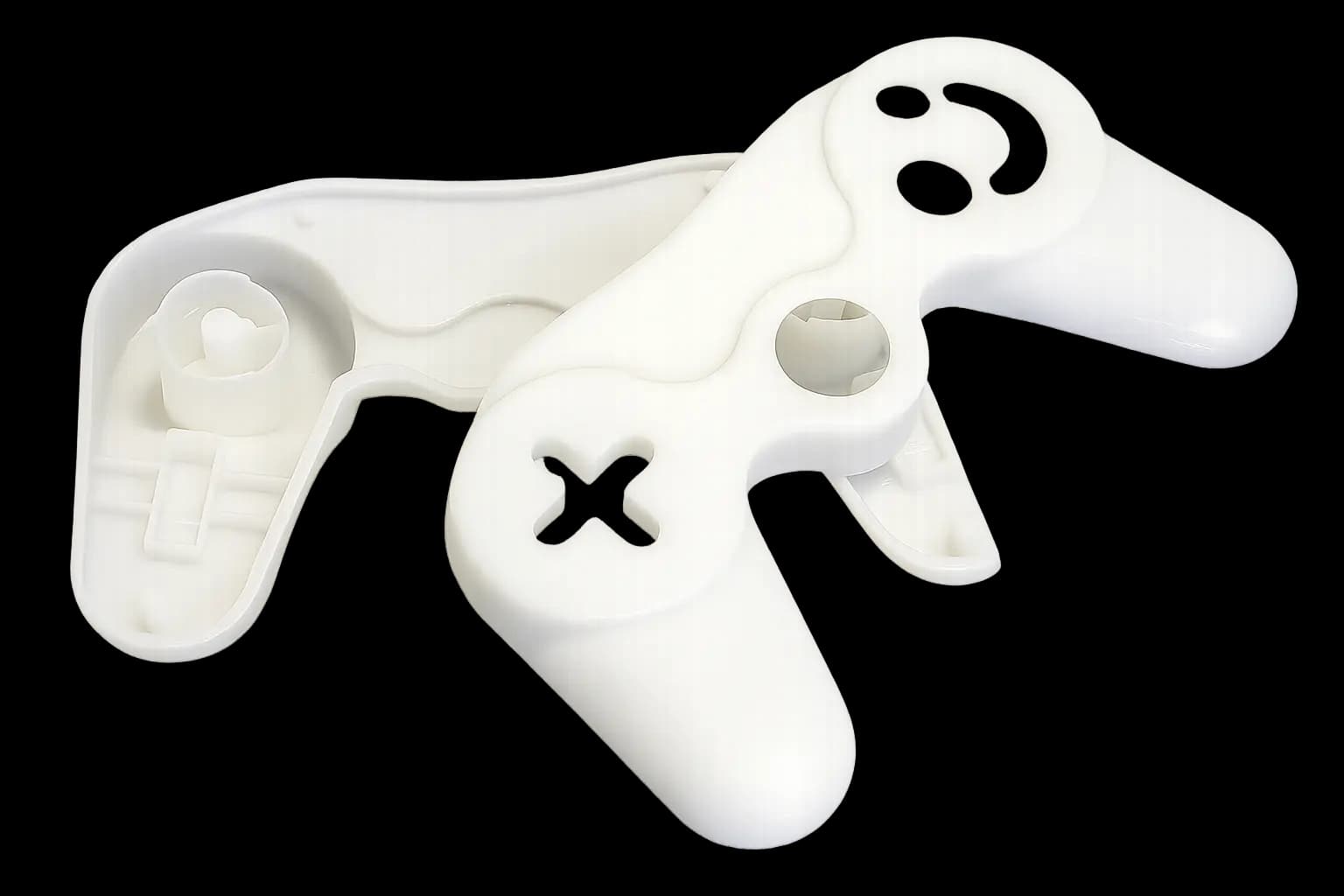
Product designers combine Agilus30 with rigid materials to create appearance models of overmoulded parts, from toothbrush handles and tool grips to button arrays, seals and flexible hinges. The models communicate soft-touch areas and material transitions in design reviews and help teams evaluate aesthetics, user interaction and the feel of each grip. Rapid iteration lets teams compare soft-touch variants and grip textures between reviews.
Values from the Stratasys Agilus30 Black datasheet, tested to the standard listed with each property. Blend values are from the Stratasys Digital Materials datasheet.
Mechanical performance
Tensile strength, elongation at break and tear resistance show how far Agilus30 parts stretch before they fail and how well they stop a tear spreading from a cut or notch, which is what lets grips, seals and living hinges withstand repeated flexing and bending. Compressive set shows how much of a squeeze a seal or gasket keeps after the load is removed; a lower value means it springs back closer to its original shape.
The blend rows show the hardest Digital Material made with Rigur. It is much stronger and more tear resistant than base Agilus30 but stretches far less, so choose a blend firm enough to hold its shape and soft enough to flex where the part needs it.
Material makeup
Shore A hardness is the main way to specify a rubber-like part. Base Agilus30 sits at the soft end of the scale for grips, seals and skin-like surfaces, and Digital Material blends with Rigur step the hardness up for firmer parts.
Density describes the cured material and is the figure to use for part weight estimates.
Compliance
Stratasys provides REACH-compliant PolyJet material formulations, documentation and labels, so teams can include Agilus30 in supply-chain substance reviews from supplier data.
Stratasys publishes no biocompatibility, food-contact, RoHS or flammability rating for Agilus30, so it suits models and prototypes rather than finished skin-contact medical devices or parts that need a flame rating.
Datasheets, design guidance and supplier documentation for Agilus30.
Access the most recent datasheet and supporting documentation maintained by our engineering team.
Agilus30 datasheetExplore printable geometry recommendations, wall thickness tips, and finishing playbooks for PolyJet.
View PolyJet design guide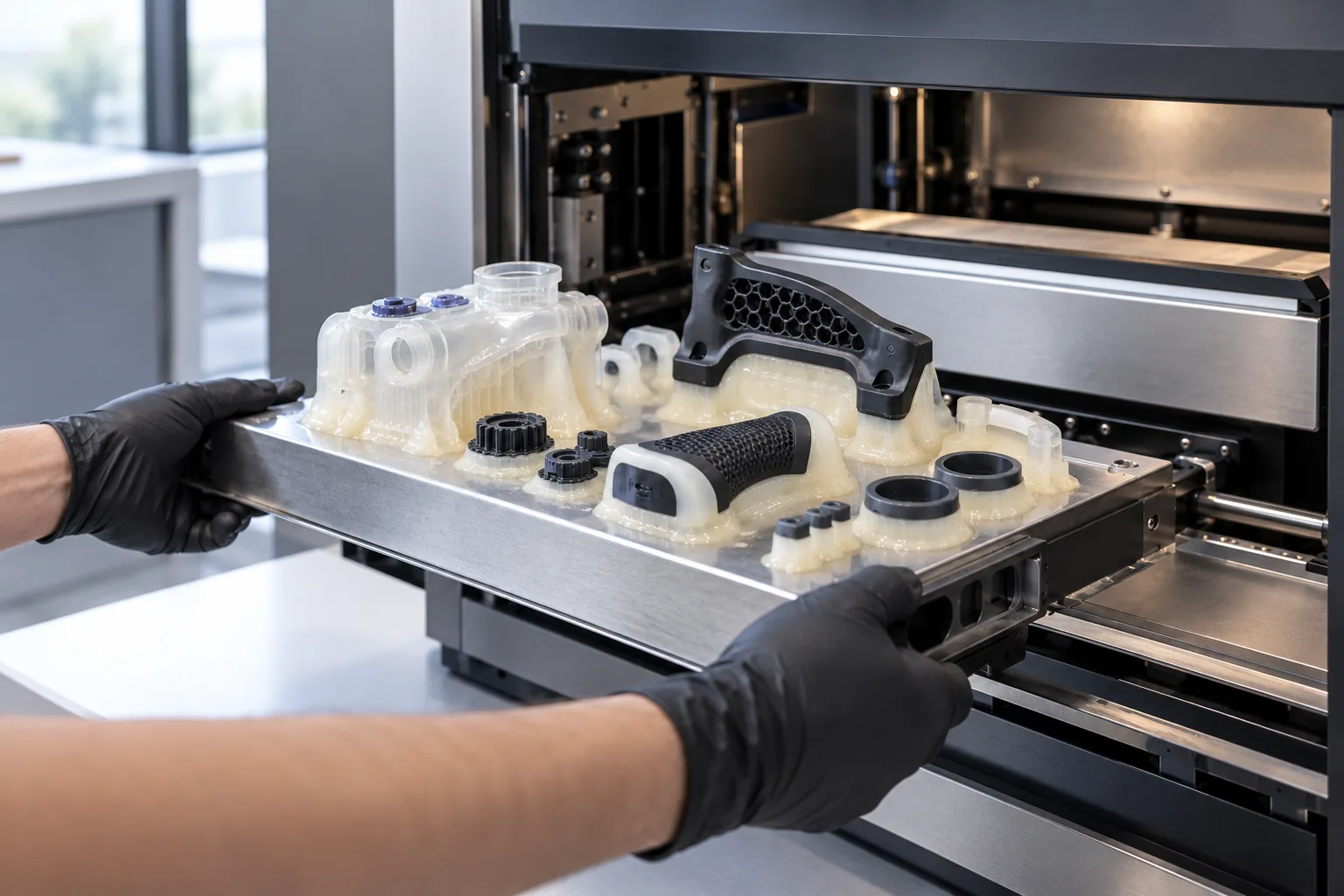
Agilus30 is manufactured using advanced PolyJet technology, ensuring optimal material properties and dimensional accuracy. Each body in a multi-body STEP file is assigned its own material, so the boundary between rigid and flexible regions sits exactly where the design puts it.
Can't find the answer you're looking for? Reach out to our customer support team.
Upload your design and get a quote for Agilus30 parts from our engineers.
Create an account to upload CAD
STEP, STL, OBJ, 3MF and IGES supported