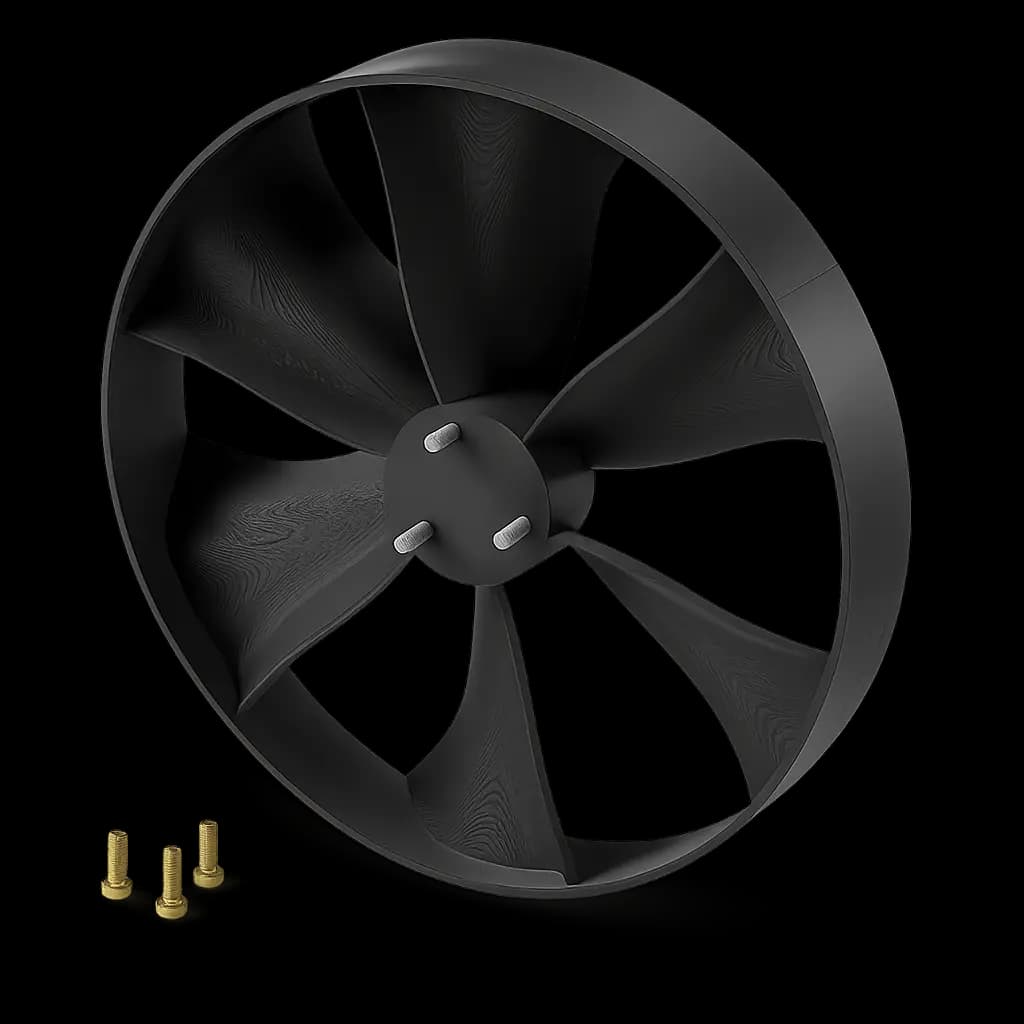
Industrial Design & Packaging
Overmoulded & Multi-Durometer Prototypes
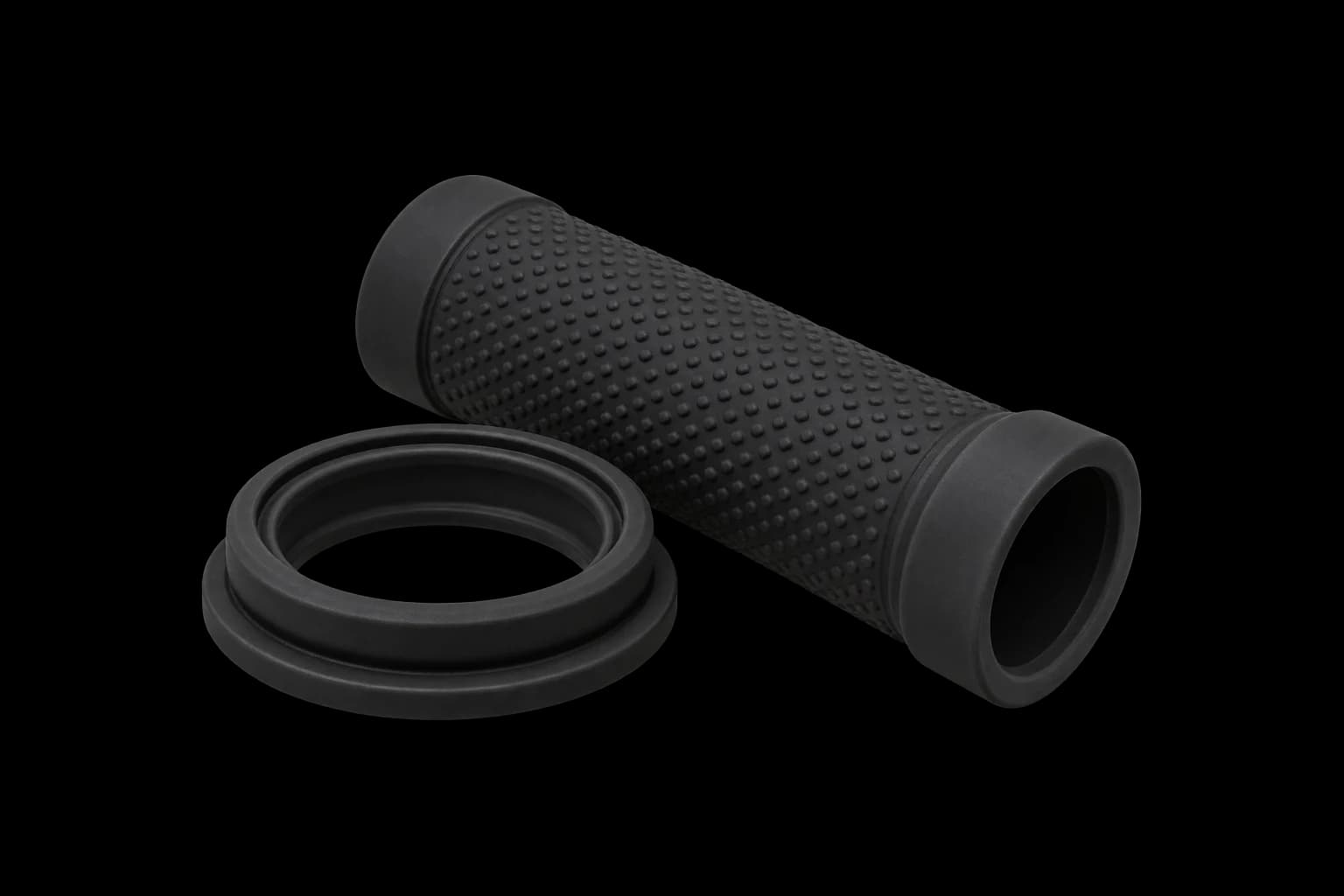
Rigid Rigur with Agilus30 seals and soft-touch zones from Shore A 40 to 95, printed as one part.
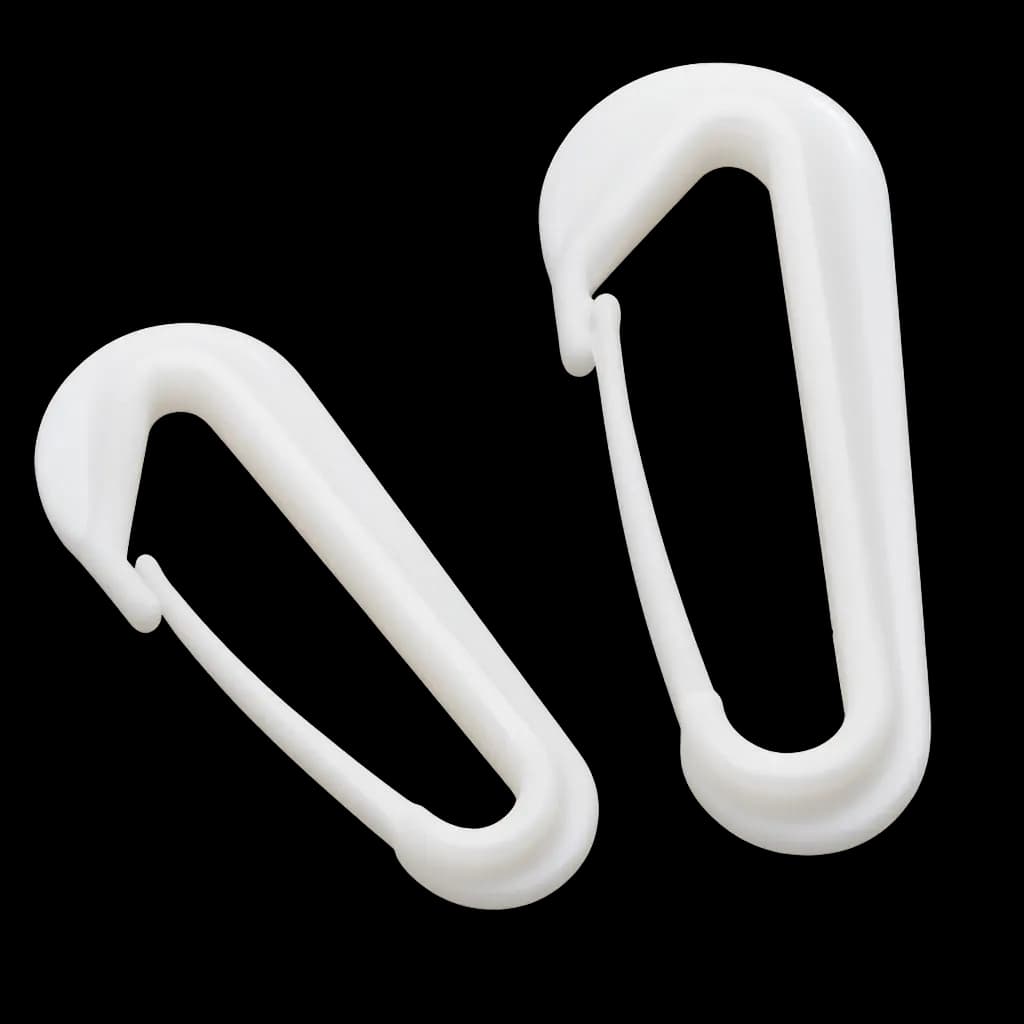
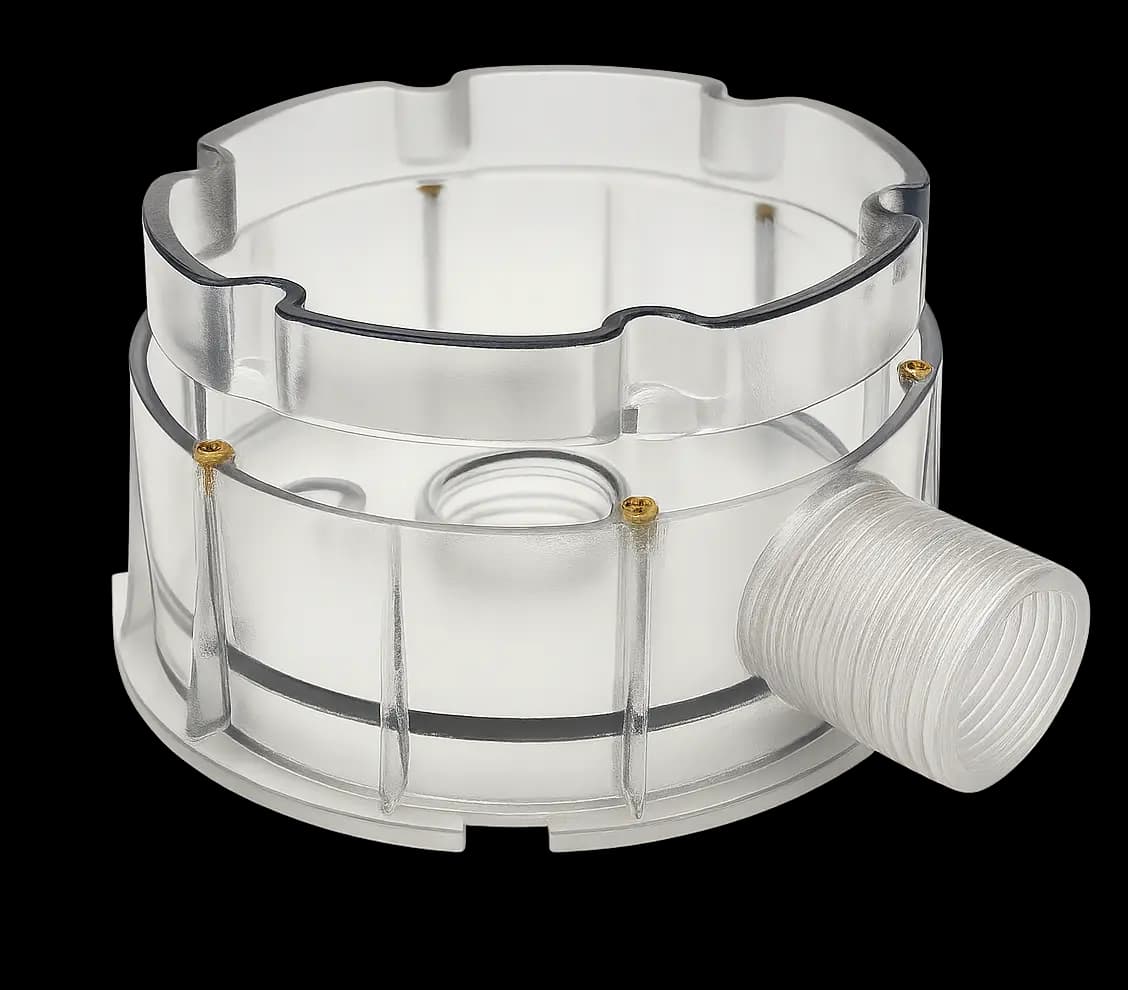
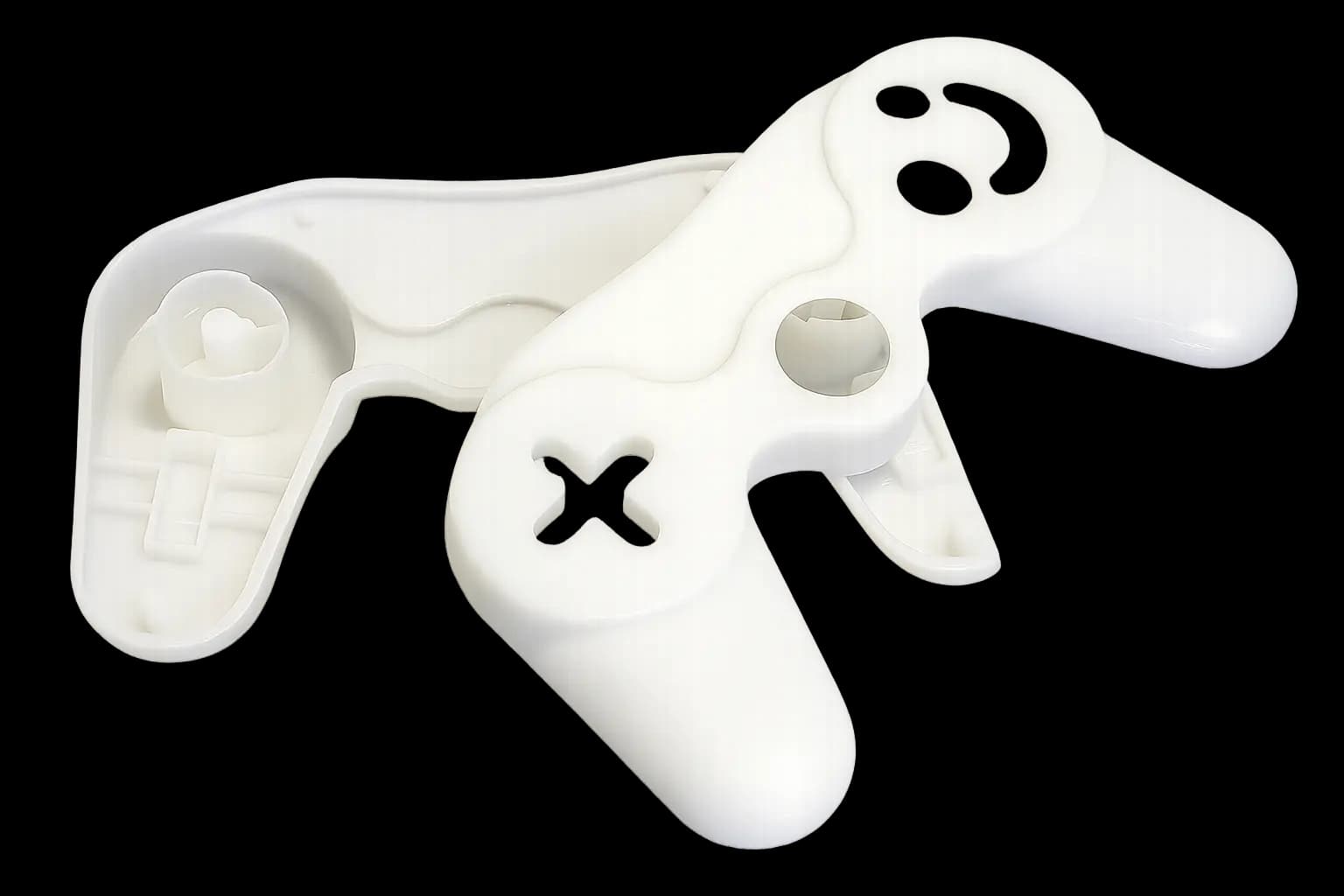
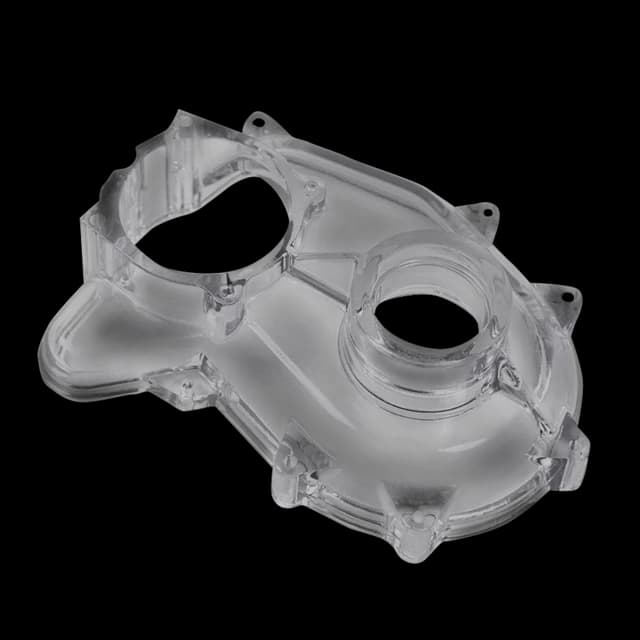
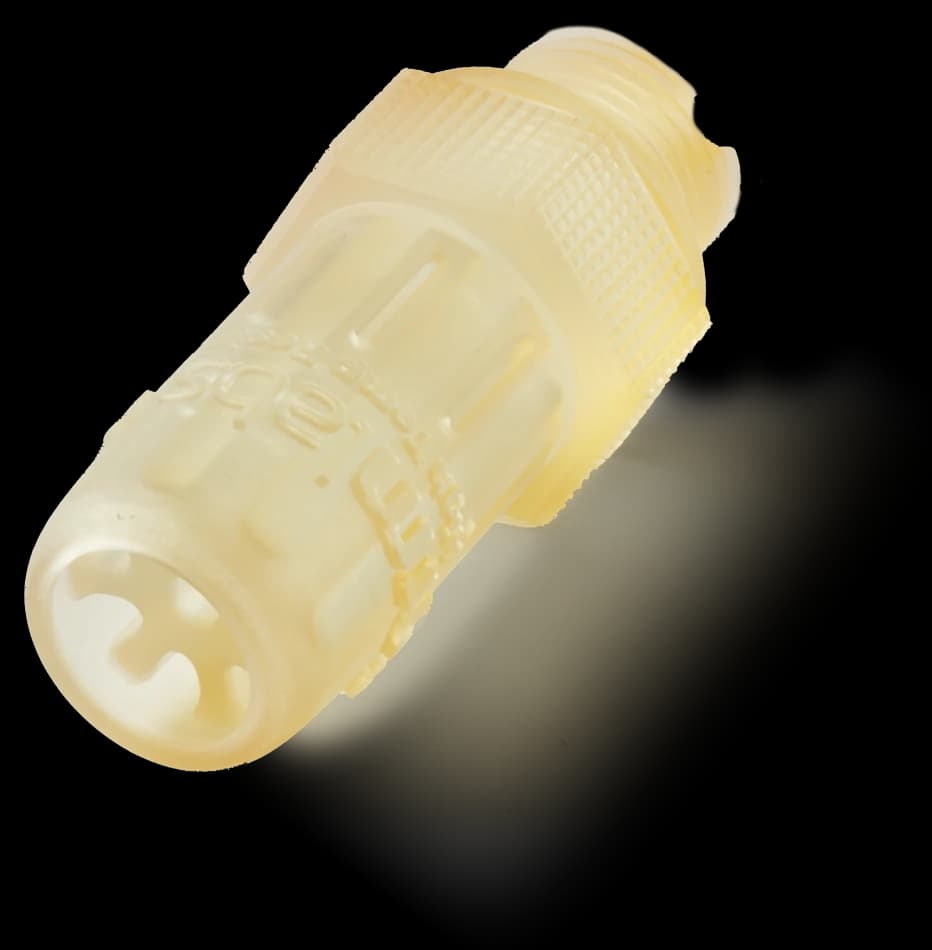
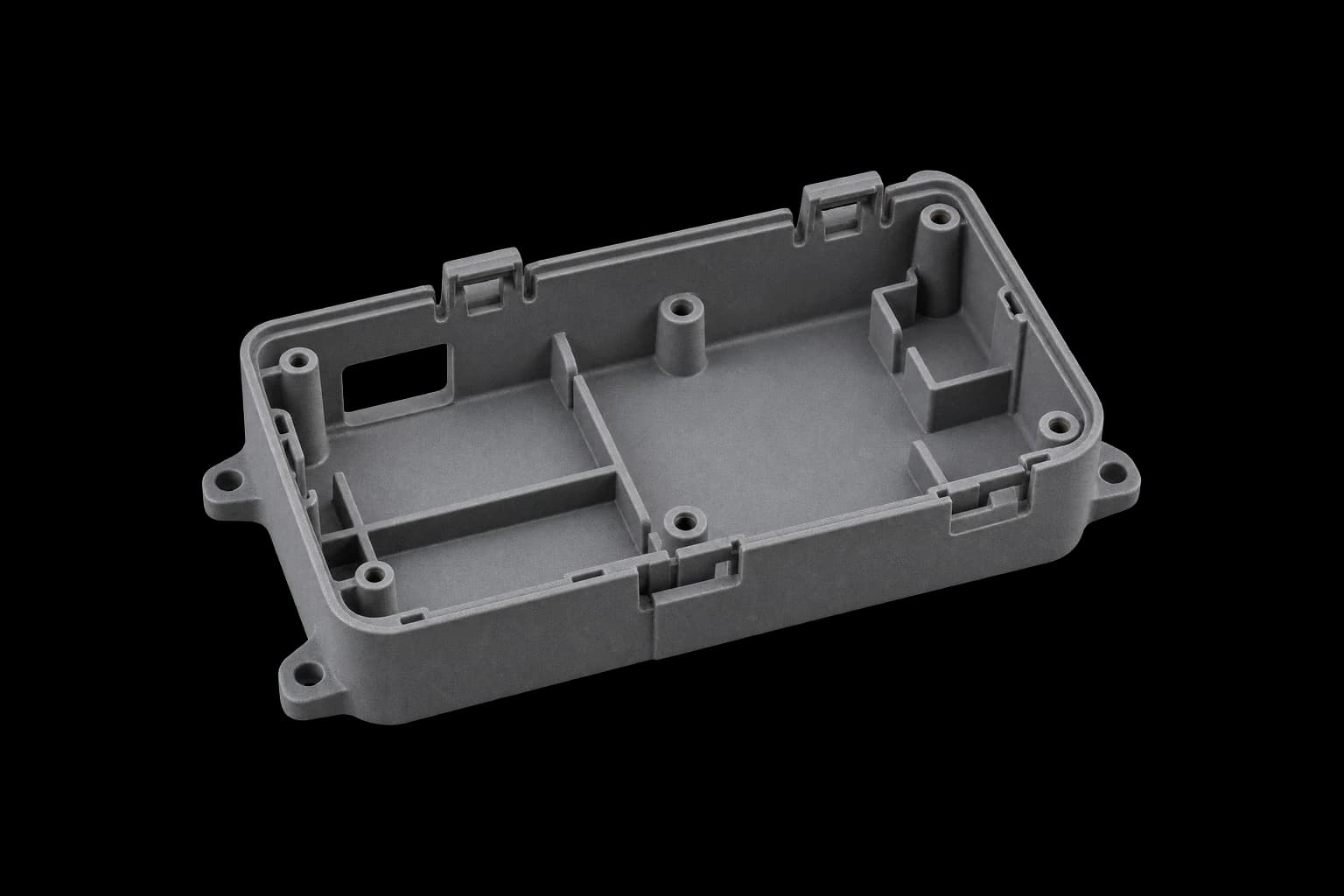
RGD450 (Rigur) is a tough white PolyJet resin for prototypes that look and behave like polypropylene parts. It flexes without cracking, so snap-fits, clips and living hinges can be tested as working parts, and its smooth finish lets the same print double as an appearance model. Rigur prints in the same build as rubber-like Agilus30 or clear VeroClear, giving overmoulded grips, built-in seals and clear lenses in one part. Designers in consumer goods, appliances, electronics, packaging and automotive interiors use it to check form, fit and function before tooling.
How RGD450 (Rigur) is manufactured
RGD450 (Rigur) is manufactured using PolyJet 3D printing on Stratasys Connex systems, which jet microscopic droplets of photopolymer and cure each layer with UV light as it is printed. Parts come off the printer with exceptional surface smoothness and are ready to handle with no post-curing once the gel-like support is washed away or dissolved. Rigur prints alongside rubber-like Agilus30 for gaskets and seals or clear VeroClear for lenses and light pipes in a single build, creating overmoulded parts, soft-touch surfaces and living hinges without assembly.
Upload CAD files to Forge Labs Steam to request RGD450 (Rigur) pricing with live manufacturability feedback, and fix issues before production.
Upload CAD files to Forge Labs Steam to request RGD450 (Rigur) pricing with live manufacturability feedback, and fix issues before production.
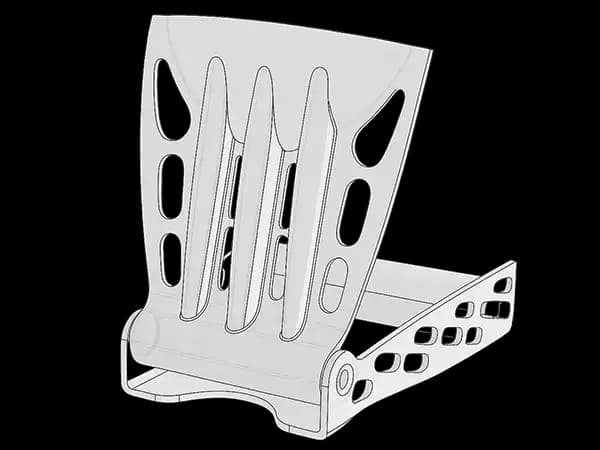
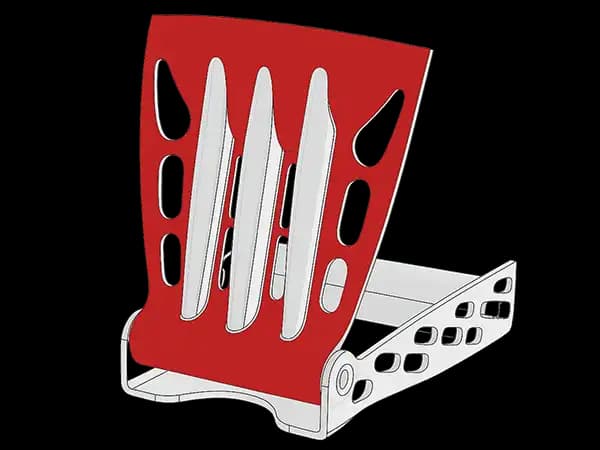
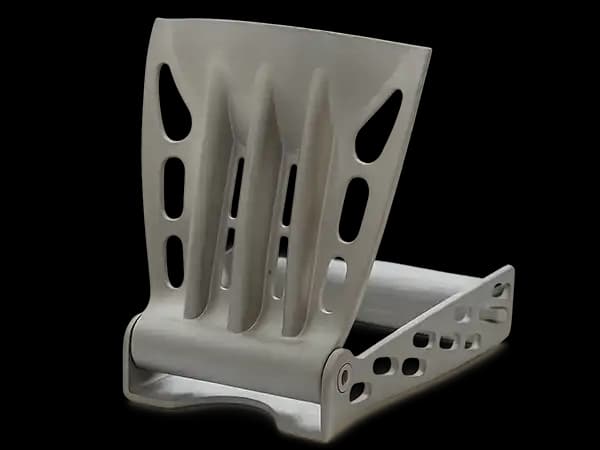
RGD450 (Rigur) outperforms standard rigid PolyJet resins on impact strength and finishes with minimal layer lines, so the same print works as a test part and an appearance model. It is built for testing form, fit and function in snap-fit assemblies, living hinges, durable housings and packaging.
The material's primary value lies in multi-material prototyping, where Rigur serves as the rigid substrate combined with Agilus30 soft-touch areas or clear VeroClear regions in the same build. This combination allows designers to evaluate overmoulded designs, living hinges and multi-durometer assemblies, with prototypes that simulate production part aesthetics, before committing to tooling.
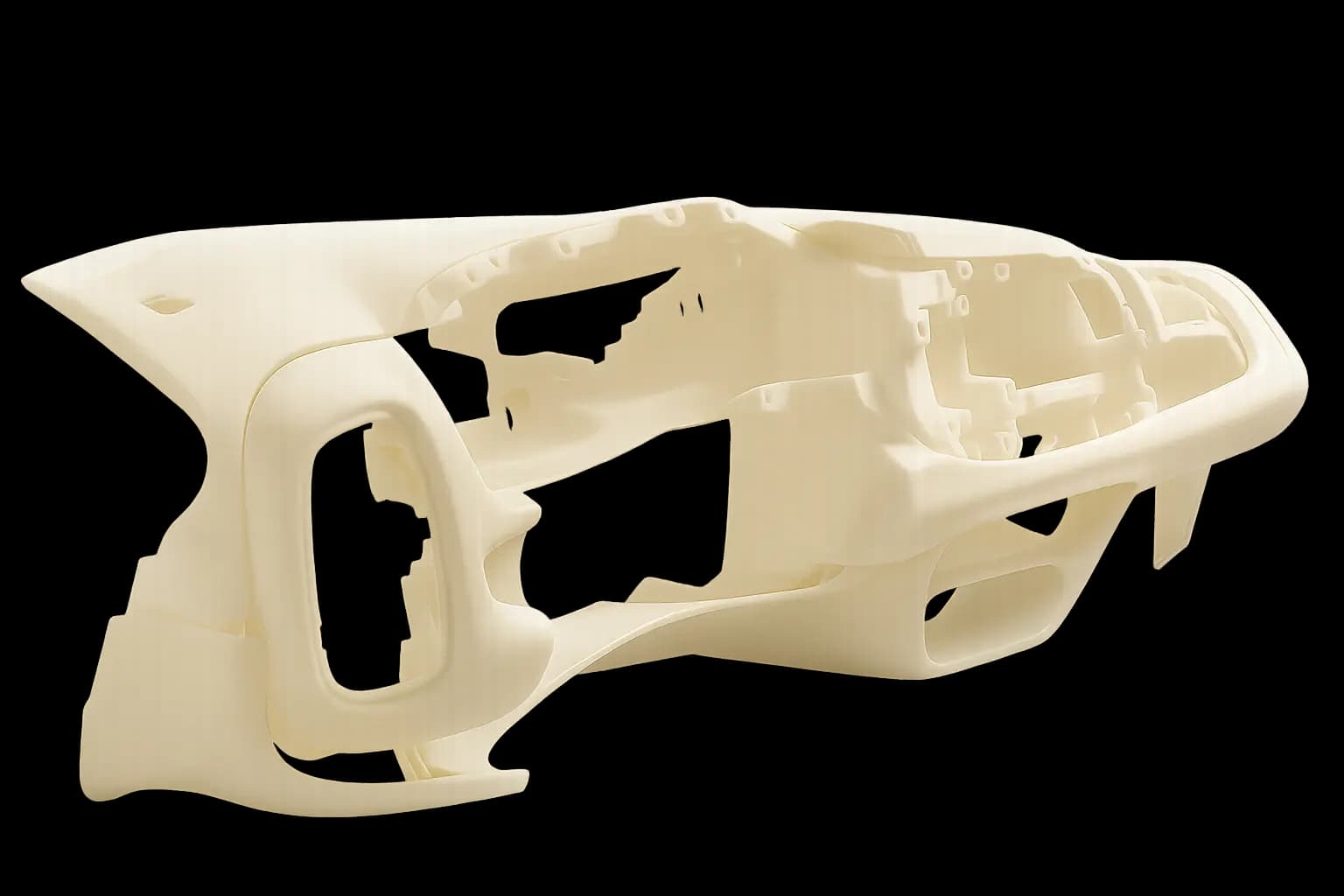
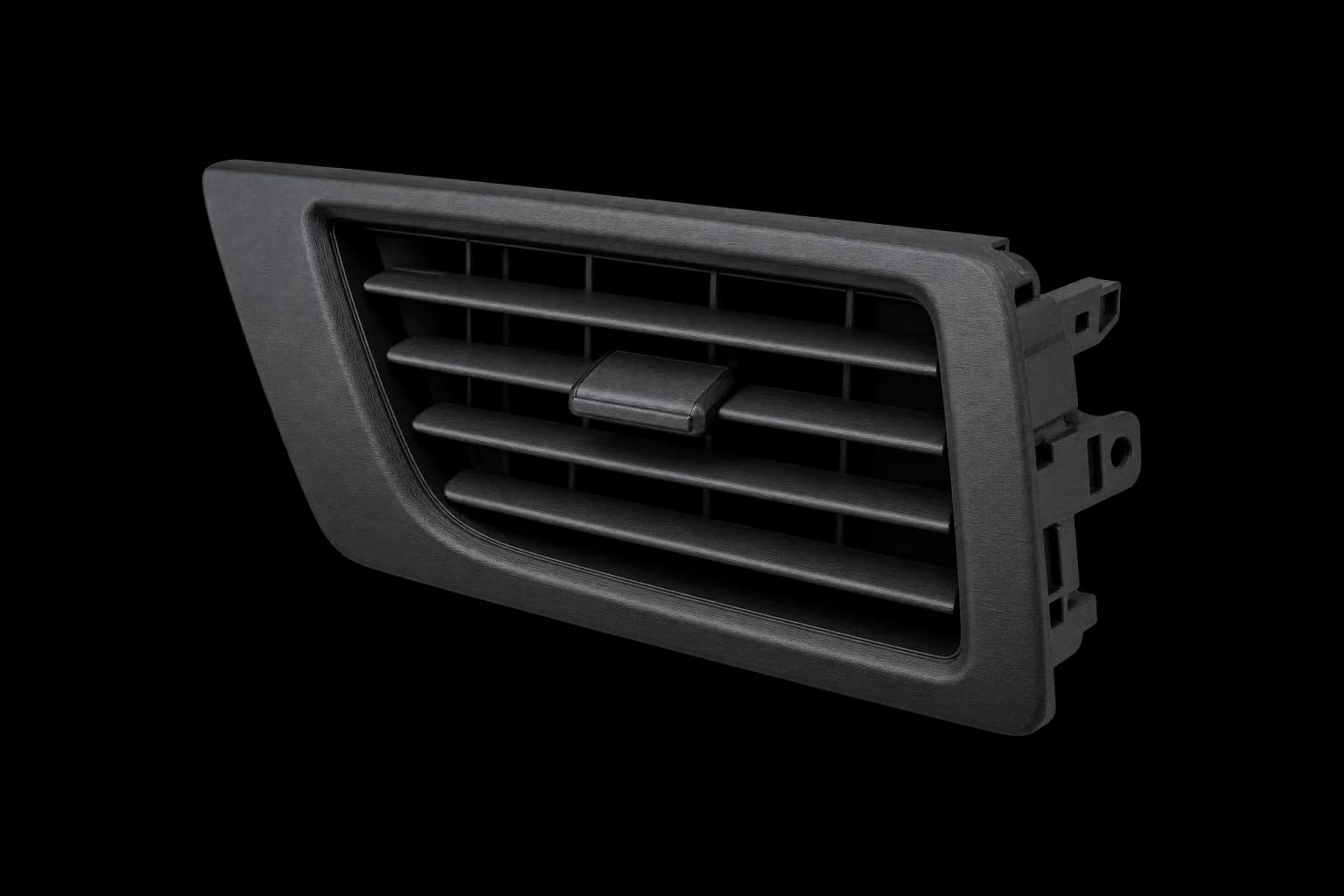
These prototypes provide visual and tactile feedback for design reviews, stakeholder communication and investor presentations, and they are tough enough for real snap-fit and hinge testing. Its uses span consumer goods, household appliances, consumer electronics and automotive parts, and automotive designers use it for dashboard and interior trim prototypes. From first concept models to pre-tooling validation, teams rely on Rigur to hold tight tolerances and reduce assembly complexity through consolidated part designs.
Industrial Design & Packaging
Rigid Rigur with Agilus30 seals and soft-touch zones from Shore A 40 to 95, printed as one part.
Museums & Exhibits
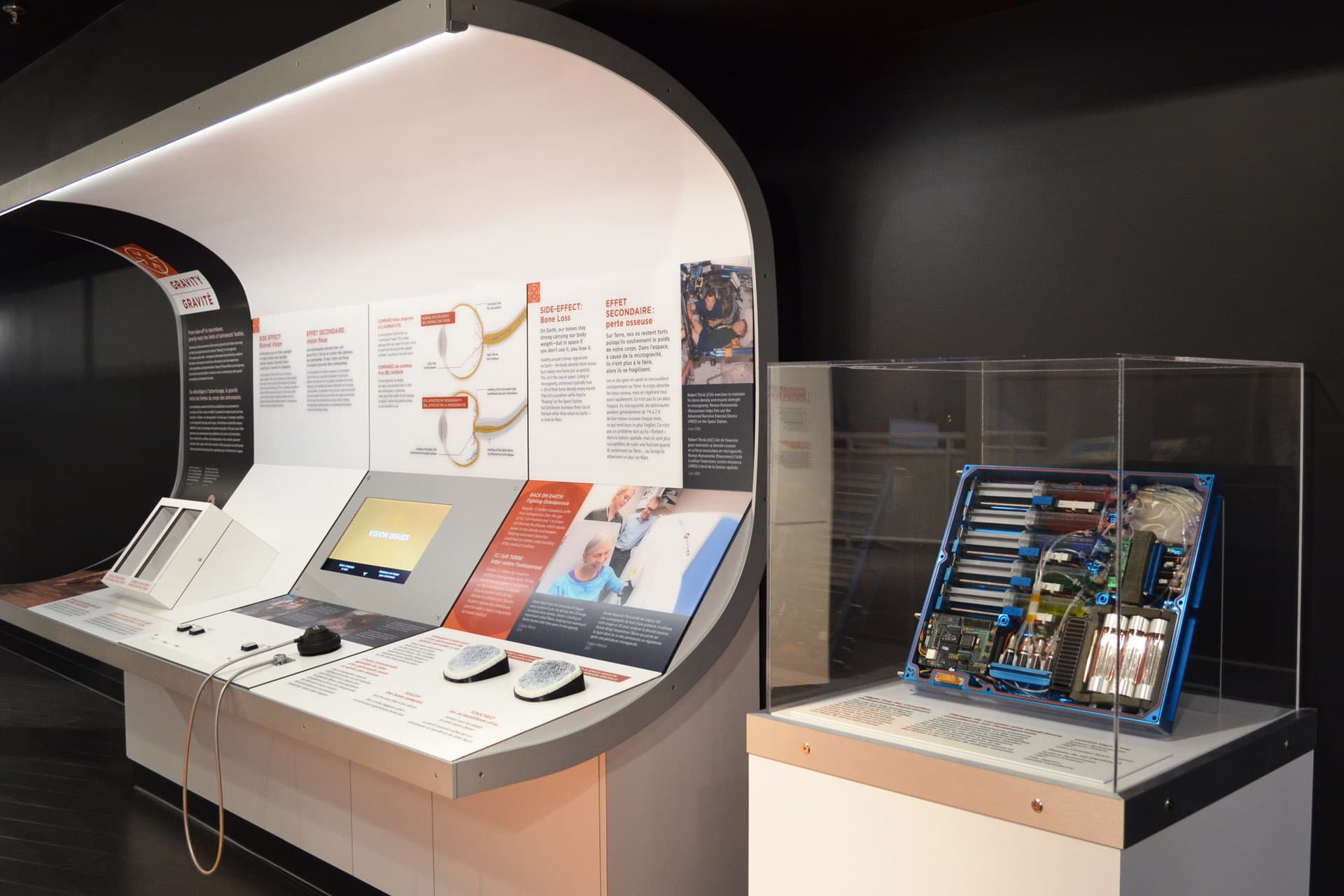
Touch models with 1 mm of exposed Rigur bone texture, mounted on keyed bases for daily handling.
Medical & Healthcare
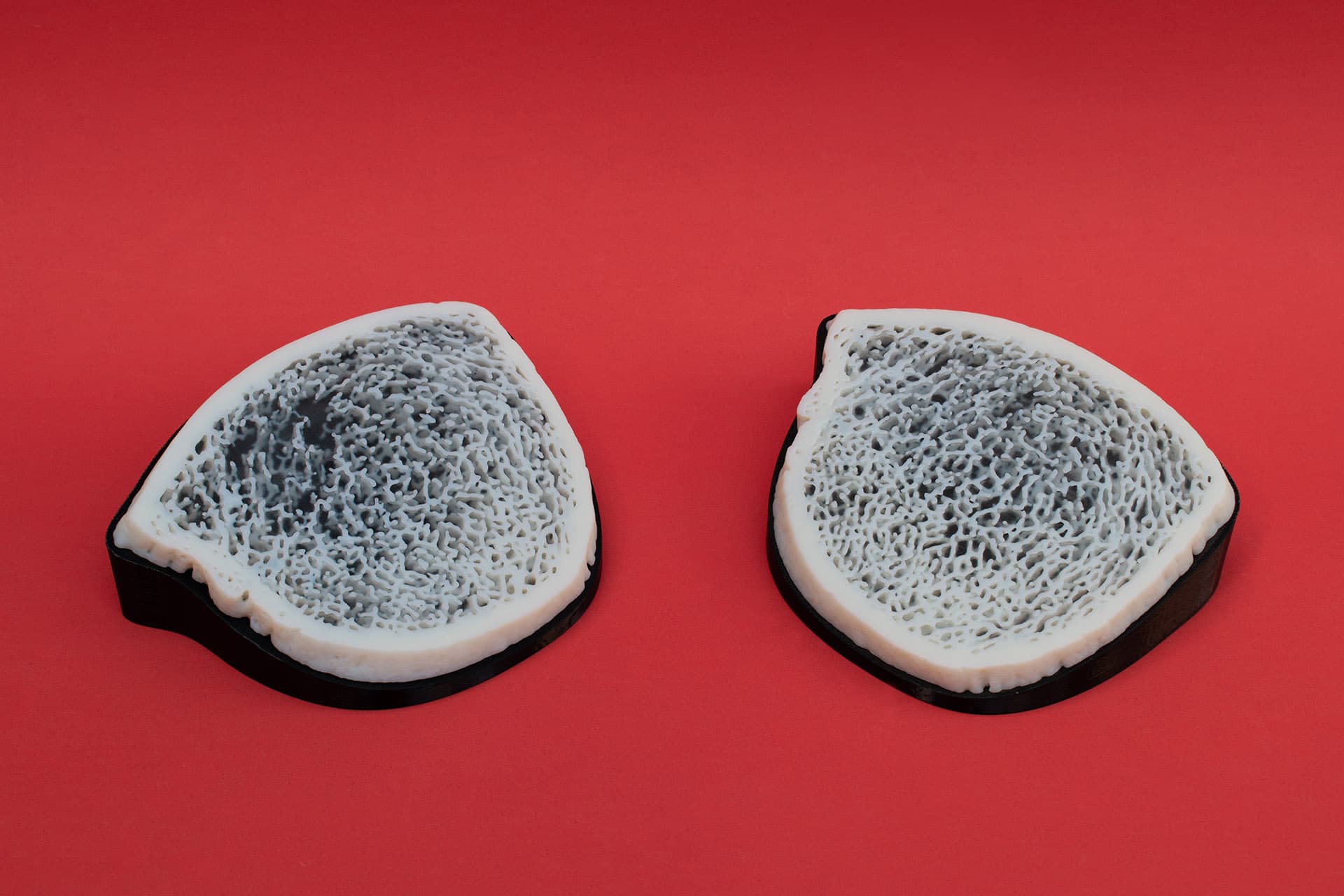
Scan-based anatomy models with rigid white Rigur bone set against clear tissue.
Industrial Design & Packaging
Product and packaging designers use Rigur with Agilus30 to prototype overmoulded grips, soft-touch buttons and closures, so ergonomics and design intent can be checked by hand before tooling. Rigur forms the rigid body while the printer blends the two resins into rubber-like zones from Shore A 40 to 95, so a container lid prints with its latches and seal already in place. The same builds model gaskets and watertight buttons for IP-rated designs, along with dispensing closures, toothbrush handles, kitchen tools and toy concepts.
Museums & Exhibits
Exhibit designers use Rigur for touch models that visitors handle every day. For a long-term exhibit on how low gravity affects bone density, Forge filled the scanned bone with a clear VeroClear matrix in the same build, leaving only 1 mm of Rigur bone texture exposed on the top surface, enough for visitors to feel without fragile features to break. A keyed base holds each model in place, and the display withstands daily visitor interaction.
Medical & Healthcare
Rigur suits anatomy models built from scan data, where its rigid white finish reads as bone. Forge prints PolyJet anatomical training models, and setting Rigur bone against clear tissue lets learners and patients see internal structure in three dimensions in training, demonstration and patient education models.
Values from the Stratasys Rigur (RGD450) datasheet, tested to the standard listed with each property.
Mechanical performance
RGD450 (Rigur) delivers dependable strength and impact resistance for functional prototypes requiring snap-fit assemblies, living hinges and compliant mechanisms. Its balanced mechanical profile maintains structural integrity while preventing brittleness, so clips and hinge webs flex and return during assembly testing.
Stratasys publishes each value as a range. Read the modulus and elongation values together: Rigur gives up some stiffness for stretch, which is what lets snap-fits engage without cracking. Generous radii at clip roots and bosses help parts survive repeated assembly.
Material makeup
Consistent density and surface quality keep critical features in tolerance and downstream finishing predictable. Shore D and Rockwell M hardness describe a firm surface that takes handling and paint.
Heat performance
Heat deflection and glass transition values show where Rigur begins to soften, so it suits room-temperature fit checks, handling, design reviews and display rather than heated environments. The deflection temperature drops as load rises, so check both heat and load when a prototype sits near motors, lamps or direct sun.
For hot-air paths, under-hood tests or parts exposed to heat sources, choose High Temperature resin or a nylon instead.
Datasheets, design guidance and supplier documentation for RGD450 (Rigur).
Access the most recent datasheet and supporting documentation maintained by our engineering team.
RGD450 (Rigur) datasheetExplore printable geometry recommendations, wall thickness tips, and finishing playbooks for PolyJet.
View PolyJet design guide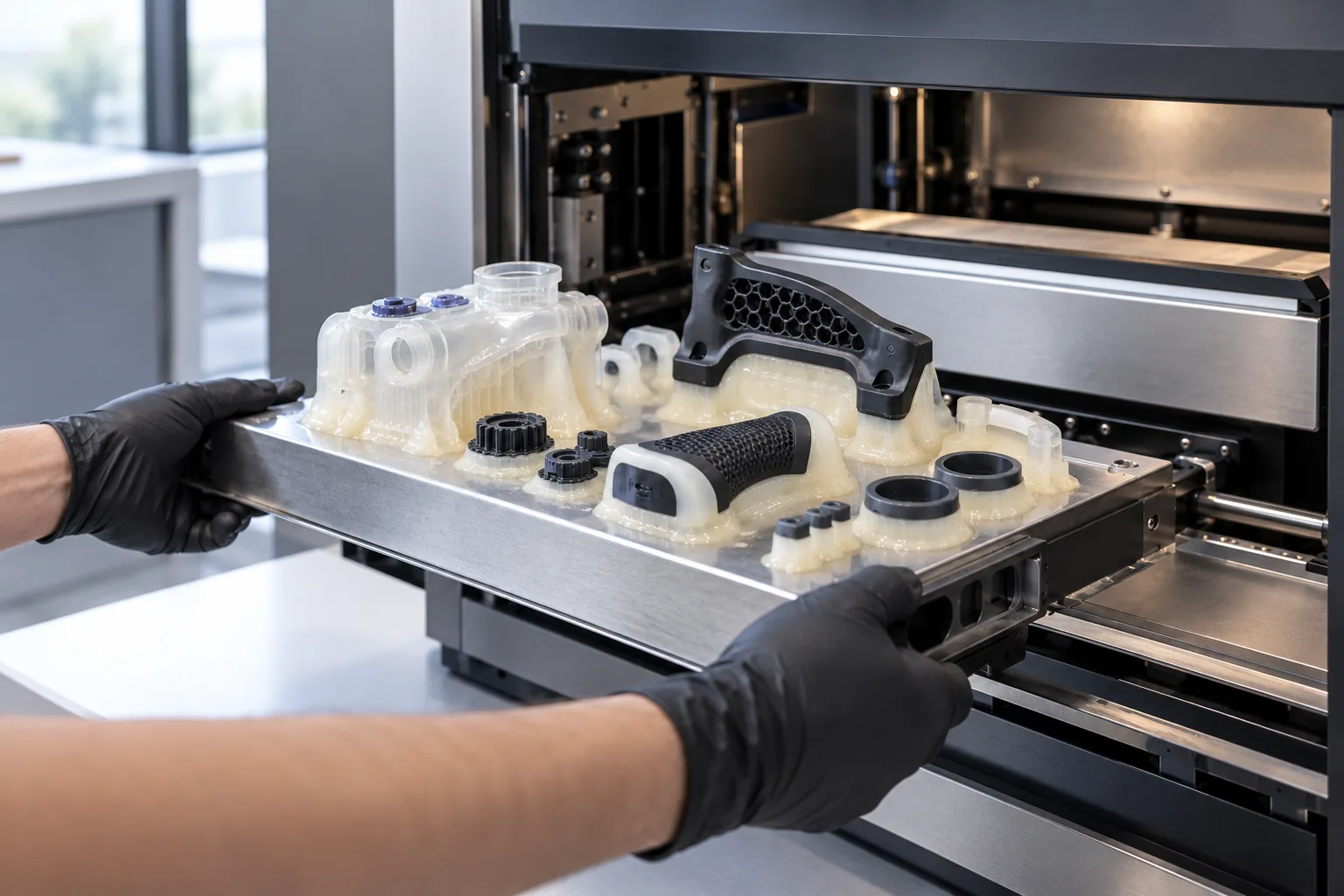
RGD450 (Rigur) is manufactured using advanced PolyJet technology, ensuring optimal material properties and dimensional accuracy.
Can't find the answer you're looking for? Reach out to our customer support team.
Upload your design and get an instant quote for RGD450 (Rigur) parts.
Create an account to upload CAD
STEP, STL, OBJ, 3MF and IGES supported