Stereolithography Tough 2000 Resin For Stiff, Strong Functional Parts

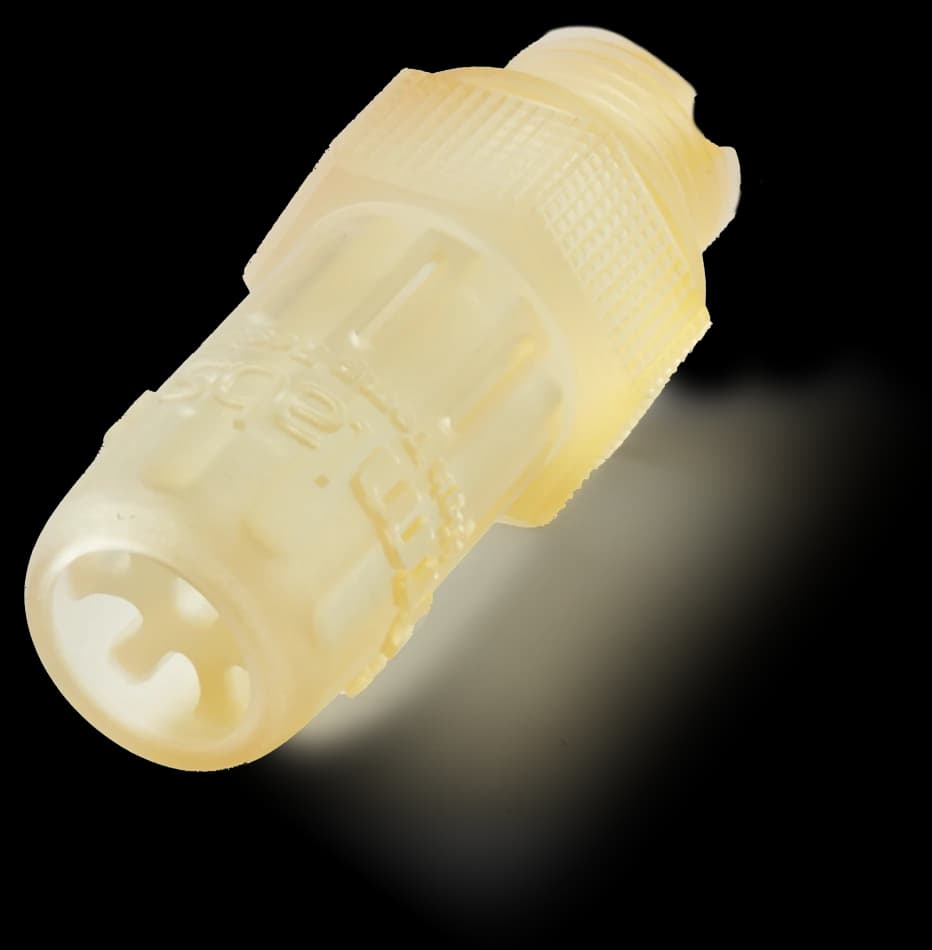
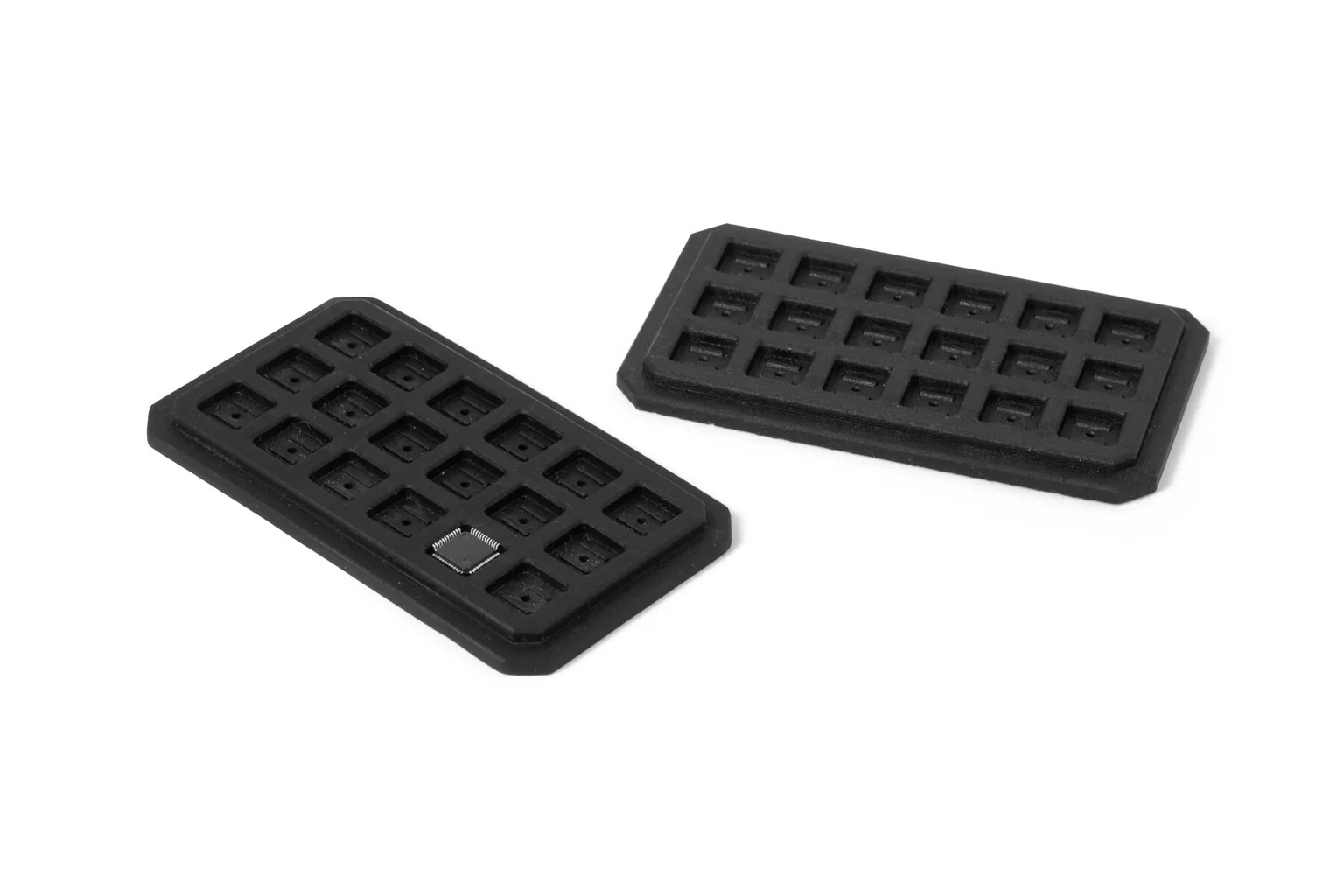
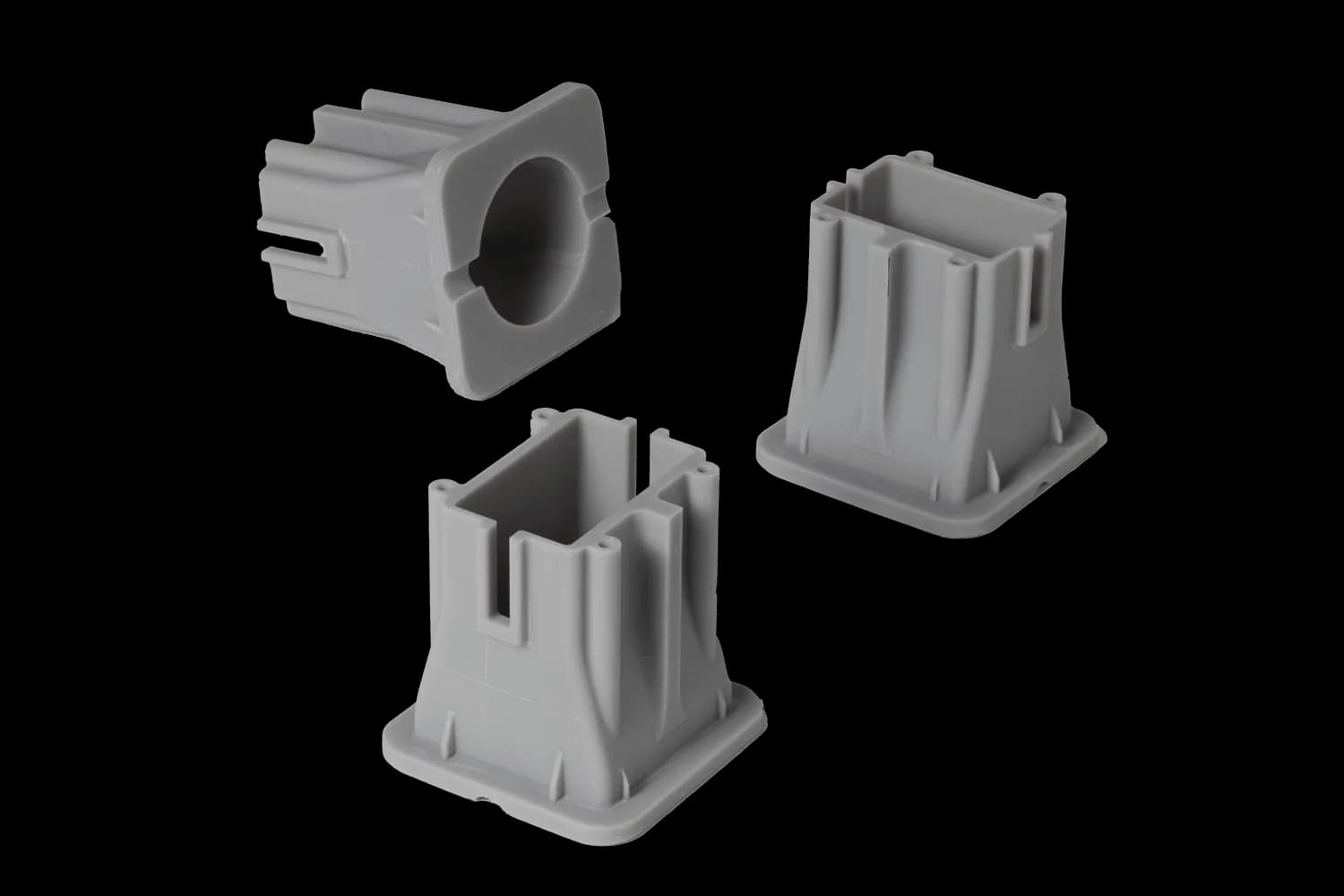
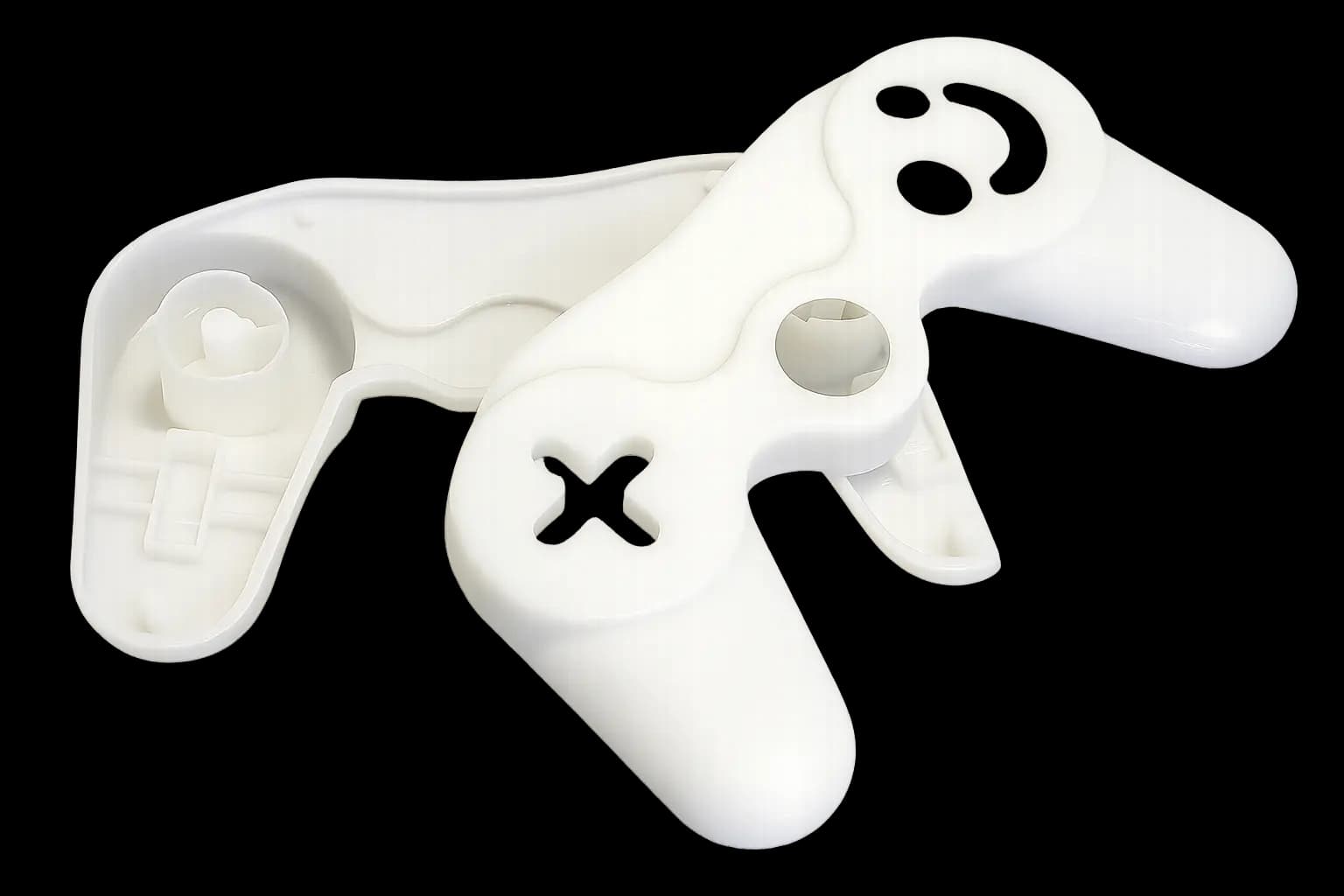
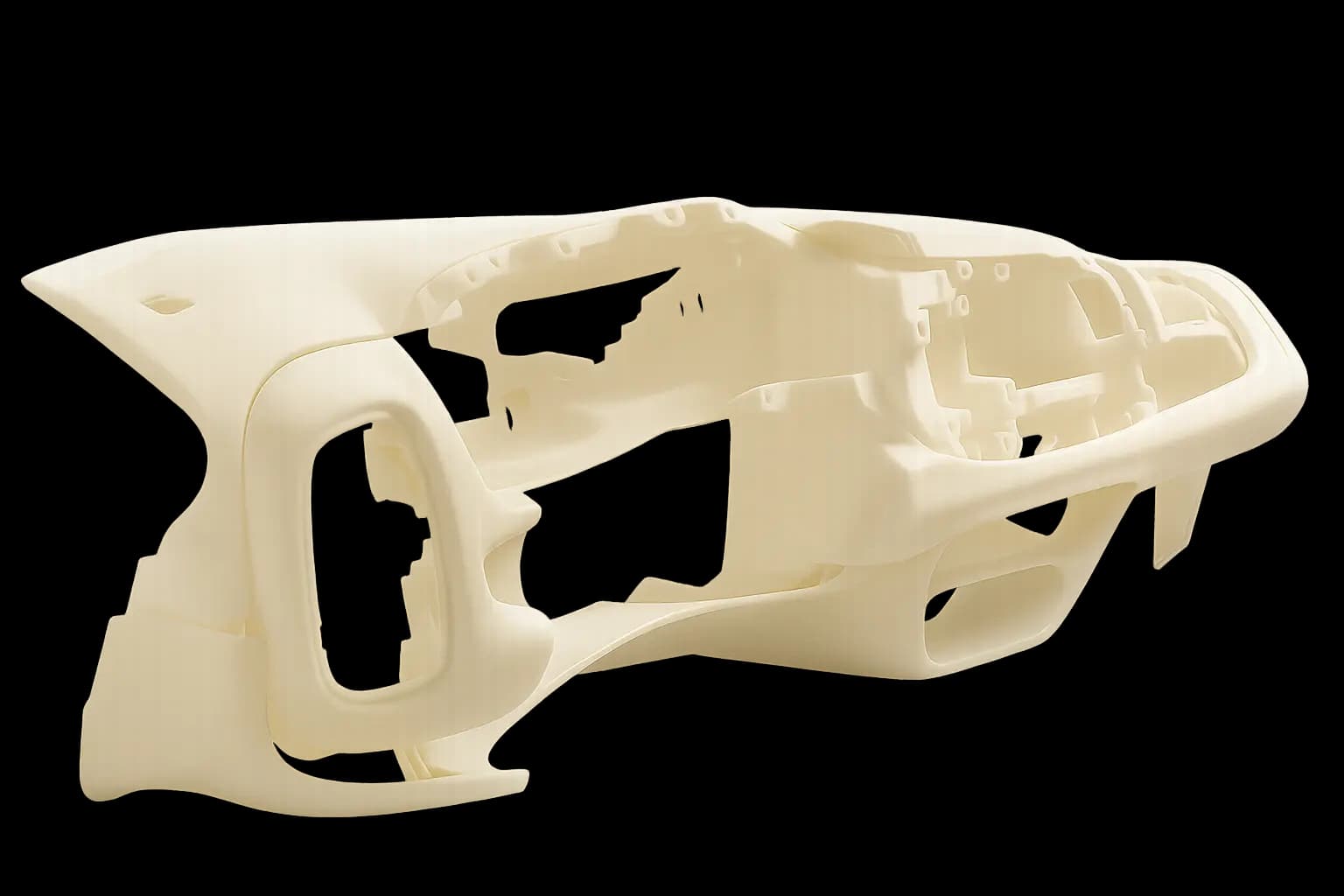
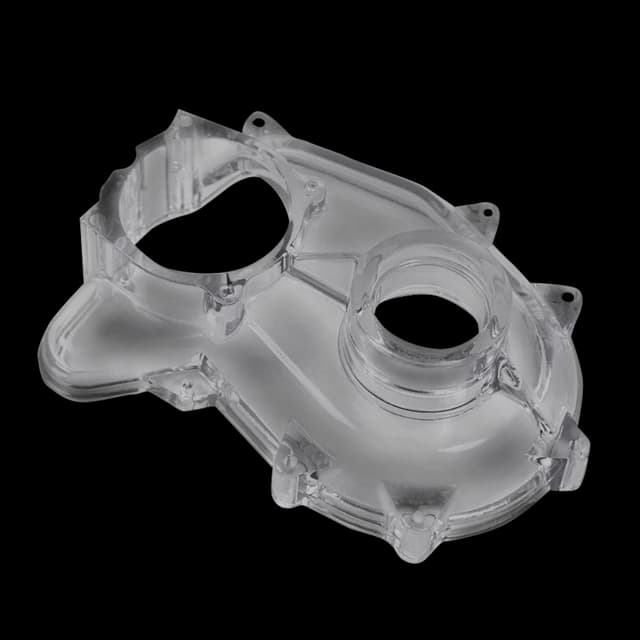
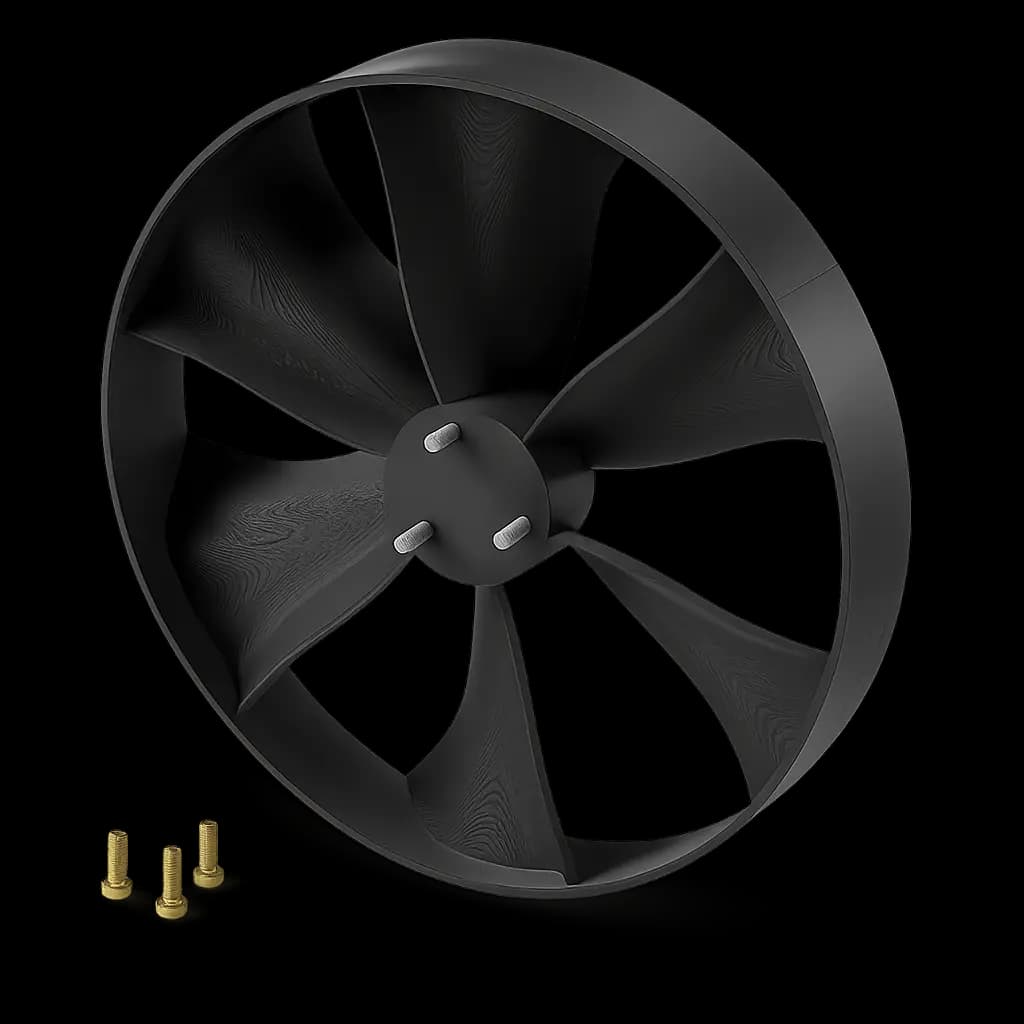
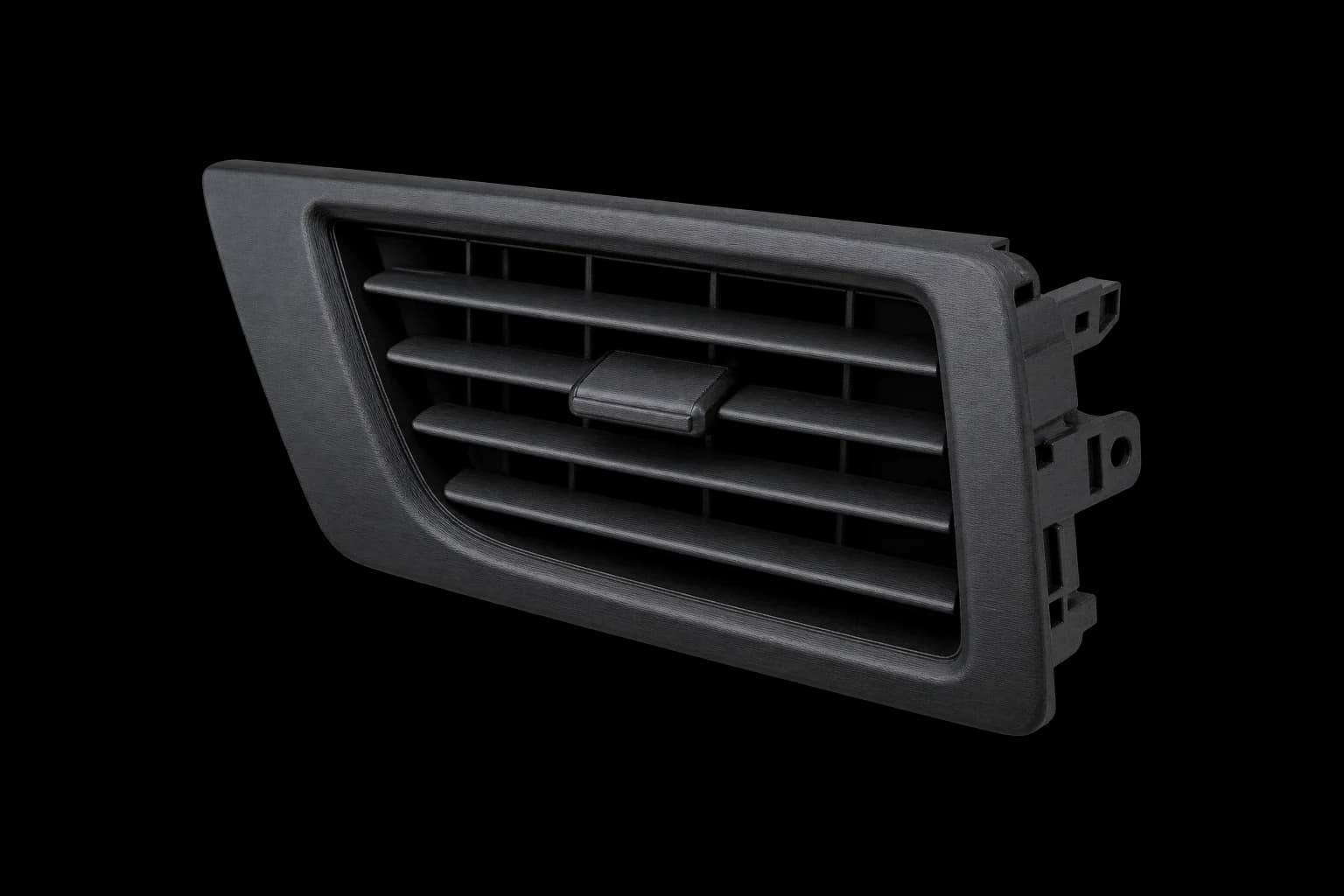
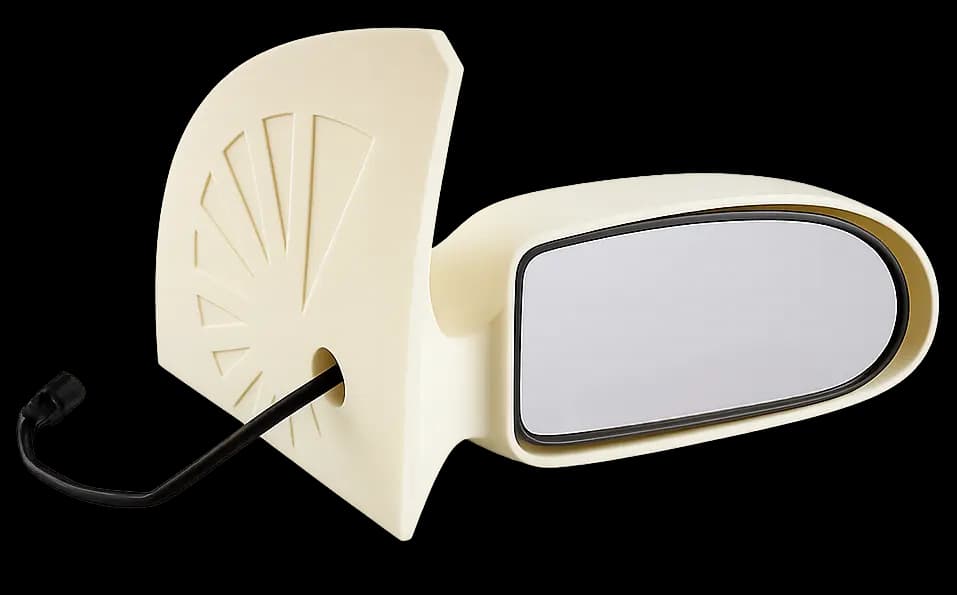
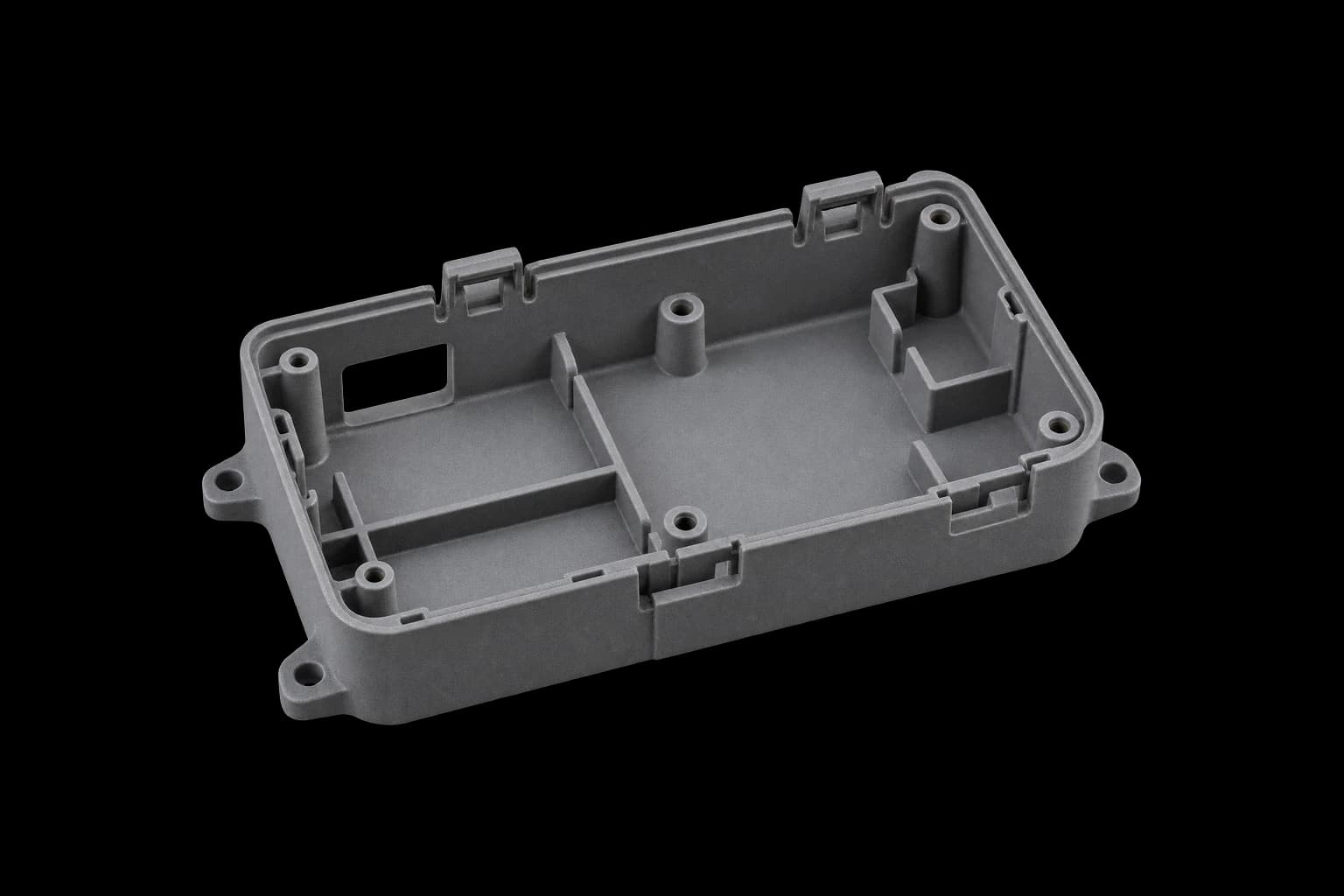
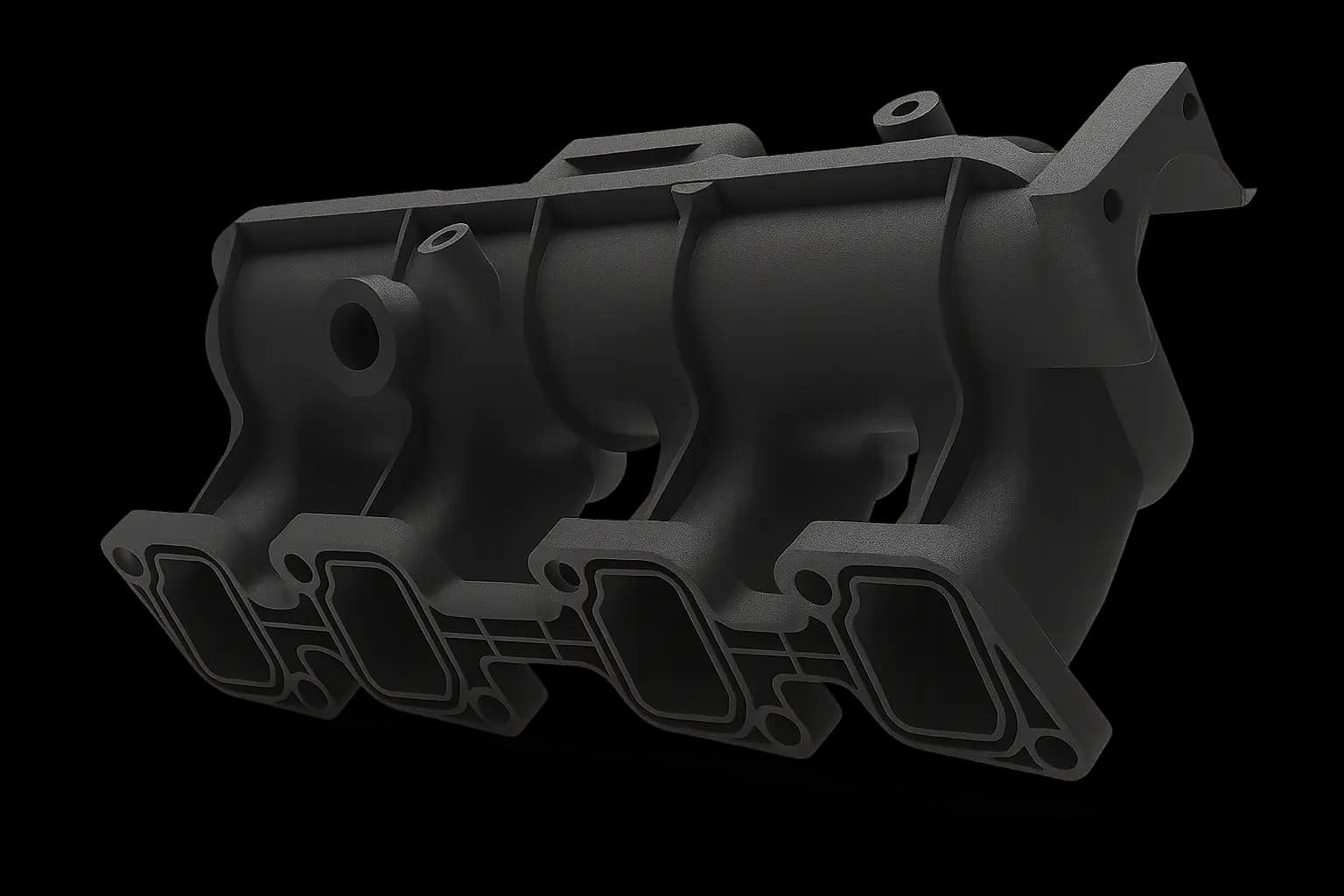
Tough 2000 Resin 3D printed part example
ABS-Like
Stiff, Strong, Low Creep
SLA material

Tough 2000 Resin overview

Tough 2000 Resin is a Formlabs SLA 3D printing resin that behaves like a moulded ABS part: stiff, strong and solid in the hand. It is as stiff and strong as ABS, so parts hold their shape under load, and they give before they break, taking impacts that crack standard resins. Choose it for rigid housings and protective shells, brackets and mounts, functional prototypes that must look and feel like the moulded part, and jigs and fixtures for the production line. For parts that need to flex and spring back, Tough 1500 Resin is the polypropylene-like choice.

How Tough 2000 Resin is manufactured

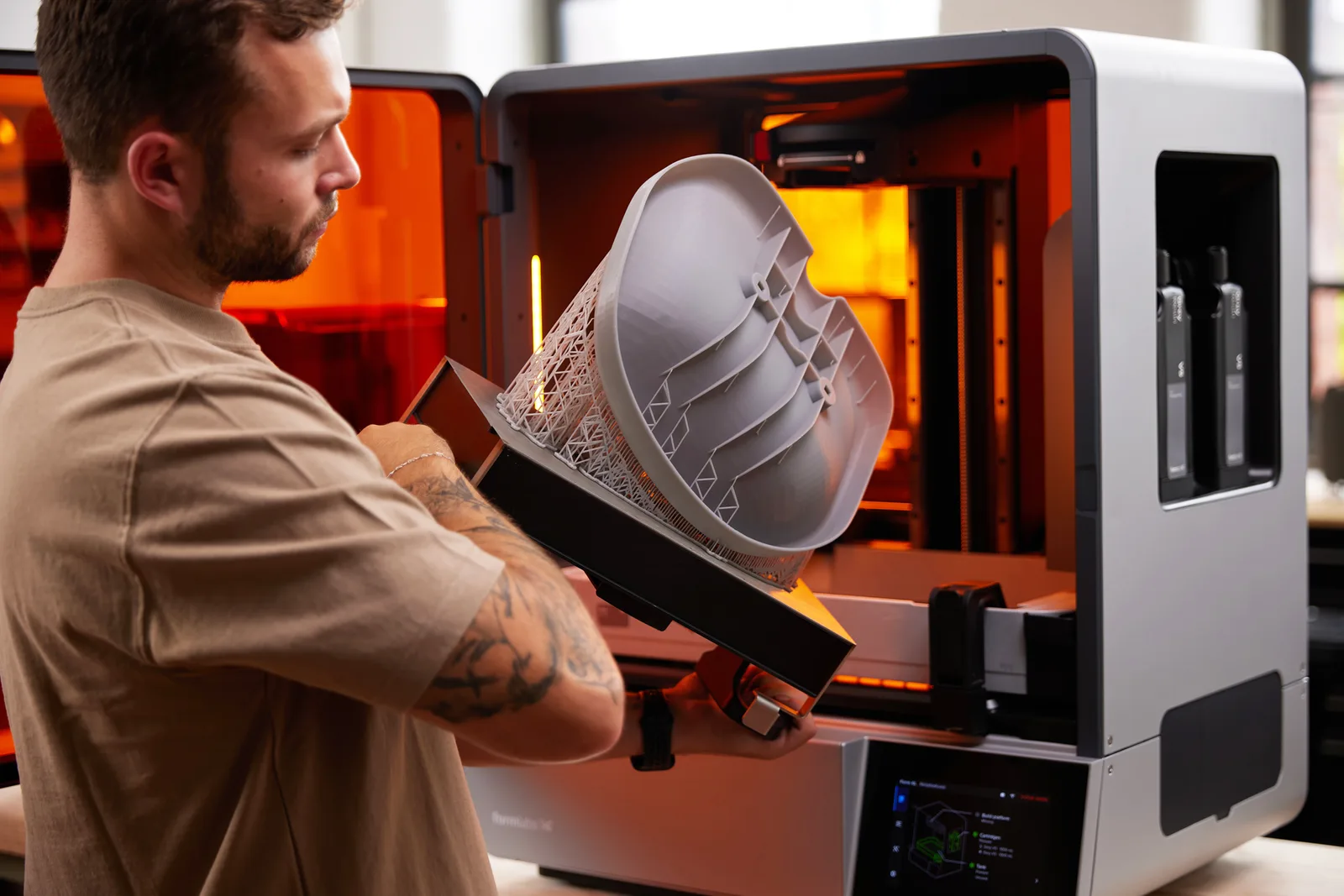
Tough 2000 Resin is manufactured using Stereolithography (SLA) on Formlabs Form 4L printers, where light cures the liquid resin layer by layer through a masked display. Parts are washed in isopropyl alcohol, supports are removed and every part is post-cured at 70 °C to the Formlabs schedule, the step that develops the strength and stiffness in the datasheet. The large Form 4L platform builds an enclosure half in one piece, or a full batch of brackets and fixtures together.

Build volume
353 × 196 × 350 mm
Lead time
2-4 business days
Layer height
0.05-0.1 mm
Forge Labs Steam

Know before you manufacture in Tough 2000 Resin.

Upload CAD files to Forge Labs Steam for Tough 2000 Resin quotes and a manufacturability review, and fix issues before production.

Upload CAD files to Forge Labs Steam for Tough 2000 Resin quotes and a manufacturability review, and fix issues before production.

Surface finishes

Finishes for Tough 2000 Resin

SLA delivers the smoothest surface of any 3D printing process. Every part is washed, post-cured and has its supports removed, leaving a smooth, finely detailed surface that is ready to use straight away or to paint.

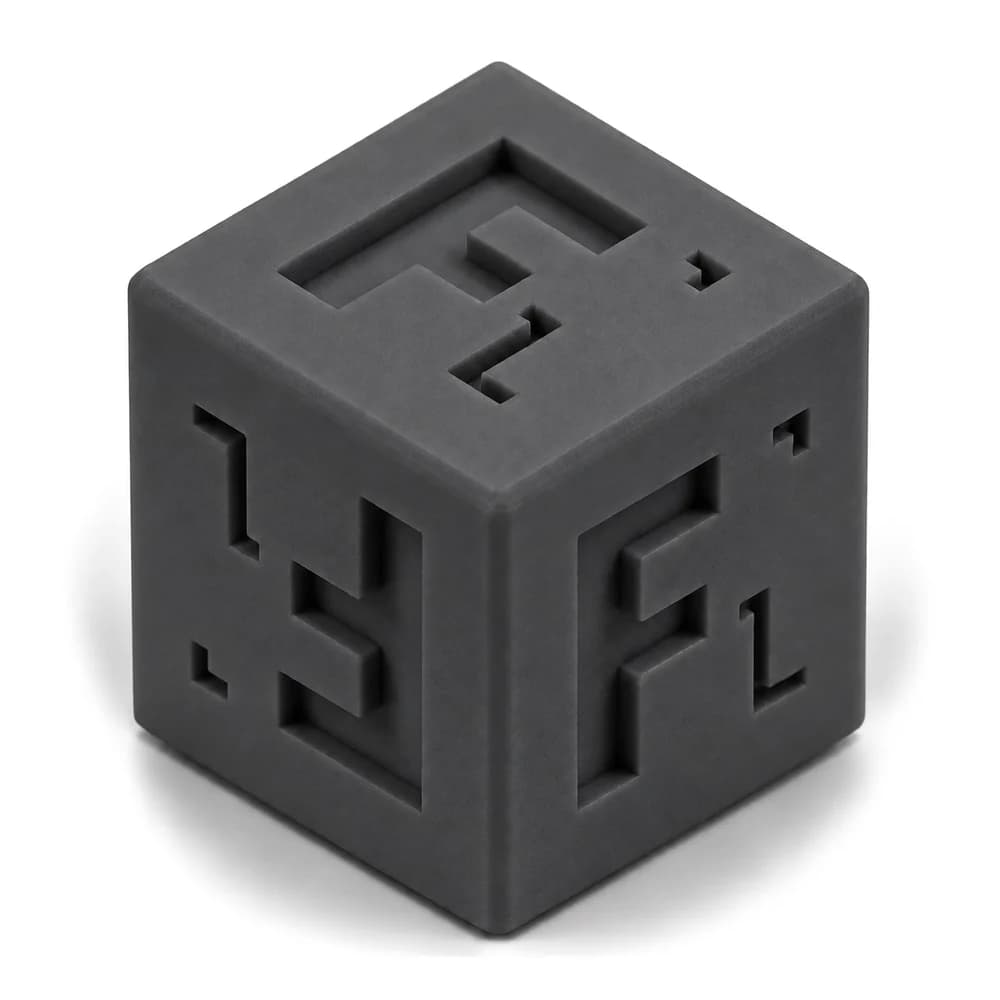
Forge Labs sample cube in SLA Tough 2000 Resin
Natural

Standard Finish

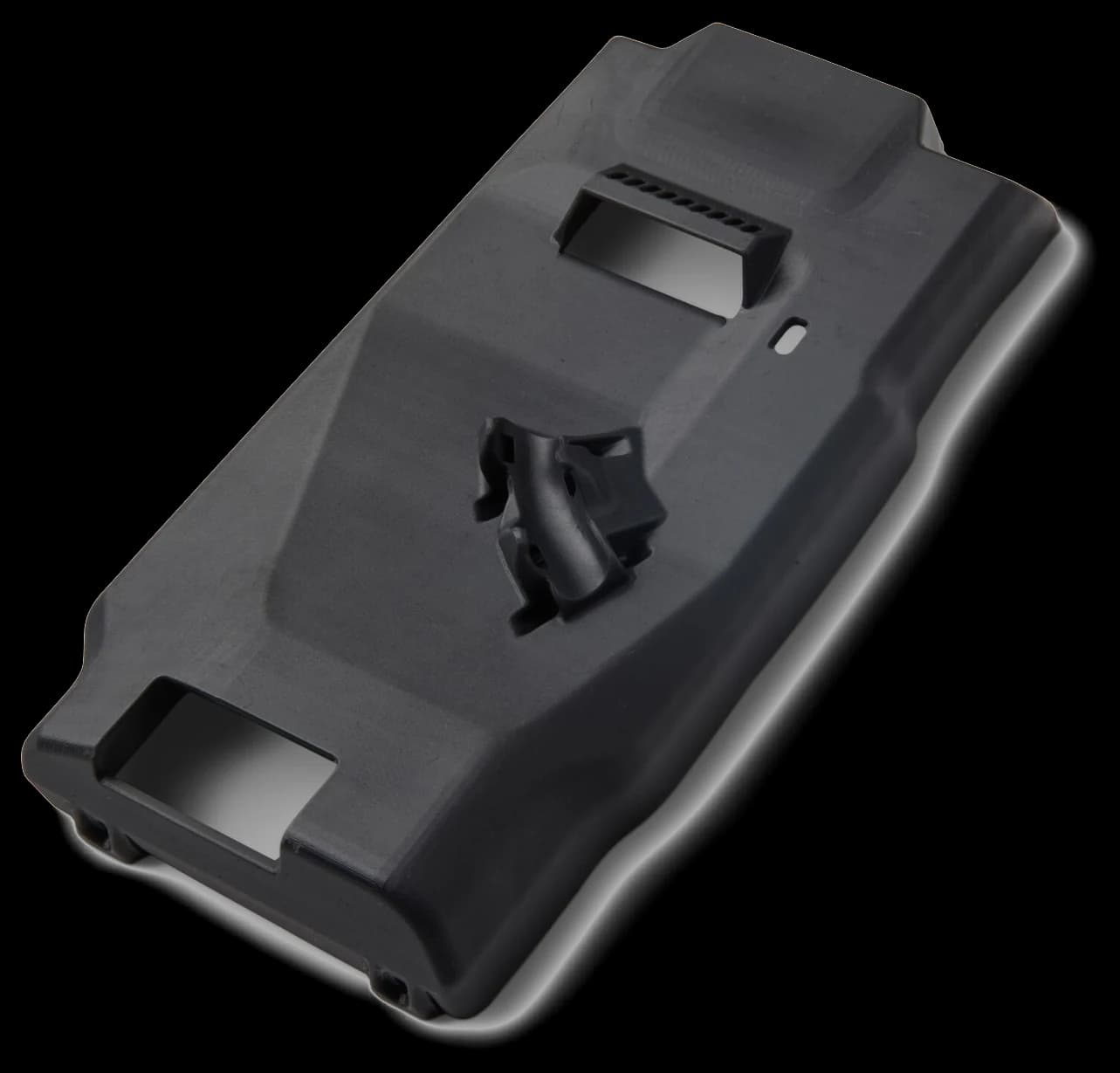
Parts are washed, post-cured and have their supports removed, leaving the smooth, finely detailed surface SLA is known for. Sharp edges, small text and fine features hold their shape, and the surface is ready for fit checks, assembly and presentation, or as a base for paint.

Surface Texture
Smooth, fine-detailed surface
Appearance
Natural resin colour
Details
Sharp & crisp
Sample cube with a red automotive-grade performance paint finish
Forge Labs sample cube in SLA Tough 2000 Resin
Premium Finish

Performance Paint

Painting offers a highly durable, automotive-grade coating that enhances the aesthetics and durability of 3D-printed parts. Each part is hand-finished to ensure smooth surfaces and a premium quality appearance. Using professional-grade coating equipment, this process allows for precise application and exceptional adhesion. Custom color matching is available, making it ideal for applications that require specific branding or visual impact.

Surface Texture
Matte to Semi-Gloss
Appearance
Custom color matching
Details
Clear & refined
Industry applications

Industry applications for Tough 2000 Resin

Tough 2000 Resin gives engineers ABS-like parts from an SLA printer: rigid and solid like a moulded ABS housing, able to carry load without sagging, and tough enough to take impacts that crack standard resins. It suits rigid housings and protective shells, brackets and mounts, functional prototypes that must look and feel like the moulded part, and jigs and fixtures for the production line.

Choose it over Tough 1500 Resin when the part must stay rigid. Tough 1500 Resin is the polypropylene-like option: more flexible, it bends and springs back, which suits clips, latches, hinges and compliant mechanisms, and it takes hard, repeated impacts better. Tough 2000 Resin is stiffer, stronger and more resistant to heat and creep, so it is the better fit for structural parts, load-bearing brackets and enclosures that must hold their shape.

Forge also prints real ABS. FDM ABS is the choice for large parts, parts that run close to 100 °C and production thermoplastic, while Tough 2000 Resin is the choice when a part needs the smooth surface, crisp small features and moulded look of SLA, with far more stretch before it breaks than printed ABS.

Forge already builds SLA electronics housings with precise fit for PCB mounting, connector alignment and button clearances. Tough 2000 Resin brings the same fit to housings that also have to carry load, hold tapped threads or keep a snap-fit closed.

All industries
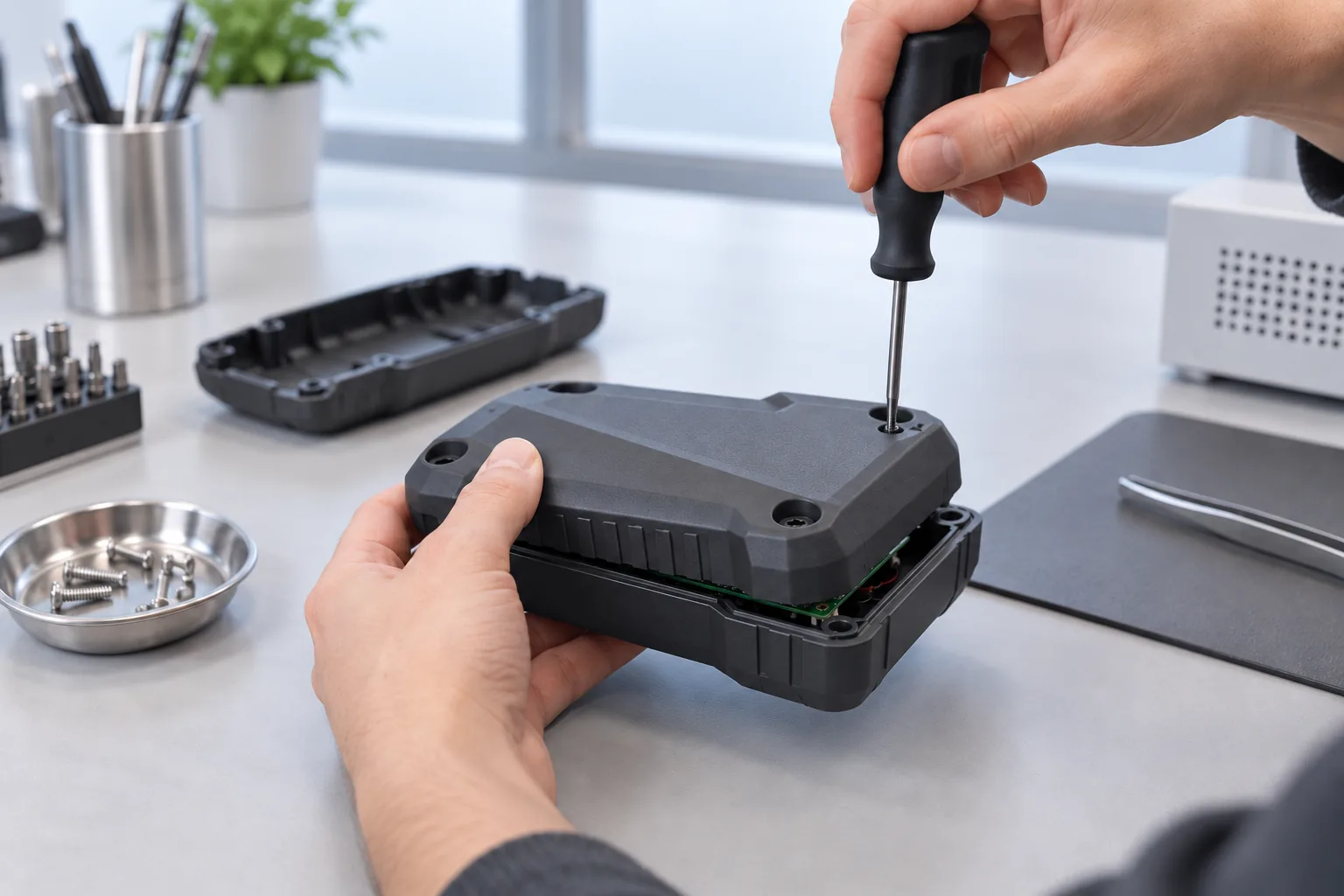
Dark grey printed housing halves for a generic handheld electronic device being screwed together around a circuit board on a product design bench

Consumer Products

Rugged Housings & Snap-Fit Enclosures

Product teams use Tough 2000 Resin for housings, covers and snap-fit enclosures that need to feel like moulded ABS and survive being handled, dropped and reassembled. One maker prints a production gaming-mouse shell as one piece on Form 4L in Tough 2000 Resin, after moving off a standard resin for impact resistance; the shell survives drops straight onto concrete and a full-strength squeeze at the grip. Every release has sold out, and the maker printed 1,000 mice for the last one, about 250 a week.

  • Snap-fit enclosures
  • Consumer product housings
  • Moulded-part prototypes
Explore industrial design
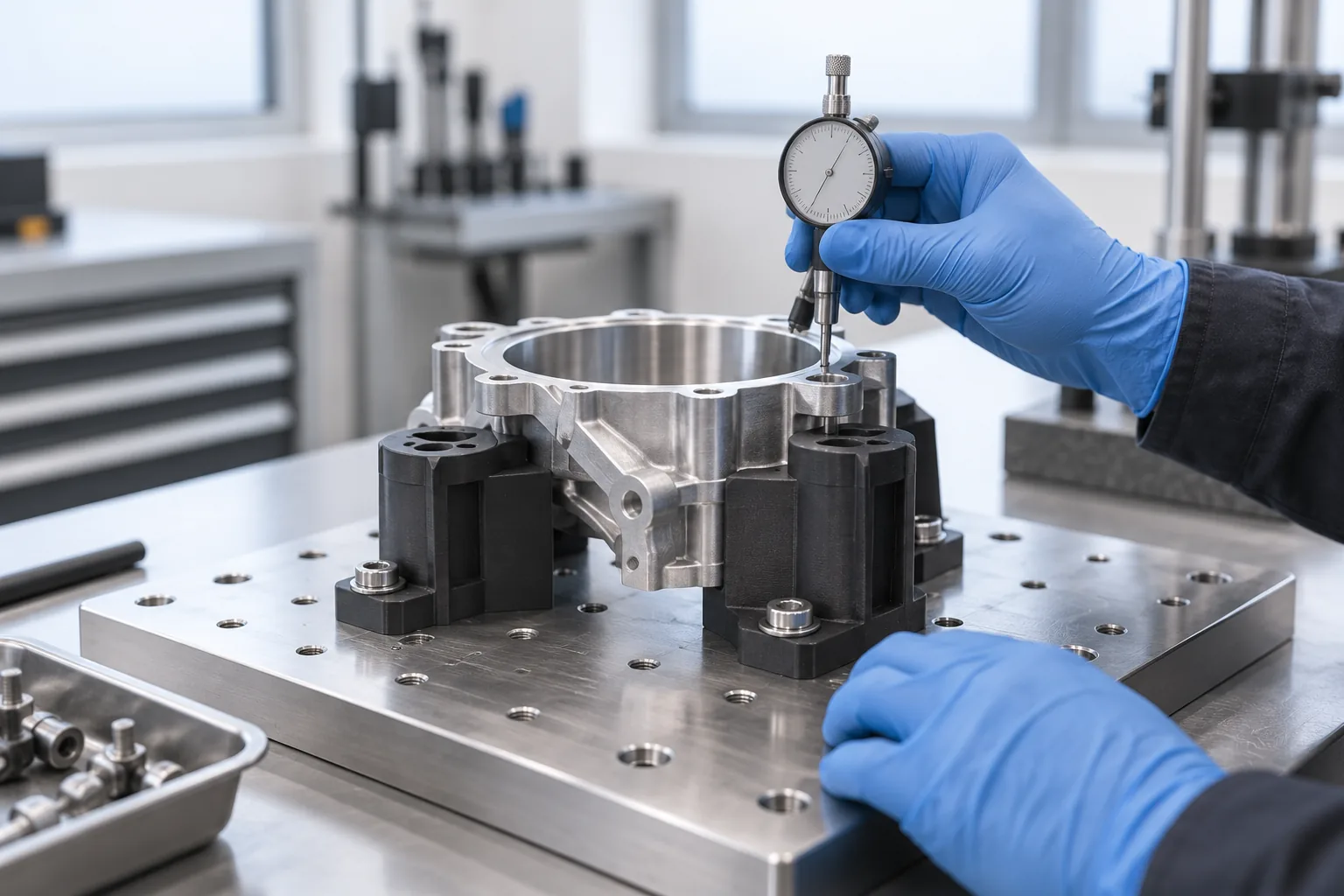
Dark grey printed locating blocks with bored holes and keyed features bolted to an aluminium tooling plate in a clean assembly cell, holding a machined aluminium part while a gloved hand checks it with a gauge

Automotive & Manufacturing

Jigs, Fixtures & Assembly Nests

Production teams use Tough 2000 Resin for jigs, fixtures, nests and gauges that have to hold tolerance through long service on the factory floor. Low creep is the reason: at room temperature, flexural creep strain reaches only 1.3% after two weeks under a 4 MPa load, so clamped and bolted fixtures keep their locating features where they were designed. Toughness keeps fixtures from chipping when parts and tools strike them, and SLA reproduces small locating pins and keyways accurately.

  • Assembly jigs and nests
  • Drilling and inspection fixtures
  • Locating gauges
Explore automotive
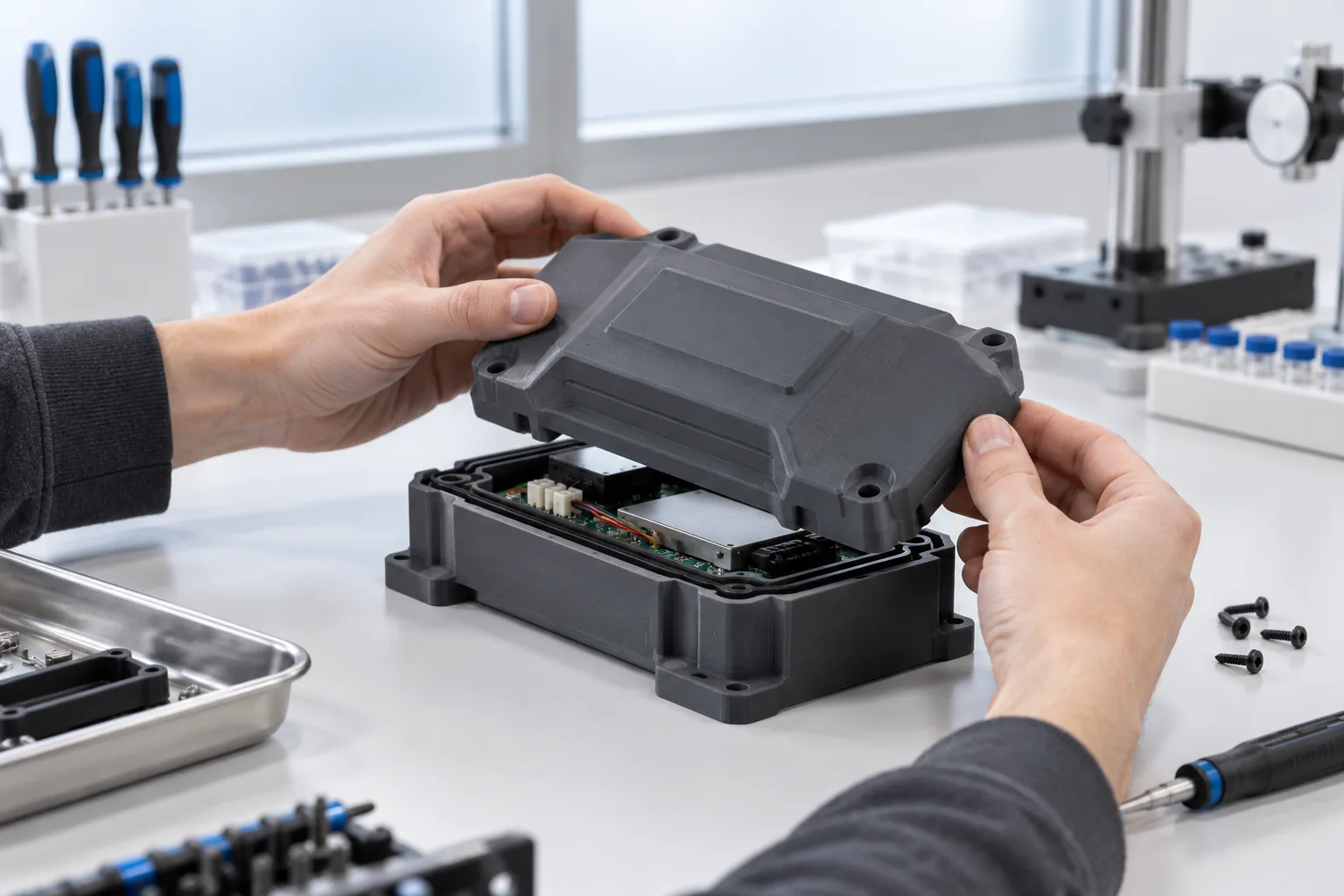
Dark grey printed enclosure halves with a fitted gasket being closed around the electronics of a generic medical device on a bright device-development lab bench

Medical & Healthcare

Device Enclosures, Covers & Panels

Medical device teams use Tough 2000 Resin for enclosures, cart covers and control panels outside the patient-contact path. A team building a focused-ultrasound medical device prints enclosure halves about 300 mm long, each in a single Form 4L build, sealed watertight with a gasket and with M3 threads tapped straight into the resin. A 1 mm thin-walled part in the same assembly snapped into place without breaking.

  • Device enclosures
  • Cart covers and control panels
  • Thin-walled snap-in parts
Explore medical devices
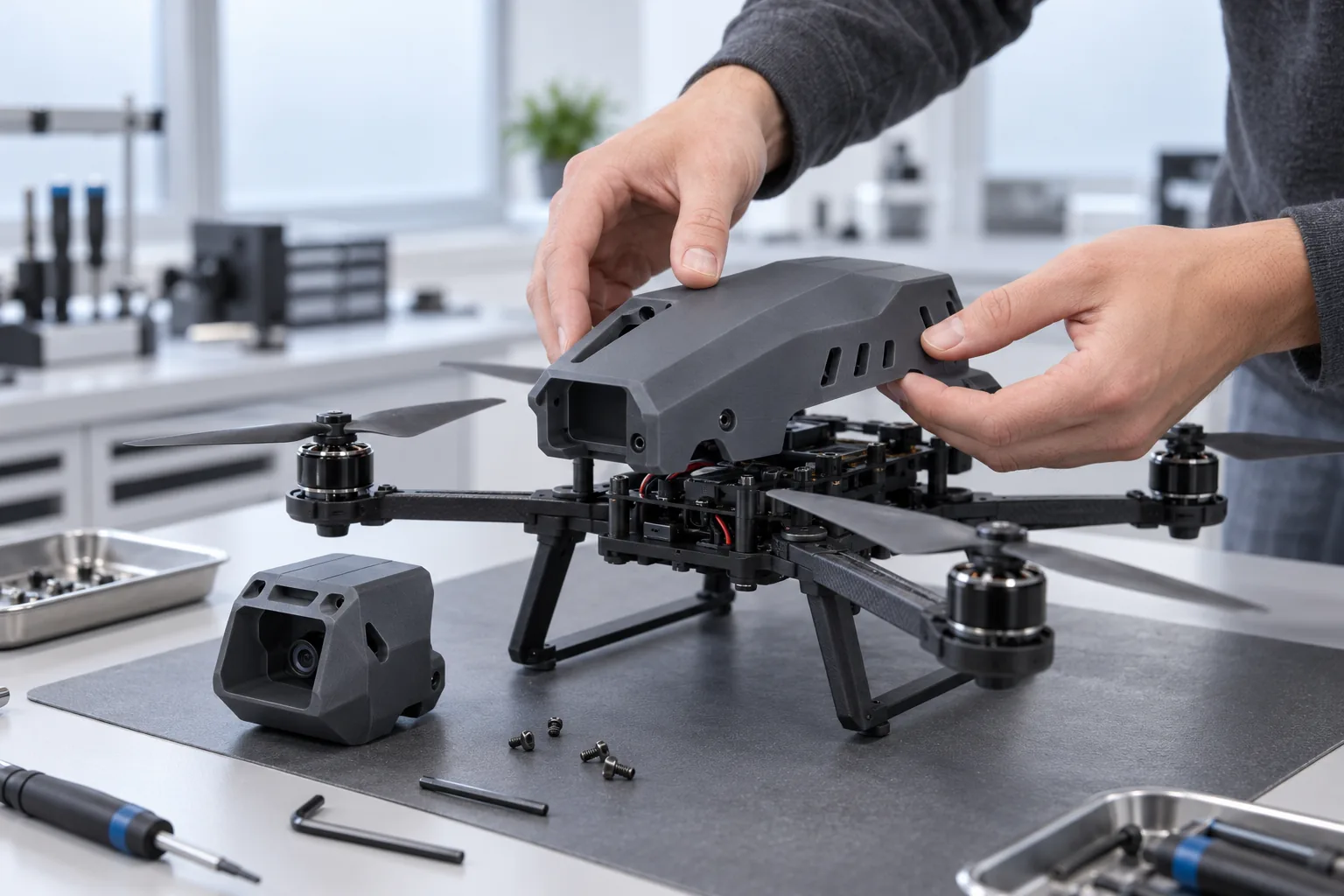
A dark grey printed fuselage shell being fitted onto a generic quadcopter frame in a clean drone lab

Aerospace

Drone Fuselage Shells & Camera Housings

Drone and UAS teams use Tough 2000 Resin for fuselage shells, camera housings and protective covers that need to stay rigid in flight and resist shattering on impact. SLA keeps thin ribs, vent slots and connector cut-outs sharp, and the stiff shell holds cameras and electronics in alignment. Forge builds production UAS airframe parts in SLS nylon; Tough 2000 Resin suits the detailed shells and housings where surface finish and stiffness come first.

  • Fuselage shells and covers
  • Camera and sensor housings
  • Protective guards
Explore aerospace
Performance data

Technical performance for Tough 2000 Resin

Values from the Formlabs Tough 2000 Resin V2 datasheet, tested to the standard listed with each property.

Mechanical performance

Mechanical properties

Modulus and strength show how stiff the resin is and how much load it carries; elongation and impact show how tough it is. Read the two together: Tough 2000 Resin pairs ABS-level stiffness with high elongation at break, which is what ABS-like means in practice. The part feels rigid in the hand, and under overload it stretches well past its yield point before it fractures.

The fracture values show how well a part resists a crack growing from a notch or sharp corner, Ross flex fatigue counts bending cycles to failure, and the creep figure shows how little a part moves under a constant load over two weeks. Generous fillets at snap-fit roots, bosses and inside corners get the most from that toughness.

PropertyValue
Ultimate Tensile StrengthASTM D638-14
40.4 MPa
Tensile ModulusASTM D638-14
1800 MPa
Elongation at YieldASTM D638-14
4.5 %
Elongation at BreakASTM D638-14
79 %
Flexural StrengthASTM D790-17
67 MPa
Flexural ModulusASTM D790-17
1701 MPa
Izod Impact, NotchedASTM D256-10
25 J/m
Izod Impact, UnnotchedASTM D4812-11
325 J/m
Charpy Impact, NotchedISO 179-1
2.4 kJ/m²
Charpy Impact, UnnotchedISO 179-1
31 kJ/m²
Gardner Impact (0.79 mm)ASTM D5420-21
1.6 J
Maximum Stress Intensity Factor (Kmax)ASTM D5045-14
1.65 MPa·m½
Work of FractureASTM D5045-14
305 J/m²
Ross Flex Fatigue (23 °C, 30° at 1 Hz)Formlabs internal method
3560 cycles
Flexural Creep Strain (4 MPa, 22 °C, 14 days)ISO 6602
1.3 %

Material makeup

Physical properties

Hardness and density describe the cured part. A high Shore D hardness gives a hard, scratch-resistant surface, and Formlabs improved scratch resistance in the V2 formulation, which keeps handled housings and fixtures looking clean.

PropertyValue
Shore Hardness DASTM D2240
76
Bulk DensityASTM D792-20
1.09 g/cm³

Heat performance

Thermal properties

Heat deflection is listed at two loads. Lightly loaded housings can be judged against the lower-load figure, while brackets and fixtures that carry stress should be judged against the higher-load figure; parts that run hotter belong in High Temperature Resin or FDM ABS.

The glass transition from dynamic mechanical analysis marks where stiffness falls away. Thermal expansion is typical of a tough photopolymer, so allow for it where a part mates with metal across a wide temperature swing.

PropertyValue
HDT @ 0.45 MPaASTM D648-16
70 °C
HDT @ 1.8 MPaASTM D648-16
57 °C
Glass Transition (DMA, tan δ peak)DMA, 3 °C/min
112 °C
Thermal Expansion (0–150 °C)ASTM E831-19
134.2 ×10⁻⁶/K

Functional performance

Electrical properties

Tough 2000 Resin is an electrical insulator. Volume resistivity and dielectric strength support enclosures that sit around live electronics, and the dielectric constant and dissipation factor at 50 Hz and 1 kHz help evaluate it near power and signal circuits.

It is not static dissipative; ESD Resin is the Formlabs option for static-sensitive assemblies.

PropertyValue
Volume ResistivityASTM D257-14
3×10¹⁵ Ω·cm
Dielectric StrengthASTM D149-20
15.5 kV/mm
Dielectric Constant (50 Hz)ASTM D150
3.46
Dielectric Constant (1 kHz)ASTM D150
3.38
Dissipation Factor (50 Hz)ASTM D150
0.018
Dissipation Factor (1 kHz)ASTM D150
0.012

Compatibility data

Chemical properties

Formlabs immersed post-cured cubes for 24 hours and measured weight gain, and separately measured tensile strength, modulus and elongation after one day and one week of immersion to ASTM D543. Water, salt water, diesel, hydraulic and mineral oils, Skydrol, dilute acids and bases, bleach and hydrogen peroxide barely swell it, and after a week in the fluids tested to ASTM D543, solvents aside, parts keep nearly all of their tensile strength and stiffness.

Elongation is the value to watch for parts that rely on stretch. A week in Skydrol cuts elongation at break by more than half, and dilute hydrochloric acid, sodium hydroxide and water also reduce it, so snap-fits that will see those fluids should be tested in them.

Gasoline, acetone, xylene and butyl acetate swell it strongly, and long soaks in isopropyl alcohol or acetone cut its strength. Keep parts away from gasoline and strong solvents; Formlabs has not tested other fuels such as jet fuel or kerosene. Chemical ratings are screening guidance at room temperature; confirm exposure with application-specific testing before production release.

Chemical24 h weight gainStrength retained, 1 weekModulus retained, 1 weekElongation retained, 1 week
Acetic acid 5%
24 h weight gain0.17%
Strength retained, 1 weekNot tested
Modulus retained, 1 weekNot tested
Elongation retained, 1 weekNot tested
Acetone
24 h weight gain22.92%
Strength retained, 1 week39%
Modulus retained, 1 week45%
Elongation retained, 1 week144%
Bleach (~5% NaOCl)
24 h weight gain0.11%
Strength retained, 1 week92%
Modulus retained, 1 week95%
Elongation retained, 1 week123%
Butyl acetate
24 h weight gain18.65%
Strength retained, 1 weekNot tested
Modulus retained, 1 weekNot tested
Elongation retained, 1 weekNot tested

Diesel fuel
24 h weight gain0.08%
Strength retained, 1 week92%
Modulus retained, 1 week97%
Elongation retained, 1 week131%
Diethylene glycol monomethyl ether
24 h weight gain4.65%
Strength retained, 1 weekNot tested
Modulus retained, 1 weekNot tested
Elongation retained, 1 weekNot tested

Hydraulic oil
24 h weight gain0.06%
Strength retained, 1 weekNot tested
Modulus retained, 1 weekNot tested
Elongation retained, 1 weekNot tested

Hydrochloric acid 10%
24 h weight gainNot tested
Strength retained, 1 week99%
Modulus retained, 1 week104%
Elongation retained, 1 week65%
Hydrochloric acid, concentrated
24 h weight gain1.96%
Strength retained, 1 weekNot tested
Modulus retained, 1 weekNot tested
Elongation retained, 1 weekNot tested
Hydrogen peroxide 3%
24 h weight gain0.21%
Strength retained, 1 week93%
Modulus retained, 1 week92%
Elongation retained, 1 week133%
Isooctane (gasoline)
24 h weight gain21.24%
Strength retained, 1 weekNot tested
Modulus retained, 1 weekNot tested
Elongation retained, 1 weekNot tested

Isopropyl alcohol
24 h weight gain4.21%
Strength retained, 1 week27%
Modulus retained, 1 week18%
Elongation retained, 1 week197%
Mineral oil (light)
24 h weight gain0.12%
Strength retained, 1 weekNot tested
Modulus retained, 1 weekNot tested
Elongation retained, 1 weekNot tested
Mineral oil (heavy)
24 h weight gain0.07%
Strength retained, 1 weekNot tested
Modulus retained, 1 weekNot tested
Elongation retained, 1 weekNot tested
Motor oil
24 h weight gainNot tested
Strength retained, 1 week96%
Modulus retained, 1 week98%
Elongation retained, 1 week173%
Salt water (3.5% NaCl)
24 h weight gain0.16%
Strength retained, 1 weekNot tested
Modulus retained, 1 weekNot tested
Elongation retained, 1 weekNot tested
Skydrol 5
24 h weight gain0.96%
Strength retained, 1 week94%
Modulus retained, 1 week98%
Elongation retained, 1 week45%
Sodium hydroxide 0.025% (pH 10)
24 h weight gain0.18%
Strength retained, 1 week97%
Modulus retained, 1 week100%
Elongation retained, 1 week78%
Tripropylene glycol monomethyl ether
24 h weight gain1.86%
Strength retained, 1 weekNot tested
Modulus retained, 1 weekNot tested
Elongation retained, 1 weekNot tested
Water
24 h weight gain0.19%
Strength retained, 1 week97%
Modulus retained, 1 week106%
Elongation retained, 1 week85%
Xylene
24 h weight gain27.69%
Strength retained, 1 weekNot tested
Modulus retained, 1 weekNot tested
Elongation retained, 1 weekNot tested
Compliance

Compliance profile

Formlabs rates post-cured Tough 2000 Resin V2 UL 94 HB, declares its resins compliant with the EU RoHS directive, and its EU safety data sheet lists no ingredient on the REACH candidate list.

Formlabs publishes no biocompatibility, food-contact or flame-retardant rating for Tough 2000 Resin, so it is used for parts outside patient and food contact; Flame Retardant Resin is the Formlabs option where a flame-rated part is required.

StandardStatus
UL 94 flammabilityFormlabs datasheet rating for post-cured Tough 2000 Resin V2; not flame retardant
HB
RoHS Directive 2011/65/EUFormlabs states its resins are produced in accordance with the EU RoHS directive (statement covers all Formlabs resins)
Formlabs declaration
REACH SVHC (EC 1907/2006)No ingredient on the REACH candidate list, authorisation list or restriction list (Formlabs EU safety data sheet for Tough 2000 Resin V2, 2025-09-18)
Formlabs SDS
Resources

Datasheets and design resources

Datasheets, design guidance and supplier documentation for Tough 2000 Resin.

Download center

Access the most recent datasheet and supporting documentation maintained by our engineering team.

Tough 2000 Resin datasheet

Design guidelines

Explore printable geometry recommendations, wall thickness tips, and finishing playbooks for SLA.

View SLA design guide

Supplier compliance documents

Supplier declarations and test statements for this material.

Operator lifting a large grey SLA part on its build platform out of a Formlabs Form 4L printer
Advanced Manufacturing

Built with Precision SLA Technology

Tough 2000 Resin is manufactured using industrial-grade Stereolithography (SLA) technology, delivering exceptional surface finish and dimensional accuracy for high-detail applications. Calibrated resin systems and a controlled wash and post-cure keep Tough 2000 Resin parts repeatable across the full build platform.

Tolerance
±0.25% (min ±0.25 mm)
Surface finish
Smooth, injection-moulded quality surface from the photopolymerization process
Quality control
In-process monitoring and batch traceability for consistent part quality and material properties
Colours & finishes
Dark grey matte; sanding, thread tapping, priming and painting
Learn more about SLA technology
Frequently Asked Questions

Frequently asked questions about Tough 2000 Resin

Can't find the answer you're looking for? Reach out to our customer support team.

It means a printed part behaves like a moulded ABS part: stiff, strong and tough rather than brittle. Formlabs measures Tough 2000 Resin V2 at 1,800 MPa tensile modulus, the same as extruded ABS sheet, and 40.4 MPa tensile strength against 39 MPa for the sheet, with 79% elongation at break. Parts hold their shape under load and yield before they crack. It absorbs less energy than ABS when a crack starts from a notch, so give snap-fit roots and bosses generous fillets. That makes it the SLA resin for housings, brackets and fixtures that need to look and perform like moulded ABS.
Start a quote

Ready to Get Started with Tough 2000 Resin?

Upload your design and get a quote for Tough 2000 Resin parts from our engineers.

  • Engineer-prepared quotes with manufacturability review
  • Production workflows built for repeatable quality
  • Engineering support from prototype to production
Compare all materials

Create an account to upload CAD

STEP, STL, OBJ, 3MF and IGES supported

Manufacturing technologies
6
Engineering materials
50+
Part quantities
1-500+