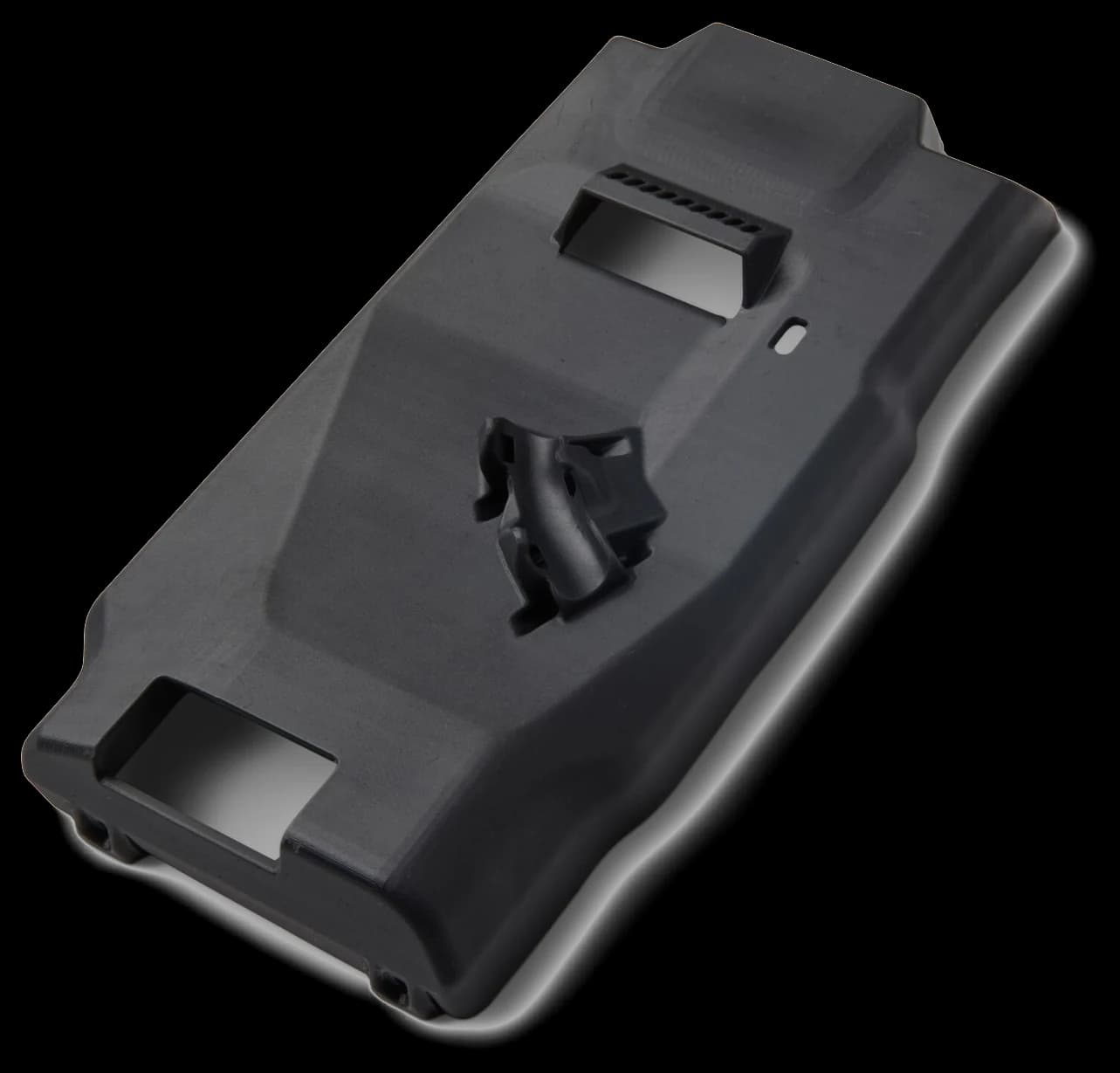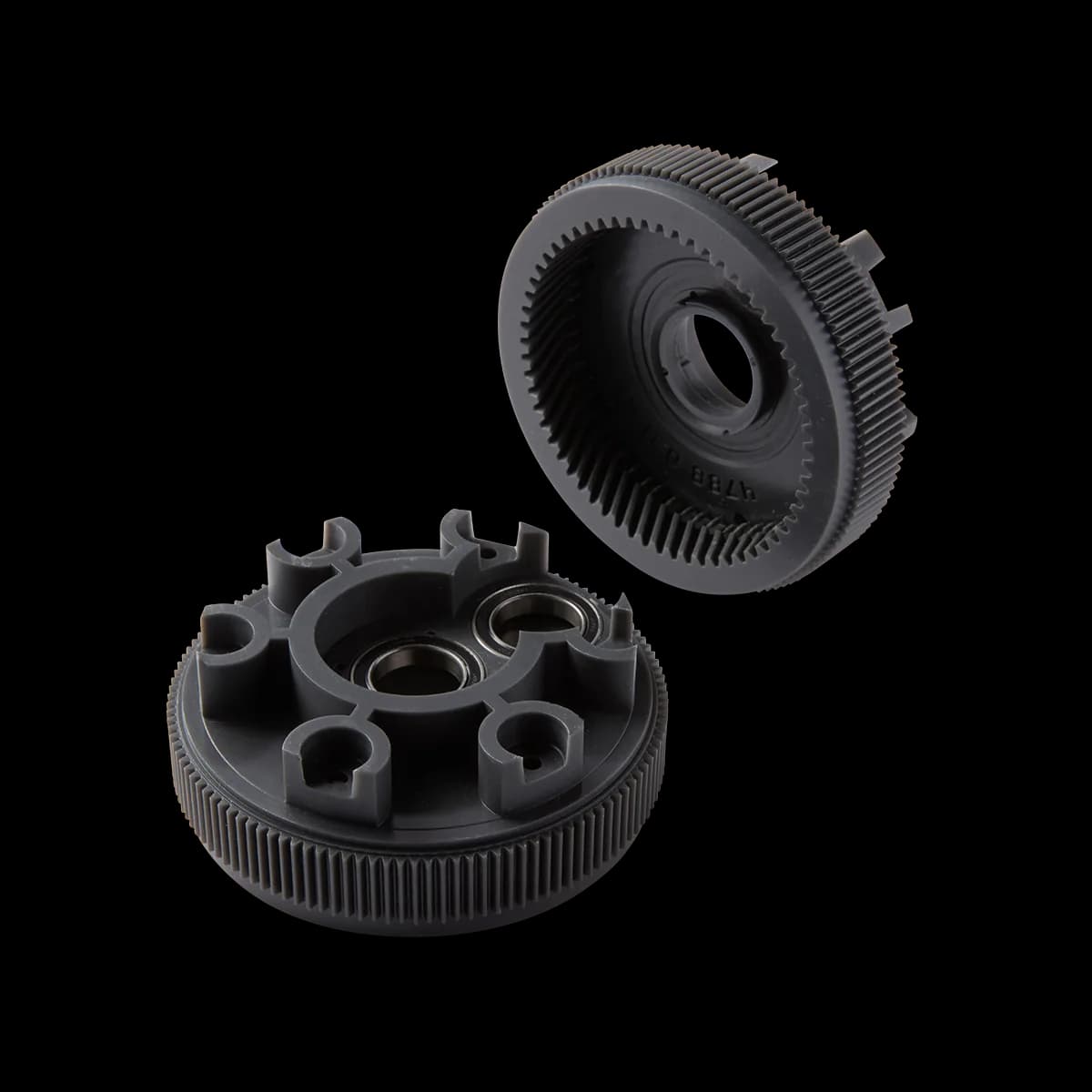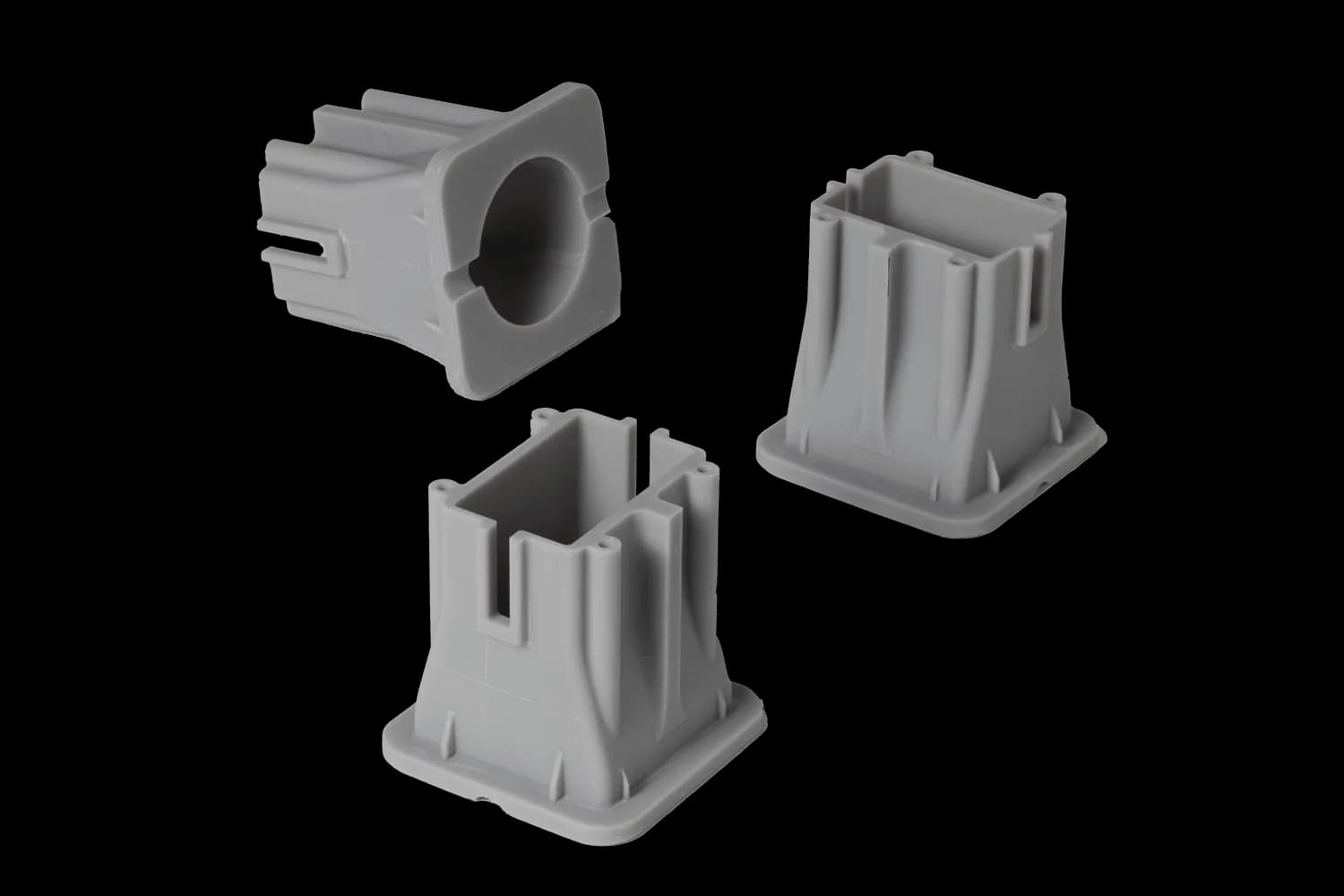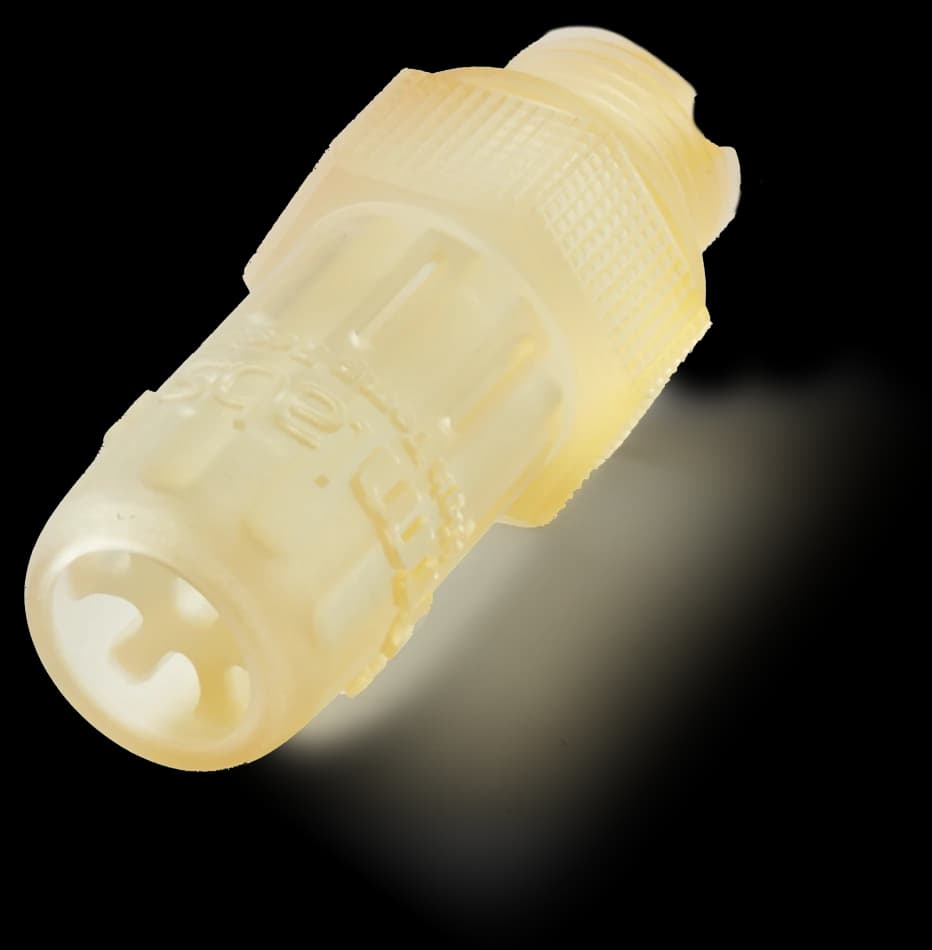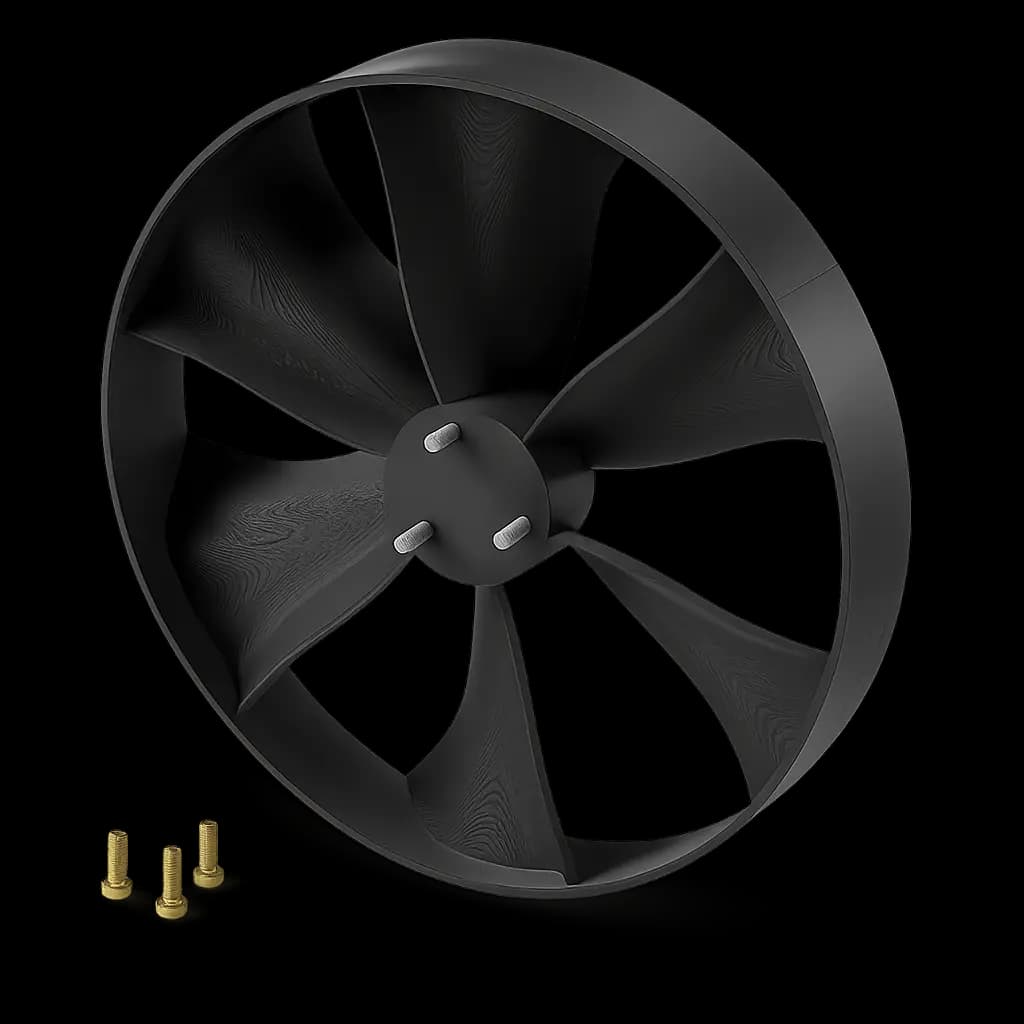



Stereolithography ESD Resin For Detailed, Static-Safe Jigs, Fixtures and Trays

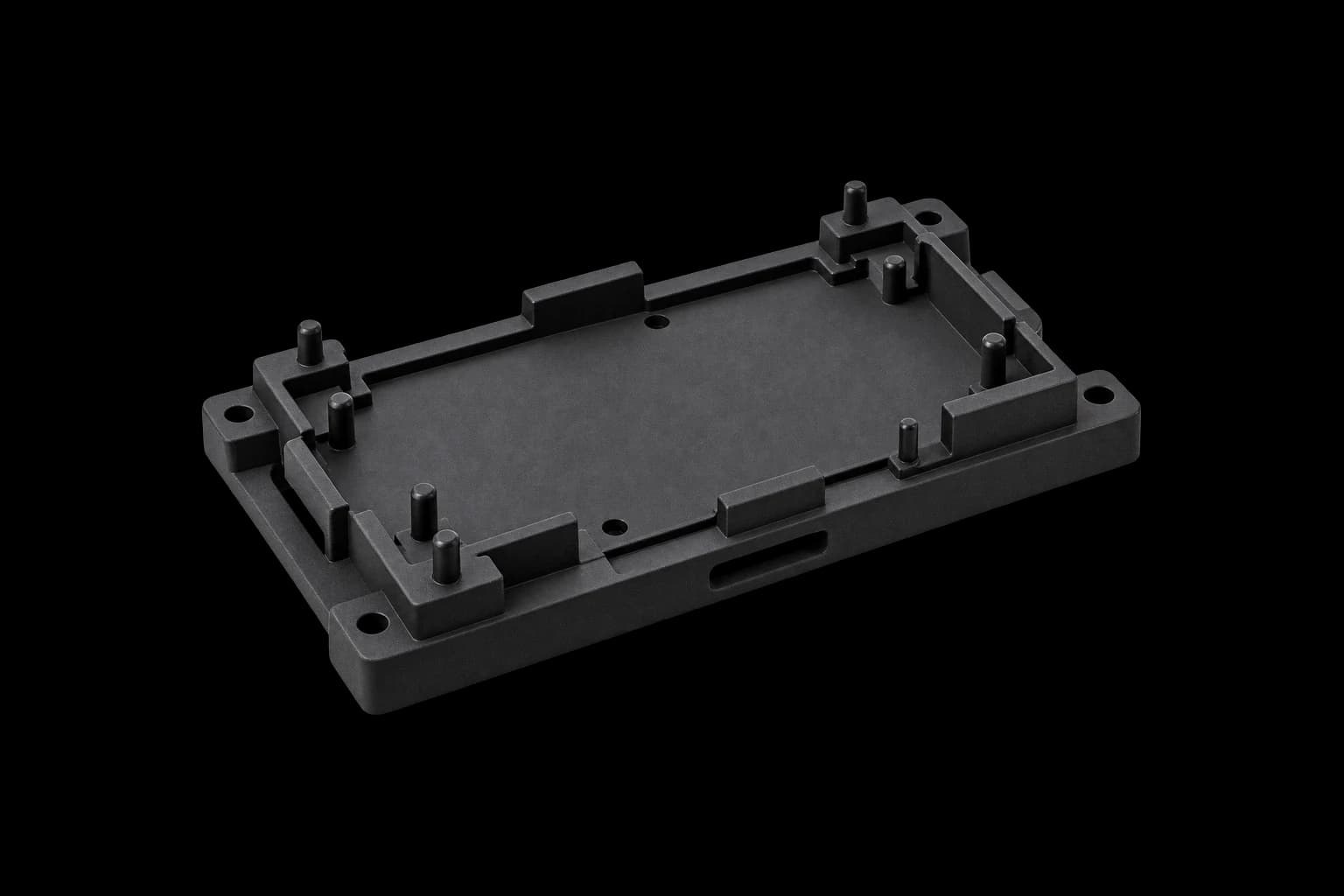
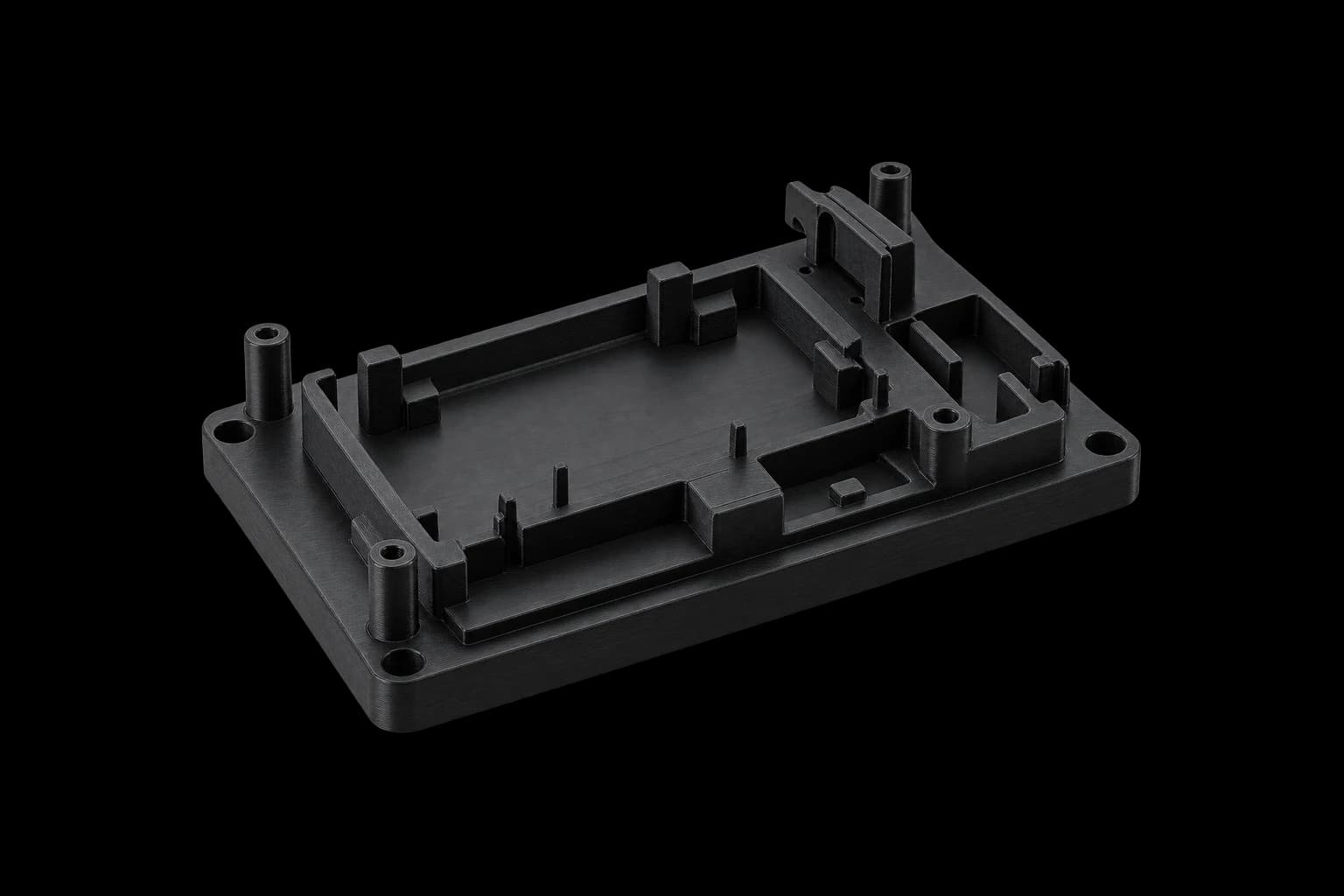
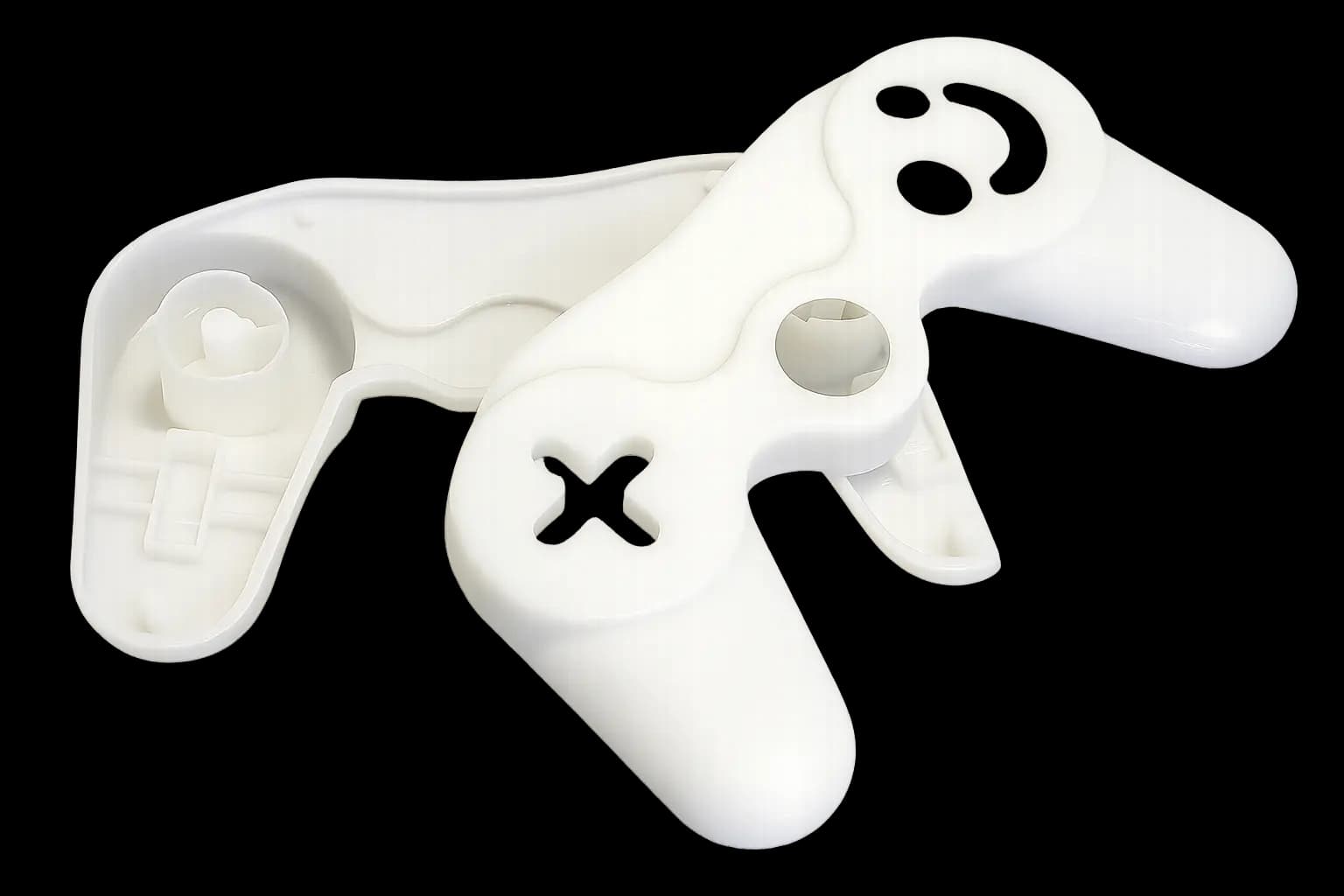
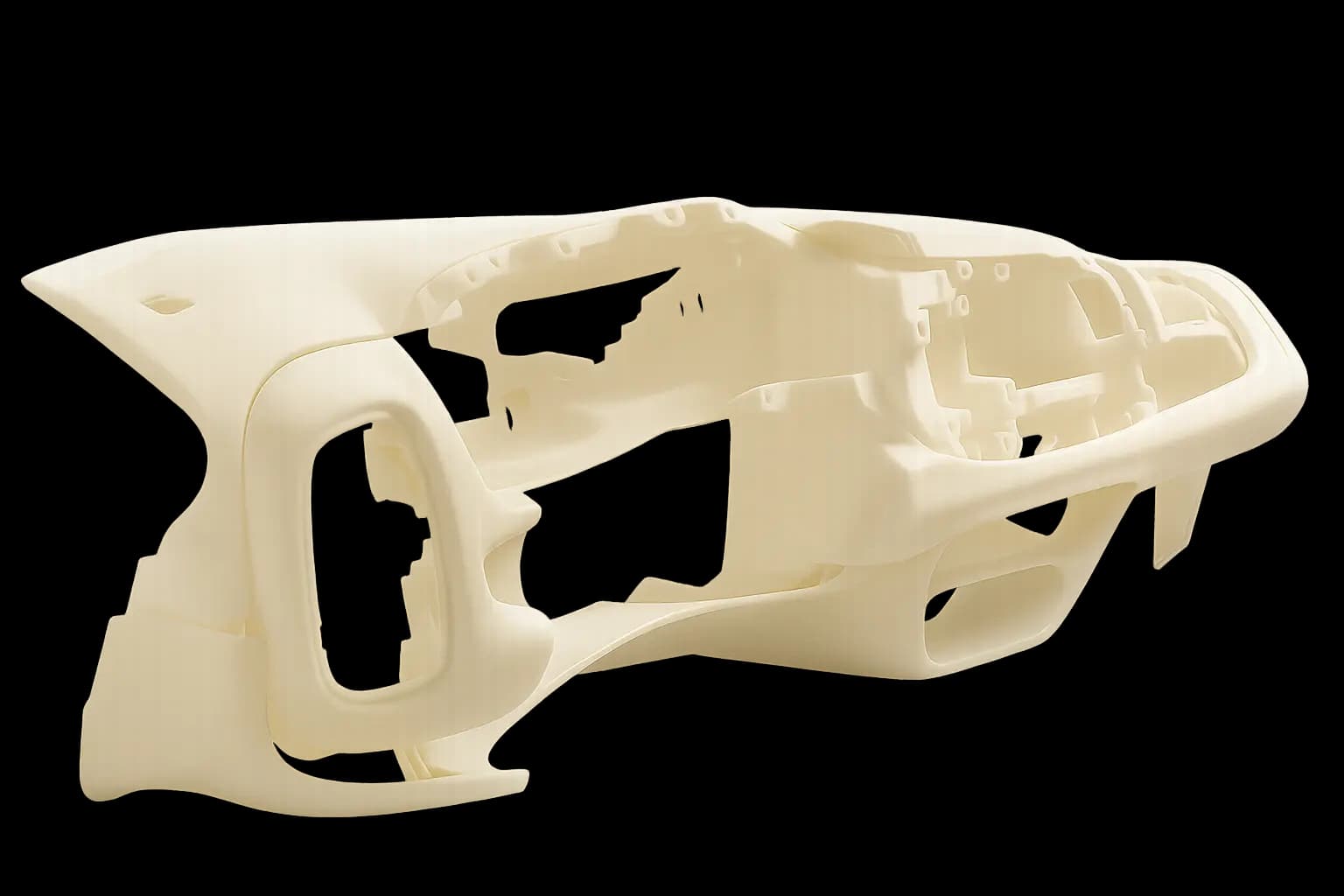
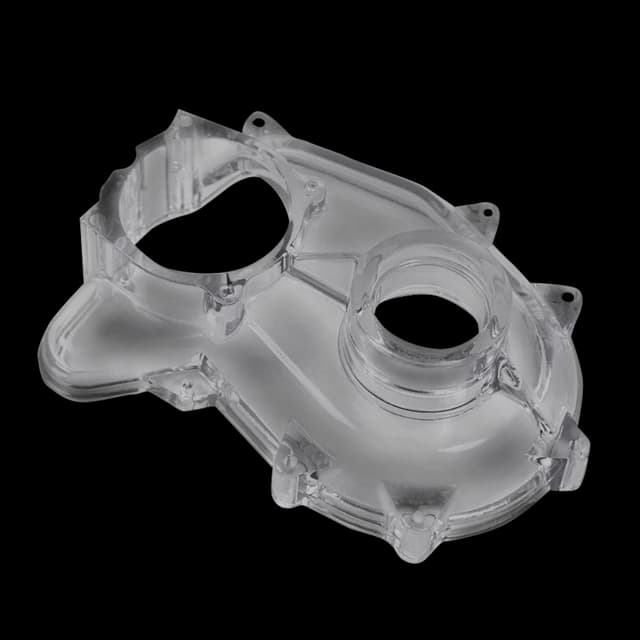
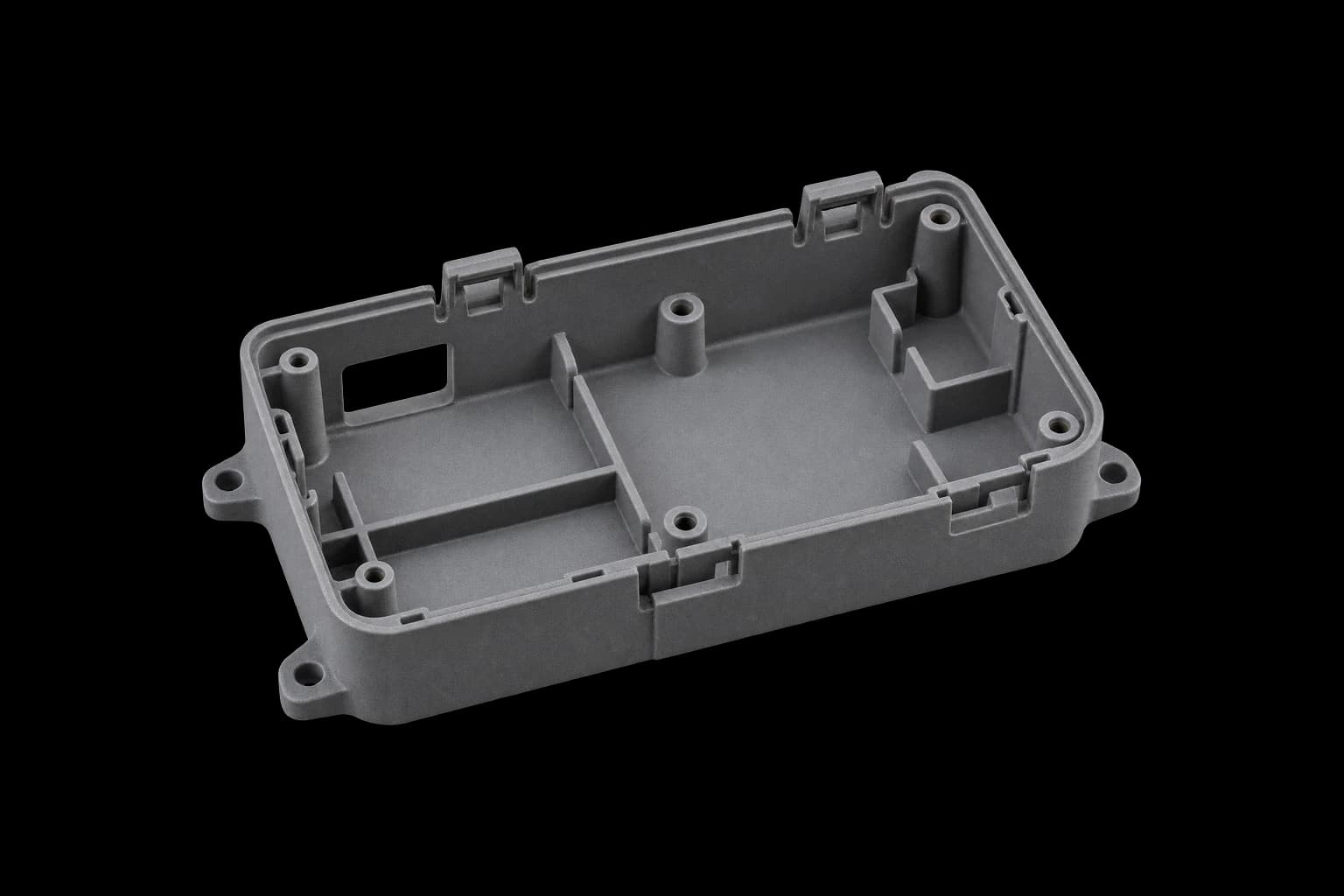
ESD Resin 3D printed part example
High Detail Resolution
Smooth Finish
SLA material

ESD Resin overview

ESD Resin is a Formlabs SLA 3D printing resin that safely drains static, for custom jigs, fixtures, trays and tools that protect sensitive electronics on the production line. It lets charge flow away gently instead of jumping into components, and grounded parts do not attract dust or powder. It is stiff and tough like ABS, so tooling stands up to daily use on the factory floor, and SLA gives it the fine detail and smooth surfaces that small electronic parts need. Choose it for component trays, probe holders, pick-and-place tooling and cable guides.

How ESD Resin is manufactured

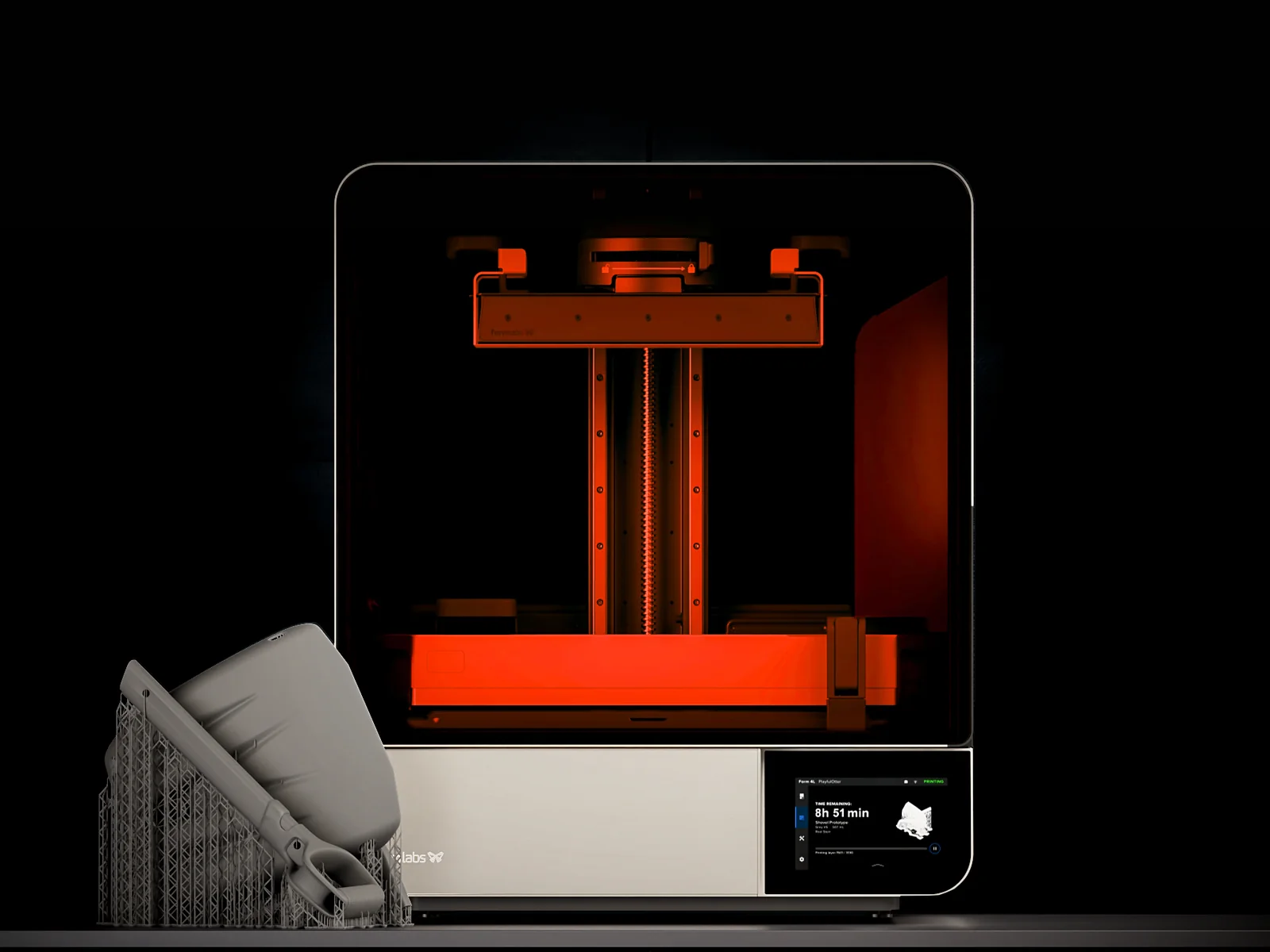
ESD Resin is manufactured using Stereolithography (SLA) on Formlabs Form 4L printers, where light cures the liquid resin layer by layer through a masked display. Parts are washed, supports are removed and every part is fully post-cured to the Formlabs schedule, the step that completes the cure and brings the resin into its static-dissipative range.

Build volume
353 × 196 × 350 mm
Layer height
0.05-0.1 mm
Colour
Black
Forge Labs Steam

Know before you manufacture in ESD Resin.

Upload CAD files to Forge Labs Steam for ESD Resin pricing and a manufacturability review, and fix issues before production.

Upload CAD files to Forge Labs Steam for ESD Resin pricing and a manufacturability review, and fix issues before production.

Surface finishes

Finishes for ESD Resin

SLA delivers the smoothest surface of any 3D printing process. Every part is washed, post-cured and has its supports removed, leaving a smooth, finely detailed surface that is ready to use straight away or to paint.

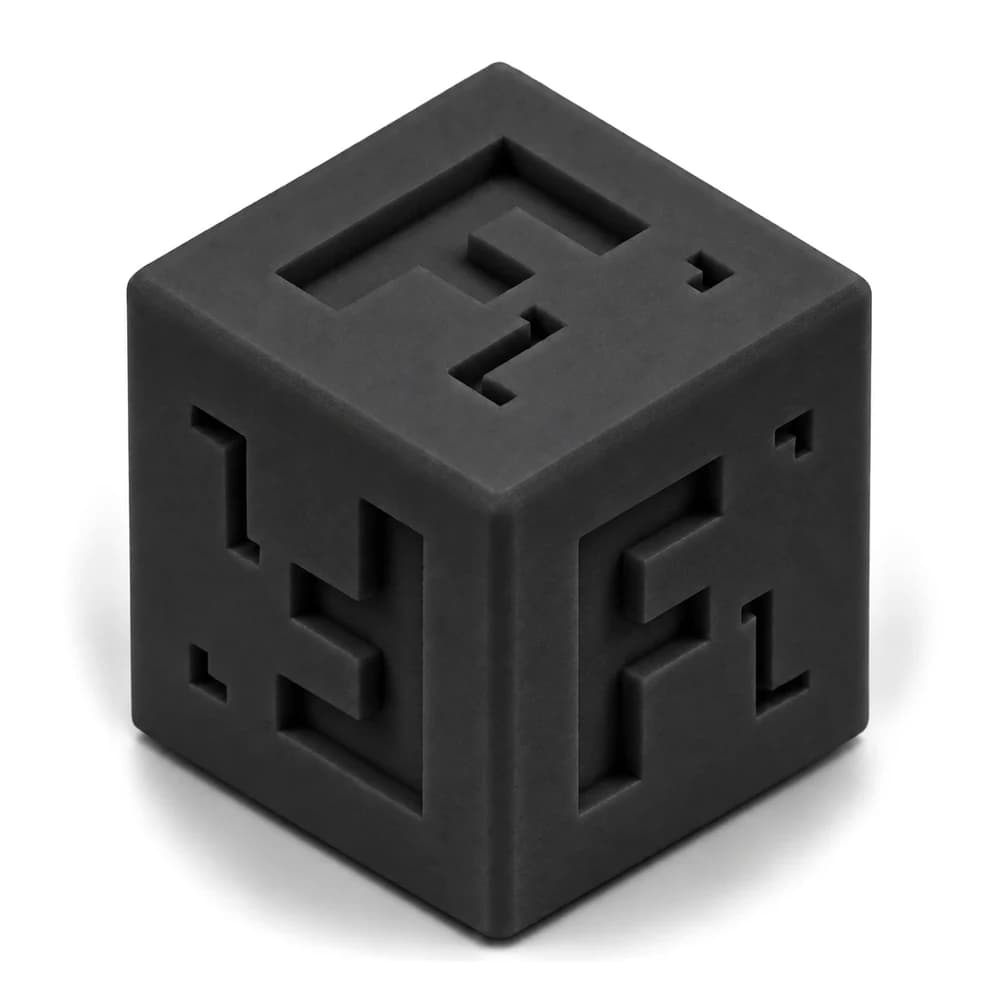
Forge Labs sample cube in SLA ESD Resin
Natural

Standard Finish

Parts are washed, post-cured and have their supports removed, leaving the smooth, finely detailed surface SLA is known for. Sharp edges, small text and fine features hold their shape, and the surface is ready for fit checks, assembly and presentation, or as a base for paint.

Surface Texture
Smooth, fine-detailed surface
Appearance
Natural resin colour
Details
Sharp & crisp
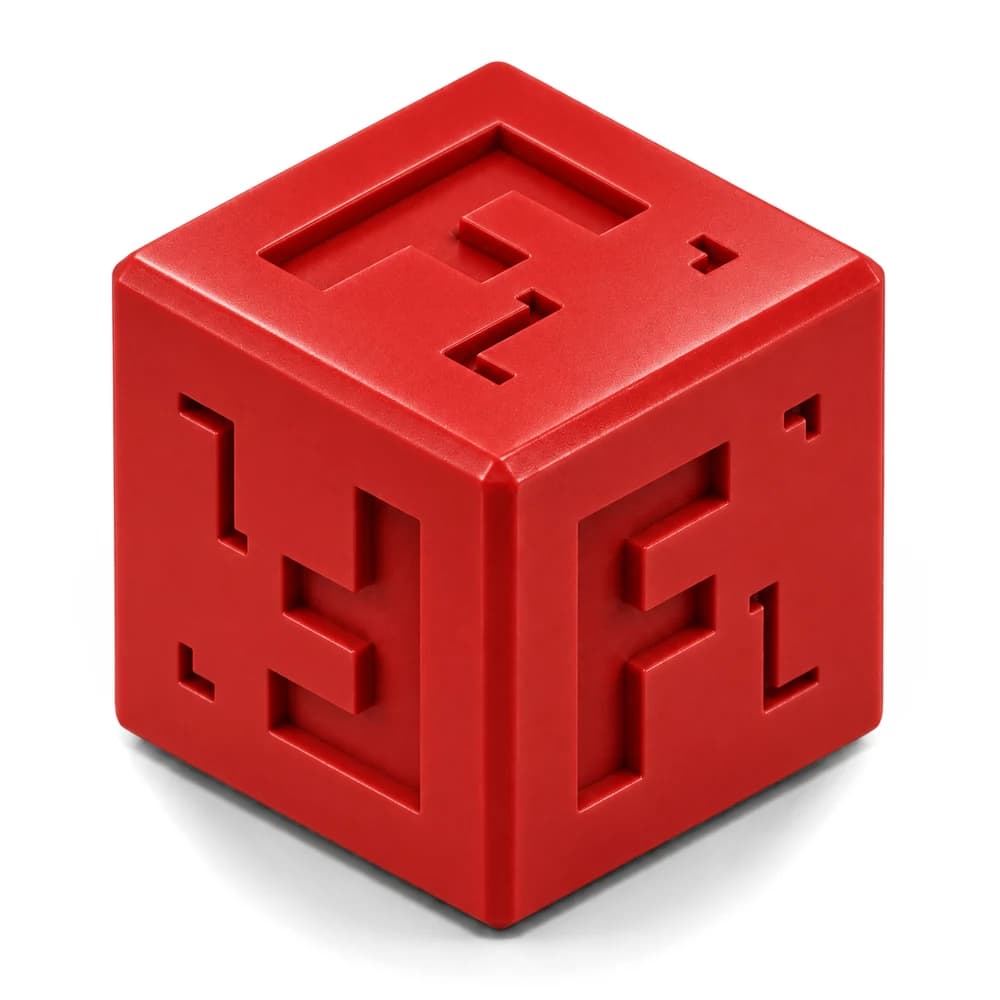
Sample cube with a red automotive-grade performance paint finish
Forge Labs sample cube in SLA ESD Resin
Premium Finish

Performance Paint

Painting offers a highly durable, automotive-grade coating that enhances the aesthetics and durability of 3D-printed parts. Each part is hand-finished to ensure smooth surfaces and a premium quality appearance. Using professional-grade coating equipment, this process allows for precise application and exceptional adhesion. Custom color matching is available, making it ideal for applications that require specific branding or visual impact.

Surface Texture
Matte to Semi-Gloss
Appearance
Custom color matching
Details
Clear & refined
Industry applications

Industry applications for ESD Resin

ESD Resin gives electronics teams custom static-safe tooling without machining. Jigs, fixtures, trays and probe holders print straight from CAD in a material that drains static charge before it can damage boards and components, so new tooling is ready for every board revision and every new product on the line.

Forge Labs makes static-dissipative parts in three processes. ESD Resin is the choice for small, detailed parts: fine SLA layers and smooth surfaces suit component pockets, thin walls and cable paths that must not abrade. Nylon PA12 ESD covers larger, tougher SLS parts with a dissipative coating, and ABS-ESD7 covers the largest FDM fixtures and guides.

Static control is built into ESD Resin itself, so parts need no coating or secondary treatment after post-cure, and fixtures, trays and housings go straight into service at the workstation.

With no tooling or minimum order quantities, ESD Resin takes a fixture from the first prototype to repeat production.

All industries
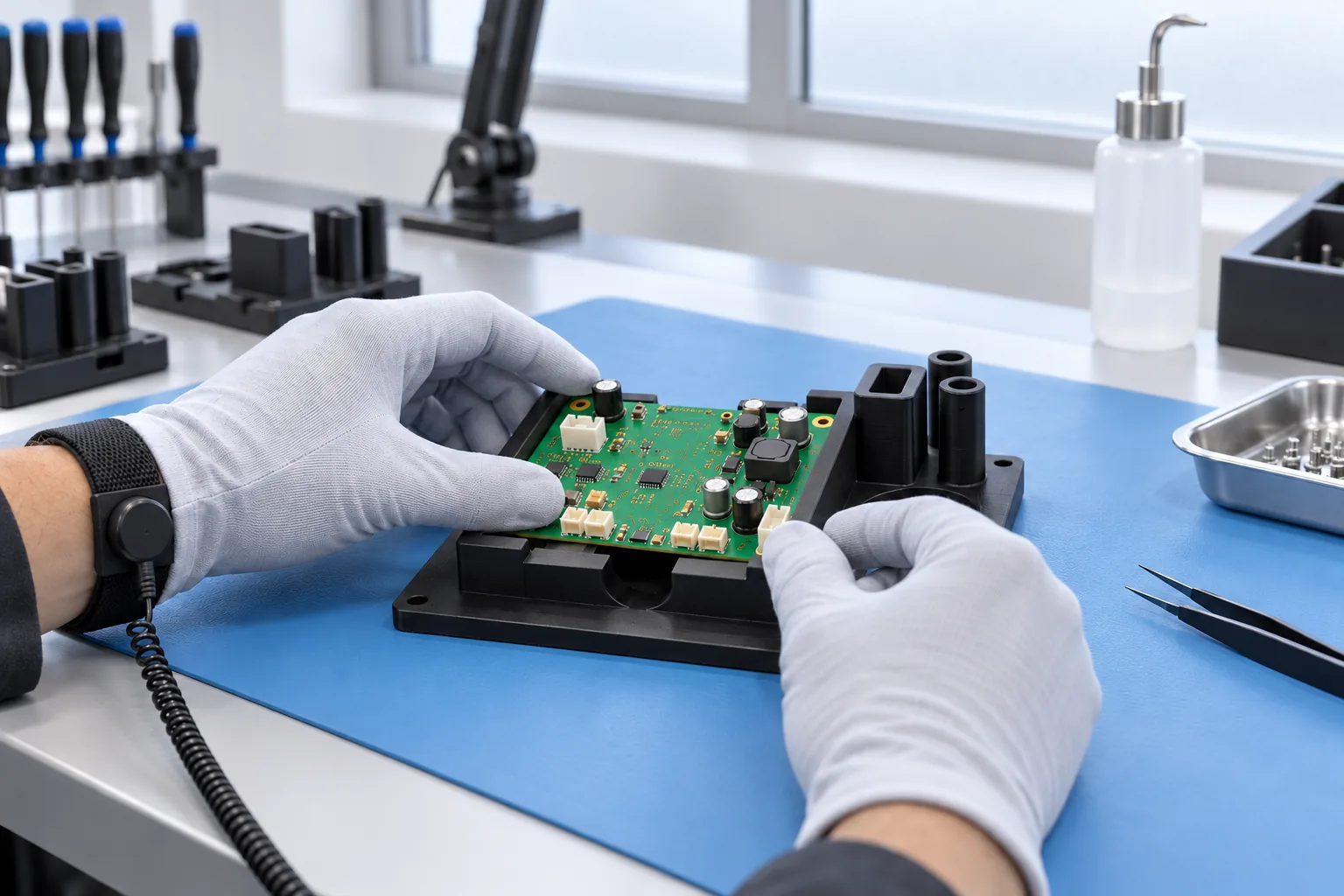
A black printed ESD jig tray holding a circuit board on a blue anti-static mat at an electronics assembly workstation

Electronics & Energy

PCB Assembly Jigs & Test Fixtures

Electronics manufacturers use ESD Resin for PCB assembly jigs, test fixtures and workstation tooling. The static-dissipative material protects boards at stations where a few volts of discharge can cause latent failures, and pockets, locating features and screw wells print straight from the model. One electronics maker cut the cost and lead time of its ESD-safe fixtures by up to 90%: a machined aluminum part of about $500 with a two-week lead time was printed in-house in ESD Resin the next day for about a tenth of the cost.

  • PCB assembly jigs
  • Assembly and test fixtures
  • Workstation tooling
Explore clean tech
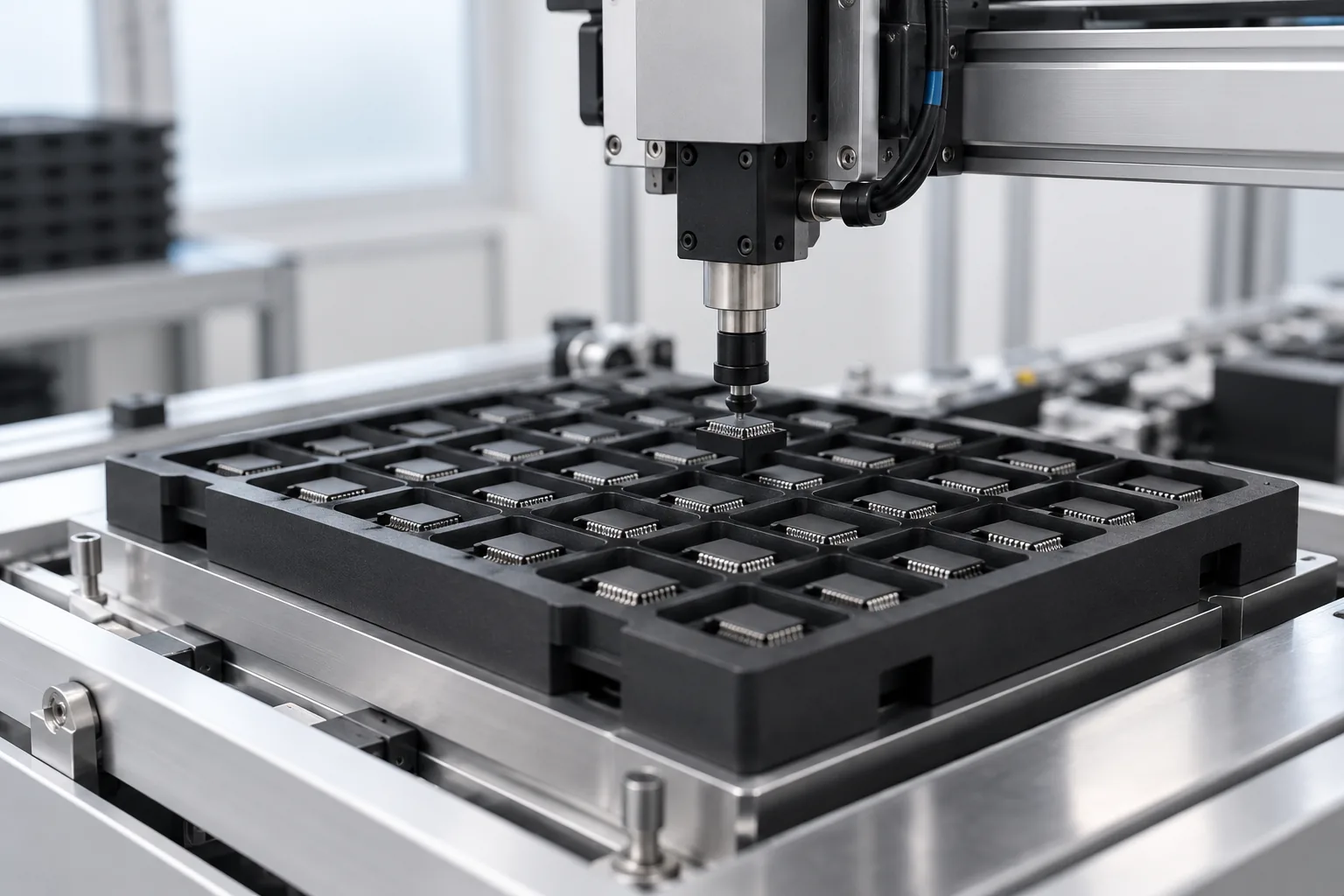
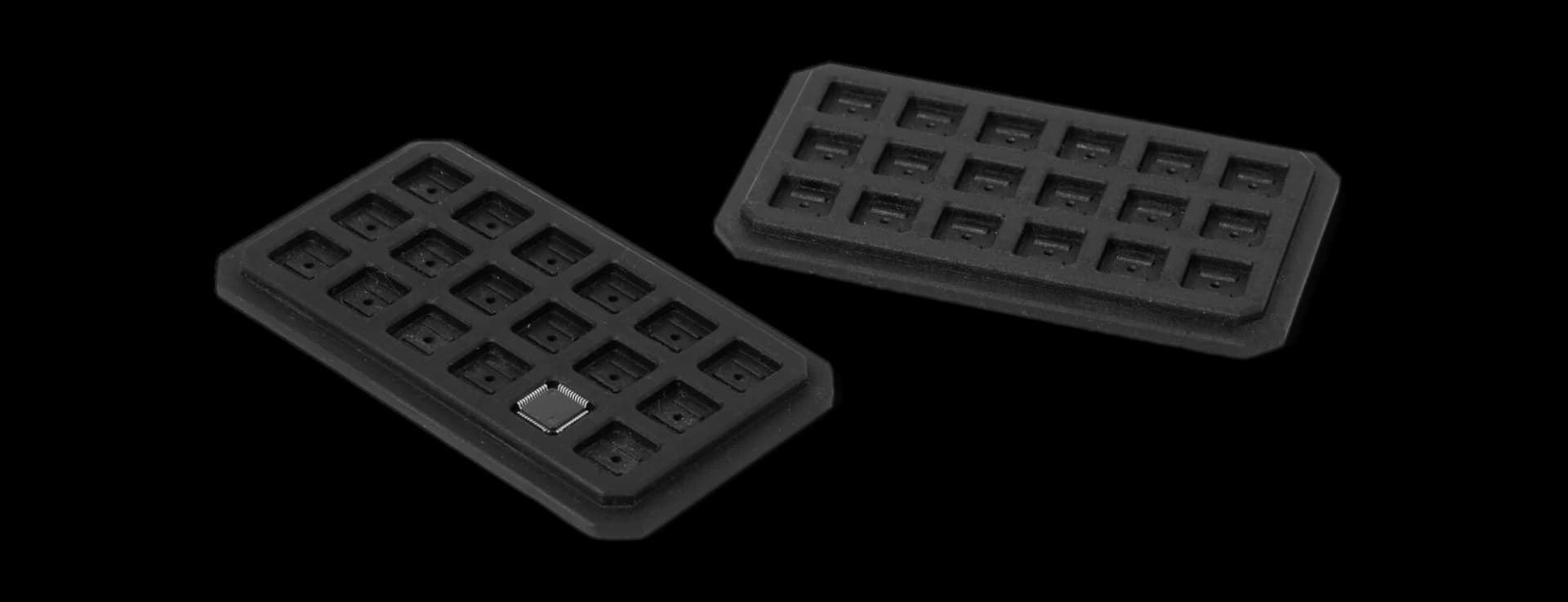
A black printed ESD component tray with precise pockets loaded with small chips under the head of a generic pick-and-place machine in a clean electronics line

Robotics & Automation

Component Trays & Pick-and-Place Tooling

Automation teams use ESD Resin for chip trays, carriers and pick-and-place tooling. Pick-and-place heads need smooth, accurate pockets to pick parts reliably, and SLA holds every pocket to the component outline. One pick-and-place machine builder stores costly silicon chips in custom ESD Resin trays, saving thousands of dollars.

  • Chip and component trays
  • Pick-and-place tooling
  • Feeder and carrier parts
Explore robotics
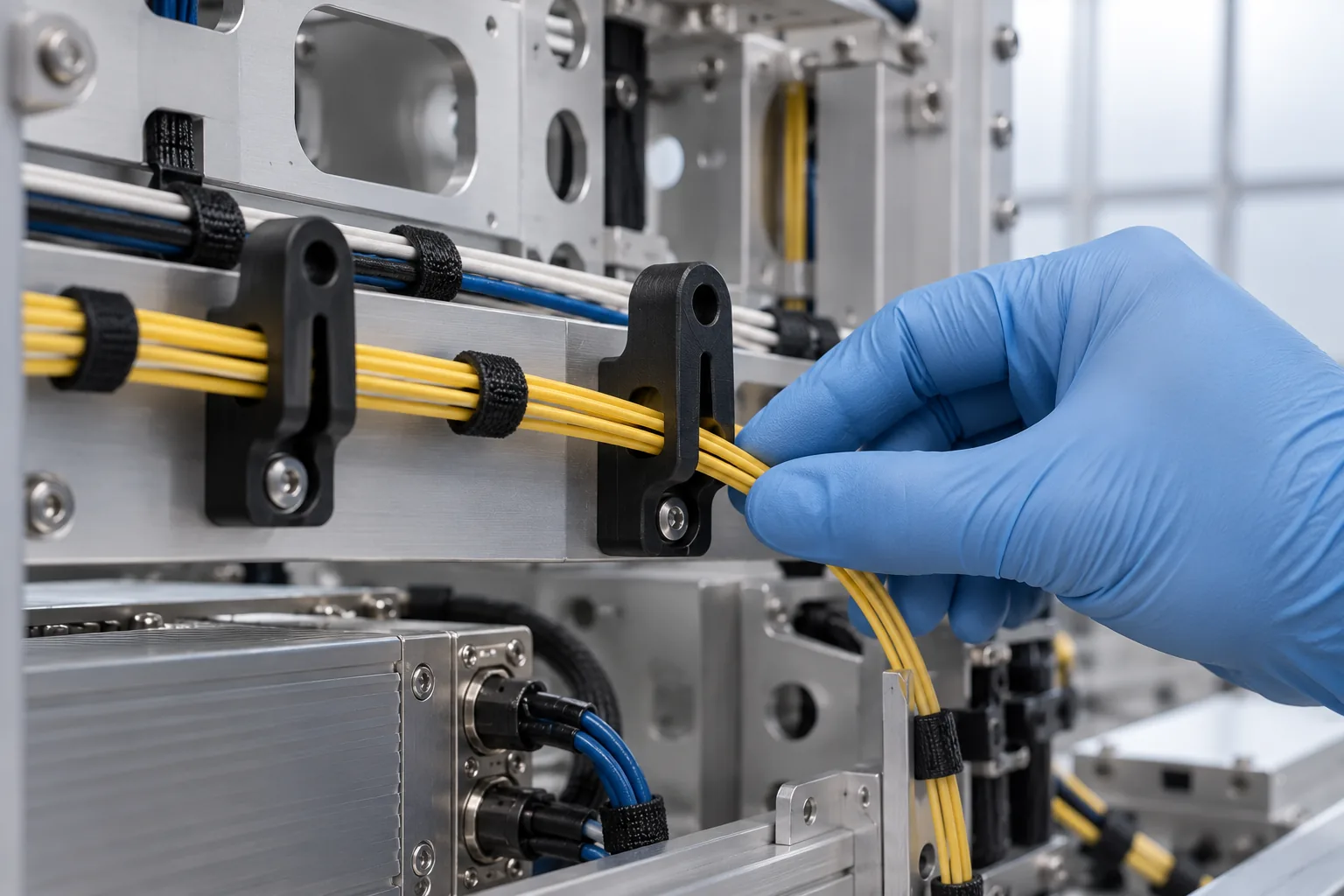
Black printed ESD cable clips and guides routing fine fibre-optic cables inside a clean aircraft avionics bay mock-up

Aerospace

Aircraft Cable Management Parts

Aerospace suppliers use ESD Resin for production parts that sit near sensitive electrical systems, such as components that route fiber optic cables within aircraft. SLA gives the smooth surface that keeps fragile cables from abrading, and keeps thin walls, some only 0.76 mm, stable and free of warping. One aircraft cable-routing component in ESD Resin went into an initial production run of about 2,000 units.

  • Fiber optic cable management
  • Cable guides and clips
  • Thin-wall routing parts
Explore aerospace
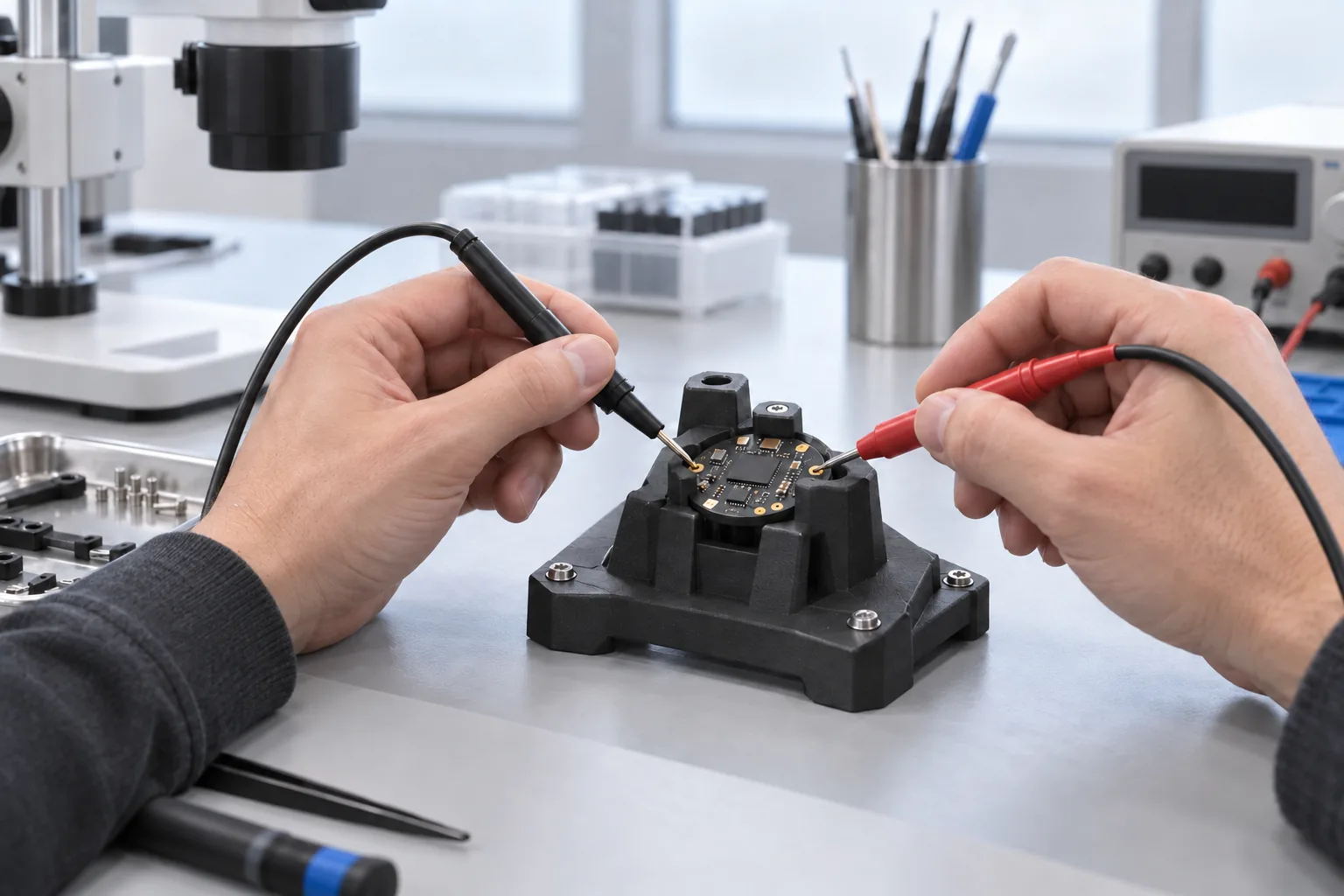
A black printed ESD fixture holding a small wearable-sensor circuit board while test probes touch its pads on a bright medical-electronics assembly bench

Medical Devices

Wearable Electronics Assembly Fixtures

Medical device teams building wearable electronics use ESD Resin for custom-fit jigs and fixtures at their manufacturing partners. One wearable oxygen-monitor maker had circuit boards damaged during manufacturing until ESD Resin jigs drained the charge safely; every board lost to ESD wasted $30 to $40 of materials. Probe holders and test fixtures print the same way.

  • Board assembly jigs
  • Test probe holders
  • Custom-fit production fixtures
Explore medical devices
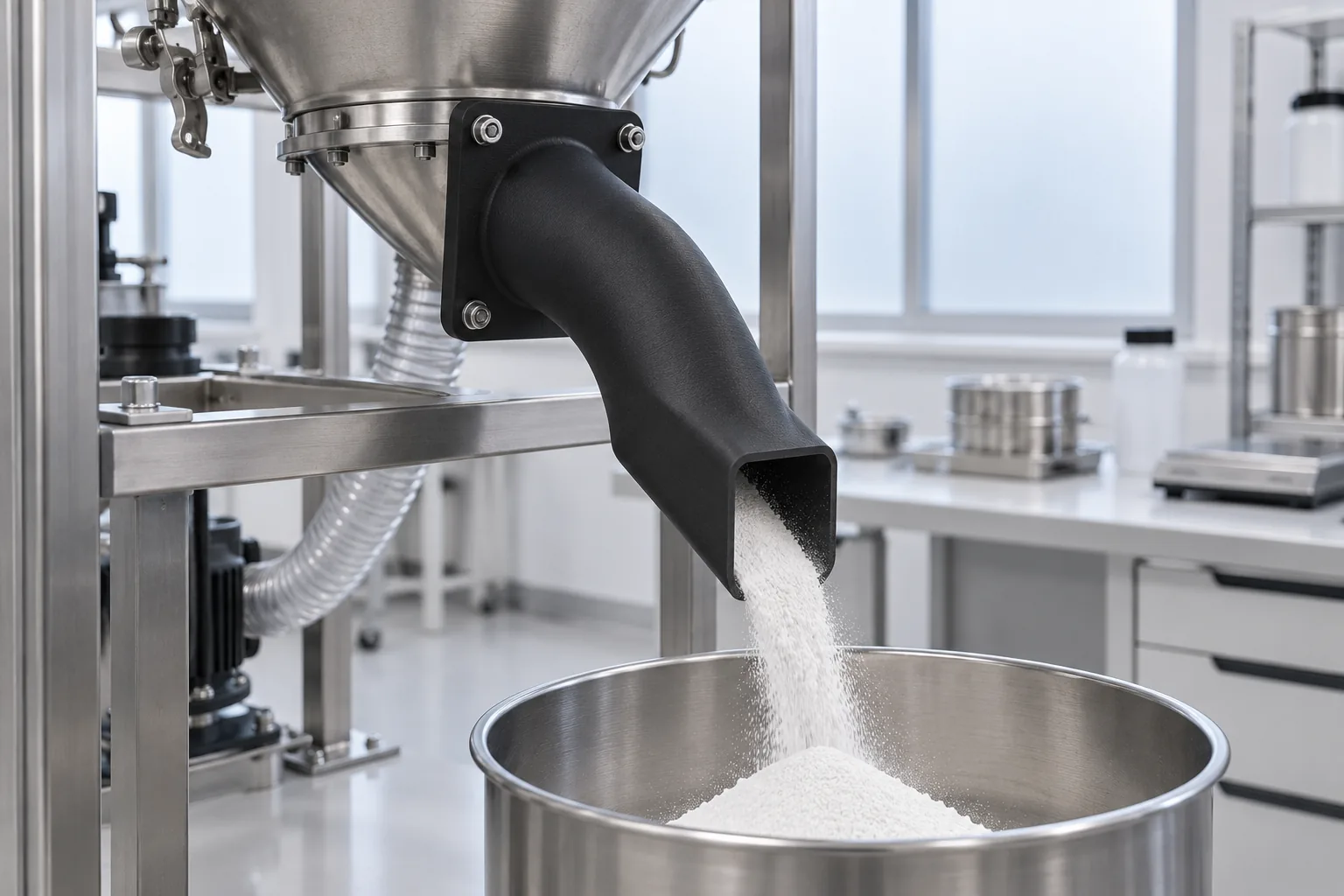
A black printed ESD flanged tube and chute fitted to a powder-handling station in a clean lab, fine white powder flowing freely through it into a collection bin

Industrial Design & Equipment

Anti-Static Powder & Dust Handling Parts

Equipment makers use ESD Resin for parts that move powder or must stay clean. In a prototype powder-handling tube for an SLS powder recovery station, ESD Resin lets powder flow freely instead of clinging inside the tube. Tubes, chutes and funnels print as single parts with smooth bores, so powder has no seams to catch on, and anti-static tweezers and tool holders print the same way.

  • Powder-handling tubes and chutes
  • Anti-static tweezers and tools
  • Machine covers and guides
Explore industrial design
Performance data

Technical performance for ESD Resin

Values from the Formlabs ESD Resin datasheet for parts post-cured at 70 °C for 60 minutes, tested to the standard listed with each property; liquid resin values from the Formlabs safety data sheet.

Mechanical performance

Mechanical properties

Tensile and flexural modulus show how stiff the resin is, and elongation and impact strength show how it handles bending and knocks. ESD Resin is stiff, so trays, jigs and fixtures keep their shape through daily handling on the line.

The unnotched impact figure shows the toughness of a smooth part, and the much lower notched figure shows how a sharp corner concentrates stress. Generous fillets at inside corners, clip roots and screw bosses keep fixtures durable in service.

PropertyValue
Ultimate Tensile StrengthASTM D638-14
44.2 MPa
Tensile ModulusASTM D638-14
1937 MPa
Elongation at BreakASTM D638-14
12 %
Flexural StrengthASTM D790-17
61 MPa
Flexural ModulusASTM D790-17
1841 MPa
Notched Izod ImpactASTM D256-10
26 J/m
Unnotched Izod ImpactASTM D4812-11
277 J/m

Material makeup

Physical properties

Part density and Shore D hardness describe the cured material: a hard, rigid surface that keeps pocket edges and locating features crisp. Liquid density and viscosity describe the resin in the vat and guide handling and print setup, not the finished part.

PropertyValue
Density (post-cured part)ASTM D792
1.116 g/cm³
HardnessASTM D2240
90 Shore D
Resin Density (liquid, 25 °C)Formlabs SDS
1.11 g/cm³
Resin Viscosity (liquid, 25 °C)Formlabs SDS
1600 cP

Heat performance

Thermal properties

Heat deflection temperature shows where a loaded part starts to soften. ESD Resin suits fixtures, trays and housings at room and assembly-line temperatures; keep it out of ovens and reflow and away from soldering-iron tips.

Thermal expansion is higher than in metals, so allow clearance where a fixture holds metal parts or boards across a wide temperature swing.

PropertyValue
HDT @ 0.45 MPaASTM D648-18
62.2 °C
HDT @ 1.8 MPaASTM D648-18
54.2 °C
Thermal ExpansionASTM E831-13
123.7 ×10⁻⁶/K

Functional performance

Electrical properties

Surface resistivity shows how readily charge spreads across a part and drains to ground. The published range sits in the static-dissipative band, between conductive materials that can discharge too quickly and insulating plastics that hold their charge. Volume resistivity, measured through the thickness of a sample, is published alongside it.

Formlabs had both measured on post-cured samples at an external ESD test laboratory. Parts must be grounded, through an ESD mat or grounding cable, to drain charge. Unlike other Formlabs resins, ESD Resin is not an electrical insulator, so it is not used to insulate live conductors.

PropertyValue
Surface ResistivityANSI/ESD 11.11
10⁵–10⁸ Ω/sq
Volume ResistivityANSI/ESD 11.11
10⁵–10⁷ Ω·cm

Compatibility data

Chemical properties

Formlabs immersed printed, post-cured cubes in 19 fluids for 24 hours and measured weight gain. Fuels, oils, water, salt water, bleach and dilute acids and bases leave almost no change, while isopropyl alcohol, diethylene glycol monomethyl ether and butyl acetate show moderate weight gain and acetone the highest.

Isopropyl alcohol is a common electronics cleaner, so keep wipe-downs brief and confirm cleaning agents with application-specific testing before production release.

Chemical24 h weight gain
Acetic acid 5%
0.5%
Acetone
13.1%
Bleach (~5% NaOCl)
0.5%
Butyl acetate
3.8%
Diesel fuel
0.2%
Diethylene glycol monomethyl ether
3.6%
Hydraulic oil
0.2%
Hydrogen peroxide 3%
0.6%
Isooctane (gasoline)
< 0.1%
Isopropyl alcohol
2.6%
Mineral oil (light)
0.1%
Mineral oil (heavy)
0.1%
Salt water (3.5% NaCl)
0.6%
Skydrol 5
0.5%
Sodium hydroxide 0.025% (pH 10)
0.7%
Strong acid (HCl, concentrated)
1.4%
Tripropylene glycol monomethyl ether
0.6%
Water
0.7%
Xylene
1.6%

Compliance

Compliance profile

Formlabs' RoHS declaration covers all its resins, including ESD Resin, and its REACH statement finds no substances from the June 2024 ECHA candidate list of substances of very high concern in ESD Resin. Formlabs also lists ESD Resin on the US TSCA Active Inventory.

Formlabs publishes no UL 94, biocompatibility, food-contact or clean room statement for ESD Resin, so it is not used where a flame-rated, skin-contact or clean room material is required.

StandardStatus
RoHS Directives 2011/65/EU and (EU) 2015/863Restricted substances not contained or intentionally added above the threshold limits (statement covers all Formlabs resins)
Formlabs declaration
REACH SVHC (EC 1907/2006)No substances on the ECHA candidate list dated 23 June 2024 (all Formlabs resins except Clear Resin)
Formlabs declaration
TSCA Active InventoryAll substances used in ESD Resin are on the US TSCA Active Inventory
Formlabs statement
Resources

Datasheets and design resources

Datasheets, design guidance and supplier documentation for ESD Resin.

Download center

Access the most recent datasheet and supporting documentation maintained by our engineering team.

ESD Resin datasheet

Design guidelines

Explore printable geometry recommendations, wall thickness tips, and finishing playbooks for SLA.

View SLA design guide

Supplier compliance documents

Supplier declarations and test statements for this material.

Formlabs Form 4L large-format SLA printer with a large printed part on its supports beside it
Advanced Manufacturing

Built with Precision SLA Technology

ESD Resin is manufactured using industrial-grade Stereolithography (SLA) technology, delivering exceptional surface finish and dimensional accuracy for high-detail applications.

Tolerance
±0.25% (min ±0.25 mm)
Production capacity
Multiple parts and assemblies built together on a large platform
Quality control
In-process monitoring and batch traceability for consistent part quality
Colours & finishes
Support removal and sanding, leaving the dissipative surface uncoated
Learn more about SLA technology
Frequently Asked Questions

Frequently asked questions about ESD Resin

Can't find the answer you're looking for? Reach out to our customer support team.

ESD Resin is a static-dissipative Formlabs SLA resin for custom jigs, fixtures, trays and housings that protect sensitive electronics, printed on Formlabs Form 4L printers at 0.05 or 0.1 mm layers. Post-cured parts have a surface resistivity of 10⁵ to 10⁸ Ω/sq, 44.2 MPa tensile strength, and stiffness and impact strength that Formlabs rates similar to ABS, so they drain static charge safely and hold up in daily production use.
Start a quote

Ready to Get Started with ESD Resin?

Upload your design and get a quote for ESD Resin parts from our engineers.

  • Engineer-prepared quotes with manufacturability review
  • Production workflows built for repeatable quality
  • Engineering support from prototype to production
Compare all materials

Create an account to upload CAD

STEP, STL, OBJ, 3MF and IGES supported

Manufacturing technologies
6
Engineering materials
50+
Part quantities
1-500+