Stereolithography Flame Retardant Resin For Self-Extinguishing Enclosures and Interior Prototypes

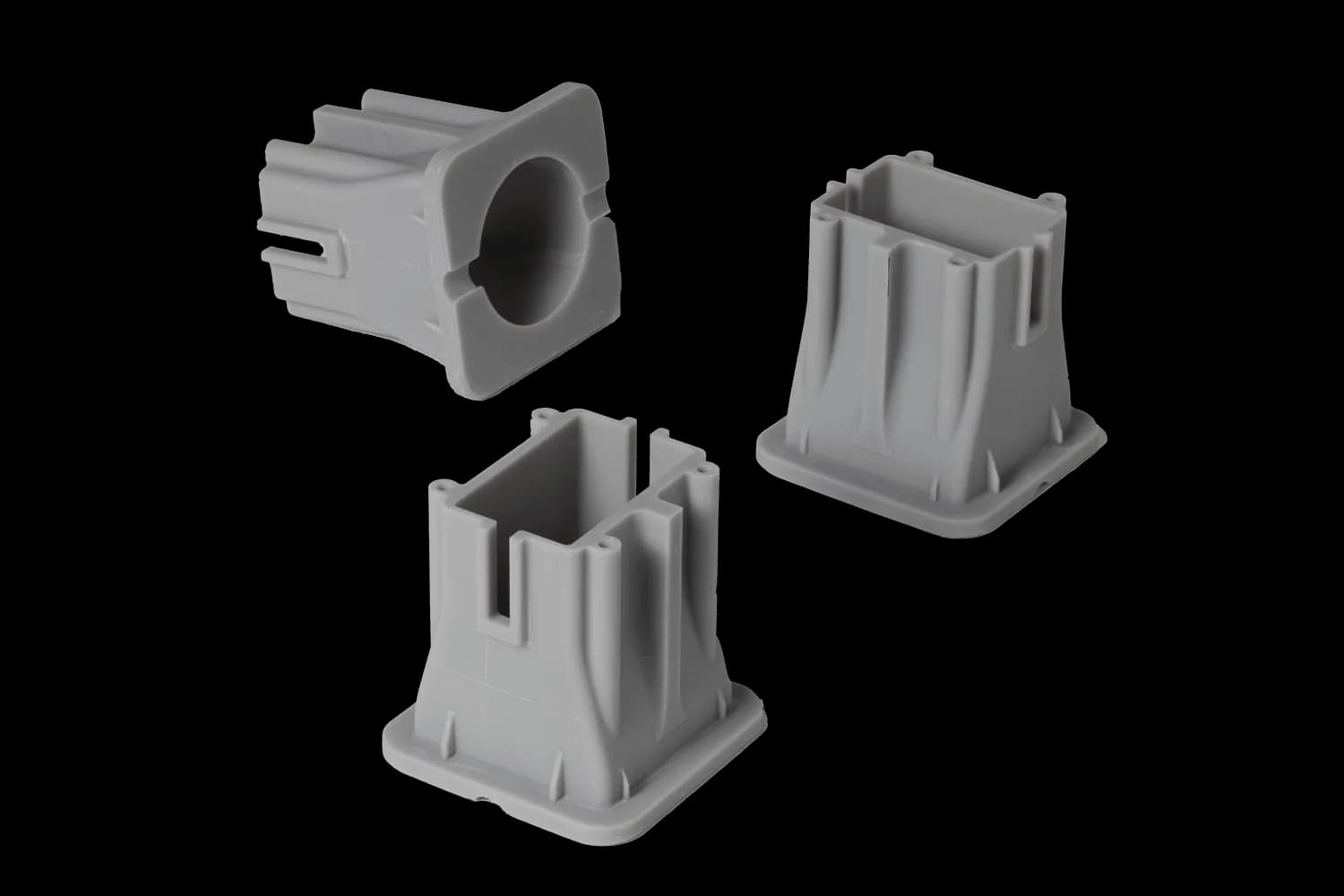
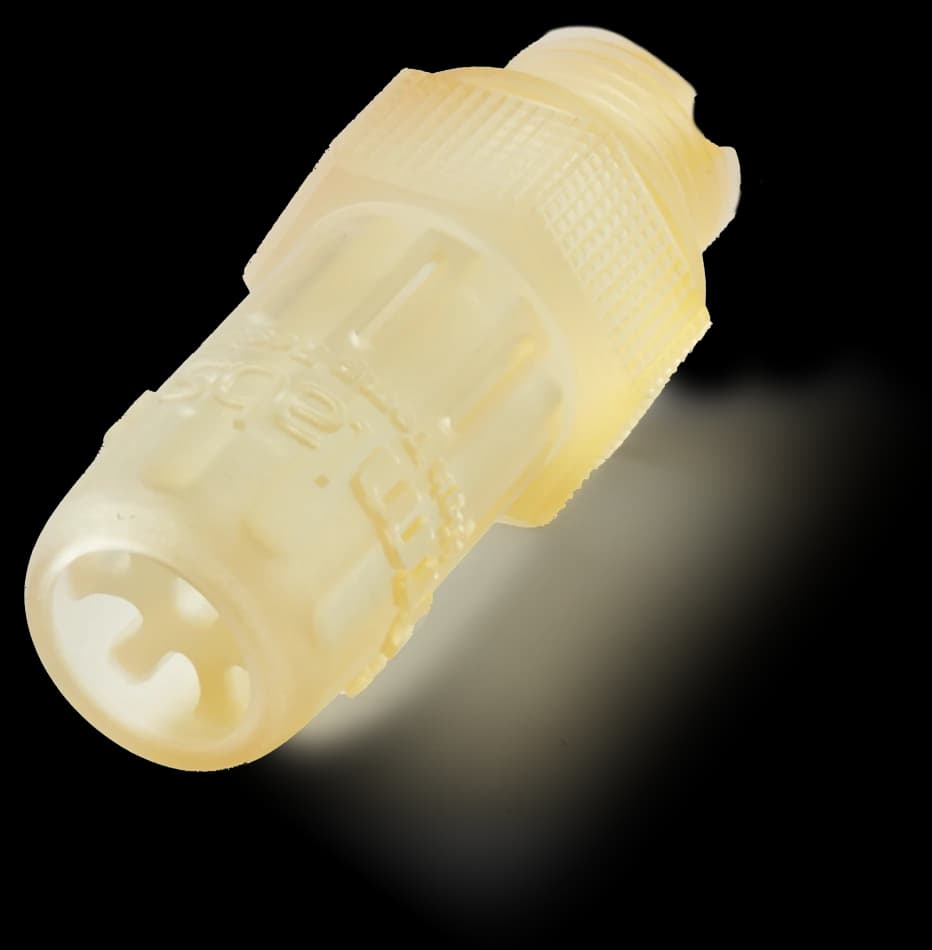
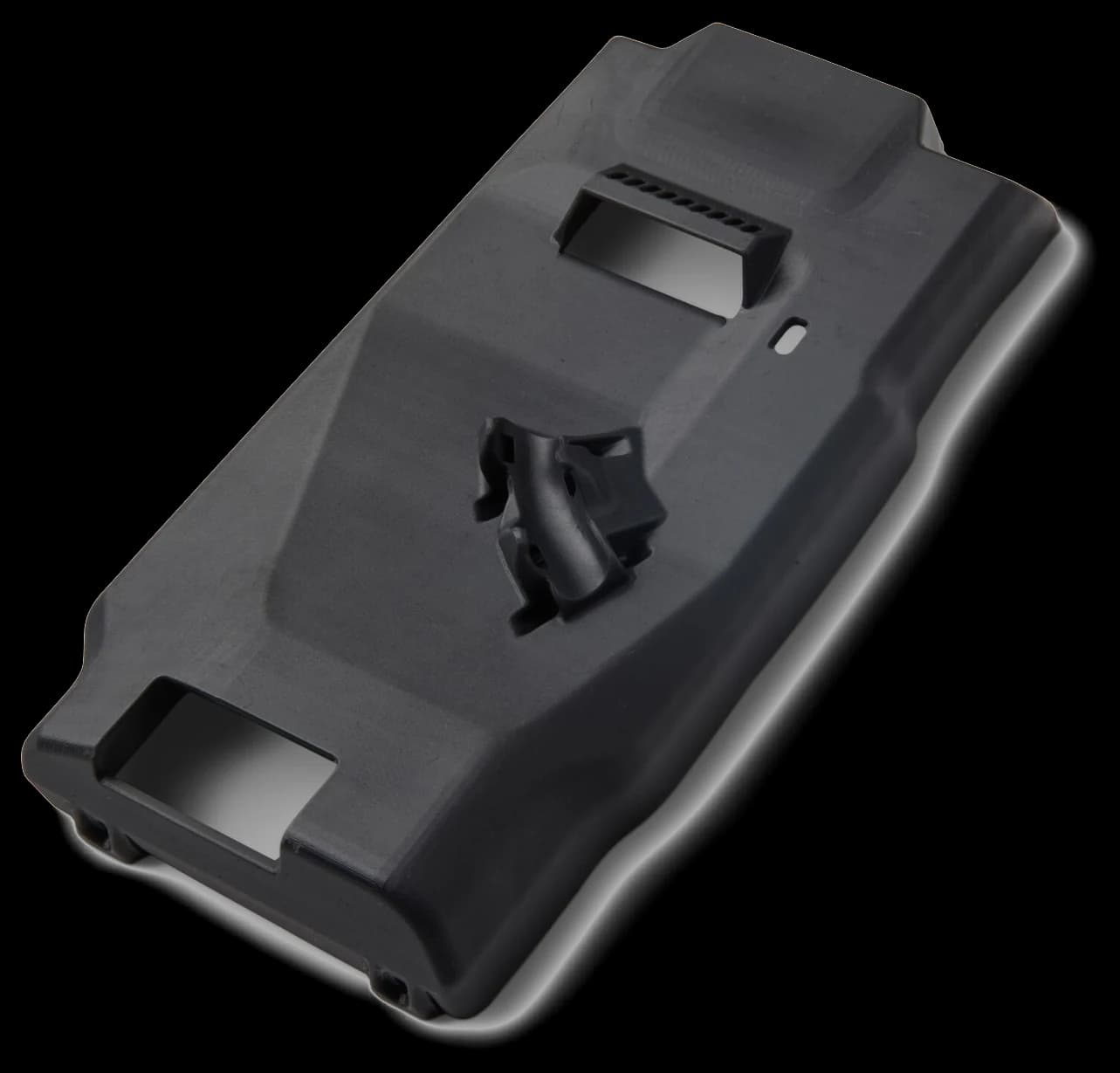
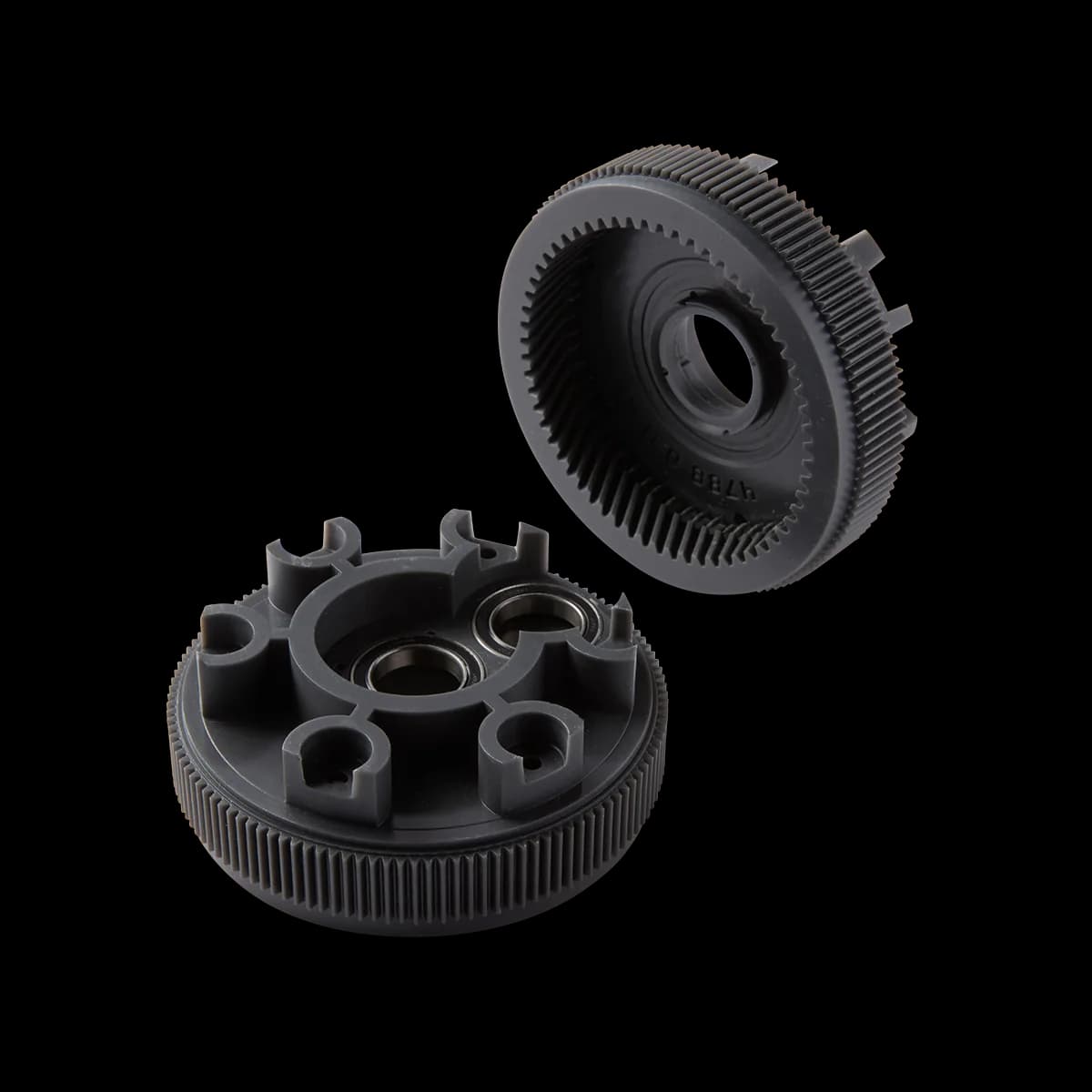
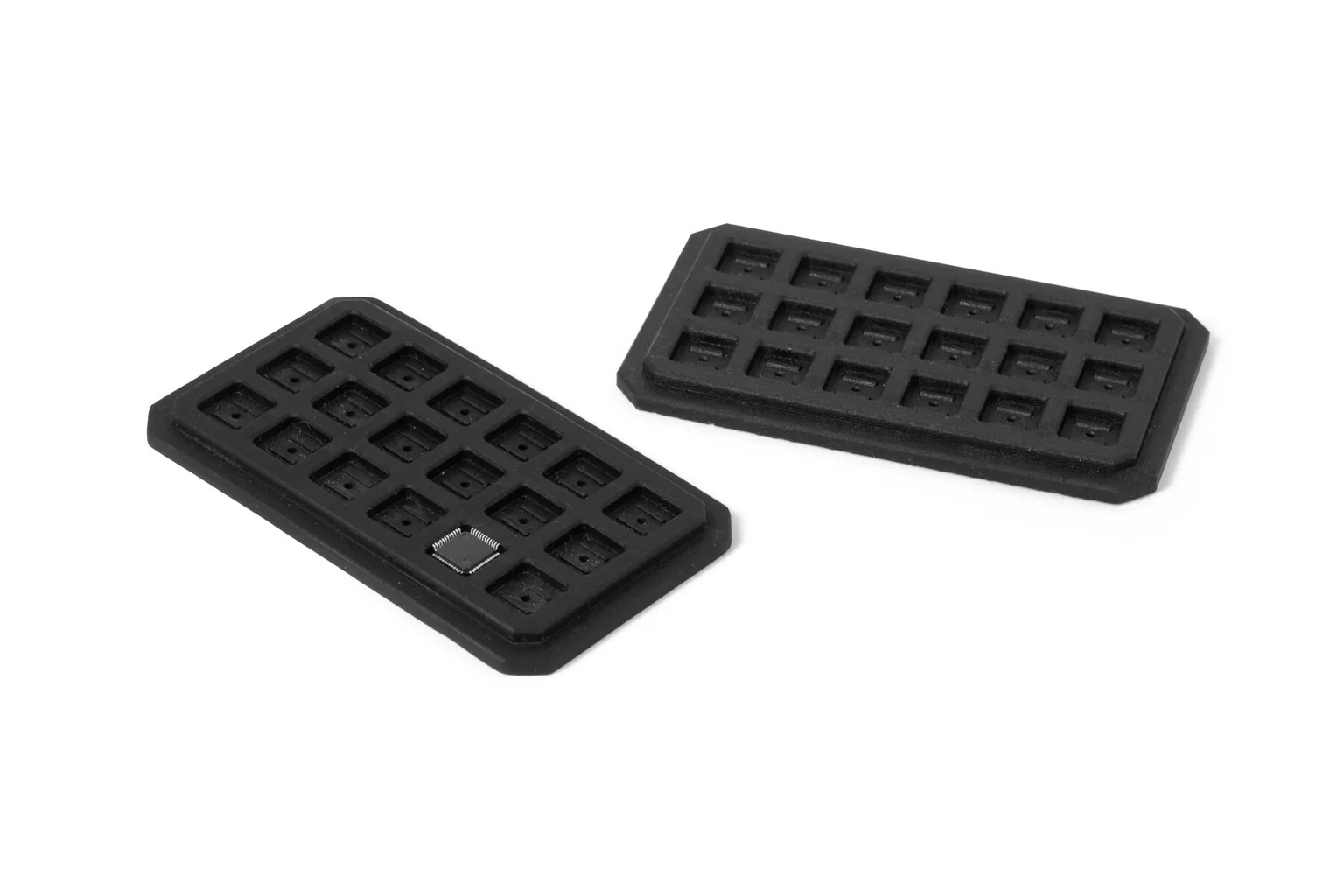
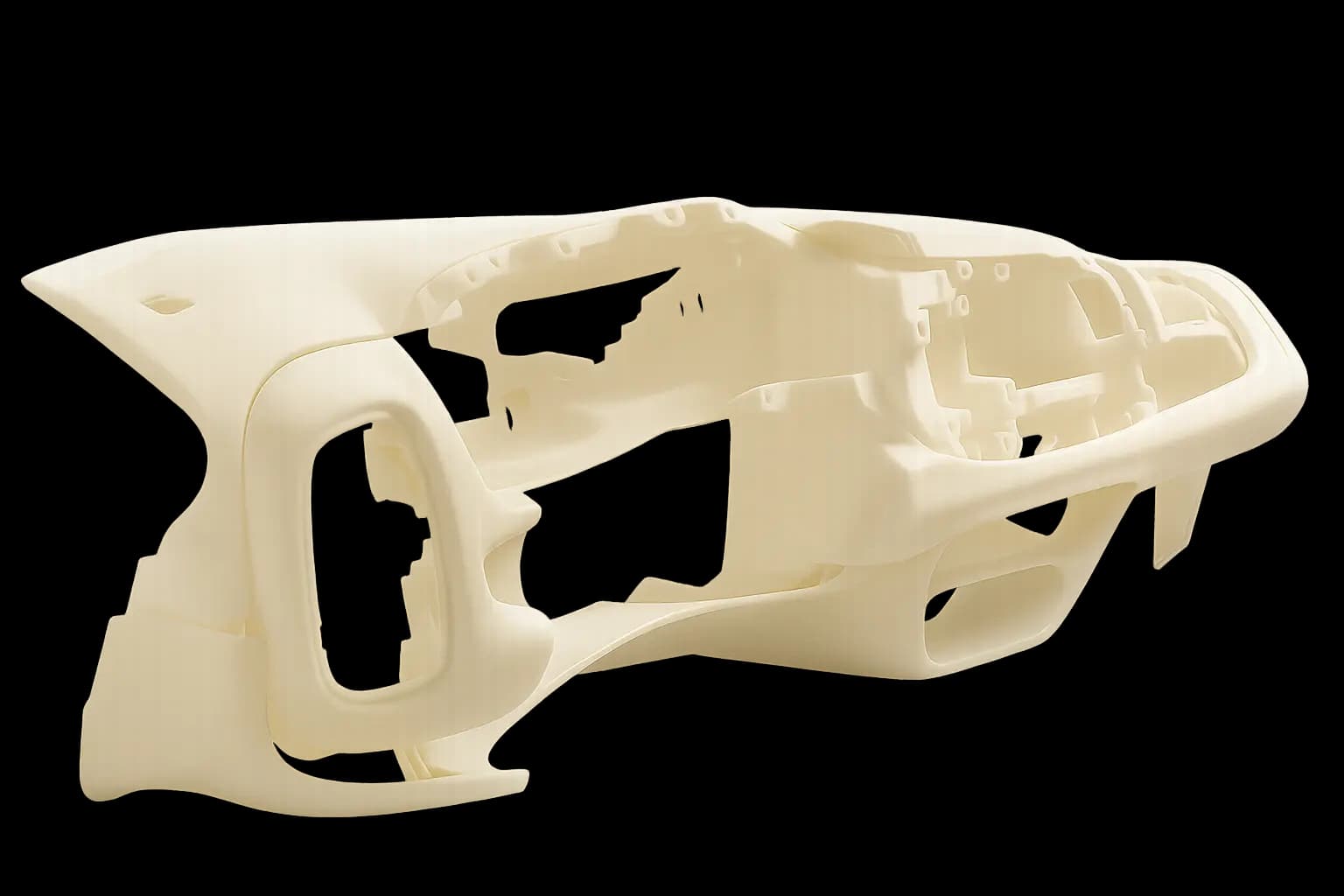
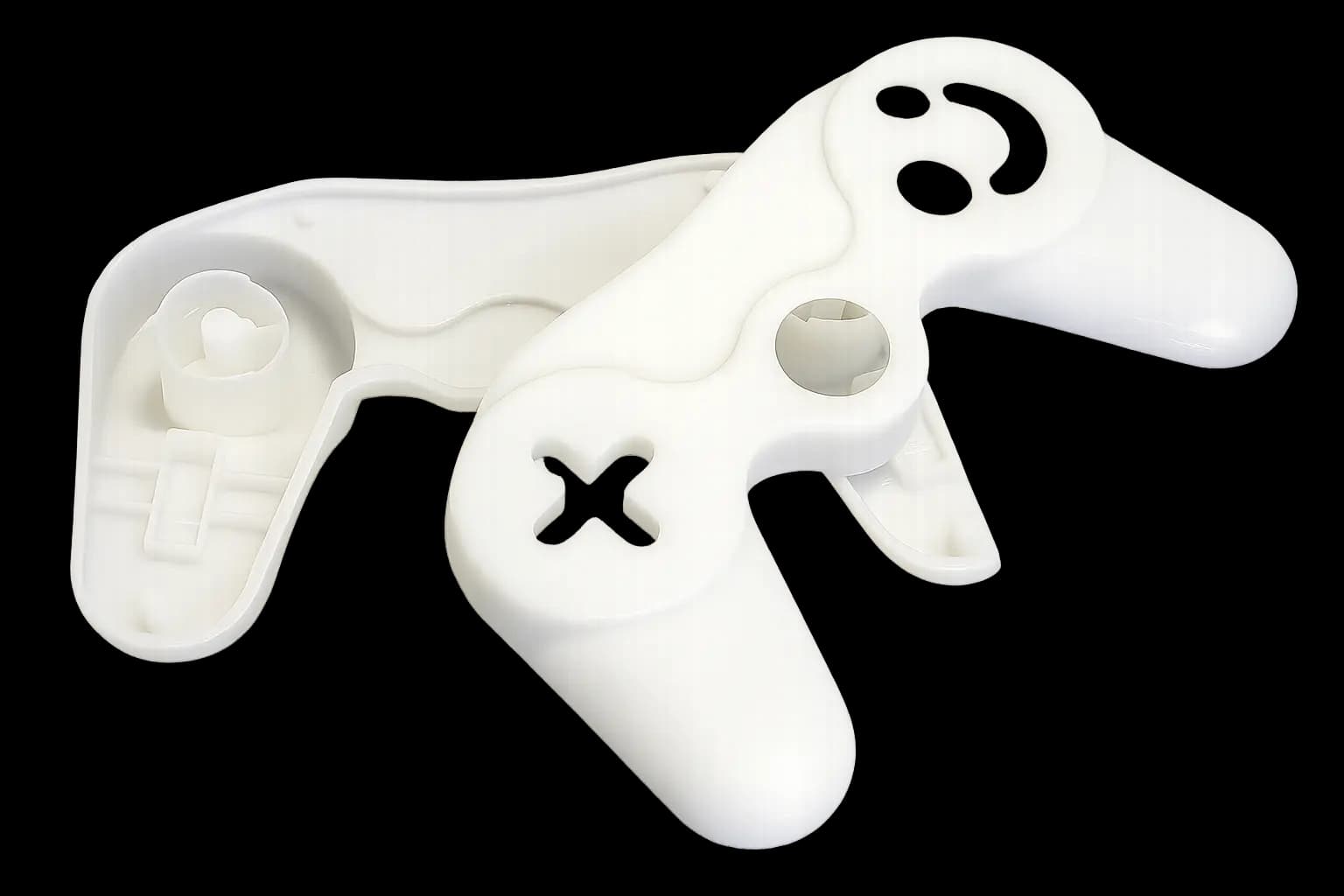
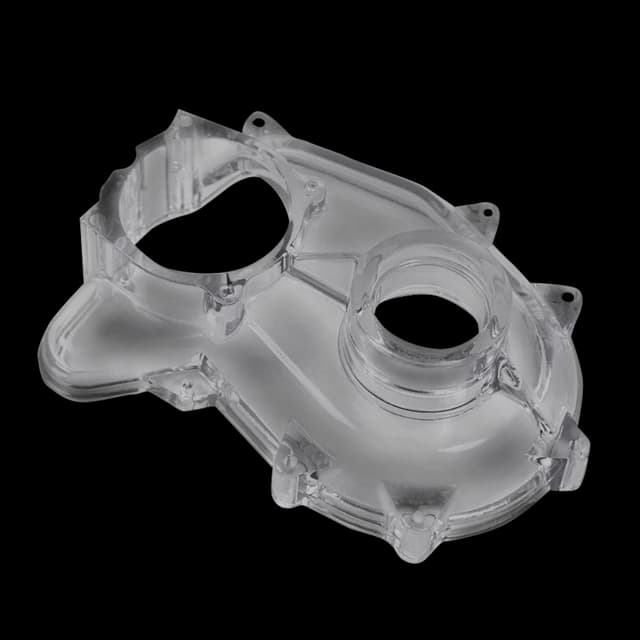
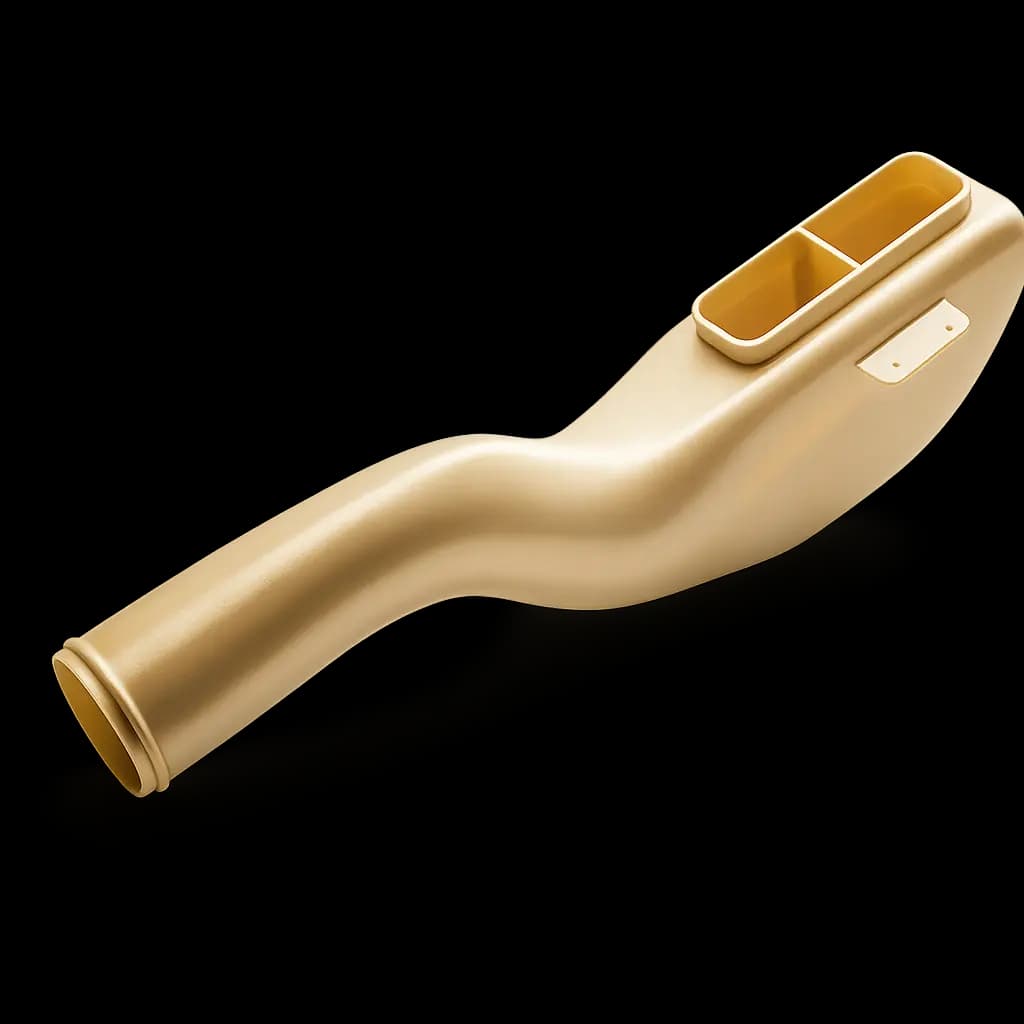
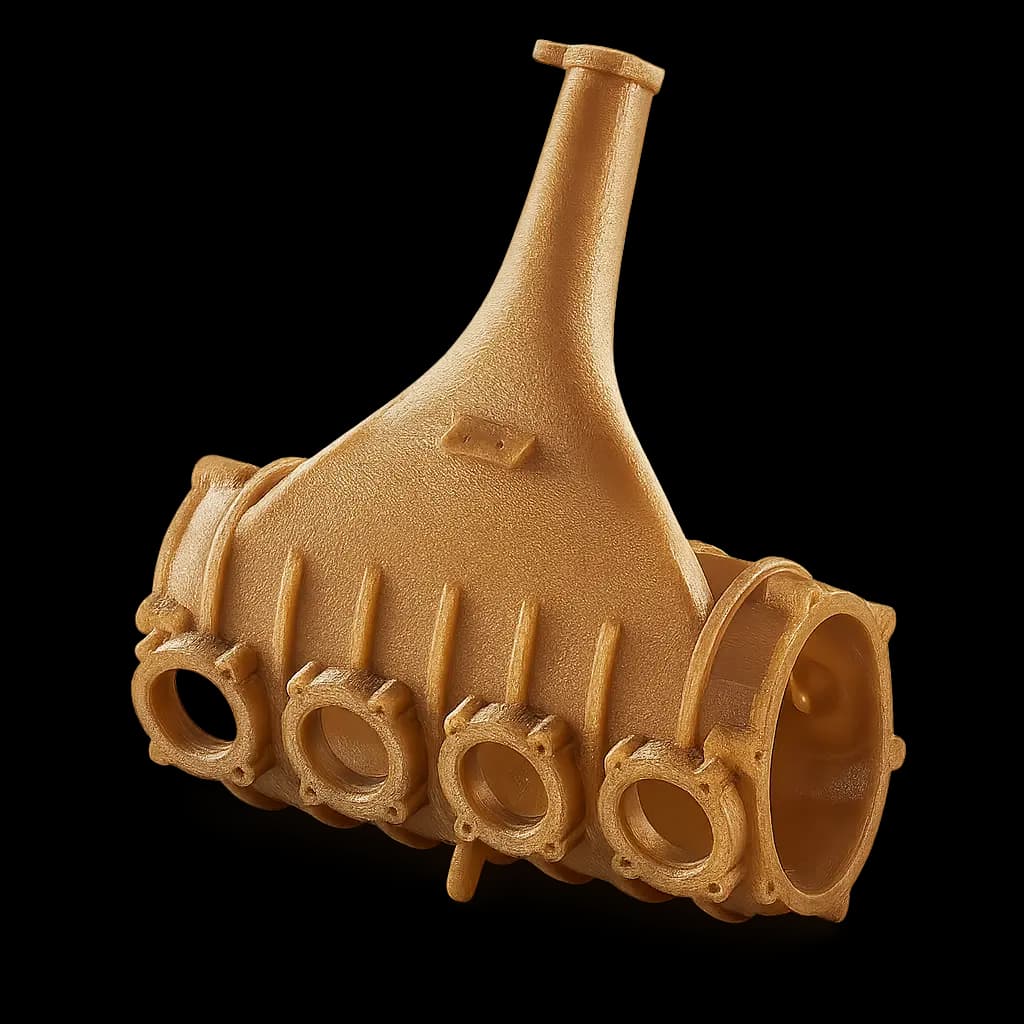
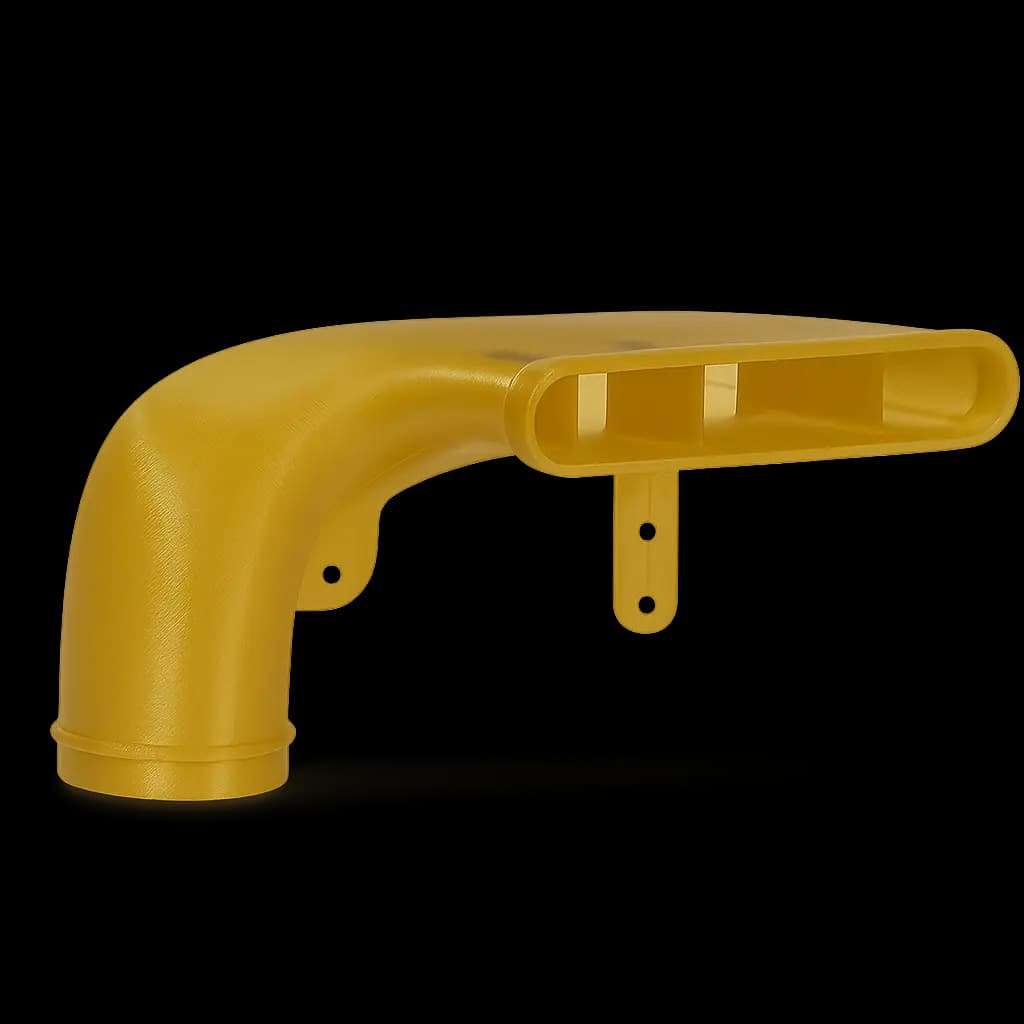
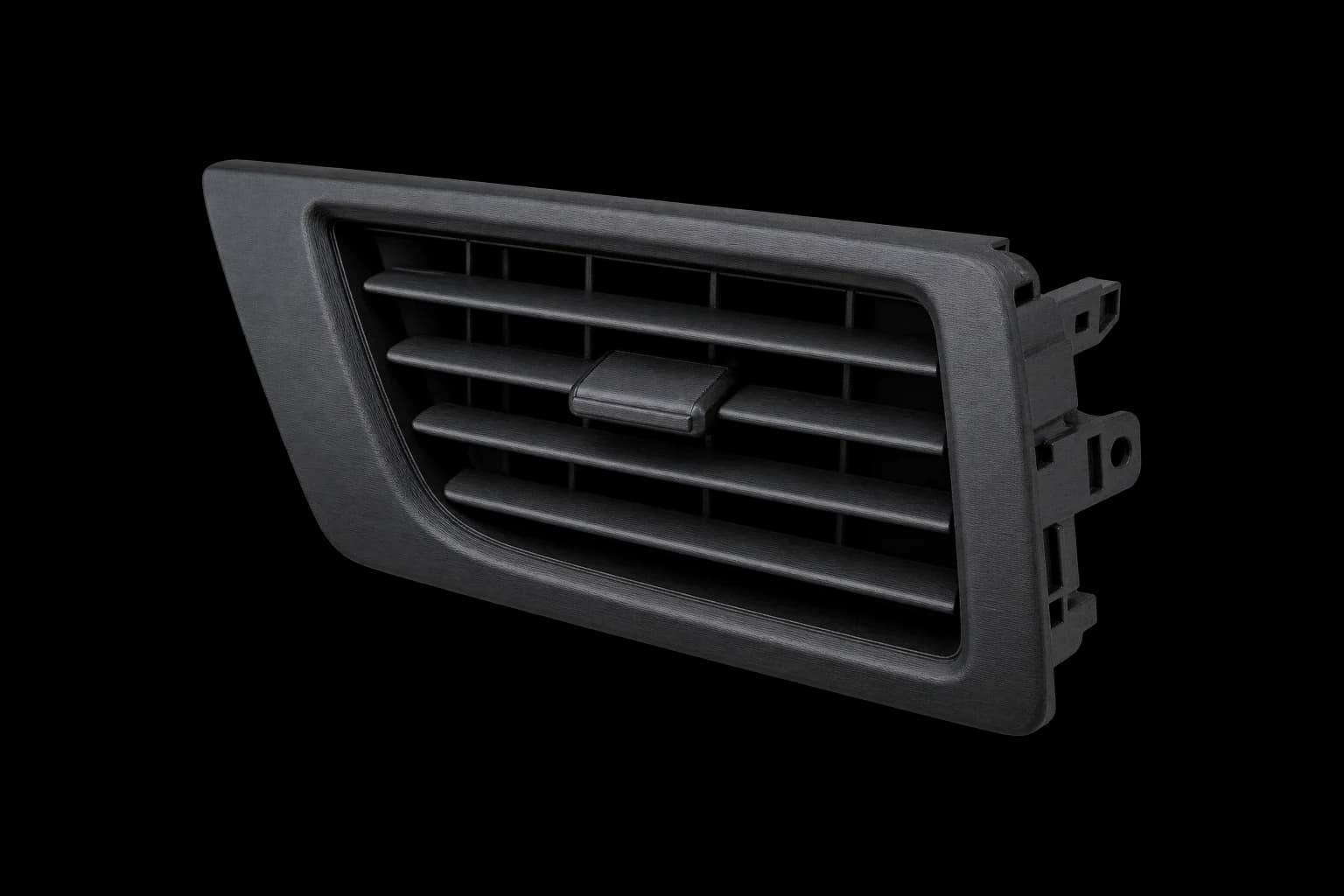
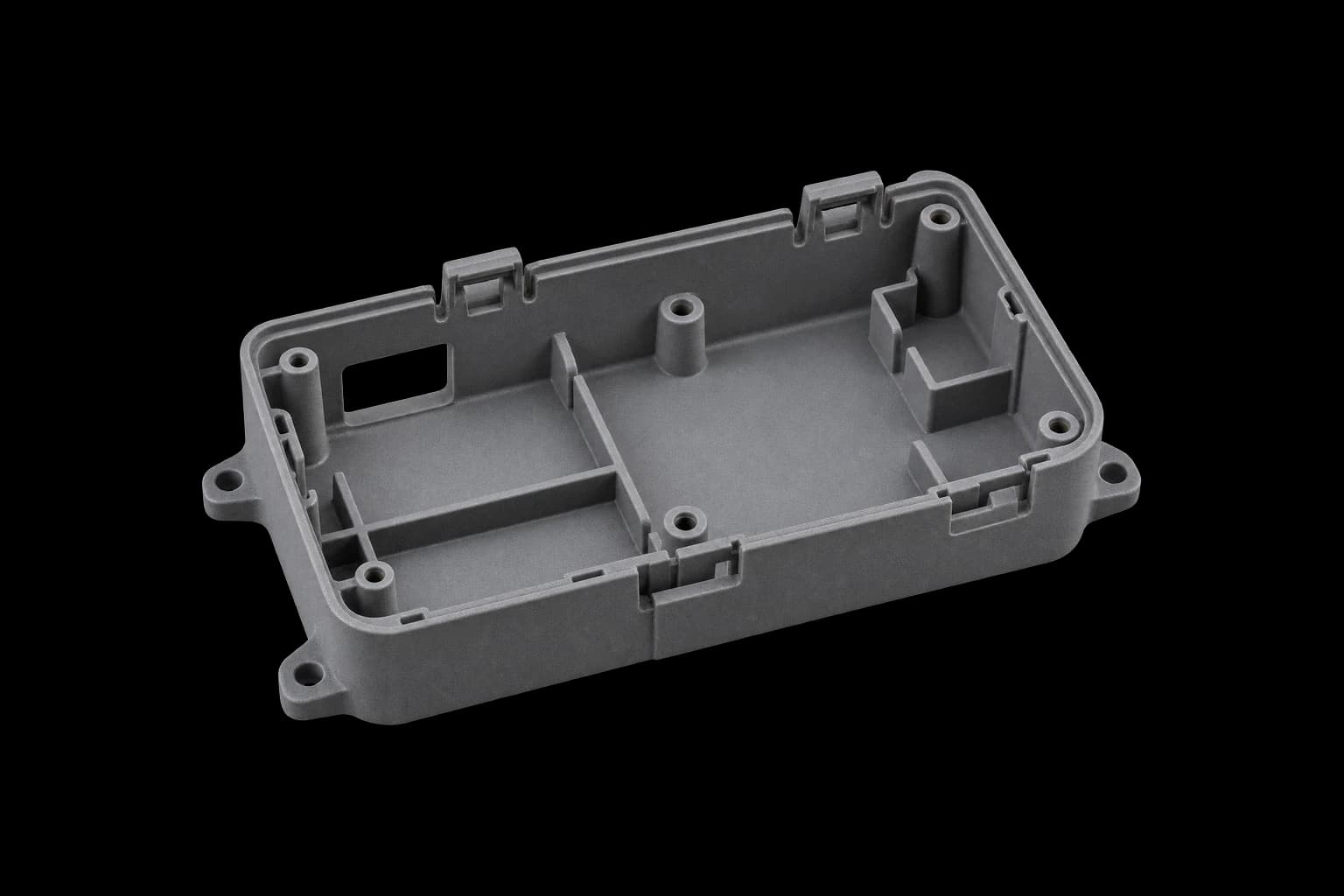
Flame Retardant Resin 3D printed part example
UL 94 V-0
At 3 mm wall thickness
SLA material

Flame Retardant Resin overview

Flame Retardant Resin is a stereolithography (SLA) material for parts that sit near heat, live electronics or ignition sources. It stops burning on its own once the flame is removed, contains no halogens and is rated UL 94 V-0 at 3 mm walls. Parts have the smooth, moulded finish and fine detail of SLA, insulate the electronics they enclose and hold their shape under load near heat. Use it for electronics and battery enclosures, connector housings, aircraft and rail interior prototypes, and fixtures and heater holders.

How Flame Retardant Resin is manufactured

Flame Retardant Resin is manufactured using Stereolithography (SLA) on Formlabs Form 4L printers, where light cures the liquid resin layer by layer through a masked display. Parts are then washed, supports are removed, and every part is post-cured to the Formlabs schedule that develops its full stiffness, strength and heat resistance.

Build volume
353 × 196 × 350 mm
Lead time
2-4 business days
Layer height
0.05-0.1 mm
Forge Labs Steam

Know before you manufacture in Flame Retardant Resin.

Upload CAD files to Forge Labs Steam for Flame Retardant Resin pricing and a manufacturability review, and fix issues before production.

Upload CAD files to Forge Labs Steam for Flame Retardant Resin pricing and a manufacturability review, and fix issues before production.

Surface finishes

Finishes for Flame Retardant Resin

SLA delivers the smoothest surface of any 3D printing process. Every part is washed, post-cured and has its supports removed, leaving a smooth, finely detailed surface that is ready to use straight away or to paint.

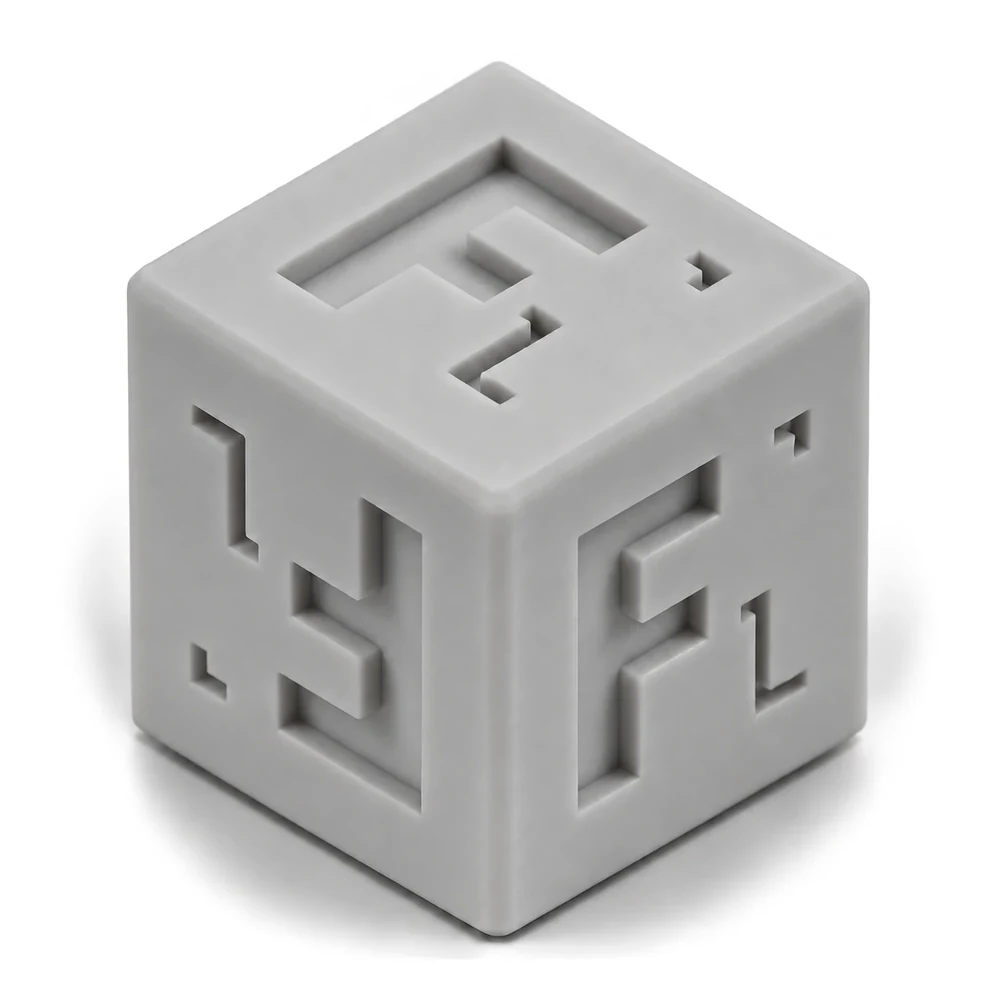
Forge Labs sample cube in SLA Flame Retardant Resin
Natural

Standard Finish

Parts are washed, post-cured and have their supports removed, leaving the smooth, finely detailed surface SLA is known for. Sharp edges, small text and fine features hold their shape, and the surface is ready for fit checks, assembly and presentation, or as a base for paint.

Surface Texture
Smooth, fine-detailed surface
Appearance
Natural resin colour
Details
Sharp & crisp
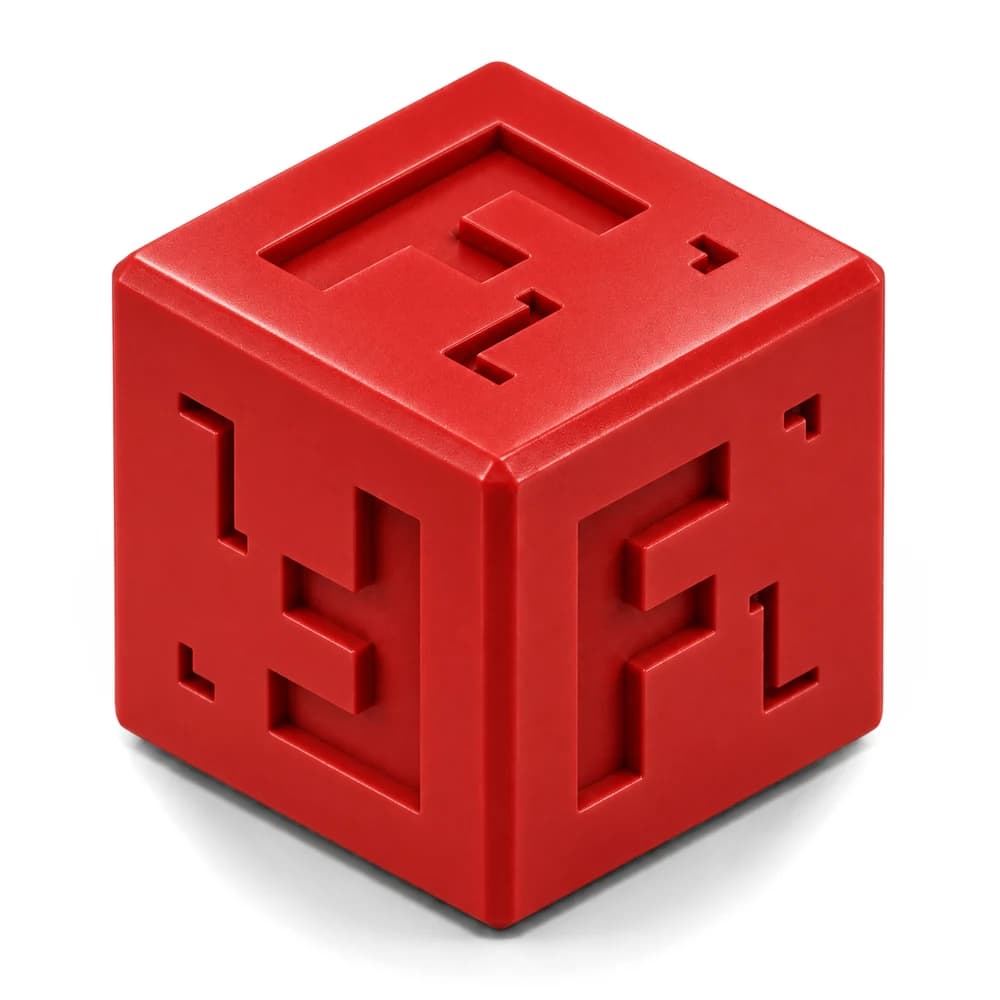
Sample cube with a red automotive-grade performance paint finish
Forge Labs sample cube in SLA Flame Retardant Resin
Premium Finish

Performance Paint

Painting offers a highly durable, automotive-grade coating that enhances the aesthetics and durability of 3D-printed parts. Each part is hand-finished to ensure smooth surfaces and a premium quality appearance. Using professional-grade coating equipment, this process allows for precise application and exceptional adhesion. Custom color matching is available, making it ideal for applications that require specific branding or visual impact.

Surface Texture
Matte to Semi-Gloss
Appearance
Custom color matching
Details
Clear & refined
Industry applications

Industry applications for Flame Retardant Resin

Flame Retardant Resin gives engineering teams SLA parts that stop burning when the flame is removed. Enclosures, housings and covers can be printed in a flame-rated UL 94 V-0 material from the first prototype, instead of waiting for cast urethane or moulded parts.

Heat and creep resistance keep housings, brackets and fixtures in shape under load near heaters, motors and other heat sources, and parts sand to a primer-ready surface for painted cosmetic samples.

It completes Forge's flame-rated range. ULTEM 9085 and Antero 800NA FDM meet the full aircraft cabin flame, smoke and toxicity requirements, ULTEM 9085 reaches V-0 at thinner walls, and ULTEM 1010 takes higher heat. Flame Retardant Resin is the choice for smaller, detailed parts that need a smooth moulded finish, crisp features and fast turnaround.

With no tooling or minimum order quantities, one prototype or a production batch prints from the same file.

All industries
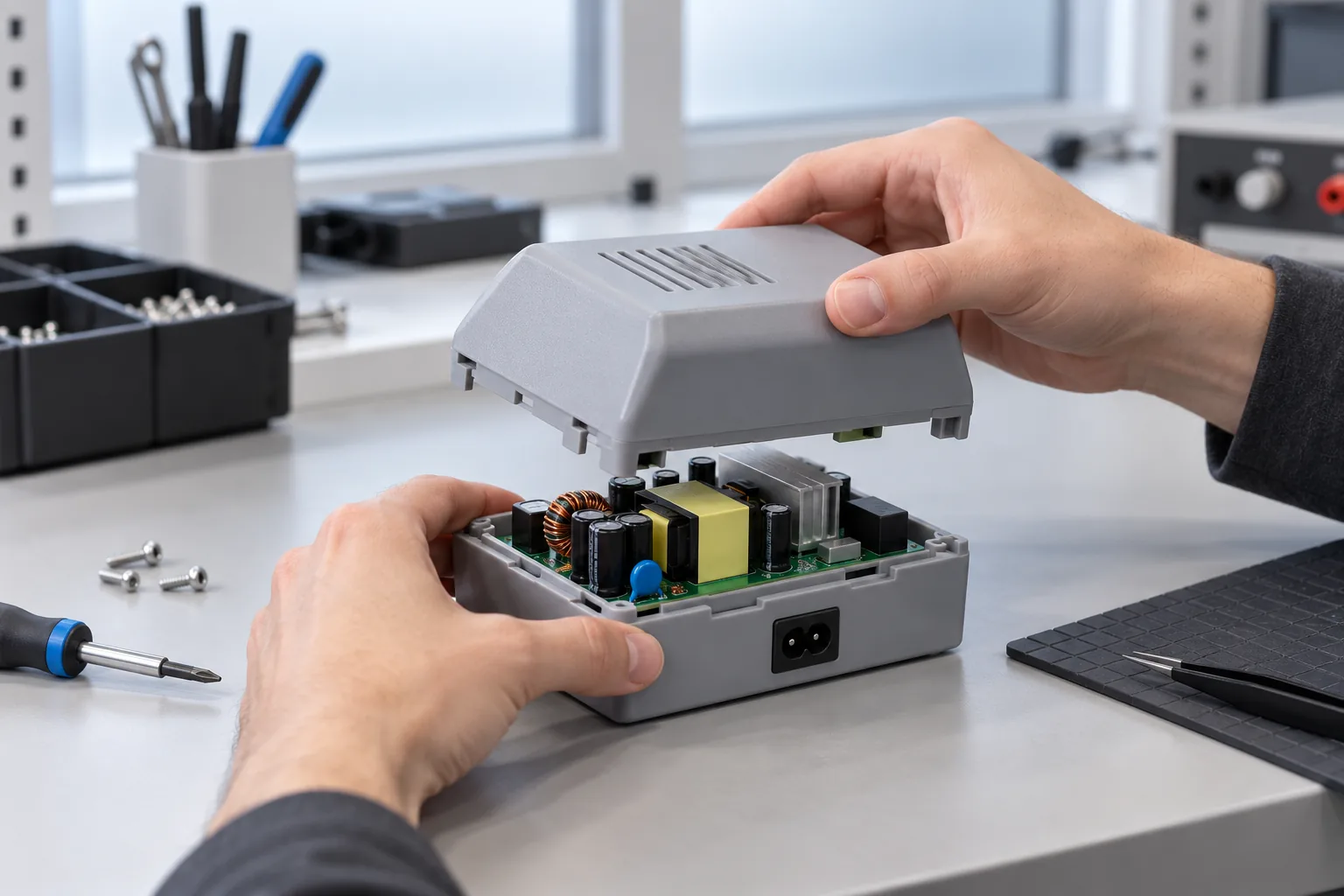
A mid-grey printed flame-retardant charger enclosure being closed over a power-electronics board on an electronics bench, vents and snap features crisp

Electronics & Energy

Charger, Battery & Power Enclosures

Electronics and energy teams use Flame Retardant Resin for charger docks, battery enclosures and power supply housings. Vents, snap features and connector cut-outs print in one piece, and a dielectric strength of 15.1 kV/mm lets housings insulate the electronics they enclose.

  • Charger and dock enclosures
  • Battery connection housings
  • Power supply covers
Explore clean tech
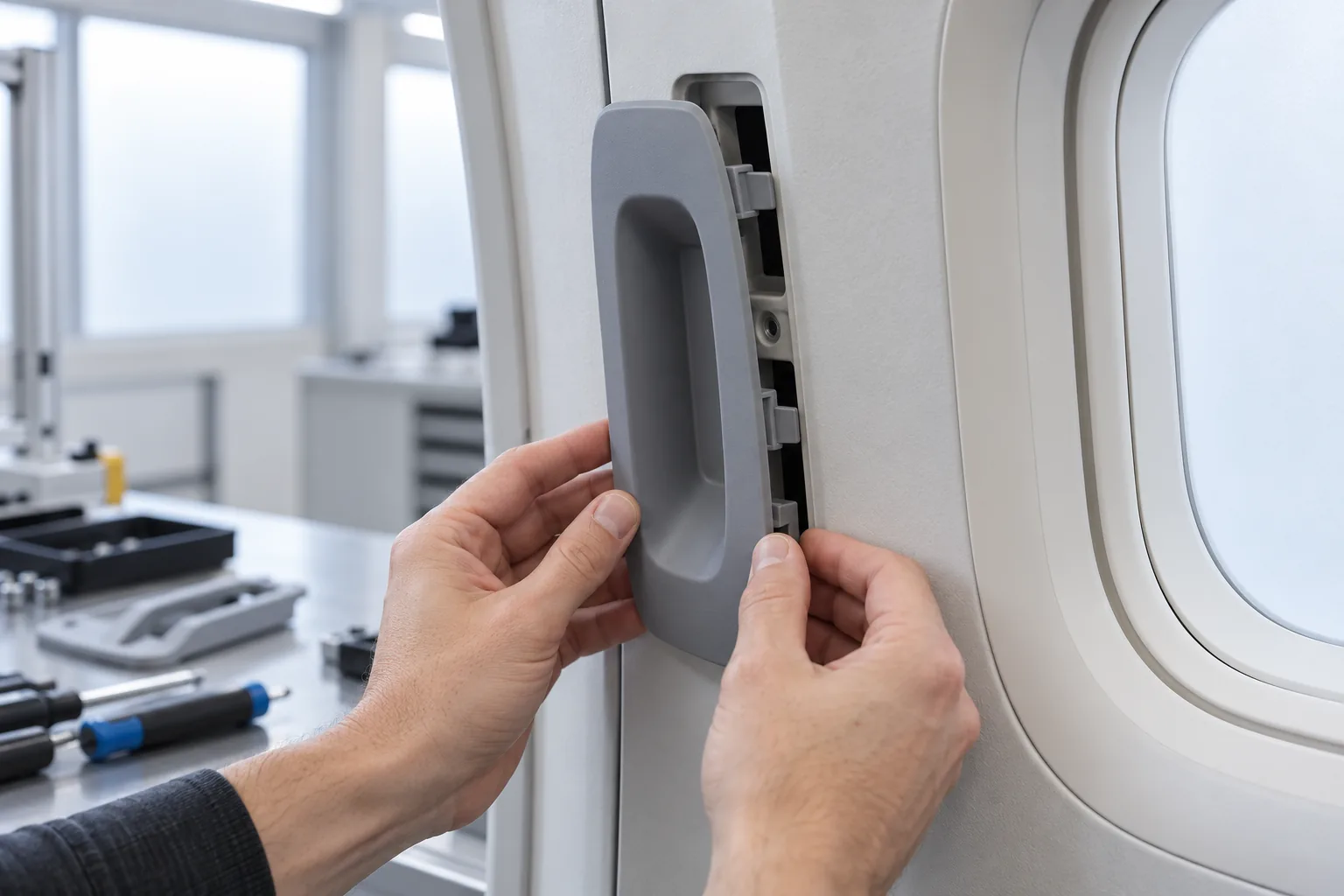
A mid-grey printed trim bezel and clip being fitted to a generic aircraft cabin sidewall mock-up in a bright interiors workshop

Aerospace & Rail

Aircraft & Railcar Interior Prototypes

Interior engineers use Flame Retardant Resin for cabin and railcar interior prototypes, fit-check parts, trim clips, bezels and small brackets that need flame performance and a finished surface. At 2.5 mm it passes the FAR 25.853 Appendix F 12-second vertical burn with an average after-flame under one second, and 3 mm parts pass BSS 7239 toxic gas testing. Railcar parts that must meet EN 45545-2 or NFPA 130 move to ULTEM 9085.

  • Cabin interior prototypes
  • Trim clips and bezels
  • Railcar fit-check prototypes
Explore aerospace
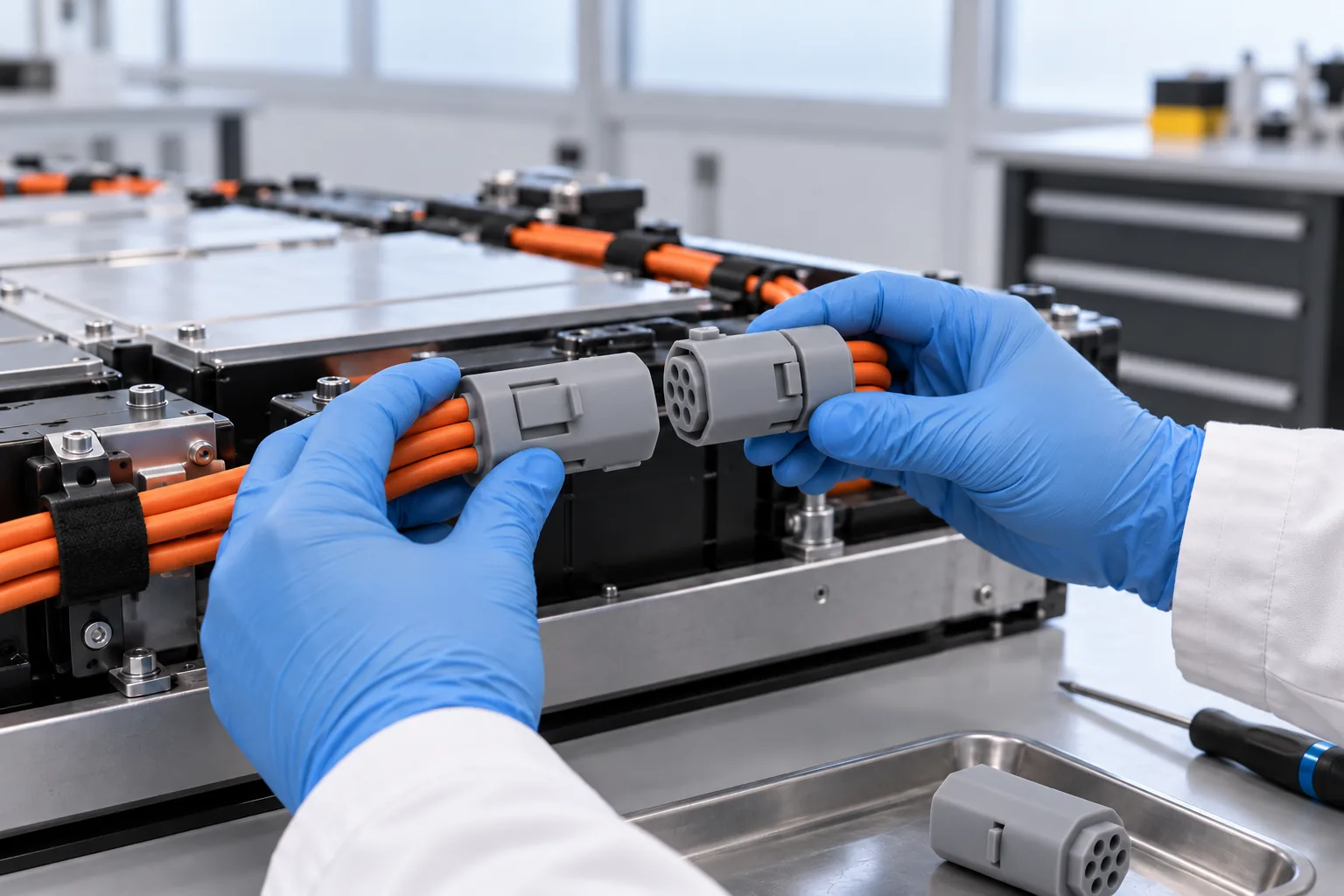
Mid-grey printed connector housings mated to an orange high-voltage wiring harness beside a generic EV battery module in a clean battery lab

Automotive & EV

Connector Housings & Battery-Adjacent Parts

Automotive and EV teams use Flame Retardant Resin for connector housings, harness clips and parts that sit beside battery packs. Formula SAE rules require UL 94 V-0 materials for parts in contact with the battery pack, and the resin is rated V-0 at 3 mm. SLA detail keeps latches and compliant snap tabs crisp for tight-fitting two-part connector assemblies.

  • Connector housings
  • Battery cooling ducts
  • Harness clips and covers
Explore automotive
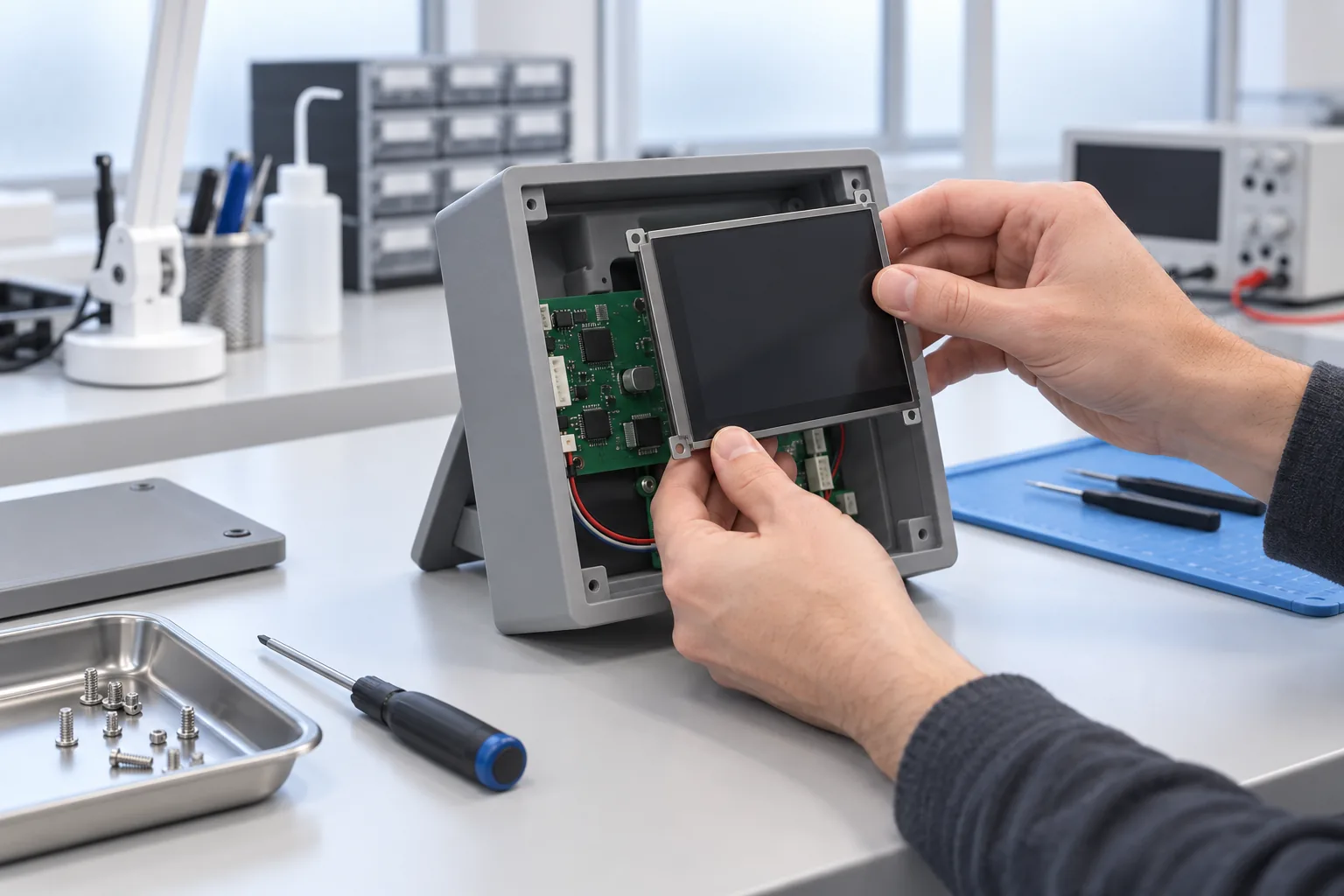
A mid-grey printed enclosure frame for a generic powered medical control unit

Medical Devices

Medical Electronics Enclosures

Medical device teams use Flame Retardant Resin for prototype enclosures and internal housings of powered equipment, so test units look and behave like the production part. IEC 60601-1, the safety standard for powered medical equipment, sets flammability requirements for enclosure materials, so prototype housings enter safety testing in a flame-rated material. The resin has no biocompatibility rating, so it suits housings rather than patient-contact parts.

  • Powered device enclosures
  • Internal electronics housings
  • Display and control bezels
Explore medical devices
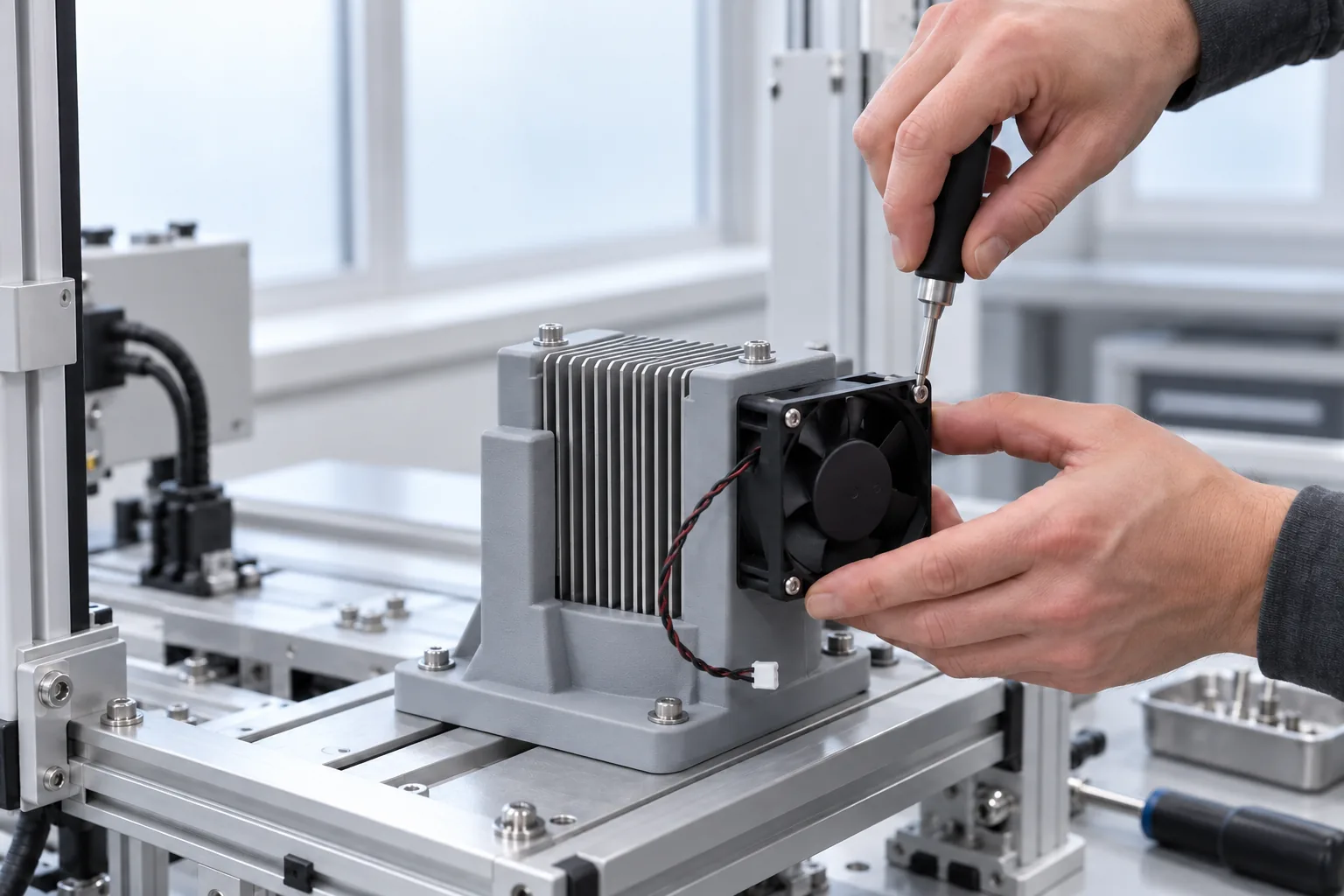
A technician screwing a small fan onto a mid-grey printed heater holder mounted on an industrial heating test rig in a clean maintenance workshop

Industrial Equipment

Fixtures & Holders Near Heat Sources

Manufacturing and maintenance teams use Flame Retardant Resin for jigs, fixtures, heater and fan holders, and replacement parts that sit near heat or ignition sources. It is stiff enough to tap, drill and trim after printing, so fans, sensors and terminals mount with standard screws. With the longer post-cure, its creep resistance at 65 °C under load comes close to Rigid 10K, a glass-filled resin, and strength and stiffness hold through six weeks at 90 °C.

  • Heater and fan holders
  • Jigs and fixtures near ignition sources
  • Replacement and MRO parts
Explore industrial design
Performance data

Technical performance for Flame Retardant Resin

Values from the Formlabs Flame Retardant Resin datasheet for both Formlabs post-cure schedules, tested to the standard listed with each property; liquid resin density from the Formlabs safety data sheet.

Mechanical performance

Mechanical properties

Tensile and flexural modulus show how stiff the resin is, and elongation shows how far it stretches before it breaks. Flame Retardant Resin is stiffer than Tough 2000, the ABS-like Formlabs resin, while keeping enough stretch for compliant snap tabs and press-in inserts.

Properties are listed for the two Formlabs post-cure schedules. The longer, hotter cure adds stiffness, strength and creep resistance and trades away a little elongation. Notched impact is modest, so generous internal radii keep housings tough at corners and screw bosses.

PropertyValue
Ultimate Tensile Strength (Post-Cured 70 °C, 60 min)ASTM D638-14
38 MPa
Ultimate Tensile Strength (Post-Cured 80 °C, 120 min)ASTM D638-14
41 MPa
Tensile Modulus (Post-Cured 70 °C, 60 min)ASTM D638-14
2900 MPa
Tensile Modulus (Post-Cured 80 °C, 120 min)ASTM D638-14
3100 MPa
Elongation at Break (Post-Cured 70 °C, 60 min)ASTM D638-14
9.4 %
Elongation at Break (Post-Cured 80 °C, 120 min)ASTM D638-14
7.1 %
Flexural Strength (Post-Cured 70 °C, 60 min)ASTM D790-15
72 MPa
Flexural Strength (Post-Cured 80 °C, 120 min)ASTM D790-15
75 MPa
Flexural Modulus (Post-Cured 70 °C, 60 min)ASTM D790-15
2700 MPa
Flexural Modulus (Post-Cured 80 °C, 120 min)ASTM D790-15
2700 MPa
Notched Izod Impact (Post-Cured 70 °C, 60 min)ASTM D256-10
22 J/m
Notched Izod Impact (Post-Cured 80 °C, 120 min)ASTM D256-10
22 J/m
Unnotched Izod Impact (Post-Cured 70 °C, 60 min)ASTM D4812-11
241 J/m
Unnotched Izod Impact (Post-Cured 80 °C, 120 min)ASTM D4812-11
257 J/m
Maximum Stress Intensity Factor, Kmax (Post-Cured 70 °C, 60 min)ISO 20795-1:2013, 8.6
1.05 MPa·m½
Maximum Stress Intensity Factor, Kmax (Post-Cured 80 °C, 120 min)ISO 20795-1:2013, 8.6
1.11 MPa·m½
Work of Fracture (Post-Cured 70 °C, 60 min)ISO 20795-1:2013, 8.6
311 J/m²
Work of Fracture (Post-Cured 80 °C, 120 min)ISO 20795-1:2013, 8.6
277 J/m²

Material makeup

Physical properties

Part density and hardness describe the finished, post-cured part; liquid density and viscosity describe the resin in the vat. The resin is viscous, so small blind holes and narrow channels need drainage paths to wash cleanly.

PropertyValue
Part DensityASTM D792-20
1.25 g/cm³
Shore Hardness D (Post-Cured)ASTM D2240
80
Resin Density (liquid)Formlabs SDS
1.18 g/cm³
Resin Viscosity (liquid, 25 °C)Formlabs TDS
4500–5000 cP

Heat performance

Thermal properties

Heat deflection is listed at two loads for both cures. The longer cure raises heat deflection and glass transition, so it suits parts that carry load near heat sources, such as fixtures and heater holders.

The UL relative thermal index is the long-term temperature UL assigns for continuous service, while heat deflection describes short-term stiffness under load; match each to how hot and how long the part runs. Thermal expansion is lower after the longer cure, which helps where a part mates with metal.

PropertyValue
HDT @ 0.45 MPa (Post-Cured 70 °C, 60 min)ASTM D648-16
94 °C
HDT @ 0.45 MPa (Post-Cured 80 °C, 120 min)ASTM D648-16
111 °C
HDT @ 1.8 MPa (Post-Cured 70 °C, 60 min)ASTM D648-16
71 °C
HDT @ 1.8 MPa (Post-Cured 80 °C, 120 min)ASTM D648-16
83 °C
Glass Transition Temperature (Post-Cured 70 °C, 60 min)DMA, peak of tan δ, 3 °C/min
130 °C
Glass Transition Temperature (Post-Cured 80 °C, 120 min)DMA, peak of tan δ, 3 °C/min
144 °C
Thermal Expansion, 20–80 °C (Post-Cured 70 °C, 60 min)ASTM E831-13
98.6 ×10⁻⁶/K
Thermal Expansion, 20–80 °C (Post-Cured 80 °C, 120 min)ASTM E831-13
68.1 ×10⁻⁶/K
Relative Thermal Index, Electrical and Mechanical (1.5–3.0 mm)UL 746B
50 °C

Functional performance

Electrical properties

High dielectric strength and volume resistivity make the resin an insulator for enclosures, connector bodies, bobbins and relay housings. Formlabs measured these values on parts post-cured at 70 °C for 60 minutes.

PropertyValue
Dielectric StrengthASTM D149
15.1 kV/mm
Dielectric Constant (0.5 MHz)ASTM D150
3.83
Dielectric Constant (1 MHz)ASTM D150
3.82
Dissipation Factor (0.5 MHz)ASTM D150
0.024
Dissipation Factor (1 MHz)ASTM D150
0.025
Volume ResistivityASTM D257
2.1 × 10¹⁵ Ω·cm

Compatibility data

Chemical properties

Formlabs immersed printed, post-cured cubes in 26 fluids for 24 hours and measured weight gain. Gasoline, diesel, engine and transmission oils, brake fluid, Skydrol 5, hydraulic oil, cleaners and dilute acids and bases leave almost no change, acetone causes the largest gain, and 30% sulfuric acid disintegrated the sample.

Weight gain is screening guidance; confirm long-term or hot exposure with application-specific testing before production release.

Chemical24 h weight gain
Acetone
2.1%
Bleach (~5% NaOCl)
0.3%
Windex Powerized Formula
0.3%
Hydrogen peroxide 30%
1%
Soapy water
0.2%
Tripropylene glycol monomethyl ether (TPM)
0.1%
Distilled water
0.2%
Hydrochloric acid 10%
< 0.1%
Sodium hypochlorite solution
< 0.1%
Sodium hydroxide 0.025% (pH 10)
0.3%
Salt water (3.5% NaCl)
0.2%
Isopropyl alcohol
0.2%
Hydrogen peroxide 3%
0.2%
Butyl acetate
0.4%
Sulfuric acid 30%
Disintegrated
Gasoline (ISO 1817, liquid C)
< 0.1%
Transmission fluid (synthetic ATF)
< 0.1%
Engine oil (SAE 5W-30)
< 0.1%
Brake fluid (DOT 4)
< 0.1%
Diesel (No. 2)
< 0.1%
Power steering fluid
< 0.1%
Skydrol 5
< 0.1%
Hydraulic oil
< 0.1%
Diethylene glycol monomethyl ether
0.3%
Mineral oil (heavy)
< 0.1%
Mineral oil (light)
< 0.1%

Compliance

Compliance profile

Each status shows what Formlabs provides: the UL 94 and IEC 60695-11-10 ratings come from a UL Blue Card, and the FAR 25.853, smoke, toxic gas and outgassing results come from independent laboratory reports Formlabs publishes with its datasheet. Formlabs ran the flame, smoke and toxic gas tests on parts post-cured at 70 °C for 60 minutes. Flame ratings depend on wall thickness, so design walls to 3 mm where V-0 is required.

The UL listing's processing conditions name Formlabs Form 3 series printers and the default Form Cure schedule; Forge prints this resin on Formlabs Form 4L printers. Polishing or priming with mineral oil or other flammable lubricants may invalidate the UL rating.

StandardStatus
UL 94 flammabilityUL Blue Card (file E530674): V-0 at 3.0 mm, V-1 at 2.5 mm and HB at 1.5 mm in grey; the listing covers Formlabs Form 3, 3B, 3+, 3B+, 3L and 3BL printers, 50–100 µm layers, horizontal and vertical builds
V-0 at 3 mm
IEC 60695-11-10 flammabilityAlso certified to IEC requirements on the same UL Blue Card: V-0 at 3.0 mm, V-1 at 2.5 mm and HB75 at 1.5 mm
V-0 at 3 mm
14 CFR 25.853 (FAR 25.853) Appendix F, Part I12-second vertical burn passed at 2.5 mm (Formlabs datasheet FLFRGR01, Rev. 02, 2023): 0.67 s average after-flame, 0.17 in average burn length, no flaming drips
Formlabs test report
ASTM E662 smoke densityFlaming mode Ds at 4 min of 114 at 5 mm and 285 at 3 mm (Formlabs datasheet FLFRGR01, Rev. 02, 2023); Formlabs states 5 mm samples pass on a Ds < 200 at 4 min criterion
Formlabs test report
BSS 7239 toxic gasPassed at 3 mm: CO 56 ppm, HCN 7 ppm, SO₂, HCl, HF and NOx each below 1 ppm (Formlabs datasheet FLFRGR01, Rev. 02, 2023)
Formlabs test report
ASTM E595 (Outgassing)TML 0.87%, CVCM < 0.01%, WVR 0.2% (Formlabs datasheet FLFRGR01, Rev. 02, 2023), within the common 1.0% TML and 0.10% CVCM screening levels
Formlabs test report
RoHS Directives 2011/65/EU and (EU) 2015/863Restricted substances not contained or intentionally added above the threshold limits (statement covers all Formlabs resins)
Formlabs declaration
REACH SVHC (EC 1907/2006)No substances on the ECHA candidate list (June 2024 statement; all Formlabs resins except Clear Resin; the safety data sheet lists none)
Formlabs declaration
Resources

Datasheets and design resources

Datasheets, design guidance and supplier documentation for Flame Retardant Resin.

Download center

Access the most recent datasheet and supporting documentation maintained by our engineering team.

Flame Retardant Resin datasheet

Design guidelines

Explore printable geometry recommendations, wall thickness tips, and finishing playbooks for SLA.

View SLA design guide

Supplier compliance documents

Supplier declarations and test statements for this material.

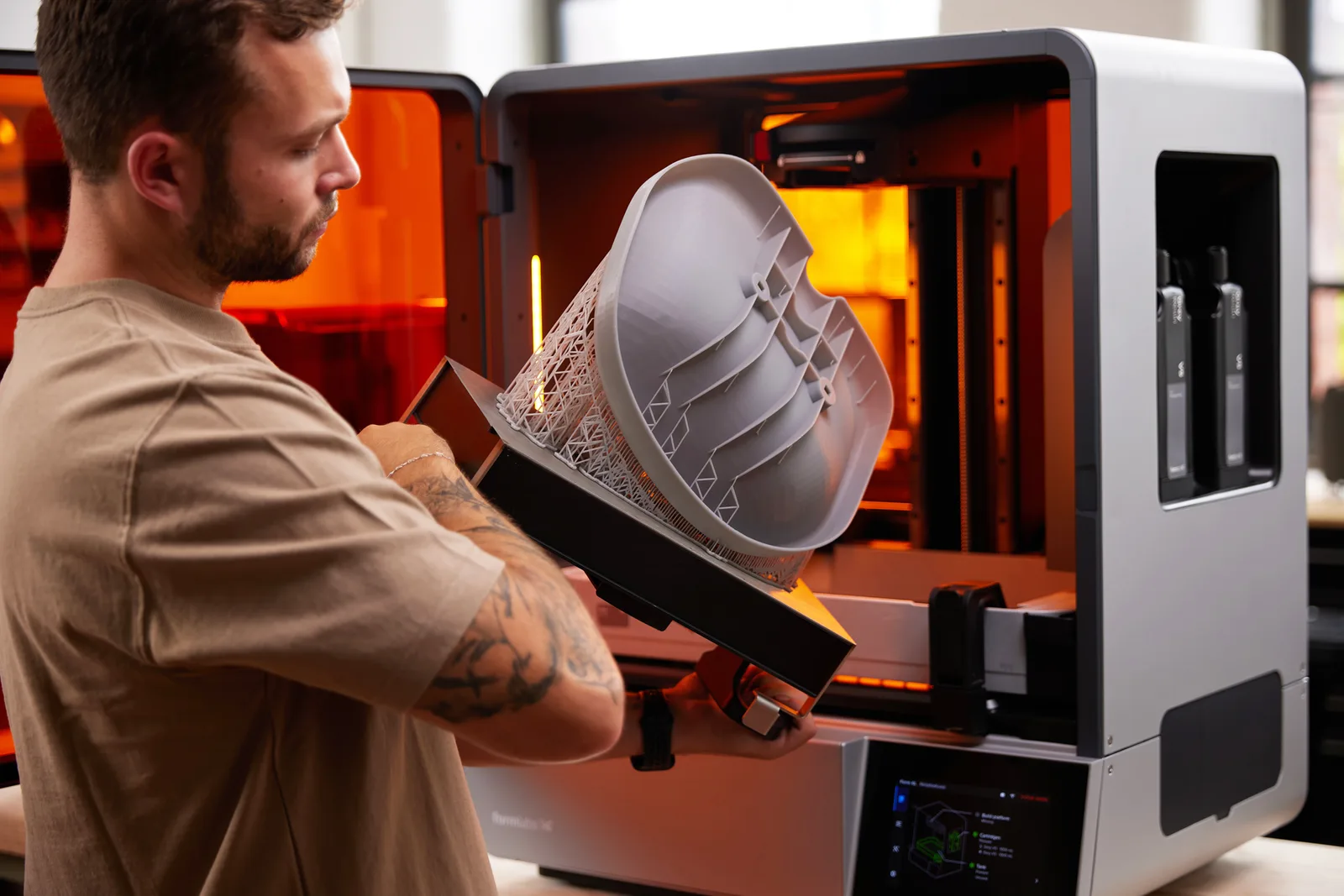
Operator lifting a build platform with a large grey SLA part on supports out of a Formlabs Form 4L printer
Advanced Manufacturing

Built with Precision SLA Technology

Flame Retardant Resin is manufactured using industrial-grade Stereolithography (SLA) technology, delivering fine detail and dimensional accuracy for high-detail applications.

Tolerance
±0.25% (min ±0.25 mm)
Production capacity
Multiple parts and assemblies built together on a large platform
Quality control
In-process monitoring and batch traceability for consistent part quality and material properties
Colours & finishes
Light grey, the natural colour of the resin; sanding and painting
Learn more about SLA technology
Frequently Asked Questions

Frequently asked questions about Flame Retardant Resin

Can't find the answer you're looking for? Reach out to our customer support team.

Flame Retardant Resin is a self-extinguishing, halogen-free Formlabs SLA resin rated UL 94 V-0 at 3 mm. With the standard Formlabs post-cure it has a tensile modulus of 2,900 MPa, 38 MPa tensile strength, 9.4% elongation and a heat deflection temperature of 94 °C at 0.45 MPa; the longer post-cure raises modulus to 3,100 MPa and heat deflection to 111 °C. It is creep resistant, electrically insulating with a dielectric strength of 15.1 kV/mm, and can be tapped, drilled and trimmed.
Start a quote

Ready to Get Started with Flame Retardant Resin?

Upload your design and get a quote for Flame Retardant Resin parts from our engineers.

  • Engineer-prepared quotes with manufacturability review
  • Production workflows built for repeatable quality
  • Engineering support from prototype to production
Compare all materials

Create an account to upload CAD

STEP, STL, OBJ, 3MF and IGES supported

Manufacturing technologies
6
Engineering materials
50+
Part quantities
1-500+