Direct Metal Laser Sintering Copper CuCrZr For High-Conductivity Thermal and Electrical Parts

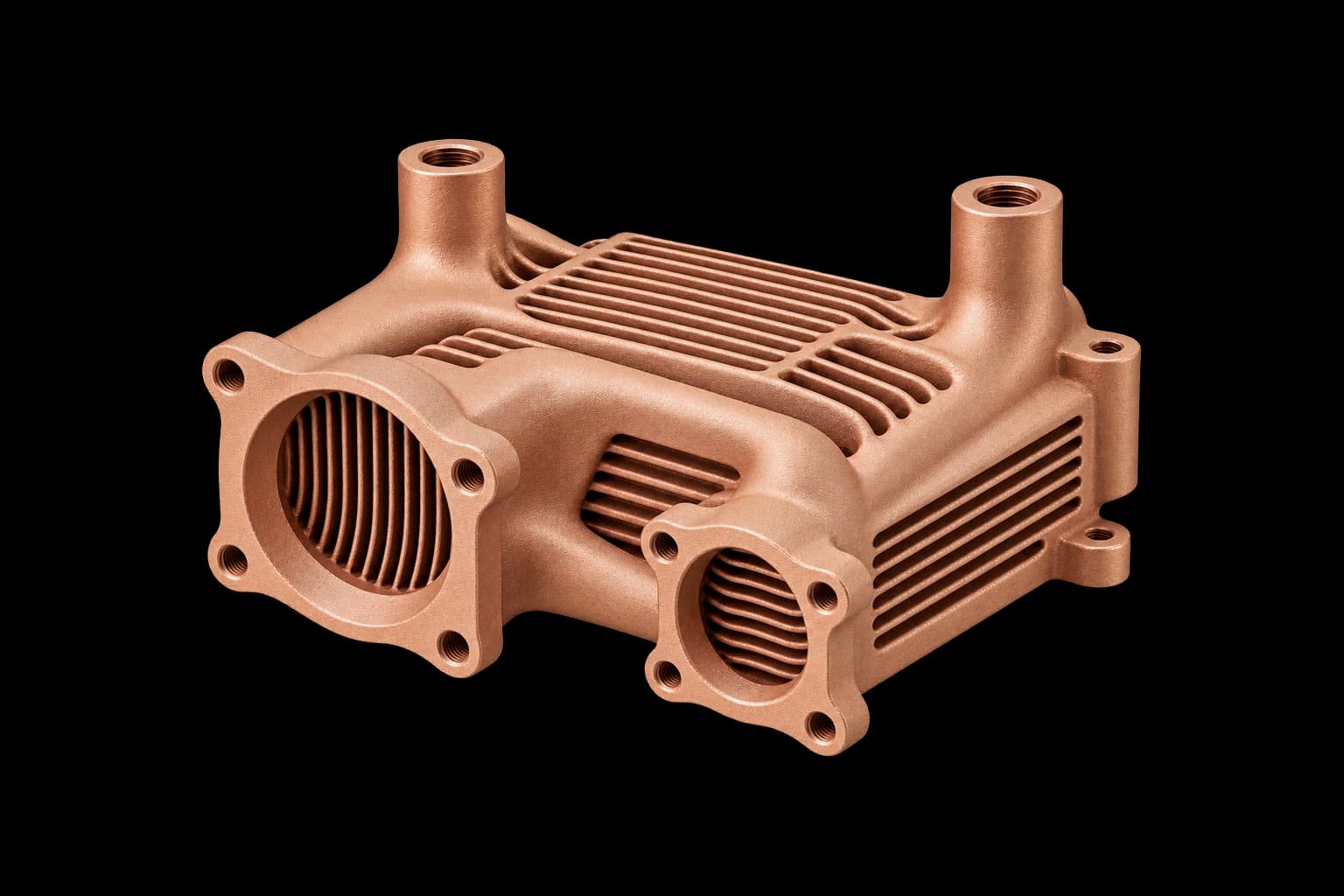
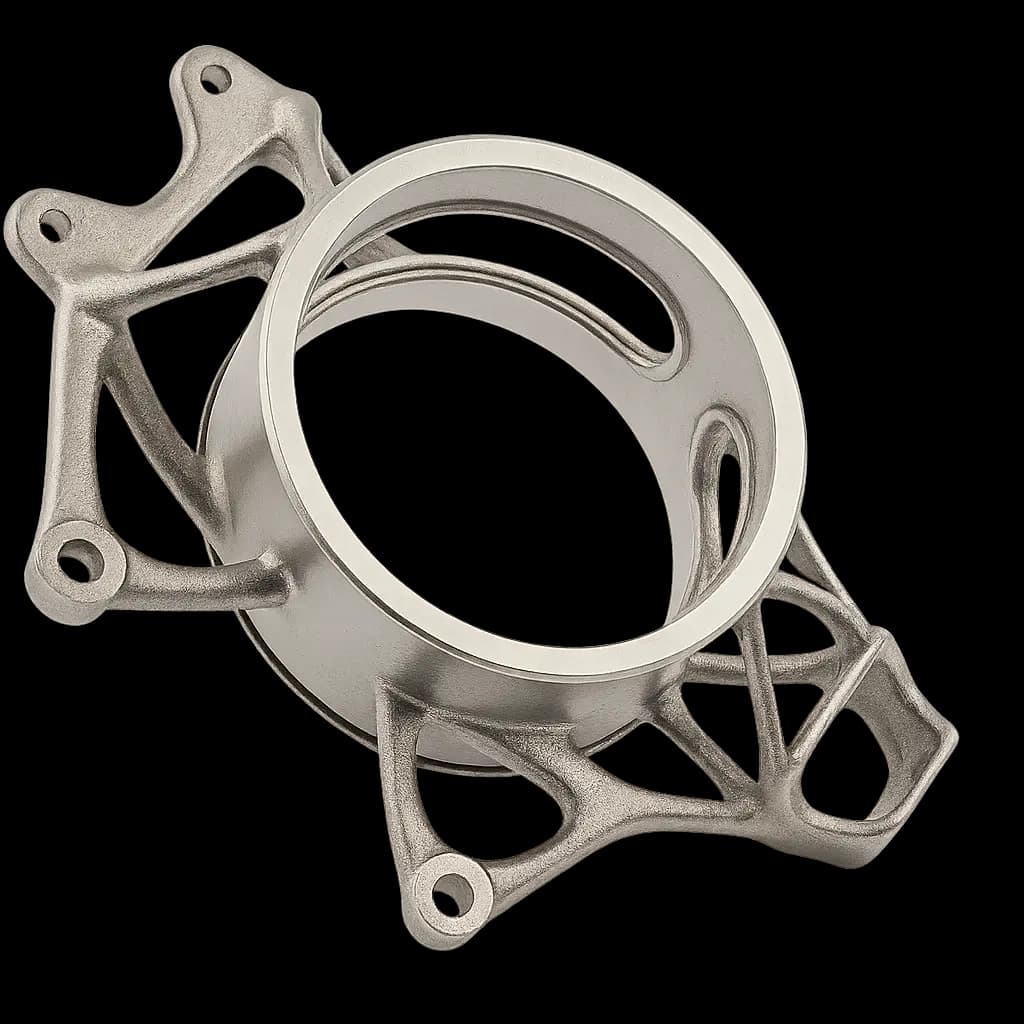
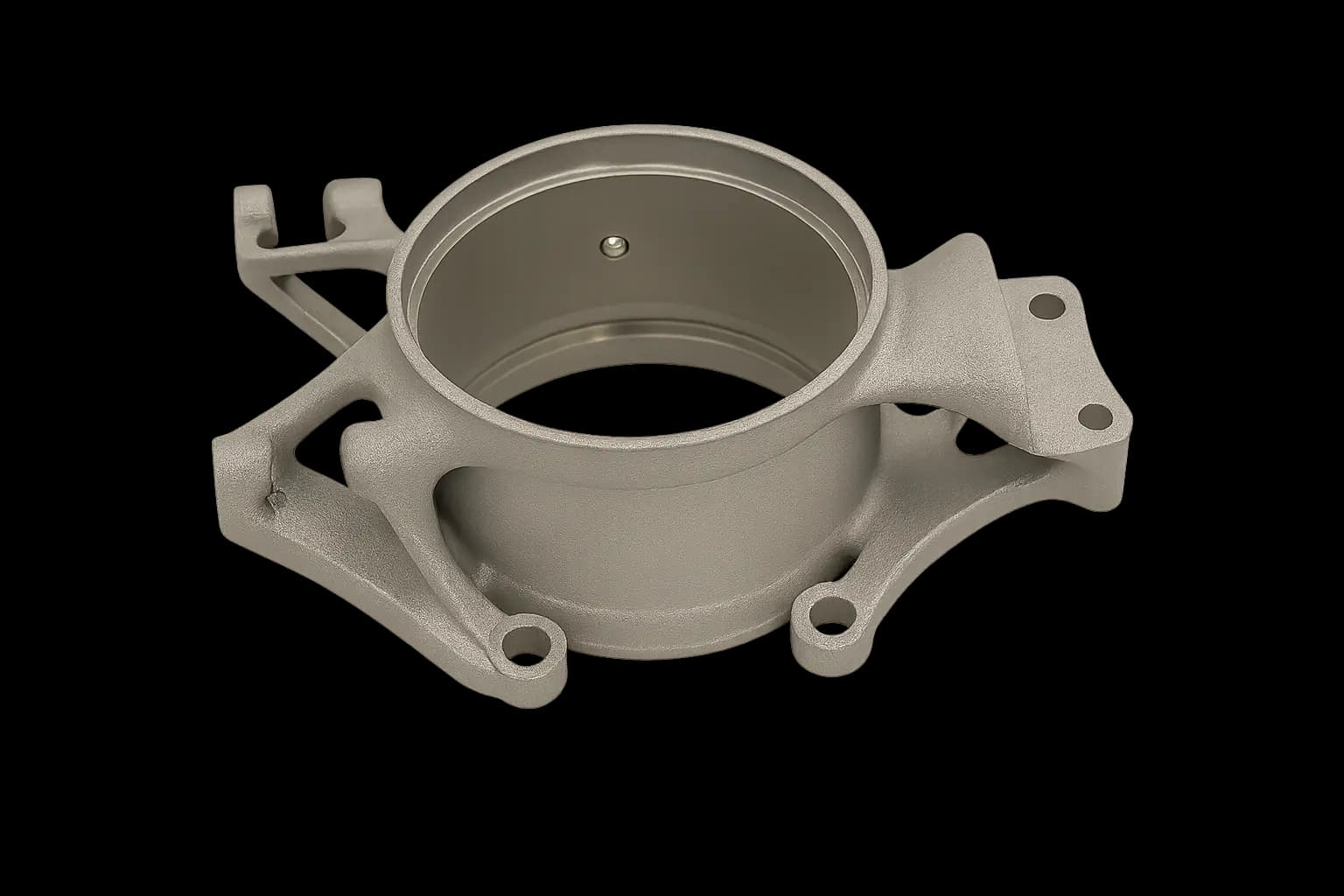
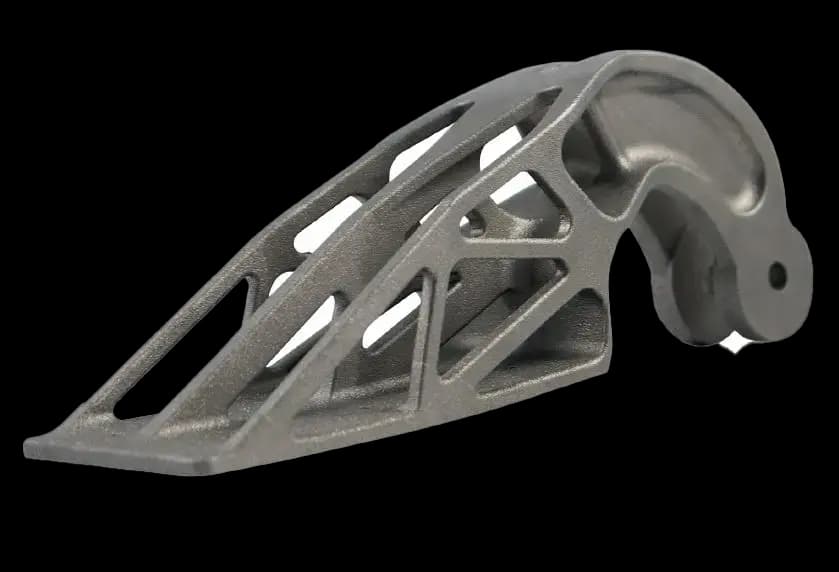
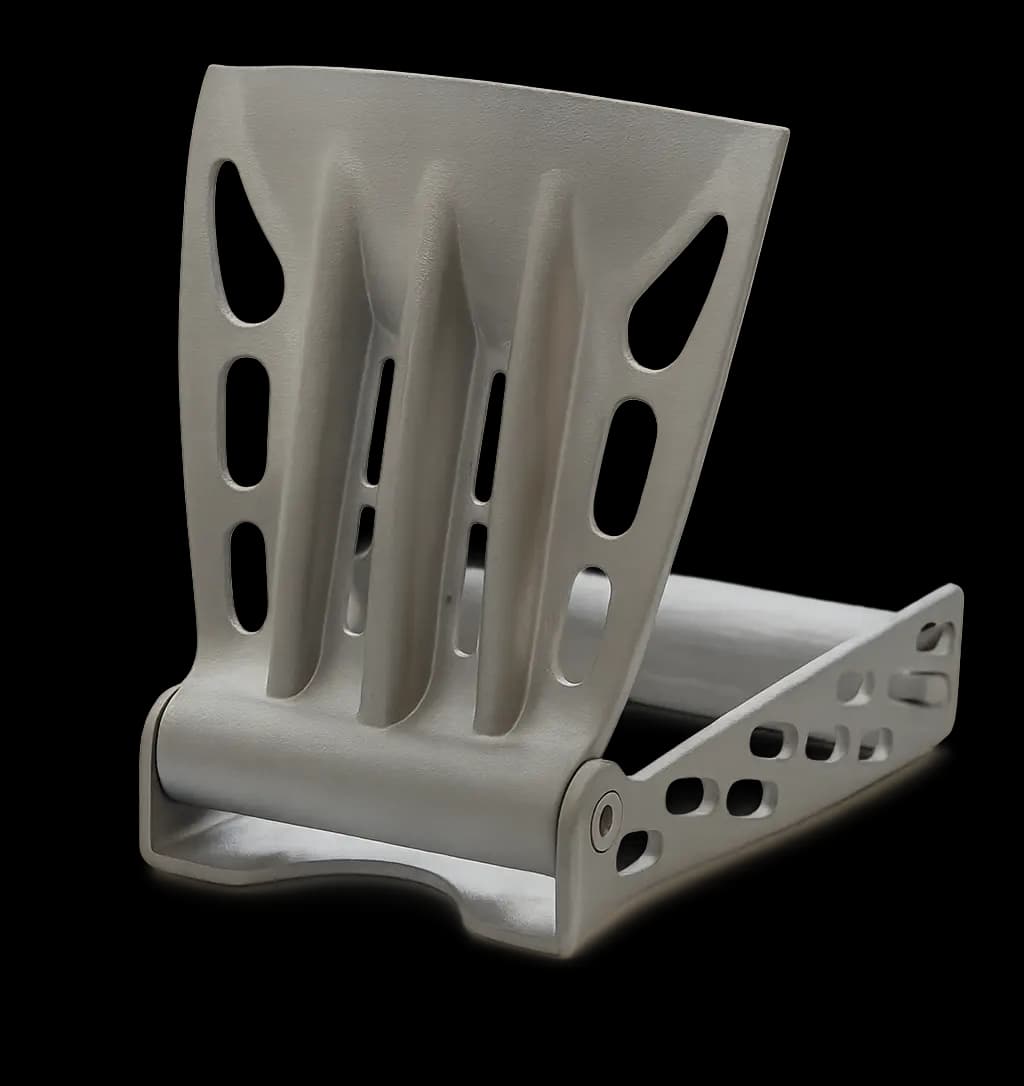
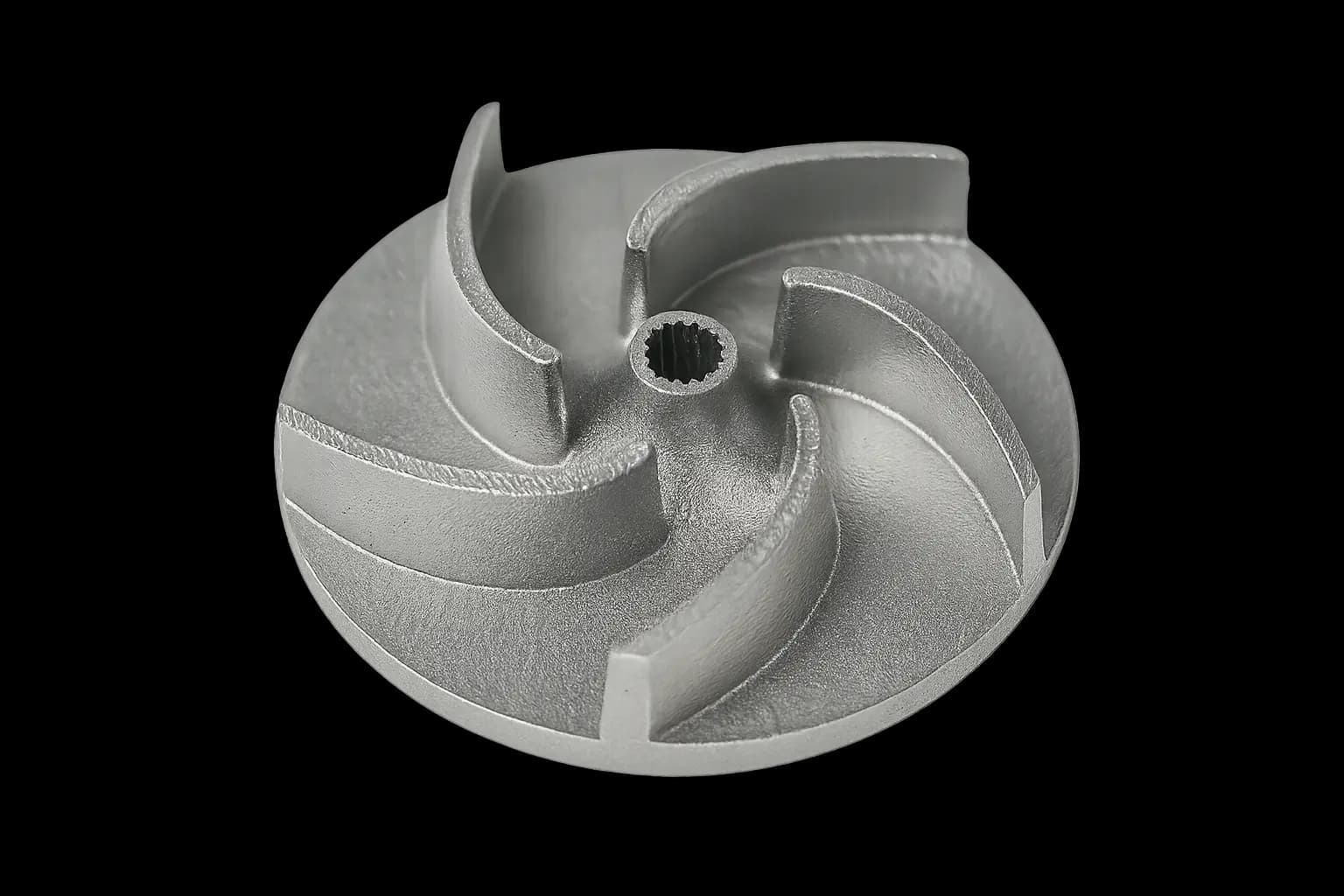
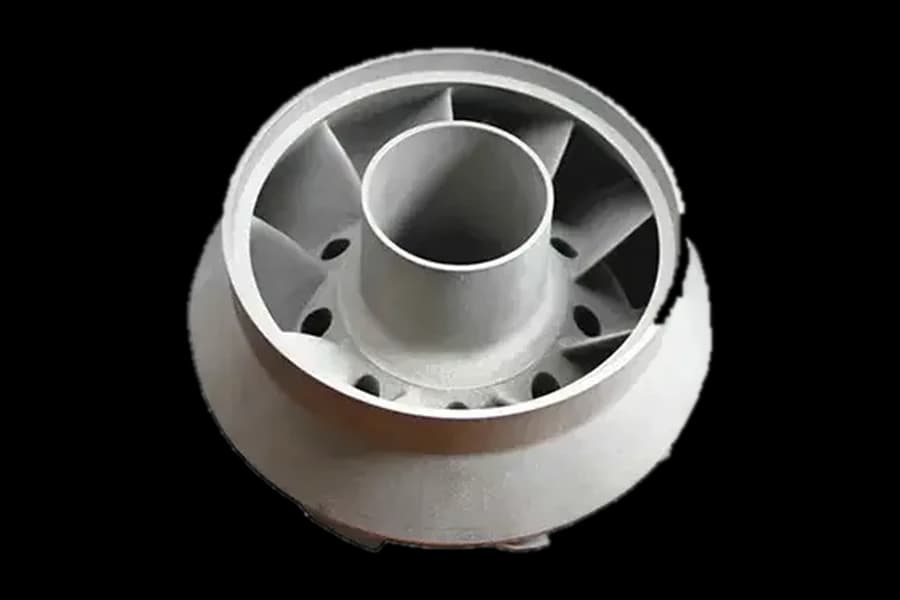
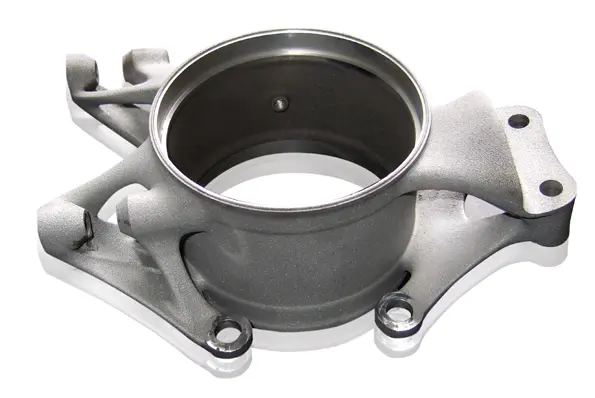
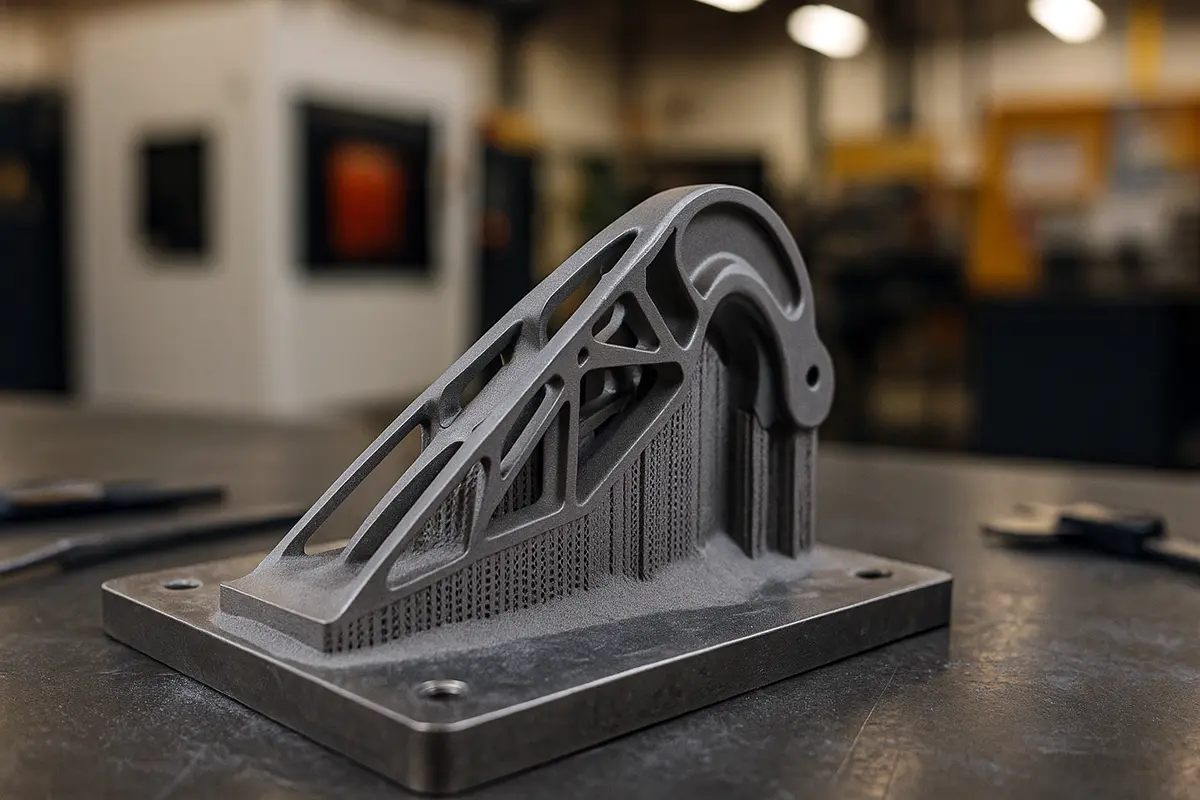
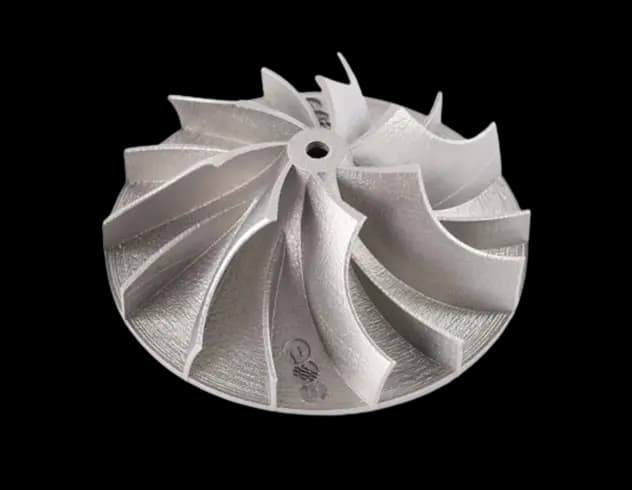
Copper CuCrZr 3D printed part example
Metal Precision
Industrial Grade
DMLS material

Copper CuCrZr overview

Copper CuCrZr is a highly conductive copper alloy for 3D printed metal parts that move heat or carry electric current. Direct Metal Laser Sintering (DMLS) builds cooling channels, coil turns and thin fins into one part, so assemblies once brazed from several pieces print as a single part with no brazed joints. After printing, heat treatment sets each part for the highest conductivity, or for extra strength where it also carries pressure or load. It suits rocket engine chambers and injectors, compact heat exchangers and cold plates, and induction coils.

How Copper CuCrZr is manufactured

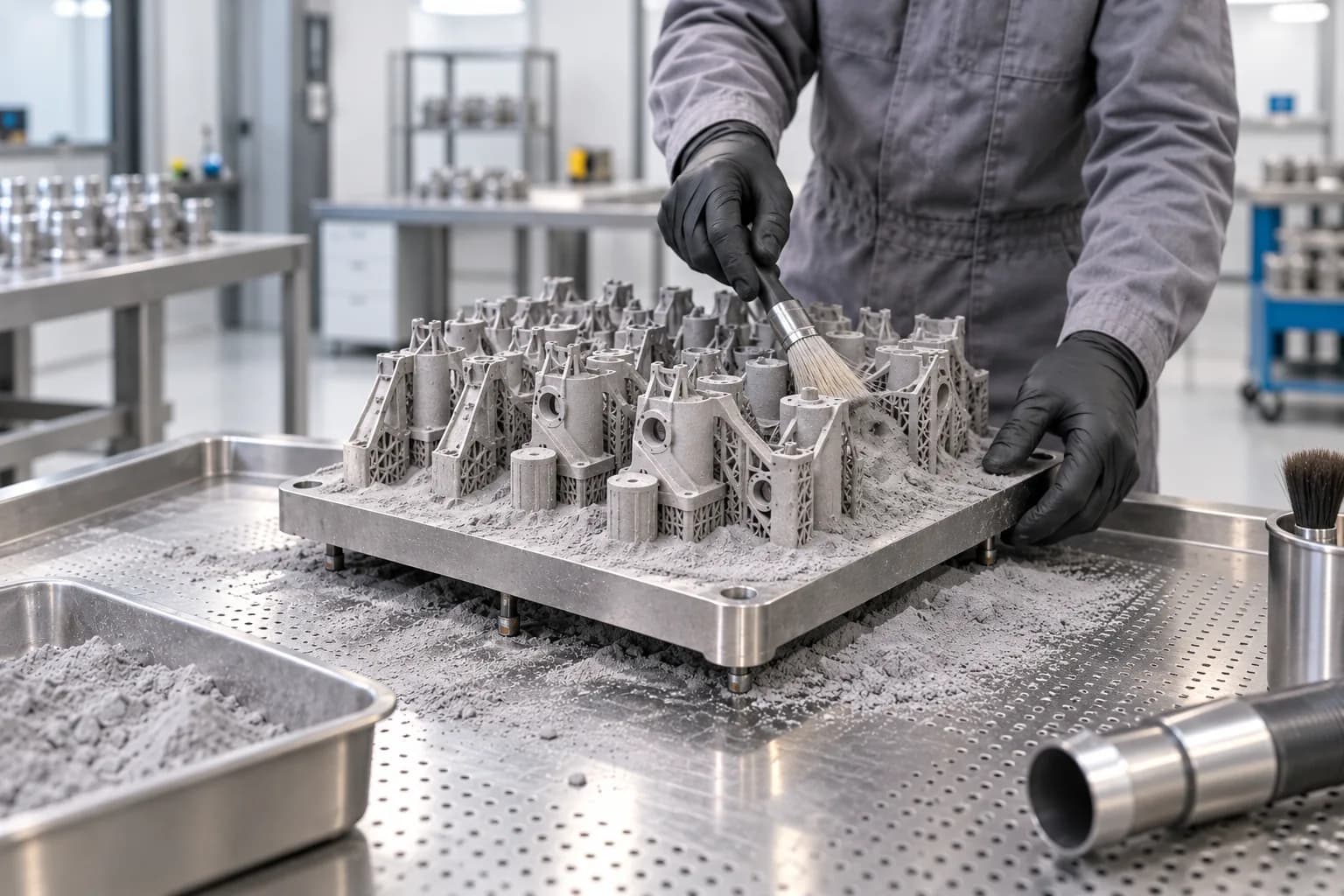
Copper CuCrZr is manufactured using Direct Metal Laser Sintering (DMLS) on EOS metal systems, where a laser melts fine copper alloy powder layer by layer in an argon atmosphere. Cooling channels, coil turns and thin fins form inside a single part, with no brazed joints between them, and support structures anchor each part to the build plate. After printing, an EOS ageing cycle brings the alloy to its final conductivity and strength.

Build volume
250 × 250 × 325 mm
Lead time
From 12 business days
Layer height
0.08 mm
Forge Labs Steam

Know before you manufacture in Copper CuCrZr.

Upload CAD files to Forge Labs Steam for Copper CuCrZr quotes and live manufacturability feedback, and fix issues before production.

Upload CAD files to Forge Labs Steam for Copper CuCrZr quotes and live manufacturability feedback, and fix issues before production.

Surface finishes

Finishes for Copper CuCrZr

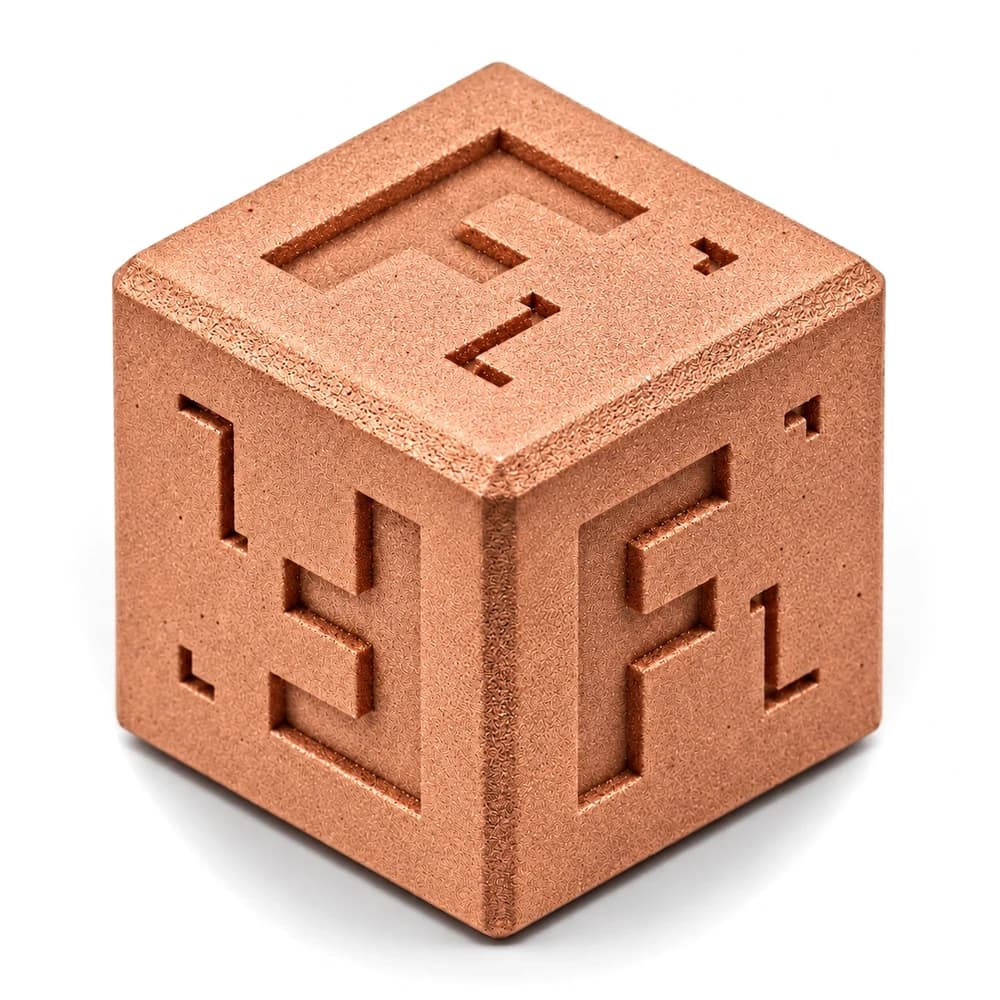
DMLS parts generally exhibit a slightly rough, matte finish due to the laser sintering process, resulting in a uniform surface texture. While this natural finish is sufficient for many functional applications, Forge Labs offers several post-processing options to enhance aesthetics, accuracy, and performance.

Forge Labs sample cube in bead-blasted DMLS copper CuCrZr
Natural

Standard Finish

Support structures are carefully removed, and parts undergo shot peening to create a uniform, matte surface and help relieve residual stresses. Critical features may receive light machining for tighter tolerances.

Surface Texture
Uniformly matte surface
Appearance
Matte Grey
Details
Well represented
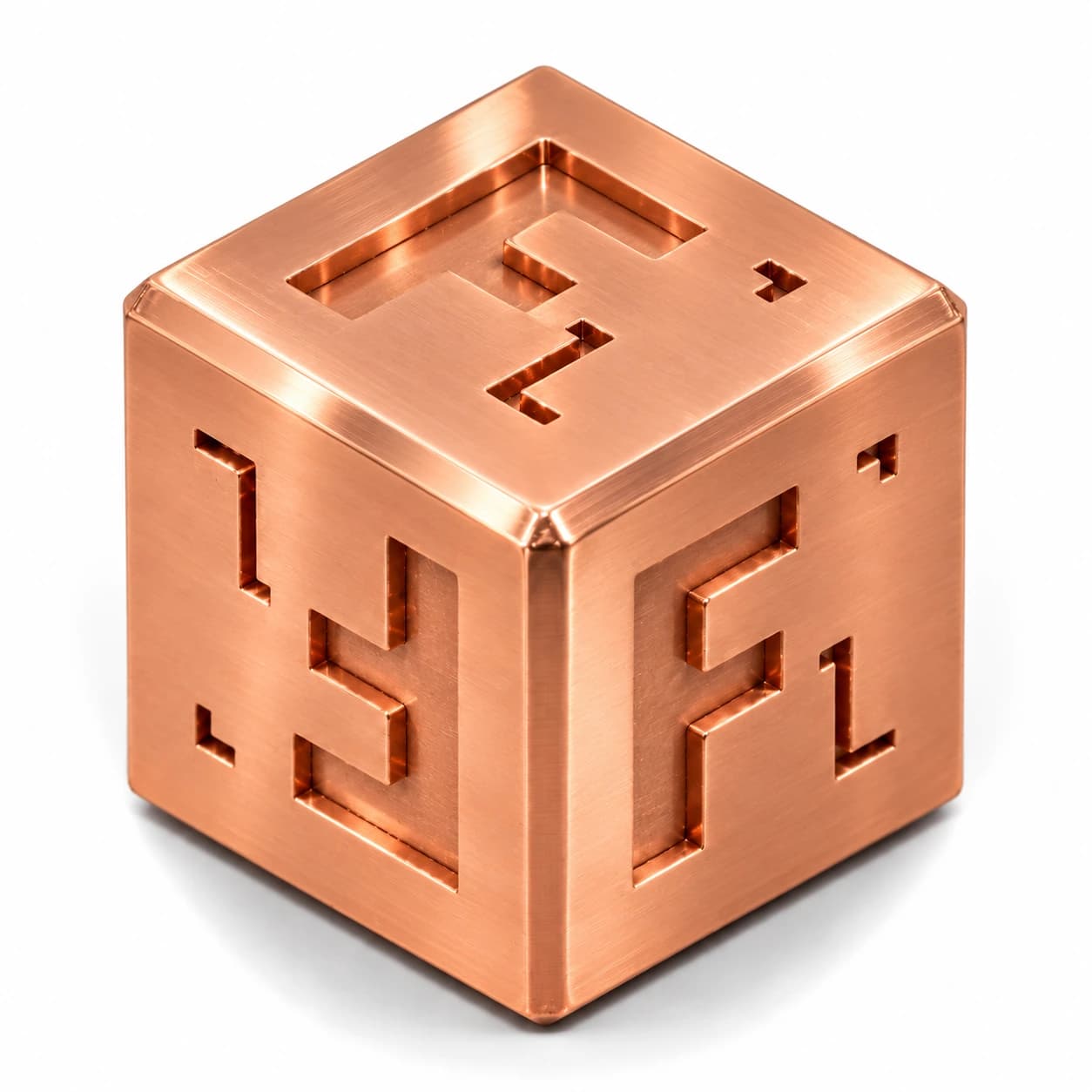
Sample cube in copper CuCrZr with a machined and polished copper finish
Forge Labs sample cube in bead-blasted DMLS copper CuCrZr
Enhanced

Machining & Polishing

Precision machining and polishing processes enhance surface quality, achieving tighter tolerances and smoother finishes for critical applications.

Surface Texture
Smooth, polished finish
Appearance
High-gloss metallic
Details
High retention
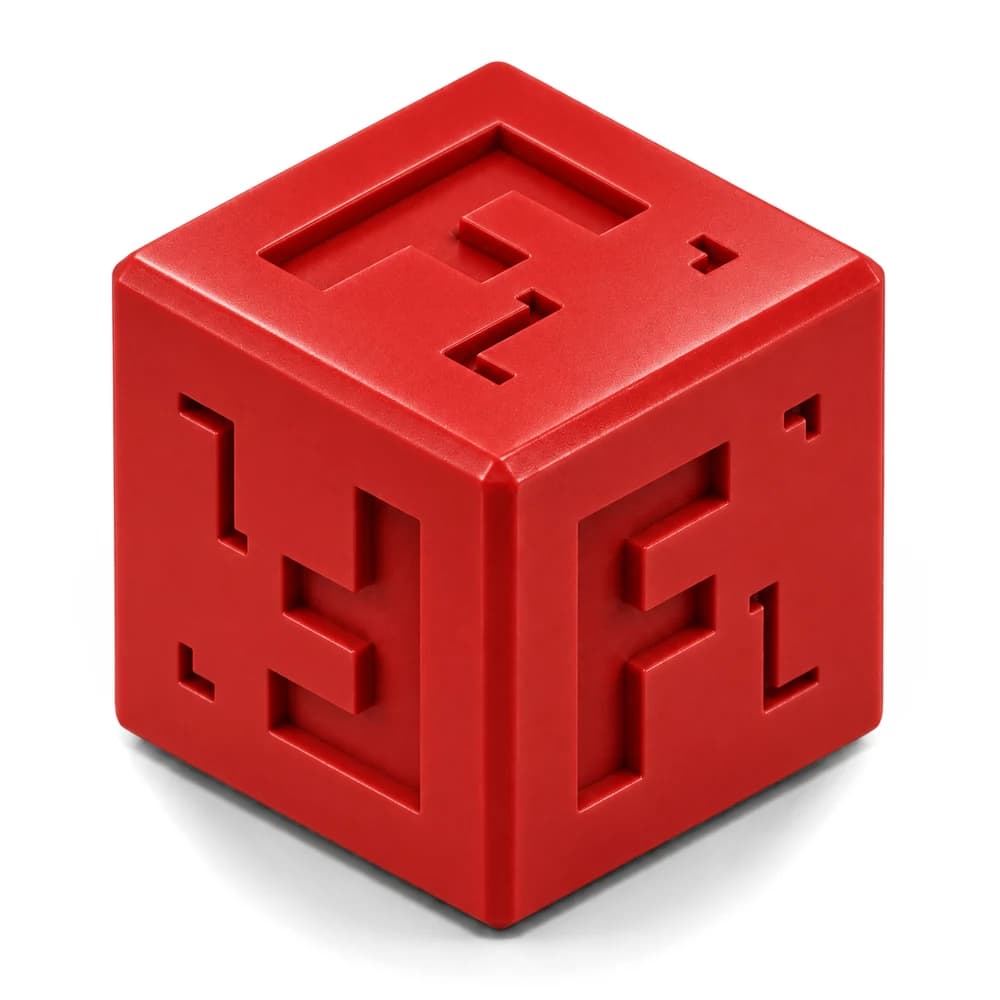
Sample cube with a red automotive-grade performance paint finish
Forge Labs sample cube in bead-blasted DMLS copper CuCrZr
Premium

Performance Paint

Automotive-grade coating that enhances aesthetics and durability. Each part is hand-finished with professional-grade equipment for exceptional adhesion and custom color matching.

Surface Texture
Matte to Semi-Gloss
Appearance
Custom color matching available
Details
Clear & refined
Industry applications

Industry applications for Copper CuCrZr

Copper CuCrZr is the DMLS material for parts whose main job is to move heat or carry current. Printing lets cooling channels follow the shape of a chamber, coil or exchanger instead of the straight paths a drill can reach, so heat leaves the part where it is generated, and assemblies once brazed from several pieces become one part.

Heat treatment tunes the alloy to the part. The conductivity-optimized cycle gives the highest conductivity for heat exchangers and induction coils, while the tensile-optimized cycle roughly doubles yield strength for parts that also carry pressure or mechanical load, at some cost in conductivity.

Forge Labs pairs DMLS with machining, so bores, threads and sealing faces are finished to the drawing once the part is printed and heat treated.

With no tooling or minimum order, a single development chamber or a batch of coils prints from the same file, so thermal designs can change between test campaigns without new fixtures or brazing setups.

All industries
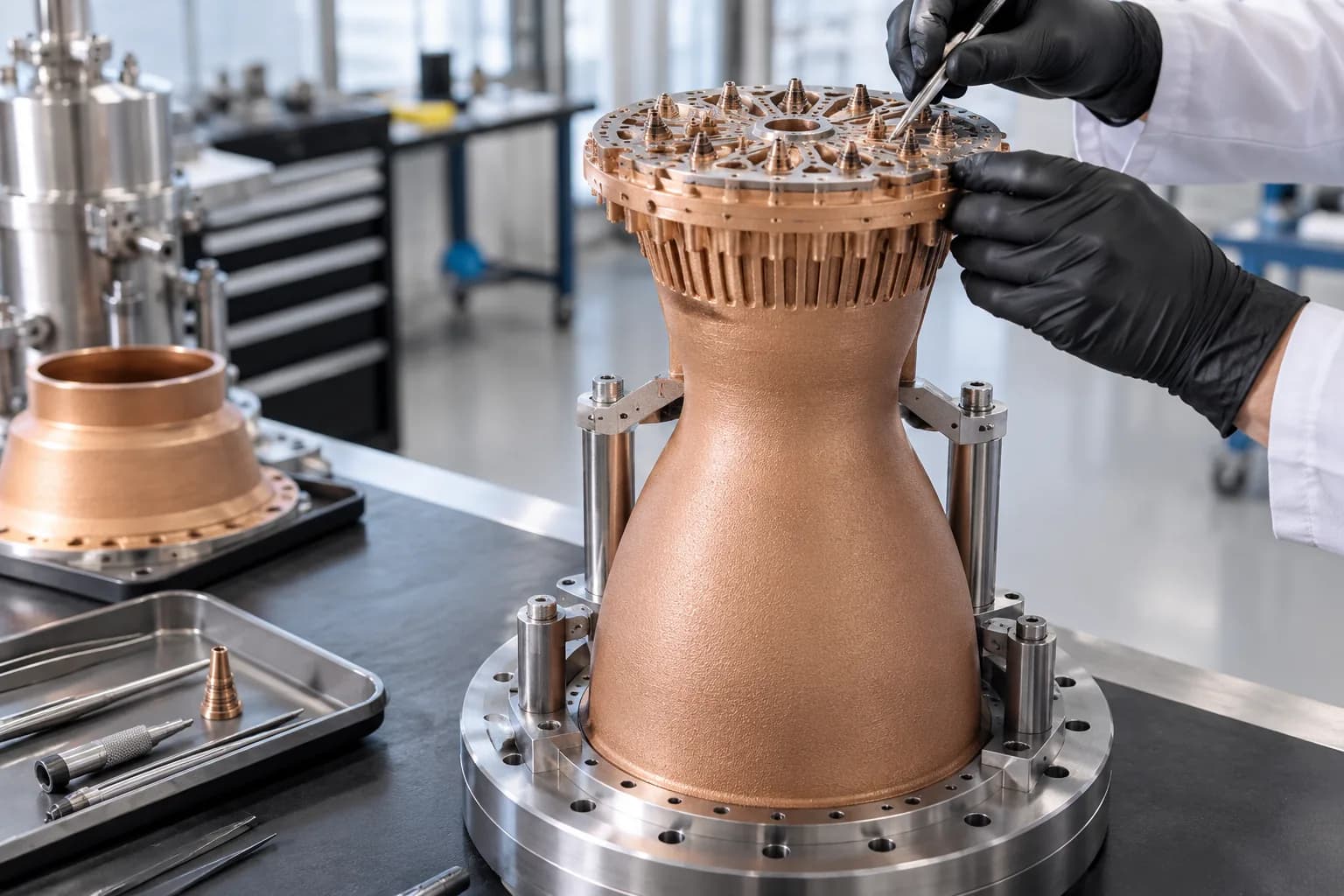
  • DMLS CuCrZr copper combustion chamber liner and injector

    Space & Aerospace

    Rocket Engine Chambers & Injectors

    Chamber liners and injectors with cooling channels inside the wall, from a shop already printing propulsion hardware.

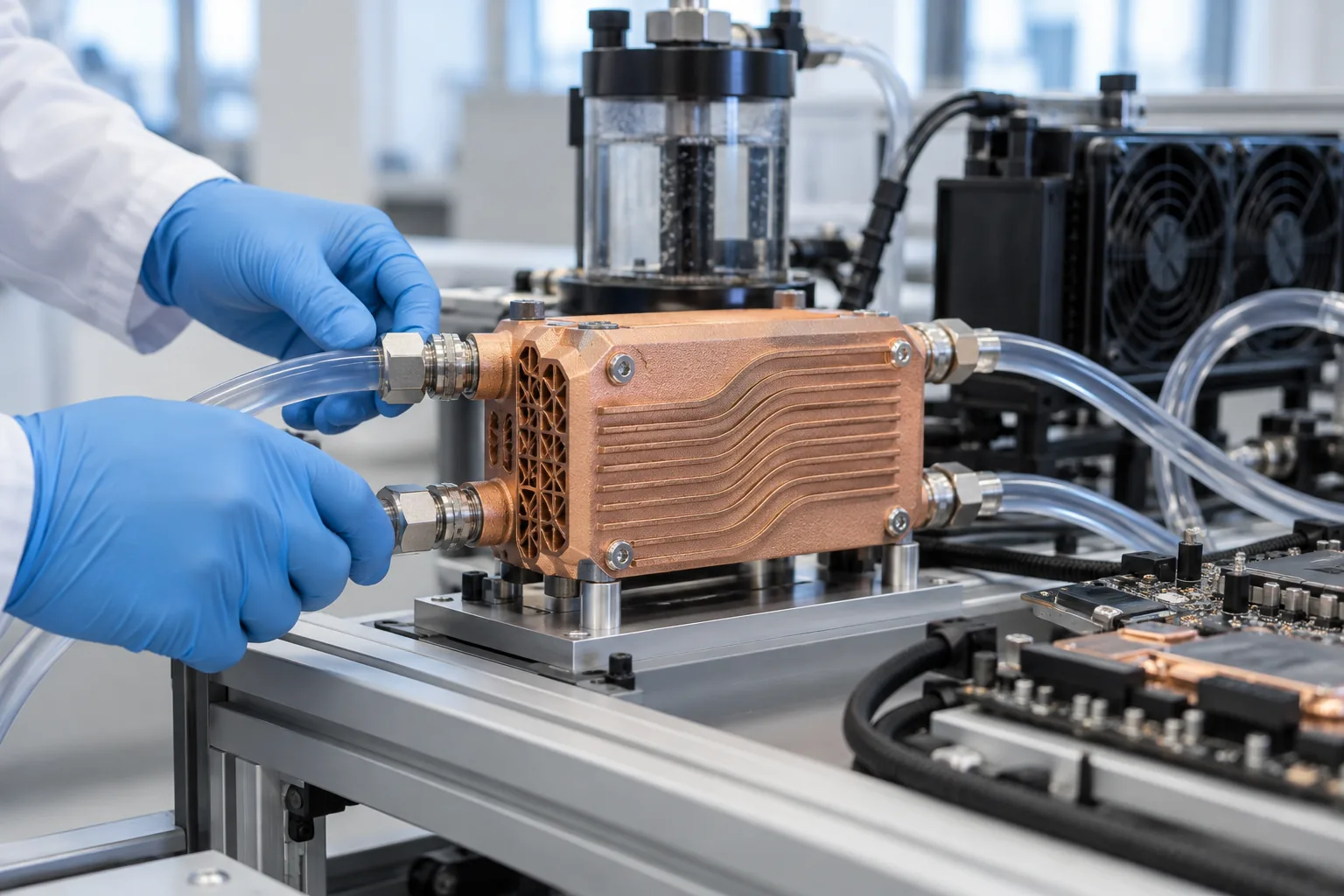
  • DMLS CuCrZr copper heat exchanger in an electronics cooling loop

    Clean Tech & Energy

    Heat Exchangers & Cold Plates

    Compact heat exchangers and cold plates with fine internal channels, at 88% IACS after heat treatment.

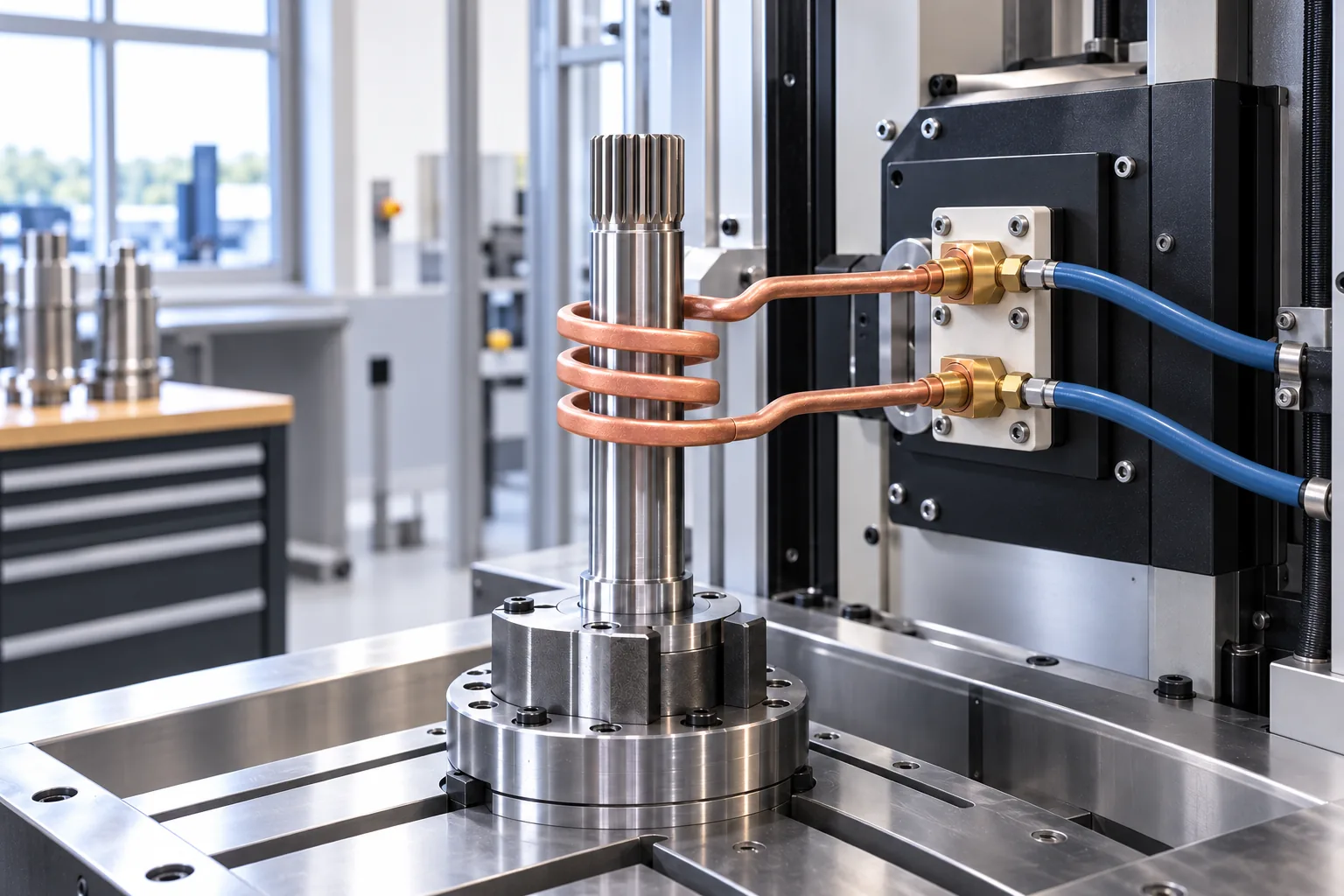
  • DMLS CuCrZr copper induction coil on a hardening station

    Automotive & Industrial

    Induction Coils & Inductors

    Coil turns and coolant passages printed as one part, shaped to the part being hardened.

DMLS CuCrZr copper combustion chamber liner and injector

Space & Aerospace

Rocket Engine Chambers & Injectors

Launch and propulsion teams use Copper CuCrZr for combustion chamber liners, injectors and nozzle sections, where cooling channels run inside the chamber wall and carry propellant past the hottest surfaces. Forge already prints combustor swirlers in runs of 35, a radial fuel-pump impeller and pitot rakes for propulsion test stands in steel, titanium and aluminum DMLS alloys, and copper extends that work to the hot-gas side of the engine.

  • Combustion chamber liners
  • Injectors
  • Nozzle sections
Explore aerospace
DMLS CuCrZr copper heat exchanger in an electronics cooling loop

Clean Tech & Energy

Heat Exchangers & Cold Plates

Energy and power electronics teams use Copper CuCrZr for compact heat exchangers, cold plates and heat spreaders, where fine internal channels and thin fins pack more surface into less space. After the conductivity-optimized heat treatment, it reaches 88% IACS. Forge already prints separator grids in runs of 150, evaporator plates and aluminum heat spreaders for thermal management hardware, and CuCrZr is the step up when a part has to move more heat than aluminum allows.

  • Compact heat exchangers
  • Cold plates
  • Heat spreaders
Explore clean tech
DMLS CuCrZr copper induction coil on a hardening station

Automotive & Industrial

Induction Coils & Inductors

Heat-treating lines use induction coils to harden shafts, gears and bearing seats, and each coil carries high current while coolant flows through it. Induction coils are a typical CuCrZr application. DMLS forms the coil turns and coolant passages as one part, so the coil follows the shape of the part being hardened without bent tubing or brazed joints, and heat treatment raises its conductivity more than threefold over the as-manufactured state.

  • Induction hardening coils
  • Heating and brazing coils
  • Cooled inductors
Explore automotive
Performance data

Technical performance for Copper CuCrZr

Values from EOS CopperAlloy CuCrZr datasheets for the EOS M 290 1kW and EOS M 400-1 (80 µm), tested to the standard listed with each property.

Mechanical performance

Mechanical properties

Copper CuCrZr trades some strength for conductivity, so the condition a part ships in matters more than it does for steel. The first rows give EOS M 290 values as manufactured and heat treated; the conductivity-optimized and tensile-optimized rows show how far each EOS heat treatment moves strength, ductility, stiffness and hardness.

Every condition stays ductile, which suits coils, liners and thin-walled exchangers that see repeated thermal cycling. After the conductivity-optimized cycle, horizontal values run higher than vertical ones, so orient load paths along the build plate where strength matters.

PropertyValue
Tensile Strength (Heat Treated)EN ISO 6892-1 (EOS M 290 1kW, 80 µm)
340 MPa
Yield Strength Rp0.2 (Heat Treated)EN ISO 6892-1 (EOS M 290 1kW, 80 µm)
210 MPa
Elongation at Break (Heat Treated)EN ISO 6892-1 (EOS M 290 1kW, 80 µm)
25 %
Tensile Strength (As Manufactured)EN ISO 6892-1 (EOS M 290 1kW, 80 µm)
210 MPa
Yield Strength Rp0.2 (As Manufactured)EN ISO 6892-1 (EOS M 290 1kW, 80 µm)
160 MPa
Elongation at Break (As Manufactured)EN ISO 6892-1 (EOS M 290 1kW, 80 µm)
40 %
Tensile Strength, Conductivity-Optimized HT (Horizontal / Vertical)ISO 6892-1 (EOS M 400-1, 80 µm)
410 / 350 MPa
Yield Strength Rp0.2, Conductivity-Optimized HT (Horizontal / Vertical)ISO 6892-1 (EOS M 400-1, 80 µm)
255 / 230 MPa
Elongation at Break, Conductivity-Optimized HT (Horizontal)ISO 6892-1 (EOS M 400-1, 80 µm)
30 %
Elongation at Break, Conductivity-Optimized HT (Vertical)ISO 6892-1 (EOS M 400-1, 80 µm)
36 %
Elastic Modulus, Conductivity-Optimized HT (Horizontal / Vertical)EN ISO 6892-1 Method A (EOS M 400-1, 80 µm)
130 / 115 GPa
Tensile Strength, Tensile-Optimized HT (Horizontal / Vertical)ISO 6892-1 (EOS M 400-1, 80 µm)
590 / 540 MPa
Yield Strength Rp0.2, Tensile-Optimized HT (Horizontal / Vertical)ISO 6892-1 (EOS M 400-1, 80 µm)
510 / 495 MPa
Elongation at Break, Tensile-Optimized HT (Horizontal and Vertical)ISO 6892-1 (EOS M 400-1, 80 µm)
18 %
Elastic Modulus, Tensile-Optimized HT (Horizontal / Vertical)EN ISO 6892-1 Method A (EOS M 400-1, 80 µm)
120 / 125 GPa
Hardness, Conductivity-Optimized HTISO 6507-1 (EOS M 400-1, 80 µm)
120 HV10
Hardness, Tensile-Optimized HTISO 6507-1 (EOS M 400-1, 80 µm)
190 HV10

Material makeup

Physical properties

Part density and the low defect percentage describe a near-solid copper part, which matters for pressure-tight channels and for conductivity, since porosity interrupts the path for heat and current. The minimum wall thickness sets the thinnest fin or channel wall the process builds.

Surface roughness depends on orientation: vertical faces are the smoothest, while down-facing surfaces grow much rougher as they flatten, so internal channels are best oriented steeply or sized with that in mind. The composition rows are the EOS powder limits, and solid parts match the powder chemistry.

PropertyValue
Part DensityEN ISO 3369
≥ 8.84 g/cm³
Average Defect PercentageEOS method
0.2 %
Minimum Wall ThicknessEOS M 400-1, 80 µm
0.8 mm
Surface Roughness Ra, As Manufactured (vertical faces)EOS MDS chart (EOS M 400-1, 80 µm)
≈ 14 µm
Surface Roughness Ra, As Manufactured (45° down-skin)EOS MDS chart (EOS M 400-1, 80 µm)
≈ 49 µm
Chemical CompositionEOS MDS
Corresponds to C18150 / CW106C
Copper (Cu)EOS MDS
Balance
Chromium (Cr)EOS MDS
0.45–1.15 wt%
Zirconium (Zr)EOS MDS
0.05–0.25 wt%
Iron (Fe)EOS MDS
≤ 0.08 wt%

Heat performance

Thermal properties

EOS publishes the two ageing cycles behind the heat-treated values. Both run under an inert gas atmosphere and end with slow cooling, and the choice between them sets the balance of conductivity and strength in the finished part.

In copper alloys, thermal conductivity rises and falls with electrical conductivity, so the electrical rows are the guide to how well a part moves heat in each condition.

PropertyValue
Ageing, Conductivity-Optimized (3 h, inert gas, slow cool below 100 °C)EOS heat treatment
550 °C
Ageing, Tensile-Optimized (1 h, inert gas, slow cool below 100 °C)EOS heat treatment
490 °C

Functional performance

Electrical properties

Electrical conductivity is the headline property of Copper CuCrZr, given in % IACS, relative to the International Annealed Copper Standard. As-manufactured parts conduct far less than heat-treated ones, so parts that carry heat or current should be aged after printing.

EOS measured these values with the eddy-current method of ASTM E1004-17 on sample cubes, reading each cube from five faces.

PropertyValue
Electrical Conductivity (Heat Treated)ASTM E1004-17 (EOS M 290 1kW, 80 µm)
> 80 % IACS
Electrical Conductivity (As Manufactured)ASTM E1004-17 (EOS M 290 1kW, 80 µm)
> 20 % IACS
Electrical Conductivity, Conductivity-Optimized HTASTM E1004-17 (EOS M 400-1, 80 µm)
88 % IACS
Electrical Conductivity, Tensile-Optimized HTASTM E1004-17 (EOS M 400-1, 80 µm)
76 % IACS
Electrical Conductivity, As Manufactured (M 400-1)ASTM E1004-17 (EOS M 400-1, 80 µm)
23 % IACS

Compliance

Compliance profile

EOS states that the chemical composition of CuCrZr corresponds to C18150 and European CW106C, the chromium-zirconium coppers already called out on drawings, so specifications can be checked against supplier data.

These entries describe chemistry rather than product certification. EOS does not develop or certify the powder as a medical device.

StandardStatus
UNS C18150 (CuCr1Zr)EOS states the chemical composition corresponds to C18150 chromium-zirconium copper
Composition per EOS
CW106C (CuCr1Zr)EOS states the chemical composition corresponds to European CW106C
Composition per EOS
Resources

Datasheets and design resources

Datasheets, design guidance and supplier documentation for Copper CuCrZr.

Download center

Access the most recent datasheet and supporting documentation maintained by our engineering team.

Copper CuCrZr datasheet

Design guidelines

Explore printable geometry recommendations, wall thickness tips, and finishing playbooks for DMLS.

View DMLS design guide
DMLS metal parts on a build plate being cleared of powder
Advanced Manufacturing

Built with Precision DMLS Technology

Copper CuCrZr is manufactured using Direct Metal Laser Sintering (DMLS) technology, building conductive parts with internal channels from a single development part to repeat production batches.

Tolerance
±0.3% (min ±0.3 mm)
Production capacity
Multiple parts built on each plate
Quality control
In-process monitoring and batch traceability for consistent part quality and material properties
Heat treatment
Conductivity- or tensile-optimized ageing
Colours & finishes
Support removal, machining and surface finishing
Learn more about DMLS technology
Frequently Asked Questions

Frequently asked questions about Copper CuCrZr

Can't find the answer you're looking for? Reach out to our customer support team.

Copper CuCrZr combines high electrical and thermal conductivity with good strength and ductility. After the conductivity-optimized heat treatment, EOS measures 88% IACS with 410 MPa tensile strength horizontally, and the tensile-optimized cycle raises tensile strength to 590 MPa while keeping 76% IACS. Parts reach a density of at least 8.84 g/cm³.
Start a quote

Ready to Get Started with Copper CuCrZr?

Upload your design and get a quote for Copper CuCrZr parts from our engineers.

  • Engineer-prepared quotes with manufacturability review
  • Production workflows built for repeatable quality
  • Engineering support from prototype to production
Compare all materials

Create an account to upload CAD

STEP, STL, OBJ, 3MF and IGES supported

Manufacturing technologies
6
Engineering materials
50+
Part quantities
1-500+