
Aerospace
Housings, Fittings & Secondary Flight Hardware
Housings, fittings and secondary flight hardware in a light, tough aerospace alloy.
Aluminum 6061-T6 is the everyday aluminum alloy for CNC machining, used when a part must be light, strong and affordable to make. It machines cleanly, holds tight tolerances through multiple setups and weighs about a third as much as steel. It resists corrosion, carries heat away well and takes clear or coloured anodizing for a protective finish. Teams use it for housings, enclosures and heat sinks, brackets and frames, tooling plates and fixtures, and marine fittings, from prototypes to production runs in aerospace, automotive and industrial equipment.
How Aluminum 6061-T6 is manufactured
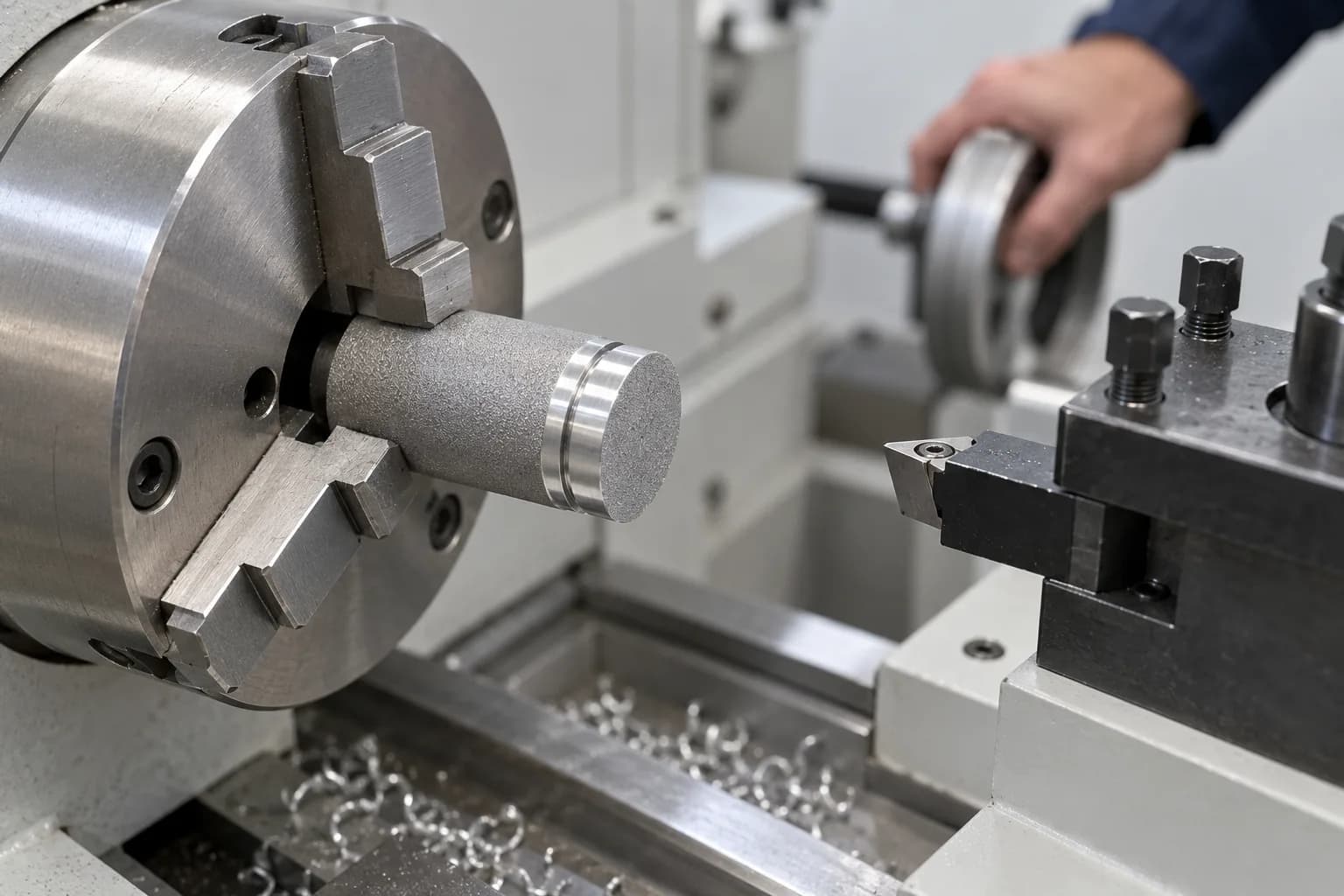
Aluminum 6061-T6 is manufactured by CNC machining, a subtractive process in which multi-axis milling cuts each part from solid wrought plate, rod or bar, with no tooling to build first. 6061-T651 plate and rod are stress-relieved by stretching, so dimensions stay stable through multi-setup machining. Combined with the alloy's strength and low weight, CNC machining makes Aluminum 6061-T6 a dependable option for prototypes, tooling and production parts that need flat faces, close fits and repeatable quality.
Upload CAD files and drawings to Forge Labs Steam, and our engineers review Aluminum 6061-T6 parts for tolerances, tool access and finish so issues are fixed before production.
Upload CAD files and drawings to Forge Labs Steam, and our engineers review Aluminum 6061-T6 parts for tolerances, tool access and finish so issues are fixed before production.



Aluminum 6061-T6 combines a strong balance of strength and machinability with corrosion resistance and low weight, and it accepts anodizing, chem film and other conversion coatings for demanding applications. From rapid prototyping to production runs, teams rely on Aluminum 6061-T6 to maintain tight tolerances on housings, brackets, tooling plates and fixtures.
The alloy is trusted for aerospace and automotive programs and is widely available as plate, cold-finished rod and extruded bar, so material is easy to source in the size a part needs.
Beyond machining, 6061-T6 welds and brazes well, and its corrosion resistance and appearance after anodizing are the best of the common screw machine alloys, so machined parts can be joined into larger assemblies and finished for outdoor and marine service.
When strength drives the design, Aluminum 7075-T6 is the machined alternative, and when a part needs internal channels or organic shapes no cutter can reach, the alloy is also printed as DMLS Aluminum 6061.
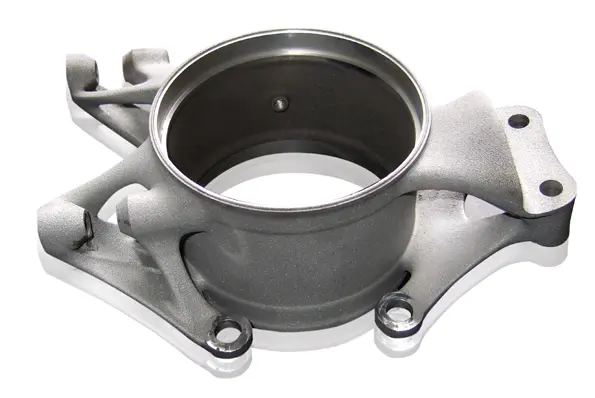
Aerospace
Housings, fittings and secondary flight hardware in a light, tough aerospace alloy.
Industrial Equipment
Flat, light tooling plates and fixtures with strong dowel and bolt locations.
Automotive & Electronics
Enclosures, heat sinks and brackets that carry heat away from electronics.
Power Generation
Valve bodies, couplings and test-rig brackets in a light, corrosion-resistant alloy.
Marine & Subsea
Corrosion-resistant marine fittings, housings and brackets for long service near salt water.
Aerospace
Aerospace teams machine Aluminum 6061-T6 into precision housings and covers that need low mass and excellent flatness, and into structural brackets and secondary flight hardware. Aircraft fittings are one of the alloy's classic uses, and its fracture toughness of 29 MPa·√m gives brackets and fittings resistance to crack growth from small flaws.
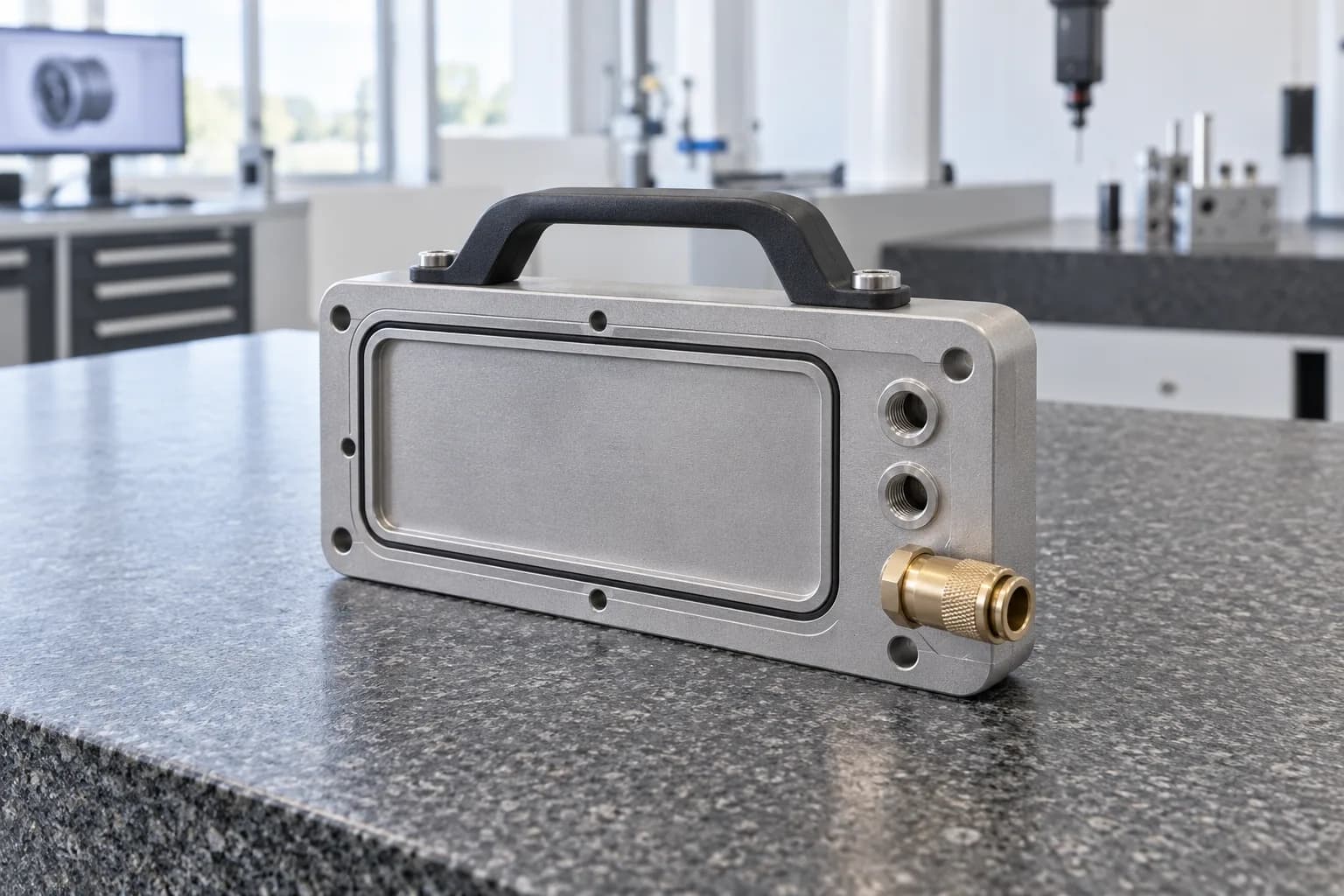
Industrial Equipment
Production and test teams machine Aluminum 6061-T6 into tooling plates, base plates, fixture nests and jigs, and end-of-arm brackets. Finished fixtures stay light enough to lift by hand or carry on a robot, and pinned and bolted locations have an ultimate bearing strength of 607 MPa at an edge distance of twice the pin diameter.
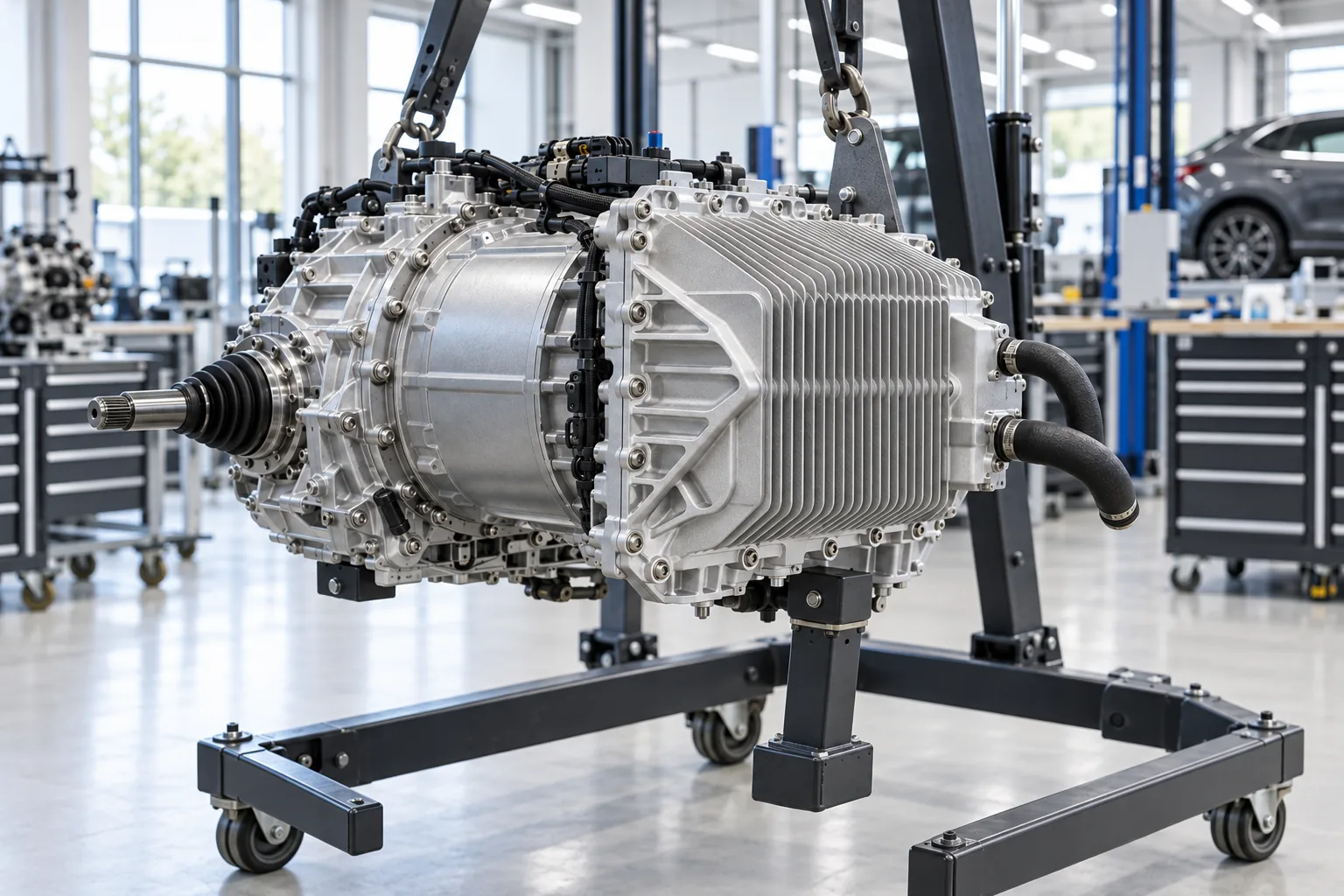
Automotive & Electronics
Automotive and electronics teams machine Aluminum 6061-T6 into precision enclosures and heat sinks, electrical fittings and connectors, sensor mounts and lightweight structural brackets and frames. With a thermal conductivity of 167 W/m·K, machined fins and mounting faces carry heat away from power electronics.
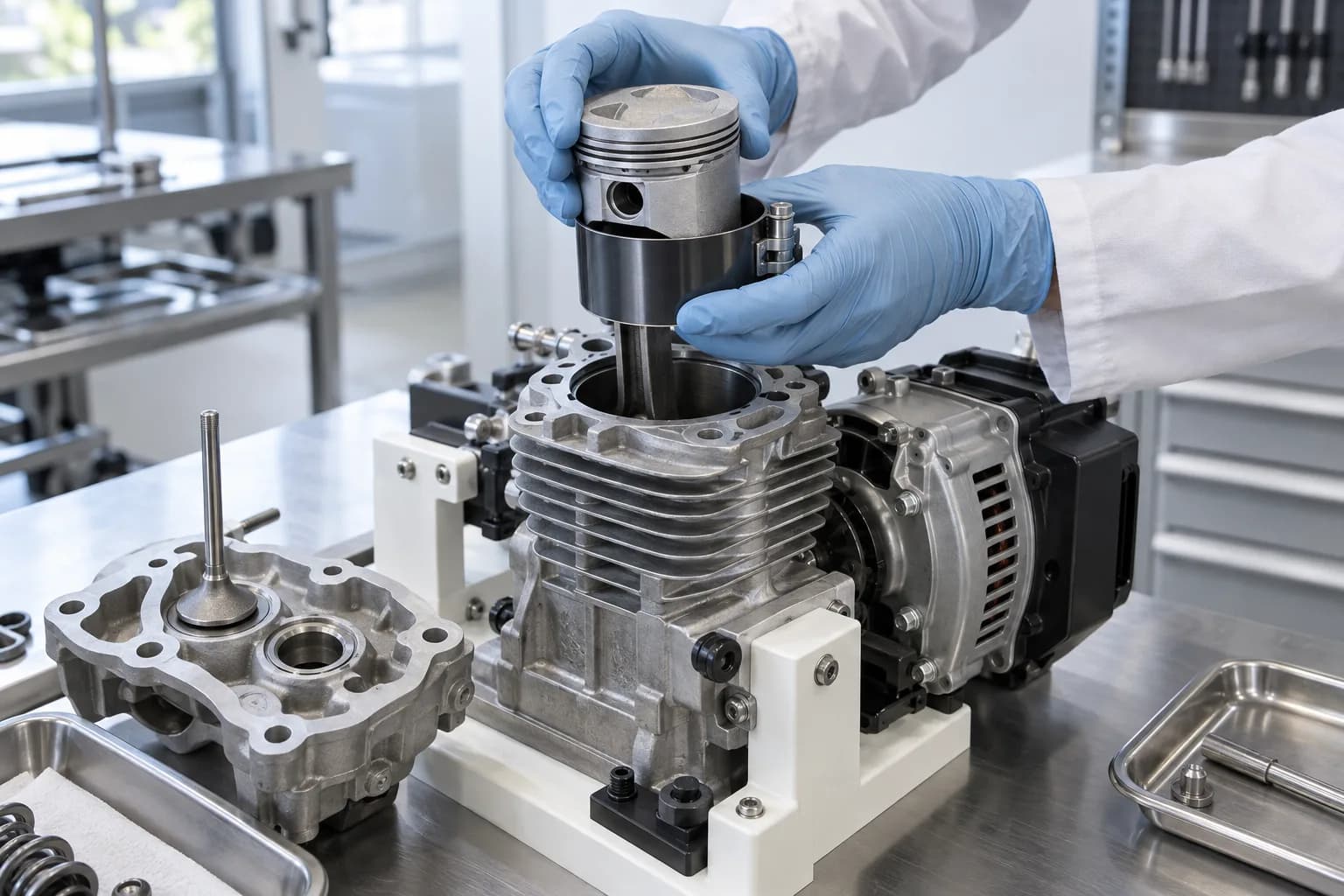
Power Generation
Engine, compressor and pump teams machine Aluminum 6061-T6 into valve bodies, couplings and hydraulic pistons, all established uses of the alloy, and into test-rig brackets that change between builds. A shear strength of 207 MPa suits couplings and hardware that are taken apart and refitted on the test stand.
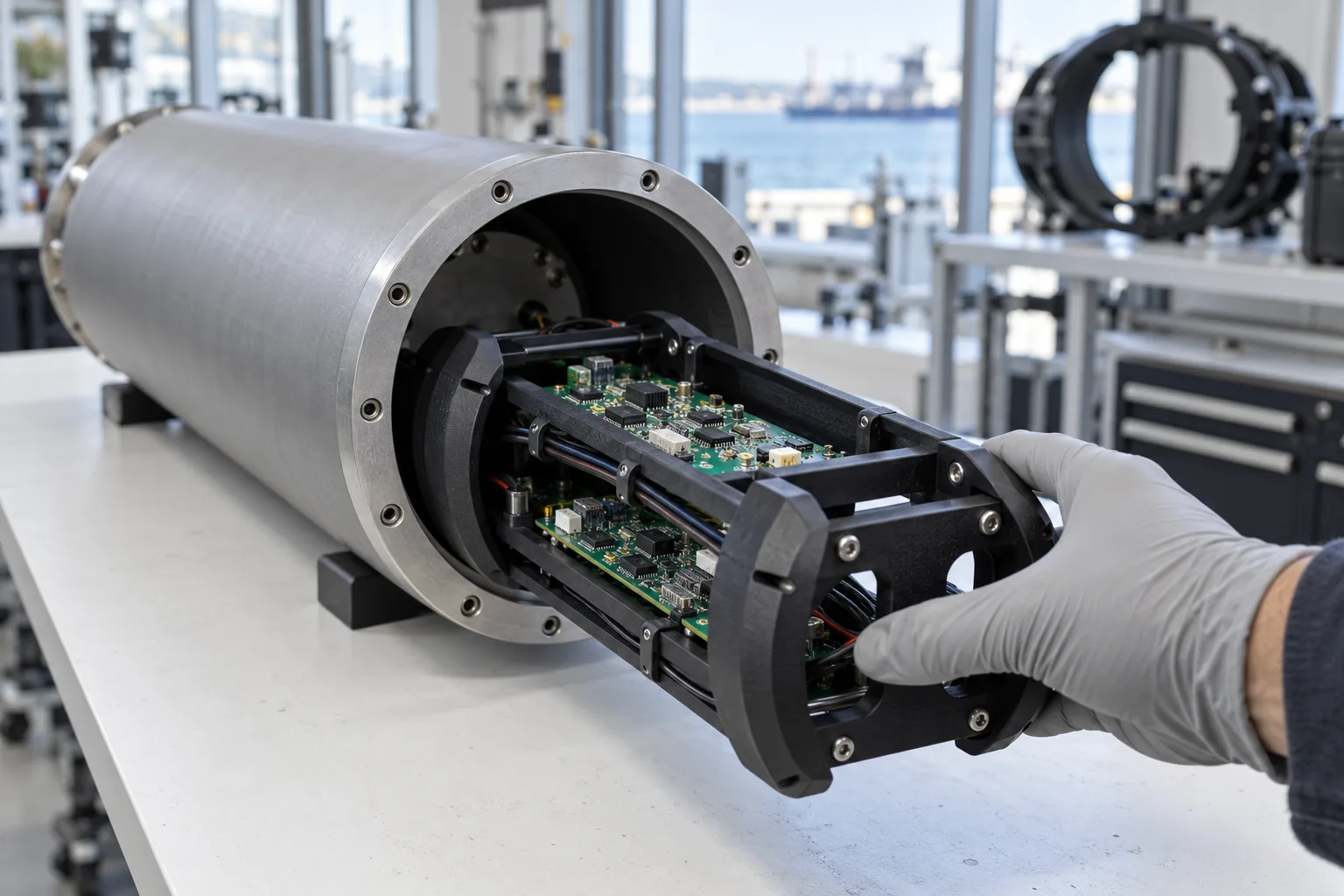
Marine & Subsea
Marine and subsea teams use Aluminum 6061-T6 for marine fittings and hardware, pressure housings and end caps, and deck and mounting brackets. It combines very good general corrosion resistance with top-rated resistance to stress-corrosion cracking, so machined hardware stays light and durable near salt water.
Values from the Aluminum Association typical properties and the ASTM minimum limits for 6061-T6 stock, with Aerospace Specification Metals / MatWeb data sheet values where marked; the source is listed with each property.
Mechanical performance
Aluminum 6061-T6 delivers dependable strength and toughness for lightweight structural brackets and frames, precision enclosures and tooling plates, helping teams move from prototype to production with confidence. Its balanced mechanical profile handles demanding load conditions while staying ductile rather than brittle, and because machining adds no layer lines, parts carry the full properties of the wrought stock.
Typical values describe average production stock, while the minimum rows are the limits each product form must meet, with plate and cold-finished rod held to a higher tensile minimum than extruded bar, so design margins start from the minimum for the stock a part is cut from. Elongation is given for two specimen sizes, fatigue strength is given for fully reversed bending at a stated cycle count, and the bearing rows apply to pinned and bolted joints.
Material makeup
Low density makes parts lightweight yet durable, at about a third of the weight of steel, and wrought stock is fully dense, so critical features hold tolerances and downstream finishing stays predictable.
The composition rows show the magnesium and silicon that make 6061 heat-treatable, with small additions of copper and chromium. Surface roughness is our as-machined finish; specify a finer finish on sealing or cosmetic faces.
Heat performance
Aluminum 6061-T6 conducts heat well, which suits heat sinks and thermal management parts, and its thermal expansion is typical of aluminum, so allow for it in tight assemblies and where parts meet steel or titanium.
The T6 temper gets its strength from artificial ageing, and long exposure at elevated temperature over-ages it and lowers its strength. The rows at temperature show how quickly tensile and yield strength fall as parts run hotter, so size hot parts from those rows rather than the room-temperature values.
Functional performance
Aluminum 6061-T6 electrical properties support conductive housings, grounded fixtures, shielding features and functional prototypes that interact with electrical systems, and the published conductivity and resistivity give engineers reliable inputs for current flow and grounding models.
Anodizing forms an insulating oxide, so mask grounding points or specify a conversion coating where electrical continuity matters.
Compliance
6061-T6 machining stock is produced to ASTM and AMS specifications for each product form: plate, cold-finished rod and bar, and extruded bar, so drawings can call up the material by specification.
 CNC Machining
Aluminum 7075-T6
 DMLS
DMLSAluminum 6061
 CNC Machining
Stainless Steel 304
CNC MachiningStainless Steel 17-4 PH (CNC)
 DMLS
DMLSAluminum AlSi10Mg
 DMLS
DMLSTitanium Ti-6Al-4V
 CNC Machining
PEEK
CNC MachiningDelrin (Acetal)
 CNC Machining
Polycarbonate (CNC)
 DMLS
DMLSStainless Steel 316L
 DMLS
DMLSStainless Steel 17-4 PH
 DMLS
DMLSMaraging Steel MS1
Datasheets, design guidance and supplier documentation for Aluminum 6061-T6.
Access the most recent datasheet and supporting documentation maintained by our engineering team.
Aluminum 6061-T6 datasheetTolerance, wall thickness and finishing guidance for machined parts.
View machining guidance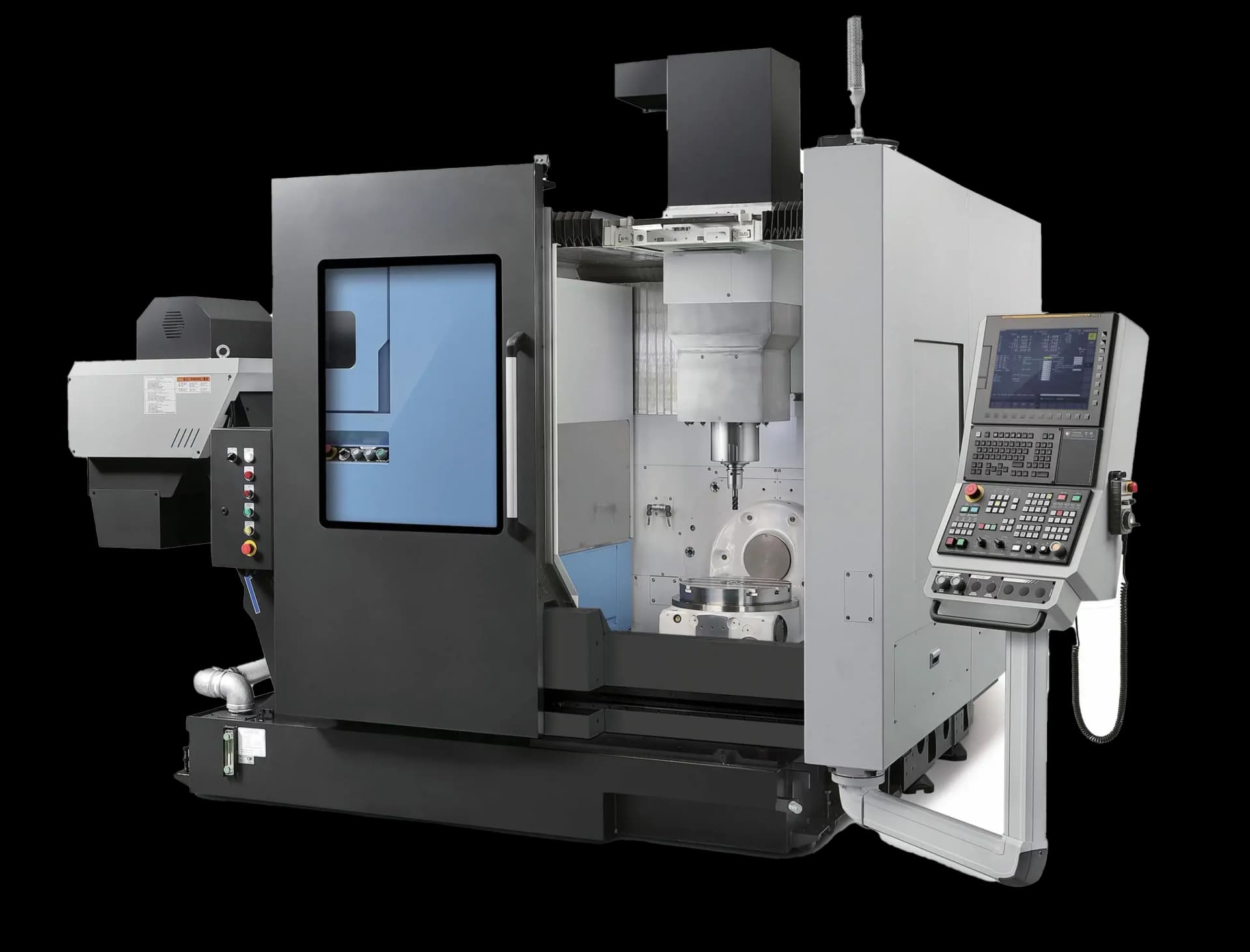
Aluminum 6061-T6 is manufactured using advanced CNC machining technology, ensuring optimal material properties and dimensional accuracy.
Can't find the answer you're looking for? Reach out to our customer support team.
Upload your design and get a quote for Aluminum 6061-T6 parts from our engineers.
Create an account to upload CAD
STEP, STL, OBJ, 3MF and IGES supported