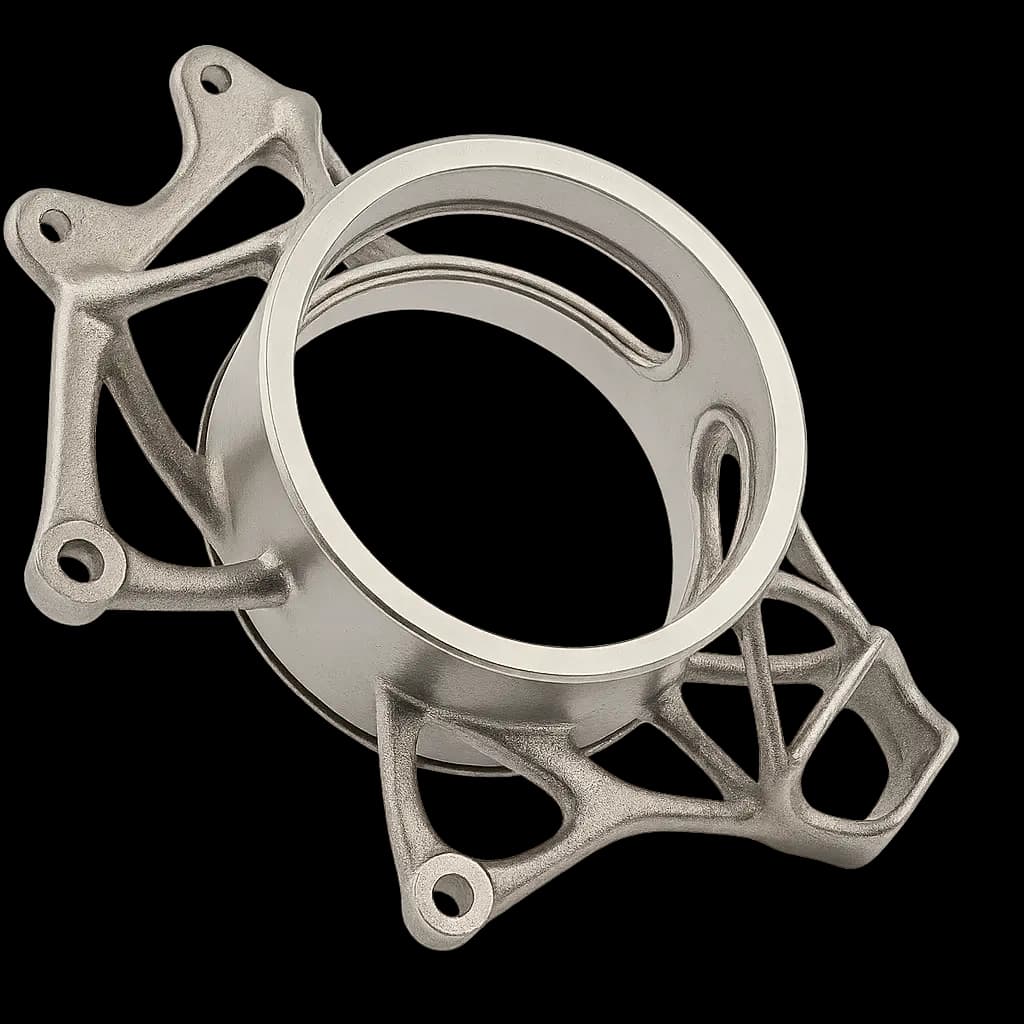
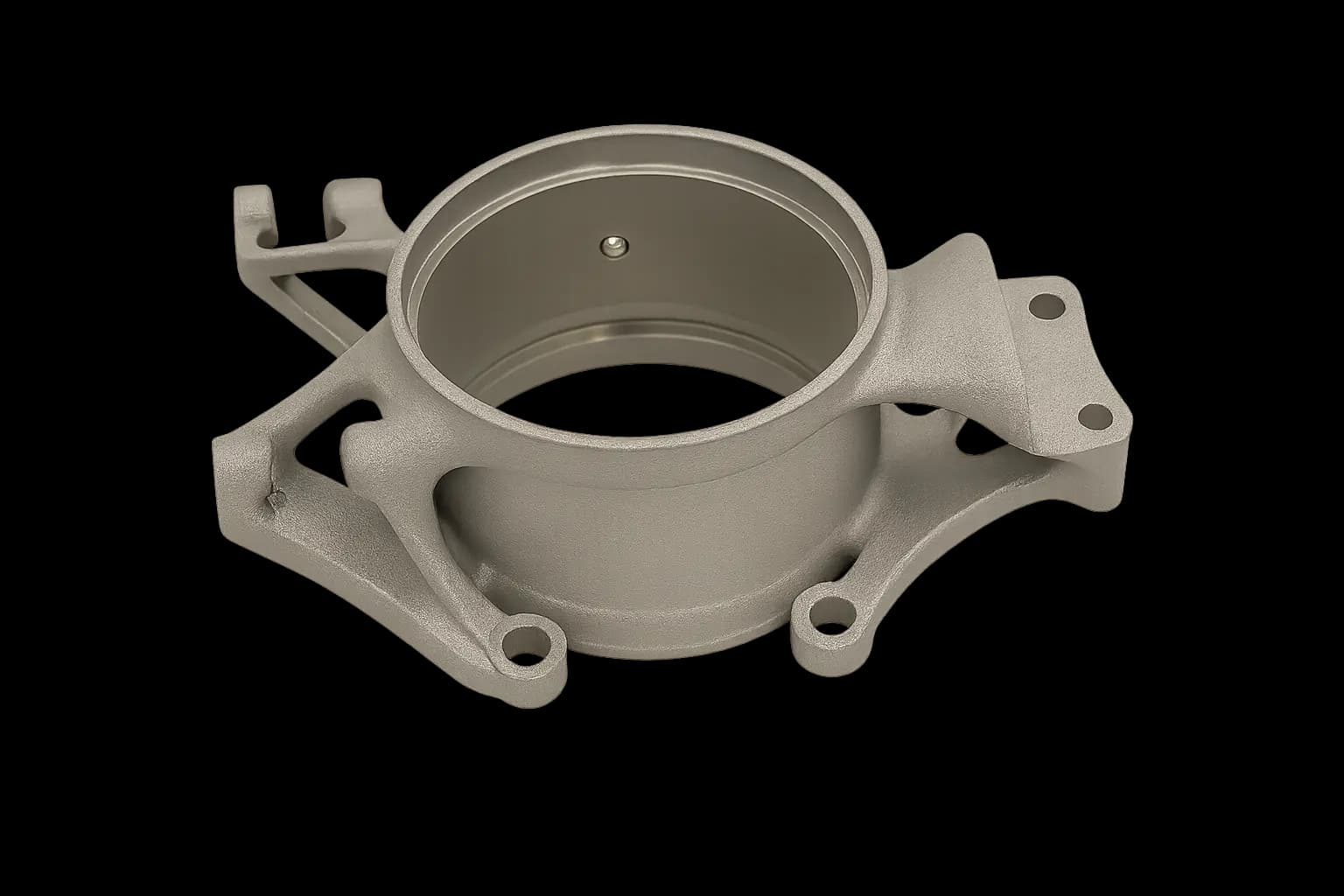
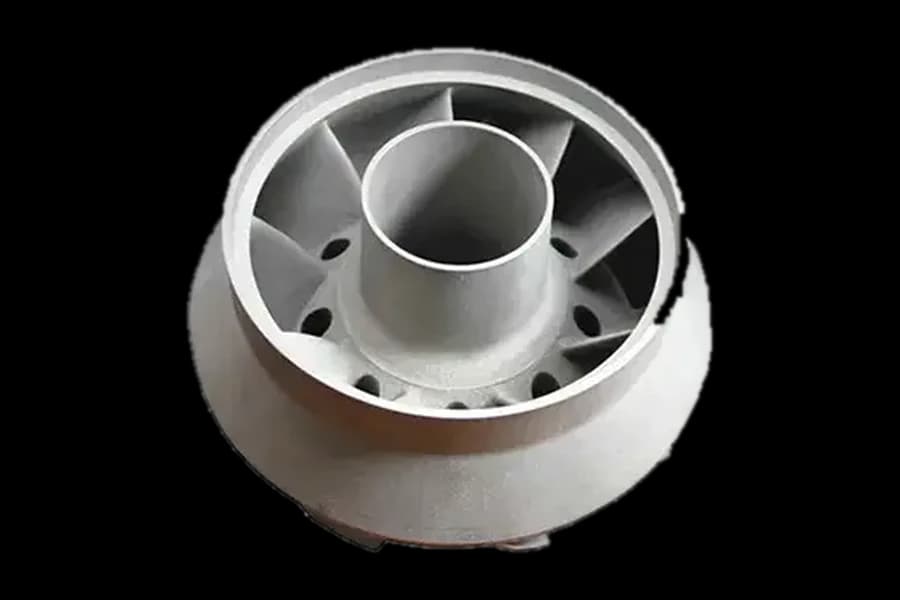
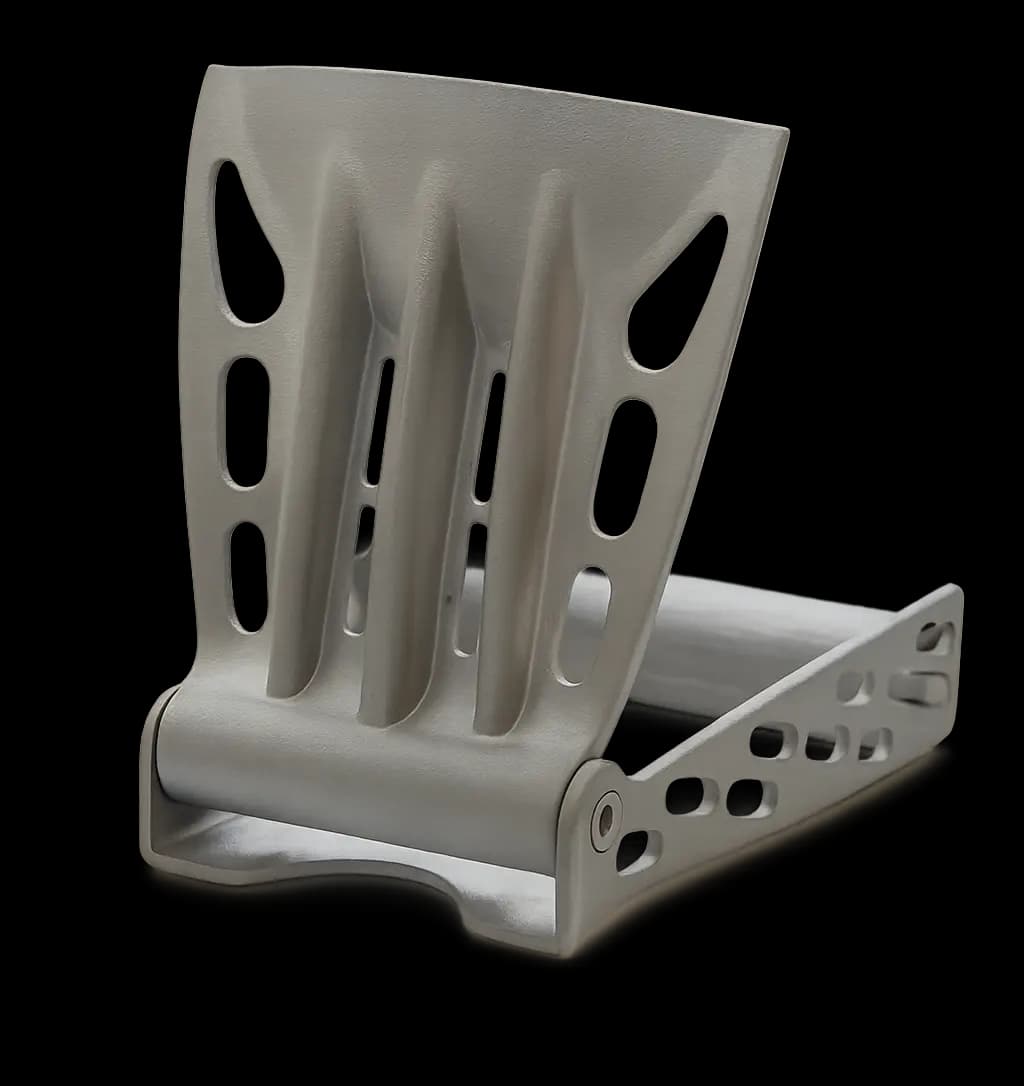
Direct Metal Laser Sintering Stainless Steel 17-4 PH For High-Strength, Hardenable Parts and Mold Inserts

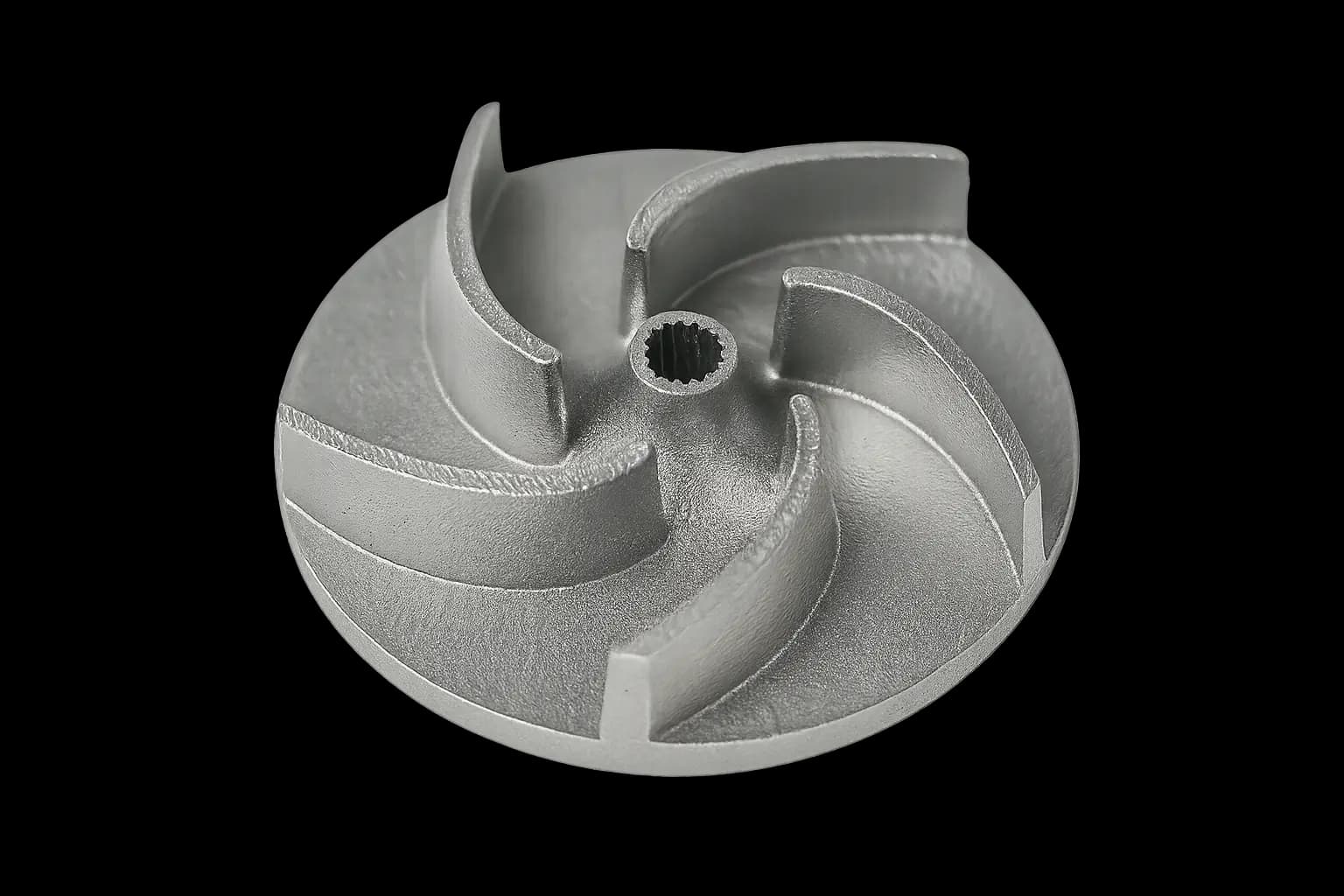
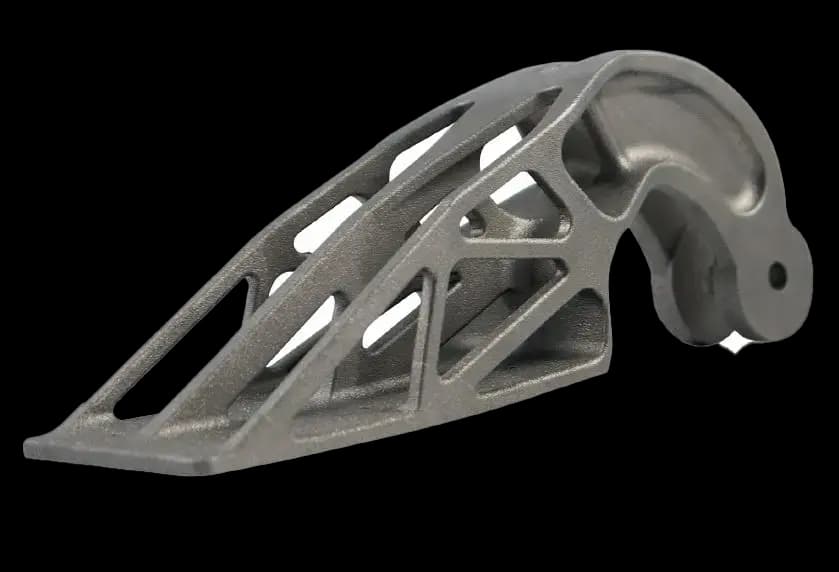
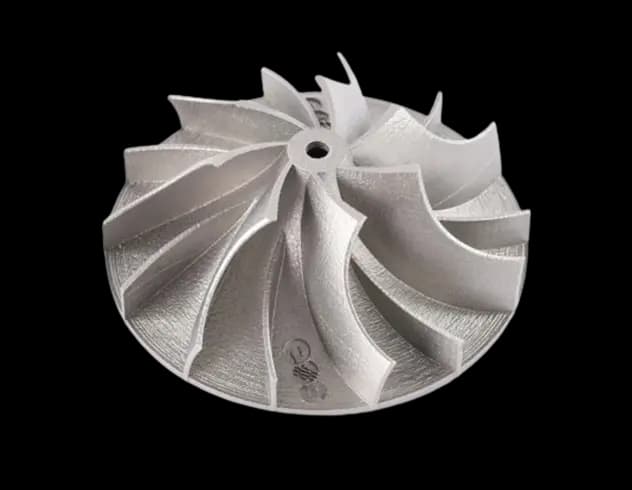
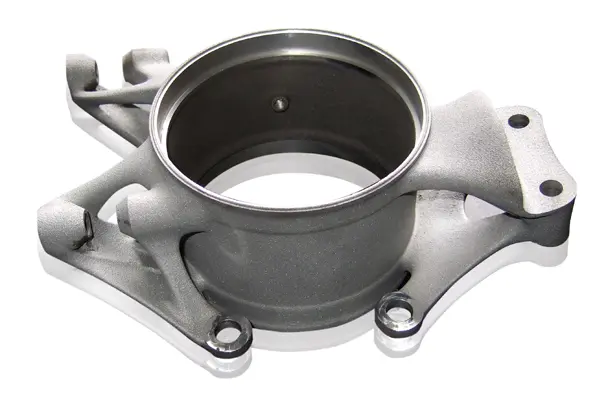
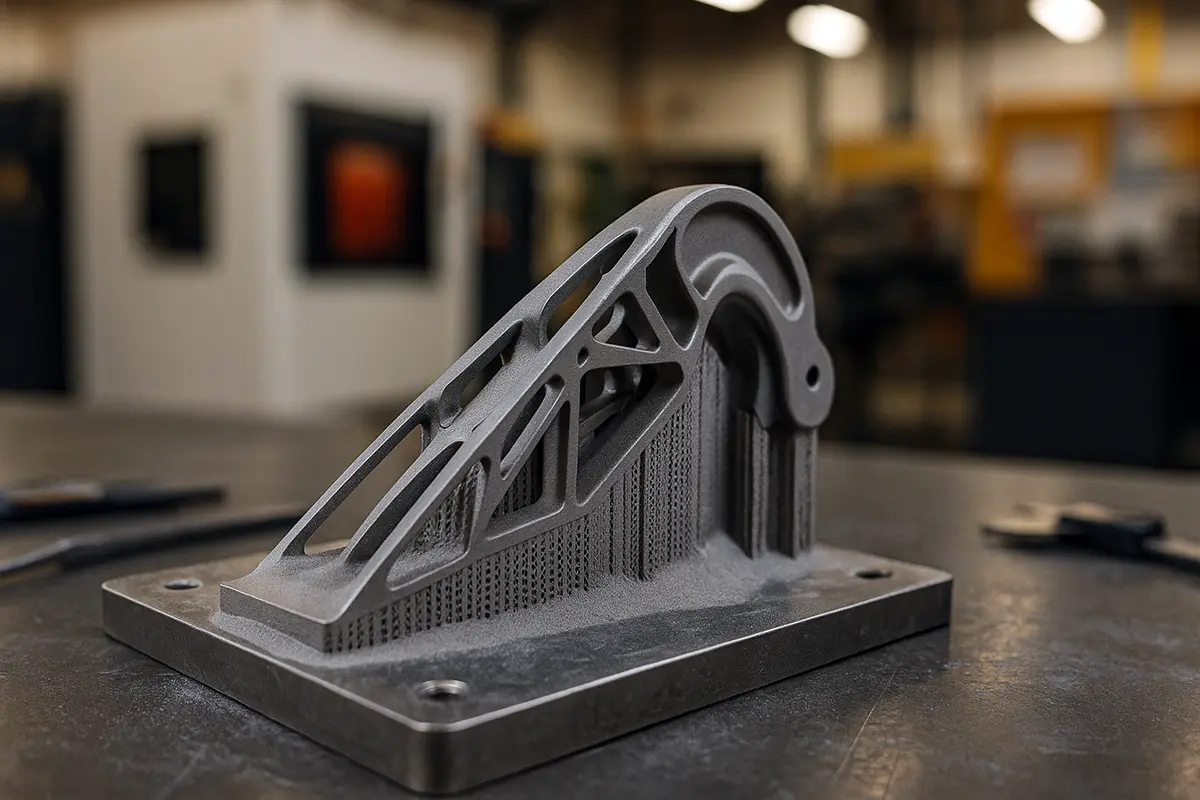
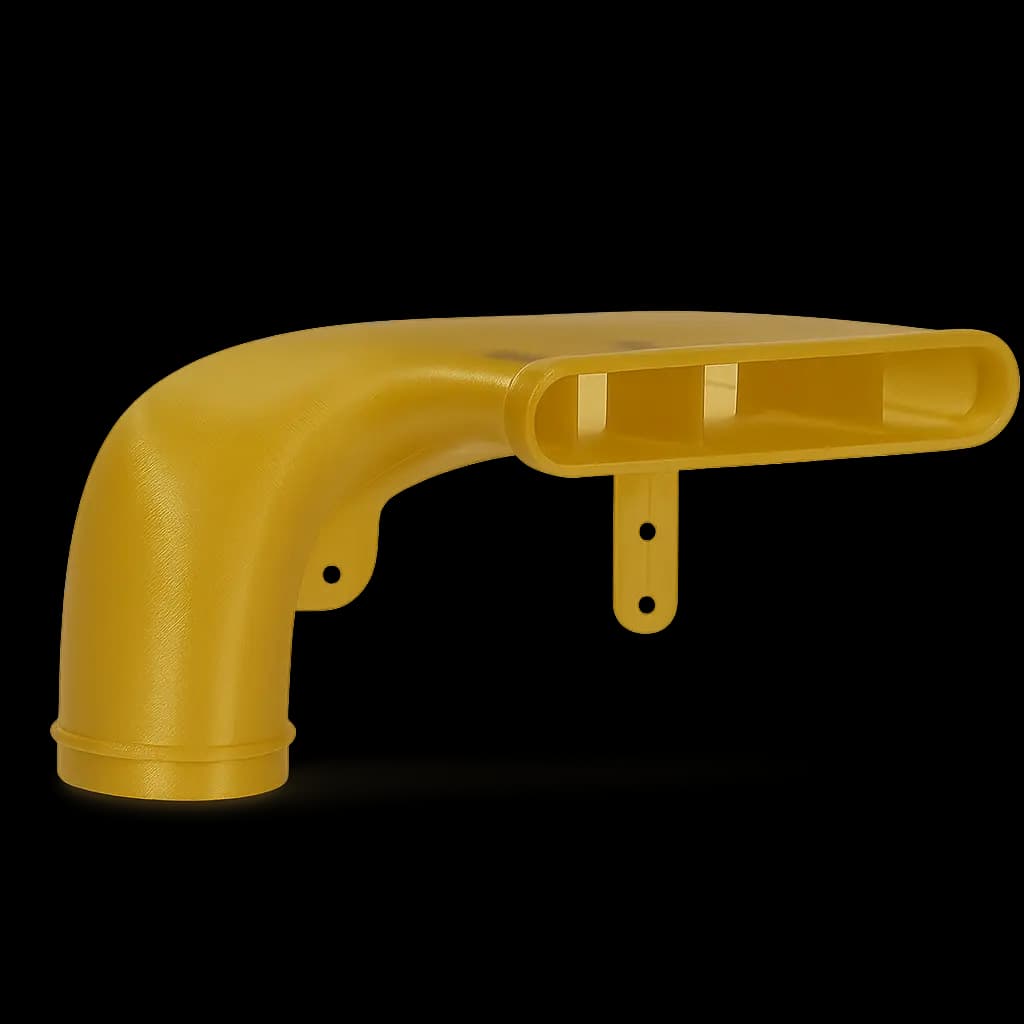
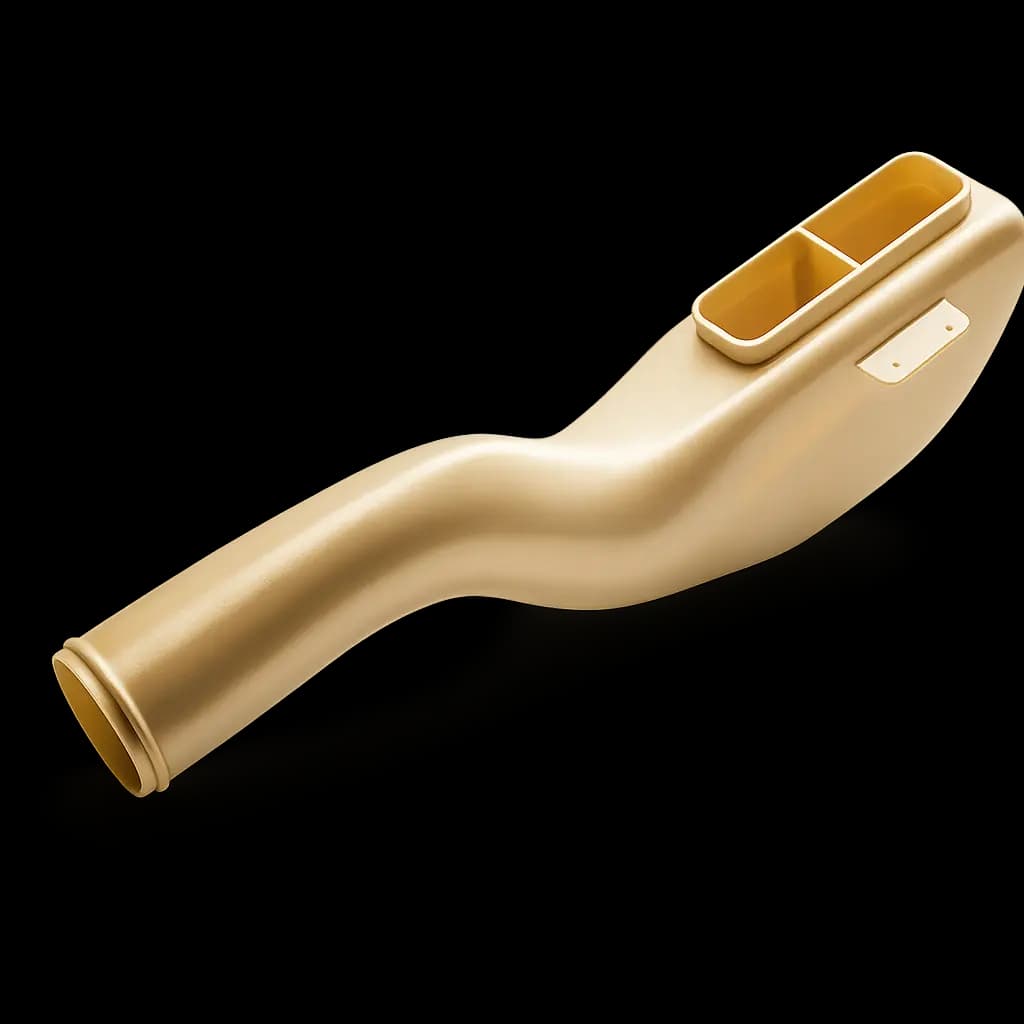
Stainless Steel 17-4 PH 3D printed part example
Metal Precision
Industrial Grade
DMLS material

Stainless Steel 17-4 PH overview

Stainless Steel 17-4 PH is a hardenable stainless steel, 3D printed by DMLS, for parts that need high strength and hardness with good corrosion resistance. Heat treatment after printing makes it stronger than common 300-series stainless steels, and it still resists corrosion in mild environments. Printing also makes shapes machining cannot, from mold inserts with cooling channels that follow the part to lightweight brackets that keep metal only where the load runs. Aerospace, tooling, power generation and process plant teams use it for brackets, mold inserts, valve parts and pump impellers.

How Stainless Steel 17-4 PH is manufactured

Stainless Steel 17-4 PH is manufactured using Direct Metal Laser Sintering (DMLS) on an EOS M 290, an industrial powder-bed process in which a laser melts fine stainless steel powder layer by layer in an inert argon atmosphere. Precision optics with an f-theta lens keep beam quality consistent across the entire build platform. This allows complex geometries, internal channels and consolidated designs that traditional manufacturing cannot produce, in a high-strength, hardenable stainless steel.

Build volume
250 × 250 × 325 mm
Lead time
From 4 business days
Layer height
0.04 mm
Forge Labs Steam

Know before you manufacture in Stainless Steel 17-4 PH.

Upload CAD files to Forge Labs Steam for instant Stainless Steel 17-4 PH pricing and live manufacturability feedback, and fix issues before production.

Upload CAD files to Forge Labs Steam for instant Stainless Steel 17-4 PH pricing and live manufacturability feedback, and fix issues before production.

Surface finishes

Finishes for Stainless Steel 17-4 PH

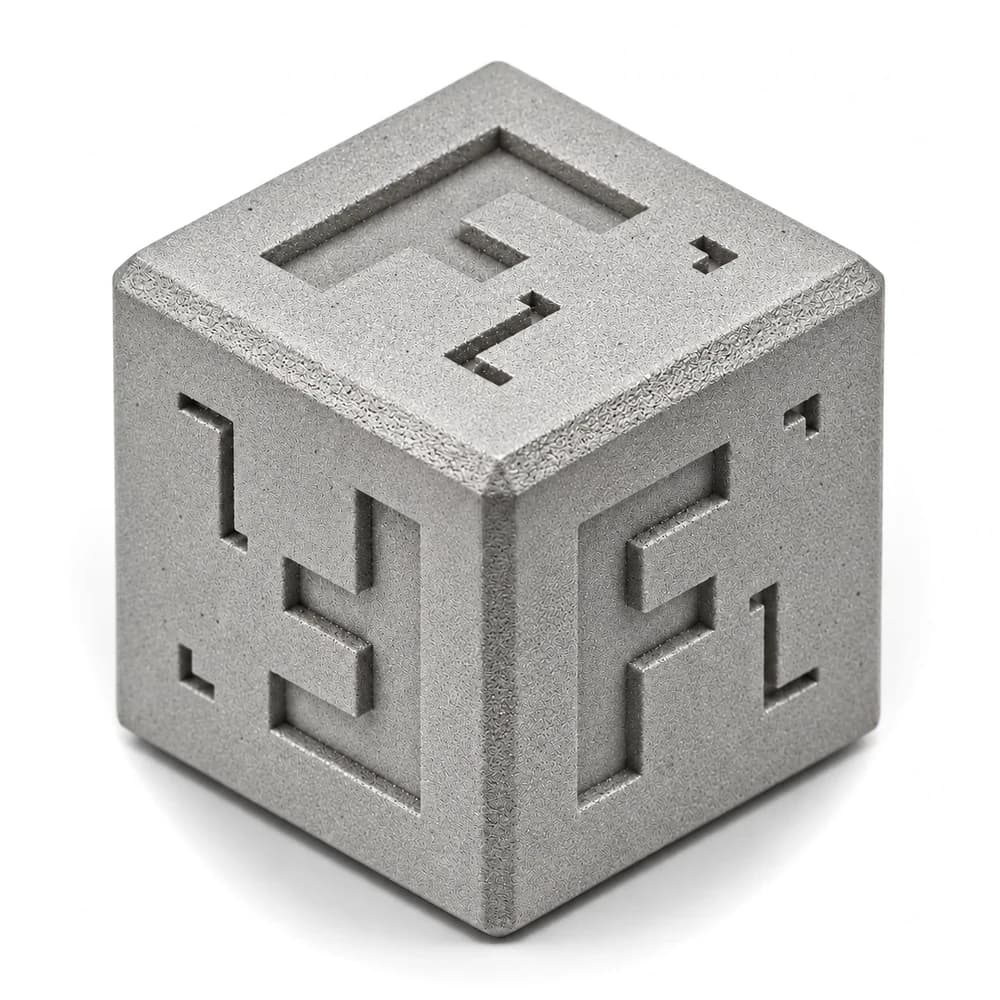
DMLS parts generally exhibit a slightly rough, matte finish due to the laser sintering process, resulting in a uniform surface texture. While this natural finish is sufficient for many functional applications, Forge Labs offers several post-processing options to enhance aesthetics, accuracy, and performance.

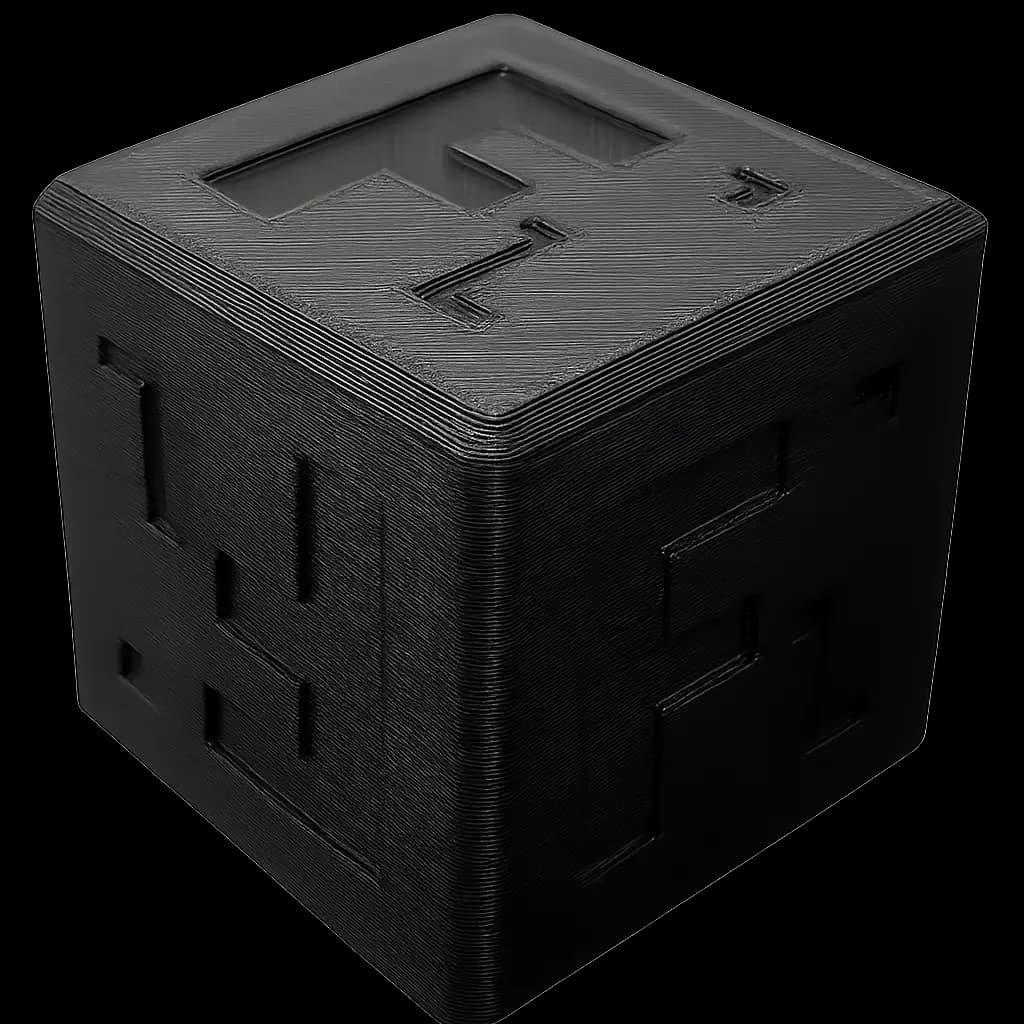
Forge Labs sample cube in bead-blasted DMLS stainless steel 17-4 PH
Natural

Standard Finish

Support structures are carefully removed, and parts undergo shot peening to create a uniform, matte surface and help relieve residual stresses. Critical features may receive light machining for tighter tolerances.

Surface Texture
Uniformly matte surface
Appearance
Matte Grey
Details
Well represented
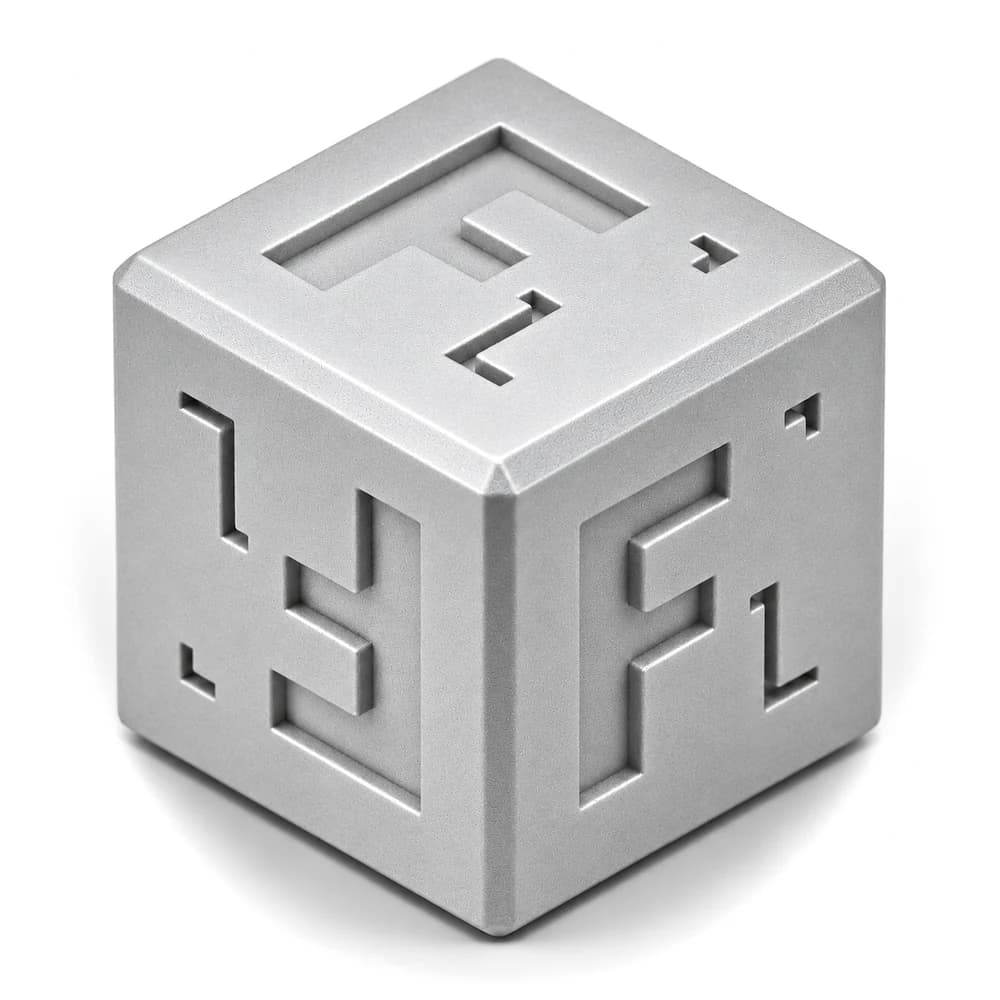
Sample cube with a machined and polished satin metal finish
Forge Labs sample cube in bead-blasted DMLS stainless steel 17-4 PH
Enhanced

Machining & Polishing

Precision machining and polishing processes enhance surface quality, achieving tighter tolerances and smoother finishes for critical applications.

Surface Texture
Smooth, polished finish
Appearance
High-gloss metallic
Details
High retention
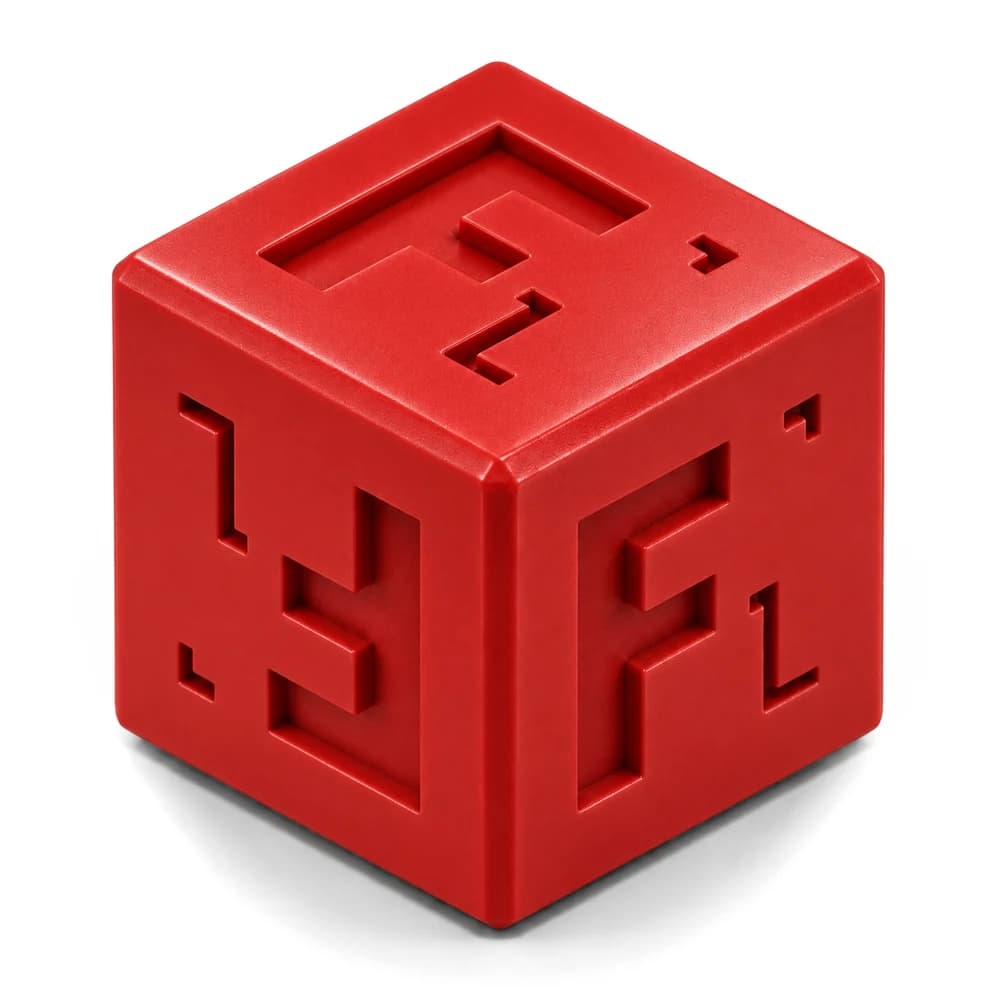
Sample cube with a red automotive-grade performance paint finish
Forge Labs sample cube in bead-blasted DMLS stainless steel 17-4 PH
Premium

Performance Paint

Automotive-grade coating that enhances aesthetics and durability. Each part is hand-finished with professional-grade equipment for exceptional adhesion and custom color matching.

Surface Texture
Matte to Semi-Gloss
Appearance
Custom color matching available
Details
Clear & refined
Industry applications

Industry applications for Stainless Steel 17-4 PH

Stainless Steel 17-4 PH combines an exceptional strength-to-weight ratio with good corrosion resistance in mild environments, and it is heat treatable for optimized properties in demanding applications. From aerospace actuators to injection mold tooling, and from rapid prototyping to production runs, teams rely on Stainless Steel 17-4 PH to maintain tight tolerances while reducing assembly complexity through consolidated part designs.

This versatile material bridges the gap between austenitic and tool steels. Printed through EOS DMLS and heat treated, it exceeds the ASTM A564 H900 strength requirements by more than three standard deviations.

Solution annealing together with aging gives the printed alloy its full hardness and strength and eases the slight anisotropy of the as-built metal. Engineers can tailor properties from maximum strength to enhanced toughness through the aging temperature, based on application requirements. Parts can be machined, shot-peened and polished as built or heat treated.

Forge Labs offers complete heat treatment options including solution annealing and aging to achieve desired properties. Our validated processes ensure consistent hardness and strength throughout complex geometries.

All industries
  • DMLS 17-4 PH valve hardware on a generator engine

    Power Generation

    Engine Valve & Seal Hardware

    Valve seal protectors and valve heads printed to shape and tapped, with one lot shipped 5 business days early.

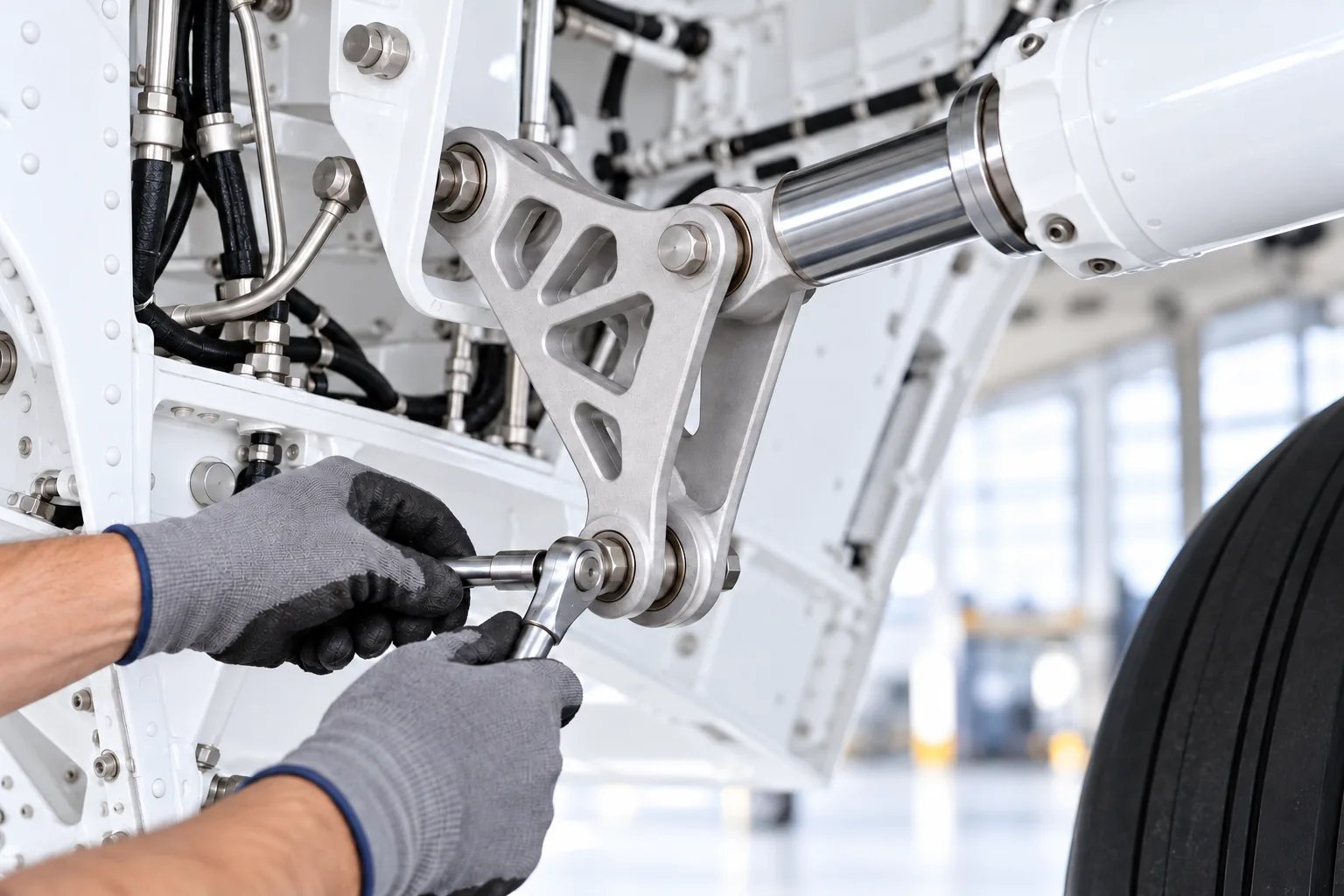
  • DMLS 17-4 PH actuator bracket in a landing-gear bay

    Aerospace

    Aerospace Mechanisms & Brackets

    Topology-optimized brackets and mechanism parts with near-identical strength in every build direction.

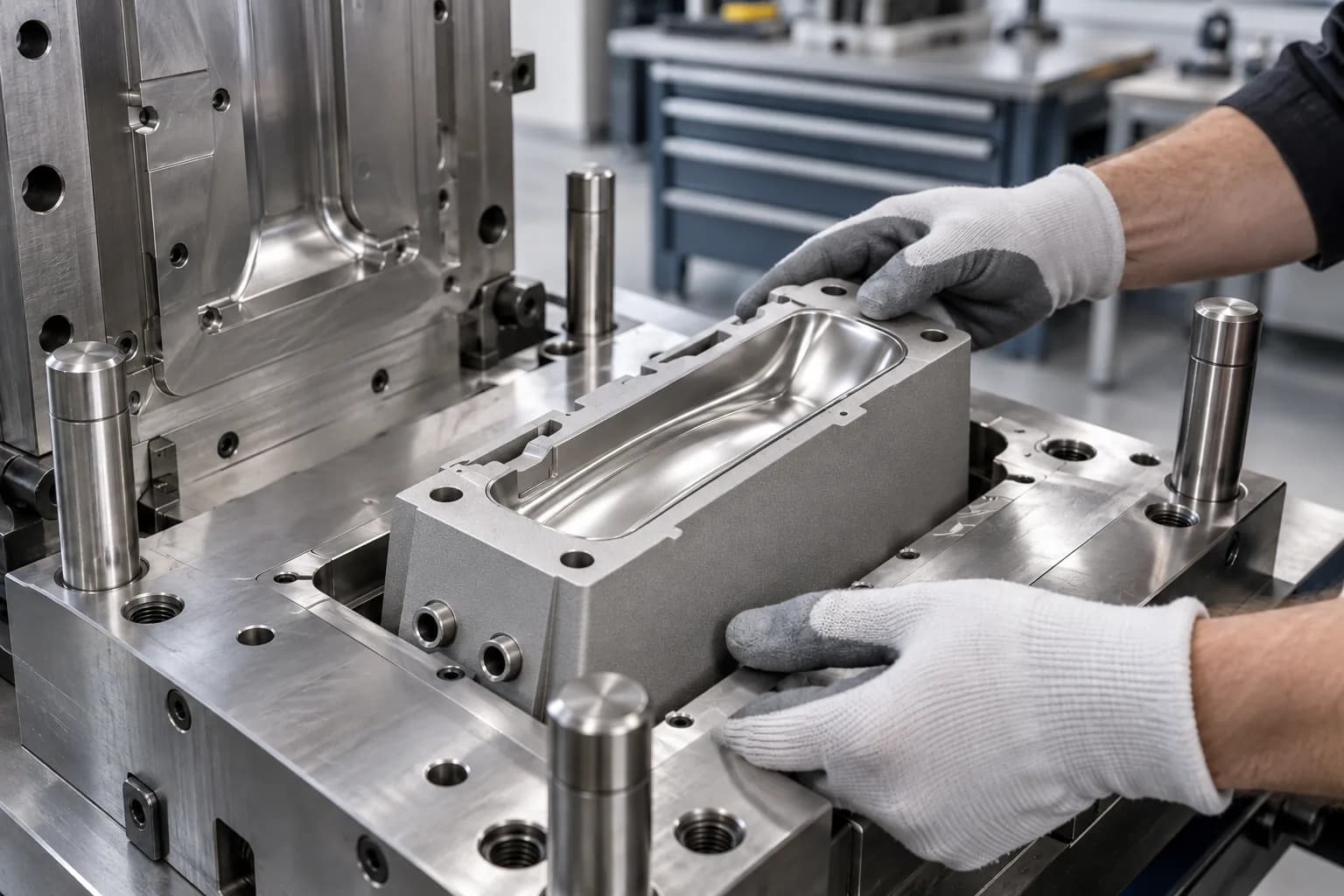
  • DMLS 17-4 PH conformal-cooled mould insert in a mould base

    Automotive & Tooling

    Conformal-Cooled Mold Inserts

    Mold cores and inserts with conformal cooling, hardened to 42 HRC in a stainless steel.

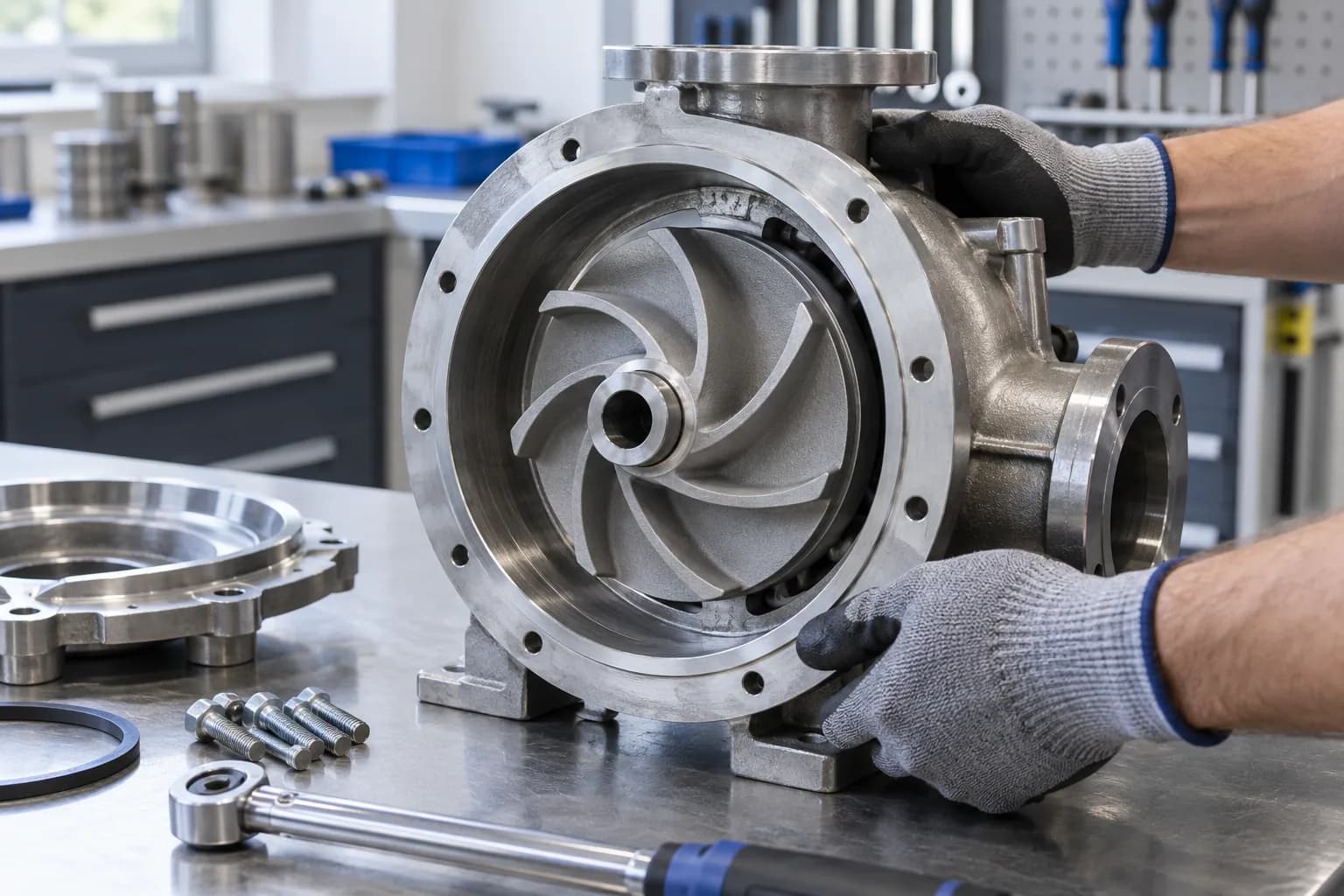
  • DMLS 17-4 PH pump impeller fitted into a pump casing

    Energy & Process Equipment

    Pump, Valve & Process Components

    Pump, valve and coupling parts in an alloy with a long service record in process plants.

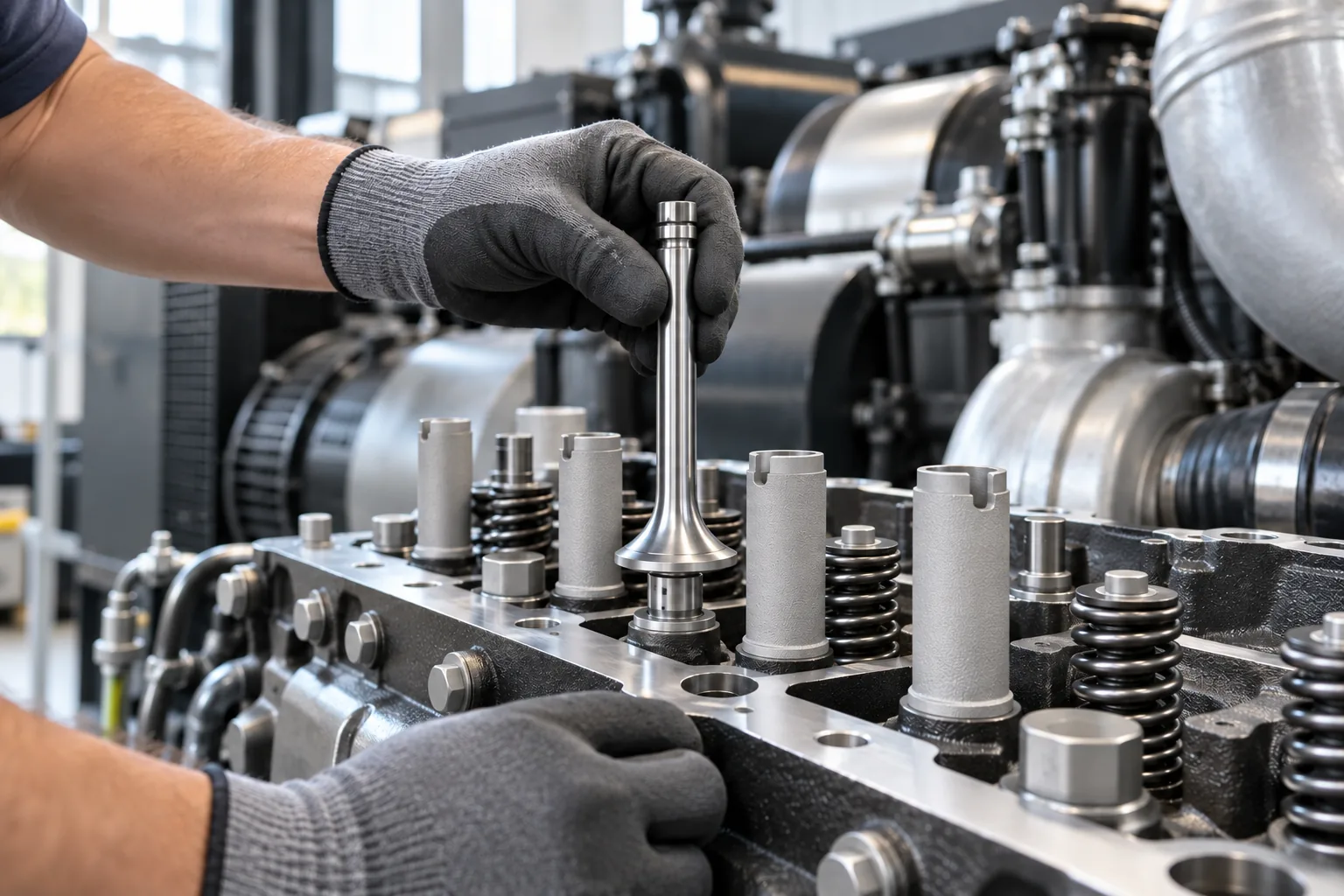
DMLS 17-4 PH valve hardware on a generator engine

Power Generation

Engine Valve & Seal Hardware

Power generation equipment makers use Stainless Steel 17-4 PH for valve seal protectors and valve heads that are printed to shape, then tapped or given a machined thread. Forge Labs recommends 17-4 PH where a part needs hardness and strength once solution annealed and aged. A redesigned valve head moved from 316L to 17-4 PH as a solid pin on a filleted collar and was reordered in a larger lot with no tooling, and one lot of tapped seal protectors shipped 5 business days ahead of the promised date.

  • Valve seal protectors
  • Valve heads and pins
  • Tapped and threaded engine hardware
Read the DMLS engine parts case study
DMLS 17-4 PH actuator bracket in a landing-gear bay

Aerospace

Aerospace Mechanisms & Brackets

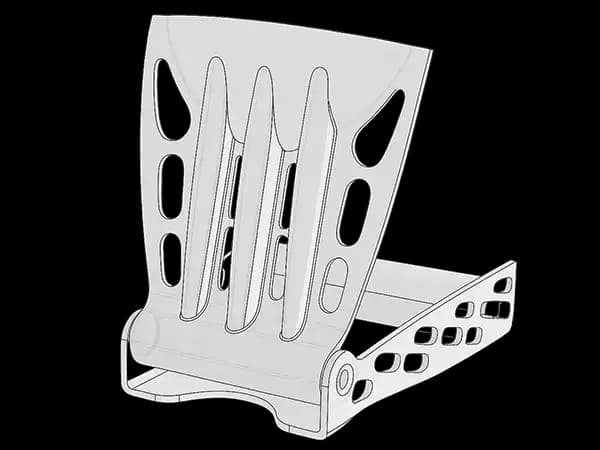
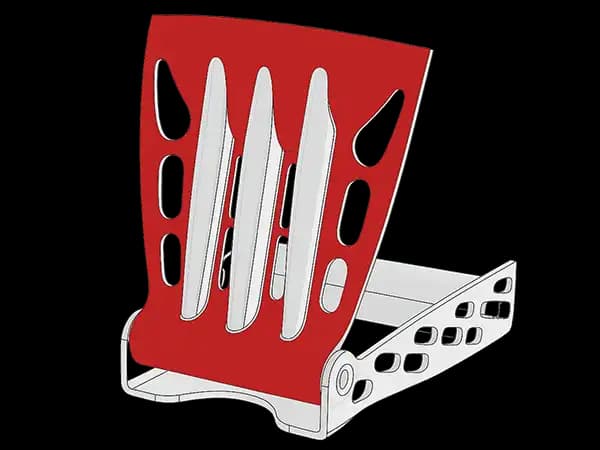
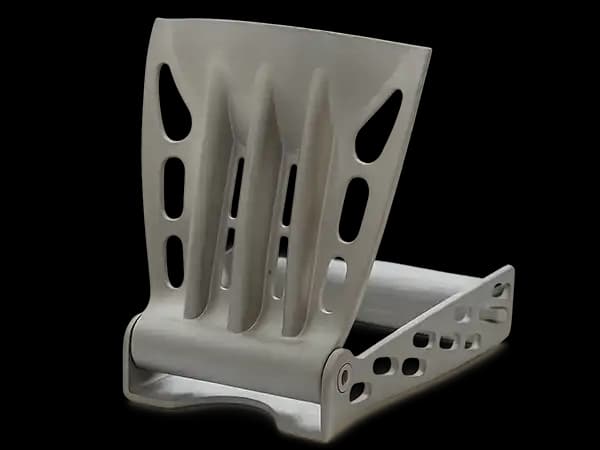
Aerospace teams use Stainless Steel 17-4 PH for brackets and mechanism parts that need high strength with moderate corrosion resistance. DMLS lets a bracket be topology optimized, keeping material only where load runs, so it weighs less than a machined equivalent. After H900 aging, horizontal and vertical tensile strengths are within about 0.4% of each other, so a bracket carries its load whichever way it is built.

  • Actuator components and linkages
  • High-strength brackets and fittings
  • Fuel-system valve bodies
Explore aerospace
DMLS 17-4 PH conformal-cooled mould insert in a mould base

Automotive & Tooling

Conformal-Cooled Mold Inserts

Toolmakers and automotive suppliers use DMLS 17-4 PH for injection mold cores, cavities and inserts with conformal cooling channels that follow the part contour, a layout machining cannot produce. H900 aging hardens the steel to 42 HRC to resist wear, and heat treatment changes dimensions by only about 0.2%, so inserts hold their geometry. Unlike maraging tool steel, 17-4 PH is a stainless alloy, which suits tools exposed to moisture and cooling water.

  • Injection mold cores and cavities
  • Conformal-cooled inserts
  • Thermoforming tools
Explore automotive
DMLS 17-4 PH pump impeller fitted into a pump casing

Energy & Process Equipment

Pump, Valve & Process Components

Stainless Steel 17-4 PH has a long service record in petrochemical, petroleum, paper and food processing plants, where pump impellers and valve parts need more strength than 300-series stainless steels can give. The aged condition decides how it handles chlorides: stressed at the seacoast, 17-4 PH aged at 552 °C (H1025) and above has gone more than 25 years without stress corrosion cracking, while H900 cracked within 68 days, so H900 stays out of wet chloride service.

  • Pump impellers and housings
  • Valve components and seats
  • Shaft couplings and gear splines
Explore clean tech
Performance data

Technical performance for Stainless Steel 17-4 PH

Values from the EOS StainlessSteel 17-4PH datasheet for the EOS M 290, tested to the standard listed with each property. Alloy constants and corrosion data EOS does not publish come from ATI and AK Steel wrought 17-4 PH data.

Mechanical performance

Mechanical properties

Stainless Steel 17-4 PH delivers high strength and handles demanding load conditions. Its balanced mechanical profile keeps structural integrity under repetitive stress without turning brittle, which suits high-precision tooling and mechanical components, aerospace structural components and brackets, and high-performance automotive parts.

Read the H900 rows for parts that have been solution annealed and aged, which EOS requires for full hardness and strength; the as-built rows show the softer, more ductile state before heat treatment. Each strength row gives the horizontal (XY) and vertical (Z) values, so read the direction that carries load in the part.

PropertyValue
Tensile Strength, H900 (XY / Z)EN ISO 6892-1
1335 / 1340 MPa
Yield Strength Rp0.2, H900 (XY / Z)EN ISO 6892-1
1235 / 1250 MPa
Elongation at Break, H900 (XY / Z)EN ISO 6892-1
14 / 13.5 %
Hardness, H900EN ISO 6508
42 HRC
Tensile Strength, As Built (XY / Z)ISO 6892 / ASTM E8M
886 / 924 MPa
Yield Strength Rp0.2, As Built (XY and Z)ISO 6892 / ASTM E8M
861 MPa
Elongation at Break, As Built (XY and Z)ISO 6892 / ASTM E8M
20 %
Hardness, As BuiltEN ISO 6508
24 HRC
Modulus of Elasticity, H900ATI 17-4 alloy data
196 GPa

Material makeup

Physical properties

Consistent density and surface quality keep critical features in tolerance and downstream finishing predictable. The defect percentage shows how little porosity remains in the printed metal, and the roughness rows describe shot-peened surfaces.

Heat treatment changes dimensions only slightly, so parts meet specifications after aging and assemblies fit and finish without secondary rework. The composition rows are the EOS powder limits, which match ASTM A564 Type 630.

PropertyValue
Part DensityEN ISO 3369
≥ 7.79 g/cm³
Average Defect PercentageEOS cross-section method
0.03 %
Surface Roughness, Shot Peened (Horizontal)ISO 4287
Ra 3.5–5.9 µm
Surface Roughness, Shot Peened (Vertical)ISO 4287
Ra 3.4–5.5 µm
Dimensional Change after Heat TreatmentEOS PDS
+0.2 %
Chromium (Cr)EOS powder specification
15.00–17.50 wt%
Nickel (Ni)EOS powder specification
3.00–5.00 wt%
Copper (Cu)EOS powder specification
3.00–5.00 wt%
Niobium + Tantalum (Nb + Ta)EOS powder specification
0.15–0.45 wt%
Carbon (C)EOS powder specification
≤ 0.07 wt%
Manganese (Mn)EOS powder specification
≤ 1.00 wt%
Silicon (Si)EOS powder specification
≤ 1.00 wt%
Phosphorus (P)EOS powder specification
≤ 0.040 wt%
Sulfur (S)EOS powder specification
≤ 0.030 wt%

Heat performance

Thermal properties

Stainless Steel 17-4 PH maintains dimensional stability through temperature swings, making it a reliable option for aerospace and automotive programs that see repeated thermal cycling. Design to the maximum service temperature, the point up to which the alloy keeps its high strength.

In wrought practice, aging between 482 and 621 °C (H900 to H1150) sets the balance of strength and toughness; the table shows H900, the highest-strength condition. Thermal conductivity rises with temperature, which matters for mold inserts that draw heat out of the part.

PropertyValue
Coefficient of Thermal Expansion (25–100 °C)ASTM E228
10.4 ×10⁻⁶/K
Coefficient of Thermal Expansion (25–200 °C)ASTM E228
11.1 ×10⁻⁶/K
Coefficient of Thermal Expansion (25–300 °C)ASTM E228
11.4 ×10⁻⁶/K
Coefficient of Thermal Expansion (25–400 °C)ASTM E228
11.8 ×10⁻⁶/K
Thermal Conductivity, H900 (21–100 °C)ATI 17-4 alloy data
17.8 W/m·K
Thermal Conductivity, H900 (21–500 °C)ATI 17-4 alloy data
22.7 W/m·K
Specific Heat (0–100 °C)AK Steel 17-4 PH bulletin
0.46 kJ/kg·K
Maximum Service Temperature (high strength retained)ATI 17-4 alloy data
316 °C

Functional performance

Electrical properties

Stainless Steel 17-4 PH conducts electricity, so it suits conductive housings, grounded fixtures and functional prototypes that interact with electrical systems, though its resistivity is far higher than aluminum or copper.

It is strongly ferromagnetic in every condition, so it holds on magnetic fixtures and can be used with magnetic sensors, but it is not a choice for non-magnetic hardware.

PropertyValue
Electrical Resistivity, H900ATI 17-4 alloy data
7.7×10⁻⁷ Ω·m
Electrical Conductivity, H900Calculated from ATI resistivity
1.30 MS/m
Magnetic ResponseATI 17-4 alloy data
Strongly ferromagnetic in all conditions

Compatibility data

Chemical properties

The table gives AK Steel immersion corrosion rates for wrought 17-4 PH bar across the H925, H1025 and H1150 aged conditions, beside annealed Type 304. Lower is better. Where the range is wide, H1150 sits at the high end in sulfuric and hydrochloric acid and H925 in nitric acid. Use the rates for screening before application testing. Overall, its corrosion resistance is comparable to Type 304 in most media, better than the hardenable 400-series stainless steels and below 316L.

It resists rural and mild industrial atmospheres in every aged condition, while seacoast exposure brings light rusting and pitting and stagnant sea water causes crevice attack, so 316L is the better choice for marine parts.

Chemical17-4 PH, H925 to H1150 (mm/a)Type 304 annealed (mm/a)
Sulfuric acid 1%, 35 °C
17-4 PH, H925 to H1150 (mm/a)< 0.03
Type 304 annealed (mm/a)0.71
Sulfuric acid 5%, 35 °C
17-4 PH, H925 to H1150 (mm/a)0.10–0.23
Type 304 annealed (mm/a)6.1
Hydrochloric acid 0.5%, 35 °C
17-4 PH, H925 to H1150 (mm/a)0.05–0.41
Type 304 annealed (mm/a)0.84
Nitric acid 25%, boiling
17-4 PH, H925 to H1150 (mm/a)0.15–0.36
Type 304 annealed (mm/a)0.05
Nitric acid 65%, boiling
17-4 PH, H925 to H1150 (mm/a)2.0–3.2
Type 304 annealed (mm/a)0.25
Formic acid 10%, 80 °C
17-4 PH, H925 to H1150 (mm/a)0.05–0.13
Type 304 annealed (mm/a)2.5
Acetic acid 33%, boiling
17-4 PH, H925 to H1150 (mm/a)0.10–0.15
Type 304 annealed (mm/a)7.6
Phosphoric acid 20%, boiling
17-4 PH, H925 to H1150 (mm/a)0.03–0.05
Type 304 annealed (mm/a)0.05
Sodium hydroxide 30%, 80 °C
17-4 PH, H925 to H1150 (mm/a)0.13–0.20
Type 304 annealed (mm/a)< 0.03
Ammonium hydroxide 10%, boiling
17-4 PH, H925 to H1150 (mm/a)< 0.03
Type 304 annealed (mm/a)< 0.03
Cola soft drink syrup, 35 °C
17-4 PH, H925 to H1150 (mm/a)< 0.03
Type 304 annealed (mm/a)< 0.03
Salt, sugar and vinegar, boiling
17-4 PH, H925 to H1150 (mm/a)< 0.03
Type 304 annealed (mm/a)< 0.03
Medical readiness

Biocompatibility and compliance profile

EOS states that part chemistry complies with ASTM A564 Type 630 and ASTM F899, the specification for wrought stainless steels for surgical instruments. EOS certifies each powder lot with an EN 10204 type 3.1 mill test certificate.

In EOS testing, as-built 17-4PH test cubes passed ISO 10993-5 cytotoxicity, a strong starting point for instrument and fixture reviews. EOS does not develop or certify the powder as a medical device, so the device maker qualifies each part for its use.

StandardStatus
ASTM A564/A564M-13 (Type 630, UNS S17400)Part chemistry complies; heat-treated tensile results exceed the H900 minimums (1310 MPa UTS, 1170 MPa yield, 10% elongation) by over 3 sigma
EOS tested
ASTM F899-12bPart chemistry complies with the specification for wrought stainless steels for surgical instruments
EOS stated
ISO 10993-5 (Cytotoxicity)No leachables released in cytotoxic concentrations from as-built parts; the powder is not developed or certified as a medical device
EOS tested
Resources

Datasheets and design resources

Datasheets, design guidance and supplier documentation for Stainless Steel 17-4 PH.

Download center

Access the most recent datasheet and supporting documentation maintained by our engineering team.

Stainless Steel 17-4 PH datasheet

Design guidelines

Explore printable geometry recommendations, wall thickness tips, and finishing playbooks for DMLS.

View DMLS design guide
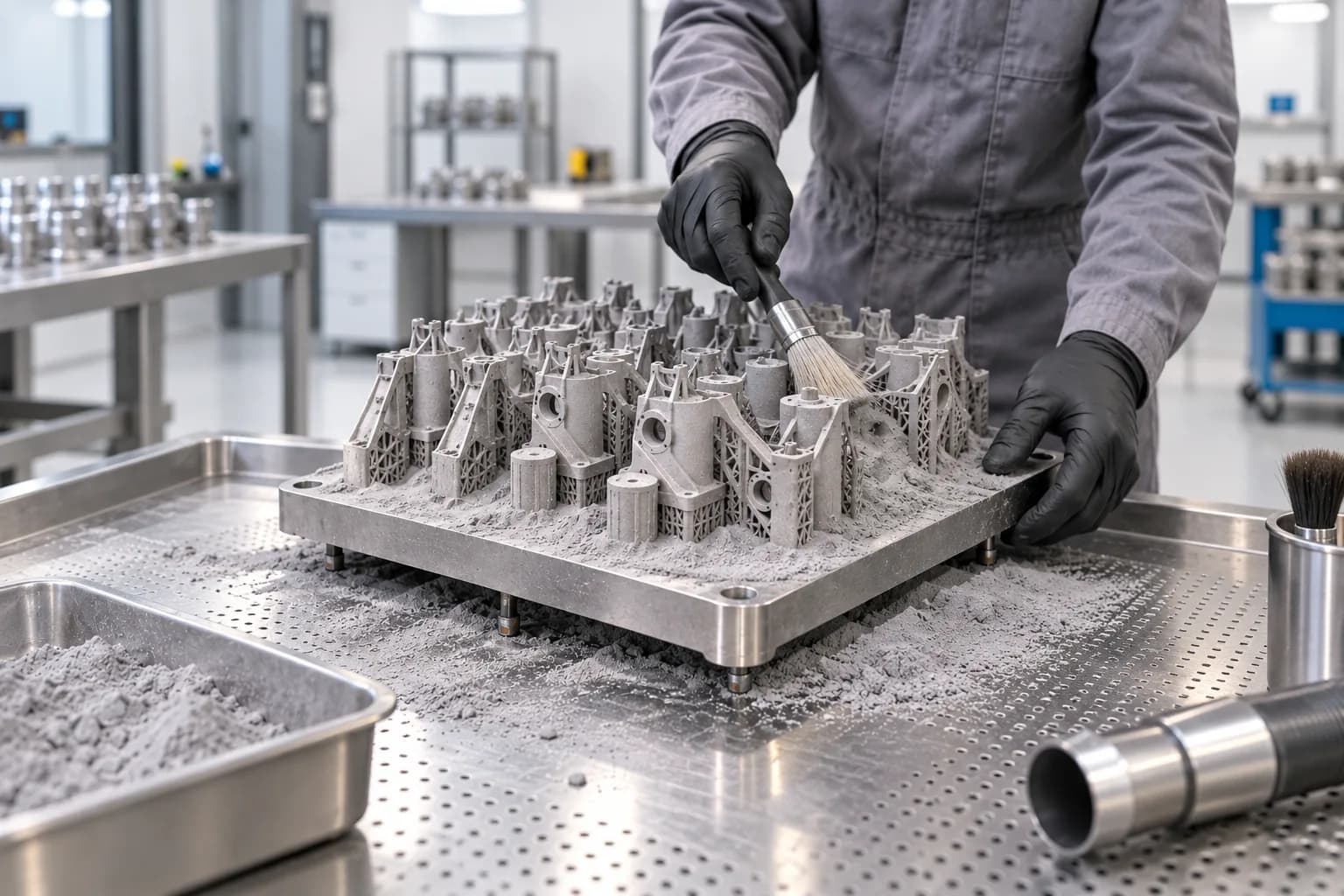
DMLS metal parts on a build plate being cleared of powder
Advanced Manufacturing

Built with Precision DMLS Technology

Stainless Steel 17-4 PH is manufactured using industrial-grade DMLS technology, providing high strength and precision for mission-critical applications. An EOS M 290 production system prints dense tooling and end-use components, from a single prototype to repeat production batches.

Tolerance
±0.3% (min ±0.3 mm)
Production capacity
Multiple parts and assemblies built on each plate
Quality control
In-process monitoring and batch traceability for consistent part quality and material properties
Heat treatment
Solution annealing and aging, with HIP available
Colours & finishes
Shot peening, machining, polishing and surface finishing
Learn more about DMLS technology
Frequently Asked Questions

Frequently asked questions about Stainless Steel 17-4 PH

Can't find the answer you're looking for? Reach out to our customer support team.

Stainless Steel 17-4 PH combines an exceptional strength-to-weight ratio with good corrosion resistance in mild environments, and it is heat treatable for optimized properties. After solution annealing and H900 aging, DMLS parts reach 1335 to 1340 MPa tensile strength and 42 HRC hardness in EOS testing, making it suitable for aerospace and automotive applications.
Start a quote

Ready to Get Started with Stainless Steel 17-4 PH?

Upload your design and get an instant quote for Stainless Steel 17-4 PH parts.

  • Instant pricing with automated manufacturability analysis
  • Production workflows built for repeatable quality
  • Engineering support from prototype to production
Compare all materials

Create an account to upload CAD

STEP, STL, OBJ, 3MF and IGES supported

Manufacturing technologies
6
Engineering materials
50+
Part quantities
1-500+