Direct Metal Laser Sintering Maraging Steel MS1 For Ultra-High-Strength Precision Tooling

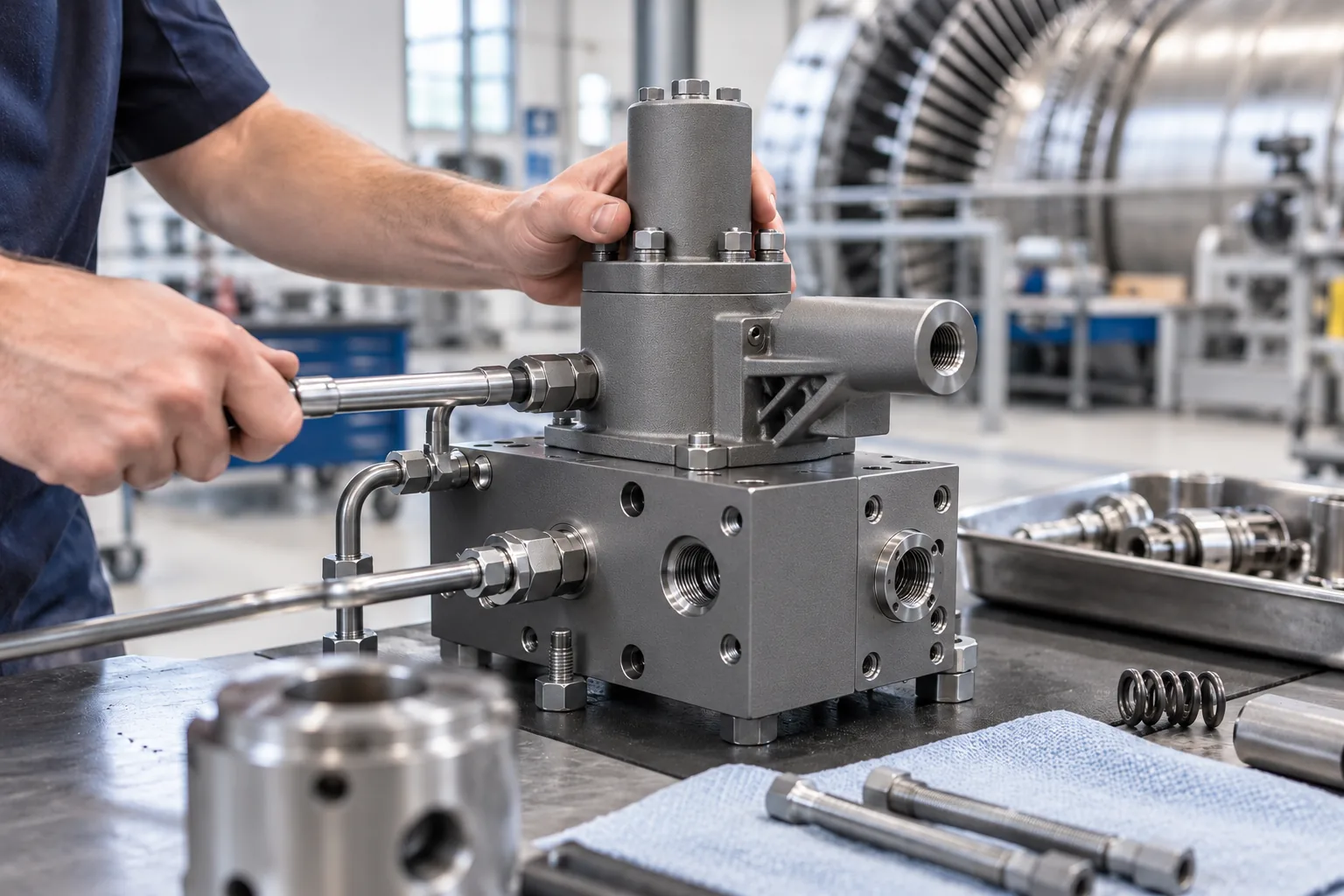
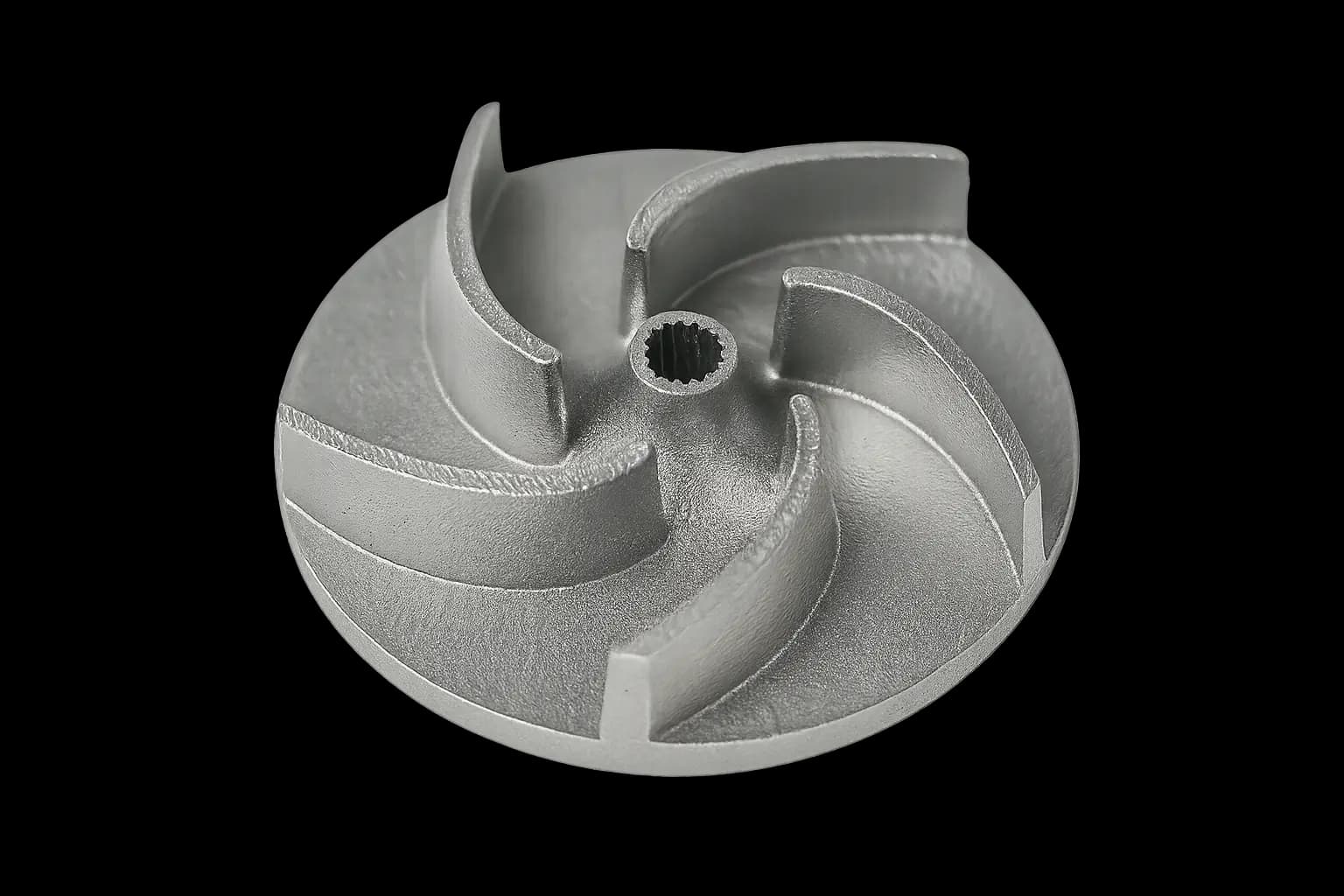
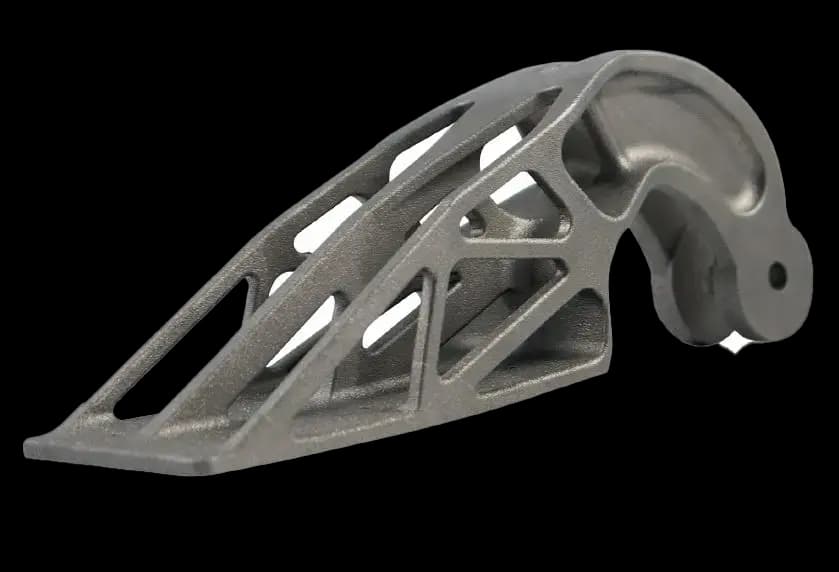
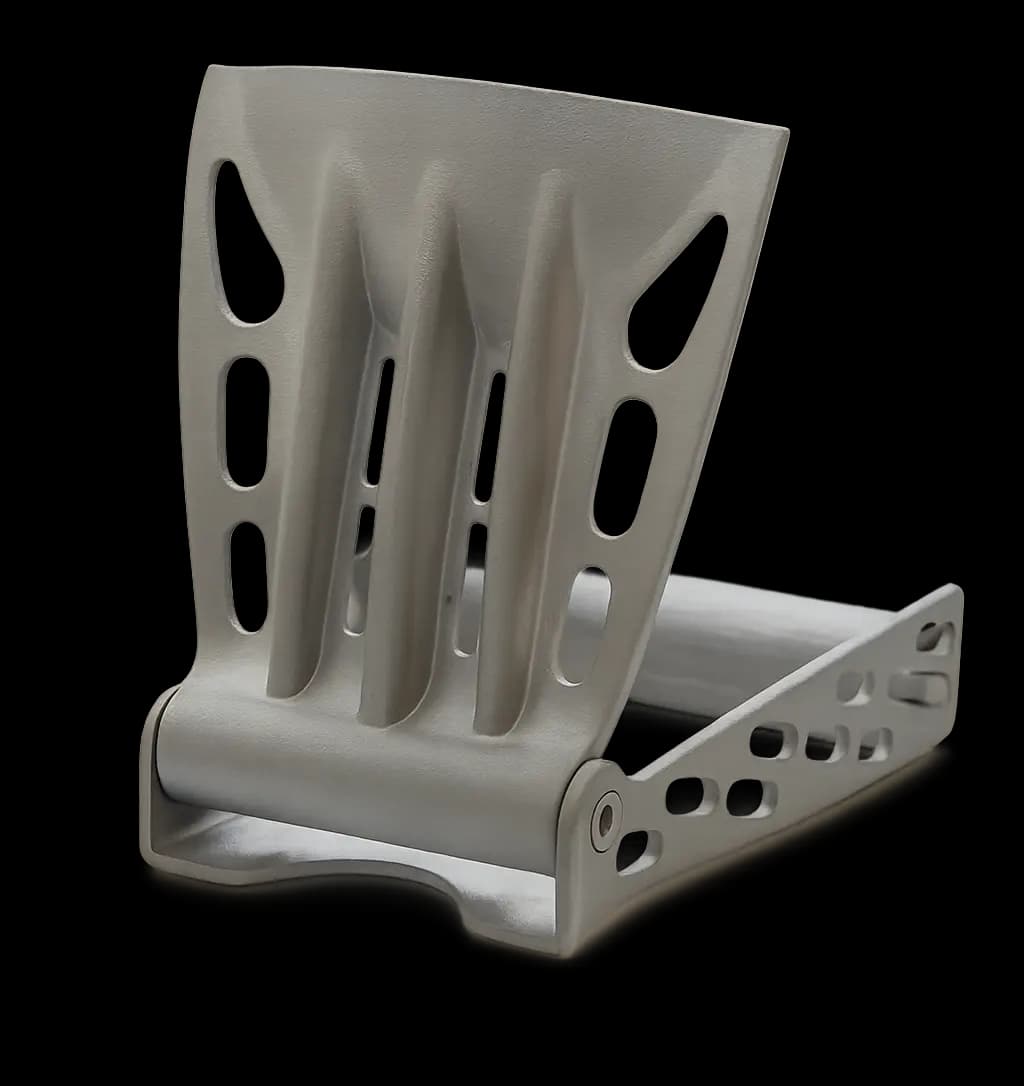
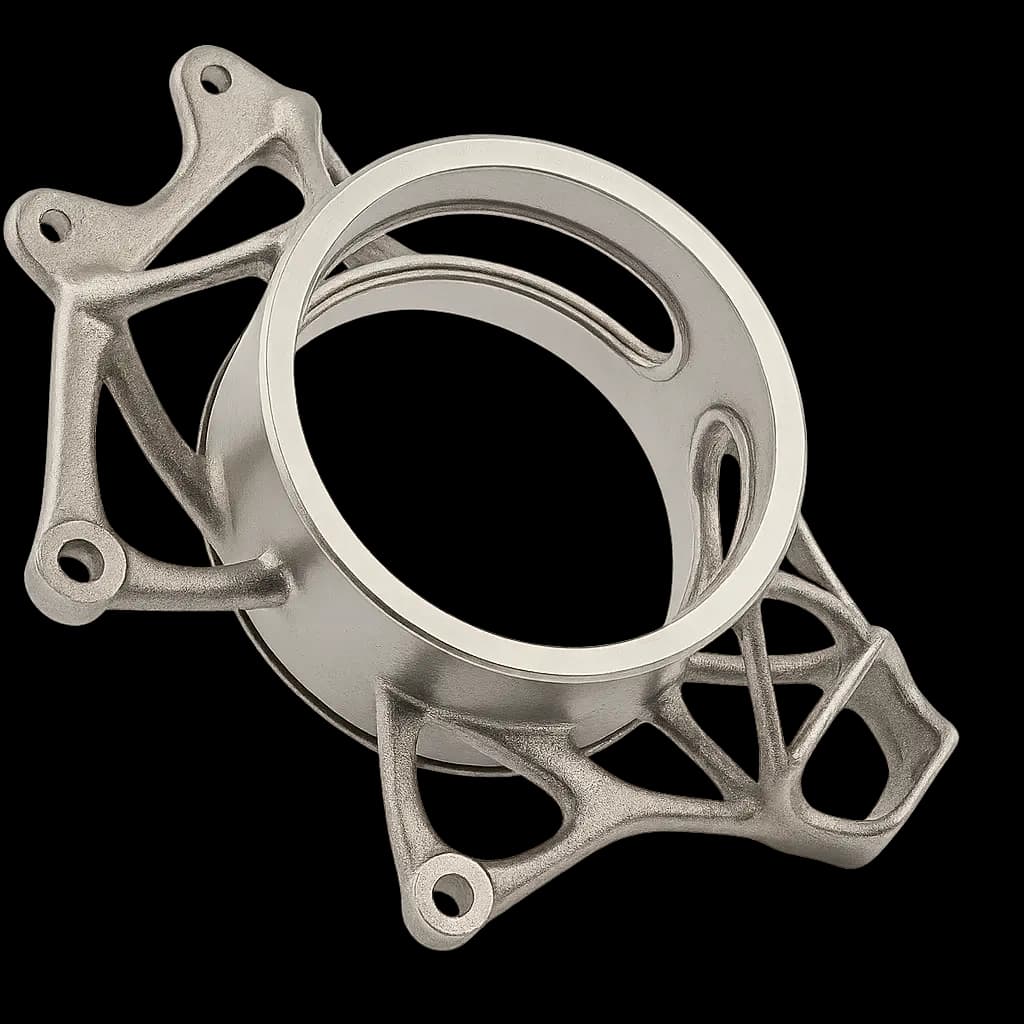
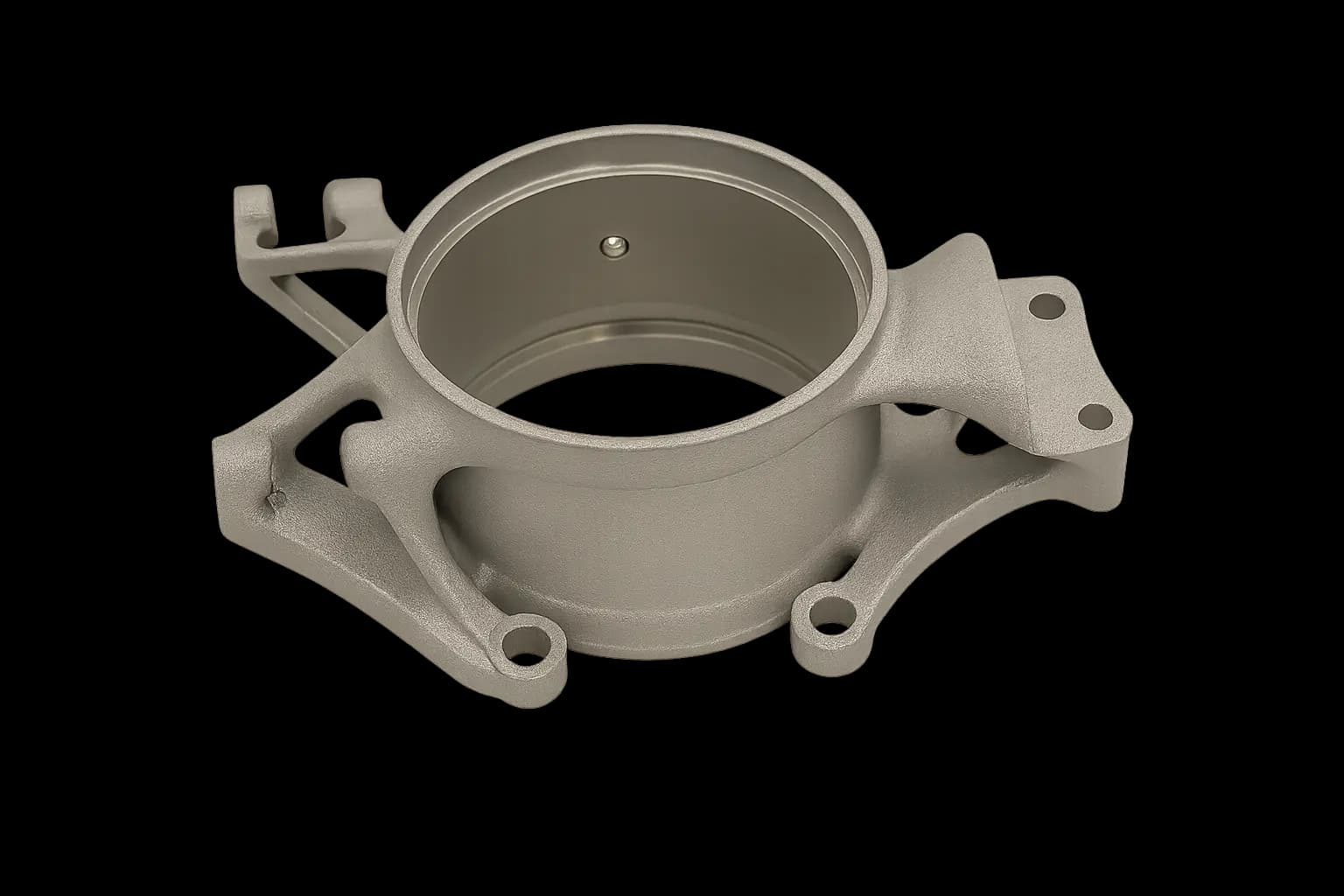
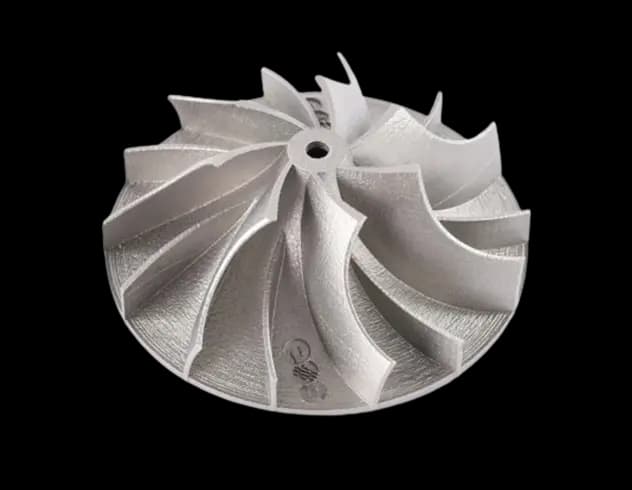
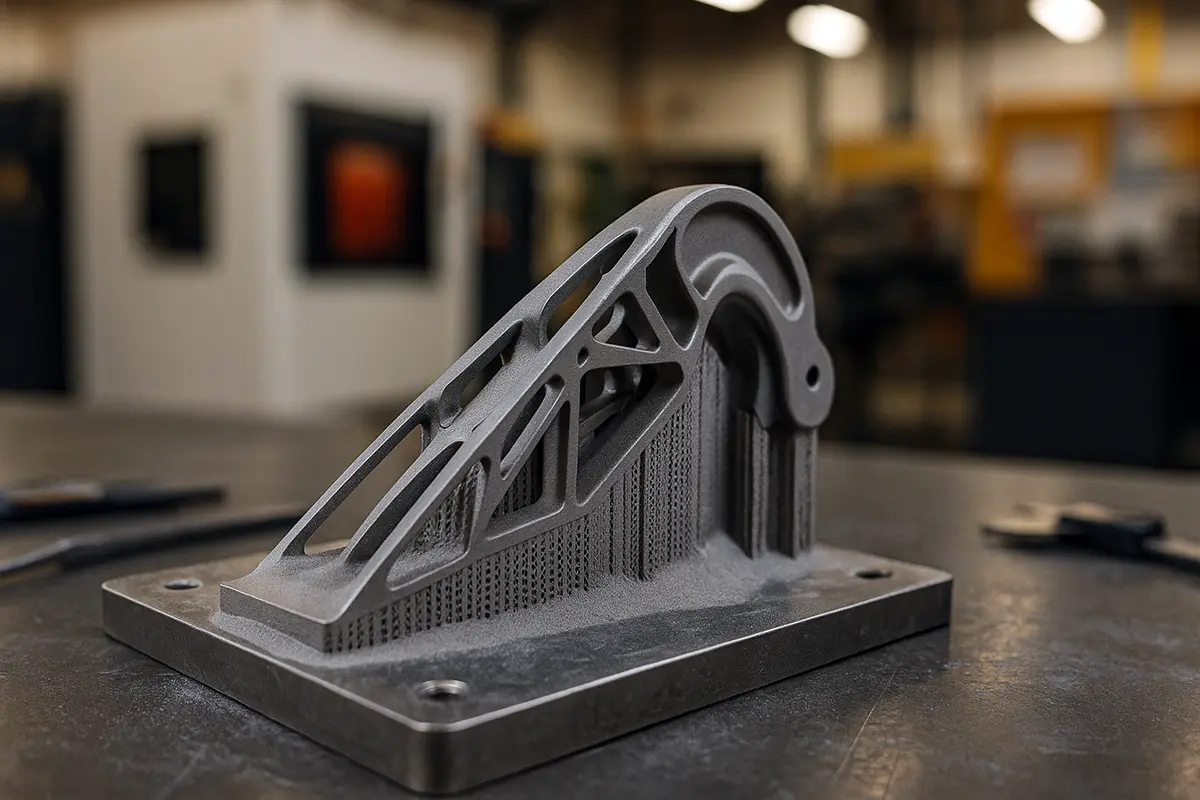
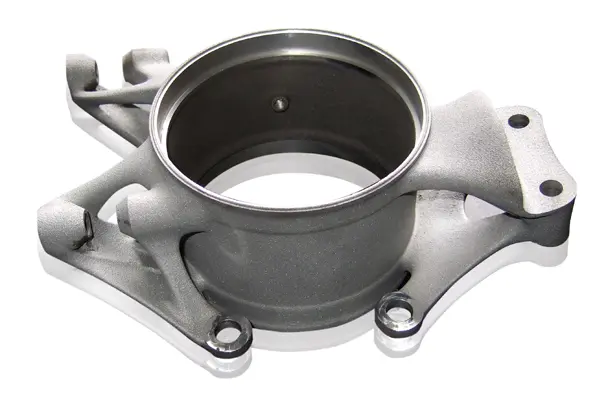
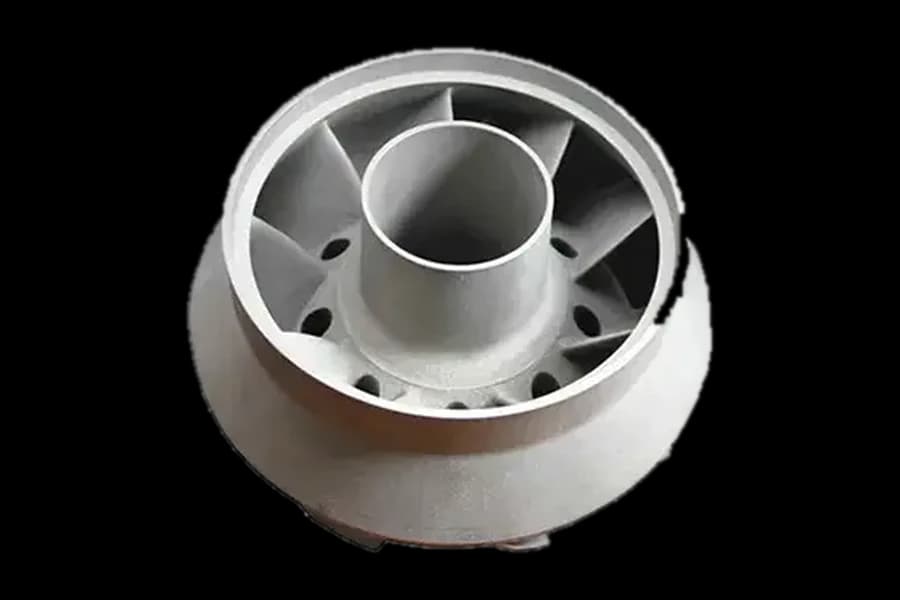
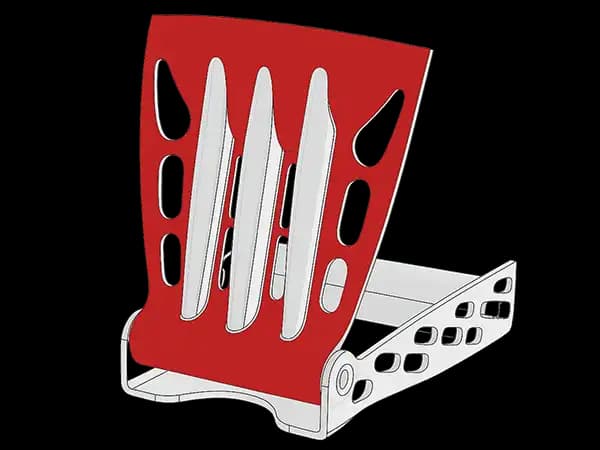
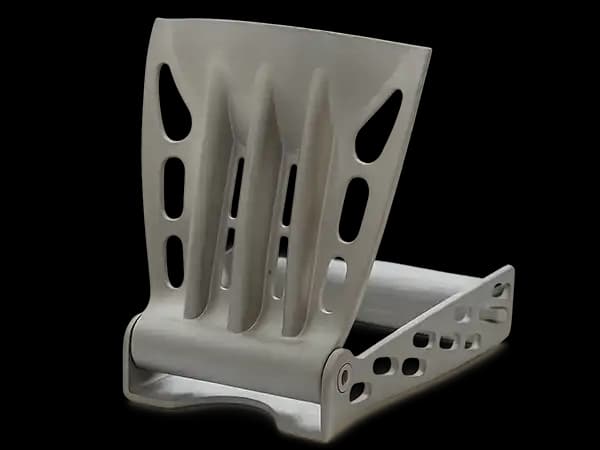
Maraging Steel MS1 3D printed part example
Metal Precision
Industrial Grade
DMLS material

Maraging Steel MS1 overview

Maraging Steel MS1 is a very high-strength tool steel, 3D printed by Direct Metal Laser Sintering (DMLS) for tooling and highly loaded parts. It machines easily straight from the printer, then heat treatment brings it to tool-steel hardness with almost no change in size. Printing lets cooling channels follow the shape of a mold cavity where drilled lines cannot reach, and cavities polish to a very fine finish. Toolmakers, aerospace, motorsport and power generation teams use it for injection mold inserts, forming tools and fixtures, and gearbox, suspension and valve parts.

How Maraging Steel MS1 is manufactured

Maraging Steel MS1 is manufactured using Direct Metal Laser Sintering (DMLS) on EOS metal systems, the industry benchmark for the process. Precision optics with f-theta lenses keep beam quality consistent across the entire build platform, and closed-loop powder handling and an inert atmosphere protect the steel as each layer fuses. After printing, the EOS solution anneal and aging cycle brings them to full strength and hardness, so complex internal features come out of one build ready for finishing.

Build volume
250 × 250 × 325 mm
Lead time
From 4 business days
Layer height
0.02-0.05 mm
Forge Labs Steam

Know before you manufacture in Maraging Steel MS1.

Upload CAD files to Forge Labs Steam for Maraging Steel MS1 quotes and live manufacturability feedback, and fix issues before production.

Upload CAD files to Forge Labs Steam for Maraging Steel MS1 quotes and live manufacturability feedback, and fix issues before production.

Surface finishes

Finishes for Maraging Steel MS1

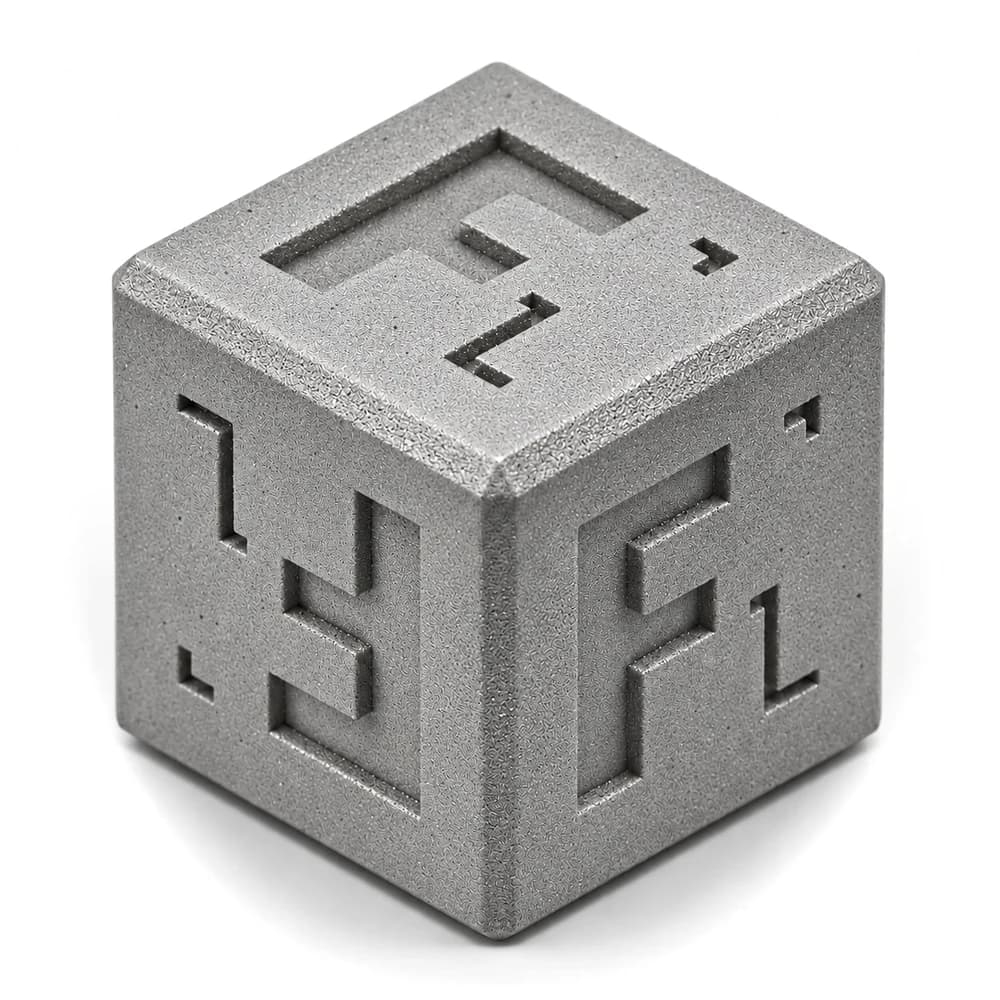
DMLS parts generally exhibit a slightly rough, matte finish due to the laser sintering process, resulting in a uniform surface texture. While this natural finish is sufficient for many functional applications, Forge Labs offers several post-processing options to enhance aesthetics, accuracy, and performance.

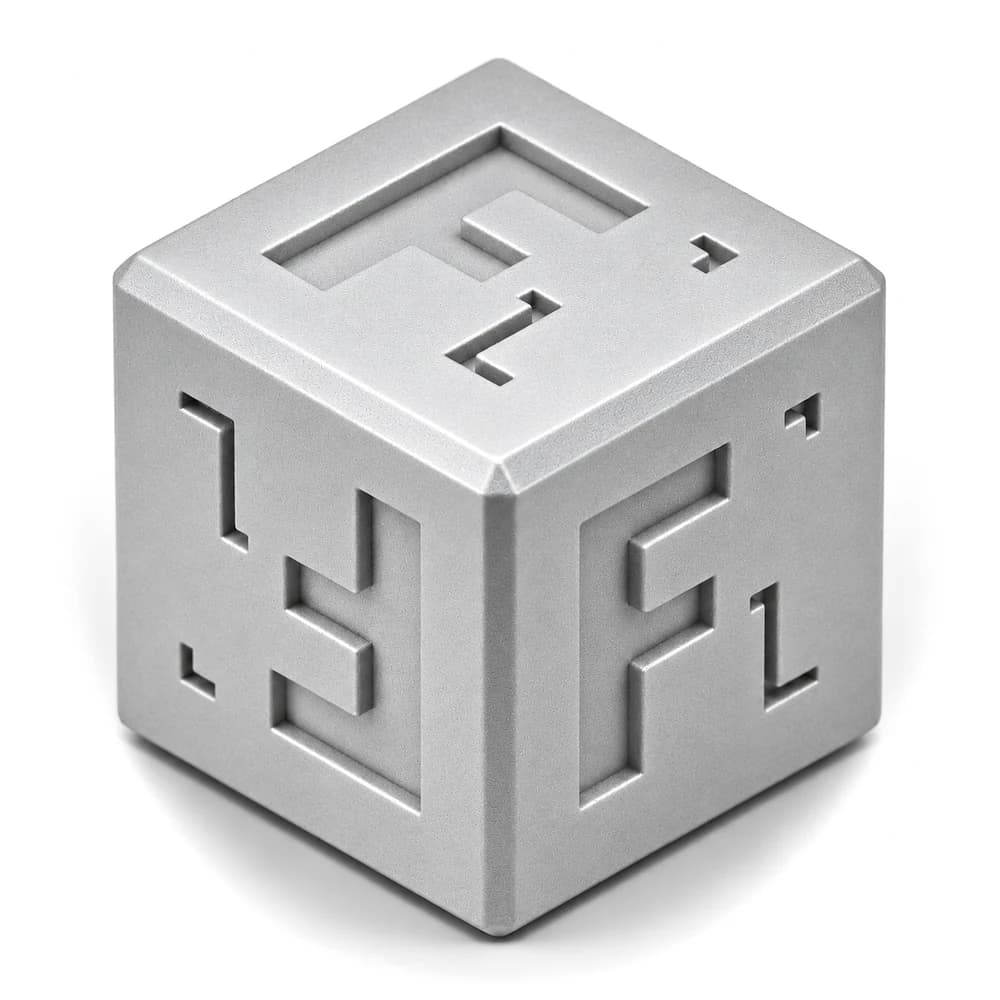
Forge Labs sample cube in bead-blasted DMLS maraging steel MS1
Natural

Standard Finish

Support structures are carefully removed, and parts undergo shot peening to create a uniform, matte surface and help relieve residual stresses. Critical features may receive light machining for tighter tolerances.

Surface Texture
Uniformly matte surface
Appearance
Matte Grey
Details
Well represented
Sample cube with a machined and polished satin metal finish
Forge Labs sample cube in bead-blasted DMLS maraging steel MS1
Enhanced

Machining & Polishing

Precision machining and polishing processes enhance surface quality, achieving tighter tolerances and smoother finishes for critical applications.

Surface Texture
Smooth, polished finish
Appearance
High-gloss metallic
Details
High retention
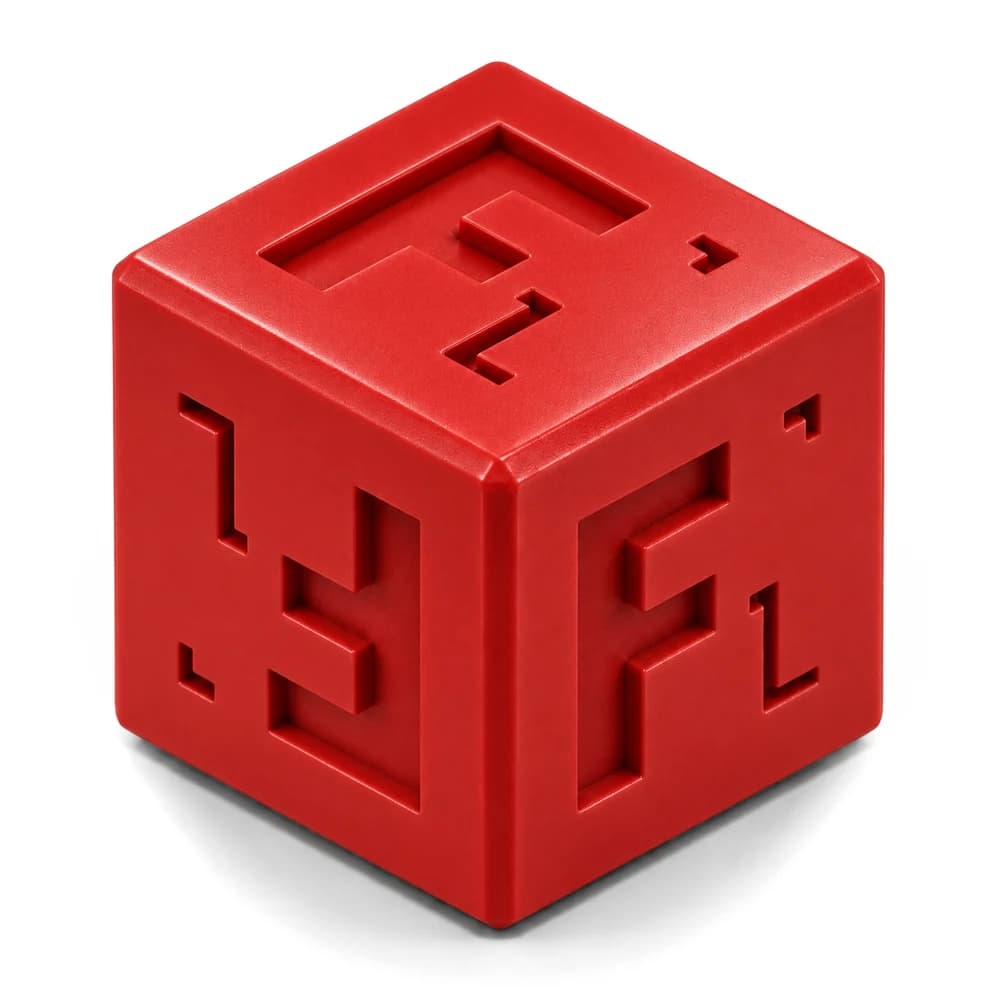
Sample cube with a red automotive-grade performance paint finish
Forge Labs sample cube in bead-blasted DMLS maraging steel MS1
Premium

Performance Paint

Automotive-grade coating that enhances aesthetics and durability. Each part is hand-finished with professional-grade equipment for exceptional adhesion and custom color matching.

Surface Texture
Matte to Semi-Gloss
Appearance
Custom color matching available
Details
Clear & refined
Industry applications

Industry applications for Maraging Steel MS1

Maraging Steel MS1 combines exceptional hardness after heat treatment with superior dimensional stability during the aging process, and it machines well in both the as-built and heat-treated states. From rapid prototyping to production runs, teams rely on it to maintain tight tolerances while reducing assembly complexity through consolidated part designs.

Through EOS DMLS, Maraging Steel MS1 reaches tensile strength above 2,000 MPa after aging, enabling tooling and components that push the boundaries of mechanical performance. Its precipitation hardening mechanism delivers uniform hardness throughout complex geometries. Unlike traditional tool steels, maraging steel hardens through intermetallic precipitates rather than carbon, so parts reach full hardness through a simple thermal aging treatment.

Forge Labs' controlled aging process at 490 °C for 6 hours achieves consistent properties. Our machining capabilities enable hybrid approaches for critical tolerances, and complex internal cooling channels and conformal cooling designs print directly into the tool, reducing lead times compared to conventional tool manufacturing.

Beyond molds, Maraging Steel MS1 is used for precision cutting tools, dies, complex jigs and automotive production fixtures. Medical device manufacturers use it for production-line tooling, and aerospace and defense programs use it for high-performance mechanical components.

All industries
Two DMLS steel injection mold insert halves with a ribbed cavity on a workbench

Tooling & Molding

Injection Mold Inserts & Production Tooling

Toolmakers use Maraging Steel MS1 for injection mold inserts, extrusion tools and hot pressing tools. DMLS builds conformal cooling channels that follow the cavity surface where drilled lines cannot reach, and inserts harden with a typical dimensional change of only +0.1%. Cavities polish to a very fine finish for molded parts, and inserts can be machined, spark-eroded, welded and coated after aging.

  • Glass-filled plastic mold inserts
  • Extrusion and hot pressing tools
  • Conformal-cooled cores and cavities
Explore automotive tooling
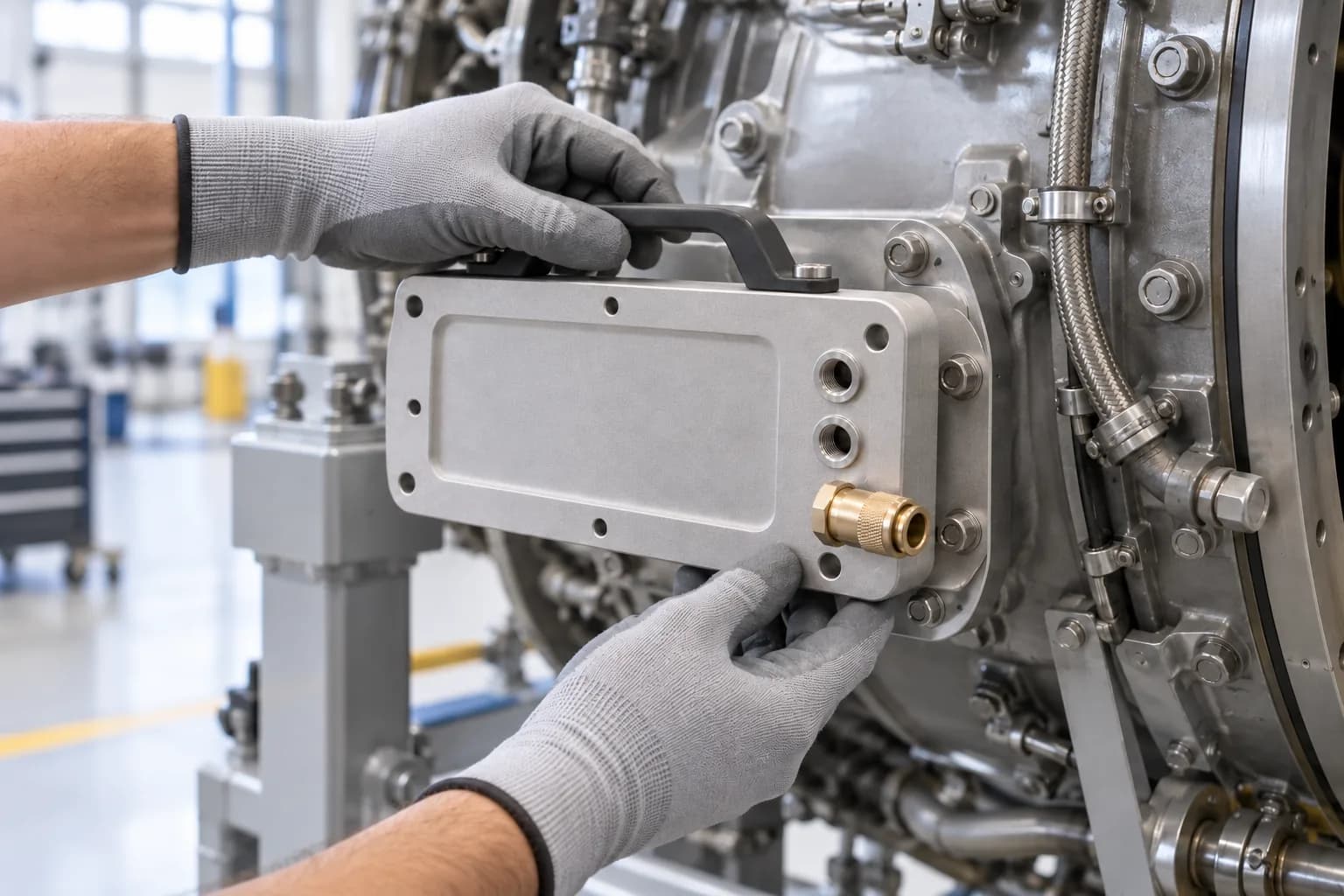
DMLS steel test plate fitted to an engine during maintenance

Aerospace

Aerospace Tooling & Fixtures

Aerospace manufacturers use Maraging Steel MS1 for sheet metal forming tools and composite assembly fixtures, and for high-load structural fittings. Forge already prints engine test plates and maintenance fixtures by DMLS in 316L stainless steel, including a single tool that replaced three separate fixtures, with extra stock left on critical bores for machining to size. MS1 brings tool-steel hardness to the same approach, and after heat treatment its strength differs by less than 1% between the horizontal and vertical build directions.

  • Sheet metal forming tools
  • Composite assembly fixtures
  • High-load structural fittings
Explore aerospace
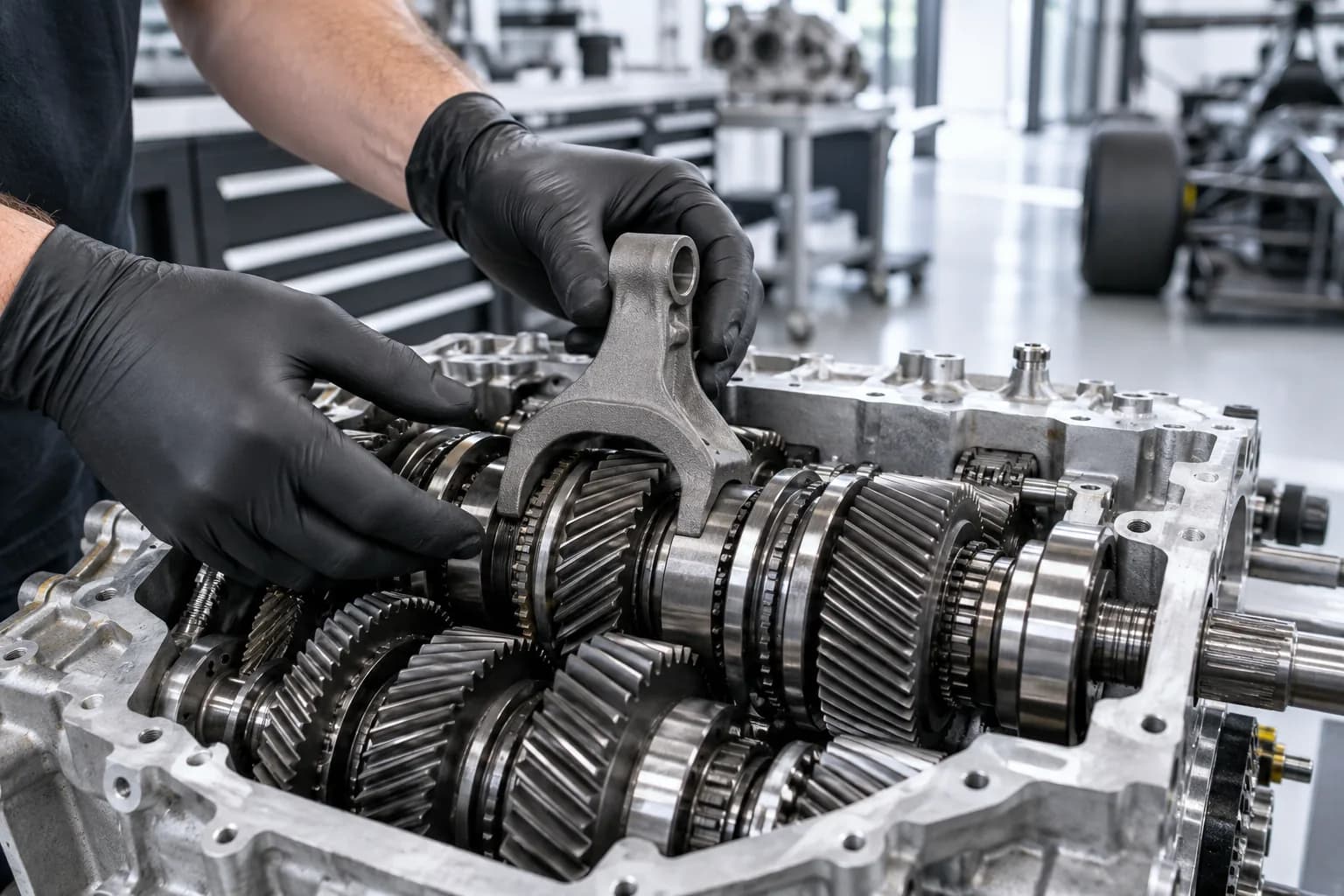
DMLS maraging steel selector fork in a race gearbox

Motorsport

Gearbox, Suspension & Hydraulic Parts

Racing teams use Maraging Steel MS1 for ultra-high-strength components that survive extreme loads, including gearbox and suspension parts and high-pressure hydraulic fittings. Topology-optimized DMLS designs take weight out of highly stressed parts by removing material where it carries no load. After aging, its 650 MPa fatigue strength suits parts under cyclic load. Bearing seats and sealing faces are machined to size once the part is hardened.

  • Gearbox components
  • Suspension components
  • High-pressure hydraulic parts
Explore automotive
DMLS maraging steel valve component on a maintenance bench

Industrial & Energy

Valve, Pump & Power Generation Parts

Heavy industry and power generation use Maraging Steel MS1 for high-pressure valve parts, pump and turbine components and heavy machinery parts that need ultra-high strength. Forge already prints valve plates, valve heads and seal protectors for power generation equipment by DMLS in 316L and 17-4 PH stainless steel, finishing grooves and threads by machining or wire EDM. MS1 is the higher-strength option for the same parts and works up to a maximum operating temperature of about 400 °C.

  • High-pressure valve parts
  • Power generation turbine parts
  • Mining and heavy machinery parts
Explore clean tech
Performance data

Technical performance for Maraging Steel MS1

Values from EOS MaragingSteel MS1 datasheets for the EOS M 290 (40 µm), tested to the standard listed with each property.

Mechanical performance

Mechanical properties

Maraging Steel MS1 has the strength and hardness that injection molding tools and inserts, precision cutting tools and dies, and aerospace manufacturing tooling demand. Heat-treated values come first, the condition most tools and load-bearing parts are used in, followed by as-built values for parts that are machined before aging.

As-built parts show some anisotropy, which heat treatment reduces, so aged parts reach almost the same strength in every build direction. Hardness, fatigue and impact values describe the peak-hardness aging cycle, which maximizes strength and hardness at the expense of impact toughness; allow for this in parts that see sudden shock loads.

PropertyValue
Tensile Strength, Heat Treated (Horizontal / Vertical)ISO 6892-1
2085 / 2100 MPa
Yield Strength Rp0.2, Heat Treated (Horizontal / Vertical)ISO 6892-1
2020 / 2010 MPa
Elongation at Break, Heat Treated (Horizontal / Vertical)ISO 6892-1
4.5 / 4 %
Elastic Modulus (Heat Treated)ASTM E132-04
190 GPa
Peak Hardness (aged 490 °C, 6 h)ISO 6508
54 HRC
Hardness Range (Heat Treated)EN ISO 6508-1 (EOS MDS 2017)
50–57 HRC
Fatigue Strength (Heat Treated)ASTM E466 / ISO 12107
650 MPa
Charpy V-Notch Impact (aged 490 °C, peak hardness)ISO 148
≈ 10 J
Tensile Strength, As Built (XY / Z)ISO 6892-1
1200 / 1100 MPa
Yield Strength Rp0.2, As Built (XY / Z)ISO 6892-1
1100 / 930 MPa
Elongation at Break, As Built (XY)ISO 6892-1
12 %
Elastic Modulus, As Built (XY / Z)ISO 6892-1
150 / 140 GPa
Hardness (As Built)EN ISO 6508-1
33–37 HRC

Material makeup

Physical properties

Near-full density and a very low defect level keep critical features in tolerance and downstream finishing predictable. The dimensional change row is the allowance to make when features are machined to size before heat treatment.

As-built surfaces suit functional faces, and shot peening evens them out; mold cavities and sealing faces are machined or polished to a fine finish. The minimum wall thickness sets the thinnest rib or vane the process resolves. The composition rows give the EOS alloy limits; with chromium far below the level that defines a stainless steel, MS1 needs oil, coating or dry storage to protect it from corrosion.

PropertyValue
Part DensityISO 3369
8.0–8.1 g/cm³
Average Defect Percentage (EOS M 290, 40 µm)EOS method (polished cross-section)
0.04 %
Dimensional Change after Heat TreatmentEOS MDS
+0.1 %
Surface Roughness Ra (As Built, 40 µm)EOS MDS 2014
5 µm
Surface Roughness Ra (Shot Peened)ISO 4287
4–6.5 µm
Minimum Wall Thickness (approx.)EOS MDS 2014 / 2017
0.3–0.4 mm
Chemical CompositionEOS MDS
18Ni300 (AMS 6514)
Nickel ContentEOS MDS
17–19 wt%
Cobalt ContentEOS MDS
8.5–9.5 wt%
Molybdenum ContentEOS MDS
4.5–5.2 wt%
Titanium ContentEOS MDS
0.6–0.8 wt%
Aluminum ContentEOS MDS
0.05–0.15 wt%
Carbon ContentEOS MDS 2017
≤ 0.03 wt%
Chromium ContentEOS MDS 2014 / 2017
≤ 0.5 wt%

Heat performance

Thermal properties

The maximum operating temperature is the service limit EOS gives for Maraging Steel MS1, high enough for mold inserts, hot pressing tools and industrial equipment near heat sources.

The solution anneal and aging values are the EOS heat treatment behind the heat-treated properties. Thermal conductivity rises after aging, which helps conformal-cooled inserts draw heat from the cavity, and the expansion coefficients for each temperature range let designers predict fits in hot tooling.

PropertyValue
Maximum Operating Temperature (approx.)EOS MDS 2014
400 °C
Solution Annealing (2 h)EOS heat treatment
940 °C
Aging Temperature (6 h, peak hardness)EOS heat treatment
490 °C
Thermal Conductivity (Aged)EOS MDS 2014
20 W/m·K
Thermal Conductivity (As Built)EOS MDS 2014
15 W/m·K
Specific Heat CapacityEOS MDS 2014
450 J/kg·K
Coefficient of Thermal Expansion (25–100 / 200 / 300 / 400 °C)ASTM E228
10.6 / 10.9 / 11.2 / 11.5 ×10⁻⁶/K

Compliance

Compliance profile

EOS states that the chemical composition of MS1 corresponds to AMS 6514 18Ni300 and European 1.2709 (X3NiCoMoTi 18-9-5), so drawings that call out these grades can be checked against supplier data.

These entries describe chemistry rather than product certification, since AMS 6514 covers wrought bars and forgings. EOS does not develop or certify MS1 powder for medical devices or food contact, so it is used for tooling rather than parts that touch patients or food.

StandardStatus
AMS 6514 (18Ni300)EOS states the chemical composition corresponds to AMS 6514 18Ni300 maraging steel (US 18% Ni Maraging 300)
Composition per EOS
1.2709 (X3NiCoMoTi 18-9-5)EOS states the chemical composition corresponds to European 1.2709 and German X3NiCoMoTi 18-9-5
Composition per EOS
Resources

Datasheets and design resources

Datasheets, design guidance and supplier documentation for Maraging Steel MS1.

Download center

Access the most recent datasheet and supporting documentation maintained by our engineering team.

Maraging Steel MS1 datasheet

Design guidelines

Explore printable geometry recommendations, wall thickness tips, and finishing playbooks for DMLS.

View DMLS design guide
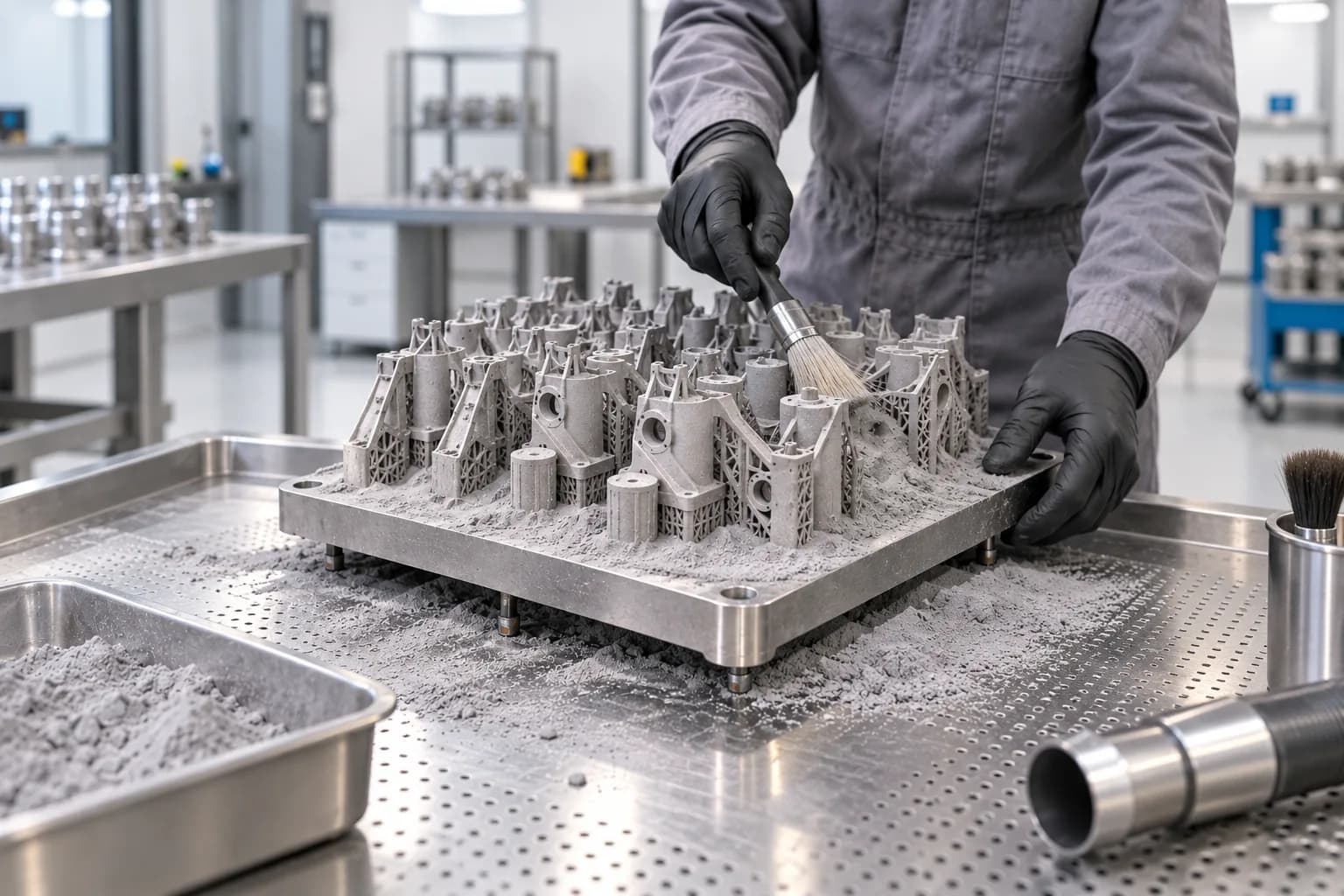
DMLS metal parts on a build plate being cleared of powder
Advanced Manufacturing

Built with Precision DMLS Technology

Maraging Steel MS1 is manufactured using Direct Metal Laser Sintering (DMLS) technology, providing high strength and precision for mission-critical tooling and end-use components.

Tolerance
±0.3% (min ±0.3 mm)
Production capacity
Multiple parts or assemblies built in each job
Quality control
In-process monitoring and batch traceability for consistent part quality and material properties
Heat treatment
Aging at 490 °C for 6 hours
Colours & finishes
Support removal, machining, polishing and coating
Learn more about DMLS technology
Frequently Asked Questions

Frequently asked questions about Maraging Steel MS1

Can't find the answer you're looking for? Reach out to our customer support team.

Maraging Steel MS1 reaches a tensile strength of 2085 to 2100 MPa and a peak hardness of 54 HRC after heat treatment, with low distortion during heat treatment (a typical +0.1% dimensional change) and good machinability in both the as-built and heat-treated states, making it suitable for mold inserts, production tooling and aerospace fixtures.
Start a quote

Ready to Get Started with Maraging Steel MS1?

Upload your design and get an instant quote for Maraging Steel MS1 parts.

  • Instant pricing with automated manufacturability analysis
  • Production workflows built for repeatable quality
  • Engineering support from prototype to production
Compare all materials

Create an account to upload CAD

STEP, STL, OBJ, 3MF and IGES supported

Manufacturing technologies
6
Engineering materials
50+
Part quantities
1-500+