
Aerospace
MRO Test Fixtures & Adapters
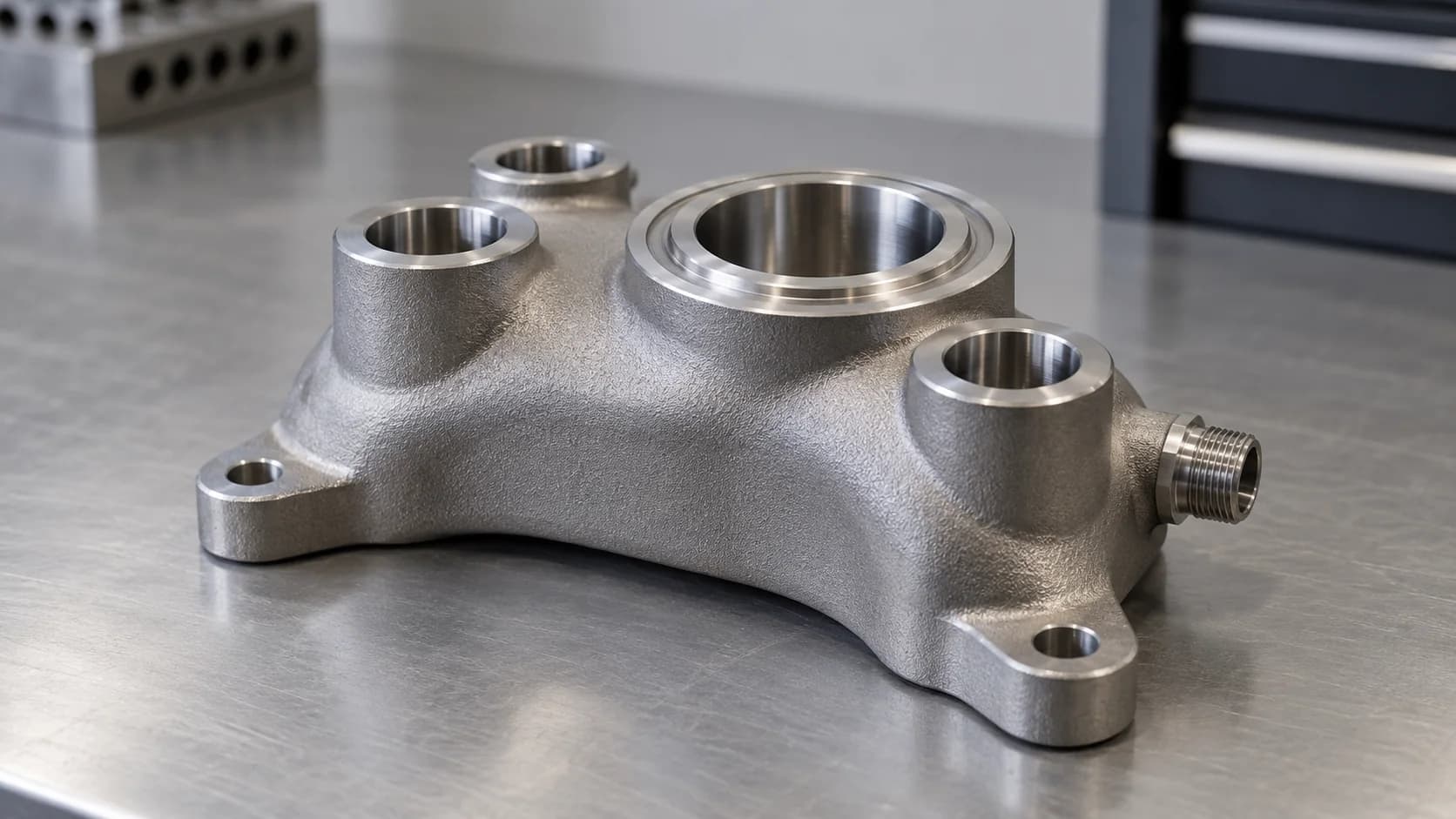
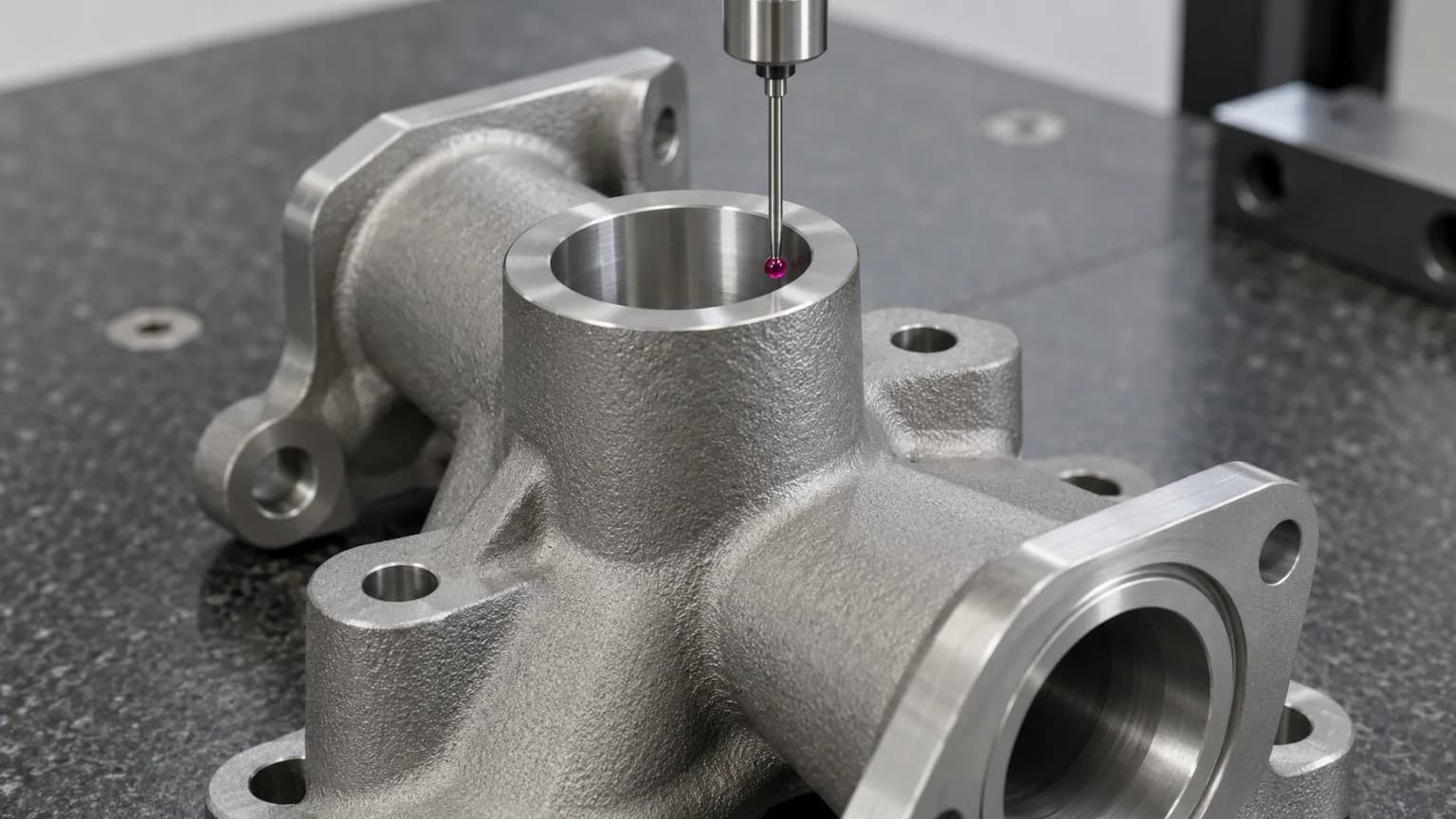
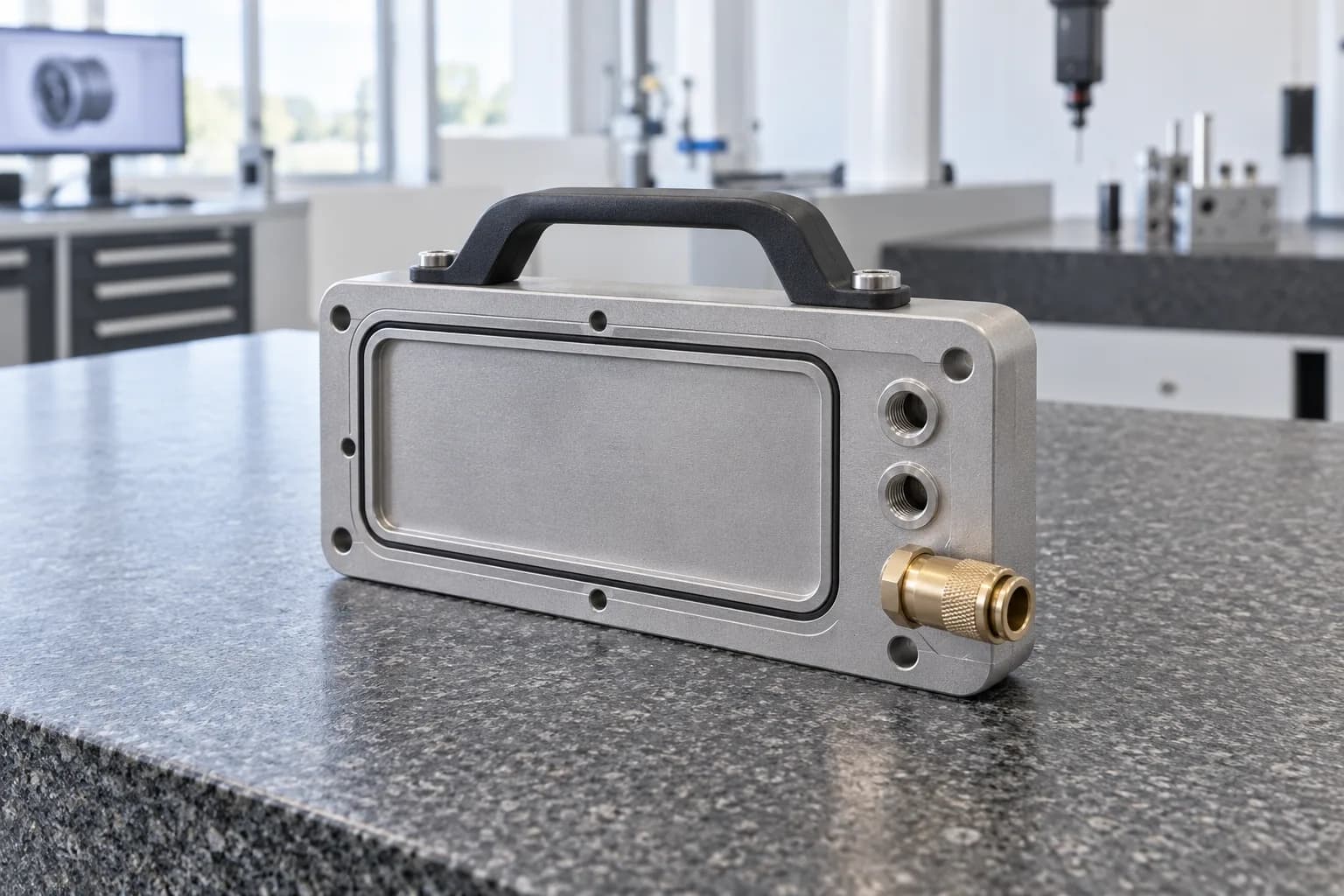
Test plates and fixtures with bores, threads and O-ring grooves machined to the drawing.
Stainless Steel 304 is the most widely used stainless steel, CNC machined into parts that resist corrosion, clean easily and last. It stands up to inland outdoor air, foods, beverages, cleaning agents and many chemicals, is accepted for food and dairy contact, and polishes to a smooth, cleanable finish. It is tough rather than brittle, so fixtures and tooling survive daily handling. Food and beverage processors, medical and laboratory teams, and equipment designers use it for sanitary fittings, sterilizable fixtures, fasteners, brackets and outdoor enclosures.
How Stainless Steel 304 is manufactured
Stainless Steel 304 parts are made by CNC machining, which removes material from solid billet using precision cutting tools. Datum surfaces and planned fixturing let multi-setup parts reference every critical feature, so bores, threads, sealing faces and mounting patterns are cut to the drawing in the same job. Because there is no tooling to make, the same program runs a single prototype or a repeat production batch.
Upload CAD files and drawings to Forge Labs Steam, and our engineers review Stainless Steel 304 parts for tolerances, tool access and finish so issues are fixed before production.
Upload CAD files and drawings to Forge Labs Steam, and our engineers review Stainless Steel 304 parts for tolerances, tool access and finish so issues are fixed before production.



Stainless Steel 304 is the industry standard for corrosion resistant hardware, enclosures and food equipment, and the most frequently used alloy in the stainless steel family. It combines reliable resistance to atmospheric corrosion, foods and beverages and many organic and inorganic chemicals with a non-magnetic structure in the annealed condition, and it is suited to sanitary and food contact applications.
Medical, food and beverage programs trust it where uptime matters. Parts clean easily and keep product free from contamination, and 304 responds well to polishing and electropolishing for smooth, cleanable surfaces.
Engineering teams rely on machined Stainless Steel 304 for tight tolerances, and we machine around its fast work hardening so critical features stay on size from the first part to the last.
Aerospace
Test plates and fixtures with bores, threads and O-ring grooves machined to the drawing.
Food & Beverage
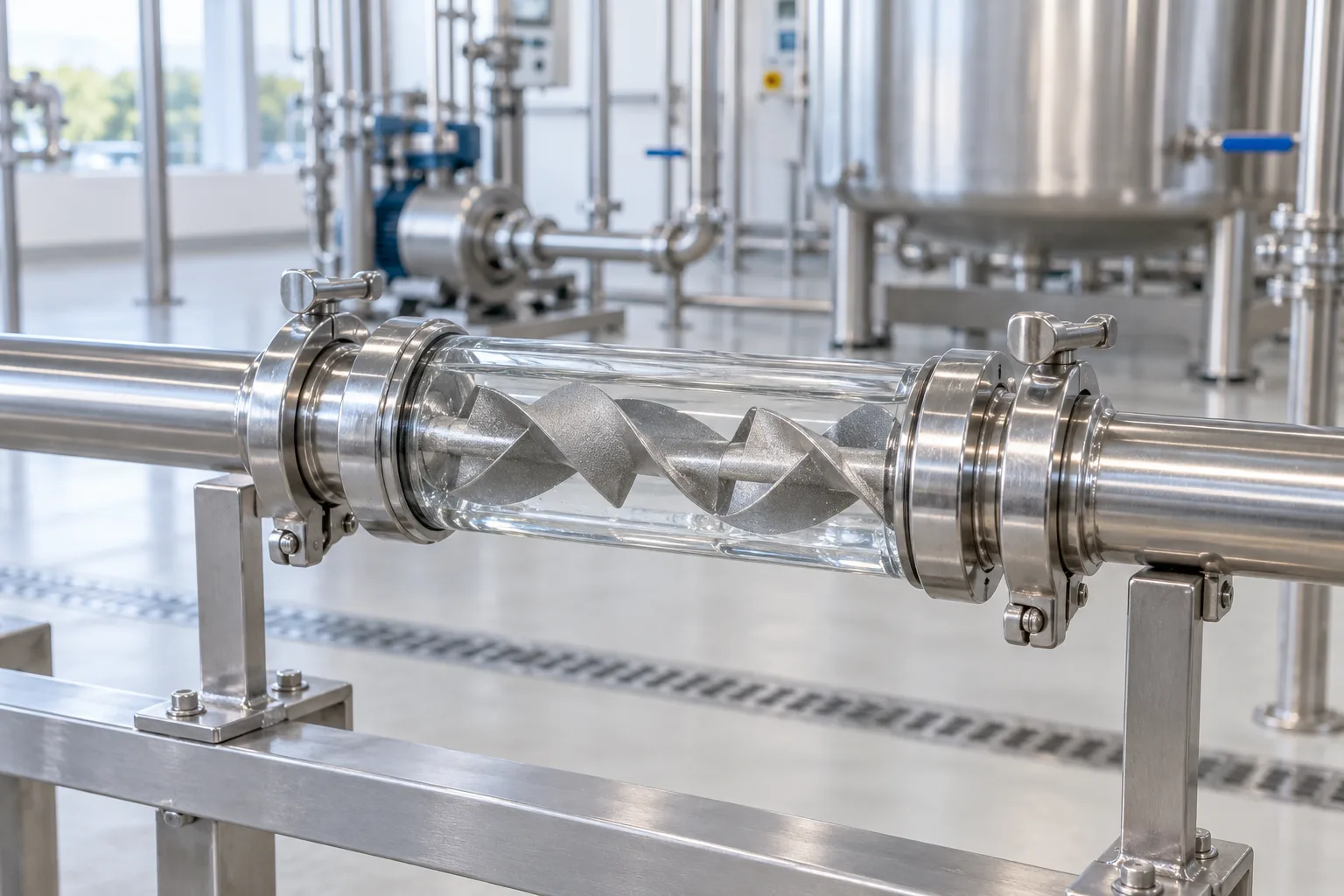
Sanitary fittings, manifolds and process hardware in a stainless accepted for food and dairy contact.
Clean Tech & Power Generation
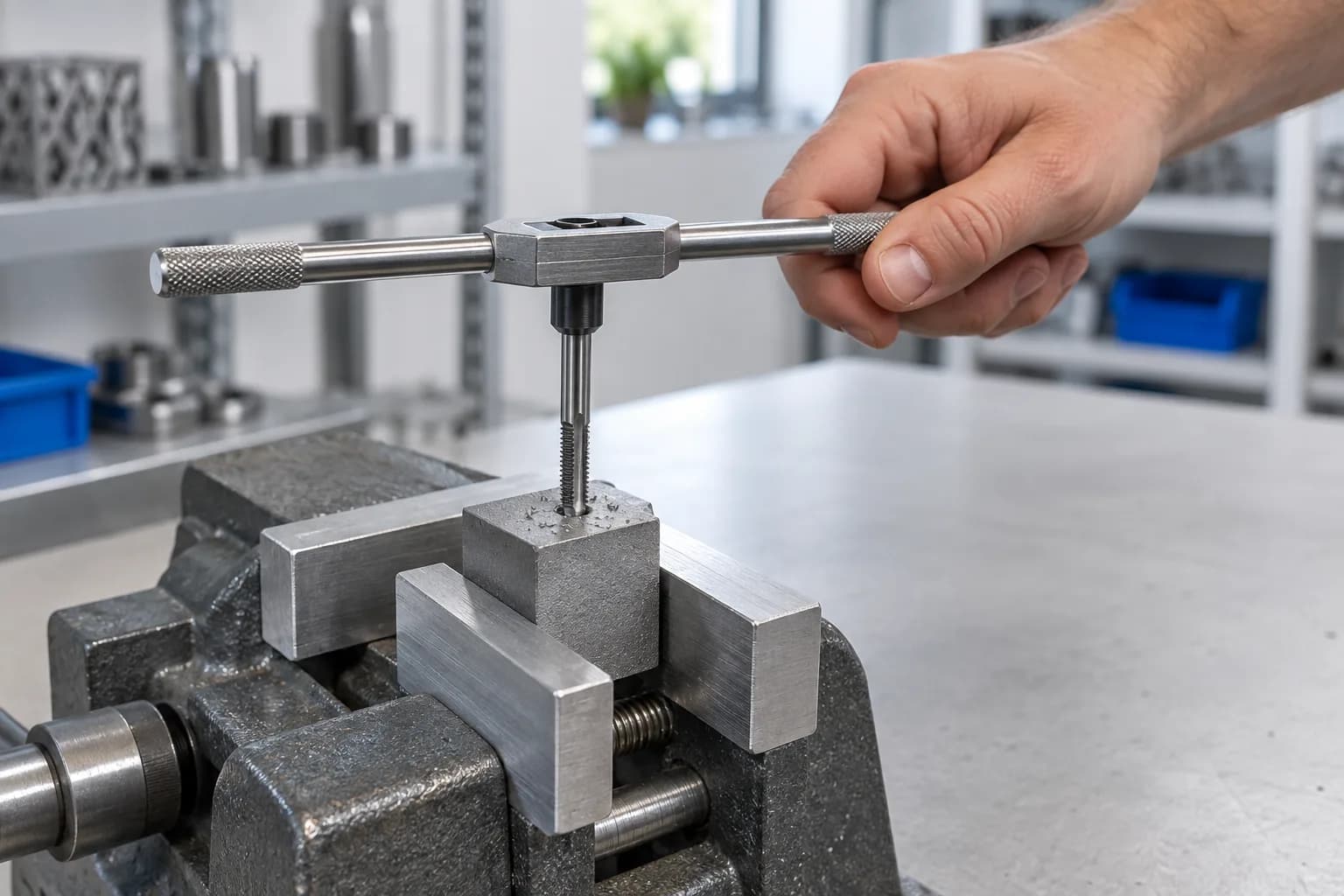
Seal protectors, valve parts and threaded fittings, with one lot shipped five days early.
Medical & Laboratory
Easy-to-clean surgical tooling and lab fixtures that stand up to routine cleaning and sterilizing.
Industrial Design
Corrosion resistant fasteners, brackets and enclosures for inland outdoor use.
Aerospace
Engine MRO shops and test teams use machined stainless steel for test plates, maintenance fixtures and adapters. Stainless Steel 304 is tough rather than brittle, absorbing 200 J of Charpy impact energy at room temperature, which suits tooling that is handled, cleaned and returned to the bench. On one stainless engine-maintenance fixture, we machined the tapered pipe threads, handle thread and O-ring grooves to the drawing and finished the seal contact faces to 32 µin Ra (about 0.8 µm).
Food & Beverage
Food, beverage and dairy processors use Stainless Steel 304 for sanitary fittings, manifolds and process hardware. It is accepted for food and dairy contact and is a standard material of construction in breweries, and food plants clean it with specially formulated caustic, phosphoric or sulfamic acid cleaners.
Clean Tech & Power Generation
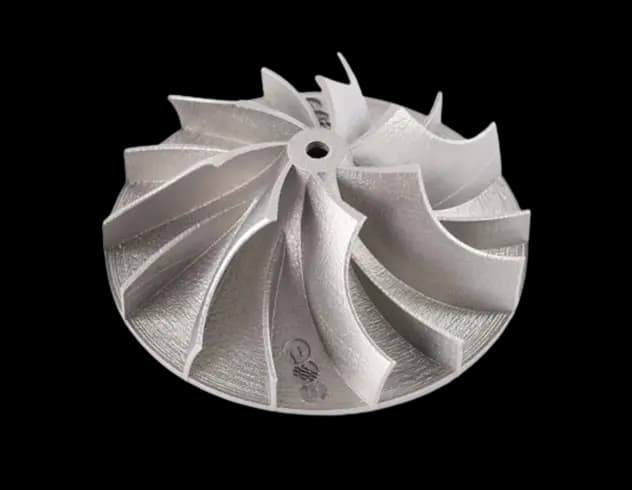
Engine and power generation developers use machined stainless steel for seal protectors, valve parts, counterweights and threaded fittings drawn for machining. Stainless Steel 304 resists oxidation in air to 870 °C in intermittent service, so it suits hot-running brackets and fittings. On one engine program, we cut the threads on stainless seal protectors, valve heads and counterweights after printing, and the seal protector lot shipped five business days ahead of the promised date.
Medical & Laboratory
Medical device and laboratory teams use Stainless Steel 304 for surgical tooling, sterilizable fixtures and laboratory equipment that is cleaned and sterilized on a regular basis. It resists the cleaning agents those routines use and stays essentially non-magnetic in the annealed condition, with a magnetic permeability of 1.005. The device maker qualifies any part that contacts patients.
Industrial Design
Product and equipment designers use Stainless Steel 304 for corrosion resistant fasteners and brackets, consumer products and outdoor enclosures, where a part has to look good and last. Building facades in non-marine atmospheres make heavy use of 18-8 stainless steels such as 304.
Values for annealed Type 304: ASTM A240/A240M minimums, Outokumpu typical data, and Atlas Steels, ATI and Rolled Alloys alloy data, with the source listed with each property.
Mechanical performance
Stainless Steel 304 delivers dependable strength and impact resistance for sanitary manifolds and fittings, corrosion resistant fasteners and brackets, and sterilizable fixtures and tooling. It yields and stretches well before it fractures instead of cracking, and it stays tough down to cryogenic temperatures.
The minimum rows are the ASTM A240 annealed values for plate; bar stock to A276 or A479 carries minimums set by its finish and size, and the typical rows show what annealed stock usually delivers. ATI, Outokumpu and Rolled Alloys list a slightly higher modulus, 200 GPa, than the Atlas value in the table. 304 cannot be hardened by heat treatment, but cold work raises its strength, and a smooth machined surface improves fatigue life while a corrosive environment reduces it.
Material makeup
A uniform wrought structure machines consistently from part to part and takes downstream finishing predictably.
The composition rows are the specification limits. Chromium gives 304 its corrosion resistance and nickel its austenitic structure. The salt spray result shows how the alloy handles a neutral salt fog, which does not predict service in sea air or sea water.
Heat performance
Food, medical and process equipment in Stainless Steel 304 handles repeated heating, washing and cooling without losing its corrosion resistance or toughness. Its thermal expansion is relatively high for a metal, so allow for it in tight fits that run hot.
The service temperatures are oxidation limits in air, not load ratings, and strength falls as temperature rises. Avoid continuous use between about 425 °C and 860 °C where the part must later resist aqueous corrosion, and use the annealing range to restore softness and corrosion resistance after welding or heavy cold work.
Functional performance
Stainless Steel 304 conducts electricity, so machined housings, fixtures and functional prototypes can be grounded through the part, and the resistivity value gives engineers a reliable input for current flow and grounding calculations.
The permeability row shows how close annealed 304 is to non-magnetic. Cold work raises it, so heavily formed or cold-worked areas can become slightly magnetic.
Compatibility data
ATI gives corrosion rates in boiling solutions, and Outokumpu gives the temperature above which 304 corrodes faster than 0.13 mm a year. 304 resists dilute nitric, acetic and phosphoric acids well, while boiling dilute hydrochloric and sulfuric acids and hot strong caustic attack it.
Chlorides set the limit: pitting, crevice corrosion and stress corrosion cracking become likely in warm chloride solutions, and ATI recommends 316 for higher chloride levels, lower pH or higher temperatures. Use the ratings for screening and confirm them for your application.
Compliance
Type 304 is specified under ASTM A240/A240M for plate, sheet and strip and under ASTM A276 and A479 for bar and shapes, with A479 covering bar for boilers and pressure vessels.
ATI states that Type 304 is accepted by the National Sanitation Foundation for food preparation and storage, and by the Dairy and Food Industries Supply Association sanitary standards committee for contact with dairy products. Food and dairy certification is held by the maker of the finished equipment, with 304 as an accepted material of construction.
CNC MachiningStainless Steel 17-4 PH (CNC)
 CNC Machining
Aluminum 6061-T6
 DMLS
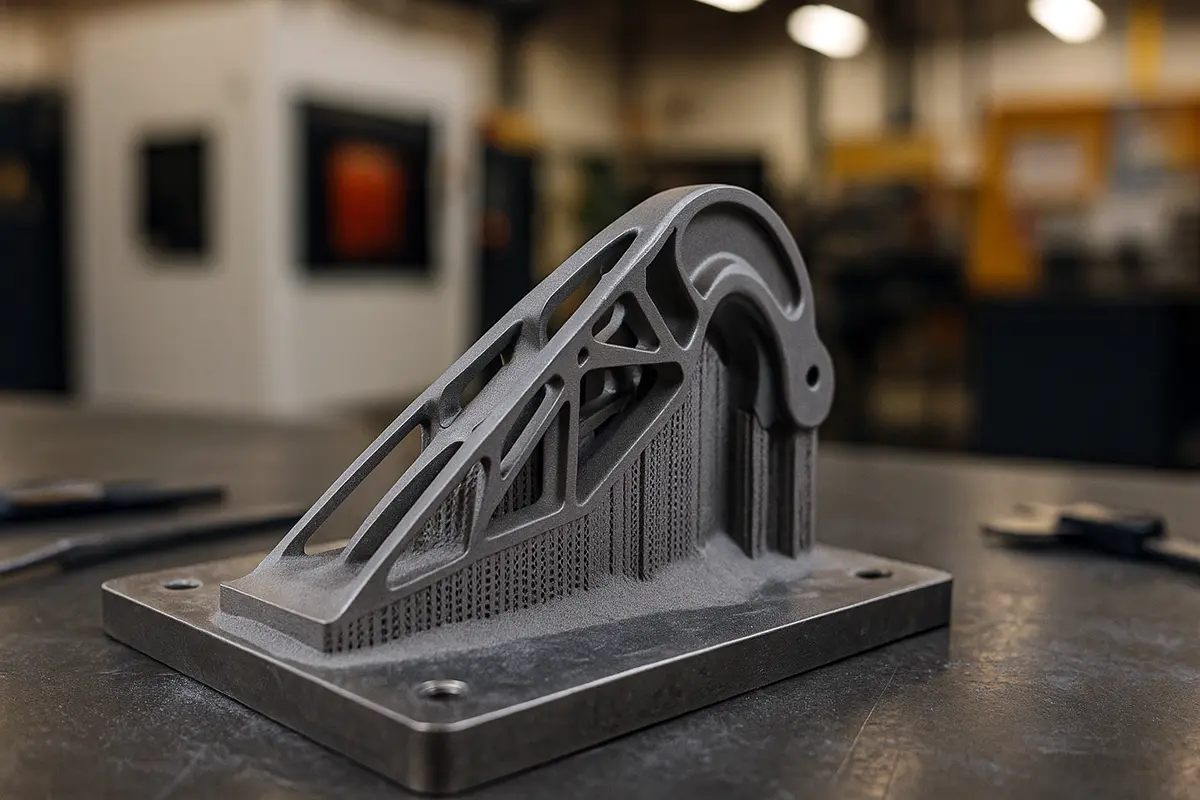
DMLSStainless Steel 316L
 CNC Machining
Aluminum 7075-T6
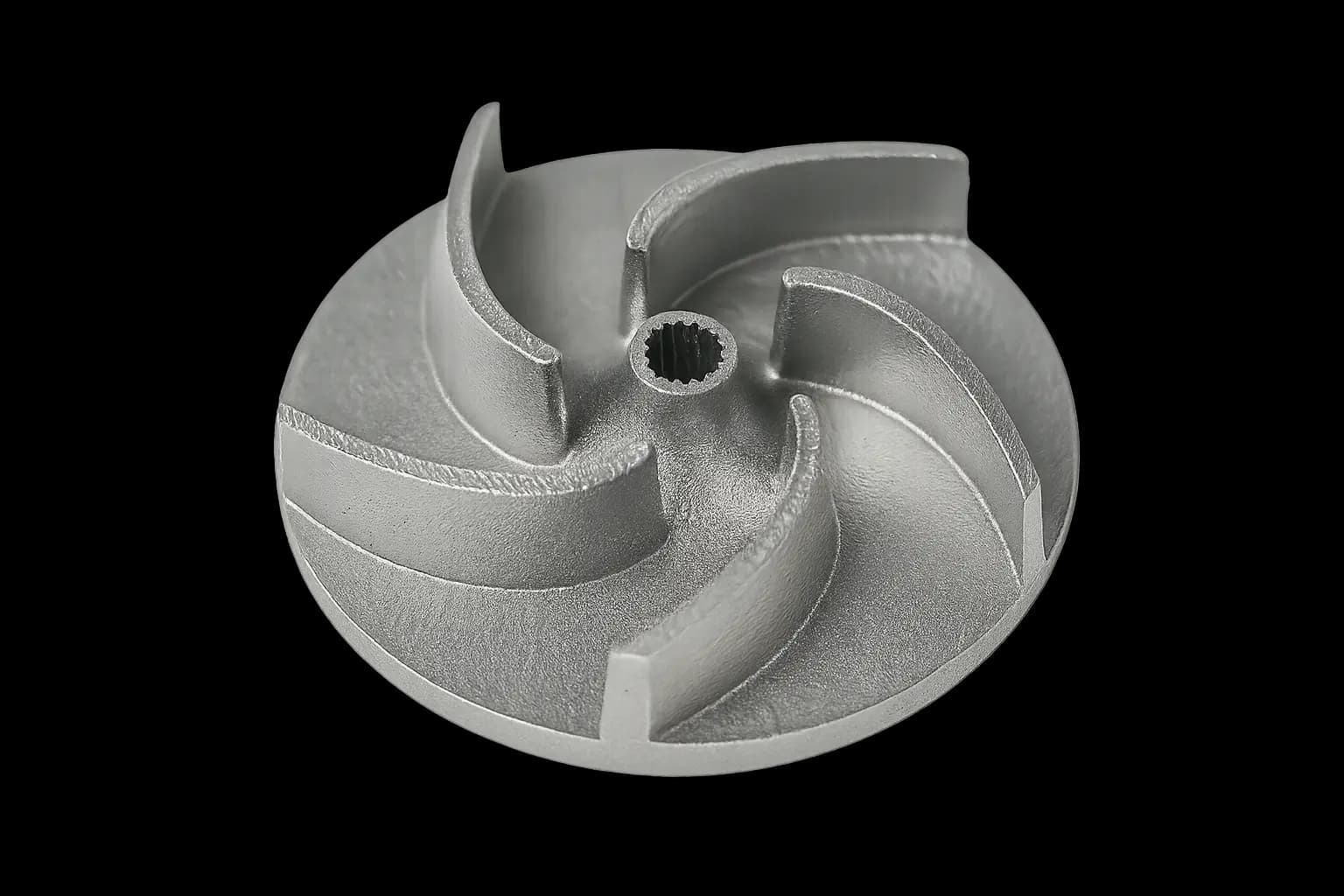 DMLS
DMLSStainless Steel 17-4 PH
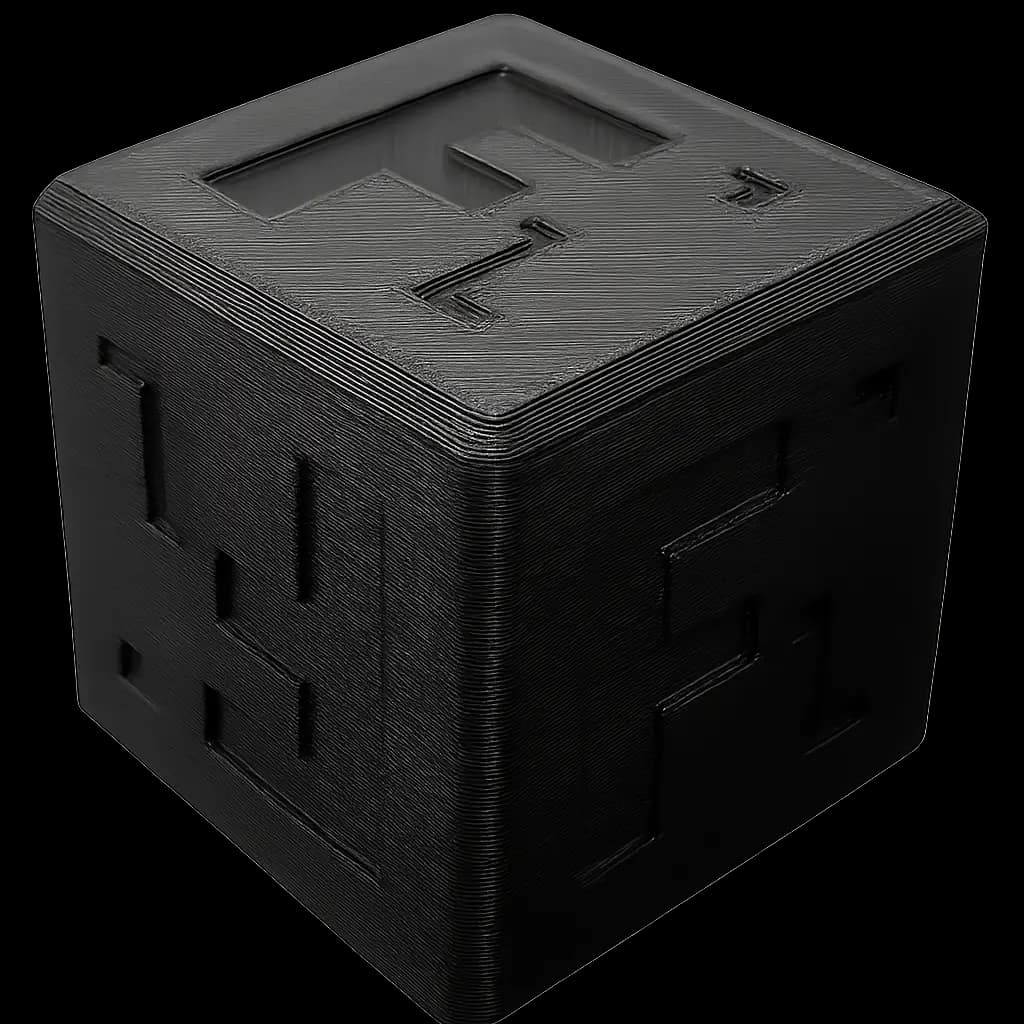 CNC Machining
PEEK
CNC MachiningDelrin (Acetal)
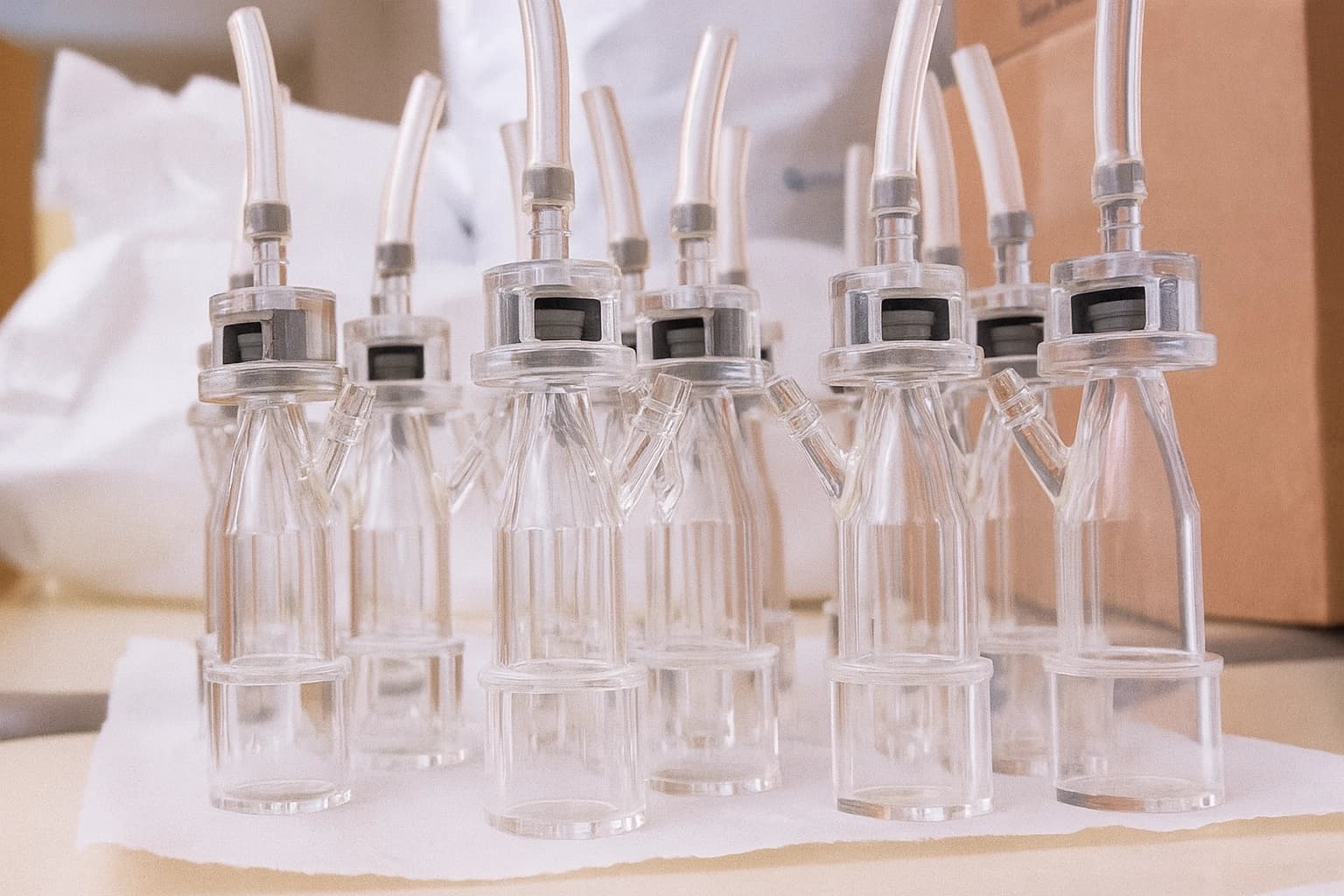 CNC Machining
Polycarbonate (CNC)
 DMLS
DMLSTitanium Ti-6Al-4V
 DMLS
DMLSMaraging Steel MS1
 DMLS
DMLSAluminum 6061
 DMLS
DMLSAluminum AlSi10Mg
Datasheets, design guidance and supplier documentation for Stainless Steel 304.
Access the most recent datasheet and supporting documentation maintained by our engineering team.
Stainless Steel 304 datasheetTolerance, wall thickness and finishing guidance for machined parts.
View machining guidance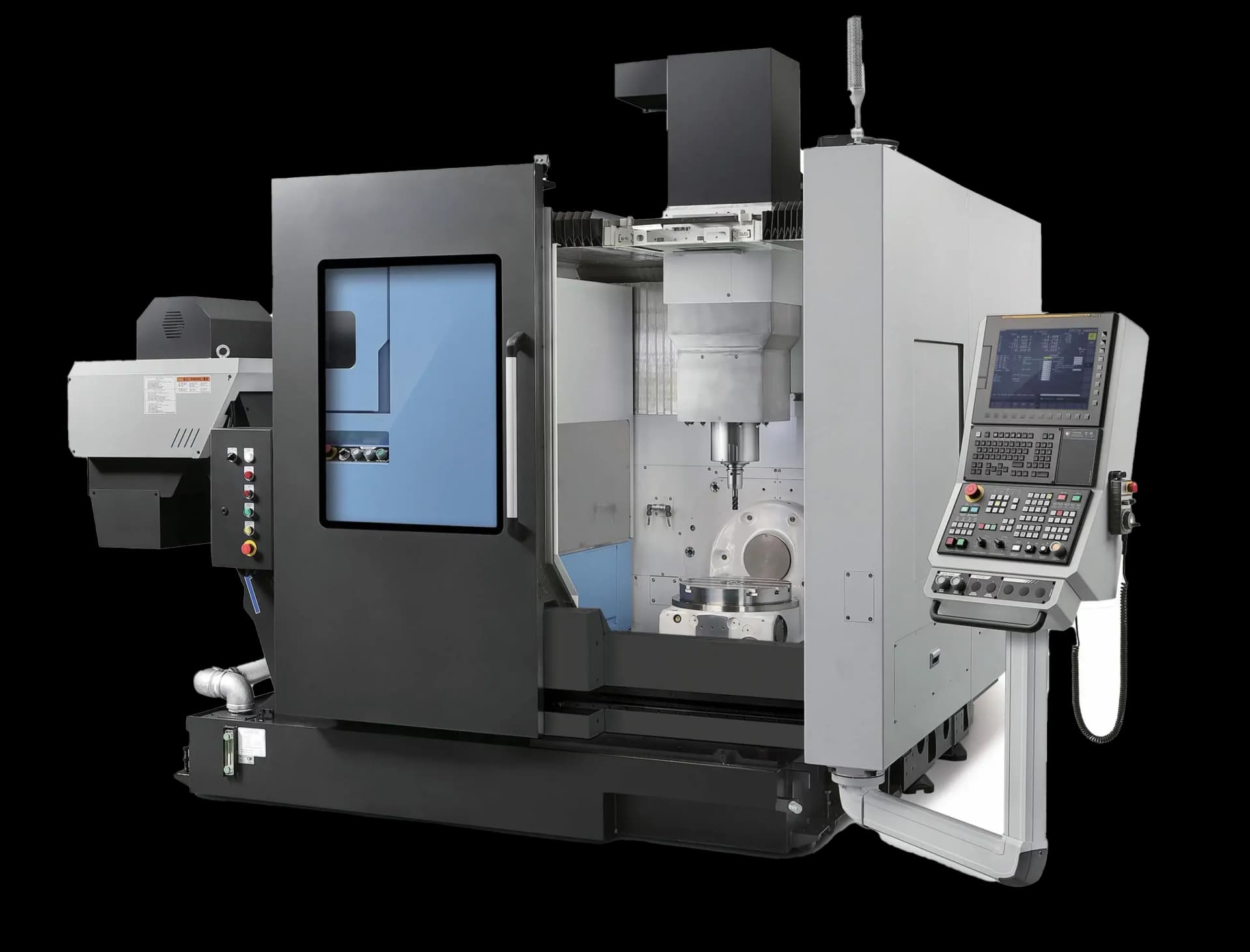
Stainless Steel 304 is manufactured using advanced CNC machining technology, ensuring optimal material properties and dimensional accuracy. Machined parts keep the wrought strength and corrosion resistance of the stock.
Can't find the answer you're looking for? Reach out to our customer support team.
Upload your design and get a quote for Stainless Steel 304 parts from our engineers.
Create an account to upload CAD
STEP, STL, OBJ, 3MF and IGES supported