Direct Metal Laser Sintering Aluminum AlSi10Mg For Lightweight, High-Performance Metal Parts

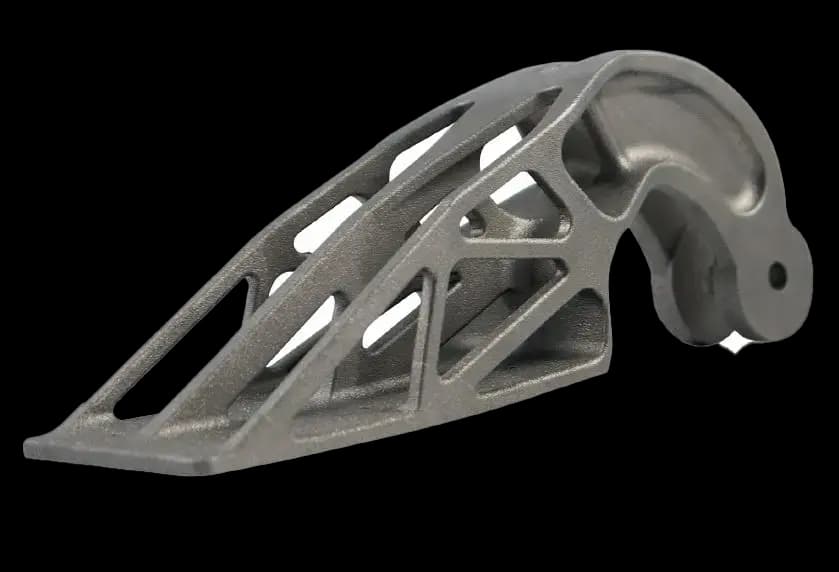
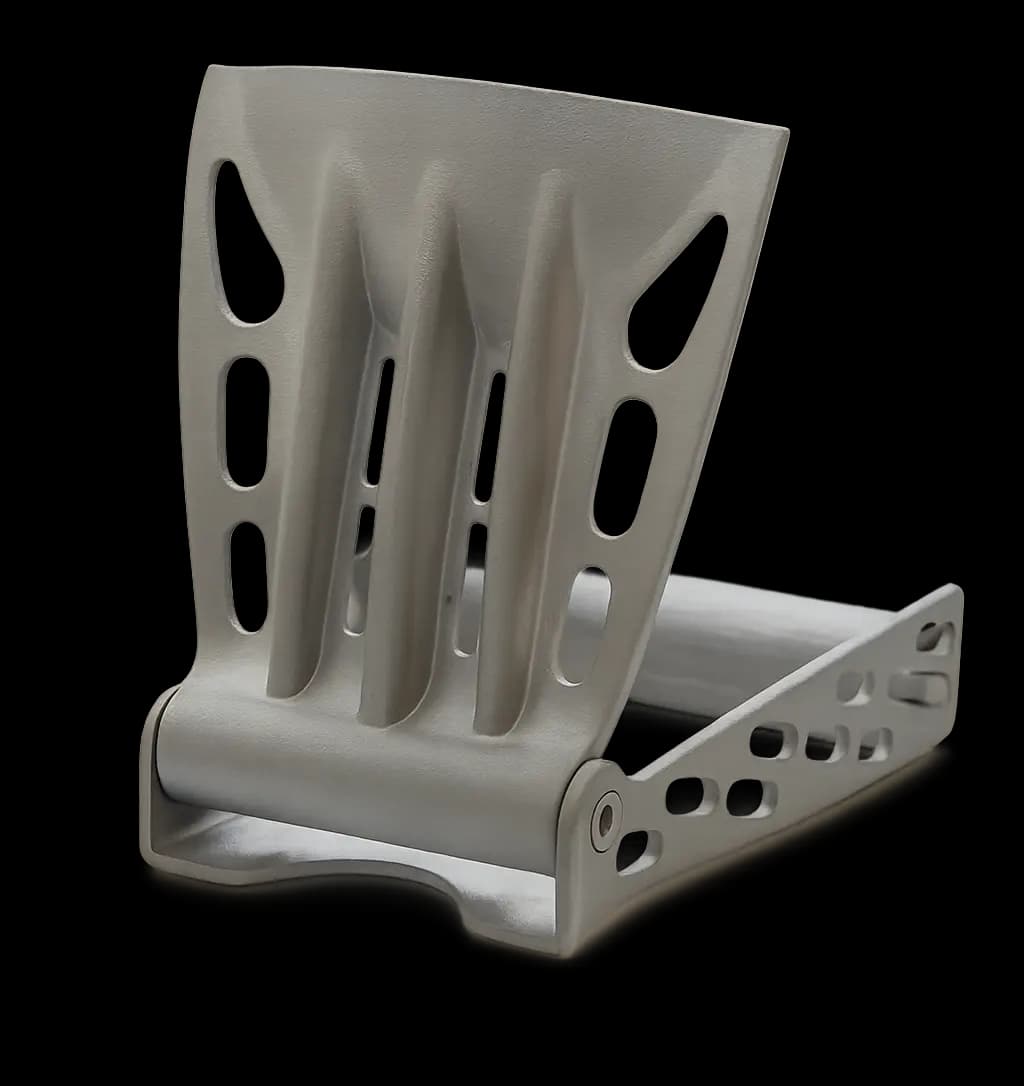
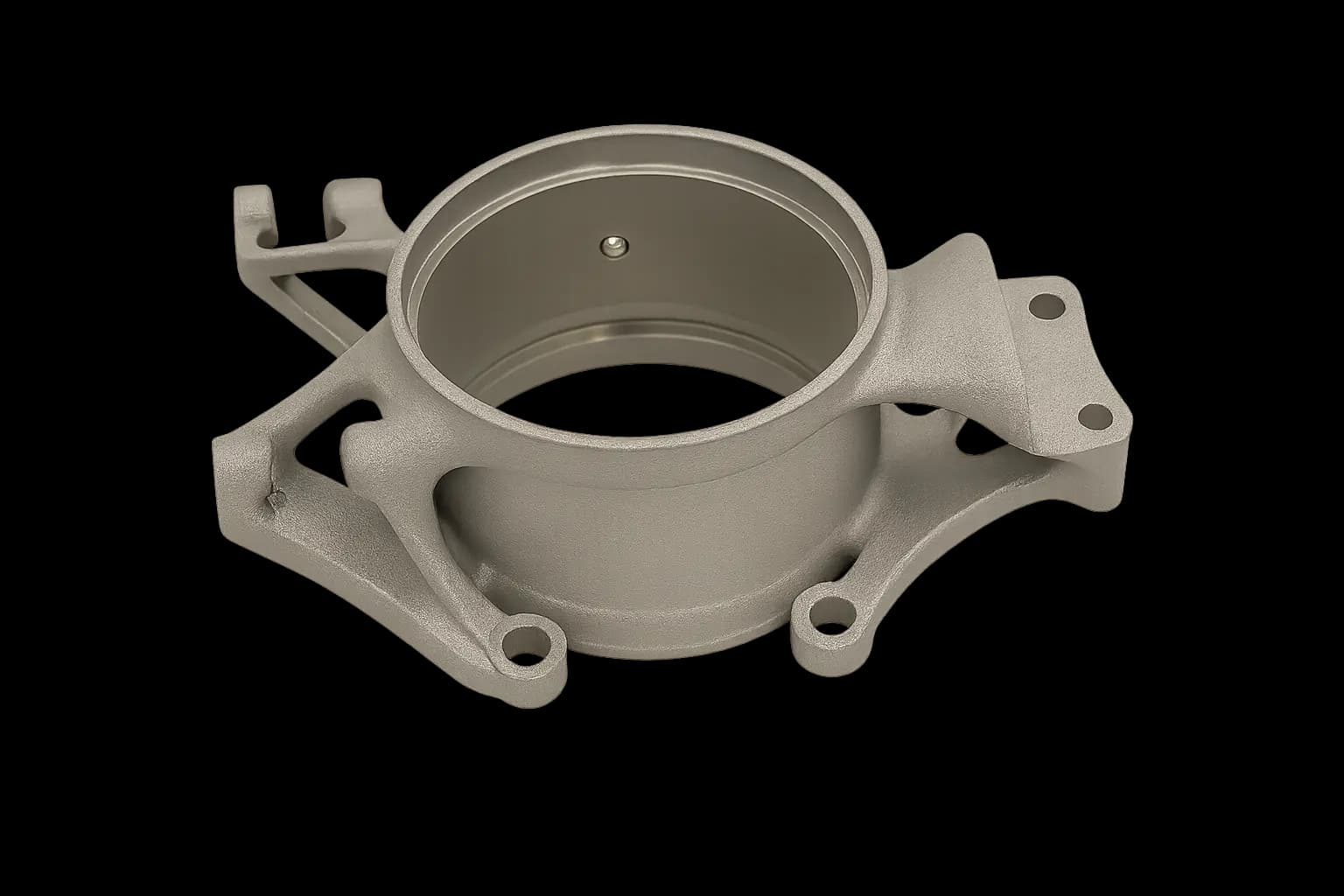
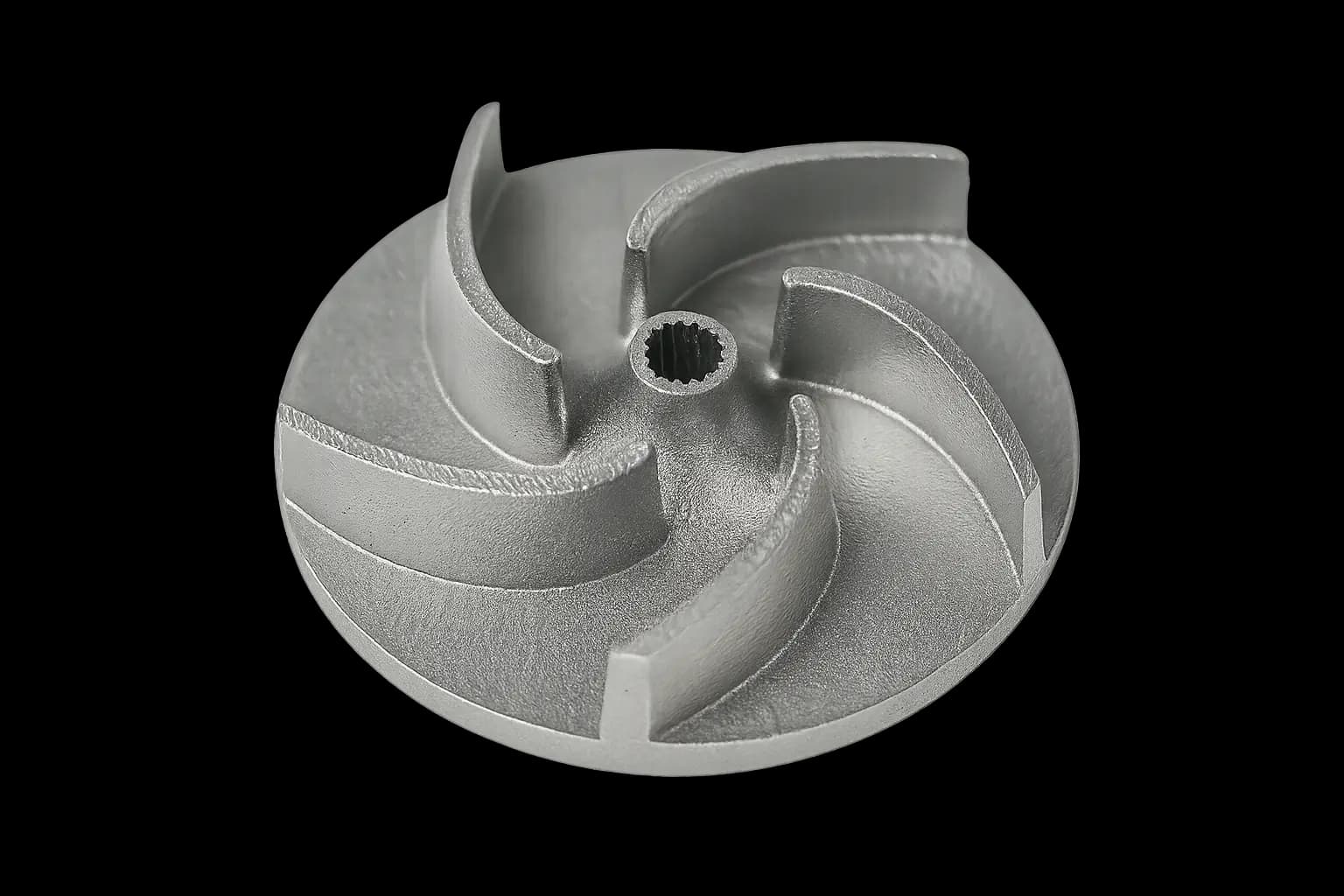
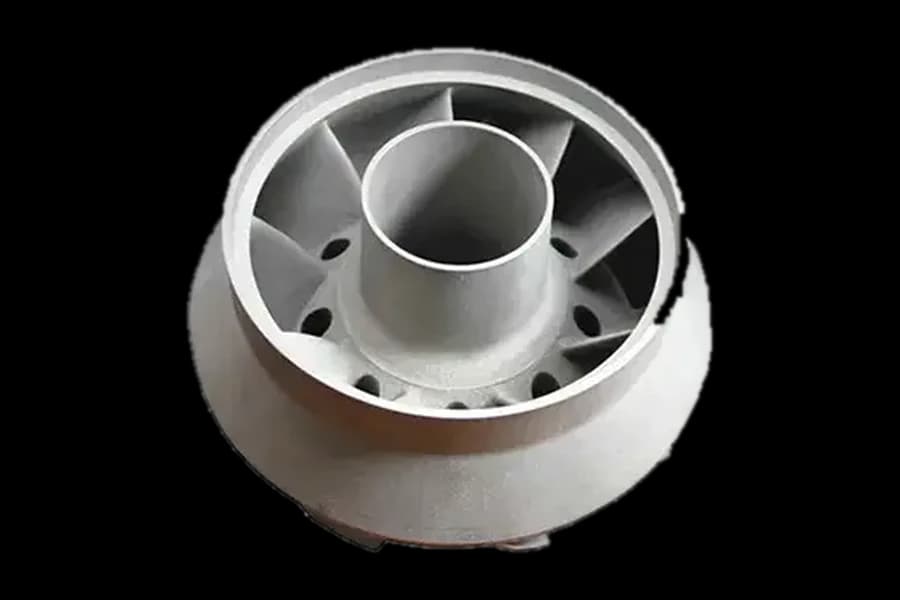
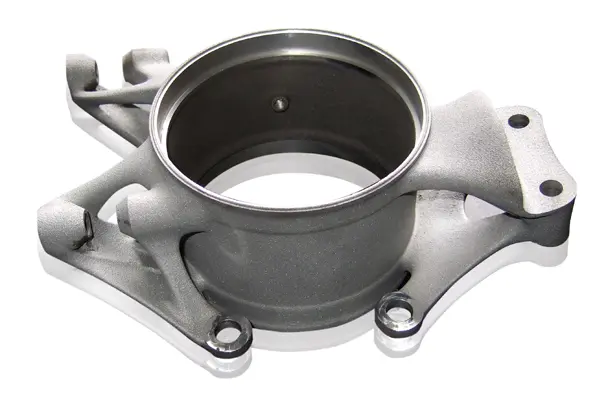
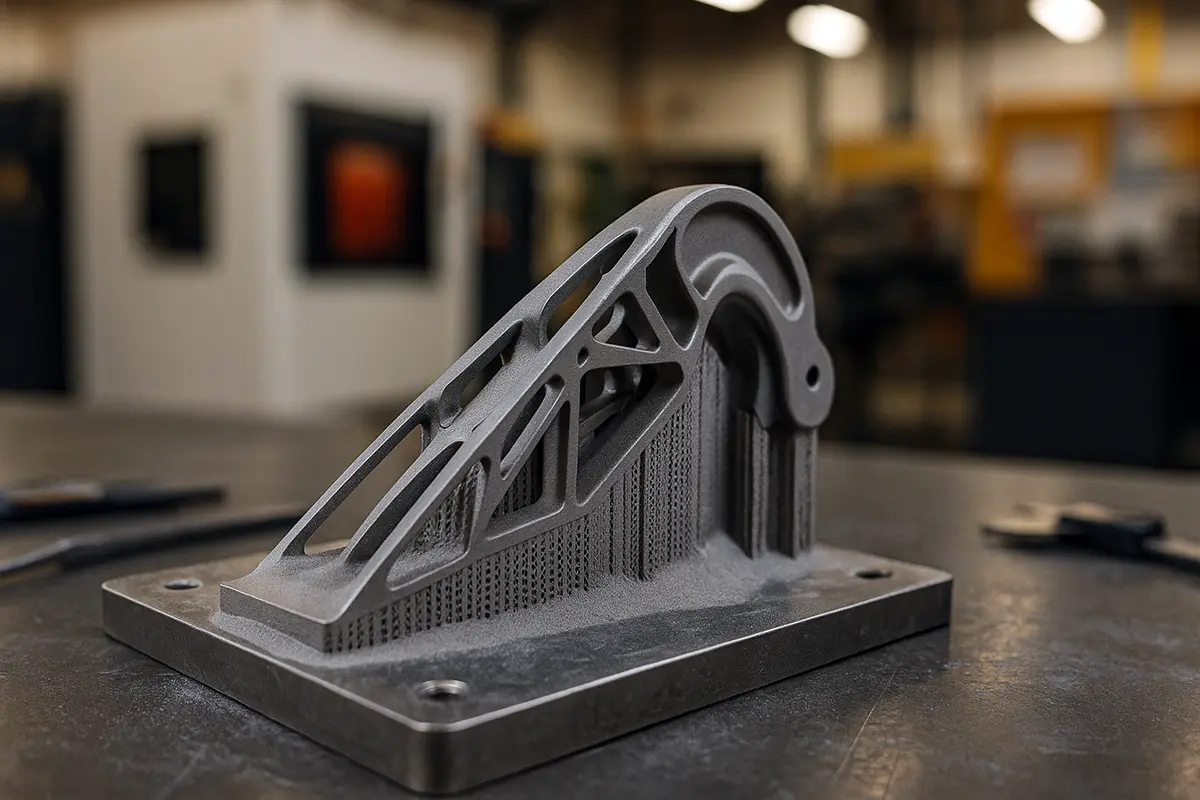
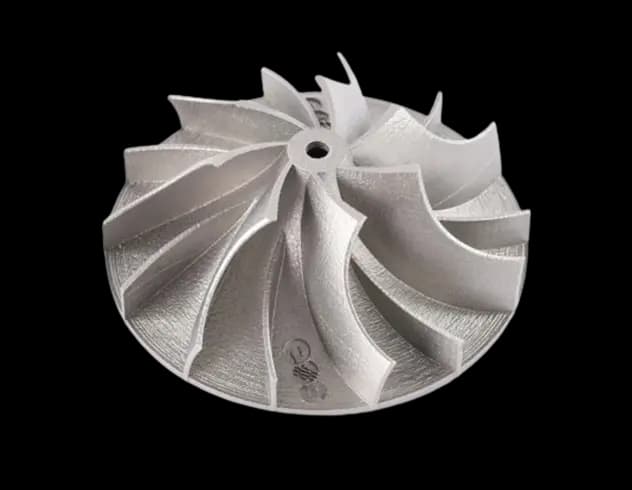
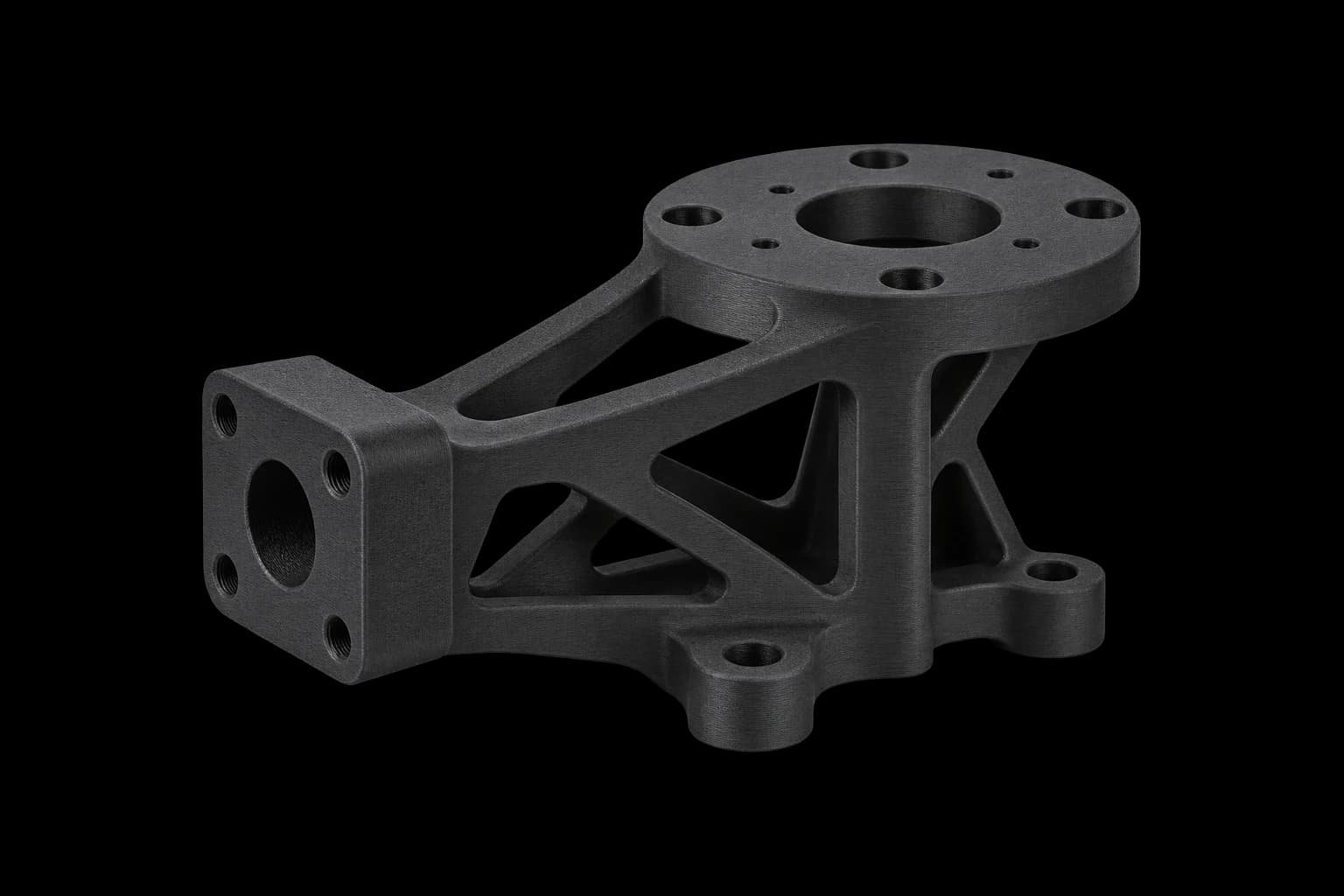
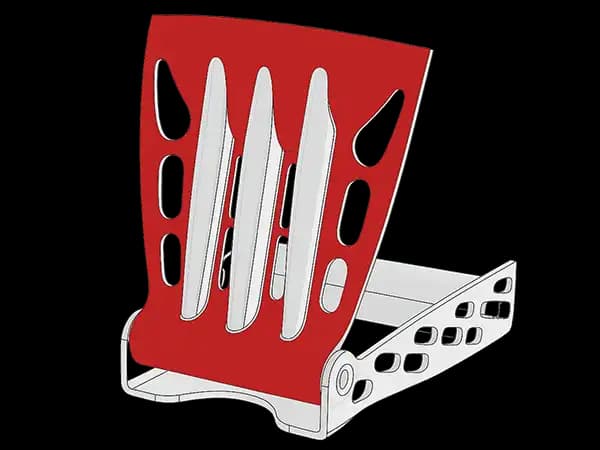
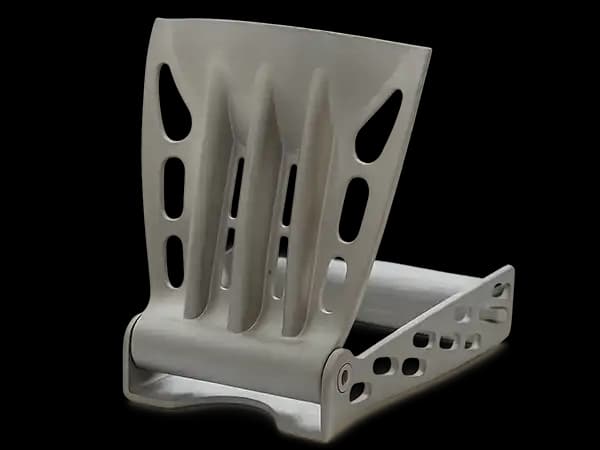
Aluminum AlSi10Mg 3D printed part example
Metal Precision
Industrial Grade
DMLS material

Aluminum AlSi10Mg overview

Aluminum AlSi10Mg is a lightweight aluminum casting alloy printed by DMLS metal 3D printing, so parts that would normally be cast can be made without casting tooling. Parts are strong straight off the printer, resist corrosion, carry heat well and can be made gas-tight. Cooling fins, internal channels and thin walls print as one piece, and critical faces can be machined after printing. Use it for brackets, finned housings, heat sinks, pistons and propulsion parts in aerospace, automotive, energy and clean tech.

How Aluminum AlSi10Mg is manufactured

Aluminum AlSi10Mg is manufactured using Direct Metal Laser Sintering (DMLS) on an EOS M 290 production system, which melts fine aluminum powder layer by layer with a 400 W fiber laser in a protective argon atmosphere. Precision optics with an f-theta lens maintain consistent beam quality across the entire build platform. Parts are built on supports, stress relieved where required, removed from the build plate and finished, so consolidated assemblies come out as single metal parts without casting tooling.

Build volume
250 × 250 × 325 mm
Lead time
From 4 business days
Layer height
0.03-0.06 mm
Forge Labs Steam

Know before you manufacture in Aluminum AlSi10Mg.

Upload CAD files to Forge Labs Steam for instant Aluminum AlSi10Mg pricing and live manufacturability feedback, and fix issues before production so timelines stay predictable.

Upload CAD files to Forge Labs Steam for instant Aluminum AlSi10Mg pricing and live manufacturability feedback, and fix issues before production so timelines stay predictable.

Surface finishes

Finishes for Aluminum AlSi10Mg

DMLS parts generally exhibit a slightly rough, matte finish due to the laser sintering process, resulting in a uniform surface texture. While this natural finish is sufficient for many functional applications, Forge Labs offers several post-processing options to enhance aesthetics, accuracy, and performance.

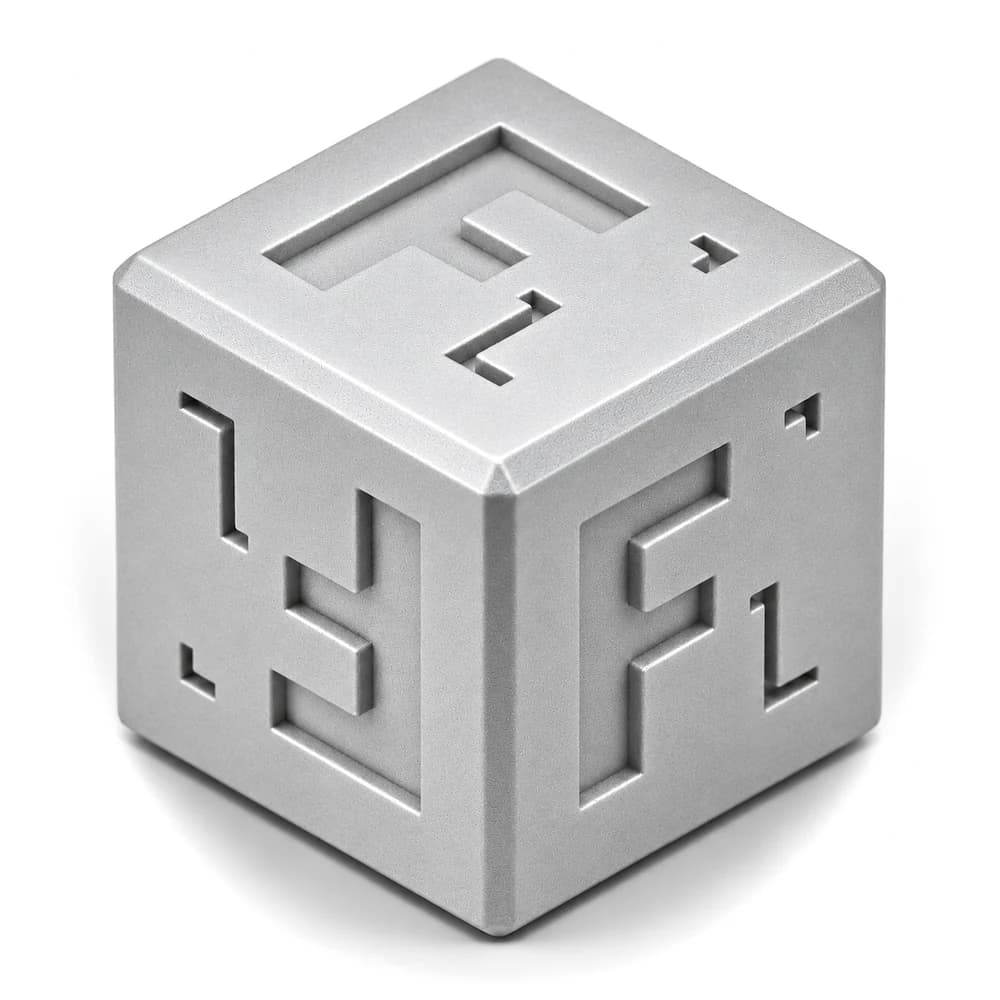
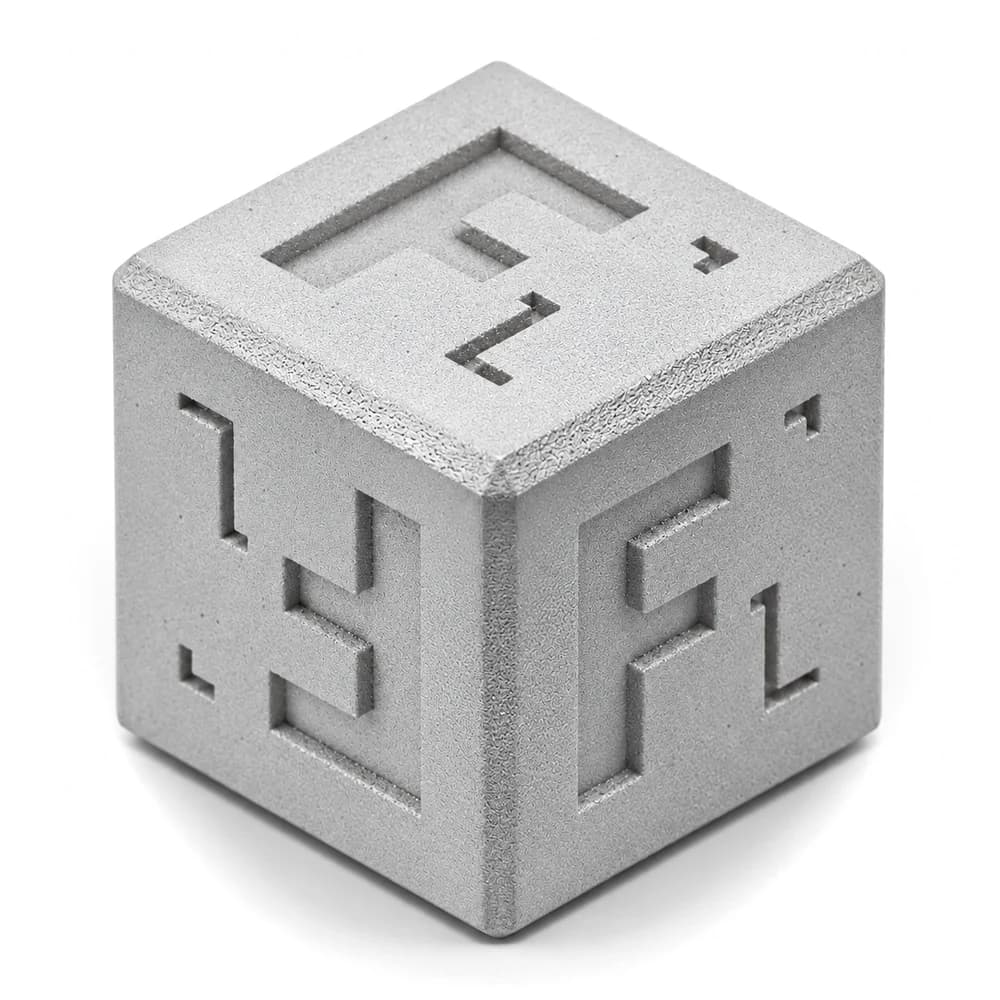
Forge Labs sample cube in bead-blasted DMLS aluminum AlSi10Mg
Natural

Standard Finish

Support structures are carefully removed, and parts undergo shot peening to create a uniform, matte surface and help relieve residual stresses. Critical features may receive light machining for tighter tolerances.

Surface Texture
Uniformly matte surface
Appearance
Matte Grey
Details
Well represented
Sample cube with a machined and polished satin metal finish
Forge Labs sample cube in bead-blasted DMLS aluminum AlSi10Mg
Enhanced

Machining & Polishing

Precision machining and polishing processes enhance surface quality, achieving tighter tolerances and smoother finishes for critical applications.

Surface Texture
Smooth, polished finish
Appearance
High-gloss metallic
Details
High retention
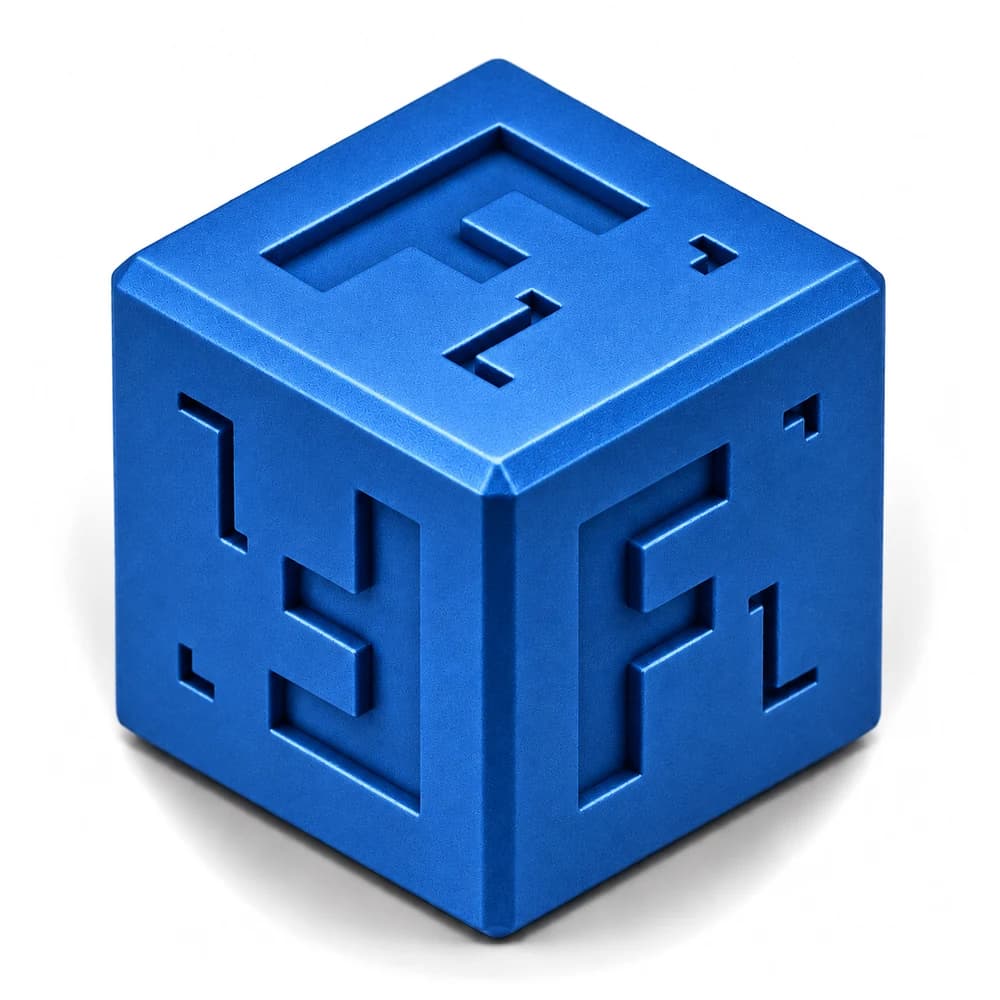
Sample cube in blue anodized DMLS Aluminum AlSi10Mg
Forge Labs sample cube in bead-blasted DMLS aluminum AlSi10Mg
Protective

Anodizing

For aluminum parts, anodizing forms a protective oxide layer, significantly enhancing corrosion resistance and hardness while improving appearance.

Surface Texture
Matte with reduced texture
Appearance
Matte protective coating
Details
Preserved
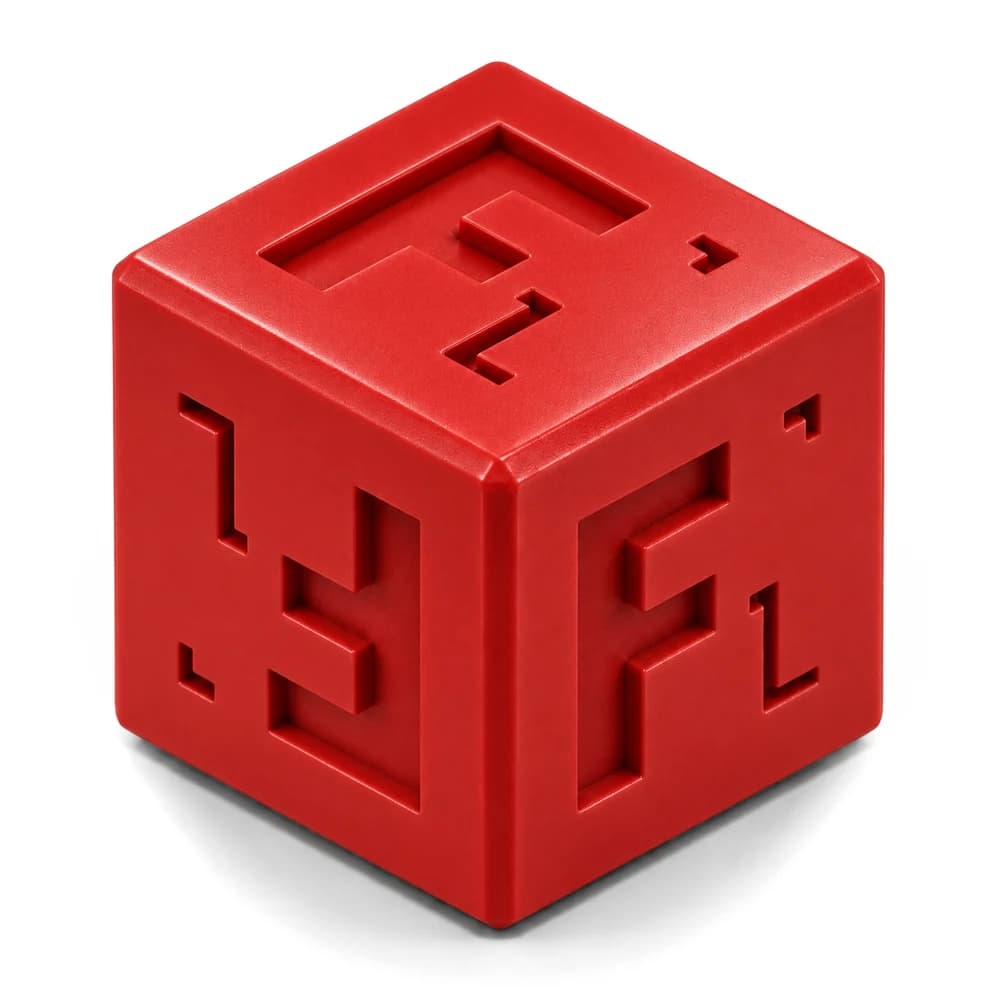
Sample cube with a red automotive-grade performance paint finish
Forge Labs sample cube in bead-blasted DMLS aluminum AlSi10Mg
Premium

Performance Paint

Automotive-grade coating that enhances aesthetics and durability. Each part is hand-finished with professional-grade equipment for exceptional adhesion and custom color matching.

Surface Texture
Matte to Semi-Gloss
Appearance
Custom color matching available
Details
Clear & refined
Industry applications

Industry applications for Aluminum AlSi10Mg

Aluminum AlSi10Mg combines an excellent strength-to-weight ratio for lightweight designs with high thermal conductivity for heat management and high corrosion resistance for demanding applications. From rapid prototyping to production runs, teams rely on Aluminum AlSi10Mg to reduce assembly complexity through consolidated part designs, with critical features machined to tight tolerances after printing.

DMLS delivers lightweight components with complex internal channels and thin-wall features impossible to machine. Rapid solidification forms fine silicon networks that give yield strength approaching 6061-T6, higher tensile strength and good ductility. Printed parts also serve as fast prototypes for aluminum castings.

Conformal cooling channels that follow the part contour suit heat exchangers, electronic housings with integrated cooling, heat sinks with optimized fin geometries and prototype mold inserts. Parts can be welded and finished using standard aluminum processes, so they integrate with traditional components.

EOS-validated process parameters build near-fully dense parts with consistent properties for production applications. With no tooling or minimum order quantities, Aluminum AlSi10Mg takes a design from the first metal prototype through to low-volume production.

All industries
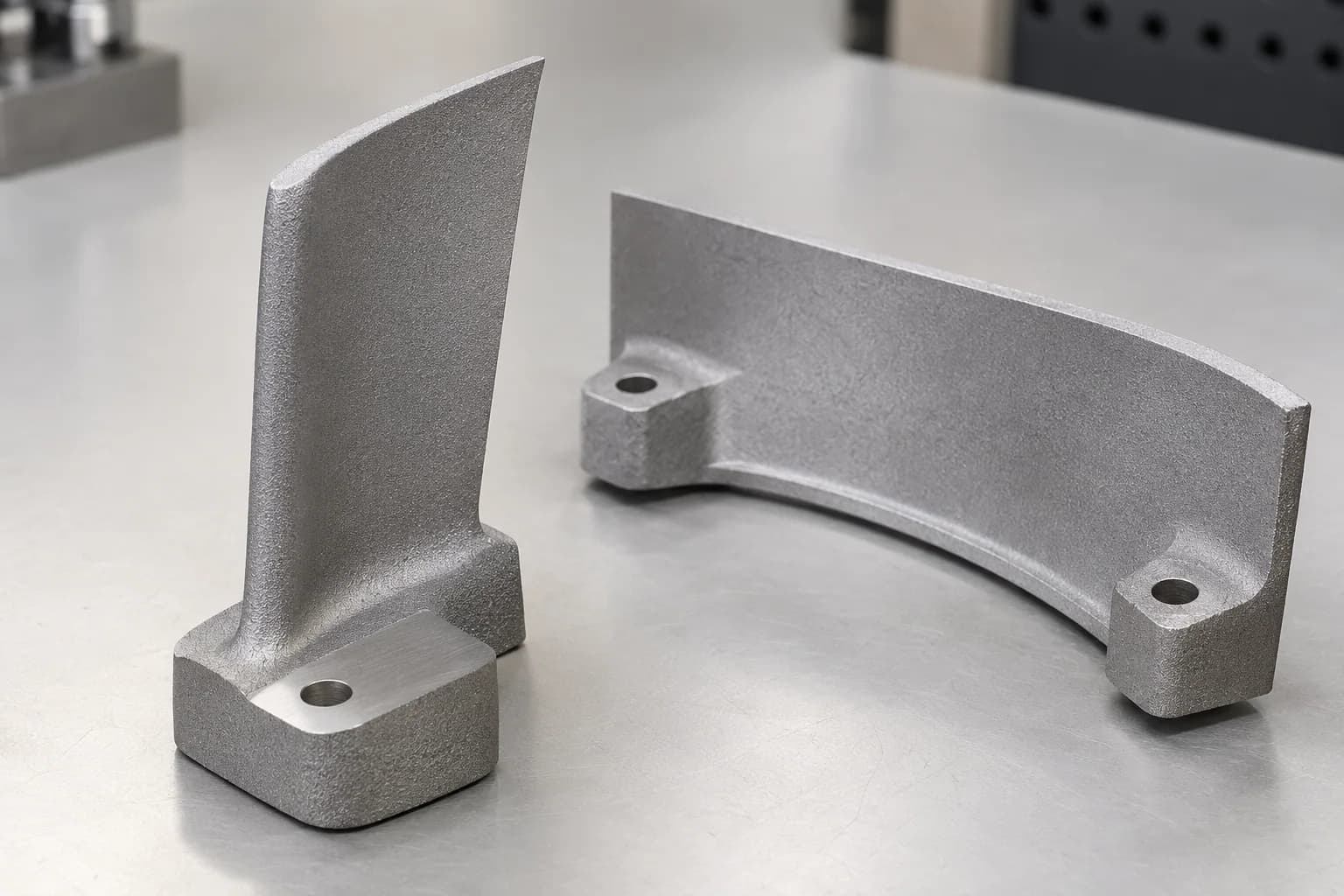
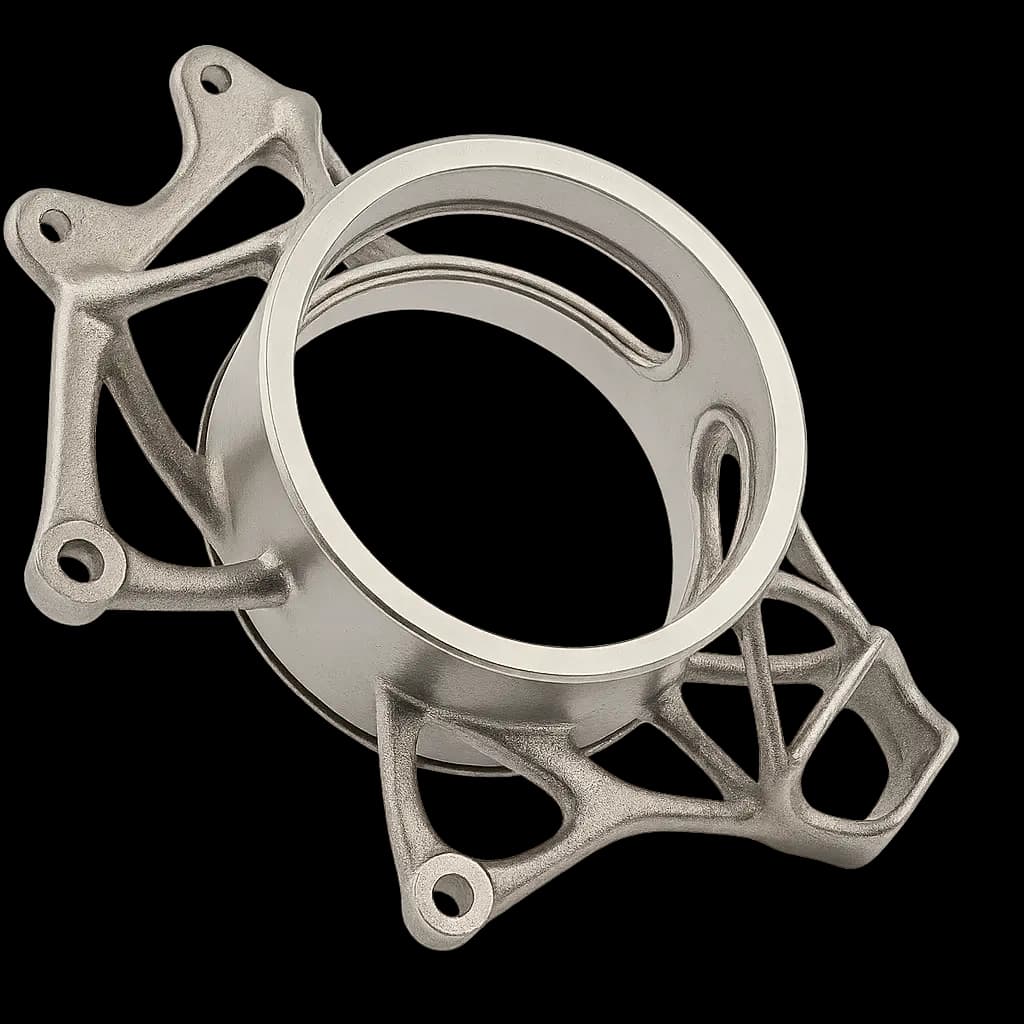
Two printed AlSi10Mg aluminum stator sections, a blade on a machined pad and a curved hub section

Aerospace

Propulsion Blade & Hub Sections

Aerospace teams use Aluminum AlSi10Mg for propulsion development hardware, lightweight brackets and UAV structure. For an electric aircraft program, fan stator blade and hub sections were printed with their curved surfaces and thicker hub transitions formed in one piece, with machining kept for the surfaces that need it. The sections were complete in their natural metal finish about three weeks from ordering, with no casting tooling.

  • Fan stator blade and hub sections
  • Lightweight brackets and fixtures
  • UAV structural components
Read the aircraft prototypes case study
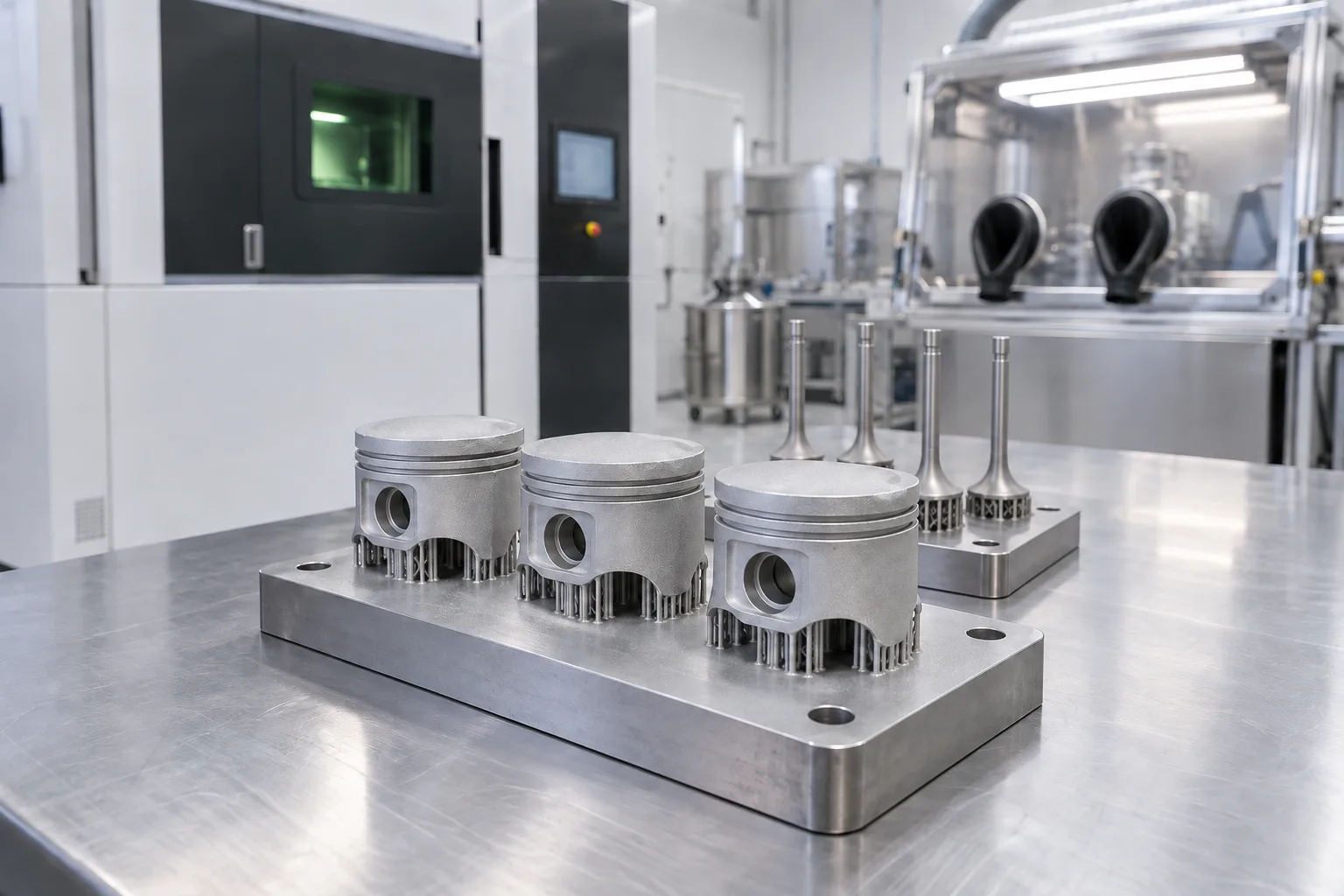
Three DMLS aluminum pistons on a build plate with their support structures

Energy & Power Generation

Engine Pistons & Prototype Engine Parts

Power generation equipment makers use Aluminum AlSi10Mg for engine pistons first drawn for machining in wrought 2618 aluminum. Each piston is printed to shape, then its ring grooves are machined to the drawing. Every piston was measured at eight features, including all three groove widths, and every reading fell inside the agreed ±0.002 in band. The pistons shipped in 13 business days, on the promised date.

  • Engine pistons
  • Machined-after-print engine parts
  • Prototype engine components
Read the DMLS engine parts case study
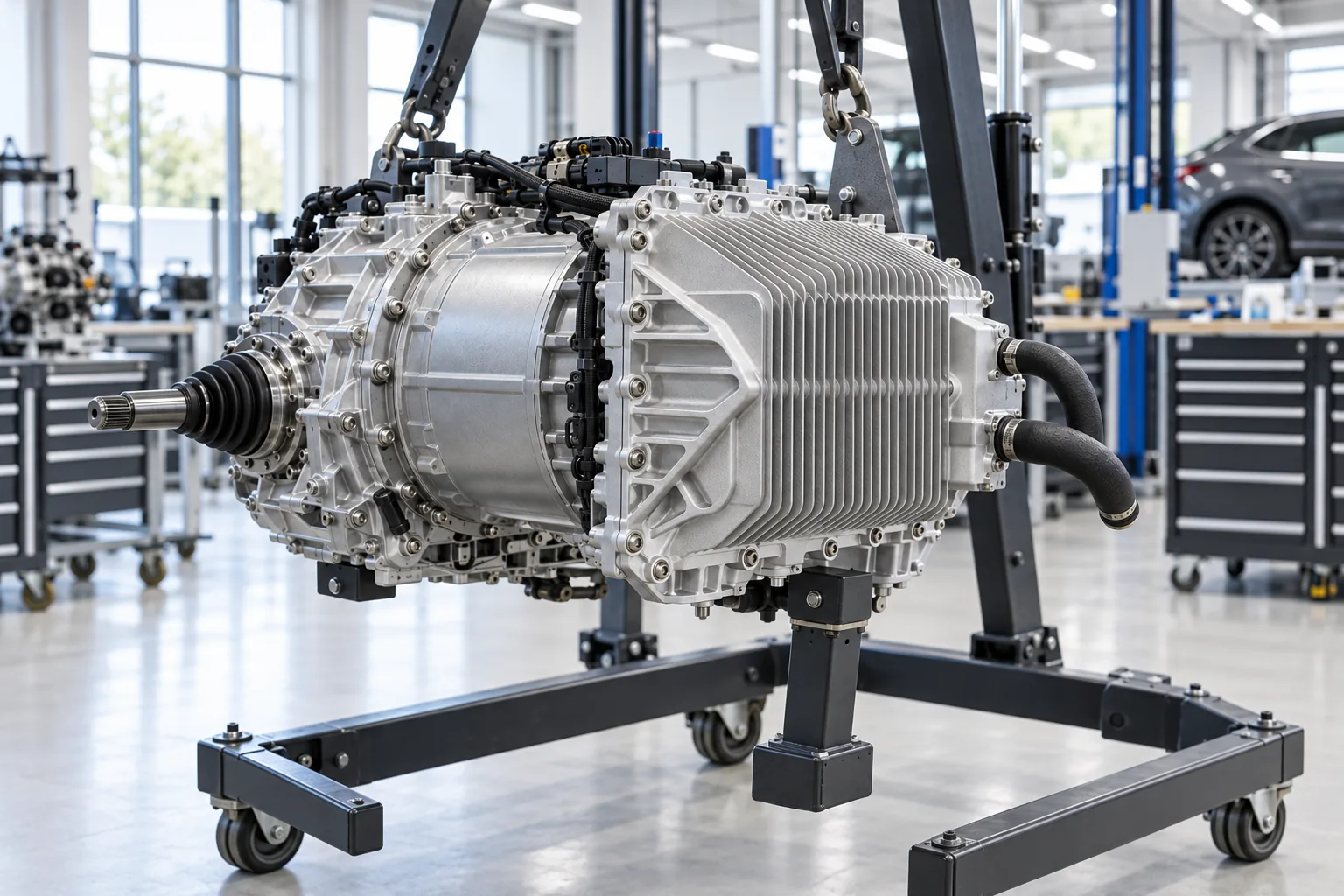
Finned DMLS aluminum housing mounted on an electric drive unit

Automotive

Finned Housings & Cast-Part Replacements

Automotive engineering teams use Aluminum AlSi10Mg for finned housings and brackets that would otherwise be cast, in prototype and low-volume production. A printed housing replaces the casting without tooling, with cooling fins and internal channels built into the same part. Electric motor housings, compressor housings and impellers, and suspension nodes follow the same route to consolidated, lighter designs.

  • Finned and electric motor housings
  • Compressor housings and impellers
  • Suspension nodes and brackets
Explore automotive
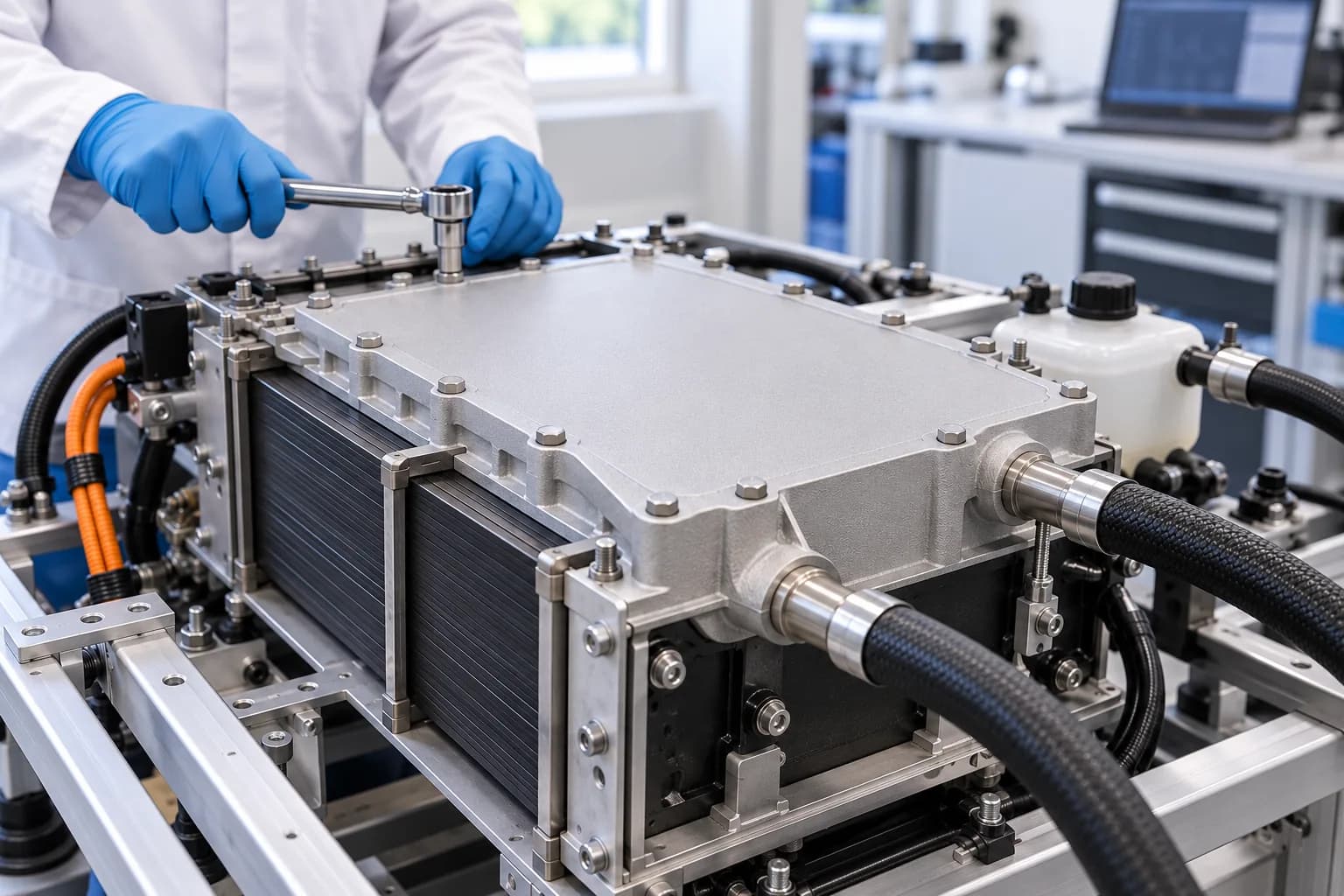
DMLS AlSi10Mg cold plate on a fuel cell stack

Clean Tech

Hydrogen & Thermal Management Hardware

Clean tech developers use Aluminum AlSi10Mg for injector adapters in hydrogen engine conversions, and for heat spreaders, heat sinks and housings wherever a metal part has to carry heat. Heat treatment raises its thermal conductivity by about half compared with the as-built condition, so thermal parts can be specified heat treated, while flow fittings and manifolds keep their internal passages in a single printed part.

  • Hydrogen injector adapters
  • Heat sinks and heat spreaders
  • Flow fittings and manifolds
Explore energy and clean tech
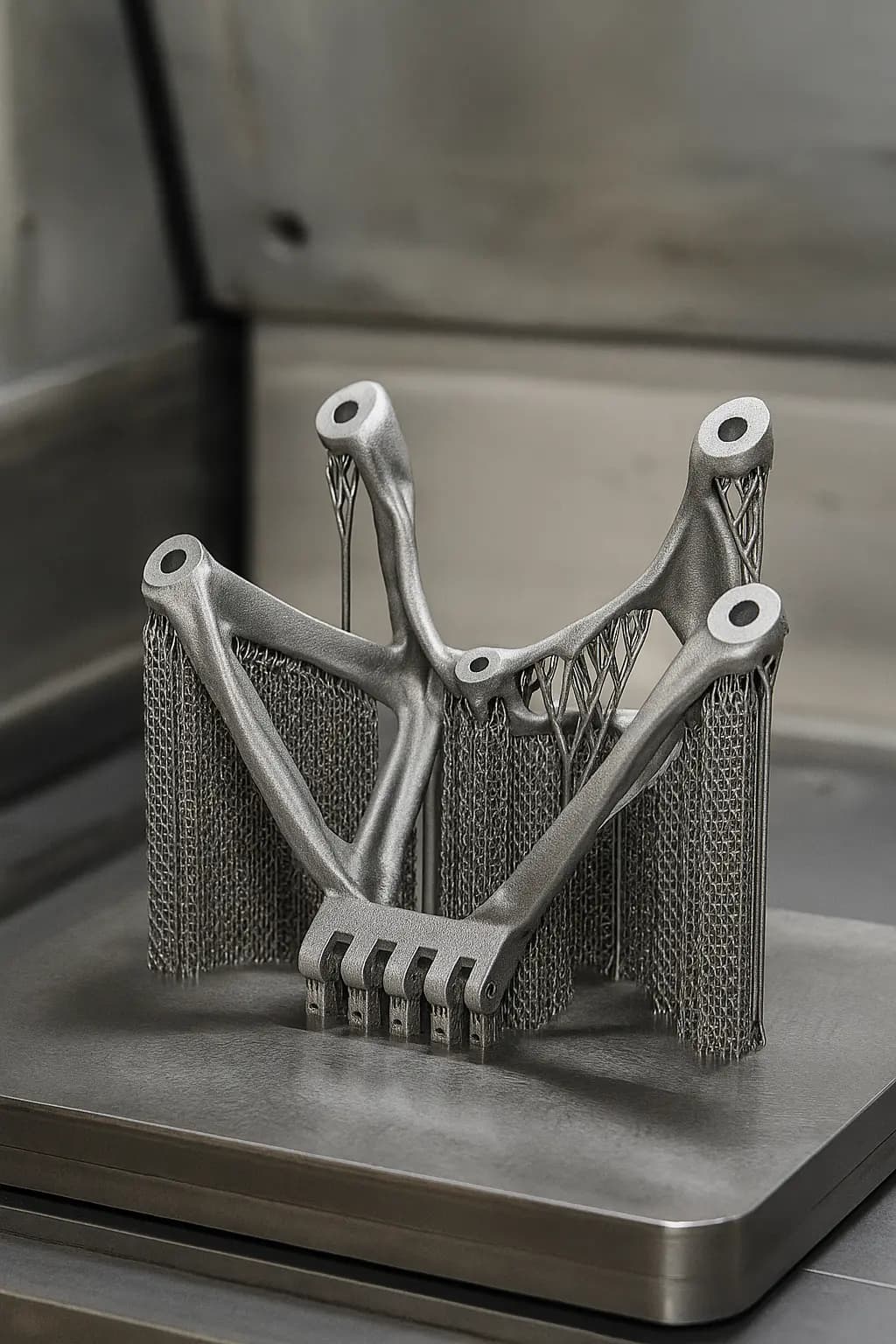
Topology-optimized DMLS metal bracket on the build plate with lattice supports

Robotics

Metal Covers & Brackets

Robotics and automation teams use Aluminum AlSi10Mg for metal covers and brackets where a polymer part is not stiff enough. The alloy suits general engineering parts subject to high loads, and a topology-optimized bracket keeps material only along its load paths, so a stiff metal mount stays light. Parts can be heat treated, HIPed or machined where the drawing requires it.

  • Metal equipment covers
  • Brackets and mounts
  • Topology-optimized brackets
Explore robotics
Performance data

Technical performance for Aluminum AlSi10Mg

Values from the EOS Aluminium AlSi10Mg datasheets for the EOS M 290 (30 µm process unless the standard names an earlier EOS datasheet), tested to the standard listed with each property.

Mechanical performance

Mechanical properties

Aluminum AlSi10Mg delivers dependable strength in the as-built condition. Its balanced mechanical profile handles demanding load conditions without turning brittle, which suits aircraft brackets, automotive engine parts and heat exchangers.

The table lists three conditions. As built gives the highest tensile strength, with some difference between the XY and Z directions, so align load paths with the build orientation. EOS T6 trades strength for higher elongation, lower variation and nearly equal properties in both directions. Stress relief stabilizes the part before it is removed from the build plate, and gives the lowest yield strength of the three. Fatigue strength depends on geometry and surface finish, and aluminum alloys have no true fatigue limit.

PropertyValue
Tensile Strength, As Built (XY / Z)EN ISO 6892-1
461 / 466 MPa
Yield Strength (Rp0.2), As Built (XY / Z)EN ISO 6892-1
270 / 233 MPa
Elongation at Break, As Built (XY / Z)EN ISO 6892-1
10.2 / 6.3 %
Tensile Strength, EOS T6 (XY / Z)EN ISO 6892-1
320 / 310 MPa
Yield Strength (Rp0.2), EOS T6 (XY / Z)EN ISO 6892-1
260 / 250 MPa
Elongation at Break, EOS T6 (XY / Z)EN ISO 6892-1
11 / 11 %
Tensile Strength, Stress Relieved (90 min at 270 °C)EOS typical value
310 MPa
Yield Strength, Stress Relieved (90 min at 270 °C)EOS typical value
200 MPa
Elongation at Break, Stress Relieved (90 min at 270 °C)EOS typical value
9 %
Modulus of Elasticity, As Built (XY / Z)EOS MDS 05.2014
75 / 70 GPa
Hardness, As Built / EOS T6EN ISO 6506, HBW 2.5/62.5
114 / 105 HBW
Fatigue Strength, As Built (2×10⁷ cycles, fully reversed)ASTM E466-15
110 MPa

Material makeup

Physical properties

Consistent density keeps parts lightweight yet solid and downstream finishing predictable. The very low defect level supports strength and gas-tight walls, and EOS confirms gas tightness with a helium leak test (EN 13185) on 2 mm walls.

The as-built surface carries the texture of the powder layers. Micro shot-peening evens it out, and machining or polishing finishes sealing, sliding and mating faces so assemblies fit without rework.

PropertyValue
Part DensityEN ISO 3369
≥ 2.67 g/cm³
Average Defect PercentageEOS method
0.04 %
Surface Roughness, As Built (Ra)ISO 4287 (EOS M 290 MDS 12.2017)
12–20 µm
Surface Roughness, Micro Shot-Peened (Ra)ISO 4287 (EOS M 290 MDS 12.2017)
6–15 µm

Heat performance

Thermal properties

Aluminum AlSi10Mg maintains dimensional stability through temperature swings and repeated thermal cycling, from under-hood automotive components to industrial equipment exposed to heat sources. Specify EOS T6 or stress relief, the higher-conductivity conditions in the table, for heat sinks, heat exchangers and cooled housings.

Expansion is given over three temperature ranges for fit and clearance calculations where aluminum parts mate with steel or polymer parts. Strength values are measured at room temperature, so check parts that run hot against their operating temperature.

PropertyValue
Thermal Conductivity, As Built (XY / Z)EN ISO 22007-2
110 / 100 W/m·K
Thermal Conductivity, EOS T6 (XY / Z)EN ISO 22007-2
155 / 165 W/m·K
Thermal Conductivity, Stress Relieved (XY / Z)EN ISO 22007-2
165 / 160 W/m·K
Specific Heat Capacity, As Built (XY / Z)EOS MDS 05.2014
920 / 910 J/kg·K
Coefficient of Thermal Expansion (25–100 / 25–200 / 25–300 °C)ASTM E228
20 / 22 / 27 ×10⁻⁶/K

Functional performance

Electrical properties

Electrical conductivity follows thermal conductivity and rises by about three quarters after heat treatment, which suits grounded housings, shielding features and electrically integrated metal components. Values are given in % IACS, relative to annealed copper.

PropertyValue
Electrical Conductivity, As Built (XY)ASTM E1004-17
25 % IACS
Electrical Conductivity, EOS T6 or Stress Relieved (XY)ASTM E1004-17
44 % IACS

Compatibility data

Chemical properties

A protective oxide film gives Aluminum AlSi10Mg high corrosion resistance in the atmosphere and good resistance to seawater and weak acids, and it is compatible with motor oil, hydraulic fluids and fuels. Strong acids and alkaline solutions, including caustic cleaners, attack the oxide film.

EOS publishes no chemical resistance table for this alloy, so these ratings follow general aluminum corrosion behavior. Treat them as screening guidance and confirm them with application-specific testing before production release.

ChemicalRating
Seawater
Good
Atmospheric Corrosion
Excellent
Alkaline Solutions
Poor
Weak Acids
Good
Motor Oil
Excellent
Hydraulic Fluids
Excellent
Strong Acids (HCl, H₂SO₄)
Poor
Strong Bases (NaOH)
Poor
Organic Solvents
Good
Fuel Systems
Good to Excellent

Compliance

Compliance profile

EOS states that the chemical composition of its AlSi10Mg parts complies with the EN AC-43000 casting alloy in DIN EN 1706 and with ASTM F3318-18 for laser powder bed fusion AlSi10Mg, so drawings that call out either composition can be matched, and the EOS documentation goes straight into your quality packet.

StandardStatus
DIN EN 1706 (EN AC-43000)EOS states the part chemistry complies with the EN AC-43000 (AlSi10Mg(a)) casting alloy composition
EOS composition statement
ASTM F3318-18EOS states the part chemistry complies with the ASTM specification for laser powder bed fusion AlSi10Mg
EOS composition statement
Resources

Datasheets and design resources

Datasheets, design guidance and supplier documentation for Aluminum AlSi10Mg.

Download center

Access the most recent datasheet and supporting documentation maintained by our engineering team.

Aluminum AlSi10Mg datasheet

Design guidelines

Explore printable geometry recommendations, wall thickness tips, and finishing playbooks for DMLS.

View DMLS design guide
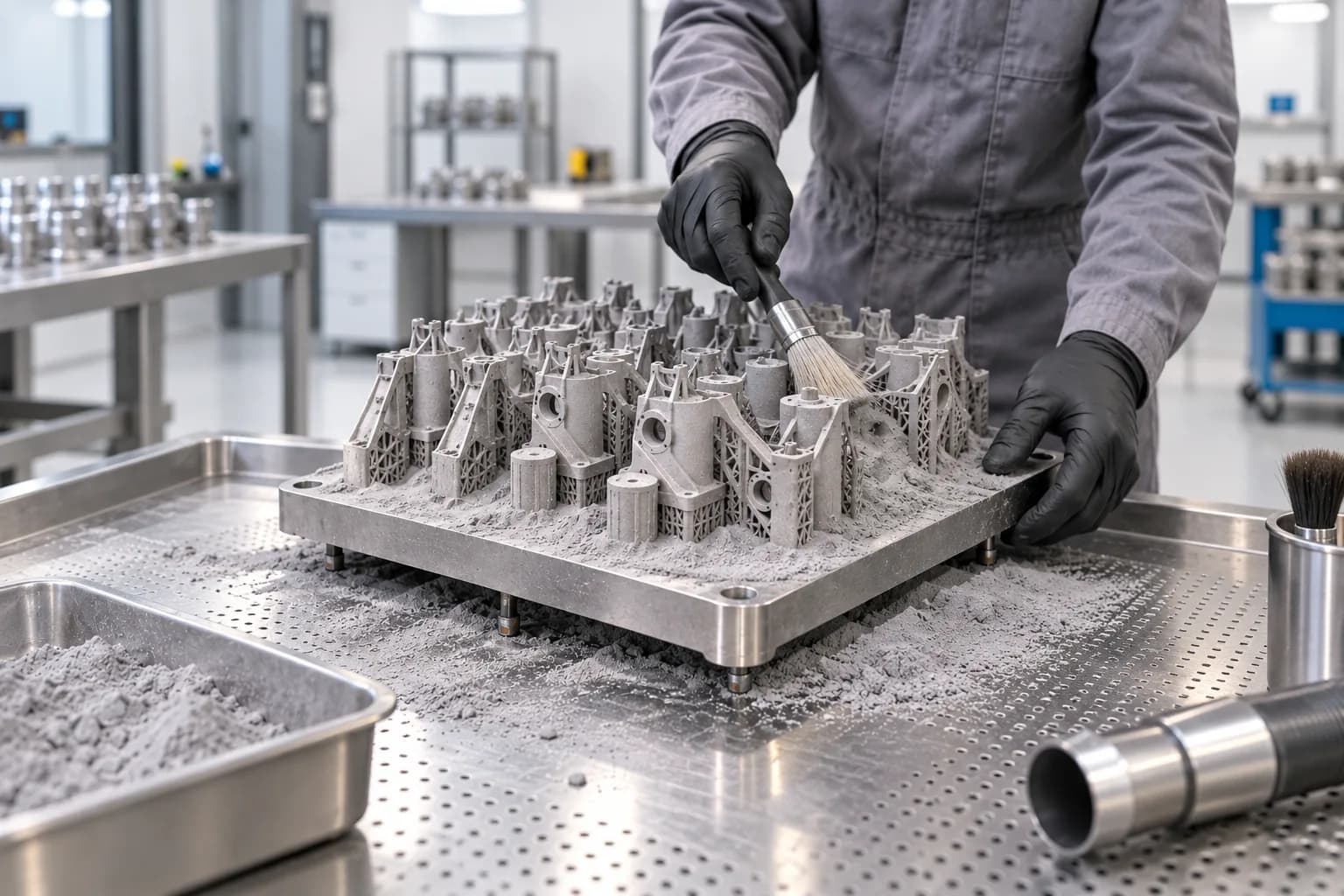
DMLS metal parts on a build plate being cleared of powder
Advanced Manufacturing

Built with Precision DMLS Technology

Aluminum AlSi10Mg is manufactured using Direct Metal Laser Sintering (DMLS) technology, providing high strength and precision for mission-critical tooling and end-use components.

Tolerance
±0.3% (min ±0.3 mm)
Production capacity
Multiple parts and assemblies built on each plate
Quality control
In-process monitoring and batch traceability for consistent part quality and material properties
Heat treatment
Stress relief and EOS T6, with HIP available
Colours & finishes
Support removal, machining, shot peening, polishing and anodizing
Learn more about DMLS technology
Frequently Asked Questions

Frequently asked questions about Aluminum AlSi10Mg

Can't find the answer you're looking for? Reach out to our customer support team.

Aluminum AlSi10Mg combines an excellent strength-to-weight ratio with good thermal conductivity and high corrosion resistance. As built, EOS reports a tensile strength of 461 MPa (XY) and a density of at least 2.67 g/cm³, and thermal conductivity of 100 to 110 W/m·K that rises to 155 to 165 W/m·K after heat treatment, making it suitable for aerospace and automotive applications.
Start a quote

Ready to Get Started with Aluminum AlSi10Mg?

Upload your design and get an instant quote for Aluminum AlSi10Mg parts.

  • Instant pricing with automated manufacturability analysis
  • Production workflows built for repeatable quality
  • Engineering support from prototype to production
Compare all materials

Create an account to upload CAD

STEP, STL, OBJ, 3MF and IGES supported

Manufacturing technologies
6
Engineering materials
50+
Part quantities
1-500+