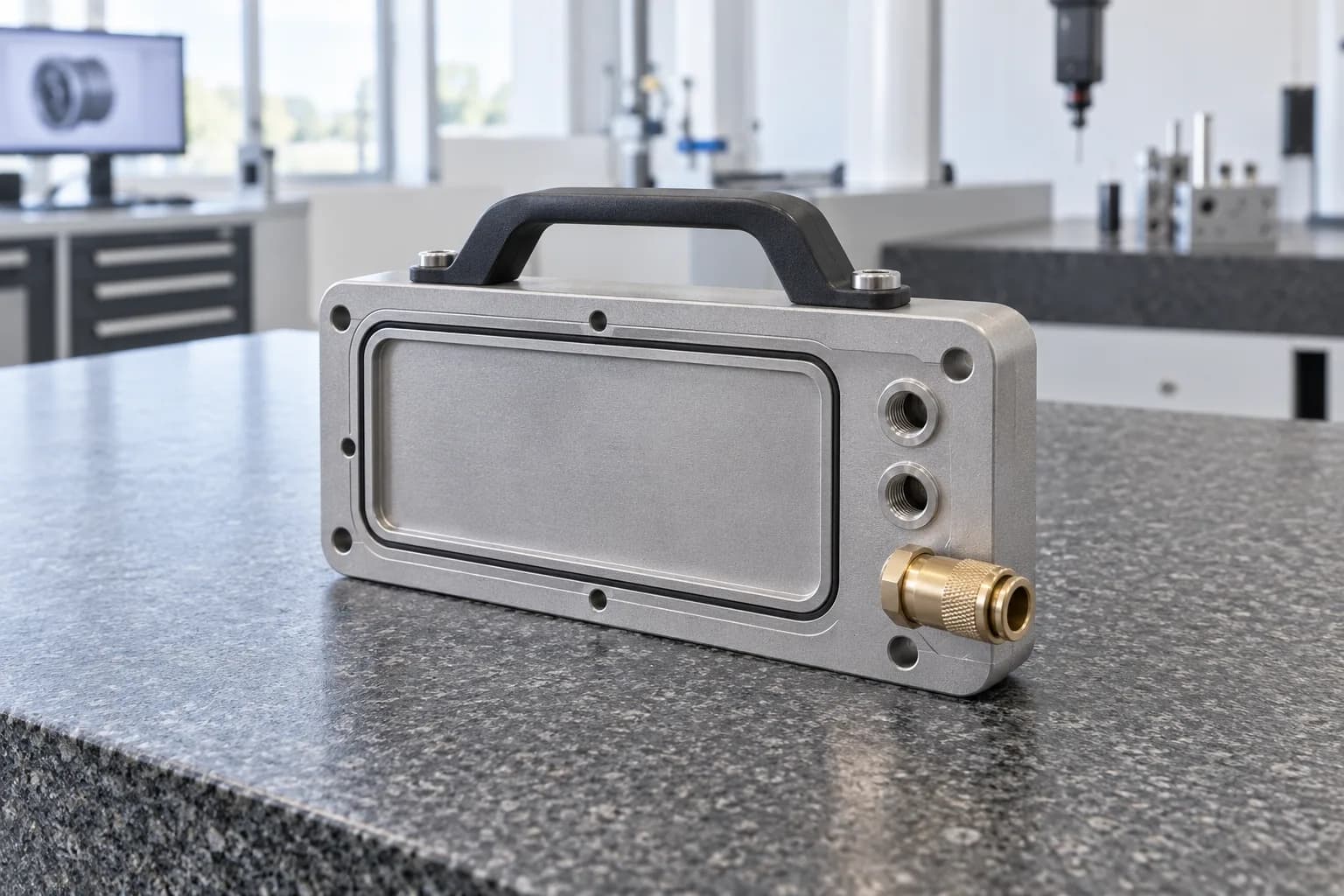
Aerospace & Defense
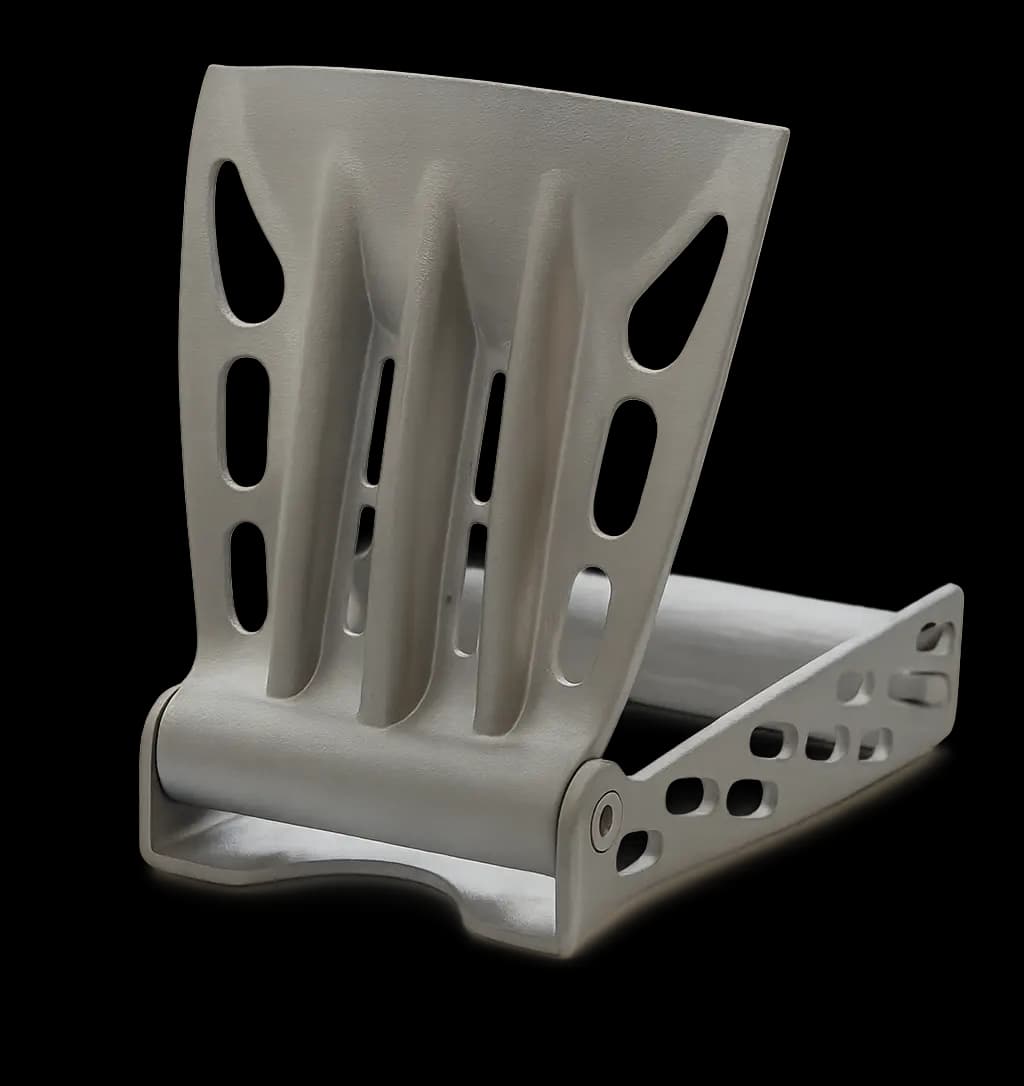
Aerospace Fittings & Locking Mechanisms
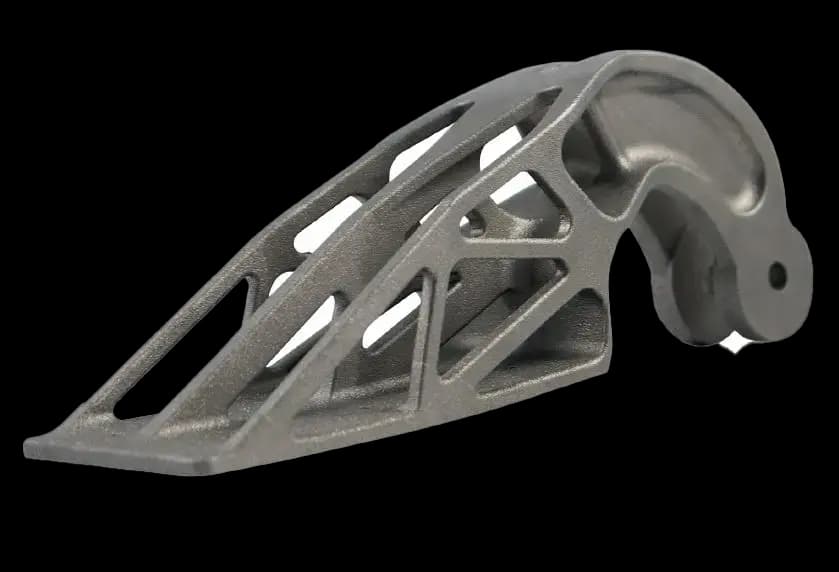
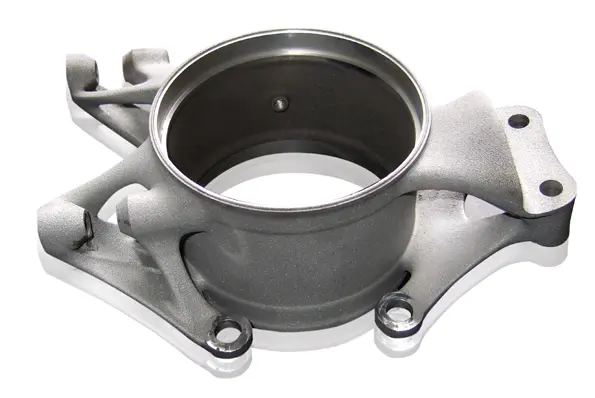
Fittings, locking mechanisms and bearing housings in an alloy produced to aerospace bar specification AMS 5643.
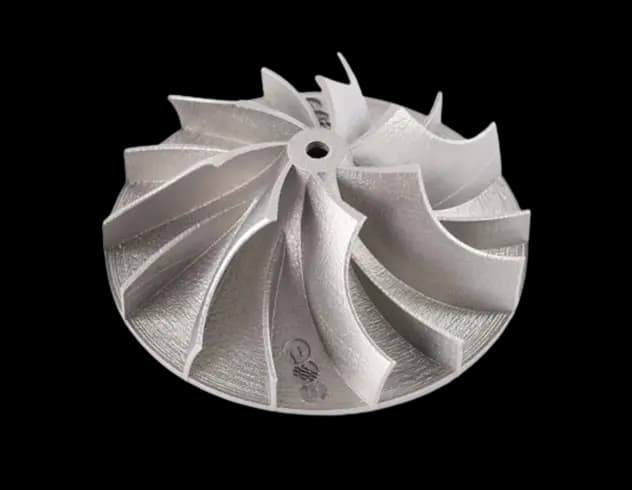
Stainless Steel 17-4 PH is a heat-treatable stainless steel that is CNC machined in its soft condition and then hardened, giving parts very high strength with corrosion resistance comparable to 304 stainless steel. A single low-temperature heat treatment hardens the finished part without risk of cracking or distortion, and it can be set for maximum strength or for extra toughness. It suits highly loaded fittings and locking mechanisms, shafts and couplings, pump and valve parts, and tooling inserts across aerospace, defense, industrial equipment and oil and gas.
How Stainless Steel 17-4 PH is manufactured
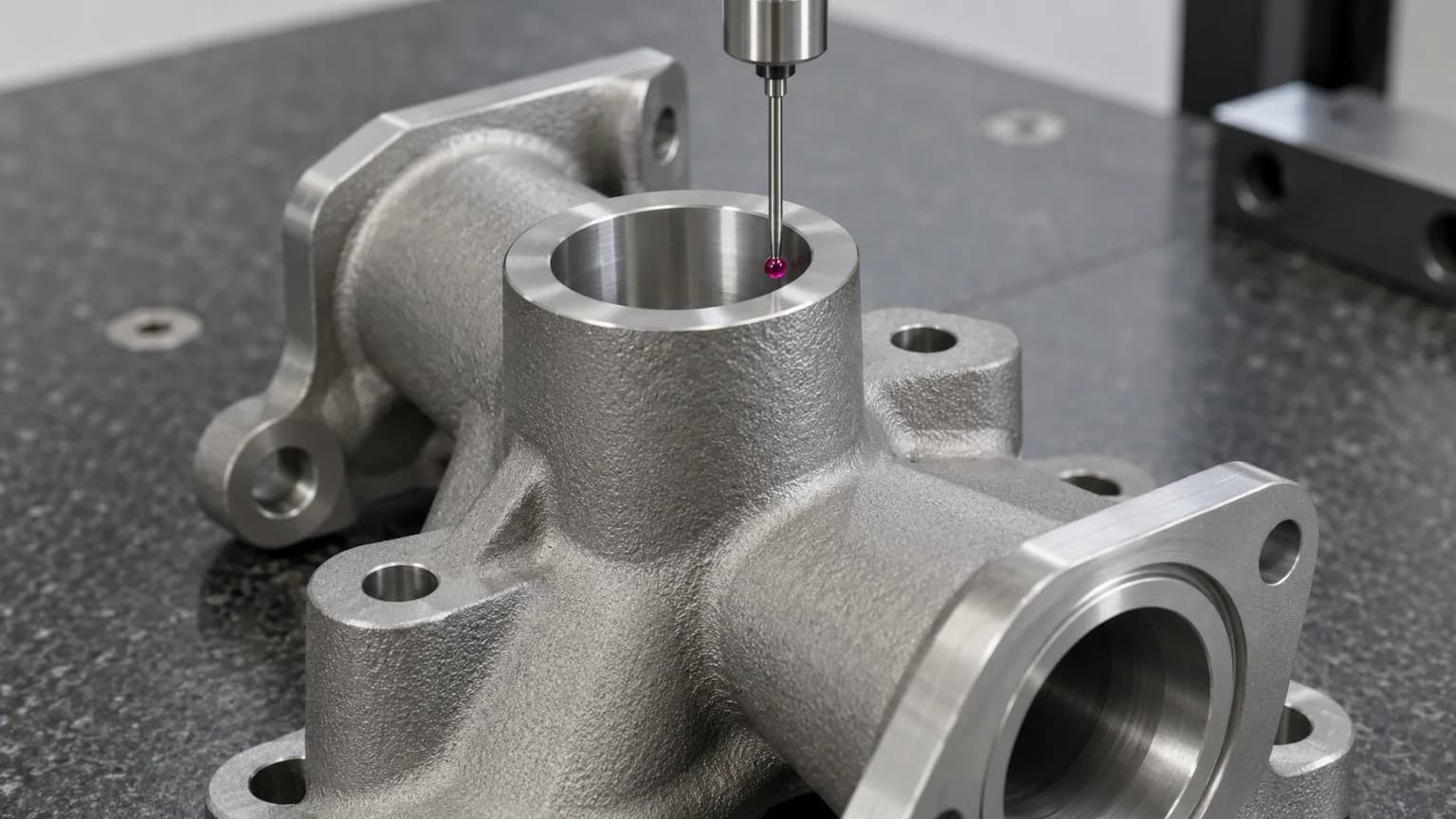
Stainless Steel 17-4 PH parts are made by CNC machining, which removes material from solid bar using precision cutting tools on multi-axis machines. The bar is supplied solution treated, a condition that machines readily, and the finished part is then aged with a single low-temperature heat treatment to the condition on the drawing. Aging hardens the part without risk of cracking or distortion, with only a slight, predictable contraction, and because there is no tooling to make, the same program runs a single prototype or a repeat production batch.
Upload CAD files and drawings to Forge Labs Steam, and our engineers review Stainless Steel 17-4 PH parts for tolerances, tool access and finish so issues are fixed before production.
Upload CAD files and drawings to Forge Labs Steam, and our engineers review Stainless Steel 17-4 PH parts for tolerances, tool access and finish so issues are fixed before production.



Stainless Steel 17-4 PH combines high strength with corrosion resistance comparable to 304 stainless steel. It can be heat treated to multiple hardness conditions and stays dimensionally stable through aging, which suits it to demanding applications. From rapid prototyping to production runs, teams rely on Stainless Steel 17-4 PH to maintain tight tolerances while reducing assembly complexity through consolidated part designs.
Aerospace and defense programs trust it for strength-critical hardware, and industrial equipment and oil and gas operators rely on it when uptime matters. It welds readily with matching filler, and welded assemblies are aged afterward to restore full properties.
The aging temperature sets the balance of properties. H900 gives the highest strength and hardness for compact, highly loaded parts, while higher aging temperatures such as H1025 and H1150 trade some strength for toughness and ductility. Specify the condition on the drawing, along with any features to be finished after aging.
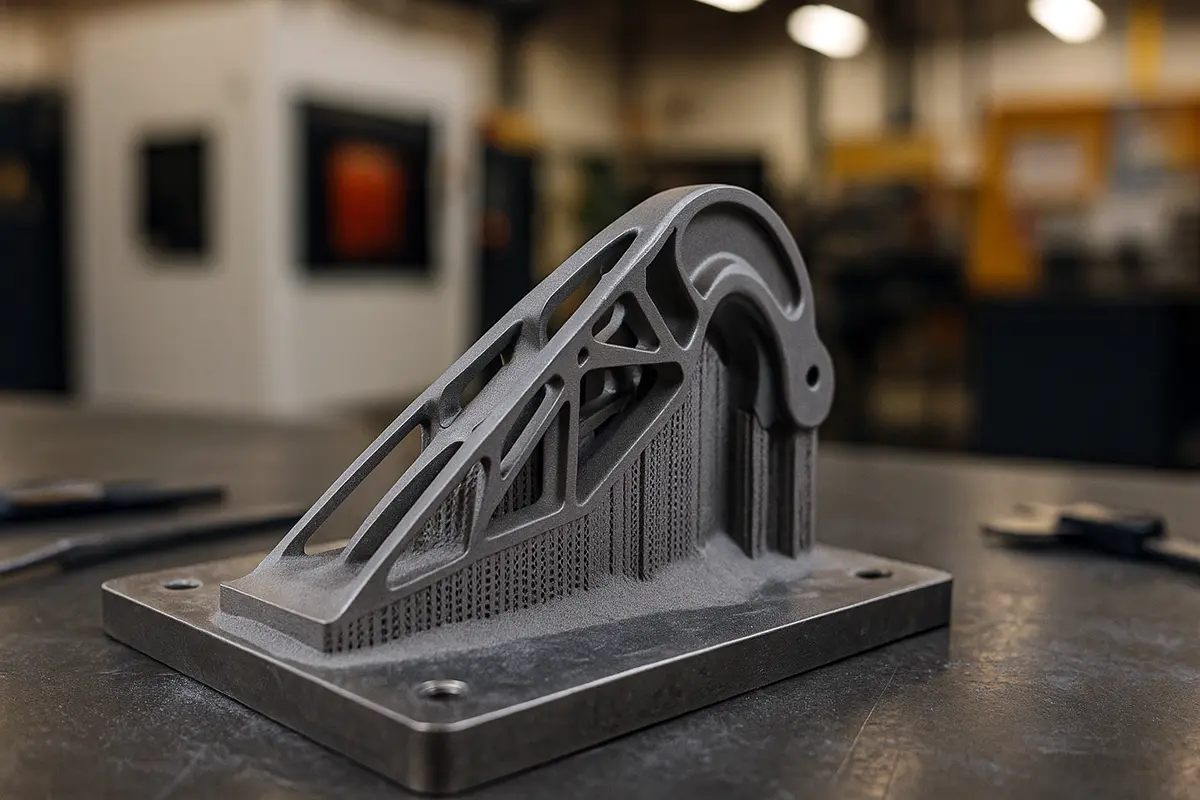
Where a part carries internal channels or comes in small lots of awkward shapes, Forge Labs prints 17-4 PH by DMLS and machines only the threads, bores and sealing faces that need it. Parts where nearly every surface carries a machining tolerance are still best cut from bar.
Aerospace & Defense
Fittings, locking mechanisms and bearing housings in an alloy produced to aerospace bar specification AMS 5643.
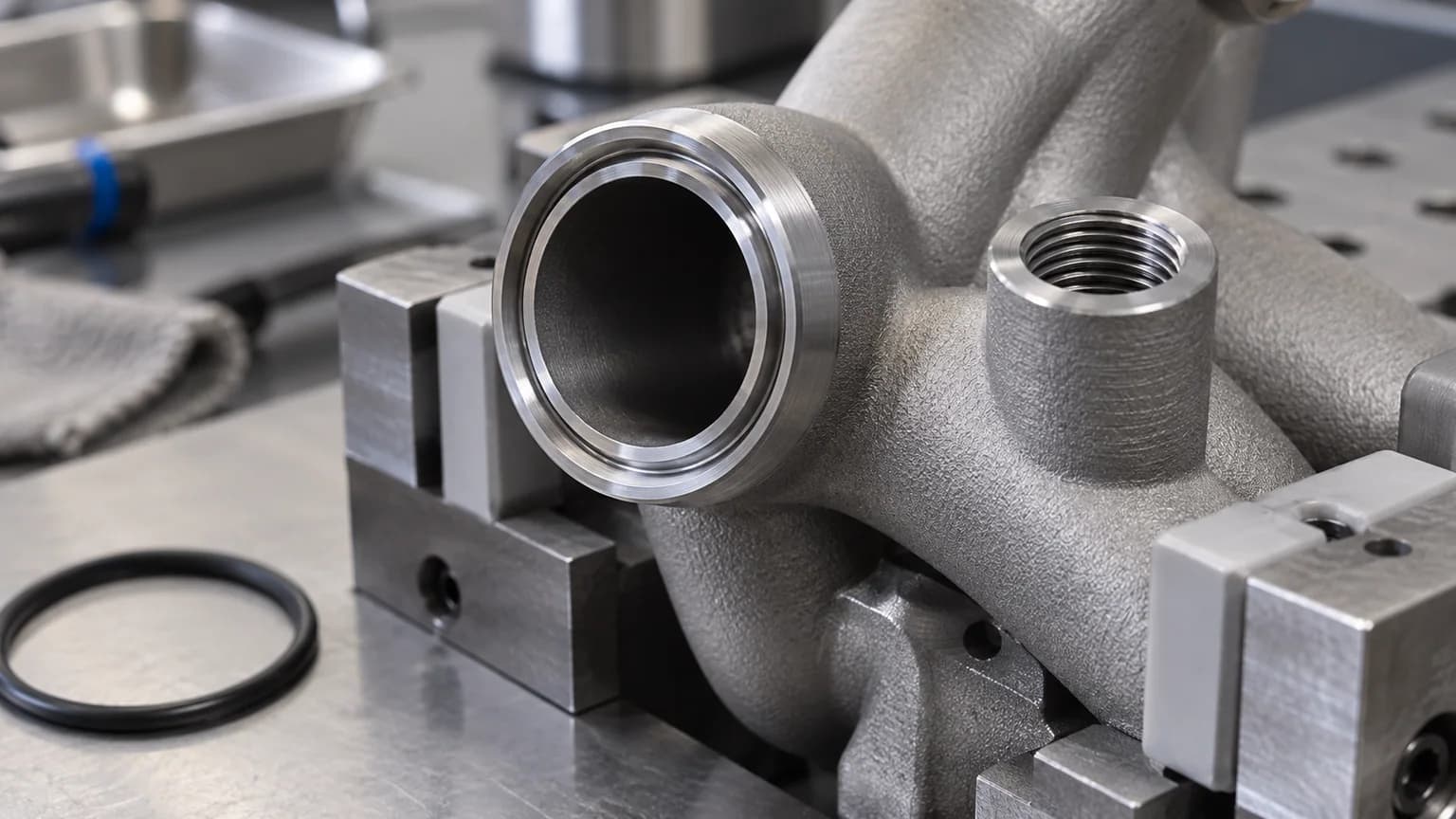
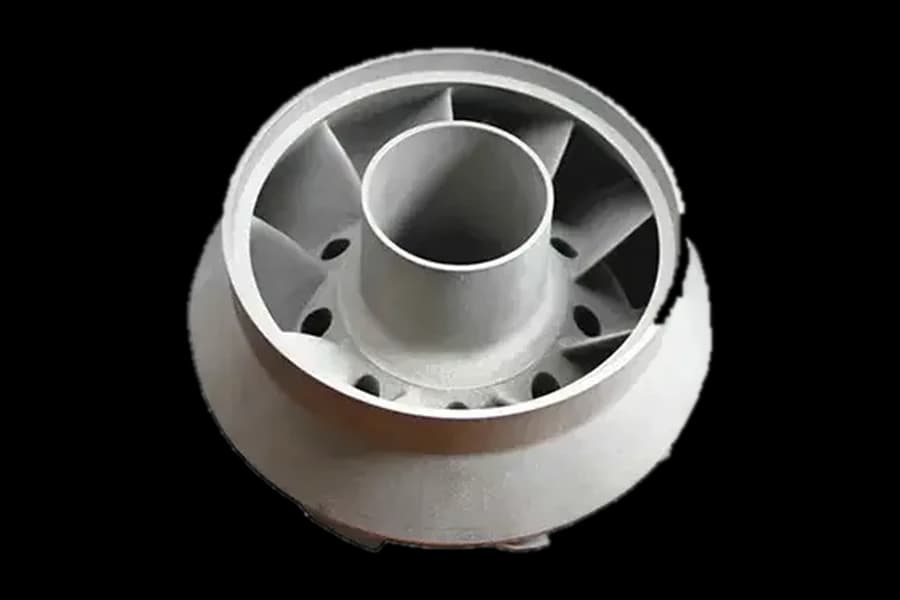
Power Generation
Valve heads and seal protectors finished with cut threads, with one lot shipped 5 business days early.
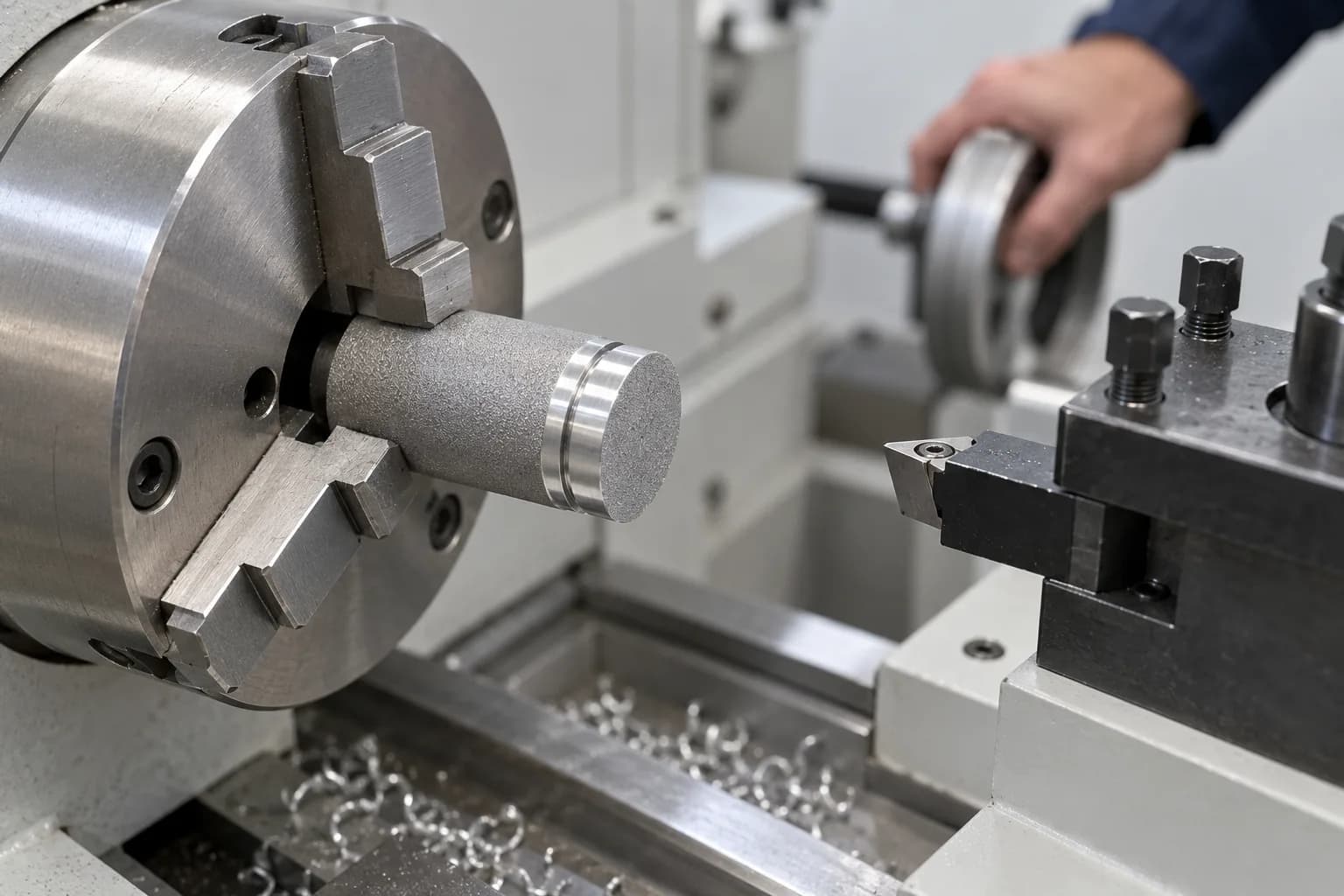
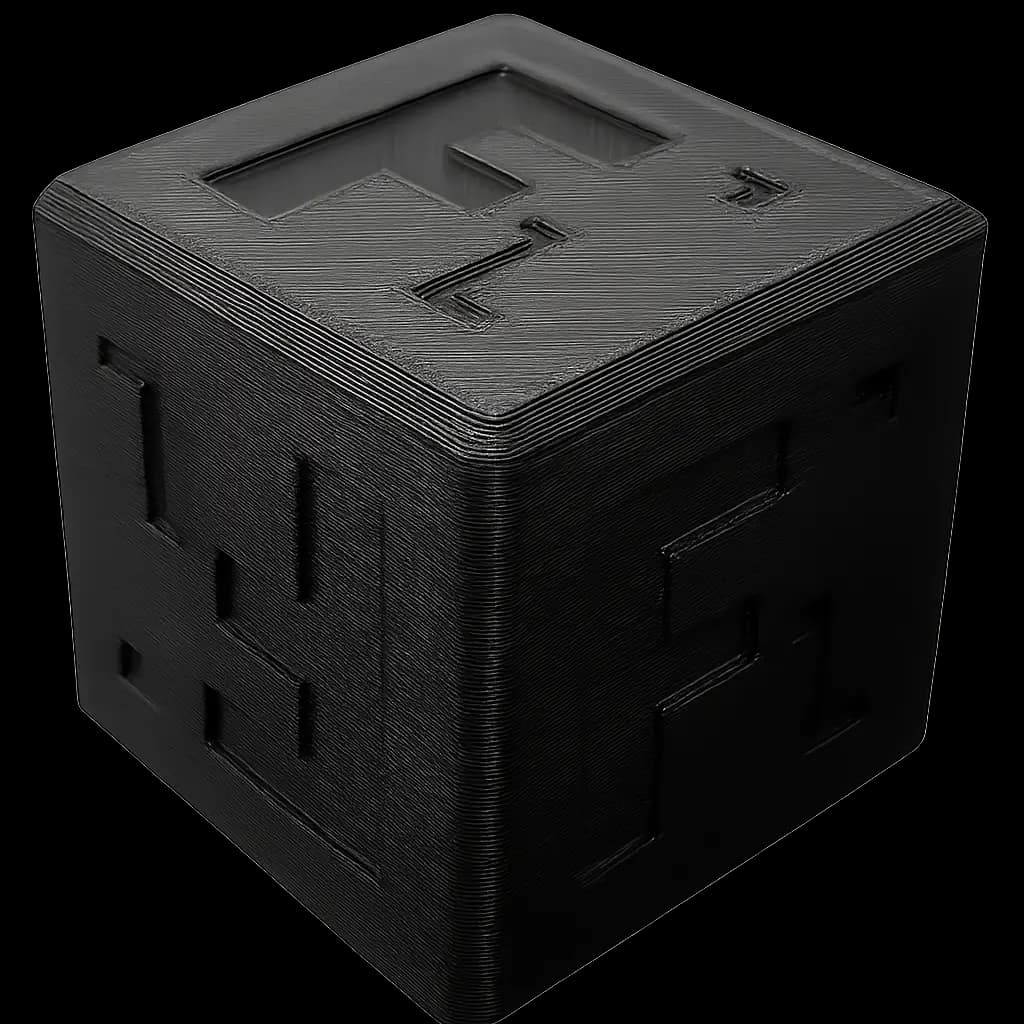
Industrial Equipment
Shafts, couplings and pump parts, aged to resist stress corrosion in marine atmospheres.
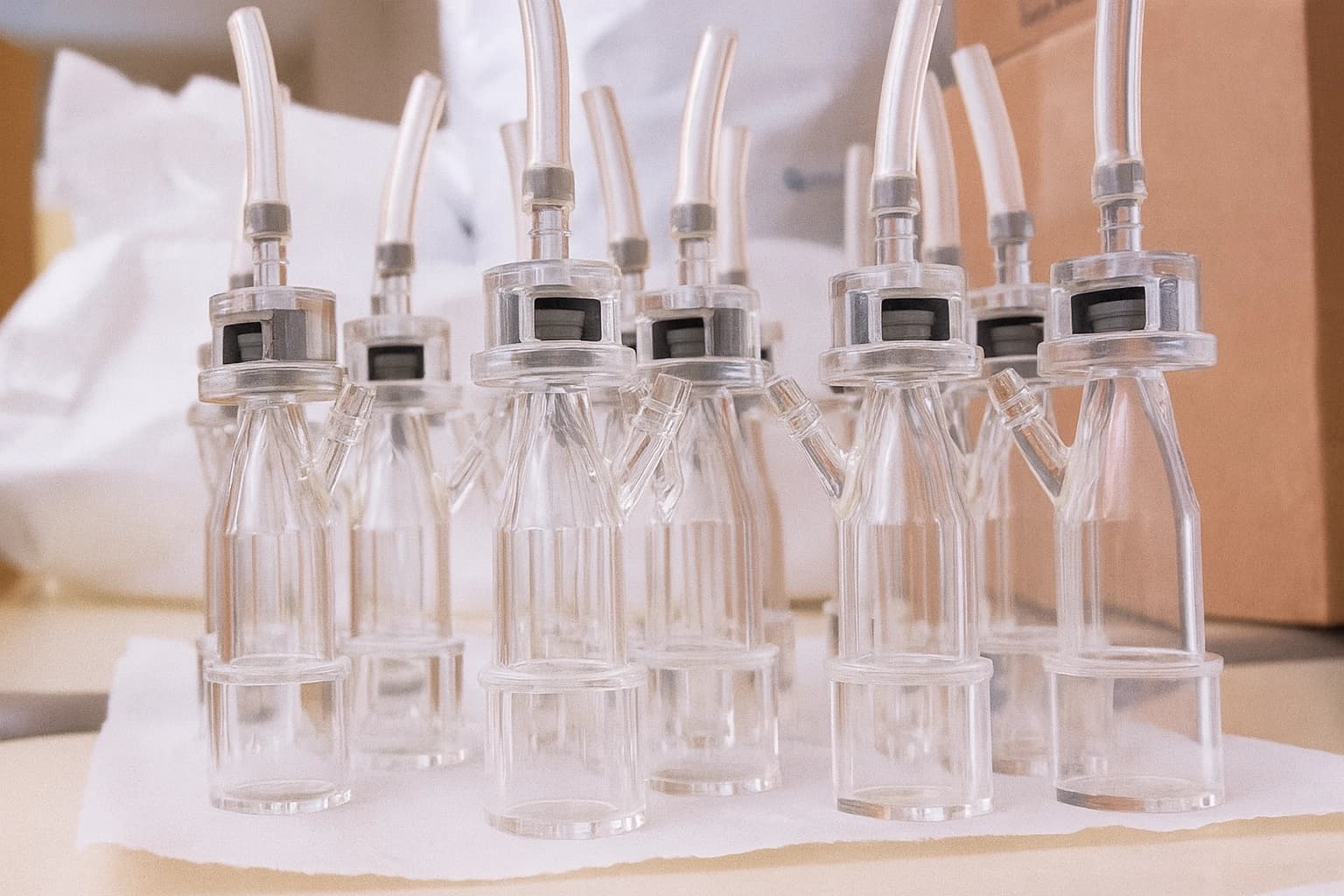
Oil, Gas & Process
Valve stems, trim and fittings that resist sulfuric, acetic and formic acids far better than 304 stainless.
Aerospace & Defense
Aerospace and defense teams use machined Stainless Steel 17-4 PH for fittings, locking mechanisms, latch and hinge parts and bearing housings, where small parts carry high loads and must resist corrosion in service. Aircraft and missile fittings are among its main uses, and 17-4 PH bar is produced to the aerospace specification AMS 5643.
Power Generation
Power generation equipment makers choose 17-4 PH for valve heads, seal protectors and other small engine parts that need hardness and strength once aged. One lot of seal protectors, printed and then tapped, shipped 5 business days ahead of the promised date, and a redesigned valve head moved from 316L to 17-4 PH with a machined thread added, then was reordered in a larger lot.
Industrial Equipment
Industrial equipment makers machine Stainless Steel 17-4 PH into precision shafts, couplings, pump shafts and valve parts that carry high loads in corrosive service. The aging condition is chosen for the environment: in seacoast air, stressed 17-4 PH aged at H1025 and above has gone more than 25 years without stress corrosion failure, while H900 under the same load failed within 68 days.
Oil, Gas & Process
Petrochemical, petroleum and food processing plants use 17-4 PH for valve stems and trim, pump parts and fittings that need more strength than 300-series stainless steels provide. Aged 17-4 PH resists sulfuric, acetic and formic acids far better than annealed 304. For sour oil and gas service, NACE MR0175 accepts 17-4 PH only in the H1150-M or double-aged H1150 condition.
Values for wrought 17-4 PH (UNS S17400, Type 630) from ATI, AK Steel, Carpenter and North American Stainless data, with the source listed with each property. Strength rows are typical values for the H900, H1075 and H1150 aged conditions.
Mechanical performance
Stainless Steel 17-4 PH delivers exceptional mechanical performance, effectively handling demanding load conditions for high strength shafts and couplings, aerospace latch and hinge mechanisms, and fixtures and mold components.
Read the strength rows by condition. Every value is for an aged part, because producers advise against putting solution-treated bar into service.
Material makeup
Consistent density and a uniform wrought structure keep critical features in tolerance and downstream finishing predictable.
The contraction row shows how much a part shrinks when aged from the solution-treated condition to H900. It is small and predictable, so finish allowances on tight features are set before machining, or the critical features are finished after aging. The composition rows are the ASTM A564 Type 630 limits.
Heat performance
Stainless Steel 17-4 PH maintains dimensional stability through temperature swings, and the expansion rows show how much a fit changes as a part warms across each range.
Design to the maximum service temperature, the point up to which the alloy keeps its high strength. Long exposure above it costs toughness, and short exposures should stay well below the aging temperature. Like other stainless steels it conducts heat poorly, and its conductivity rises with temperature.
Functional performance
Stainless Steel 17-4 PH conducts electricity, so it suits grounded housings, fixtures and electrically integrated metal components, and its resistivity gives engineers reliable inputs for current flow and grounding models.
It is strongly ferromagnetic in every condition, including the solution-treated state, so it holds on magnetic fixtures and works with magnetic sensors, but it is not a choice for non-magnetic hardware.
Compatibility data
The table gives AK Steel immersion corrosion rates for 17-4 PH bar across the H925, H1025 and H1150 aged conditions, beside annealed Type 304. Lower is better. Where the range is wide, H1150 sits at the high end in sulfuric and hydrochloric acid and H925 in nitric acid. Use the rates to screen candidates before application testing.
It resists rural and mild industrial atmospheres in every aged condition, and seacoast exposure brings only light rusting and pitting, much like Type 304. AK Steel rates it well suited to many marine valve and pump parts, although stagnant sea water causes crevice attack. Passivate machined parts, and remove aging heat tint by polishing, blasting or pickling.
Compliance
Producers make 17-4 PH bar to ASTM A564 Type 630, which sets the minimum properties for each aged condition, and to AMS 5643, its aerospace counterpart for bar and forgings.
Datasheets, design guidance and supplier documentation for Stainless Steel 17-4 PH (CNC).
Access the most recent datasheet and supporting documentation maintained by our engineering team.
Stainless Steel 17-4 PH (CNC) datasheetTolerance, wall thickness and finishing guidance for machined parts.
View machining guidance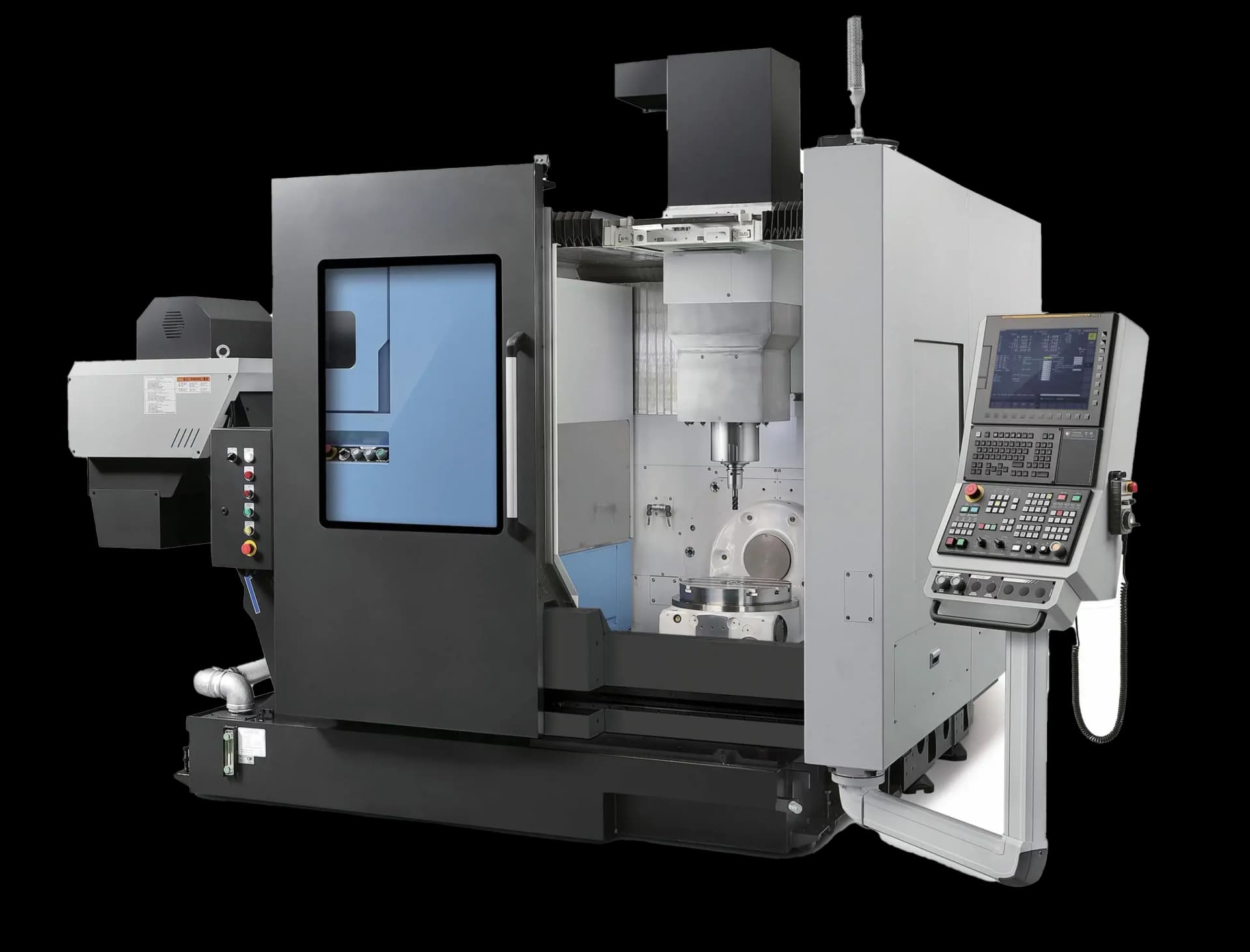
Stainless Steel 17-4 PH is manufactured using advanced CNC machining technology, ensuring optimal material properties and dimensional accuracy. Machined parts keep the full wrought strength of the bar.
Can't find the answer you're looking for? Reach out to our customer support team.
Upload your design and get a quote for Stainless Steel 17-4 PH (CNC) parts from our engineers.
Create an account to upload CAD
STEP, STL, OBJ, 3MF and IGES supported