Aerospace
Cabin Prototypes & Aircraft Tooling
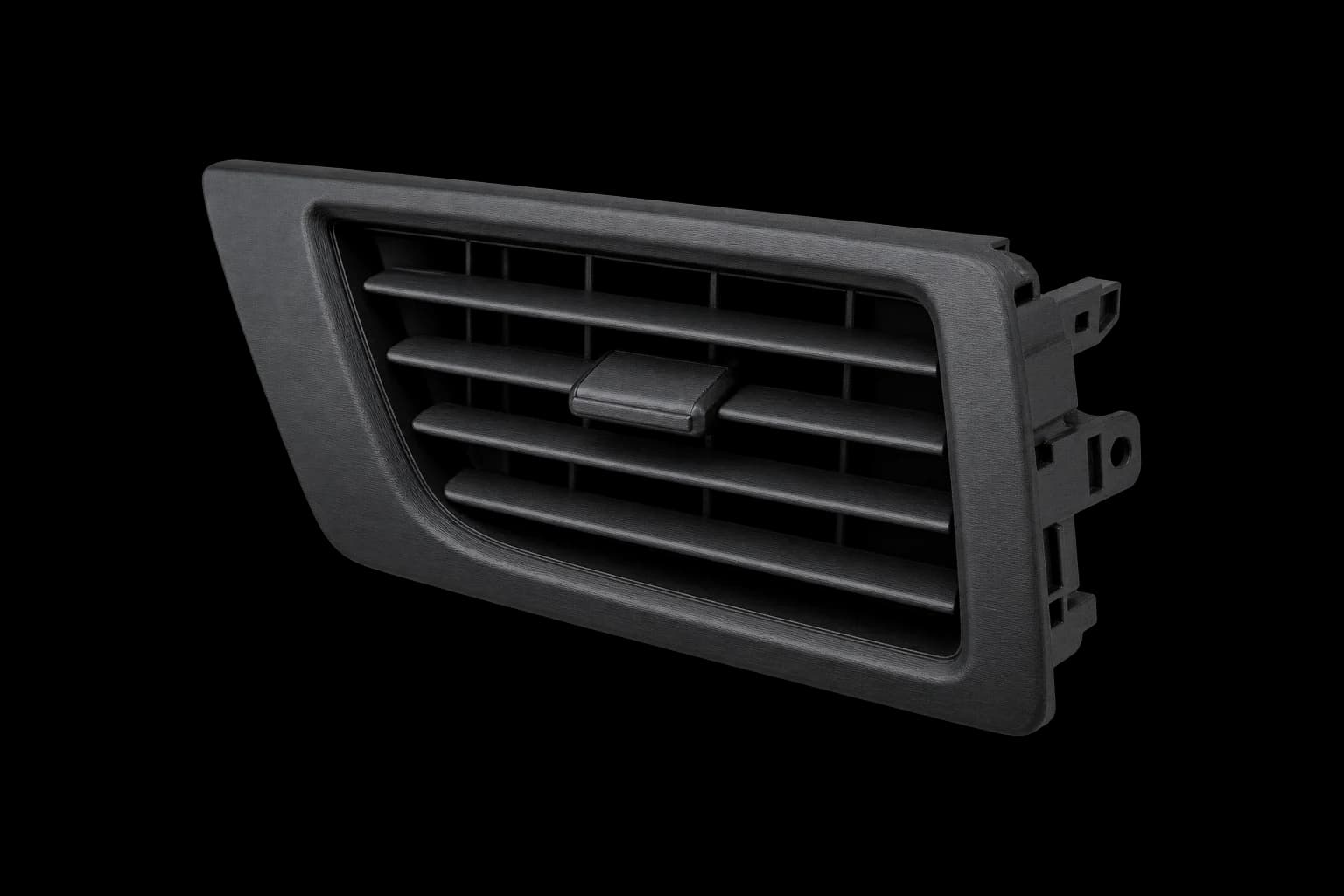
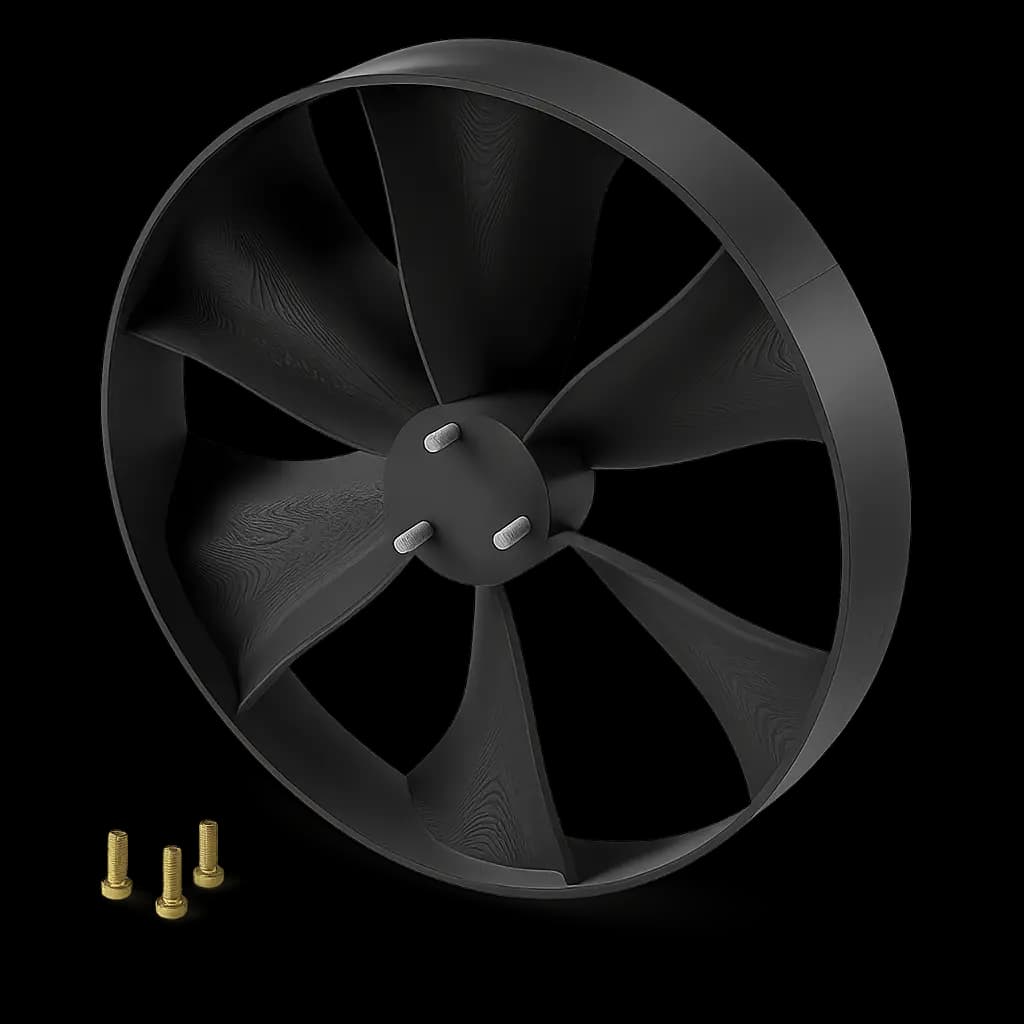
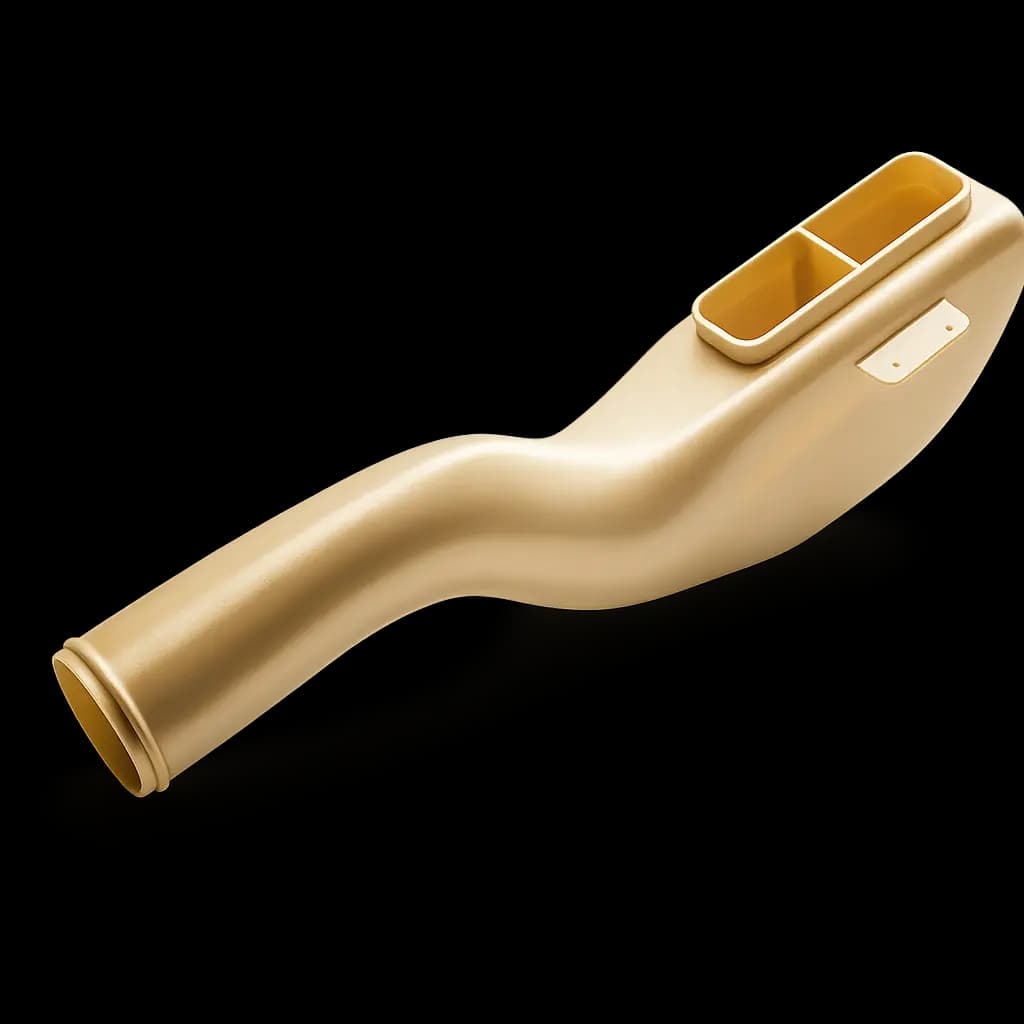
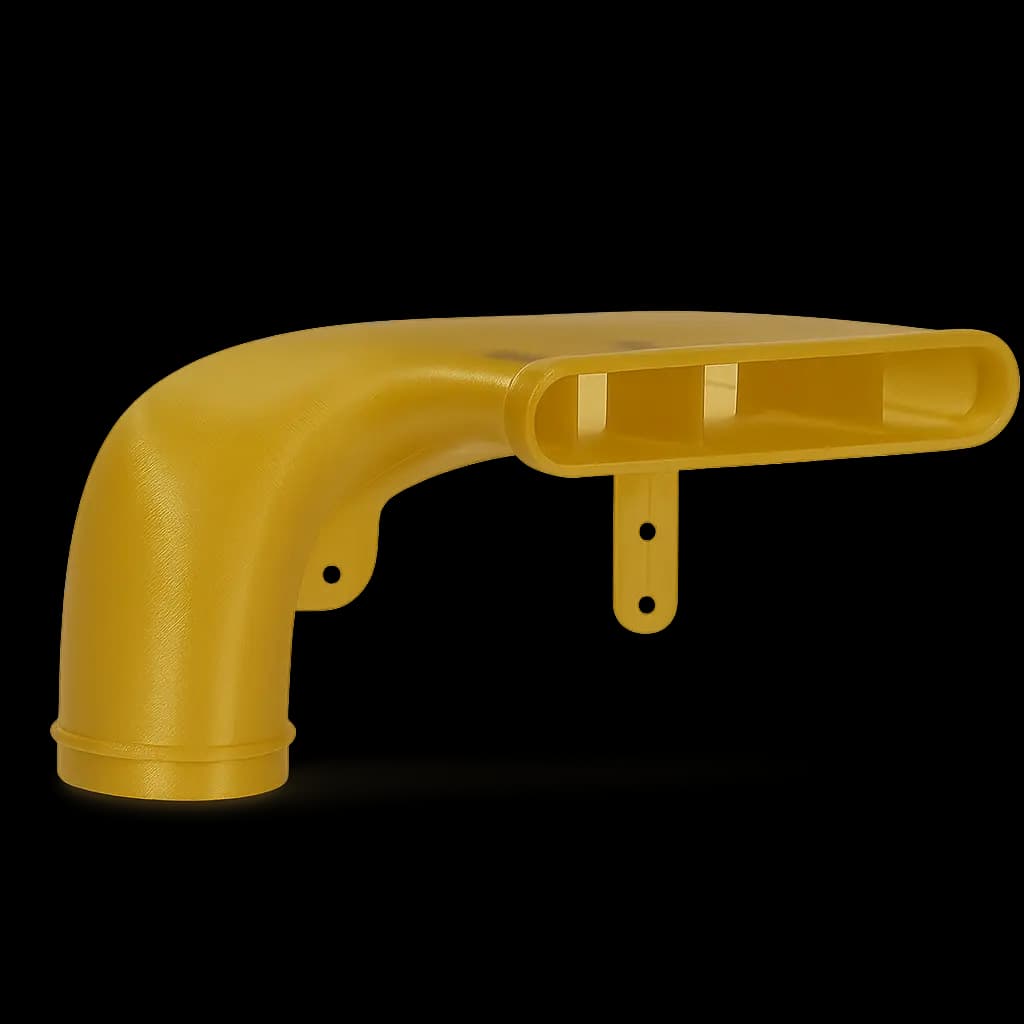
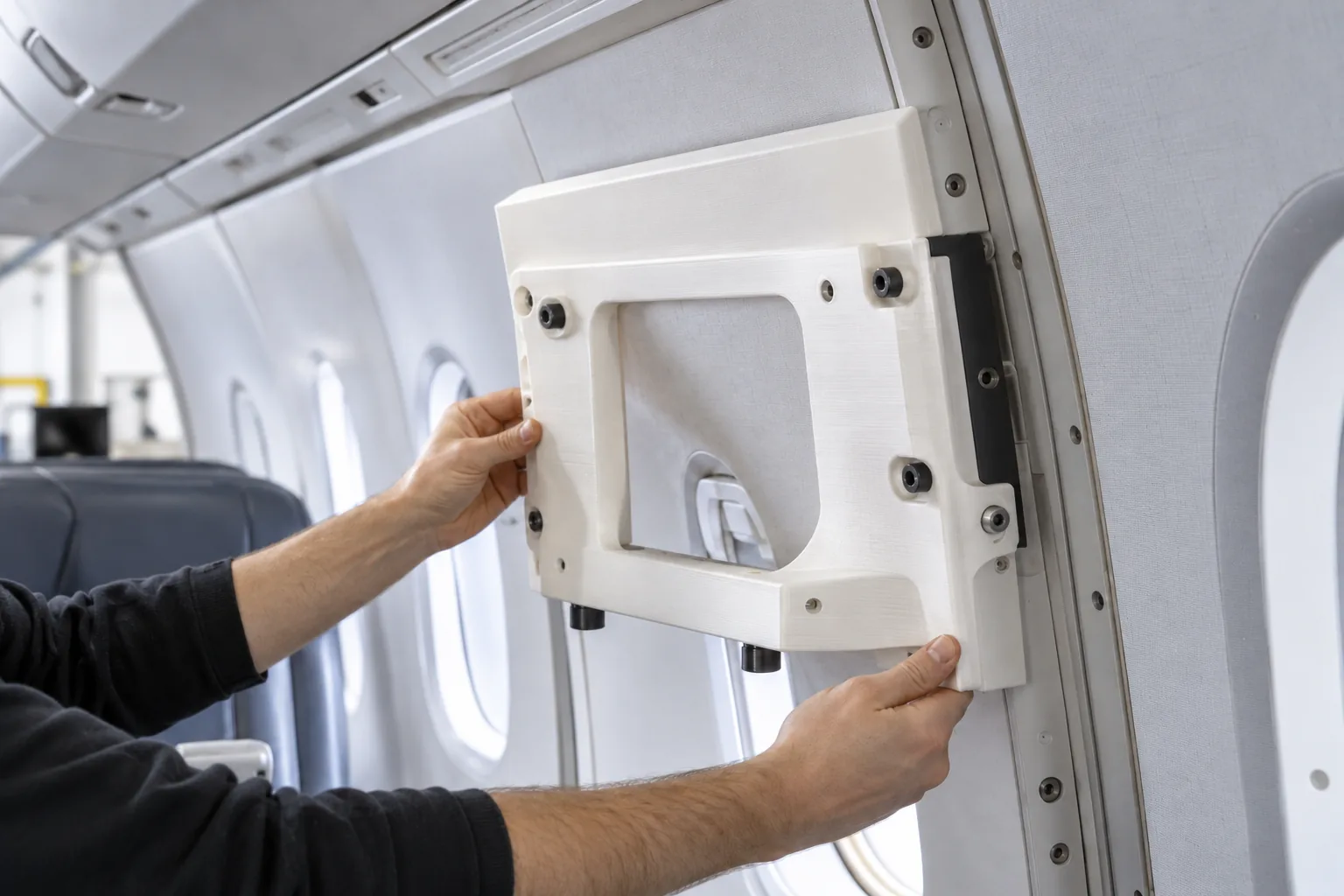
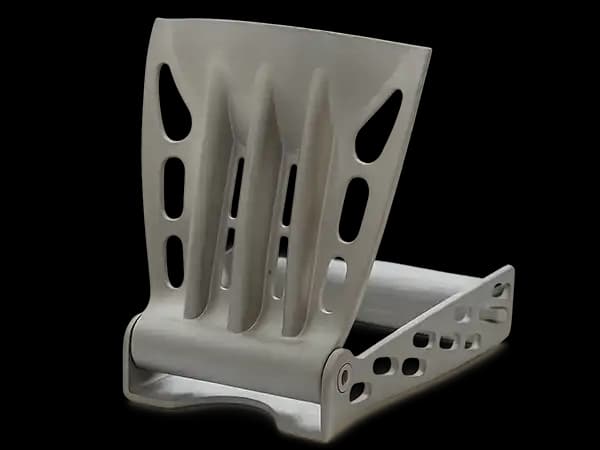
Cabin and duct prototypes, avionics covers and fixtures, with curved trim 631 mm long printed in one piece.
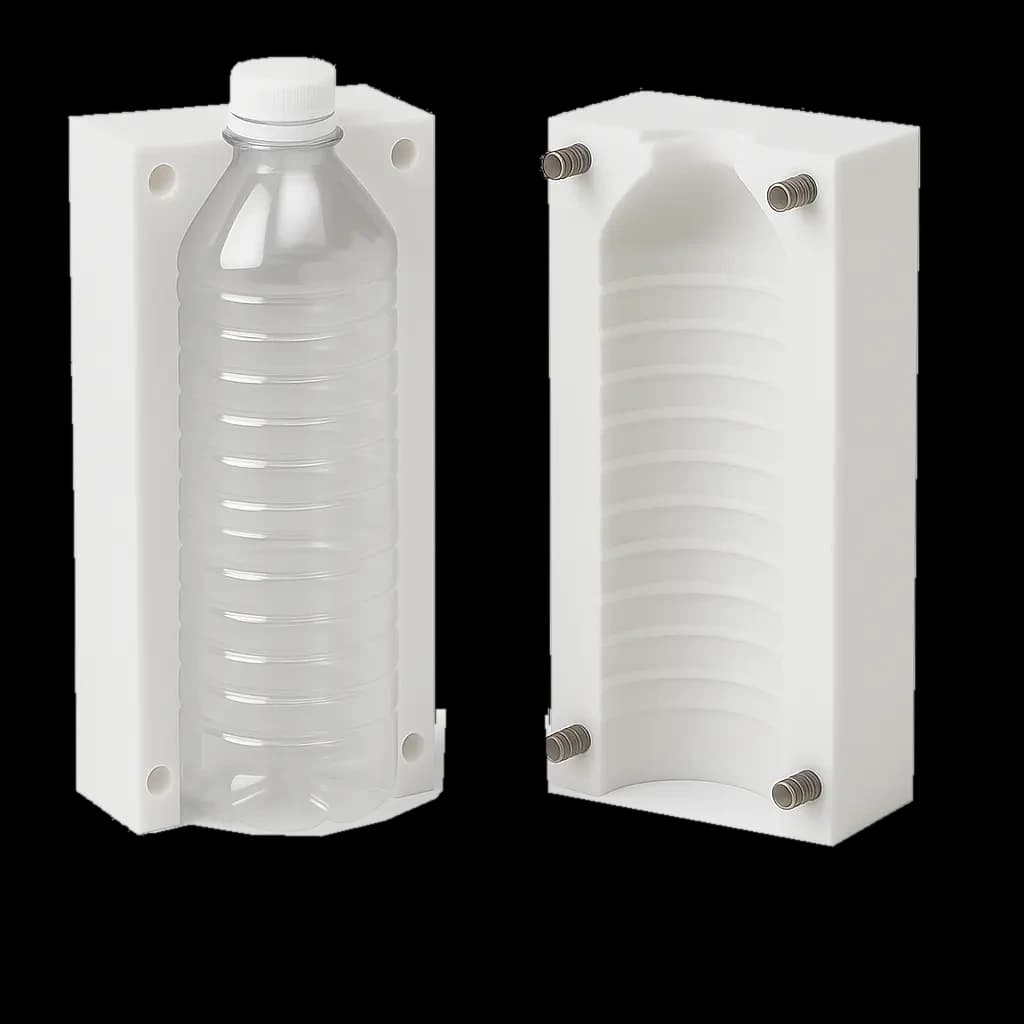
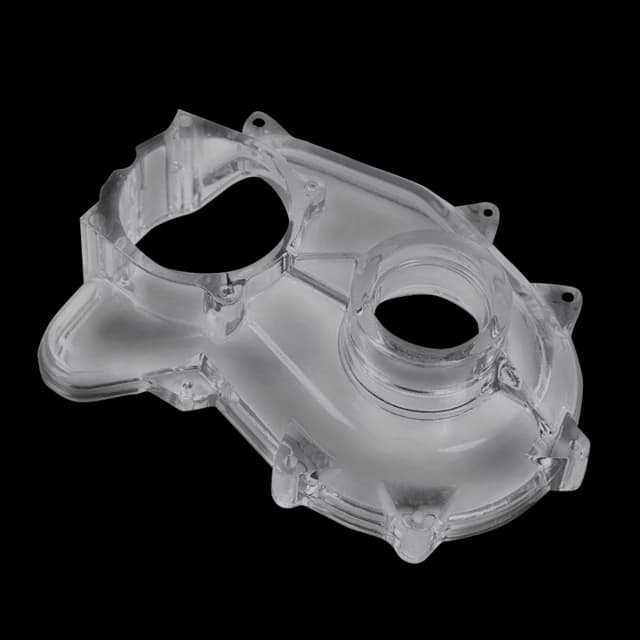
Polycarbonate (PC) is a strong, tough thermoplastic for Fused Deposition Modeling (FDM) parts that need to take knocks and stay rigid in the heat. It is stronger and more heat resistant than ABS and ASA, keeps its toughness under repeated stress instead of turning brittle, and holds its shape in hot vehicle interiors and near equipment that runs warm. Large parts print in one piece with no tooling. Use it for functional prototypes, jigs, fixtures and forming dies, aircraft cabin prototypes, dashboard parts, HVAC ducts and device housings. Triton PC is made from SABIC LEXAN polycarbonate resin for Stratasys Fortus printers. It has a glass transition temperature of 160 °C and holds its shape to 138 °C under a 0.45 MPa load, for prototypes, housings and tooling in warm service.
Also available in Stratasys PC.
How Polycarbonate is manufactured
Polycarbonate is manufactured using Fused Deposition Modeling (FDM) on Stratasys Fortus systems, which extrude the filament layer by layer inside a heated build chamber. The heated chamber gives strong layer adhesion and minimal warpage, critical for large structural parts, and the large build envelope produces big parts in one piece. Combined with its impact and heat resistance, FDM makes Polycarbonate suited to tooling, fixtures and functional housings.
Upload CAD files to Forge Labs Steam for instant Polycarbonate pricing and live manufacturability feedback, and fix issues before production.
Upload CAD files to Forge Labs Steam for instant Polycarbonate pricing and live manufacturability feedback, and fix issues before production.
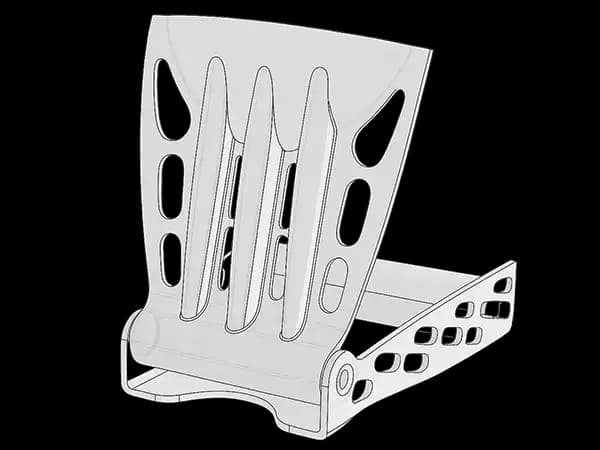
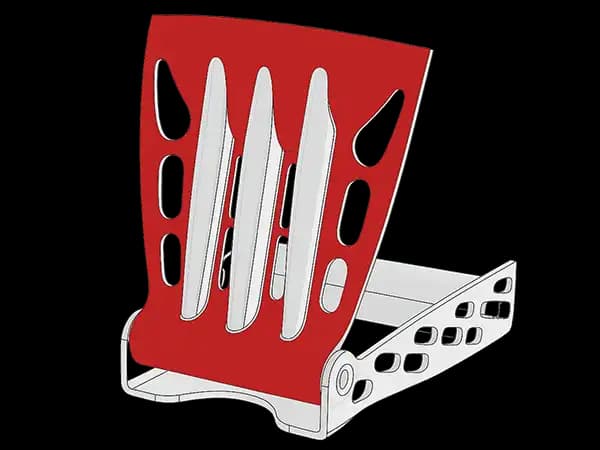
Polycarbonate is the material of choice for functional prototypes and end-use parts that need durability and heat resistance together. It outperforms ABS and ASA on strength and heat resistance, and unlike brittle high-temperature materials, PC maintains toughness under repeated stress.
From rapid prototyping to production runs, teams rely on Polycarbonate to maintain tight tolerances while reducing assembly complexity through consolidated part designs. With no tooling, it also covers low-volume production where moulded PC is not cost-justified. Breakaway and soluble support materials allow complex geometries while keeping the clean surface finish required for functional testing and assembly validation.
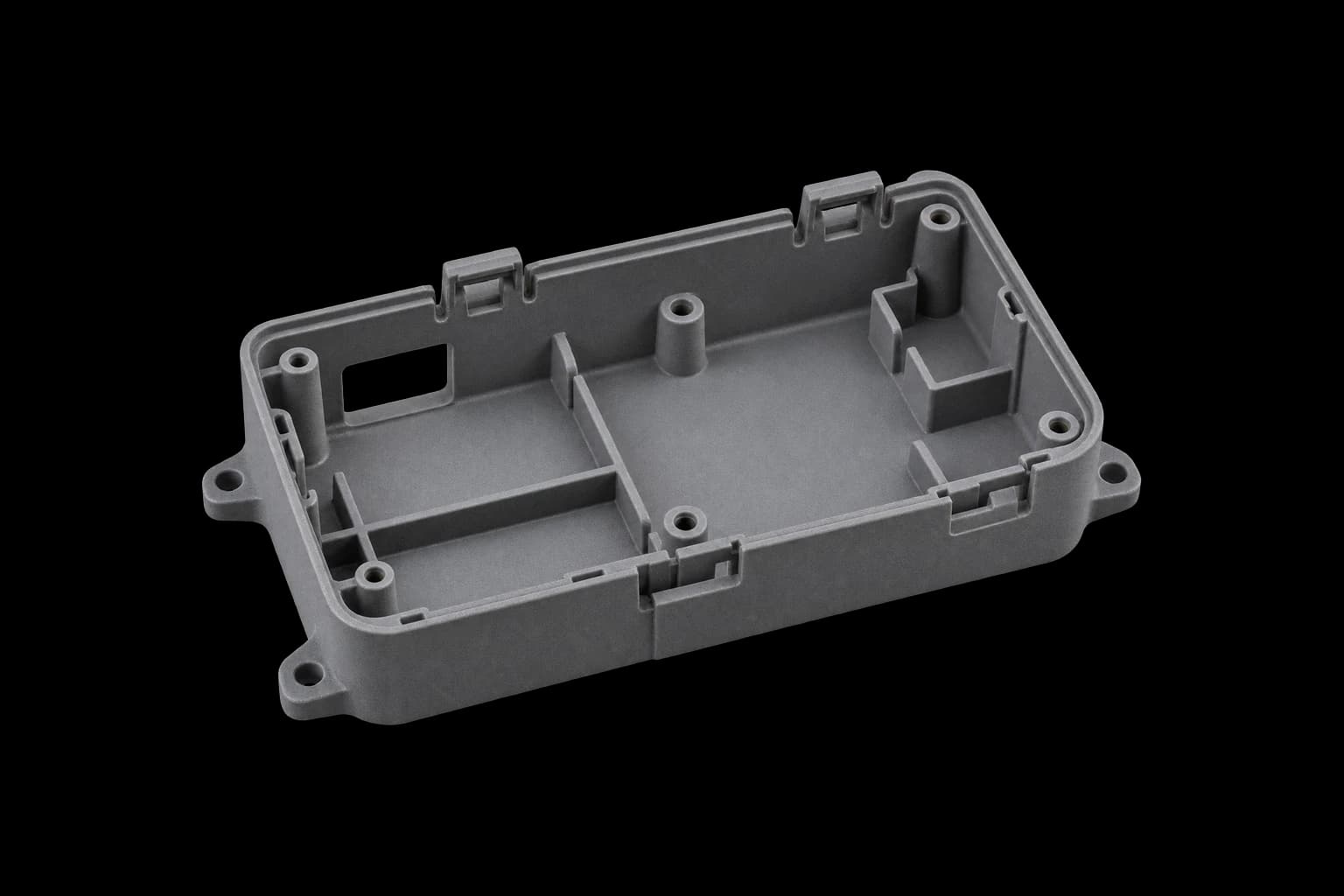
With good electrical insulation and resistance to common cleaning and washer fluids, PC serves applications from automotive interiors and aircraft cabin prototypes to medical device housings, electronics enclosures, safety housings and manufacturing tooling.
Aerospace
Cabin and duct prototypes, avionics covers and fixtures, with curved trim 631 mm long printed in one piece.
Automotive
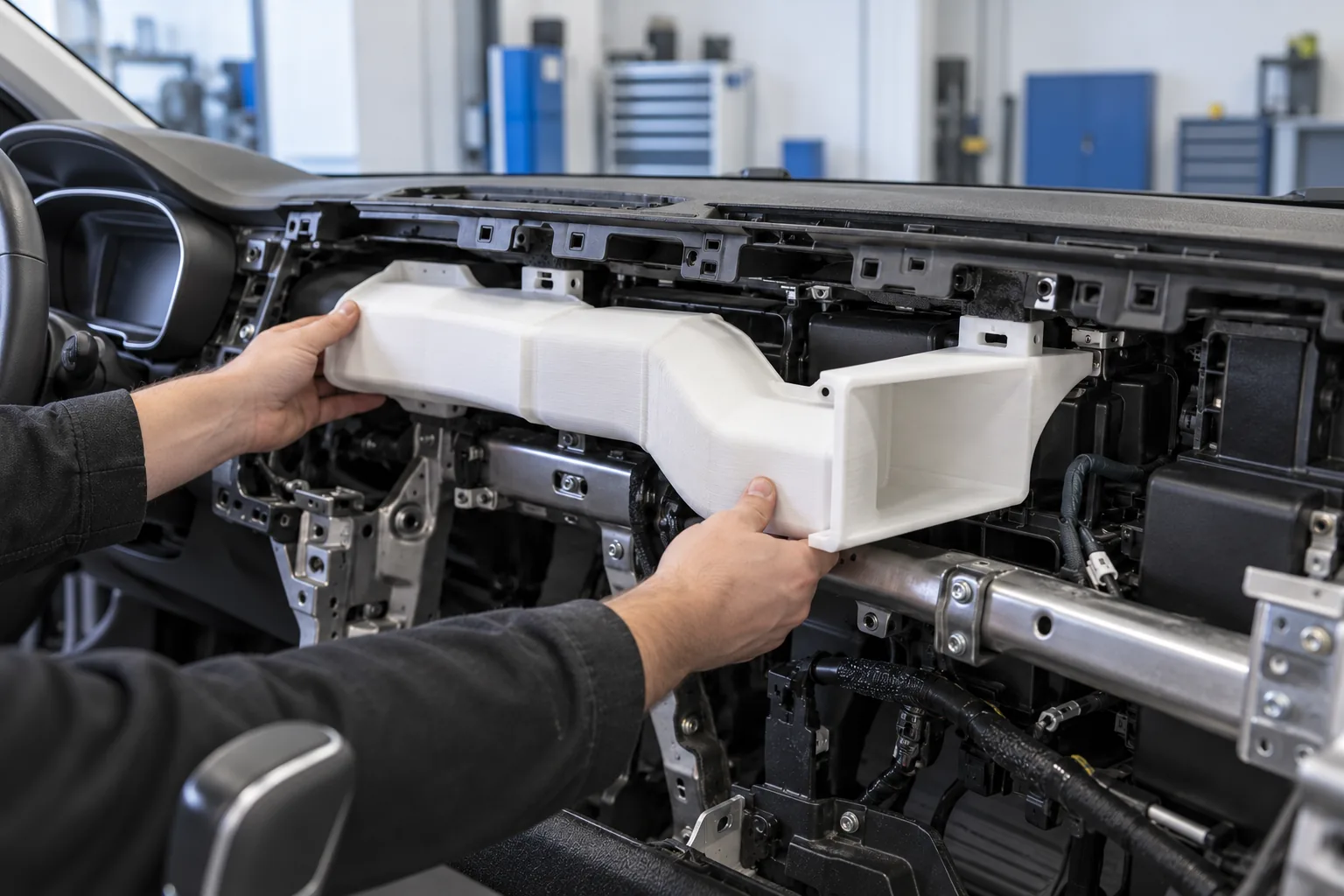
Dashboard, instrument cluster and HVAC parts that hold their shape up to 141 °C under load.
Industrial Tooling
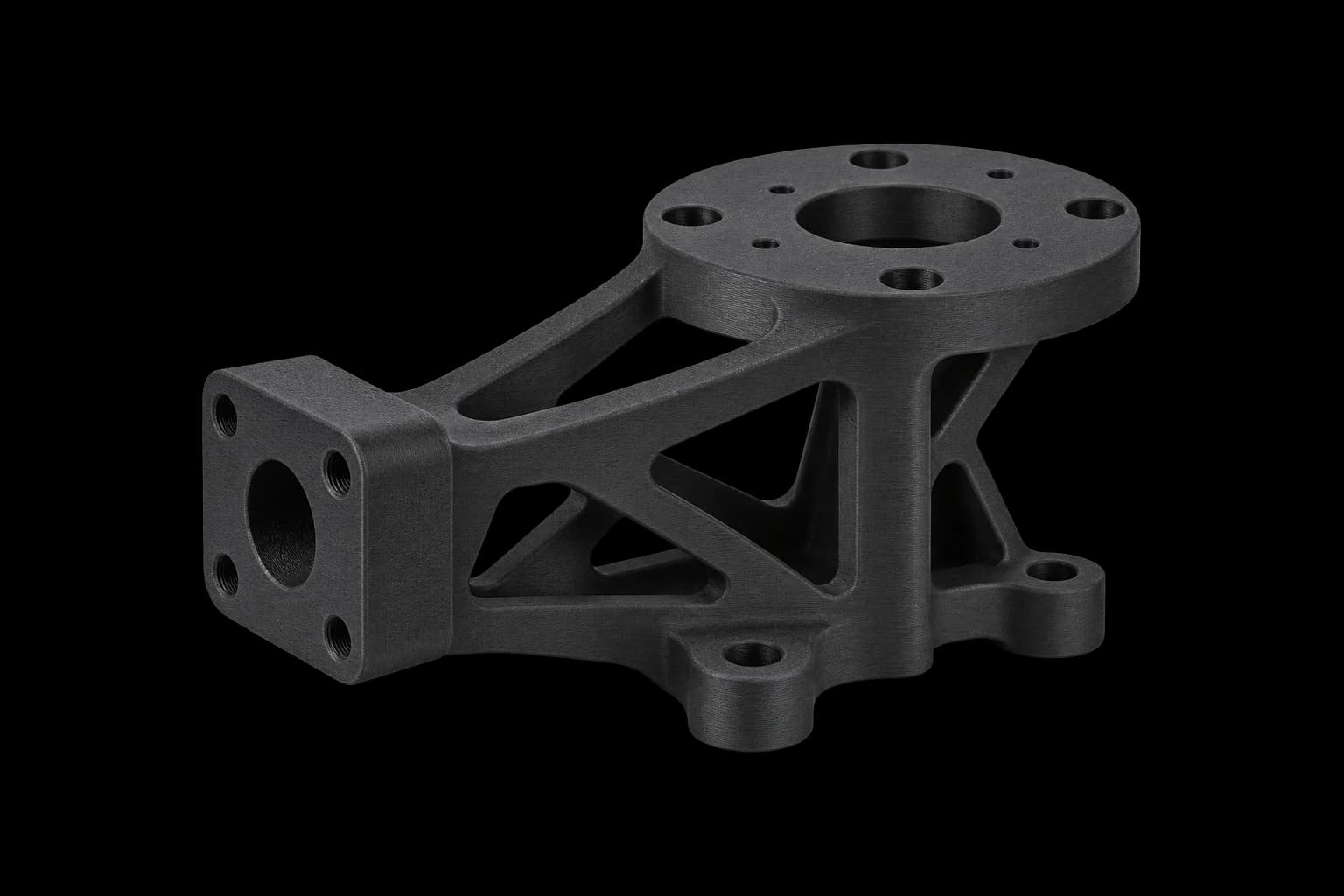
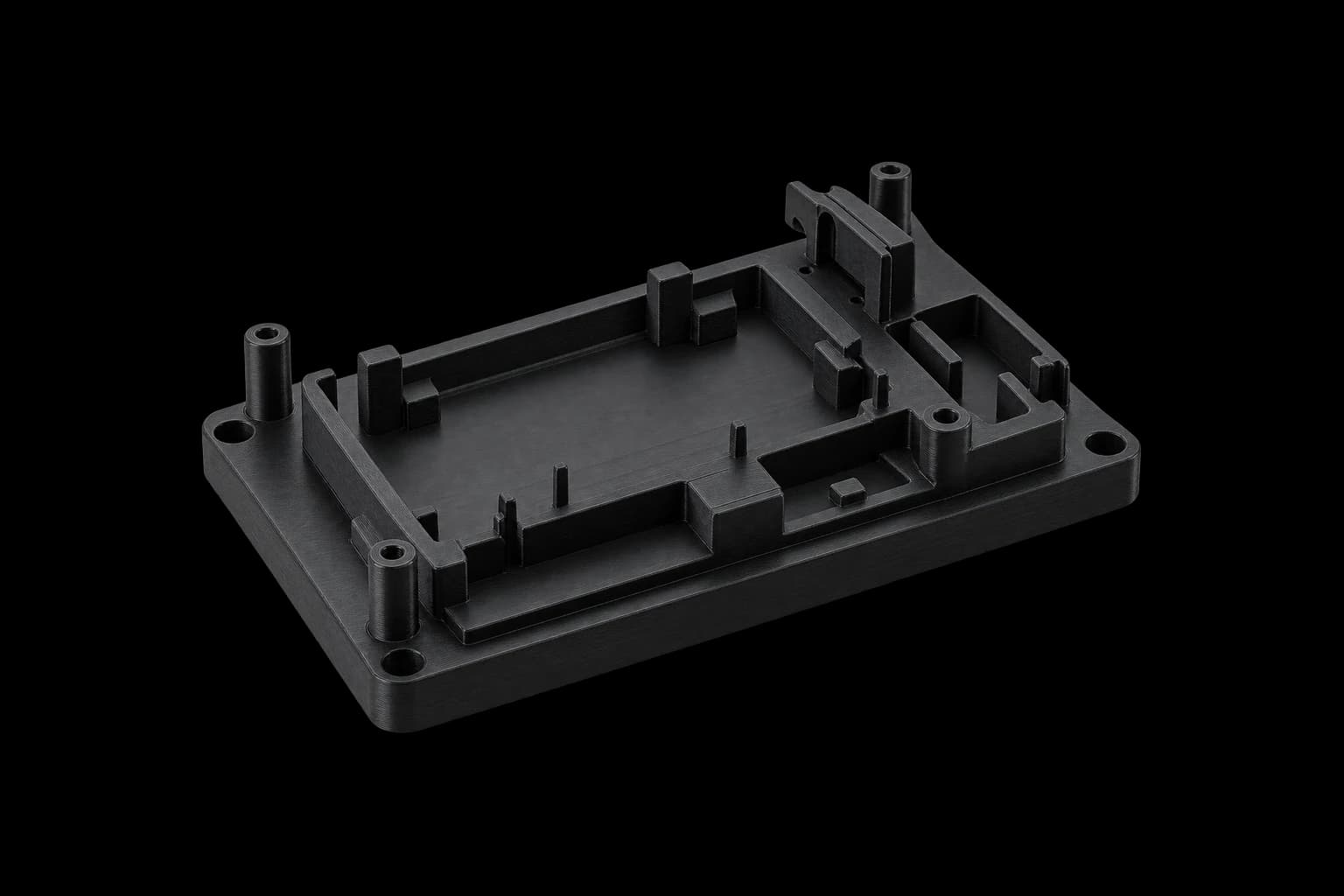
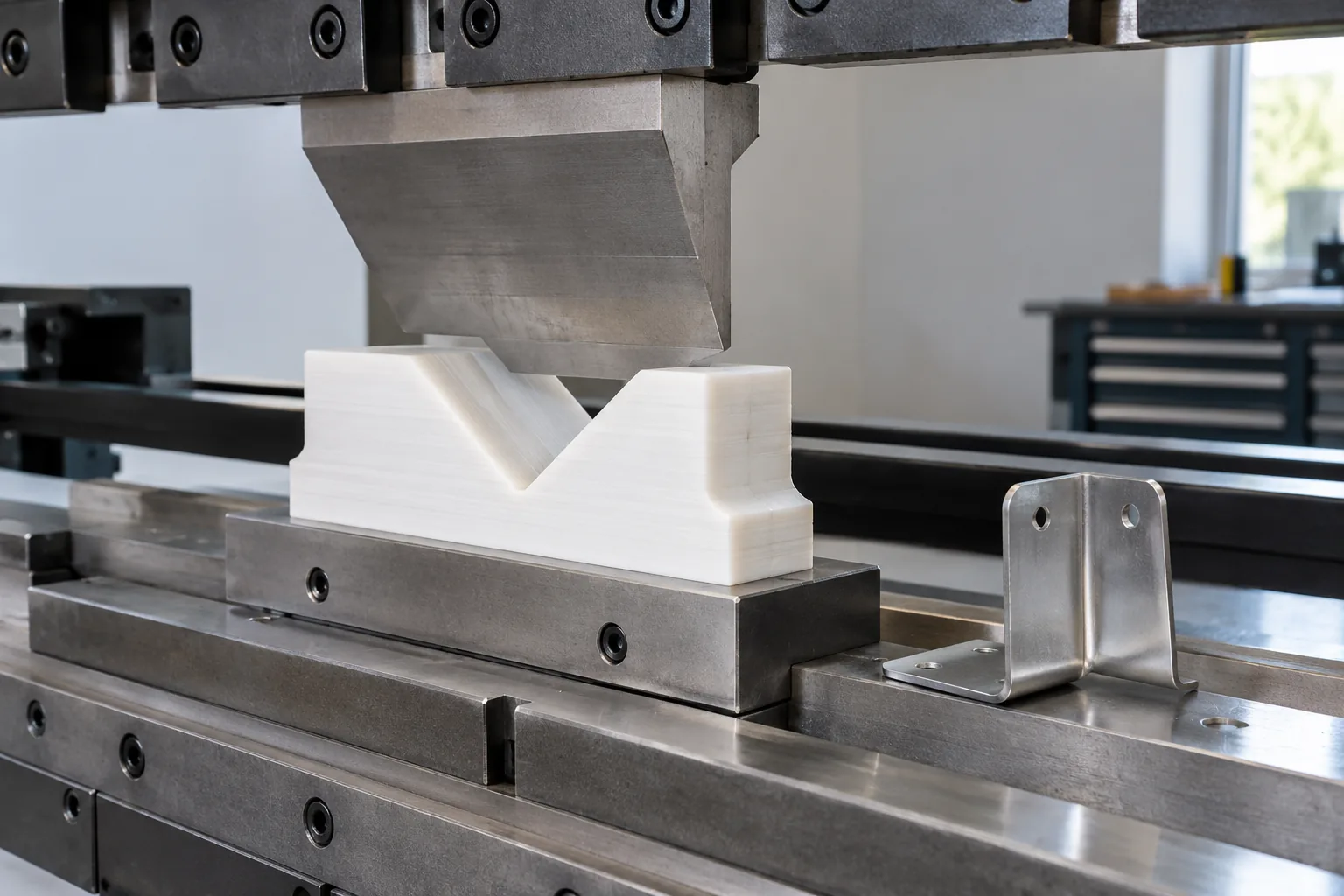
Fixtures, gauges and guards, and metal forming dies for runs of 500 to 1,000 units.
Medical & Healthcare
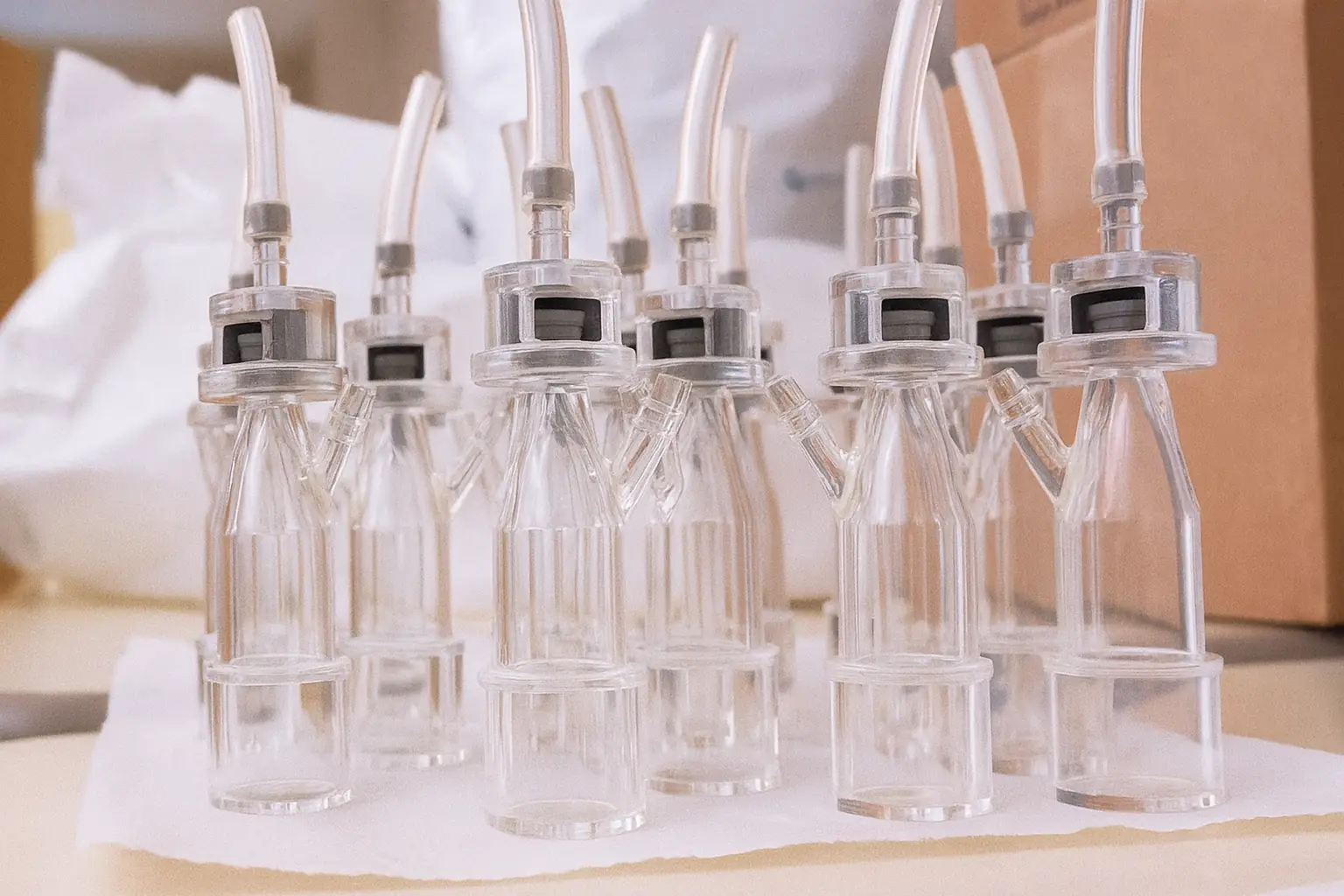
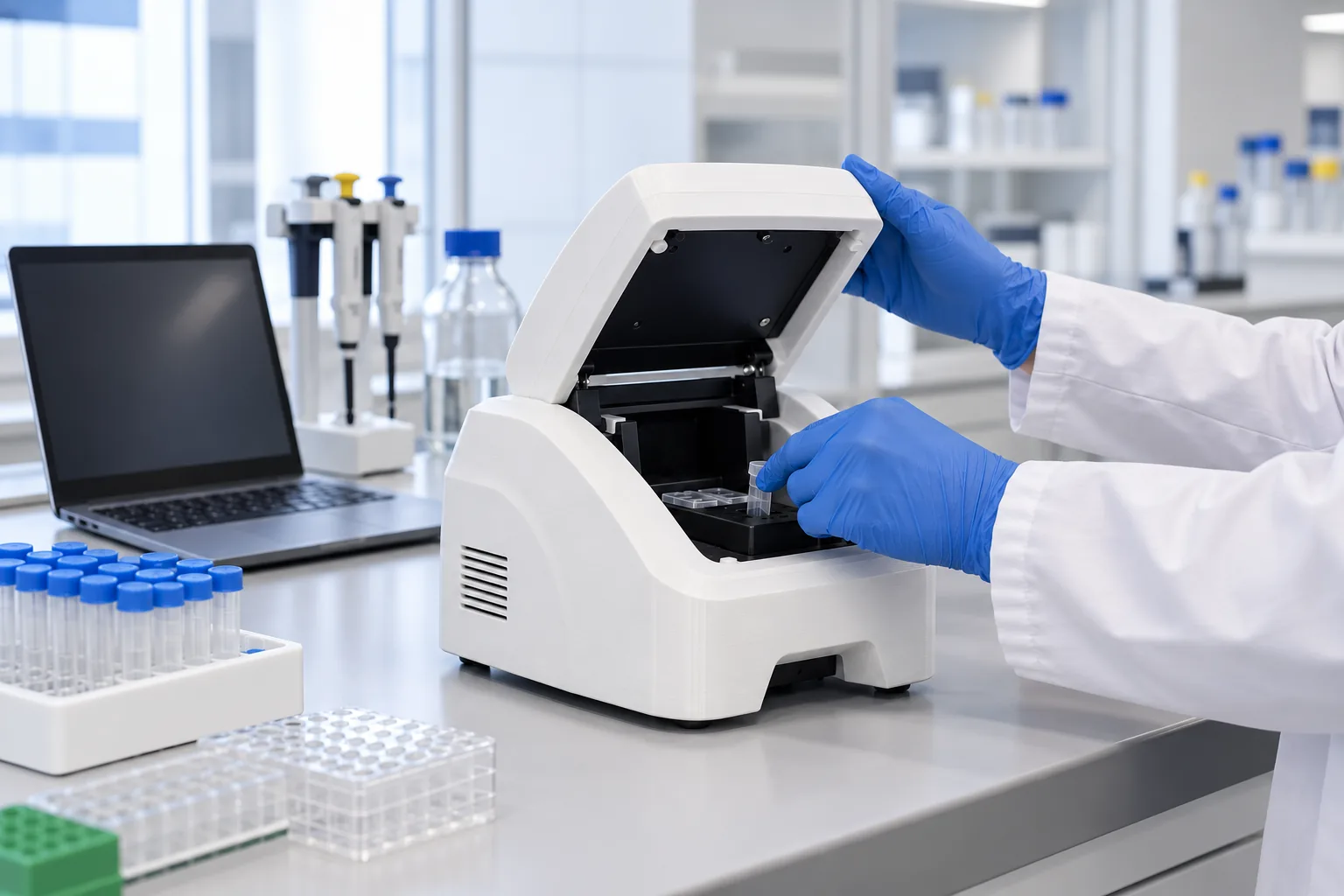
Diagnostic housings, lab components and test fixtures for device development.
Aerospace
Aerospace teams use Polycarbonate for cabin component and duct prototypes, avionics covers, and the assembly and drilling fixtures used to install them. Its strength-to-weight ratio and temperature resistance suit fit-check parts and line tooling alike, and Forge has printed curved polycarbonate cabin trim 631 mm long in one piece.
Automotive
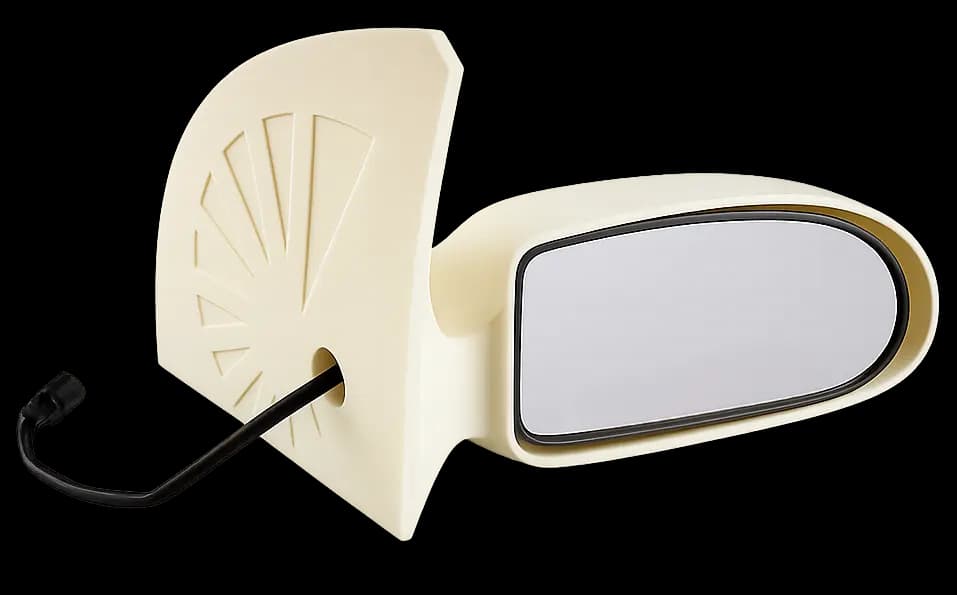
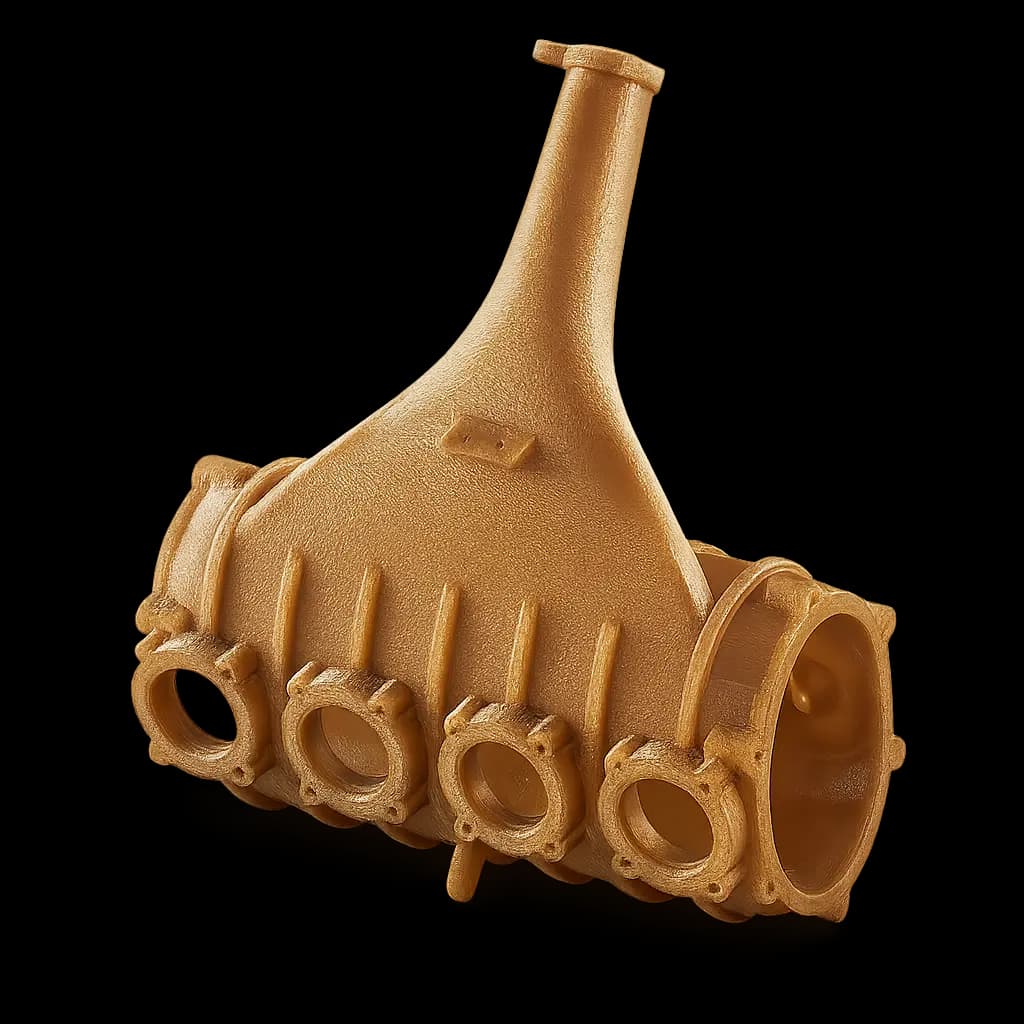
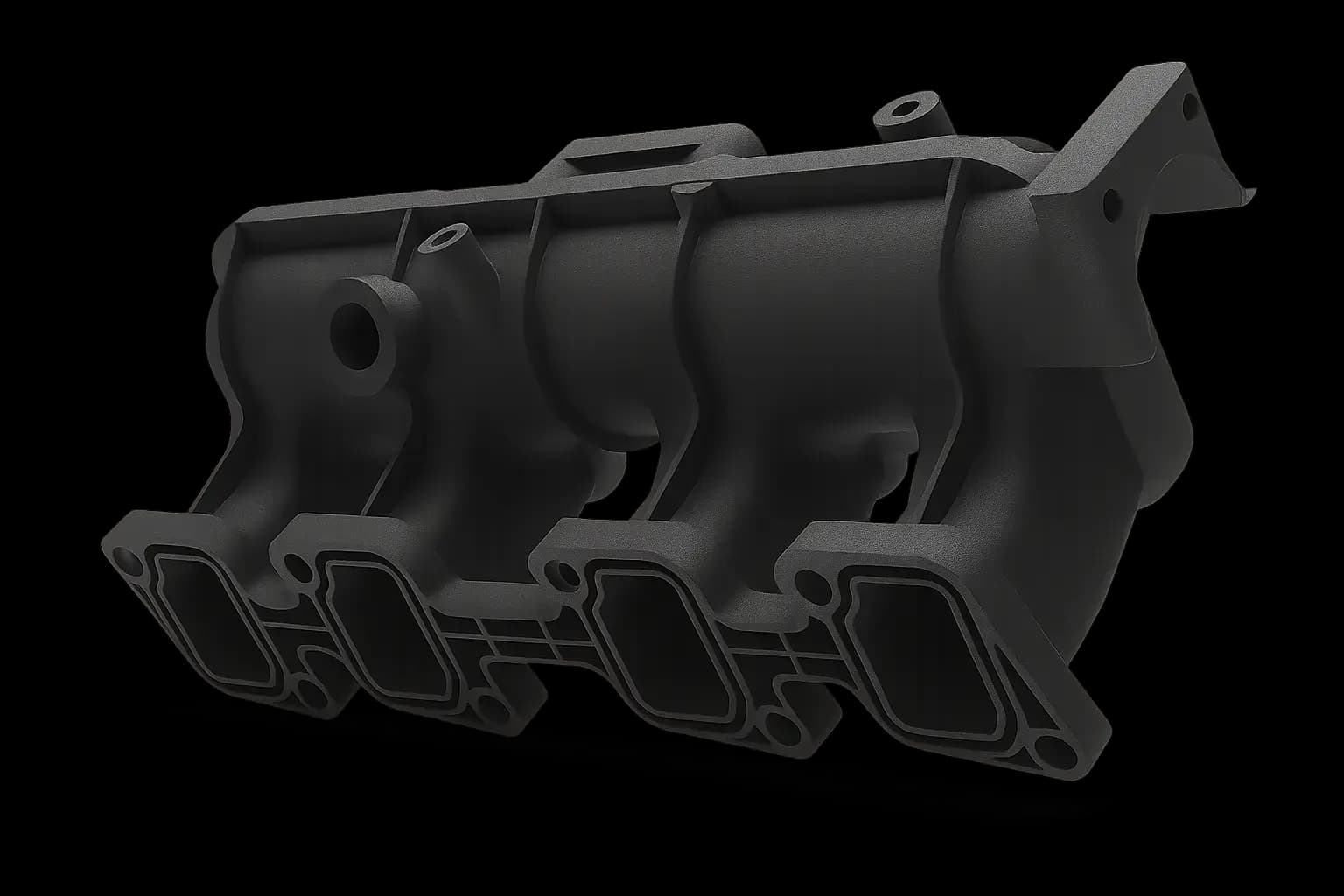
Automotive teams use Polycarbonate for dashboard components, instrument cluster housings, HVAC ducting and headlight housings. Its impact resistance and heat stability suit parts that need both structural integrity and aesthetic quality, holding their shape up to 141 °C under a 1.82 MPa load.
Industrial Tooling
Manufacturing teams use Polycarbonate for assembly fixtures, inspection gauges and machine guards that take daily handling. Its strength and toughness let manufacturing aids survive production environments, and with a compressive yield strength of 106 MPa, it carries clamping and forming loads. PC metal forming dies handle production runs of 500 to 1,000 units.
Medical & Healthcare
Medical device teams use Polycarbonate for diagnostic equipment housings, device enclosures, instrument handle prototypes and the test fixtures used in verification builds. Housings print in the same polymer as the moulded PC parts they prototype, so form, fit and function are proven before the mould is finalised. For patient-contact parts, choose the ULTEM 1010 certified grade or USP Class VI ClearVue, both tested for biocompatibility.
Each value is tested to the standard listed with it. Compare the other grade or another material side by side.
Mechanical performance
Triton PC delivers the strength and stiffness of polycarbonate for functional prototypes, housings and tooling.
Triton PC values come from flat (XY) samples printed on a Fortus 400mc at 0.33 mm layers and tested to ISO standards, so they are not directly comparable with the ASTM values for Stratasys PC, which are measured on edge (XZ) and upright (ZX) on a Fortus 900.
Material makeup
Triton PC is specified by its density, measured to ISO 1183.
Heat performance
Triton PC has no specific melting point; it softens gradually over a wide temperature range around its glass transition, measured by DSC. Heat deflection is measured at 0.45 MPa on flat samples to ISO 75.
Functional performance
Surface resistance above 10¹³ Ω/sq makes Triton PC an electrical insulator for housings and insulating features.
Compatibility data
Triton PC has no chemical ratings of its own; the table shows the Stratasys PC ratings.
Chemical ratings are screening guidance; confirm them with application-specific testing before production release.
Supplier data for Stratasys PC
Datasheets, design guidance and supplier documentation for Polycarbonate.
Access the most recent datasheet and supporting documentation maintained by our engineering team.
Triton PC datasheetExplore printable geometry recommendations, wall thickness tips, and finishing playbooks for FDM.
View FDM design guide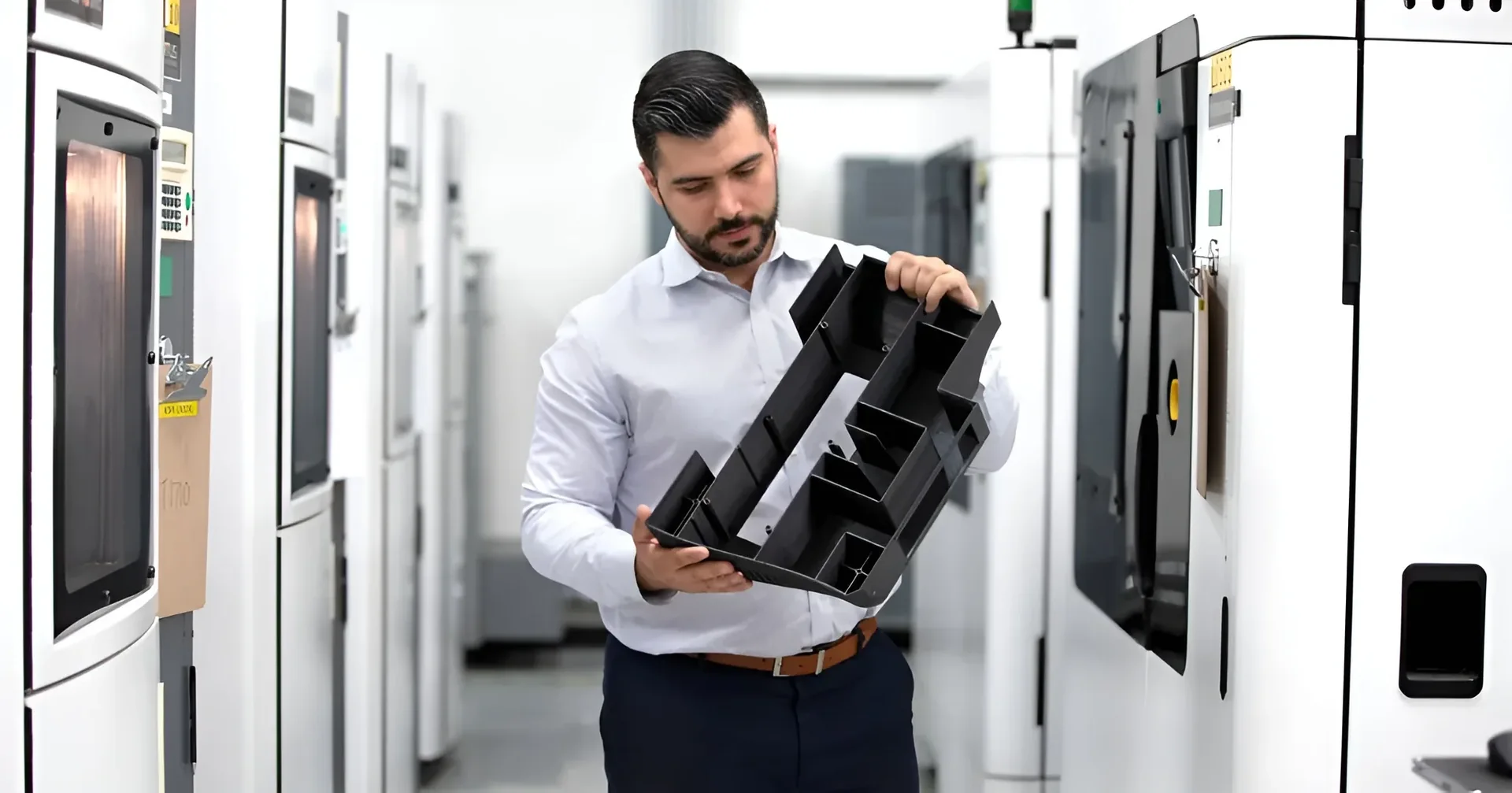
Polycarbonate runs on industrial FDM platforms with qualified material profiles, offering reliable performance for functional prototypes and end-use parts and consistent mechanical integrity across every build.
Can't find the answer you're looking for? Reach out to our customer support team.
Upload your design and get an instant quote for Polycarbonate parts.
Create an account to upload CAD
STEP, STL, OBJ, 3MF and IGES supported