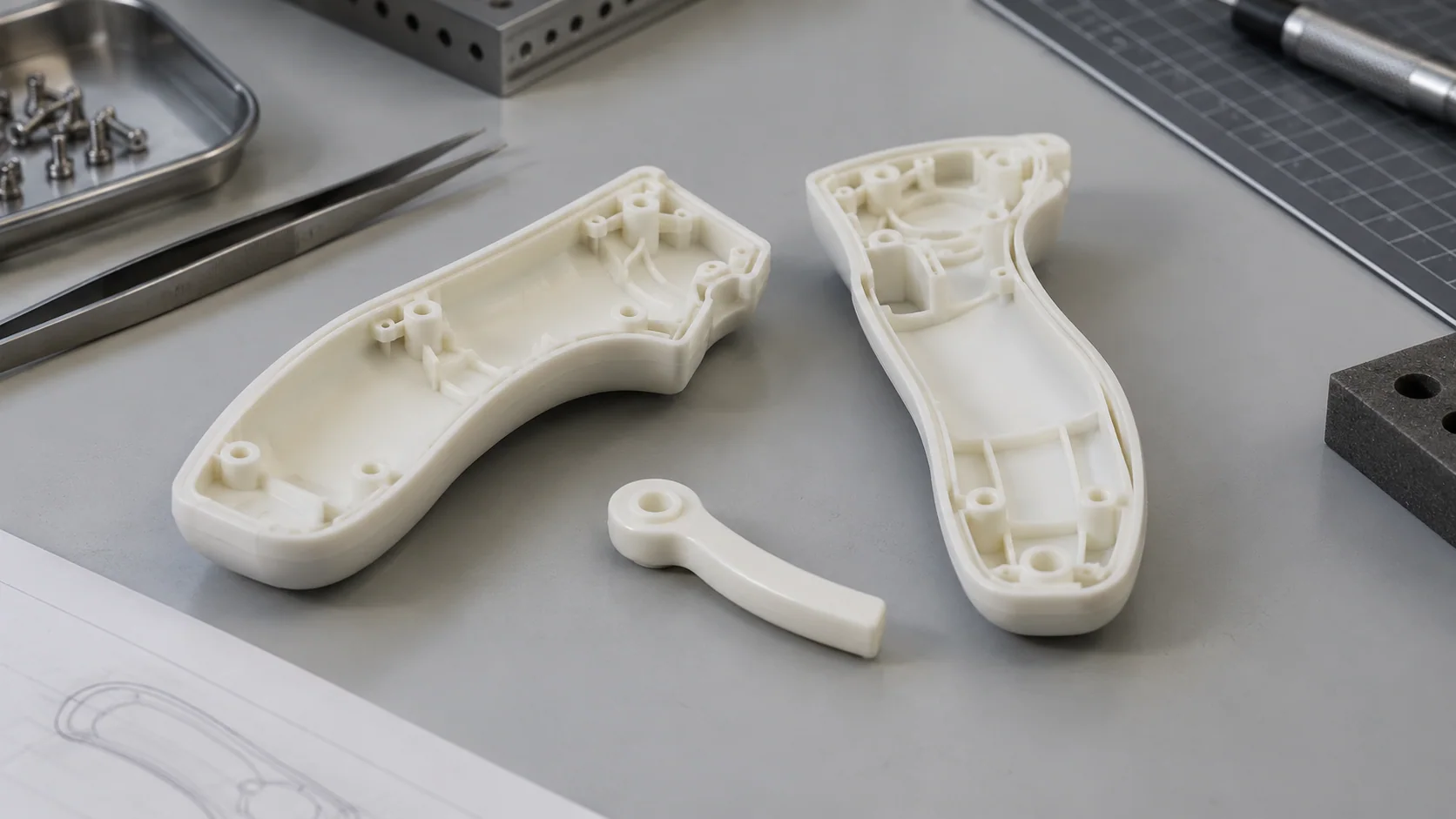
Supply chains are absorbing more shocks than ever, from extreme weather and port closures to geopolitical shifts and sudden demand swings. FEMA notes that 40% of businesses never reopen after a major disaster and another 25% fail within a year. Resilience is no longer a back-office topic; it is core strategy. On-demand additive manufacturing and rapid prototyping let teams respond in days instead of months, keeping products moving when primary suppliers stall.
Supply chain resilience is the ability to prepare for, respond to, and recover from disruption with minimal impact on customers and margin. It reduces downtime, lowers emergency procurement costs, and preserves trust. The organizations that win are combining diversified suppliers, flexible contracts, and digital production options so they can pivot without sacrificing quality.
Additive manufacturing as a resilience lever
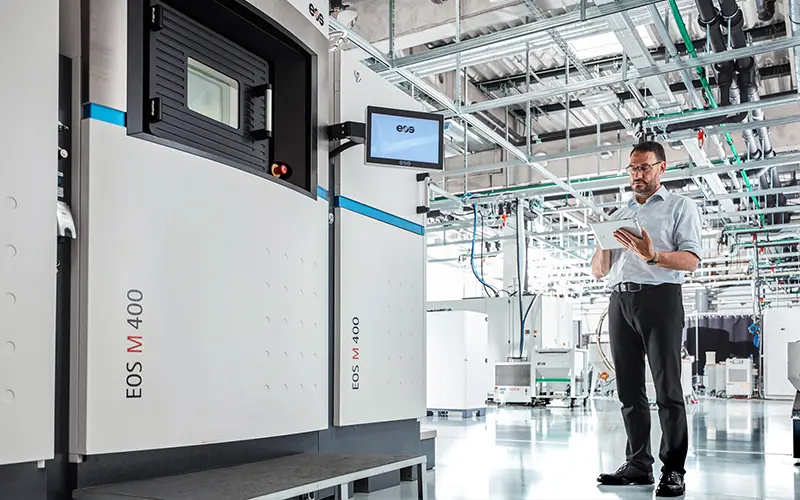
Additive manufacturing with industrial 3D printing gives teams an immediate alternative to traditional suppliers. During the early days of COVID-19, for example, automakers used additive to produce ventilator components when tooling-bound suppliers could not respond. Today, the same playbook is being used for fixtures, housings, brackets, and service parts across aerospace, retail, and industrial equipment.
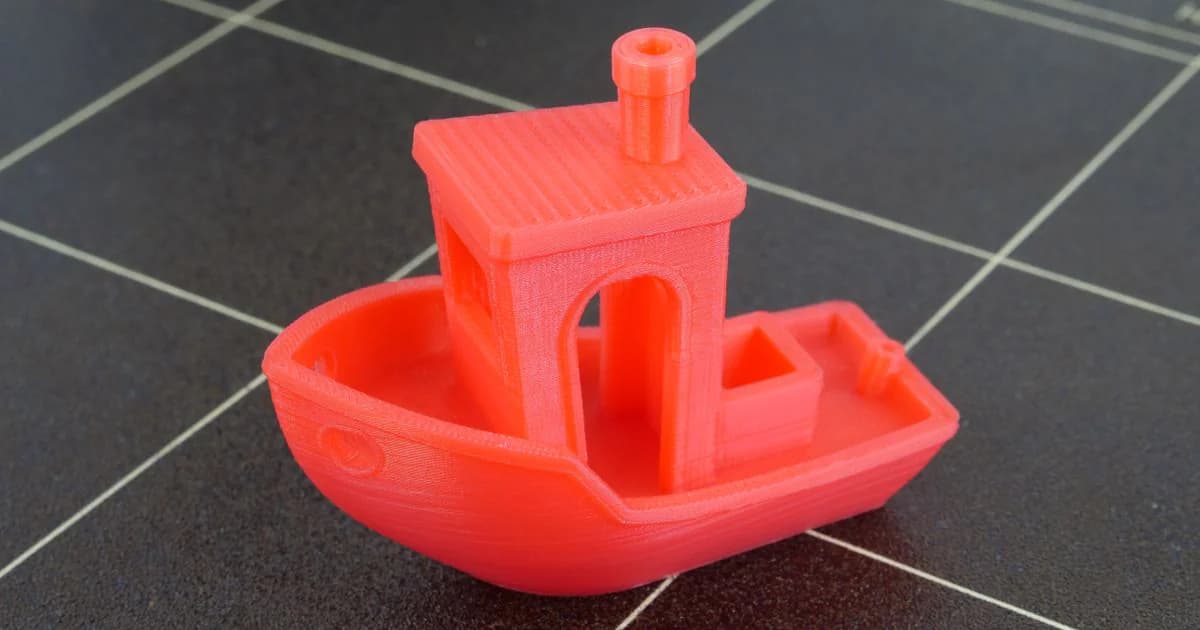
Beyond crisis response, additive manufacturing and rapid prototyping shorten development cycles. They let you validate new designs, lock in tolerances, and spin up bridge builds while long-term suppliers ramp. That agility is often the difference between capturing upside demand and watching lead times balloon.
Lay the groundwork for resilience
- Map suppliers, facilities, routes, and single points of failure to see true exposure.
- Build scenario-based continuity plans that include labor strikes, cyber incidents, severe weather, and sudden demand shocks.
- Increase visibility with real-time tracking of capacity, orders, and transit so you can act before delays cascade.
- Pair preventive controls with rapid response playbooks so teams know how to pivot when a threshold is crossed.
Five strategies that harden the supply chain
Diversify critical supply lines
Relying on a single supplier or lane invites failure. Multi-sourcing across regions, transportation modes, and vendor types allows rapid pivots when one option goes down. Balance established vendors with agile partners who can take overflow work without quality risk.
Design flexibility into operations
Flexible manufacturing cells, modular tooling, and contracts that support rapid scale up or down help teams shift SKUs without major retooling. When demand changes, production can follow instead of waiting for new molds or fixtures.
Integrate risk management
Use structured assessments and quantitative tools to model disruption scenarios and prioritize mitigations. Treat risk management as a daily discipline so weak signals trigger fast action rather than after-the-fact reviews.
Balance global and regional sourcing
Global sourcing can offer cost and capability advantages, but pairing it with regional or nearshore suppliers reduces exposure to long transit times and geopolitical swings. A China+1 approach is common; the resilient variant layers in regional suppliers who can cover critical SKUs when lanes close.
Make visibility actionable
Visibility is only useful if it prompts intervention. Use platforms that track capacity, fulfillment, and transit performance so planners can reallocate inventory, reroute shipments, or trigger on-demand production before customers feel pain.
Technology that keeps teams ahead of disruption
- AI and IoT for forecasting: Blend sales, weather, and news data with sensor feedback to predict demand shifts and spot temperature or humidity issues before goods spoil.
- Real-time analytics: Dashboards that flag deviations in supplier performance or transit times let you correct course early.
- Blockchain for trust and compliance: Immutable records simplify audits and reduce counterfeit risk in regulated sectors like pharma and aerospace.
- Lean optimization software: Pair visibility with tools that reduce waste, improve load factors, and keep energy use in check while you flex production.
Inventory and logistics without fragility
- Advanced inventory placement: Use multi-echelon strategies to stage stock across locations so a single site failure does not halt fulfillment.
- Logistics automation: Route optimization, robotics, and autonomous vehicles reduce empty miles and keep timelines predictable.
- Transportation management systems: Integrate routing with visibility tools so shipments auto-adjust around weather or port closures.
- Lean logistics: Remove non-value steps and reinvest the savings into buffer capacity for high-risk SKUs.
Collaboration and agility with partners
Resilient supply chains depend on shared data and aligned incentives. Collaborative planning, smaller batch sizes, and cross-trained teams allow faster pivots without quality drops. High visibility across partners keeps everyone on the same set of facts and prevents miscommunication when the plan changes mid-week.
Risk assessment and crisis management loops
- Risk assessment tools: Maintain current risk maps and scorecards so teams know which threats need mitigation first.
- Tested emergency response: Predefined alternates for suppliers, logistics routes, and communications keep teams aligned when disruption hits.
- Post-incident reviews: Structured lessons learned reduce recovery time and improve future playbooks.
Make sustainability part of resilience
Sustainable practices reduce long-term risk and operating cost. Lower emissions, circular material loops, and strong supplier relationships also build reputation and regulatory compliance. Balanced global sourcing with local supplier development shortens lead times while cutting transport emissions.
How Forge Labs supports resilience
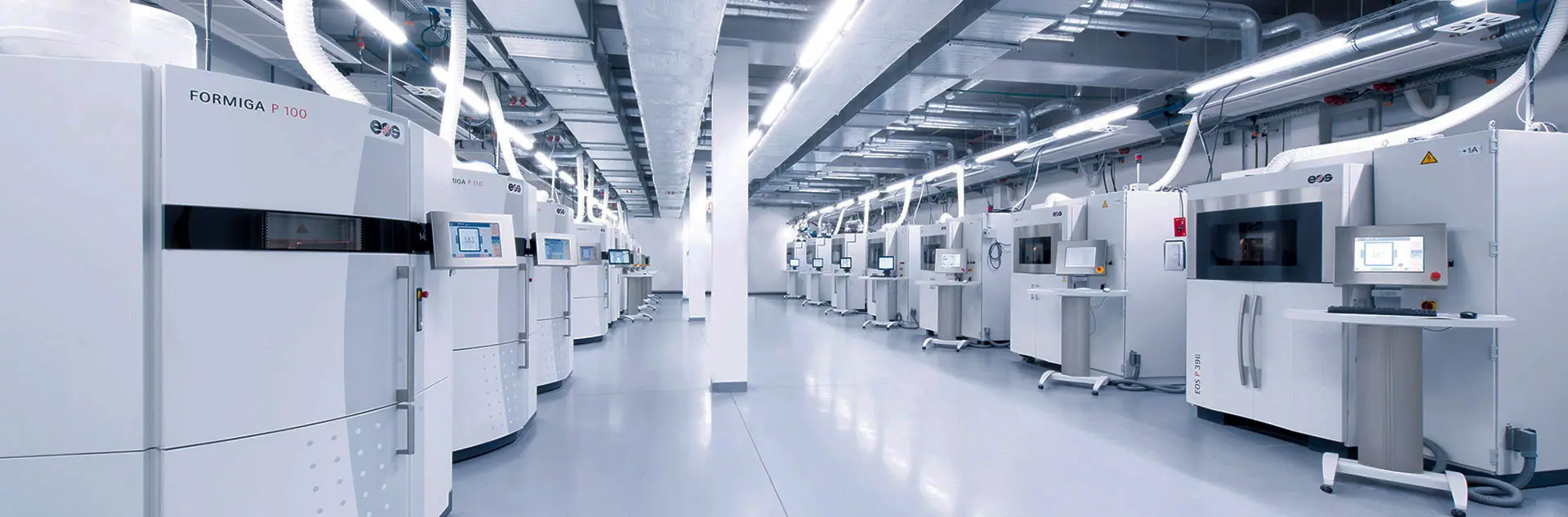
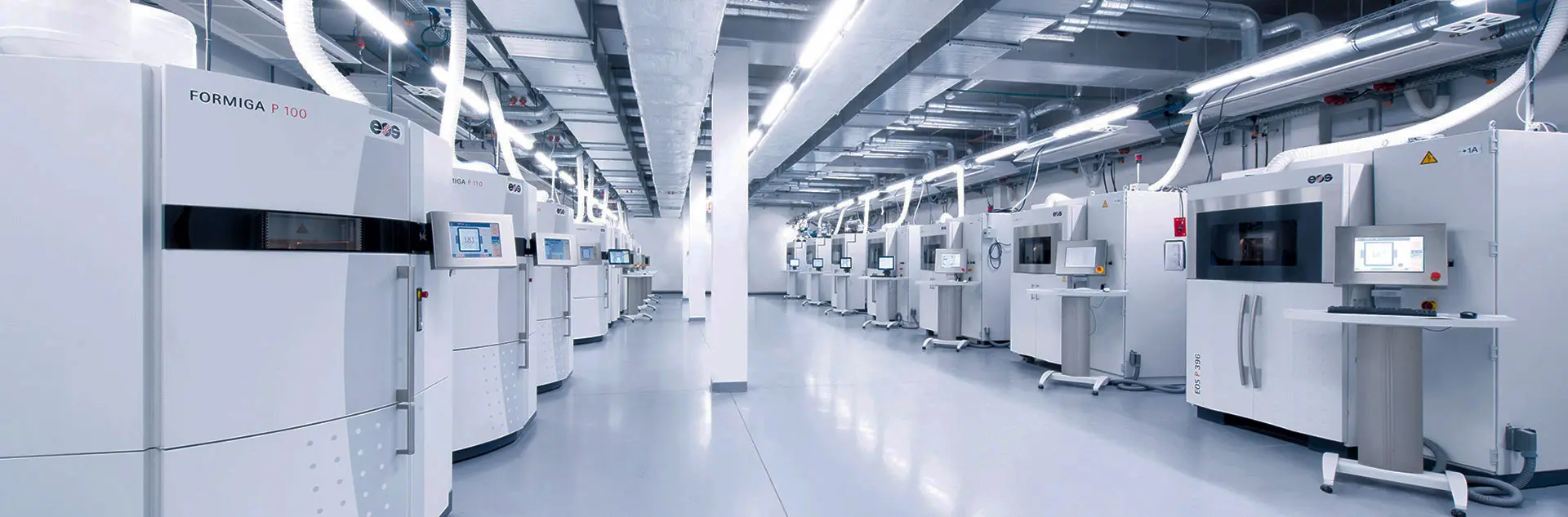
We operate industrial AM cells (EOS SLS, HP MJF, Markforged/Stratasys) with parameter-locked builds, moisture conditioning, and serialized lots. Typical production and bridge builds ship in 2-10 days with industry-leading tolerances, delivered with CoCs and inspection data on request. Our engineering team runs DFM, sets up production to your specifications, and establishes on-demand release paths so you can scale your product without tooling delays.
Blueprint for resilient supply chains
The most resilient networks blend supply chain risk management, digital visibility, and on-demand manufacturing into a single system. Rapid prototyping with on-demand additive manufacturing and industrial 3D printing is one of the fastest ways to add options when supply lines falter. Pair that capability with diversified suppliers, flexible contracts, and tested response plans, and resilience becomes a competitive advantage instead of a cost center.
Ready to stress-test your supply chain? Schedule a sourcing review with our team, or explore our design guides for playbooks on industrial additive manufacturing and on-demand production.