
Robotics & Automation
Gears, Bushings & Pulleys
Gears, bushings and pulleys that run quietly without lubrication and stand up to repetitive motion.
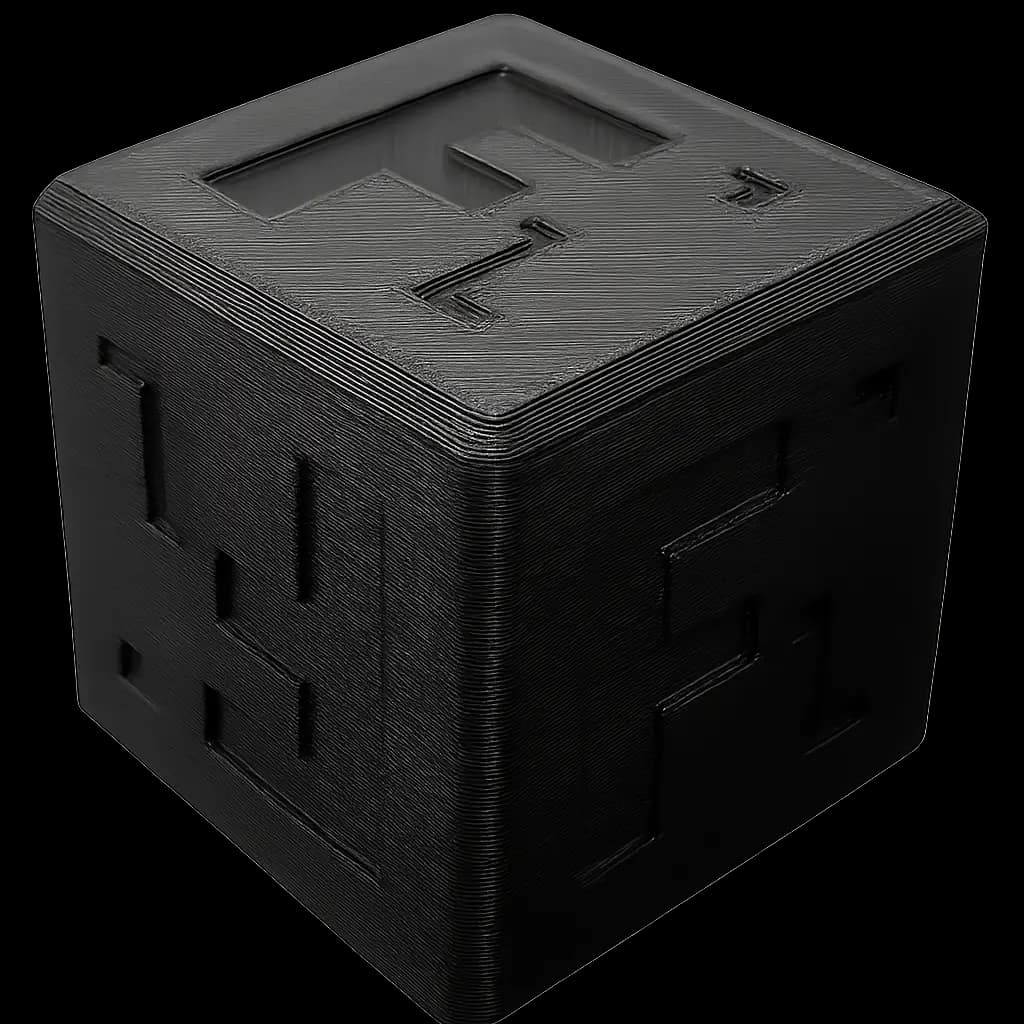
Delrin acetal is a hard, low-friction plastic, CNC machined into gears, bushings, rollers and fixtures that need to slide or turn smoothly. Parts run quietly without grease, wear slowly, stand up to repetitive motion and keep their size in damp or oily conditions. It machines cleanly, with crisp edges and smooth surfaces, and holds tight tolerances. Natural stock is listed by its supplier for food contact and drinking-water components, which suits valve parts and food-processing equipment.
How Delrin (Acetal) is manufactured
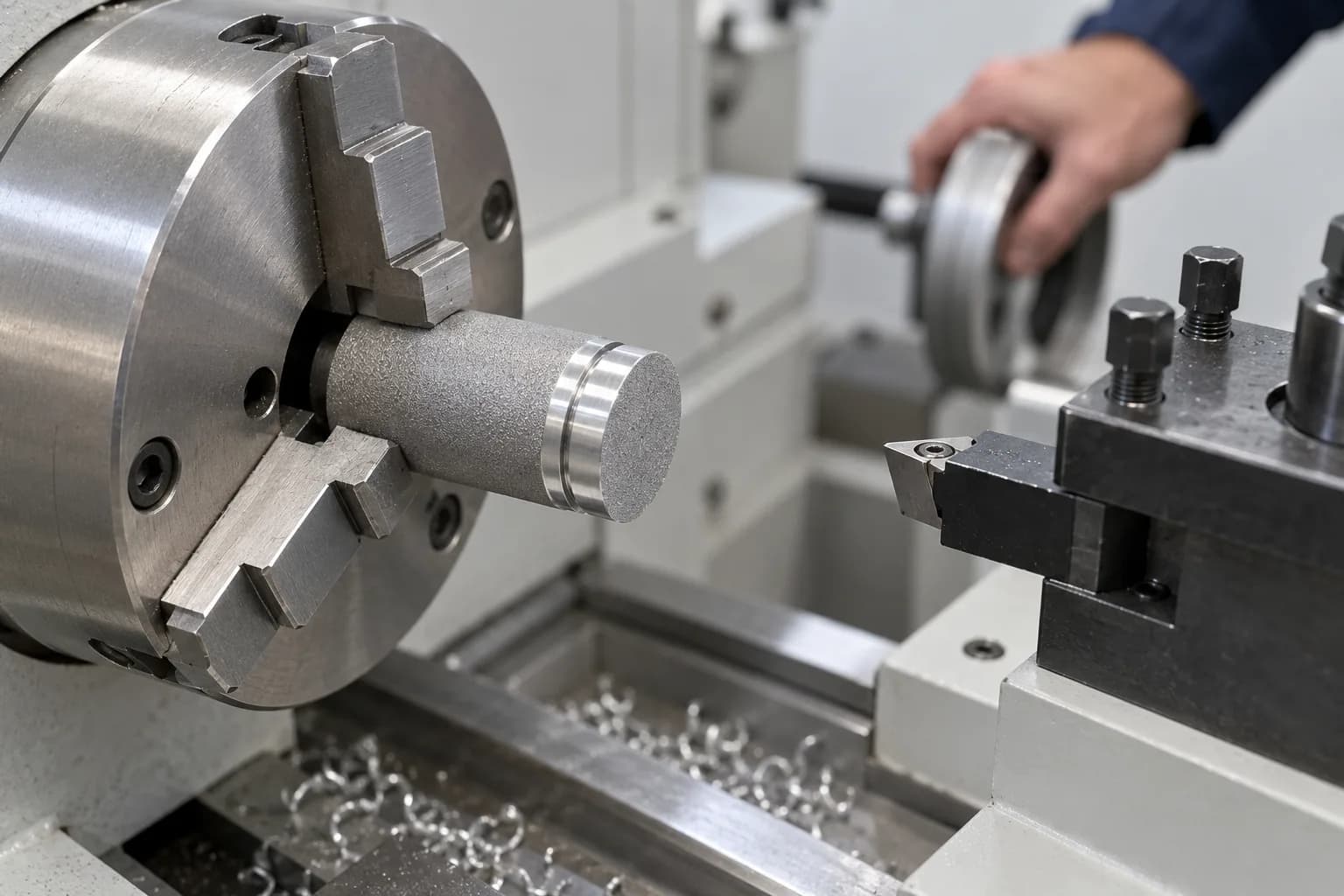
Delrin is manufactured by CNC machining, cutting each part from extruded acetal rod or plate rather than building it in layers. It is a stable material that cuts very well, so gear teeth, bores, threads and sliding faces come off the machine clean and tight tolerances are easier to hold. Acetal is sensitive to heat at or above 121 °C while it is cut, so machining keeps the cut cool to protect the finish and dimensions of every part.
Upload CAD files and drawings to Forge Labs Steam, and our engineers review Delrin parts for tolerances, tool access and finish so issues are fixed before production.
Upload CAD files and drawings to Forge Labs Steam, and our engineers review Delrin parts for tolerances, tool access and finish so issues are fixed before production.



Delrin acetal is trusted for automation, industrial equipment and consumer products programs that need outstanding dimensional stability and wear resistance where uptime matters. It combines low friction for smooth motion components with excellent fatigue resistance for repetitive motion parts, so gears, bushings, rollers and fixtures run without lubrication, and it machines easily with crisp edges and smooth surfaces.
From rapid prototyping to production runs, teams rely on Delrin to maintain tight tolerances, because it keeps its dimensions in environments containing moisture, lubricants and solvents.
Beyond motion hardware, natural Delrin stock serves food-processing and water equipment, and as an electrical insulator it suits insulating parts in electrical assemblies.
Machining from stock needs no moulds or minimum order quantities, so a Delrin part can be ordered as a single piece or in repeat production batches. A machined Delrin part performs close to a moulded one, so it can serve as a bridge part while the permanent production route is still being finalized.
Robotics & Automation
Gears, bushings and pulleys that run quietly without lubrication and stand up to repetitive motion.
Automotive & Assembly
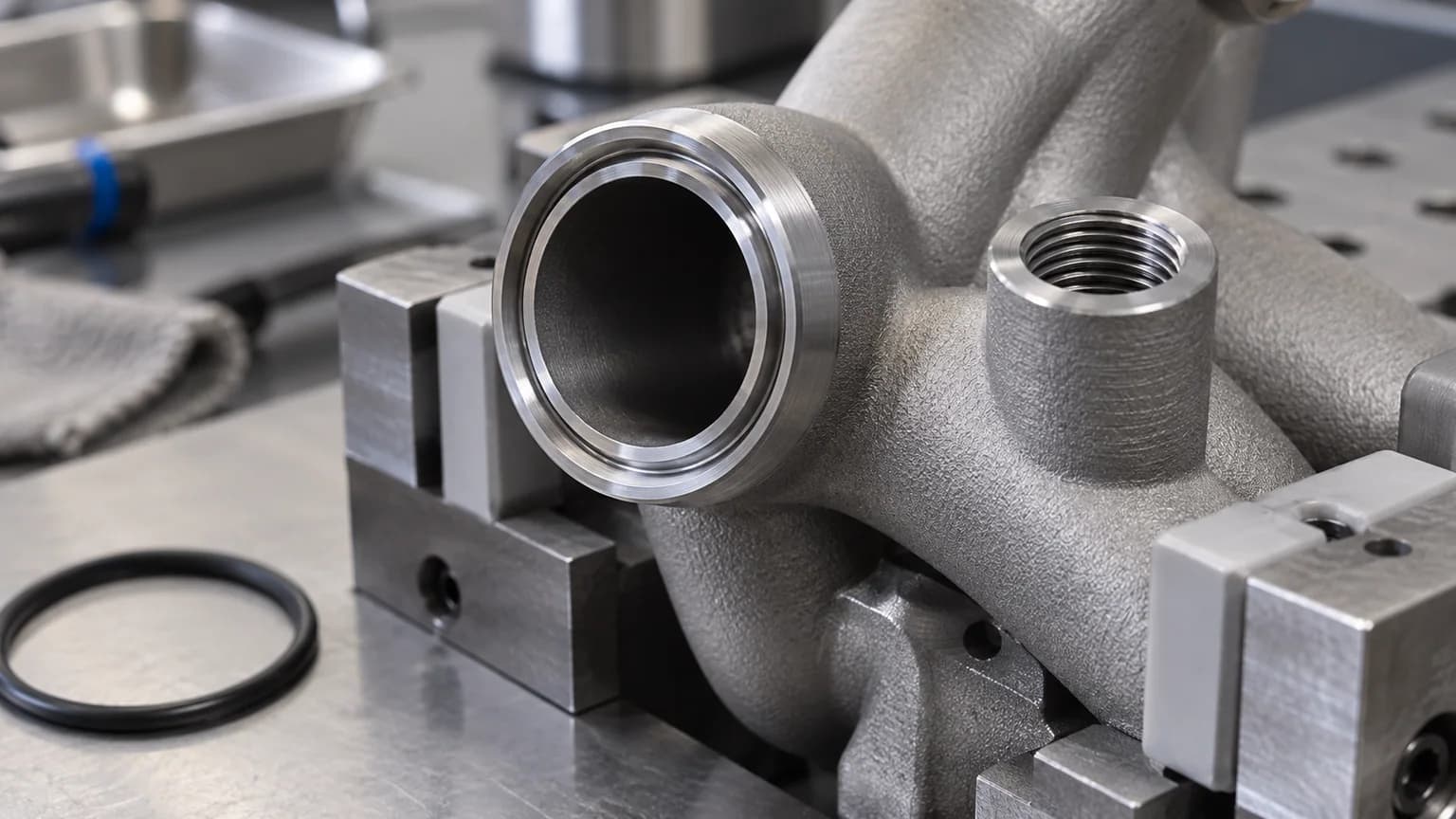
Soft jaws and fixtures that hold finished parts without marking them and stay true through repeated loading.
Water & Process Equipment
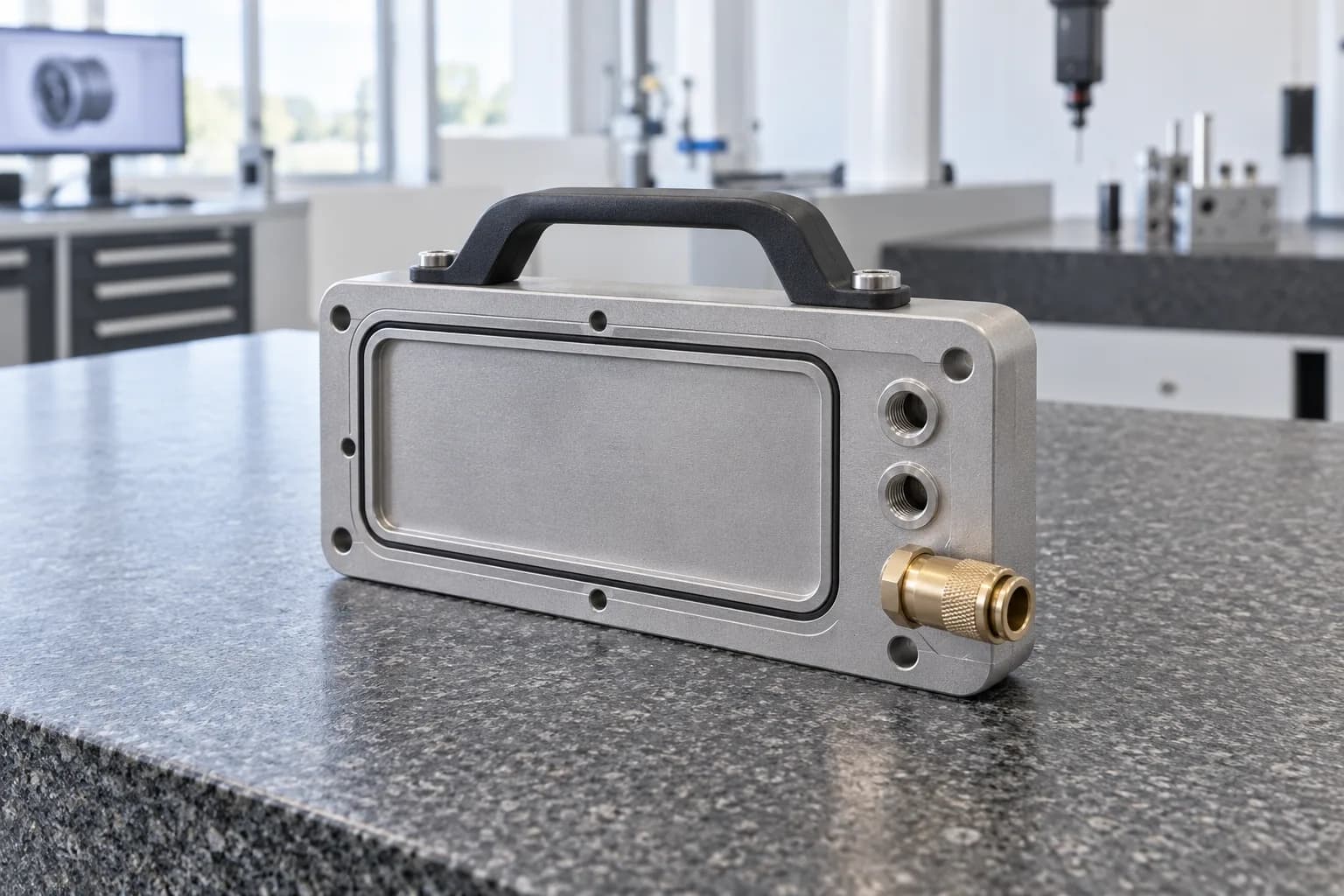
Valve parts, manifolds and fittings in natural stock listed for food contact and drinking-water components.
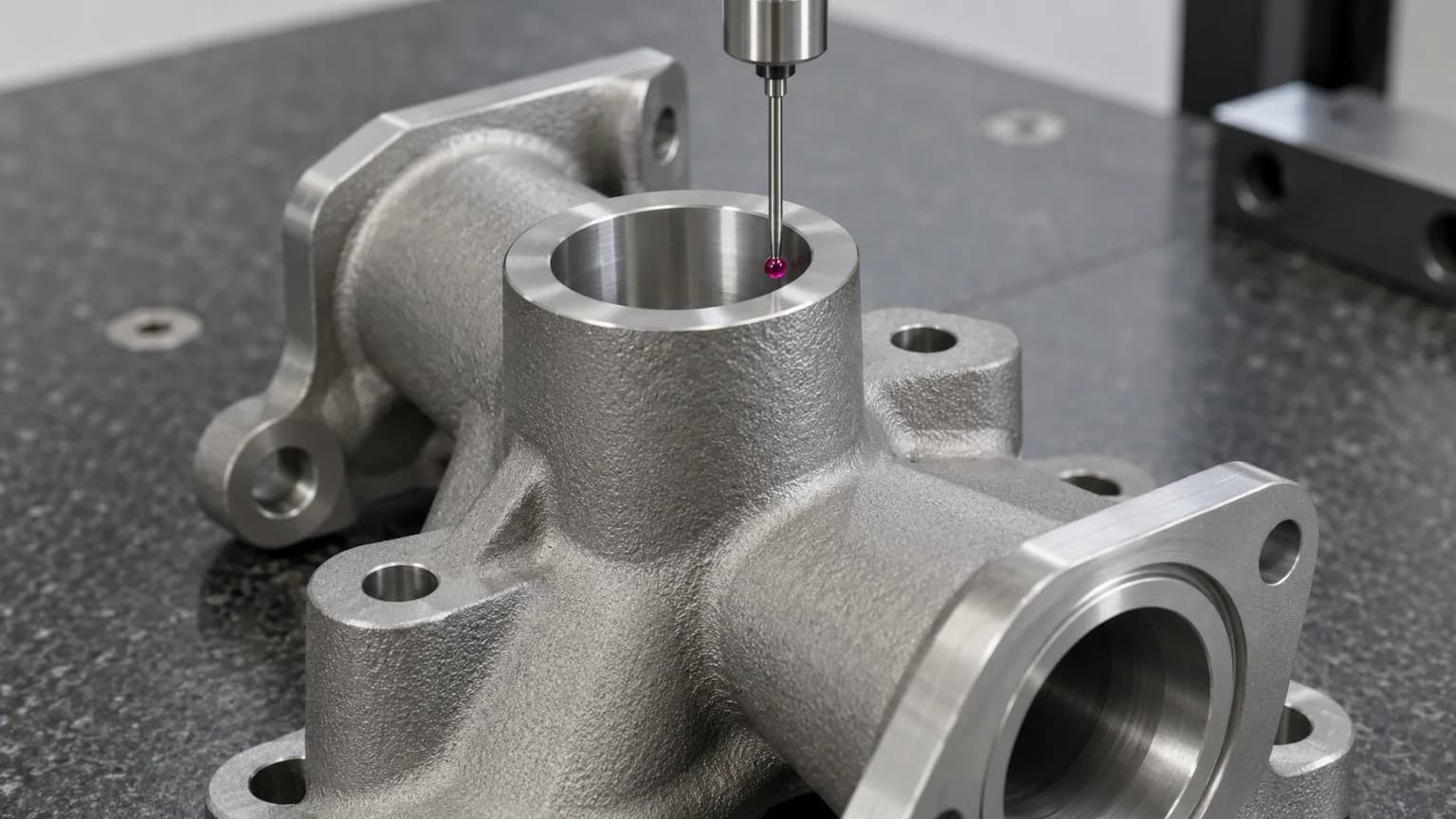
Medical Devices
Fixtures, handles and mechanism parts for device and lab equipment with low wear and spring recovery.
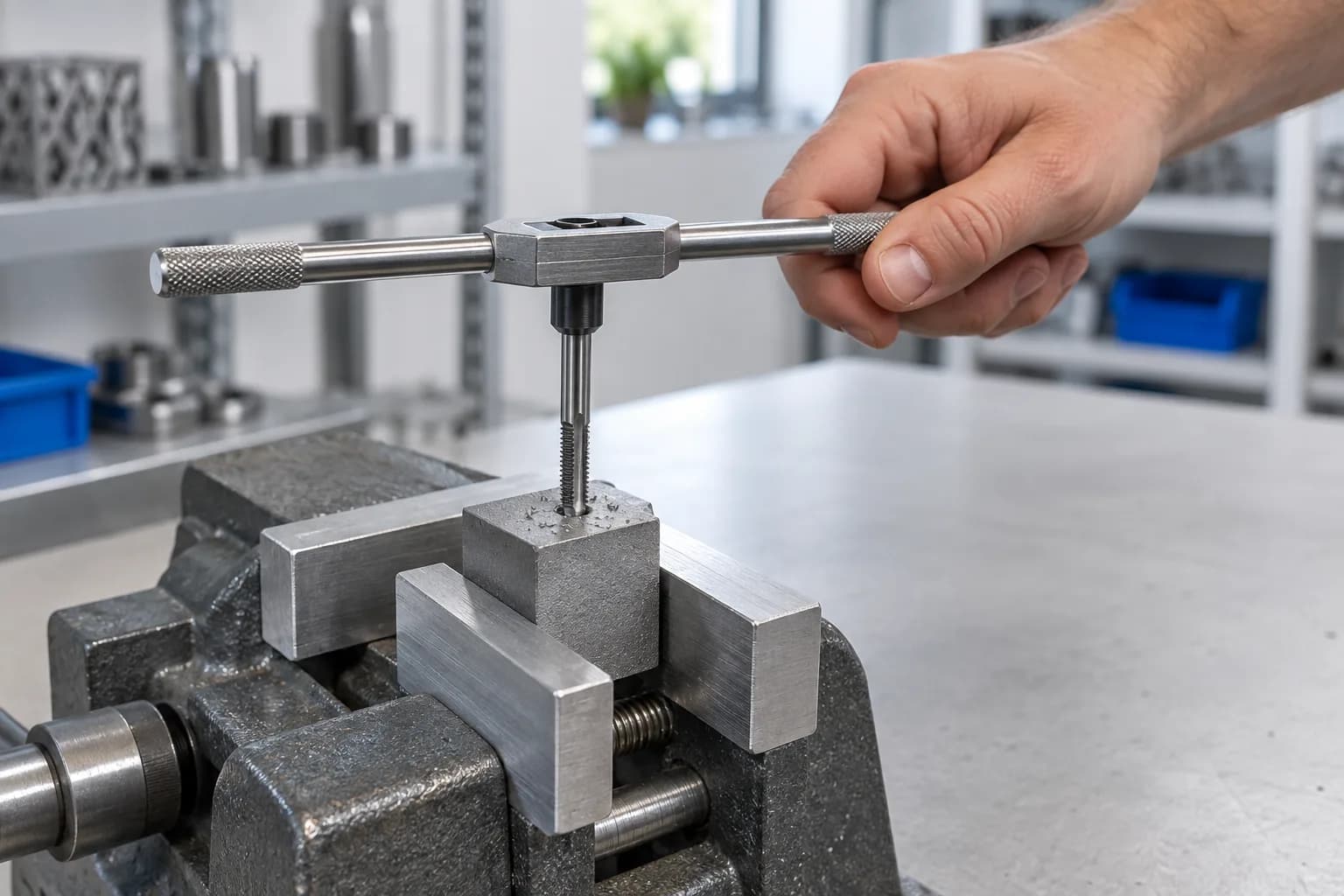
Consumer Products
Gears, cams and latches for prototypes and pilot builds, tested for feel, wear and noise before tooling.
Robotics & Automation
Robotics and automation teams machine Delrin into gears, bushings, pulleys and cams for actuators and conveyors. Its low friction against steel lets these parts run quietly without external lubrication, and its fatigue resistance suits repetitive motion: it carries 32 MPa in flexure for a million cycles.
Automotive & Assembly
Production and assembly lines use machined Delrin for soft jaws, nests, locating fixtures and protective pads that hold finished parts without marking them. Its surface hardness keeps machined slots and locating faces true through repeated loading, low friction lets parts slide in and out cleanly, and it resists the oils, hydraulic fluids and cleaning solvents used around the line. A Delrin fixture weighs roughly half as much as the same geometry in aluminium, which eases manual changeovers and leaves more payload for robot-mounted tooling.
Water & Process Equipment
Water, food and process equipment makers machine Delrin into valve bodies and components, manifolds, fittings, spacers and conveyor parts. Natural Delrin 150 stock complies with FDA 21 CFR 177.2480 for food contact and is listed to NSF/ANSI 51 and 61 for food equipment and drinking-water components. Its low friction lets valve stems, spools and conveyor wear strips run without added grease. Chlorine attacks acetal at 3 to 5 ppm and above, so continuously chlorinated lines call for another material.
Medical Devices
Medical device and laboratory teams machine Delrin for assembly and test fixtures, instrument handles and non-implant mechanism parts such as clamps, triggers and connectors, where low wear, low friction and spring recovery matter. Acetal withstands 100 fifteen-minute steam autoclave cycles at 121 °C. Delrin 150 is an extrusion grade, not one of Delrin's medical grades, so it serves fixtures and equipment outside the patient-contact path.
Consumer Products
Product design teams machine Delrin for gears, cams, latches, hinges and sliding mechanisms in appliances, office equipment and other consumer products, using functional prototypes and pilot builds to test a mechanism for feel, wear and noise before tooling is cut. Because each part is cut from stock, a design change between iterations is a new program rather than a new mould.
Values for natural Delrin 150: stock-shape datasheets for rod and plate, and Delrin Design Guide moulded-resin data where noted, tested to the standard listed with each property.
Mechanical performance
Delrin delivers dependable strength, stiffness and toughness, and its balanced mechanical profile handles demanding load conditions without turning brittle in critical parts. It suits precision gears and motion components, soft jaws and protective fixtures, and wear-resistant bushings that need long-term durability under repetitive stress.
The flexural fatigue endurance limit is the stress acetal carries for a million load cycles, the basis for sizing gear teeth, snap features and springs. Compressive strength at small and large strain, with deformation under a sustained load, helps size bushings and wear pads. Rows marked moulded resin are Delrin's injection-moulded test-bar values, which Delrin publishes for comparing grades. Unnotched bars do not break while notched values are far lower, so generous radii at corners and tooth roots keep the full toughness of the material in machined parts.
Material makeup
Consistent density and surface quality keep critical features in tolerance and downstream finishing predictable. Delrin absorbs little water even at saturation, so machined parts hold their dimensions in humid or wet service and assemblies fit without secondary rework.
Friction and wear factor come from unlubricated thrust-washer tests against steel. Use them to compare acetal with other bearing materials for bushings, slides and gears; lubrication, speed and load change the results.
Heat performance
Delrin reports extremely high fatigue resistance from −40 to 82 °C, so gears and snap features in automation and consumer products keep working across that range. Heat deflection shows the short-term limit under load and should not be used to judge maximum use temperature; size parts from the long-term service rating and use the intermittent rating for short excursions.
Acetal expands several times more than steel or aluminium, and expansion rises with temperature, so check clearances and press fits against metal mating parts at operating temperature.
Functional performance
Delrin is an electrical insulator with high resistivity and good dielectric strength, and natural acetal does not carbon track under an arc. It suits insulating parts, connector bodies and electrical housings in integrated electrical systems.
Delrin reports that moisture has minimal effect on its electrical properties, and its low dissipation factor means low dielectric losses at power and radio frequencies, which helps in signal-sensitive use.
Compatibility data
Delrin resists alcohols, aldehydes, esters, ethers, fuels, lubricants, hydraulic fluids and many weak acids and bases, and keeps over 90% of its tensile strength after exposure to almost all solvents. The table shows the change in unstressed bars after long immersion, with the temperature and duration listed with each chemical and a range where Delrin tested several commercial products. Bars held bent in toluene, acetone, motor oil or brake fluid for a week showed no stress cracking.
Acetal is not suitable for strong acids, strong bases or oxidizing agents, and Delrin does not recommend it outside pH 4 to 9. Chlorine attacks it at 3 to 5 ppm and above, so keep it out of continuously chlorinated water. Confirm chemical ratings with application-specific testing before production release.
Compliance
Each status comes from the stock supplier's datasheet for natural Delrin 150 rod and plate, so food-equipment and drinking-water reviews can start from supplier listings. The listings cover natural stock; ask us for the supplier documentation for black or coloured stock.
Delrin rates every acetal composition UL 94 HB, so it is not flame retardant. Delrin sells dedicated medical grades for parts with body contact; Delrin 150, an extrusion grade, is not one of them.
CNC MachiningPEEK
 CNC Machining
Polycarbonate (CNC)
 SLS
SLSNylon PA12
 MJF
MJFHP High Reusability PA12
 CNC Machining
Aluminum 6061-T6
 CNC Machining
Stainless Steel 304
 SLS
SLSGlass Filled Nylon PA12
 FDM
FDMPAHT-CF Carbon Fiber Nylon
 CNC Machining
Aluminum 7075-T6
CNC MachiningStainless Steel 17-4 PH (CNC)
 FDM
FDMAntero 800NA PEKK
 FDM
FDMULTEM 1010
Datasheets, design guidance and supplier documentation for Delrin (Acetal).
Access the most recent datasheet and supporting documentation maintained by our engineering team.
Delrin (Acetal) datasheetTolerance, wall thickness and finishing guidance for machined parts.
View machining guidance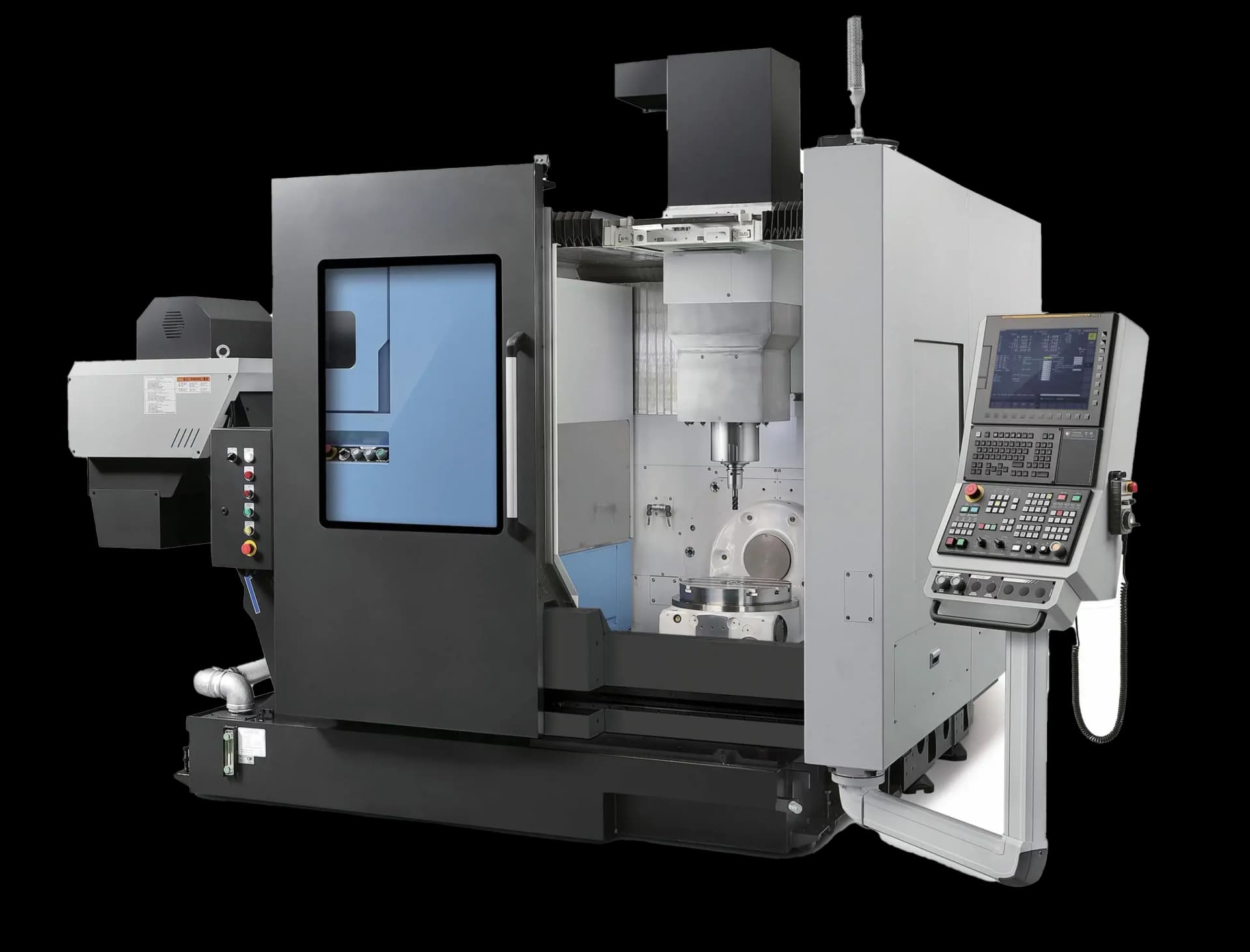
Delrin is manufactured using advanced CNC machining technology, keeping the full properties of the extruded stock and holding dimensional accuracy.
Can't find the answer you're looking for? Reach out to our customer support team.
Upload your design and get a quote for Delrin (Acetal) parts from our engineers.
Create an account to upload CAD
STEP, STL, OBJ, 3MF and IGES supported