Outcome-Based Manufacturing Service

Rapid Prototyping Services

Move from CAD to functional prototype without waiting on tooling.

Forge Labs builds functional prototypes for fit checks, engineering reviews, and testing using industrial 3D printing and CNC machining. We match each part to the right additive process and material so teams can move from concept through pilot builds without waiting on tooling.

Typical Lead Time
1-3 business days
Program Range
Concept through pilot builds
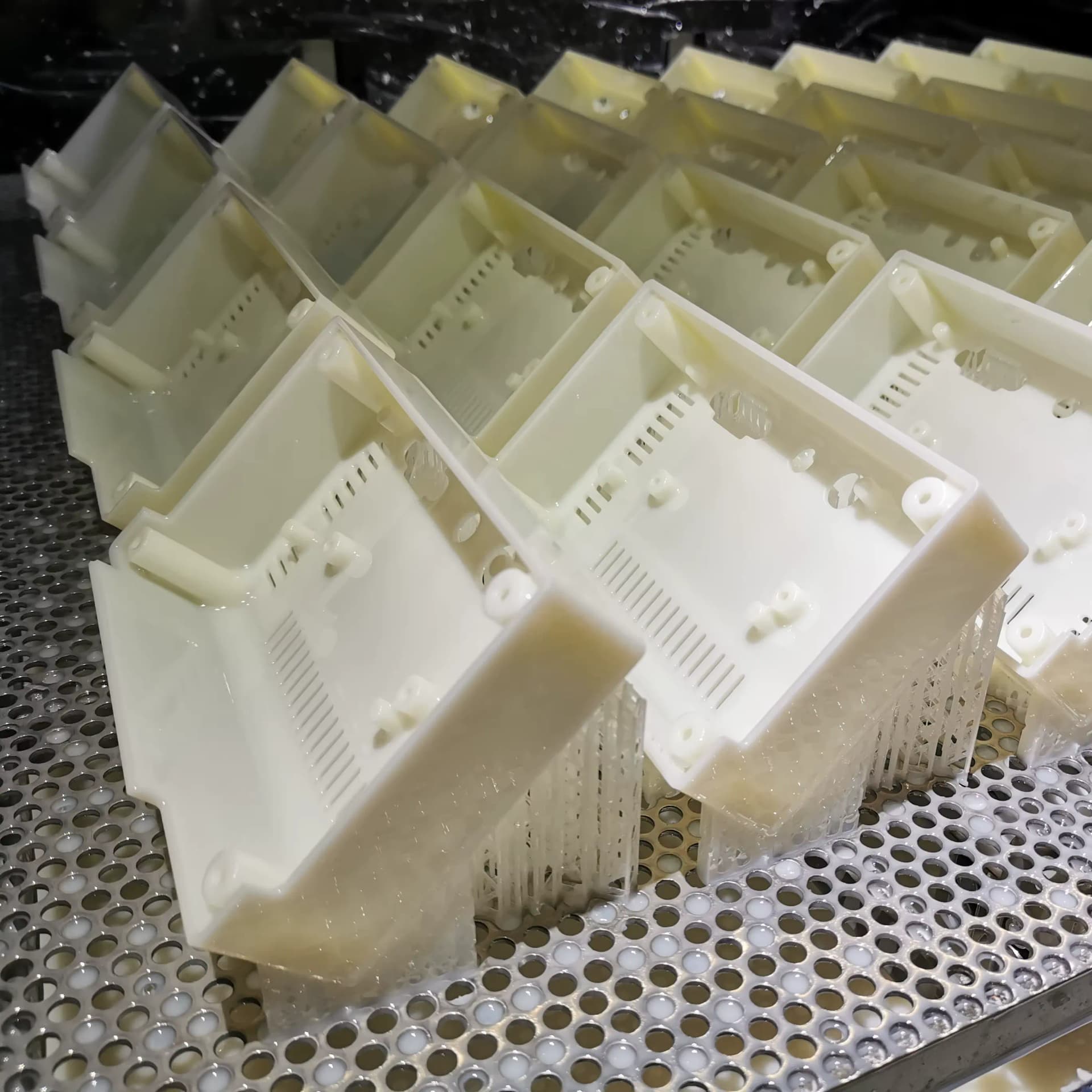
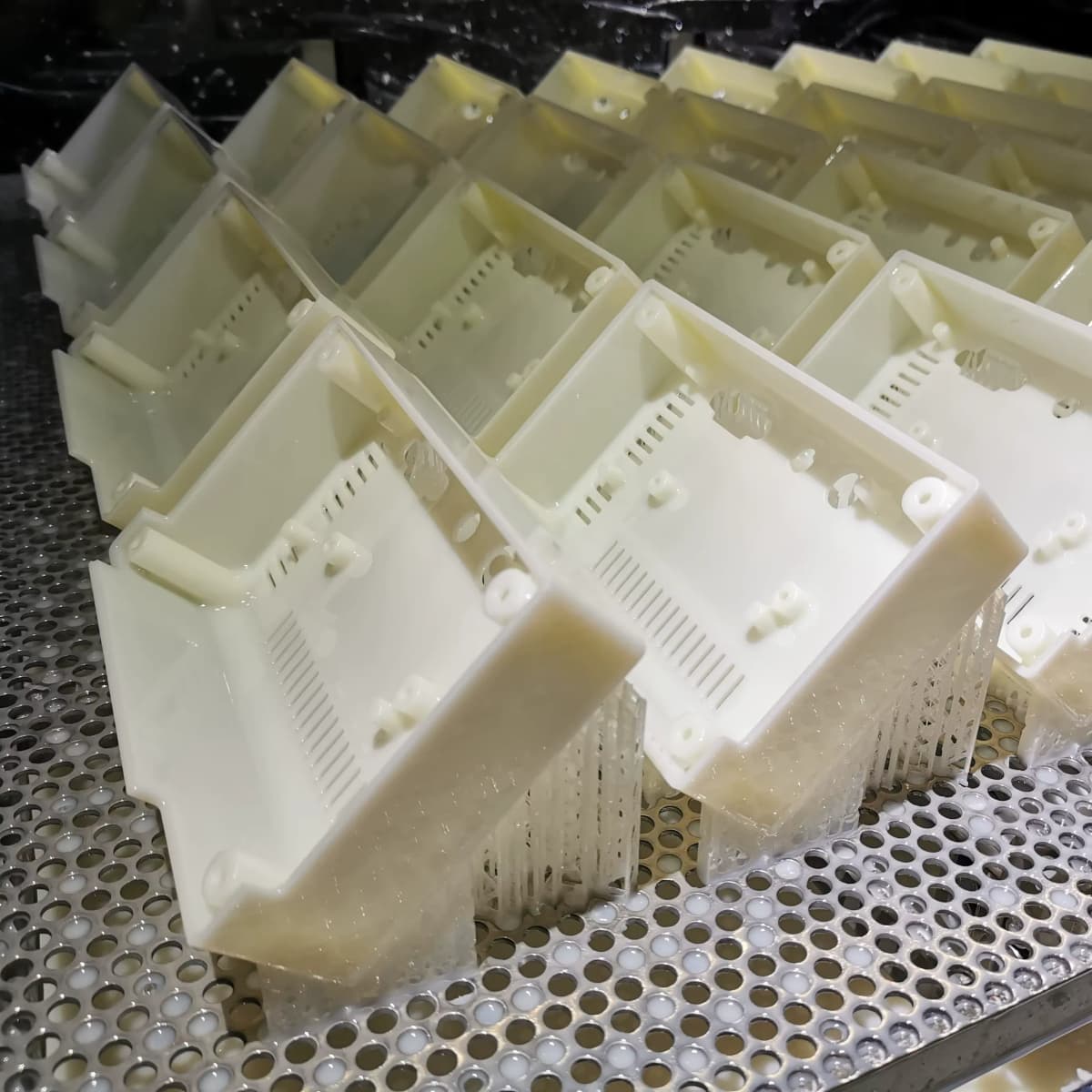
Industrial 3D printed prototypes arranged for rapid prototyping workflows
Service Overview

Rapid prototyping is a decision-making service, not just a prototype order

Teams use rapid prototyping to make faster design decisions, reduce development risk, and catch problems before tooling or production make them expensive. Forge Labs builds prototypes around the question a team is trying to answer, not around a one-size-fits-all print process.

Practical Scenarios

When to use rapid prototyping

Use rapid prototyping when the main goal is learning quickly before committing to tooling, production geometry, or a final manufacturing route.

What rapid prototyping actually helps you prove

Prototyping allows teams to test and refine a design before committing to production. Early builds help confirm that parts physically fit within the assembly, including clearance for mating components, installation access, packaging constraints, and fastener alignment.

Prototypes also help evaluate how a part performs. Features such as snap fits, clips, hinges, and other moving elements can be tested, along with loading conditions, thermal exposure, airflow, and cable routing.

In addition, prototypes allow teams to review the look and feel of a product. Surface finish, transparency, color, and overall design intent can be assessed during stakeholder reviews.

Physical prototypes also reveal manufacturing risks that may not be obvious in CAD, including design weaknesses, tolerance challenges, and features that may require adjustment before production.

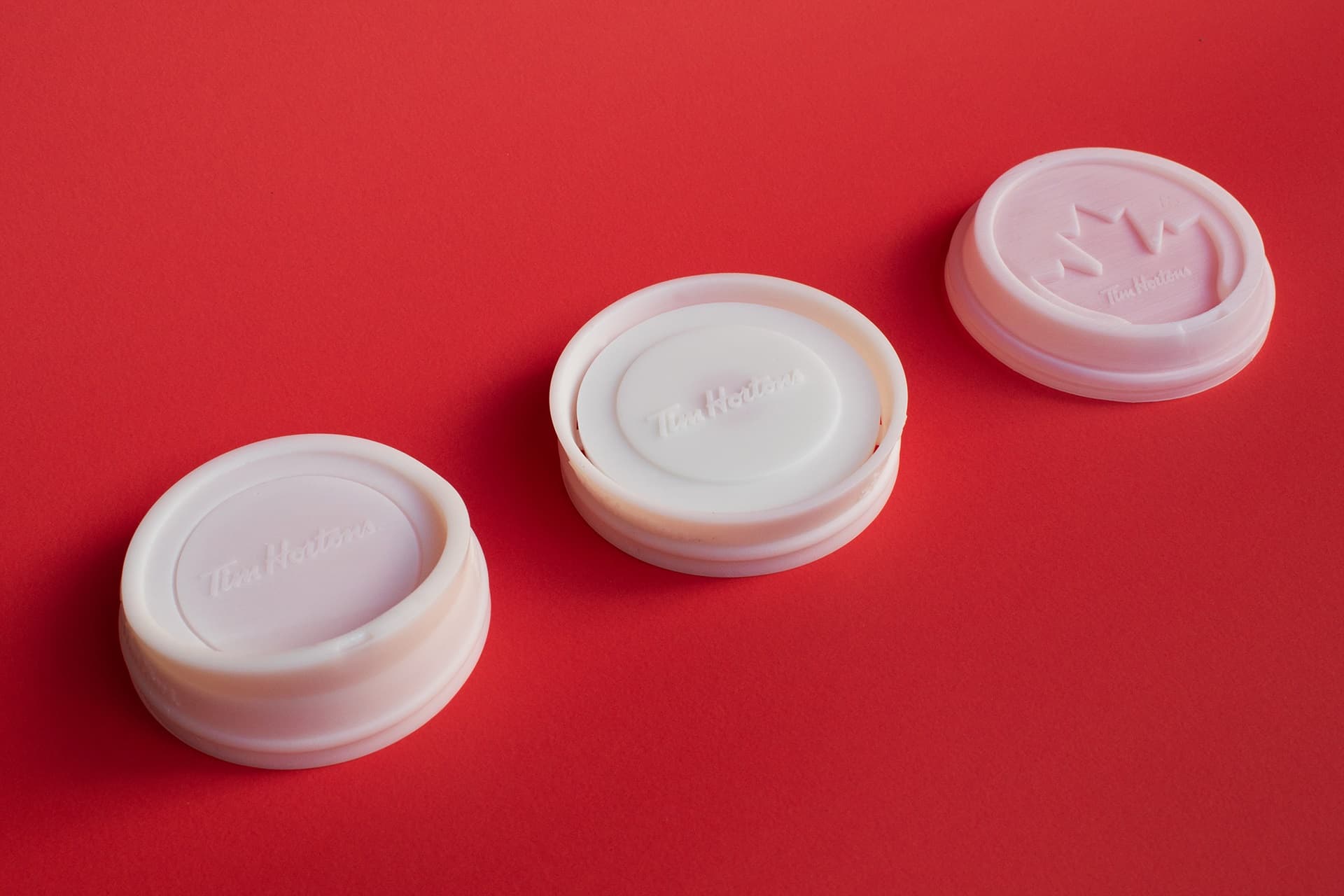
Prototype parts arranged for design review and validation
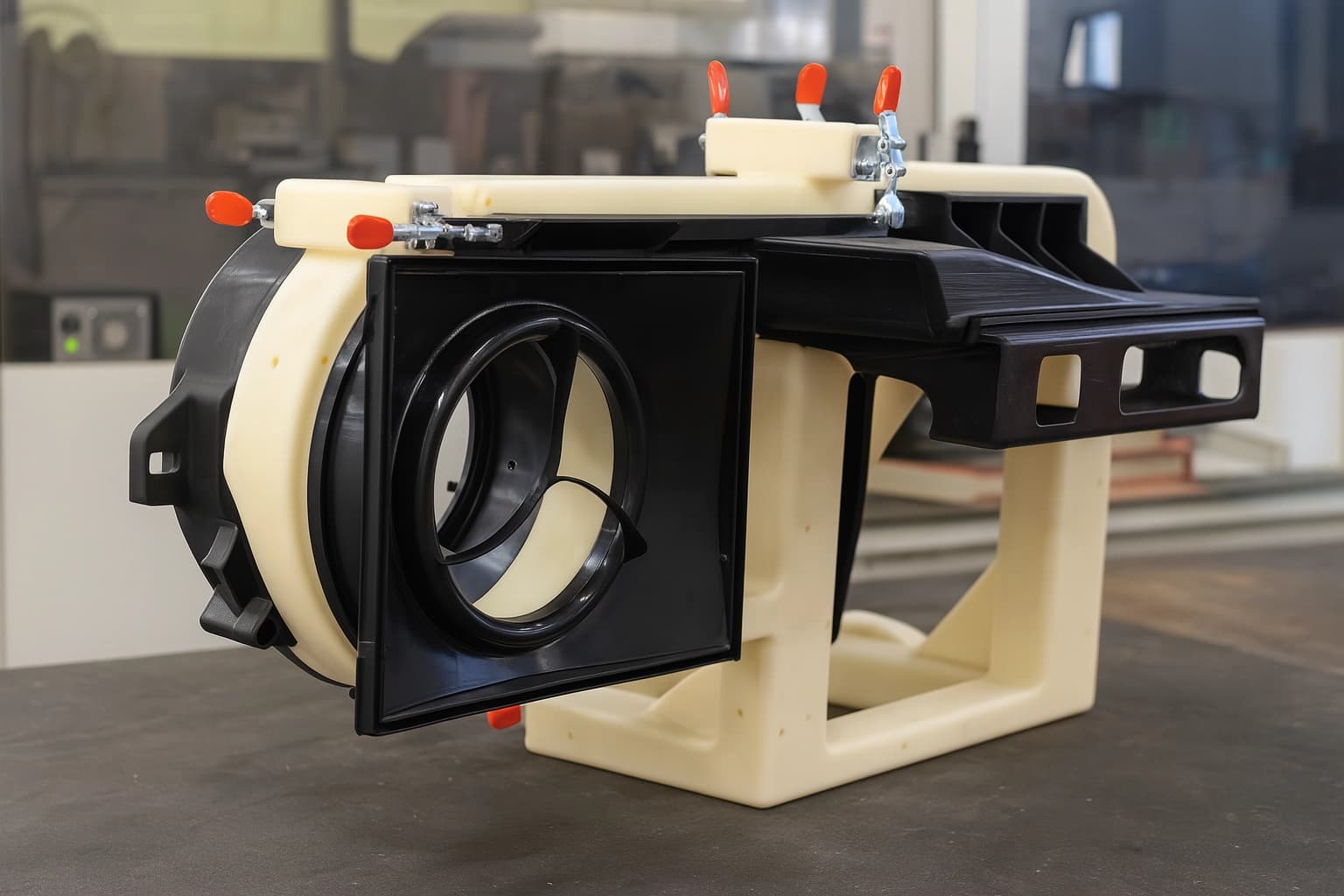
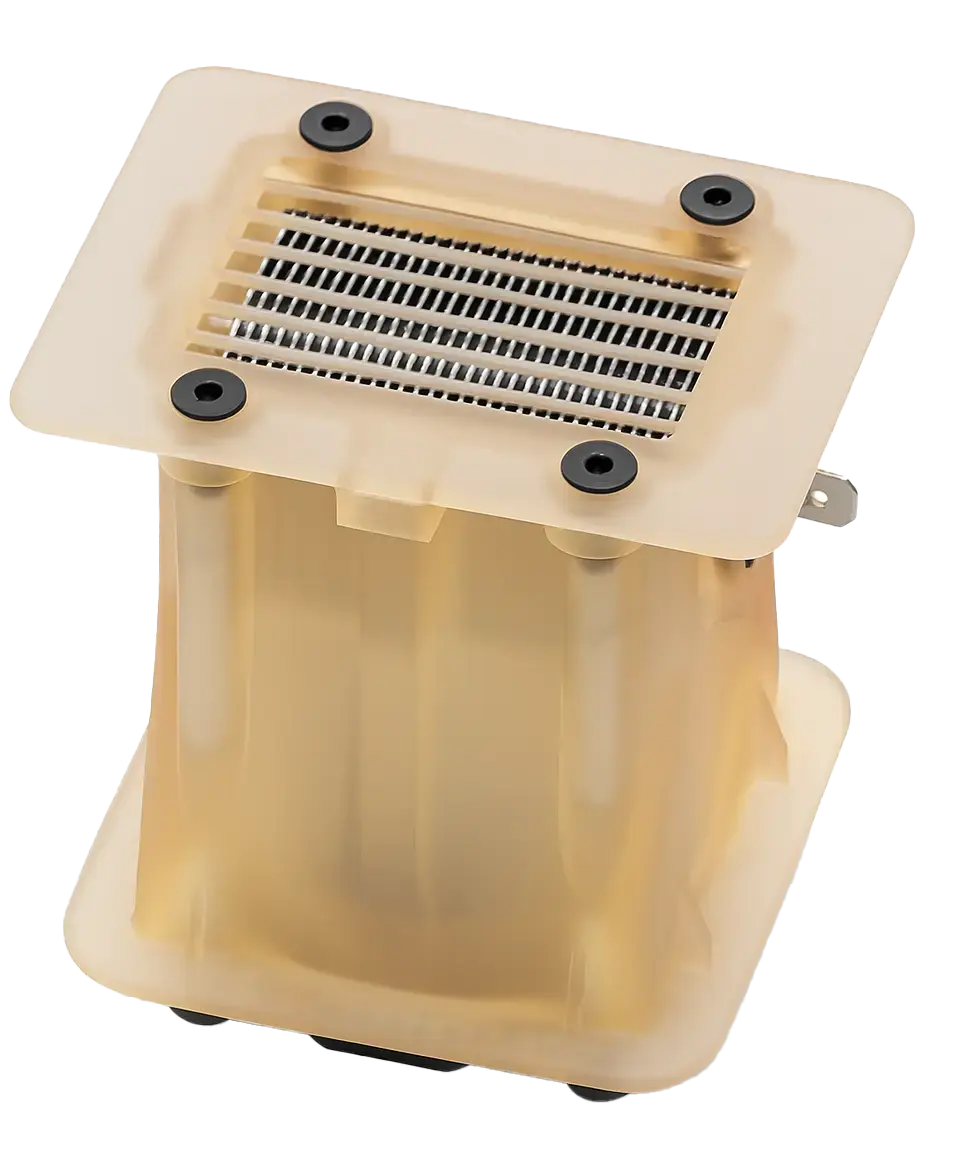
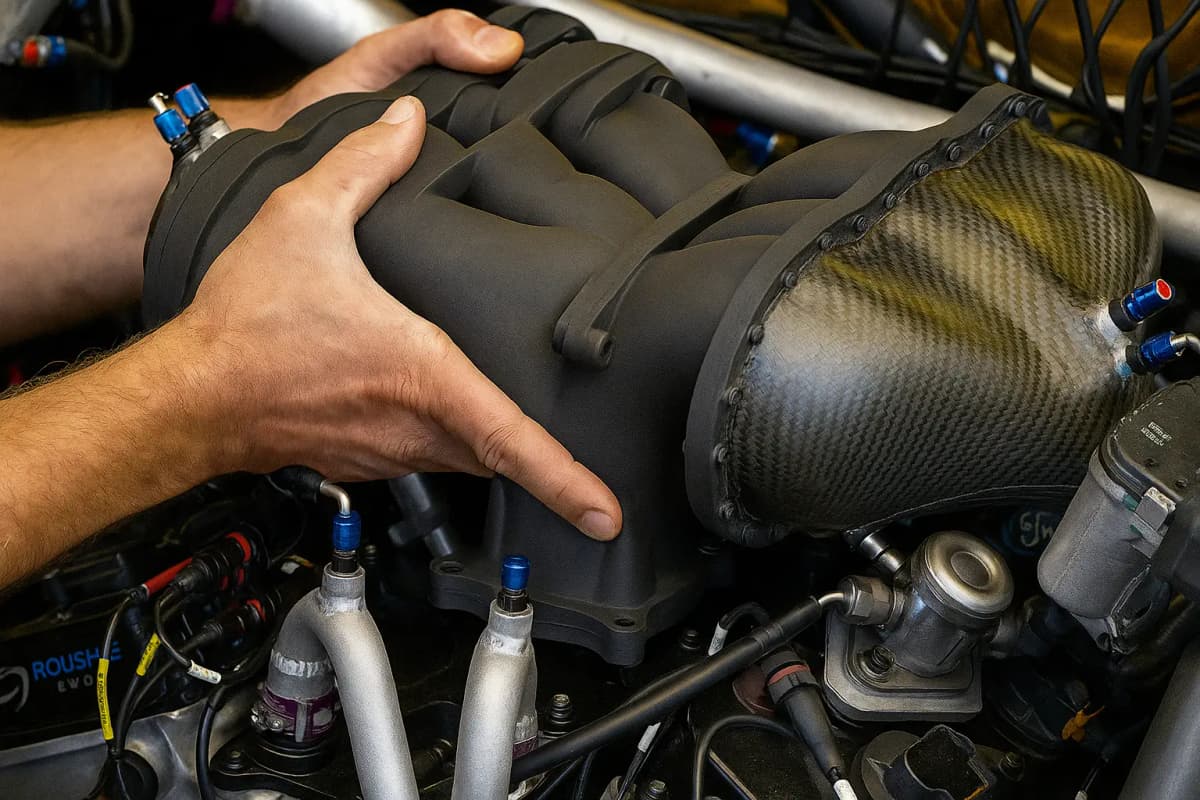
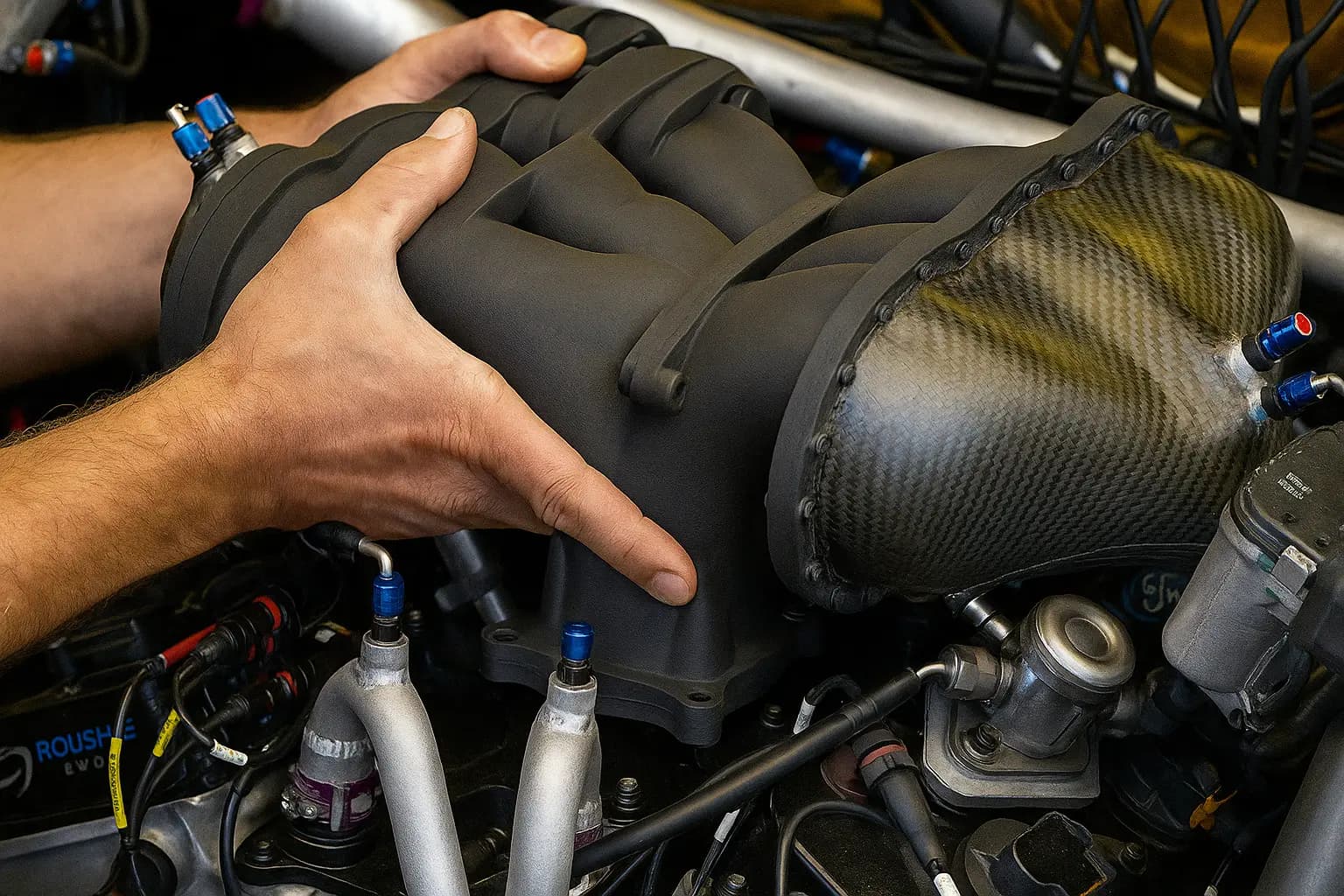
Prototype part installed to validate fit and assembly access
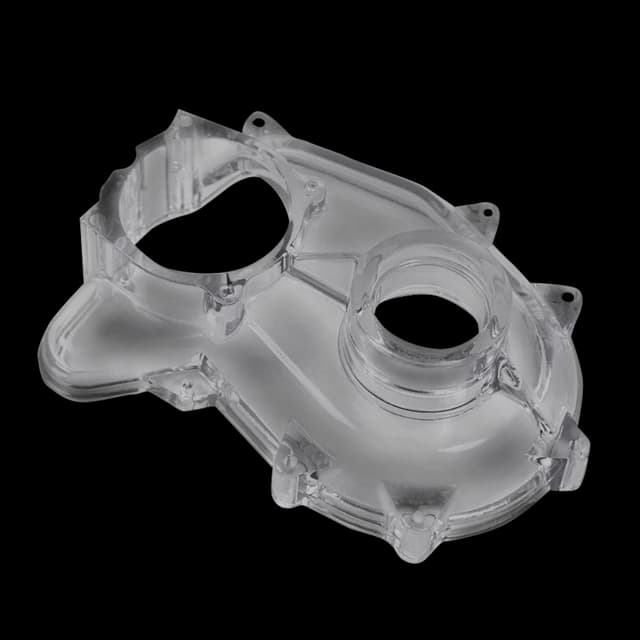
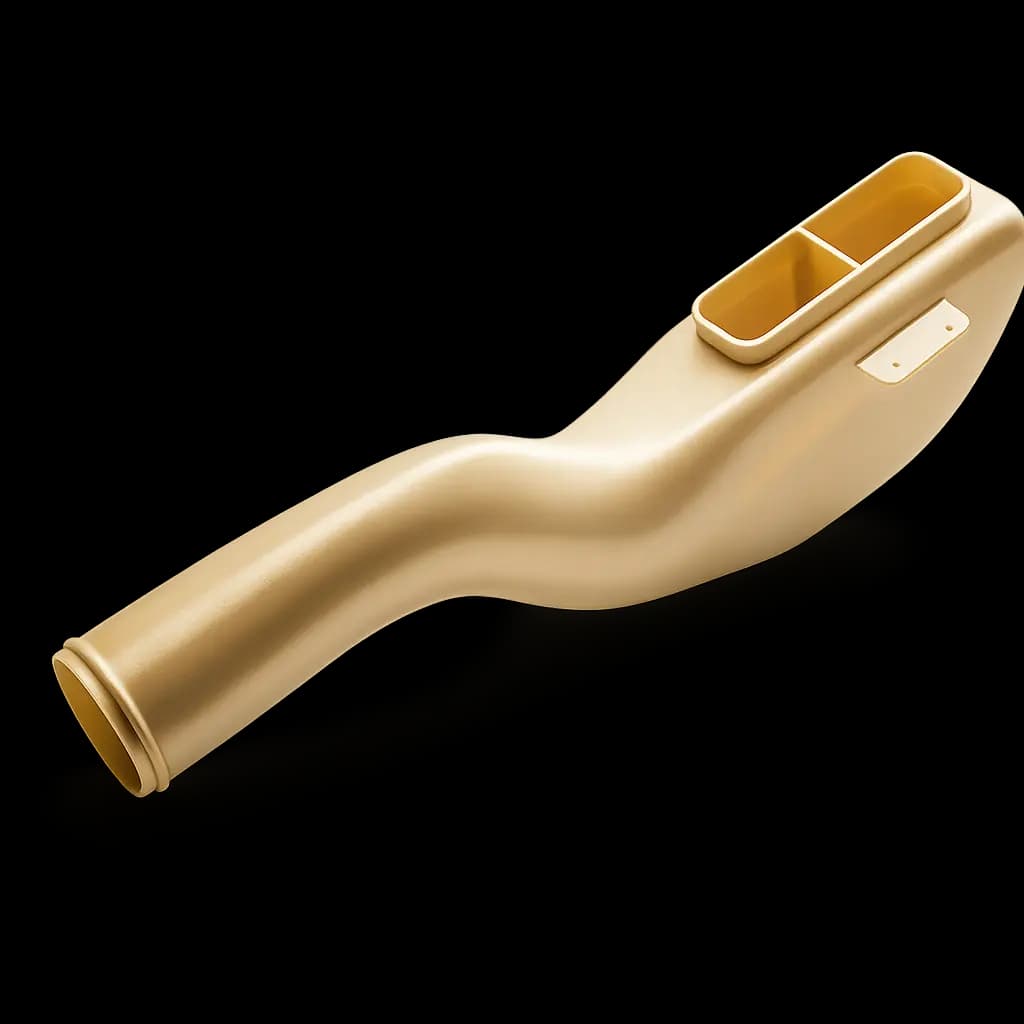
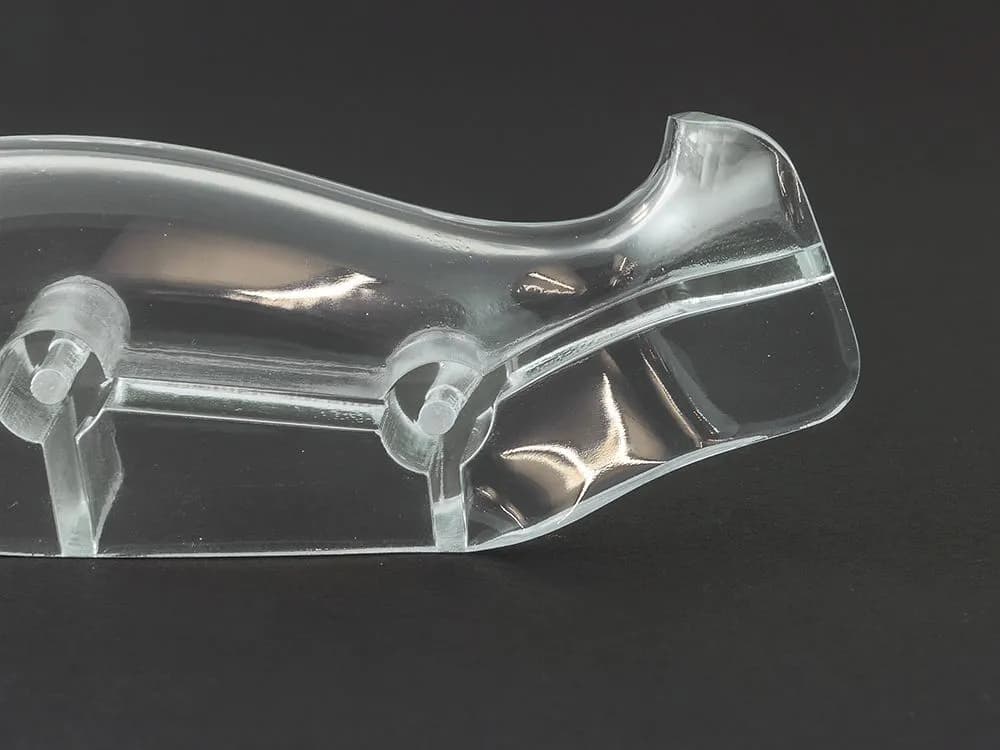
Clear prototype used for appearance and presentation review
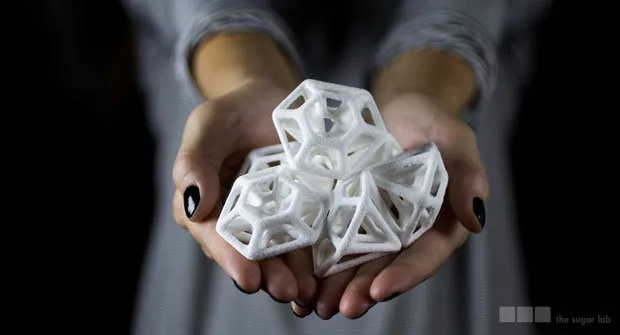
Prototype builds used to compare geometry and manufacturability
Rapid Prototyping Guide

Validation, process choice, and the path to production

Forge Labs supports rapid prototyping with industrial SLS, MJF, SLA, FDM, PolyJet, DMLS, and CNC workflows under one roof, so the prototype can be matched to the validation goal instead of forced into a single manufacturing process. The same team helps review geometry, tolerances, and finishing requirements, then carries that learning into bridge manufacturing, low-volume production, or end-use part planning.

Viewing What rapid prototyping helps you validate

Prototype part installed for fit and assembly validation
  • Fit and assembly: Confirm mating parts, enclosure clearances, installation access, fastener alignment, and overall assembly logic before release.
  • Function and performance: Evaluate clips, hinges, snap fits, airflow concepts, fixture behavior, and basic mechanical or thermal performance using the right material and process.
  • Appearance and review quality: Produce high-detail models for industrial design reviews, internal approvals, customer presentations, and investor demos where finish and realism matter.
  • Production readiness: Use prototype builds to expose weak geometry, refine tolerances, review feature sizing, and reduce surprises before bridge manufacturing or tooling.
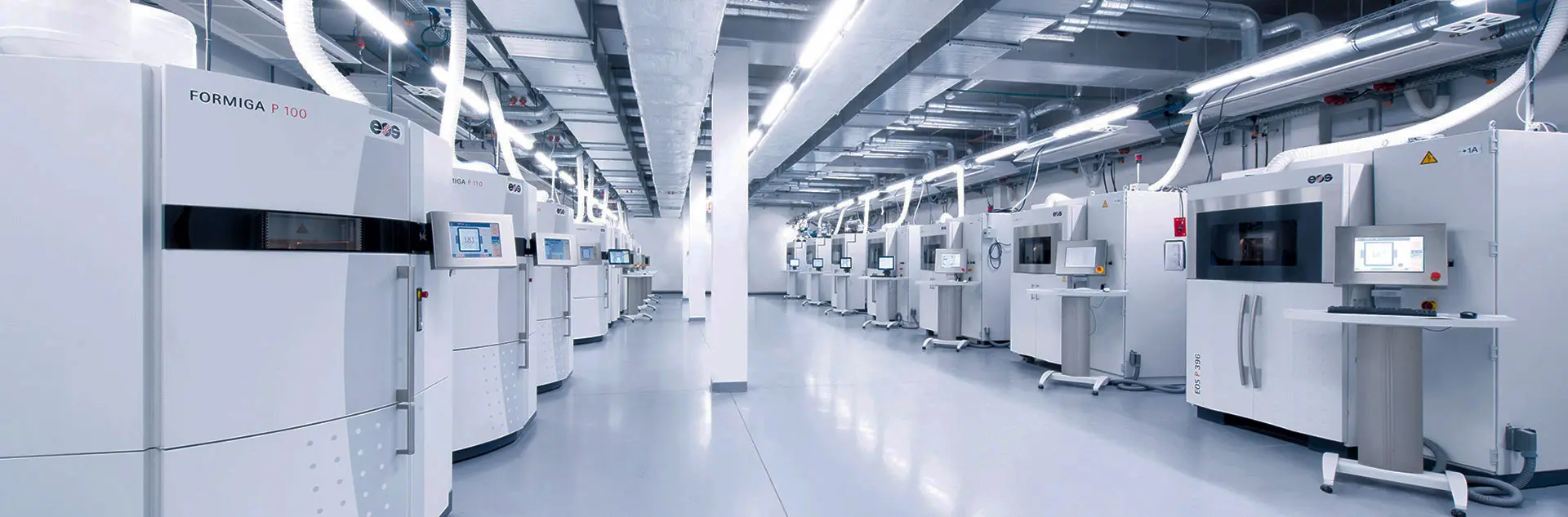
Industrial additive manufacturing systems used for rapid prototyping
  • SLS and MJF for functional nylon prototypes: Ideal for durable fit-and-function parts, fast iteration, complex geometry, and production-like nylon components without support structures.
  • SLA and PolyJet for detail and presentation models: Best for smooth surfaces, fine features, visual realism, transparency, and prototype parts used for review or presentation.
  • FDM for larger or more rugged concept parts: A strong option for larger housings, durable concept models, fixtures, and cost-effective prototypes where strength or size matters more than surface finish.
  • DMLS and CNC for production-similar performance: Used when the prototype needs real metal behavior, tighter tolerances, machined surfaces, or material properties closer to the final part.
Prototype iterations used to compare concept directions and review quality
  • Looks-like prototypes: Built for industrial design review, customer presentation, photography, and stakeholder approval where surface quality and visual fidelity are the priority.
  • Works-like prototypes: Built for movement, mechanical testing, fixture use, thermal evaluation, and hands-on functional feedback where performance matters more than cosmetic finish.
  • Fits-like prototypes: Built to confirm packaging, mating parts, installation access, enclosure clearance, and dimensional relationships before design release.
  • Manufacturing-ready prototypes: Built to support tolerance review, assembly planning, finishing strategy, and process decisions before low-volume production, bridge manufacturing, or tooling.
Prototype fixture and assembly hardware used to prepare for production
  • Carry design learnings forward: Use prototype feedback to improve geometry, assembly logic, serviceability, and feature design before production release.
  • Refine material and finish strategy: Evaluate whether the prototype material should remain in place, shift to a production-grade option, or transition into machining or metal.
  • Tighten manufacturing requirements: Identify critical dimensions, cosmetic surfaces, and secondary operations before they become production issues.
  • Choose the next manufacturing route: Move forward with bridge manufacturing, low-volume additive production, CNC machining, or tooling with a clearer path and fewer surprises.
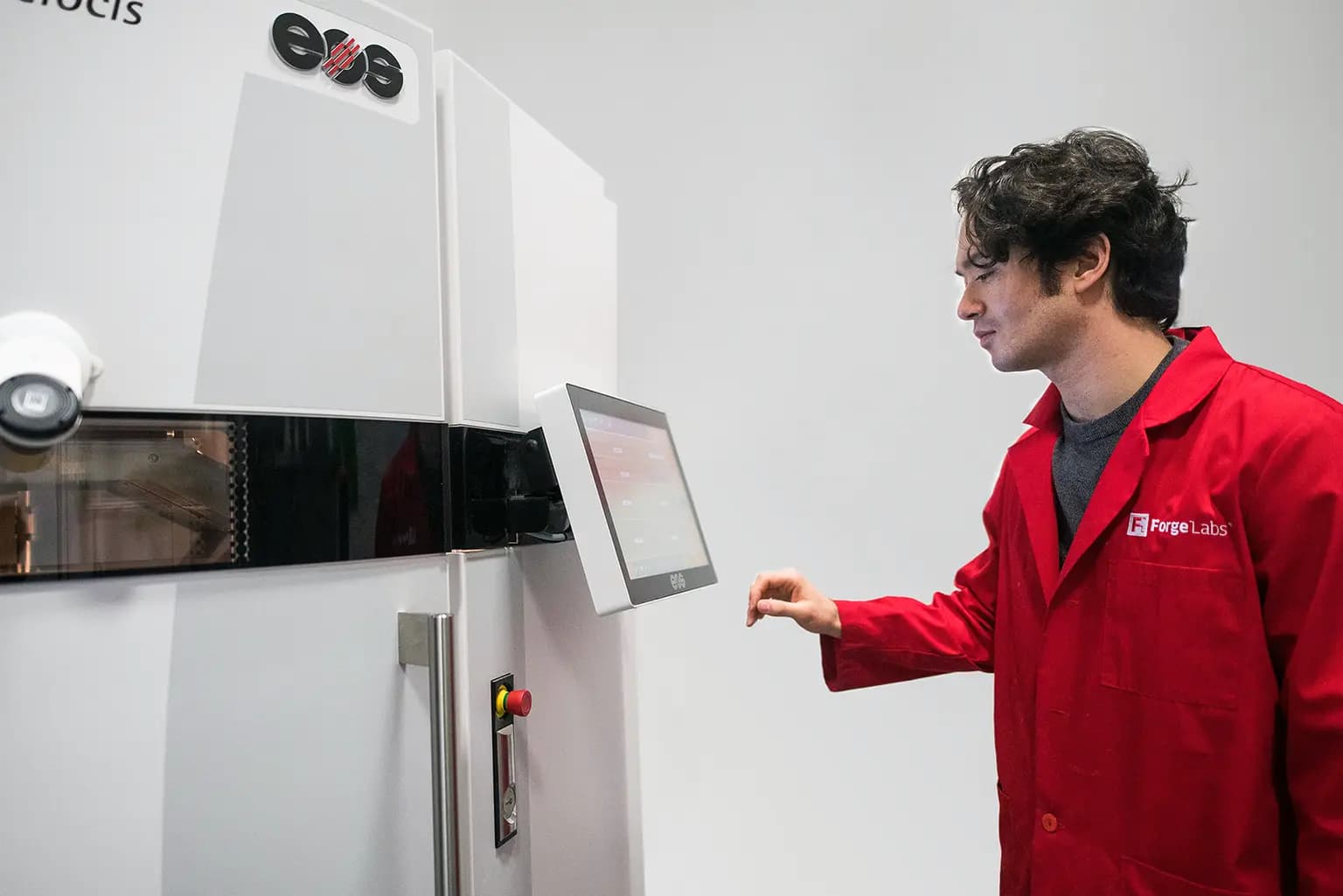
Forge Labs engineers reviewing prototype manufacturing work
  • Process and material recommendations: Select the build method based on the test objective, geometry, required finish, and mechanical environment rather than defaulting to one process.
  • Geometry and tolerance review: Review critical features, dimensional expectations, and part geometry before the build begins.
  • Prototype planning by project stage: Align the build to the actual need: concept model, fit check, functional prototype, or manufacturing-ready validation part.
  • Finishing and post-processing guidance: Define when dyeing, sanding, painting, machining, inserts, or presentation finishing should be included to support review or testing.
Service Comparison

How it differs from adjacent services

Rapid prototyping is optimized for fast iteration. Once demand stabilizes or the part is being shipped as final hardware, the service mix changes.

Rapid Prototyping

Best when the primary goal is learning quickly, testing design assumptions, or getting physical parts into review loops fast.

View rapid prototyping

Bridge Manufacturing

Used when a product must ship before hard tooling is ready, while supply chains stabilize, or while you ramp toward a permanent process.

View bridge manufacturing

End-Use Parts

Focused on repeatable finished hardware, production documentation, and material/process choices aligned to the final operating environment.

View end-use parts
Relevant Materials

Materials commonly used for rapid prototyping

The right material depends on what the prototype needs to do during development, whether that means checking fit, testing function, reviewing appearance, or handling heat and mechanical load. Forge Labs selects materials based on the purpose of the prototype, the process, and how closely the part needs to reflect real-world use.

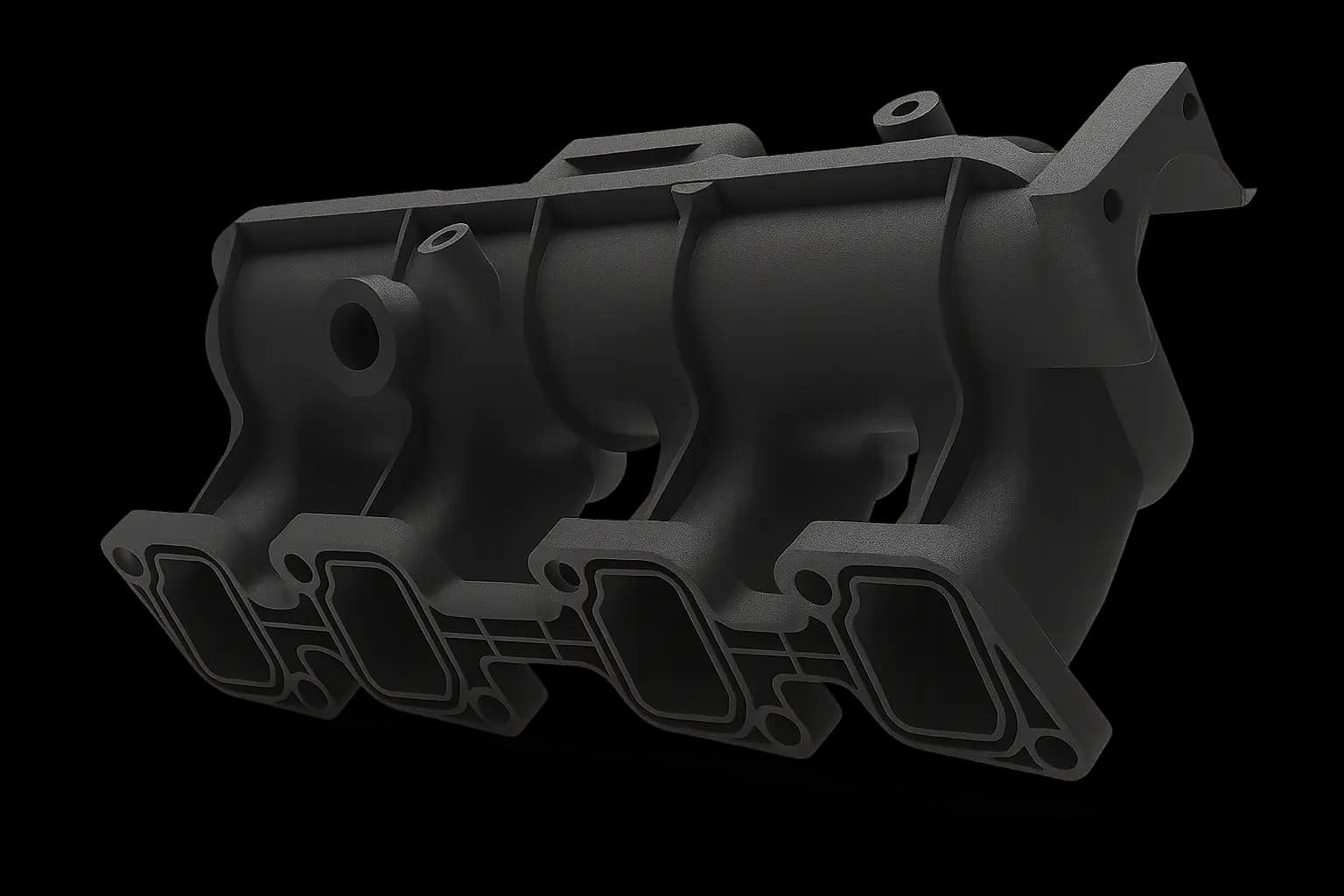
Nylon PA12 used for rapid prototyping
Functional Prototype Polymer

Nylon PA12

Fast-turn SLS prototypes for fit, assembly, and mechanical reviews

Nylon PA12 is one of the most common materials Forge Labs uses for rapid prototyping when a part needs to behave like a real engineered component, not just look right on a screen or table. It works well for housings, brackets, clips, and assemblies that need to be handled, installed, tested, and revised quickly.

Best for

Fit-and-function prototypes, housings, brackets, and assembly checks

Why it works

Strong, durable nylon with support-free geometry and fast SLS turnaround

Common uses

Snap-fit prototype housingsAssembly validation partsMechanically loaded prototype brackets

Accura ClearVue used for rapid prototyping
Visual Validation Resin

Accura ClearVue

Clear SLA builds for optics, covers, and presentation-grade prototype reviews

Accura ClearVue is a good fit when a rapid prototype needs visual clarity as well as dimensional accuracy. Forge Labs uses it for transparent covers, light pipes, fluid-visibility concepts, and customer-facing models where clarity, detail, and surface finish matter.

Best for

Transparent prototypes, visual review parts, and presentation models

Why it works

Clear SLA material with smooth surfaces and fine feature detail

Common uses

Transparent enclosure prototypesOptical path review modelsShow-ready concept validation parts

High Temperature Resin used for rapid prototyping
Thermal Validation Resin

High Temperature Resin

SLA material for prototype tools and elevated-temperature test parts

High Temperature Resin is used when a rapid prototype needs to hold geometry under elevated temperatures or fixture contact that standard SLA materials would not handle well. Forge Labs recommends it for thermal fit checks, prototype tooling concepts, and short-run evaluation parts exposed to heat.

Best for

Thermal prototype parts, fixture studies, and tooling concepts

Why it works

High-detail SLA printing with better heat resistance than standard visual resins

Common uses

Prototype tooling insertsHeat-exposed duct or airflow studiesThermal fit-check components

ULTEM 9085 used for rapid prototyping
High-Performance Prototype Thermoplastic

ULTEM 9085

FDM material for structural prototypes that need more than basic mockup performance

ULTEM 9085 is used when a rapid prototype needs more thermal and mechanical performance than a standard concept model. Forge Labs applies it to larger-format structural prototypes, demanding enclosure studies, and parts that need to withstand harsher handling or elevated temperatures during development.

Best for

Structural prototypes, heat-exposed parts, and larger engineering mockups

Why it works

High-performance FDM thermoplastic for durable, larger-format prototype parts

Common uses

Large structural prototype housingsThermally exposed concept hardwareAerospace-grade engineering mockups

Titanium Ti64 used for rapid prototyping
Metal Prototype Alloy

Titanium Ti64

DMLS material for lightweight, high-strength engineering test hardware

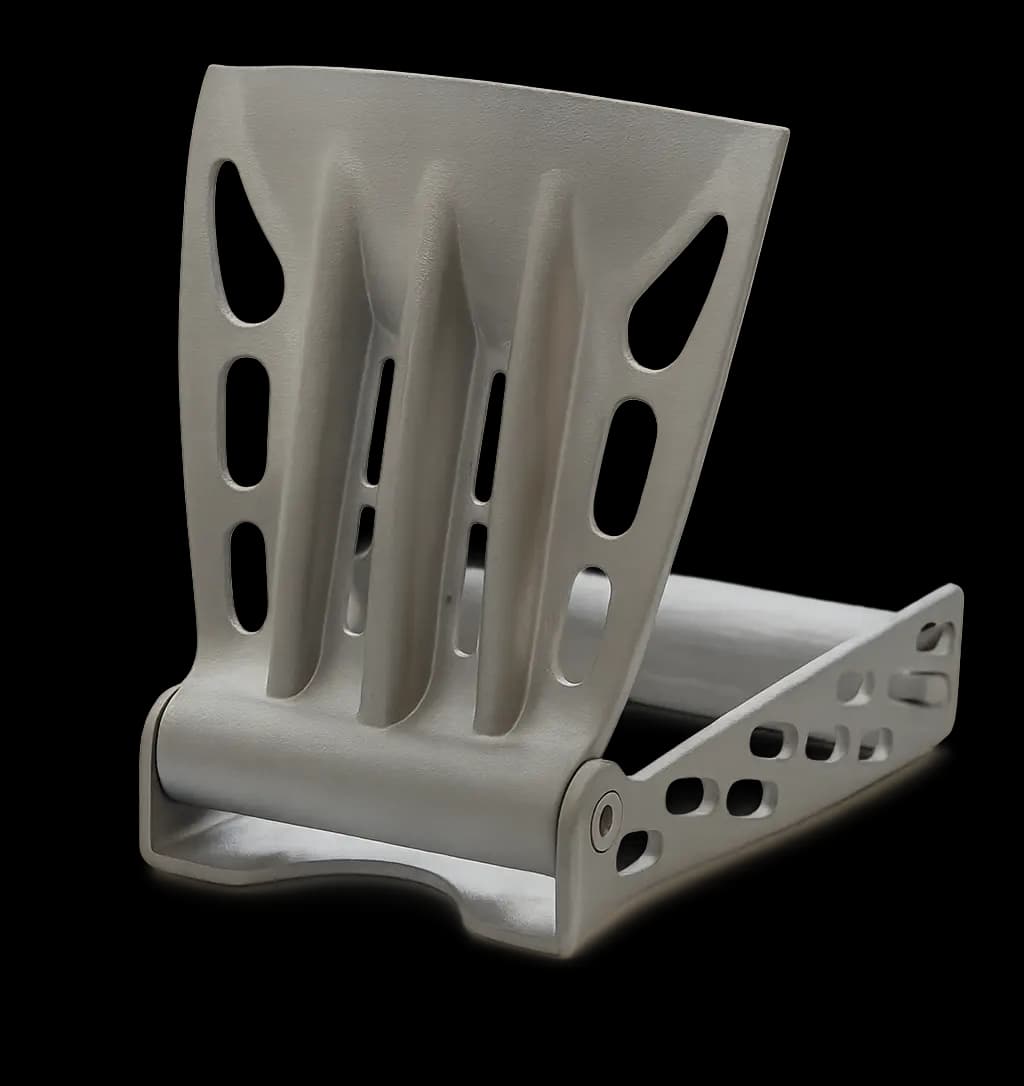
Titanium Ti64 is used when polymer prototypes are no longer enough and the part needs to be evaluated in the actual material class. Forge Labs uses it for lightweight, high-strength prototype hardware where metal performance, heat resistance, or weight-sensitive design matters before moving into production.

Best for

Metal prototypes, lightweight structural parts, and demanding engineering tests

Why it works

Real titanium alloy performance for parts that need more than polymer approximation

Common uses

Flight-weight bracket prototypesMetal thermal hardware studiesHigh-load engineering test components

Workflow

Rapid prototyping workflow

Step 01

Review geometry and part intent

Match the CAD file to the right prototype objective

We review the CAD, intended test, and whether the part is best served by SLA, SLS, MJF, FDM, DMLS, or CNC.

Check geometry, tolerance, and cosmetic requirements against the prototype goal. Separate looks-like, fits-like, and functions-like builds before quoting.

Typical Timing

Same day to 24 hours

Output

Process and material recommendation

Prototype parts arranged on a tray for engineering review
Case Studies

Related prototype and scale-up examples

These examples show how rapid prototype work often sits at the front of a broader development-to-production timeline.

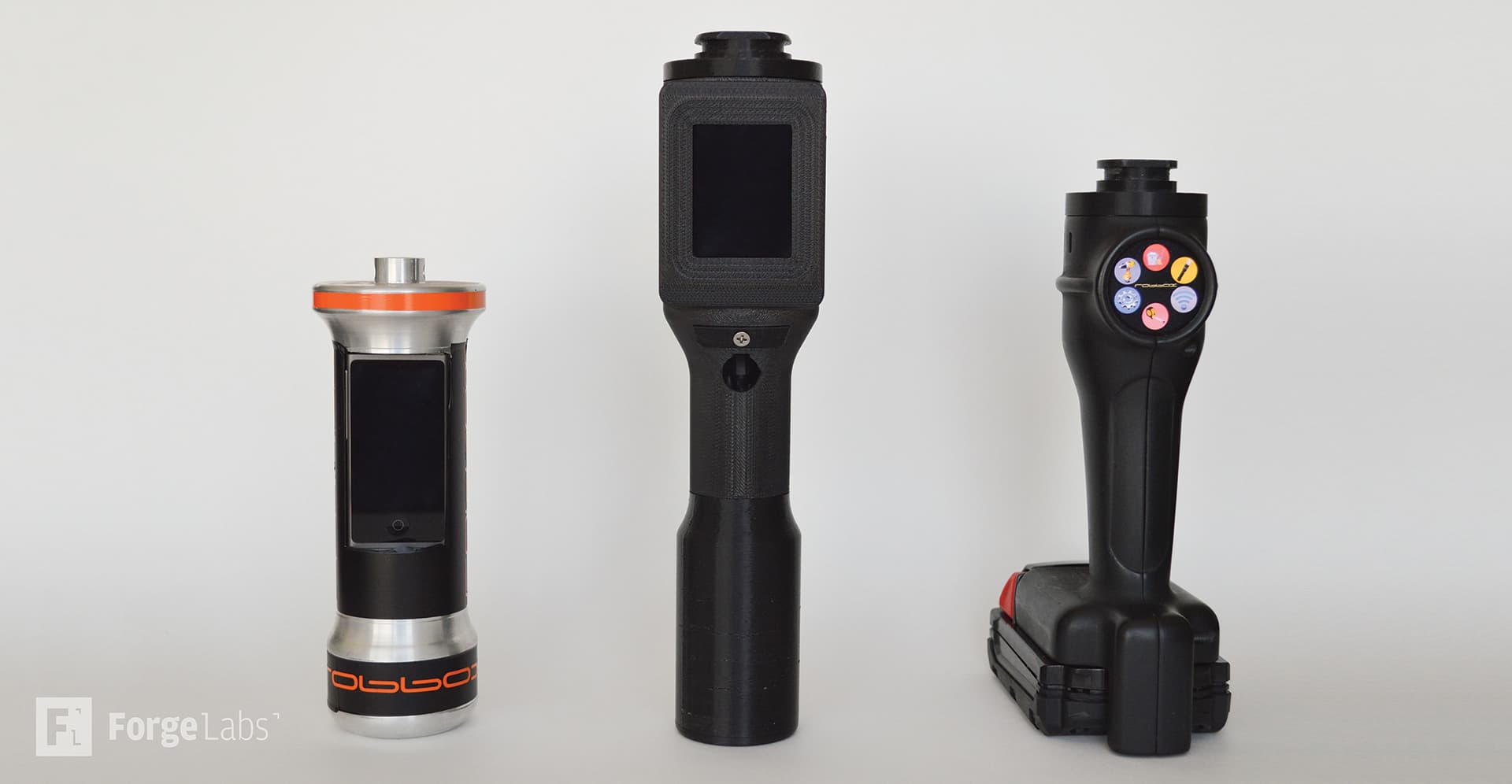
Robbox Smart Tools: FDM 3D Printing Case Study
Related program

Robbox Smart Tools: FDM 3D Printing Case Study

Robbox used FDM to iterate smart tool housings rapidly, validating function and ergonomics without injection-mold tooling, dramatically reducing prototype cost and development risk.

50-100x prototype cost savings

10x faster design cycles

Award-winning product development

Read case study
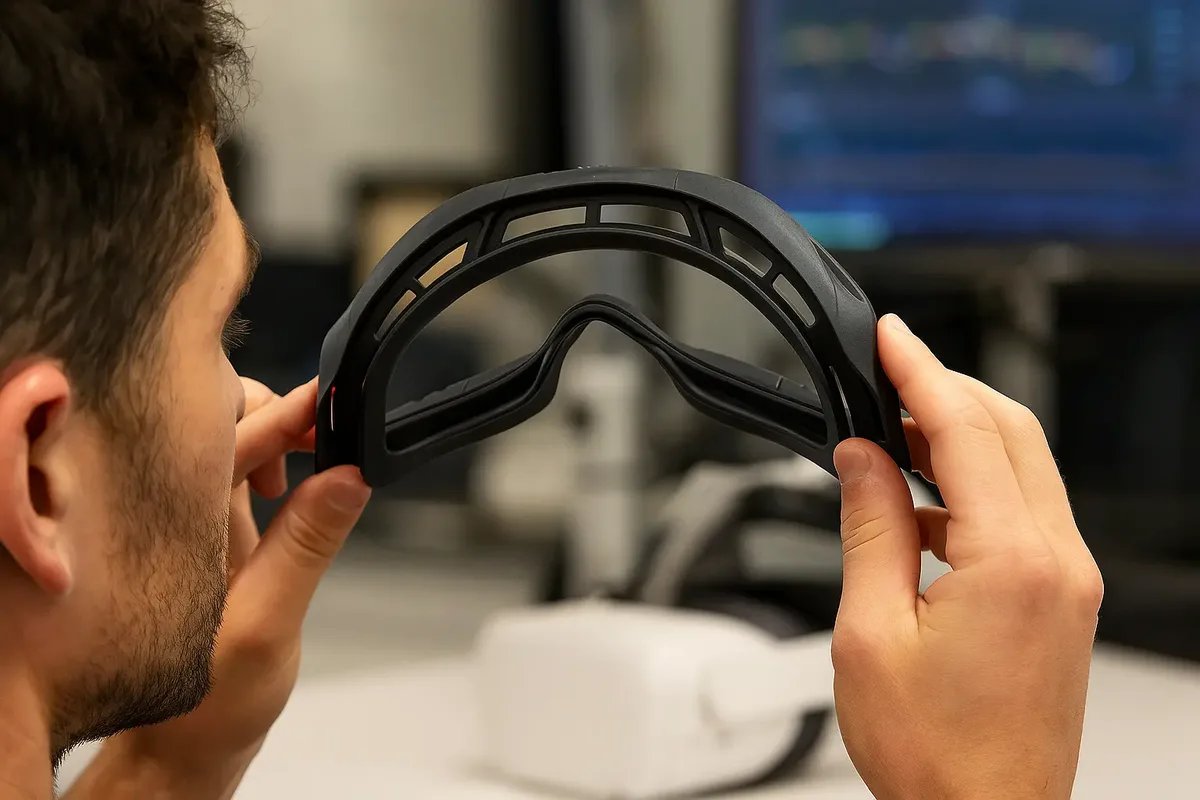
From Prototype to Production: 3D Printed Visors for Next-Generation VR Hardware
Related program

From Prototype to Production: 3D Printed Visors for Next-Generation VR Hardware

A VR hardware program used HP Multi Jet Fusion and Nylon PA12 to move from ergonomic iteration into real production, delivering visor components at a cadence of more than 1,000 parts every 72 hours.

Over 1,000 visor components every 72 hours

Prototype-to-production on the same MJF platform

Wearable-ready PA12 parts with optional vapor smoothing

Read case study
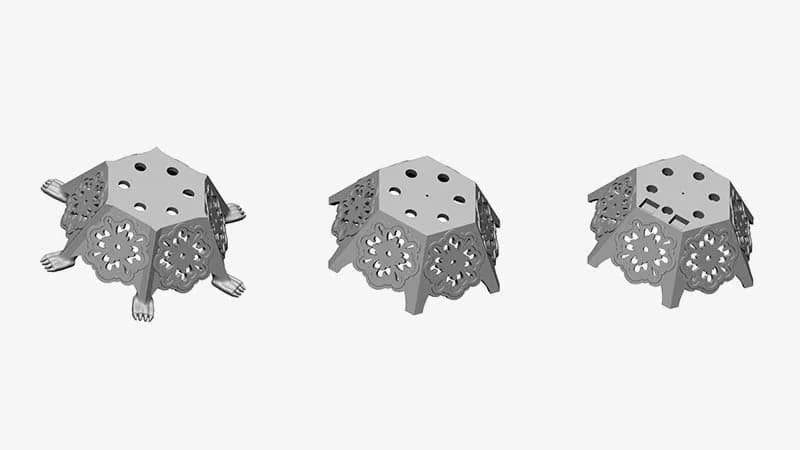
3D Printing Movie Props: How SLA Technology Revolutionizes Film Production
Related program

3D Printing Movie Props: How SLA Technology Revolutionizes Film Production

Film production teams used SLA to build detailed, camera-ready props quickly, enabling iterative effects development and high-fidelity final assets under tight shoot schedules.

High-detail hero props

Rapid iteration for VFX teams

Production timeline reliability

Read case study
Quality and Standards

Quality controls that still matter during prototyping

Prototype speed is useful only if the parts still answer engineering questions reliably. The service supports that with practical manufacturing controls.

Fit-critical inspection when required

Dimensional checks and tolerance review are available when prototype parts drive packaging, assembly, or sourcing decisions.

Material-aware process selection

Resins, nylons, high-performance thermoplastics, metals, and machined materials are matched to the test environment instead of generic prototyping defaults.

Clean handoff into later stages

Prototype data, geometry lessons, and finishing choices can be carried into bridge manufacturing or end-use planning.

Related Resources

Related resources

Rapid prototyping programs usually touch design rules, materials, and production planning. These links support that workflow.

Guide

Technology Guide

Compare additive processes by detail, throughput, tolerances, and application fit.

View resource

Article

Mastering Bridge Manufacturing

Use this when a prototype program needs to extend into launch or interim production.

View resource

Materials

Material Guide

Review polymer and metal options before choosing a test-ready prototype material.

View resource
Next Step

Need a prototype built for a specific decision?

Share the CAD model, target timeline, and what the part needs to prove. Forge Labs can recommend the fastest manufacturing path that still answers the engineering question.