Fused Deposition Modeling (FDM) 3D Printing for Functional Prototypes & Large Parts

FDM 3D Printer
Technology Overview

Industrial-Grade Large Format 3D Printing

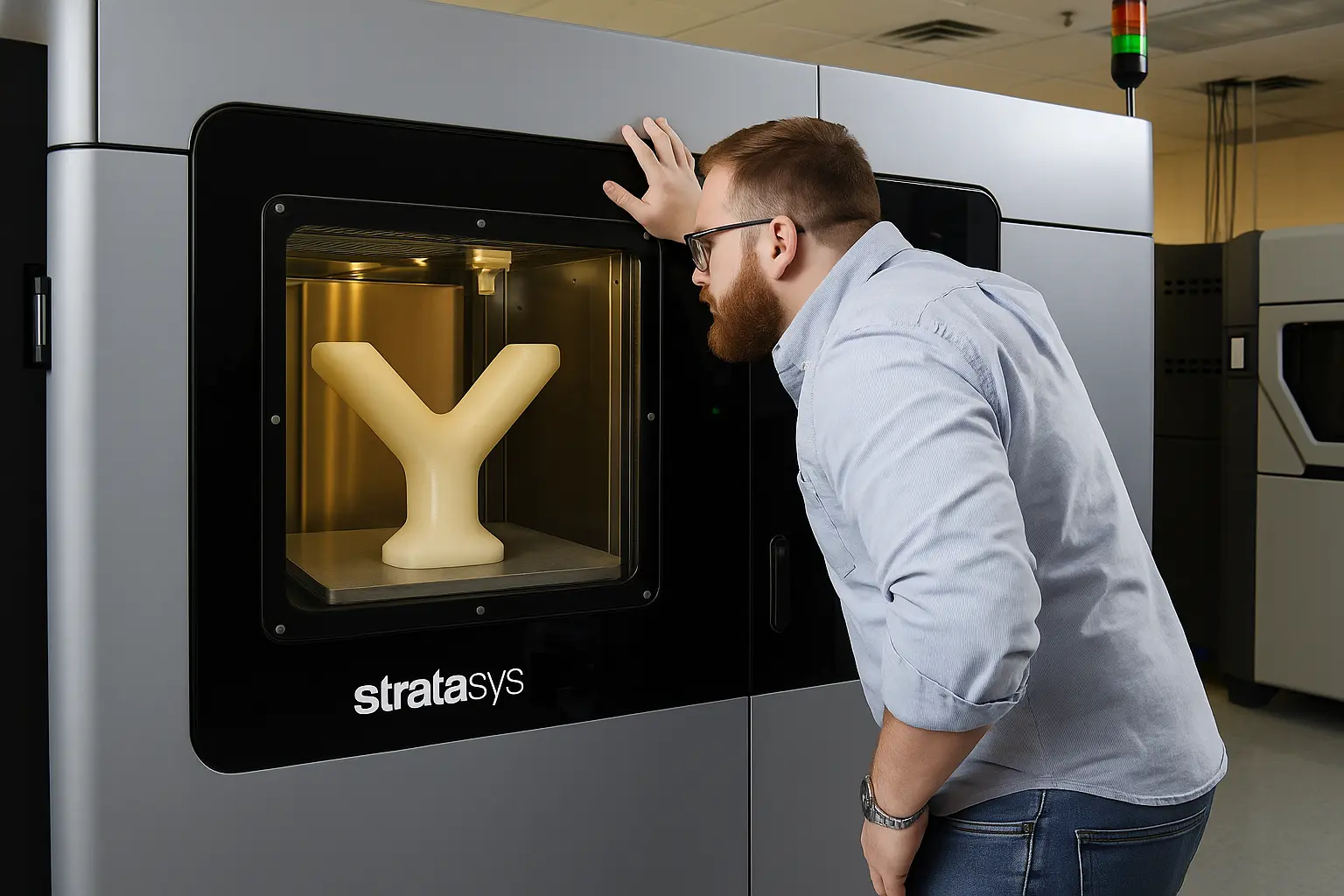
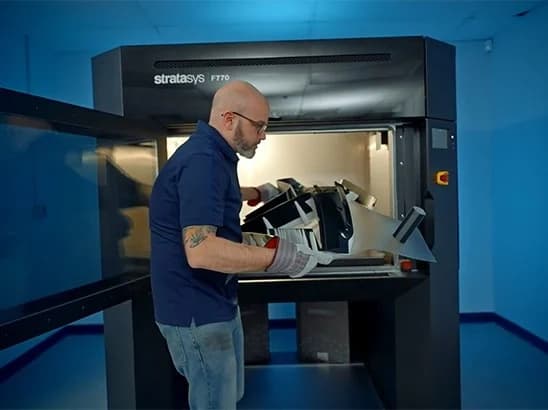
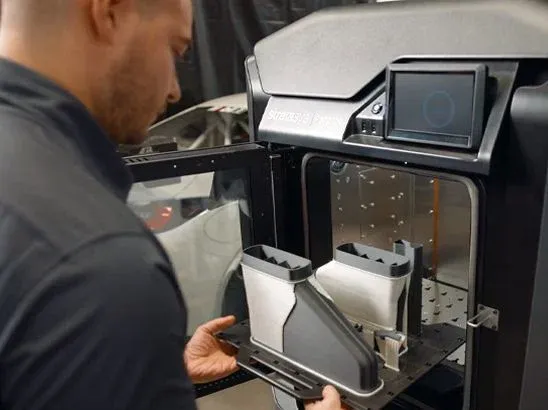
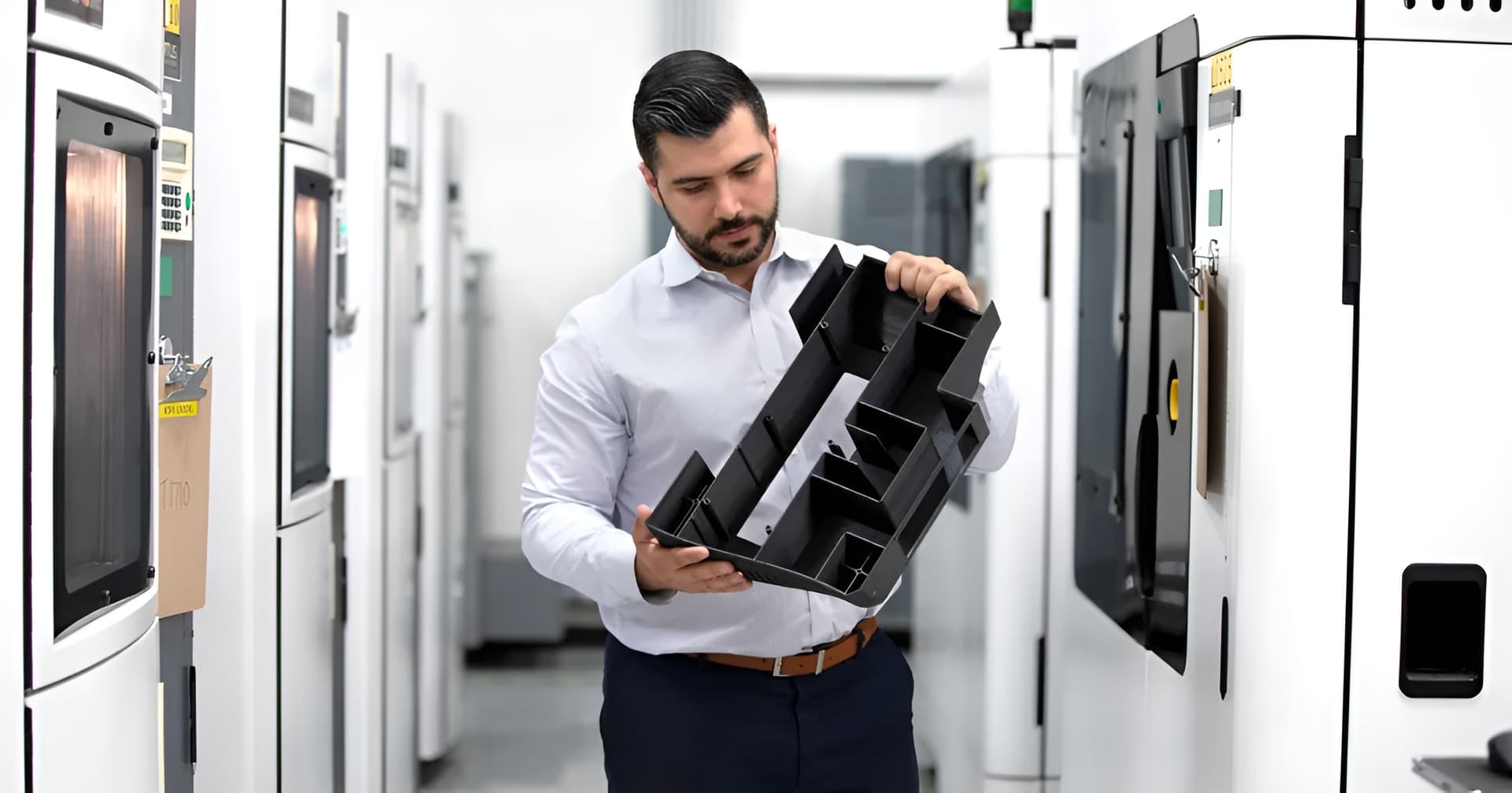
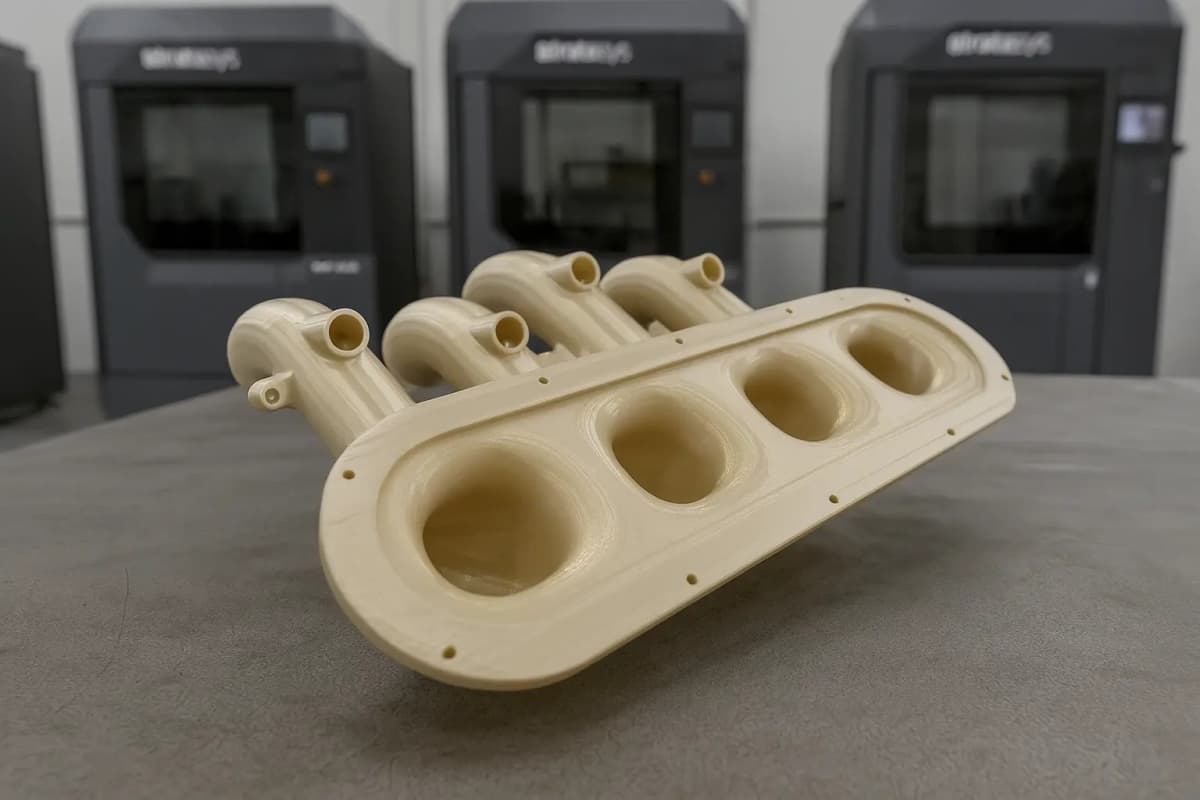
Industrial FDM systems deliver large-format capabilities with engineering-grade thermoplastics including ABS, ASA, PC and ULTEM. Industry-leading precision, best-in-class repeatability and layer adhesion support demanding applications—from aerospace components and automotive tooling to jigs, fixtures and durable end-use parts. FDM provides reliable, cost-effective manufacturing for large-format prototypes and production components.

Why manufacture with FDM

Advanced manufacturing capabilities enable complex geometries, functional prototypes, and end-use production parts that would be impossible or cost-prohibitive with traditional manufacturing methods. From functional prototypes to end-use production parts, this technology delivers exceptional performance across demanding industries.

Build volume
914 x 609 x 914 mm
Tolerance
±0.3% (min ±0.25 mm)
Layer height
127 - 330 microns

Large Build Volume · Cost-Effective

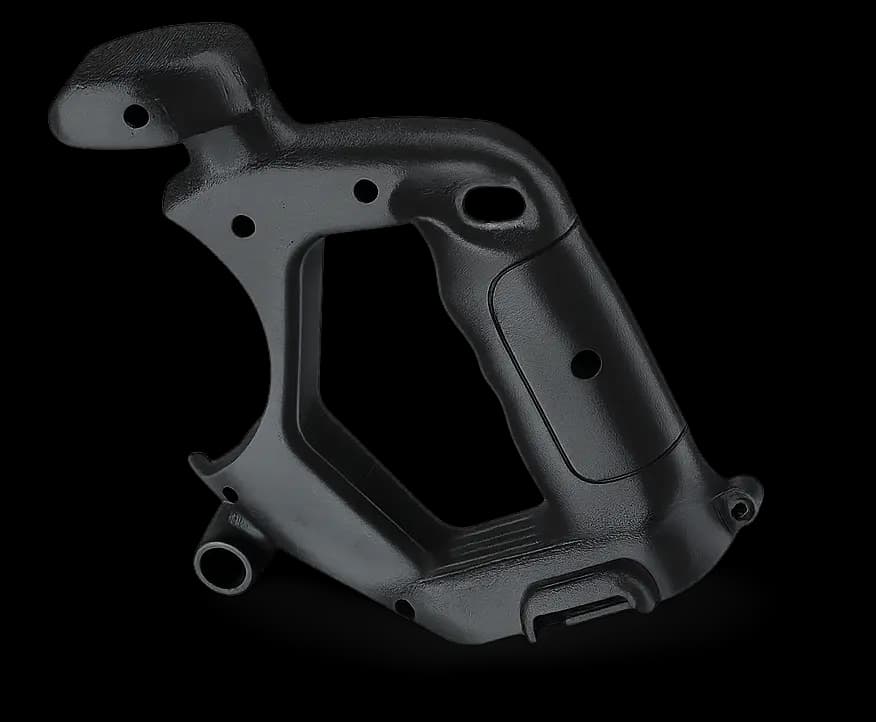
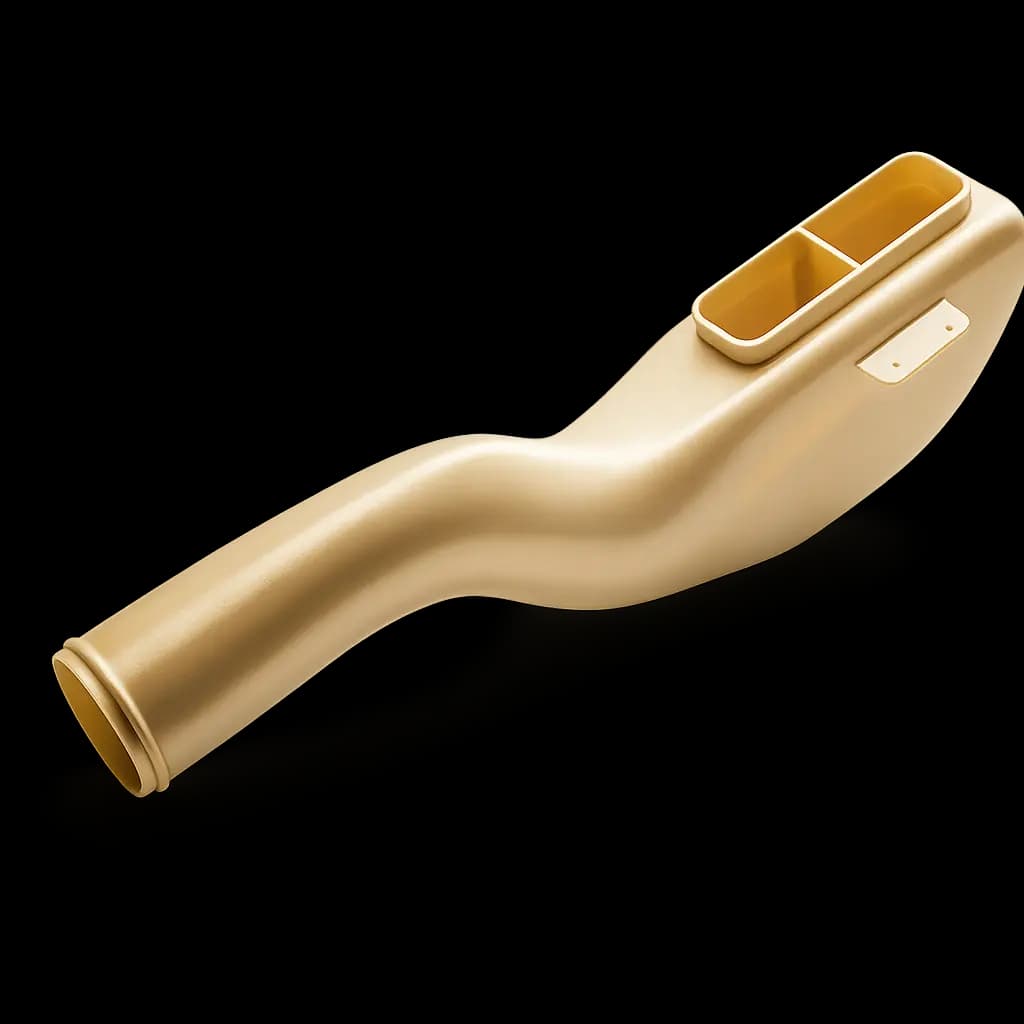
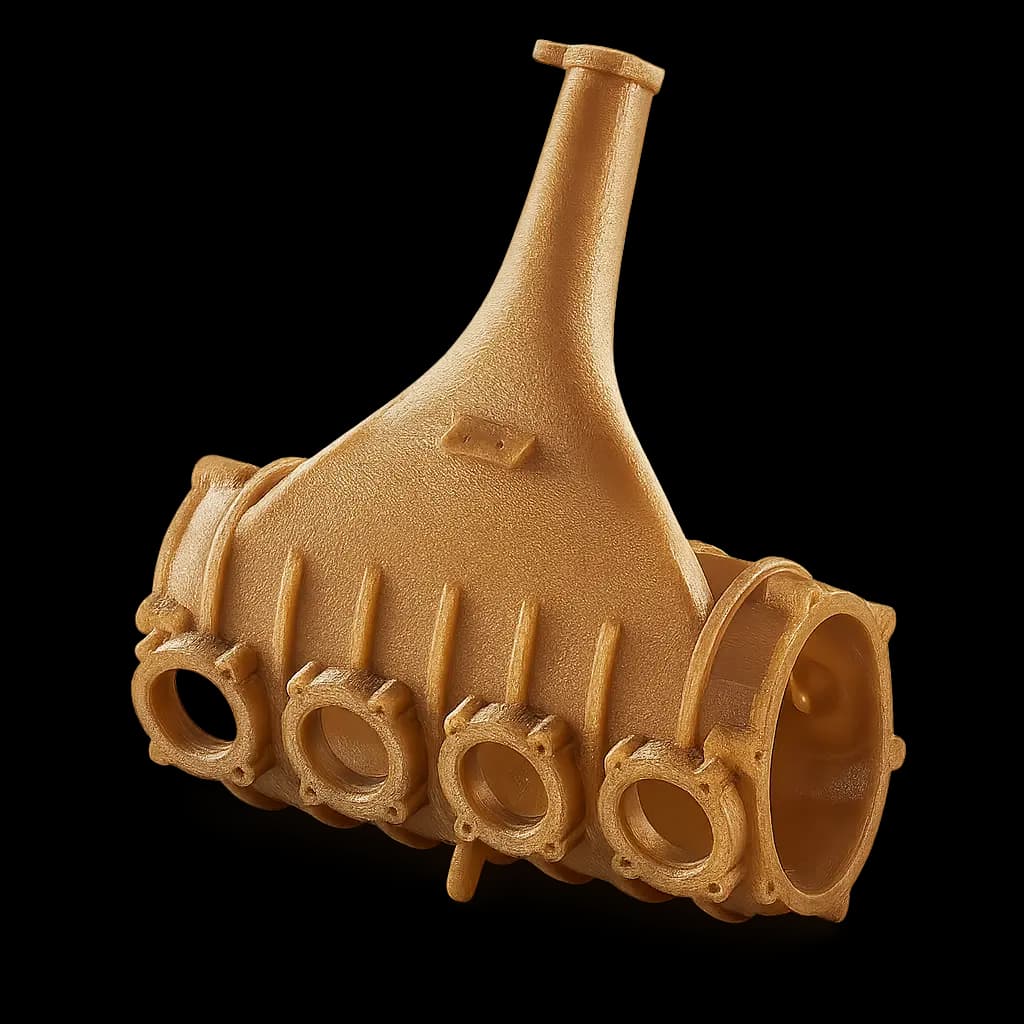
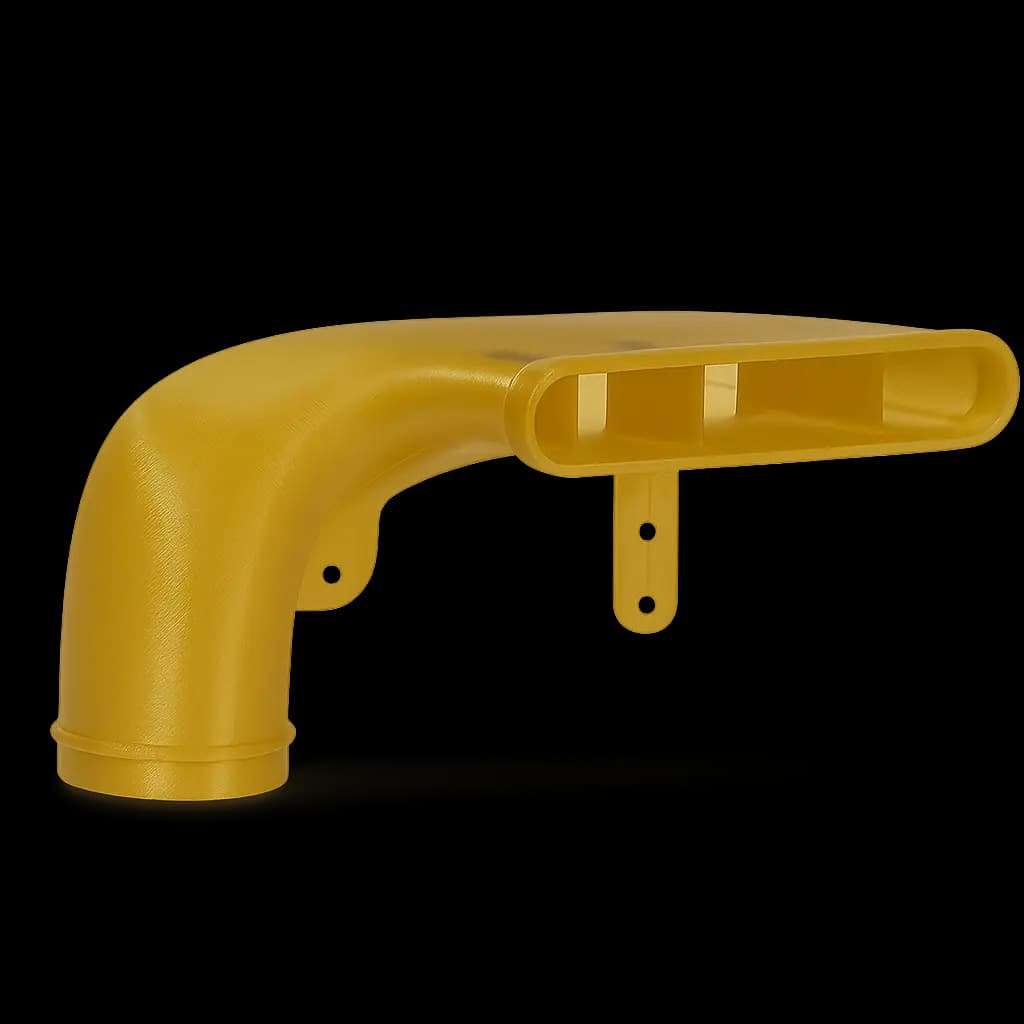
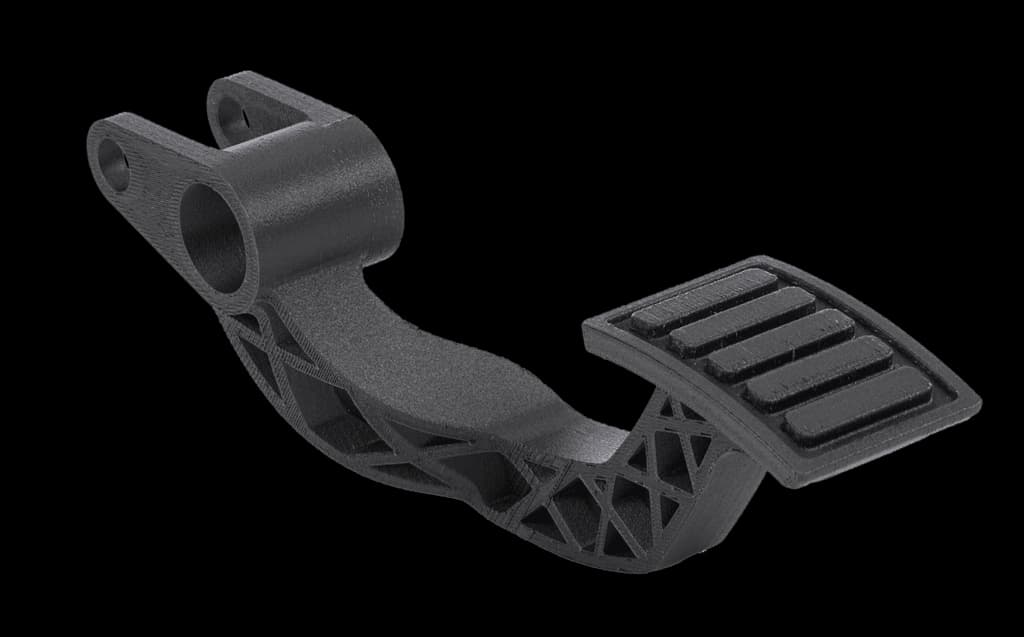
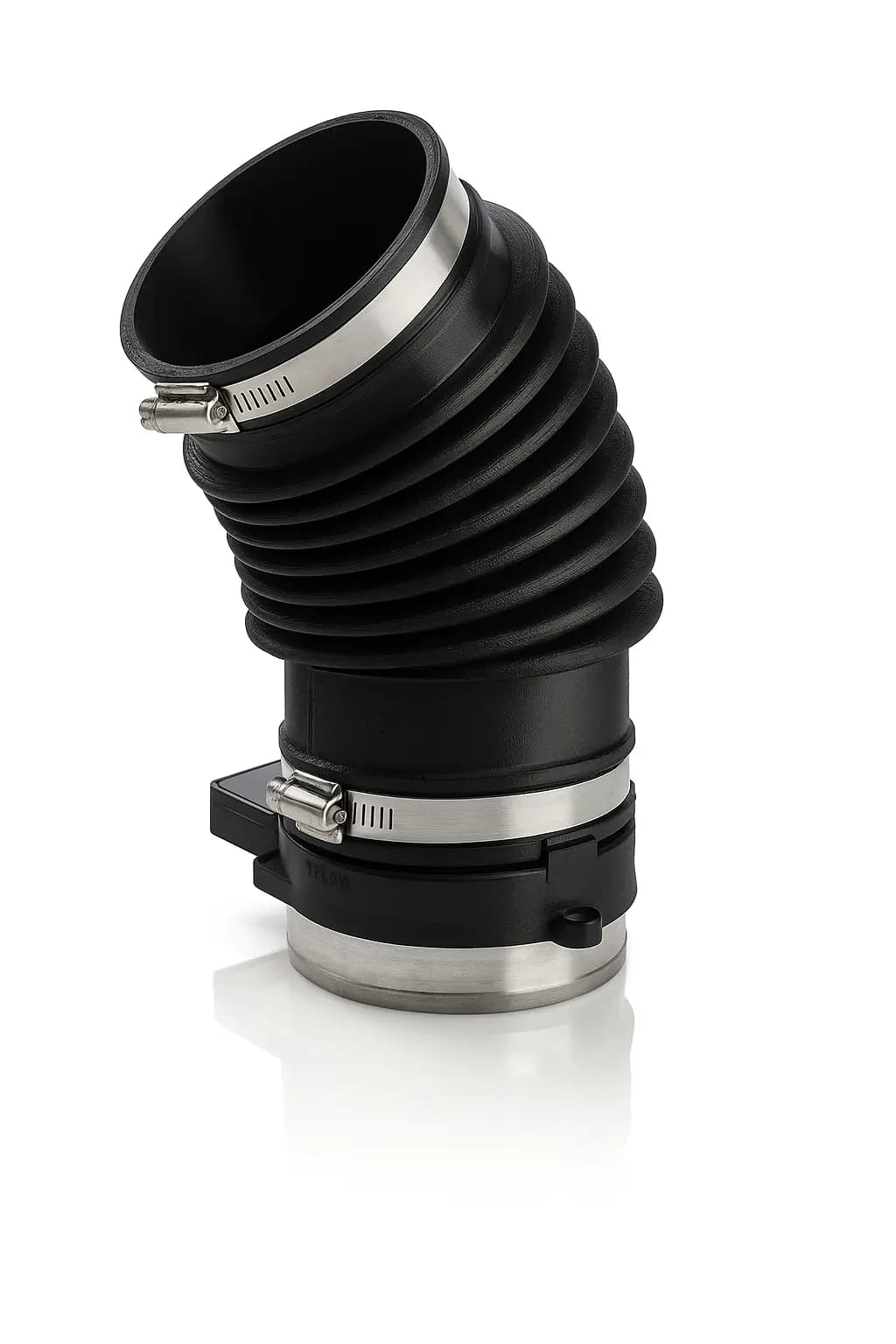
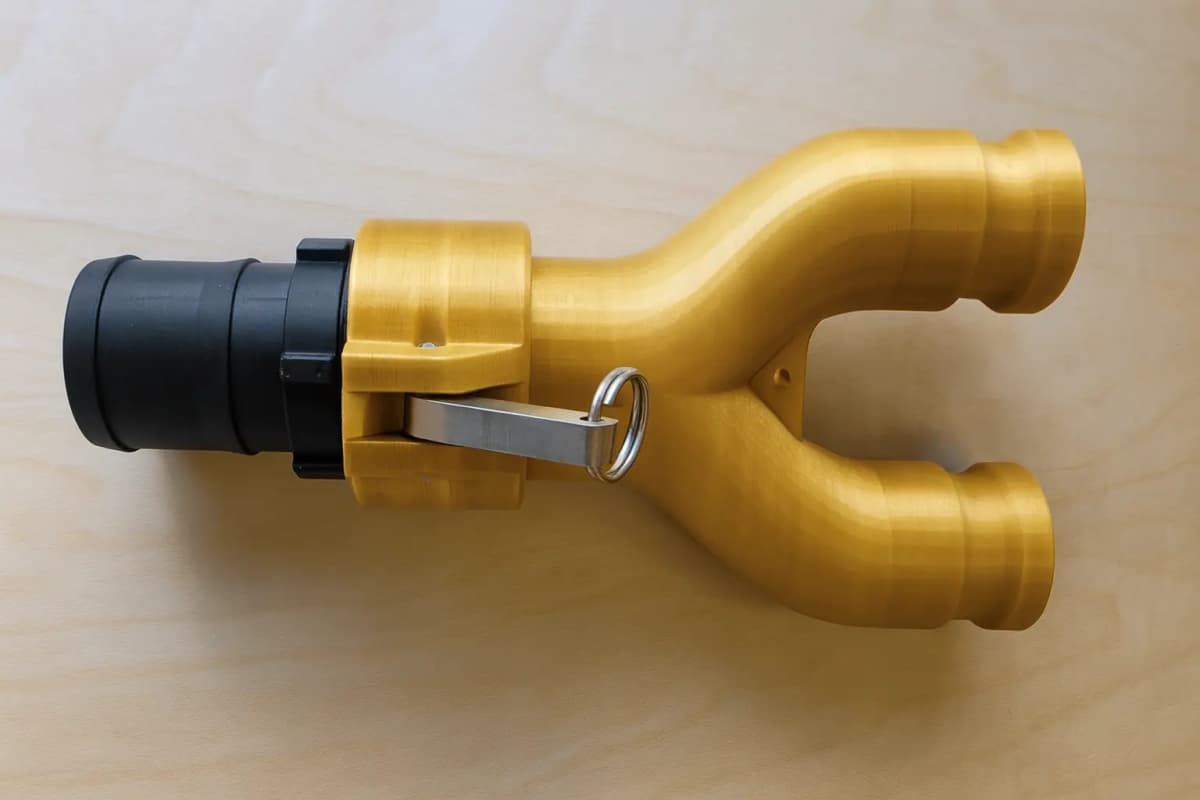
Fused Deposition Modeling technology example showing FDM 3D printing capabilities and quality

Industrial Manufacturing

High Performance FDM Thermoplastics

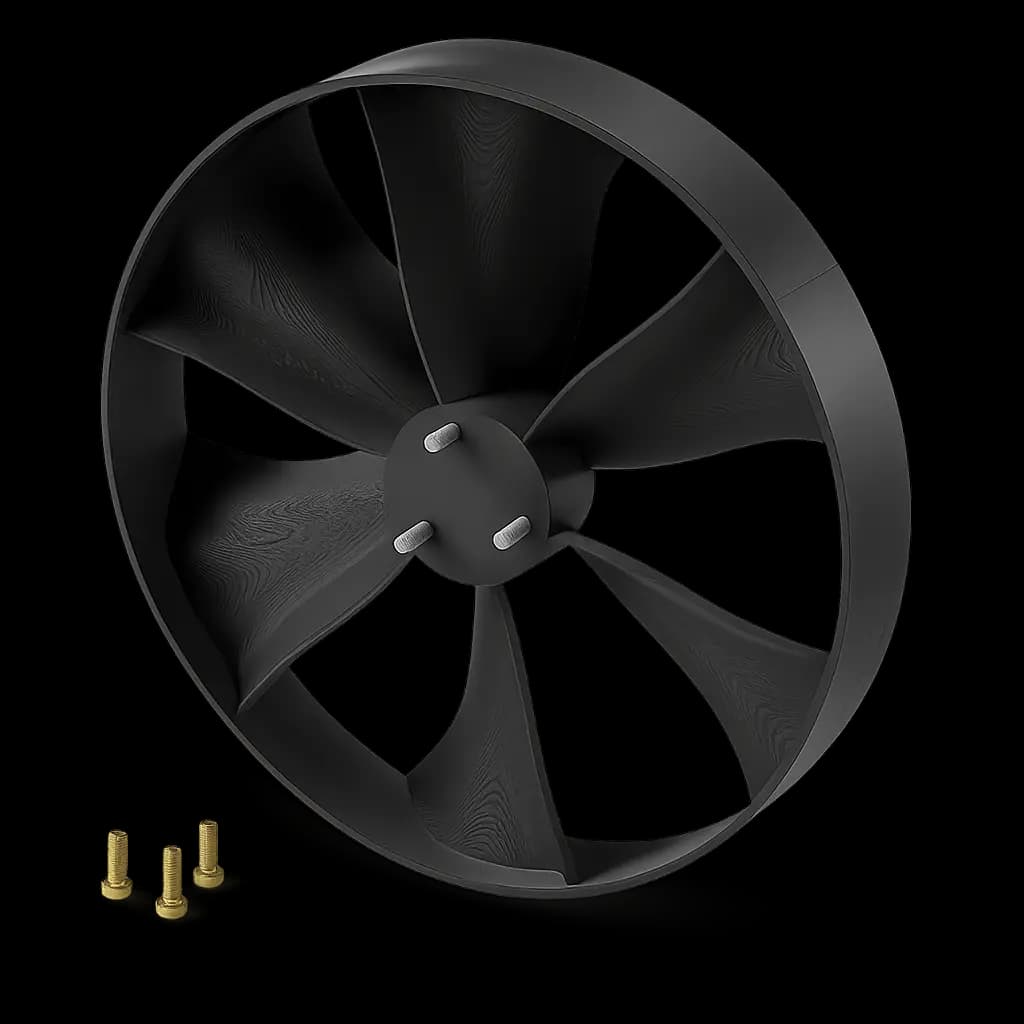
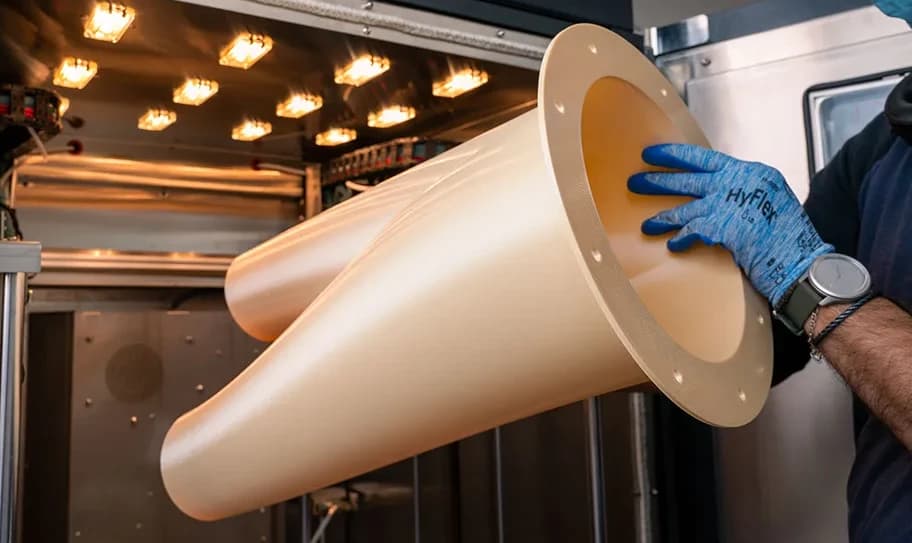
Trusted by manufacturers for large-scale production and industrial applications, FDM technology enables cost-effective manufacturing of oversized parts and complex assemblies. Engineering-grade thermoplastics like ULTEM, PEEK, and carbon fiber composites provide exceptional strength-to-weight ratios and chemical resistance. From aerospace ducting to automotive tooling, FDM offers unmatched scalability for both prototyping and end-use manufacturing with minimal material waste.

Production applications

Manufactured for Demanding Applications

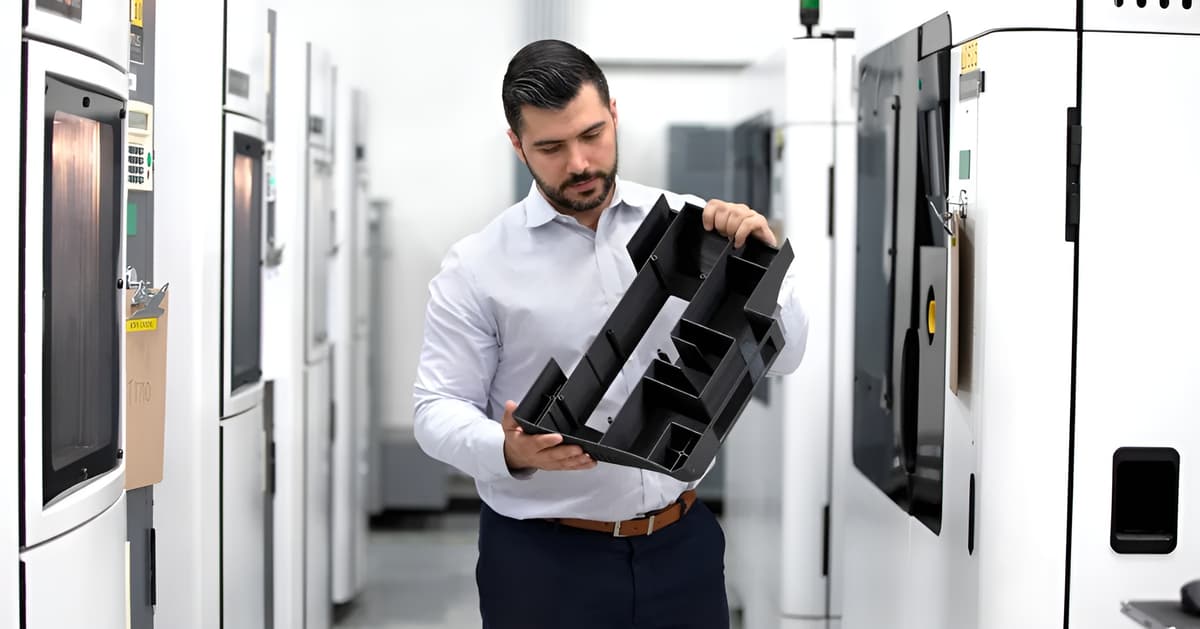
Manufacturing environments demand reliable, repeatable processes that FDM consistently delivers through heated chamber technology and precise material deposition. Large build volumes accommodate parts up to 900mm, while multi-axis capabilities enable complex overhangs and internal structures. The heated chamber ensures dimensional stability in engineering thermoplastics, critical for jigs, fixtures, and end-use components in demanding industrial applications.

Key advantages

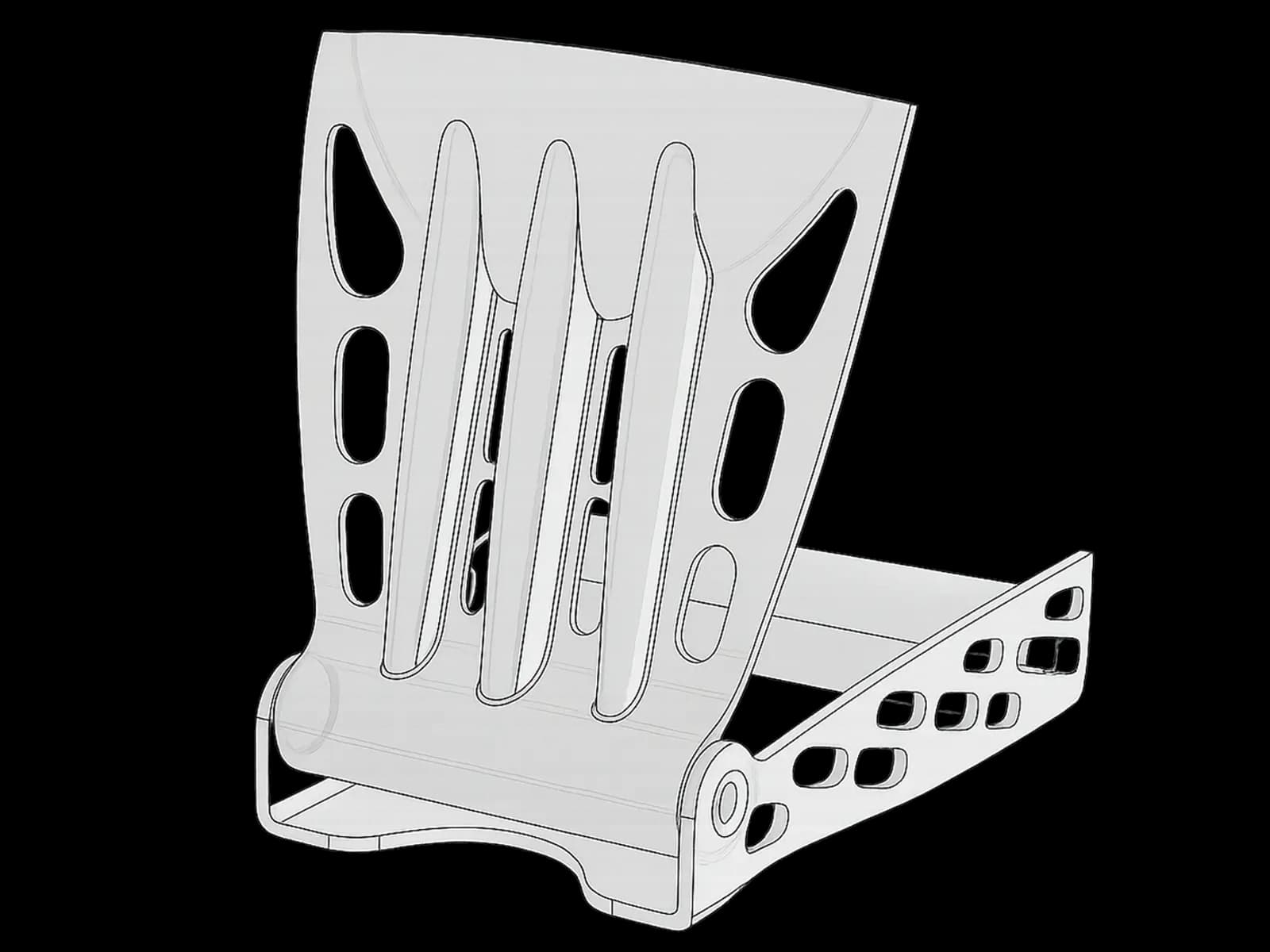
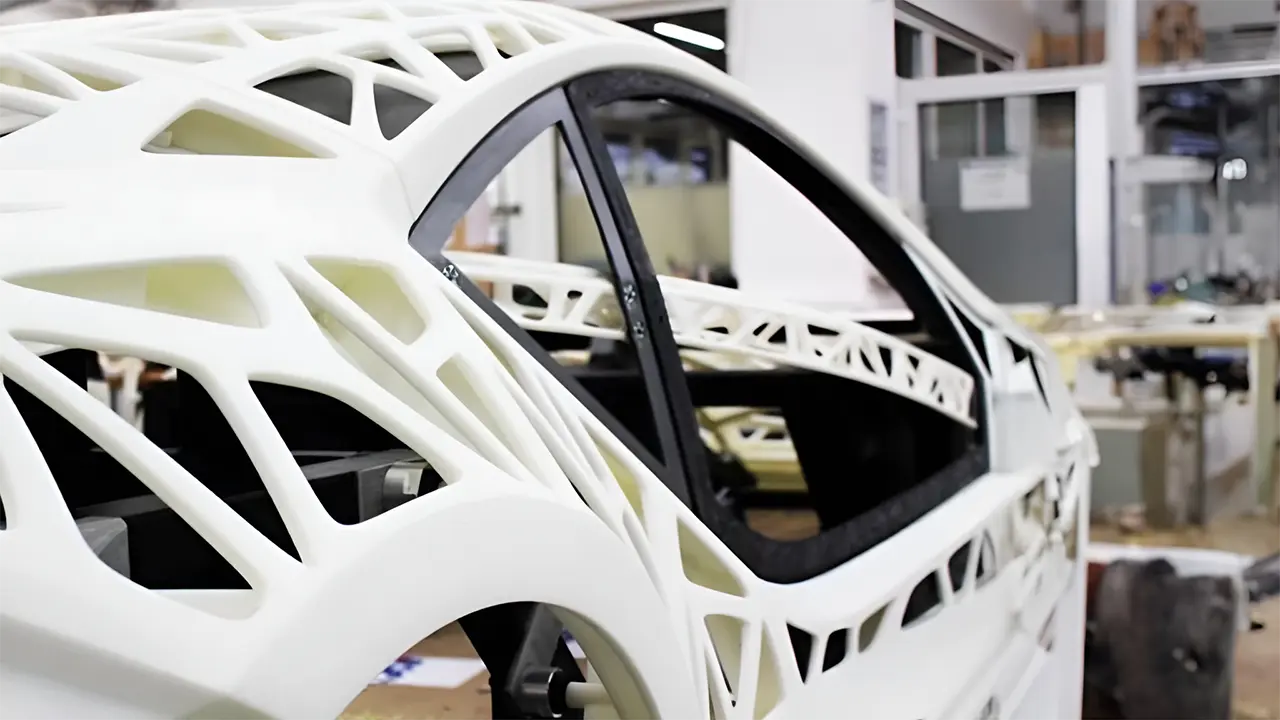
Complex geometries: Intricate internal channels, overhangs, and assemblies impossible with traditional manufacturing.

Functional prototypes: Test mechanical properties and fit before investing in production tooling.

Custom tooling: Jigs, fixtures, and manufacturing aids tailored to specific production requirements.

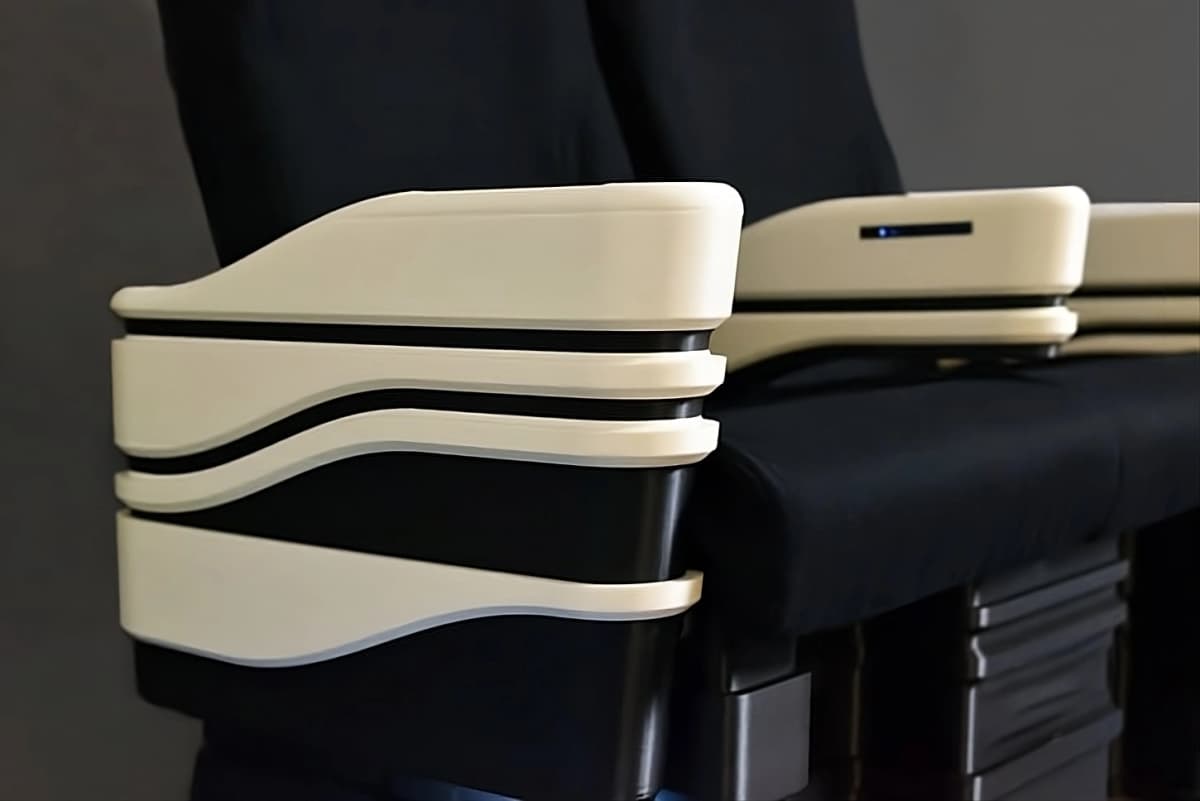
End-use parts: Production components for aerospace, medical, automotive, and industrial applications.

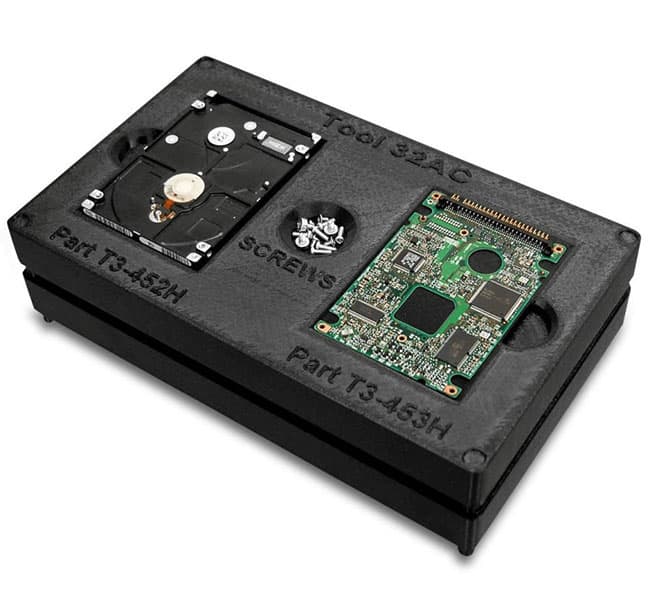
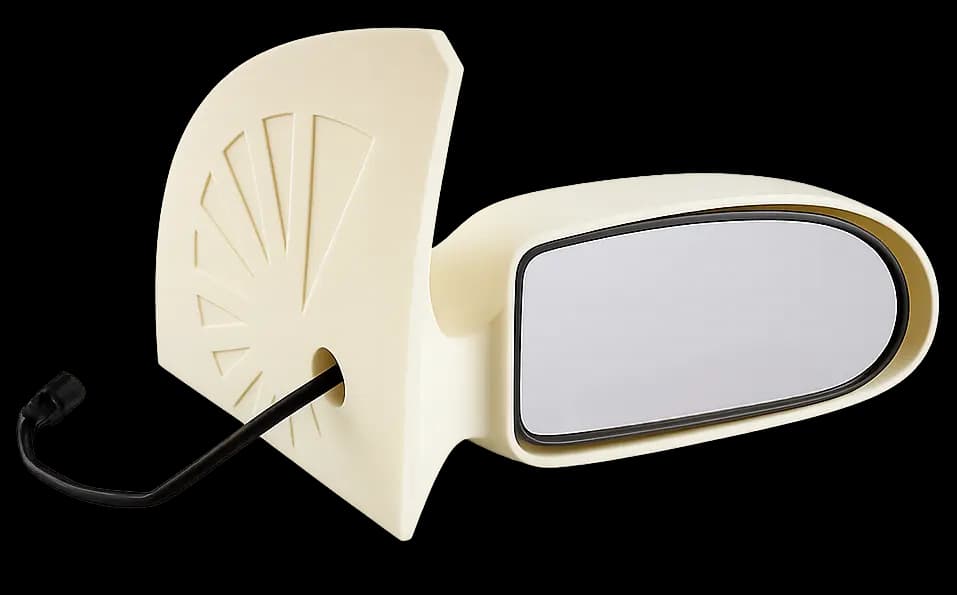
FDM automotive components
FDM medical devices
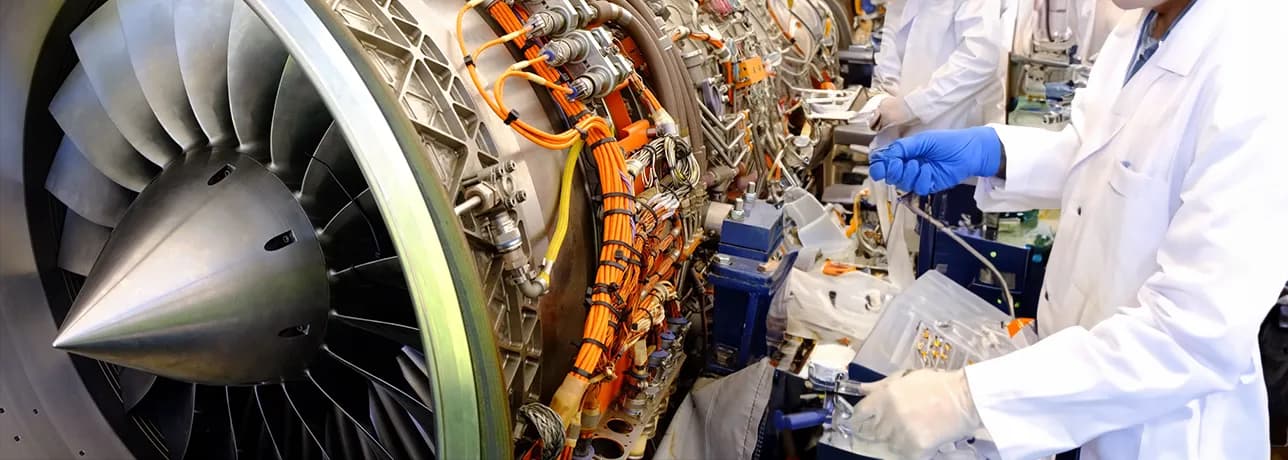
FDM aerospace components
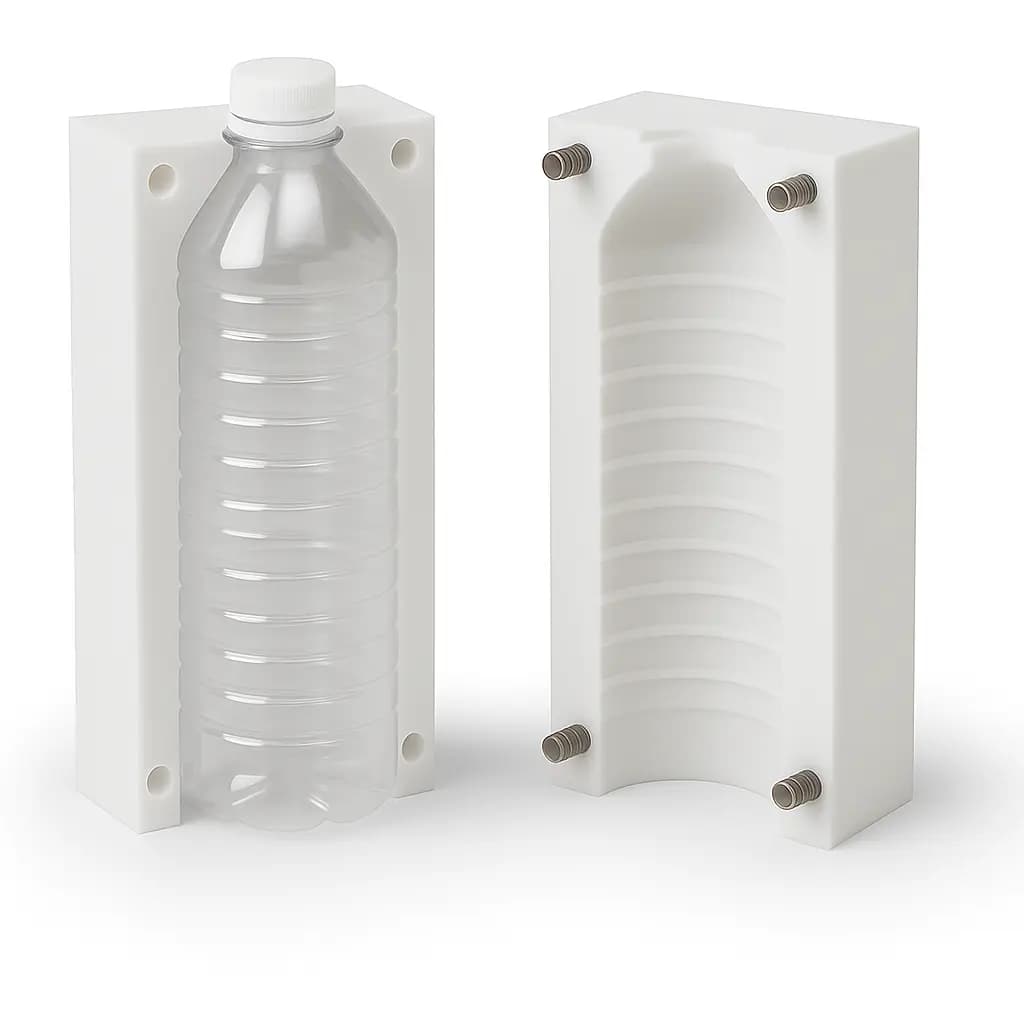
FDM complex geometries
Manufacturing Process

The Fused Deposition Modeling (FDM) manufacturing process

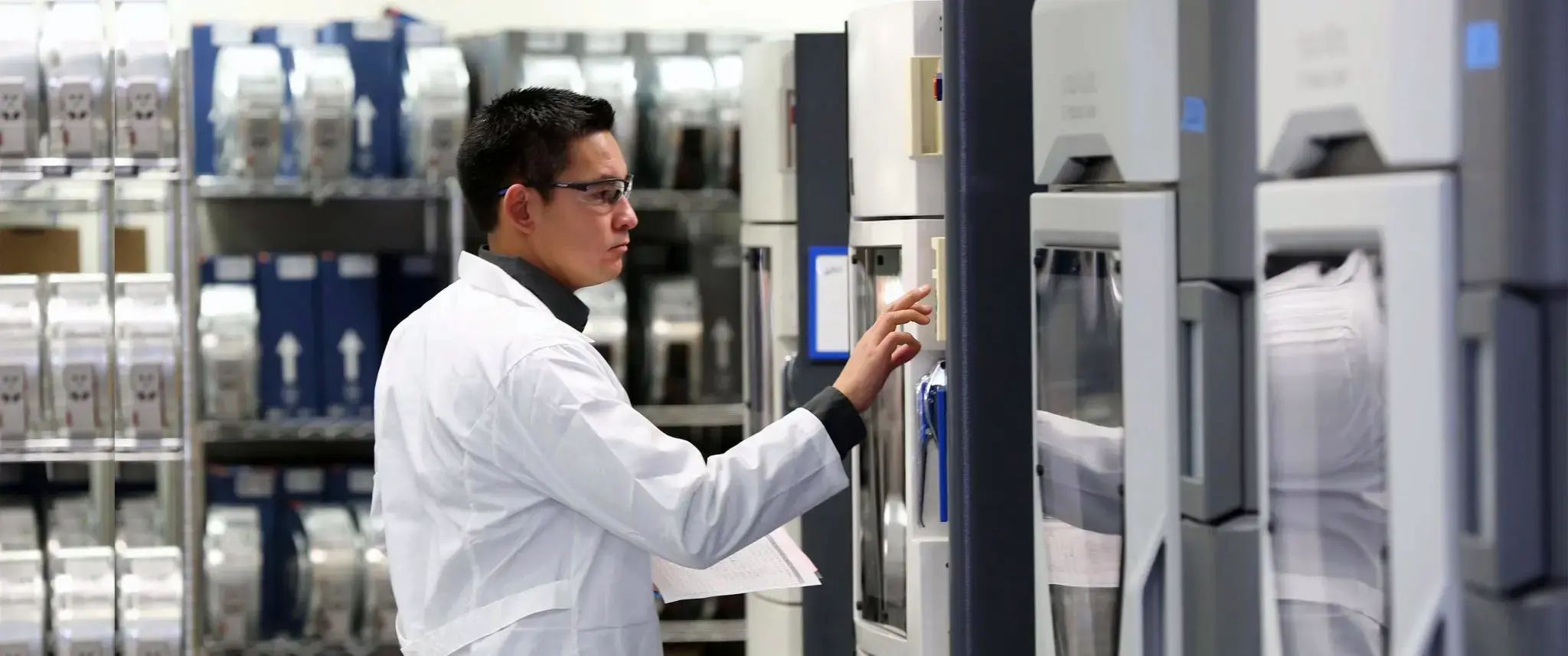
Fused Deposition Modeling uses industrial Stratasys 3D printers with heated extruders and enclosed build chambers to melt and deposit thermoplastic filament layer by layer, creating strong, durable parts with excellent material properties. Controlled chamber heat minimizes warping on large parts and improves layer adhesion in engineering thermoplastics. Support material is removed after printing, leaving parts ready for post-processing.

Material Loading & Preparation

Step 1 of 4

Material Loading & Preparation

Industrial-grade thermoplastic filament is loaded into the heated extruder system. The enclosed build chamber is preheated to optimal temperature to prevent warping and ensure consistent layer adhesion.

Build Volume
914 × 610 × 914 mm
Chamber Temperature
Material-specific (up to 200°C)
Extruder Temperature
250°C - 400°C
Material Types
7 Engineering Grades

Build Volume

Large-format build envelopes allow oversized parts and fixtures to be produced in a single piece up to 914 x 609 x 914 mm.

Tolerance

Stable dimensional control suited for functional prototypes, jigs, and fixtures to ±0.3% (min ±0.25 mm).

Layer Height

Tuned for speed vs. finish; thicker layers for throughput, thinner for detail using 127 - 330 microns.

Machines

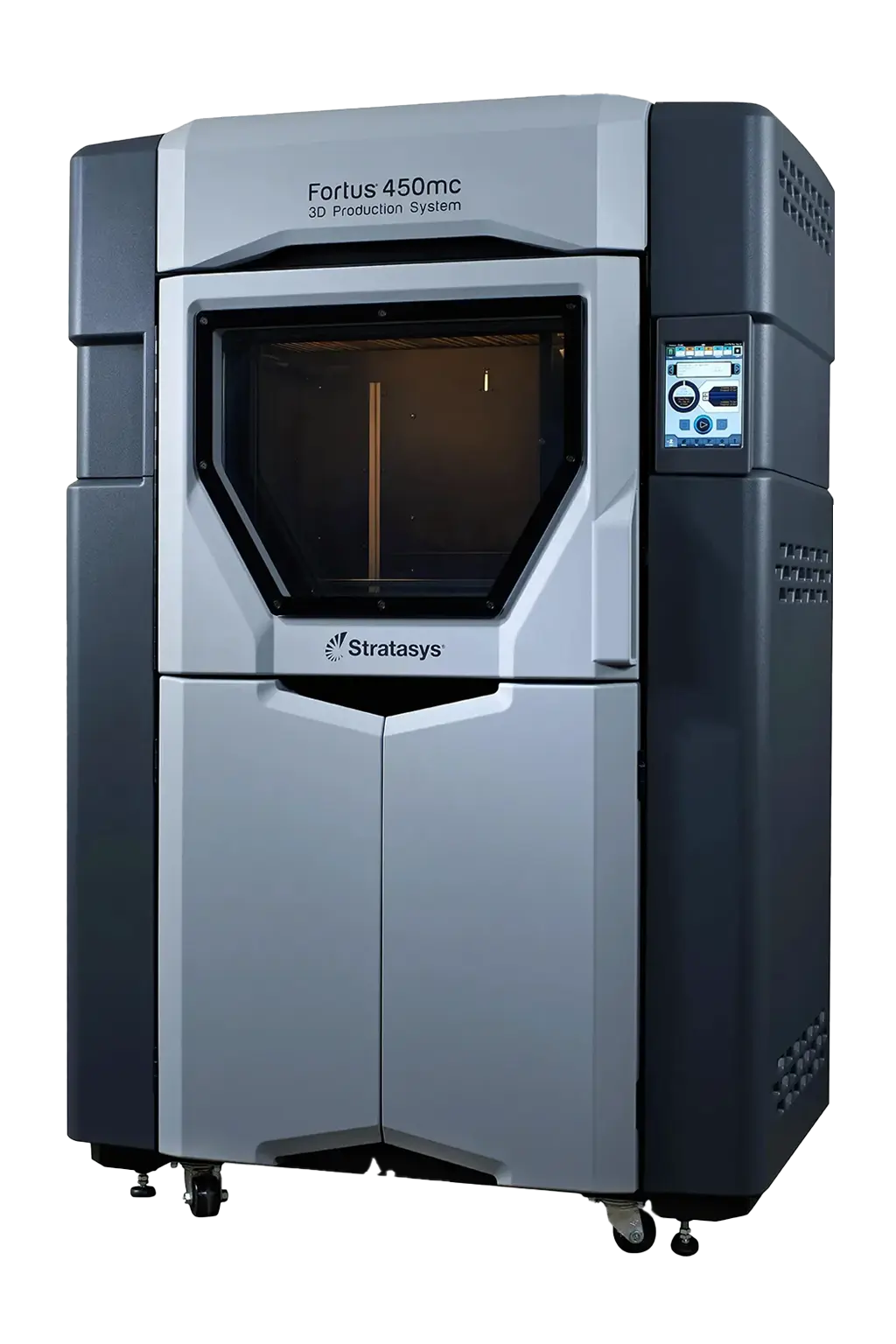
Forge Labs manufactures FDM parts using Stratasys Fortus 900, Stratasys Fortus 450, Stratasys Fortus 400, Bambu Labs H2S, Stratasys Fortus 380, Markforged X7.

Material Library

High Performance FDM Thermoplastics

Professional-grade FDM thermoplastics engineered for strength, precision, and reliability. From standard engineering plastics to high-performance PEEK and carbon fiber composites, our material library covers applications from prototyping to end-use manufacturing.

  • ABS Part
    Primary Material

    ABS

    ABS represents a proven choice for industrial FDM 3D printing, offering an excellent combination of mechanical strength, chemical resistance, and thermal stability.

    Tensile Strength
    26 MPa
    Flexural Modulus
    1760 MPa
    Temp Resistance
    96 °C
    Material details

    This production-grade thermoplastic delivers consistent, reliable performance across automotive, aerospace, and manufacturing applications where durability and dimensional accuracy are paramount.

    Industrial-Grade FDM Thermoplastic

    Grade Selector

    ABS-M30Triton ABS

    Compliance

    UL 94 HB/RoHS Compliance/REACH Compliance

    Applications

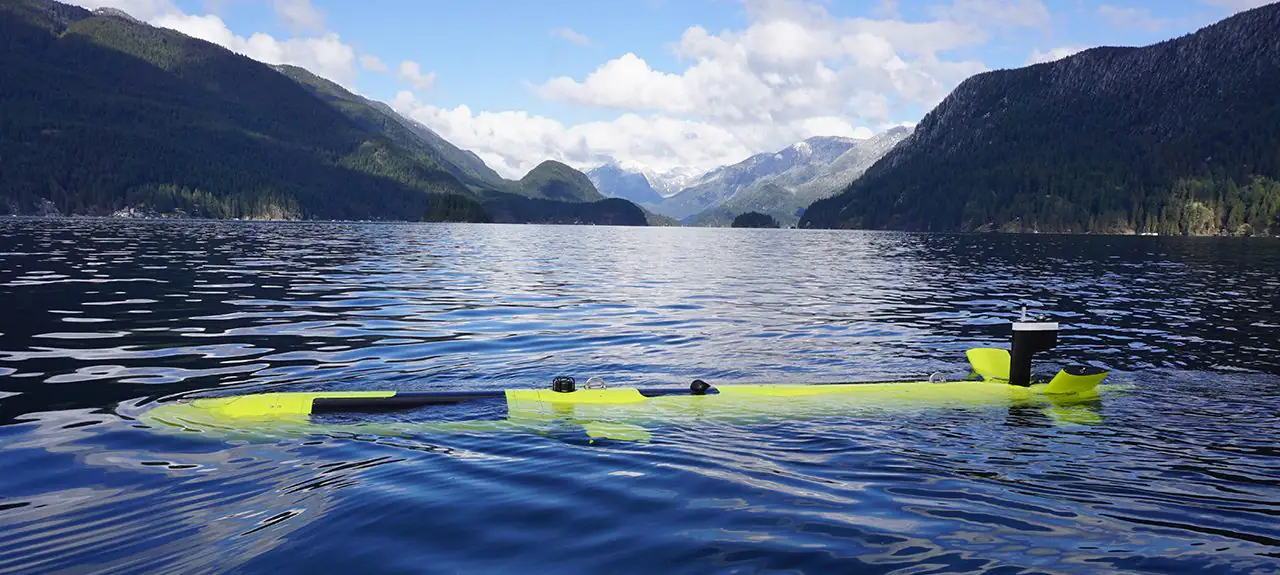
    Marine antenna & sensor systems/Aerospace cabin retrofit tooling/Automation tooling & enclosures/Motorsport cooling & bracketry

  • ABS-ESD7 Part
    Static Dissipative

    ABS-ESD7

    ABS-ESD7 combines the proven mechanical properties and ease of processing of standard ABS with carbon additives that provide reliable electrostatic dissipative (ESD) properties.

    Tensile Strength
    36 MPa
    Flexural Modulus
    2450 MPa
    Temp Resistance
    98 °C
    Material details

    With a surface resistance of 10⁷ Ω/sq, this material safely dissipates static charges within milliseconds, preventing damage to sensitive electronic components.

    Electrostatic Dissipative Thermoplastic for Electronics

    Compliance

    IEC 60093/ESD Association Standards/ANSI/ESD S20.20

    Applications

    Electronic Jigs & Fixtures/Electronics Manufacturing/Semiconductor Handling/Automotive Electronics

  • ASA Part
    Available Material

    ASA

    ASA (Acrylonitrile Styrene Acrylate) is a high-performance thermoplastic designed for demanding outdoor applications.

    Tensile Strength
    No yield
    Flexural Modulus
    1760 MPa
    Temp Resistance
    103 °C
    Material details

    It offers the mechanical strength of ABS with superior UV resistance, making it ideal for parts exposed to sunlight, weather, and environmental stress.

    UV-Resistant Thermoplastic for Outdoor Applications

    Grade Selector

    ASATriton ASA

    Applications

    Automotive Exteriors/Outdoor Equipment/Marine Applications/Architectural Elements

  • Polycarbonate Part
    Available Material

    Polycarbonate

    Stratasys FDM Polycarbonate represents the pinnacle of thermoplastic performance for additive manufacturing.

    Tensile Strength
    30 MPa
    Flexural Modulus
    1800 MPa
    Temp Resistance
    138 °C
    Material details

    This advanced engineering material combines exceptional mechanical properties with superior thermal stability, making it the go-to choice for applications where standard thermoplastics fall short.

    High-Performance Engineering Thermoplastic for Demanding Applications

    Applications

    Automotive Dashboard Components/Aerospace Structural Components/Medical Device Housings/Manufacturing Tooling & Fixtures

  • PC-ABS Part
    Available Material

    PC-ABS

    PC-ABS represents the perfect balance of strength, heat resistance, and processability for demanding FDM applications.

    Tensile Strength
    41 MPa
    Flexural Modulus
    1900 MPa
    Temp Resistance
    110 °C
    Material details

    By combining polycarbonate's superior mechanical properties with ABS's excellent surface finish and moldability, this advanced thermoplastic blend delivers exceptional impact resistance (241 J/m notched Izod), high heat deflection temperature (up to 126°C), and outstanding dimensional stability.

    High-Strength Composite Thermoplastic for Demanding Applications

    Grade Selector

    PC-ABSTriton PC-ABS

    Compliance

    UL 94 V-0/RoHS Compliance/REACH Compliance

    Applications

    Automotive Interior Components/Electronics Housings/Consumer Product Prototypes/Manufacturing Tooling

  • ULTEM 9085 Part
    Available Material

    ULTEM 9085

    ULTEM 9085 is considered an engineering grade Fused Deposition Modeling (FDM) thermoplastic renowned for its exceptional strength-to-weight ratio and flame-retardant properties.

    Tensile Strength
    33 MPa
    Flexural Modulus
    2050 MPa
    Temp Resistance
    170 °C
    Material details

    This polyetherimide (PEI) blend offers superior mechanical performance and ease of printing, making it ideal for demanding engineering applications.

    High-Performance Thermoplastic for Mission-Critical Applications

    Compliance

    UL 94 V-0/14 CFR 25.853/AITM 2.0007B & 3.0005

    Applications

    Aerospace Interior Components/Automotive Under-Hood Components/Manufacturing Tooling/Electrical & Electronics

  • ULTEM 1010 Part
    Available Material

    ULTEM 1010

    ULTEM 1010 is a high-performance polyetherimide (PEI) resin that represents the pinnacle of FDM thermoplastic performance.

    Tensile Strength
    41 MPa
    Flexural Modulus
    2230 MPa
    Temp Resistance
    216 °C
    Material details

    With the highest heat resistance, chemical resistance, and tensile strength of any FDM material, ULTEM 1010 excels in the most demanding applications.

    Highest Heat Resistance, Chemical Resistance & Tensile Strength of Any FDM Material

    Compliance

    UL 94 V-0/NSF 51 Food Contact/ISO 10993/USP Class VI

    Applications

    Composite Lay-up Tooling/Medical Instruments/Aerospace Components/Food Processing Equipment

  • Antero 800NA PEKK Part
    Available Material

    Antero 800NA PEKK

    Antero 800NA is a groundbreaking PEKK-based (polyetherketoneketone) FDM thermoplastic that sets new standards for high-performance additive manufacturing.

    Tensile Strength
    59.4 MPa
    Flexural Modulus
    2,650 MPa
    Temp Resistance
    158 °C
    Material details

    Combining excellent mechanical properties including high strength, heat resistance, and toughness with superior chemical resistance and ultra-low outgassing characteristics, it excels in the most demanding aerospace, space, and industrial applications.

    Aerospace-Grade Thermoplastic with Exceptional Chemical Resistance & Low Outgassing

    Compliance

    14 CFR 25.853 (FAR 25.853)/BSS 7238 & 7239/AITM 2.0007B & 3.0005

    Applications

    Aerospace Components/Spacecraft Parts/Chemical Processing Equipment/High-Temperature Tooling

  • Nylon 12 Carbon Fiber Part
    Reinforced

    Nylon 12 Carbon Fiber

    Nylon 12 Carbon Fiber is a revolutionary composite material that combines nylon 12 base polymer with chopped carbon fiber at 35% by weight.

    Tensile Strength
    34 MPa
    Flexural Modulus
    2,070 MPa
    Temp Resistance
    160 °C
    Material details

    This unique composition results in exceptional mechanical properties with the highest stiffness-to-weight ratio in the Stratasys FDM material portfolio.

    Carbon Fiber Reinforced Thermoplastic for High-Performance Applications

    Applications

    Aerospace Structural Components/Automotive Performance Parts/Manufacturing Jigs & Fixtures/End-of-Arm Tooling

  • TPU 92A Part
    Flexible

    TPU 92A

    Stratasys TPU 92A brings elastomeric performance to FDM with documented axis-based properties on F123 and F123CR platforms.

    Tensile Strength
    See datasheet
    Flexural Modulus
    See datasheet
    Temp Resistance
    38 C
    Material details

    The material combines Shore A 92 hardness with high elongation at break (552% XY / 482% XZ), making it practical for compliant parts that repeatedly flex.

    Stratasys FDM TPU Elastomer (Shore 92A)

    Applications

    Flexible Hoses & Tubes/Seals & Gaskets/Vibration Dampeners/Protective Covers

Post-Processing

Material Surface Finishes

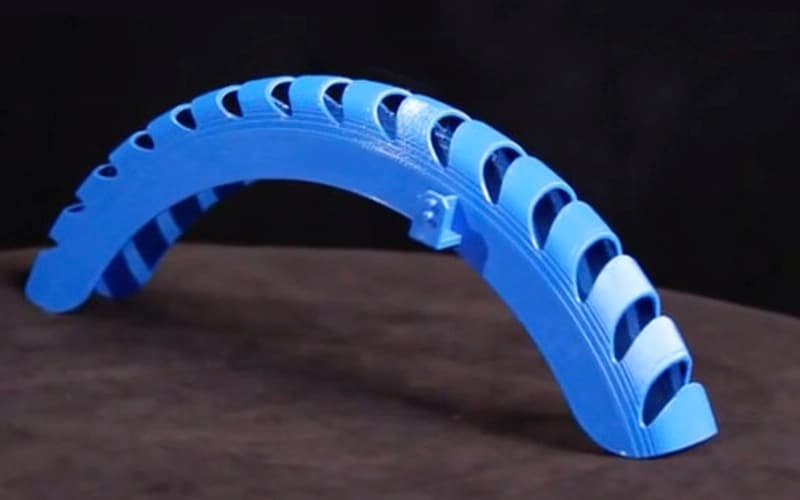
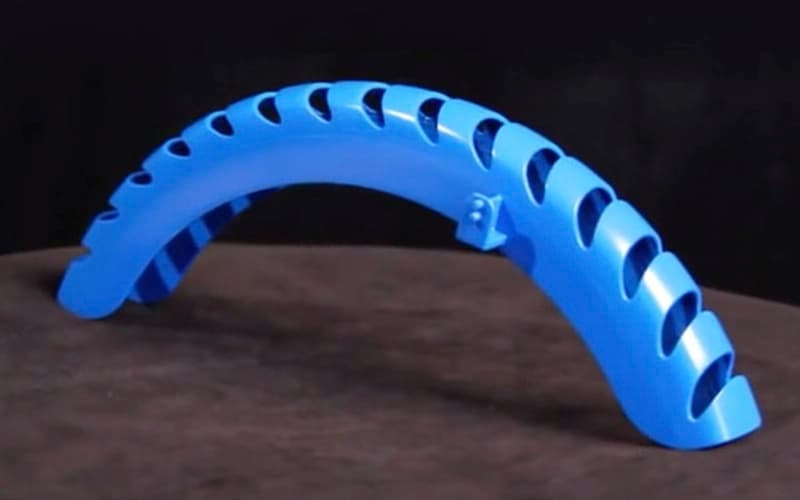
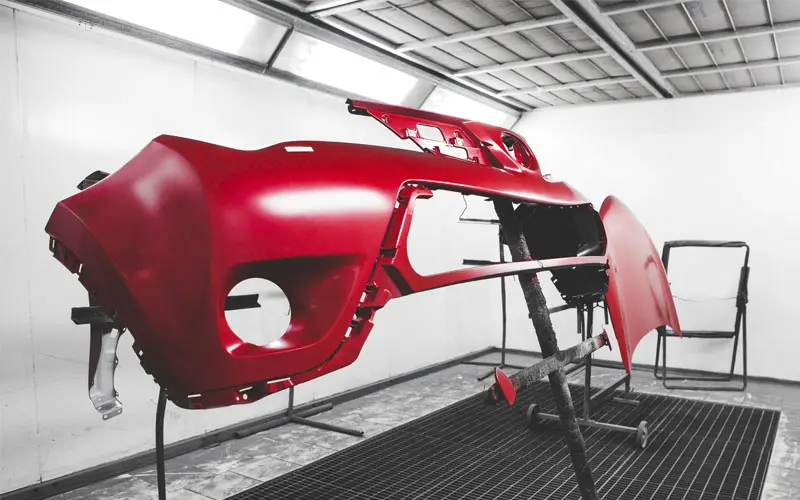
FDM parts have a distinct layer-by-layer texture with visible striations, resulting in a slightly rough, ribbed surface finish. While the natural finish is durable and functional for most applications, post-processing techniques can significantly enhance appearance and performance. Vapor smoothing chemically melts the outer surface, creating a glossy, sealed finish with improved strength. Performance painting provides a professional, polished look with custom color matching capabilities.

Standard Finish FDM Finish
Natural Finish

Standard Finish

Visible Layer-by-Layer Texture

FDM 3D printed parts have a visible layer-by-layer texture with slight ridges and striations, resulting in a rougher surface finish compared to other 3D printing technologies like SLS or SLA. Soluble supports are dissolved in an ultrasonic cleaning tank, while physical supports on high-temperature materials are removed by hand if required.

Finish attributes

Surface TextureVisible layer-by-layer texture with slight ridges and striations
AppearanceNatural material color
DetailsLayer-height dependent
Vapor Smoothed
Standard Finish
Enhanced Finish

Vapor Smoothing

Chemically Smoothed Surface

Vapor smoothing dissolves the outer layer, causing it to smooth out and blend, reducing layer lines and enhancing the part's appearance. This process creates a glossy, sealed surface with improved strength, reduced porosity, and increased chemical resistance, making it ideal for functional and aesthetic applications.

Finish attributes

Surface TextureLayer lines are diminished
AppearanceGloss finish
DetailsMay soften
Performance Paint
Standard Finish
Premium Finish

Performance Paint

Automotive-Grade Coating

Painting offers a highly durable, automotive-grade coating that enhances the aesthetics and durability of 3D-printed parts. Each part is hand-finished to ensure smooth surfaces and a premium quality appearance. Using professional-grade coating equipment, this process allows for precise application and exceptional adhesion. Custom color matching is available, making it ideal for applications that require specific branding or visual impact.

Finish attributes

Surface TextureMatte to Semi-Gloss
AppearanceCustom color matching for precise branding or aesthetic needs
DetailsClear & refined
Value-Added Services

FDM Production Services

Large-format thermoplastics benefit from secondary operations that improve assembly accuracy and in-field durability.

Threading and tapping icon

Threading and tapping

Production-safe threaded features for repeated install/remove cycles.

Heat-set insert programs icon

Heat-set insert programs

Higher pull-out strength for enclosures, brackets, and service panels.

Bonding and sub-assembly icon

Bonding and sub-assembly

Joinery workflows for oversized geometry split across multiple builds.

Design Guidelines

FDM Design Guidelines

Our design guidelines for Fused Deposition Modeling (FDM) include important information to improve part quality, minimize costs, and reduce overall manufacturing time. This section is a quick primer before full DFM review.

Maximum Build Volume

Maximum Build Volume

914mm x 609mm x 914mm (36" x 24" x 36")

FDM produces parts up to 36 inches in a single build.

General Tolerances

General Tolerances

±0.3% (min ±0.25 mm)

Industrial FDM achieves tolerances of ±0.

Minimum Wall Thickness

Minimum Wall Thickness

1.0mm (0.039")

Supported walls are connected to two or more sides and are thick enough to support the model.

Layer Height

Layer Height

127 - 330 microns

Standard layer height is 254 microns (0.

Fused Deposition Modeling advantages
Technology Advantages

Why teams choose FDM

Fused Deposition Modeling offers unique advantages for modern manufacturing applications, delivering exceptional performance and versatility for both prototyping and production requirements. Key benefits include cost-effective manufacturing, superior material properties, and the ability to produce complex geometries that would be impossible or expensive with traditional manufacturing methods.

01Large-Format Printing
Capable of producing sizable parts in a single build, FDM is well-suited for applications requiring large prototypes, jigs, and fixtures
02Cost-Effective Manufacturing
FDM is one of the most affordable 3D printing technologies, making it ideal for rapid prototyping and low-volume production
03Functional Prototyping
Parts can be printed using industrial thermoplastics with properties close to injection-molded components
04Material Variety
Compatible with a wide range of thermoplastics, including ABS, PC, high-performance ULTEM, and fiber-reinforced composites
05Strong Layer Adhesion
Engineered for high-strength applications, FDM prints offer excellent interlayer bonding for durable, impact-resistant parts
06Scalable Production
Adaptable for both single-part manufacturing and batch production while maintaining cost efficiency
07Mechanical Strength & Durability
FDM parts exhibit excellent mechanical strength and impact resistance, ideal for tooling and functional components
Instant Quote Tool

From Upload to Delivery

Upload files, configure manufacturing specs, and track production in one workflow built for engineering teams.

File upload interface
Uploading files

75% complete

Step 01

Upload CAD Files

Automated file checks before production

Drop your CAD files and receive immediate manufacturability feedback. Critical geometry and wall checks run as soon as files are uploaded.

  • Upload STEP, STL, OBJ, and production drawing files
  • Auto-detection for thin walls and trapped volumes
  • Instant design feedback before checkout
Industry Applications

FDM Applications Across Industries

Industrial FDM is used when programs need large-format capability, rugged thermoplastics, and cost-effective iteration. Teams rely on FDM for tooling, fixtures, enclosures, ducting, and oversized prototypes that must hold up in real environments.

FDM is typically chosen for big parts, high-temperature polymers, and shop-floor tooling where strength and size matter more than fine surface finish. It supports rapid iteration and practical production aids that shorten setup time in manufacturing.

Start a quote

Ready to manufacture your parts?

Upload your CAD files to get instant quotes for FDM 3D printing. Professional-grade manufacturing with fast turnaround times.

  • Instant pricing with automated manufacturability analysis
  • Production workflows built for repeatable quality
  • Engineering support from prototype to production
View design guidelines

Create an account to upload CAD

STEP, STL, OBJ, 3MF and IGES supported

Manufacturing technologies
6
Engineering materials
50+
Part quantities
1-500+
Frequently Asked Questions

FDM Questions & Answers

Common questions about FDM 3D printing technology. Can't find what you're looking for? Reach out to our technical team.