Marine & Subsea
Clear Cold-Casting Molds
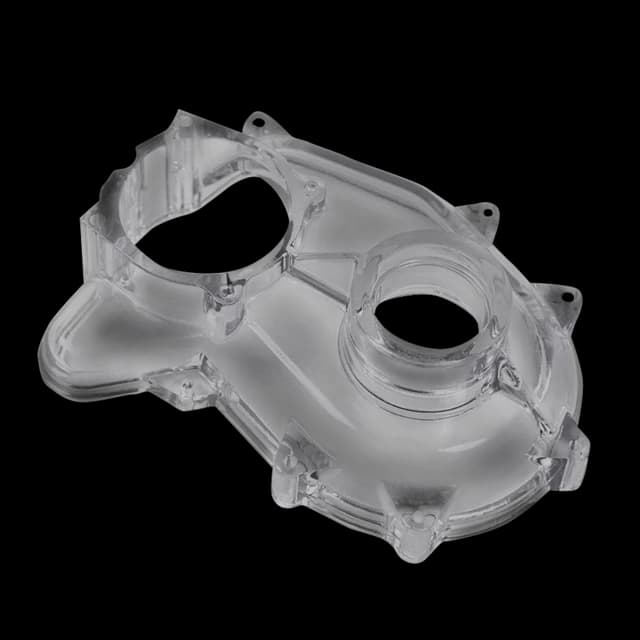
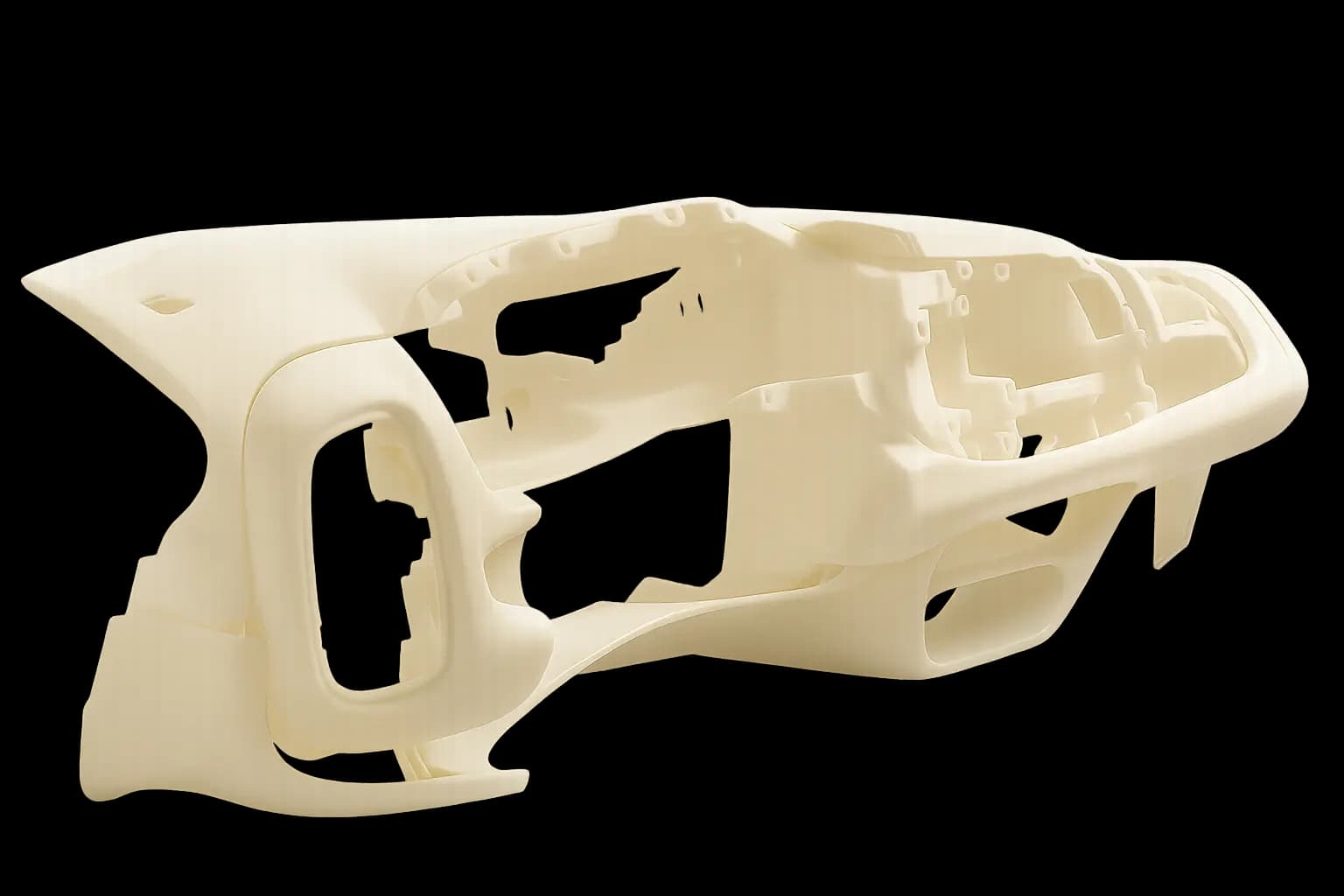
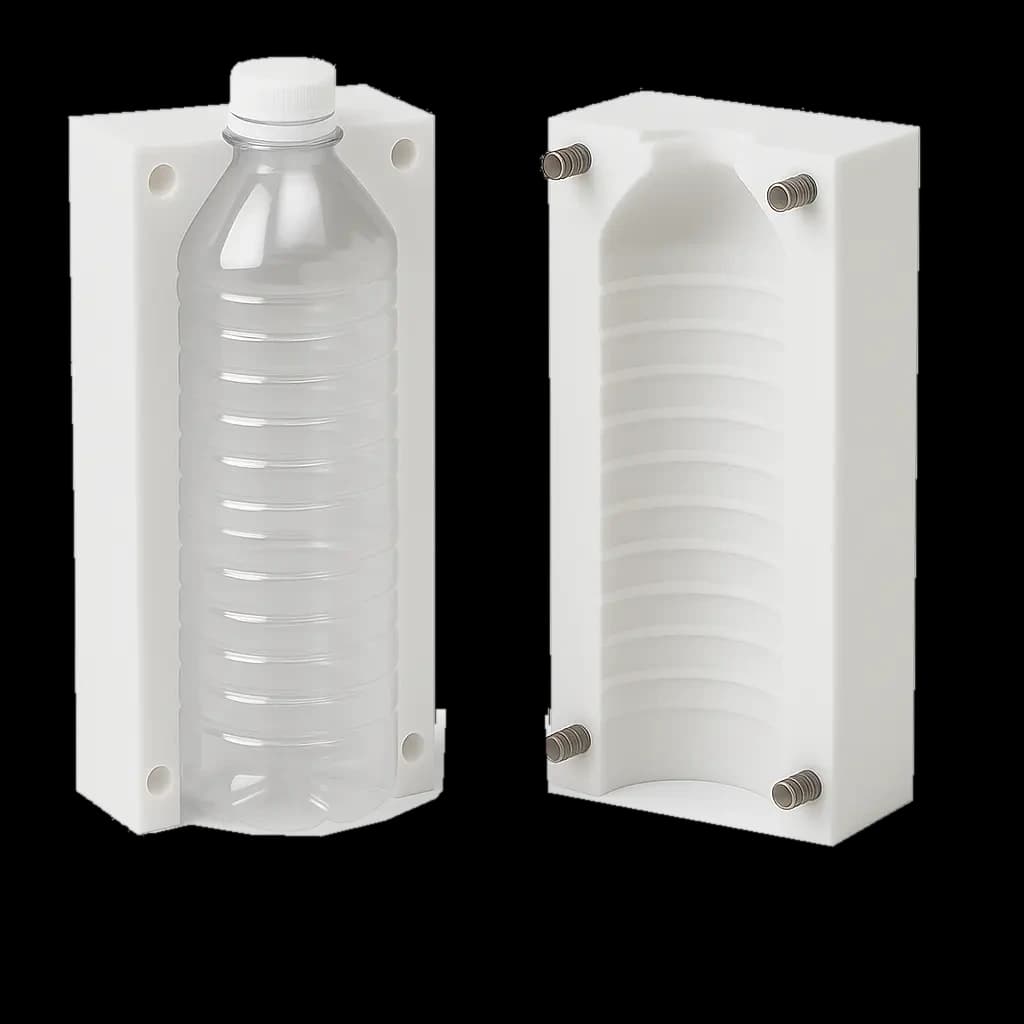
Clear casting molds that show resin flow, at 36% less cost and 2 days instead of 14 against machined aluminum.
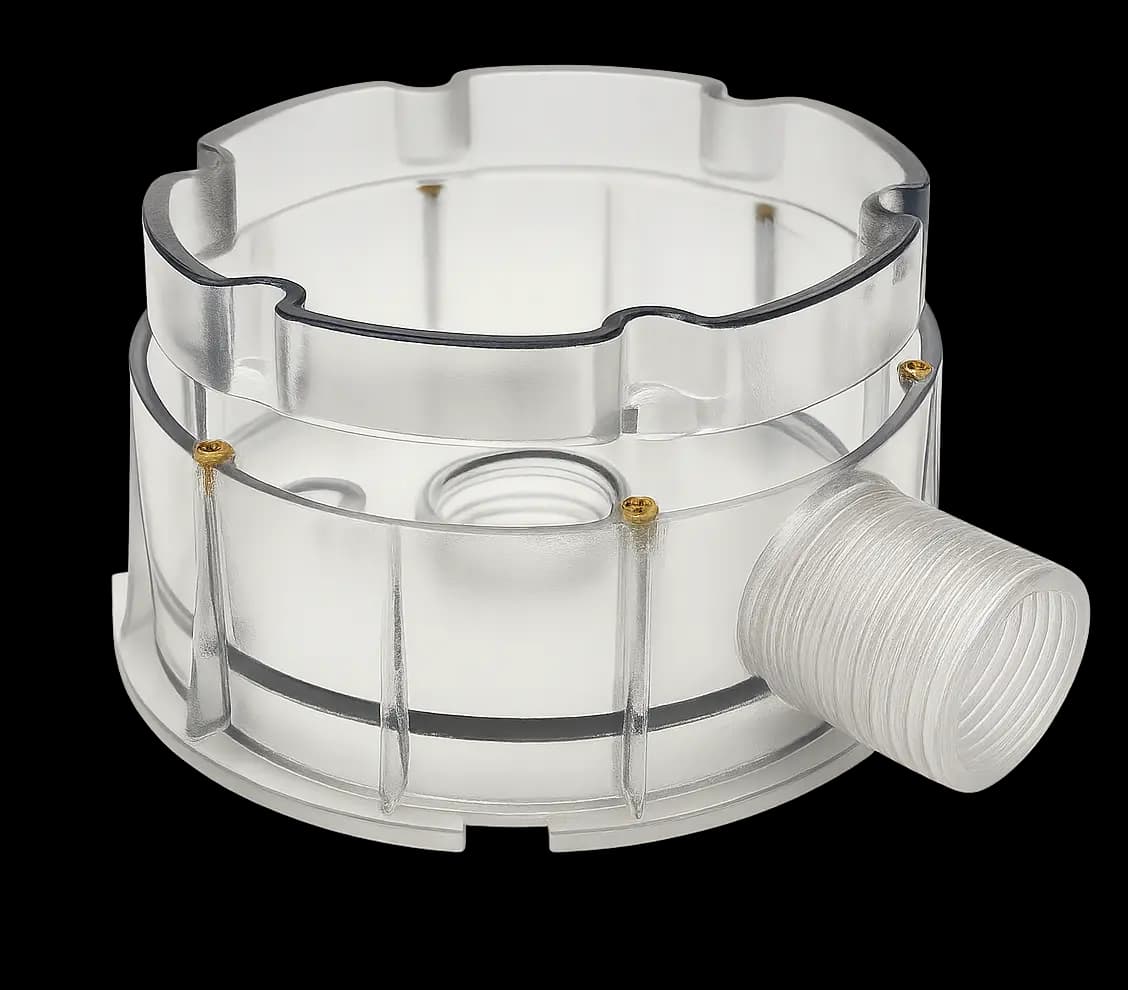
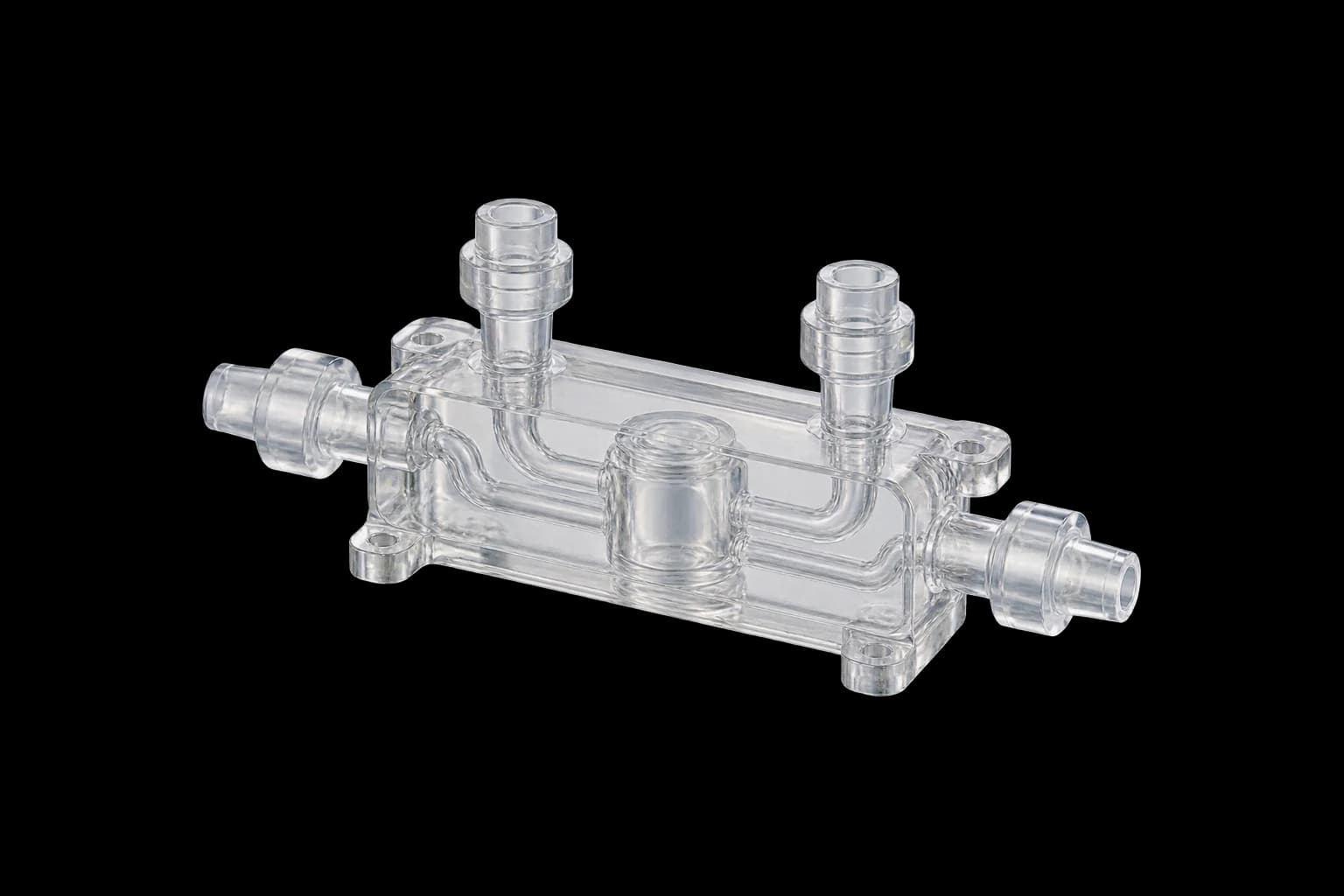
VeroClear is a rigid, clear PolyJet 3D printing material that looks like clear acrylic, for prototypes you need to see through. Parts come off the printer smooth, and polishing or clear coating makes them nearly transparent, so you can check internal mechanisms, fluid paths and light pipes before you commit to tooling. It prints in the same build as soft rubber-like and tough, impact-resistant materials, so clear windows, soft-touch grips and living hinges come out as one part. Choose it for clear housings, lenses and bottles, medical and anatomical models, display models and clear casting molds.
How VeroClear is manufactured
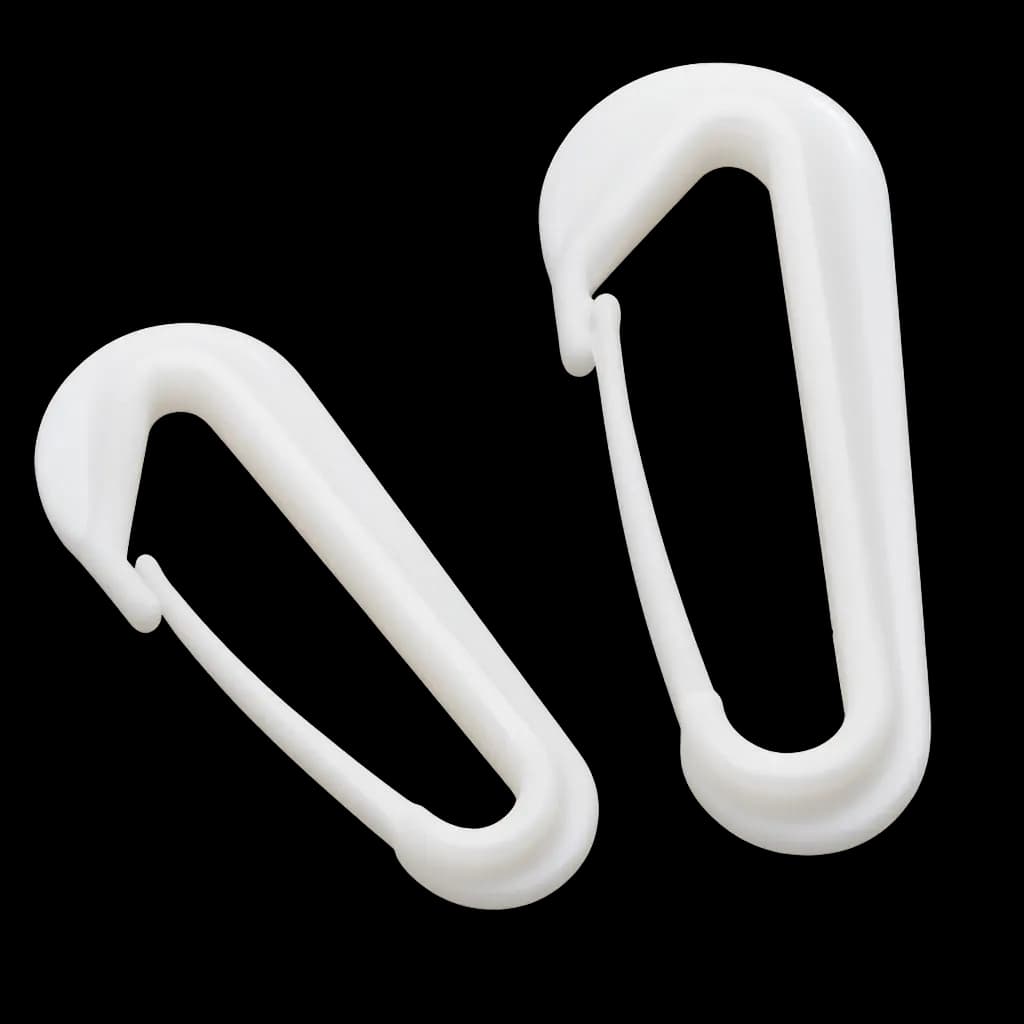
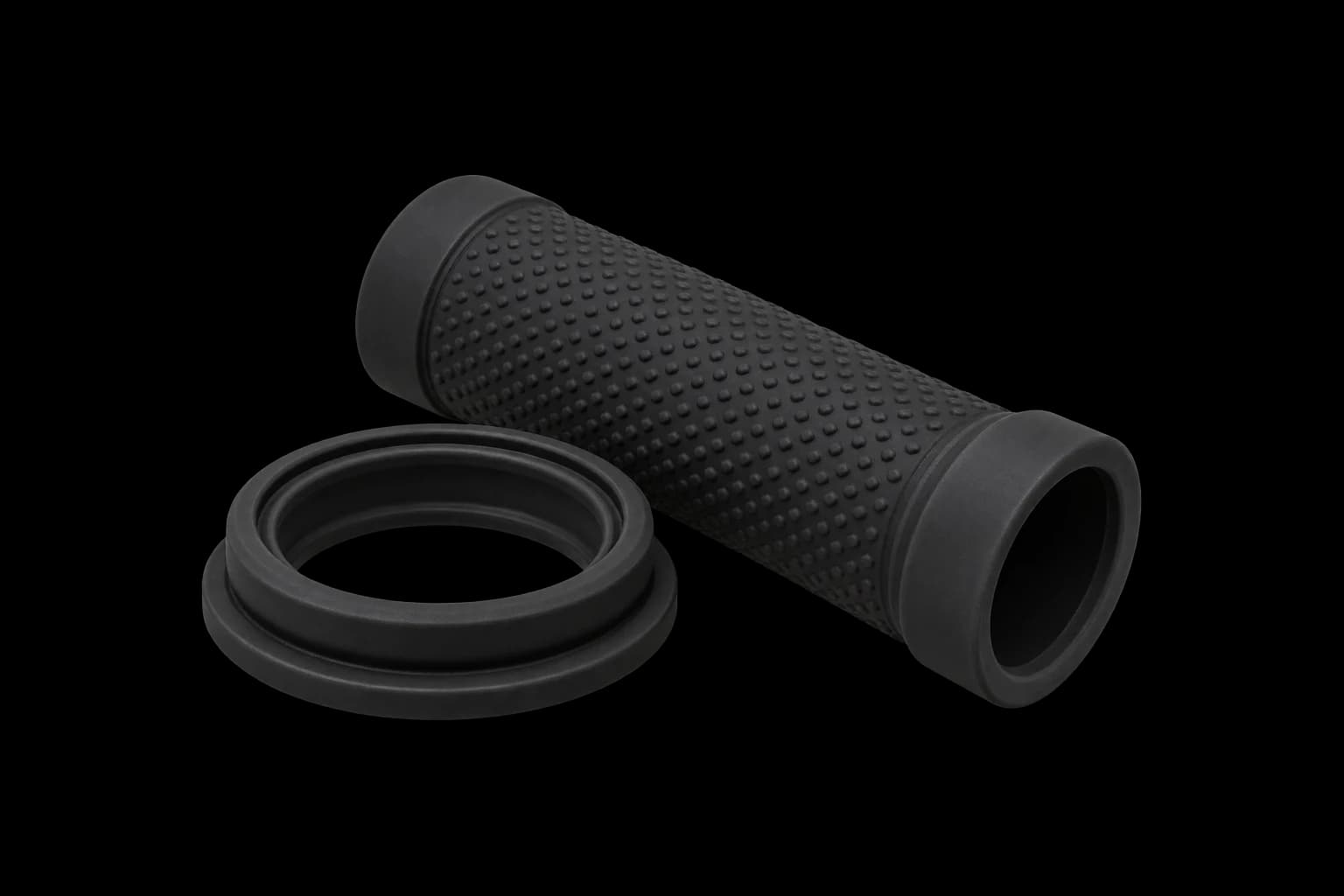
VeroClear is manufactured using PolyJet 3D printing on Stratasys Connex systems, which jet microscopic droplets of photopolymer and cure each layer with UV light. Parts come off the printer with exceptional surface smoothness, ready to handle with no post-curing and minimal post-processing. VeroClear prints alongside rubber-like Agilus30 or high-impact Rigur in a single build, creating clear windows, overmolded parts, soft-touch surfaces and living hinges without assembly.
Upload CAD files to Forge Labs Steam for VeroClear quotes and live manufacturability feedback, and fix issues before production.
Upload CAD files to Forge Labs Steam for VeroClear quotes and live manufacturability feedback, and fix issues before production.
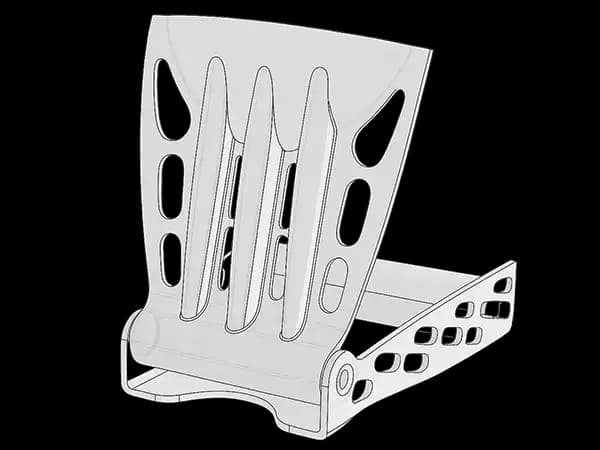
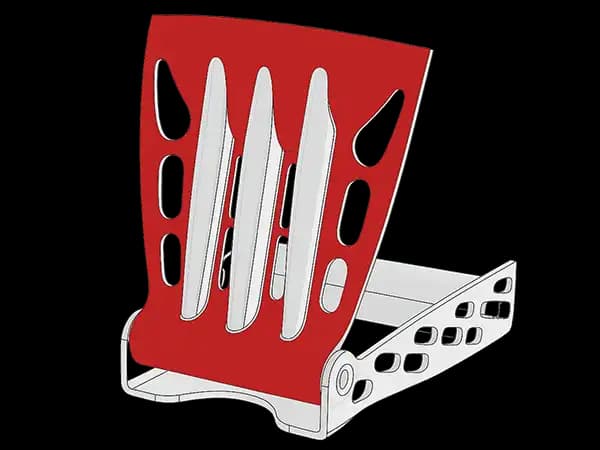
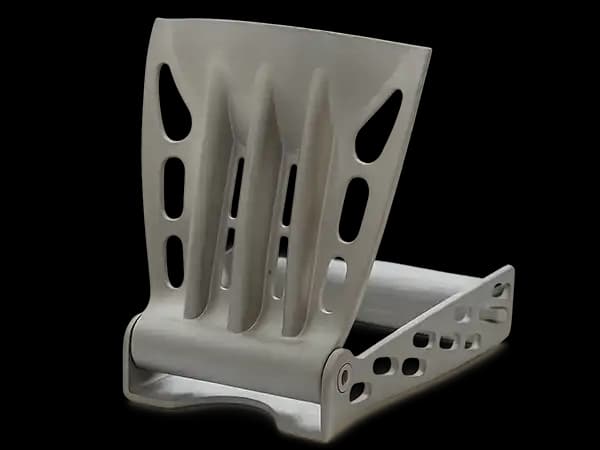
VeroClear lets teams see inside their designs. This rigid photopolymer enables see-through prototypes for design validation, light transmission studies, and visual verification of internal mechanisms.
The material achieves near-transparency with proper post-processing, making it ideal for optical prototypes and display models. Combined with support material removal and polishing, VeroClear parts reach the clarity presentation models need, and photobleaching cuts the as-printed tint by about 70% in six hours.
Forge Labs' Connex PolyJet printer ensures consistent transparency and surface quality across builds. Our finishing services, including sanding, polishing and clear coating, transform VeroClear parts into exhibition-quality transparent models.
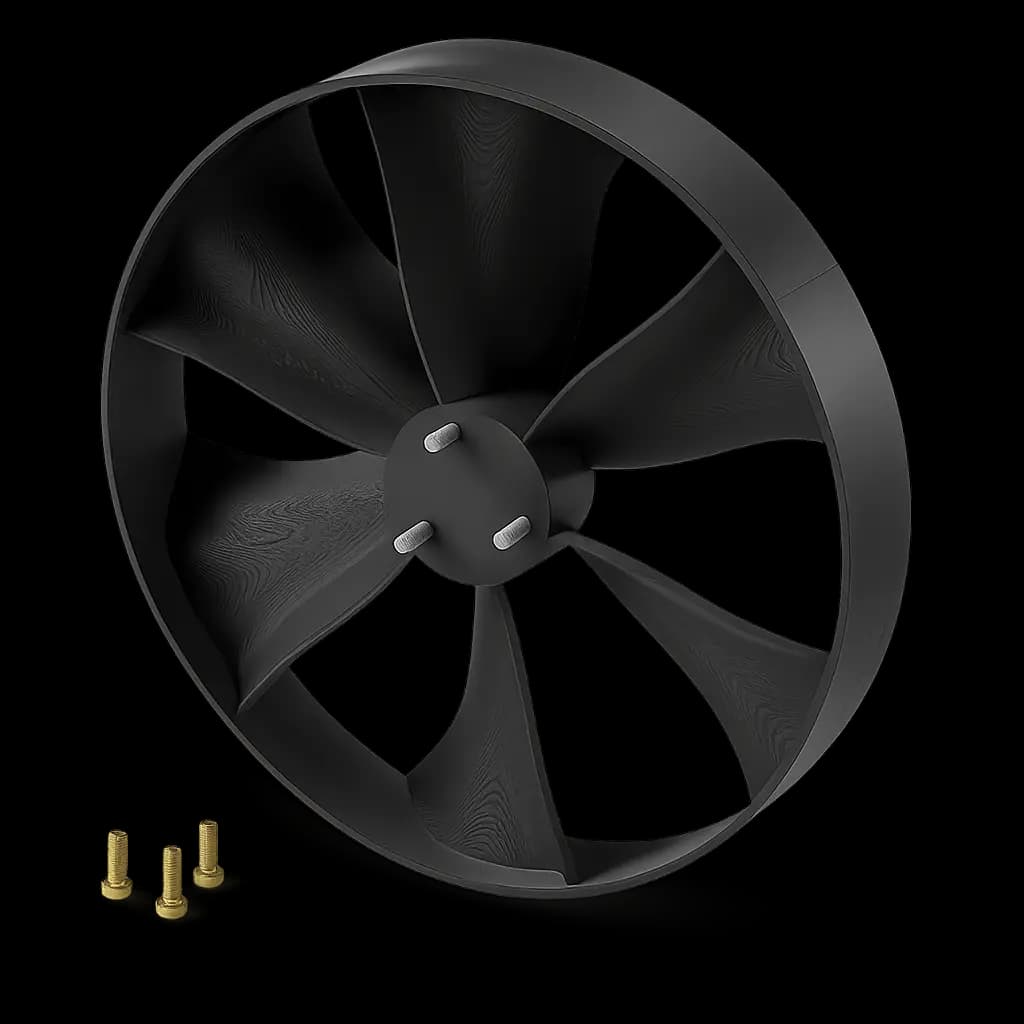
From rapid prototyping to short-run tooling such as clear casting molds, teams rely on VeroClear to maintain tight tolerances while reducing assembly complexity through consolidated, multi-material part designs. Robotics teams pair VeroClear sensor covers with thin Agilus30 gaskets, or co-print rigid VeroClear and flexible Agilus30 in one part.
Marine & Subsea
Clear casting molds that show resin flow, at 36% less cost and 2 days instead of 14 against machined aluminum.
Museums & Exhibits
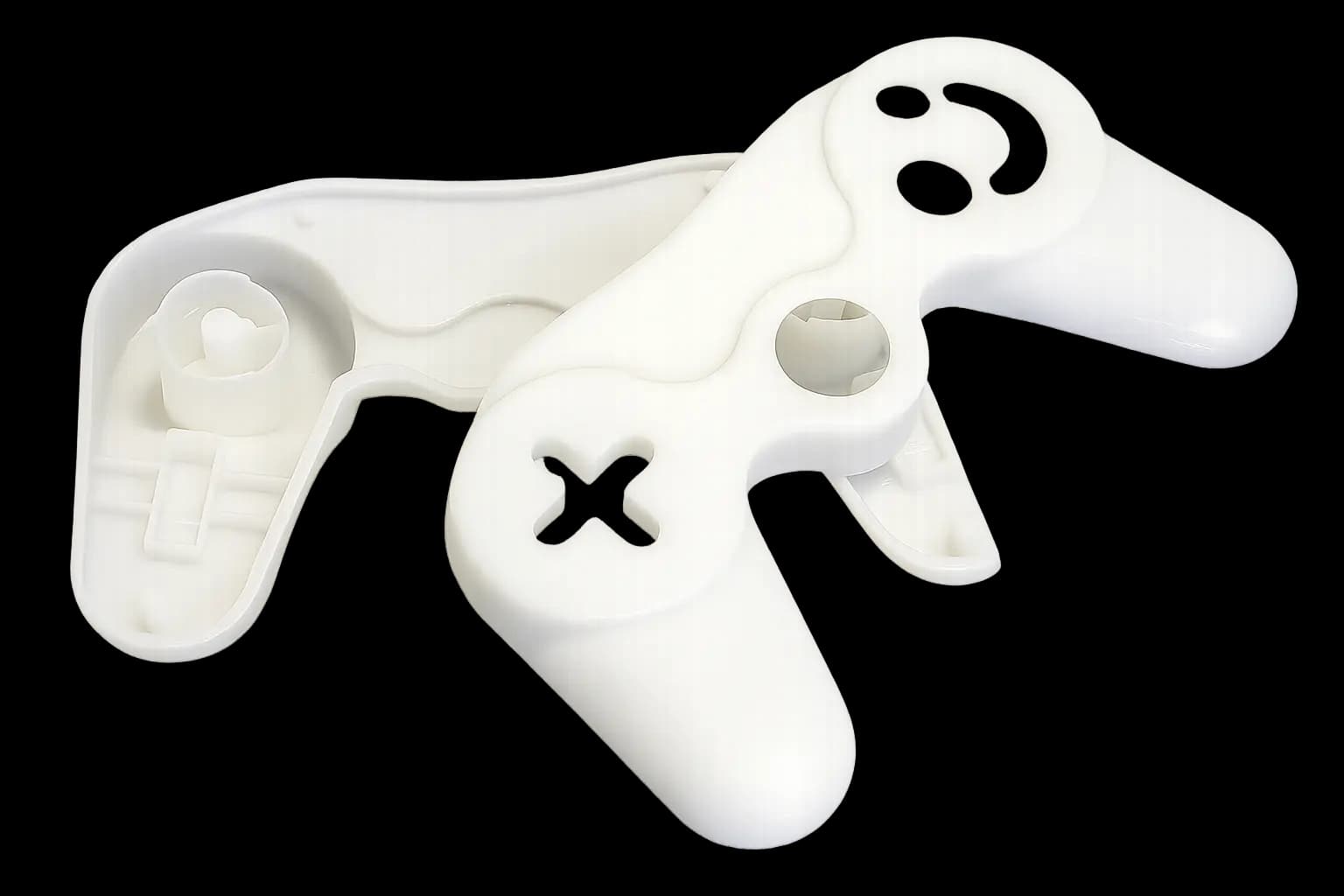
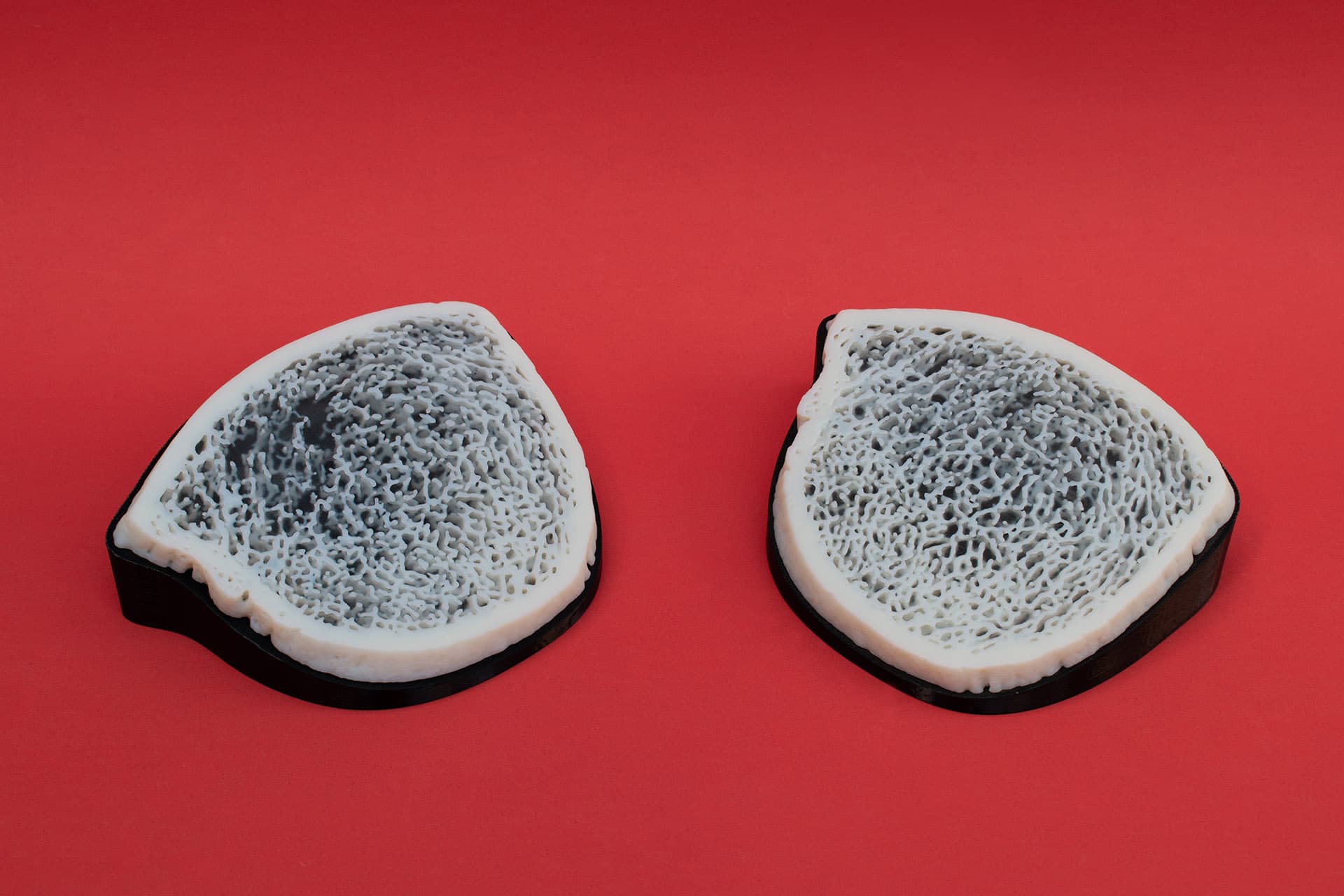
Bone-scan exhibit models printed in a clear matrix in one build, with 1 mm of texture left to touch.
Medical & Healthcare
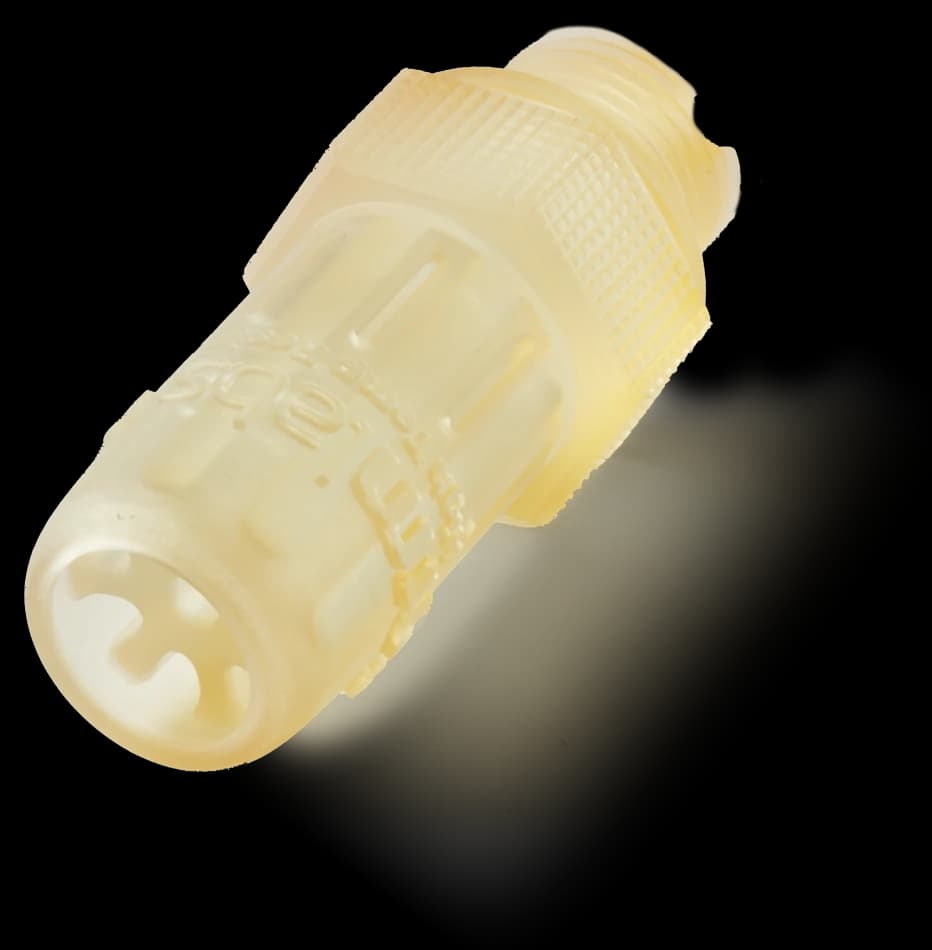
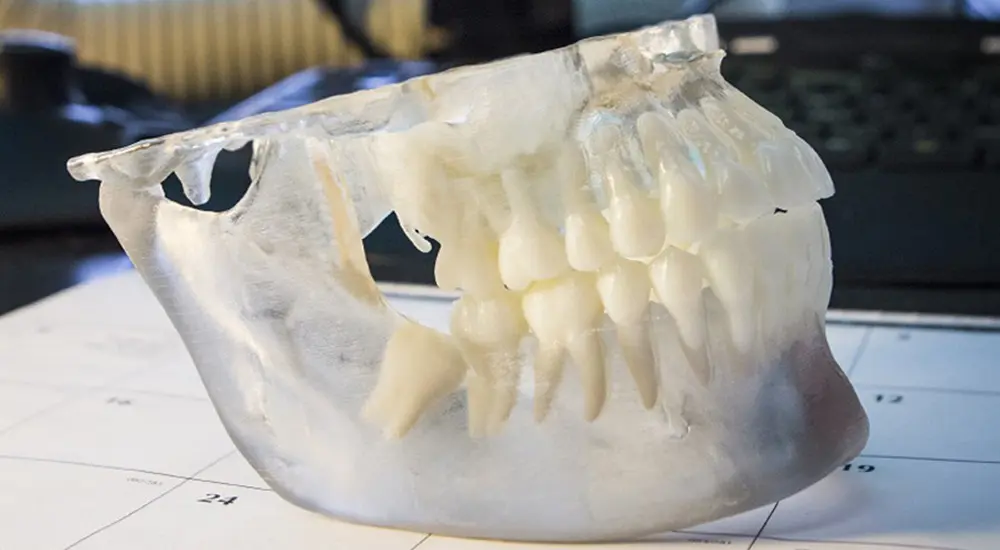
Clear anatomical, patient-education and device models that show internal structures and fluid paths.
Product Design
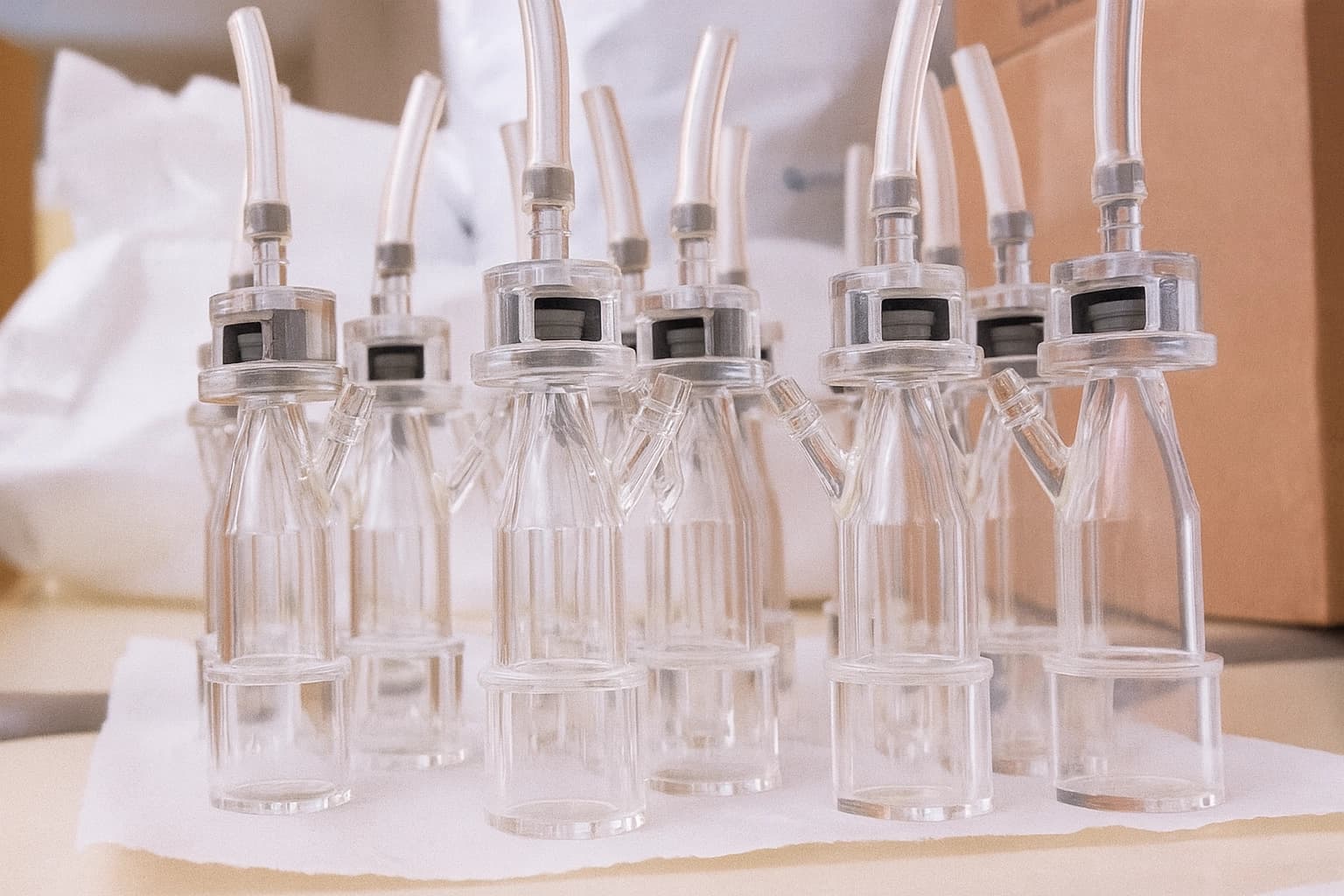
Clear housing, bottle and light-pipe prototypes that settle look and fit before tooling.
Marine & Subsea
Subsea engineering teams use VeroClear for cold-casting molds, such as antenna housing molds for autonomous underwater vehicles. Casters watch resin flow and spot trapped air through the clear walls as the mold fills, and a design change means a reprint rather than remachining. Against CNC-machined aluminum, one subsea vehicle builder paid 36% less per mold, $3,200 instead of $5,000, received it in 2 days instead of 14, and printed a second iteration after the first revealed a design issue.
Museums & Exhibits
Exhibit designers combine VeroClear with other PolyJet materials to make models visitors can handle. For a long-term space-health exhibit, bone-density scans were printed as rigid bone inside a clear VeroClear matrix in a single build, leaving exactly 1 mm of bone texture exposed so visitors feel the real structure without breaking its fine features.
Medical & Healthcare
Medical device developers and educators use VeroClear for transparent anatomical teaching and patient-education models, surgical planning models and see-through device housings. Its clarity shows internal structures and fluid flow paths, and blending it with opaque PolyJet materials keeps teeth, bone or components visible inside the clear form. VeroClear suits form and fit testing of see-through medical devices, so teams check clear housings quickly before choosing a patient-contact material.
Product Design
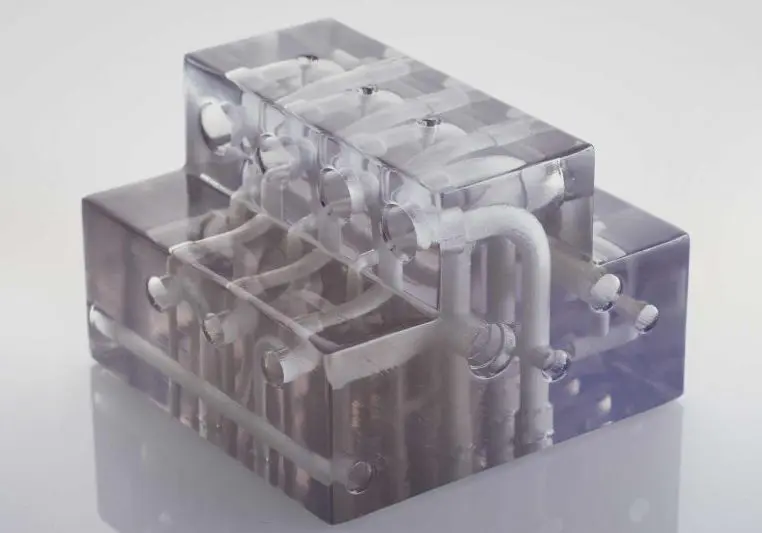
Product designers use VeroClear for packaging concepts, perfume bottle prototypes, clear housings, lenses, light guides and decorative lighting models. Automotive teams use it for taillight lens, interior lighting and light-pipe prototypes in early-stage optical and fit evaluation. Internal channels print in an opaque color or around soluble support, so manifolds show their flow paths through solid clear walls. Teams sign off the look and fit of clear parts before committing to tooling.
Values from the Stratasys VeroClear (RGD810) datasheet, tested to the standard listed with each property.
Mechanical performance
VeroClear delivers dependable strength and stiffness for concept models, design verification and functional testing of clear parts, from optical prototypes and medical visualization to fluid flow analysis.
Stratasys publishes each value as a range, so design to the low end. The rigid profile holds fine geometry through fit, snap and handling tests.
Material makeup
Consistent density and surface quality keep critical features in tolerance and downstream finishing predictable. Water absorption is measured as weight gain after a 24-hour soak, so it shows how a model behaves when it sits in water or a humid environment.
Stratasys reports hardness on the Shore D and Rockwell M scales, which describe rigid plastics. Ash content is the residue left after burning a sample, measured to USP 281.
Heat performance
VeroClear keeps its shape for room-temperature handling, display and testing, and softens at a lower temperature than engineering thermoplastics. Heat deflection is reported at both loads and sits just below the glass transition temperature, which Stratasys measures by dynamic mechanical analysis (DMA).
For lamp housings, vehicle interiors and other parts that run warm, High Temperature resin or an engineering thermoplastic carries the heat load, while VeroClear handles the visual and fit model.
Compliance
The status comes from the Stratasys REACH statement for its PolyJet materials, so teams can start EU substance reviews from supplier documentation.
For clear parts that need supplier biocompatibility data, USP Class VI Biocompatible ClearVue is the alternative.
Datasheets, design guidance and supplier documentation for VeroClear.
Access the most recent datasheet and supporting documentation maintained by our engineering team.
VeroClear datasheetExplore printable geometry recommendations, wall thickness tips, and finishing playbooks for PolyJet.
View PolyJet design guide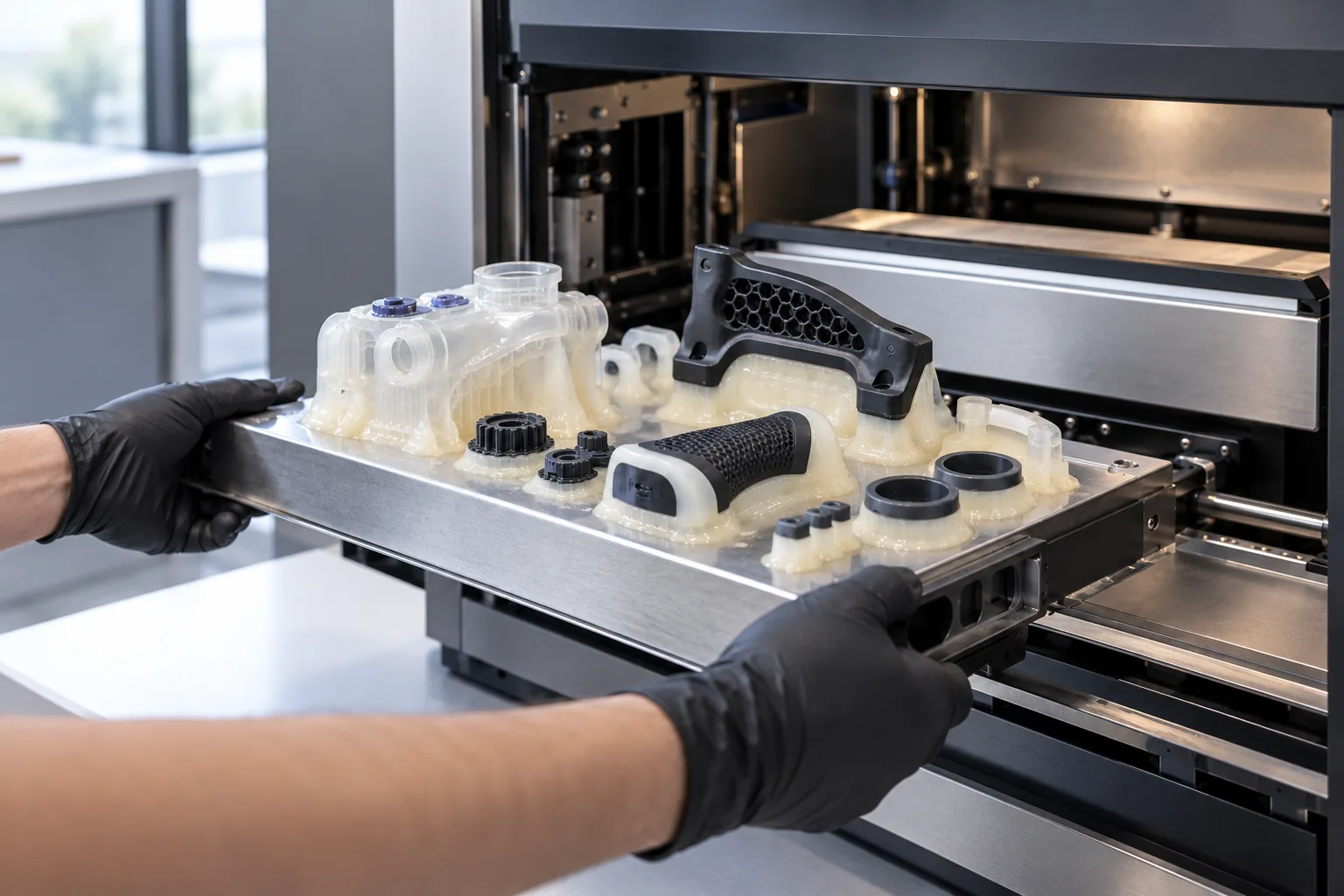
VeroClear is manufactured using advanced PolyJet technology, ensuring optimal material properties and dimensional accuracy.
Can't find the answer you're looking for? Reach out to our customer support team.
Upload your design and get an instant quote for VeroClear parts.
Create an account to upload CAD
STEP, STL, OBJ, 3MF and IGES supported