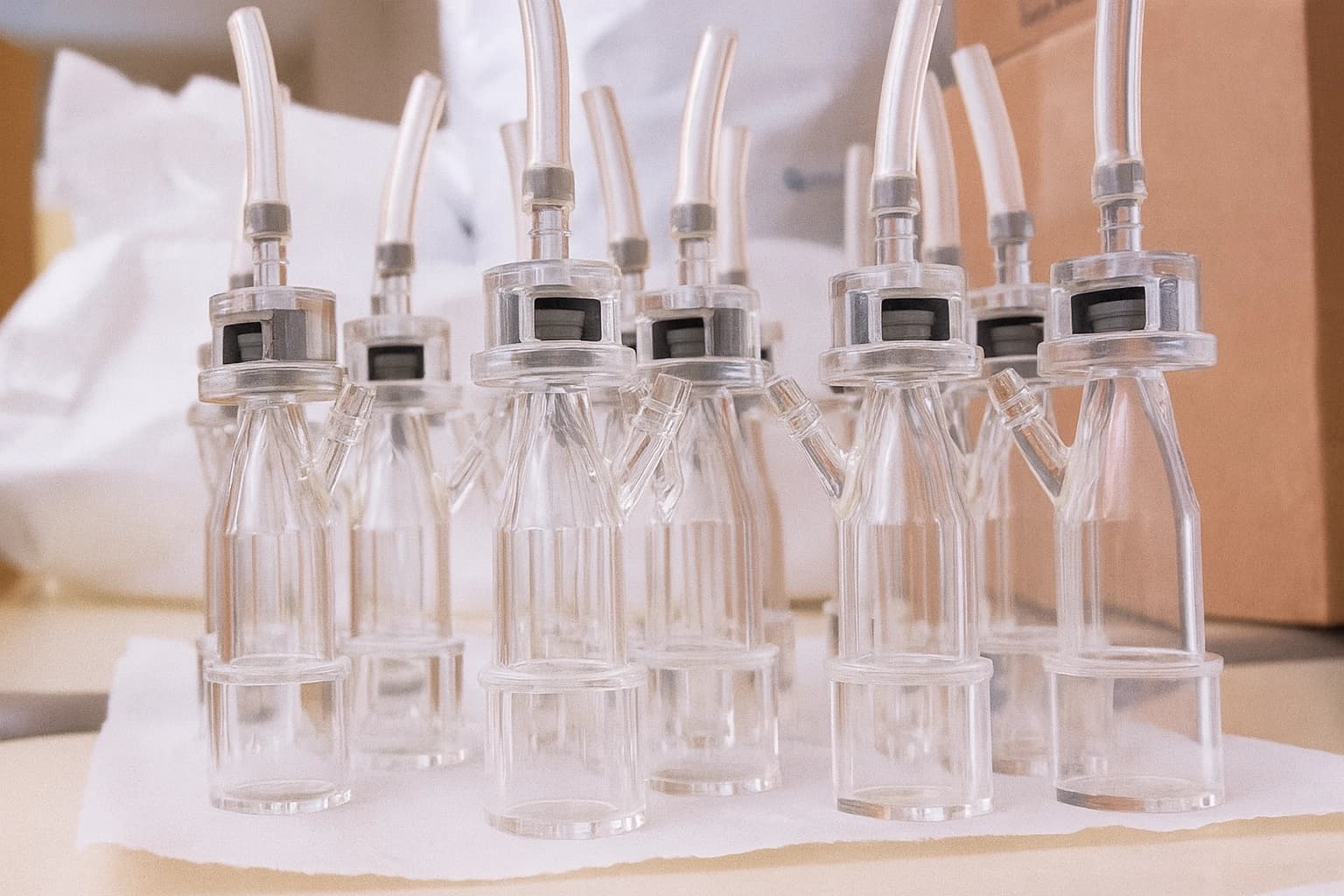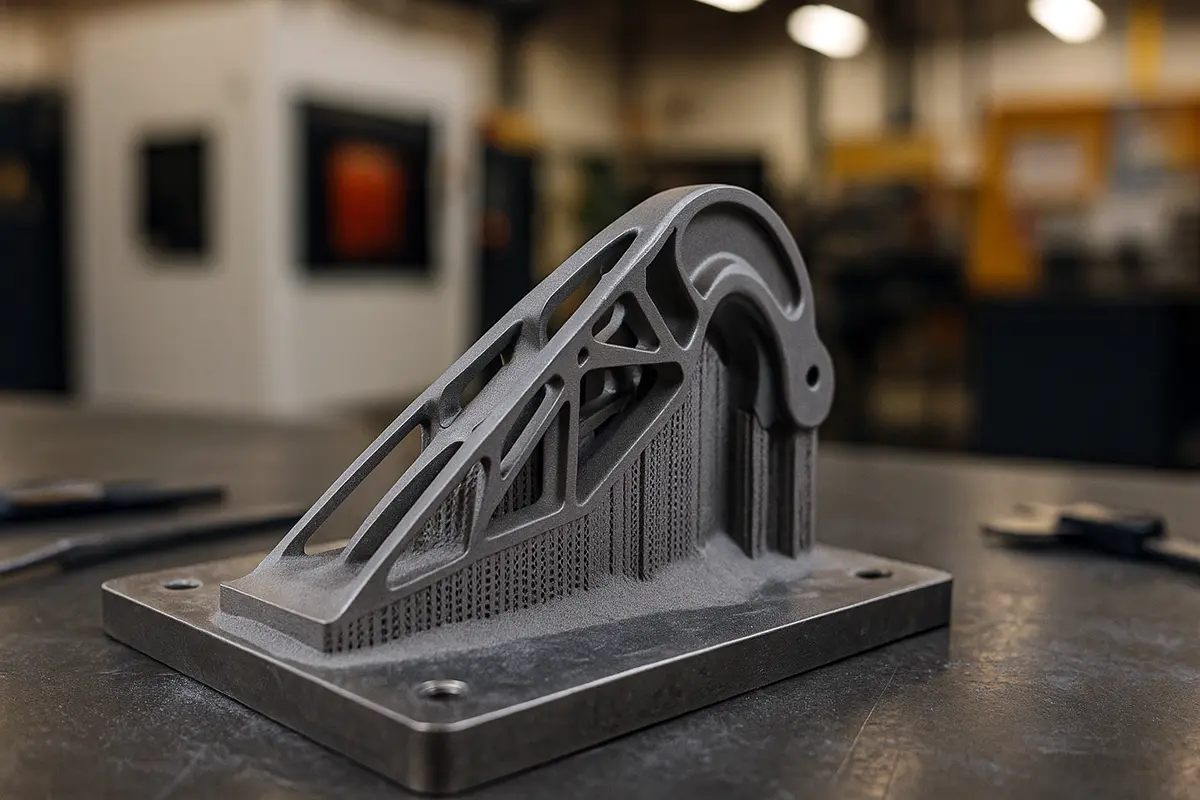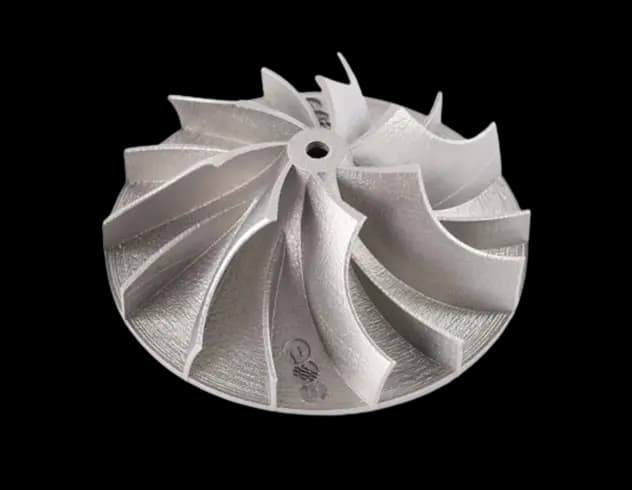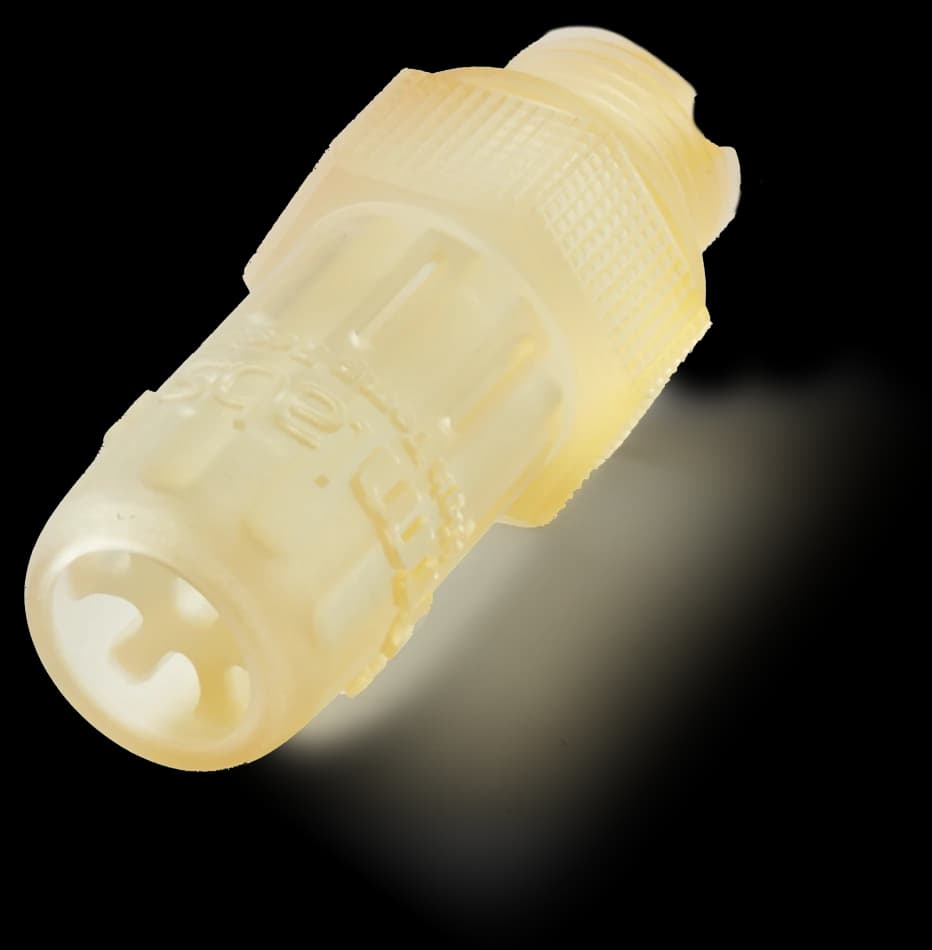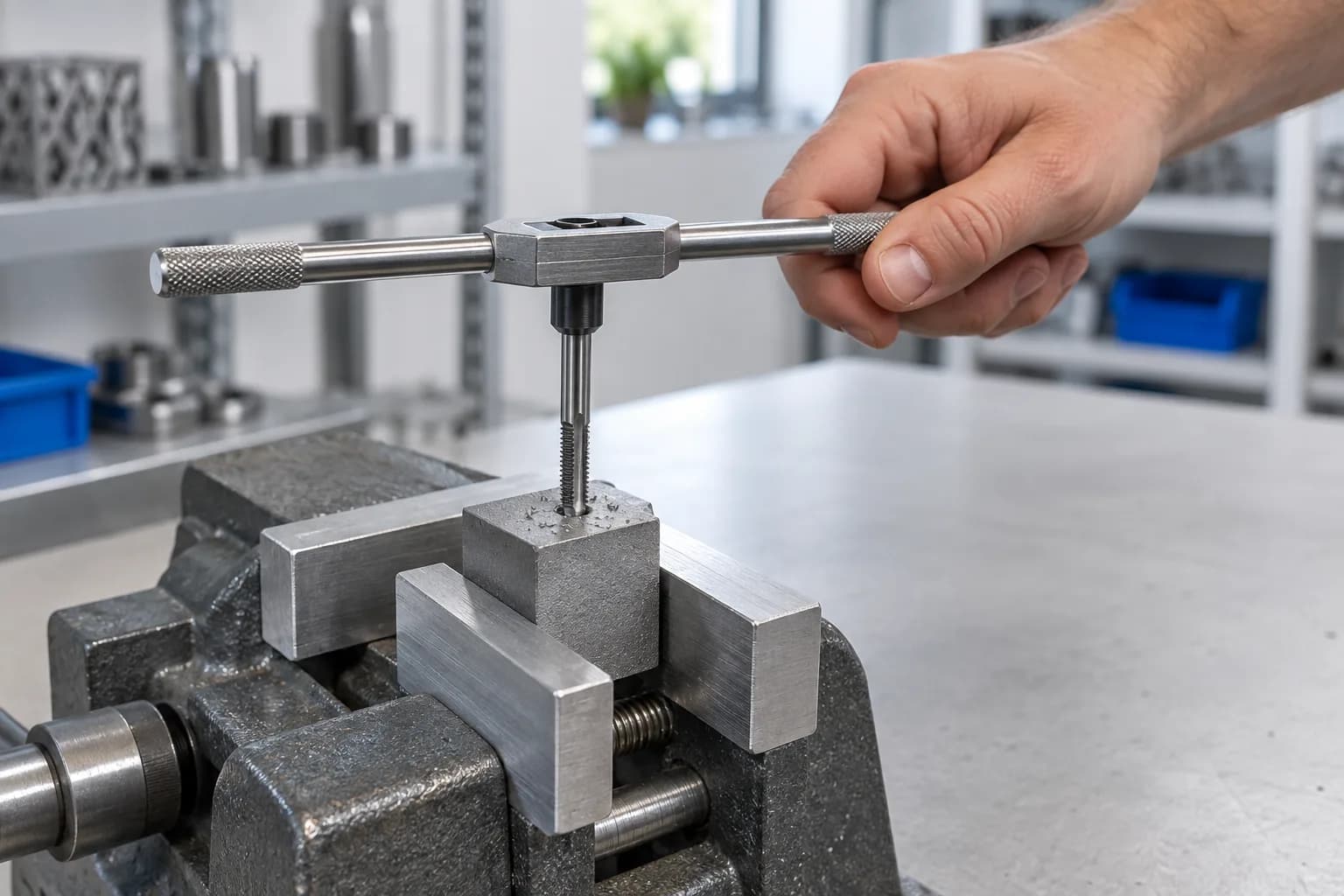
Aerospace
Insulators, Manifolds & High-Temperature Parts
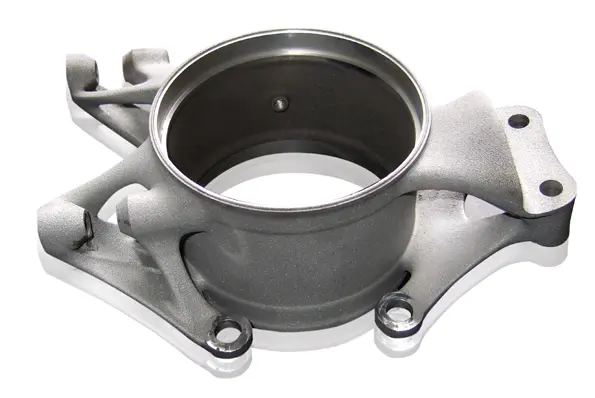
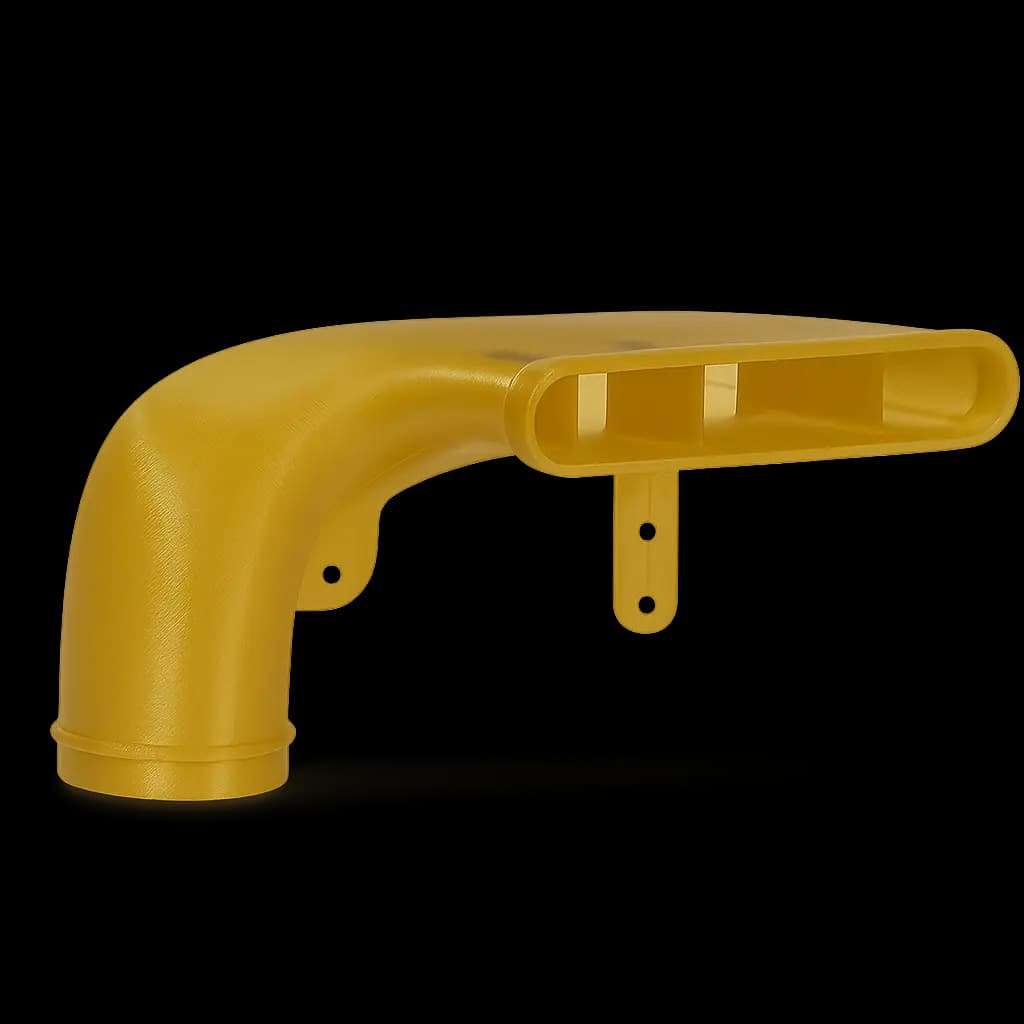
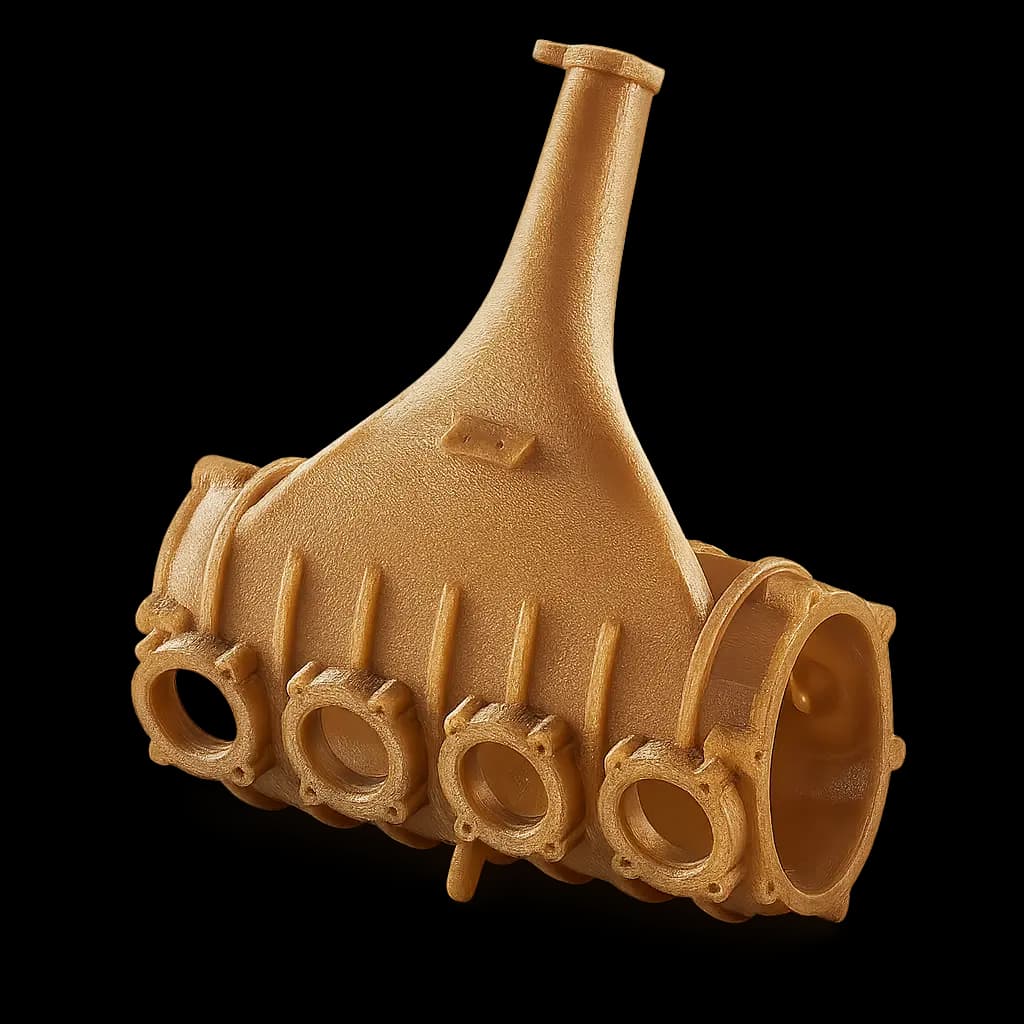
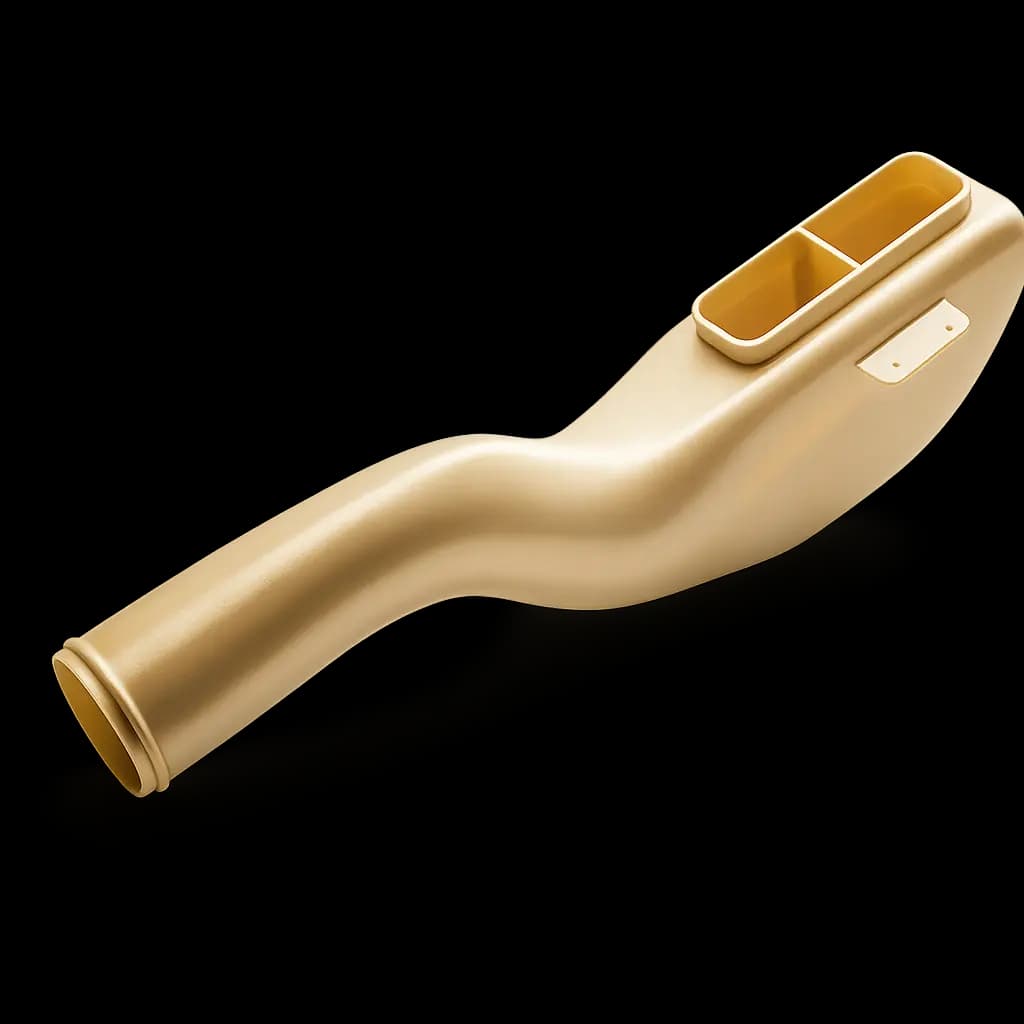
Insulators, manifolds and structural parts with a heat deflection temperature of 160 °C.
CNC machined PEEK is a high-temperature engineering plastic that replaces metal in seals, bearings, insulators and fluid-handling parts. It stays strong and stiff at temperatures that soften most plastics, and it resists steam, hot water, oils, fuels and many harsh chemicals. It weighs far less than metal, barely absorbs water so fits stay true, and runs against steel without lubrication. Aerospace, oil and gas, medical equipment, semiconductor and subsea robotics teams use it for parts that must keep working through heat, pressure and corrosive fluids.
How PEEK is manufactured
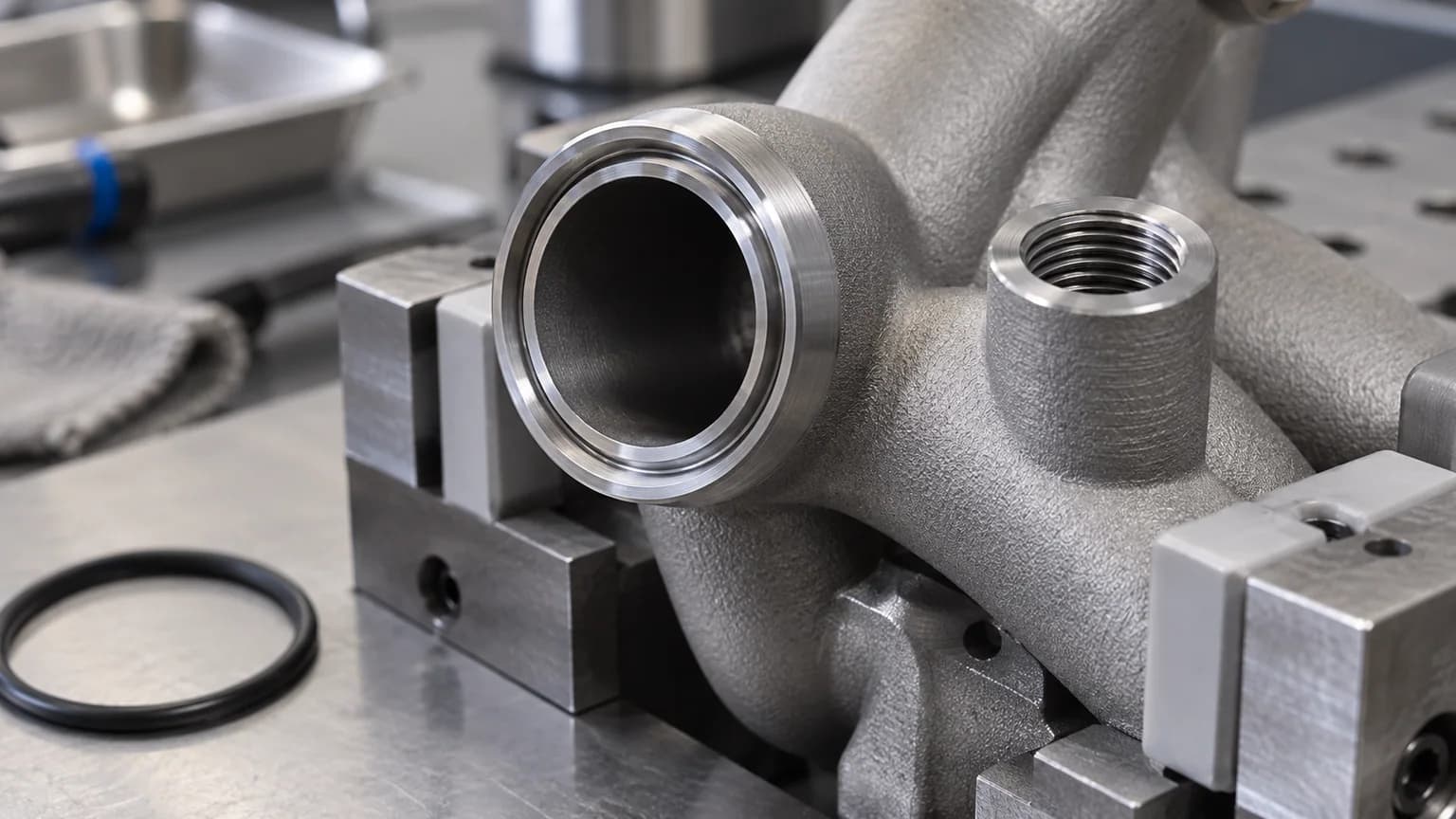
PEEK is manufactured by CNC machining, cutting each part from extruded PEEK rod, plate or tube rather than building it in layers. Multi-axis machining produces precise bores, threads, seal grooves and sealing faces for parts bound for extreme environments, with the properties of the stock running through the whole part. Sharp tooling and cutting parameters set for PEEK manage heat buildup, so features come off the machine clean and accurate, with polishing available wherever a face needs a finer surface.
Upload CAD files and drawings to Forge Labs Steam, and our engineers review PEEK parts for tolerances, tool access and finish so issues are fixed before production.
Upload CAD files and drawings to Forge Labs Steam, and our engineers review PEEK parts for tolerances, tool access and finish so issues are fixed before production.



PEEK is trusted for aerospace, medical and oil and gas programs that need excellent thermal and chemical resistance where uptime matters. It combines a high strength-to-weight ratio for an engineering plastic with useful strength and stiffness at temperatures that soften most plastics, so it replaces metal in seals, bearings and fluid-handling hardware and insulates parts that must keep working in demanding environments.
From rapid prototyping to production runs, teams rely on PEEK to hold tight tolerances. Low-stress extruded stock keeps machined features true, and with no moulds or minimum order quantities, one prototype and a production batch start from the same CAD file.
High resistivity and dielectric strength make it a natural choice for electrical insulators and semiconductor equipment hardware, while low dry friction and wear against steel let bushings and thrust washers run without lubrication.
Aerospace
Insulators, manifolds and structural parts with a heat deflection temperature of 160 °C.
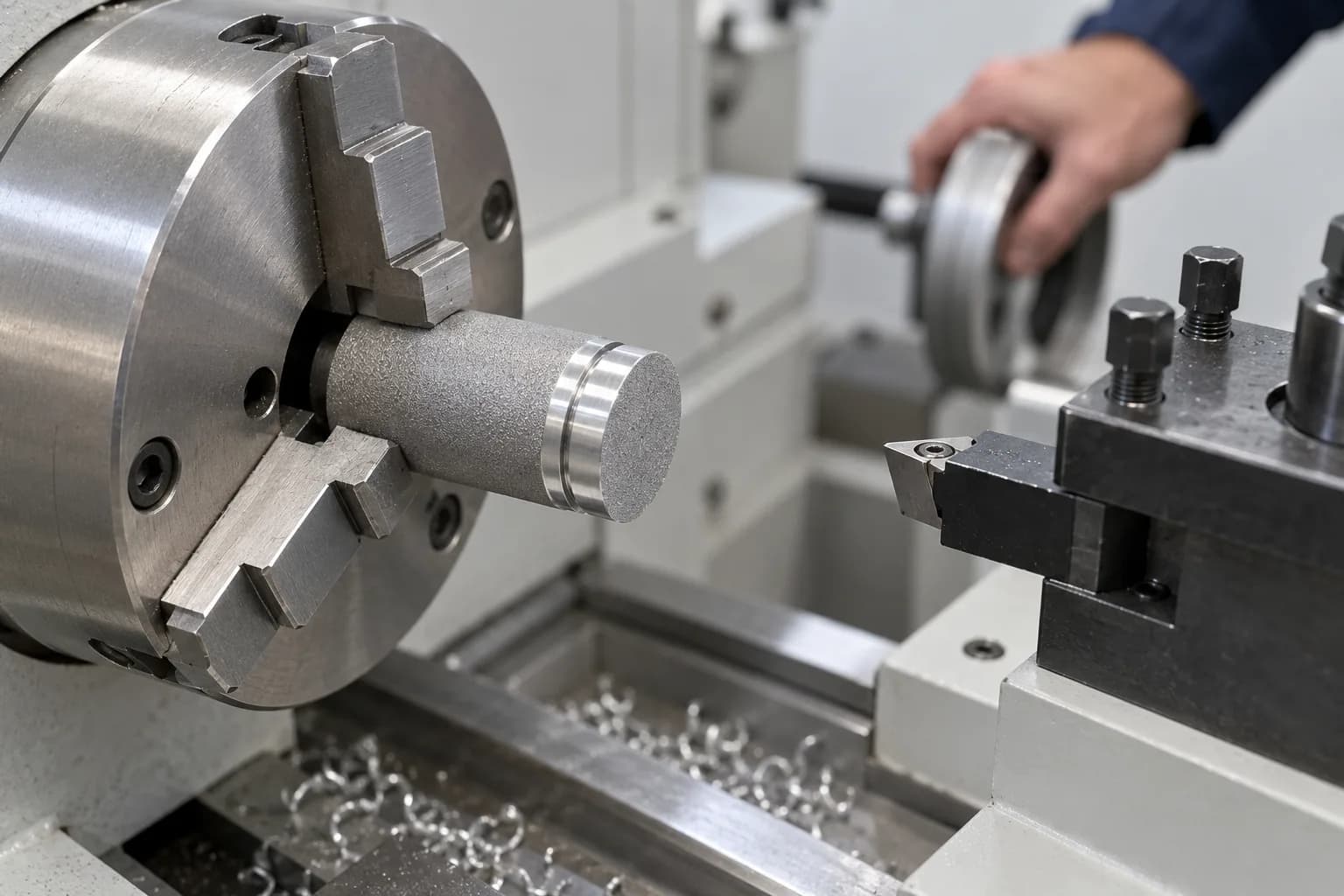
Oil, Gas & Energy
Pump wear parts, valve seats and seals for corrosive media under heat and pressure.
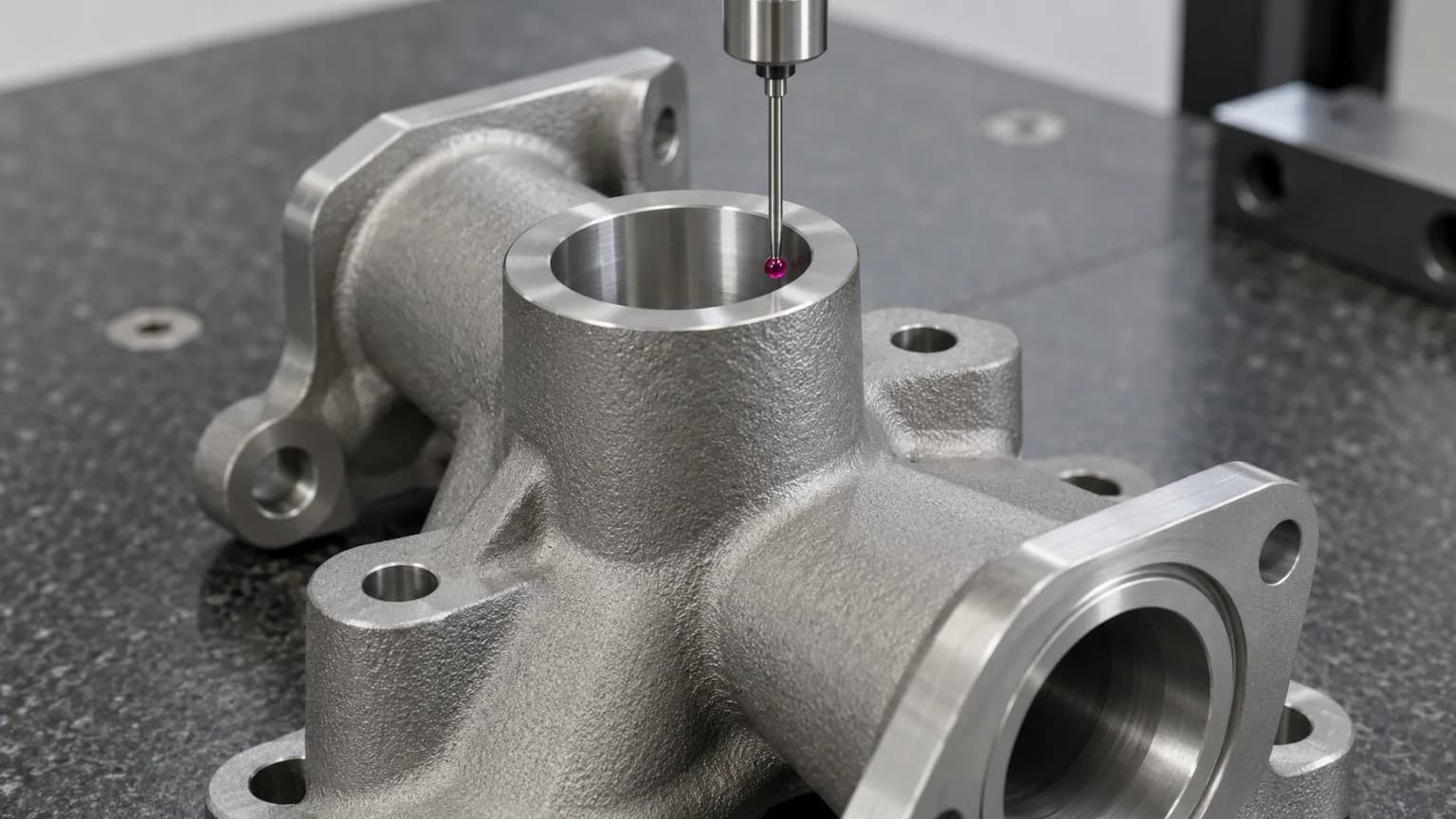
Medical Devices
Sterilizable fixtures, holders and trays in a steam-resistant engineering plastic.
Robotics
Thruster, bearing and seal parts that stay true through long immersion in sea water.
Aerospace
Aerospace programs machine PEEK into electrical and thermal insulators, manifolds, bushings and structural parts that sit in thermal extremes. It resists deflection up to 160 °C under a 1.8 MPa load and is a lighter alternative to metal components.
Oil, Gas & Energy
Power generation, process and oilfield equipment makers machine PEEK into pump and compressor wear parts, valve seats, seals, back-up rings and downhole tool components that face corrosive media under heat and pressure. MCAM's extruded Ketron 1000 PEEK shapes are NORSOK M-710 certified for oil, gas and subsea sealing, seat and back-up parts.
Medical Devices
Medical device teams machine PEEK into sterilizable fixtures, instrument holders, trays and test hardware that work outside the patient-contact path. PEEK resists steam up to 200 °C.
Robotics
Subsea vehicle and field robotics teams machine PEEK into thruster cowlings, bearings, seals, sensor protectors and connectors. It absorbs only 0.5% water at saturation and sea water does not attack it, so bearing fits and seal grooves stay true through long immersion.
Values from the MCAM Ketron 1000 PEEK stock-shape datasheet, tested to the standard listed with each property.
Mechanical performance
PEEK delivers dependable strength, stiffness and toughness, handling demanding load conditions while its balanced mechanical profile prevents brittleness in critical applications. It suits downhole tool components, seals and instrument parts that need long-term durability in harsh service.
MCAM reports tensile strength at yield, and the wide gap between elongation at yield and at break shows how far the material stretches before it fails. Unnotched samples do not break, while notched values are far lower, so generous internal radii at corners and thread roots keep the full toughness of the material in machined parts.
Material makeup
Low density keeps PEEK parts light, and very low moisture absorption keeps them on size in humid or wet service. Consistent density keeps downstream finishing predictable, so assemblies fit without secondary rework.
Friction, wear rate and limiting PV come from dry bearing tests against steel. Use them to size unlubricated bearing parts; the PV limit already includes MCAM's safety factor.
Heat performance
PEEK withstands repeated thermal cycling, which suits aerospace, medical and oil and gas parts mounted near heat sources. Heat deflection shows the short-term limit under load. The continuous service temperature is a long-term ageing limit in air, after which about half the room-temperature tensile strength remains, and strength falls steadily as temperature rises, so size loaded parts from strength at operating temperature.
Expansion climbs steeply in the top temperature band as PEEK passes its glass transition, so check clearances against metal parts at operating temperature. The oxygen index shows that PEEK needs far more oxygen than air contains to keep burning.
Functional performance
PEEK is an electrical insulator, neither conductive nor static dissipative, which suits connector bodies and instrumentation housings in integrated electrical systems.
Volume resistivity describes insulation through the part and surface resistivity across its faces. The dielectric constant and dissipation factor are measured at 1 MHz and help evaluate dielectric losses in signal-sensitive or high-frequency use.
Compatibility data
Victrex immersed unfilled PEEK test bars for at least seven days at 23, 100 and 200 °C. PEEK resists hot water, strong alkalis, oils and hydraulic fluids up to 200 °C, and fuels, ketones and chlorinated solvents at room temperature, while concentrated sulfuric and nitric acid, chlorine and phenol attack it.
These are PEEK polymer screening data, and MCAM's category ratings for Ketron 1000 PEEK agree with them. MCAM rates continuous sunlight as limited, so protect outdoor parts from UV. Confirm chemical ratings with application-specific testing before production release.
Compliance
MCAM lists natural Ketron 1000 PEEK as compliant with FDA 21 CFR 177 food-contact regulations; other colours can carry different approvals. The NORSOK M-710 certification covers MCAM's extruded Ketron 1000 PEEK stock shapes, and programs qualify finished parts from that supplier data.
MCAM estimates a UL 94 V-0 rating at 3 mm from raw-material data, as stock shapes have no UL file number. Ketron 1000 PEEK has no biocompatibility data, so medical parts with body contact need a life-science PEEK grade, such as one pre-assessed to ISO 10993 and USP Class VI for contact under 24 hours.
Datasheets, design guidance and supplier documentation for PEEK.
Access the most recent datasheet and supporting documentation maintained by our engineering team.
PEEK datasheetTolerance, wall thickness and finishing guidance for machined parts.
View machining guidance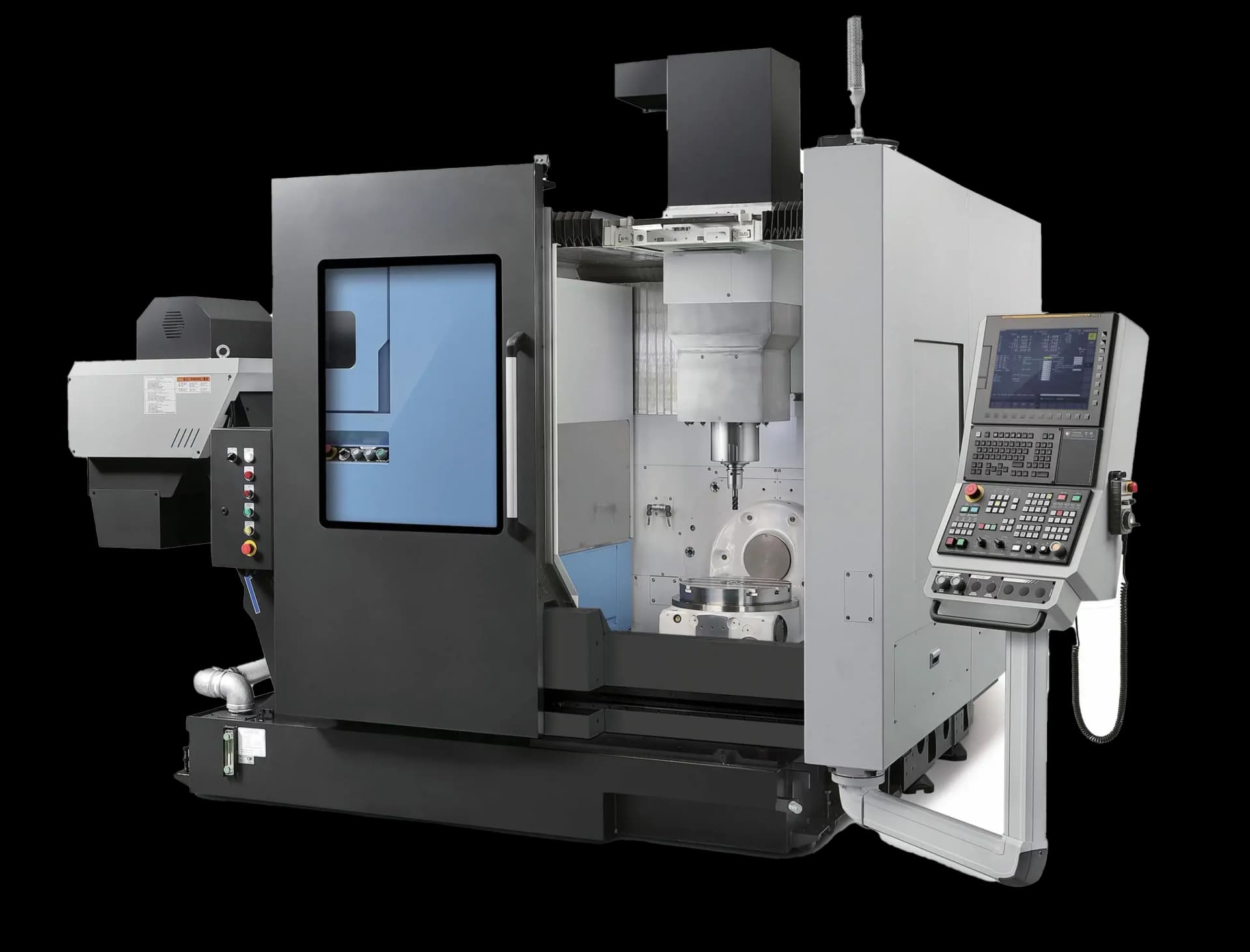
PEEK is manufactured using advanced CNC machining technology, ensuring optimal material properties and dimensional accuracy.
Can't find the answer you're looking for? Reach out to our customer support team.
Upload your design and get a quote for PEEK parts from our engineers.
Create an account to upload CAD
STEP, STL, OBJ, 3MF and IGES supported